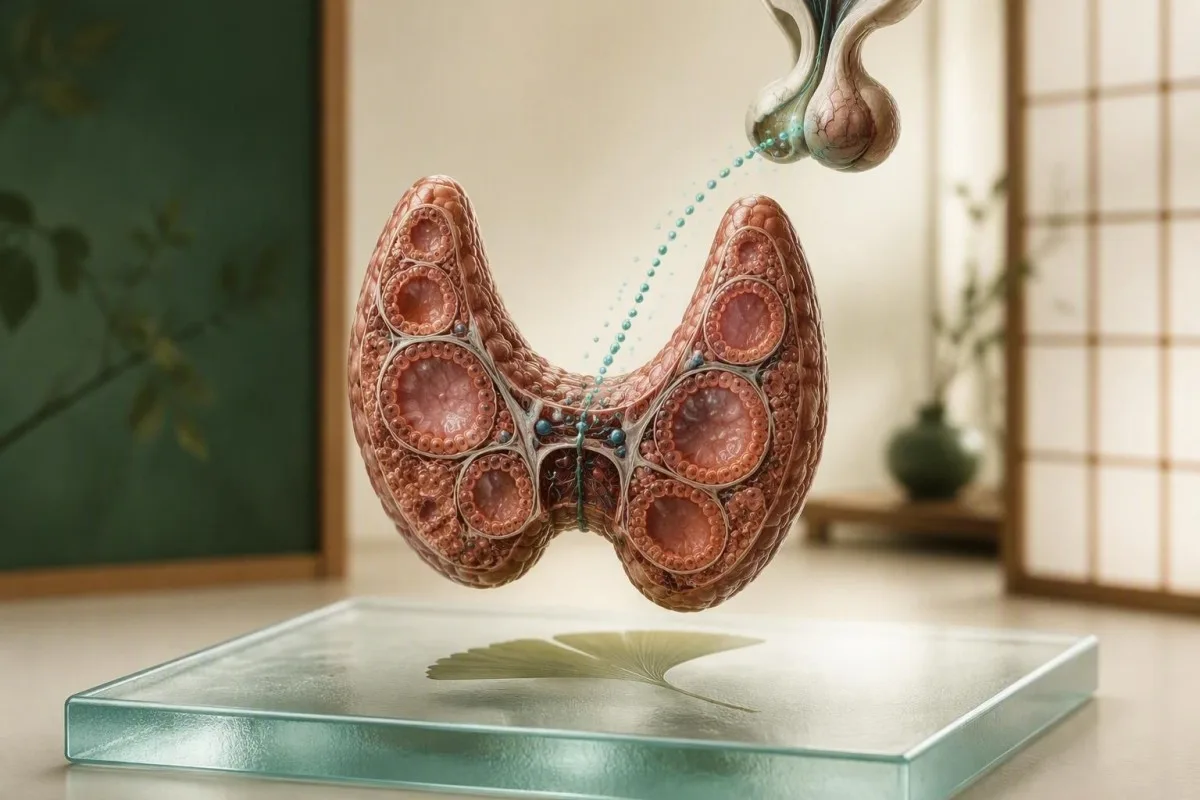
A mildly raised TSH with normal free T4 usually merits confirmation in 2–3 months, not immediate treatment. Treatment is most often appropriate when TSH persists at 10 mIU/L or higher, or sooner with pregnancy, thyroid antibodies, symptoms, or selected cardiovascular risks.


- Definition: Subclinical hypothyroidism means TSH is above the laboratory range while free T4 remains normal.
- Repeat testing: Recheck TSH and free T4 after 2–3 months when TSH is below 10 mIU/L and there is no pregnancy.
- Treatment threshold: Persistent TSH of 10 mIU/L or higher usually supports levothyroxine treatment in non-pregnant adults.
- TPO antibodies: Positive thyroid peroxidase antibodies make future overt hypothyroidism more likely.
- Symptoms: Fatigue, constipation, dry skin, and low mood are nonspecific; symptoms alone cannot confirm thyroid dysfunction.
- Pregnancy: Pregnancy and attempts to conceive lower the threshold for specialist-led action, particularly with positive TPO antibodies.
- Older adults: A slightly high TSH can be age-related after age 65–70, and overtreatment can trigger atrial fibrillation or bone loss.
- Starting dose: Adults treated for mild disease commonly begin levothyroxine at 25–50 micrograms daily, with TSH checked after 6–8 weeks.
What a Mildly Elevated TSH With Normal Free T4 Means
Subclinical hypothyroidism means thyroid-stimulating hormone (TSH) is elevated while free thyroxine (free T4) is still within that laboratory's reference interval. In practical terms, the pituitary is asking the thyroid to work harder, but circulating thyroid hormone has not fallen below range.
Most laboratories use a TSH reference interval near 0.4–4.0 mIU/L, although the upper boundary varies from roughly 4.0 to 5.0 mIU/L by assay and population. A TSH of 5.2 mIU/L and normal free T4 is different from overt hypothyroidism, where free T4 is low. Thyroid test abbreviations can make the report less mysterious.
Kantesti is an AI blood test analyzer that reads TSH, free T4, medicines, age, and prior results together rather than treating one flagged number as a diagnosis. When I, Dr. Thomas Klein, review a new TSH of 5–7 mIU/L, my first question is usually whether the person was recently unwell, postpartum, sleep-deprived, or taking a supplement that can distort an assay.
The term "subclinical" does not mean imaginary or harmless; it means the biochemical change precedes a low free T4. Around 60% of mild elevations can normalize over 5 years, especially when TSH is below 10 mIU/L and thyroid antibodies are absent, so one result should rarely force a lifelong prescription.
TSH Bands That Usually Change the Decision
TSH below 10 mIU/L generally calls for confirmation and risk assessment, whereas persistent TSH of 10 mIU/L or higher usually favors treatment. The cutoff exists because progression to overt disease and adverse lipid effects become more likely as TSH rises.
A TSH result must be read against the reporting laboratory's own interval, not a screenshot from another country. Free T4 is commonly reported around 10–23 pmol/L or 0.8–1.8 ng/dL, but assay-specific ranges matter. Our biomarker reference guide helps identify the unit before a result is compared.
The 4–10 mIU/L band is a broad clinical middle ground. A value of 9.6 mIU/L with positive antibodies, rising LDL cholesterol, and repeated fatigue is not equivalent to 4.3 mIU/L found once after influenza; the trajectory has more clinical value than the decimal point.
TSH above 20 mIU/L with a normal free T4 is uncommon and deserves prompt clinician review, assay confirmation, and medication reconciliation. This pattern can still be subclinical on paper, but it has a higher likelihood of becoming overt hypothyroidism.
Why Repeat Testing Comes Before a Treatment Decision
Repeat TSH and free T4 in about 2–3 months for most non-pregnant adults with TSH below 10 mIU/L. A transient TSH rise after illness, strenuous training, recovery from thyroiditis, or medication changes is common enough to make immediate labeling unhelpful.
TSH has a circadian rhythm: concentrations are generally higher overnight and lower later in the day. Using the same laboratory and broadly similar morning timing reduces noise when comparing a borderline value. A blood test timeline should record acute illness, exercise, supplements, and medication changes before the next draw.
Biotin is a frequent source of confusion, although it more often causes falsely low TSH and high free T4 in susceptible immunoassays. High-dose biotin products of 5–10 mg daily can interfere; asking the laboratory or clinician how long to pause it is safer than guessing.
In clinic, I have seen a TSH of 7.8 mIU/L fall to 3.1 mIU/L after recovery from pneumonia without thyroid treatment. The result was not "wrong"—it reflected a recovering hypothalamic-pituitary-thyroid axis at that moment.
Temporary Causes That Can Mimic Early Thyroid Failure
Acute illness, recent hospitalization, thyroid inflammation, iodine exposure, and several medicines can temporarily alter TSH. These causes should be considered before assuming permanent autoimmune hypothyroidism.
During severe illness, free T3 commonly falls first, and TSH may be low, normal, or briefly elevated during recovery. This is why thyroid tests drawn in hospital can be misleading outside an urgent endocrine question; see our explanation of low T3 during illness.
Lithium, amiodarone, interferon-alpha, immune checkpoint therapies, and excess iodine can change thyroid function. Lithium deserves special attention because it can raise TSH and increase thyroid size; a practical lithium monitoring guide includes kidney and calcium checks that matter alongside thyroid results.
Subacute thyroiditis often causes a high-hormone phase followed by a short hypothyroid phase, then recovery over months. Neck tenderness, a preceding viral syndrome, and a rapidly changing TSH pattern point in a different direction from classic Hashimoto's disease.
How Thyroid Antibodies Change Future Risk
Positive thyroid peroxidase antibodies (TPOAb) support autoimmune thyroiditis and increase the chance that mild TSH elevation will persist or progress. TPOAb testing is particularly useful when TSH is 4–10 mIU/L and the decision between monitoring and treatment is uncertain.
TPO antibodies are present in many people who never develop clinically significant hypothyroidism, so a positive result is a risk marker, not a command to medicate. In the Whickham follow-up data, raised TSH plus thyroid antibodies carried a substantially greater long-term risk of overt hypothyroidism than either finding alone; Biondi and Cooper review this distinction in Endocrine Reviews (2018).
Kantesti AI interprets antibody results as an AI biomarker interpretation platform by pairing TPOAb with TSH direction, free T4, age, and pregnancy status. A positive TPOAb with a stable TSH of 4.6 mIU/L may justify annual monitoring, while the same antibody result with TSH rising from 5.1 to 8.8 mIU/L in six months warrants a more active conversation.
Ultrasound is not routinely needed for an isolated abnormal TSH. Consider it when there is a palpable enlargement, asymmetry, nodules, pressure symptoms, or uncertainty about thyroiditis; for antibody interpretation, our article on high TPO antibodies covers the common pitfalls.
Symptoms Matter, But They Are Not a Thyroid Test
Subclinical hypothyroidism symptoms may include tiredness, cold intolerance, constipation, dry skin, low mood, and slower thinking, but none is specific enough to prove causation. The likelihood that symptoms improve with treatment is greatest when the biochemical abnormality is persistent and the symptom pattern is coherent.
Fatigue is the symptom I hear most often, yet iron deficiency, sleep apnea, depression, diabetes, low B12, medicines, and caregiving stress are often more actionable explanations. A focused blood test review for low mood can prevent thyroid treatment from becoming a substitute for proper evaluation.
The 2018 JAMA meta-analysis by Feller et al. included 21 randomized trials and found thyroid hormone therapy did not meaningfully improve general quality of life or thyroid-related symptoms for the average adult with subclinical hypothyroidism. That average conceals individual variation, which is why a time-limited therapeutic trial is occasionally reasonable in carefully selected younger adults.
Keep a 6–8 week symptom log before and after any treatment change: bowel frequency, cold sensitivity, sleep duration, resting pulse, mood, and exercise recovery. A vague sense of "better" can be real, but it is hard to separate from placebo effects without a simple baseline.
When Levothyroxine Treatment Is Usually Reasonable
Persistent TSH of 10 mIU/L or higher is the clearest routine indication for levothyroxine when free T4 is normal. For TSH of 4–10 mIU/L, treatment is individualized around symptoms, TPO antibodies, goiter, rising TSH, lipid profile, and reproductive plans.
NICE guideline NG145 recommends considering levothyroxine for adults under 65 with TSH below 10 mIU/L only after two abnormal results 3 months apart and symptoms consistent with hypothyroidism. That is a sensible guardrail: treating a transient result exposes someone to monitoring and possible overtreatment without clear benefit.
A typical starting dose for uncomplicated mild disease is 25–50 micrograms of levothyroxine daily, taken with water on an empty stomach and separated from iron or calcium by at least 4 hours. TSH should be rechecked 6–8 weeks after starting or changing a dose, not after a few days.
Kantesti's clinical validation approach treats a high TSH as a follow-up trigger rather than an automated diagnosis. This distinction matters because a dose that suppresses TSH below range can cause palpitations, tremor, insomnia, atrial fibrillation, and accelerated bone loss.
Age, Lipids, and Heart Risk Can Shift the Balance
Older adults with a mildly raised TSH often benefit more from monitoring than treatment, while younger adults with rising LDL cholesterol may have a stronger case for a supervised trial. Age-adjusted TSH distributions drift upward, particularly after age 70.
For people aged 65–70 and older, a TSH of 5–7 mIU/L may reflect age-related physiology rather than a failing gland. In my experience, the harm from overshooting replacement—especially atrial fibrillation and fractures—can exceed the uncertain benefit of normalizing a number.
Subclinical hypothyroidism can modestly raise total cholesterol and LDL cholesterol, most consistently when TSH exceeds 10 mIU/L. Before attributing cholesterol entirely to thyroid function, review diet, weight change, diabetes risk, and family history using our guide to LDL that rises despite diet.
Dr. Thomas Klein's practical rule is to avoid a "treat the lab flag" reflex in an 82-year-old with TSH 6.1 mIU/L and no symptoms. Repeat testing in 3–6 months, attention to function and pulse, and a medication review are often the more conservative medical choice.
Pregnancy Plans Need a Lower Threshold for Action
Pregnant people and those trying to conceive need earlier thyroid review because fetal development depends on maternal thyroid hormone, particularly in early pregnancy. A normal non-pregnant TSH range should not be applied casually during pregnancy.
When a local pregnancy-specific interval is unavailable, the 2017 American Thyroid Association guideline uses an upper TSH reference limit of approximately 4.0 mIU/L in pregnancy. It recommends treatment for TPOAb-positive pregnant patients with TSH above the pregnancy range and for TSH above 10 mIU/L, while lower values require individualized discussion (Alexander et al., 2017).
A person planning pregnancy with TSH 4.8 mIU/L and positive TPOAb should not simply wait a year for a routine retest. Speak with the clinician managing fertility or antenatal care promptly; preconception blood testing can also identify rubella and other timing-sensitive issues.
Once levothyroxine is used in pregnancy, TSH is commonly measured about every 4 weeks through mid-pregnancy, then less often if stable. Dose needs can increase early, so do not self-adjust based on a home symptom check alone.
A Practical Monitoring Plan When You Do Not Start Medication
For stable untreated TSH of 4–10 mIU/L, repeat testing every 6–12 months is usually reasonable after initial confirmation. Shorten that interval to 3–6 months when TSH is rising, TPO antibodies are positive, symptoms change, or pregnancy becomes possible.
Monitoring works only if the same core markers are tracked: TSH, free T4, symptoms, pregnancy plans, and relevant medicines. The recommended thyroid testing schedule explains why repeat intervals change after treatment or a dose adjustment.
Bring the actual laboratory PDFs rather than relying on a verbal report. A TSH that reads 6.2, 5.6, and 6.0 mIU/L over 18 months is essentially stable; 4.8, 7.4, and 9.2 mIU/L is a different story even though every value remains "mild."
Call sooner for new neck swelling, progressive constipation, marked slowing, heavy menstrual bleeding, unexpected infertility, or a positive pregnancy test. These symptoms do not prove thyroid failure, but they alter the timing and scope of assessment.
If You Start Treatment, Timing and Absorption Matter
Levothyroxine works best when taken consistently, ideally 30–60 minutes before breakfast or at bedtime at least 3 hours after food. Inconsistent timing can make a stable dose appear ineffective and lead to unnecessary escalation.
Iron, calcium, magnesium, antacids, bile-acid binders, and some fiber supplements can reduce levothyroxine absorption. Separate them by at least 4 hours when possible; this matters particularly for people treating low ferritin or osteoporosis at the same time.
A change between levothyroxine manufacturers or formulations can shift TSH in some patients. Repeat TSH around 6 weeks after a brand change, pregnancy, major weight change, or consistent new interacting medicine; see our guide to TSH after a brand switch.
Do not take an extra tablet to compensate for a missed dose without advice from the prescriber or pharmacist. With a half-life close to 7 days, levothyroxine is forgiving of an occasional missed tablet, but not of repeated erratic dosing.
Food, Iodine, Selenium, and Supplements: The Safer View
There is no food or supplement that reliably replaces levothyroxine when true hypothyroidism is present. Adequate iodine is necessary for thyroid hormone production, but excess iodine can worsen autoimmune thyroid dysfunction.
Adults generally need 150 micrograms of iodine daily, while pregnancy needs 220 micrograms and breastfeeding 290 micrograms in US dietary reference guidance. Seaweed products can contain wildly variable amounts—sometimes several thousand micrograms per serving—so more is not automatically better; our iodine food guide explains the range.
Selenium trials in Hashimoto's disease show modest antibody reductions in some populations, but evidence that selenium prevents hypothyroidism or improves symptoms remains mixed. Avoid routinely exceeding 400 micrograms daily, the adult tolerable upper intake level, because hair loss, brittle nails, gastrointestinal upset, and neuropathy can signal toxicity.
Kantesti is an AI-powered blood test analysis tool used to place nutrition markers beside thyroid results, not to prescribe supplements from TSH alone. Before starting iodine or selenium, review diet, prenatal vitamins, multivitamins, and any thyroid preparation already being used.
How to Prepare for a Useful Thyroid Follow-Up Visit
The most useful thyroid appointment includes your result trend, medication list, supplement doses, symptom timeline, and pregnancy intentions. This information often changes the recommendation more than a single additional blood test.
Kantesti AI can organize repeated TSH and free T4 results into a chronological view, helping patients notice whether a value changed after illness, childbirth, a new medicine, or a formulation switch. Our blood comparison tool is most useful when each result retains its date, units, laboratory range, and relevant context.
Ask four focused questions: Is this persistent? Could a medicine or illness explain it? Do TPO antibodies alter my risk? What specific result or symptom would make us start treatment? This prevents a vague "watch it" plan from becoming no plan at all.
An endocrinology referral is sensible for discordant tests, suspected pituitary disease, a goiter or nodule, pregnancy complexity, or trouble stabilizing TSH despite careful dosing. A normal free T4 with a very high or rapidly changing TSH is one of those situations where context matters more than internet reassurance.
Symptoms That Need Faster Medical Assessment
Mild subclinical hypothyroidism is rarely an emergency, but severe symptoms, pregnancy, or a sharply changing thyroid profile warrant prompt medical review. Emergency care is appropriate for chest pain, fainting, severe breathlessness, confusion, or a very slow pulse with significant illness.
Seek prompt review for rapidly enlarging neck swelling, trouble swallowing, persistent hoarseness, or breathing pressure, because structural thyroid problems are assessed differently from hormone results. A TSH test cannot rule out a nodule or compression problem.
Severe fatigue with pallor, fever, unexplained weight loss, profound depression, or palpitations should trigger a broader differential diagnosis. For example, anemia, infection, arrhythmia, and adrenal disease can overlap with thyroid complaints; a baseline blood test plan can support a clinician-led work-up.
Do not stop prescribed thyroid medication abruptly because of a single normal TSH, and do not start someone else's medication. The correct action depends on free T4, dose history, age, pregnancy status, and whether the original diagnosis was secure.
Clinical Review, Research Transparency, and Limits of AI
AI can organize and explain thyroid laboratory patterns, but it cannot replace examination, diagnosis, or individualized prescribing. As of September 20, 2026, a treatment decision for subclinical hypothyroidism still requires clinician judgment about risk, symptoms, reproductive plans, and test validity.
Kantesti supports result interpretation in more than 75 languages, but our AI does not diagnose Hashimoto's disease from a single TSH flag. The Medical Advisory Board informs clinical content review, and patients should bring unusual, persistent, or pregnancy-related thyroid findings to a licensed clinician.
Thomas Klein, MD, recommends using AI-generated summaries as a structured question list: confirm the laboratory range, compare prior values, identify drugs and supplements, and ask what would change management. That approach preserves the useful part of automation without pretending uncertainty has vanished.
Kantesti LTD. (2026). Multilingual AI assisted clinical decision support for early Hantavirus triage: Design, engineering validation, and real-world deployment across 50,000 interpreted blood test reports. Figshare. https://doi.org/10.6084/m9.figshare.32230290. Kantesti LTD. (2026). A pre-registered, rubric-based automated technical benchmark of the Kantesti blood-test interpretation engine on 100,000 synthetic test cases. Figshare. https://doi.org/10.6084/m9.figshare.32095435.
Frequently Asked Questions
Can subclinical hypothyroidism go away on its own?
Yes. Mild subclinical hypothyroidism, particularly TSH below 10 mIU/L with negative TPO antibodies, can return to the laboratory range without treatment. Acute illness, recovery from thyroiditis, medicines, and ordinary biologic variation can cause a temporary rise. Most non-pregnant adults should repeat TSH and free T4 after about 2–3 months before accepting a permanent diagnosis. Persistent elevation, rising TSH, positive TPO antibodies, or pregnancy plans make spontaneous normalization less likely and justify earlier clinician review.
At what TSH level should subclinical hypothyroidism be treated?
Persistent TSH of 10 mIU/L or higher is the threshold at which levothyroxine is usually recommended, provided free T4 is normal and a reversible cause has been considered. For TSH around 4–10 mIU/L, treatment is individualized rather than automatic. Positive TPO antibodies, a rising trend, a goiter, compatible symptoms, elevated LDL cholesterol, and trying to conceive can all shift the balance toward treatment. Older adults often need more caution because excessive replacement increases atrial fibrillation and fracture risk.
Will levothyroxine help fatigue if my free T4 is normal?
Levothyroxine may help selected patients, but it does not reliably improve fatigue for the average person with subclinical hypothyroidism. In the 2018 JAMA meta-analysis of 21 trials, thyroid hormone treatment did not produce meaningful average improvements in quality of life or thyroid-related symptoms. A monitored trial may be reasonable in a symptomatic adult under 65 after two abnormal TSH results at least 3 months apart. Iron deficiency, sleep disorders, low B12, depression, and medication effects should be considered at the same time.
What does a positive TPO antibody test mean with high TSH?
Positive TPO antibodies with an elevated TSH most commonly indicate autoimmune thyroiditis, often called Hashimoto's thyroiditis. The result increases the chance that a mildly high TSH will persist or progress to overt hypothyroidism, but it does not prove that treatment is needed today. A person with TSH 5.0 mIU/L, normal free T4, and positive TPO antibodies may be monitored every 6–12 months if not pregnant and asymptomatic. Rising TSH, pregnancy, or TSH at 10 mIU/L or higher warrants a more active discussion.
Is subclinical hypothyroidism dangerous during pregnancy?
Subclinical hypothyroidism needs faster assessment during pregnancy because maternal thyroid hormone supports early fetal neurodevelopment. When no local pregnancy-specific reference interval is available, an upper TSH limit near 4.0 mIU/L is commonly used, although clinicians interpret this alongside TPO antibody status. The American Thyroid Association recommends treatment for TPOAb-positive pregnant patients whose TSH exceeds the pregnancy range and for TSH above 10 mIU/L. People trying to conceive should contact their maternity, fertility, or primary-care clinician rather than waiting for a routine annual retest.
Get AI-Powered Blood Test Analysis Today
Join over 2 million users worldwide who trust Kantesti for instant, accurate lab test analysis. Upload your blood test results and receive comprehensive interpretation of 15,000+ biomarkers in seconds.
📚 Referenced Research Publications
Klein, T., Mitchell, S., & Weber, H. (2026). Kantesti LTD. (2026). Multilingual AI Assisted Clinical Decision Support for Early Hantavirus Triage: Design, Engineering Validation, and Real-World Deployment Across 50,000 Interpreted Blood Test Reports. Figshare.. Kantesti AI Medical Research.
Klein, T., Mitchell, S., & Weber, H. (2026). Kantesti LTD. (2026). A Pre-Registered, Rubric-Based Automated Technical Benchmark of the Kantesti Blood-Test Interpretation Engine on 100,000 Synthetic Test Cases. Figshare.. Kantesti AI Medical Research.
📖 External Medical References
⚕️ Medical Disclaimer
This article is for educational purposes only and does not constitute medical advice. Always consult a qualified healthcare provider for diagnosis and treatment decisions.
E-E-A-T Trust Signals
Experience
Physician-led clinical review of lab interpretation workflows.
Expertise
Laboratory medicine focus on how biomarkers behave in clinical context.
Authoritativeness
Written by Dr. Thomas Klein with review by Dr. Sarah Mitchell and Prof. Dr. Hans Weber.
Trustworthiness
Evidence-based interpretation with clear follow-up pathways to reduce alarm.