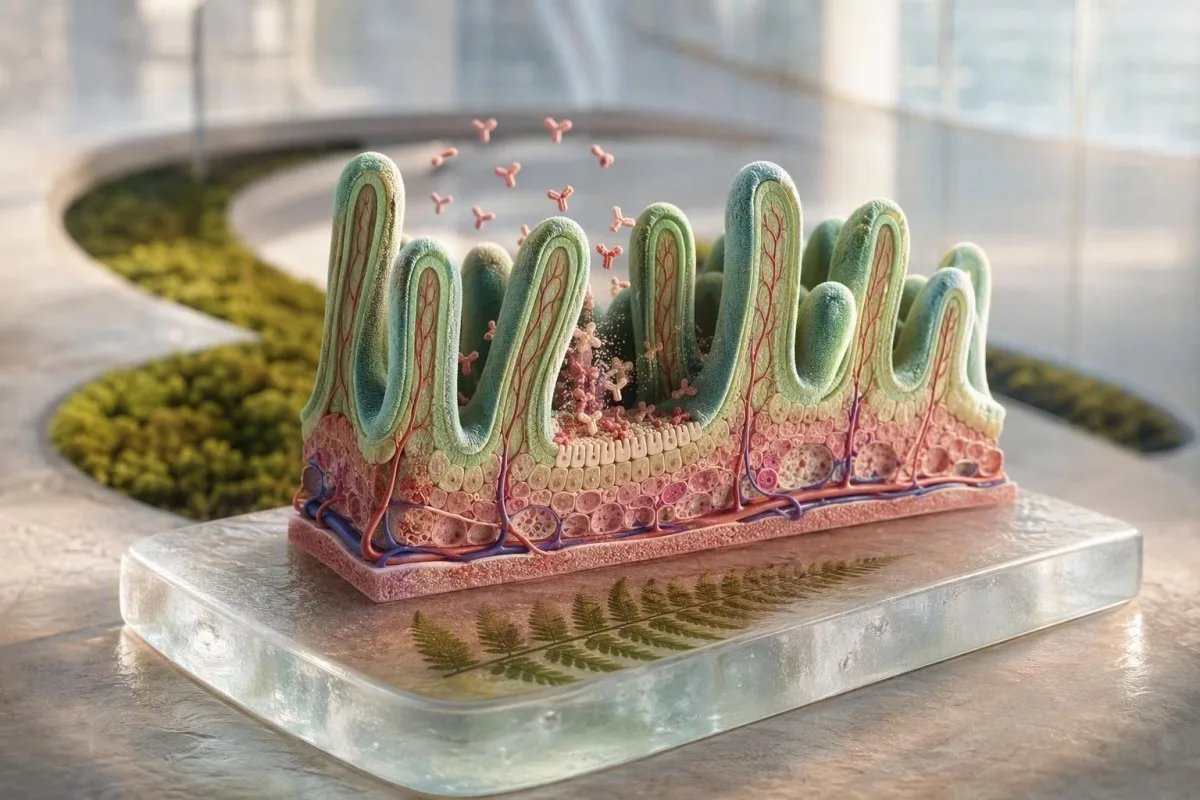
Za pouzdan test na celijakiju iz krvi, većini odraslih osoba koje su na dijeti bez glutena potrebno je otprilike 3–6 g glutena dnevno tokom najmanje 6 nedelja; izazov od 12 nedelja daje najjasniji odgovor kada je podnošljivo. Nemojte ponovo uvoditi gluten sami ako imate teške reakcije, značajan gubitak težine, zabrinutost oko trudnoće ili prethodno potvrđenu dijagnozu celijakije.


- Minimalni izazov: 3–6 g glutena dnevno, otprilike 1–2 kriške pšeničnog hleba, predstavlja praktičan cilj za odrasle pre ponovljenog serološkog testiranja na celijakiju.
- Preporučeno trajanje: 12 nedelja dnevnog izlaganja glutenu povećava šansu da će test na celijakiju iz krvi i biopsija otkriti bolest nakon izbegavanja glutena.
- Kratki izazov: 3 g dnevno tokom 2 nedelje može izazvati promene na biopsiji kod nekih odraslih, ali negativan rezultat nakon samo 2 nedelje ne isključuje pouzdano celijakiju.
- tTG-IgA: Negativan tTG-IgA test može biti lažno umirujući kada je unos glutena nizak ili je ukupni IgA deficit.
- Укупни IgA: Ukupan serumski IgA treba meriti zajedno sa tTG-IgA; IgA deficijencija zahteva testiranje zasnovano na IgG.
- Ne izazivajte sami: Decu, trudnice, osobe sa prethodnim teškim reakcijama i osobe sa značajnom pothranjenošću trebaju planiranje vođeno lekarom.
- HLA testiranje: Negativni HLA-DQ2 i HLA-DQ8 čini celijakiju vrlo malo verovatnom i ponekad može izbeći gluten izlaganje.
- Ne prekidajte rano: Nastavite sa konzumiranjem glutena dok lekar ne potvrdi da su testiranje krvi i, ako je potrebno, endoskopija završeni.
Zašto izbegavanje glutena može dovesti do negativnog testa na celijakiju iz krvi
A test krvi na celijakiju može postati negativan nakon restrikcije glutena jer se imuni signal koji meri bledi kada se uklone pšenica, ječam i raž. U praktičnom smislu, negativan tTG-IgA dok ste na bezglutenskoj dijeti ne isključuje celijakiju; to može jednostavno pokazati da imuni sistem više nije izazvan.
tTG-IgA detektuje odgovor antitela, a ne trajni otisak celijakije. Koncentracije antitela često padaju u roku od nekoliko nedelja do meseci na strogoj bezglutenskoj dijeti, dok zarastanje creva može trajati mnogo duže. Smernice Američkog koledža za gastroenterologiju iz 2023. navode da dijagnostičku serologiju treba uraditi dok pacijent konzumira gluten (Rubio-Tapia et al., 2023).
Redovno vidim ovaj obrazac: neko ukloni gluten na 8 meseci, oseti se malo bolje, zatim dobije normalan rezultat tTG-IgA i kaže mu se da je celijakija isključena. Taj zaključak je nesiguran bez poznavanja unosa glutena; lažno negativan tTG-IgA je verovatniji kada je izlaganje već prestalo. Naš srodni vodič o niskoj IgA i zamkama celijakije objašnjava drugi glavni razlog zašto serologija može promašiti bolest.
Кантести је АИ анализатор крви koji čita tTG-IgA zajedno sa ukupnom IgA, hemoglobinom, feritinom, folatom, vitaminom B12 i jetrenim enzimima, umesto da jedan negativan test antitela tretira kao konačnu dijagnozu. Nedostatak gvožđa ili neočekivano visoka ALT može zadržati celijakiju u razmatranju čak i kada je jedan rezultat antitela normalan.
Mehanizam je bitan. Peptidi glutena dospevaju u gornji deo tankog creva, tkivna transglutaminaza ih modifikuje, a podložni HLA-DQ2 ili HLA-DQ8 imuni putevi generišu antitela; uklonite okidač i merljivi odgovor antitela se može smiriti. To je biologija, a ne greška testa.
Uobičajeno neshvatanje
Osećaj poboljšanja nakon izbegavanja hleba sam po sebi nije dijagnostički. Simptomi se mogu poboljšati zbog nižeg unosa fermentabilnih ugljenih hidrata, smanjenog unosa ultraprerađene hrane, izbegavanja alergije na pšenicu ili necelijakične osetljivosti na gluten; samo pravilno tempirano testiranje može razlikovat ove mogućnosti.
Koji testovi na celijakiju zahtevaju gluten u ishrani?
tTG-IgA, EMA-IgA, antitela na deamidirane glijadinske peptide i biopsija dvanaestopalačnog creva su najpouzdaniji kada se konzumira gluten. Genetsko testiranje HLA-DQ2/DQ8 je drugačije: ostaje validno bez obzira da li osoba konzumira gluten ili ne.
tTG-IgA je uobičajeni prvi test krvi na celijakiju kod odraslih i dece uzrasta od 2 godine i starije. Mnoge laboratorije prikazuju vrednosti ispod 10–15 U/mL kao negativne, ali gornja granica normale je specifična za analizu, tako da referentni interval same laboratorije upravlja interpretacijom. EMA-IgA je visoko specifičan i često se koristi za potvrdu jako pozitivnog tTG-IgA.
Ukupna serumska IgA pripada istoj narudžbini kao i tTG-IgA. Selektivni nedostatak IgA javlja se kod otprilike 1 na 400 do 1 na 700 ljudi u mnogim zapadnim populacijama i može dovesti do negativnog tTG-IgA uprkos celijakiji; testiranje pomoću DGP ili tTG zasnovano na IgG je tada prikladno. A vodič za kvalitativno naspram kvantitativnog testa može pomoći čitaocima da utvrde da li izveštaj pruža izmerenu vrednost ili samo pozitivnu/negativnu oznaku.
Biopsija dvanaestopalačnog creva procenjuje arhitekturu vila i intraepitelne limfocite, ali promene sluznice se takođe mogu poboljšati nakon povlačenja glutena. Kod odraslih, pozitivna serologija obično dovodi do gornje endoskopije pre nego što se obavežu na doživotno ograničenje; biopsija ostaje posebno korisna kada su rezultati neusklađeni.
Nemojte mešati panel za intoleranciju na hranu sa serologijom celijakije. IgG paneli za hranu ne dijagnostikuju celijakiju, a kućni test ne može zameniti procenu ukupnog IgA, validiranu analizu antitela ili tumačenje specijaliste.
Testovi koji ostaju korisni kada se ne konzumira gluten
Odsustvo HLA-DQ2 ili HLA-DQ8 ima veoma visoku negativnu prediktivnu vrednost jer skoro svi ljudi sa celijakijom nose jedan od ovih haplotipova. Pozitivan HLA rezultat je čest i ne dijagnostikuje celijakiju; otprilike 30–40% mnogih populacija nosi DQ2 ili DQ8, ali samo oko 1% razvije celijakiju.
Koliko glutena je dovoljno za izazov sa glutenom?
Praktičan izazov glutena kod odraslih je 3–6 g glutena dnevno, što je ekvivalentno oko 1–2 obične kriške pšeničnog hleba, za dijagnostičko testiranje. Više hrane nije nužno bolje; doslednost je važnija od forsiranja velike doze koja tera osobu da prestane nakon nekoliko dana.
Jedna kriška tipičnog pšeničnog hleba sadrži oko 2–3 g glutena, dok standardni kroasan može sadržati 4–7 g, a jedna šolja kuvane obične paste oko 2–4 g, zavisno od recepta i porcije. Ovas nije pouzdana namirnica za izazov jer sertifikovani ovas bez glutena sadrži zanemarljive količine glutena, a konvencionalni ovas varira u kontaminaciji.
Revizija Leonarda i kolega preporučuje najmanje 3–6 g dnevno duže od 12 nedelja kada se toleriše duži izazov, posebno ako je cilj pouzdano isključiti bolest nakon meseci ili godina bez glutena (Leonard et al., 2023). Neki lekari koriste 10 g dnevno, ali je tu količinu teže održavati i nije dokazano da je neophodna za svakog odraslog.
Korisna rutina je jedan proizvod koji sadrži gluten za doručak i jedan za ručak, umesto jednog velikog večernjeg obroka. Zabeležite proizvod, približnu porciju, simptome i propuštene dane; taj dnevnik pruža gastroenterologu daleko bolje informacije nego nejasno sećanje na konzumiranje “nešto hleba”.”
Za širi kontekst o tome šta laboratorijski markeri znače zajedno, naš Референтни водич за биомаркере objašnjava zašto se feritin i indeksi crvenih krvnih zrnaca često pregledaju zajedno sa antitela na celijakiju.
Doza je u gramima glutena, a ne u težini hrane
Porcija hleba od 50 g nije 50 g glutena. Sadržaj glutena varira u zavisnosti od brašna, hidratacije, recepta i obrade, zbog čega lekari obično propisuju ekvivalente hrane, umesto da traže od pacijenata da mere izolovani gluten protein.
Koliko dugo treba da traje izazov sa glutenom pre testiranja?
Šest nedelja je razuman minimum za mnoge odrasle, dok 12 nedelja pruža pouzdaniji izazov nakon produženog izbegavanja glutena. Izazov od 2 nedelje može podržati dijagnozu ako testovi postanu pozitivni, ali negativan rezultat nakon samo 14 dana ne može bezbedno isključiti celijakiju.
Potrebno trajanje zavisi od starosti, prethodne ishrane, imunološkog odgovora i da li lekar planira samo serologiju ili biopsiju. U maloj studiji na odraslima, 3 g glutena dnevno tokom 14 dana izazvalo je dijagnostičke histološke promene kod mnogih učesnika, ali su antitela reagovala sa zakašnjenjem; taj jaz je razlog zašto kratki protokoli mogu propustiti slučajeve.
Od 31. avgusta 2026. godine, generalno razgovaram o 12-nedeljnom planu sa odraslima koji su malo ili uopšte ne konzumiraju gluten nekoliko meseci, sa testiranjem krvi oko 6. nedelje i ponovo blizu 12. nedelje ako je prvi rezultat negativan. Dr Tomas Klajn, naš Glavni medicinski službenik, primećuje najviše izbegavajućih dijagnostičkih kašnjenja kada pacijent ponovo unosi gluten samo vikendom pre uzimanja krvi.
Ako simptomi postanu neprihvatljivi, obratite se lekaru koji je naručio testiranje, umesto da ga tiho obustavite. Oni mogu da pomere testove krvi, ranije dogovore endoskopiju ili ponovo razmotre da li HLA testiranje može da odgovori na pitanje bez produžene izloženosti. водич за време узимања крви je korisno za razumevanje zašto se promene povezane sa ishranom ne pojavljuju odmah u laboratorijskim rezultatima.
Nastavite sa glutenom do uzimanja krvi i, ako je rezultat antitela pozitivan ili je sumnja i dalje visoka, dok tim za endoskopiju ne savetuje drugačije. Prekid nakon pozitivnog rezultata krvi, ali pre biopsije, može smanjiti vidljivi crevni signal.
Realan kalendar
Nedelje 1–2 uspostavljaju dnevnu izloženost i identifikuju rane simptome. Nedelje 3–6 su kada početno uzimanje krvi može biti korisno; nedelje 7–12 poboljšavaju osetljivost kod osoba čija antitela rastu sporo, posebno nakon dugotrajnog ograničenja.
Izazov sa glutenom kod dece i tinejdžera zahteva drugačiji plan
Deca ne bi trebalo da započnu izazov sa glutenom bez pedijatrijskog saveta, jer rast, ishrana, opterećenje simptomima i mogućnost dijagnoze bez biopsije menjaju plan. Detetu koje slabo raste ili gubi na težini prvo je potrebna procena, a ne samostalni „hlebni izazov“.
Kod dece sa veoma visokim vrednostima tTG-IgA — najmanje 10 puta veće od gornje granice normalnih vrednosti testa— plus pozitivnim EMA-IgA u drugom uzorku, ESPGHAN smernice dozvoljavaju dijagnozu bez biopsije u odabranim slučajevima pod nadzorom pedijatrijskog specijaliste (Husby i sar., 2020). Taj put zahteva aktivni unos glutena u vreme testiranja.
Predškolskom detetu se ne može pretpostaviti da podnosi istu apsolutnu dozu kao odrasla osoba od 75 kg. Pedijatrijski lekari često rade sa uobičajenim dnevnim obrocima i uobičajenom ishranom deteta, a zatim prate težinu, brzinu rasta visine, hidrataciju, obrazac stolice i pohađanje škole; cilj nikada ne bi trebalo da bude takmičenje u izdržljivosti simptoma.
Nedostatak gvožđa, spor linearni rast, ponavljajući čirevi u ustima, promene gleđi, odloženo pubertet mogu biti znaci celijakije čak i bez dijareje. Roditelji mogu pregledati širu analizu u našem vodiču za testiranje rasta dece, ali normalan skrining hormona rasta ne isključuje crevnu malapsorpciju.
Ako je dete već imalo ubedljiv odgovor na ishranu bez glutena, porodica bi trebalo da pita da li je HLA tipizacija ili nadgledano ponovno uvođenje najmanje narušavajući put. Naučio sam da ovde ozbiljno shvatam anksioznost porodice – obroci mogu vrlo brzo postati napeti.
Školski i dijetetski plan
Pisani plan treba da identifikuje koji obroci sadrže gluten i kako će se simptomi rešavati tokom školskih sati. Ponavljano menjanje doze, prelazak na hranu bez glutena ili dozvoljavanje samo povremenog izlaganja vikendom znatno otežava tumačenje konačnog rezultata.
Šta ako ste godinama bili na dijeti bez glutena?
Nakon godina na dijeti bez glutena, testiranje antitela može ostati negativno osim ako izlaganje glutenu nije dovoljno dugo da ponovo aktivira imunološki odgovor. Ovo je grupa za koju je 12-nedeljni izazov pod nadzorom lekara, ili prvo HLA testiranje, obično najrazumniji.
Što je duže gluten bio odsutan, to je jednokratni tTG-IgA manje koristan. Neki pacijenti trebaju više od 6 nedelja pre nego što se izmerljiva antitela vrate, a negativan test u 6. nedelji treba tumačiti u odnosu na stvarno unetu dozu, a ne samo kalendar.
Celijakija može ostaviti trag u laboratorijskoj istoriji: nizak feritin, niska zasićenost transferina, nedostatak folata, povišen broj trombocita, nizak vitamin D ili neobjašnjivo blago povišenje transaminaza. Nijedan nije dijagnostički sam po sebi, ali skup povećava pre-test verovatnoću; pogledajte naš detaljan Водич за проучавање гвожђа za razliku između iscrpljenih zaliha gvožđa i niskog serumskog gvožđa povezanog sa upalom.
Кантести је услузи за тумачење лабораторијских тестова заснованој на AI-у koji pomaže korisnicima da uporede stari i novi panel, uključujući vrednosti hemoglobina, MCV, feritina, albumina i antitela. Ne može dijagnostikovati celijakiju, ali vremenska linija može pomoći lekaru da vidi da li su nutritivne abnormalnosti prethodile dijetetskom ograničenju.
Raniji negativni test na celijakiju ne rešava stvari ako je obavljen nakon uklanjanja glutena. Pitajte za originalni izveštaj, tačnu vrednost antitela, ukupni IgA i koliko ste glutena jeli tokom 6–12 nedelja pre uzorkovanja.
Zašto ishrana može izgledati normalno
Normalan feritin ne isključuje celijakiju. Feritin raste sa upalom i oštećenjem jetre, tako da feritin od 70 µg/L može koegzistirati sa ograničenom dostupnošću gvožđa kada je C-reaktivni protein povišen; zasićenost transferina dodaje korisni kontekst.
Kada ne treba pokušavati izazov sa glutenom bez medicinskog saveta?
Nemojte sami ponovo uvoditi gluten ako je prethodno izazvao dehidraciju, nesvesticu, jako povraćanje, brz gubitak težine, komplikacije u trudnoći ili bolničko lečenje. Nadgledani plan je takođe sigurniji za decu, osobe sa dijabetesom na insulinu i bilo koga sa poznatim ili sumnjivim povratkom poremećaja ishrane.
Sama celijakija retko izaziva trenutnu anafilaktičku reakciju, tako da brzi osip, zviždanje, stezanje u grlu ili kolaps nakon pšenice sugerišu moguću alergiju na pšenicu i zahtevaju alergološku procenu, a ne izazov sa glutenom. Testiranje na celijakiju i testiranje na alergije odgovaraju na različita pitanja, a njihovo mešanje može biti opasno.
Potražite hitan klinički pregled pre izazova ako imate više od 5% neželjenog gubitka telesne težine za 1 mesec, uporno povraćanje, crnu stolicu, jak bol u stomaku ili simptome dehidracije kao što su veoma malo izlučivanje urina i vrtoglavica. Ovo nisu očekivani “dokazi” da gluten deluje; to su razlozi za ponovnu procenu.
Trudnoća zaslužuje poseban pristup jer i nelečena celijakija i restriktivne dijete mogu uticati na gvožđe, folate i dobijanje na težini. Kontaktirajte lekara putem naše medicinske putanje kontakta ili vašeg tima za porođaj pre namernog ponovnog uvođenja glutena.
Ljudi sa prethodno potvrđenom dijagnozom celijakije biopsijom obično ne trebaju izazov sa glutenom da bi to ponovo dokazali. Izuzetak je istinska sumnja u staru dijagnozu, kojom se najbolje bavi gastroenterolog koji može pregledati originalnu patologiju i zapise o antitela.
Хитни симптоми
Novi zviždanje, oticanje lica, konfuzija, nemogućnost zadržavanja tečnosti 12–24 sata, nesvestica ili znaci gastrointestinalnog krvarenja zahtevaju hitnu medicinsku procenu. Nemojte nastavljati dijetetsku izloženost da biste “završili test” kada postoje crveni alarmni simptomi.
Da li HLA genetika može sprečiti nepotreban izazov sa glutenom?
Negativno testiranje na HLA-DQ2 i HLA-DQ8 čini celijakiju veoma malo verovatnom i često može poštedeti izazova sa glutenom. Pozitivan rezultat samo pokazuje genetsku predispoziciju, tako da sam po sebi ne može potvrditi celijakiju niti objasniti simptome.
Više od 95% ljudi sa celijakijom nosi HLA-DQ2.5, DQ2.2 ili DQ8, iako se terminologija malo razlikuje među laboratorijama. Test je najkorisniji kada je neko već bez glutena, kada stari zapisi nisu dostupni, ili kada je očekivano opterećenje ponovnog uvođenja veliko.
Pozitivan HLA rezultat je čest: oko 30–40% ljudi nosi kompatibilan genotip, dok samo otprilike 1% razvija celijakiju. Ta neusklađenost je razlog zašto genetsko testiranje treba da vodi sledeću odluku, a ne da postane dijagnoza ispisana na listi problema.
Kantesti AI koristi платформа за тумачење биомаркера помоћу AI pristup za označavanje kada je panel antitela prikupljen nakon izbegavanja glutena i kada nedostaje rezultat ukupnog IgA; genetičko testiranje i dalje zahteva poručivanje i tumačenje od strane kliničara. Naši principima kliničke validacije objašnjavaju zašto kontekstualne oznake nisu zamena za dijagnostičke odluke.
Po mom iskustvu, HLA testiranje je posebno vredno za osobe koje su prestale sa glutenom zbog nejasnih simptoma i sada strahuju od dugog izazova. Negativan rezultat može zatvoriti tešku petlju; pozitivan rezultat samo znači da se razgovor nastavlja.
Geni ne predviđaju težinu
HLA tip ne predviđa pouzdano da li će simptomi biti blagi, da li su prisutne promene resica, ili da li će osoba kasnije razviti celijakiju. Prvostepeni rođaci sa kompatibilnim genima možda će i dalje trebati periodičnu kliničku procenu ako se pojave simptomi ili nedostatak hranljivih materija.
Kako završiti izazov bez slučajnog nedoziranja
Konzistentna dnevna izloženost glutenu je dijagnostički korisnija od povremenih velikih obroka. Odaberite dva ili tri poznata proizvoda koji sadrže pšenicu, procenite njihov sadržaj glutena i izbegavajte prelazak na proizvode bez glutena nakon početka izazova.
Jednostavan obrazac od 3–6 g može biti jedan komad tosta od pšenice za doručak i mala porcija redovne testenine ili krekera kasnije tokom dana. Proverite etikete na pšenicu, raž ili ječam; kiselo testo napravljeno od pšenice i dalje sadrži gluten, a “zanatski” hleb nije automatski sa malo glutena.
Pivo, umaci, zajednički friteze i prerađena hrana stvaraju nesigurnost, pa su loši primarni izvori za izmereni izazov. Jedna predvidljiva hrana daje čistiju istoriju izloženosti i olakšava identifikaciju da li su simptomi povezani sa dozom.
Nemojte započinjati nepovezane eliminacione dijete, probiotike, proizvode sa visokim sadržajem vlakana ili nove laksative u istom prozoru od 6–12 nedelja ako to možete izbeći. Oni mogu promeniti crevne simptome i otežati tumačenje življenog iskustva; naš vodič za hranu koja menja crevne testove pokriva ovo praktično pitanje.
Dnevnik ishrane treba da sadrži datum, hranu, približnu porciju, učestalost stolice, crevne simptome i propuštene doze. Ne mora biti savršen - tri jasna unosa dnevno su daleko korisnija nego pokušaj beleženja svake mrvice.
Ovas i izazov sa glutenom
Sertifikovani ovas bez glutena nije izvor glutena u dijagnostičke svrhe. Konvencionalni ovas može biti nepredvidljivo kontaminiran, što ga čini neprikladnim za izazov dizajniran da uspostavi poznatu dozu.
Koja su očekivana neželjena dejstva i kako ih bezbedno upravljati?
Nadimanje, retka stolica, umor, nelagodnost u stomaku, glavobolja i moždana magla mogu se ponavljati tokom izazova sa glutenom, ali teški simptomi bi trebalo da pokrenu klinički pregled, a ne stoičko podnošenje. Simptomi sami ni ne dokazuju ni ne opovrgavaju celijakiju jer se preklapaju sa sindromom iritabilnog creva i drugim crevnim stanjima.
Koristite potporne mere koje ne uklanjaju gluten: redovne tečnosti, oralni rehidracioni rastvor za dijareju, manje obroke i predvidljiv san. Lek protiv dijareje može biti razuman za neke odrasle, ali prvo pitajte kliničara ako imate temperaturu, krv u stolici, jak bol ili novu dijagnozu pod istragom.
Izbegavajte tumačenje svakog simptoma kao crevnog oštećenja. Osoba sa osetljivošću funkcionalnog creva može se osećati lošije u roku od nekoliko sati nakon obroka sa pšenicom jer se frukstani brzo fermentiraju, dok se proizvodnja tTG-IgA i promena resica odvijaju kroz drugačiji imuni proces. Naš vodič za testove krvi na dijareju opisuje kada crevni simptomi zahtevaju širu analizu.
Ako postane izražen umor, proverite unos tečnosti, kalorija, status gvožđa i san, umesto da pretpostavljate jedan uzrok. Dr Thomas Klein je video pacijente koji su se nepotrebno plašili umerenog pomaka trombocita ili ALT tokom testiranja; trendovi i potpuna klinička slika su važniji od jednog graničnog rezultata.
Stanite i potražite savet zbog upornog nemogućnosti rada ili pohađanja škole, ponavljajuće noćne dijareje, pogoršanja vrtoglavice ili jasne dehidracije. Medicinski skraćeni izazov koji obuhvata korisnu serološku ili biopsijsku evidenciju bolji je nego prolazak kroz dok se plan ne uruši.
Da li probiotici menjaju test?
Nema pouzdanih dokaza da probiotik bez recepta sprečava proizvodnju celijačnih antitela tokom izazova sa glutenom. Početak primene usred izazova i dalje može zbuniti praćenje simptoma, pa obično savetujem da se suplementi održe stabilnim osim ako kliničar ne preporuči promenu.
Kako se pripremiti za uzimanje krvi na celijakiju
Test krvi na celijakiju obično ne zahteva gladovanje, ali zahteva kontinuirani unos glutena i ispravan panel antitela. Nastavite dogovorenu dnevnu dozu glutena do dana pre i, osim ako vaš kliničar ne kaže drugačije, do jutra uzorka.
Pitajte da li narudžbina uključuje tTG-IgA i ukupni serumski IgA; EMA-IgA, DGP-IgG, ili tTG-IgG se mogu dodati za odabrane slučajeve. Laboratorije koriste različite metode i jedinice, tako da vrednost od 18 U/mL ne može biti protumačena bez specifičnog gornjeg limita normalnih vrednosti za taj test.
Gladovanje nije neophodno za testiranje antitela, iako prateći panel lipida, glukoze ili gvožđa može imati posebna uputstva za pripremu. Biotin obično ne utiče na standardnu celijačnu serologiju na način na koji može iskriviti neke imunoeseje hormona, ali navedite sve suplemente i lekove na zahtevu.
Кантести је Алат за анализу крвних тестова уз помоћ AI koji mogu pomoći čitaocima da precizno transkribuju laboratorijski PDF i identifikuju nedostajući ukupni IgA, ali ne treba da se koristi za samostalnu dijagnozu iz snimka ekrana. Pre učitavanja, koristite našu PDF tačnost kontrolnu listu da proverite jedinice, datume i referentne opsege.
Zapišite broj nedelja izazova i uobičajeni dnevni izvor hrane pre zakazanog termina. “Bez glutena godinu dana, zatim jedna kriška tosta dnevno tokom 7 nedelja” je klinički primenljivo; “jedi gluten ponekad” nije.
Beleške o lekovima
Nemojte prestati sa propisanim lekovima samo da biste se pripremili za celijačnu serologiju. Imunosupresivna terapija može smanjiti odgovor antitela, pa lekove kao što su sistemski kortikosteroidi, biološki lekovi ili lekovi posle transplantacije treba dokumentovati i razgovarati o njima sa specijalistom koji je naložio test.
Kako protumačiti rezultate nakon izazova sa glutenom
Pozitivan tTG-IgA tokom adekvatnog izazova sa glutenom snažno podržava celijakiju, dok je negativan rezultat samo umirujući ako su doza, trajanje, ukupni IgA i klinička sumnja svi adekvatni. Rezultati treba da se protumače pre nego što se gluten ponovo povuče.
tTG-IgA rezultat iznad gornje laboratorijske granice nije automatski konačna dijagnoza kod odraslih jer se lažno pozitivni rezultati mogu javiti kod autoimunih bolesti jetre, dijabetesa tipa 1 i drugih upalnih stanja. Potvrda EMA-IgA i biopsija duodenuma često razjašnjavaju sliku, posebno kod niskopozitivnih vrednosti.
Negativan tTG-IgA nakon samo 2 nedelje 1 kriške hleba dnevno nije adekvatan test isključenja za većinu ljudi. Dokazi su iskreno pomešani o jednom univerzalnom preseku, ali 3–6 g dnevno tokom 6–12 nedelja je mnogo informativnije od povremene izloženosti.
Proverite nutritivni kontekst. Nizak feritin ispod 15–30 µg/L podržava iscrpljene zalihe gvožđa kod mnogih odraslih osoba, iako upalna stanja mogu prikriti nedostatak; naš феритин и CRP воде objašnjava zašto oba markera znače zajedno.
Kantesti AI može organizovati rezultate promenljivih antitela i hranljivih materija hronološki, ali pozitivan panel za celijakiju treba da pregleda kliničar koji može da dogovori potvrdu. Nemojte usvojiti trajni strogi dijetu samo na osnovu nepotvrđenog blago pozitivnog rezultata ako je biopsija još uvek planirana.
Seronegativna celijakija
Seronegativna celijakija je retka, ali stvarna. Kada atrofija vilusa, kompatibilan HLA tip, malapsorpcija i odgovor na povlačenje glutena usklade uprkos negativnim antitelima, gastroenterolog mora takođe da isključi infekcije, efekte lekova, autoimune bolesti i druge uzroke povrede vilusa.
Kada je potrebna endoskopija nakon testa na celijakiju iz krvi?
Većina odraslih osoba sa pozitivnom serologijom za celijakiju treba da nastavi sa glutenom i podvrgne se gornjoj endoskopiji sa višestrukim biopsijama dvanaestopalačnog creva pre nego što se postavi doživotna dijagnoza. Endoskopija je korisna i kada su antitela negativna, ali gubitak težine, anemija ili porodična istorija održavaju sumnju na visokom nivou.
Pečasta bolest je jedan od razloga zašto uzorkovanje ima značaj. Gastroenterolozi obično uzimaju najmanje četiri uzorka iz distalnog dela dvanaestopalačnog creva i jedan ili dva iz lukovice, jer abnormalnosti mogu biti uočljivije na jednom mestu nego na drugom; jedan uzorak može promašiti dijagnozu.
Nastavite sa izazovom dok endoskopista izričito ne odobri prekid. Pacijenti ponekad dobiju pozitivan rezultat antitela, slave tako što se odmah vrate ishrani bez glutena, i dođu nedeljama kasnije sa manje očiglednom promenom sluzokože—izbegavajući izvor nejasnoća.
Endoskopija takođe može istražiti alternative kao što su zapaljenska bolest creva, mikroskopski kolitis, peptički ulkus ili drugi poremećaji malapsorpcije kada simptomi ne odgovaraju precizno. Ako su prisutni simptomi donjeg dela creva ili rektalno krvarenje, naš vodič za praćenje fekalnog kalprotektina objašnjava zašto se marker stolice može tražiti odvojeno.
Normalna biopsija nakon jasno adekvatnog izazova i negativne serologije čini aktivnu celijakiju malo verovatnom, ali konačna interpretacija zavisi od kvaliteta patologije, dokumentacije izazova, HLA statusa i konkurentnih dijagnoza. Ovo je jedna od onih oblasti gde kontekst znači više od bilo kog pojedinačnog broja.
Dijagnoza bez biopsije kod odraslih
Neke službe za odrasle mogu dijagnostikovati odabrane pacijente bez biopsije kada je tTG-IgA veoma visok i EMA-IgA pozitivan, ali ovo nije univerzalna praksa. Lokalni protokoli, preferencije pacijenata, starosna dob i posledice doživotne dijagnoze su važni.
Plan za vaš sledeći sastanak, spreman za lekara
Ponesite pisanu dozu glutena, datum početka izazova, dnevnik simptoma, stare rezultate za celijakiju i porodičnu istoriju na sastanak. Ovih pet detalja omogućavaju kliničaru da proceni da li je vaš test na celijakiju bio interpretabilan i da li treba ponoviti testiranje, naručiti HLA tipizaciju ili zakazati endoskopiju.
Postavite četiri direktna pitanja: Da li je moj test urađen nakon dovoljne izloženosti glutenu? Da li je meren ukupni IgA? Da li mi je potrebno HLA-DQ2/DQ8 testiranje? Da li treba da nastavim sa glutenom do endoskopije? Ovo izbegava čestu, ali skupu grešku ostavljanja konsultacija sa “negativnim” rezultatom koji nikada nije mogao da isključi bolest.
Ako se potvrdi dijagnoza, upućivanje dijetetičaru sa stručnošću za celijakiju je vredno kao i početni recept za izbegavanje glutena. Ponovne provere hranljivih materija obično uključuju kompletna krvna slika, feritin, folat, vitamin B12, vitamin D, jetrene enzime i ponekad cink ili bakar, na osnovu simptoma i početnih deficita.
Kantesti AI pomaže korisnicima da očuvaju longitudinalni laboratorijski kontekst tokom dijagnostičkog rada, dok naš vođen od strane lekara Медицински саветодавни одбор podržava kliničke standarde koji stoje iza edukativnog sadržaja. Alat je koristan za pripremu pitanja, a ne za zamenu nege gastroenterologa.
Zaključak: nemojte žuriti sa testom. Odmereni dnevni izazov, obično 3–6 g glutena tokom 6–12 nedelja, daje vam najbolju šansu da dobijete odgovor kojem ćete verovati godinama koje dolaze.
Šta sačuvati u svojoj dokumentaciji
Čuvajte PDF-ove laboratorijskih nalaza, patološke izveštaje, slike endoskopije, beleške dijetetičara i tačan datum kada je gluten prestao da se unosi nakon testiranja. Ova dokumentacija sprečava ponovne izazove kasnije i posebno je korisna ako se nega menja u drugoj zemlji ili kod drugog kliničara.
Често постављана питања
Колико глутена треба да једем пре крвног теста на целијакију?
Većina odraslih treba da unosi oko 3–6 g glutena dnevno pre krvnog testa na celijakiju, što je otprilike 1–2 kriške običnog pšeničnog hleba. Konzistentan dnevni izvor hrane bolji je od povremenih velikih obroka jer proizvodnja antitela zavisi od kontinuiranog izlaganja. Neki specijalisti propisuju 10 g dnevno, ali veće količine mogu pogoršati simptome i nisu potrebne za svaku osobu. Deca zahtevaju individualni plan od pedijatrijskog kliničara.
Koliko dugo treba da jedem gluten pre testiranja na celijakiju?
Izazov sa glutenom koji traje najmanje 6 nedelja se obično koristi za krvni test na celijakiju, dok 12 nedelja nudi pouzdaniju strategiju isključivanja nakon dugotrajnog izbegavanja glutena. Izazov od 2 nedelje ponekad može učiniti nalaze biopsije pozitivnim, ali negativan test na antitela nakon samo 14 dana ne isključuje celijakiju. Tačno trajanje zavisi od prethodnog ograničenja glutena, dnevne doze, simptoma i da li je planirana endoskopija. Nastavite da unosite gluten dok kliničar ne potvrdi da je testiranje završeno.
Da li ishrana bez glutena može da izazove lažno negativan rezultat tTG-IgA testa?
Da, dijeta bez glutena može uzrokovati lažno negativan tTG-IgA test jer tTG-IgA meri imunološki odgovor koji se smanjuje kada se dijetetski gluten ukloni. Nivoi antitela mogu opasti u roku od nekoliko nedelja do meseci, tako da normalan rezultat nije pouzdan ako je unos glutena bio nizak. Ukupan serumski IgA treba proveriti zajedno sa tTG-IgA jer nedostatak IgA takođe može dati lažno negativan rezultat. HLA-DQ2/DQ8 testiranje može pomoći u odluci da li je izazov neophodan kada je neko već na dijeti bez glutena.
Da li je dovoljna jedna kriška hleba dnevno za izazivanje glutena?
Jedna obična kriška pšeničnog hleba obezbeđuje oko 2–3 g glutena, tako da može biti na donjoj granici doze za izazov, ali nije uvek dovoljna sama po sebi. Mnogi kliničari ciljaju na 3–6 g dnevno, što se često postiže jednom kriškom hleba plus još jednom predvidljivom pšeničnom hranom. Izazov bi obično trebalo da traje 6–12 nedelja, a ne samo nekoliko dana. Vaš kliničar treba da prilagodi dozu ako simptomi, uzrast, telesna težina ili nutritivni rizik čine taj plan neprikladnim.
Да ли треба поново да уведем глутен ако већ имам целијакију потврђену биопсијом?
Ne, osobe sa prethodno potvrđenom dijagnozom celijakije biopsijom obično ne bi trebalo da ponovo unose gluten samo da bi ponovile krvni test na celijakiju. Originalni patološki i serološki nalazi su obično dovoljni, a namerno ponovno izlaganje može izazvati nepotrebne simptome i nutritivnu štetu. Specijalista može razmotriti nadgledanu ponovnu procenu samo kada je originalna dijagnoza zaista neizvesna ili podaci nisu dostupni. Svako sa teškim prethodnim reakcijama treba da potraži medicinski savet pre promene ishrane.
Mogu li da postim pre testiranja krvi na celijakiju?
Post nije neophodan za tTG-IgA, EMA-IgA, ukupni IgA ili većinu testova na antitela na celijakiju. Trebalo bi da nastavite dogovoreni izazov sa glutenom do dana pre testiranja, a obično i na dan uzimanja uzorka, osim ako lekar koji je naložio test ne da druga uputstva. Ako su studije gvožđa, glukoza na prazan stomak ili lipidi naručeni na istom pregledu, ti testovi mogu imati zasebne zahteve za pripremu. Ponesite detalje o vašoj dozi glutena i trajanju izazova na zakazani pregled.
Укључите AI анализу крвне слике данас
Придружите се више од 2 милиона корисника широм света који верују Kantesti-у за тренутну и прецизну анализу лабораторијских тестова. Отпремите своје резултате крвне слике и добијте свеобухватно тумачење 15,000+ биомаркера за неколико секунди.
📚 Референциране научне публикације
Klajn, T., Mičel, S., i Veber, H. (2026). Водич за студије гвожђа: TIBC, засићеност гвожђем и капацитет везивања. Kantesti AI Medical Research.
Klajn, T., Mičel, S., i Veber, H. (2026). aPTT нормални опсег: Д-димер, протеин Ц, водич за згрушавање крви. Kantesti AI Medical Research.
📖 Спољне медицинске референце
⚕️ Медицинска одрицање одговорности
Овај чланак је само у образовне сврхе и не представља медицински савет. За одлуке о дијагнози и лечењу увек се консултујте са квалификованим здравственим радником.
Е-Е-А-Т сигнали поверења
Искуство
Клиничка ревизија процеса тумачења лабораторијских налаза коју води лекар.
Експертиза
Фокус на лабораторијску медицину: како се биомаркери понашају у клиничком контексту.
Ауторитативност
Написао др Томас Клајн, уз рецензију др Саре Мичел и проф. др Ханса Вебера.
Поузданост
Тумачење засновано на доказима, са јасним путевима праћења како би се смањила узнемиреност.