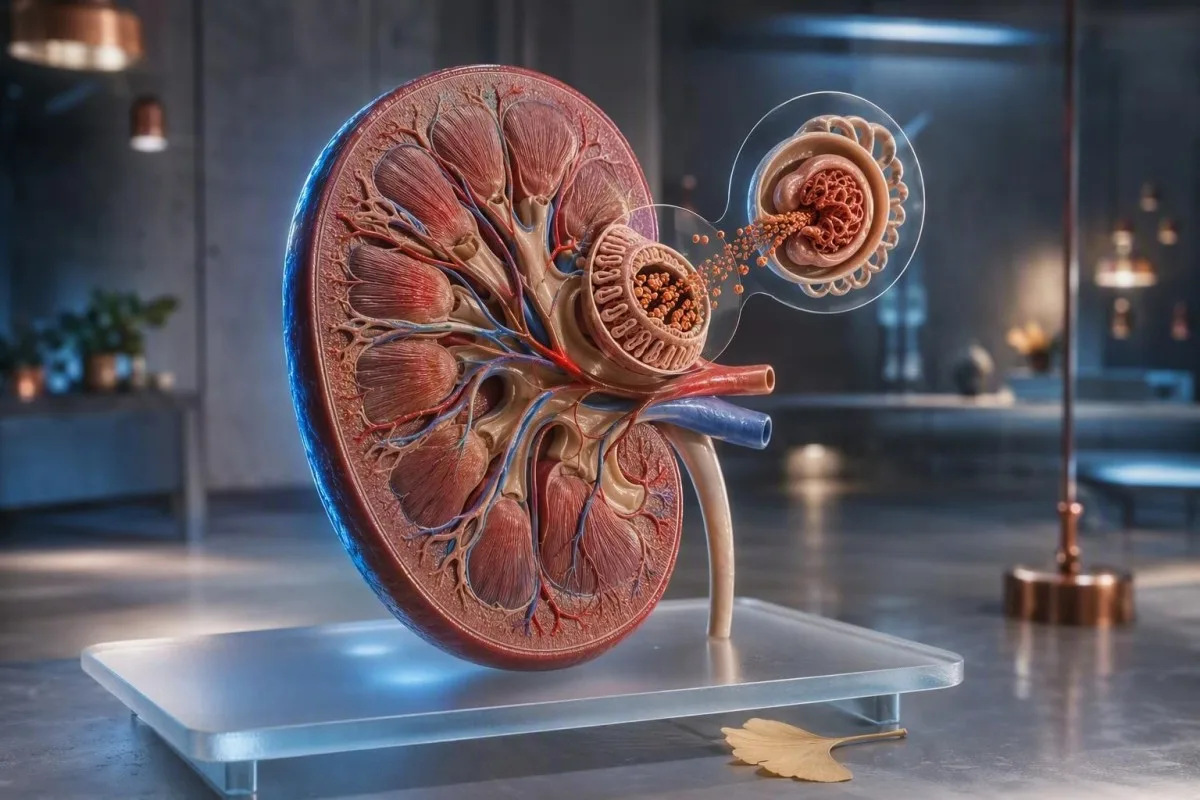
Niekoľko bubliniek po rýchlom prúde moču je zvyčajne fyzika. Pena, ktorá opakovane pokrýva misu, pretrváva po spláchnutí alebo sa vyskytuje so opuchom, si zaslúži test močového albumínu skôr ako hádanie.


- Krátke bublinky ktoré zmiznú do niekoľkých sekúnd, zvyčajne odrážajú rýchlosť moču, zvyšky čističa toalety alebo koncentrovaný moč, a nie ochorenie obličiek.
- Pretrvávajúca penová moč je znepokojujúcejšia, keď sa hustá biela vrstva opakovane udržiava 1-2 minúty.
- ACR v moči pod 3 mg/mmol (30 mg/g) je normálna až mierne zvýšená exkrécia albumínu u väčšiny dospelých.
- Albuminúria 3-30 mg/mmol (30-300 mg/g) by sa mali potvrdiť opakovanými vzorkami z prvej rannej moču počas najmenej 3 mesiacov.
- ACR nad 30 mg/mmol (300 mg/g) je závažne zvýšená albuminúria a vyžaduje rýchle klinické posúdenie.
- Varovné príznaky zahŕňajú opuch tváre alebo nôh, viditeľnú krv, dýchavičnosť, znížený výdaj moču, horúčku, alebo tehotenstvo s bolesťou hlavy a vysokým krvným tlakom.
- Zberateľské záležitosti: vyhnite sa intenzívnemu cvičeniu 24 hodín, použite čistý stredný prúd ranného vzorky a informujte lekára o menštruácii alebo UTI.
- Krvné testy pomáhajú: kreatinín, eGFR, sérový albumín, glukóza a HbA1c objasňujú, či bielkoviny v moči odrážajú ochorenie obličiek, cukrovku alebo systémové ochorenie.
Ako rozlíšiť neškodné bubliny od pretrvávajúcej penovej moču
Príčiny penivého moču siahajú od silného prúdu dopadajúceho na vodu po albumín pretekajúci obličkovým filtrom. Neškodné bublinky sú veľké, číre a rýchlo miznú; znepokojivá pena je jemnejšia, biela, opakujúca sa a pretrváva približne 1-2 minúty aj napriek čistej miske.
Povrchové napätie vysvetľuje väčšinu jednorazových bubliniek. Silný prvý ranný prúd, dehydratácia, koncentrované rozpustené látky alebo zvyšky čistiaceho prostriedku môžu zachytávať vzduch na povrchu vody bez straty bielkovín; to je obzvlášť bežné po dlhom lete, horúčke alebo náročnom tréningu.
Vzor je dôležitejší ako jedno pozorovanie. Počas mojej 15-ročnej klinickej praxe žiadam pacientov, aby si všímali penu na troch samostatných dňoch pomocou čistej, nebielené misky; opakovateľná vrstva jemnej peny je lepším dôvodom na testovanie ako dramaticky vyzerajúca epizóda po cvičení.
Samotná pena nemôže diagnostikovať proteinúriu, pretože fosfáty, žlčové soli, spermie a zápal močových ciest môžu tiež meniť povrchové napätie. Ak je moč skôr zakalený ako penivý, diferenciálna diagnóza sa posúva smerom ku kryštálom, bunkám alebo infekcii; náš sprievodca k náznakom zakaleného moču pomáha rozlíšiť tieto vzory.
Jednoduché domáce pravidlo pozorovania
Nefotografujte záchodovú misu ani neskúšajte domáce “shake testy”. Namiesto toho si všimnite, či sa pena vyskytuje v čistej miske najmenej 3 zo 7 dní, či pretrváva dlhšie ako 1 minútu a či sú prítomné opuchy alebo zmeny krvného tlaku. Tieto podrobnosti robia žiadosť do laboratória oveľa užitočnejšou.
Prečo bielkoviny v moči môžu vytvárať stabilnú penu
Penivý bielkovina v moči je najčastejšie albumín, bielkovina so záporným nábojom, ktorá sa normálne zdržiava v krvnom obehu. Keď sa glomerulárny filter stane priepustnejším, albumín znižuje povrchové napätie a môže vytvárať malé, stabilné bublinky.
Zdravý dospelý človek vo všeobecnosti vylučuje menej ako 30 mg albumínu za deň, aj keď bežný prúžkový test nemusí detekovať nízku stratu albumínu. Citlivejší pomer albumín-kreatinín v moči, alebo ACR, koriguje albumín podľa koncentrácie moču a je preferovaný pre počiatočné skríning.
Albumín nie je jedinou bielkovinou, na ktorej záleží. Ľahké reťazce z porúch plazmatických buniek, tubulárne bielkoviny po určitých liekoch a prechodné bielkoviny počas horúčky môžu uniknúť z prúžkového testu navrhnutého hlavne pre albumín; preto negatívny prúžok nevyrieši každý prípad pretrvávajúcej peny.
Dr. Thomas Klein skúma nálezy moču spolu so sérovým kreatinínom, eGFR, albumínom a glukózou namiesto toho, aby vizuálny príznak považoval za diagnózu. Naša príručka sérových bielkovín vysvetľuje, prečo nízky výsledok albumínu v krvi a zvýšený ACR v moči spolu nesú väčšiu váhu ako každý z nich samostatne.
Bežné príčiny penovej moču nesúvisiace s obličkami
Väčšina dočasnej penovej moču má nefrológické vysvetlenie: koncentrovaný moč, rýchle močenie, nedávna ejakulácia, zvyšky mydla, horúčka alebo namáhavé cvičenie. Tieto príčiny sa zvyčajne upravia do 24-48 hodín po normálnej hydratácii a zotavení.
Dehydratácia robí moč tmavším a koncentrovanejším, takže bublinky sa môžu javiť hustejšie, aj keď je vylučovanie albumínu normálne. Cieľom je svetlo-slamovo žltý moč v nasledujúci deň, namiesto nútenia nadmerného príjmu tekutín; pitie niekoľkých litrov naraz môže samo o sebe znížiť sodík u náchylných jedincov.
Cvičenie môže prechodne zvýšiť albumín v moči. 10-kilometrový beh, intenzívne silové cvičenie alebo dlhodobé vystavenie teplu môže produkovať bielkoviny vo vzorke odobratej ihneď po ňom, preto laboratóriá bežne odporúčajú vyhnúť sa náročným cvičeniam 24 hodín pred testovaním ACR.
Splemená v uretre po ejakulácii môžu produkovať dočasné bublinky a stopové množstvo bielkovín na prúžkovom teste. Viditeľná ružová alebo čajovo sfarbená moč úplne mení otázku a mala by sa posúdiť pomocou tohto sprievodcu k krv v moči, najmä po 45. roku života alebo u osôb s expozíciou fajčeniu.
Kedy pretrvávajúca pena naznačuje klinicky významnú stratu bielkovín
Pretrvávajúca pena si vyžaduje testovanie proteínu v moči, keď sa opakuje a najmä v kombinácii s cukrovkou, vysokým krvným tlakom, opuchom alebo zníženým eGFR. Albuminúria môže byť včasným varovným signálom obličiek, aj keď kreatinín zostáva v laboratórnom rozsahu.
KDIGO definuje ACR pod 3 mg/mmol, alebo 30 mg/g, ako A1; 3-30 mg/mmol ako A2; a nad 30 mg/mmol ako A3 albuminúriu. Kategórie najpresnejšie predpovedajú riziko pre obličky a kardiovaskulárne riziko v kombinácii s eGFR, nepoužívajú sa izolovane (KDIGO, 2024).
Cukrovka a hypertenzia sú najčastejšími chronickými príčinami albuminúrie na celom svete, ale nie sú jediné. Glomerulonefritída, glomerulopatia spojená s obezitou, lupus, preeklampsia, spánkové apnoe a niektoré protizápalové lieky sa tiež môžu podieľať; pretrvávajúce nálezy vyžadujú lekára, aby určil mechanizmus.
Kantesti je Analyzátor krvných testov s umelou inteligenciou ktorý umiestňuje kreatinín, eGFR, sérový albumín, glukózu a HbA1c do jedného longitudinálneho kontextu. Nemôže merať močový ACR z krvného panelu, ale môže pomôcť identifikovať metabolický alebo renálny vzorec, ktorý robí výsledok moču naliehavejším.
Ktoré testy na bielkoviny v moči najlepšie odpovedajú na otázku
Ranný spotrebný moč ACR je najlepším prvým testom pri podozrení na stratu albumínu u väčšiny dospelých. Pomer proteínu a kreatinínu, alebo PCR, je užitočný, keď sa podozrieva nealbumínový proteín alebo keď je potrebné kvantifikovať celkový proteín.
ACR je hlásený ako mg/mmol vo Veľkej Británii a mnohých ďalších krajinách, alebo mg/g v Spojených štátoch. ACR 3 mg/mmol sa rovná približne 30 mg/g; táto konverzia je dôležitá, pretože pacienti si niekedy mýlia rôzne jednotky s veľkou zmenou výsledku.
Výsledok testu na proteín na prúžku stopové množstvo alebo 1+ je skríningovým podnetom, nie diagnózou. Alkalický moč, koncentrovaný moč a kontaminácia môžu spôsobiť falošne pozitívne výsledky, zatiaľ čo zriedený moč a nealbumínové proteíny môžu viesť k falošnému pocitu bezpečia; kvantitatívne testovanie túto neistotu odstraňuje.
24-hodinový zber sa teraz používa vo vybraných situáciách, ako je veľmi vysoká strata proteínu, posúdenie tehotenstva alebo nejednoznačné vzorky. Je ľahké podzberať, preto si prečítajte naše praktické sprievodca zberom 24-hodinového moču pred začatím.
Ako presne zbierať vzorky na testovanie bielkovín v moči
Presné testovanie proteínov v moči začína čistou rannou strednou vzorkou moču odobratou po 24 hodinách bez intenzívneho cvičenia. Preferuje sa prvý moč po prebudení, pretože postoj, hydratácia a denná aktivita majú menší vplyv na exkréciu albumínu.
Umyte si ruky, použite dodaný sterilný kontajner, začnite močiť do toalety, potom zachyťte strednú časť bez dotyku vnútra nádoby alebo viečka. Vzorku doručte promptne; ak je oneskorenie nevyhnutné, dodržujte pokyny laboratória týkajúce sa chladenia, namiesto toho, aby ste ju nechali v teplom aute.
Odložte neurgentné testovanie počas symptomatickej UTI, horúčky, hnačky, menštruácie alebo do 24 hodín od intenzívneho cvičenia. Tieto stavy môžu dočasne zvýšiť exkréciu albumínu, zatiaľ čo menštruačná kontaminácia môže tiež spôsobiť zdanlivé krvácanie a proteíny; výsledkom leukocytovej esterázy môže objasniť možný infekčný vzorec.
Stojí za zmienku ortostatická proteinúria, najmä u tínedžerov a mladých dospelých. Proteín objavujúci sa v dennom moči, ale chýbajúci v prvej rannej vzorke, je často benígny, hoci lekár by mal tento vzorec potvrdiť, namiesto toho, aby ho predpokladal.
Ako interpretovať výsledky ACR a pomeru bielkovín a kreatinínu
ACR pod 3 mg/mmol je zvyčajne upokojujúci, zatiaľ čo potvrdený ACR 3 mg/mmol alebo vyšší vyžaduje následné sledovanie založené na riziku. Jedna zvýšená vzorka nenaznačuje chronické ochorenie obličiek, pretože cvičenie, infekcia a hladina glukózy môžu spôsobiť krátkodobú albuminúriu.
U dospelých bez cukrovky sa novo zvýšený ACR bežne opakuje pomocou ranného odberu do niekoľkých týždňov. Chronické ochorenie obličiek vyžaduje abnormality prítomné najmenej 3 mesiace, pokiaľ nedôjde k jasnému akútnemu poškodeniu obličiek alebo výrazne zvýšenému proteínu vyžadujúcemu rýchlejšie posúdenie (KDIGO, 2024).
ACR nad 70 mg/mmol, približne 700 mg/g, zvyčajne vyžaduje naliehavú špecialistickú diskusiu, aj keď je eGFR zachovaný, najmä s krvou v moči. Proteinúria v nefrótickom rozsahu je všeobecne PCR nad 300 mg/mmol alebo exkrécia proteínu nad 3,5 g/deň, často sprevádzaná edémom a nízkym sérovým albumínom.
Kantesti je službe na interpretáciu výsledkov AI laboratórnych testov ktorý môže organizovať renálne krvné markery cez dátumy a označiť klesajúci trend eGFR. Interpretácia trendov podporuje, ale nikdy nenahrádza, lekársku mikroskopiu moču, potvrdenie ACR a kontrolu liekov.
Krvné testy, ktoré robia výsledky penovej moču zmysluplnými
Kreatinín, eGFR, sérový albumín, glukóza, HbA1c, elektrolyty a lipidy pomáhajú vysvetliť, či proteín v moči odráža poškodenie obličiek spôsobené filtráciou alebo širšiu metabolickú poruchu. Normálny kreatinín nevylučuje skorú albuminúriu.
eGFR sa vypočítava z kreatinínu a u mnohých ľudí s cukrovkou sa objavuje neskôr ako mierny únik albumínu. eGFR pod 60 mL/min/1,73 m² počas 3 mesiacov alebo dlhšie spĺňa jedno kritérium chronického ochorenia obličiek, ale hodnoty sa musia interpretovať podľa veku, svalovej hmoty a nedávneho ochorenia.
Nízky sérový albumín pod približne 35 g/l spolu s ťažkou proteínovou stratou v moči a novým opuchom členkov vyvolávajú obavy z významnej straty proteínov obličkami. Naopak, vysoký albumín s tmavým močom častejšie odráža dehydratáciu; náš sprievodca eGFR po dehydratácii vysvetľuje, prečo je opätovné testovanie po zotavení rozumné.
Americká diabetologická asociácia odporúča najmenej ročné testovanie UACR a eGFR u pacientov s diabetom 2. typu a u pacientov s diabetom 1. typu trvajúcim 5 rokov alebo dlhšie (ADA Professional Practice Committee, 2024). HbA1c nám hovorí o priemernej glykémii, ale ostré zvýšenie glukózy môže stále prechodne zvýšiť albumín v moči pred tým, ako sa HbA1c zmení.
Lieky, doplnky a choroby, ktoré môžu ovplyvniť bielkoviny v moči
Protizápalové lieky proti bolesti, lítium, niektoré liečby rakoviny a závažné infekcie môžu zmeniť filtráciu obličiek alebo tubulárne spracovanie bielkovín. Neprestávajte užívať predpísané lieky len preto, že moč vyzerá penivý; požiadajte o kontrolu moču a obličiek v krvi.
NSAID, ako je ibuprofén a naproxén, môžu znížiť prietok krvi obličkami, najmä počas dehydratácie, zlyhania srdca alebo existujúceho CKD. Riziko sa zvyšuje, keď sa NSAID skombinuje s diuretikom a ACE inhibítorom alebo ARB, čo klinici niekedy nazývajú “trojitá rana”.”
Lieky SGLT2 môžu spôsobiť malý počiatočný pokles eGFR, ale zvyčajne znižujú albuminúriu v priebehu času u vhodne vybraných pacientov. Tento očakávaný hemodynamický posun sa líši od progresívneho poškodenia; pozri zmeny eGFR pri liečbe SGLT2 pre praktické rozdiely.
Vysoká dávka vitamínu C môže interferovať s niektorými močovými prúžkami, zatiaľ čo kreatín môže skomplikovať interpretáciu kreatinínu bez toho, aby nevyhnutne poškodil obličky. Prineste na stretnutie úplný zoznam predpísaných liekov, voľnopredajných liekov proti bolesti, proteínových práškov a bylinných produktov – názvy a dávky sú dôležité.
Diabetes a krvný tlak: kontroly rizika s najvyšším výnosom
Cukrovka a hypertenzia robia pretrvávajúcu penu klinicky významnejšou, pretože obe môžu spôsobiť albuminúriu roky pred objavením sa príznakov. Krvný tlak 140/90 mmHg alebo vyšší a ACR 3 mg/mmol alebo vyšší by mali viesť k štrukturovanej prehliadke primárnej starostlivosti.
U mnohých ľudí s CKD a albuminúriou sa klinici snažia dosiahnuť štandardizovaný systolický krvný tlak v ordinácii pod 120 mmHg, keď je to tolerované, hoci ciele sa musia individualizovať podľa veku, rizika pádov, tehotenstva a metódy merania. Domáce odbery, ak sú vykonané nesprávne, by nemali samy osebe viesť k zmenám liečby.
Albuminúria je tiež markerom vaskulárneho rizika. Dôvod, prečo nás znepokojuje zvýšenie ACR a vysoký krvný tlak, je ten, že spolu naznačujú endoteliálny a glomerulárny stres, zatiaľ čo ktorýkoľvek z týchto nálezkov počas akútneho ochorenia môže byť prechodný; náš sprievodca laboratórnymi vyšetreniami pri hypertenzii popisuje širšiu prácu.
Kantesti je platforma na interpretáciu biomarkerov pomocou AI používaný v krajinách na porovnávanie glukózy, HbA1c, renálnych markerov a lipidových trendov. Pri pretrvávajúcom penivom moči zostáva relevantným ďalším testom laboratórna ACR moču, ideálne kontrolovaná rovnakým klinickým tímom, ktorý riadi krvný tlak alebo cukrovku.
Penová moč v tehotenstve a u detí si vyžaduje iné pravidlá
Penivý moč počas tehotenstva si vyžaduje okamžité posúdenie, ak sa vyskytne spolu s bolesťou hlavy, zmenou videnia, bolesťou hornej časti brucha, náhlym opuchom alebo zvýšeným krvným tlakom. Proteinúria po 20. týždni môže byť súčasťou preeklampsie, ale samotný vzhľad nie je nikdy diagnostický.
V tehotenstve pomer bielkovín a kreatinínu 30 mg/mmol alebo viac, alebo 300 mg bielkovín za 24 hodín, podporuje významnú proteinúriu v príslušnom klinickom prostredí. Vzorka moču s normálnym vzhľadom nevylučuje preeklampsiu, ak je krvný tlak 140/90 mmHg alebo vyšší s znepokojujúcimi príznakmi.
Deti často trpia dočasnou proteinúriou po horúčke, športe alebo dehydratácii. Pretrvávajúce bielkoviny v troch vzorkách, vysoký krvný tlak, edém alebo krv v moči si vyžadujú pediatrické posúdenie; testovanie prvého ranného moču je obzvlášť užitočné na vylúčenie posturálnej proteinúrie u dospievajúcich.
Tehotenstvo mení filtráciu, takže hodnoty kreatinínu, ktoré vyzerajú “normálne” pre netehotné dospelé osoby, nemusia byť upokojujúce. Náš sprievodca k hodnoty GFR v tehotenstve poskytuje kontext, ale naliehavé príznaky by mali smerovať priamo na pôrodnícku pohotovosť namiesto online interpretácie.
Výstražné znamenia: kedy penová moč vyžaduje okamžitú lekársku pomoc
V prípade penivého moču s dýchavičnosťou, rýchlo sa zhoršujúcim opuchom nôh alebo tváre, výrazne zníženým množstvom moču, viditeľnou krvou, horúčkou s bolesťou v boku alebo tehotenskými varovnými príznakmi vyhľadajte naliehavú lekársku pomoc. Tieto kombinácie môžu naznačovať závažné renálne, srdcové, infekčné alebo tehotenstvo súvisiace ochorenie.
Nový opuch tváre pri prebudení, tesné topánky večer a nárast hmotnosti o viac ako 2 kg za 2-3 dni môžu odrážať zadržiavanie tekutín. Keď tieto príznaky sprevádzajú pretrvávajúcu penu, lekári promptne skontrolujú proteín v moči, kreatinín, albumín, krvný tlak a niekedy aj nálezy na hrudníku.
Moč sfarbený do čajovej farby po intenzívnom cvičení so silnou bolesťou svalov nie je typická benígna pena; môže signalizovať uvoľnenie myoglobínu a vyžaduje urgentné vyšetrenie krvi a moču. To isté platí pre moč sfarbený do kolovej farby so zníženým výstupom, ktorý môže odrážať krvácanie z obličkových glomerúl alebo poškodenie svalov.
Dr. Thomas Klein radí pacientom, aby nečakali na výsledok domáceho testovacieho prúžku, ak sú prítomné varovné príznaky. Pre zmeny farby súvisiace s námahou, náš článok o hematúrii u bežcov vysvetľuje benígnu časť spektra a príznaky, ktoré nie sú benígne.
Čo lekári robia po pozitívnom výsledku testu na bielkoviny v moči
Po pozitívnom ACR alebo PCR lekári zvyčajne potvrdia výsledok, zmerajú krvný tlak a eGFR, vyšetrí močový sediment a skontrolujú diabetes, lieky, autoimunitné príznaky a rodinnú anamnézu. Ďalší krok závisí od množstva, pretrvávania a sprievodnej krvi alebo zníženej filtrácie.
Mikroskopia moču môže identifikovať červené krvinky, biele krvinky a valčeky, ktoré samotný počet bielkovín nedokáže vysvetliť. Červené valčeky alebo dysmorfné červené krvinky naznačujú glomerulárny pôvod a urýchľujú odporúčanie nefrológovi; jednoduché hyalínové valčeky sa môžu vyskytnúť po dehydratácii alebo cvičení, ako je uvedené v našej príručke o hyalínových valčekoch.
Ak sa potvrdí albuminúria, liečba sa zvyčajne zameriava na príčinu: kontrola krvného tlaku, zvládanie glykémie, podpora pri chudnutí a odvykaní od fajčenia a lieky chrániace obličky, ak sú indikované. Renálna sonografia, imunitné testovanie, sérová elektroforéza alebo biopsia obličiek sú selektívne testy – nie automatické dôsledky jedného 1+ testovacieho prúžku.
Klinická metodika spoločnosti [Kantesti] sa kontroluje podľa štandardných bezpečnostných štandardov a čitatelia si môžu pozrieť našu prístup k medicínskej validácii. Našou úlohou je uľahčiť diskusiu o existujúcich výsledkoch krvi, nie diagnostikovať glomerulárne ochorenie z obrazu alebo jedinej laboratornej hodnoty.
Praktický sedemdňový plán pre pretrvávajúcu penu
Pri pretrvávajúcej penovej moči bez varovných príznakov dohodnite primárnu močovú ACR a analýzu moču do 1-2 týždňov, ideálne pomocou vzorky z ranného moču. Zaznamenajte krvný tlak, hydratáciu, cvičenie, lieky a či pena pretrváva dlhšie ako 1 minútu počas siedmich dní.
Deň 1-3: normálne hydratujte, vyhýbajte sa intenzívnemu cvičeniu a pozorujte len v čistej toaletnej mise bez pridaného čistiaceho prostriedku. Nesnažte sa problém “spláchnuť” nadmerným množstvom vody; cieľom je reprezentatívna vzorka, nie umelo zriedená.
Deň 4-7: požiadajte o analýzu moču a ACR a opýtajte sa, či sú kreatinín, eGFR, draslík, sérový albumín, glukóza a HbA1c vhodné pre vaše okolnosti. Prineste predchádzajúce výsledky, pretože zmena z ACR 2 na 8 mg/mmol má väčší význam ako ktorákoľvek z týchto hodnôt bez kontextu; sledovania výsledkov v čase vám môže pomôcť s organizáciou termínov.
Od 4. septembra 2026 zostáva rozumné posolstvo upokojujúce, ale pevné: väčšina izolovaných bubliniek je neškodná, zatiaľ čo opakovaná jemná pena si zaslúži kvantitatívny test moču. Ak potrebujete pomoc s prípravou otázok pre lekára, naša tím lekárskeho poradenstva stanovuje klinické štandardy pre náš vzdelávací obsah.
Často kladené otázky
Je penivý moč vždy známkou proteínu v moči?
Nie, penivý moč nie je vždy známkou straty bielkovín. Rýchly prúd, dehydratácia, zvyšky čistiaceho prostriedku na toaletu, horúčka, cvičenie a ejakulát môžu vytvoriť bublinky, ktoré zmiznú v priebehu niekoľkých sekúnd. Pretrvávajúca, jemná biela pena, ktorá sa opakuje počas niekoľkých dní, viac naznačuje proteinúriu a mala by sa skontrolovať pomerom albumín/kreatinín v moči. Pomer ACR 3 mg/mmol, čo zodpovedá 30 mg/g, alebo vyšší, sa považuje za dostatočne abnormálny na to, aby si vyžadoval klinický kontext a často opakované testovanie.
Ako dlho by mala pena v moči pretrvávať, kým sa mám začať obávať?
Pena, ktorá zostáva ako hustá vrstva približne 1-2 minúty pri opakovaných príležitostiach, je znepokojujúcejšia ako veľké bubliny, ktoré rýchlo zmiznú. Dĺžka trvania nie je diagnostickým testom, pretože chemikálie v toalete a koncentrácia moču môžu zmeniť stabilitu bublín. Ak sa vzor opakuje počas 3 alebo viacerých dní, do 1-2 týždňov si dohodnite analýzu moču a ACR moču. Vyhľadajte okamžitú lekársku pomoc skôr, ak sa pena objaví spolu so opuchom, viditeľnou krvou, dýchavičnosťou, horúčkou alebo zníženým výstupom moču.
Aký test na bielkoviny v moči mám žiadať?
Najlepším prvým testom pre väčšinu dospelých je pomer albumín-kreatinín v rannom moči, nazývaný ACR alebo UACR. ACR pod 3 mg/mmol, alebo 30 mg/g, je zvyčajne normálny až mierne zvýšený, zatiaľ čo 3-30 mg/mmol naznačuje stredne zvýšenú albuminúriu. Pomer bielkoviny-kreatinín môže byť pridaný, keď sa podozrieva celková strata bielkovín alebo strata iných ako albumínových bielkovín. Rutinný prúžkový test je užitočné skríningové vyšetrenie, ale je menej presný ako ACR pri nízkej strate albumínu.
Môže dehydratácia spôsobiť penivú moč?
Áno, dehydratácia môže spôsobiť koncentrovanejší moč a vytvoriť viac viditeľných bubliniek alebo peny bez pretrvávajúcej straty bielkovín obličkami. Často sa vyskytuje pri tmavo žltom moči, smäde, vystavení teplu, zvracaní, hnačke alebo dlhšom období bez pitia. Pred menej urgentným testom sa vráťte k bežnému príjmu tekutín na 24-48 hodín, ale vyhýbajte sa nadmernému pitiu len preto, aby ste výsledok zriedili. Ak pena pretrváva po hydratácii, požiadajte o testovanie moču ACR.
Môže cvičenie spôsobiť bielkoviny a penu v moči?
Intenzívne cvičenie môže spôsobiť dočasnú albuminúriu a penivý moč, najmä po behu, silovom tréningu, vytrvalostných podujatiach alebo cvičení v horúčave. Účinok sa zvyčajne upraví do 24-48 hodín, preto by sa vzorka ACR mala ideálne odobrať po 24 hodinách bez intenzívneho cvičenia. Pretrvávajúca proteinúria vo vzorke z časného rána po zotavení sa s menšou pravdepodobnosťou vysvetlí samotným cvičením. Tmavý alebo kolový moč so silnou bolesťou svalov si vyžaduje urgentné lekárske vyšetrenie.
Aká úroveň ACR je nebezpečná?
ACR nad 30 mg/mmol, alebo 300 mg/g, je závažne zvýšená albuminúria a vyžaduje si okamžité lekárske vyšetrenie, najmä ak je znížená eGFR alebo moč obsahuje krv. ACR nad 70 mg/mmol, približne 700 mg/g, zvyčajne spúšťa naliehavú odbornú diskusiu, aj keď je kreatinín normálny. Riziko sa určuje kombináciou ACR, eGFR, krvného tlaku, stavu cukrovky, symptómov a opakovaných meraní. Jednotlivá zvýšená hodnota ACR by mala byť zvyčajne potvrdená, pokiaľ klinická situácia nie je naliehavá.
Získajte analýzu krvných testov s podporou AI už dnes
Pridajte sa k viac než 2 miliónom používateľov na celom svete, ktorí dôverujú Kantesti pri okamžitej a presnej analýze laboratórnych testov. Nahrajte svoje výsledky krvných testov a získajte komplexnú interpretáciu biomarkerov 15,000+ v priebehu sekúnd.
📚 Citované publikácie výskumu
Klein, T., Mitchell, S., & Weber, H. (2026). Rámec klinickej validácie v2.0 (Stránka lekárskej validácie). Kantesti AI Medical Research.
Klein, T., Mitchell, S., & Weber, H. (2026). Analyzátor AI krvných testov: analyzovaných 2,5 mil. testov | Globálna zdravotná správa 2026. Kantesti AI Medical Research.
📖 Externé lekárske referencie
⚕️ Vyhlásenie o lekárskej starostlivosti
Tento článok je určený len na vzdelávacie účely a nepredstavuje lekárske poradenstvo. Pri rozhodnutiach o diagnostike a liečbe sa vždy poraďte s kvalifikovaným poskytovateľom zdravotnej starostlivosti.
Signály dôvery E-E-A-T Trust Signals
Skúsenosti
Klinické hodnotenie vedené lekárom pracovných postupov interpretácie laboratórnych výsledkov.
Odbornosť
Laboratórna medicína so zameraním na to, ako sa biomarkery správajú v klinickom kontexte.
Autoritatívnosť
Napísané Dr. Thomasom Kleinom, recenzia Dr. Sarah Mitchell a prof. Dr. Hans Weber.
Dôveryhodnosť
Interpretácia založená na dôkazoch s jasnými následnými krokmi na zníženie poplachu.