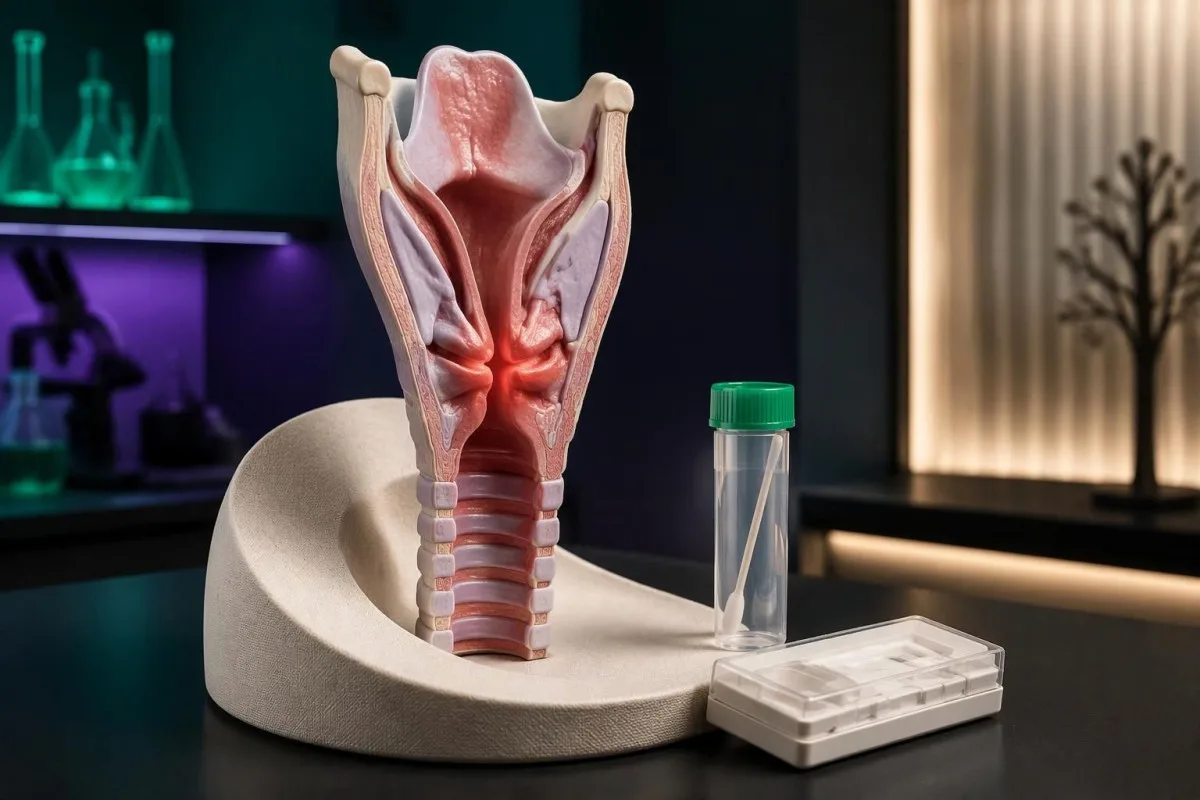
Pozitīvs paragripas PĶR testa rezultāts nozīmē, ka testā konstatēts vīrusa ģenētiskais materiāls, parasti no elpceļu uztriepes. Paragripa ir lipīga un parasti izraisa saaukstēšanās simptomiem līdzīgu saslimšanu, taču tā var izraisīt krupu vai pneimoniju; tikai PĶR tests nevar parādīt, cik smaga ir saslimšana vai vai jūs joprojām esat infekciozs.

Galvenie secinājumi
- Pozitīvs PCR konstatē paragripas ģenētisko materiālu, nevis nosaka dzīva vīrusa daudzumu; 1 pozitīva uztriepe nevar noteikt slimības smagumu vai to, vai vīruss vairs nav konstatējams.
- Atšķiras no gripas: cilvēka paragripas vīrusiem ir 4 galvenie tipi, un gripas pretvīrusu līdzekļi, piemēram, oseltamivirs, paragripu neārstē.
- Lipīgums parasti ir vislielākā slimības sākumā; simptomi parasti sākas aptuveni 2–6 dienas pēc inficēšanās, taču vīrusa izdalīšanās ilgums katram cilvēkam atšķiras.
- Piesardzības pasākumi sabiedrībā parasti var mazināt, kad simptomi kopumā uzlabojas un vismaz 24 stundas nav bijis drudža, nelietojot drudzi mazinošas zāles; nākamās 5 dienas ievērojiet papildu piesardzības pasākumus.
- Krupa risks ir vislielākais maziem bērniem, īpaši vecumā no aptuveni 6 mēnešiem līdz 3 gadiem; rejoša klepus un trokšņainas ieelpas gadījumā nepieciešama ārsta konsultācija.
- Krupa ārstēšana var ietvert klīnicista izrakstītu deksametazonu, parasti 0,6 mg/kg vienā devā; pozitīvs PCR rezultāts vien nav iemesls lietot steroīdus.
- Steidzami elpošanas traucējumu simptomi ietver stridoru miera stāvoklī, krūškurvja ievilkšanos, zilganas vai pelēkas lūpas, elpošanas pauzes vai nespēju padzerties; negaidiet citu testa rezultātu.
- Zīdaiņa drudzis 38°C vai augstāka temperatūra zīdainim, kas jaunāks par 3 mēnešiem, prasa steidzamu medicīnisku izvērtējumu, pat ja elpceļu panelis ir noteicis vīrusu.
Ko nozīmē pozitīvs paragripas PĶR testa rezultāts?
A pozitīvs paragripas PCR rezultāts rezultāts nozīmē, ka laboratorija iesniegtajā paraugā ir noteikusi cilvēka paragripas vīrusa ģenētisko materiālu. Tas liecina par pašreizēju vai nesenu elpceļu infekciju, taču 1 rezultāts nevar apstiprināt pneimoniju, krupa smaguma pakāpi vai to, vai cilvēks joprojām ir lipīgs.
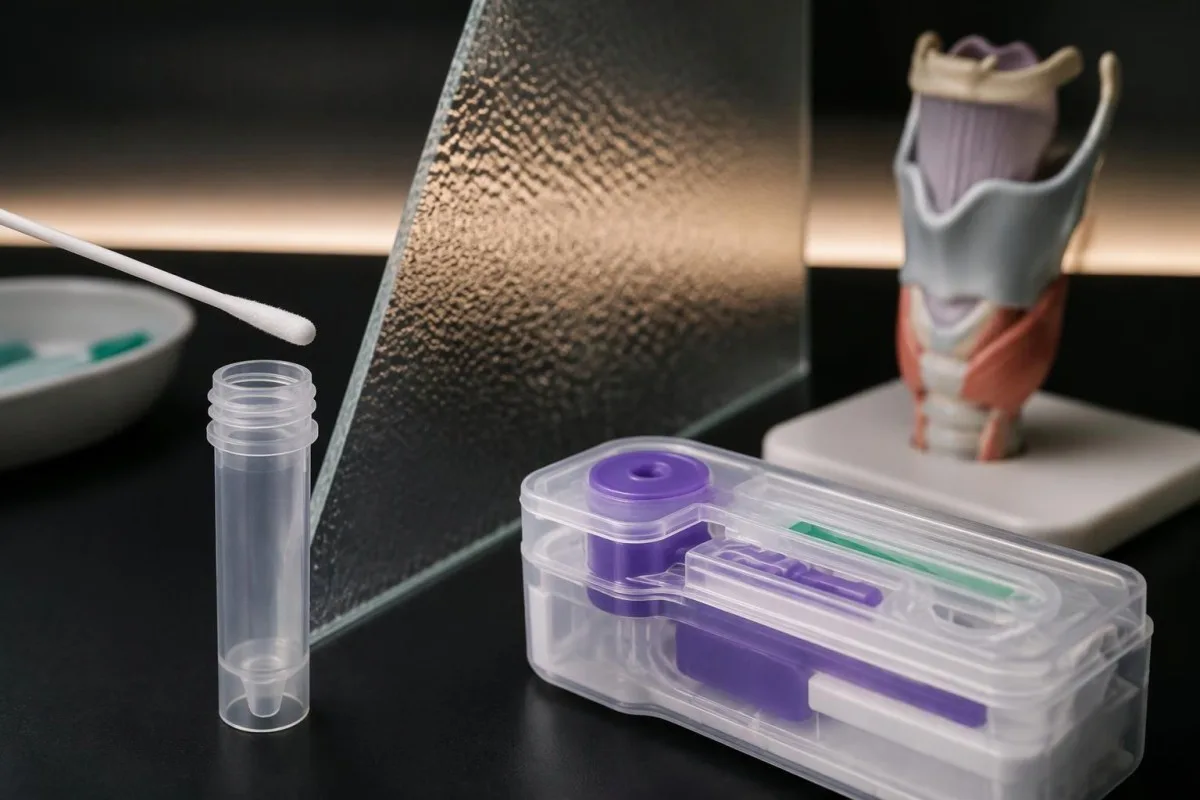
Lielākajā daļā elpceļu paneļu pārbauda deguna vai nazofaringeālu uztriepi, nevis asins paraugu. Cilvēka paragripas vīrusi satur RNS, tāpēc testēšanā parasti pirms amplifikācijas veic reverso transkripciju; pārskatos tomēr var lietot vienkāršāku terminu PCR. Mūsu skaidrojums par kvalitatīvi pret kvantitatīviem rezultātiem paskaidro, kāpēc atbilde “noteikts/nav noteikts” nav skaitlisks slimības rādītājs.
Pārskatos var būt norādīts 1., 2., 3. vai 4. tipa paragripas vīruss, vai arī vairāki tipi var būt apvienoti vienā rezultāta rindā. Šīs laboratorijas izvēles ietekmē to, ko pārskats jums pasaka, bet ne vienmēr to, cik smagi slimojat. Pārbaudiet parauga paņemšanas datumu: šodien publicētais rezultāts var attiekties uz paraugu, kas paņemts pirms vairākām dienām, pirms simptomi uzlabojās vai pasliktinājās.
Kantesti ir AI asins analīžu analizators, kas palīdz izskaidrot saistītos laboratorisko analīžu rezultātus, savukārt elpceļu PCR testam nepieciešams atsevišķs paraugs un simptomu konteksts. Mūsu organizācija un mērķis nav saistīti ar laboratoriju, kas veica jūsu uztriepes analīzi. Kopā ar pārskatu saglabājiet 3 informācijas vienības: kad sākās simptomi, kad tika paņemts paraugs un vai ir mainījusies elpošana vai spēja dzert.
Paragripa un gripa: vai tā ir viena un tā pati infekcija?
Paragripa un gripa ir dažādi vīrusi, neraugoties uz to līdzīgo nosaukumu. Cilvēka paragripai ir 4 galvenie tipi, un tā pieder Paramyxoviridae dzimtai; gripa pieder Orthomyxoviridae dzimtai, tāpēc pretgripas vakcīnas un gripai specifiskie pretvīrusu līdzekļi nenodrošina paragripai specifisku ārstēšanu.
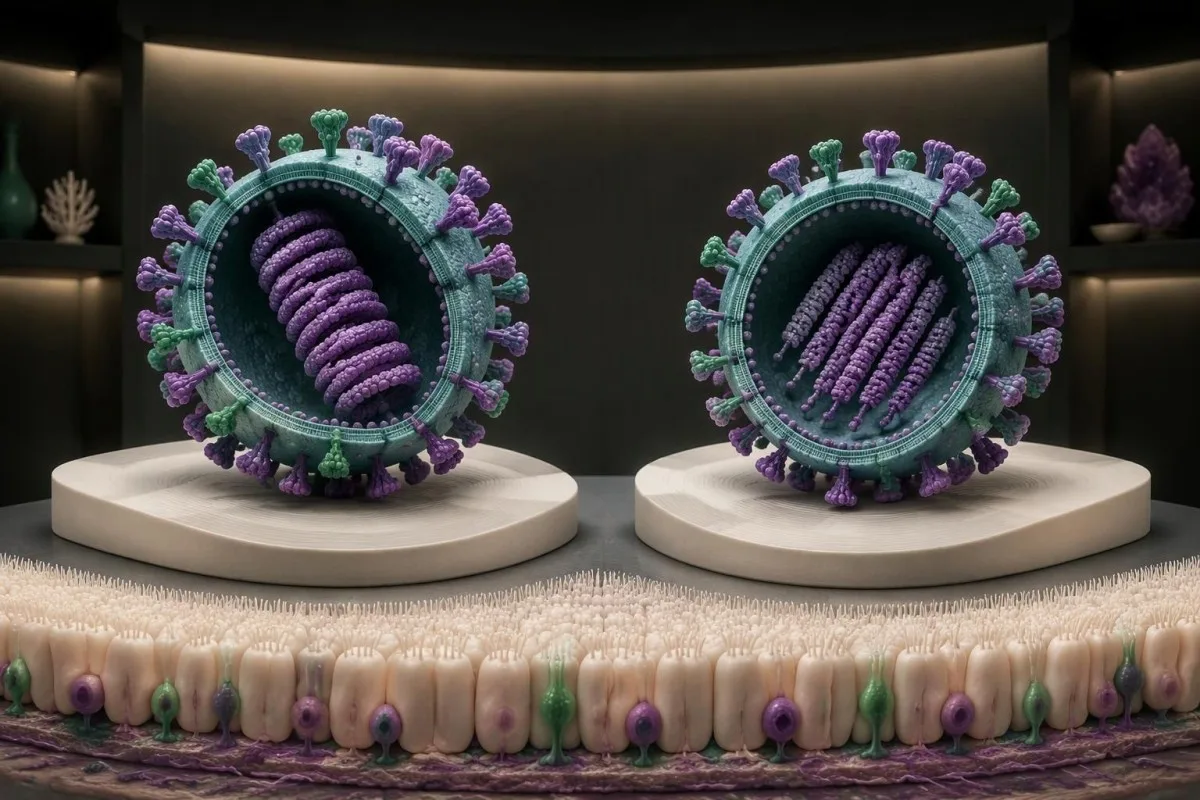
Abas slimības var izraisīt drudzi, klepu, kakla sāpes, nogurumu un muskuļu sāpes, tāpēc simptomu izvērtējums vien var neļaut tās droši atšķirt. Gripa bieži sākas pēkšņi, savukārt paragripa nereti atgādina saaukstēšanos, pirms bērnam parādās rejošs klepus. Neviens no šiem simptomu modeļiem nav diagnostisks; panelis, kurā atsevišķi uzrādīta A gripa, B gripa un paragripa, sniedz noderīgākus pierādījumus nekā sarunā lietotais vārds “gripa”.
Oseltamivīrs iedarbojas uz gripu, nevis paragripu. Gripas ārstēšana bieži ir visefektīvākā, ja to sāk 48 stundu laikā, lai gan smagas slimības un paaugstināta riska pacientiem ārstēšana var būt pamatota arī vēlāk; šos nosacījumus nedrīkst attiecināt uz rezultātu, kas uzrāda tikai paragripu. Mūsu skaidrojums par gripas ārstēšanu aptver atsevišķu lēmumu pieņemšanas ceļu gadījumā, ja konstatēta arī gripa.
Panelis var vienlaikus noteikt 2 elpceļu patogēnus, un viens pozitīvs rezultāts neizslēdz otru. Ja konstatēta gan gripa, gan paragripa, gripas ārstēšana joprojām var būt piemērota atkarībā no vecuma, riska un slimības ilguma. Nav rutīnā pieejamas licencētas vakcīnas, kas būtu īpaši paredzēta pret cilvēka paragripu, taču rutīnas vakcinācija pret gripu joprojām aizsargā pret tiem gripas vīrusiem, pret kuriem tā paredzēta.
Kāpēc PĶR tests nevar noteikt, vai jūs joprojām esat infekciozs
PCR nosaka vīrusa RNS, nevis to, vai katra konstatētā daļiņa spēj vairoties un izplatīties. Pozitīvs rezultāts var būt aktīvas slimības laikā vai arī tad, ja ģenētiskais materiāls joprojām ir nosakāms pēc tās; nav apstiprināta paragripas PCR robežvērtības, kas apliecinātu, ka cilvēks vairs nav lipīgs.
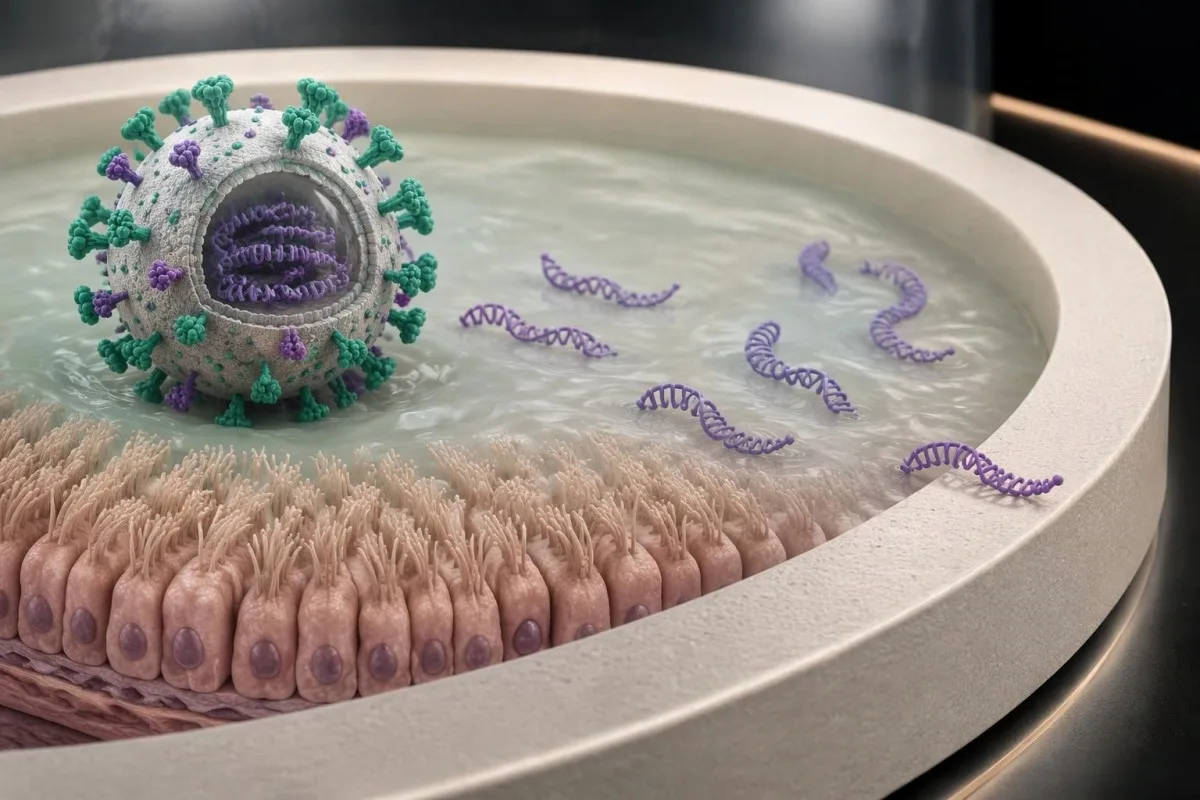
Daži molekulārie testi uzrāda cikla slieksni jeb Ct, taču daudzi elpceļu infekciju paneļi sniedz tikai kvalitatīvu rezultātu. Viena un tā paša validētā testa ietvaros zemāks Ct parasti liecina par lielāku sākotnējo mērķa materiāla daudzumu; to ietekmē arī uztriepes paņemšanas tehnika, parauga atšķaidīšana, transportēšana un testa izstrāde. Hipotētisku Ct vērtību 30 no vienas laboratorijas nevar uzskatīt par līdzvērtīgu vērtībai 30 no citas laboratorijas.
Kantesti separates 2 questions that patients often combine: whether the target was detected and whether that person can transmit infection now. Viral culture can help demonstrate replication-capable virus in specialized settings, but it is not a routine return-to-school test. Henrickson's review describes variable shedding, including prolonged shedding in some children and immunocompromised people (Henrickson, 2003).
A recovering person with no fever and improving energy has a different practical risk profile from someone with a new fever and frequent coughing, even if both reports say detected. Our adenovirus shedding explanation illustrates the broader distinction between molecular detection and clinical recovery. Its virus-specific timelines should not be used as parainfluenza clearance rules.
Vai paragripa ir lipīga, un kā tā izplatās?
Parainfluenza is contagious and spreads through respiratory secretions, close contact, and contaminated hands or objects that carry secretions to the eyes, nose, or mouth. Symptoms commonly develop about 2–6 days after exposure, and transmission risk is generally greatest early in the illness.
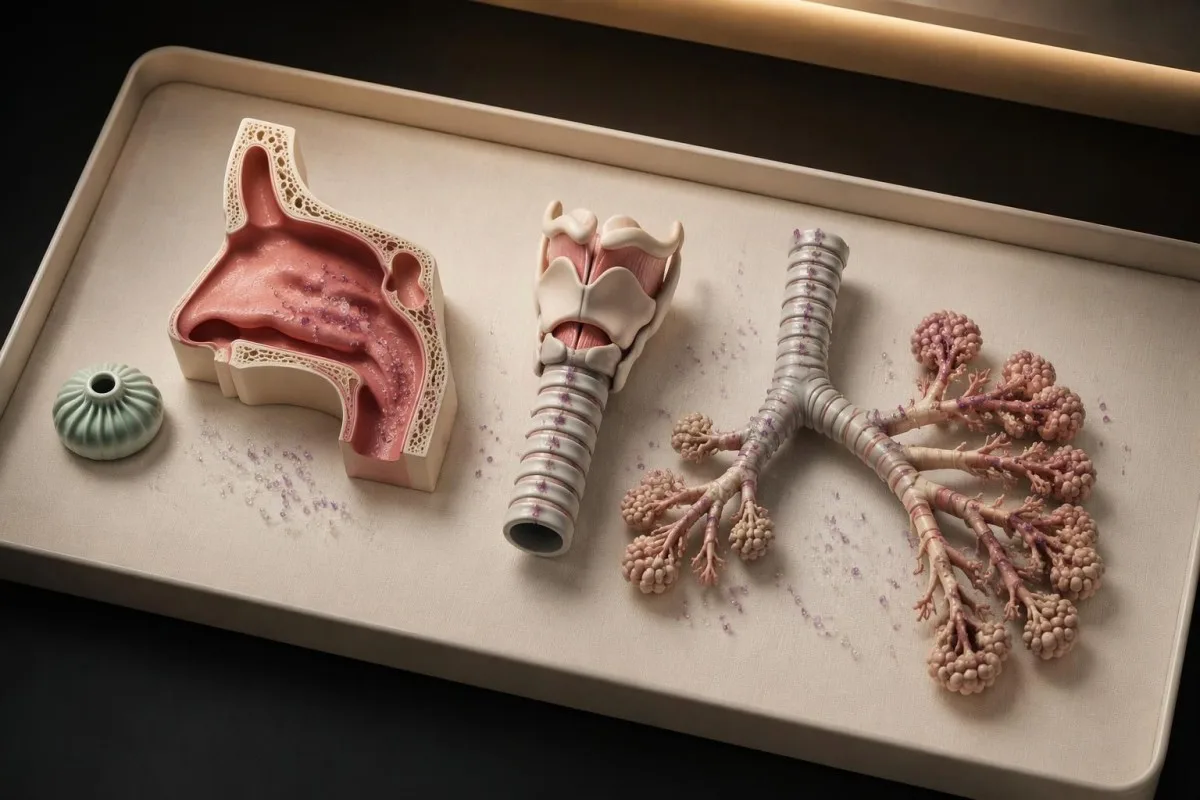
A household exposure does not mean everyone will become sick on the same day. For example, a child who develops a cough on Monday could have been exposed several days earlier, while a sibling exposed later may develop symptoms toward the end of the week. The 2–6-day incubation range explains why an apparently well household member is not automatically free of risk.
Young children may shed virus beyond the first week, and immune suppression can extend shedding further; a universal 7-day or 10-day cutoff is therefore misleading. Frequent coughing, close face-to-face care, and shared indoor air increase opportunities for transmission. A small amount of detectable RNA does not translate into a measurable probability that one particular hug or conversation will cause infection.
Wash hands with soap and water for at least 20 seconds, improve ventilation, and avoid sharing cups or utensils while ill. Clean frequently touched items after contact with respiratory secretions, but do not treat surface cleaning as a substitute for reducing close exposure. Our post-illness contagiousness guide discusses why recovery and detection can diverge, although norovirus transmission and exclusion rules are different.
Kad varat atgriezties skolā, bērnudārzā vai darbā?
Return decisions should usually follow symptoms and local policy, not repeat PCR alone. For community respiratory illnesses, CDC guidance allows normal activities when symptoms improve overall and fever has been absent for at least 24 hours without fever-reducing medicine, followed by 5 days of added precautions.
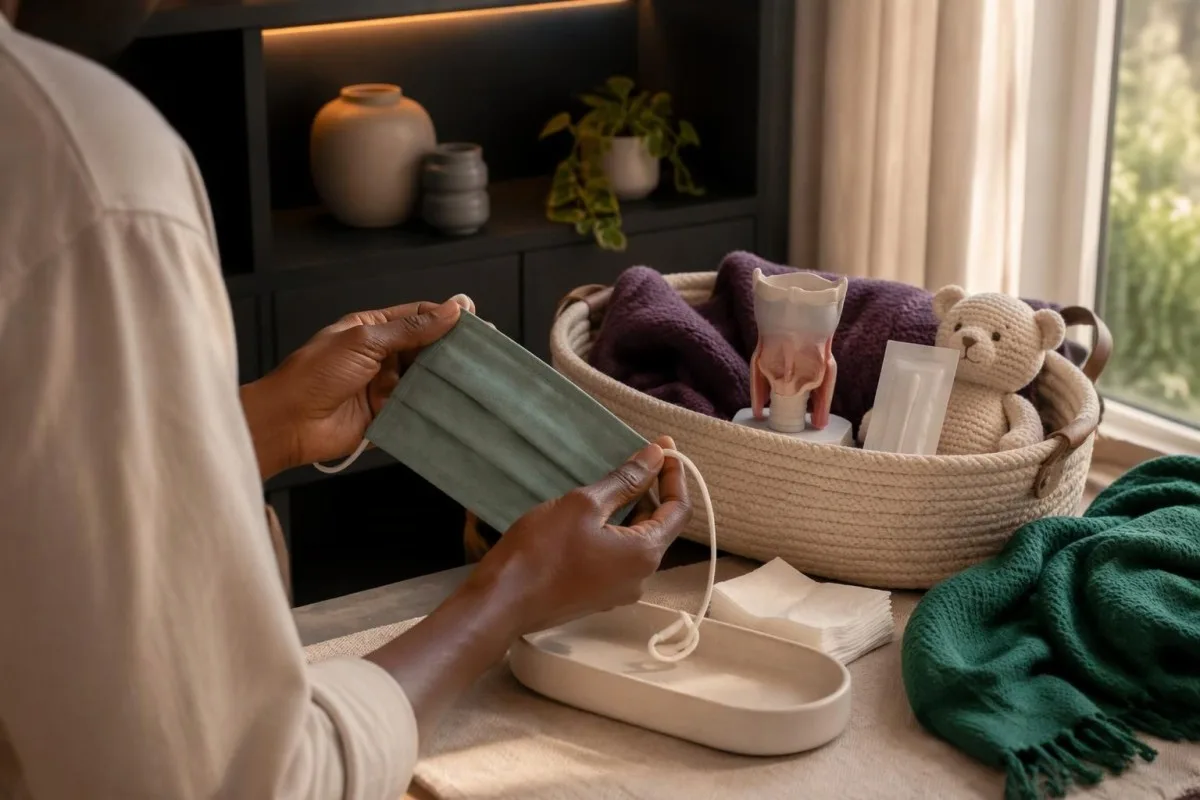
The CDC respiratory illness guidance is a general community framework, not a parainfluenza-specific proof of clearance. During the next 5 days, cleaner air, distancing where practical, and a well-fitting mask for people who can safely wear one reduce exposure. Do not put masks on children younger than 2 years or anyone unable to remove one safely.
Nurseries, schools, employers, hospitals, and transplant units may apply different policies. A child also needs enough energy to participate and enough hydration to manage the day; meeting a 24-hour fever rule does not make a struggling child ready for nursery. If fever returns or symptoms worsen after resuming activities, stay home again and reassess rather than counting the previous recovery period as permanent clearance.
For a hypothetical family with a recovering preschooler and a grandparent receiving chemotherapy, postponing close indoor contact may be sensible even after the child meets nursery criteria. Share only the information the school or employer actually needs; a complete laboratory report can reveal unrelated health details. Our privacy and data approach explains this distinction for health information handled through our service.
Kam ir lielāks smagas paragripas saslimšanas risks?
Most otherwise healthy people develop a self-limited respiratory illness, but infants, older adults, immunocompromised people, and those with significant lung or heart disease have greater risk of complications. Severity depends on airway involvement and physiological function, not which of the 4 virus types appears on the report.
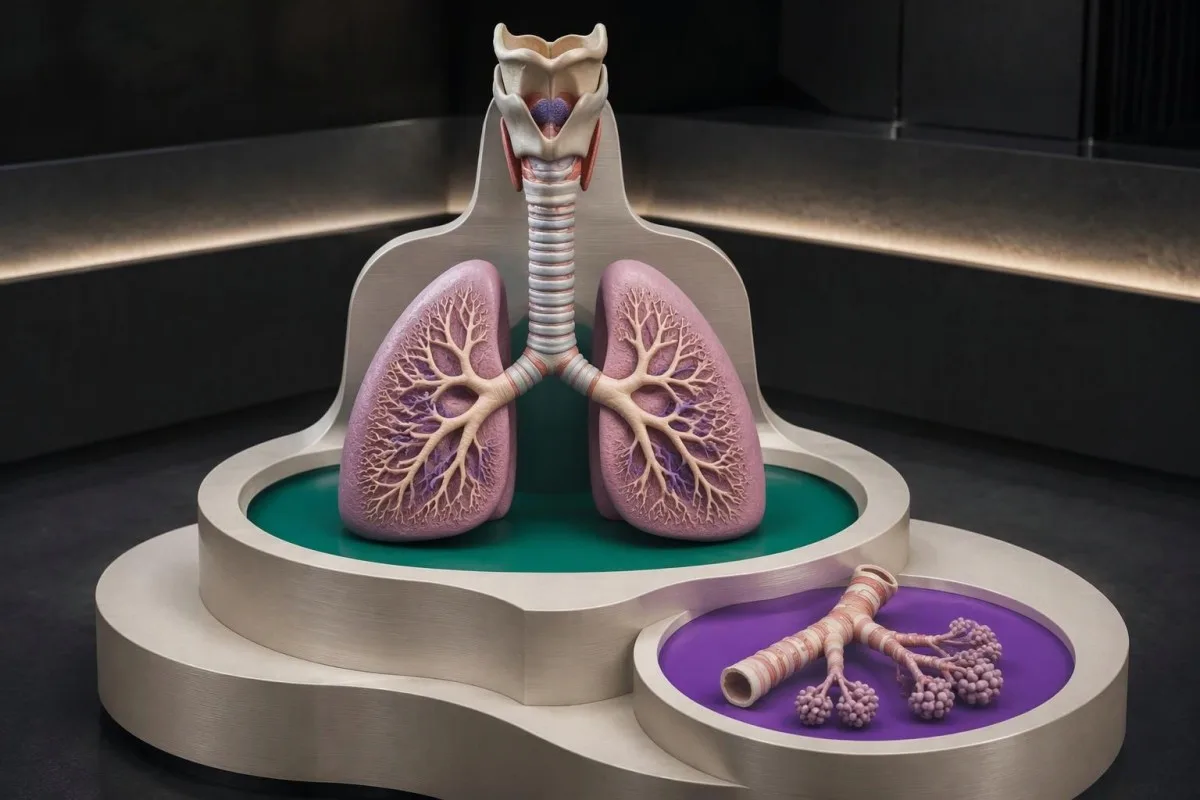
Parainfluenza types 1 and 2 are particularly associated with croup, while type 3 is often associated with bronchiolitis and pneumonia; these are tendencies, not guarantees. Henrickson's Clinical Microbiology Reviews article describes these clinical associations across the 4 types (Henrickson, 2003). A type 3 result in a comfortable adult does not establish pneumonia, and type 1 does not guarantee a mild course.
A hypothetical 35-year-old drinking normally with a runny nose and mild cough may need only home care, while an 8-month-old with chest retractions needs prompt assessment despite having the same detected virus. Smaller airways tolerate less swelling before airflow becomes difficult. Feeding difficulty in babies also matters because breathing and sucking compete for effort, allowing dehydration to develop before an obvious laboratory abnormality appears.
Older adults may show reduced appetite, confusion, or worsening breathlessness rather than a striking fever. People with asthma or COPD can develop exacerbations requiring their existing action plan and medical review, not an automatic new antibiotic. Our adult respiratory warning signs cover similar assessment principles for RSV, another distinct virus that can affect vulnerable adults.
Kā paragripa izraisa krupu un trokšņainu elpošanu?
Parainfluenza can cause croup by producing swelling around the larynx and the airway just below the vocal cords. Croup is most common around 6 months to 3 years and typically causes a barking cough, hoarseness, and sometimes a harsh sound when breathing in called stridor.
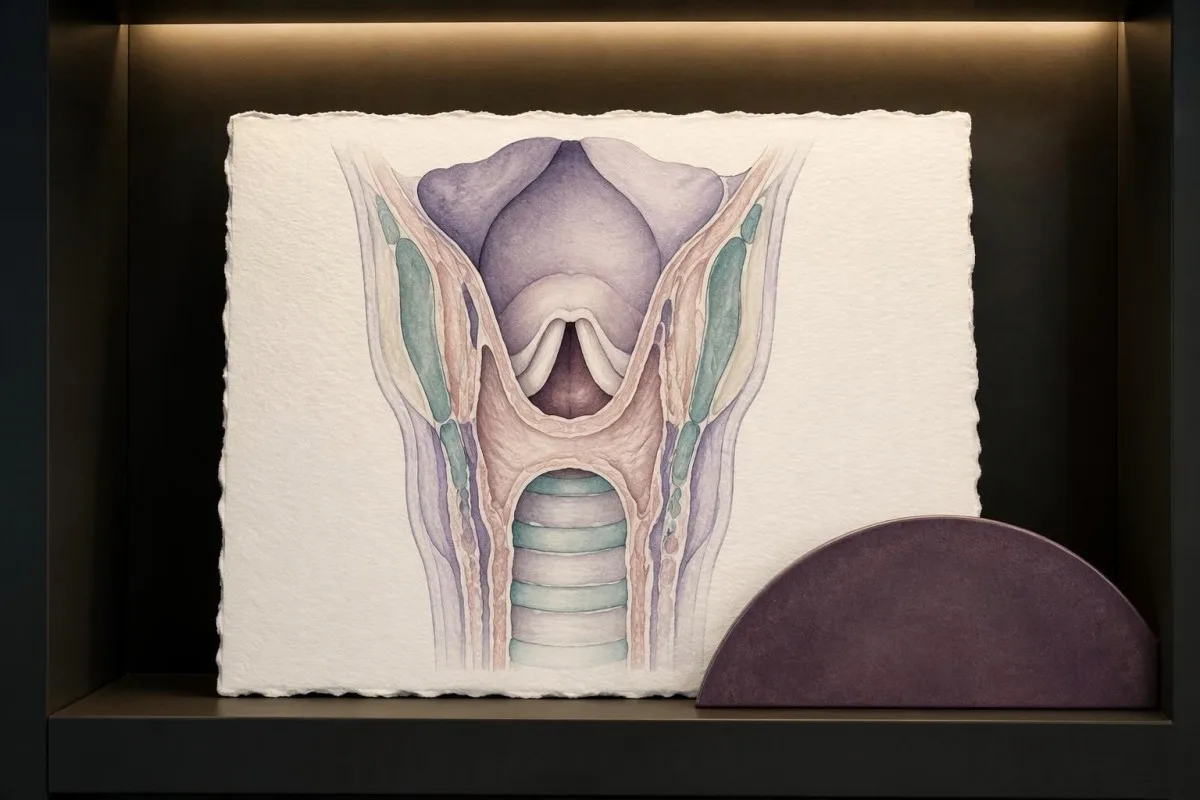
Stridor and wheeze are different sounds. Stridor is usually a harsh upper-airway sound during inhalation; wheeze is commonly a musical chest sound during exhalation. A short recording can help describe an intermittent sound to a clinician, but recording for 30 seconds must never delay seeking help when a child has stridor at rest or is visibly working to breathe.
Croup often becomes more noticeable at night, and agitation can make breathing noise worse. Keep an upset child calm and comfortably upright while arranging advice; assess the sound when the child is settled, not only during crying. A hypothetical 2-year-old who barks when coughing but breathes quietly between coughs has a different urgency level from a child with continuous stridor while sitting calmly.
Drooling, inability to swallow, sudden onset during eating, a muffled voice, or an unusually ill appearance are not reasons to assume ordinary croup. They can signal another airway problem and need urgent assessment, even with 1 positive viral result. Our guidance on bērnu MI interpretācijas ierobežojumiem explains why laboratory interpretation cannot replace direct pediatric airway assessment.
Kad krupa ārstēšanai nepieciešams deksametazons vai inhalācijas terapija?
Clinically diagnosed croup may benefit from a single corticosteroid dose, even when symptoms are mild. Dexamethasone 0.6 mg/kg once is a common regimen; clinicians may use lower doses under local protocols, while moderate or severe croup may also require nebulized epinephrine and observation.
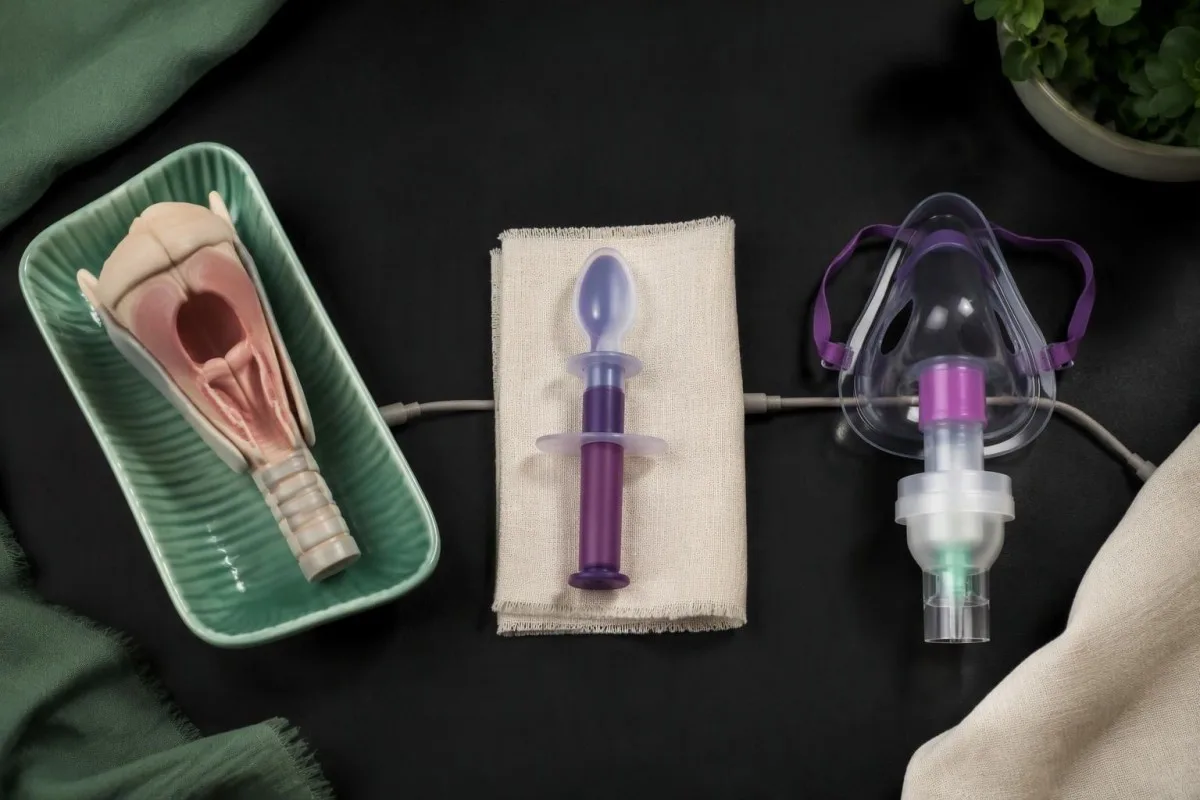
In a randomized trial of 720 children with mild croup, return visits for medical care within 7 days occurred in 7.3% after dexamethasone versus 15.3% after placebo (Bjornson et al., 2004). This demonstrates benefit for the croup syndrome, not for every parainfluenza-positive cough. Corticosteroids are not routine treatment for an uncomplicated parainfluenza cold without another indication.
The 2023 Cochrane review by Aregbesola et al. supports glucocorticoids for croup, while comparisons between doses leave some uncertainty about the best regimen for every presentation. For a hypothetical 12 kg child, 0.6 mg/kg calculates to 7.2 mg; the clinician selects the formulation and applicable maximum dose. Parents should not use leftover steroid medicine or copy another child's prescribed volume.
Nebulized epinephrine provides temporary improvement, so discharge decisions commonly include at least 2 hours of observation after treatment, with longer observation depending on the clinical course and local protocol. Kantesti is an AI blood test interpretation platform, not a service that determines whether a child can safely leave emergency care. Our AI tehnoloģijas paskaidrojums distinguishes report analysis from an examination, medication decision, or monitored treatment response.
Kāda atbalstošā aprūpe palīdz nekomplicētas paragripas gadījumā?
Uncomplicated parainfluenza usually needs fluids, rest, nasal comfort measures, and symptom relief rather than antibiotics. Honey may help cough in people older than 1 year, but it must not be given to infants younger than 12 months because of the risk of infant botulism.
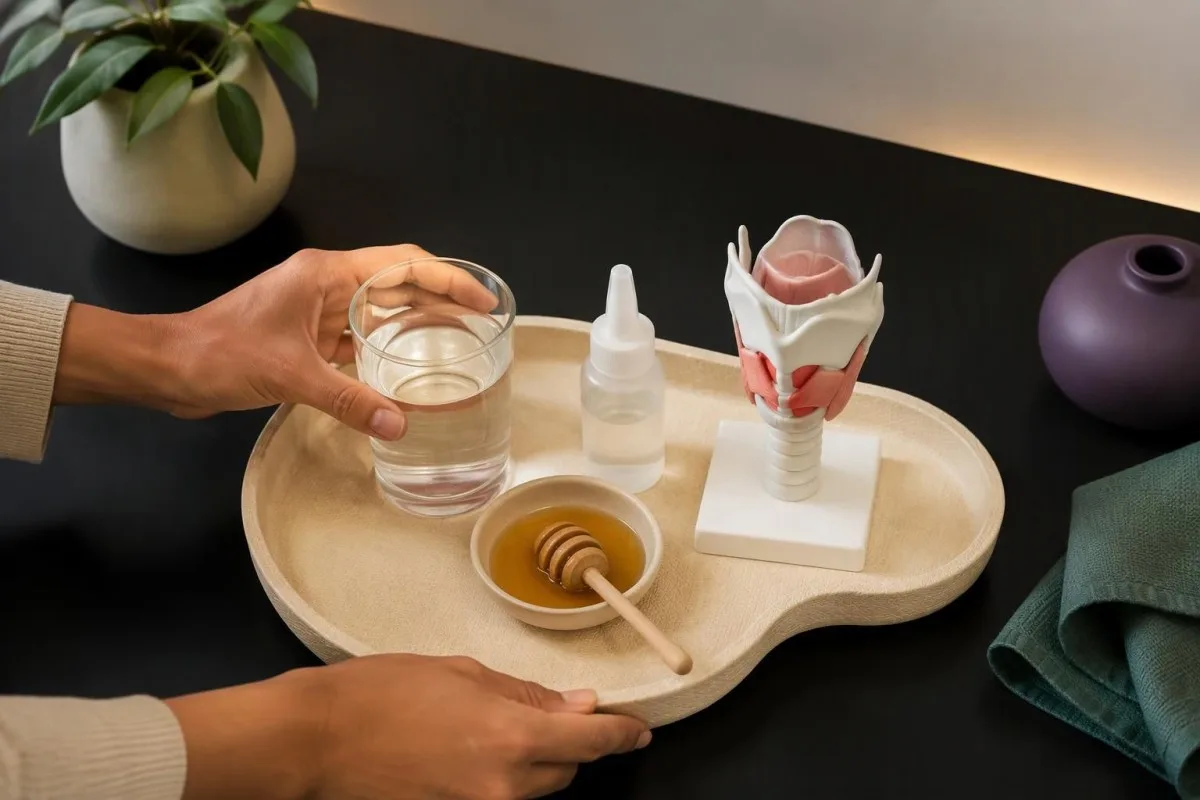
For adults who can take paracetamol, a common dose is 500–1,000 mg with at least 4 hours between doses; follow the local product's daily maximum and never exceed 4,000 mg from all products combined. Lower limits may apply with low body weight, liver disease, or alcohol-related risk. Our acetaminophen overdose explanation explains why combining cold remedies can unintentionally duplicate paracetamol, the same medicine under another name.
Children need weight- and formulation-specific dosing rather than an adult schedule, and aspirin should not be used for a child's viral illness unless a specialist specifically prescribes it. Offer smaller, more frequent drinks or feeds; saline drops and gentle nasal suction before feeding may help a congested infant. Never dilute infant formula beyond its instructions, and do not use 1 adult medicine dose as a shortcut for pediatric treatment.
Hot steam is not a proven croup treatment and can cause burns; a steamy bathroom should not delay assessment for noisy breathing. Antibiotics do not treat parainfluenza, and no established routine antiviral treatment is available for an otherwise healthy outpatient. If poor intake becomes significant, clinicians may assess hydration and electrolytes, as described in our elektrolītu rezultātu ceļvedis, rather than assuming every recovering person needs laboratory tests.
Kuru elpošanas pazīmju gadījumā nepieciešama steidzama vai neatliekama medicīniskā palīdzība?
Stridor at rest, marked chest retractions, blue or grey lips, pauses in breathing, severe breathlessness, or reduced responsiveness require urgent assessment, often emergency care. A normal-looking PCR report or oxygen reading must not overrule these signs; a baby younger than 3 months with a temperature of 38°C or higher also needs urgent assessment.
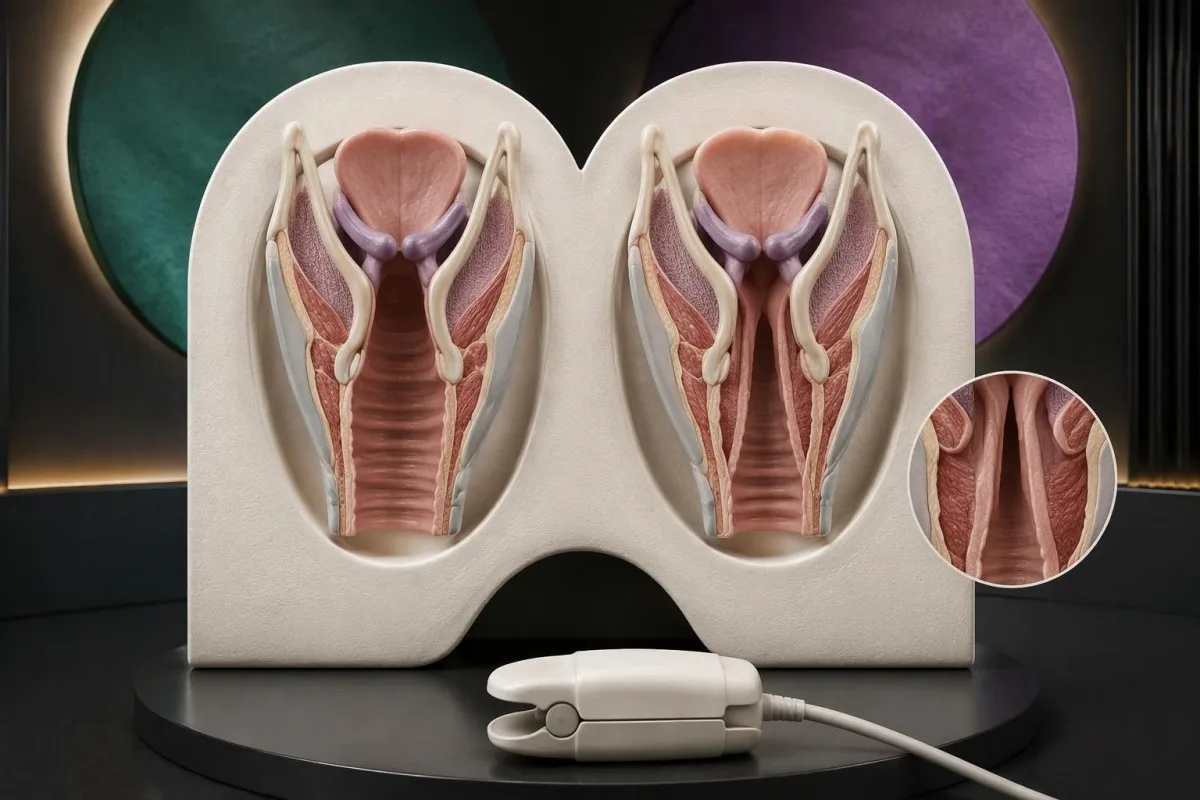
Call local emergency services if the person cannot speak normally because of breathlessness, has blue or grey lips, becomes difficult to wake, or has breathing pauses. In children, pulling inward between or below the ribs and persistent stridor while calm are concerning. Do not spend another 10 minutes arranging a repeat swab, uploading a report, or trying home remedies when these signs are present.
Home pulse oximeters are imperfect, particularly with movement, cold fingers, poor fit, and differences in skin pigmentation. At usual low-altitude conditions, a persistent resting saturation of 92% or lower generally warrants urgent medical evaluation; a reading of 90% or lower is an emergency signal unless an individualized clinical plan says otherwise. Severe upper-airway obstruction can initially occur with a reassuring saturation, as our elpas trūkuma izmeklēšanas ceļvedis .
A hypothetical child with loud stridor and a displayed oxygen saturation of 97% still needs urgent airway assessment because oxygenation is not the same as easy airflow. Clinicians assess respiratory effort, alertness, hydration, and trends, sometimes using additional tests when lower-airway disease is suspected. Our arterial blood gas explanation describes why oxygen and carbon dioxide measurements answer different questions.
Ko darīt, ja klepus nepāriet vai drudzis atgriežas?
A lingering cough can outlast the most infectious phase, but worsening breathing or a returning fever needs reassessment. Many uncomplicated respiratory symptoms improve over roughly 7–10 days, while cough can last longer; neither a fixed day count nor a persistent positive PCR proves an uncomplicated recovery.
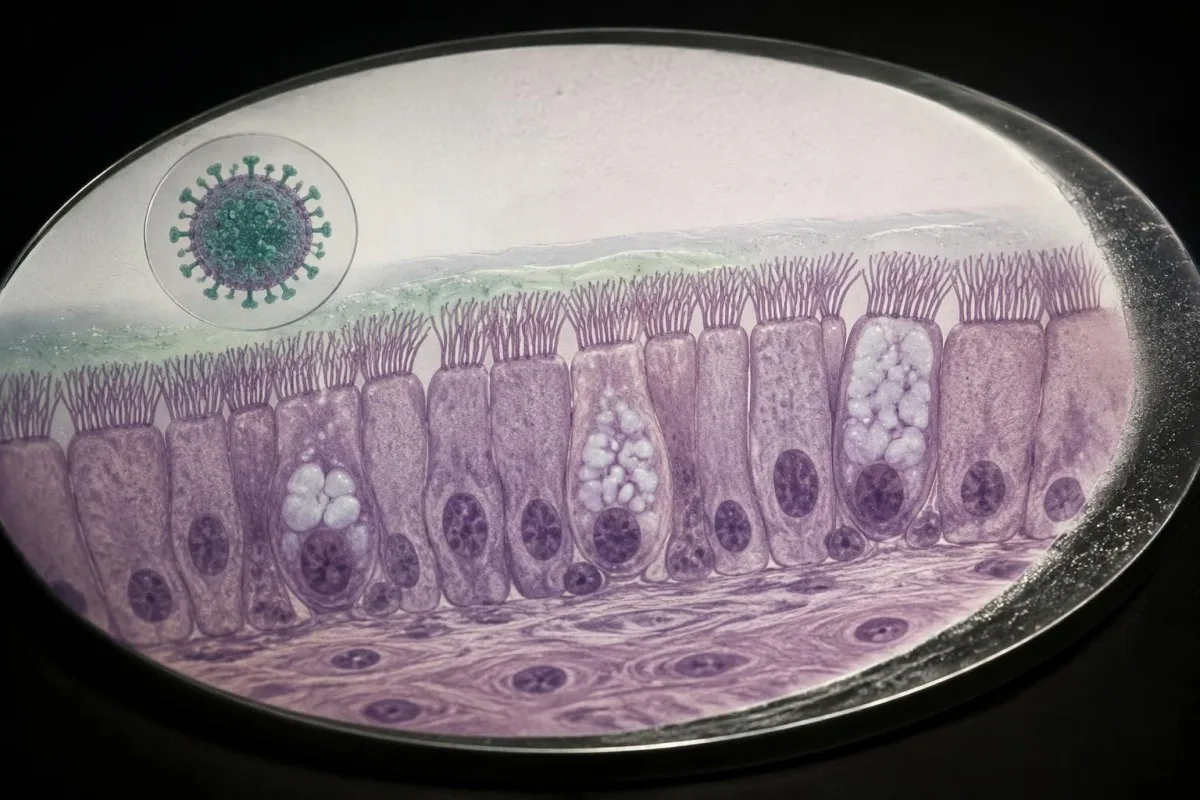
Postviral airway irritation can maintain cough after energy and appetite recover. The more useful distinction is improving versus worsening: a cough that is gradually less frequent differs from a new fever with chest pain, fast breathing, or reduced activity. If a cough lasts beyond about 3 weeks, or sooner if troublesome or worsening, arrange assessment rather than repeatedly checking the same viral target.
A positive parainfluenza result does not exclude bacterial pneumonia or another infection. Pertussis can cause coughing fits, vomiting after cough, or breathing pauses in infants, and testing has a time-dependent diagnostic window; our whooping cough testing guide explains that distinction. A hypothetical child who develops repeated coughing fits in week 2 deserves a fresh symptom review, not automatic attribution to the earlier panel.
Multiplex panels may detect more than 1 organism, but they do not necessarily test every relevant cause of pneumonia. If a clinician orders Mycoplasma antibody testing, timing and antibody persistence create a different interpretation problem from respiratory RNA detection. Our Mycoplasma antibody result guide explains why a positive IgM result is not interchangeable with a positive parainfluenza PCR.
Vai asins analīzes var parādīt, vai paragripa ir smaga?
Blood tests can reveal complications or support an assessment, but no CBC, CRP, or procalcitonin value can independently grade parainfluenza severity. For 2 people with the same positive swab, respiratory effort, oxygenation, hydration, and underlying health may lead to entirely different care decisions.
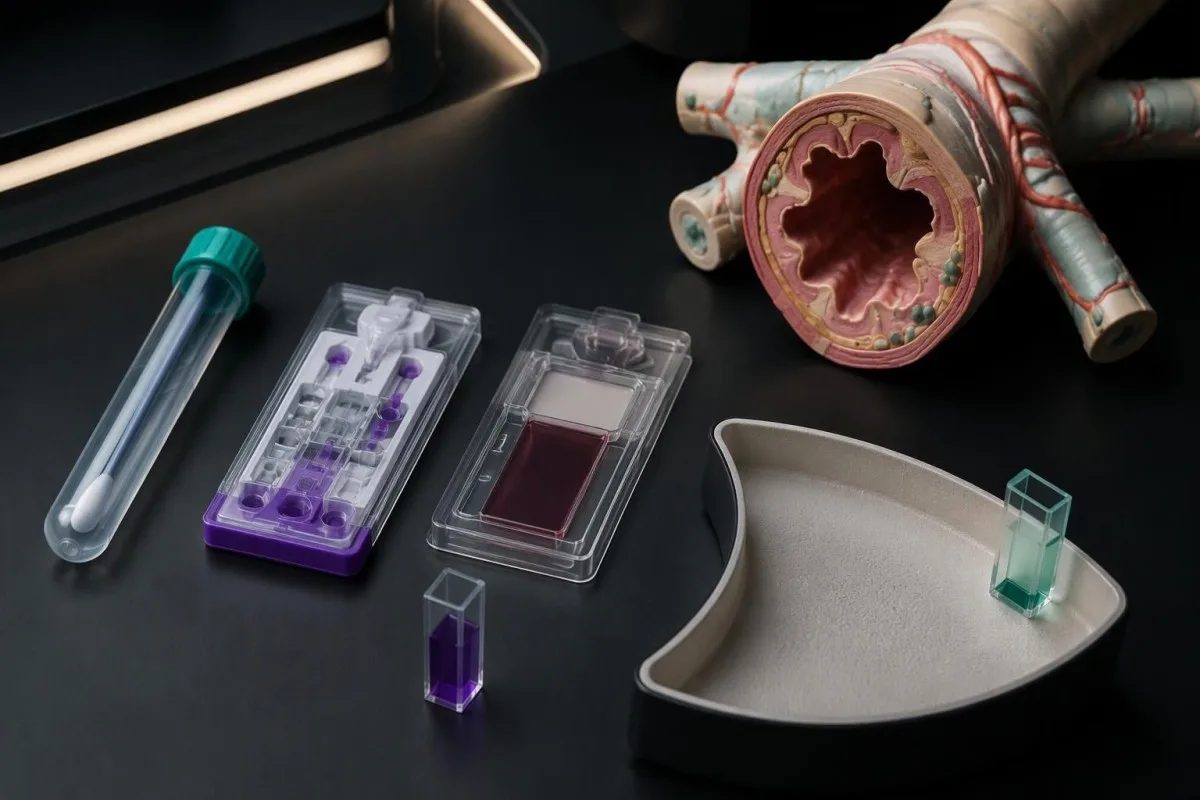
White cell count and CRP describe aspects of the immune response, not whether the airway is safely open. A hypothetical adult with a WBC of 8.0 × 10^9/L can still have pneumonia, while an elevated WBC may reflect stress or steroid treatment rather than bacterial infection. Our WBC un CRP salīdzinājums explains why disagreement between these markers needs context.
Procalcitonin sometimes supports antibiotic decisions in selected settings, but a low value cannot independently exclude early or localized bacterial pneumonia. For example, a hypothetical procalcitonin of 0.08 ng/mL must not override new hypoxia, focal chest findings, or clinical deterioration. Our prokalcitonīna interpretācijas ceļvedis separates a probability-shifting biomarker from a definitive bacterial rule-out test.
Kantesti AI helps explain accompanying blood-test patterns, but those patterns cannot certify that a person with 1 positive respiratory swab is safe for home care or no longer contagious. Chest imaging, examination, and repeat observations may matter more when lower respiratory disease is suspected. Our clinical methodology and oversight describe the boundaries of AI interpretation; do not order extra panels solely to obtain reassurance about an otherwise comfortable cold.
Kā ģimenēm un cilvēkiem ar novājinātu imunitāti veikt turpmāko novērošanu?
Families should match precautions and follow-up to each person's vulnerability rather than treating every positive result alike. Transplant recipients, people receiving chemotherapy, and others with substantial immune suppression should contact their treating team promptly about new respiratory symptoms or a positive panel, even on illness day 1.
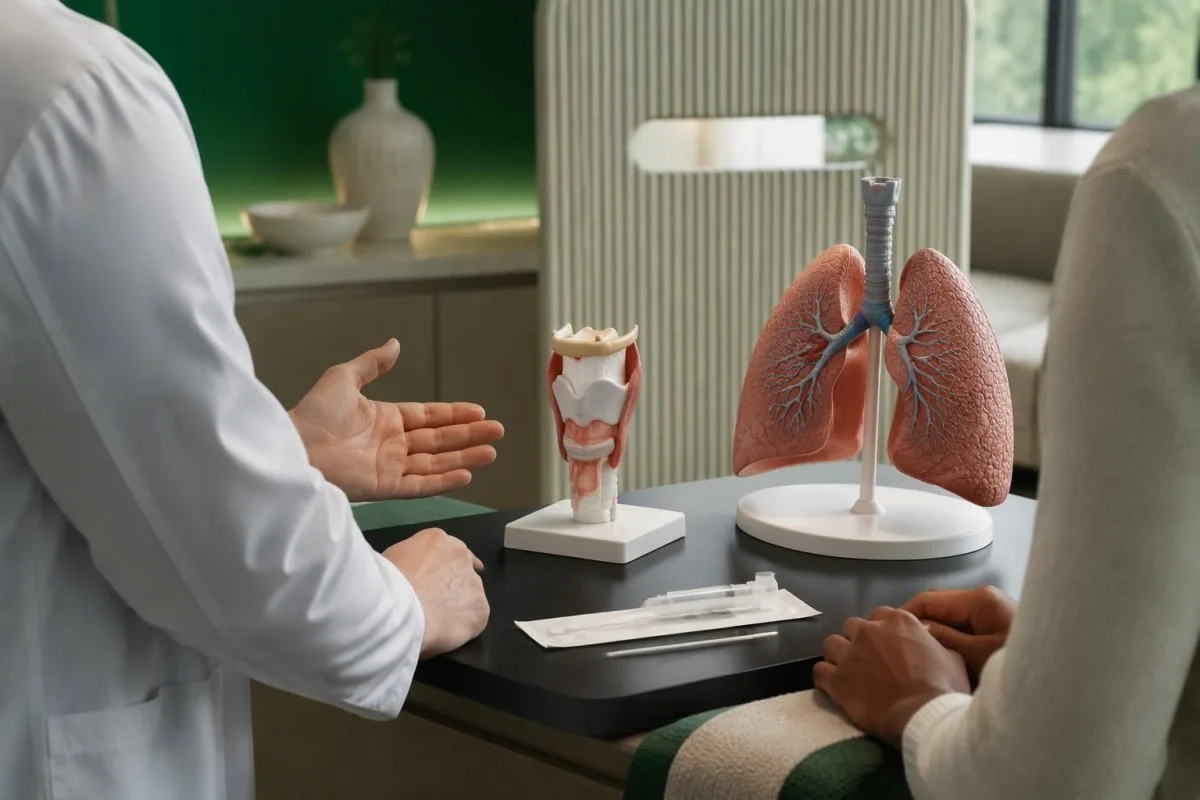
For a hypothetical household with a 3-year-old with croup and an adult taking transplant immunosuppression, prioritize cleaner air, less close contact when feasible, and advice from the transplant team. Do not independently reduce immunosuppressant doses or start leftover antivirals. Severe parainfluenza in immunocompromised patients may require specialist-directed management, but evidence for specific drug approaches is limited and does not establish a routine home regimen.
Specialist units may use repeat respiratory PCR for infection-control decisions, especially when prolonged shedding is plausible; this differs from routine community test-of-cure testing. A positive result after 2 weeks can have greater practical significance on a transplant ward than in a fully recovered healthy adult. Follow the unit's instructions about appointments and isolation rather than applying a general school-return rule to a high-risk clinical setting.
For families using Kantesti, keep each person's results and symptom timeline separate; one child's positive panel does not diagnose every household member. A single parainfluenza episode does not establish immune deficiency, but repeated severe or unusual infections may justify targeted assessment. Our Biežu infekciju testēšanas rokasgrāmata explains why the pattern across multiple illnesses is more informative than 1 isolated detection.
Rezultāta izvērtēšana kontekstā: pētījumi un mākslīgā intelekta ierobežojumi
Use the respiratory result alongside symptoms, specimen timing, and clinical risk—not as a stand-alone severity or clearance certificate. The 2 DOI-linked educational resources below address accompanying blood-test interpretation; they are not parainfluenza treatment trials and should not be cited as evidence about contagiousness.
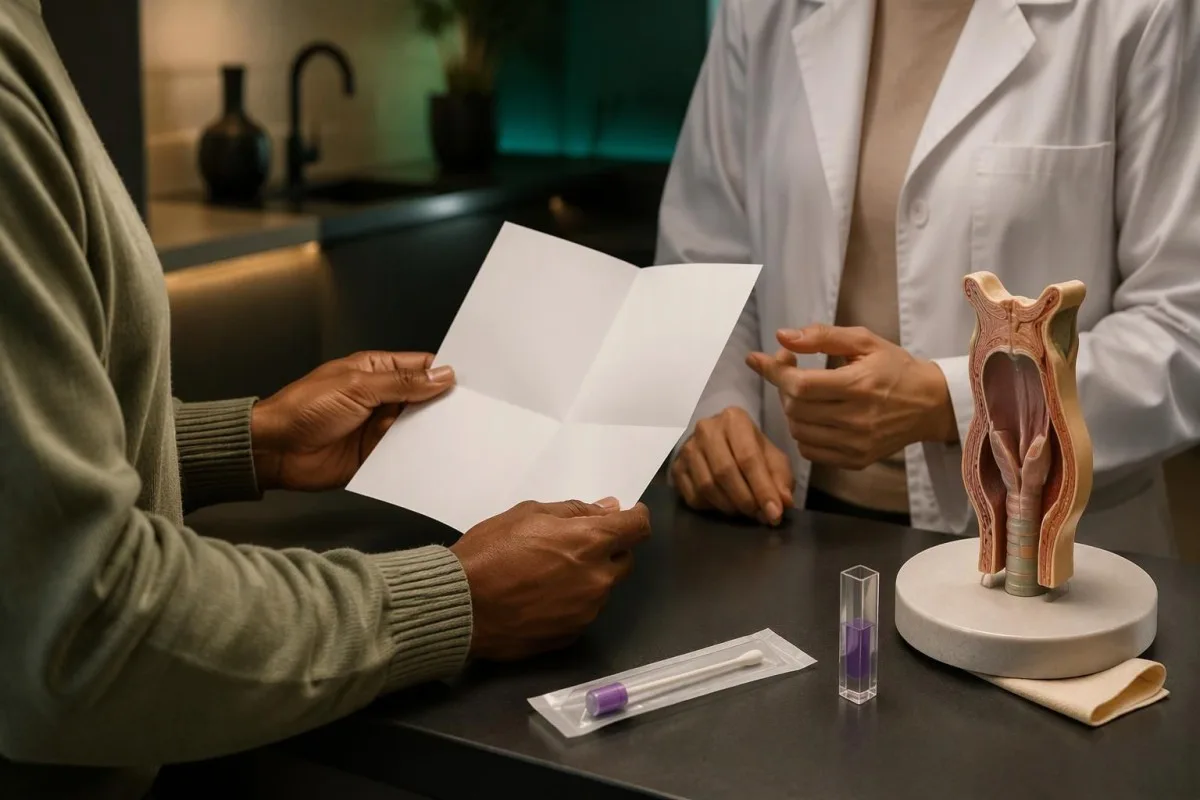
A CBC may include RDW, MCV, and MCHC, but these red-cell indices do not identify parainfluenza or measure its infectiousness. A hypothetical MCV of 78 fL raises a separate question about small red cells, not a reason to label the respiratory illness severe. Our RDW un sarkanās šūnas rokasgrāmata provides background for results that may appear alongside a respiratory illness assessment.
Kidney measurements can become relevant when poor intake, dehydration, or medication concerns accompany illness. A hypothetical BUN/creatinine ratio of 25:1 may fit reduced fluid intake in some settings, but the ratio alone cannot diagnose dehydration, and calculation depends on the reporting units. Our BUN un kreatinīna ceļvedis explains this separate interpretation problem.
Kantesti is an AI-powered blood test analysis tool that supports understanding of laboratory information without replacing examination or emergency triage. Our medicīniskā satura standarti require us to distinguish established guidance, hypothetical examples, and uncertain evidence. Before acting on 1 detected result, ask the practical questions: Is breathing comfortable, is hydration adequate, are symptoms improving, and does this person have a reason to seek earlier medical review?
Bieži uzdotie jautājumi
Vai paragripa ir lipīga, ja PCR testa rezultāts ir pozitīvs?
Paragripa ir lipīga, taču pozitīvs PCR rezultāts vien nevar pierādīt, ka cilvēks joprojām ir infekciozs brīdī, kad rezultāts tiek nolasīts. PCR nosaka vīrusa ģenētisko materiālu, kas var būt nosakāms arī pēc simptomu mazināšanās. Simptomi parasti sākas aptuveni 2–6 dienas pēc saskares ar vīrusu, un pārnešanas risks parasti ir visaugstākais slimības sākumā. Ievērojiet piesardzības pasākumus, vadoties pēc simptomiem, un sekojiet vietējiem norādījumiem, īpaši zīdaiņu un cilvēku ar novājinātu imunitāti tuvumā.
Cik ilgi man jāpaliek mājās paragripas gadījumā?
Sabiedrībā iegūtu elpceļu infekciju gadījumā CDC vadlīnijas parasti iesaka palikt mājās, līdz simptomi kopumā uzlabojas un vismaz 24 stundas nav bijis drudža, nelietojot drudzi mazinošas zāles. Turpmākās 5 dienas ieteicams ievērot papildu piesardzības pasākumus, jo simptomu uzlabošanās negarantē, ka pārnešanas risks ir nulle. Skolu, bērnudārzu, veselības aprūpes iestāžu un darbavietu noteikumi var atšķirties. Personai, kuras veselība citādi ir laba, pirms atgriešanās ikdienas gaitās parasti nav nepieciešams atkārtots negatīvs paragripas PCR tests.
Vai paragripa ir tas pats, kas gripa, un vai Tamiflu palīdz?
Paragripa nav gripa, un oseltamivirs, kas pazīstams arī kā Tamiflu, neārstē paragripu. Cilvēka paragripai ir 4 galvenie tipi, kas pieder citai vīrusu saimei nekā gripas vīrusi. Gripas vakcīnas nenodrošina specifisku aizsardzību pret paragripu. Ja elpceļu infekciju panelī tiek konstatēta arī gripa, ārsts var apsvērt ārstēšanu pret gripu, kas parasti ir visefektīvākā 48 stundu laikā, taču to lieto arī vēlāk atsevišķos gadījumos, kad pacientam ir paaugstināts risks vai slimība ir smaga.
Vai tas, ka ir konstatēts paragripas vīruss, nozīmē, ka manam bērnam ir krups?
Paragripas vīrusa noteikšana nozīmē, ka testā konstatēts vīrusa ģenētiskais materiāls; tā neapstiprina, ka bērnam ir krups. Krupu diagnosticē pēc tādām pazīmēm kā rejošs klepus, aizsmakums un stridors, un tas visbiežāk sastopams vecumā no aptuveni 6 mēnešiem līdz 3 gadiem. Bērnam ar šiem simptomiem var palīdzēt ārsta nozīmēta ārstēšana ar kortikosteroīdiem. Stridors miera stāvoklī, izteikta krūškurvja ievilkšanās, siekalošanās vai rīšanas grūtības prasa steidzamu ārsta novērtējumu, nevis gaidīšanu uz nākamo testu.
Vai pēc paragripas man ir nepieciešamas antibiotikas vai vēl viena PCR analīze?
Nekomplicētas paragripas gadījumā parasti nav nepieciešamas antibiotikas vai atkārtota PCR testēšana. Antibiotikas ārstē baktēriju infekcijas, nevis paragripas vīrusu, un ilgstoši pozitīvs molekulārās testēšanas rezultāts pats par sevi nav pamats ārstēšanai. Ja pēc stāvokļa uzlabošanās atkal parādās drudzis, pasliktinās elpošana vai klepus saglabājas apgrūtinošs ilgāk par aptuveni 3 nedēļām, vērsieties pie ārsta, lai atkārtoti izvērtētu iespējamās komplikācijas vai citu cēloni. Pacientiem ar novājinātu imūnsistēmu var būt nepieciešami citi izmeklējumi un speciālistu komandas norādījumi par turpmāko novērošanu.
0 Kad pozitīvs paragripas testa rezultāts ir nopietns?
Pozitīvs paragripas tests rada bažas par klīnisko stāvokli, ja to pavada apgrūtināta elpošana, stridors miera stāvoklī, izteiktas krūškurvja ievilkšanās, zilganas vai pelēcīgas lūpas, elpošanas pauzes, samazināta reakcija uz apkārtējo vidi vai izteikta dehidratācija. Zīdainim, kurš jaunāks par 3 mēnešiem, ja temperatūra ir 38°C vai augstāka, nepieciešama steidzama medicīniska pārbaude pat tad, ja ir noteikts vīruss. Pastāvīgs skābekļa piesātinājums 92% vai zemāks parastos apstākļos nelielā augstumā parasti pamato steidzamu izvērtēšanu, taču normāls rādījums neizslēdz bīstamu augšējo elpceļu sašaurinājumu. Smagu simptomu gadījumā zvaniet neatliekamās palīdzības dienestam, nevis gaidiet atkārtotu PCR testu vai MI interpretāciju.
Uzziniet, kā lasīt asins analīžu rezultātus
Augšupielādējiet laboratorijas pārskatu, un Kantesti mākslīgais intelekts dažu sekunžu laikā vienkāršā valodā izskaidros katru biomarķieri. To izmanto vairāk nekā 2 miljoni cilvēku visā pasaulē.
Atsauces
- Klein, T., Mitchell, S., & Weber, H. (2026). RDW asins analīze: pilnīgs ceļvedis par RDW-CV, MCV un MCHC. Kantesti mākslīgā intelekta medicīniskie pētījumi. DOI
- Klein, T., Mitchell, S., & Weber, H. (2026). BUN/Creatinīna attiecība skaidrota: nieru funkcijas tests. Kantesti mākslīgā intelekta medicīniskie pētījumi. DOI
- Henrickson KJ (2003). Parainfluenza viruses. Clinical Microbiology Reviews. DOI PubMed
- Aregbesola A et al. (2023). Glucocorticoids for croup in children. Cochrane sistemātisko pārskatu datubāze. DOI
- Bjornson CL et al. (2004). A randomized trial of a single dose of oral dexamethasone for mild croup. The New England Journal of Medicine. DOI PubMed
- 2M+Analizētie testi
- 127+Valstis
- 100+Valodas
Par medicīnas komandu


E-E-A-T uzticēšanās signāli
Pieredze
Ārstu vadīta klīniskā laboratorijas interpretācijas darbplūsmu pārskatīšana.
Ekspertīze
Laboratorijas medicīnas fokuss uz to, kā biomarķieri uzvedas klīniskā kontekstā.
Autoritāte
Medicīniski recenzējis Dr. Thomas Klein, piedaloties Dr. Sarah Mitchell un Prof. Dr. Hans Weber.
Uzticamība
Uz pierādījumiem balstīta interpretācija ar skaidriem turpmākās rīcības ceļiem, lai mazinātu trauksmi.


Medicīniskā atruna
Šis raksts ir paredzēts tikai izglītojošiem nolūkiem un nav medicīnisks padoms. Vienmēr konsultējieties ar kvalificētu veselības aprūpes speciālistu, lai pieņemtu lēmumus par diagnostiku un ārstēšanu.
Publicēts · Sazinieties ar redakcijas komandu
Publicējis Kantesti Ltd, reģistrēts Anglijā un Velsā, uzņēmuma reģistrācijas Nr. 17090423, Londona, Apvienotā Karaliste.
