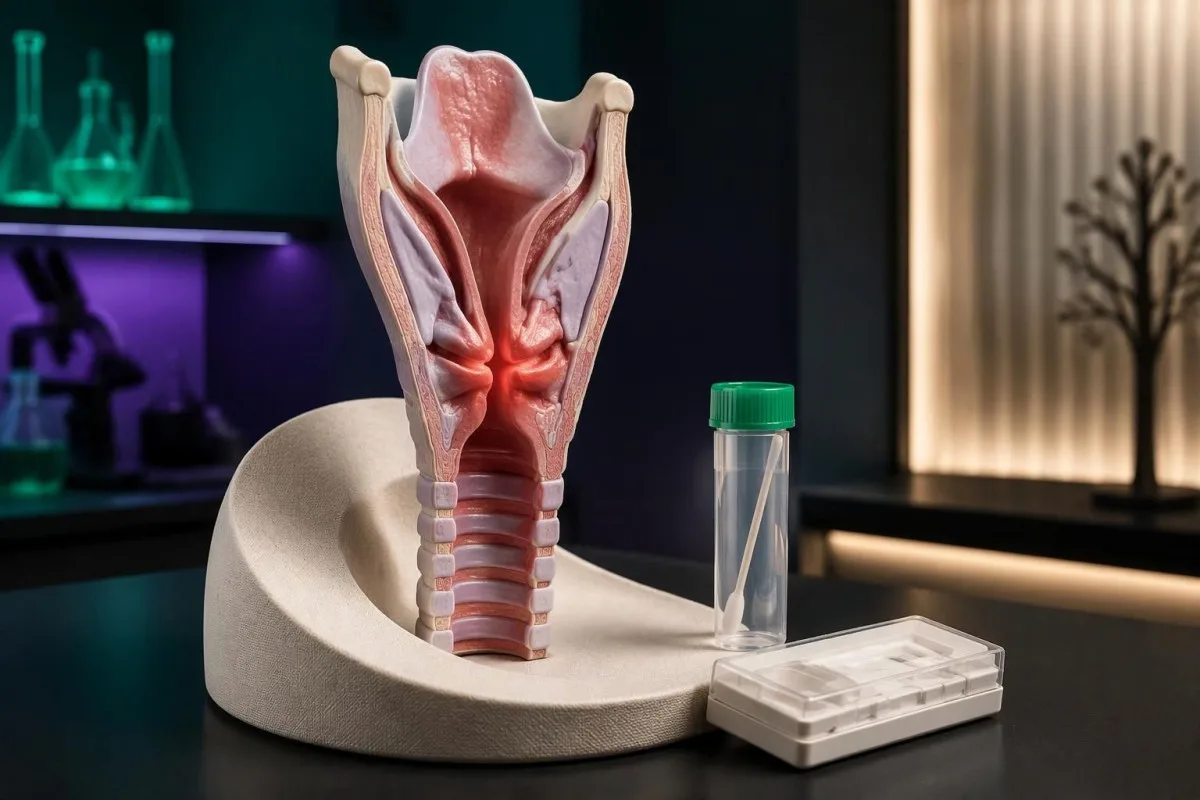
Парагриппке ПТР нәтижесінің оң болуы тест вирустың генетикалық материалын, әдетте, тыныс жолдарынан алынған жағындыдан анықтағанын білдіреді. Парагрипп жұқпалы және көбіне суық тиюге ұқсас ауру туғызады, бірақ крупке немесе пневмонияға әкелуі мүмкін; ПТР нәтижесі ғана аурудың қаншалықты ауыр екенін немесе жұқтыру қабілетіңіз әлі бар-жоғын көрсете алмайды.

Негізгі тұжырымдар
- Оң ПТР парагрипптің генетикалық материалын анықтайды, тірі вирустың өлшенген мөлшерін емес; 1 оң жағынды аурудың ауырлығын немесе инфекцияның басылғанын анықтай алмайды.
- Тұмаудан өзгеше: адам парагриппіне вирустың 4 негізгі түрі кіреді, ал осельтамивир сияқты тұмауға қарсы вирусқа қарсы дәрілер парагриппті емдемейді.
- Жұқпалылық әдетте аурудың бастапқы кезеңінде ең жоғары болады; симптомдар көбіне жұққаннан кейін шамамен 2–6 күнде басталады, бірақ вирус бөлінуі адамдар арасында әртүрлі болады.
- Қоғамдық орындардағы сақтық шаралары симптомдар жалпы жақсарып, қызу түсіретін дәрісіз кемінде 24 сағат бойы қызба болмаған кезде әдетте жеңілдетуге болады; келесі 5 күнде қосымша сақтық шараларын қолданыңыз.
- Круптің даму қаупі жас балаларда, әсіресе 6 айдан 3 жасқа дейінгі балаларда ең жоғары; үргендей жөтел мен демді ішке алғанда шығатын шулы тыныс медициналық бағалауды қажет етеді.
- Крупті емдеу дәрігер тағайындаған дексаметазонды қамтуы мүмкін, әдетте бір рет 0,6 мг/кг; тек оң PCR нәтижесі стероид қабылдауға себеп болмайды.
- Тыныс алудың шұғыл белгілері тыныштық күйінде стридордың болуын, кеуденің ішке тартылуын, еріннің көгеруін немесе сұрлануын, тыныс алудың үзіліп қалуын не іше алмауды қамтиды; басқа талдау нәтижесін күтпеңіз.
- Нәрестедегі қызба 3 айға толмаған нәрестеде 38°C немесе одан жоғары болуы шұғыл медициналық бағалауды қажет етеді, тіпті респираторлық панель вирусты анықтаса да.
Парагриппке ПТР нәтижесінің оң болуы нені білдіреді?
A парагриппке PCR оң нәтиже зертхана тапсырылған үлгіден адамның парагрипп вирусының генетикалық материалын анықтағанын білдіреді. Бұл қазіргі немесе жуырдағы респираторлық инфекцияны растайды, бірақ бір нәтиже пневмонияны, круптың ауырлығын немесе жұқпалы күйдің жалғасуын анықтай алмайды.
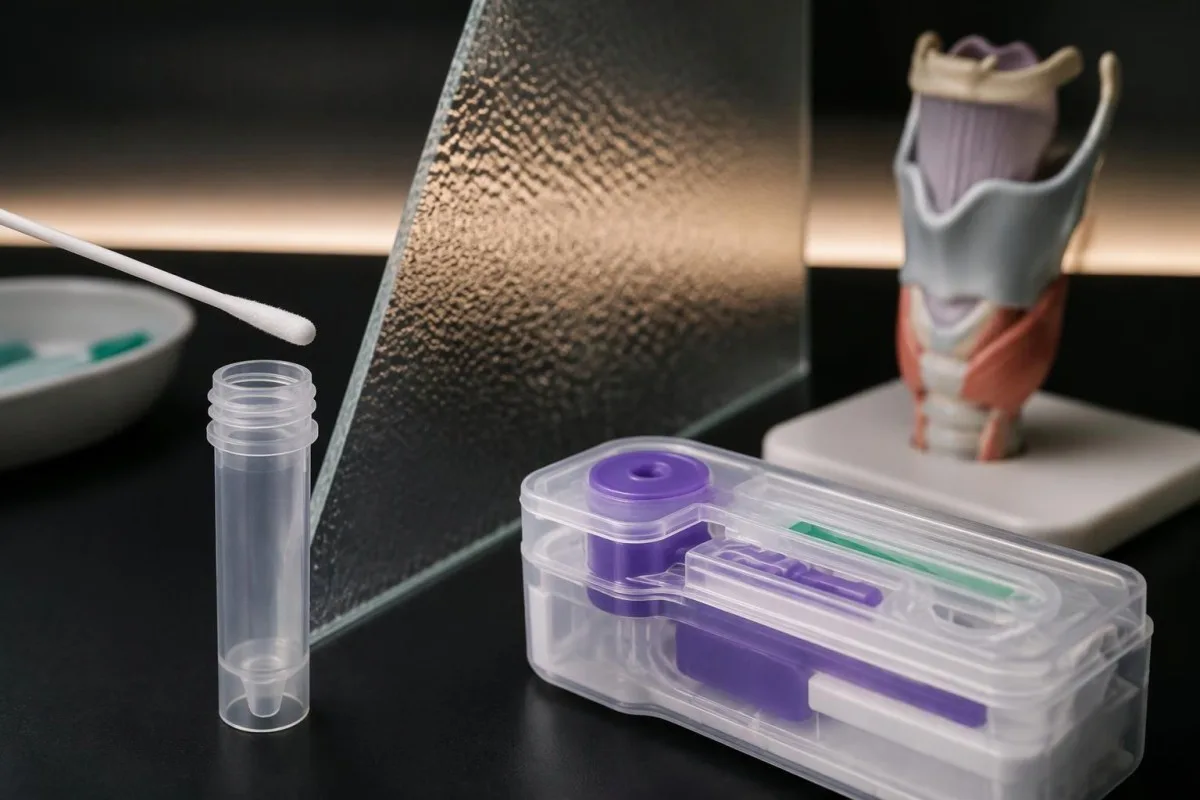
Респираторлық панельдердің көпшілігі қан үлгісін емес, мұрыннан немесе мұрын-жұтқыншақтан алынған жағындыны зерттейді. Адам парагрипп вирустарында РНҚ болады, сондықтан тестілеу әдетте амплификация алдында кері транскрипцияны қамтиды; есептерде әлі де қарапайымырақ PCR термині қолданылуы мүмкін. Біздің түсіндірмеміз сапалық және сандық нәтижелер анықталды/анықталмады деген жауаптың неліктен аурудың сандық бағасы еместігін түсіндіреді.
Есептерде парагрипптің 1, 2, 3 немесе 4 типі көрсетілуі не бірнеше тип бір нәтижеге біріктірілуі мүмкін. Зертхананың бұл таңдаулары есеп нені көрсететініне әсер етеді, бірақ сіздің жағдайыңыздың ауырлығына міндетті түрде әсер етпейді. Үлгі алынған күнді тексеріңіз: бүгін берілген нәтиже белгілер жақсармай не нашарламай тұрған кезде, бірнеше күн бұрын алынған үлгіге қатысты болуы мүмкін.
Kantesti — қосымша зертханалық көрсеткіштерді түсіндіруге көмектесетін AI қан талдағышы, ал респираторлық PCR үшін бөлек үлгі мен симптомдар туралы мәліметтер қажет. Біздің ұйым және мақсат жағындыны зерттеген зертханадан бөлек. Есеппен бірге 3 мәліметті сақтаңыз: симптомдар қашан басталды, үлгі қашан алынды және тыныс алу немесе ішу қабілеті өзгерді ме.
Парагрипп пен тұмау: бұлар бір инфекция ма?
Парагрипп пен тұмау — әртүрлі вирустар, атаулары ұқсас болғанымен. Адам парагриппінің 4 негізгі типі бар және ол Paramyxoviridae тұқымдасына жатады; ал тұмау Orthomyxoviridae тұқымдасына жатады, сондықтан тұмауға қарсы вакциналар мен тұмауға арнайы вирусқа қарсы препараттар парагриппті арнайы емдемейді.
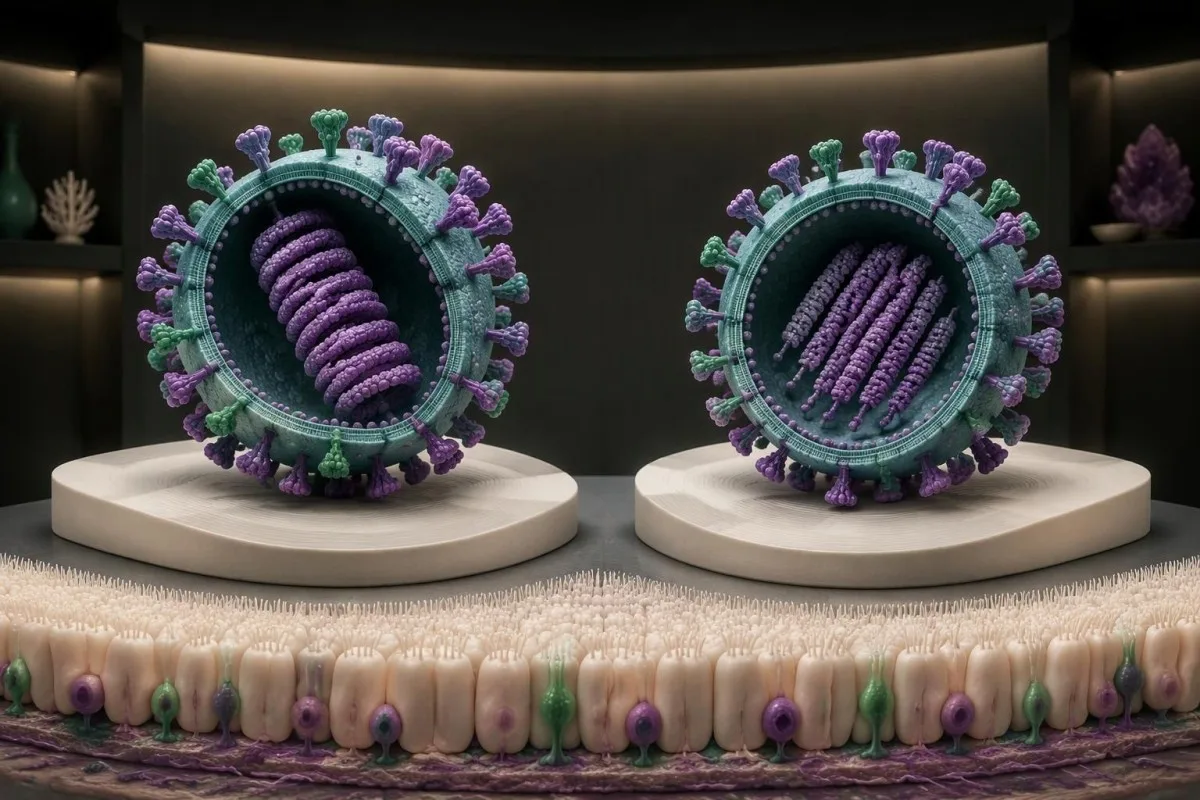
Екі ауру да қызба, жөтел, тамақ ауруы, шаршау және бұлшықет ауыруын туғызуы мүмкін, сондықтан тек симптомдарға қарап оларды сенімді ажырату мүмкін болмауы ықтимал. Тұмау көбіне кенет басталады, ал парагрипп баланың үргендей жөтелі пайда болғанға дейін жиі суық тиюге ұқсайды. Екі көрініс те диагноз қоюға жеткіліксіз; тұмау A, тұмау B және парагриппті жеке-жеке көрсететін панель әңгімеде айтылған «тұмау» сөзіне қарағанда анағұрлым пайдалы дәлел береді.
Осельтамивир тұмауға әсер етеді, парагриппке емес. Тұмауды емдеу көбіне 48 сағат ішінде басталғанда барынша тиімді болады, алайда ауру ауыр болса және қауіп тобына жататын пациенттерге кейінірек ем тағайындалуы мүмкін; бұл қағидаларды тек парагрипп анықталған жағдайға қолдануға болмайды. Біздің тұмауды емдеу туралы түсіндірмеміз тұмау да анықталған кездегі бөлек емдеу шешімдерінің жолын қамтиды.
Панель бір мезетте 2 респираторлық қоздырғышты анықтай алады, әрі бір оң нәтиже екіншісін жоққа шығармайды. Тұмау мен парагрипптің екеуі де анықталса, жасына, қауіп деңгейіне және ауру ұзақтығына қарай тұмауды емдеу әлі де орынды болуы мүмкін. Адам парагриппіне арнайы қарсы әдеттегі қолданыстағы лицензияланған вакцина жоқ, бірақ тұмауға қарсы күнделікті вакцинация көзделген тұмау түрлерінен қорғайды.
Неліктен ПТР жұқтыру қабілетіңіз әлі бар-жоғын анықтай алмайды
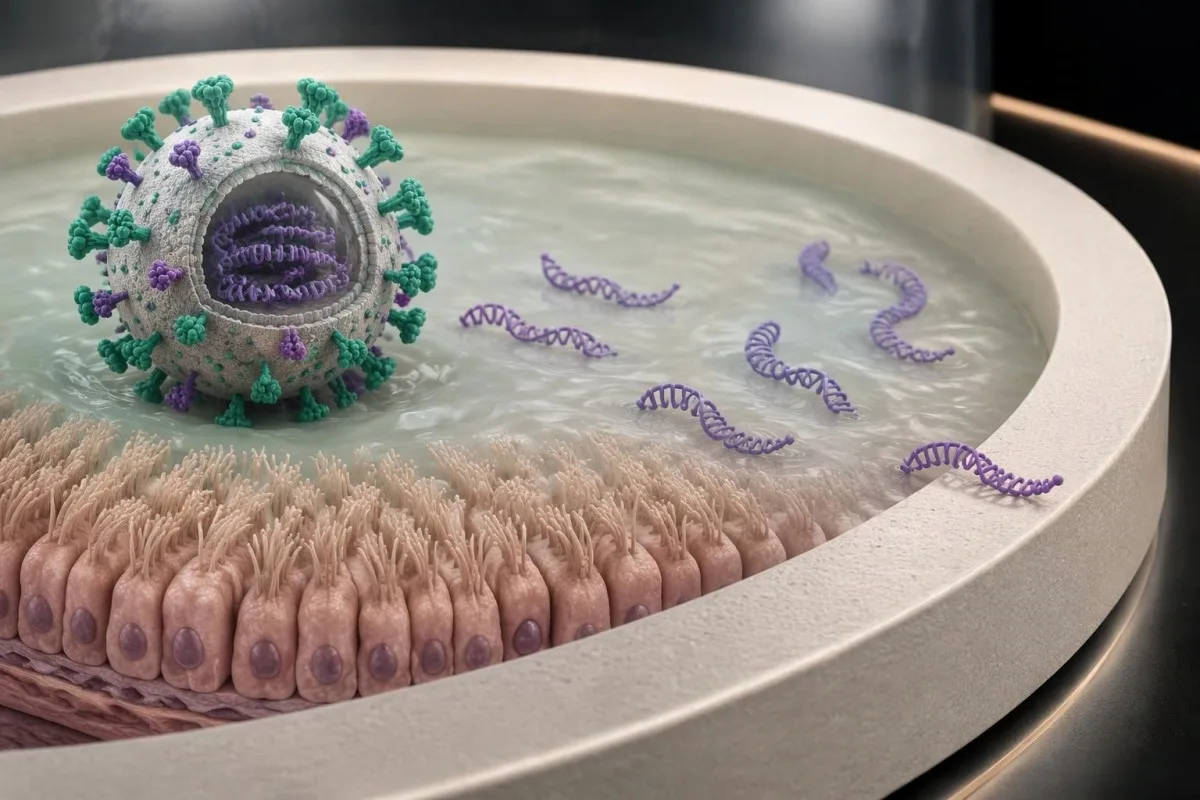
ПТР вирустық РНҚ-ны анықтайды, бірақ анықталған бөлшектердің барлығы көбейіп, тарала алатынын анықтамайды. Оң нәтиже белсенді ауру кезінде де, генетикалық материал кейін де анықталатын күйде қалған кезде де шығуы мүмкін; адамның жұқпалы емес екенін растайтын парагрипп ПТР-ына арналған валидацияланған шекті мән жоқ.
Кейбір молекулалық талдаулар цикл шегін немесе Ct, алайда көптеген респираторлық панельдер тек сапалық нәтиже береді. Бір валидацияланған талдаудың өзінде Ct мәнінің төмен болуы, әдетте, бастапқы нысаналы материалдың көбірек екенін көрсетеді; оған жағынды алу техникасы, үлгінің сұйылтылуы, тасымалдау және талдау дизайны да әсер етеді. Бір зертханадағы гипотетикалық 30 Ct мәнін басқа зертханадағы 30 мәніне тең деп қарастыруға болмайды.
Kantesti separates 2 questions that patients often combine: whether the target was detected and whether that person can transmit infection now. Viral culture can help demonstrate replication-capable virus in specialized settings, but it is not a routine return-to-school test. Henrickson's review describes variable shedding, including prolonged shedding in some children and immunocompromised people (Henrickson, 2003).
A recovering person with no fever and improving energy has a different practical risk profile from someone with a new fever and frequent coughing, even if both reports say detected. Our adenovirus shedding explanation illustrates the broader distinction between molecular detection and clinical recovery. Its virus-specific timelines should not be used as parainfluenza clearance rules.
Парагрипп жұқпалы ма және ол қалай таралады?
Parainfluenza is contagious and spreads through respiratory secretions, close contact, and contaminated hands or objects that carry secretions to the eyes, nose, or mouth. Symptoms commonly develop about 2–6 days after exposure, and transmission risk is generally greatest early in the illness.
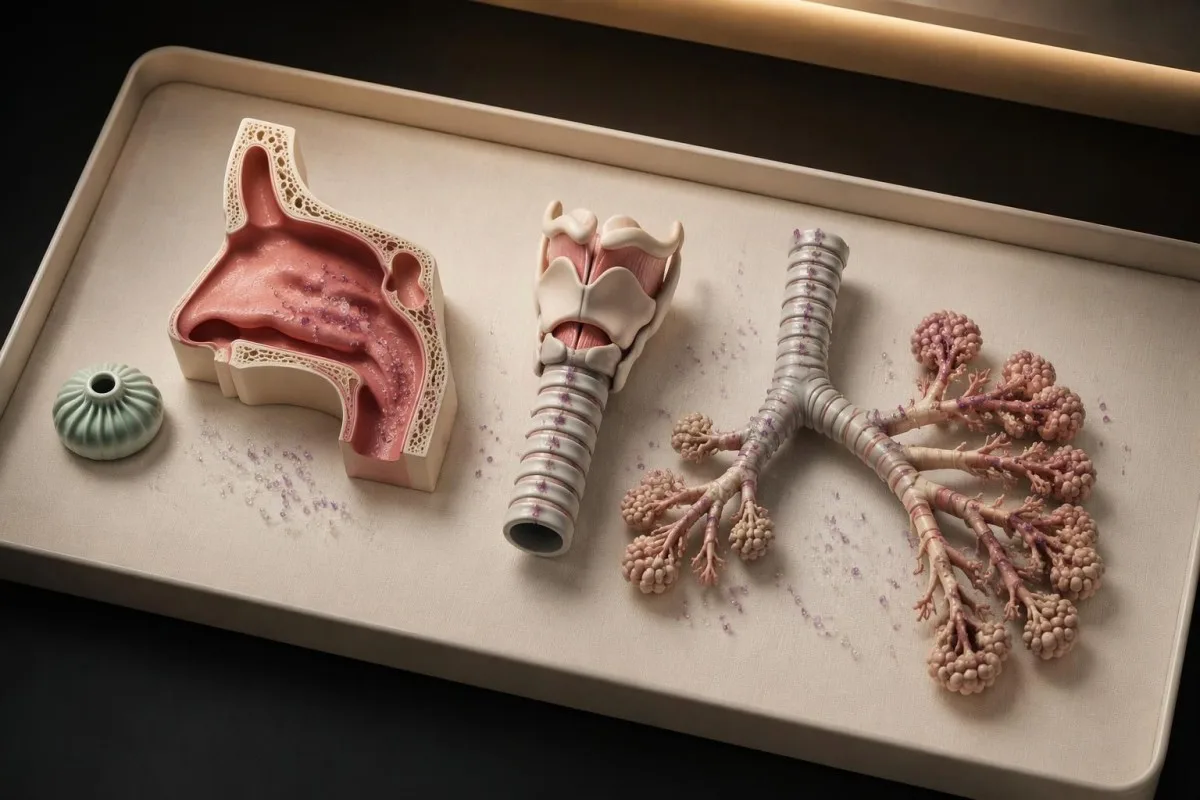
A household exposure does not mean everyone will become sick on the same day. For example, a child who develops a cough on Monday could have been exposed several days earlier, while a sibling exposed later may develop symptoms toward the end of the week. The 2–6-day incubation range explains why an apparently well household member is not automatically free of risk.
Young children may shed virus beyond the first week, and immune suppression can extend shedding further; a universal 7-day or 10-day cutoff is therefore misleading. Frequent coughing, close face-to-face care, and shared indoor air increase opportunities for transmission. A small amount of detectable RNA does not translate into a measurable probability that one particular hug or conversation will cause infection.
Wash hands with soap and water for at least 20 seconds, improve ventilation, and avoid sharing cups or utensils while ill. Clean frequently touched items after contact with respiratory secretions, but do not treat surface cleaning as a substitute for reducing close exposure. Our post-illness contagiousness guide discusses why recovery and detection can diverge, although norovirus transmission and exclusion rules are different.
Мектепке, балабақшаға немесе жұмысқа қашан оралуға болады?
Return decisions should usually follow symptoms and local policy, not repeat PCR alone. For community respiratory illnesses, CDC guidance allows normal activities when symptoms improve overall and fever has been absent for at least 24 hours without fever-reducing medicine, followed by 5 days of added precautions.

The CDC respiratory illness guidance is a general community framework, not a parainfluenza-specific proof of clearance. During the next 5 days, cleaner air, distancing where practical, and a well-fitting mask for people who can safely wear one reduce exposure. Do not put masks on children younger than 2 years or anyone unable to remove one safely.
Nurseries, schools, employers, hospitals, and transplant units may apply different policies. A child also needs enough energy to participate and enough hydration to manage the day; meeting a 24-hour fever rule does not make a struggling child ready for nursery. If fever returns or symptoms worsen after resuming activities, stay home again and reassess rather than counting the previous recovery period as permanent clearance.
For a hypothetical family with a recovering preschooler and a grandparent receiving chemotherapy, postponing close indoor contact may be sensible even after the child meets nursery criteria. Share only the information the school or employer actually needs; a complete laboratory report can reveal unrelated health details. Our privacy and data approach explains this distinction for health information handled through our service.
Кімдерде парагрипптің ауыр түрінің даму ықтималдығы жоғары?
Most otherwise healthy people develop a self-limited respiratory illness, but infants, older adults, immunocompromised people, and those with significant lung or heart disease have greater risk of complications. Severity depends on airway involvement and physiological function, not which of the 4 virus types appears on the report.
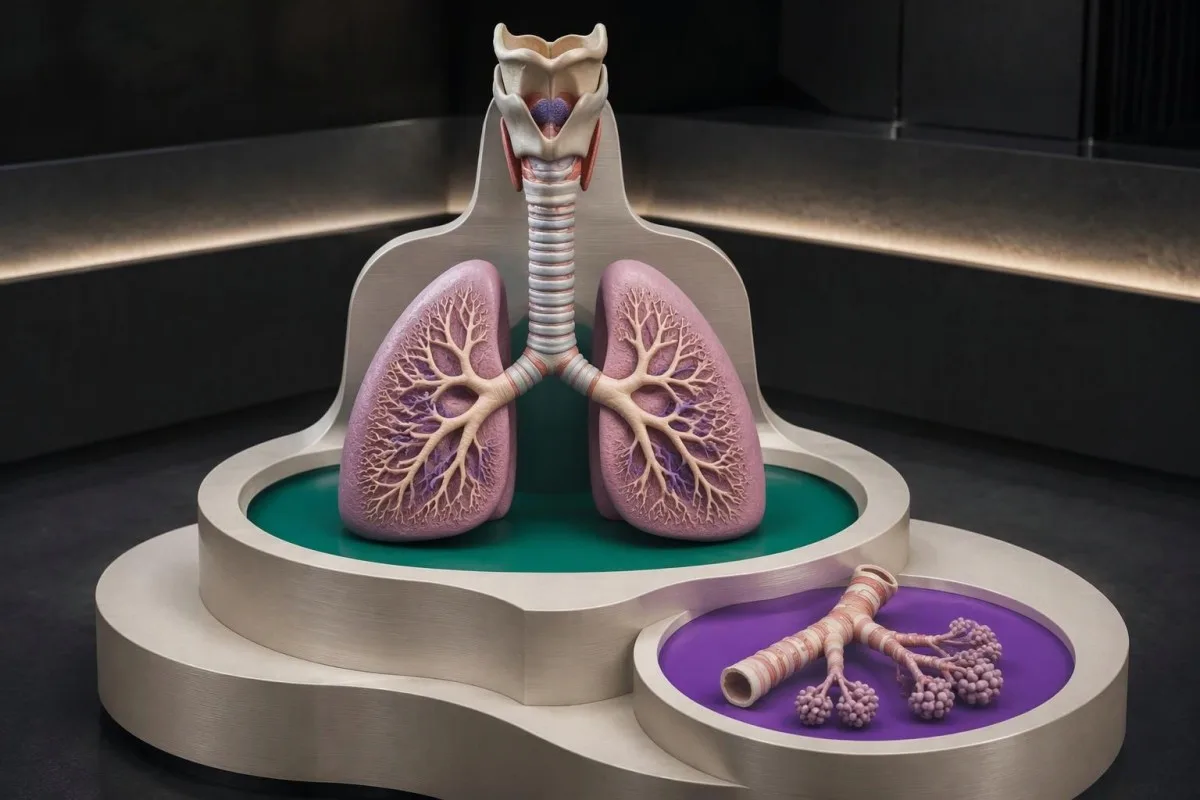
Parainfluenza types 1 and 2 are particularly associated with croup, while type 3 is often associated with bronchiolitis and pneumonia; these are tendencies, not guarantees. Henrickson's Clinical Microbiology Reviews article describes these clinical associations across the 4 types (Henrickson, 2003). A type 3 result in a comfortable adult does not establish pneumonia, and type 1 does not guarantee a mild course.
A hypothetical 35-year-old drinking normally with a runny nose and mild cough may need only home care, while an 8-month-old with chest retractions needs prompt assessment despite having the same detected virus. Smaller airways tolerate less swelling before airflow becomes difficult. Feeding difficulty in babies also matters because breathing and sucking compete for effort, allowing dehydration to develop before an obvious laboratory abnormality appears.
Older adults may show reduced appetite, confusion, or worsening breathlessness rather than a striking fever. People with asthma or COPD can develop exacerbations requiring their existing action plan and medical review, not an automatic new antibiotic. Our adult respiratory warning signs cover similar assessment principles for RSV, another distinct virus that can affect vulnerable adults.
Парагрипп круп пен шулы тыныс алуды қалай туғызады?
Parainfluenza can cause croup by producing swelling around the larynx and the airway just below the vocal cords. Croup is most common around 6 months to 3 years and typically causes a barking cough, hoarseness, and sometimes a harsh sound when breathing in called stridor.
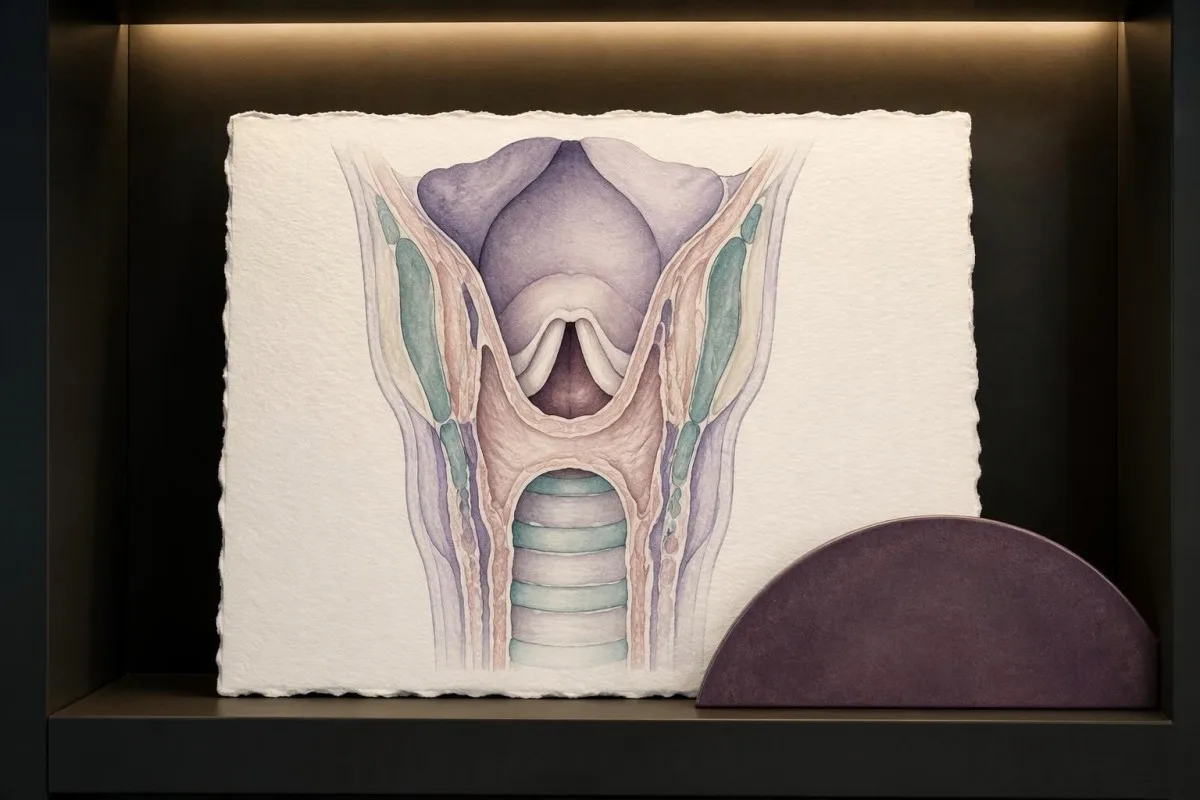
Stridor and wheeze are different sounds. Stridor is usually a harsh upper-airway sound during inhalation; wheeze is commonly a musical chest sound during exhalation. A short recording can help describe an intermittent sound to a clinician, but recording for 30 seconds must never delay seeking help when a child has stridor at rest or is visibly working to breathe.
Croup often becomes more noticeable at night, and agitation can make breathing noise worse. Keep an upset child calm and comfortably upright while arranging advice; assess the sound when the child is settled, not only during crying. A hypothetical 2-year-old who barks when coughing but breathes quietly between coughs has a different urgency level from a child with continuous stridor while sitting calmly.
Drooling, inability to swallow, sudden onset during eating, a muffled voice, or an unusually ill appearance are not reasons to assume ordinary croup. They can signal another airway problem and need urgent assessment, even with 1 positive viral result. Our guidance on балаларға арналған ЖИ түсіндіруінің шектеулерін explains why laboratory interpretation cannot replace direct pediatric airway assessment.
Круп кезінде дексаметазон немесе небулизация арқылы ем қашан қажет?
Clinically diagnosed croup may benefit from a single corticosteroid dose, even when symptoms are mild. Dexamethasone 0.6 mg/kg once is a common regimen; clinicians may use lower doses under local protocols, while moderate or severe croup may also require nebulized epinephrine and observation.
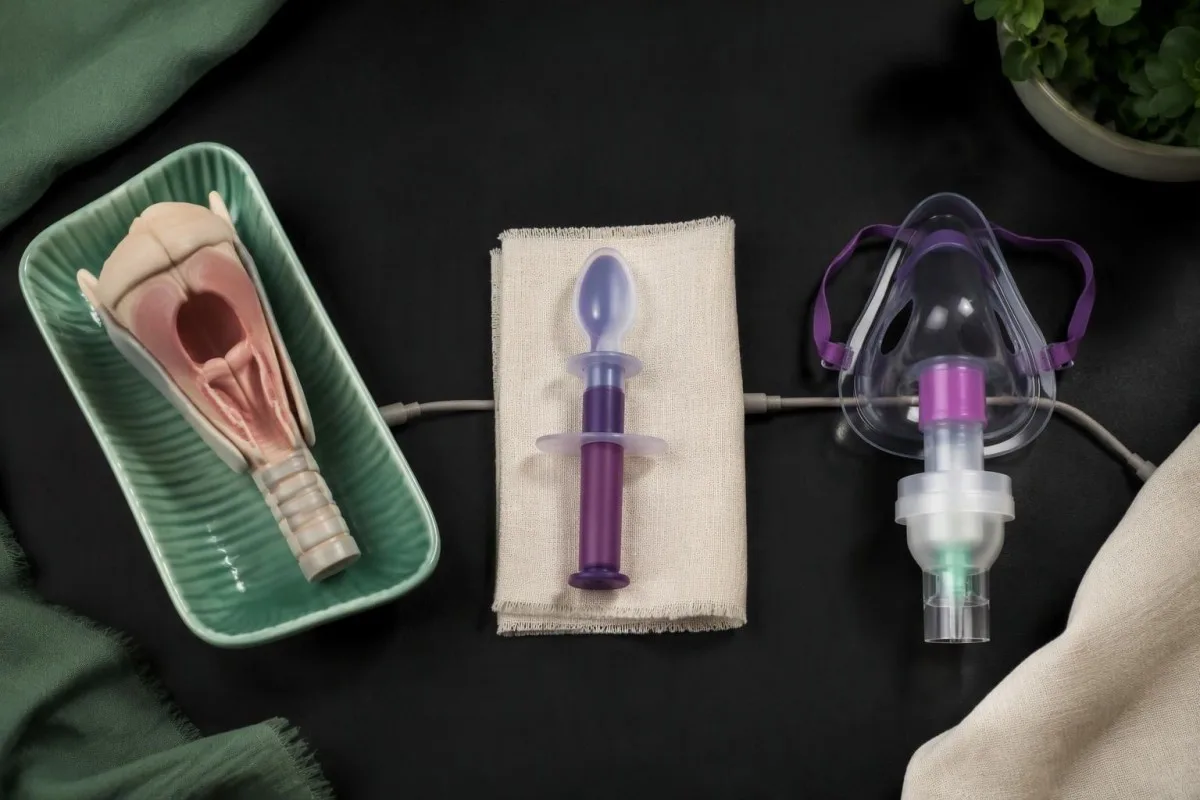
In a randomized trial of 720 children with mild croup, return visits for medical care within 7 days occurred in 7.3% after dexamethasone versus 15.3% after placebo (Bjornson et al., 2004). This demonstrates benefit for the croup syndrome, not for every parainfluenza-positive cough. Corticosteroids are not routine treatment for an uncomplicated parainfluenza cold without another indication.
The 2023 Cochrane review by Aregbesola et al. supports glucocorticoids for croup, while comparisons between doses leave some uncertainty about the best regimen for every presentation. For a hypothetical 12 kg child, 0.6 mg/kg calculates to 7.2 mg; the clinician selects the formulation and applicable maximum dose. Parents should not use leftover steroid medicine or copy another child's prescribed volume.
Nebulized epinephrine provides temporary improvement, so discharge decisions commonly include at least 2 hours of observation after treatment, with longer observation depending on the clinical course and local protocol. Kantesti is an AI blood test interpretation platform, not a service that determines whether a child can safely leave emergency care. Our AI технологиясының түсіндірмесі distinguishes report analysis from an examination, medication decision, or monitored treatment response.
Асқынбаған парагрипп кезінде қандай демеуші ем көмектеседі?
Uncomplicated parainfluenza usually needs fluids, rest, nasal comfort measures, and symptom relief rather than antibiotics. Honey may help cough in people older than 1 year, but it must not be given to infants younger than 12 months because of the risk of infant botulism.
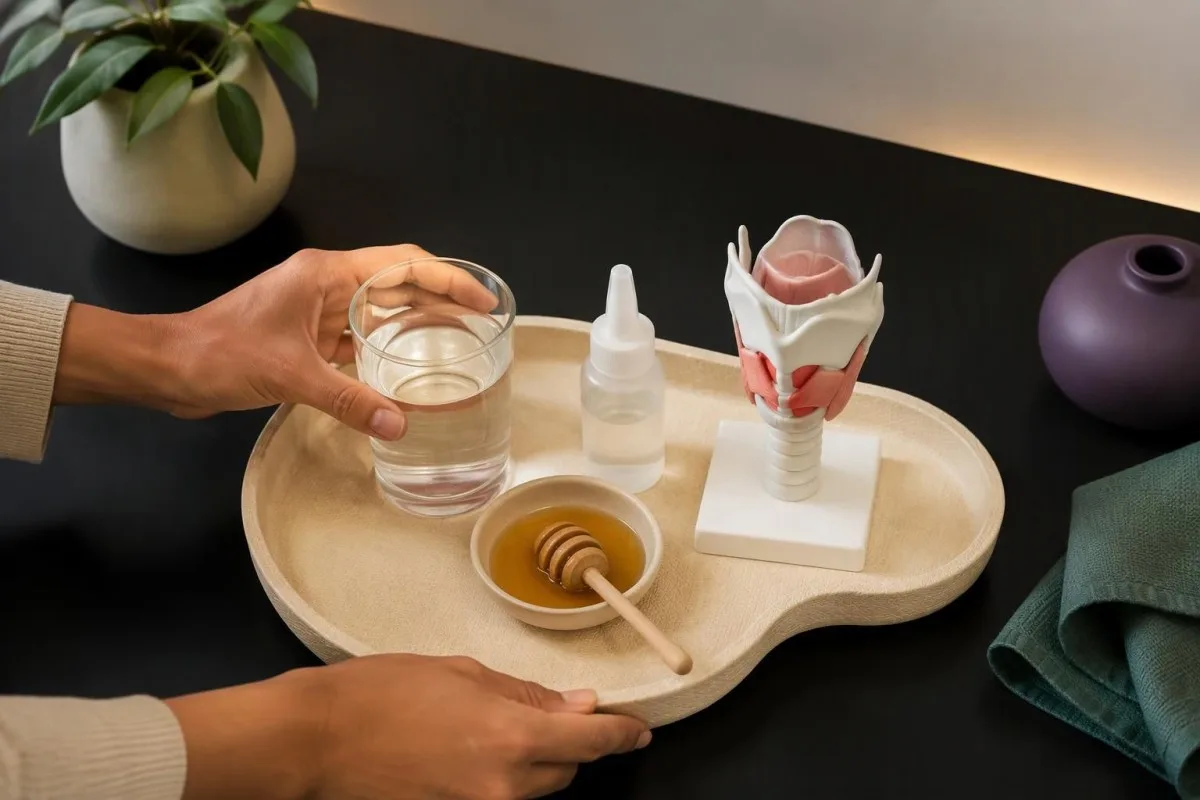
For adults who can take paracetamol, a common dose is 500–1,000 mg with at least 4 hours between doses; follow the local product's daily maximum and never exceed 4,000 mg from all products combined. Lower limits may apply with low body weight, liver disease, or alcohol-related risk. Our acetaminophen overdose explanation explains why combining cold remedies can unintentionally duplicate paracetamol, the same medicine under another name.
Children need weight- and formulation-specific dosing rather than an adult schedule, and aspirin should not be used for a child's viral illness unless a specialist specifically prescribes it. Offer smaller, more frequent drinks or feeds; saline drops and gentle nasal suction before feeding may help a congested infant. Never dilute infant formula beyond its instructions, and do not use 1 adult medicine dose as a shortcut for pediatric treatment.
Hot steam is not a proven croup treatment and can cause burns; a steamy bathroom should not delay assessment for noisy breathing. Antibiotics do not treat parainfluenza, and no established routine antiviral treatment is available for an otherwise healthy outpatient. If poor intake becomes significant, clinicians may assess hydration and electrolytes, as described in our электролит нәтижелері жөніндегі нұсқаулық, rather than assuming every recovering person needs laboratory tests.
Тыныс алуға қатысты қандай белгілер шұғыл немесе жедел медициналық көмекті қажет етеді?
Stridor at rest, marked chest retractions, blue or grey lips, pauses in breathing, severe breathlessness, or reduced responsiveness require urgent assessment, often emergency care. A normal-looking PCR report or oxygen reading must not overrule these signs; a baby younger than 3 months with a temperature of 38°C or higher also needs urgent assessment.
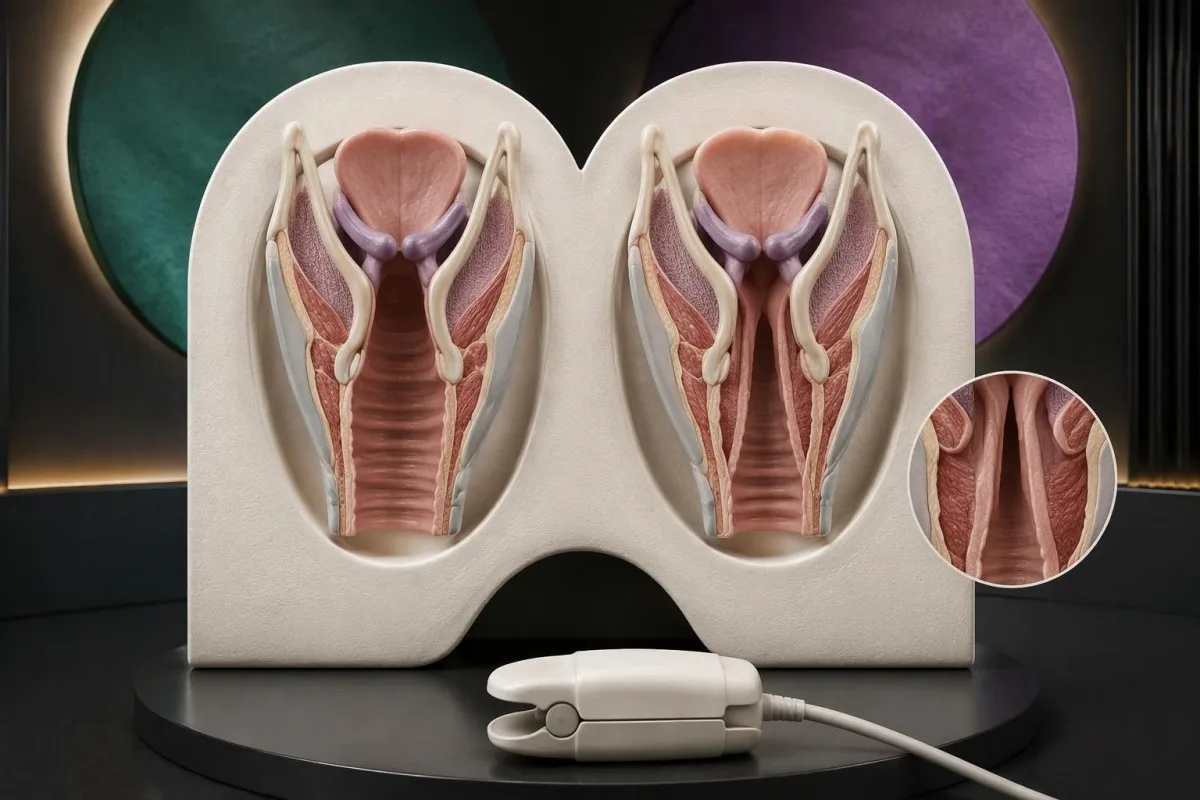
Call local emergency services if the person cannot speak normally because of breathlessness, has blue or grey lips, becomes difficult to wake, or has breathing pauses. In children, pulling inward between or below the ribs and persistent stridor while calm are concerning. Do not spend another 10 minutes arranging a repeat swab, uploading a report, or trying home remedies when these signs are present.
Home pulse oximeters are imperfect, particularly with movement, cold fingers, poor fit, and differences in skin pigmentation. At usual low-altitude conditions, a persistent resting saturation of 92% or lower generally warrants urgent medical evaluation; a reading of 90% or lower is an emergency signal unless an individualized clinical plan says otherwise. Severe upper-airway obstruction can initially occur with a reassuring saturation, as our ентігуді тексеру жөніндегі нұсқаулығымыз түсіндіреді.
A hypothetical child with loud stridor and a displayed oxygen saturation of 97% still needs urgent airway assessment because oxygenation is not the same as easy airflow. Clinicians assess respiratory effort, alertness, hydration, and trends, sometimes using additional tests when lower-airway disease is suspected. Our arterial blood gas explanation describes why oxygen and carbon dioxide measurements answer different questions.
Жөтел басылмаса немесе қызба қайта көтерілсе не істеу керек?
A lingering cough can outlast the most infectious phase, but worsening breathing or a returning fever needs reassessment. Many uncomplicated respiratory symptoms improve over roughly 7–10 days, while cough can last longer; neither a fixed day count nor a persistent positive PCR proves an uncomplicated recovery.
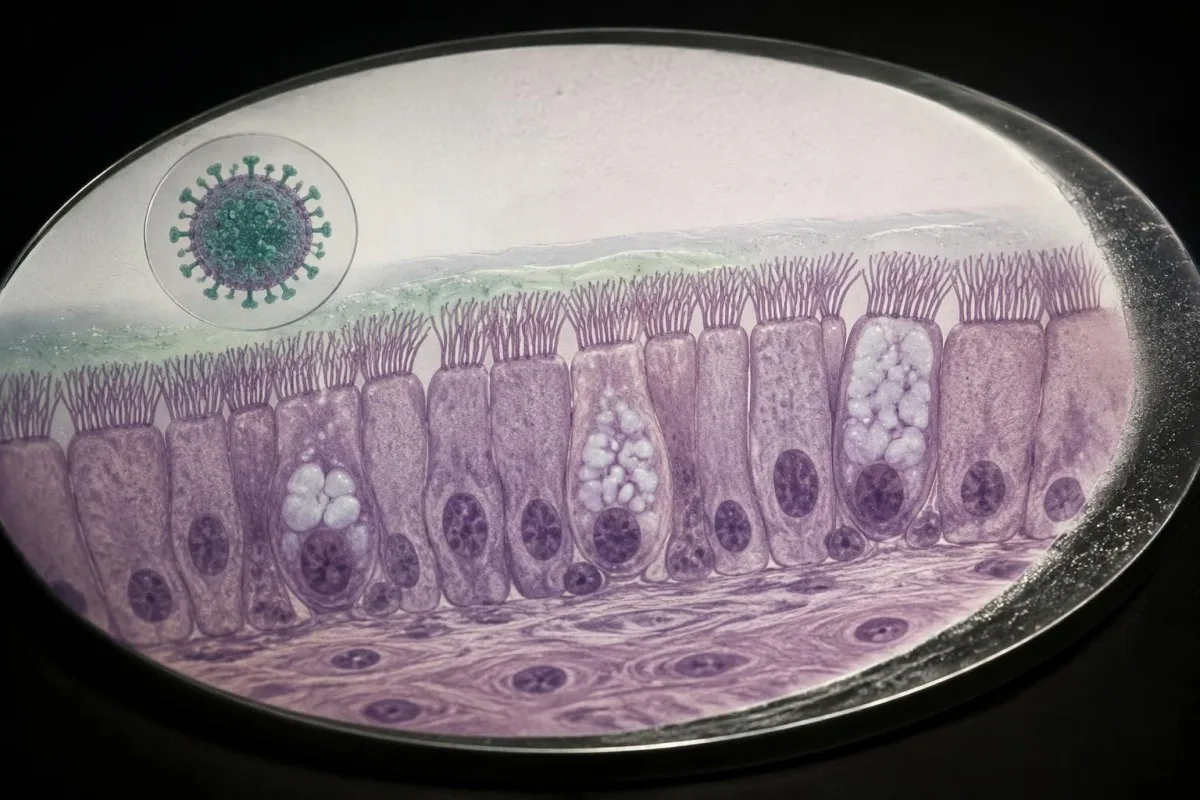
Postviral airway irritation can maintain cough after energy and appetite recover. The more useful distinction is improving versus worsening: a cough that is gradually less frequent differs from a new fever with chest pain, fast breathing, or reduced activity. If a cough lasts beyond about 3 weeks, or sooner if troublesome or worsening, arrange assessment rather than repeatedly checking the same viral target.
A positive parainfluenza result does not exclude bacterial pneumonia or another infection. Pertussis can cause coughing fits, vomiting after cough, or breathing pauses in infants, and testing has a time-dependent diagnostic window; our whooping cough testing guide explains that distinction. A hypothetical child who develops repeated coughing fits in week 2 deserves a fresh symptom review, not automatic attribution to the earlier panel.
Multiplex panels may detect more than 1 organism, but they do not necessarily test every relevant cause of pneumonia. If a clinician orders Mycoplasma antibody testing, timing and antibody persistence create a different interpretation problem from respiratory RNA detection. Our Mycoplasma antibody result guide explains why a positive IgM result is not interchangeable with a positive parainfluenza PCR.
Қан талдаулары парагрипптің ауыр екенін көрсете ала ма?
Blood tests can reveal complications or support an assessment, but no CBC, CRP, or procalcitonin value can independently grade parainfluenza severity. For 2 people with the same positive swab, respiratory effort, oxygenation, hydration, and underlying health may lead to entirely different care decisions.
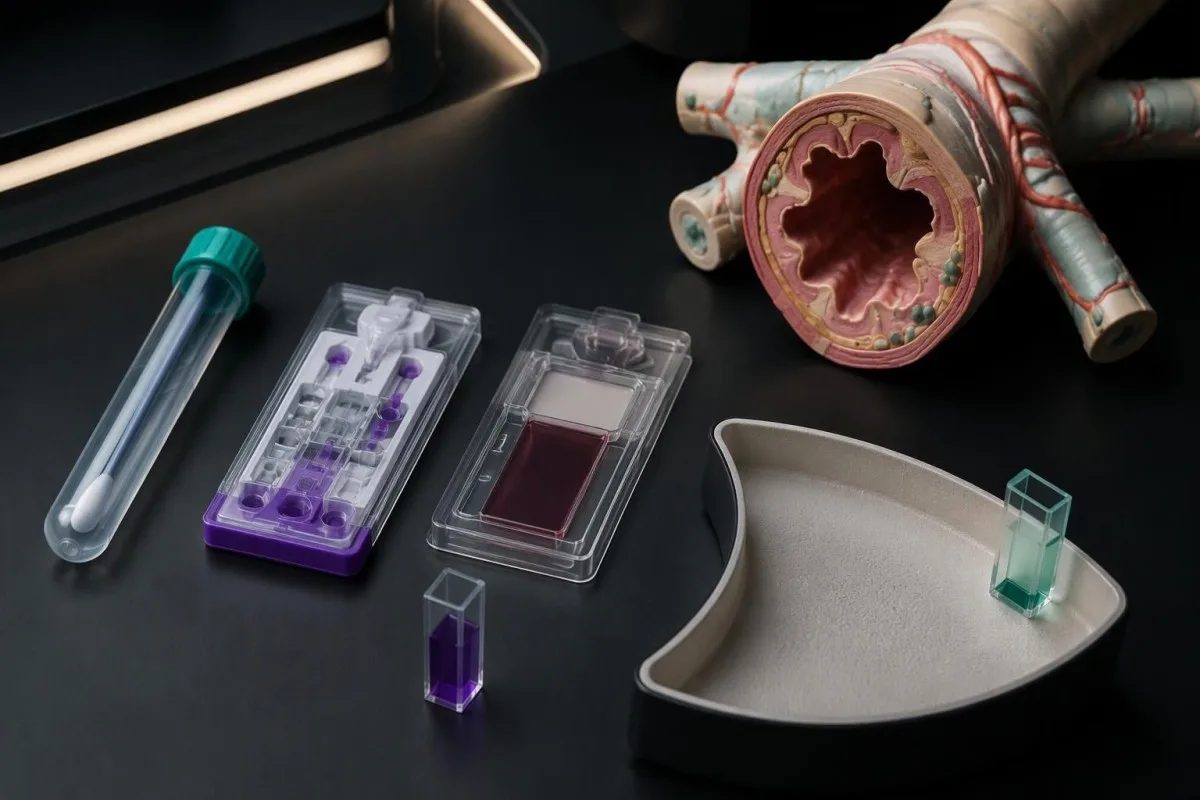
White cell count and CRP describe aspects of the immune response, not whether the airway is safely open. A hypothetical adult with a WBC of 8.0 × 10^9/L can still have pneumonia, while an elevated WBC may reflect stress or steroid treatment rather than bacterial infection. Our WBC және CRP салыстыруы explains why disagreement between these markers needs context.
Procalcitonin sometimes supports antibiotic decisions in selected settings, but a low value cannot independently exclude early or localized bacterial pneumonia. For example, a hypothetical procalcitonin of 0.08 ng/mL must not override new hypoxia, focal chest findings, or clinical deterioration. Our прокальцитонинді түсіндіру жөніндегі нұсқаулығымыз separates a probability-shifting biomarker from a definitive bacterial rule-out test.
Kantesti AI helps explain accompanying blood-test patterns, but those patterns cannot certify that a person with 1 positive respiratory swab is safe for home care or no longer contagious. Chest imaging, examination, and repeat observations may matter more when lower respiratory disease is suspected. Our clinical methodology and oversight describe the boundaries of AI interpretation; do not order extra panels solely to obtain reassurance about an otherwise comfortable cold.
Отбасы мүшелері мен иммунитеті әлсіреген адамдар бақылауды қалай жалғастыруы керек?
Families should match precautions and follow-up to each person's vulnerability rather than treating every positive result alike. Transplant recipients, people receiving chemotherapy, and others with substantial immune suppression should contact their treating team promptly about new respiratory symptoms or a positive panel, even on illness day 1.
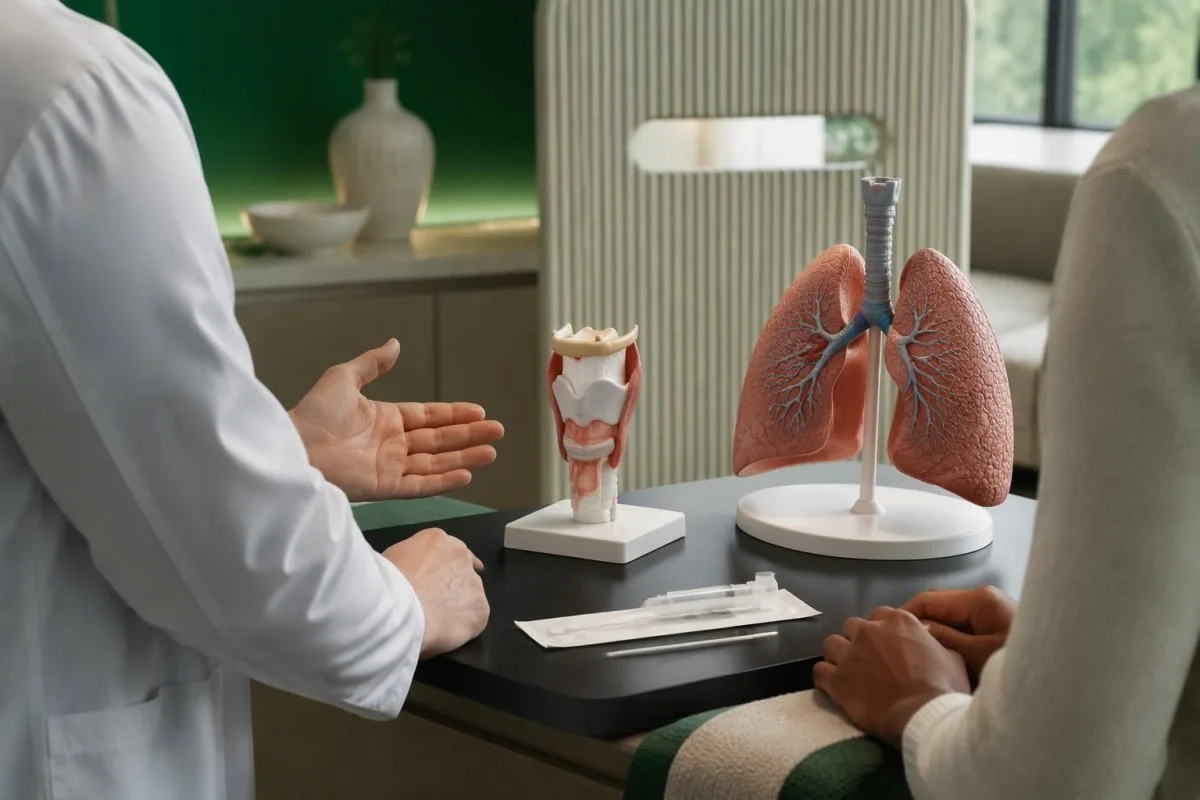
For a hypothetical household with a 3-year-old with croup and an adult taking transplant immunosuppression, prioritize cleaner air, less close contact when feasible, and advice from the transplant team. Do not independently reduce immunosuppressant doses or start leftover antivirals. Severe parainfluenza in immunocompromised patients may require specialist-directed management, but evidence for specific drug approaches is limited and does not establish a routine home regimen.
Specialist units may use repeat respiratory PCR for infection-control decisions, especially when prolonged shedding is plausible; this differs from routine community test-of-cure testing. A positive result after 2 weeks can have greater practical significance on a transplant ward than in a fully recovered healthy adult. Follow the unit's instructions about appointments and isolation rather than applying a general school-return rule to a high-risk clinical setting.
For families using Kantesti, keep each person's results and symptom timeline separate; one child's positive panel does not diagnose every household member. A single parainfluenza episode does not establish immune deficiency, but repeated severe or unusual infections may justify targeted assessment. Our жиі инфекциялар бойынша тексеруге арналған нұсқаулық explains why the pattern across multiple illnesses is more informative than 1 isolated detection.
Нәтижені мәнмәтінде қарастыру: зерттеулер мен ЖИ шектеулері
Use the respiratory result alongside symptoms, specimen timing, and clinical risk—not as a stand-alone severity or clearance certificate. The 2 DOI-linked educational resources below address accompanying blood-test interpretation; they are not parainfluenza treatment trials and should not be cited as evidence about contagiousness.
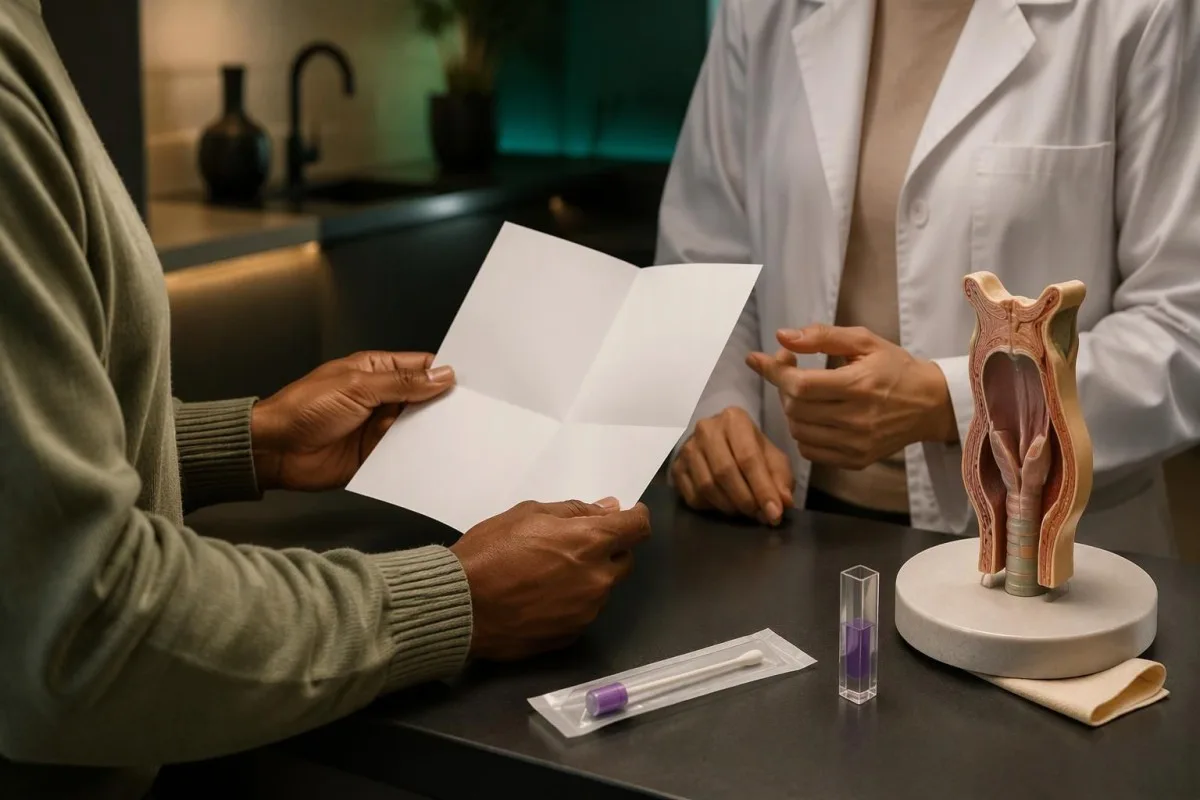
A CBC may include RDW, MCV, and MCHC, but these red-cell indices do not identify parainfluenza or measure its infectiousness. A hypothetical MCV of 78 fL raises a separate question about small red cells, not a reason to label the respiratory illness severe. Our RDW және қызыл қан жасушалары бойынша нұсқаулық provides background for results that may appear alongside a respiratory illness assessment.
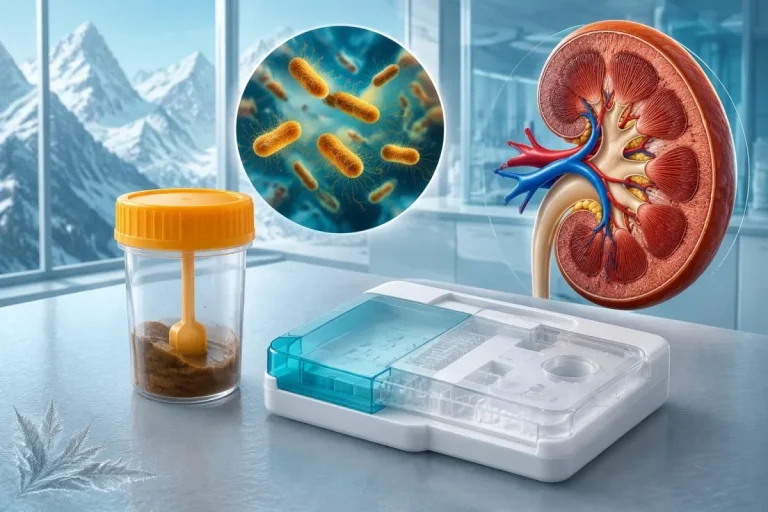
Kidney measurements can become relevant when poor intake, dehydration, or medication concerns accompany illness. A hypothetical BUN/creatinine ratio of 25:1 may fit reduced fluid intake in some settings, but the ratio alone cannot diagnose dehydration, and calculation depends on the reporting units. Our BUN және креатинин бойынша нұсқаулық explains this separate interpretation problem.
Kantesti is an AI-powered blood test analysis tool that supports understanding of laboratory information without replacing examination or emergency triage. Our медициналық мазмұн стандарттары require us to distinguish established guidance, hypothetical examples, and uncertain evidence. Before acting on 1 detected result, ask the practical questions: Is breathing comfortable, is hydration adequate, are symptoms improving, and does this person have a reason to seek earlier medical review?
Жиі қойылатын сұрақтар
ПТР нәтижесі оң болса, парагрипп жұқпалы ма?
Парагрипп жұқпалы, бірақ ПТР нәтижесінің оң болуы ғана нәтиже алынған сәтте адамның әлі де жұқпалы екенін дәлелдей алмайды. ПТР вирустың генетикалық материалын анықтайды, ол симптомдар жақсарғаннан кейін де анықталуы мүмкін. Симптомдар әдетте жұқтырғаннан кейін шамамен 2–6 күнде басталады, ал жұқтыру қаупі аурудың бастапқы кезеңінде көбіне жоғары болады. Симптомдарға негізделген сақтық шараларын қолданыңыз және, әсіресе нәрестелер мен иммунитеті әлсіреген адамдардың жанында болғанда, жергілікті нұсқауларды орындаңыз.
Парагрипп кезінде үйде қанша уақыт болуым керек?
0. Қауымдастықта таралатын респираторлық аурулар кезінде CDC нұсқаулығы, әдетте, симптомдар жалпы жақсарғанша және қызу түсіретін дәрі қабылдамай, кемінде 24 сағат бойы қызу болмағанша үйде қалуды ұсынады. Жағдайдың жақсаруы жұқтыру қаупі мүлде жоқ дегенді білдірмейтіндіктен, келесі 5 күн бойы қосымша сақтық шараларын ұстану ұсынылады. Мектептерде, балабақшаларда, медициналық мекемелерде және жұмыс орындарында қолданылатын ережелер әртүрлі болуы мүмкін. Денсаулығы өзге жағынан жақсы адам күнделікті тіршілігіне қайта оралуы үшін парагриппке ПТР-тестті қайталап тапсырып, теріс нәтиже алуы әдетте талап етілмейді.
Парагрипп тұмаумен бірдей ме және Тамифлю көмектесе ме?
Парагрипп тұмау емес, ал осельтамивир, сондай-ақ Тамифлю деген атпен белгілі, парагрипті емдемейді. Адамның парагриппінің тұмаудан басқа вирустар тұқымдасына жататын 4 негізгі түрі бар. Тұмауға қарсы вакциналар парагриптен арнайы қорғамайды. Егер тыныс алу жолдарына жасалған тест-панель тұмауды да анықтаса, дәрігер тұмауға қарсы ем тағайындауды қарастыруы мүмкін; ол алғашқы 48 сағат ішінде көбіне жақсы нәтиже береді, бірақ қаупі жоғары немесе жағдайы ауыр жекелеген пациенттерге кейінірек те қолданылады.
Парагрипп вирусы анықталса, бұл баламның круппен ауырғанын білдіре ме?
Парагрипп вирусының анықталуы тест вирустың генетикалық материалын тапқанын білдіреді; бұл баланың круппен ауырғанын растамайды. Круп үрген тәрізді жөтел, дауыстың қарлығуы және стридор сияқты белгілер бойынша анықталады және көбінесе 6 айдан 3 жасқа дейінгі балаларда кездеседі. Мұндай белгілері бар балаға дәрігер тағайындаған кортикостероидтармен ем көмектесуі мүмкін. Бала тыныш отырған кезде стридордың болуы, кеуде қуысының айқын тартылуы, сілекейдің ағуы немесе жұтынудың қиындауы тағы бір тестті күтпей, шұғыл тексеруді қажет етеді.
Парагрипптен кейін маған антибиотиктер немесе тағы бір ПТР қажет пе?
Асқынусыз парагрипп кезінде әдетте антибиотиктер немесе ПТР тестін қайталау қажет емес. Антибиотиктер бактерияларды емдейді, парагрипп вирусын емес, ал молекулалық тест нәтижесінің ұзақ уақыт оң болуы өздігінен емдеуді негіздемейді. Жағдай жақсарғаннан кейін қызба қайта көтерілсе, тыныс алу нашарласа немесе жөтел шамамен 3 аптадан ұзақ мазаласа, асқынуларды не басқа себепті анықтау үшін қайта тексеріліңіз. Иммунитеті әлсіреген пациенттерге мамандар тобының нұсқауы бойынша басқа тестілеу мен кейінгі бақылау қажет болуы мүмкін.
Парагриппке оң нәтиже қашан ауыр жағдайды білдіреді?
Парагриппке оң нәтиже тыныс алудың қиындауы, тыныштық күйдегі стридор, кеуде қуысының айқын тартылуы, еріннің көгеруі немесе сұрлануы, тыныс алудың үзіліп қалуы, жауап беру қабілетінің төмендеуі немесе елеулі сусыздану қатар байқалғанда клиникалық тұрғыдан алаңдаушылық туғызады. 3 айға толмаған, дене қызуы 38°C немесе одан жоғары нәрестені вирус анықталғанына қарамастан, шұғыл медициналық тексеруден өткізу қажет. Әдеттегі төмен биіктіктегі жағдайда оттегімен қанығу деңгейінің 92% немесе одан төмен болып тұрақты сақталуы, әдетте, шұғыл тексеруді қажет етеді, бірақ қалыпты көрсеткіш жоғарғы тыныс жолдарының қауіпті тарылуын жоққа шығармайды. ПТР тестін қайталауды немесе AI түсіндірмесін күтпей, ауыр симптомдар болса, жедел жәрдем шақырыңыз.
Қан анализінің нәтижесін түсіндіріп алыңыз
Зертханалық есепті жүктеңіз, сонда Kantesti AI әр биомаркерді бірнеше секунд ішінде қарапайым тілмен түсіндіреді. Әлем бойынша 2 миллионнан астам адам қолданады.
Сілтемелер
- Klein, T., Mitchell, S., & Weber, H. (2026). RDW қан анализі: RDW-CV, MCV және MCHC бойынша толық нұсқаулық. Kantesti AI медициналық зерттеулері. DOI
- Klein, T., Mitchell, S., & Weber, H. (2026). BUN/Креатинин қатынасы: Бүйрек қызметінің анализі бойынша нұсқаулық. Kantesti AI медициналық зерттеулері. DOI
- Henrickson KJ (2003). Parainfluenza viruses. Clinical Microbiology Reviews. DOI PubMed
- Aregbesola A et al. (2023). Glucocorticoids for croup in children. Cochrane жүйелі шолулар дерекқоры. DOI
- Bjornson CL et al. (2004). A randomized trial of a single dose of oral dexamethasone for mild croup. The New England Journal of Medicine. DOI PubMed
- 2 млн+Талданған тесттер
- 127+Елдер
- 100+Тілдер
Медициналық топ туралы


E-E-A-T сенім сигналдары
Тәжірибе
Дәрігер басқаратын зертханалық талдауды түсіндіру жұмыс ағындарын клиникалық шолу.
Сараптама
Биомаркерлердің клиникалық контексте қалай әрекет ететініне зертханалық медицина фокусы.
Билік
Доктор Томас Кляйн медициналық тұрғыдан тексерген, доктор Сара Митчелл мен профессор доктор Ханс Вебердің үлесімен.
Сенімділік
Дабыл қаупін азайту үшін айқын бақылау жолдарымен дәлелге негізделген түсіндіру.


Медициналық ескерту
Бұл мақала тек білім беру мақсатында ғана және медициналық кеңес болып табылмайды. Диагноз және ем туралы шешімдер үшін әрдайым білікті медицина қызметкеріне жүгініңіз.
Жарияланды · Редакция тобына хабарласыңыз
Англия мен Уэльсте тіркелген Kantesti Ltd басып шығарған, компания №. 17090423, Лондон, Біріккен Корольдік.
