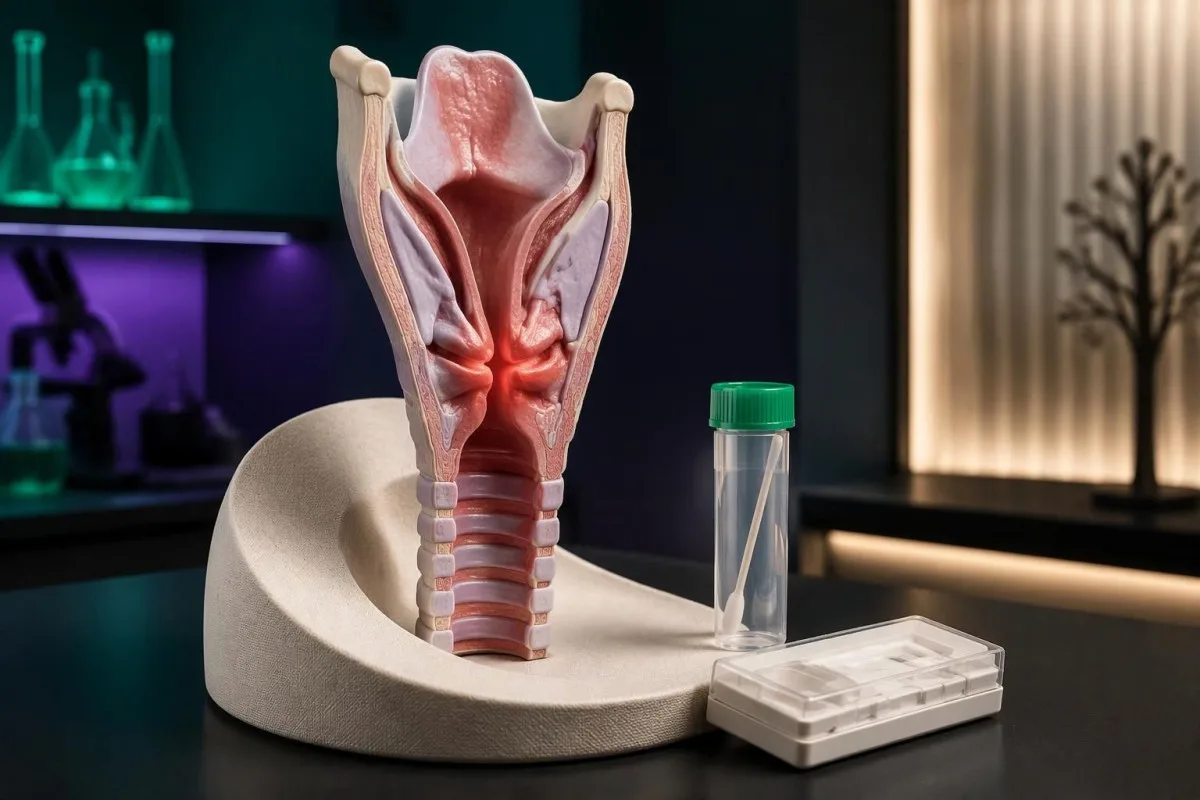
पॅराइन्फ्लुएंझा PCR चा निकाल पॉझिटिव्ह म्हणजे चाचणीत विषाणूची आनुवंशिक सामग्री आढळली, सामान्यतः श्वसनमार्गातील स्वॅबमध्ये. पॅराइन्फ्लुएंझाचा संसर्ग पसरतो आणि त्यामुळे सामान्यतः सर्दीसारखा आजार होतो, पण त्यातून क्रूप किंवा न्यूमोनिया होऊ शकतो; PCR चाचणीवरून आजार किती गंभीर आहे किंवा तुमच्यात अजूनही संसर्ग पसरवण्याची क्षमता आहे का, हे समजू शकत नाही.

मुख्य मुद्दे
- पॉझिटिव्ह पीसीआर (Positive PCR) पॅराइन्फ्लुएंझाची आनुवंशिक सामग्री आढळते; जिवंत विषाणूचे मोजलेले प्रमाण नाही; 1 पॉझिटिव्ह स्वॅबवरून आजाराची तीव्रता किंवा विषाणूचे निर्मूलन निश्चित करता येत नाही.
- इन्फ्लुएंझापेक्षा वेगळा: मानवी पॅराइन्फ्लुएंझामध्ये विषाणूचे 4 मुख्य प्रकार असतात, आणि ओसेल्टामिव्हिरसारखी इन्फ्लुएंझावरील विषाणूविरोधी औषधे पॅराइन्फ्लुएंझावर उपचार करत नाहीत.
- संसर्गजन्यता आजाराच्या सुरुवातीच्या काळात सामान्यतः सर्वाधिक असतो; संसर्गाच्या संपर्कानंतर साधारणपणे 2–6 दिवसांनी लक्षणे सुरू होतात, परंतु विषाणू बाहेर टाकण्याचा कालावधी व्यक्तीनुसार बदलतो.
- समुदायातील खबरदारी लक्षणांमध्ये एकूण सुधारणा झाल्यानंतर आणि ताप कमी करणारे औषध न घेता किमान 24 तास ताप नसल्यावर खबरदारी साधारणपणे कमी करता येते; पुढील 5 दिवस अतिरिक्त खबरदारी घ्या.
- क्रूपचा धोका लहान मुलांमध्ये, विशेषतः साधारण 6 महिने ते 3 वर्षे वयोगटात, सर्वाधिक असतो; भुंकल्यासारखा खोकला आणि श्वास आत घेताना होणारा आवाज यांसाठी वैद्यकीय तपासणी आवश्यक आहे.
- क्रूपचा उपचार यात वैद्यकाने लिहून दिलेले डेक्सामेथासोन असू शकते, सामान्यतः 0.6 mg/kg एकदाच; केवळ PCR पॉझिटिव्ह असणे हे स्टेरॉइड्स घेण्याचे कारण नाही.
- श्वासोच्छ्वासातील तातडीची धोक्याची लक्षणे यात विश्रांतीच्या वेळी स्ट्रायडर, छाती आत ओढली जाणे, ओठ निळे किंवा करडे पडणे, श्वास घेण्यात खंड पडणे किंवा पाणी पिता न येणे यांचा समावेश होतो; दुसऱ्या चाचणीची वाट पाहू नका.
- अर्भकाला ताप 3 महिन्यांपेक्षा कमी वयाच्या बाळाला 38°C किंवा त्याहून अधिक ताप असल्यास तातडीने वैद्यकीय तपासणी आवश्यक आहे, श्वसन पॅनेलमध्ये विषाणू आढळला असला तरीही.
पॅराइन्फ्लुएंझा PCR चा निकाल पॉझिटिव्ह म्हणजे काय?
A पॅराइन्फ्लुएंझा PCR पॉझिटिव्ह या निकालाचा अर्थ प्रयोगशाळेने सादर केलेल्या नमुन्यात मानवी पॅराइन्फ्लुएंझा विषाणूचे आनुवंशिक पदार्थ आढळले. यावरून सध्याचा किंवा अलीकडचा श्वसनसंसर्ग असल्याचे सूचित होते, पण एका निकालावरून न्यूमोनिया, क्रूपची तीव्रता किंवा संसर्ग पसरवण्याची क्षमता अजूनही आहे का हे निश्चित होत नाही.
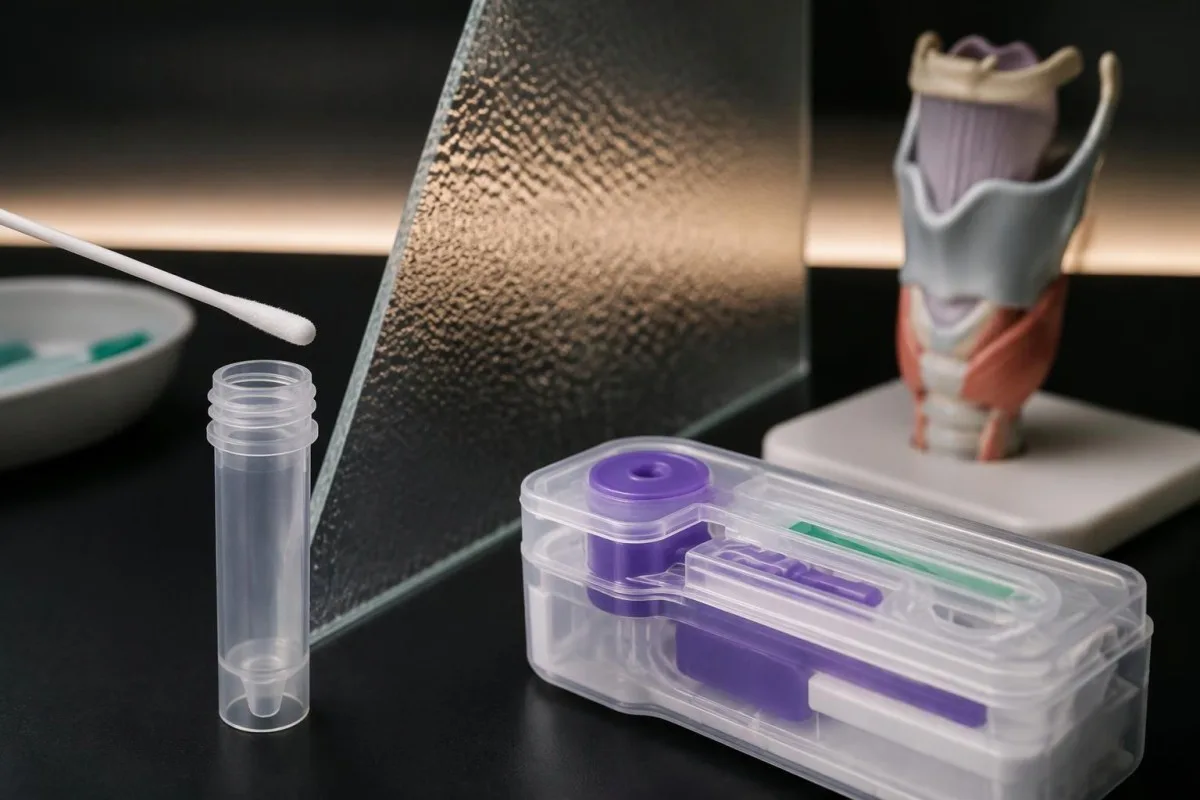
बहुतेक श्वसन पॅनेलमध्ये रक्ताच्या नमुन्याऐवजी नाकाचा किंवा नासोफॅरिंजियल स्वॅब तपासला जातो. मानवी पॅराइन्फ्लुएंझा विषाणूंमध्ये RNA असते, त्यामुळे चाचणीत सामान्यतः प्रवर्धनापूर्वी रिव्हर्स ट्रान्सक्रिप्शन केले जाते; अहवालांमध्ये तरीही PCR हा सोपा शब्द वापरला जाऊ शकतो. आमचे स्पष्टीकरण गुणात्मक विरूद्ध परिमाणात्मक निकाल (qualitative versus quantitative results) आढळले/आढळले नाही असा निकाल हा रोगाचा संख्यात्मक गुणांक का नसतो, हे स्पष्ट करते.
अहवालात पॅराइन्फ्लुएंझा प्रकार 1, 2, 3 किंवा 4 असे नमूद केलेले असू शकते किंवा अनेक प्रकार एका निकालाच्या ओळीत एकत्र केलेले असू शकतात. प्रयोगशाळेतील या निवडींमुळे अहवालातून तुम्हाला काय समजते ते बदलते; तुम्ही किती आजारी आहात हे आवश्यकच बदलत नाही. नमुना गोळा केल्याची तारीख तपासा: आज जाहीर झालेला निकाल काही दिवसांपूर्वी घेतलेल्या नमुन्याचा असू शकतो, लक्षणे सुधारण्यापूर्वी किंवा बिघडण्यापूर्वीचा.
Kantesti हे AI रक्तचाचणी विश्लेषक आहे, जे सोबतच्या प्रयोगशाळेतील निष्कर्षांचा अर्थ समजावून सांगण्यास मदत करते; श्वसन PCR साठी स्वतंत्र नमुना आणि लक्षणांचा संदर्भ आवश्यक असतो. आमचे संघटन आणि उद्देश स्वॅब तपासणारी प्रयोगशाळा यापेक्षा वेगळे आहेत. अहवालासोबत 3 तपशील ठेवा: लक्षणे कधी सुरू झाली, नमुना कधी गोळा केला आणि श्वासोच्छ्वासात किंवा पाणी पिण्यात बदल झाला आहे का.
पॅराइन्फ्लुएंझा आणि इन्फ्लुएंझा: हे एकच संक्रमण आहे का?
पॅराइन्फ्लुएंझा आणि इन्फ्लुएंझा हे वेगवेगळे विषाणू आहेत, त्यांची नावे सारखी असली तरी. मानवी पॅराइन्फ्लुएन्झाचे 4 मुख्य प्रकार आहेत आणि तो Paramyxoviridae कुटुंबातील आहे; इन्फ्लुएन्झा Orthomyxoviridae कुटुंबातील आहे, त्यामुळे फ्लूची लस आणि फ्लूसाठीची विशिष्ट विषाणुरोधी औषधे पॅराइन्फ्लुएन्झासाठी विशिष्ट उपचार देत नाहीत.
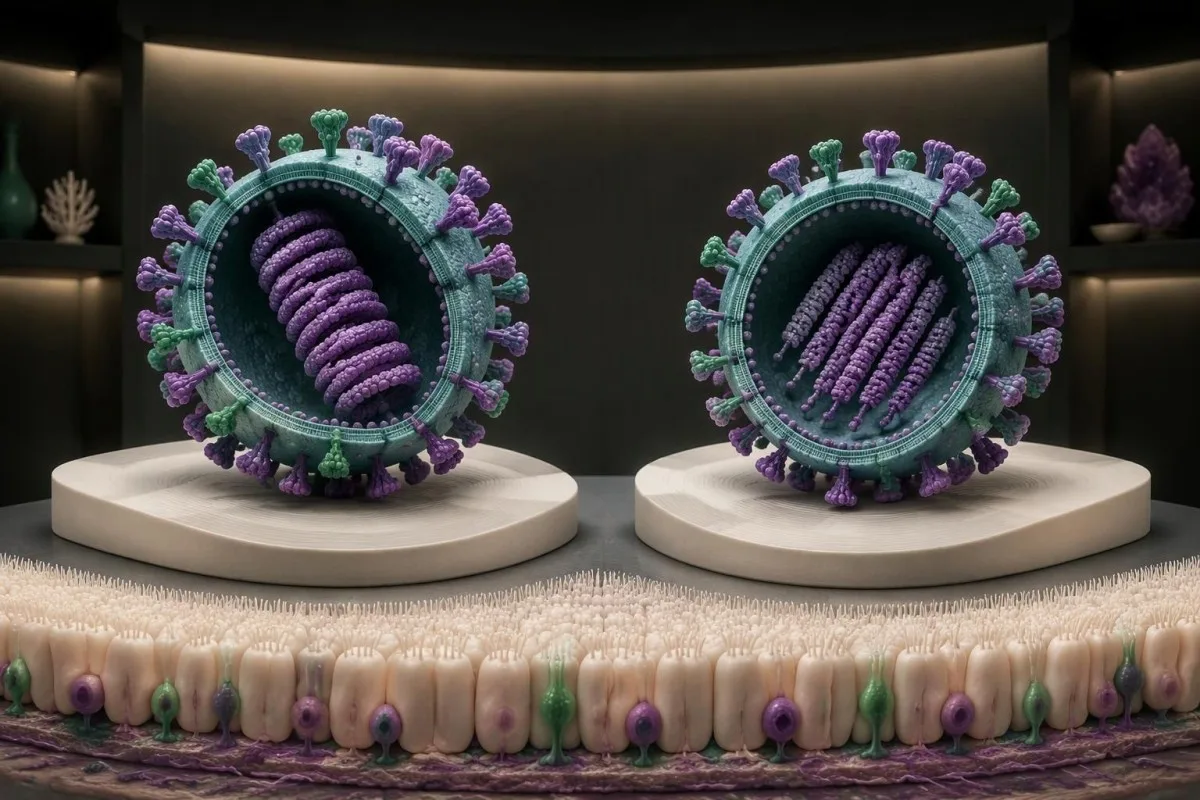
दोन्ही आजारांमुळे ताप, खोकला, घसा खवखवणे, थकवा आणि स्नायू दुखणे होऊ शकते, त्यामुळे केवळ लक्षणांवरून त्यांच्यात विश्वासार्हपणे फरक करता येत नाही. इन्फ्लुएन्झा अनेकदा अचानक सुरू होतो, तर मुलाला भुंकल्यासारखा खोकला येण्यापूर्वी पॅराइन्फ्लुएन्झा अनेकदा सर्दीसारखा दिसतो. यांपैकी कोणताही नमुना निदान ठरत नाही; इन्फ्लुएन्झा A, इन्फ्लुएन्झा B आणि पॅराइन्फ्लुएन्झा यांचे स्वतंत्र अहवाल देणारे पॅनेल, संभाषणात वापरल्या जाणाऱ्या ‘फ्लू’ या शब्दापेक्षा अधिक उपयुक्त पुरावा देते.
ओसेल्टामिव्हिर इन्फ्लुएन्झावर परिणाम करते, पॅराइन्फ्लुएन्झावर नाही. इन्फ्लुएन्झाचा उपचार 48 तासांच्या आत सुरू केल्यास बहुतेकदा सर्वाधिक फायदा होतो; तथापि, गंभीर आजार आणि अधिक जोखीम असलेल्या रुग्णांसाठी नंतरचा उपचारही योग्य ठरू शकतो; हे नियम केवळ पॅराइन्फ्लुएन्झाचा निकाल आल्यास लागू करू नयेत. आमचे इन्फ्लुएन्झा उपचाराचे स्पष्टीकरण इन्फ्लुएन्झाही आढळल्यास निर्णय घेण्याची स्वतंत्र प्रक्रिया स्पष्ट करते.
एका पॅनेलद्वारे एकाच वेळी 2 श्वसन रोगकारक शोधता येतात आणि एक सकारात्मक निकाल आल्याने दुसरा निकाल रद्द होत नाही. इन्फ्लुएन्झा आणि पॅराइन्फ्लुएन्झा दोन्ही आढळल्याचे नोंदवले असल्यास, वय, जोखीम आणि आजाराचा कालावधी यांनुसार इन्फ्लुएन्झावरील उपचार तरीही योग्य ठरू शकतो. मानवी पॅराइन्फ्लुएन्झाविरुद्ध खास बनवलेली आणि नियमितपणे उपलब्ध असलेली परवानाधारक लस नाही; परंतु नियमित इन्फ्लुएन्झा लसीकरणामुळे तिच्या उद्दिष्ट इन्फ्लुएन्झा प्रकारांपासून संरक्षण मिळते.
तुम्ही अजूनही संसर्ग पसरवू शकता की नाही हे PCR चाचणी का सांगू शकत नाही
PCR विषाणूचे RNA शोधते; मात्र शोधलेला प्रत्येक कण पुनरुत्पादन करून प्रसार करू शकतो की नाही हे दर्शवत नाही. सक्रिय आजारादरम्यान किंवा त्यानंतरही आनुवंशिक पदार्थ शोधता येत राहिल्यास सकारात्मक निकाल येऊ शकतो; एखादी व्यक्ती संसर्ग पसरवू शकत नाही हे प्रमाणित करणारी, वैध ठरवलेली पॅराइन्फ्लुएन्झा PCR मर्यादा नाही.
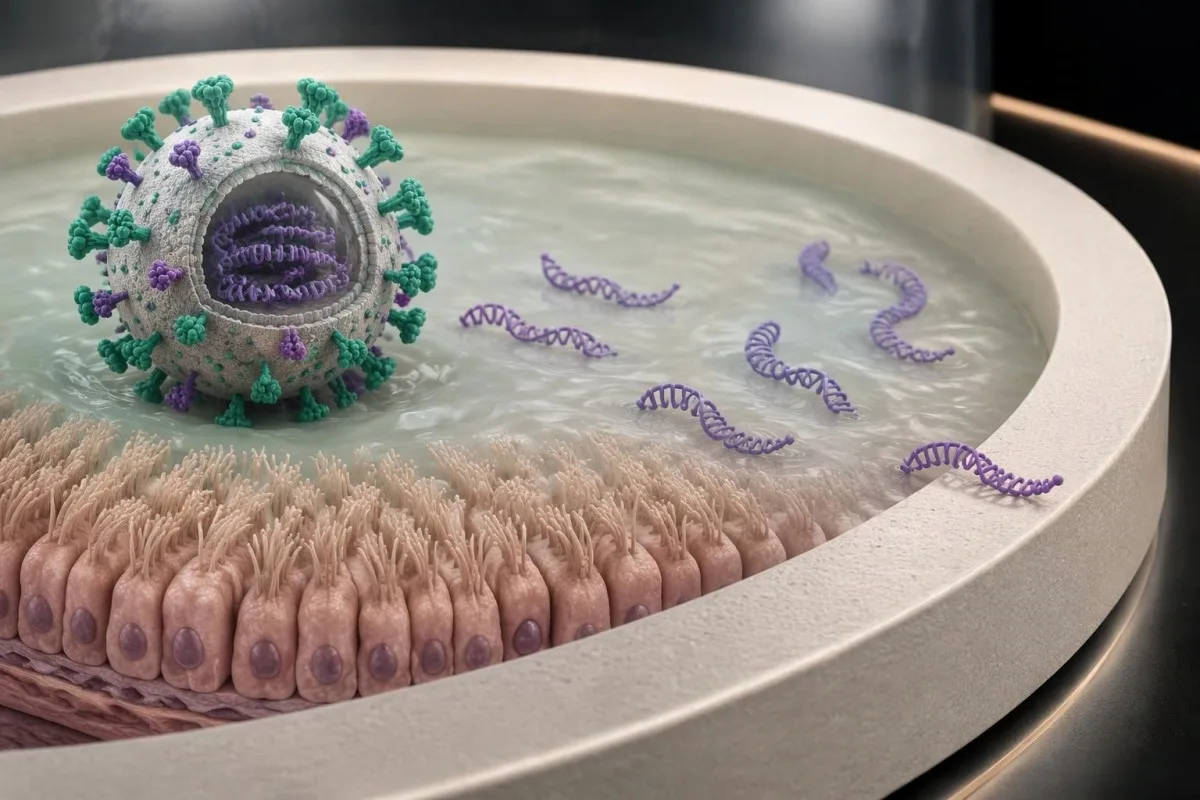
काही आण्विक चाचण्या सायकल थ्रेशोल्ड, किंवा Ct, परंतु अनेक श्वसन पॅनेल्स केवळ गुणात्मक निकाल देतात. त्याच प्रमाणित परीक्षणामध्ये, कमी Ct साधारणपणे सुरुवातीच्या लक्ष्य पदार्थाचे अधिक प्रमाण दर्शवतो; स्वॅब घेण्याचे तंत्र, नमुन्याचे विरलीकरण, वाहतूक आणि परीक्षणाची रचनाही त्यावर परिणाम करतात. एका प्रयोगशाळेतील काल्पनिक Ct 30 हे दुसऱ्या प्रयोगशाळेतील 30 च्या समतुल्य मानता येत नाही.
Kantesti separates 2 questions that patients often combine: whether the target was detected and whether that person can transmit infection now. Viral culture can help demonstrate replication-capable virus in specialized settings, but it is not a routine return-to-school test. Henrickson's review describes variable shedding, including prolonged shedding in some children and immunocompromised people (Henrickson, 2003).
A recovering person with no fever and improving energy has a different practical risk profile from someone with a new fever and frequent coughing, even if both reports say detected. Our adenovirus shedding explanation illustrates the broader distinction between molecular detection and clinical recovery. Its virus-specific timelines should not be used as parainfluenza clearance rules.
पॅराइन्फ्लुएंझाचा संसर्ग पसरतो का, आणि तो कसा पसरतो?
Parainfluenza is contagious and spreads through respiratory secretions, close contact, and contaminated hands or objects that carry secretions to the eyes, nose, or mouth. Symptoms commonly develop about 2–6 days after exposure, and transmission risk is generally greatest early in the illness.
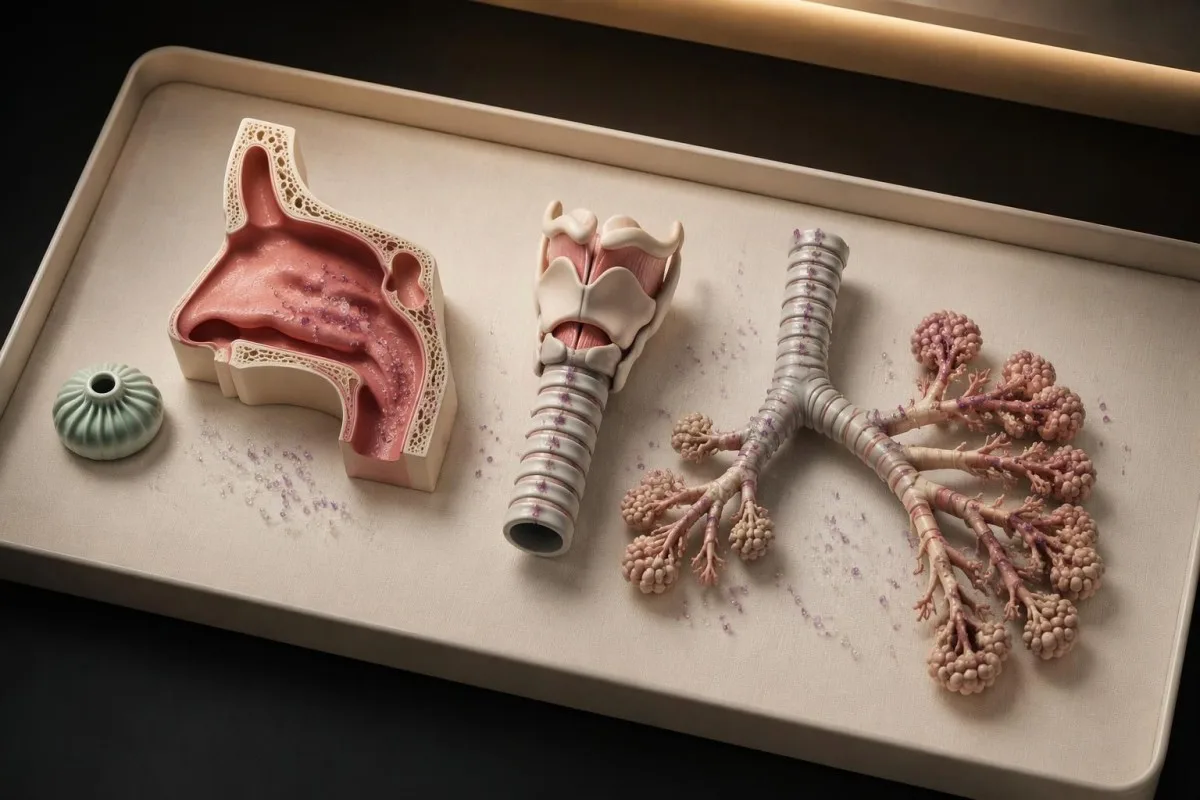
A household exposure does not mean everyone will become sick on the same day. For example, a child who develops a cough on Monday could have been exposed several days earlier, while a sibling exposed later may develop symptoms toward the end of the week. The 2–6-day incubation range explains why an apparently well household member is not automatically free of risk.
Young children may shed virus beyond the first week, and immune suppression can extend shedding further; a universal 7-day or 10-day cutoff is therefore misleading. Frequent coughing, close face-to-face care, and shared indoor air increase opportunities for transmission. A small amount of detectable RNA does not translate into a measurable probability that one particular hug or conversation will cause infection.
Wash hands with soap and water for at least 20 seconds, improve ventilation, and avoid sharing cups or utensils while ill. Clean frequently touched items after contact with respiratory secretions, but do not treat surface cleaning as a substitute for reducing close exposure. Our post-illness contagiousness guide discusses why recovery and detection can diverge, although norovirus transmission and exclusion rules are different.
तुम्ही शाळेत, पाळणाघरात किंवा कामावर कधी परत जाऊ शकता?
Return decisions should usually follow symptoms and local policy, not repeat PCR alone. For community respiratory illnesses, CDC guidance allows normal activities when symptoms improve overall and fever has been absent for at least 24 hours without fever-reducing medicine, followed by 5 days of added precautions.
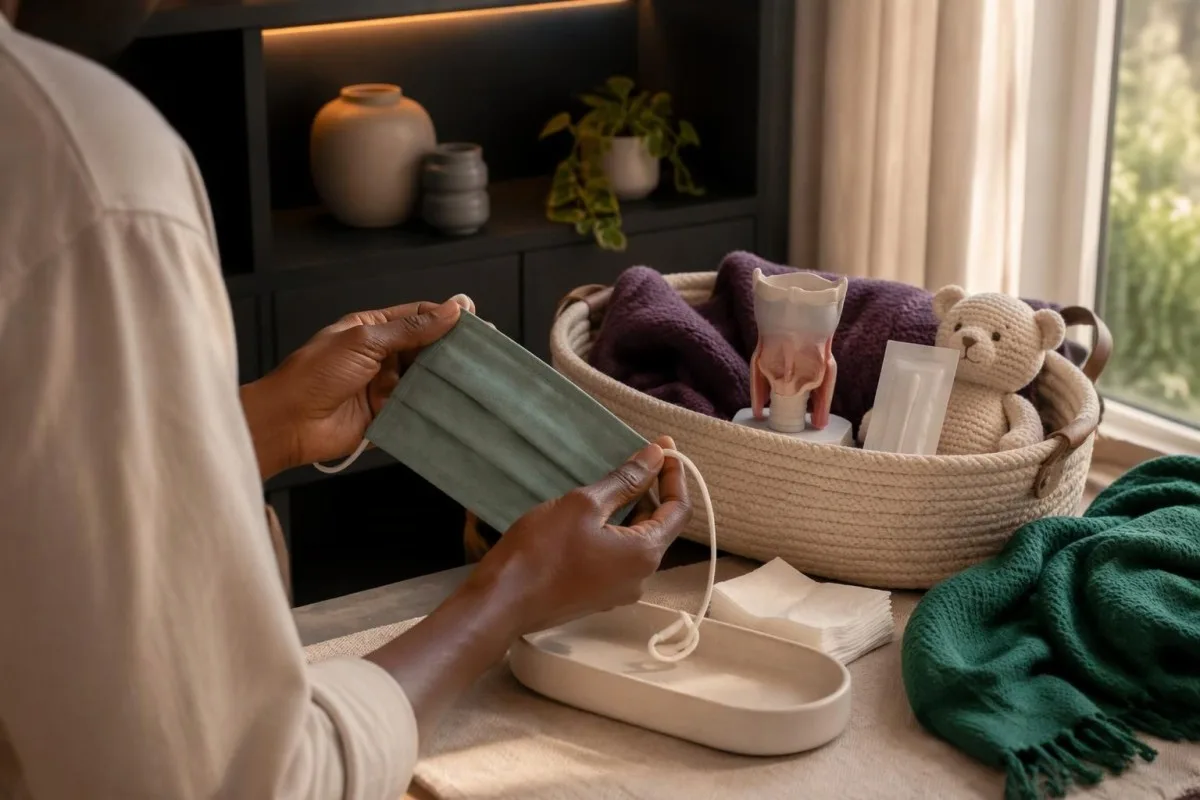
द CDC respiratory illness guidance is a general community framework, not a parainfluenza-specific proof of clearance. During the next 5 days, cleaner air, distancing where practical, and a well-fitting mask for people who can safely wear one reduce exposure. Do not put masks on children younger than 2 years or anyone unable to remove one safely.
Nurseries, schools, employers, hospitals, and transplant units may apply different policies. A child also needs enough energy to participate and enough hydration to manage the day; meeting a 24-hour fever rule does not make a struggling child ready for nursery. If fever returns or symptoms worsen after resuming activities, stay home again and reassess rather than counting the previous recovery period as permanent clearance.
For a hypothetical family with a recovering preschooler and a grandparent receiving chemotherapy, postponing close indoor contact may be sensible even after the child meets nursery criteria. Share only the information the school or employer actually needs; a complete laboratory report can reveal unrelated health details. Our privacy and data approach explains this distinction for health information handled through our service.
कोणाला पॅराइन्फ्लुएंझाचा गंभीर आजार होण्याची शक्यता जास्त असते?
Most otherwise healthy people develop a self-limited respiratory illness, but infants, older adults, immunocompromised people, and those with significant lung or heart disease have greater risk of complications. Severity depends on airway involvement and physiological function, not which of the 4 virus types appears on the report.
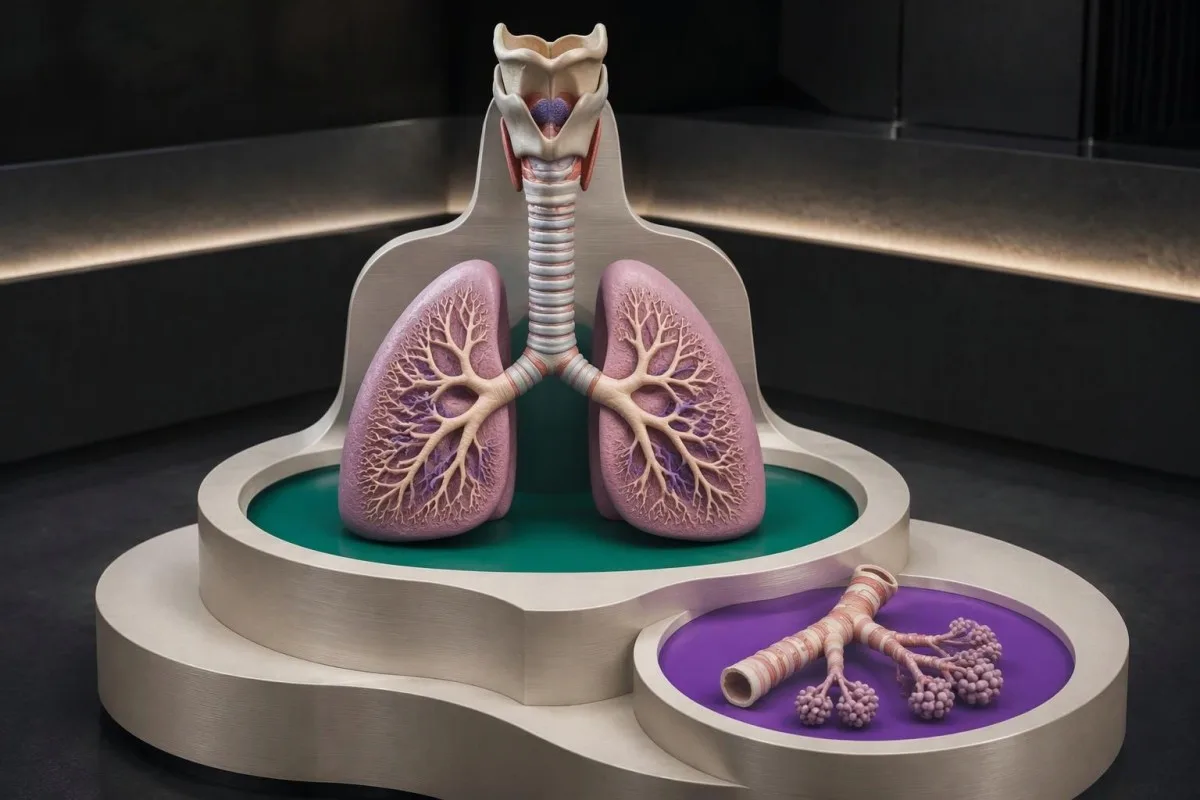
Parainfluenza types 1 and 2 are particularly associated with croup, while type 3 is often associated with bronchiolitis and pneumonia; these are tendencies, not guarantees. Henrickson's Clinical Microbiology Reviews article describes these clinical associations across the 4 types (Henrickson, 2003). A type 3 result in a comfortable adult does not establish pneumonia, and type 1 does not guarantee a mild course.
A hypothetical 35-year-old drinking normally with a runny nose and mild cough may need only home care, while an 8-month-old with chest retractions needs prompt assessment despite having the same detected virus. Smaller airways tolerate less swelling before airflow becomes difficult. Feeding difficulty in babies also matters because breathing and sucking compete for effort, allowing dehydration to develop before an obvious laboratory abnormality appears.
Older adults may show reduced appetite, confusion, or worsening breathlessness rather than a striking fever. People with asthma or COPD can develop exacerbations requiring their existing action plan and medical review, not an automatic new antibiotic. Our adult respiratory warning signs cover similar assessment principles for RSV, another distinct virus that can affect vulnerable adults.
पॅराइन्फ्लुएंझामुळे क्रूप आणि श्वास घेताना आवाज कसा होतो?
Parainfluenza can cause croup by producing swelling around the larynx and the airway just below the vocal cords. Croup is most common around 6 months to 3 years and typically causes a barking cough, hoarseness, and sometimes a harsh sound when breathing in called stridor.
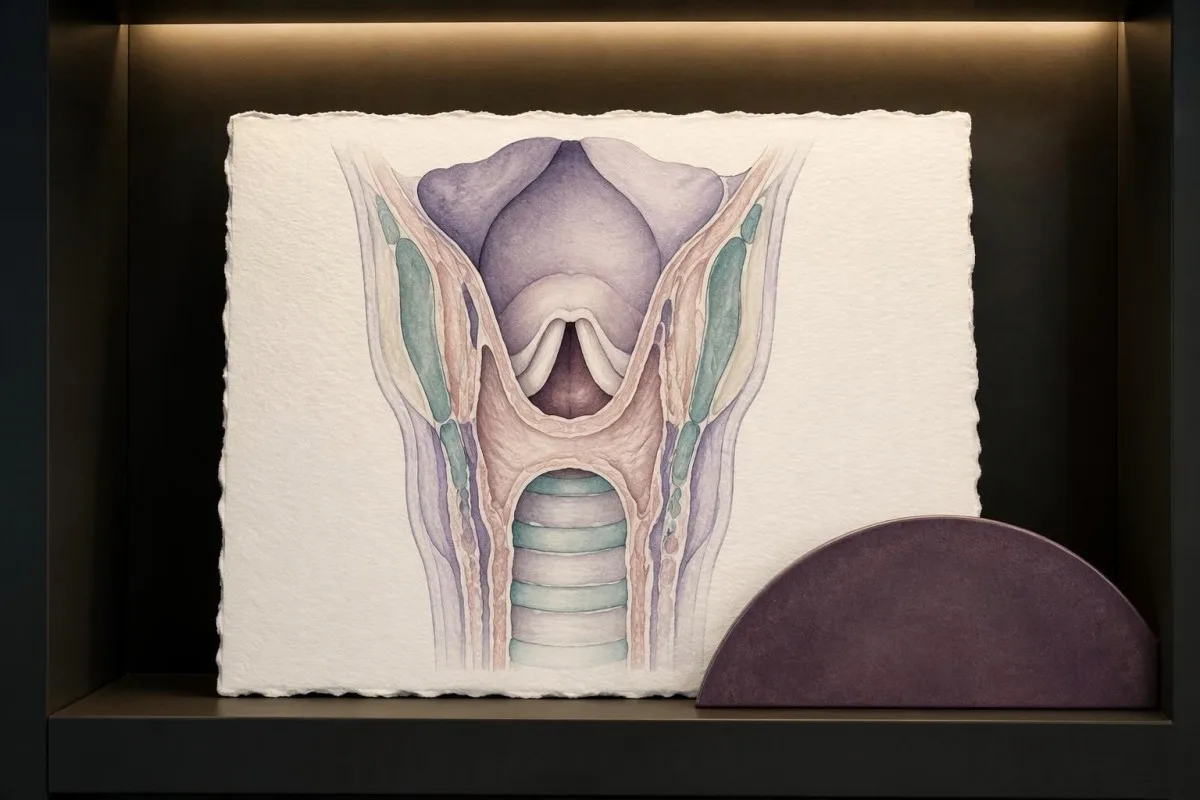
Stridor and wheeze are different sounds. Stridor is usually a harsh upper-airway sound during inhalation; wheeze is commonly a musical chest sound during exhalation. A short recording can help describe an intermittent sound to a clinician, but recording for 30 seconds must never delay seeking help when a child has stridor at rest or is visibly working to breathe.
Croup often becomes more noticeable at night, and agitation can make breathing noise worse. Keep an upset child calm and comfortably upright while arranging advice; assess the sound when the child is settled, not only during crying. A hypothetical 2-year-old who barks when coughing but breathes quietly between coughs has a different urgency level from a child with continuous stridor while sitting calmly.
Drooling, inability to swallow, sudden onset during eating, a muffled voice, or an unusually ill appearance are not reasons to assume ordinary croup. They can signal another airway problem and need urgent assessment, even with 1 positive viral result. Our guidance on मुलांच्या AI अर्थलावण्याच्या मर्यादा explains why laboratory interpretation cannot replace direct pediatric airway assessment.
क्रूपसाठी डेक्सामेथासोन किंवा नेब्युलायझरद्वारे उपचार कधी आवश्यक असतात?
Clinically diagnosed croup may benefit from a single corticosteroid dose, even when symptoms are mild. Dexamethasone 0.6 mg/kg once is a common regimen; clinicians may use lower doses under local protocols, while moderate or severe croup may also require nebulized epinephrine and observation.
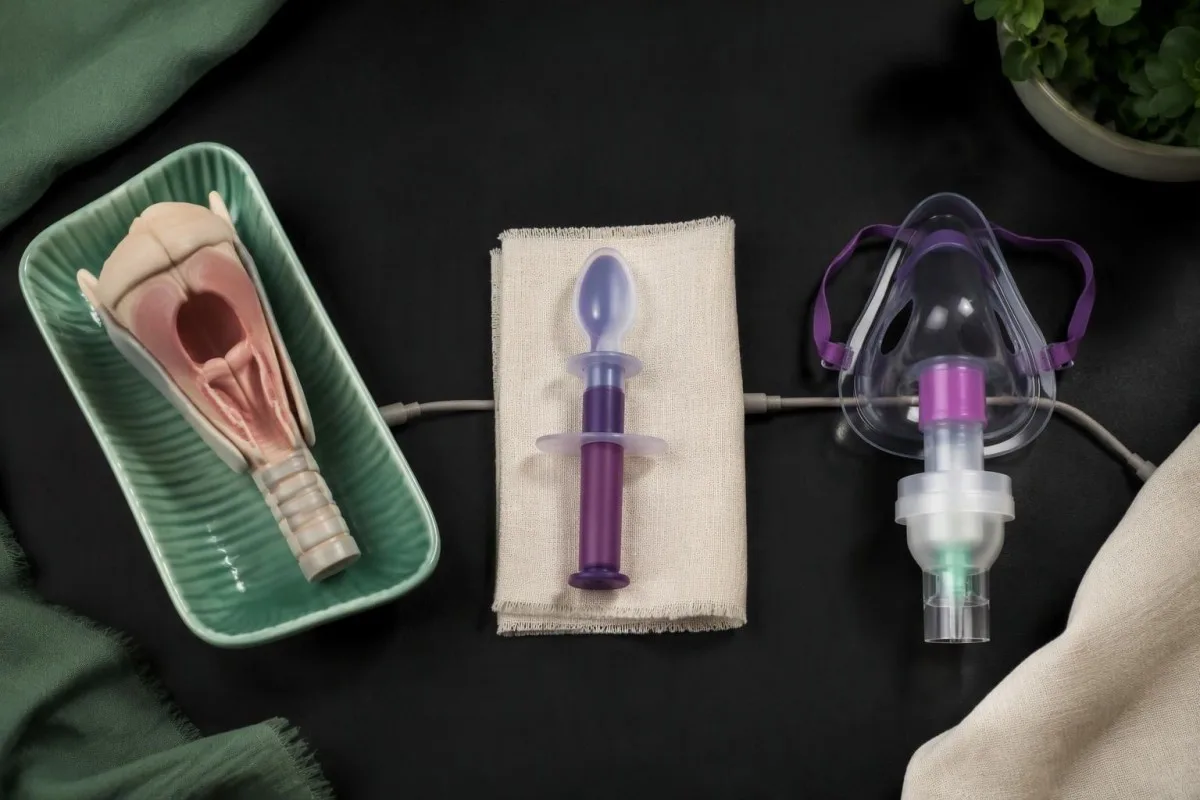
In a randomized trial of 720 children with mild croup, return visits for medical care within 7 days occurred in 7.3% after dexamethasone versus 15.3% after placebo (Bjornson et al., 2004). This demonstrates benefit for the croup syndrome, not for every parainfluenza-positive cough. Corticosteroids are not routine treatment for an uncomplicated parainfluenza cold without another indication.
The 2023 Cochrane review by Aregbesola et al. supports glucocorticoids for croup, while comparisons between doses leave some uncertainty about the best regimen for every presentation. For a hypothetical 12 kg child, 0.6 mg/kg calculates to 7.2 mg; the clinician selects the formulation and applicable maximum dose. Parents should not use leftover steroid medicine or copy another child's prescribed volume.
Nebulized epinephrine provides temporary improvement, so discharge decisions commonly include at least 2 hours of observation after treatment, with longer observation depending on the clinical course and local protocol. Kantesti is an AI blood test interpretation platform, not a service that determines whether a child can safely leave emergency care. Our AI तंत्रज्ञान स्पष्टीकरण distinguishes report analysis from an examination, medication decision, or monitored treatment response.
गुंतागुंत नसलेल्या पॅराइन्फ्लुएंझासाठी कोणती सहाय्यक काळजी उपयोगी ठरते?
Uncomplicated parainfluenza usually needs fluids, rest, nasal comfort measures, and symptom relief rather than antibiotics. Honey may help cough in people older than 1 year, but it must not be given to infants younger than 12 months because of the risk of infant botulism.
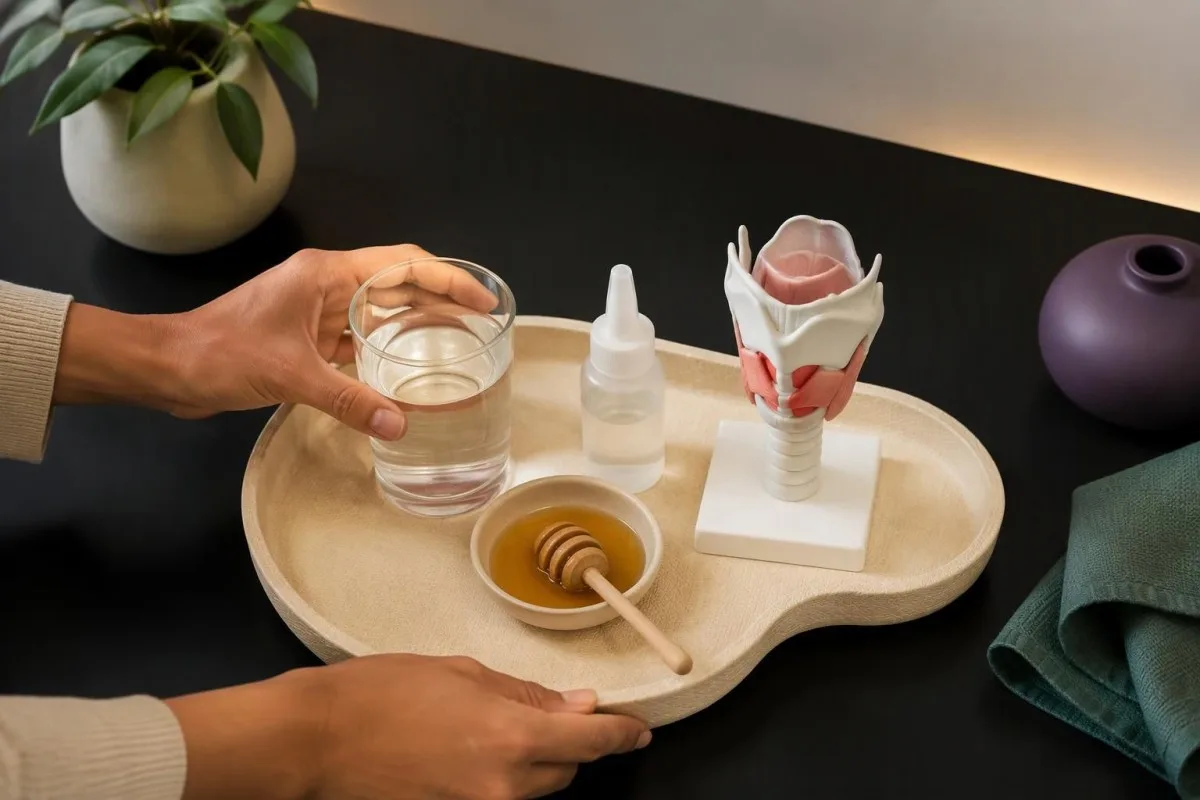
For adults who can take paracetamol, a common dose is 500–1,000 mg with at least 4 hours between doses; follow the local product's daily maximum and never exceed 4,000 mg from all products combined. Lower limits may apply with low body weight, liver disease, or alcohol-related risk. Our acetaminophen overdose explanation explains why combining cold remedies can unintentionally duplicate paracetamol, the same medicine under another name.
Children need weight- and formulation-specific dosing rather than an adult schedule, and aspirin should not be used for a child's viral illness unless a specialist specifically prescribes it. Offer smaller, more frequent drinks or feeds; saline drops and gentle nasal suction before feeding may help a congested infant. Never dilute infant formula beyond its instructions, and do not use 1 adult medicine dose as a shortcut for pediatric treatment.
Hot steam is not a proven croup treatment and can cause burns; a steamy bathroom should not delay assessment for noisy breathing. Antibiotics do not treat parainfluenza, and no established routine antiviral treatment is available for an otherwise healthy outpatient. If poor intake becomes significant, clinicians may assess hydration and electrolytes, as described in our इलेक्ट्रोलाइट (electrolyte) निकाल मार्गदर्शक, rather than assuming every recovering person needs laboratory tests.
श्वासोच्छ्वासाची कोणती लक्षणे तातडीच्या किंवा आपत्कालीन उपचारांची गरज दर्शवतात?
Stridor at rest, marked chest retractions, blue or grey lips, pauses in breathing, severe breathlessness, or reduced responsiveness require urgent assessment, often emergency care. A normal-looking PCR report or oxygen reading must not overrule these signs; a baby younger than 3 months with a temperature of 38°C or higher also needs urgent assessment.
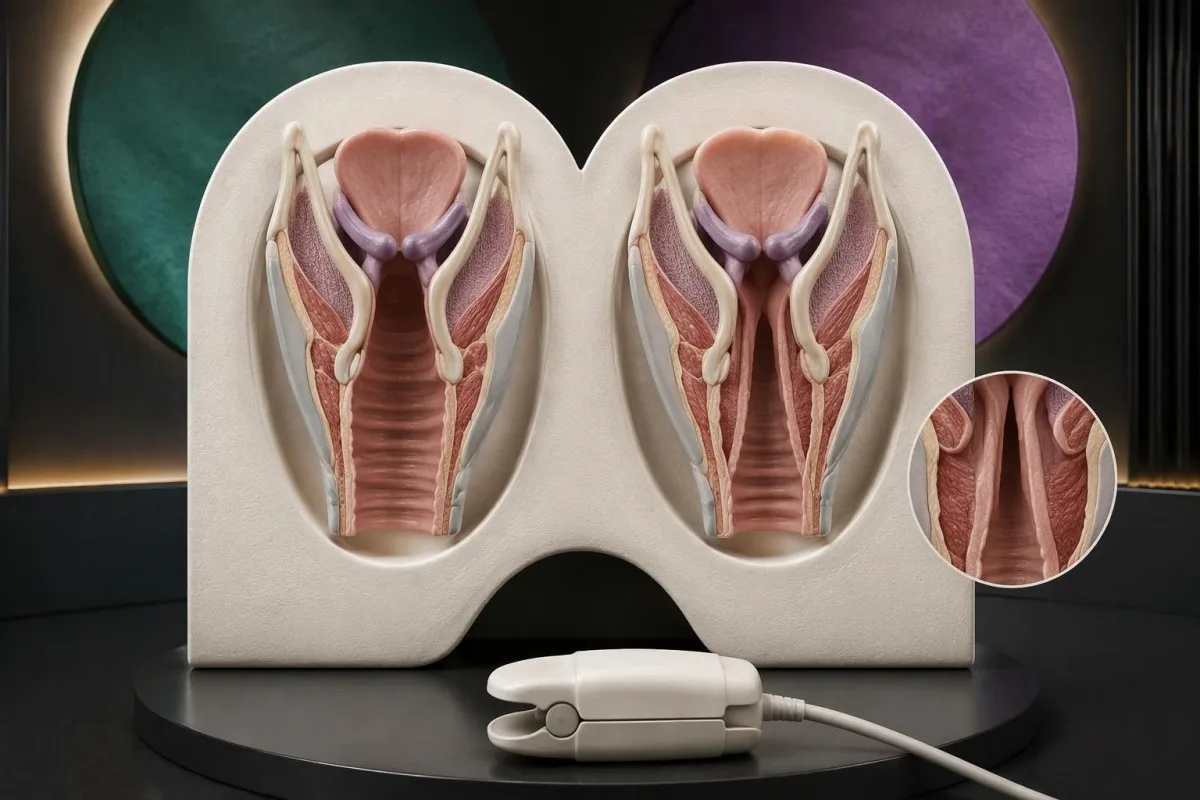
Call local emergency services if the person cannot speak normally because of breathlessness, has blue or grey lips, becomes difficult to wake, or has breathing pauses. In children, pulling inward between or below the ribs and persistent stridor while calm are concerning. Do not spend another 10 minutes arranging a repeat swab, uploading a report, or trying home remedies when these signs are present.
Home pulse oximeters are imperfect, particularly with movement, cold fingers, poor fit, and differences in skin pigmentation. At usual low-altitude conditions, a persistent resting saturation of 92% or lower generally warrants urgent medical evaluation; a reading of 90% or lower is an emergency signal unless an individualized clinical plan says otherwise. Severe upper-airway obstruction can initially occur with a reassuring saturation, as our श्वास लागण्याच्या तपासणीविषयक मार्गदर्शक स्पष्ट करते.
A hypothetical child with loud stridor and a displayed oxygen saturation of 97% still needs urgent airway assessment because oxygenation is not the same as easy airflow. Clinicians assess respiratory effort, alertness, hydration, and trends, sometimes using additional tests when lower-airway disease is suspected. Our arterial blood gas explanation describes why oxygen and carbon dioxide measurements answer different questions.
खोकला कायम राहिला किंवा ताप पुन्हा आला तर काय करावे?
A lingering cough can outlast the most infectious phase, but worsening breathing or a returning fever needs reassessment. Many uncomplicated respiratory symptoms improve over roughly 7–10 days, while cough can last longer; neither a fixed day count nor a persistent positive PCR proves an uncomplicated recovery.
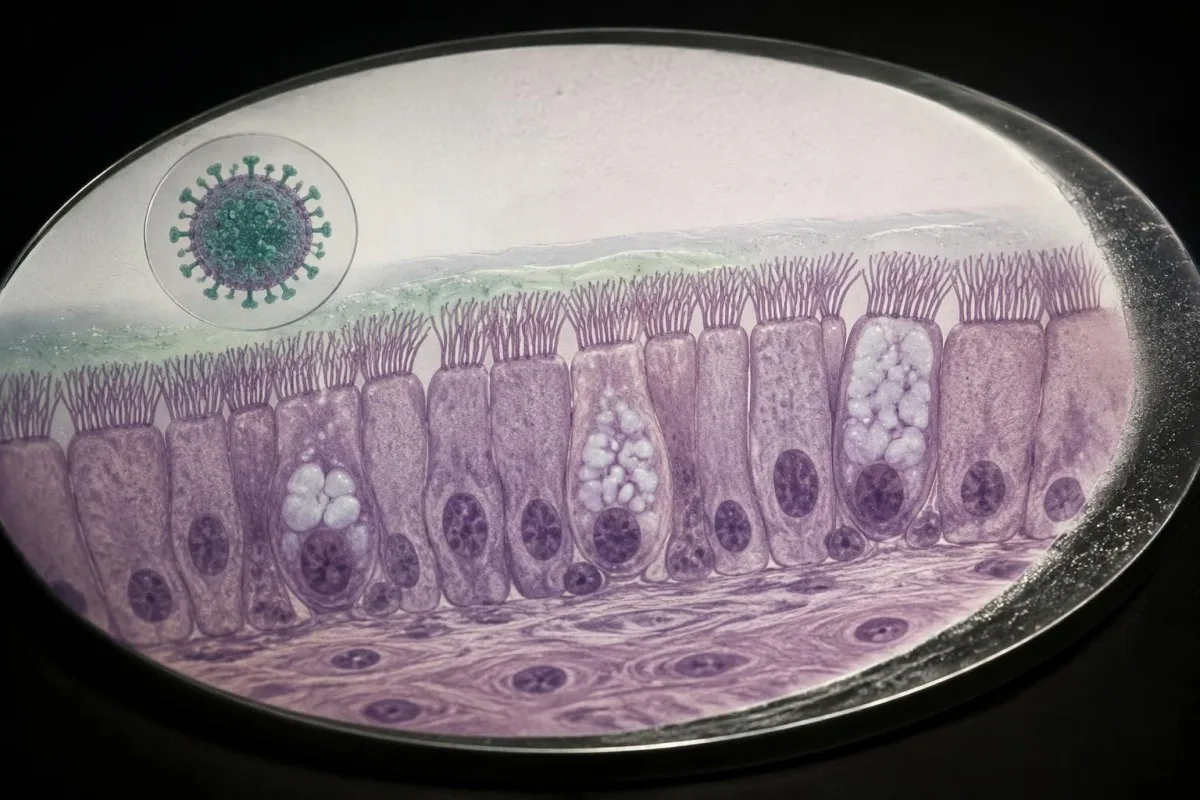
Postviral airway irritation can maintain cough after energy and appetite recover. The more useful distinction is improving versus worsening: a cough that is gradually less frequent differs from a new fever with chest pain, fast breathing, or reduced activity. If a cough lasts beyond about 3 weeks, or sooner if troublesome or worsening, arrange assessment rather than repeatedly checking the same viral target.
A positive parainfluenza result does not exclude bacterial pneumonia or another infection. Pertussis can cause coughing fits, vomiting after cough, or breathing pauses in infants, and testing has a time-dependent diagnostic window; our whooping cough testing guide explains that distinction. A hypothetical child who develops repeated coughing fits in week 2 deserves a fresh symptom review, not automatic attribution to the earlier panel.
Multiplex panels may detect more than 1 organism, but they do not necessarily test every relevant cause of pneumonia. If a clinician orders Mycoplasma antibody testing, timing and antibody persistence create a different interpretation problem from respiratory RNA detection. Our Mycoplasma antibody result guide explains why a positive IgM result is not interchangeable with a positive parainfluenza PCR.
पॅराइन्फ्लुएंझा गंभीर आहे की नाही हे रक्ताच्या चाचण्यांवरून समजू शकते का?
Blood tests can reveal complications or support an assessment, but no CBC, CRP, or procalcitonin value can independently grade parainfluenza severity. For 2 people with the same positive swab, respiratory effort, oxygenation, hydration, and underlying health may lead to entirely different care decisions.
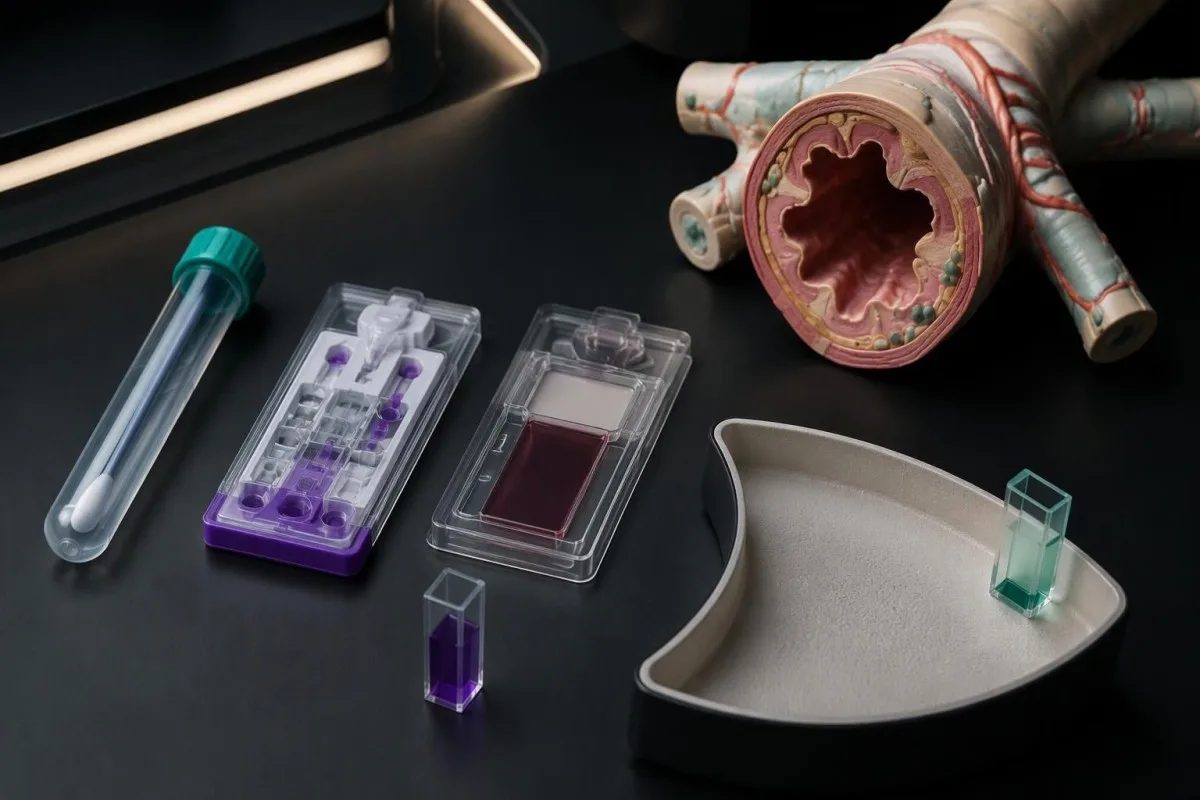
White cell count and CRP describe aspects of the immune response, not whether the airway is safely open. A hypothetical adult with a WBC of 8.0 × 10^9/L can still have pneumonia, while an elevated WBC may reflect stress or steroid treatment rather than bacterial infection. Our WBC आणि CRP तुलना explains why disagreement between these markers needs context.
Procalcitonin sometimes supports antibiotic decisions in selected settings, but a low value cannot independently exclude early or localized bacterial pneumonia. For example, a hypothetical procalcitonin of 0.08 ng/mL must not override new hypoxia, focal chest findings, or clinical deterioration. Our प्रोकॅल्सिटोनिन अर्थनिर्णय मार्गदर्शक separates a probability-shifting biomarker from a definitive bacterial rule-out test.
Kantesti AI helps explain accompanying blood-test patterns, but those patterns cannot certify that a person with 1 positive respiratory swab is safe for home care or no longer contagious. Chest imaging, examination, and repeat observations may matter more when lower respiratory disease is suspected. Our clinical methodology and oversight describe the boundaries of AI interpretation; do not order extra panels solely to obtain reassurance about an otherwise comfortable cold.
कुटुंबीयांनी आणि रोगप्रतिकारशक्ती कमी असलेल्या व्यक्तींनी पुढील देखरेख कशी करावी?
Families should match precautions and follow-up to each person's vulnerability rather than treating every positive result alike. Transplant recipients, people receiving chemotherapy, and others with substantial immune suppression should contact their treating team promptly about new respiratory symptoms or a positive panel, even on illness day 1.
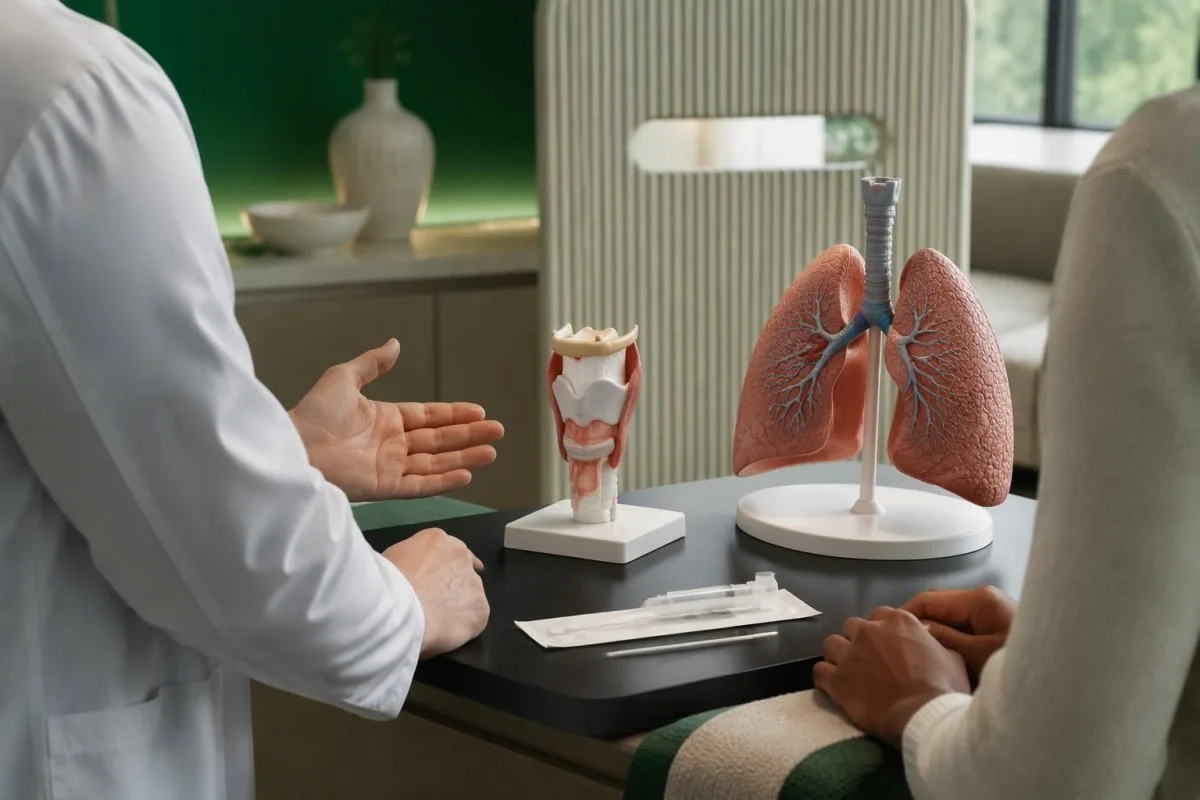
For a hypothetical household with a 3-year-old with croup and an adult taking transplant immunosuppression, prioritize cleaner air, less close contact when feasible, and advice from the transplant team. Do not independently reduce immunosuppressant doses or start leftover antivirals. Severe parainfluenza in immunocompromised patients may require specialist-directed management, but evidence for specific drug approaches is limited and does not establish a routine home regimen.
Specialist units may use repeat respiratory PCR for infection-control decisions, especially when prolonged shedding is plausible; this differs from routine community test-of-cure testing. A positive result after 2 weeks can have greater practical significance on a transplant ward than in a fully recovered healthy adult. Follow the unit's instructions about appointments and isolation rather than applying a general school-return rule to a high-risk clinical setting.
For families using Kantesti, keep each person's results and symptom timeline separate; one child's positive panel does not diagnose every household member. A single parainfluenza episode does not establish immune deficiency, but repeated severe or unusual infections may justify targeted assessment. Our वारंवार होणाऱ्या संसर्गांच्या चाचण्यांसाठी मार्गदर्शक explains why the pattern across multiple illnesses is more informative than 1 isolated detection.
निकालाचा संदर्भ समजून घेणे: संशोधन आणि AI च्या मर्यादा
Use the respiratory result alongside symptoms, specimen timing, and clinical risk—not as a stand-alone severity or clearance certificate. The 2 DOI-linked educational resources below address accompanying blood-test interpretation; they are not parainfluenza treatment trials and should not be cited as evidence about contagiousness.
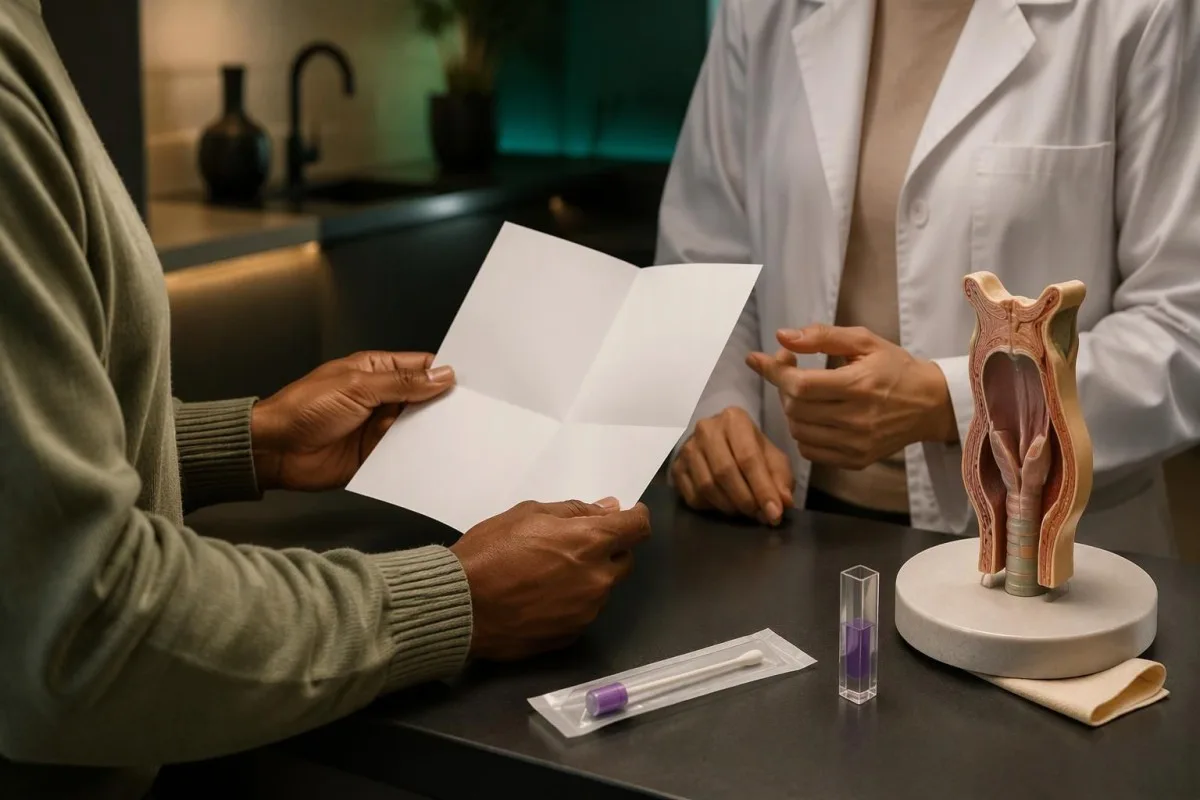
A CBC may include RDW, MCV, and MCHC, but these red-cell indices do not identify parainfluenza or measure its infectiousness. A hypothetical MCV of 78 fL raises a separate question about small red cells, not a reason to label the respiratory illness severe. Our RDW आणि लाल-पेशी मार्गदर्शक provides background for results that may appear alongside a respiratory illness assessment.
Kidney measurements can become relevant when poor intake, dehydration, or medication concerns accompany illness. A hypothetical BUN/creatinine ratio of 25:1 may fit reduced fluid intake in some settings, but the ratio alone cannot diagnose dehydration, and calculation depends on the reporting units. Our BUN आणि क्रिएटिनिन मार्गदर्शक explains this separate interpretation problem.
Kantesti is an AI-powered blood test analysis tool that supports understanding of laboratory information without replacing examination or emergency triage. Our वैद्यकीय सामग्री मानके require us to distinguish established guidance, hypothetical examples, and uncertain evidence. Before acting on 1 detected result, ask the practical questions: Is breathing comfortable, is hydration adequate, are symptoms improving, and does this person have a reason to seek earlier medical review?
वारंवार विचारले जाणारे प्रश्न
पीसीआर चाचणी पॉझिटिव्ह असल्यास पॅराइन्फ्लूएन्झा संसर्गजन्य असतो का?
पॅराइन्फ्लुएंझा संसर्गजन्य आहे, परंतु केवळ PCR चाचणीचा सकारात्मक निकाल वाचला जातो त्या वेळी एखादी व्यक्ती अजूनही संसर्ग पसरवू शकते, हे सिद्ध करू शकत नाही. PCR विषाणूची आनुवंशिक सामग्री शोधते, जी लक्षणे कमी झाल्यानंतरही आढळू शकते. लक्षणे साधारणपणे संसर्गाच्या संपर्कात आल्यानंतर २–६ दिवसांनी सुरू होतात आणि आजाराच्या सुरुवातीच्या काळात संसर्ग पसरण्याचा धोका सामान्यतः सर्वाधिक असतो. लक्षणांवर आधारित खबरदारी घ्या आणि स्थानिक सूचनांचे पालन करा, विशेषतः लहान बाळे आणि रोगप्रतिकारशक्ती कमी असलेल्या व्यक्तींच्या आसपास.
पॅराइन्फ्लूएंझा झाल्यास मी किती काळ घरी राहावे?
सामुदायिक श्वसनविकारांसाठी, CDC च्या मार्गदर्शनानुसार लक्षणांमध्ये एकूण सुधारणा होईपर्यंत आणि ताप कमी करणारी औषधे न घेता किमान 24 तास ताप नसल्यापर्यंत घरी राहण्याची सर्वसाधारणपणे शिफारस केली जाते. सुधारणा झाली म्हणजे संसर्ग पसरण्याचा धोका पूर्णपणे नाहीसा झाला असे होत नसल्यामुळे, त्यानंतरचे 5 दिवस अतिरिक्त खबरदारी घेण्याची शिफारस केली जाते. शाळा, नर्सरी, आरोग्यसेवा आणि कामाच्या ठिकाणची धोरणे वेगळी असू शकतात. अन्यथा निरोगी व्यक्तीने नियमित कामकाजात परतण्यासाठी पॅराइन्फ्लुएंझा PCR चाचणी पुन्हा निगेटिव्ह येणे सामान्यतः आवश्यक नसते.
पॅराइन्फ्लूएंझा आणि इन्फ्लूएंझा एकच आहेत का, आणि टॅमिफ्लू मदत करते का?
पॅराइन्फ्लुएन्झा हा इन्फ्लुएन्झा नाही, आणि ओसेल्टामिविर, ज्याला टॅमिफ्लू असेही म्हणतात, पॅराइन्फ्लुएन्झावर उपचार करत नाही. मानवी पॅराइन्फ्लुएन्झाचे 4 मुख्य प्रकार आहेत, जे इन्फ्लुएन्झापेक्षा वेगळ्या विषाणू कुटुंबातील आहेत. इन्फ्लुएन्झाच्या लसी पॅराइन्फ्लुएन्झापासून विशिष्ट संरक्षण देत नाहीत. श्वसन पॅनेलमध्ये इन्फ्लुएन्झाही आढळल्यास, डॉक्टर इन्फ्लुएन्झावरील उपचारांचा विचार करू शकतात; हे उपचार बहुतेकदा 48 तासांच्या आत सर्वाधिक फायदेशीर असतात, परंतु निवडक उच्च-जोखीम किंवा गंभीर प्रकरणांमध्ये नंतरही वापरले जातात.
पॅराइन्फ्लूएंझा विषाणू आढळला म्हणजे माझ्या मुलाला क्रूप झाला आहे का?
पॅराइन्फ्लुएंझा विषाणू आढळल्याचा अर्थ चाचणीत विषाणूची आनुवंशिक सामग्री आढळली; यावरून मुलाला क्रूप आहे हे सिद्ध होत नाही. भुंकल्यासारखा खोकला, आवाज बसणे आणि स्ट्रायडर यांसारख्या लक्षणांवरून क्रूपचे निदान केले जाते आणि तो साधारणतः ६ महिने ते ३ वर्षे वयोगटात सर्वाधिक आढळतो. ही लक्षणे असलेल्या मुलाला डॉक्टरांनी लिहून दिलेल्या कॉर्टिकोस्टेरॉइड उपचारांचा फायदा होऊ शकतो. मूल शांतपणे विश्रांती घेत असताना स्ट्रायडर, छाती आत ओढली जाणे, लाळ गळणे किंवा गिळण्यास त्रास होणे यांसाठी दुसऱ्या चाचणीची वाट पाहण्याऐवजी तातडीने वैद्यकीय तपासणी आवश्यक आहे.
पॅराइन्फ्लूएन्झानंतर मला प्रतिजैविके किंवा आणखी एक पीसीआर चाचणी आवश्यक आहे का?
गुंतागुंत नसलेल्या पॅराइन्फ्लुएन्झासाठी सहसा प्रतिजैविके किंवा पुन्हा PCR चाचणी करण्याची आवश्यकता नसते. प्रतिजैविके जीवाणूंवर उपचार करतात, पॅराइन्फ्लुएन्झा विषाणूवर नाहीत; आणि आण्विक चाचणीचा निकाल बराच काळ सकारात्मक राहिला, तरी केवळ त्यावरून उपचार करणे योग्य ठरत नाही. प्रकृती सुधारल्यानंतर ताप पुन्हा आला, श्वास घेण्यास त्रास वाढला किंवा खोकला सुमारे 3 आठवड्यांपेक्षा जास्त काळ त्रासदायक राहिला, तर गुंतागुंत किंवा दुसरे कारण तपासण्यासाठी पुन्हा डॉक्टरांकडून तपासणी करून घ्या. रोगप्रतिकारशक्ती कमी असलेल्या रुग्णांना त्यांच्या विशेषज्ञ पथकाकडून वेगळ्या चाचण्या आणि पाठपुराव्याच्या सूचना मिळण्याची गरज असू शकते.
पॅराइन्फ्लुएंझाचा सकारात्मक निकाल गंभीर कधी असतो?
0 A सकारात्मक पॅराइन्फ्लुएंझा चाचणीचा निष्कर्ष चिंताजनक ठरतो, जेव्हा त्यासोबत श्वास घेण्यास त्रास, विश्रांतीच्या वेळीही स्ट्रायडर, छाती आत ओढली जाणे, ओठ निळे किंवा राखाडी पडणे, श्वास थांबणे, प्रतिसादक्षमता कमी होणे किंवा लक्षणीय निर्जलीकरण असते. 3 महिन्यांपेक्षा लहान बाळाचे तापमान 38°C किंवा त्याहून अधिक असल्यास, विषाणूची ओळख पटलेली असली तरी तातडीने वैद्यकीय तपासणी आवश्यक आहे. नेहमीच्या कमी उंचीच्या परिस्थितीत ऑक्सिजन सॅच्युरेशन सतत 92% किंवा त्यापेक्षा कमी राहिल्यास सामान्यतः तातडीच्या तपासणीची गरज असते; मात्र सामान्य रीडिंगमुळे वरच्या श्वसनमार्गातील धोकादायक अरुंदता नाकारली जात नाही. पुन्हा PCR चाचणी किंवा AI च्या विश्लेषणाची वाट पाहण्याऐवजी गंभीर लक्षणे असल्यास आपत्कालीन सेवांना संपर्क करा.
तुमचे रक्त तपासणी अहवाल कसे वाचावेत
तुमचा प्रयोगशाळा अहवाल अपलोड करा आणि Kantesti चे AI काही सेकंदांत प्रत्येक जैवचिन्ह सोप्या भाषेत समजावून सांगेल. जगभरातील 2 दशलक्षांहून अधिक लोक वापरतात.
संदर्भ
- Klein, T., Mitchell, S., & Weber, H. (2026). RDW रक्त चाचणी: RDW-CV, MCV आणि MCHC यांसाठी संपूर्ण मार्गदर्शक. Kantesti AI वैद्यकीय संशोधन. डीओआय
- Klein, T., Mitchell, S., & Weber, H. (2026). BUN/क्रिएटिनिन अनुपात स्पष्ट: किडनी कार्य चाचणी मार्गदर्शक. Kantesti AI वैद्यकीय संशोधन. डीओआय
- Henrickson KJ (2003). Parainfluenza viruses. Clinical Microbiology Reviews. डीओआय पबमेड
- Aregbesola A et al. (2023). Glucocorticoids for croup in children. Cochrane Database of Systematic Reviews. डीओआय
- Bjornson CL et al. (2004). A randomized trial of a single dose of oral dexamethasone for mild croup. The New England Journal of Medicine. डीओआय पबमेड
- २० लाख+विश्लेषित केलेल्या चाचण्या
- 127+देश
- 100+भाषा
वैद्यकीय पथकाविषयी


E-E-A-T विश्वास संकेत
अनुभव
प्रयोगशाळेतील अहवाल समजून घेण्याच्या कार्यप्रवाहांचे डॉक्टरांच्या नेतृत्वाखालील क्लिनिकल पुनरावलोकन.
कौशल्य
बायोमार्कर्स क्लिनिकल संदर्भात कसे वागतात यावर प्रयोगशाळा वैद्यकाचा भर.
अधिकृतता
डॉ. Thomas Klein यांनी वैद्यकीय पुनरावलोकन केले; डॉ. Sarah Mitchell आणि प्रा. डॉ. Hans Weber यांचे योगदान.
विश्वासार्हता
पुराव्यावर आधारित अर्थ लावणे, घाबरवणाऱ्या सूचना कमी करण्यासाठी स्पष्ट पुढील मार्गांसह.


वैद्यकीय अस्वीकरण
हा लेख केवळ शैक्षणिक उद्देशांसाठी आहे आणि वैद्यकीय सल्ला ठरत नाही. निदान आणि उपचार निर्णयांसाठी नेहमी पात्र आरोग्यसेवा प्रदात्याशी सल्लामसलत करा.
प्रकाशित · संपादकीय पथकाशी संपर्क साधा
Kantesti Ltd द्वारे प्रकाशित, इंग्लंड आणि वेल्समध्ये नोंदणीकृत, कंपनी क्रमांक. 17090423, लंडन, युनायटेड किंगडम.
