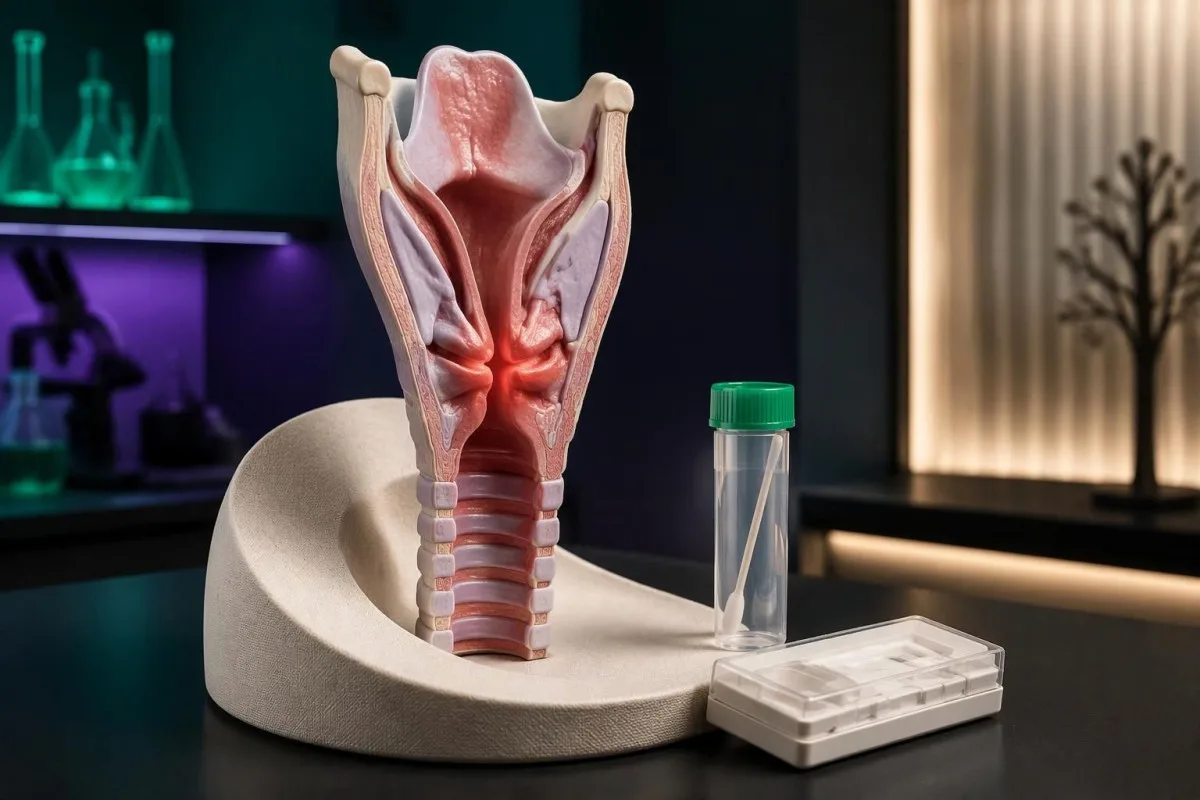
Позитивен резултат од PCR тестот за параинфлуенца значи дека тестот открил вирусен генетски материјал, обично од брис од дишните патишта. Параинфлуенцата е заразна и најчесто предизвикува заболување слично на настинка, но може да предизвика круп или пневмонија; само PCR тестот не може да покаже колку е сериозно заболувањето или дали сè уште сте заразни.

Клучни заклучоци
- Позитивен ПЦР открива генетски материјал на параинфлуенца, а не измерено количество жив вирус; 1 позитивен брис не може да ја утврди сериозноста или елиминацијата на вирусот.
- Различна од инфлуенцата: човечката параинфлуенца опфаќа 4 главни типа вируси, а антивирусните лекови за инфлуенца, како оселтамивир, не лекуваат параинфлуенца.
- Заразноста обично е најголема во раната фаза на заболувањето; симптомите најчесто започнуваат околу 2–6 дена по изложувањето, но исфрлањето на вирусот варира меѓу луѓето.
- Мерки на претпазливост во заедницата обично може да се ублажат откако симптомите во целина ќе се подобрат и треската ќе отсуствува најмалку 24 часа без лекови за намалување на треската; применувајте дополнителни мерки на претпазливост во следните 5 дена.
- Ризик од круп е најголем кај малите деца, особено на возраст од околу 6 месеци до 3 години; лаечка кашлица со бучно вдишување бара лекарска процена.
- Третман на круп може да вклучува дексаметазон препишан од лекар, најчесто 0,6 mg/kg еднократно; позитивен PCR сам по себе не е причина за земање стероиди.
- Итни знаци на отежнато дишење вклучуваат стридор во мирување, вовлекување на градниот кош, сини или сиви усни, паузи во дишењето или неможност за пиење; не чекајте уште еден тест.
- Треска кај доенче од 38°C или повисока кај бебе помладо од 3 месеци бара итна медицинска проценка, дури и кога респираторниот панел открива вирус.
Што значи позитивен резултат од PCR тестот за параинфлуенца?
A позитивен PCR за параинфлуенца резултатот значи дека лабораторијата открила генетски материјал од човечки вирус на параинфлуенца во доставениот примерок. Тоа укажува на тековна или неодамнешна респираторна инфекција, но 1 резултат не може да потврди пневмонија, тежина на крупот или тековна заразност.
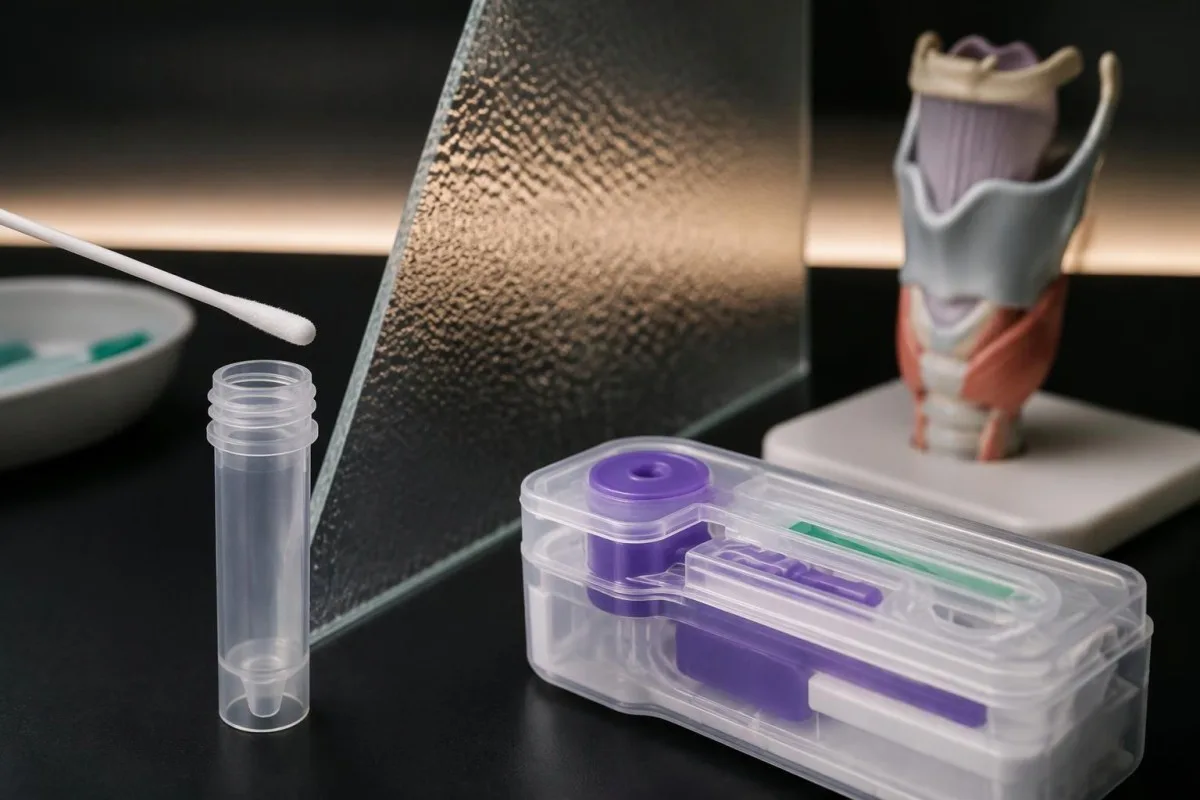
Повеќето респираторни панели тестираат брис од носот или назофаринксот, а не примерок од крв. Човечките вируси на параинфлуенца содржат RNA, па тестирањето обично вклучува обратна транскрипција пред амплификацијата; во извештаите сепак може да се користи поедноставниот термин PCR. Нашето објаснување за квалитативни наспроти квантитативни резултати појаснува зошто одговорот „откриено/неоткриено“ не е нумерички резултат за болеста.
Во извештаите може да се наведат параинфлуенца тип 1, 2, 3 или 4, или неколку типови да се обединат во еден ред со резултат. Овие лабораториски избори влијаат на информациите што ви ги дава извештајот, но не мора да значат колку сте болни. Проверете го датумот на земање на примерокот: резултатот објавен денес може да се однесува на примерок земен неколку дена претходно, пред симптомите да се подобрат или влошат.
Kantesti е анализатор на крвни тестови со вештачка интелигенција што помага во толкувањето на придружните лабораториски наоди, додека за респираторен PCR е потребен сопствен примерок и контекст на симптомите. Нашите организација и цел се одвоени од лабораторијата што го анализирала вашиот брис. Забележете 3 детали во извештајот: кога започнале симптомите, кога бил земен примерокот и дали има промени во дишењето или пиењето.
Параинфлуенца наспроти инфлуенца: дали станува збор за иста инфекција?
Параинфлуенцата и инфлуенцата се различни вируси, и покрај нивните слични имиња. Човечкиот параинфлуенца вирус има 4 главни типа и припаѓа на фамилијата Paramyxoviridae; инфлуенцата припаѓа на фамилијата Orthomyxoviridae, па вакцините против грип и антивирусните лекови специфични за грип не обезбедуваат специфичен третман за параинфлуенца.
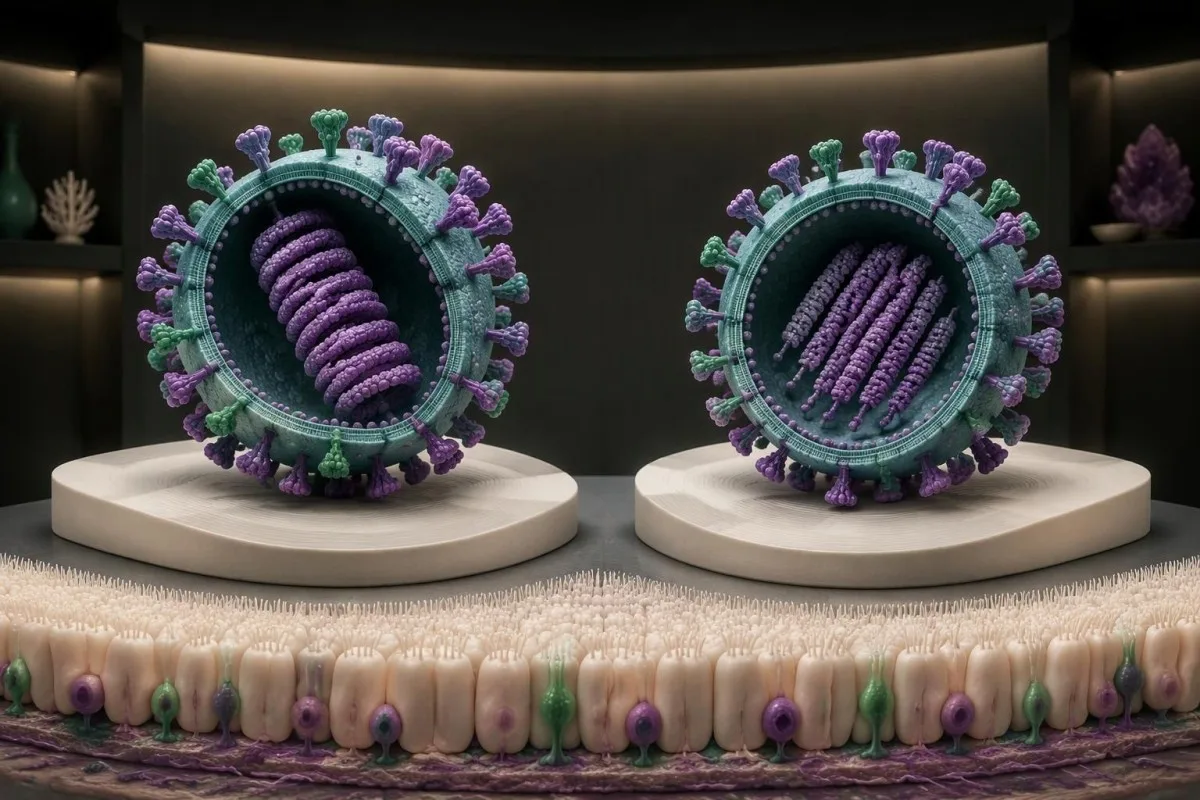
Двете заболувања може да предизвикаат треска, кашлица, болно грло, замор и болки во мускулите, па само симптомите можеби нема сигурно да ги разликуваат. Инфлуенцата често почнува нагло, додека параинфлуенцата често наликува на настинка пред да се појави лајачка кашлица кај детето. Ниту една од овие појави не е дијагностичка; панел што одделно ги прикажува инфлуенца A, инфлуенца B и параинфлуенца дава покорисни докази од зборот грип во разговор.
Оселтамивир дејствува против инфлуенца, а не против параинфлуенца. Лекувањето на инфлуенца често е најкорисно кога се започнува во рок од 48 часа, иако тешката болест и пациентите со поголем ризик може да оправдаат подоцнежно лекување; тие правила не треба да се применуваат на резултат што покажува само параинфлуенца. Нашето објаснување за лекувањето на инфлуенца го опфаќа посебниот тек на одлучување кога е откриена и инфлуенца.
Панелот може истовремено да открие 2 респираторни патогени, а еден позитивен резултат не го поништува другиот. Ако се пријавени и инфлуенца и параинфлуенца, лекувањето на инфлуенца сепак може да биде соодветно, зависно од возраста, ризикот и траењето на болеста. Не постои рутински достапна лиценцирана вакцина специфично против човечка параинфлуенца, но рутинската вакцинација против инфлуенца и понатаму штити од соодветните цели на вакцината против инфлуенца.
Зошто PCR не може да утврди дали сè уште сте заразни
PCR открива вирусна РНК, а не дали секоја откриена честичка може да се размножува и шири. Позитивен резултат може да се појави за време на активна болест или додека генетскиот материјал останува открилив и потоа; не постои валидиран праг за PCR на параинфлуенца што потврдува дека лицето не е заразно.
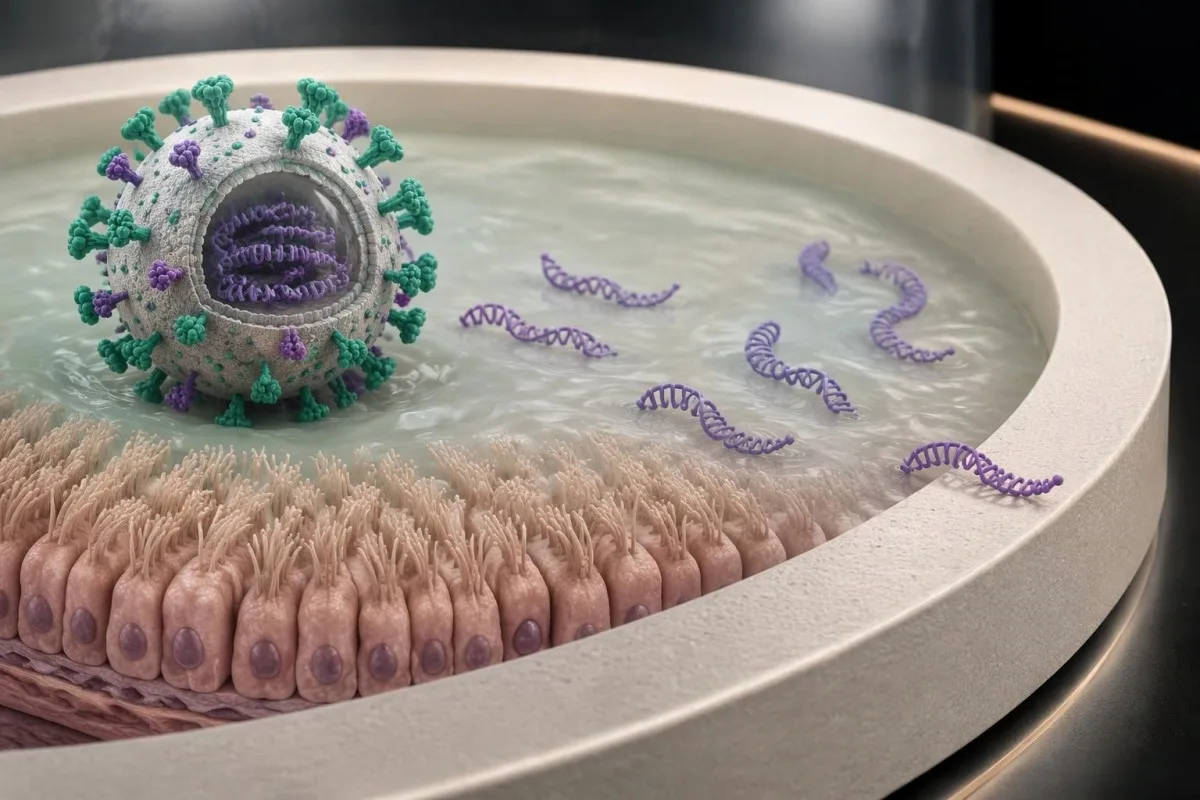
Некои молекуларни тестови известуваат за праг на циклусот, или Ct, но многу панели за респираторни патогени даваат само квалитативен резултат. Во рамките на истиот валидиран тест, понизок Ct генерално укажува на поголемо почетно количество целен материјал; на него влијаат и техниката на земање брис, разредувањето на примерокот, транспортот и дизајнот на тестот. Хипотетичен Ct од 30 од една лабораторија не може да се смета за еквивалентен на Ct од 30 од друга лабораторија.
Kantesti separates 2 questions that patients often combine: whether the target was detected and whether that person can transmit infection now. Viral culture can help demonstrate replication-capable virus in specialized settings, but it is not a routine return-to-school test. Henrickson's review describes variable shedding, including prolonged shedding in some children and immunocompromised people (Henrickson, 2003).
A recovering person with no fever and improving energy has a different practical risk profile from someone with a new fever and frequent coughing, even if both reports say detected. Our adenovirus shedding explanation illustrates the broader distinction between molecular detection and clinical recovery. Its virus-specific timelines should not be used as parainfluenza clearance rules.
Дали параинфлуенцата е заразна и како се пренесува?
Parainfluenza is contagious and spreads through respiratory secretions, close contact, and contaminated hands or objects that carry secretions to the eyes, nose, or mouth. Symptoms commonly develop about 2–6 days after exposure, and transmission risk is generally greatest early in the illness.
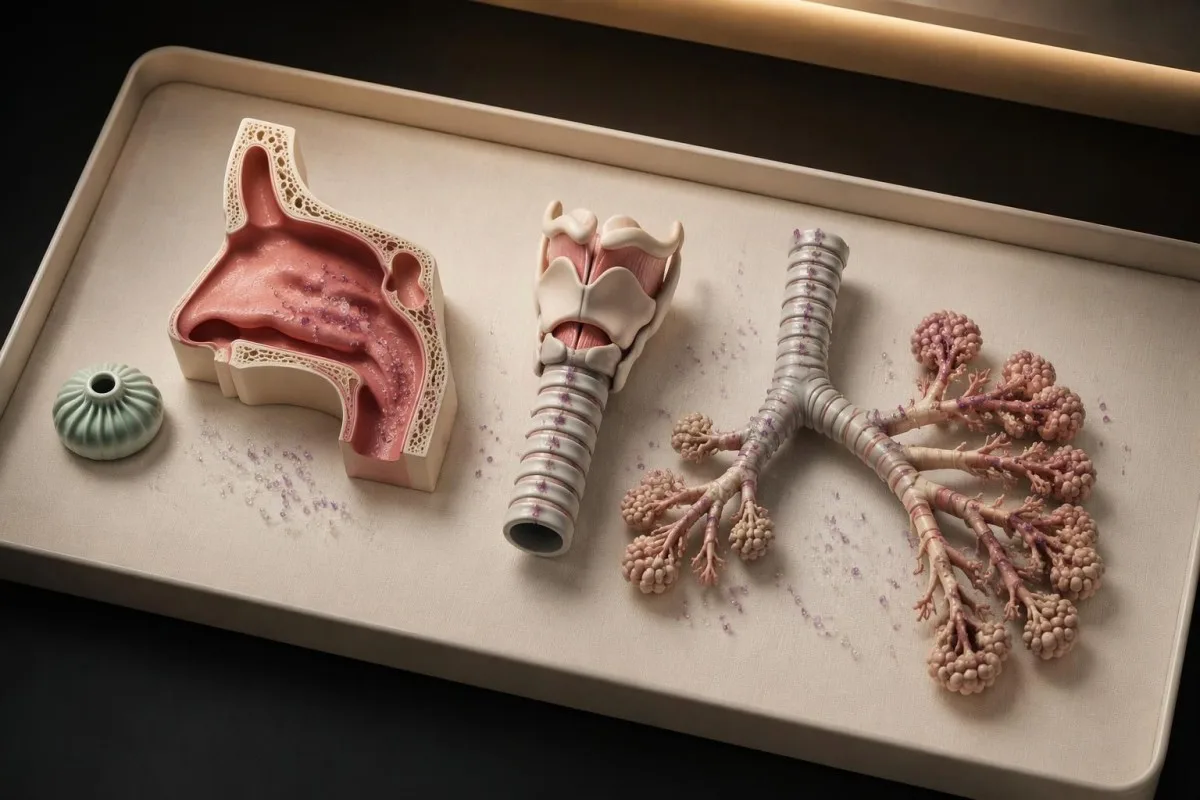
A household exposure does not mean everyone will become sick on the same day. For example, a child who develops a cough on Monday could have been exposed several days earlier, while a sibling exposed later may develop symptoms toward the end of the week. The 2–6-day incubation range explains why an apparently well household member is not automatically free of risk.
Young children may shed virus beyond the first week, and immune suppression can extend shedding further; a universal 7-day or 10-day cutoff is therefore misleading. Frequent coughing, close face-to-face care, and shared indoor air increase opportunities for transmission. A small amount of detectable RNA does not translate into a measurable probability that one particular hug or conversation will cause infection.
Wash hands with soap and water for at least 20 seconds, improve ventilation, and avoid sharing cups or utensils while ill. Clean frequently touched items after contact with respiratory secretions, but do not treat surface cleaning as a substitute for reducing close exposure. Our post-illness contagiousness guide discusses why recovery and detection can diverge, although norovirus transmission and exclusion rules are different.
Кога може да се вратите на училиште, во градинка или на работа?
Return decisions should usually follow symptoms and local policy, not repeat PCR alone. For community respiratory illnesses, CDC guidance allows normal activities when symptoms improve overall and fever has been absent for at least 24 hours without fever-reducing medicine, followed by 5 days of added precautions.

На CDC respiratory illness guidance is a general community framework, not a parainfluenza-specific proof of clearance. During the next 5 days, cleaner air, distancing where practical, and a well-fitting mask for people who can safely wear one reduce exposure. Do not put masks on children younger than 2 years or anyone unable to remove one safely.
Nurseries, schools, employers, hospitals, and transplant units may apply different policies. A child also needs enough energy to participate and enough hydration to manage the day; meeting a 24-hour fever rule does not make a struggling child ready for nursery. If fever returns or symptoms worsen after resuming activities, stay home again and reassess rather than counting the previous recovery period as permanent clearance.
For a hypothetical family with a recovering preschooler and a grandparent receiving chemotherapy, postponing close indoor contact may be sensible even after the child meets nursery criteria. Share only the information the school or employer actually needs; a complete laboratory report can reveal unrelated health details. Our privacy and data approach explains this distinction for health information handled through our service.
Кај кого е поголема веројатноста да се развие тешко заболување од параинфлуенца?
Most otherwise healthy people develop a self-limited respiratory illness, but infants, older adults, immunocompromised people, and those with significant lung or heart disease have greater risk of complications. Severity depends on airway involvement and physiological function, not which of the 4 virus types appears on the report.
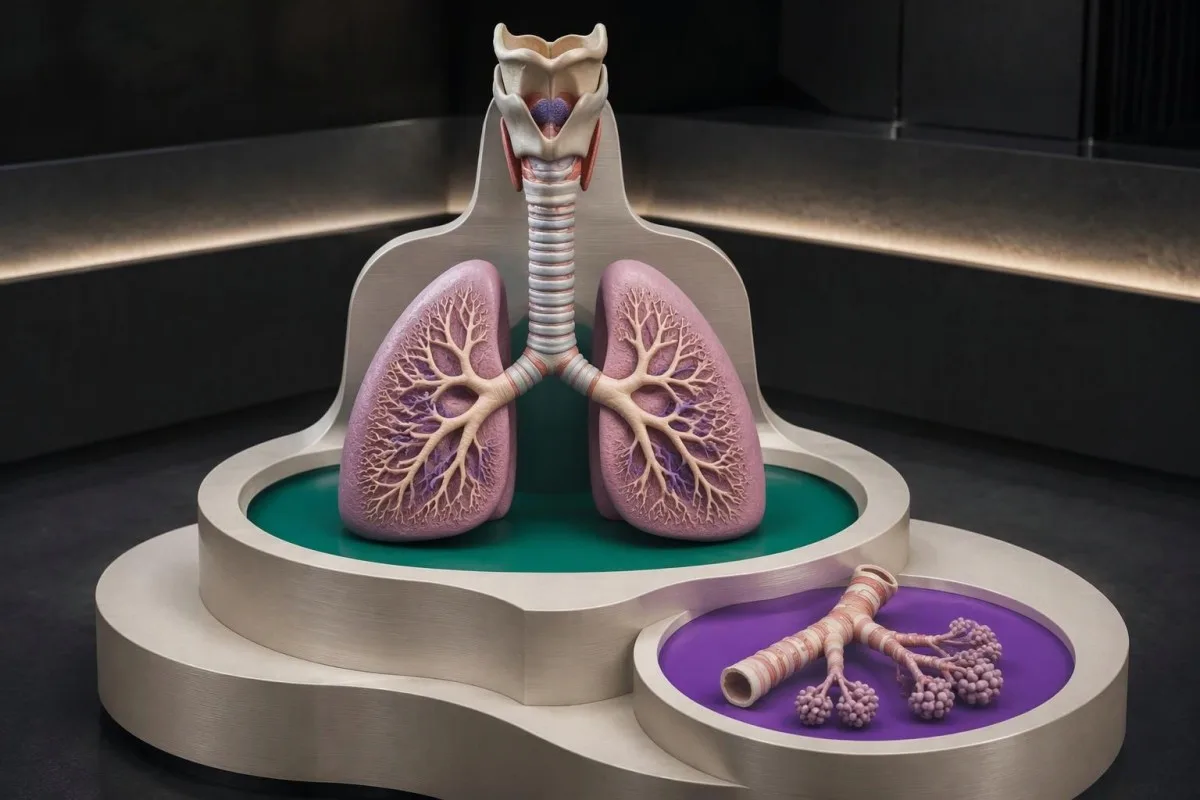
Parainfluenza types 1 and 2 are particularly associated with croup, while type 3 is often associated with bronchiolitis and pneumonia; these are tendencies, not guarantees. Henrickson's Clinical Microbiology Reviews article describes these clinical associations across the 4 types (Henrickson, 2003). A type 3 result in a comfortable adult does not establish pneumonia, and type 1 does not guarantee a mild course.
A hypothetical 35-year-old drinking normally with a runny nose and mild cough may need only home care, while an 8-month-old with chest retractions needs prompt assessment despite having the same detected virus. Smaller airways tolerate less swelling before airflow becomes difficult. Feeding difficulty in babies also matters because breathing and sucking compete for effort, allowing dehydration to develop before an obvious laboratory abnormality appears.
Older adults may show reduced appetite, confusion, or worsening breathlessness rather than a striking fever. People with asthma or COPD can develop exacerbations requiring their existing action plan and medical review, not an automatic new antibiotic. Our adult respiratory warning signs cover similar assessment principles for RSV, another distinct virus that can affect vulnerable adults.
Како параинфлуенцата предизвикува круп и бучно дишење?
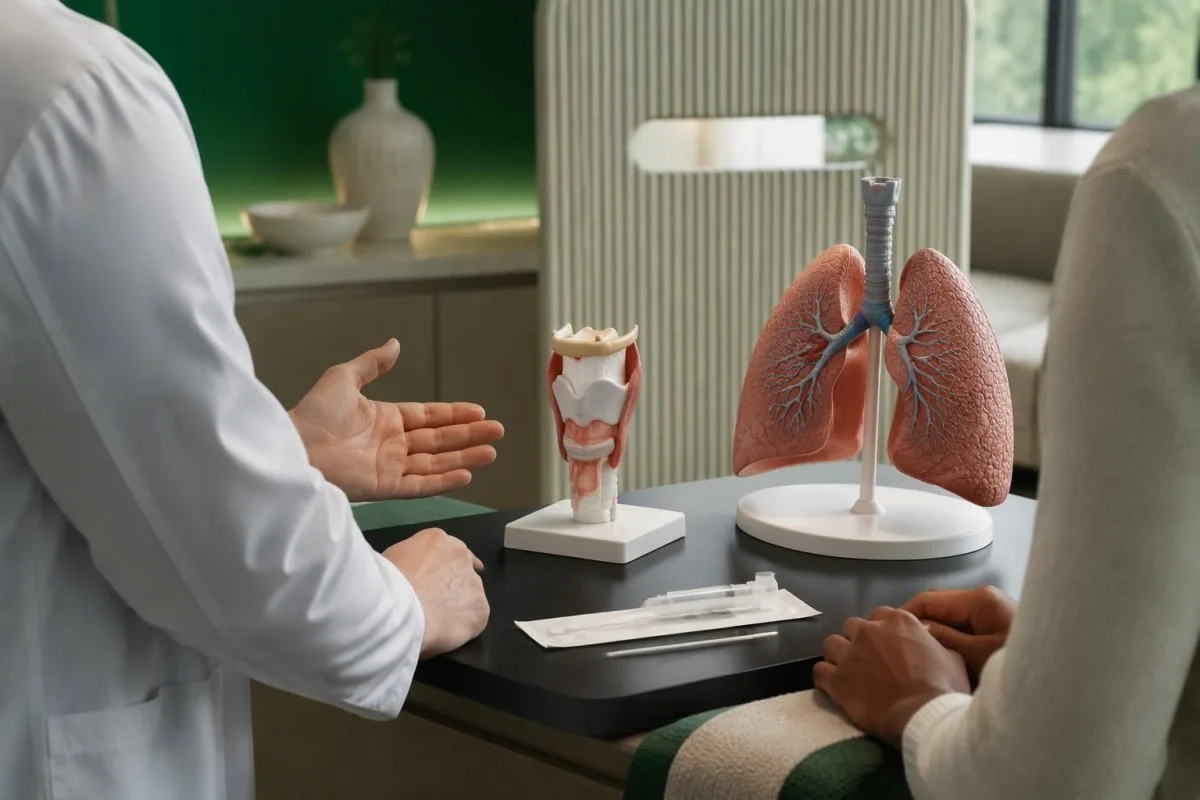
Parainfluenza can cause croup by producing swelling around the larynx and the airway just below the vocal cords. Croup is most common around 6 months to 3 years and typically causes a barking cough, hoarseness, and sometimes a harsh sound when breathing in called stridor.
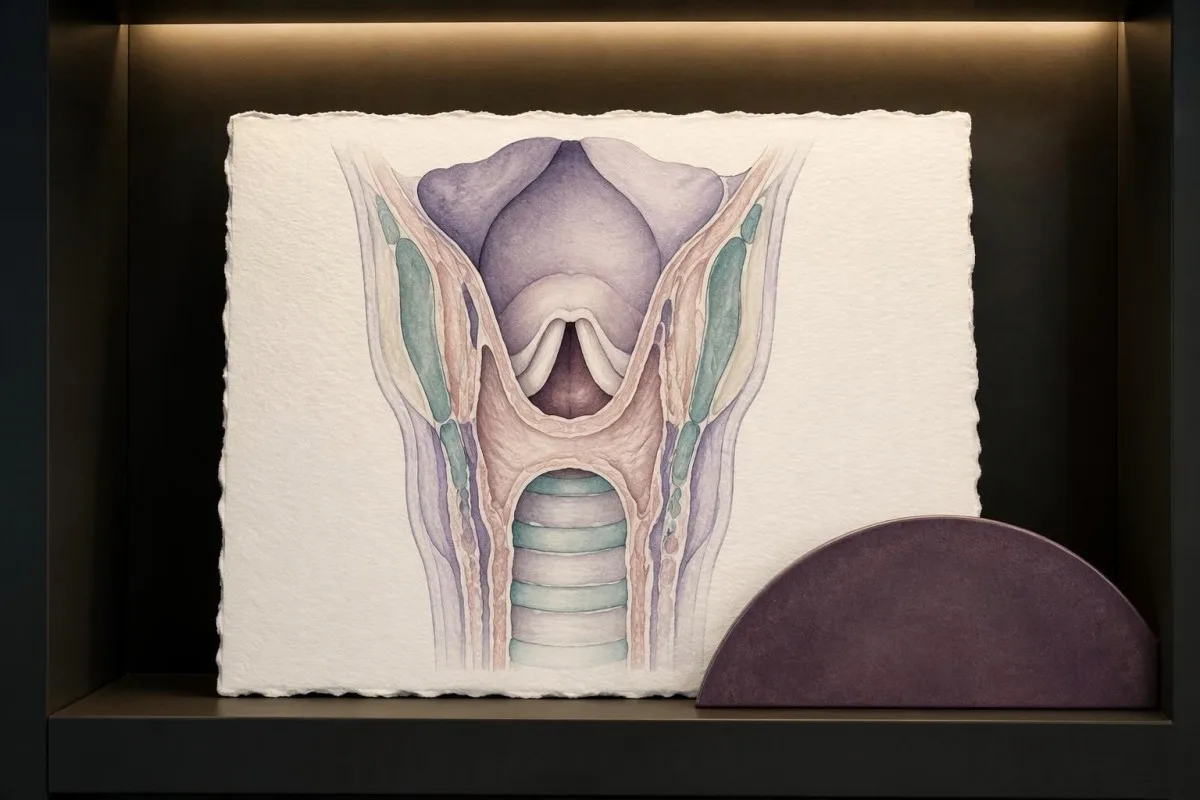
Stridor and wheeze are different sounds. Stridor is usually a harsh upper-airway sound during inhalation; wheeze is commonly a musical chest sound during exhalation. A short recording can help describe an intermittent sound to a clinician, but recording for 30 seconds must never delay seeking help when a child has stridor at rest or is visibly working to breathe.
Croup often becomes more noticeable at night, and agitation can make breathing noise worse. Keep an upset child calm and comfortably upright while arranging advice; assess the sound when the child is settled, not only during crying. A hypothetical 2-year-old who barks when coughing but breathes quietly between coughs has a different urgency level from a child with continuous stridor while sitting calmly.
Drooling, inability to swallow, sudden onset during eating, a muffled voice, or an unusually ill appearance are not reasons to assume ordinary croup. They can signal another airway problem and need urgent assessment, even with 1 positive viral result. Our guidance on ограничувањата на толкувањето со вештачка интелигенција кај деца explains why laboratory interpretation cannot replace direct pediatric airway assessment.
Кога за круп е потребен дексаметазон или инхалациска терапија со небулизатор?
Clinically diagnosed croup may benefit from a single corticosteroid dose, even when symptoms are mild. Dexamethasone 0.6 mg/kg once is a common regimen; clinicians may use lower doses under local protocols, while moderate or severe croup may also require nebulized epinephrine and observation.
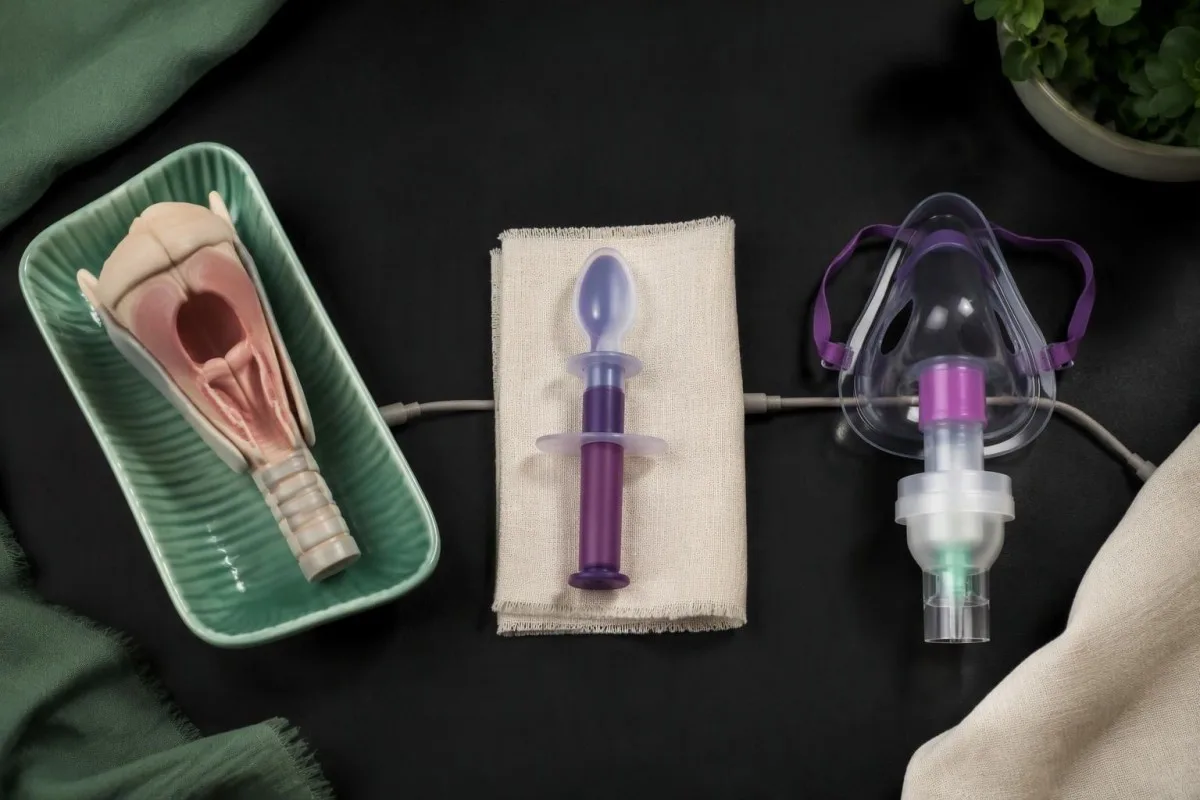
In a randomized trial of 720 children with mild croup, return visits for medical care within 7 days occurred in 7.3% after dexamethasone versus 15.3% after placebo (Bjornson et al., 2004). This demonstrates benefit for the croup syndrome, not for every parainfluenza-positive cough. Corticosteroids are not routine treatment for an uncomplicated parainfluenza cold without another indication.
The 2023 Cochrane review by Aregbesola et al. supports glucocorticoids for croup, while comparisons between doses leave some uncertainty about the best regimen for every presentation. For a hypothetical 12 kg child, 0.6 mg/kg calculates to 7.2 mg; the clinician selects the formulation and applicable maximum dose. Parents should not use leftover steroid medicine or copy another child's prescribed volume.
Nebulized epinephrine provides temporary improvement, so discharge decisions commonly include at least 2 hours of observation after treatment, with longer observation depending on the clinical course and local protocol. Kantesti is an AI blood test interpretation platform, not a service that determines whether a child can safely leave emergency care. Our објаснување на AI технологијата distinguishes report analysis from an examination, medication decision, or monitored treatment response.
Која помошна нега е корисна кај некомплицирана параинфлуенца?
Uncomplicated parainfluenza usually needs fluids, rest, nasal comfort measures, and symptom relief rather than antibiotics. Honey may help cough in people older than 1 year, but it must not be given to infants younger than 12 months because of the risk of infant botulism.
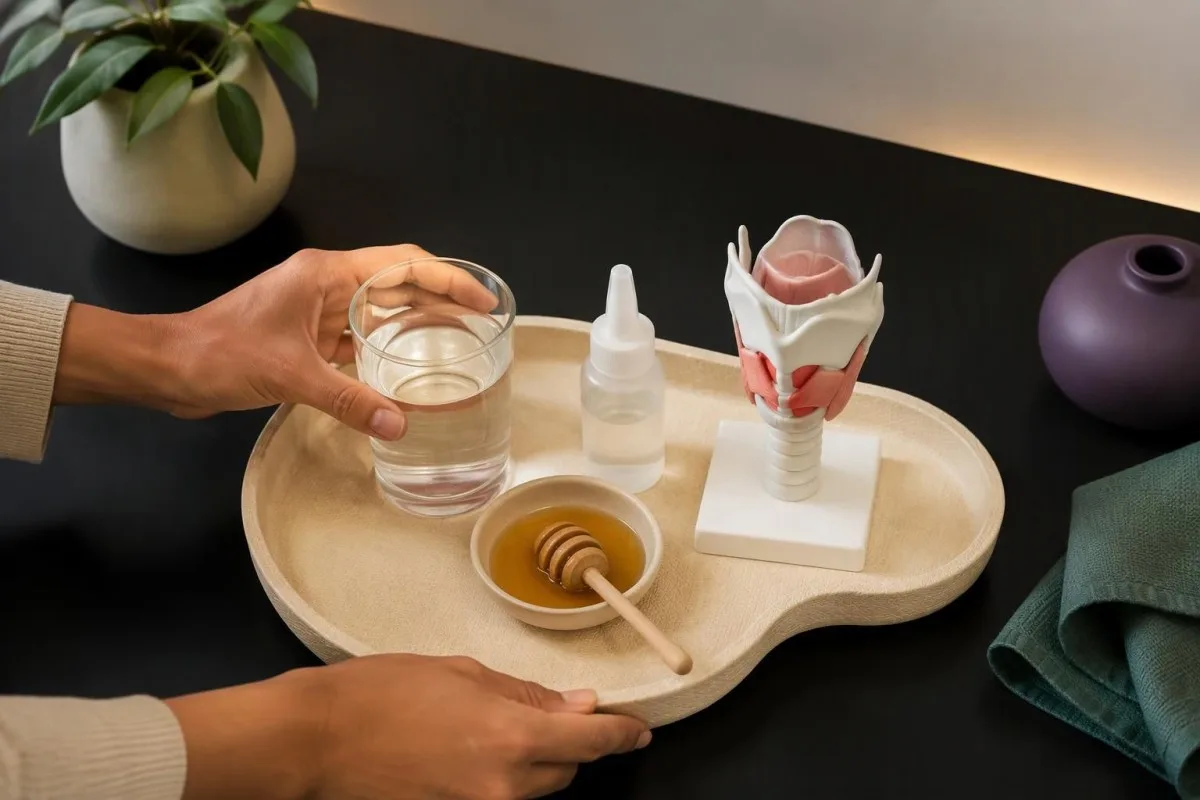
For adults who can take paracetamol, a common dose is 500–1,000 mg with at least 4 hours between doses; follow the local product's daily maximum and never exceed 4,000 mg from all products combined. Lower limits may apply with low body weight, liver disease, or alcohol-related risk. Our acetaminophen overdose explanation explains why combining cold remedies can unintentionally duplicate paracetamol, the same medicine under another name.
Children need weight- and formulation-specific dosing rather than an adult schedule, and aspirin should not be used for a child's viral illness unless a specialist specifically prescribes it. Offer smaller, more frequent drinks or feeds; saline drops and gentle nasal suction before feeding may help a congested infant. Never dilute infant formula beyond its instructions, and do not use 1 adult medicine dose as a shortcut for pediatric treatment.
Hot steam is not a proven croup treatment and can cause burns; a steamy bathroom should not delay assessment for noisy breathing. Antibiotics do not treat parainfluenza, and no established routine antiviral treatment is available for an otherwise healthy outpatient. If poor intake becomes significant, clinicians may assess hydration and electrolytes, as described in our водич за резултати од електролити, rather than assuming every recovering person needs laboratory tests.
Кои знаци на проблеми со дишењето бараат итна или неодложна медицинска помош?
Stridor at rest, marked chest retractions, blue or grey lips, pauses in breathing, severe breathlessness, or reduced responsiveness require urgent assessment, often emergency care. A normal-looking PCR report or oxygen reading must not overrule these signs; a baby younger than 3 months with a temperature of 38°C or higher also needs urgent assessment.
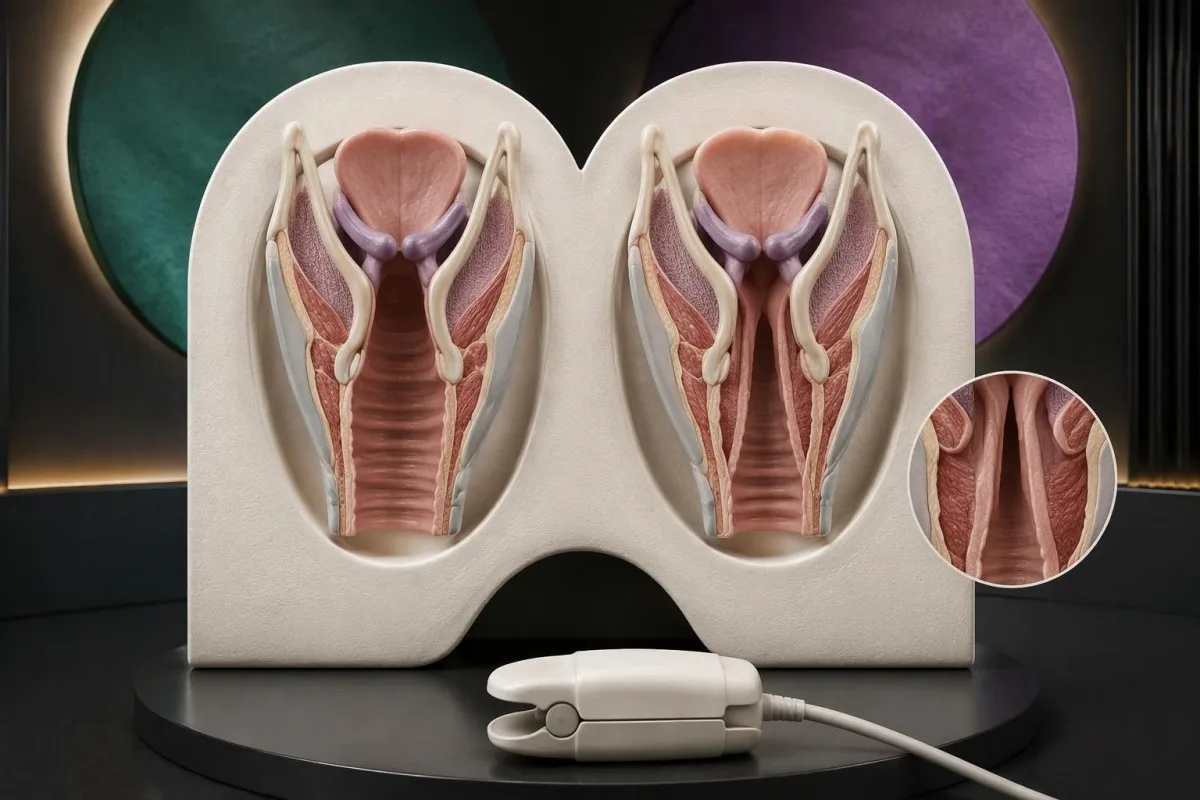
Call local emergency services if the person cannot speak normally because of breathlessness, has blue or grey lips, becomes difficult to wake, or has breathing pauses. In children, pulling inward between or below the ribs and persistent stridor while calm are concerning. Do not spend another 10 minutes arranging a repeat swab, uploading a report, or trying home remedies when these signs are present.
Home pulse oximeters are imperfect, particularly with movement, cold fingers, poor fit, and differences in skin pigmentation. At usual low-altitude conditions, a persistent resting saturation of 92% or lower generally warrants urgent medical evaluation; a reading of 90% or lower is an emergency signal unless an individualized clinical plan says otherwise. Severe upper-airway obstruction can initially occur with a reassuring saturation, as our водич за испитување на отежнато дишење .
A hypothetical child with loud stridor and a displayed oxygen saturation of 97% still needs urgent airway assessment because oxygenation is not the same as easy airflow. Clinicians assess respiratory effort, alertness, hydration, and trends, sometimes using additional tests when lower-airway disease is suspected. Our arterial blood gas explanation describes why oxygen and carbon dioxide measurements answer different questions.
Што ако кашлицата продолжи или треската се врати?
A lingering cough can outlast the most infectious phase, but worsening breathing or a returning fever needs reassessment. Many uncomplicated respiratory symptoms improve over roughly 7–10 days, while cough can last longer; neither a fixed day count nor a persistent positive PCR proves an uncomplicated recovery.
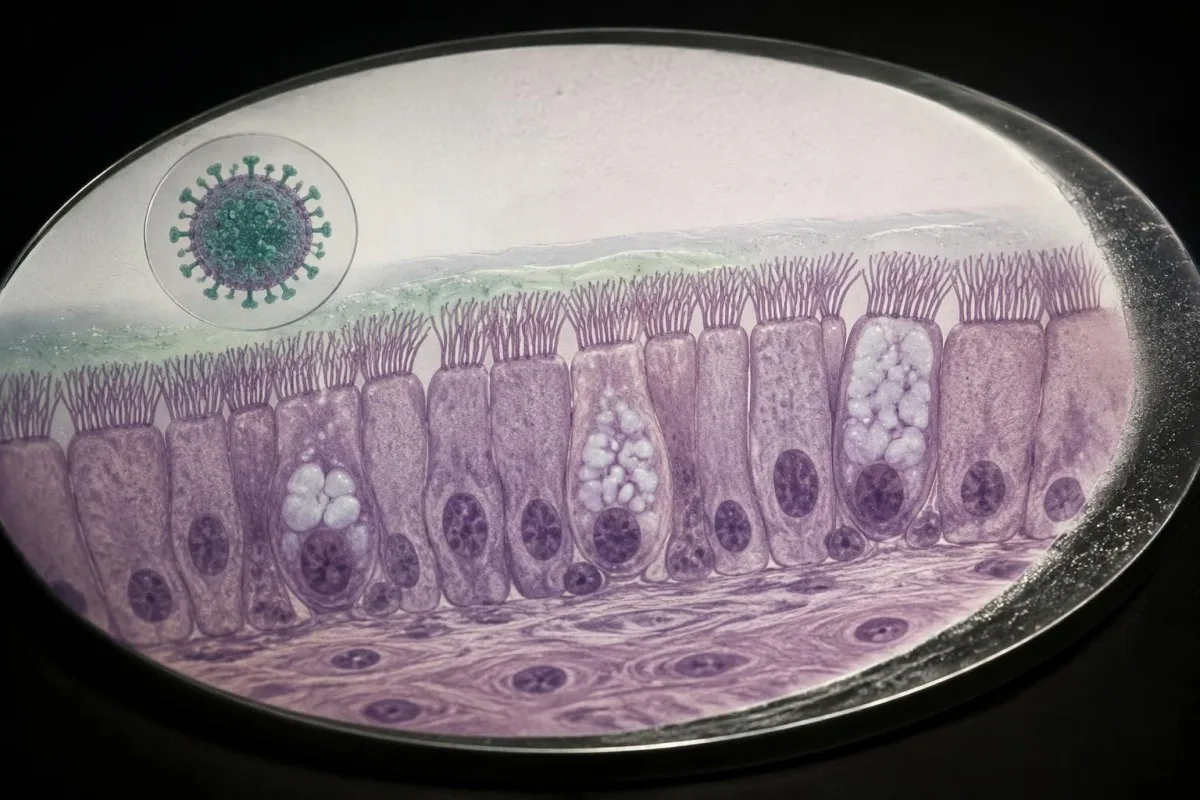
Postviral airway irritation can maintain cough after energy and appetite recover. The more useful distinction is improving versus worsening: a cough that is gradually less frequent differs from a new fever with chest pain, fast breathing, or reduced activity. If a cough lasts beyond about 3 weeks, or sooner if troublesome or worsening, arrange assessment rather than repeatedly checking the same viral target.
A positive parainfluenza result does not exclude bacterial pneumonia or another infection. Pertussis can cause coughing fits, vomiting after cough, or breathing pauses in infants, and testing has a time-dependent diagnostic window; our whooping cough testing guide explains that distinction. A hypothetical child who develops repeated coughing fits in week 2 deserves a fresh symptom review, not automatic attribution to the earlier panel.
Multiplex panels may detect more than 1 organism, but they do not necessarily test every relevant cause of pneumonia. If a clinician orders Mycoplasma antibody testing, timing and antibody persistence create a different interpretation problem from respiratory RNA detection. Our Mycoplasma antibody result guide explains why a positive IgM result is not interchangeable with a positive parainfluenza PCR.
Дали крвните тестови можат да покажат колку е сериозна параинфлуенцата?
Blood tests can reveal complications or support an assessment, but no CBC, CRP, or procalcitonin value can independently grade parainfluenza severity. For 2 people with the same positive swab, respiratory effort, oxygenation, hydration, and underlying health may lead to entirely different care decisions.
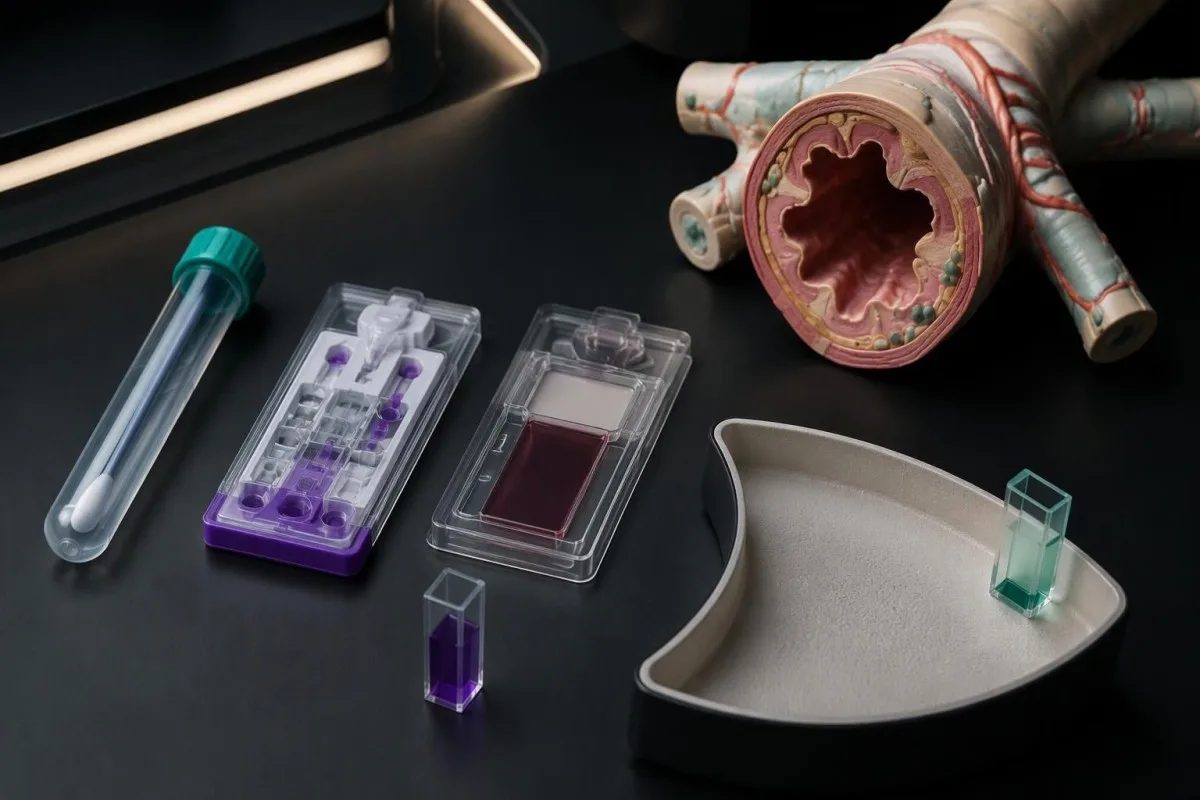
White cell count and CRP describe aspects of the immune response, not whether the airway is safely open. A hypothetical adult with a WBC of 8.0 × 10^9/L can still have pneumonia, while an elevated WBC may reflect stress or steroid treatment rather than bacterial infection. Our споредба на WBC и CRP explains why disagreement between these markers needs context.
Procalcitonin sometimes supports antibiotic decisions in selected settings, but a low value cannot independently exclude early or localized bacterial pneumonia. For example, a hypothetical procalcitonin of 0.08 ng/mL must not override new hypoxia, focal chest findings, or clinical deterioration. Our водич за толкување на прокалцитонин separates a probability-shifting biomarker from a definitive bacterial rule-out test.
Kantesti AI helps explain accompanying blood-test patterns, but those patterns cannot certify that a person with 1 positive respiratory swab is safe for home care or no longer contagious. Chest imaging, examination, and repeat observations may matter more when lower respiratory disease is suspected. Our clinical methodology and oversight describe the boundaries of AI interpretation; do not order extra panels solely to obtain reassurance about an otherwise comfortable cold.
Како треба да постапат семејствата и лицата со ослабен имунитет при понатамошното следење?
Families should match precautions and follow-up to each person's vulnerability rather than treating every positive result alike. Transplant recipients, people receiving chemotherapy, and others with substantial immune suppression should contact their treating team promptly about new respiratory symptoms or a positive panel, even on illness day 1.
For a hypothetical household with a 3-year-old with croup and an adult taking transplant immunosuppression, prioritize cleaner air, less close contact when feasible, and advice from the transplant team. Do not independently reduce immunosuppressant doses or start leftover antivirals. Severe parainfluenza in immunocompromised patients may require specialist-directed management, but evidence for specific drug approaches is limited and does not establish a routine home regimen.
Specialist units may use repeat respiratory PCR for infection-control decisions, especially when prolonged shedding is plausible; this differs from routine community test-of-cure testing. A positive result after 2 weeks can have greater practical significance on a transplant ward than in a fully recovered healthy adult. Follow the unit's instructions about appointments and isolation rather than applying a general school-return rule to a high-risk clinical setting.
For families using Kantesti, keep each person's results and symptom timeline separate; one child's positive panel does not diagnose every household member. A single parainfluenza episode does not establish immune deficiency, but repeated severe or unusual infections may justify targeted assessment. Our водич за тестирање за чести инфекции explains why the pattern across multiple illnesses is more informative than 1 isolated detection.
Ставање на резултатот во контекст: ограничувања на истражувањата и вештачката интелигенција
Use the respiratory result alongside symptoms, specimen timing, and clinical risk—not as a stand-alone severity or clearance certificate. The 2 DOI-linked educational resources below address accompanying blood-test interpretation; they are not parainfluenza treatment trials and should not be cited as evidence about contagiousness.

A CBC may include RDW, MCV, and MCHC, but these red-cell indices do not identify parainfluenza or measure its infectiousness. A hypothetical MCV of 78 fL raises a separate question about small red cells, not a reason to label the respiratory illness severe. Our RDW и водич за црвените крвни клетки provides background for results that may appear alongside a respiratory illness assessment.
Kidney measurements can become relevant when poor intake, dehydration, or medication concerns accompany illness. A hypothetical BUN/creatinine ratio of 25:1 may fit reduced fluid intake in some settings, but the ratio alone cannot diagnose dehydration, and calculation depends on the reporting units. Our Упатство за BUN и креатинин explains this separate interpretation problem.
Kantesti is an AI-powered blood test analysis tool that supports understanding of laboratory information without replacing examination or emergency triage. Our стандарди за медицинска содржина require us to distinguish established guidance, hypothetical examples, and uncertain evidence. Before acting on 1 detected result, ask the practical questions: Is breathing comfortable, is hydration adequate, are symptoms improving, and does this person have a reason to seek earlier medical review?
Најчесто поставувани прашања
Дали параинфлуенцата е заразна ако PCR-тестот е позитивен?
Параинфлуенцата е заразна, но позитивен PCR-тест сам по себе не може да докаже дека лицето сè уште е заразно кога ќе се добие резултатот. PCR-тестот открива генетски материјал на вирусот, кој може да остане детектибилен и откако симптомите ќе се подобрат. Симптомите обично почнуваат околу 2–6 дена по изложувањето, а ризикот од пренесување е генерално најголем во раната фаза на болеста. Применувајте мерки на претпазливост засновани на симптомите и следете ги локалните упатства, особено во присуство на доенчиња и имунокомпромитирани лица.
Колку долго треба да останам дома ако имам параинфлуенца?
За респираторни заболувања што се шират во заедницата, упатствата на CDC генерално препорачуваат да останете дома додека симптомите не се подобрат во целина и да немате треска најмалку 24 часа без лекови за намалување на температурата. Во следните 5 дена се препорачуваат дополнителни мерки на претпазливост бидејќи подобрувањето не гарантира дека ризикот од пренос е нула. Правилата во училиштата, градинките, здравствените установи и на работните места може да се разликуваат. Повторен негативен PCR-тест за параинфлуенца обично не е потребен за инаку здраво лице што се враќа на вообичаените активности.
Дали параинфлуенцата е исто што и инфлуенцата и дали Тамифлу помага?
Параинфлуенцата не е инфлуенца, а оселтамивирот, познат и како Тамифлу, не ја лекува параинфлуенцата. Човечката параинфлуенца има 4 главни типа што припаѓаат на различно вирусно семејство од инфлуенцата. Вакцините против инфлуенца не обезбедуваат специфична заштита од параинфлуенца. Ако респираторниот панел открие и инфлуенца, клиничарот може да ја разгледа терапијата против инфлуенца, која често има најголема корист во рок од 48 часа, но се применува и подоцна во одбрани случаи со повисок ризик или тешки случаи.
Дали откривањето на вирусот на параинфлуенца значи дека моето дете има круп?
Откриен вирус на параинфлуенца значи дека тестот пронашол вирусен генетски материјал; тоа не утврдува дека детето има круп. Крупот се дијагностицира врз основа на знаци како лаечка кашлица, засипнатост и стридор, а најчест е на возраст од околу 6 месеци до 3 години. Детето со овие симптоми може да има корист од терапија со кортикостероиди препишана од лекар. Стридор додека детето мирно одмора, изразени вовлекувања на градниот кош, лигавење или тешкотии при голтање бараат итна процена, наместо чекање за уште еден тест.
Дали ми се потребни антибиотици или уште еден PCR-тест по параинфлуенца?
Некомплицираната параинфлуенца обично не бара антибиотици или повторно PCR тестирање. Антибиотиците лекуваат бактерии, а не вирусот на параинфлуенца, а долготрајниот позитивен молекуларен резултат сам по себе не е причина за лекување. Ако треската се врати по подобрувањето, дишењето се влоши или кашлицата и понатаму создава проблеми повеќе од околу 3 недели, побарајте повторна процена за можни компликации или друга причина. На пациентите со ослабен имунитет може да им бидат потребни поинакви тестирања и упатства за следење од нивниот специјалистички тим.
Кога е сериозен позитивниот резултат за параинфлуенца?
Позитивен резултат за параинфлуенца станува причина за клиничка загриженост кога е придружен со отежнато дишење, стридор во мирување, изразени вовлекувања на градниот кош, сини или сиви усни, паузи во дишењето, намалена реактивност или значителна дехидрација. Бебе помало од 3 месеци со температура од 38°C или повисока треба итно да биде прегледано од лекар, дури и кога е идентификуван вирус. Трајна заситеност на крвта со кислород од 92% или помала при вообичаени услови на мала надморска височина генерално налага итна проценка, но нормална вредност не исклучува опасно стеснување на горните дишни патишта. Повикајте итна медицинска помош при тешки симптоми, наместо да чекате повторен PCR-тест или толкување од вештачка интелигенција.
Дознајте како да ги читате крвните резултати
Поставете го вашиот лабораториски извештај и AI на Kantesti ќе го објасни секој биомаркер на разбирлив јазик за неколку секунди. Го користат повеќе од 2 милиони луѓе ширум светот.
Референци
- Клајн, Т., Мичел, С., & Вебер, Х. (2026). Крвен тест за RDW: целосен водич за RDW-CV, MCV и MCHC. Kantesti AI за медицински истражувања. ДОИ
- Клајн, Т., Мичел, С., & Вебер, Х. (2026). Објаснување на BUN/Креатинин соотношение: водич за тест на функцијата на бубреците. Kantesti AI за медицински истражувања. ДОИ
- Henrickson KJ (2003). Parainfluenza viruses. Клинички прегледи по микробиологија. ДОИ ПабМед
- Aregbesola A et al. (2023). Glucocorticoids for croup in children. Cochrane Database of Systematic Reviews. ДОИ
- Bjornson CL et al. (2004). A randomized trial of a single dose of oral dexamethasone for mild croup. The New England Journal of Medicine. ДОИ ПабМед
- 2 милиони+Анализирани тестови
- 127+Земји
- 100+Јазици
За медицинскиот тим


Сигнали за доверба E-E-A-T
Искуство
Клиничка ревизија водена од лекар за работните текови на толкување на лабораториски резултати.
Експертиза
Фокус на лабораториска медицина за тоа како биомаркерите се однесуваат во клинички контекст.
Авторитивност
Медицински рецензирано од д-р Thomas Klein, со придонес од д-р Sarah Mitchell и проф. д-р Hans Weber.
Доверливост
Толкување засновано на докази со јасни патеки за следење за да се намали алармирањето.


Медицинско одрекување од одговорност
Овој напис е само за едукативни цели и не претставува медицински совет. Секогаш консултирајте се со квалификуван здравствен работник за одлуки за дијагноза и третман.
Објавено · Контактирајте го уредничкиот тим
Објавено од Kantesti Ltd, регистрирана во Англија и Велс, регистарски број на компанијата. 17090423, Лондон, Обединето Кралство.
