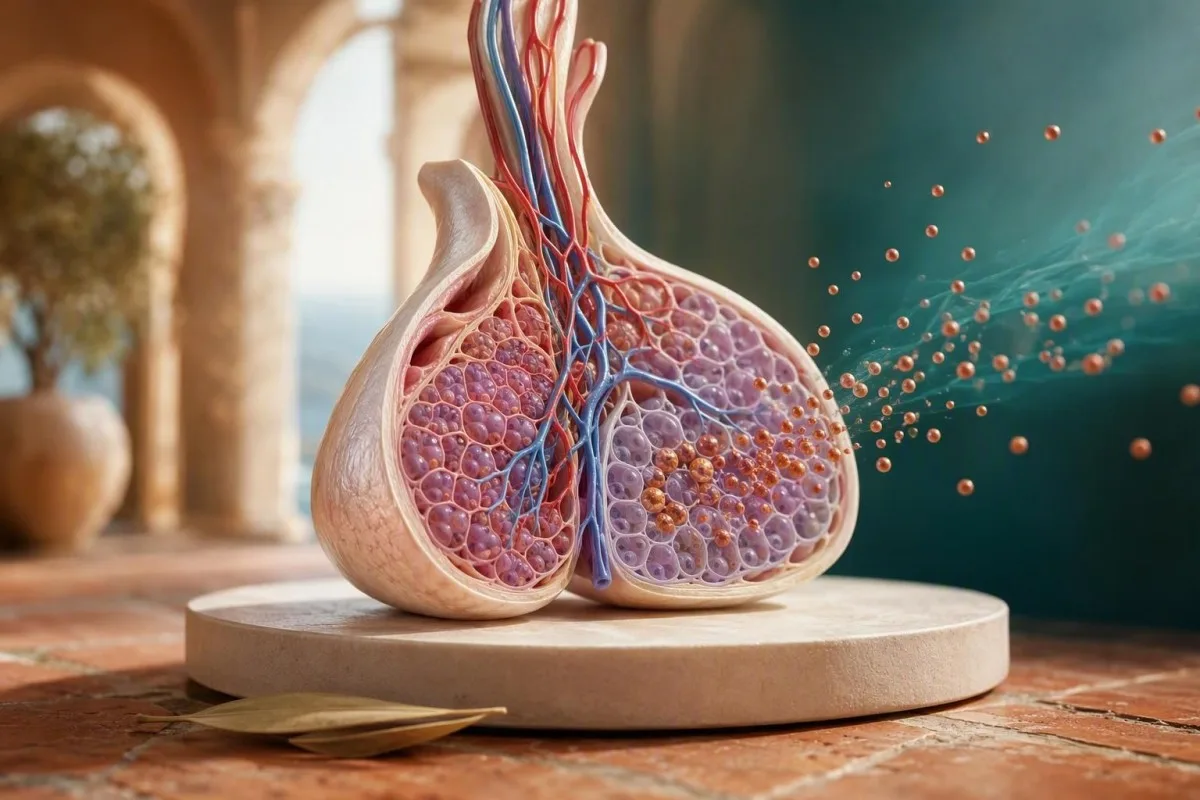
Чек арадагы пролактиндин жыйынтыгы көп учурда убактылуу болот, бирок кайталап текшерүү шарттары жана симптомдордун үлгүсү ал коопсуз байкалып турабы же эндокриндик кароону талап кылабы чечет.


- Жеңил жогорулашы отчет берген лабораториянын жогорку чегинен бир аз жогору болгон пролактиндин натыйжасын билдирет, көбүнчө 50 нг/мл (болжол менен 1060 мIU/л) төмөн.
- Алгач кайталанганын текшер пролактин 20-50 нг/мл болгондо жана көрүнөө симптомдор, катуу баш оору же этек кирдин же жыныстык функциянын олуттуу өзгөрүүлөрү жок болгондо.
- Эс алуу маанилүү анткени кан алуудан коркуу, уйкунун начардыгы, көнүгүүлөр, эмчекти стимулдаштыруу жана катуу оору пролактинди убактылуу жогорулатышы мүмкүн.
- Дары-дармектерди карап чыгуу маанилүү, анткени антипсихотиктер, метоклопрамид, домперидон, опиоиддер, кээ бир антидепрессанттар жана верапамил пролактинди жогорулатышы мүмкүн.
- Макропролактинди текшерүү өзгөчө биологиялык жактан аз активдүү пролактин комплекстерин аныктаган, аз же эч кандай типтүү симптомдору жок туруктуу жогорулоо үчүн пайдалуу.
- 100 нг/мл жогору болгон деңгээлдер дары-дармектер кээде бул диапазондогу маанилерди пайда кылышы мүмкүн болсо да, көбүрөөк жакынкы эндокриндик баалоого татыктуу.
- шашылыш кароо жаңы катуу баш оору, көрүүнүн начарлашы, визуалдык симптомдору бар кош бойлуулук же күтүлбөгөн неврологиялык өзгөрүүлөр үчүн керек.
- Контекст бир санды жеңет: кош бойлуулук статусу, калкан безинин иштеши, бөйрөк функциясы, дары-дармектердин убактысы жана мурунку маанилери чечмелөөнү өзгөртөт.
Чек арадагы пролактиндин жыйынтыгы, адатта, эмнени билдирет
Пролактиндин анча жогорулашы эмнени билдирет көбүнчө гипофиз оорусунун далили эмес, убактылуу белги болуп саналат: 50 нг/мл (болжол менен 1,060 мкд/л) төмөн болгон натыйжа, адатта, кылдаттык менен даярдалган кайталап текшерүүнү талап кылат. Мен доктор Томас Клеймин, жана клиникалык кароодо, так маанинин, симптомдордун, дары-дармектердин, кош бойлуулук мүмкүнчүлүгүнүн жана үлгү алуу шарттарынын айкалышы бир гана кызыл лабораториялык белгиден алда канча маанилүү.
Көпчүлүк лабораториялар кош бойлуу эмес чоңдор үчүн болжол менен шилтеме интервалды келтирет аялдарда 4-23 нг/мл жана эркектерде 3-15 нг/мл, бирок ыкмалар айырмаланат. Лабораториянын жогорку чеги 23 нг/мл болгон аялдагы 27 нг/мл мааниси - бул чек арадагы пролактин натыйжасы, диагноз эмес; бирдиктерди болжол менен 1 нг/мл = 21,2 мкд/л катары айландырууга болот.
Клиницисттер көбүнчө аменорея, галакторея, тукумсуздук, либидонун төмөндөшү, эректилдик дисфункция, баш оору же перифериялык көрүүнүн өзгөрүшү менен коштолгон туруктуу, жогорулап жаткан же коштолгон көбөйүүлөргө тынчсыз болушат. Маани 200 нг/мл 28 нг/мл маанисине караганда пролактин-секрециялоочу гипофиз аденомасына көбүрөөк шектүү, бирок эч кандай чектөө клиникалык баалоону алмаштырбайт.
Кантести - бул AI кан анализи анализатору бул пролактин натыйжасын жеке белгини диагноз катары кароонун ордуна калкан безинин, бөйрөктүн, боордун, кош бойлуулукка байланыштуу жана жыныстык гормондордун белгилерине жайгаштырат. Лабораториялык белгилер боюнча белгисиз окурмандар биздин колдонмону да карап чыгышса болот нормадан четтеген жыйынтыктар.
Лабораториялар эмне үчүн макул эмес
Пролактин иммуноанализдер алмаштырылгыс: эки лаборатория бир эле адамдан бир күндө бир аз башкача сандарды билдириши мүмкүн. Өз натыйжаңыздын жанында жазылган шилтеме интервалды колдонуңуз жана тенденцияны байкап жатканда, бир эле лабораторияны колдонууга аракет кылыңыз; ошондой эле, ошондуктан сапарлар аралык натыйжаларды салыштыруу адамдар ойлогондон алда канча көп камкордукту талап кылат.
Пролактинди жогорулатуучу убактылуу себептер
Стресс, нарушение сна, физические нагрузки, стимуляция сосков, половая активность и острое заболевание могут вызвать кратковременное повышение пролактина. Умеренно высокое значение после трудного пути на работу или бессонной ночи может нормализоваться без лечения.
Пролактин высвобождается импульсами и повышается во время сна, причем пик часто приходится на ранние утренние часы. Поэтому образец, взятый вскоре после пробуждения, после ночной смены или во время болезненной процедуры, может быть менее репрезентативным, чем образец, взятый утром после отдыха.
По моему опыту, у тревожного 31-летнего пациента с уровнем пролактина 34 нг/мл после трех часов сна часто бывает нормальный результат повторного анализа в 10 утра после спокойного сидения. 15-30 минутное сидение перед взятием пробы снижает влияние острого процедурного стресса, и разумно избегать интенсивных тренировок за 24 часа.
Недавняя лихорадка, судороги, травма грудной клетки или даже постоянная стимуляция груди или грудной клетки могут повысить уровень пролактина. Если ваш тест последовал за болезнью, сравните его с принципами определения времени в нашем кан анализинин убакыт тилкеси боюнча колдонмо, а не предполагайте, что число отражает ваш долгосрочный базовый уровень.
Пролактинди текшерүүнү кантип туура кайталоо керек
Повторите анализ пролактина спокойным утром, в идеале через 2-3 часа после пробуждения и после 20-30 минут спокойного сидения. Голодание универсально не требуется, но ночное голодание может облегчить интерпретацию повторной панели, когда также измеряются глюкоза или липиды.
Для повторного анализа избегайте напряженных упражнений, секса, стимуляции груди и необязательного осмотра грудной клетки за 24 часа до этого. Не прекращайте назначенное лекарство самостоятельно; вместо этого запишите название препарата, дозу, время последнего приема и причину его назначения.
Практичный запрос вашему врачу: повторить сывороточный пролактин, тест на беременность, если это применимо, TSH жана эркин T4, а также креатинин или eGFR, когда причина неясна. Тестирование щитовидной железы имеет значение, поскольку первичный гипотиреоз может повысить уровень тиреотропин-рилизинг гормона и вторично увеличить пролактин; см. наш график повторного тестирования щитовидной железы.
Повторное взятие обычно 1-4 жума для скромного неожиданного результата, когда вы чувствуете себя хорошо, а не на следующий день. Тенденцию можно четко уловить с помощью узунунан лабораториялык көзөмөлдө, особенно если вы записываете заметки о сне, дне цикла, болезни и приеме лекарств.
Жыныстык органдардын жарым-жартылай жогорулашына алып келүүчү дары-дармектер
Лекарства, блокирующие дофамин, являются одними из наиболее частых причин стойкого умеренного повышения пролактина. Ключевыми виновниками являются антипсихотики и противорвотные средства, такие как метоклопрамид и домперидон.
Дофамин обычно подавляет высвобождение пролактина гипофизом, поэтому препараты, блокирующие дофаминовые D2-рецепторы, могут значительно повышать его уровень. Рисперидон, амисульприд, галоперидол, метоклопрамид и домперидон являются частыми примерами; опиоиды, верапамил и некоторые СИОЗС могут вносить более скромный вклад.
Уровни, связанные с приемом лекарств, сильно варьируются: рисперидон может вызывать уровень пролактина выше 100 нг/мл, в то время как повышение, связанное с СИОЗС, может составлять всего 25-40 нг/мл. Причина, по которой мы не просто отменяем препарат, заключается в том, что рецидив психоза, сильная тошнота, боль или депрессия могут представлять гораздо больший непосредственный риск.
Kantesti AI — бул AI лабораториялык тест чечмелөө кызматы аркылуу жарыяланат гормоналдык натыйжа белгиленгенде, бирок анын чечмелөөсү дары-дармектин эмне үчүн башталганын билген жазып берүүчүнү алмаштыра албайт. Эгерде гормонго байланыштуу симптомдор байкалса, биздин гормон панелинин колдонмосу клиницисттер, адатта, кандай коштомо жыйынтыктарды текшерерин түшүндүрөт.
Кош бойлуулук, эмчек эмизүү жана кадимки физиологиялык жогорулоолор
Кош бойлуулук жана эмчек эмизүү пролактинди кош бойлуу эмес ченемдик диапазондордон жогору көтөрүшү мүмкүн жана кадимки 3-23 нг/мл интервалы менен чечмеленбейт. Ошондуктан, кош бойлуу болушу мүмкүн болгон ар бир адам үчүн түшүнүксүз көтөрүлүштү текшерүү - бул кош бойлуулук тести эрте жана маанилүү кадам.
Кош бойлуулук учурунда пролактин кош бойлуулуктун акыркы стадиясына чейин 100-300 нг/мл диапазонго чейин прогрессивдүү көбөйүшү мүмкүн, ал эми эмчек эмизүү мезгил-мезгили менен жогорулашын сактап турат. Так маани сүт менен камсыздоону ишенимдүү өлчөбөйт, ошондуктан эмчек эмизген адамда санды кууп чыгуу сейрек пайдалуу. 100-300 нг/мл диапазонго чейин, ал эми эмчек эмизүү мезгил-мезгили менен жогорулашын сактап турат. Так маани сүт менен камсыздоону ишенимдүү өлчөбөйт, ошондуктан эмчек эмизген адамда санды кууп чыгуу сейрек пайдалуу.
Эстроген камтыган дары-дармектер жана кадимки этек кир цикли кичинекей салым кошо алат, бирок алар сейрек эле чоң туруктуу көбөйүүнү жалгыз түшүндүрүшөт. Циклдин убактысы сыяктуу эстроген жана прогестерон сыяктуу гормондорду да татаалдаштырышы мүмкүн; менопаузадагы эстрогендин өзгөрүлмөлүүлүгүн биздин түшүндүрүүбүз эстрогендин өзгөрүлмөлүүлүгү менопаузада эмне үчүн бир жыныстык гормондун натыйжасы сейрек эле бардыгын жооп берерин көрсөтөт.
Төрөттү пландаштырган адамда туруктуу гиперпролактинемия гонадотропин-релизинг гормонун басуу менен овуляцияга тоскоол болушу мүмкүн. Бул клиникалык жактан маанилүү, ал тургай, сан 35-60 нг/мл гана болгондо да, айрыкча этек кир сейрек болуп калганда.
Калкан сымал без, бөйрөк, боор жана көкүрөк дубалынын себептери
Гипотиреоидизмдин биринчилик түрү, бөйрөк клиренсинин азайышы, өнөкөт боор оорусу жана көкүрөк дубалынын стимуляциясы гипофиздин шишиги жок пролактинди көбөйтүшү мүмкүн. Бул себептер, адатта, мээни сүрөттөө каралганга чейин, тарых жана максаттуу лабораториялык тесттердин кичинекей топтому аркылуу табылат.
Ачык биринчилик гипотиреоз көбүнчө TSH менен эркин T4 төмөн, деп көрсөтөт, жана левотироксин менен коррекция пролактинди жумалар же айлар бою нормалдаштырышы мүмкүн. Борбордук гипотиреоз башкача көрүнөт, андыктан TSH нормалдуу болгону менен, эркин T4 аз болгондо суроону чече бербейт; биздин колдонмону окуңуз нормалдуу TSH менен төмөн эркин T4.
Өнөкөт бөйрөк оорусу клиренстин азайышы жана дофамин жөнгө салуусунун өзгөрүшү аркылуу пролактинди жогорулатышы мүмкүн; eGFR төмөнкү 60 мл/мин/1.73 м² бул түшүндүрмөнү ого бетер ишенимдүү кылат. Боор оорусу азыраак кездешүүчү өз алдынча түшүндүрмө болуп саналат, бирок синтетикалык дисфункция жана жыныстык гормондордун өзгөрүшү салым кошо алат.
Көкүрөктөгү герпес зостер, көкүрөк операциясы, күйүктөр жана механикалык тынымсыз стимулдоо ар бир жолу пролактиндин көтөрүлүшү менен байланышкан, анткени сенсордук нерв импульсу рефлексивдүү жолду стимулдай алат. Бул клиницисттин гормоналдык натыйжага тиешеси жок көрүнгөн исиркектер же операция жөнүндө сурашынын бир себеби.
Макропролактинди текшерүү качан акылга сыярлык кийинки кадам болот
Макропролактин тестирлөө, пролактин жогору бойдон калганда, бирок симптомдор жок же натыйжага пропорционалдуу эмес болгондо эң пайдалуу. Макропролактин, адатта, иммуноглобулин менен байланышкан пролактин болуп саналат жана рецепторлорго начар жеткендиктен, биологиялык активдүүлүгү азыраак.
Көптөгөн кадимки анализдер макропролактинди пролактин катары эсептеп, кадимки этек кир цикли, галакторея жок, жана фертилдүүлүк же сексуалдык симптомдору жок адамда апыртылган жогорку натыйжаны жаратат. Лабораториялар көбүнчө полиэтиленгликол менен precipitates кылып текшерет; мономердик пролактиндин аз калыбына келиши макропролактинемияны колдойт.
Эндокриндер коомунун көрсөтмөсү асимптоматикалык гиперпролактинемияда макропролактинди текшерүүнү сунуштайт, анткени ал керексиз сүрөттөө жана дарылоону алдын алат (Melmed et al., 2011). Жарыяланган таралуу баалары анализ жана кайрылган популяция боюнча олуттуу айырмаланат, бирок макропролактин болжол менен 10-25% көтөрүлгөн пролактин боюнча бааланган адамдардын.
Макропролактин бар симптомдорду четке кагууга себеп эмес; адамда макропролактин жана башка эндокриндик көйгөй болушу мүмкүн. Сыноолордогу кеңири каталар үчүн, биздин макалабыз сапаттык жана сандык тесттер боюнча колдонмо пайдалуу кошумча болуп саналат.
Жогорулоо улана бергенде клиницисттер эмнени текшерет
Кош бойлуулук тестирлөө, дары-дармектерди карап чыгуу, TSH/эркин T4, бөйрөк функциясы жана макропролактин менен кош бойлуулук бар экенине шек санабастан, гипофиз оорусун божомолдоодон мурун, пролактиндин туруктуу көтөрүлүшү тастыкталышы жана бааланышы керек. Бир эле диапазондо кайталанган натыйжа бир жолку изолирленген натыйжага караганда көбүрөөк маалымат берет.
Топтолгон суроо-жооп этек кирдин убактысы, сүт агуу, либидо, эректилдик функция, тукумсуздук, көрүү өзгөрүүсү, баш оору, талма, көкүрөк белгилери жана ар бир рецепт боюнча, рецептсиз жана рекреациялык заттарды сурайт. Менин 15 жылдык клиникалык тажрыйбамда, дары-дармектердин тизмеси көп учурда жоголгон белги болуп саналат — айрыкча лабораториялык заказ психиатриялык же гастроэнтерологиялык рецепт менен тааныш эмес клиницист тарабынан коюлганда.
Пролактин 50-100 нг/мл кадимки калкан бези жана бөйрөк функциясы, дары-дармектердин түшүндүрмөсү жок жана макропролактинсиз эндокринологиянын кийлигишүүсүнө көбүнчө кепилдик берет. Serri жана кесиптештери тарабынан клиникалык башкарууну карап чыгуу, сүрөттөөдөн мурун физиологиялык жана фармакологиялык себептерди аныктоону баса белгилейт (Serri et al., 2003).
Кантешти медициналык валидация стандарттары үлгүгө негизделген чечмелөөнү колдойт, бирок анормалдуу натыйжалар клиницист жана отчет берүүчү лаборатория аркылуу тастыкталышы керек. Натыйжалардын кыскача хронологиясын алып келүү, чоң багытталбаган гормондук панелди кайталоодон пайдалуураак.
Качан пролактинден тынчсыздануу жана шашылыш кароону талап кылуу керек
Жаңы көрүү белгилери, катуу же тез начарлап бараткан баш оору, неврологиялык өзгөрүүлөр же белгилүү бир убакытка созулган пролактиндин көтөрүлүшү тез медициналык баалоону талап кылат. МРТ, адатта, жалпы кайтарылуучу себептер четке кагылгандан кийин же симптомдор көздүн жолдоруна жакын басымды көрсөткөндө каралат.
Гипофизтин МРТ стресстен кийин 29 нг/мл бир жолку мааниси үчүн автоматтык түрдө талап кылынбайт. Анын ордуна түшүндүрүлбөгөн туруктуу көтөрүлүш, пролактин жогорулаганда 100 нг/мл, аменорея же гипогонадизм, же гипофиз шишигинин симптомдору; маанилери жогору 200 нг/мл пролактинома ыктымалдыгын жогорулатат.
Көрүү бузулушу, кусуу, башаламандык, алсыздык же эс-учун жоготуу менен коштолгон күтүлбөгөн катуу баш оору үчүн ошол эле күнү клиникалык кеңешке кайрылыңыз. Бул белгилер кадимки жеңил гиперпролактинемияда сейрек кездешет, бирок алар маанилүү, анткени гипофиз апоплексиясы жана башка неврологиялык оорулар шашылыш түрдө четке кагылышы керек.
Перифериялык көрүү жоготуу көбүнчө акырындык менен башталат, андыктан адамдар айнектин алкактарына урунганын айтышат, ачык көрмөйлүккө караганда. Биздин кылдат карап чыгуу жогорку пролактин белгилери кайсы симптомдордун айкалыштары кадимки кайталоо үчүн күтпөшү керек экенин түшүндүрөт.
Этек кир, төрөттүүлүк жана сөөк ден соолугу: симптомдор планды эмне үчүн өзгөртөт
Пролактиндин жеңил көтөрүлүшү, айызды, овуляцияны, фертилдүүлүктү же эстрогенди колдонууну бузганда көбүрөөк мааниге ээ. Гормон туруктуу сүт агуу жок болсо да, үзгүлтүксүз овуляция үчүн зарыл болгон репродуктивдик сигналды басышы мүмкүн.
Олигоменорея циклдардын узундугунан ашык дегенди билдирет 35 күндөн узарып кетиши же таптакыр токтоп калышы мүмкүн; эркектерде пролактин орточо гана жогору болсо да, сперманын сапаты жана либидо төмөндөшү мүмкүн. Пролактин кайталанма анализдерде жогору бойдон калса, төрөттүүлүккө багытталган баалоо тезирээк жүрөт., ал эми аменорея болсо эч кандай менструалдык кан кетпесе 3 айдан ашык мурда туруктуу болгон адамда; пролактин көтөрүлгөн болсо, экөө тең клиникалык кароону талап кылат. Кош бойлуулук тести биринчи келет, анткени эрте кош бойлуулук гипофиз оорусуна караганда алда канча көп кездешет.
Бир нече ай бою төмөн эстроген сөөктүн тыгыздыгын азайтышы мүмкүн, айрыкча гиперпролактинемия аменореяны пайда кылганда. Тез арадагы милдет - кошумчаларды сокур түрдө баштоо эмес, себебин аныктоо жана тиешелүү гормоналдык функцияны калыбына келтирүү; дарылоону ойлогон аялдар карап чыга алышат HRT алдындагы базалык текшерүүлөр.
Галакторея - бул кош бойлуулукка же эмчек эмизүүгө байланышпаган сүттөй суюктук, бирок ал пролактиндин жогору болушуна зарыл да, жетиштүү да эмес. Кадимки пролактиндин натыйжасы эмчектин жергиликтүү себебин жокко чыгара албайт, ал эми жогорулаган натыйжа суюктукту автоматтык түрдө коркунучтуу кылбайт.
Эркектердеги жарым-жартылай жогору пролактин: көз жаздымда калган белгилер
Эркектерде пролактиндин туруктуу жогору болушу либидону төмөндөтүп, эрекцияны начарлатып, тестостеронду азайтып, кээде тукумсуздукка таасирин тийгизиши мүмкүн. Натыйжаны пролактин менен гана эмес, туура убакытта алынган эртең мененки тестостерон панели менен бирге баалоо керек.
Сексуалдык симптомдору бар эркектерде клиницисттер көбүнчө толук тестостеронду төмөнкүдөй өлчөшөт эртең мененки саат 7ден 11ге чейин., зарыл болгон учурда SHBG жана эсептелген эркин тестостерон менен. Пролактин гонадотропиндерди басып, төмөн тестостерон менен бирге төмөн же күтүлбөгөн кадимки LH жана FSH пайда кылышы мүмкүн.
Пролактини 31 нг/мл жана чек арасында төмөн тестостерондуу 42 жаштагы эркек катуу уйкусуздукка, семирүүгө, дары-дармектердин таасирине же гипофиздин дисфункциясына дуушар болушу мүмкүн — бир гана ыкма жок. Биздин түшүндүрмөбүз эркин тестостерон төмөн SHBG кантип толук нарктын чечмелөөсүн радикалдуу өзгөртө аларын түшүндүрөт.
Кантести - бул AI биомаркер чечмелөө платформасы пролактинди тестостерон, LH, FSH, TSH жана мурунку натыйжалар менен салыштыра турган, бирок ал эч качан гипофиздин жабыркашын аныктоо үчүн колдонулбашы керек. Туруктуу симптомдор пролактиндин көтөрүлүшү анча чоң болбосо да, биринчилик жардам же эндокриндик талкууну талап кылат.
Анализ маселелери: биотин, илмек эффекти жана адаштыруучу натыйжа
Лабораториялык кийлигишүү сейрек кездешет, бирок пролактиндин саны симптомдор же МРТ жыйынтыктары менен кескин карама-каршы келгенде аны эске алуу керек. Биотин, адатта, пролактинди кошпогондо, башка эндокриндик иммуноанализдерге көбүрөөк кийлигишет, бирок ар бир кошумча зат лабораториялык суроо-талап тарыхында калышы керек.
Жогорку дозадагы илмек эффекти өтө чоң пролактинома өтө жогорку гормон концентрацияларын пайда кылганда, эки сайттуу анализди ашып кеткенде, жалган төмөн пролактин натыйжасын бериши мүмкүн. МРТ чоң гипофиз массасын көрсөтүп, ал эми пролактин гана бир аз жогоруласа, лаборатория үлгүсүн суюлтуп, анализин кайталай алат.
Биотиндин дозалары 5-10 мг—чач жана тырмак каражаттарында кеңири таралган—айрым стрептавидин-биотин анализдерине кийлигише алат. Дарыгерге жана лабораторияга кошумчалар жөнүндө айтып бериңиз жана аларды токтотуу боюнча жергиликтүү лабораториянын кеңешине баш ийиңиз; биздин кан анализине чейинки кошумчалар боюнча колдонмо бул бир өлчөмдө баарына туура келбеген эреже эмес экенин түшүндүрөт.
Гетерофилдик антителолор, өзгөчө баалуулуктар клиникалык көрүнүш менен дал келбегенде, иммуноанализ натыйжаларын адаштыруучу дагы бир сейрек кездешүүчү булагы болуп саналат. Башка лабораторияда кайталап же альтернативдик анализ методун колдонуу бейтапты ашыкча сканерлөөгө дуушар кылбастан, белгисиздикти чече алат.
Өзгөчө жагдайлар: өспүрүмдөр, менопауза жана антипсихотикалык дарылоо
Жашы, менопауза статусу жана дофамин блокатордук дарыны колдонуу себеби иш-аракеттин чегин өзгөртөт. Ошол эле пролактиндин баалуулугу 16 жаштагы кечиктирилген пубертаты бар өспүрүм, эмчек эмизген ата-эне жана антипсихотикалык дарылоо алып жаткан 62 жаштагы адам үчүн ар кандай мааниге ээ болушу мүмкүн.
Өспүрүмдөр балдар же өспүрүмдөр үчүн эндокринологиялык чечмелөөнү талап кылышат, анткени пубертат, этек кирдин орношу жана өсүш клиникалык контекстти өзгөртөт. Балдарда пролактинди текшерүү сейрек кездешүүчү кадимки скринингдик тест жана белгилүү бир симптом же дары-дармектерге байланыштуу суроого байланыштуу болушу керек.
Менопаузадан кийин, пролактиндин көбөйүшү кадимки циклдин өзгөрүшү менен түшүндүрүлбөйт, ошондуктан туруктуу баалуулуктар дары-дармектерди жана эндокриндик кароону талап кылат. Менопауза симптомдору калкан безинин жана пролактиндин симптомдору менен дал келиши мүмкүн; биздин колдонмо менопауза өткөндөн кийинки FSH күтүлгөн өзгөрүүлөрдү күтүлбөгөн үлгүлөрдөн ажыратууга жардам берет.
Психотикалык гиперпролактинемияны дарылоо психикалык саламаттыкты көзөмөлдөгөн дарыгер менен бирге жүргүзүлүшү керек. Чаралар байкоо, дозаны өзгөртүү же дары-дармектерди алмаштырууну камтышы мүмкүн, бирок каберголин сыяктуу дофамин агонисттери кээ бир адамдарда психиатриялык симптомдорду күчөтүшү мүмкүн жана алар кошумча катары колдонулбайт.
Клиницист колдоно ала турган пролактин трендин кантип жазуу керек
Пролактиндин пайдалуу тренди натыйжаны, лабораториялык диапазонду, чогултуу убактысын, уйкунун, циклдин же кош бойлуулуктун статусун, ооруну жана дары-дармектерди камтыйт. Ар кандай шарттарда чогултулган үч баа эки баага караганда азыраак пайдалуу болушу мүмкүн.
Так бирдиктерди жазыңыз, анткени ng/mL жана mIU/L котормосуз түздөн-түз салыштырылбайт, жана лабораториялык шилтеме интервалын сактаңыз. Акыркы 24 сааттын ичинде машыккандыгыңызды, ачка болгондугуңузду, эмчек эмизгендигиңизди, жыныстык катнашта болгондугуңузду, дары ичкениңизди же начар уктаганыңызды белгилеңиз.
Kantesti ИИ, бир AI менен иштеген кан анализин талдоо куралы, тарыхый отчетторду уюштуруп, болжол менен 60 секундда лабораториялык панелдердеги өзгөрүп жаткан натыйжаларды баса алат, бирок түпнуска PDF жана лабораториялык диапазон баштапкы жазуу бойдон калат. Биздин лабораториялык натыйжа трекеринин текшерүү тизмеси жалган тренд сигналдарын алдын алган практикалык деталдарды тизмелейт.
Натыйжаларды үй-бүлө мүчөсү же клиницист менен бөлүшсөңүз, макулдукту жана кирүүнү көзөмөлдөңүз. Үй чарбачылыгынын жазууларын башкаргандар биздин кеңештерибизди колдоно алышат үй-бүлөлүк натыйжаларды коопсуз бөлүшүү гормондун натыйжасын үй-бүлөлүк диагнозго айлантпай.
Жыныстык органдардын жарым-жартылай жогорулашынан кийин 2026-жылга практикалык жол
28-август, 2026-жылдан баштап, практикалык жолу - кадимки шарттарда бир жолу күтүлбөгөн натыйжаны ырастоо, себептерин жоюу, симптомдорсуз көтөрүлгөндө макропролактинди суроо, жана деңгээли же симптомдору талап кылганда багыттоо. Бул ыкма ашыкча MRI сканерлерин жана эндокриндик ооруларды өткөрүп жиберүүнү болтурбоого жардам берет.
Пролактин үчүн 50 нг/мл, кызыл желек белгилери жок, жана ачык-айкын убактылуу себеп болгондо, уйку жана эс алуу калыбына келгенден кийин 1-4 жумадан кийин кайталаңыз. Туруктуу 50-100 нг/мл үчүн, дары-дармектерди, кош бойлуулуктун статусун, TSH/эркин T4, eGFR жана макропролактинди карап чыгыңыз; 100 нг/мл жогору болгон баалуулуктар же тынчсыздандырган симптомдор үчүн, өз убагында эндокриндик баалоону уюштуруңуз.
Доктор Томас Клейндин практикалык эрежеси жөнөкөй: эмне үчүн көтөрүлгөнүн билмейинче, кошумчалар менен пролактинди төмөндөтүүгө аракет кылбаңыз. Биздин клиницисттер жана рецензенттер тарабынан сүрөттөлгөн стандарттардын негизинде иштешет Медициналык кеңеш, жана окурмандар биздин AI технология боюнча колдонмо.
дагы үлгү интерпретациясы кандай иштээрин көрө алышат. Темирди изилдөө боюнча колдонмо: TIBC, темирдин каныккандыгы жана байланыштыруу жөндөмдүүлүгү жана aPTT нормалдуу диапазону: D-димер, С протеини боюнча кандын уюшу боюнча колдонмо; карап чыгуучулар тарабынан жарыяланган; бул пролактин боюнча жетекчилик эмес, бирок алар лабораториялык баалуулукту анын тестирлөө контекстинде чечмелөө принцибин сүрөттөйт. Ачык-айкындуулук үчүн формалдуу жарыя шилтемелери төмөндө келтирилген.
Көп берилүүчү суроолор
Чек арадагы пролактин деңгээли эмнени билдирет?
Чек арадагы пролактин деңгээли, адатта, сиздин лабораторияңыздын жогорку шилтеме чегинен бир аз жогору экенин билдирет, көбүнчө 25-50 нг/мл тегерегинде. Стресс, акыркы көнүгүүлөр, начар уйку, эмчектин стимуляциясы, курч оору жана дары-дармектер ушундай деңгээлдеги көтөрүлүшкө алып келиши мүмкүн. Эч кандай кооптуу белгилери жок күтүлбөгөн чек арадагы жыйынтыгы бар адамдардын көбү сүрөттөө же дарылоо каралганга чейин тынч эртең мененки шарттарда тестти кайталоо керек. Лабораториянын диапазону жана бирдиктери, көбүнчө нг/мл же mIU/L, так мааниси менен каралышы керек.
Менин пролактиним 30 нг/мл болсо, тынчсызданышым керекпи?
30 нг/мл пролактиндин деңгээли кош бойлуу эмес чоңдор үчүн көпчүлүк лабораториялык диапазондордо бир аз жогорулашы болуп саналат жана өз алдынча адатта шашылыш эмес. Клиницист кош бойлуулукту, дары-дармектерди, уйкуну, стрессти, калкан безинин иштешин, бөйрөк иштешин, симптомдорду жана үлгү тыныгуудан кийин алынганбы же жокпу эске алат. Эгерде катуу баш оору, көрүү өзгөрүүсү же менструалдык же жыныстык дисфункция болбосо, 1-4 жумадан кийин натыйжаны кайталоо, адатта, туура болот. Туруктуу жогорулоо макропролактин тестирлөөгө жана эндокриндик кароого негиз болушу мүмкүн.
Кан анализинде тынчсыздануу пролактинди көтөрүп жибереби?
Ооба, үлгү алуунун тегерегиндеги тынчсыздануу пролактинди убактылуу көтөрө алат, анткени пролактин физикалык жана эмоционалдык стресске жооп берет. Үлгү алгандан 20-30 мүнөт мурун тынч отуруу жана ойгонгондон 2-3 сааттан кийин текшерүү кайталангыс натыйжаны көбүрөөк өкүлчүлүктүү кылат. Катуу көнүгүүлөрдү, жыныстык катнашты жана эмчекти стимулдаштырууну 24 саат бою болтурбоо мүмкүн болгон өзгөрүүлөрдү азайтат. Тыштан алынган кайталангыс үлгүлөрдөгү жогорку натыйжаны түшүндүрүү үчүн тынчсыздануунун өзү эле жетиштүү деп эсептелбеши керек.
Макропролактинди качан текшерүү керек?
Пролактинди кайталап текшергенде жогору бойдон калып, бирок типтүү симптомдор жок же жеңил болгон учурда макропролактинди эске алуу керек. Макропролактин - бул иммуноглобулин менен байланышкан пролактин, жана кадимки анализдер анын төмөнкү биологиялык активдүүлүгүнө карабастан эсептей алышат. Лабораториялар көбүнчө активдүү мономердик фракцияны баалоо үчүн полиэтиленгликоль чөктүрүүсүн колдонушат. Тестти жүргүзүү, айрыкча 25-100 нг/мл диапазонундагы туруктуу маанилерде, керексиз гипофиз МРТ же дарылоону алдын алууга болот.
Пролактиндин кайсы деңгээли гипофиз шишигин көрсөтөт?
Пролактиндин бир гана деңгээли гипофиз шишигин аныктай албайт, бирок 100 нг/мл жогору болгон туруктуу деңгээлдер дары-дармектерди жана башка себептерди текшергенден кийин эндокриндик баалоонун зарылдыгын жогорулатат. 200 нг/мл жогору болгон деңгээлдер дофамин блокатор дары-дармектер кээде олуттуу жогорулоолорду алып келиши мүмкүн болсо да, пролактин бөлүп чыгаруучу гипофиз аденомасына көбүрөөк шек туудурат. MRI чечимдери ошондой эле баш оору, көрүү симптомдору, этек кир же жыныстык дисфункция, ошондой эле калкан бези, кош бойлуулук, бөйрөк жана макропролактин тестирлөө натыйжаларына жараша болот. 25-40 нг/мл деңгээли чоң гипофиз шишигине караганда өткөөл же экинчилик болуп саналат.
Пролактинди бир аз жогору болгондо табигый жол менен төмөндөтсө болобу?
Пролактиндин анча жогорулап кетишин дары-дармектер менен дарылоого аракет кылбаңыз, жыйынтыкты тастыктап, себебин аныктамайынча. Уйкуну жакшыртуу, кайталап үлгү алуудан мурун интенсивдүү көнүгүүлөрдөн баш тартуу жана мүмкүн болгон стрессти азайтуу убактылуу жогорулап кетишинен сактанууга жардам берет, бирок алар дары-дармектерге, калкан безине, бөйрөккө же гипофизге байланыштуу дайыма жогорулап кеткен гиперпролактинемияны дарылабайт. Психозго каршы, жүрөк айланууга каршы, опиоиддерди же антидепрессанттарды дарыгердин кеңешисиз токтотпоңуз. Эң коопсуз кийинки кадам - бул туура даярдалган кайталап текшерүү жана багытталган клиникалык кароо.
Бүгүн AI менен күчөтүлгөн кан анализин талдоону алыңыз
Дүйнө жүзү боюнча 2 миллиондон ашык колдонуучу Kantestiти заматта, так лабораториялык анализ талдоосу үчүн ишенет. Кан анализиңизди жүктөп, бир нече секунд ичинде 15,000+ биомаркерлеринин комплекстүү чечмелөөсүн алыңыз.
📚 Шилтемеленген изилдөө басылмалары
Кляйн, Т., Митчелл, С., & Вебер, Х. (2026). Темирди изилдөө боюнча колдонмо: TIBC, темирдин каныккандыгы жана байланыштыруу жөндөмдүүлүгү. Kantesti AI медициналык изилдөө.
Кляйн, Т., Митчелл, С., & Вебер, Х. (2026). aPTT нормалдуу диапазону: D-димер, С протеини боюнча кандын уюшу боюнча колдонмо. Kantesti AI медициналык изилдөө.
📖 Тышкы медициналык шилтемелер
Серри О. ж.б. (2003). Гиперпролактинемияны диагностикалоо жана башкаруу. CMAJ.
Гибби Дж. ж.б. (2005). Макропролактин үчүн күнүмдүк скринингдин клиникалык практикага тийгизген таасири. Journal of Clinical Endocrinology & Metabolism.
⚕️ Медициналык эскертүү
Бул макала билим берүү максатында гана жана медициналык кеңеш болуп саналбайт. Диагноз коюу жана дарылоо чечимдери үчүн дайыма квалификациялуу саламаттыкты сактоо адисине кайрылыңыз.
E-E-A-T ишеним сигналдары
Тажрыйба
Дарыгер жетектеген лабораториялык чечмелөө иш процесстерин клиникалык кароо.
Экспертиза
Биомаркерлер клиникалык контекстте кандай жүрөрүнө лабораториялык медицина багыты.
Авторитеттүүлүк
Доктор Томас Клейн жазган, доктор Сара Митчелл жана профессор доктор Ханс Вебер тарабынан каралган.
Ишенимдүүлүк
Тынчсызданууну азайтуу үчүн так кийинки кадамдар менен далилге негизделген чечмелөө.