更年期におけるエストラジオール:なぜ一つの結果が誤解を招くのか

カテゴリー
記事
更年期健康 検査の解釈 2026年の更新 患者さん向け

閉経におけるエストラジオール値は、単独でその段階を決定することはめったにありません。その意味は、月経周期、使用された検査法、ホルモン療法、症状、そして何よりもその傾向に依存します。.

📖 約11分 📅
📝 公開: 🩺 医学的監修: ✅ エビデンスに基づく
⚡ 簡単な概要 v1.0 —
  1. 単一の結果: 更年期後期のエストラジオール値は20 pg/mL未満から100 pg/mL超まで変動するため、1回の採血では閉経の段階を確実に判断することはできません。.
  2. 閉経後: 未治療の閉経後のエストラジオール値は20~30 pg/mL未満であることが多いですが、各検査室の方法と基準範囲が重要です。.
  3. FSHの状況: FSH値が25~30 IU/Lを超えると卵巣機能の低下が支持されますが、FSHも変動するため、45歳以降の閉経診断に必須ではありません。.
  4. HRTのタイミング: 経口および経皮エストラジオールは異なる検査室パターンを生成します。結果は、用量、経路、および適用からの時間がわかって初めて解釈可能です。.
  5. 症状が最優先: ホットフラッシュ、睡眠障害、膣の症状、周期の変化は、通常、ルーチンのエストラジオール検査よりもケアの指針として役立ちます。.
  6. フォローアップ: 同じ条件下で検査を繰り返すことは、数ヶ月離れた無関係な採血結果を比較するよりも意味があります。.
  7. 安全性: 12ヶ月間無月経であった後の新たな出血は、エストラジオールの結果に関わらず、臨床的な評価が必要です。.

なぜエストラジオール値は閉経の段階を決定することがめったにないのか

: 閉経期のエストラジオールは、卵巣の産生が最終的に低いベースラインに落ち着く前に不安定になるため、単一のサンプルから解釈するのが困難です。. : ある週は「閉経前」のように見え、次の週には低値となることがありますが、どちらの結果も間違いではありません。.

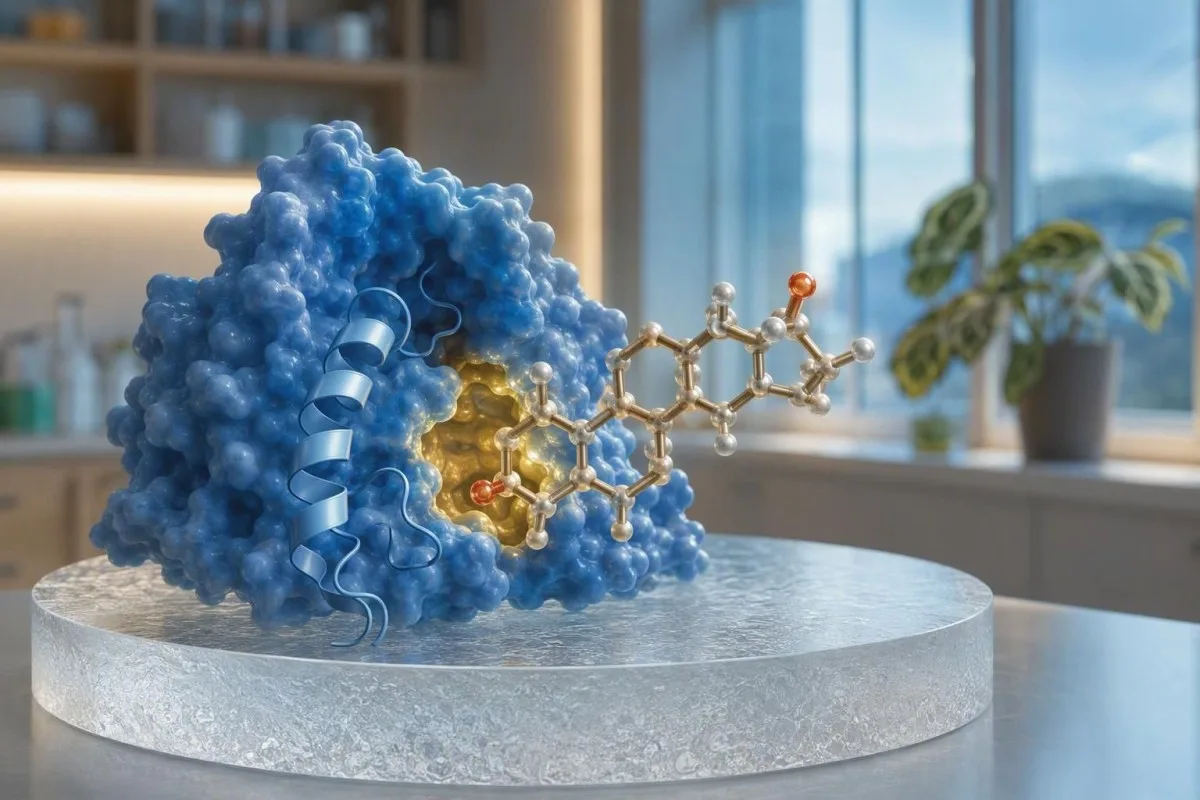
Estradiol in menopause shown as hormone molecules binding to a laboratory receptor model
図1: : エストラジオール受容体結合は、ホルモン濃度と生物学的反応が異なる理由を例示しています。.

: 更年期移行期の後期では、48歳の人がある月には18 pg/mL、次の月には140 pg/mLのエストラジオール値を示すことがありますが、間欠的な卵胞活動がこの変動を説明します。閉経は臨床的に診断されます。 : 12ヶ月連続の無月経 : 他の原因が考えられない場合に、単一のエストラジオール値からではなく(NICE、2024)。.

: パネルをレビューする際、まず、その人が過去60日以内に出血があったか、子宮摘出術を受けたか、ホルモンを使用しているか、そして検査室が何を測定したかを尋ねます。. : Kantestiは、フラグを診断として扱うのではなく、エストラジオールをFSH、LH、薬剤の詳細、および過去の結果と並べて配置するAI血液検査アナライザーです。.

: Thomas Klein博士の実用的なルールはシンプルです。数値が意味を持つのは、サンプリング条件がわかっている場合のみです。レポートを比較する場合は、採取日、周期情報、製品の用量、および適用時間を保存してください。私たちの 検査値の推移ガイド : は、この記録が参照範囲の色よりも重要であることが多い理由を説明しています。.

: 検査室の範囲は閉経の診断ではありません

: 参照間隔は、選択された集団で観察された結果を記述するものであり、すべての更年期移行期の個人とすべての周期のある個人を区別するものではありません。検査室の卵胞期間隔内の結果は、特に45歳以降、無排卵性の更年期移行期にも起こり得ます。.

更年期前期のエストラジオール値の変動の原因は何ですか?

: 更年期移行期のエストラジオール変動は、卵巣卵胞が変化するFSH刺激に予測不能に応答する際に生じます。. : 排卵はより不規則になりますが、エストロゲンの産生はきれいに直線的に低下するわけではありません。.

Hormonal feedback pathway model explaining perimenopause estradiol fluctuations
図2: : 物理的なホルモンフィードバック経路は、変化する卵巣と下垂体のシグナル伝達を示しています。.

: 移行期の初期には、応答性の低い卵胞がFSH出力を増加させる可能性がありますが、残った1つの卵胞が依然としてかなりのエストラジオールを産生する可能性があります。SWANコホートでは、エストラジオールは移行期の後半まで滑らかに減少しませんでしたが、FSHは最終月経期に最も急上昇しました(Randolph et al.、2003)。.

: 問題は、エストラジオールの血中半減期が短いことです。 : 約13〜17時間: —一方、受容体シグナル伝達、睡眠不足、体温調節の変化による生物学的な影響は持続する可能性があります。この不一致は、朝の検査値が低いにもかかわらず、先週のほてりが一時的に軽減したと報告できる理由を説明するのに役立ちます。.

: 体重変化、喫煙、甲状腺疾患、高プロラクチン血症、化学療法、卵巣手術は、予測されるパターンを変化させる可能性があります。しばしば誤解される別のゴナドトロピンについての文脈については、私たちの説明をご覧ください。 : 高LH結果.

エストラジオールと閉経レベル:有用な範囲と検査法の限界

Untreated postmenopausal estradiol is commonly below 20–30 pg/mL, equivalent to about 73–110 pmol/L, but no single cutoff proves menopause. The laboratory method is especially consequential at low concentrations.

Sensitive estradiol laboratory assay materials arranged beside a clinical sample vial
図3: Assay materials highlight the challenge of measuring very low estradiol concentrations.

Many laboratories report adult estradiol in pg/mL; multiply by 3.671 to convert to pmol/L. A result of 10 pg/mL equals about 37 pmol/L, while 50 pg/mL equals about 184 pmol/L—unit confusion is a surprisingly common source of unnecessary alarm.

Routine immunoassays can be less precise at concentrations below approximately 20 pg/mL, where cross-reactivity and calibration differences matter. Liquid chromatography–tandem mass spectrometry, often called LC-MS/MS, can be preferable when a very low result would change management, though access varies by laboratory.

Kantesti AI reads the laboratory’s stated interval and units before comparing a result with your history; our バイオマーカーリファレンスガイド explains why an out-of-range flag is a prompt for context, not a verdict.

Typical untreated postmenopause <20–30 pg/mL (<73–110 pmol/L) Common after the final menstrual period; assay and symptoms still matter.
Intermittent perimenopause range 30–100 pg/mL (110–367 pmol/L) May reflect residual follicle activity or prescribed estradiol.
Higher endogenous or treatment-associated result 100–200 pg/mL (367–734 pmol/L) Can occur near ovulation or with hormone therapy; confirm medication timing.
Unexpected persistent elevation >200 pg/mL (>734 pmol/L) without prescribed estrogen Needs clinician-led review in the full clinical context.

意味のある結果を得るためにエストラジオールはいつ検査すべきですか?

Estradiol testing is most interpretable when the clinical question and sampling conditions are specified before the draw. For many people over 45 with typical symptoms and changing periods, routine testing is not needed to diagnose perimenopause.

Clinical calendar and hormone assay equipment arranged for timed estradiol testing
図4: Consistent collection timing makes repeat estradiol results easier to compare.

If cycles still occur and testing is being used for a specific reason, clinicians often document the cycle day and may collect early-cycle hormones around days 2〜5. That convention is mainly useful for reproductive-endocrine questions; it does not convert a fluctuating perimenopause result into certainty.

For repeat testing, use the same laboratory, similar time of day, and similar relation to an estradiol dose or patch change. A comparison made after a sleepless night, acute illness, or medication change deserves caution, much like the timing issues in our 検査タイムラインについて.

Biotin does not usually cause the dramatic estradiol interference seen with some thyroid assays, but supplements should still be listed on the requisition. The collection team also needs to know about vaginal estrogen, pellets, gels, patches, tablets, and compounded preparations.

閉経後の低エストラジオール値の意味は何ですか?

Low estradiol after menopause usually reflects the expected reduction in ovarian estrogen production and is not, by itself, an emergency or a treatment target. Estrone produced in peripheral tissues becomes the more prominent circulating estrogen after menopause.

Postmenopausal hormone laboratory result viewed with a bone density imaging model
図5: Low estrogen context includes symptoms, fracture risk, and bone-density assessment.

An untreated estradiol result below 20 pg/mL is common years after the final period, and many well people have values below an assay’s reporting threshold. Low estradiol does not measure “how severe” menopause is, nor does it predict the exact frequency of hot flushes.

What deserves attention is the consequence profile: troublesome vaginal dryness, recurrent urinary discomfort, sleep-disrupting flushes, low-trauma fracture, or rapid bone loss may change the conversation. The North American Menopause Society states that hormone therapy remains the most effective treatment for vasomotor symptoms and genitourinary syndrome when there is no contraindication (NAMS, 2022).

A low result in someone younger than 40 years with absent periods is different and may raise concern for primary ovarian insufficiency; that needs prompt clinician assessment. For symptom-level detail, see low estradiol clues.

なぜ症状とエストラジオール値が一致しないことが多いのか

Hot flushes and sleep disruption reflect rapid estrogen change and brain thermoregulation, not simply a low estradiol number. Two people with the same 15 pg/mL result can have very different symptom burdens.

Over-shoulder clinical consultation reviewing menopause symptom notes and hormone results
図6: Symptom patterns often guide menopause treatment better than one estradiol value.

A 52-year-old patient in my clinic had estradiol of 62 pg/mL yet woke drenched in sweat four nights each week; her preceding result, taken six weeks earlier, was 14 pg/mL. The pattern suggested volatility rather than a contradiction, and treatment focused on symptom burden, sleep, cardiovascular history, and preferences.

Vaginal dryness, pain with sex, urinary urgency, and recurrent urinary symptoms can persist despite a “normal” serum estradiol result because local tissue exposure and receptor response matter. Local vaginal estrogen generally produces low systemic exposure, but the choice still deserves individualized discussion for people with estrogen-sensitive cancer histories.

Palpitations, tremor, weight loss, fever, and drenching sweats are not automatically menopause. A careful clinician may check thyroid function, glucose, full blood count, and medication effects; our hot-flash differential guide covers the useful exclusions.

FSHとLHと組み合わせてエストラジオール値を読む方法

A high FSH with low or variable estradiol supports reduced ovarian feedback, but the combination cannot date menopause precisely. FSH above about 25–30 IU/L is common in late transition and postmenopause, although values can fall temporarily after an estradiol surge.

Hormone panel showing estradiol FSH and LH assay chambers in a laboratory analyzer
図7: Estradiol, FSH, and LH are more informative as a pattern than alone.

FSH is released in pulses and can vary substantially between draws; a single value of 9 IU/L does not rule out perimenopause in a 49-year-old with skipped periods. Conversely, FSH above 40 IU/L is common after menopause but should not be used alone to explain every symptom.

NICE advises against using estradiol, AMH, inhibin A, inhibin B, or antral follicle count to identify menopause in people aged 45 or over with typical symptoms and cycle change. Testing becomes more useful in possible early menopause, possible primary ovarian insufficiency, or when treatment obscures the story (NICE, 2024).

Kantesti AI is an AI blood test interpretation platform that compares estradiol, FSH, LH, prolactin, and thyroid markers as a time-stamped pattern. Readers who have been told their FSH is “high” can review the nuance in our postmenopausal FSH guide.

ホルモン療法がエストラジオール値にどう影響するか

Hormone therapy can raise, lower, or make measured estradiol appear inconsistent depending on formulation, dose, route, and assay. A result on therapy should never be compared directly with an untreated postmenopausal reference range.

Transdermal estradiol patch and laboratory assay vessel in a clinical medication review
図8: Estradiol route and dose change the interpretation of a measured level.

Transdermal 17β-estradiol patches commonly begin at 25 to 50 micrograms per day, while gels and sprays have different absorption profiles. Oral estradiol undergoes first-pass liver metabolism and raises estrone more prominently, so the same clinical benefit does not guarantee the same serum estradiol concentration.

If a gel was applied shortly before collection, the measured result can be higher than a trough-like sample taken just before the next dose. Accidental transfer of gel near a collection site can rarely produce a strikingly high value; repeating the test with careful handling is sensible before escalating therapy.

Combined oral contraceptives, tibolone, selective estrogen receptor modulators, and some compounded products make interpretation even less straightforward. Our article on estrogen tests while using contraception explains why endogenous estradiol may be suppressed or poorly represented.

エストラジオール値はHRTの用量を決定するべきか?

For most menopausal hormone therapy, symptom control and safety—not a target estradiol level—guide dose adjustment. There is no universally endorsed serum estradiol target that guarantees relief or prevents bone loss for every patient.

Clinician hands comparing hormone therapy patch options with a symptom diary
図9: HRT dosing is usually adjusted to symptoms, side effects, and safety factors.

The 2022 NAMS statement recommends individualized therapy using the appropriate dose, duration, regimen, and route, with periodic reassessment (NAMS, 2022). In practice, many clinicians reassess after 8〜12週間, allowing enough time for vasomotor symptoms and adverse effects to declare themselves.

A low level on a patch does not automatically mean the dose should increase. I first check adhesion, application site rotation, dose timing, new medicines, migraine history, blood-pressure control, smoking, unexplained bleeding, and whether symptoms actually remain disruptive.

Kantestiの 女性のホルモン健康ガイド helps users prepare a concise symptom-and-lab timeline for a prescriber. It cannot replace a clinician’s decision on HRT, especially when there is a history of thrombosis, stroke, breast cancer, or active liver disease.

エストラジオール値と出血がより迅速なレビューを必要とする場合

Any vaginal bleeding after 12 months without periods requires medical assessment, even when estradiol is low, high, or unavailable. Estradiol cannot rule out structural, endometrial, cervical, medication-related, or other causes of bleeding.

Calm clinical triage desk with menopause history form and pelvic imaging referral materials
図10: Postmenopausal bleeding needs assessment independently of a hormone result.

Bleeding on continuous combined HRT can occur during the first 3〜6か月, but new, heavy, persistent, or recurrent bleeding should be reported rather than normalized. The next step may include medication review, pelvic examination, ultrasound, or specialist-directed sampling depending on the history.

Seek urgent care for very heavy bleeding with faintness, chest pain, shortness of breath, or severe pelvic pain. A serum estradiol value of 12 pg/mL does not make those symptoms safe to watch at home.

People often search for a hormone explanation first, which is understandable. Our guide to CA-125 symptoms and bloating explains why symptom-led triage is safer than using a tumor marker or estradiol as a screening test.

更年期中に他にどのような血液検査が重要ですか?

Estradiol does not measure cardiometabolic risk, thyroid disease, anemia, or bone density, so menopause follow-up should be risk-led rather than hormone-panel-led. Blood pressure, lipids, glucose, and appropriate screening usually add more actionable information.

Menopause preventive laboratory panel with lipid glucose and thyroid assay containers
図11: Menopause care often includes cardiometabolic and thyroid context beyond estradiol.

LDL cholesterol tends to rise across the menopausal transition, while estradiol changes may contribute but do not explain every lipid result. A fasting or non-fasting lipid panel, HbA1c, blood pressure, smoking status, and family history create a far more useful cardiovascular picture than estradiol alone.

Check thyroid testing when symptoms include persistent palpitations, marked heat intolerance, constipation, or unexplained weight change; hypothyroidism and hyperthyroidism can overlap with menopause. Iron studies are sensible after prolonged heavy periods, particularly if ferritin is below 30 ng/mL, which often supports depleted iron stores in the right context.

For a broader baseline, see pre-HRT tests after 40 and our review of changing menopause biomarkers.

低エストラジオール値が骨の健康に意味すること

Estrogen decline accelerates bone remodelling, but a serum estradiol result cannot diagnose osteoporosis or replace a fracture-risk assessment. A DEXA scan measures bone mineral density directly and is the relevant test when screening is indicated.

Bone density scan model beside low estradiol laboratory assay equipment
図12: Bone-density testing directly assesses a major long-term consequence of estrogen decline.

The most rapid bone loss often occurs around the final menstrual period, with studies estimating approximately 2% to 3% bone loss per year during the transition in some women. Low-trauma fractures, long-term glucocorticoids, body weight below 57 kg, parental hip fracture, smoking, and early menopause increase concern.

Calcium and vitamin D are not substitutes for assessing fracture risk. Adults generally need 1,000 to 1,200 mg/day of calcium from food and supplements combined, while vitamin D dosing should be individualized for deficiency, kidney disease, malabsorption, and medication context.

Dr. Thomas Klein advises asking “Do I need DEXA or FRAX?” rather than trying to raise a laboratory estradiol value. Strength training and adequate protein matter too; our women over 50 strength baseline offers a practical starting point.

ノイズを作らずにエストラジオール検査を繰り返す方法

A repeat estradiol test is most useful when collected under deliberately matched conditions and ordered to answer a specific clinical question. Random serial testing every few weeks usually creates anxiety rather than clarity.

Matched laboratory sample collection kit with diary and transdermal therapy timing notes
図13: Consistent sampling conditions reduce avoidable variation between estradiol results.

Before a repeat draw, record the exact date, time, laboratory, estradiol product, dose, route, last dose, patch-change day, menstrual bleeding, and acute illness. For a transdermal product, ask the prescribing clinician whether they prefer collection at a consistent point in the dosing interval rather than choosing one yourself.

Avoid applying gel near the anticipated collection area, and tell the laboratory about all hormones. If a result is wildly discordant—such as >200 pg/mL in someone not using systemic estrogen—confirmation with repeat testing or a different assay may be more informative than immediate conclusions.

Kantesti can organize dated PDFs and photos into a comparison view, while our 並列結果ガイド explains which differences are likely real versus ordinary biological variation.

エストラジオール値が臨床医のレビューを必要とする場合

Clinician review is appropriate for absent periods before age 45, unexpected persistent estradiol elevation, new postmenopausal bleeding, or symptoms that do not fit a typical menopausal pattern. Emergency symptoms should be assessed urgently rather than managed through repeat hormone testing.

Possible primary ovarian insufficiency warrants assessment when periods stop before age 40; evaluation may include repeat FSH testing at least 4 to 6 weeks apart, pregnancy testing where relevant, and assessment for genetic, autoimmune, or treatment-related causes. This diagnosis has implications for bone, cardiovascular, fertility, and emotional health.

Arrange prompt review for persistent severe headaches with visual changes, galactorrhea, marked androgen symptoms, or a discordant estradiol/FSH pattern; these findings can point beyond ordinary menopause. Do not stop prescribed therapy abruptly solely because an app or one laboratory number looks concerning.

Kantesti is an AI biomarker interpretation platform designed to highlight estradiol trends and follow-up questions, not to diagnose menopause or prescribe treatment. Our clinical standards and physician oversight are described in 医学的検証, and readers can meet the 医療諮問委員会を responsible for review principles. As of August 26, 2026, the safest interpretation remains a conversation that joins symptoms, bleeding history, treatment exposure, and trends.

よくある質問

閉経後の正常なエストラジオール値はどれくらいですか?

閉経後の未治療のエストラジオール値は、通常20~30 pg/mL、または約73~110 pmol/L未満ですが、検査方法によって報告範囲は異なります。卵巣からのエストロゲン産生が低下した後の値が低いのは当然のことであり、それ自体では骨粗鬆症の診断、あらゆる症状の説明、または治療を必要とするものではありません。エストラジオール値は、月経歴、薬剤使用、症状、および検査室独自の基準範囲と合わせて解釈されるべきです。ホルモン療法を受けている人は、その結果を未治療の閉経後の範囲と直接比較すべきではありません。.

更年期移行期にエストラジオール値は高くなることがありますか?

はい、閉経周辺期には、残存卵胞が間欠的にかなりのエストロゲンを産生する可能性があるため、エストラジオール値が一時的に100 pg/mL、または367 pmol/Lを超えることがあります。ホルモン産生が着実に低下するのではなく不安定であるため、高い結果は、月経不順、ほてり、およびFSHの上昇と共存することがあります。エストラジオール値が1回高くても、閉経周辺期が除外されるわけではありません。処方されたエストロゲンがない状態で200 pg/mLを超える持続的なエストラジオール値は、状況に応じて臨床医によるレビューが必要です。.

更年期を確認するためにエストラジオール検査を受けるべきですか?

閉経の確定には、通常、典型的な症状があり、無月経が12ヶ月続いている45歳以上の人ではエストラジオール検査は必要ありません。NICEのガイダンスでは、この状況ではエストラジオール、AMH、またはFSH検査に頼るのではなく、臨床的に閉経を診断することを推奨しています。検査は、45歳未満で月経が停止した場合、診断が不確かな場合、または他の内分泌疾患が考慮されている場合に有用となることがあります。ホルモン避妊薬およびHRTは、検査室での確定診断の信頼性を低下させる可能性があります。.

エストラジオール値が低く、FSH値が正常なのはなぜですか?

低エストラジオール値と正常に見えるFSHは、特に閉経周辺期において、両ホルモンが動的に放出・調節されるために起こり得ます。最近のエストロゲンサージの後、FSHが一時的に抑制されることがあり、単一の測定ではより広範な移行を見逃す可能性があります。薬剤、ホルモン避妊薬、下垂体疾患、および検査方法の違いもパターンに影響を与える可能性があります。結果が臨床管理を変更する場合、一致した条件下での再検査が役立つ場合があります。.

HRTにおけるエストラジオールの目標値はどのくらいですか?

更年期HRTにおいて普遍的なエストラジオール目標値がないのは、症状の緩和、副作用、治療経路、個人のリスクが、単一の血清濃度よりも臨床的に意味があるためである。1日あたり25〜50マイクログラムの経皮エストラジオールパッチは多くの人に効果的な治療を提供できるが、測定値はタイミングと吸収によって広く変動する。臨床医は、単に数値を目標にするのではなく、約8〜12週間後に症状と安全性を再評価することが一般的である。投与量の決定には、特に原因不明の出血、片頭痛、血栓症の既往、またはエストロゲン感受性癌の既往がある場合、処方医の判断が必要となる。.

閉経後のエストラジオール値の低下は骨粗鬆症の原因となりますか?

エストラジオールの低下は閉経後の骨リモデリングを速める一因となりますが、骨粗鬆症の診断や骨折リスクの定量化を単独で行うことはできません。閉経期前後には、特にその他のリスク因子が存在する場合、一部の女性では年間2%から3%の骨密度が失われます。DEXAスキャンは骨密度を直接測定しますが、FRAXは年齢と臨床的因子を用いて骨折確率を推定します。45歳未満で閉経した場合、低外傷性骨折が発生した場合、または長期のステロイド治療を受けている場合は、DEXAについて早期に臨床医に相談してください。.

今日、AIによる血液検査分析を

いますぐ利用しませんか。即時で正確な検査分析を提供するKantestiを信頼する、世界中の200万人以上のユーザーに参加してください。血液検査結果をアップロードすると、15,000+のバイオマーカーについて数秒で包括的な解釈が得られます。.

📚 Referenced Research Publications

1

Klein, T., Mitchell, S., & Weber, H. (2026). Kantesti Research Team. (2026). RDW Blood Test: Complete Guide to RDW-CV, MCV & MCHC. Zenodo. https://doi.org/10.5281/zenodo.18202598.。 Kantesti AI Medical Research.

2

Klein, T., Mitchell, S., & Weber, H. (2026). Kantesti Research Team. (2026). BUN/Creatinine Ratio Explained: Kidney Function Test Guide. Zenodo. https://doi.org/10.5281/zenodo.18207872.。 Kantesti AI Medical Research.

📖 外部の医学的参考文献

3

北米閉経学会(2022年)。. 北米閉経学会の2022年ホルモン療法に関するポジションステートメント.。 更年期。.

4

Randolph JF Jr et al. (2003). Change in estradiol and follicle-stimulating hormone levels during the menopausal transition: the Study of Women's Health Across the Nation.。.

5

英国国立医療技術評価機構(NICE)(2024年)。. Menopause: diagnosis and management (NG23).。.

200万以上分析されたテスト
127+
75+言語

⚕️ 医療免責事項

E-E-A-T 信頼性シグナル

経験

医師主導による、検査結果解釈ワークフローの臨床レビュー。.

📋

専門知識

臨床的な文脈においてバイオマーカーがどのように振る舞うかに焦点を当てた検査医学。.

👤

権威

トーマス・クライン博士が執筆し、サラ・ミッチェル博士およびハンス・ヴェーバー教授によるレビュー。.

🛡️

信頼性

アラームを減らすための明確なフォローアップ経路を備えた、エビデンスに基づく解釈。.

🏢 カンテスティ株式会社 イングランドおよびウェールズに登録 · 会社番号. 17090423 ロンドン、イギリス · kantesti.net
blank
Prof. Dr. Thomas Kleinによる

トーマス・クライン博士は、Kantesti AIにおける最高医療責任者(CMO)を務める、ボード認定の臨床血液専門医です。検査医学における15年以上の経験に加え、「血液検査結果」のAI支援による解釈に強い関心を持ち、新しい技術を日常の臨床実践につなげることに取り組んでいます。関心領域には、バイオマーカー解析、臨床意思決定支援の研究、集団特異的な基準範囲の最適化が含まれます。CMOとして、同プラットフォームの内部ベンチマークに対する臨床的インプットを提供し、Kantestiの教育レポートの医療品質に関する臨床的監督を行います。.

コメントを残す

メールアドレスが公開されることはありません。 が付いている欄は必須項目です