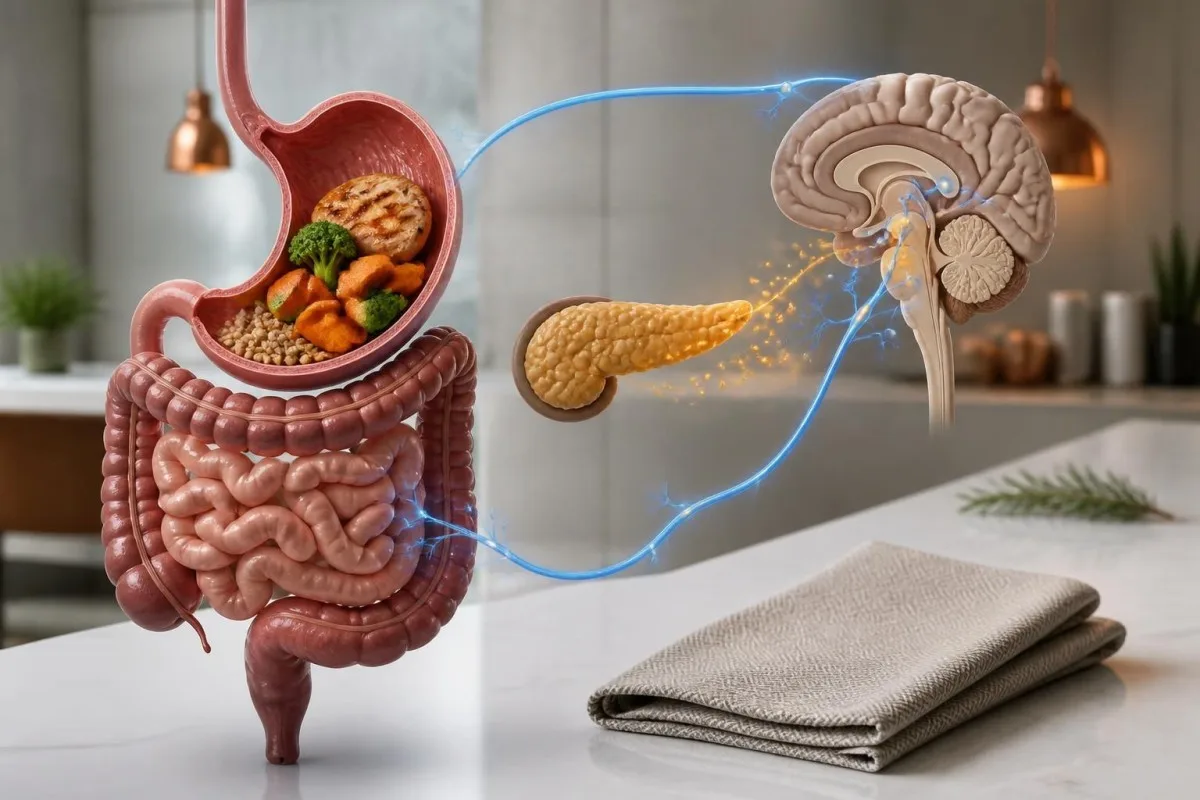
A post-meal dip is often normal, but repeated or severe drowsiness can reveal sleep loss, medication effects, blood-glucose changes or another treatable problem.

要点
- Common pattern:食後に眠くなるのは、通常、消化の速い量の多い食事と、午後早い時間帯に自然に生じる概日リズムの低下が重なったもので、脳への血流が減るためではありません。
- Sleep debt: Adults generally need at least 7 hours of sleep; repeated nights below that amount can make an ordinary meal feel disproportionately sedating.
- Glucose clue: A laboratory fasting glucose of 100-125 mg/dL (5.6-6.9 mmol/L) falls in the prediabetes range, while 126 mg/dL (7.0 mmol/L) or higher requires confirmation unless clear symptoms are present.
- 低血糖の可能性: Symptoms occurring 2-4 hours after a carbohydrate-heavy meal may reflect post-meal glucose falling below 70 mg/dL (3.9 mmol/L), although a meter or continuous monitor can be inaccurate.
- 薬の効果: Sedating antihistamines, opioids, sleep medicines, some anti-anxiety drugs and gabapentinoids can intensify post-meal drowsiness; do not stop them without prescriber advice.
- When to act:口渇、頻尿、かすみ目、失神、混乱、意図しない体重減少、または重度の脱力感を伴う再発性の眠気は、医学的評価を受ける必要があります。
- 有用な初期検査: Depending on the history, clinicians may consider fasting glucose, HbA1c, complete blood count, ferritin, thyroid-stimulating hormone and medication review.
- 安全性: Do not drive, operate machinery or climb while unusually drowsy, especially if the episode follows a glucose-lowering medicine.
What feeling sleepy after eating usually means
Sleepiness after eating is usually caused by meal size, rapidly absorbed carbohydrate, the normal early-afternoon circadian dip, or inadequate sleep rather than a dangerous digestive problem. 大量の昼食後に一度だけ起こる軽度のエピソードは通常、良性です。繰り返す、突然起こる、または日常生活に支障をきたすエピソードは、より詳しく調べる必要があります。 血液検査バイオマーカーのガイド explains why isolated results rarely answer a symptom question.
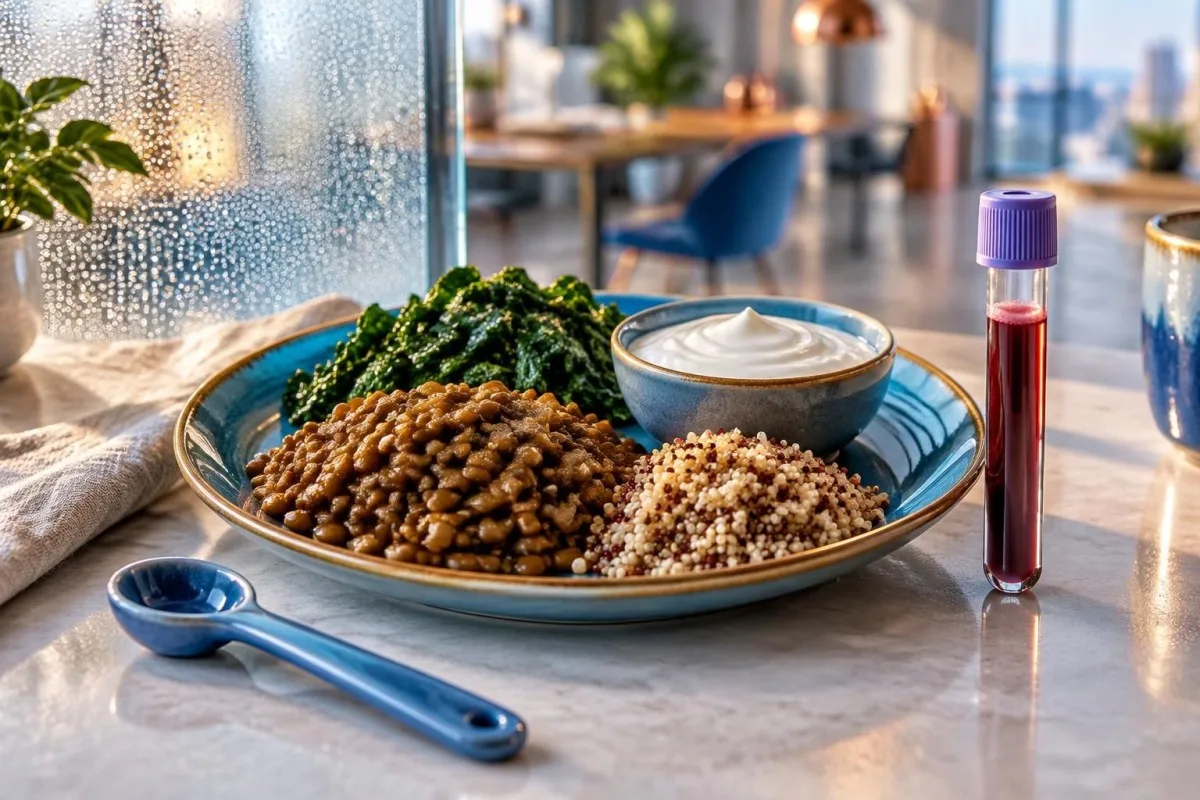
The strongest everyday pattern is a combination of meal load and timing: a 1,000-calorie lunch rich in refined starch can produce more drowsiness than a 500-calorie meal containing vegetables, protein and fibre. The effect often peaks 30-120 minutes later, when digestion, insulin release and the body’s daytime alertness rhythm overlap.
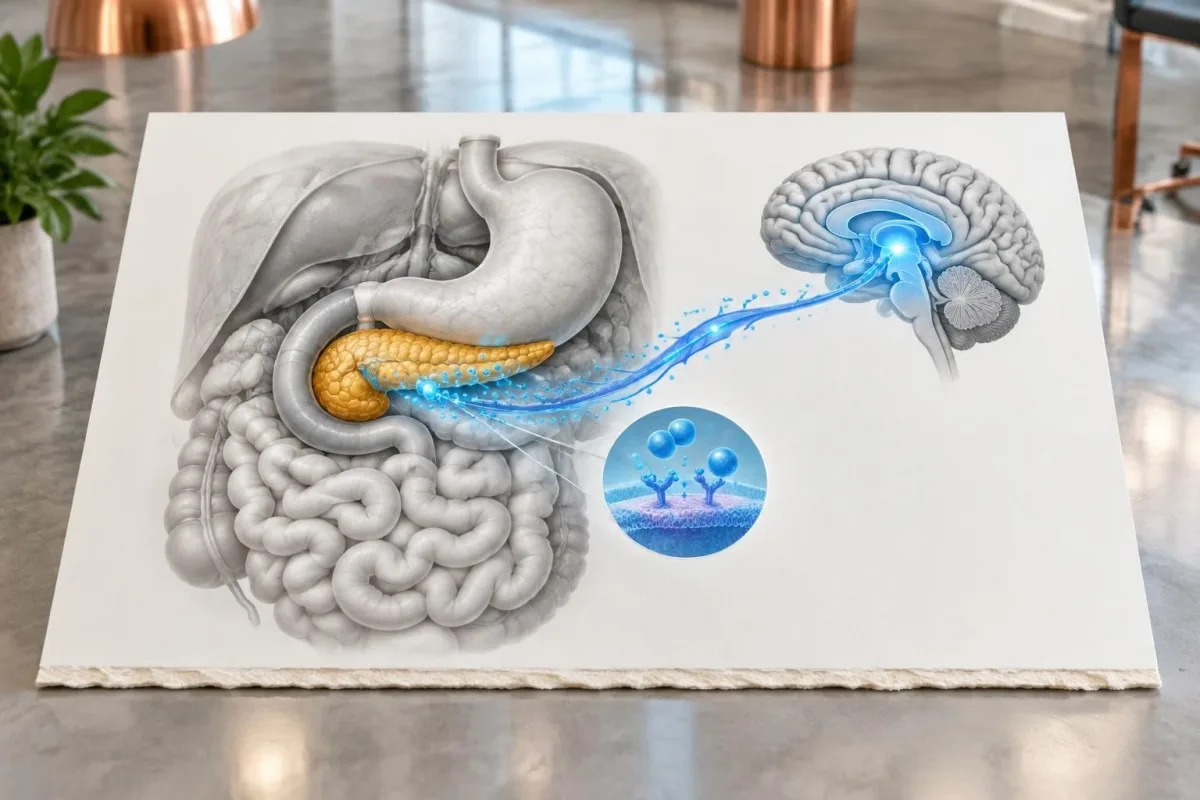
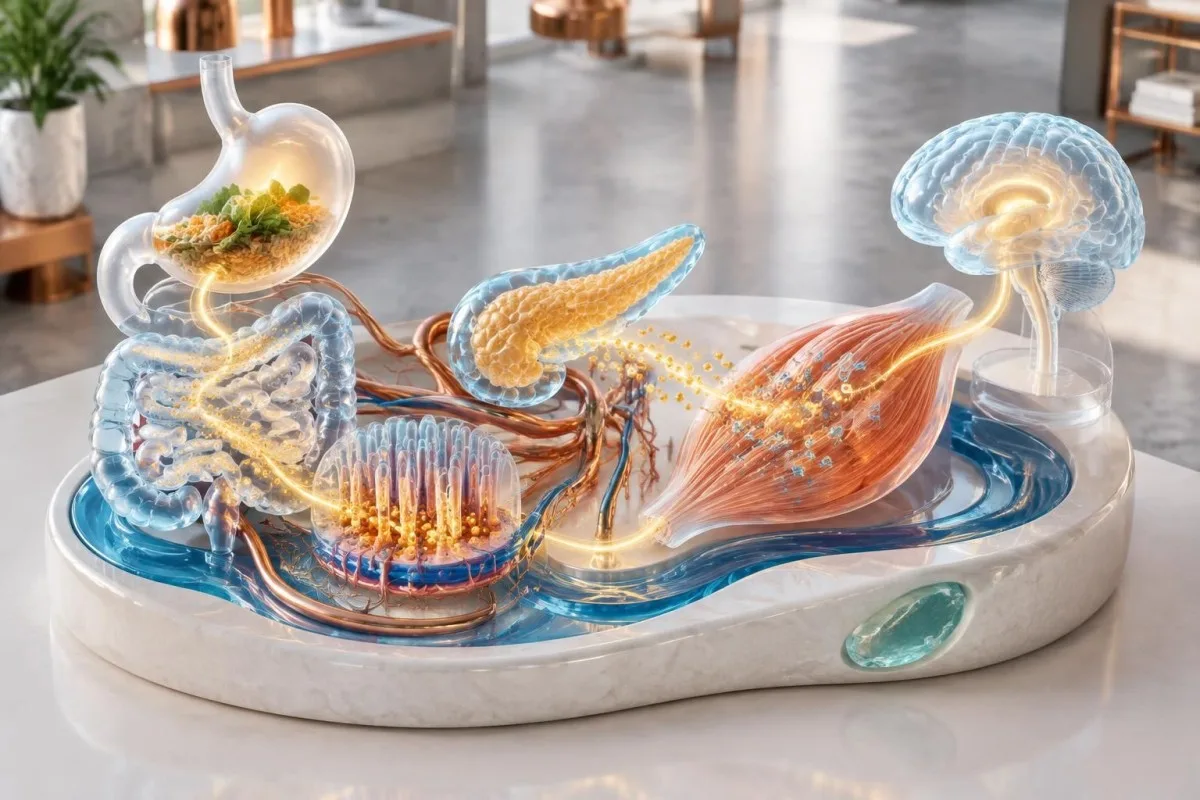
Post-meal sleepiness does not usually mean that digestion steals so much blood from the brain that the brain becomes under-supplied. Blood flow is tightly regulated; the more useful explanation is interacting signals from the gut, pancreas, brain and circadian clock, with individual responses varying substantially.
A practical distinction is duration. Drowsiness that fades within 30-90 minutes after an occasional large meal is usually different from recurrent episodes lasting several hours, sleep attacks, confusion or symptoms of low glucose; the latter patterns warrant a structured history and possibly testing.
How digestion can promote post-meal sleepiness
消化は、腸脳シグナル伝達、インスリンに関連する変化、食事によるリラックスを通じて眠気を促すことがありますが、あらゆる食後の強い眠気を説明できる単一のメカニズムはありません。 Hormones such as cholecystokinin rise after meals, while the brain’s arousal systems respond to nutrient availability and the social setting of eating.
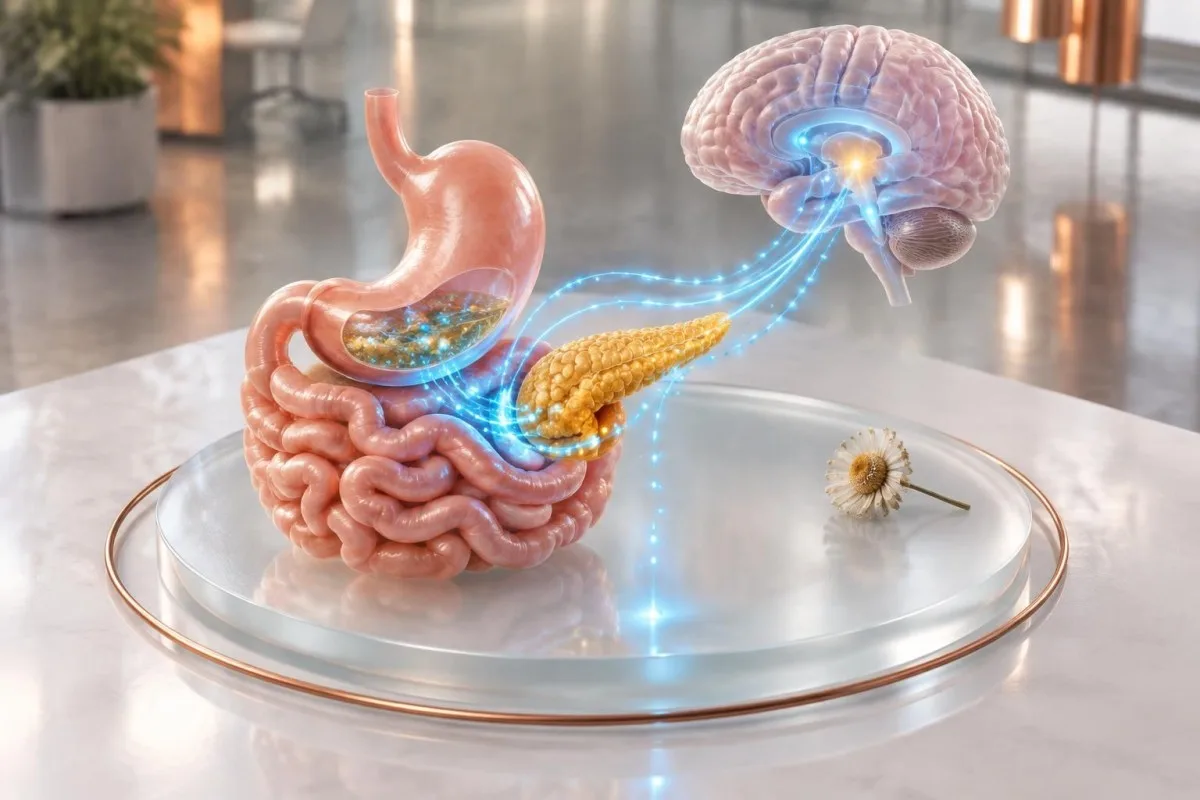
Fat and protein can stimulate コレシストキニン, a gut hormone associated with satiety and reduced arousal in experimental settings. That does not mean fat automatically causes abnormal sleepiness: a meal’s total energy, fibre, alcohol content, hydration and the person’s prior sleep can matter more than one nutrient.
Carbohydrate intake increases insulin secretion, which changes the movement of several amino acids into tissues and may alter the relative availability of tryptophan for brain serotonin and melatonin production. The evidence is honestly mixed, and normal post-meal insulin action should not be confused with insulin resistance.
「フードコーマ」という言葉は感覚を表すものであり、診断名ではありません。700キロカロリーの食事の後に45分間軽い眠気が生じる場合は、震え、発汗、動悸を伴う3時間の強い眠気が繰り返し起きる場合よりも、一般に懸念は少ないでしょう。
Why blood is not simply diverted from the brain
食後は、脳灌流を維持しながら、人体の循環によって消化器官への血流を増加させることがあります。食後の強い立ちくらみは、通常の消化だけよりも、血圧調節、脱水、または血糖値の問題を示唆します。症状に立位時のめまいが含まれる場合は、血圧の確認が役立つことがあります。
Which meal patterns make sleepiness more likely
急速に吸収される炭水化物、飽和脂肪またはアルコールを多く含む大量の食事は、食後の眠気に関連する最も一般的な食事要因です。 食品が「健康的」か「不健康」かという表示よりも、通常は量や炭水化物の質のほうが重要です。“
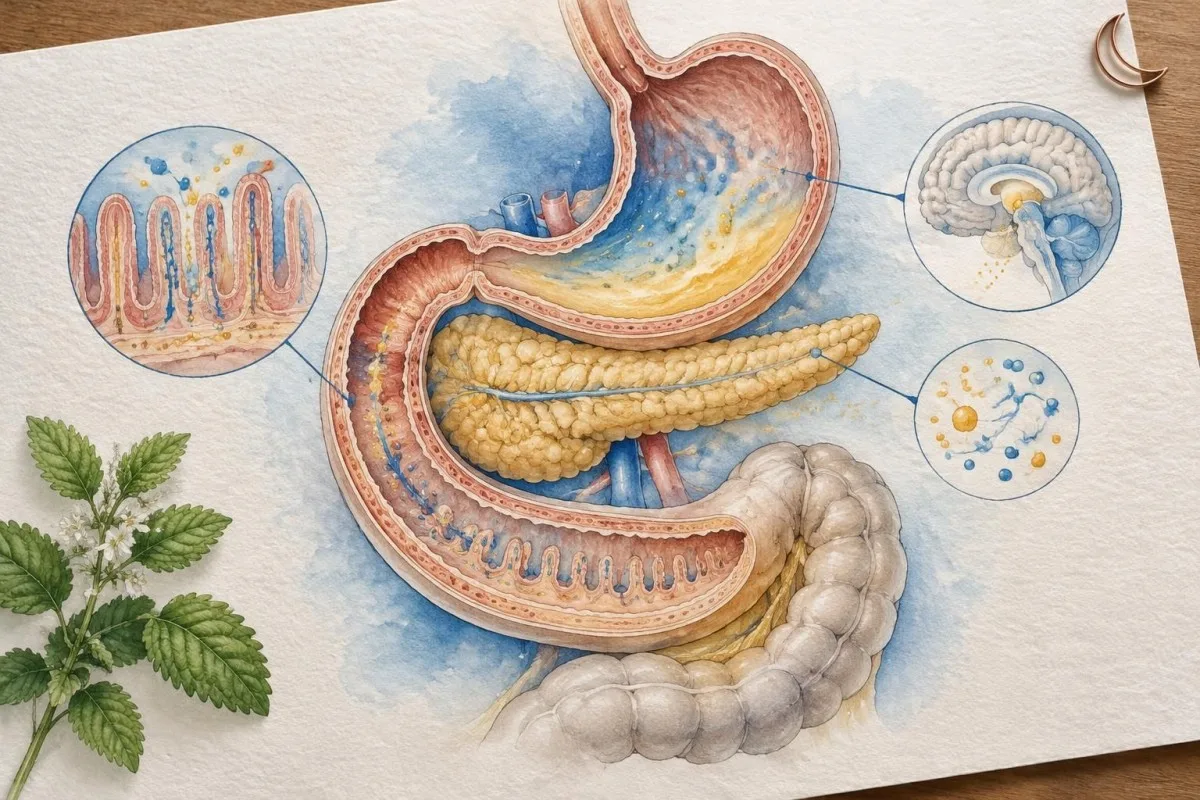
A meal containing 100 grams of rapidly absorbed carbohydrate can raise glucose and insulin more sharply than one containing 40 grams of carbohydrate plus beans, vegetables and protein. Fibre slows gastric emptying and glucose absorption; it does not cancel the energy content of an oversized meal, but it can reduce the speed of the glucose rise.
Fat can delay stomach emptying, which sometimes produces a later, longer period of heaviness rather than an immediate crash. Alcohol is different: even one standard drink can worsen alertness and fragment sleep later that night, making the next day’s meal-related drowsiness easier to misinterpret.
A clearly hypothetical example helps: a 35-year-old office worker sleeps 6 hours, skips breakfast and eats a large sweetened drink with white bread at 1 p.m. A 90-minute slump could reflect circadian timing plus sleep debt and meal composition; it does not by itself prove diabetes.
For practical comparisons, record the meal’s approximate portion, carbohydrate source and symptom timing for 7 days rather than banning individual foods after one episode. A guide to fasting instructions can also prevent confusion when later blood testing is arranged.
午後の概日リズムによる低下がフードコーマのように感じられる理由
体内の概日性の覚醒リズムは、食事をした直後でなくても、通常、午後早い時間帯(およそ午後1時から3時頃)に低下します。 A midday meal can amplify that predictable reduction in wakefulness.
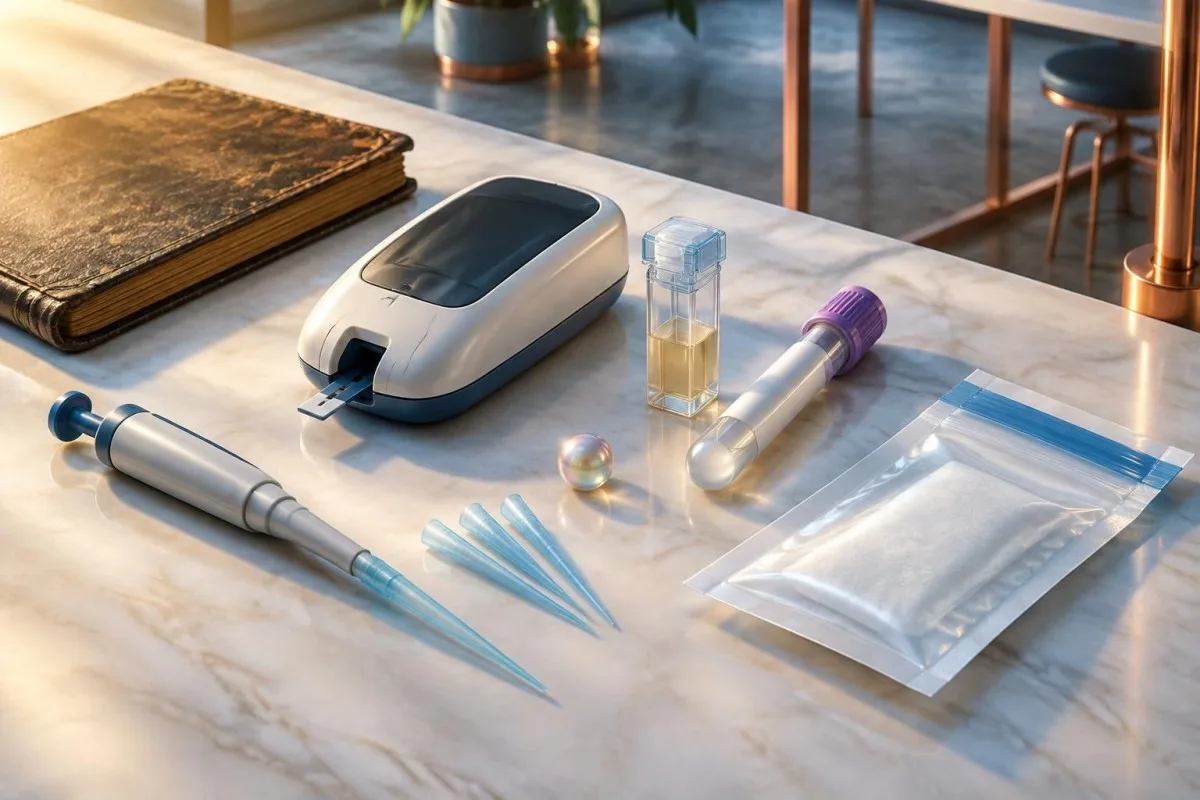
覚醒度は一日を通じて一定ではありません。中枢の概日時計は、睡眠圧、体温、メラトニンのタイミング、コルチゾールのリズムを調整します。多くの成人では、正午以降に覚醒度が低下する一方、生物学的な夜が最も強い睡眠時間帯であり続けます。
Meal timing can interact with this clock. The American Heart Association’s scientific statement on meal timing describes links between irregular eating, circadian biology and cardiometabolic health, although it does not establish one universal “safe” meal schedule (St-Onge et al., 2017).
有用な実験方法として、睡眠とカフェインの条件を同様に保ちながら、別の日に午前11時と午後2時に同等の食事を比べてみましょう。どちらの時間にも眠気が現れるなら、食事の内容が主な要因かもしれません。午後2時に主に現れるなら、概日リズムのタイミングがより有力な手がかりです。
People who work rotating shifts or cross time zones may experience the dip at an unusual clock time because their internal rhythm and local schedule disagree. A 血液検査タイミングガイド is useful when shift work also affects the timing of laboratory samples.
How sleep debt magnifies sleepy-after-meals symptoms
Sleep debt makes ordinary post-meal drowsiness stronger because sleep pressure has already accumulated before the meal begins. 日常的に7時間未満しか眠らない成人は、単調な作業中、暖かい部屋にいるとき、または午後の早い時間帯に、問題を最も自覚しやすいことがあります。

The American Academy of Sleep Medicine and Sleep Research Society recommend that adults obtain at least 7 hours of sleep regularly for health. Five nights of 6-hour sleep create a 5-hour weekly shortfall compared with that minimum, even if the person feels they have adapted.
In a controlled study, Van Dongen et al. found that chronic restriction to 6 hours or 4 hours per night produced cumulative neurobehavioral impairment, while participants became less accurate at judging their own impairment (Sleep, 2003). That finding matters because “I am used to it” is not a reliable safety test.
A hypothetical 52-year-old marathon runner may feel sleepy after a normal lunch because training, early waking and 6 hours of sleep have increased sleep pressure; the same meal may not cause symptoms after several nights of 8 hours. The pattern points first toward recovery and sleep assessment, not automatically toward a food intolerance.
Track bedtime, wake time, awakenings, snoring, alcohol and caffeine for 14 days. Loud snoring, witnessed breathing pauses or morning headaches make sleep-apnoea assessment more relevant than simply reducing carbohydrates.
How portion size, speed and activity change the crash
Eating quickly, consuming a very large portion or remaining still after lunch can intensify post-meal sleepiness. ゆっくり食べる少量の食事の後に軽く体を動かすと、極端な食事制限をしなくても、異なる反応が得られることがよくあります。

大量の食事は胃を伸展させ、満腹シグナルを増加させることがあります。一方、速く食べると、より多くのエネルギーを短時間に摂取することになります。そのため、800カロリーの食事でも、20分で食べる場合と、水を飲んだり休憩したりしながら45分かけて同じものを食べる場合とでは、感じ方が異なることがあります。
A 10-15 minute easy walk after eating may reduce the height of the post-meal glucose rise in some people by increasing muscle glucose uptake. It is not a treatment for diabetes, and people with balance problems, chest symptoms or exercise restrictions should follow their clinician’s advice.
The relevant comparison is personal, not universal: a 600-calorie lunch with 35 grams of fibre-containing carbohydrate may be tolerated better than a 350-calorie pastry-and-sweet-drink combination. Weight-loss goals, medication timing and glucose-lowering treatment can change the safest plan.
Try changing one variable at a time for 5-7 days: portion size, meal speed, refined carbohydrate, or a short walk. The AI栄養・検査コンテキストガイド explains why dietary suggestions should be interpreted alongside biomarkers rather than as a diagnosis.
Which medicines can worsen sleepy-after-meals episodes
Sedating medicines and alcohol can make a normal post-meal dip feel excessive, and meal timing can make their peak effects more noticeable. Common contributors include first-generation antihistamines, opioids, sleep medicines, benzodiazepines, some antipsychotics, gabapentinoids and sedating antidepressants.
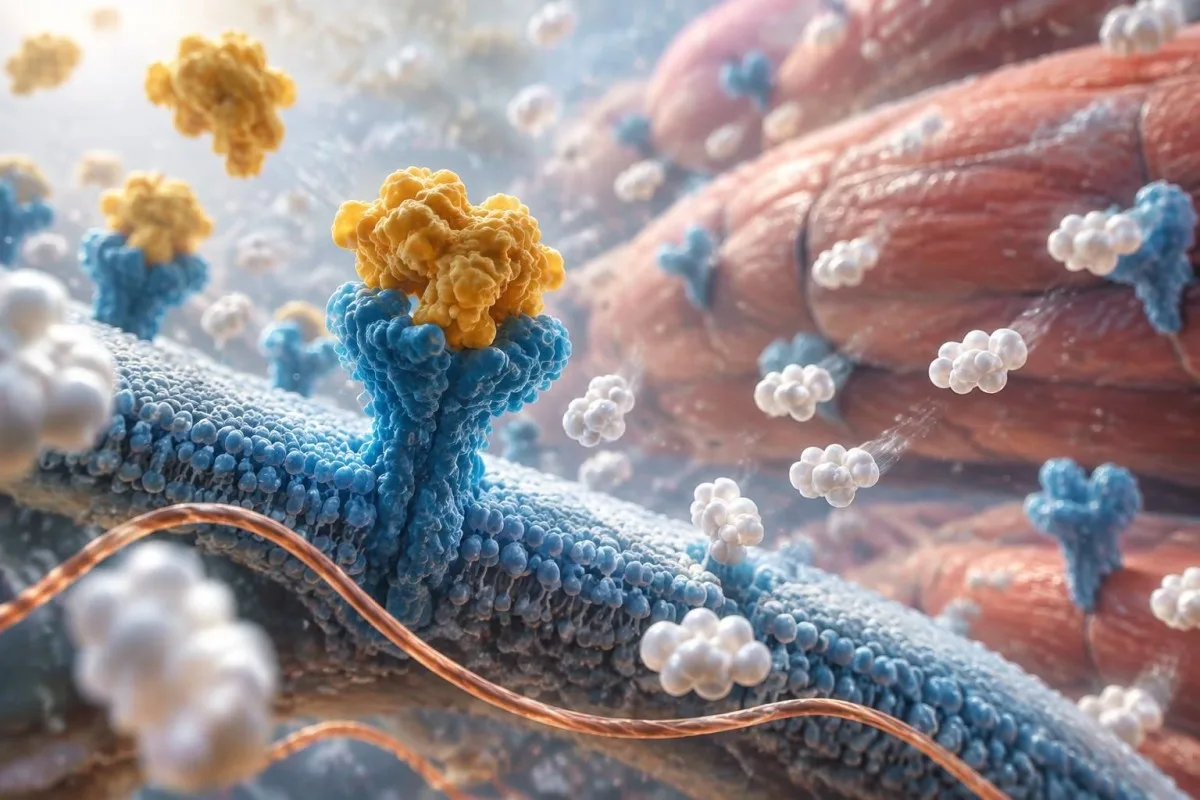
ジフェンヒドラミンなどの第一世代抗ヒスタミン薬は注意力を低下させることがあり、オピオイドやベンゾジアゼピン系薬も呼吸ドライブと反応速度を低下させることがあります。午前8時に服用した薬でも、半減期、用量、腎機能、相互作用によっては、正午のエピソードに影響し続けることがあります。
一部の薬は、鎮静作用を直接もたらすのではなく、血糖値に影響します。インスリンやスルホニル尿素薬は、予定より食事量が少なかった場合、通常より運動量が多かった場合、または飲酒した場合に、特に低血糖を引き起こすことがあります。症状は単なる眠気ではなく、発汗、震え、空腹感、動悸、混乱などの場合があります。
Never stop a prescribed medicine abruptly because of drowsiness. Ask a pharmacist or prescriber whether timing, dose, an alternative or kidney-function review is appropriate, and avoid driving if the reaction is unpredictable.
Bring a complete list of prescriptions, over-the-counter products, supplements and recreational substances to the review. A 薬剤安全性の推移を確認するワークフロー 検査値の推移を整理するのに役立ちますが、処方に関する判断に取って代わることはできません。
血糖調節が食後疲労を説明する可能性がある場合
眠気が続く、食事に見合わず強い、または喉の渇き、頻尿、かすみ目、感染症の再発、原因不明の体重変化を伴う場合は、血糖調節の問題がより懸念されます。 High glucose can cause fatigue through dehydration and altered cellular fuel use, while low glucose can cause neuroglycopenic drowsiness.
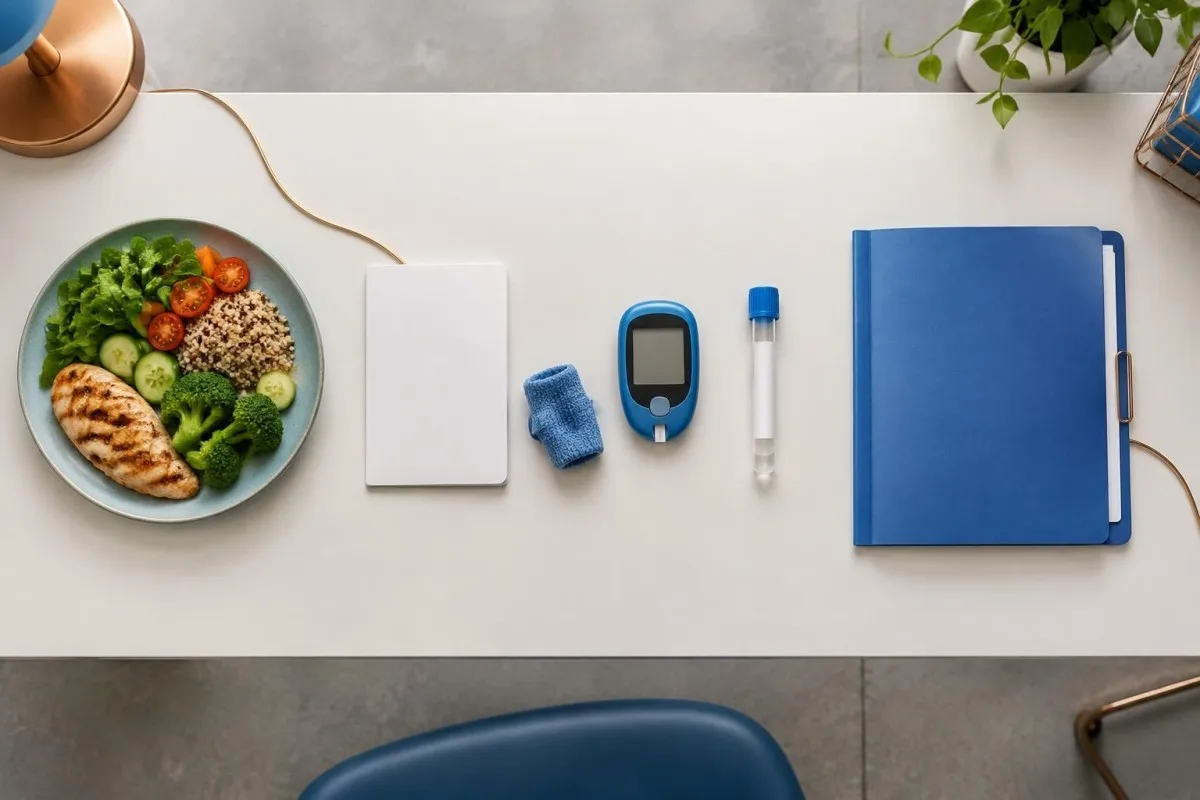
The American Diabetes Association defines diabetes using laboratory criteria such as HbA1c of 6.5% or higher, fasting plasma glucose of 126 mg/dL (7.0 mmol/L) or higher, or a 2-hour oral glucose tolerance result of 200 mg/dL (11.1 mmol/L) or higher, usually confirmed when symptoms are absent (American Diabetes Association Professional Practice Committee, 2024).
Kantesti is an AI blood test interpretation platform that places glucose, HbA1c, triglycerides, liver markers and kidney markers into a connected context rather than treating a single post-meal sensation as proof of diabetes. Our platform can explain reported values, but diagnosis still depends on validated testing and clinical assessment.
通常の食事の後に家庭で測定した血糖値は、診断用の経口ブドウ糖負荷試験と同等ではありません。毛細血管血糖測定器の値は検査室で測定した血漿血糖値と異なることがあり、持続血糖モニターは間質液を遅れて測定します。予想外の結果は過剰に解釈せず、再測定するか確認しましょう。
If thirst and urination occur with repeated drowsiness, arrange medical review rather than merely switching foods. The 高血糖症状ガイド describes warning patterns that should not be dismissed as a routine food coma.
| レベル | 範囲 | 意味 |
|---|---|---|
| 正常な空腹時血糖 | <100 mg/dL(<5.6 mmol/L) | 通常は診断上の正常範囲内です。一つの結果ですべての症状を説明できるわけではありません。 |
| 前糖尿病の範囲 | 100-125 mg/dL(5.6-6.9 mmol/L) | Suggests increased diabetes risk and usually calls for repeat testing or HbA1c assessment. |
| 糖尿病の範囲の結果 | 126-199 mg/dL(7.0-11.0 mmol/L) | 確認または症状に基づく臨床的解釈が必要であり、通常の食後の眠気だけでは説明できません。 |
| 著明な高血糖 | ≥200 mg/dL (≥11.1 mmol/L) with symptoms | Needs prompt medical assessment, especially with vomiting, dehydration, deep breathing or confusion. |
血糖値の低下によって、2~4時間後に眠気が生じることはありますか
食後2-4時間で血糖値が低下すると、特に高炭水化物の食事後や血糖降下薬の使用時に、眠気、脱力感、発汗、振戦、空腹感、または混乱を引き起こすことがあります。 True post-meal hypoglycaemia should be demonstrated during symptoms rather than assumed from fatigue alone.
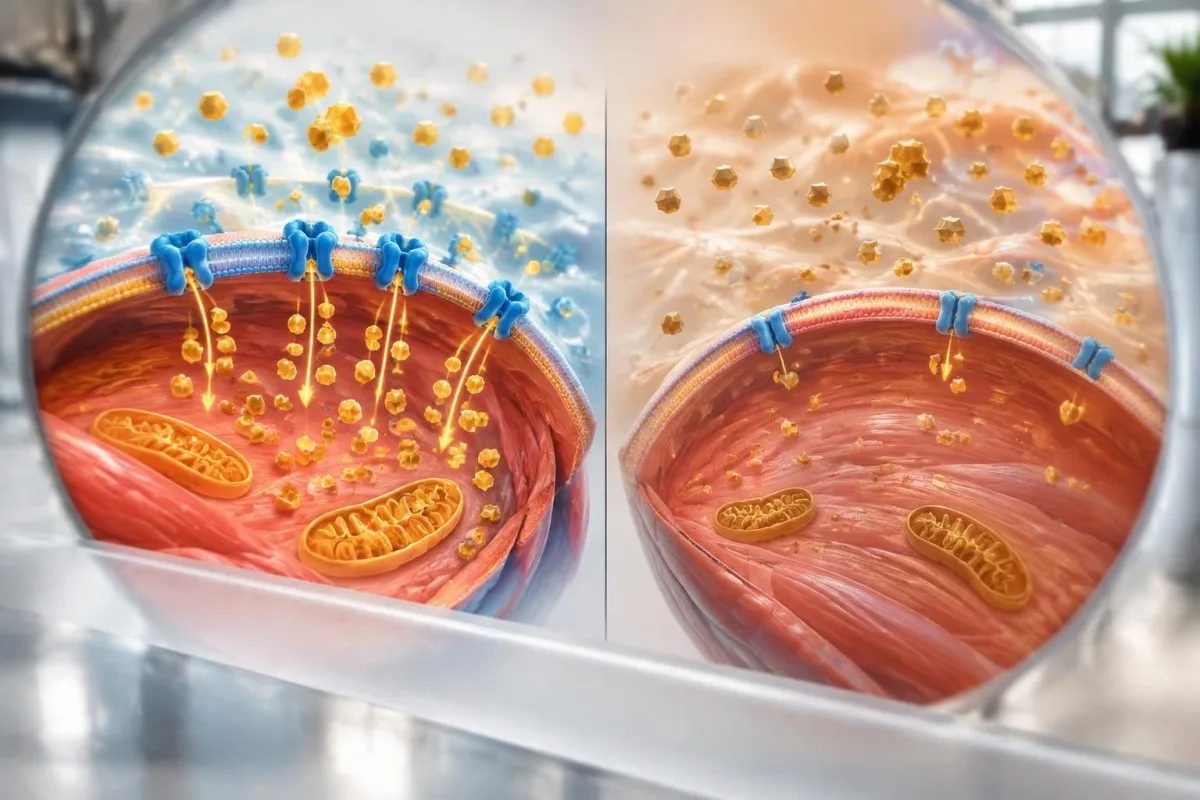
Clinicians commonly use a glucose below 70 mg/dL (3.9 mmol/L) as an alert level, while below 54 mg/dL (3.0 mmol/L) indicates clinically significant hypoglycaemia requiring urgent attention. The number matters most when symptoms occur at the same time and improve after glucose is corrected.
診断のロジックは、しばしば ウィップルの三徴:症状と一致すること、その症状がある間に低血糖が記録されていること、血糖値が上昇すると改善すること。午後2時に眠気を感じても、血糖値が98 mg/dL (5.4 mmol/L) である人は、低血糖を示したことにはなりません。
A 28-year-old with episodes after sweet drinks may have a rapid rise and fall, but a meter reading of 62 mg/dL (3.4 mmol/L) should be confirmed when feasible because home devices have analytical error. Fasting, alcohol use, exercise and medicines can create different patterns.
処方されたインスリンまたはスルホニル尿素薬を使用している場合は、個別の救急対応計画に従い、速効性の炭水化物源を携帯してください。糖尿病のない人で低い値を繰り返し記録する場合は、自己治療を繰り返すのではなく、医学的評価を受ける必要があります。当社の 低血糖の原因ガイドは for testing context.
Other conditions that can mimic sleepy-after-meals symptoms
Anaemia, iron deficiency, thyroid disease, sleep apnoea, depression, chronic illness and some infections can cause daytime sleepiness that merely becomes noticeable after meals. The meal may be a trigger for noticing fatigue, not the underlying cause.
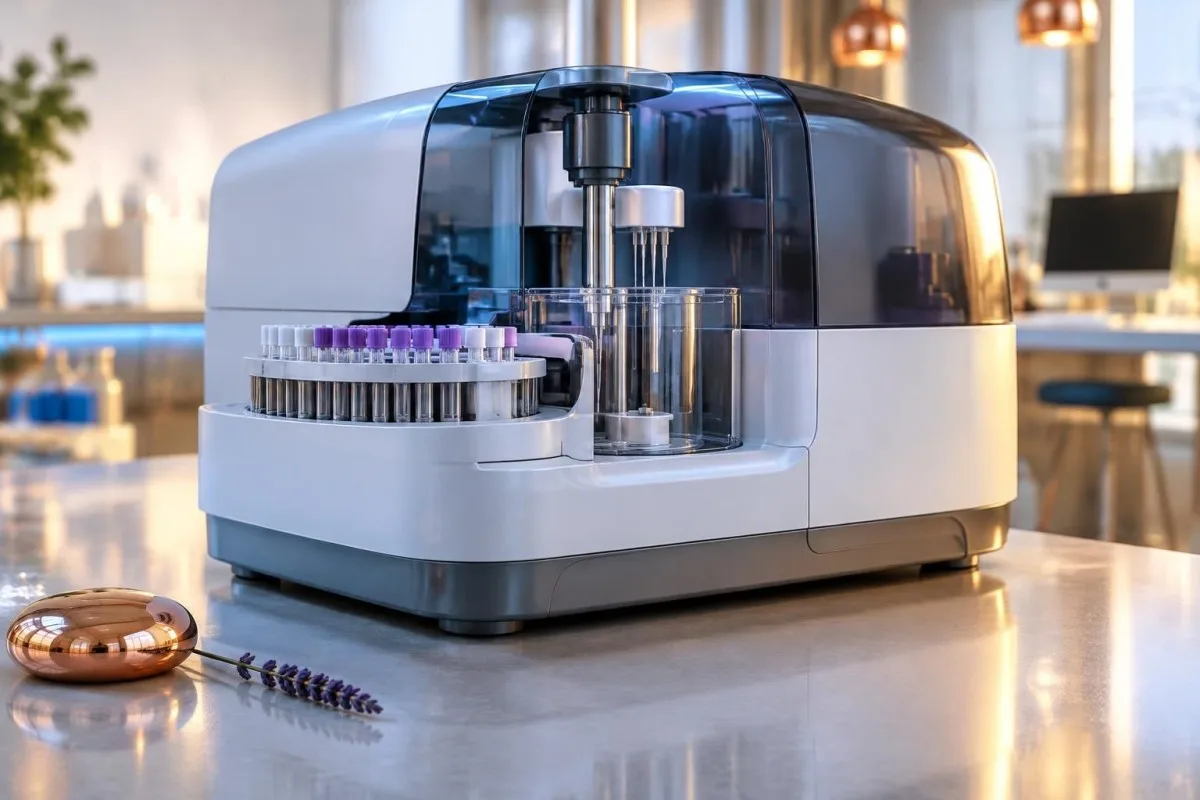
A complete blood count can identify anaemia, but ferritin interpretation requires context because inflammation can raise ferritin while iron stores are limited. There is no single ferritin threshold that explains sleepiness for everyone; a low ferritin with low transferrin saturation is more informative than an isolated borderline value.
Hypothyroidism may cause fatigue, cold intolerance, constipation, dry skin and slowed thinking, although symptoms are nonspecific. Many laboratories use a TSH upper reference limit near 4.0-4.5 mIU/L, but ranges differ by assay, age, pregnancy and local practice; some European laboratories use different limits.
Sleep apnoea can produce severe daytime somnolence regardless of meal composition. Snoring, witnessed pauses, morning headaches or resistant hypertension should prompt sleep evaluation, especially when an individual unintentionally dozes during conversations or driving.
Kantesti AI can organise a CBC, ferritin, thyroid markers and glucose into a readable pattern, but a normal panel does not exclude sleep disorders or depression. Relevant background reading includes フェリチン低値の症状 そして 甲状腺機能の潜在性異常を示す検査結果.
When food reactions are relevant to post-meal drowsiness
食物不耐症は食後に膨満感、腹痛、下痢を引き起こすことがありますが、眠気だけでは不耐症やアレルギーの信頼できる兆候ではありません。 A true allergic reaction is more likely when drowsiness occurs with hives, swelling, wheezing, throat tightness, repeated vomiting or faintness.

Lactose or fructose malabsorption can produce gastrointestinal symptoms several hours after exposure, but neither condition should be diagnosed from tiredness alone. A lactose-intolerance testing guide explains why breath-test preparation and symptom timing matter.
Drowsiness with wheezing, facial or tongue swelling, blue lips, collapse or rapidly worsening symptoms is an emergency because severe allergic reactions can impair breathing and blood pressure. Do not perform a home food challenge after a suspected serious reaction.
食事日誌には、少なくとも7日間、食材、量、時間、症状、運動を記録してください。多くの食品を除去する除去食は、栄養上の問題を生じさせ、実際の誘因を不明瞭にする可能性があります。実際的な問題は、特定の摂取物によって症状が確実に再現するかどうかです。
Blood allergy panels are not universal screens for food intolerance, and a positive sensitisation test does not prove that a food causes sleepiness. Ask a clinician or allergy specialist to interpret results alongside the history.
A useful 7-day test for sleepy-after-meals episodes
A seven-day symptom diary can separate meal effects from sleep debt, circadian timing, medicines and glucose changes. Record the time of eating, approximate portion, sleep duration, caffeine, medication timing, activity and symptom severity from 0 to 10.
安全に読み取れるものだけを測定しましょう。糖尿病がある場合は、処方されたモニタリング計画に従ってください。糖尿病でない場合、時折の血糖値測定は手がかりになることがありますが、それだけで反応性低血糖や糖尿病と診断することはできません。
A useful pattern is reproducibility: symptoms beginning 45 minutes after a large sweet drink on four of five days suggest a meal-related trigger, while symptoms at 2 p.m. after different meals suggest circadian timing. Symptoms after poor sleep but not after 8-hour nights point toward sleep pressure.
エピソードにふらつき、かすみ目、または失神しそうな感覚が伴う場合は、姿勢と血圧を記録してください。食後の血圧低下は、特に高齢者や降圧薬を服用している人では、食事内容よりも関連性が高い場合があります。
At the appointment, bring the diary and packaging or names of supplements. Our baseline blood-test preparation guide は、予定されている評価の直前に複数の要因をすぐに変えてしまうことを避けるのに役立ちます。
Which blood tests may help explain repeated drowsiness
The most useful tests depend on the symptom pattern, but clinicians commonly consider HbA1c, fasting glucose, a complete blood count, ferritin, thyroid-stimulating hormone and kidney or liver markers. No blood panel can diagnose every cause of sleepiness.
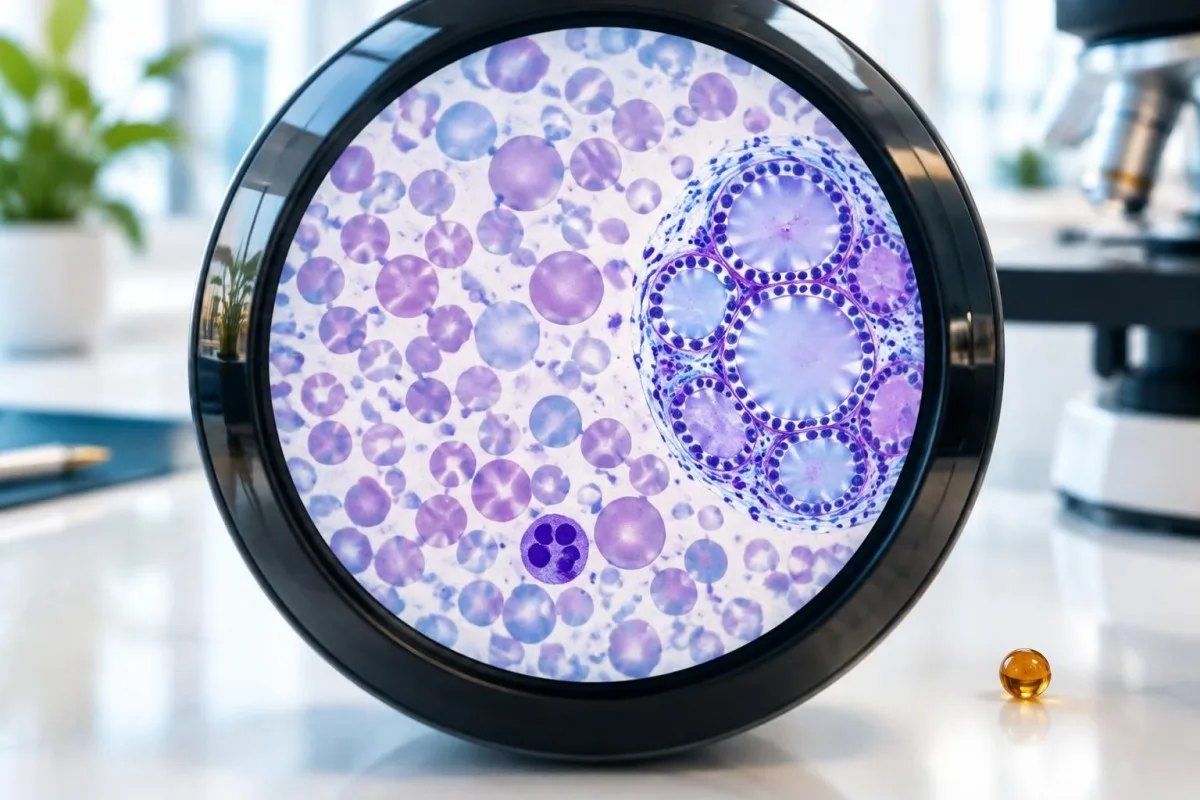
HbA1cはおよそ2~3か月間の平均血糖値を反映し、一般に5.7%未満は正常、5.7~6.4%は前糖尿病、6.5%以上は糖尿病と解釈されます。最近の輸血、溶血、一部のヘモグロビン変異、妊娠、赤血球寿命の変化があると、HbA1cの値が実態を反映しないことがあります。
Fasting glucose measures one moment and may be normal despite post-meal symptoms. A clinician may instead use a supervised oral glucose tolerance test, targeted monitoring or medication review when episodes occur predictably after eating.
A CBC can identify anaemia or macrocytosis, while ferritin and transferrin saturation help assess iron status; TSH with free T4 evaluates thyroid signalling. B12, folate, kidney function, liver enzymes or inflammatory markers are selected when history and examination support them, not automatically for everyone.
Kantesti’s AI blood test analyzer can read uploaded laboratory reports in about 60 seconds and highlight relationships across panels, while preserving the distinction between a flagged result and a diagnosis. Its interpretation should be checked against the laboratory’s own reference range and a clinician’s assessment.
| レベル | 範囲 | 意味 |
|---|---|---|
| HbA1cは通常、正常範囲 | <5.7% | 通常は糖尿病前症の検査基準値未満ですが、症状には他の原因がある場合があります。 |
| 糖尿病前症 HbA1c | 5.7-6.4% | Higher future diabetes risk; confirm context and discuss lifestyle or follow-up testing. |
| 糖尿病域のHbA1c | ≥6.5% | 臨床的な確認、または症状を踏まえた解釈と再検査が必要です。 |
| Symptoms with very high glucose | Often ≥300 mg/dL (≥16.7 mmol/L) | Urgency depends on ketones, dehydration, vomiting, breathing changes and mental status; seek prompt care. |
What you can safely try before a medical visit
安全な初期対応には、規則正しい睡眠、量を減らしたバランスのよい食事、十分な水分、ゆっくり食べること、適切な場合の短時間の軽い散歩などがあります。 These measures may reduce ordinary post-meal sleepiness but should not delay care for recurrent low glucose, severe symptoms or suspected diabetes.

Aim for meals that combine vegetables or other fibre sources with protein and a measured carbohydrate portion rather than relying on sugary drinks or refined snacks. A 10-15 minute walk can be reasonable for many adults, but people with chest pain, severe breathlessness, fainting or exercise restrictions need medical guidance first.
Keep caffeine timing consistent while testing changes; adding 300 mg of caffeine at lunch can hide sleep debt and worsen sleep that night. Alcohol can intensify sedation and should not be used to manage anxiety or sleepiness.
Do not intentionally skip meals if you use insulin or a sulfonylurea. Do not start a very low-carbohydrate diet, supplement plan or fasting schedule without considering pregnancy, kidney disease, eating-disorder history and glucose-lowering medicines.
役立つ目標は「食後にまったく疲れを感じないこと」ではありません。注意力を保ち、警告症状を伴わない、より少なく、より軽いエピソードを目指します。1-2週間で改善するかどうかを記録してください。
When post-meal drowsiness needs medical evaluation
Arrange medical evaluation when sleepiness occurs after most meals, lasts for weeks, interferes with work or driving, or comes with thirst, urination, faintness, palpitations, weight change or neurological symptoms. 突然の混乱、目を覚ませない状態、発作、重度の呼吸困難、または倒れた場合は、救急医療が必要です。
Seek urgent help for confusion, seizure, loss of consciousness, one-sided weakness, chest pain, severe shortness of breath or a suspected glucose below 54 mg/dL (3.0 mmol/L). These signs can indicate severe hypoglycaemia, stroke, heart disease, respiratory compromise or another emergency rather than a routine food coma.
症状が2~4週間繰り返し起こる場合、会話中に意図せず眠ってしまう場合、またはいびきや目撃された呼吸停止がある場合は、通常の診察を予約してください。臨床医は、まず薬、血圧、睡眠、血糖値のパターンを確認し、その後、目的を絞った臨床検査を検討することがあります。
Pregnancy, older age, kidney disease, liver disease and diabetes lower the threshold for review because medication effects and glucose changes may be less predictable. Children and adolescents with repeated post-meal sleepiness also need age-appropriate assessment rather than adult reference ranges.
Kantestiは、資格を有する臨床医との相談前に検査結果の整理を支援できるAIバイオマーカー解釈プラットフォームです。当社の 医学的検証に関する情報 explains the difference between technical interpretation and clinical diagnosis.
How to use laboratory results without overdiagnosing yourself
検査結果によって血糖値、貧血、甲状腺に関する手がかりを明らかにできますが、時間的経過と臨床的背景がなければ、食事が眠気を引き起こしたことを証明することはできません。 検査結果は、診察、服薬内容の確認、睡眠の評価に取って代わるものではなく、より適切な質問を考えるために活用してください。
Kantesti AI analyses uploaded blood-test PDFs or photographs and can compare current values with reported reference ranges and previous trends. A fasting glucose of 108 mg/dL (6.0 mmol/L) may suggest prediabetes risk, but it does not explain a single afternoon episode or establish a diagnosis by itself.
当社のAIは、HbA1c 6.1%と空腹時血糖112 mg/dL (6.2 mmol/L) の組み合わせや、低ヘモグロビンと低フェリチンの組み合わせなど、検討に値する組み合わせを指摘できます。検証されていない家庭での測定値から因果関係を推測すべきではなく、いびき、呼吸停止、気分、運転の安全性を評価することもできません。
可能であれば、単位、採取日、空腹時かどうか、検査機関の基準範囲、服薬状況を含め、検査結果の全体をアップロードしてください。一部だけのスクリーンショットでは、臨床的に重要な関連検査結果が見えないことがあります。また、検査機関によって測定法や基準範囲が異なる場合があります。
Kantestiは127か国で200万人以上に利用されていますが、広く利用できるからといって、その解釈が個人の診断になるわけではありません。気になる所見については、あなたの病歴を把握し、確認検査を手配できる地域の医療専門家に相談してください。
Questions to take to a clinician or pharmacist
The most useful appointment questions connect the episode to timing, medicines, sleep and measurable symptoms. Ask whether the pattern suggests glucose testing, sleep assessment, medication adjustment, blood-pressure review or another targeted investigation.
4つの質問への回答を用意してください:食後どのくらいで眠気が始まりますか?どのくらい続きますか?異なる食事の後にも起こりますか?前夜の睡眠時間はどのくらいでしたか?食後2-4時間で始まるパターンは、予測可能な午後1-3時の低下とは臨床的に異なります。
Ask, “Could any medicine or supplement taken in the last 6 hours be sedating or lower glucose?” Also ask whether kidney or liver function could change drug clearance; even a stable dose can feel different after illness, dehydration or a new interaction.
If glucose is suspected, ask which test is appropriate and what result should be confirmed in a laboratory. If anaemia or thyroid disease is suspected, ask why CBC, ferritin, TSH or free T4 is being chosen rather than ordering an unrestricted panel.
For reliable privacy and service information, readers can review Kantesti’s Trust Center. Bring the actual laboratory report and your seven-day diary rather than relying on memory.
要点:正常な低下か、調べるべき兆候か
食後の眠気の大半は、食事の量、吸収の速い炭水化物、概日リズムのタイミング、または睡眠不足で説明できます。繰り返し起こる場合や重度の場合は、薬の影響、血糖調節異常、睡眠障害、その他の疾患について評価が必要です。 「食後の眠気」という言葉よりも、そのタイミングと併発する症状のほうが多くの情報をもたらします。“
Start with a 7-day diary and safe, modest changes rather than eliminating many foods. If drowsiness is accompanied by thirst, frequent urination, blurred vision, sweating, tremor, fainting or unintentional weight loss, arrange testing sooner.
A normal HbA1c does not rule out every post-meal glucose pattern, and a mildly abnormal glucose result does not prove that glucose caused the symptom. This is one of those areas where context matters more than the number alone.
検査結果の解釈は、準備のために活用しましょう。日付、単位、基準範囲、空腹時かどうか、数値の推移を比較してください。KantestiのAIによる血液検査の読み方は、分かりにくい検査報告書を具体的な質問に整理するのに役立ちますが、最終的な臨床判断は、適切な資格を有する医療専門家に委ねられます。
眠り込みそうなほど眠い場合は、運転や機械の操作をしないでください。症状が出たときの状況を安全に振り返り、緊急性のある警告サインがあれば速やかに助けを求め、同じパターンが続く場合は通常の評価を受けるよう手配してください。
よくある質問
食後に眠くなるのは普通ですか?
大量の食事の後に軽い眠気を感じるのはよくあることで、食事の量、吸収の速い炭水化物、午後1~3時に起こる通常の概日リズムによる眠気の谷、または睡眠不足が原因であることが多いです。通常は30~90分で改善し、体内の血液がすべて脳から流れ去ることが原因ではありません。数時間続く症状を繰り返す場合、運転に支障をきたす場合、または喉の渇き、気が遠くなる感じ、発汗、混乱を伴う場合は、医療機関での評価が必要です。
血糖値が正常なのに、食後に眠くなるのはなぜですか?
血糖値が正常でも、概日リズムによる眠気、睡眠不足、薬剤の影響、睡眠時無呼吸、大量の食事による鎮静作用は否定できません。成人には一般に少なくとも7時間の睡眠が必要で、それを下回る夜が続くと、食後に通常みられる眠気が強まることがあります。症状があるときの血糖値が98 mg/dL(5.4 mmol/L)であれば、その時点で低血糖である可能性は低くなりますが、ほかの原因を診断するものではありません。
糖尿病があると食後に眠くなることがありますか?
糖尿病では、血糖値が持続的に高い場合や、治療の影響で低くなりすぎた場合に、食後の疲労感が生じることがあります。糖尿病域の検査基準には、空腹時血糖値126 mg/dL (7.0 mmol/L)以上、HbA1c 6.5%以上、または2時間血糖値200 mg/dL (11.1 mmol/L)以上が含まれ、通常、症状がない場合は再検査で確認します。喉の渇き、頻尿、かすみ目、体重減少、嘔吐、または意識の混乱がある場合は、より緊急に医療機関を受診してください。
食後の反応性低血糖はどのような感じですか?
反応性低血糖は、食後、特に急速に吸収される炭水化物を摂取した後、約2-4時間で眠気、脱力感、発汗、振戦、空腹感、動悸、または混乱を引き起こすことがあります。症状がある間の血糖値70 mg/dL (3.9 mmol/L)未満は警戒すべき値であり、54 mg/dL (3.0 mmol/L)未満は臨床的に重大です。疲労だけでは低血糖の証明にならないため、適切な検査でこのパターンを確認する必要があります。
食後にいつも眠くなる場合、どのような血液検査をお願いすべきですか?
よく行われる対象を絞った検査には、空腹時血糖、HbA1c、血球計算、フェリチン、甲状腺刺激ホルモンが含まれ、病歴に基づいて腎臓、肝臓、B12などの検査が選択されます。HbA1cが5.7~6.4%の場合は前糖尿病の範囲に該当し、ヘモグロビン値の低下や貯蔵鉄の低下を示すパターンは、貧血または鉄欠乏を示唆することがあります。血液検査ではすべての原因を検出できないため、医療従事者は服薬状況の確認、血圧測定、または睡眠時無呼吸の評価を優先することもあります。
食後に眠くなるのは、いつ心配すべきですか?
目を覚ますことができない、意識が混乱している、けいれん発作、倒れる、重度の呼吸困難、胸痛、片側の筋力低下、または血糖値が54 mg/dL(3.0 mmol/L)未満と疑われる場合は、緊急に助けを求めてください。眠気がほとんどの食事の後に起こる、2-4週間続く、意図せず日中に眠ってしまう、または喉の渇き、頻尿、失神しそうな感覚、動悸、意図しない体重減少を伴う場合は、通常の診察を予約してください。普段より強い眠気がある間は、運転や機械の操作をしないでください。
血液検査結果の見方を確認しましょう
検査報告書をアップロードすると、KantestiのAIが数秒で各バイオマーカーを平易な言葉で説明します。世界中で200万人以上が利用しています。.
参考文献
- Klein, T., Mitchell, S., & Weber, H. (2026). Kantesti血液検査解釈エンジンのための、100,000件の合成テストケースに基づく、事前登録されたルーブリックに基づく自動技術ベンチマーク。. Kantesti AI医学研究。. 掲載日
- Klein, T., Mitchell, S., & Weber, H. (2026). 臨床検証フレームワーク v2.0(医学的検証ページ)。. Kantesti AI医学研究。. 掲載日
- St-Onge MP et al. (2017). 食事のタイミングと頻度:心血管疾患予防への示唆。 Circulation. 掲載日
- Van Dongen HPA et al. (2003). 覚醒時間の延長による累積的な負担:慢性的な睡眠制限および完全な睡眠剥奪による神経行動機能と睡眠生理への用量反応効果。 Sleep. 掲載日 パブメッド
- 米国糖尿病学会専門診療委員会(2024年)。. 2. 糖尿病の診断と分類:糖尿病診療基準—2024。. Diabetes Care. 掲載日
- 200万以上分析対象の検査
- 127+国
- 100+言語
医療チームについて


E-E-A-T 信頼性シグナル
経験
医師主導による、検査結果解釈ワークフローの臨床レビュー。.
専門知識
臨床的な文脈においてバイオマーカーがどのように振る舞うかに焦点を当てた検査医学。.
権威
Thomas Klein医師による医学的レビュー。Sarah Mitchell医師およびHans Weber教授の協力。.
信頼性
アラームを減らすための明確なフォローアップ経路を備えた、エビデンスに基づく解釈。.

医療免責事項
この記事は教育目的のみを対象としており、医療助言を構成するものではありません。診断や治療の判断を行う際は、必ず有資格の医療提供者にご相談ください。.
公開 · 編集チームにお問い合わせください
Kantesti Ltdが発行。イングランドおよびウェールズで登録、会社番号. 17090423, 、英国ロンドン。.
