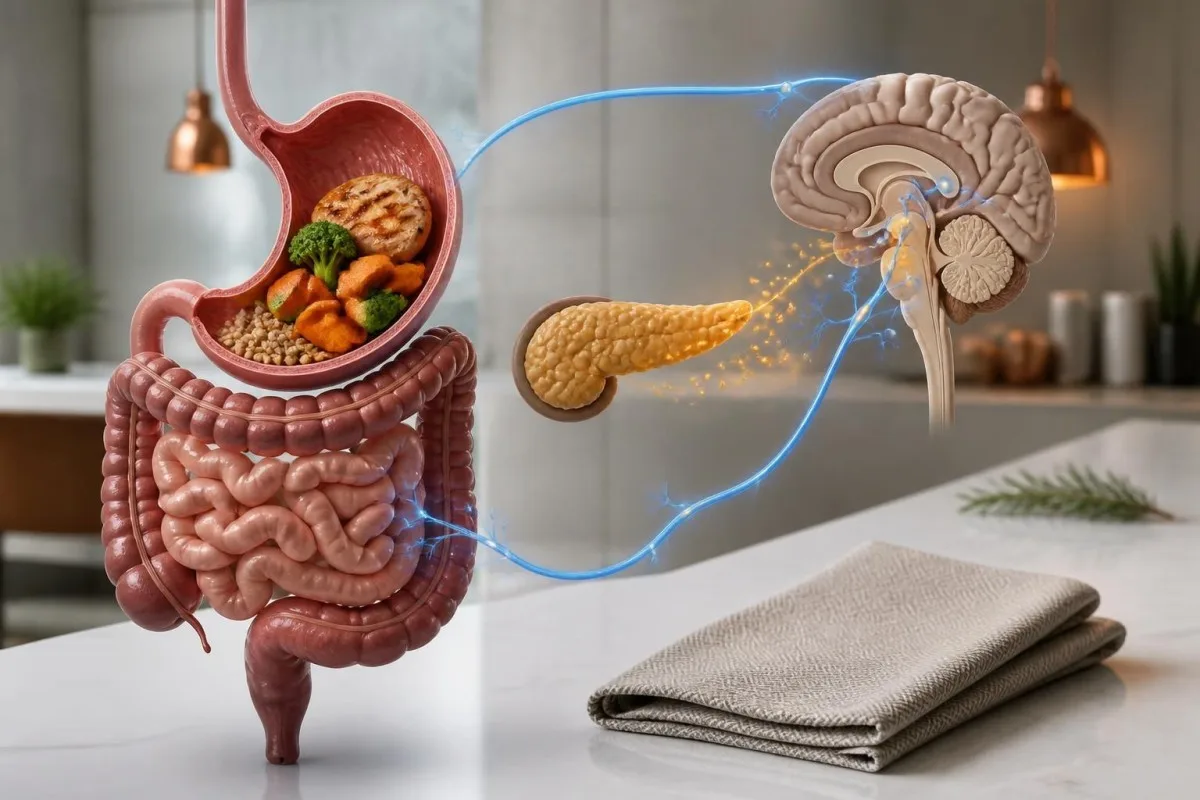
भोजन के बाद ऊर्जा में कमी अक्सर सामान्य होती है, लेकिन बार-बार या गंभीर उनींदापन नींद की कमी, दवाओं के प्रभाव, रक्त-ग्लूकोज़ में बदलाव या किसी अन्य उपचार योग्य समस्या का संकेत दे सकता है।

मुख्य निष्कर्ष
- Common pattern: खाने के बाद नींद आना आमतौर पर बड़े, जल्दी पचने वाले भोजन और दोपहर के शुरुआती समय में होने वाली प्राकृतिक सर्केडियन गिरावट के संयोजन को दर्शाता है, न कि मस्तिष्क से रक्त के दूर भेजे जाने को।
- Sleep debt: Adults generally need at least 7 hours of sleep; repeated nights below that amount can make an ordinary meal feel disproportionately sedating.
- ग्लूकोज़ संकेत: प्रयोगशाला में किए गए उपवास ग्लूकोज़ का 100-125 mg/dL (5.6-6.9 mmol/L) स्तर प्रीडायबिटीज़ की सीमा में आता है, जबकि 126 mg/dL (7.0 mmol/L) या उससे अधिक होने पर स्पष्ट लक्षण मौजूद न हों तो पुष्टि आवश्यक होती है।
- Possible low glucose: कार्बोहाइड्रेट से भरपूर भोजन के 2-4 घंटे बाद होने वाले लक्षण भोजन के बाद ग्लूकोज़ के 70 mg/dL (3.9 mmol/L) से कम होने को दर्शा सकते हैं, हालांकि मीटर या continuous monitor गलत हो सकता है।
- दवा का प्रभाव: Sedating antihistamines, opioids, sleep medicines, some anti-anxiety drugs and gabapentinoids can intensify post-meal drowsiness; do not stop them without prescriber advice.
- When to act: Recurrent sleepiness with thirst, frequent urination, blurred vision, fainting, confusion, unintentional weight loss or severe weakness deserves medical assessment.
- Useful first tests: Depending on the history, clinicians may consider fasting glucose, HbA1c, complete blood count, ferritin, thyroid-stimulating hormone and medication review.
- सुरक्षा: Do not drive, operate machinery or climb while unusually drowsy, especially if the episode follows a glucose-lowering medicine.
What feeling sleepy after eating usually means
Sleepiness after eating is usually caused by meal size, rapidly absorbed carbohydrate, the normal early-afternoon circadian dip, or inadequate sleep rather than a dangerous digestive problem. A single mild episode after a large lunch is usually benign; repeated, sudden or disabling episodes deserve a closer look. Our blood-test biomarkers guide बताता है कि अलग-अलग परिणाम किसी लक्षण संबंधी प्रश्न का उत्तर शायद ही कभी देते हैं।
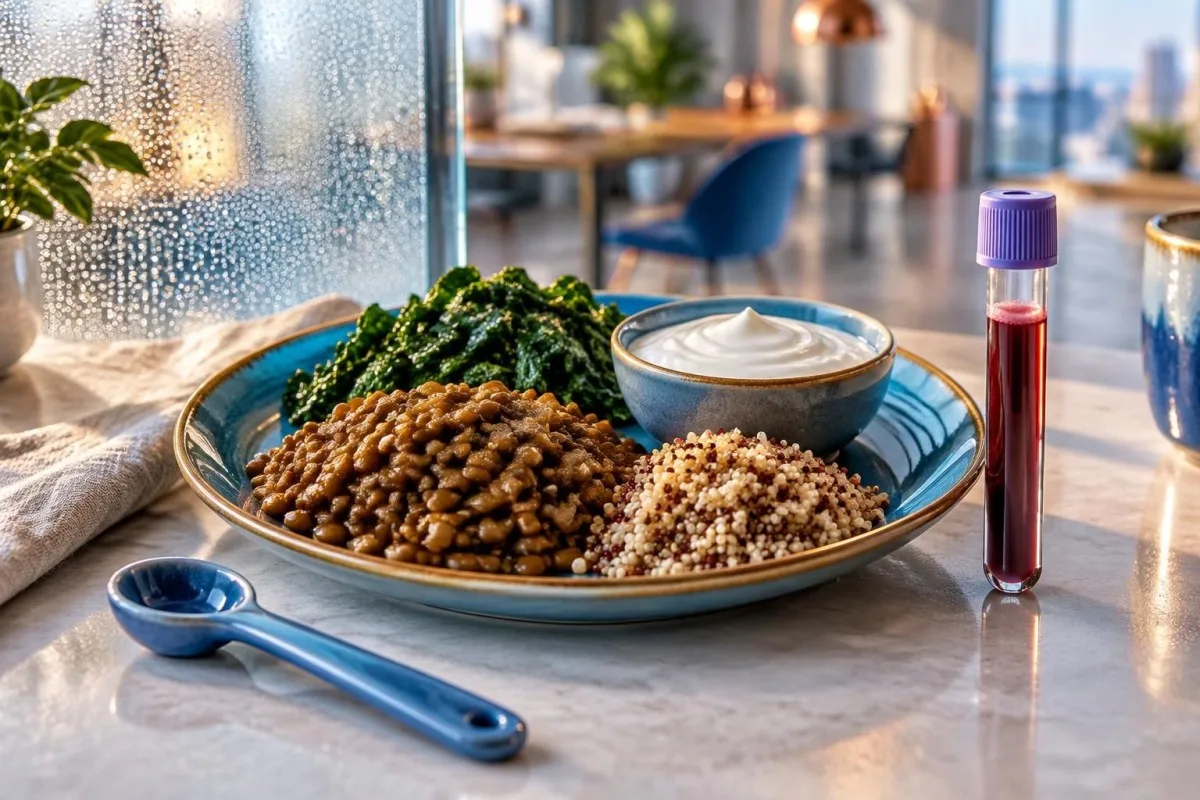
The strongest everyday pattern is a combination of meal load and timing: रिफाइंड स्टार्च से भरपूर 1,000-कैलोरी वाला दोपहर का भोजन सब्ज़ियों, प्रोटीन और फाइबर वाले 500-कैलोरी भोजन की तुलना में अधिक उनींदापन पैदा कर सकता है। इसका प्रभाव अक्सर 30-120 मिनट बाद चरम पर पहुँचता है, जब पाचन, इंसुलिन का स्राव और शरीर की दिन के समय की सतर्कता की लय एक-दूसरे से मिलती हैं।
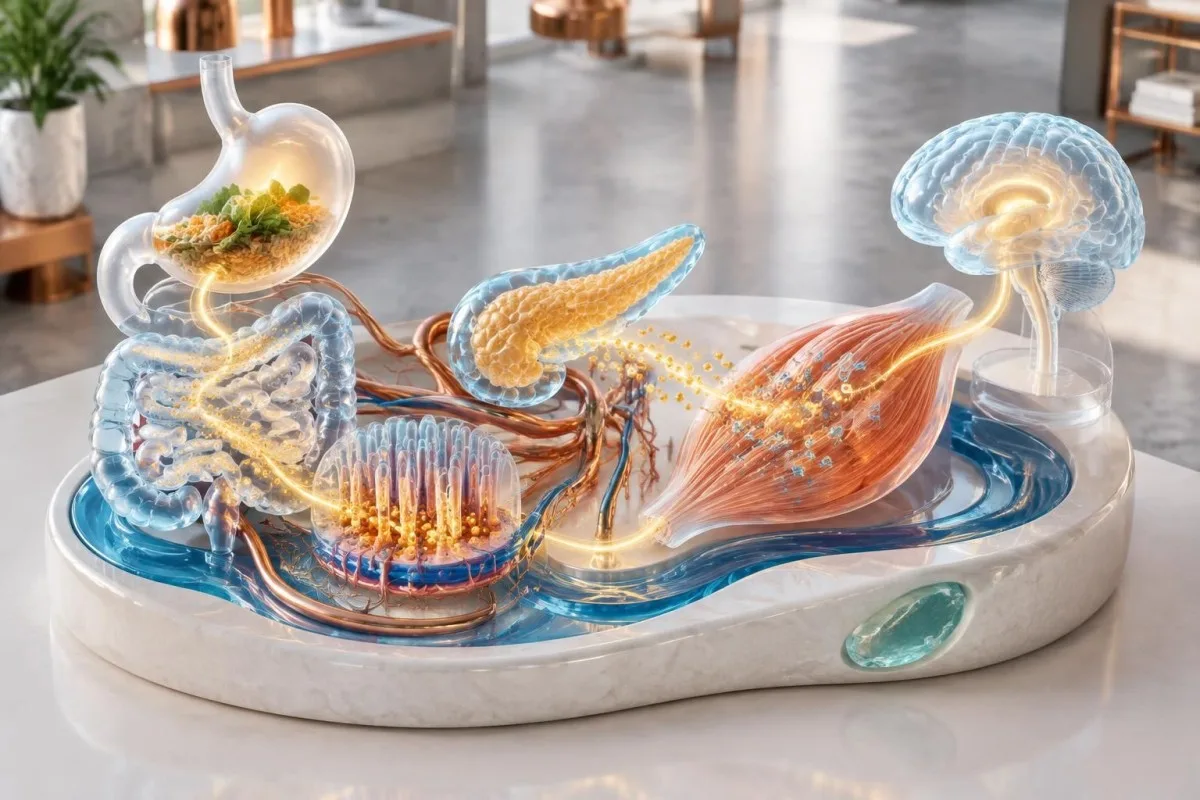
भोजन के बाद नींद आना आमतौर पर यह संकेत नहीं देता कि पाचन मस्तिष्क से इतना अधिक रक्त ले लेता है कि मस्तिष्क को पर्याप्त आपूर्ति नहीं मिलती। रक्त प्रवाह का कड़ा नियमन होता है; अधिक उपयोगी व्याख्या आंत, अग्न्याशय, मस्तिष्क और जैविक घड़ी से मिलने वाले परस्पर प्रभावी संकेत हैं, जिन पर व्यक्तियों की प्रतिक्रियाएँ काफी भिन्न होती हैं।
एक व्यावहारिक अंतर अवधि का है। कभी-कभार बहुत बड़ा भोजन करने के बाद 30-90 मिनट में कम हो जाने वाली उनींदापन की स्थिति, कई घंटों तक रहने वाले बार-बार होने वाले प्रकरणों, नींद के अचानक आ जाने, भ्रम या कम ग्लूकोज़ के लक्षणों से आमतौर पर अलग होती है; बाद वाले पैटर्न के लिए व्यवस्थित जानकारी लेना और संभवतः जांच आवश्यक होती है।
पाचन किस प्रकार भोजन के बाद आने वाली नींद को बढ़ावा दे सकता है
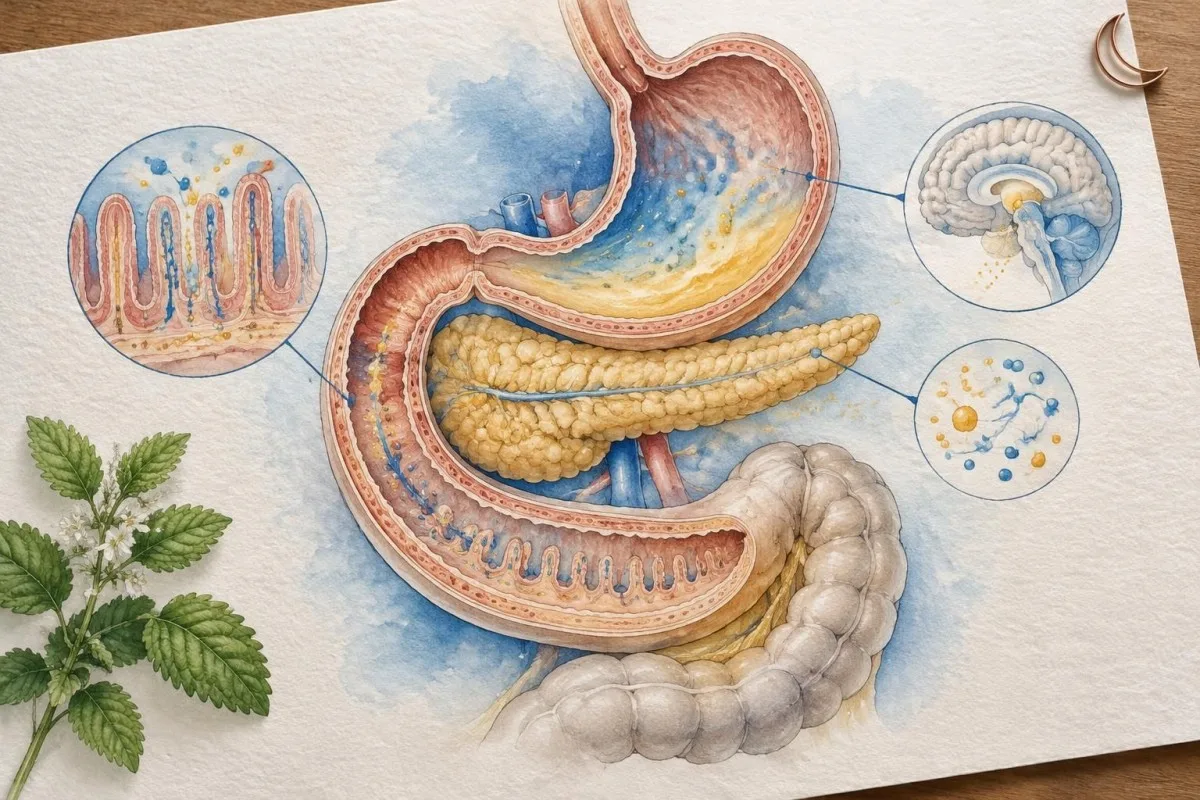
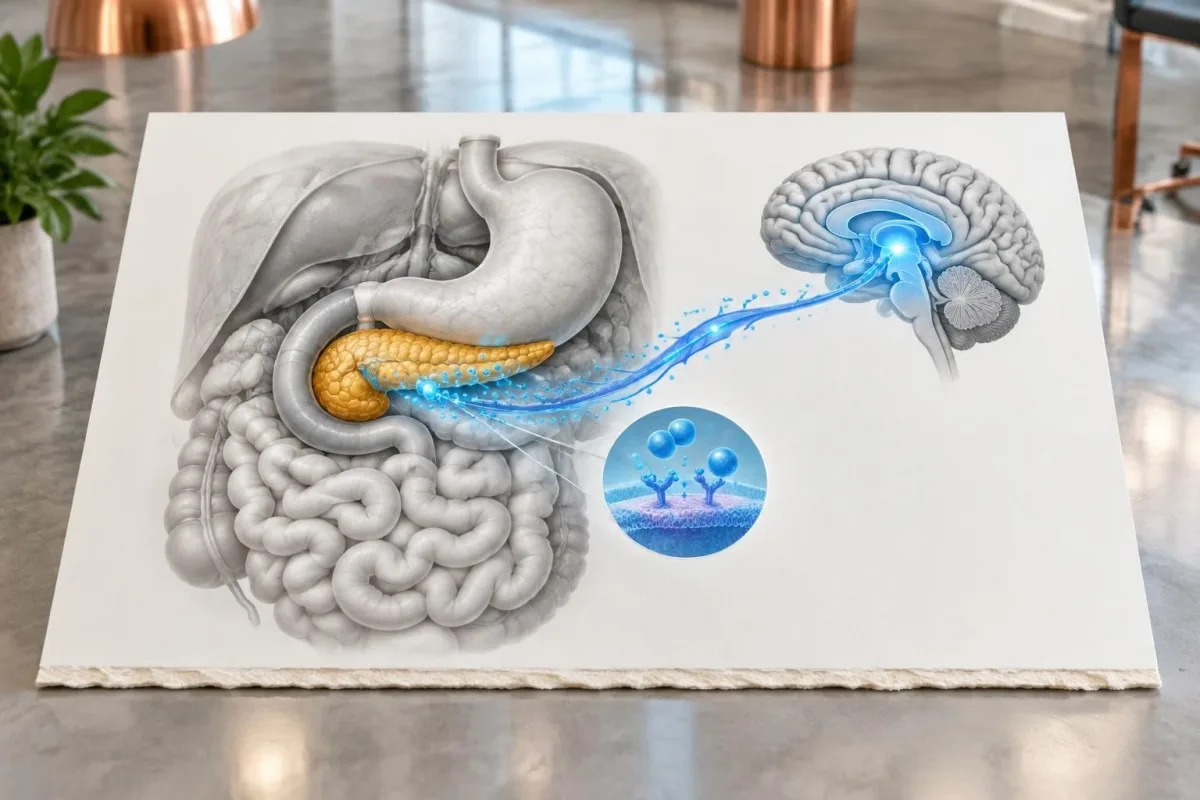
Digestion can promote drowsiness through gut-brain signalling, insulin-related changes and meal-induced relaxation, but no single mechanism explains every food coma. कोलीसिस्टोकाइनिन जैसे हार्मोन भोजन के बाद बढ़ते हैं, जबकि मस्तिष्क की जागरूकता प्रणालियाँ पोषक तत्वों की उपलब्धता और खाने के सामाजिक माहौल पर प्रतिक्रिया करती हैं।
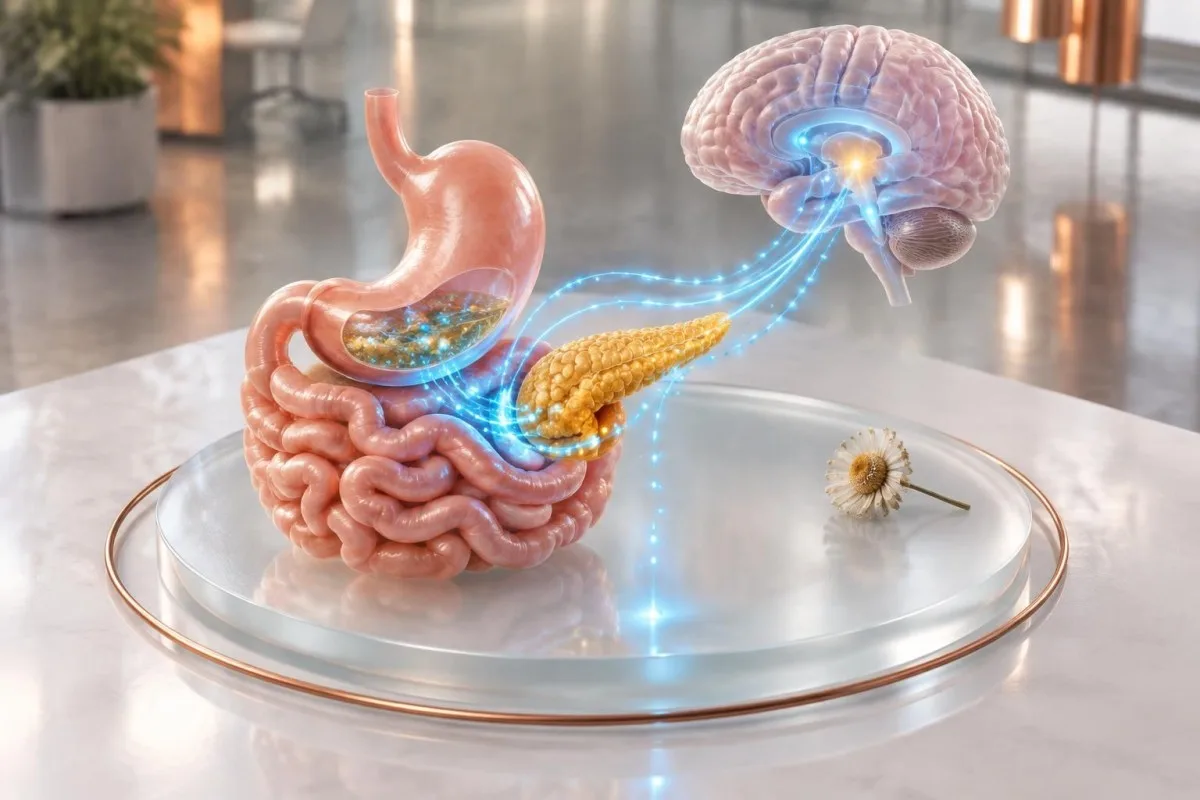
वसा और प्रोटीन उत्तेजित कर सकते हैं cholecystokinin, a gut hormone associated with satiety and reduced arousal in experimental settings. That does not mean fat automatically causes abnormal sleepiness: a meal’s total energy, fibre, alcohol content, hydration and the person’s prior sleep can matter more than one nutrient.
कार्बोहाइड्रेट का सेवन इंसुलिन स्राव बढ़ाता है, जिससे कई अमीनो अम्लों का ऊतकों में जाना बदलता है और मस्तिष्क में सेरोटोनिन तथा मेलाटोनिन के उत्पादन के लिए ट्रिप्टोफैन की सापेक्ष उपलब्धता बदल सकती है। प्रमाण ईमानदारी से मिश्रित हैं, और भोजन के बाद होने वाली सामान्य इंसुलिन क्रिया को इंसुलिन प्रतिरोध समझना नहीं चाहिए।
“food coma” शब्द एक अनुभूति का वर्णन करता है, निदान का नहीं। यदि 700-किलोकैलोरी का भोजन 45 मिनट तक हल्की उनींदापन पैदा करता है, तो यह आम तौर पर कंपकंपी, पसीना या धड़कन बढ़ने के साथ बार-बार होने वाली 3-घंटे की गिरावट की तुलना में कम चिंताजनक है।
रक्त मस्तिष्क से केवल दूसरी ओर क्यों नहीं चला जाता
Human circulation can increase blood delivery to the digestive organs after eating while preserving brain perfusion. A severe light-headed feeling after meals is more suggestive of blood-pressure regulation, dehydration or a glucose problem than of ordinary digestion alone; a blood-pressure review may be useful when symptoms include standing dizziness.
Which meal patterns make sleepiness more likely
Large meals high in rapidly absorbed carbohydrate, saturated fat or alcohol are the most common meal-related contributors to post-meal sleepiness. Portion size and carbohydrate quality usually matter more than whether a food is labelled “healthy” or “unhealthy.”
तेजी से अवशोषित होने वाले 100 ग्राम कार्बोहाइड्रेट वाले भोजन से ग्लूकोज़ और इंसुलिन, 40 ग्राम कार्बोहाइड्रेट के साथ बीन्स, सब्ज़ियों और प्रोटीन वाले भोजन की तुलना में अधिक तेजी से बढ़ सकते हैं। फाइबर गैस्ट्रिक खाली होने और ग्लूकोज़ के अवशोषण को धीमा करता है; यह अत्यधिक बड़े भोजन की ऊर्जा सामग्री को समाप्त नहीं करता, लेकिन यह ग्लूकोज़ बढ़ने की गति को कम कर सकता है।
वसा पेट के खाली होने में देरी कर सकती है, जिससे कभी-कभी तुरंत थकान आने के बजाय बाद में लंबे समय तक भारीपन महसूस होता है। शराब अलग होती है: एक standard drink भी सतर्कता को बिगाड़ सकता है और उस रात बाद में नींद को खंडित कर सकता है, जिससे अगले दिन भोजन से संबंधित उनींदापन को गलत समझना आसान हो जाता है।
A clearly hypothetical example helps: a 35-year-old office worker sleeps 6 hours, skips breakfast and eats a large sweetened drink with white bread at 1 p.m. A 90-minute slump could reflect circadian timing plus sleep debt and meal composition; it does not by itself prove diabetes.
व्यावहारिक तुलना के लिए, एक बार की घटना के बाद अलग-अलग खाद्य पदार्थों पर प्रतिबंध लगाने के बजाय 7 दिनों तक भोजन की अनुमानित मात्रा, कार्बोहाइड्रेट के स्रोत और लक्षणों के समय को दर्ज करें। एक उपवास संबंधी निर्देशों के लिए मार्गदर्शिका बाद में रक्त परीक्षण की व्यवस्था होने पर भ्रम को रोकने में भी मदद कर सकता है।
Why the afternoon circadian dip can feel like a food coma
The body’s circadian alertness rhythm commonly dips in the early afternoon, often between about 1 and 3 p.m., even when a person has not just eaten. A midday meal can amplify that predictable reduction in wakefulness.
Alertness is not a flat line across the day. The central circadian clock coordinates sleep pressure, body temperature, melatonin timing and cortisol rhythms; in many adults, wakefulness decreases after midday while the biological night remains the strongest sleep window.
भोजन का समय इस जैविक घड़ी के साथ परस्पर क्रिया कर सकता है। American Heart Association के भोजन के समय संबंधी वैज्ञानिक वक्तव्य में अनियमित भोजन, सर्केडियन जीवविज्ञान और कार्डियोमेटाबोलिक स्वास्थ्य के बीच संबंधों का वर्णन किया गया है, हालांकि यह किसी एक सार्वभौमिक “सुरक्षित” भोजन समय-सारणी को स्थापित नहीं करता (St-Onge et al., 2017)।
A useful experiment is to compare equivalent meals at 11 a.m. and 2 p.m. on separate days, while keeping sleep and caffeine similar. If sleepiness appears at both times, meal composition may dominate; if it appears mainly at 2 p.m., circadian timing is a stronger clue.
जो लोग बदलती शिफ्टों में काम करते हैं या समय क्षेत्रों के बीच यात्रा करते हैं, उन्हें यह गिरावट असामान्य घड़ी के समय पर अनुभव हो सकती है क्योंकि उनकी आंतरिक लय और स्थानीय समय-सारणी में असंगति होती है। A रक्त-टेस्ट समय मार्गदर्शिका तब उपयोगी होता है जब शिफ्ट का काम प्रयोगशाला नमूनों के समय को भी प्रभावित करता है।
नींद की कमी खाने के बाद नींद आने के लक्षणों को कैसे बढ़ाती है
Sleep debt makes ordinary post-meal drowsiness stronger because sleep pressure has already accumulated before the meal begins. Adults who routinely sleep below 7 hours may notice the problem most during monotonous tasks, warm rooms or the early afternoon.

अमेरिकन एकेडमी ऑफ स्लीप मेडिसिन और स्लीप रिसर्च सोसाइटी स्वास्थ्य के लिए वयस्कों को नियमित रूप से कम से कम 7 घंटे सोने की सलाह देती हैं। 6 घंटे की नींद वाली पाँच रातें उस न्यूनतम अवधि की तुलना में साप्ताहिक रूप से 5 घंटे की कमी पैदा करती हैं, भले ही व्यक्ति को लगे कि वह इसके अनुकूल हो गया है।
In a controlled study, Van Dongen et al. found that chronic restriction to 6 hours or 4 hours per night produced cumulative neurobehavioral impairment, while participants became less accurate at judging their own impairment (Sleep, 2003). That finding matters because “I am used to it” is not a reliable safety test.
एक काल्पनिक 52 वर्षीय मैराथन धावक को सामान्य दोपहर का भोजन करने के बाद नींद आ सकती है, क्योंकि प्रशिक्षण, सुबह जल्दी उठना और 6 घंटे की नींद ने नींद का दबाव बढ़ा दिया है; 8 घंटे की नींद वाली कई रातों के बाद वही भोजन लक्षण उत्पन्न नहीं कर सकता। यह पैटर्न पहले स्वास्थ्य-लाभ और नींद के आकलन की ओर संकेत करता है, न कि स्वतः किसी खाद्य असहिष्णुता की ओर।
14 दिनों तक सोने का समय, जागने का समय, नींद खुलना, खर्राटे, शराब और कैफीन दर्ज करें। तेज़ खर्राटे, किसी अन्य व्यक्ति द्वारा देखे गए सांस रुकने के क्षण या सुबह का सिरदर्द, केवल कार्बोहाइड्रेट कम करने की तुलना में स्लीप-एपनिया के आकलन को अधिक प्रासंगिक बनाते हैं।
भोजन की मात्रा, खाने की गति और गतिविधि क्रैश को कैसे बदलते हैं
जल्दी खाना, बहुत बड़ा निवाला खाना या दोपहर के भोजन के बाद स्थिर रहना भोजन के बाद आने वाली नींद को बढ़ा सकता है। धीरे-धीरे खाया गया छोटा भोजन, जिसके बाद हल्की शारीरिक गतिविधि की जाए, अक्सर अत्यधिक आहार प्रतिबंध की आवश्यकता के बिना अलग प्रतिक्रिया उत्पन्न करता है।

Large meals stretch the stomach and may increase satiety signals, while rapid eating compresses more energy into a shorter period. A 20-minute meal containing 800 calories can therefore feel different from the same food eaten over 45 minutes with water and pauses.
खाने के बाद 10-15 मिनट की हल्की सैर कुछ लोगों में मांसपेशियों द्वारा ग्लूकोज़ ग्रहण बढ़ाकर भोजन के बाद ग्लूकोज़ बढ़ने की ऊंचाई को कम कर सकती है। यह मधुमेह का उपचार नहीं है, और संतुलन संबंधी समस्याओं, सीने में लक्षणों या व्यायाम संबंधी प्रतिबंधों वाले लोगों को अपने चिकित्सक की सलाह का पालन करना चाहिए।
प्रासंगिक तुलना सार्वभौमिक नहीं, बल्कि व्यक्तिगत होती है: 35 ग्राम फाइबर युक्त कार्बोहाइड्रेट वाला 600-कैलोरी दोपहर का भोजन, पेस्ट्री और मीठे पेय के 350-कैलोरी संयोजन की तुलना में बेहतर सहन किया जा सकता है। वजन घटाने के लक्ष्य, दवा लेने का समय और ग्लूकोज़ कम करने वाला उपचार सबसे सुरक्षित योजना को बदल सकते हैं।
5-7 दिनों के लिए एक समय में एक चर बदलने का प्रयास करें: भोजन की मात्रा, खाने की गति, परिष्कृत कार्बोहाइड्रेट, या थोड़ी देर टहलना। The AI पोषण और लैब संदर्भ मार्गदर्शिका explains why dietary suggestions should be interpreted alongside biomarkers rather than as a diagnosis.
Which medicines can worsen sleepy-after-meals episodes
Sedating medicines and alcohol can make a normal post-meal dip feel excessive, and meal timing can make their peak effects more noticeable. Common contributors include first-generation antihistamines, opioids, sleep medicines, benzodiazepines, some antipsychotics, gabapentinoids and sedating antidepressants.
Diphenhydramine and other first-generation antihistamines can impair alertness; opioids and benzodiazepines can also reduce breathing drive and reaction speed. A medicine taken at 8 a.m. may still contribute to a noon episode depending on its half-life, dose, kidney function and interactions.
Some medicines influence glucose rather than sedation directly. Insulin and sulfonylureas can cause hypoglycaemia, especially after eating less than planned, exercising more than usual or drinking alcohol; symptoms may include sweating, shaking, hunger, palpitations and confusion rather than simple sleepiness.
Never stop a prescribed medicine abruptly because of drowsiness. Ask a pharmacist or prescriber whether timing, dose, an alternative or kidney-function review is appropriate, and avoid driving if the reaction is unpredictable.
Bring a complete list of prescriptions, over-the-counter products, supplements and recreational substances to the review. A दवा-सुरक्षा रुझान कार्यप्रवाह can help organise laboratory trends, but it cannot replace a prescribing decision.
जब ग्लूकोज़ का नियमन भोजन के बाद होने वाली थकान को समझा सकता है
जब नींद आना लगातार बना रहे, अनुपातहीन हो या प्यास, बार-बार पेशाब आना, धुंधला दिखना, बार-बार संक्रमण या बिना कारण वजन में बदलाव के साथ हो, तब ग्लूकोज़ का नियमन अधिक चिंता का विषय बन जाता है। उच्च ग्लूकोज़ निर्जलीकरण और कोशिकीय ईंधन के बदले हुए उपयोग के माध्यम से थकान पैदा कर सकता है, जबकि निम्न ग्लूकोज़ न्यूरोग्लाइकोपेनिक उनींदापन पैदा कर सकता है।
अमेरिकन डायबिटीज़ एसोसिएशन मधुमेह को HbA1c 6.5% या उससे अधिक, उपवास प्लाज़्मा ग्लूकोज़ 126 mg/dL (7.0 mmol/L) या उससे अधिक, या 2-घंटे के मौखिक ग्लूकोज़ सहनशीलता परीक्षण के परिणाम 200 mg/dL (11.1 mmol/L) या उससे अधिक जैसे प्रयोगशाला मानदंडों से परिभाषित करता है; आमतौर पर लक्षण न होने पर इसकी पुष्टि की जाती है (American Diabetes Association Professional Practice Committee, 2024)।
Kantesti is an AI blood test interpretation platform that places glucose, HbA1c, triglycerides, liver markers and kidney markers into a connected context rather than treating a single post-meal sensation as proof of diabetes. Our platform can explain reported values, but diagnosis still depends on validated testing and clinical assessment.
A home glucose value after an ordinary meal is not equivalent to a diagnostic oral glucose tolerance test. Capillary meters can differ from laboratory plasma glucose, and continuous glucose monitors measure interstitial fluid with a delay; a surprising result should be repeated or confirmed rather than overinterpreted.
If thirst and urination occur with repeated drowsiness, arrange medical review rather than merely switching foods. The उच्च रक्त-शर्करा के लक्षणों का मार्गदर्शक describes warning patterns that should not be dismissed as a routine food coma.
| स्तर | सीमा | इसका क्या अर्थ है |
|---|---|---|
| सामान्य उपवास ग्लूकोज़ | <100 mg/dL (<5.6 mmol/L) | Usually within the normal diagnostic range; one result does not explain every symptom. |
| प्रीडायबिटीज़ रेंज | 100-125 mg/dL (5.6-6.9 mmol/L) | मधुमेह के बढ़े हुए जोखिम का संकेत देता है और आमतौर पर दोबारा जाँच या HbA1c आकलन की आवश्यकता होती है। |
| डायबिटीज़-सीमा का परिणाम | 126-199 मिलीग्राम/डीएल (7.0-11.0 mmol/L) | पुष्टि या लक्षण-आधारित चिकित्सीय व्याख्या आवश्यक है; इसे केवल सामान्य भोजन के बाद आने वाली नींद से नहीं समझाया जा सकता। |
| स्पष्ट हाइपरग्लाइसीमिया | ≥200 mg/dL (≥11.1 mmol/L) with symptoms | Needs prompt medical assessment, especially with vomiting, dehydration, deep breathing or confusion. |
क्या ग्लूकोज़ में गिरावट 2 से 4 घंटे बाद नींद आने का कारण बन सकती है
A glucose fall 2-4 hours after eating can cause sleepiness, weakness, sweating, tremor, hunger or confusion, particularly after a high-carbohydrate meal or with glucose-lowering medicine. True post-meal hypoglycaemia should be demonstrated during symptoms rather than assumed from fatigue alone.
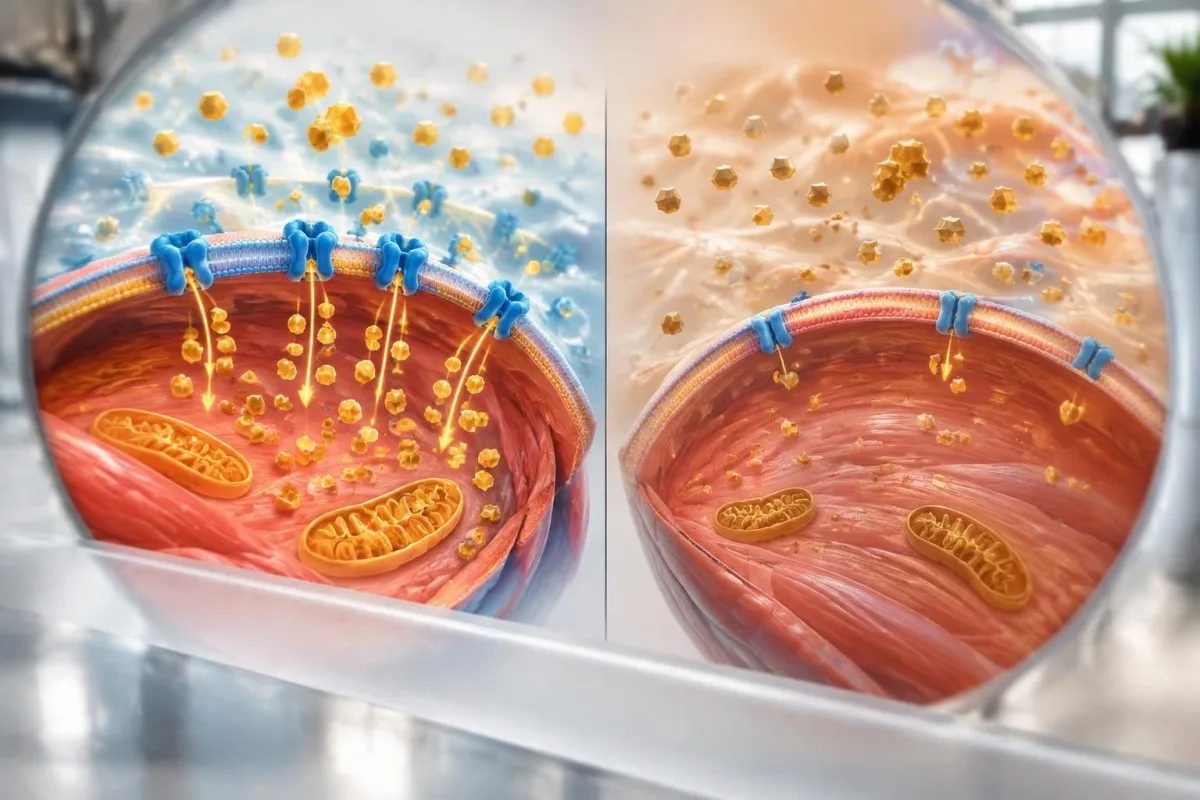
चिकित्सक आमतौर पर 70 mg/dL (3.9 mmol/L) से कम ग्लूकोज़ को चेतावनी स्तर मानते हैं, जबकि 54 mg/dL (3.0 mmol/L) से कम स्तर चिकित्सकीय रूप से महत्वपूर्ण हाइपोग्लाइसीमिया को दर्शाता है, जिसके लिए तत्काल ध्यान आवश्यक है। संख्या सबसे अधिक महत्वपूर्ण तब होती है जब लक्षण उसी समय मौजूद हों और ग्लूकोज़ ठीक किए जाने के बाद उनमें सुधार हो।
The diagnostic logic is often called व्हिपल की त्रयी (Whipple’s triad): compatible symptoms, a documented low glucose during those symptoms, and improvement when glucose rises. A person who feels sleepy at 2 p.m. but has a glucose of 98 mg/dL (5.4 mmol/L) has not demonstrated hypoglycaemia.
A 28-year-old with episodes after sweet drinks may have a rapid rise and fall, but a meter reading of 62 mg/dL (3.4 mmol/L) should be confirmed when feasible because home devices have analytical error. Fasting, alcohol use, exercise and medicines can create different patterns.
For prescribed insulin or sulfonylurea users, follow the personal rescue plan and carry a rapid carbohydrate source. People without diabetes who repeatedly record low values need medical evaluation rather than repeated self-treatment; see our कम ग्लूकोज के कारणों की मार्गदर्शिका for testing context.
Other conditions that can mimic sleepy-after-meals symptoms
Anaemia, iron deficiency, thyroid disease, sleep apnoea, depression, chronic illness and some infections can cause daytime sleepiness that merely becomes noticeable after meals. The meal may be a trigger for noticing fatigue, not the underlying cause.
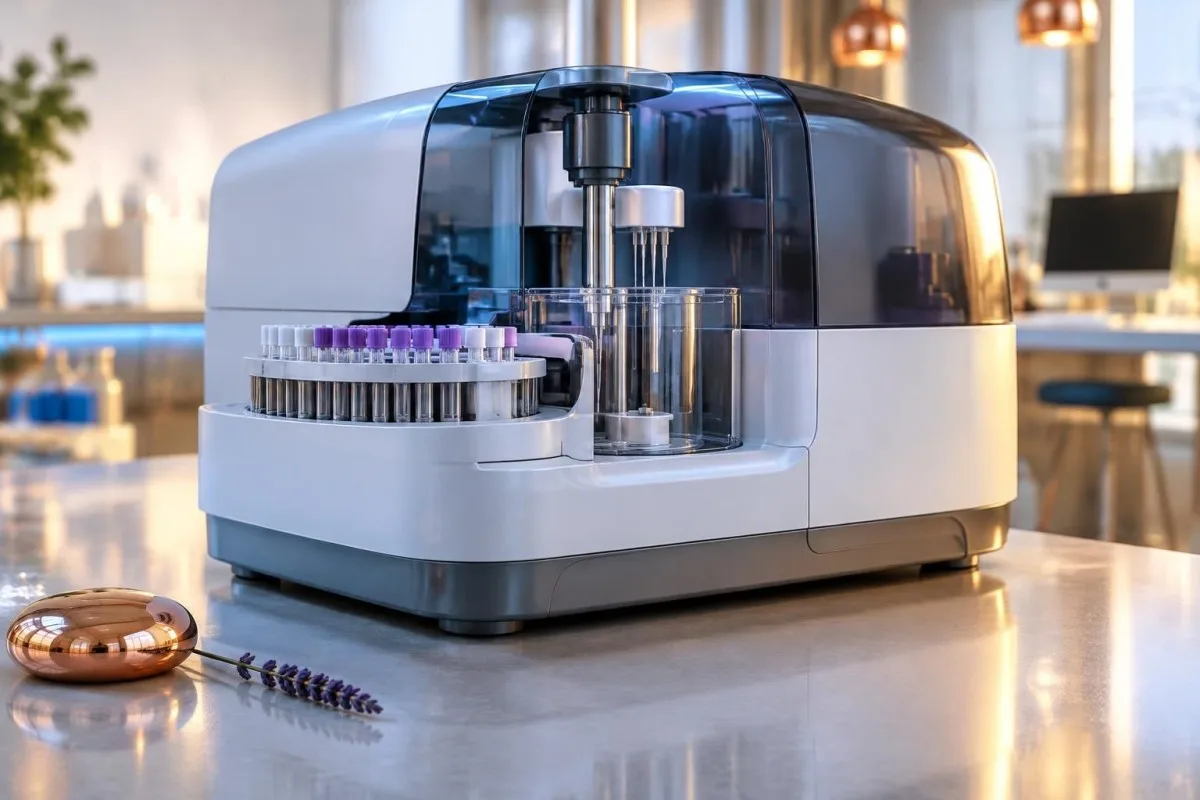
A complete blood count can identify anaemia, but ferritin interpretation requires context because inflammation can raise ferritin while iron stores are limited. There is no single ferritin threshold that explains sleepiness for everyone; a low ferritin with low transferrin saturation is more informative than an isolated borderline value.
हाइपोथायरॉइडिज़्म से थकान, ठंड सहन न कर पाना, कब्ज, शुष्क त्वचा और सोचने की गति धीमी हो सकती है, हालांकि लक्षण विशिष्ट नहीं होते। कई प्रयोगशालाएँ 4.0-4.5 mIU/L के आसपास TSH की ऊपरी संदर्भ सीमा का उपयोग करती हैं, लेकिन सीमाएँ परीक्षण-विधि, आयु, गर्भावस्था और स्थानीय प्रचलन के अनुसार अलग-अलग होती हैं; कुछ यूरोपीय प्रयोगशालाएँ अलग सीमाओं का उपयोग करती हैं।
Sleep apnoea can produce severe daytime somnolence regardless of meal composition. Snoring, witnessed pauses, morning headaches or resistant hypertension should prompt sleep evaluation, especially when an individual unintentionally dozes during conversations or driving.
Kantesti AI CBC, फेरिटिन, थायरॉयड मार्करों और ग्लूकोज़ को एक पठनीय पैटर्न में व्यवस्थित कर सकता है, लेकिन सामान्य पैनल नींद संबंधी विकारों या अवसाद को खारिज नहीं करता। प्रासंगिक पृष्ठभूमि-पठन में शामिल हैं कम फेरिटिन के लक्षण और subclinical thyroid results.
जब भोजन संबंधी प्रतिक्रियाएँ भोजन के बाद होने वाली उनींदापन के लिए प्रासंगिक हों
खाने की असहिष्णुता खाने के बाद पेट फूलने, पेट में दर्द या दस्त का कारण बन सकती है, लेकिन केवल नींद आना असहिष्णुता या एलर्जी का विश्वसनीय संकेत नहीं है। A true allergic reaction is more likely when drowsiness occurs with hives, swelling, wheezing, throat tightness, repeated vomiting or faintness.
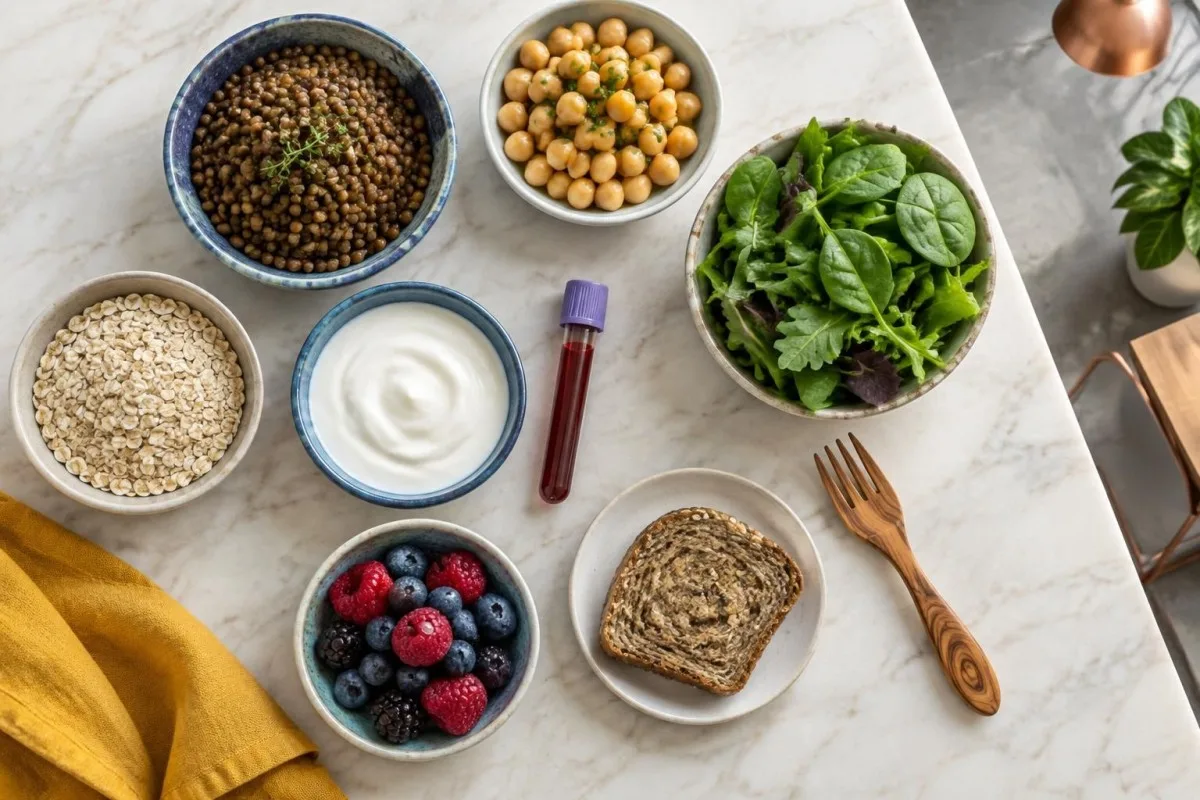
Lactose or fructose malabsorption can produce gastrointestinal symptoms several hours after exposure, but neither condition should be diagnosed from tiredness alone. A lactose-intolerance testing guide explains why breath-test preparation and symptom timing matter.
Drowsiness with wheezing, facial or tongue swelling, blue lips, collapse or rapidly worsening symptoms is an emergency because severe allergic reactions can impair breathing and blood pressure. Do not perform a home food challenge after a suspected serious reaction.
A food diary should record ingredients, portion, timing, symptoms and exercise for at least 7 days; an elimination diet that removes many foods can create nutritional problems and obscure the actual trigger. The practical question is whether symptoms reproduce reliably with a specific exposure.
Blood allergy panels are not universal screens for food intolerance, and a positive sensitisation test does not prove that a food causes sleepiness. Ask a clinician or allergy specialist to interpret results alongside the history.
A useful 7-day test for sleepy-after-meals episodes
A seven-day symptom diary can separate meal effects from sleep debt, circadian timing, medicines and glucose changes. Record the time of eating, approximate portion, sleep duration, caffeine, medication timing, activity and symptom severity from 0 to 10.
Measure only what you can interpret safely. If you have diabetes, use the monitoring plan prescribed for you; if not, occasional glucose checks may provide clues but cannot diagnose reactive hypoglycaemia or diabetes on their own.
A useful pattern is reproducibility: symptoms beginning 45 minutes after a large sweet drink on four of five days suggest a meal-related trigger, while symptoms at 2 p.m. after different meals suggest circadian timing. Symptoms after poor sleep but not after 8-hour nights point toward sleep pressure.
Include posture and blood pressure if episodes involve light-headedness, blurred vision or near-fainting. A blood pressure drop after eating can be more relevant than food composition, particularly in older adults or people taking antihypertensive medicines.
At the appointment, bring the diary and packaging or names of supplements. Our baseline blood-test preparation guide helps readers avoid changing several variables immediately before a planned assessment.
Which blood tests may help explain repeated drowsiness
सबसे उपयोगी जाँचें लक्षणों के स्वरूप पर निर्भर करती हैं, लेकिन चिकित्सक आमतौर पर HbA1c, उपवास ग्लूकोज़, पूर्ण रक्त गणना, फेरिटिन, थायरॉयड-उत्तेजक हार्मोन और गुर्दे या यकृत के मार्करों पर विचार करते हैं। कोई भी रक्त पैनल नींद आने के हर कारण का निदान नहीं कर सकता।
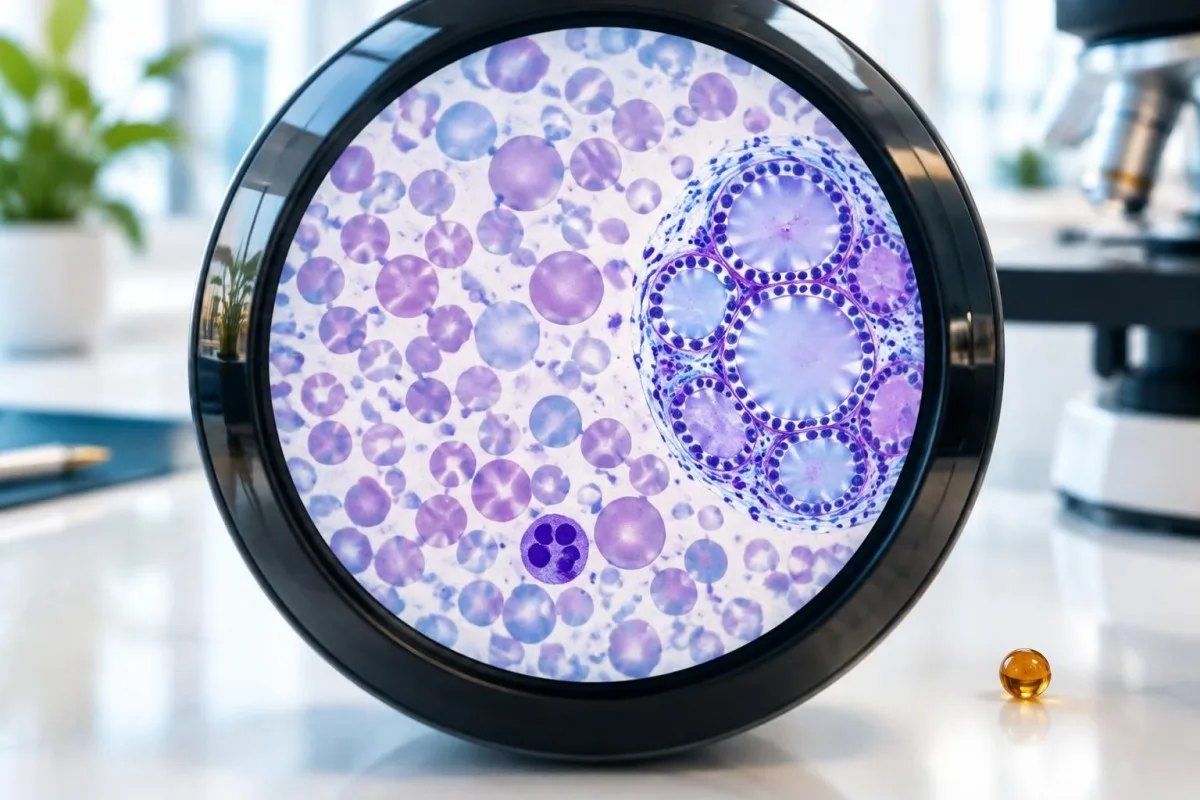
HbA1c लगभग 2-3 महीनों की औसत ग्लाइसीमिया को दर्शाता है और सामान्यतः 5.7% से कम को सामान्य, 5.7-6.4% को प्रीडायबिटीज़ और 6.5% या अधिक को डायबिटीज़ के रूप में समझा जाता है। हाल ही में किया गया रक्त आधान, हेमोलाइसिस, हीमोग्लोबिन के कुछ वैरिएंट, गर्भावस्था और लाल रक्त कोशिकाओं का परिवर्तित जीवनकाल HbA1c को भ्रामक बना सकते हैं।
Fasting glucose measures one moment and may be normal despite post-meal symptoms. A clinician may instead use a supervised oral glucose tolerance test, targeted monitoring or medication review when episodes occur predictably after eating.
A CBC can identify anaemia or macrocytosis, while ferritin and transferrin saturation help assess iron status; TSH with free T4 evaluates thyroid signalling. B12, folate, kidney function, liver enzymes or inflammatory markers are selected when history and examination support them, not automatically for everyone.
Kantesti’s AI blood test analyzer can read uploaded laboratory reports in about 60 seconds and highlight relationships across panels, while preserving the distinction between a flagged result and a diagnosis. Its interpretation should be checked against the laboratory’s own reference range and a clinician’s assessment.
| स्तर | सीमा | इसका क्या अर्थ है |
|---|---|---|
| HbA1c commonly normal | <5.7% | Usually below the laboratory threshold for prediabetes, though symptoms can have other causes. |
| प्रीडायबिटीज HbA1c | 5.7-6.4% | Higher future diabetes risk; confirm context and discuss lifestyle or follow-up testing. |
| डायबिटीज़-रेंज HbA1c | ≥6.5% | Requires clinical confirmation or interpretation with symptoms and repeat testing. |
| Symptoms with very high glucose | Often ≥300 mg/dL (≥16.7 mmol/L) | Urgency depends on ketones, dehydration, vomiting, breathing changes and mental status; seek prompt care. |
चिकित्सकीय परामर्श से पहले आप सुरक्षित रूप से क्या आज़मा सकते हैं
सुरक्षित शुरुआती कदमों में नियमित नींद, छोटे संतुलित भोजन, पर्याप्त पानी, धीरे खाना और उपयुक्त होने पर थोड़ी देर हल्की सैर शामिल हैं। These measures may reduce ordinary post-meal sleepiness but should not delay care for recurrent low glucose, severe symptoms or suspected diabetes.

Aim for meals that combine vegetables or other fibre sources with protein and a measured carbohydrate portion rather than relying on sugary drinks or refined snacks. A 10-15 minute walk can be reasonable for many adults, but people with chest pain, severe breathlessness, fainting or exercise restrictions need medical guidance first.
Keep caffeine timing consistent while testing changes; adding 300 mg of caffeine at lunch can hide sleep debt and worsen sleep that night. Alcohol can intensify sedation and should not be used to manage anxiety or sleepiness.
Do not intentionally skip meals if you use insulin or a sulfonylurea. Do not start a very low-carbohydrate diet, supplement plan or fasting schedule without considering pregnancy, kidney disease, eating-disorder history and glucose-lowering medicines.
A useful target is not “never feel tired after eating.” It is fewer, milder episodes with preserved concentration and no warning symptoms; record whether that improves over 1-2 weeks.
भोजन के बाद होने वाली उनींदापन के लिए चिकित्सकीय मूल्यांकन कब आवश्यक है
Arrange medical evaluation when sleepiness occurs after most meals, lasts for weeks, interferes with work or driving, or comes with thirst, urination, faintness, palpitations, weight change or neurological symptoms. Sudden confusion, inability to wake, seizure, severe breathing difficulty or collapse requires emergency care.
भ्रम, दौरा, चेतना का खोना, शरीर के एक तरफ कमजोरी, सीने में दर्द, गंभीर सांस फूलना या 54 mg/dL (3.0 mmol/L) से कम संदिग्ध ग्लूकोज़ होने पर तुरंत मदद लें। ये संकेत नियमित भोजन के बाद की सुस्ती के बजाय गंभीर हाइपोग्लाइसीमिया, स्ट्रोक, हृदय रोग, श्वसन संबंधी संकट या किसी अन्य आपात स्थिति का संकेत दे सकते हैं।
Book a routine appointment if symptoms recur for 2-4 weeks, if you unintentionally fall asleep during conversations, or if snoring and witnessed breathing pauses occur. A clinician may review medicines, blood pressure, sleep, glucose patterns and targeted laboratory tests in that order.
Pregnancy, older age, kidney disease, liver disease and diabetes lower the threshold for review because medication effects and glucose changes may be less predictable. Children and adolescents with repeated post-meal sleepiness also need age-appropriate assessment rather than adult reference ranges.
Kantesti एक AI बायोमार्कर व्याख्या प्लेटफ़ॉर्म है, जो योग्य चिकित्सक के साथ चर्चा से पहले परिणामों को व्यवस्थित करने में मदद कर सकता है; हमारा चिकित्सा सत्यापन जानकारी explains the difference between technical interpretation and clinical diagnosis.
स्वयं का अति-निदान किए बिना प्रयोगशाला परिणामों का उपयोग कैसे करें
Laboratory results can clarify glucose, anaemia or thyroid clues, but they cannot prove that a meal caused sleepiness without timing and clinical context. Use results to form better questions, not to replace examination, medication review or sleep assessment.
Kantesti AI अपलोड की गई रक्त-जाँच PDF फ़ाइलों या तस्वीरों का विश्लेषण कर सकता है और वर्तमान मानों की रिपोर्ट की गई संदर्भ सीमाओं तथा पिछले रुझानों से तुलना कर सकता है। 108 mg/dL (6.0 mmol/L) का उपवास ग्लूकोज़ प्रीडायबिटीज़ के जोखिम का संकेत दे सकता है, लेकिन यह दोपहर की किसी एक घटना को स्पष्ट नहीं करता या अपने आप में निदान स्थापित नहीं करता।
Our AI can flag combinations that merit discussion, such as HbA1c 6.1% with fasting glucose 112 mg/dL (6.2 mmol/L), or low haemoglobin with low ferritin. It should not infer causation from an unvalidated home reading, and it cannot assess snoring, breathing pauses, mood or the safety of driving.
Upload the complete report when possible, including units, collection date, fasting status, laboratory ranges and medication context. Partial screenshots can hide clinically relevant companion results, while different laboratories may use different assays and reference intervals.
Kantesti is used by more than 2 million people across 127 countries, but broad availability does not make an interpretation a personal diagnosis. Discuss concerning findings with a local healthcare professional who knows your history and can arrange confirmatory testing.
Questions to take to a clinician or pharmacist
The most useful appointment questions connect the episode to timing, medicines, sleep and measurable symptoms. पूछें कि क्या यह पैटर्न ग्लूकोज़ परीक्षण, नींद का आकलन, दवा में बदलाव, रक्तचाप की समीक्षा या किसी अन्य लक्षित जांच का संकेत देता है।
Bring answers to four questions: How soon after eating does drowsiness begin? How long does it last? Does it happen after different meals? What was your sleep duration the night before? A pattern beginning 2-4 hours after meals differs clinically from a predictable 1-3 p.m. dip.
Ask, “Could any medicine or supplement taken in the last 6 hours be sedating or lower glucose?” Also ask whether kidney or liver function could change drug clearance; even a stable dose can feel different after illness, dehydration or a new interaction.
If glucose is suspected, ask which test is appropriate and what result should be confirmed in a laboratory. If anaemia or thyroid disease is suspected, ask why CBC, ferritin, TSH or free T4 is being chosen rather than ordering an unrestricted panel.
विश्वसनीय गोपनीयता और सेवा संबंधी जानकारी के लिए, पाठक समीक्षा कर सकते हैं Kantesti का ट्रस्ट सेंटर. Bring the actual laboratory report and your seven-day diary rather than relying on memory.
Bottom line: normal dip or signal to investigate
खाने के बाद होने वाली अधिकांश नींद-सी घटनाओं का कारण भोजन की मात्रा, तेजी से अवशोषित होने वाला कार्बोहाइड्रेट, सर्कैडियन समय या अपर्याप्त नींद होता है; बार-बार या गंभीर घटनाओं में दवाओं के प्रभाव, ग्लूकोज़ विनियमन में गड़बड़ी, नींद संबंधी विकारों और अन्य बीमारी के लिए मूल्यांकन आवश्यक है। समय और साथ में होने वाले लक्षण “फूड कोमा” शब्द से अधिक जानकारी देते हैं।”
कई खाद्य पदार्थों को हटाने के बजाय 7-दिन की डायरी और सुरक्षित, मामूली बदलावों से शुरुआत करें। यदि उनींदापन के साथ प्यास, बार-बार पेशाब आना, धुंधला दिखाई देना, पसीना आना, कंपकंपी, बेहोशी या अनैच्छिक रूप से वजन कम होना हो, तो जल्द जांच करवाएं।
सामान्य HbA1c भोजन के बाद ग्लूकोज़ के हर पैटर्न को खारिज नहीं करता, और ग्लूकोज़ का हल्का असामान्य परिणाम यह सिद्ध नहीं करता कि लक्षण ग्लूकोज़ के कारण हुआ। यह उन क्षेत्रों में से एक है जहाँ केवल संख्या से अधिक संदर्भ मायने रखता है।
Use laboratory interpretation as a preparation tool: compare dates, units, reference ranges, fasting status and trends. Kantesti’s AI blood test interpretation can help turn a confusing report into focused questions, while the final clinical decision remains with an appropriately qualified healthcare professional.
यदि आपको इतनी नींद आ रही है कि सिर झुकने लगे, तो वाहन न चलाएं और मशीनरी न चलाएं। घटना की सुरक्षित रूप से समीक्षा करें, आपातकालीन चेतावनी संकेतों पर तत्काल सहायता लें, और यदि यह पैटर्न बना रहता है तो नियमित चिकित्सकीय आकलन करवाएं।
अक्सर पूछे जाने वाले प्रश्न
क्या खाने के बाद नींद आना सामान्य है?
बड़े भोजन के बाद हल्की नींद आना आम है और अक्सर भोजन की मात्रा, तेजी से अवशोषित होने वाले कार्बोहाइड्रेट, दोपहर 1-3 बजे की सामान्य सर्कैडियन गिरावट या अपर्याप्त नींद को दर्शाता है। इसमें आमतौर पर 30-90 मिनट के भीतर सुधार हो जाता है और यह शरीर के समस्त रक्त के मस्तिष्क से दूर चले जाने के कारण नहीं होता। कई घंटों तक रहने वाले बार-बार होने वाले ऐसे प्रकरण, जिनसे वाहन चलाने में बाधा आती हो या जो प्यास, बेहोशी जैसा महसूस होना, पसीना आना या भ्रम के साथ हों, चिकित्सकीय मूल्यांकन की मांग करते हैं।
ग्लूकोज़ सामान्य होने पर भी भोजन के बाद मुझे नींद क्यों आती है?
सामान्य ग्लूकोज़ सर्कैडियन नींद, नींद की कमी, दवाओं के प्रभाव, स्लीप एपनिया या भारी भोजन के कारण होने वाले उनींदापन को खारिज नहीं करता। वयस्कों को आम तौर पर कम से कम 7 घंटे की नींद की आवश्यकता होती है, और इससे कम अवधि वाली लगातार रातें भोजन के बाद होने वाली सामान्य उनींदापन की अवस्था को बढ़ा सकती हैं। लक्षणों के दौरान 98 mg/dL (5.4 mmol/L) का ग्लूकोज़ रीडिंग उस समय हाइपोग्लाइसीमिया की संभावना को कम करता है, लेकिन अन्य कारणों का निदान नहीं करता।
क्या मधुमेह के कारण खाने के बाद नींद आ सकती है?
जब रक्त शर्करा लगातार अधिक हो या उपचार के कारण बहुत कम हो जाए, तो मधुमेह भोजन के बाद होने वाली थकान में योगदान दे सकता है। मधुमेह की सीमा दर्शाने वाले प्रयोगशाला मानदंडों में खाली पेट रक्त शर्करा 126 mg/dL (7.0 mmol/L) या अधिक, HbA1c 6.5% या अधिक, अथवा 2 घंटे बाद रक्त शर्करा 200 mg/dL (11.1 mmol/L) या अधिक होना शामिल है; आमतौर पर लक्षण न होने पर इसकी पुष्टि की जाती है। प्यास लगना, बार-बार पेशाब आना, धुंधला दिखना, वज़न घटना, उल्टी या भ्रम होने पर चिकित्सकीय जाँच और भी ज़रूरी हो जाती है।
खाने के बाद रिएक्टिव हाइपोग्लाइसीमिया कैसा महसूस होता है?
प्रतिक्रियात्मक हाइपोग्लाइसीमिया के कारण भोजन के लगभग 2-4 घंटे बाद, अक्सर तेज़ी से अवशोषित होने वाले कार्बोहाइड्रेट के सेवन के बाद, नींद आना, कमजोरी, पसीना आना, कंपकंपी, भूख, धड़कन तेज़ होना या भ्रम हो सकता है। लक्षणों के दौरान 70 mg/dL (3.9 mmol/L) से कम ग्लूकोज़ एक चेतावनी स्तर है, जबकि 54 mg/dL (3.0 mmol/L) से कम स्तर चिकित्सकीय रूप से महत्वपूर्ण है। इस पैटर्न की पुष्टि उचित जाँच से की जानी चाहिए, क्योंकि केवल थकान हाइपोग्लाइसीमिया का प्रमाण नहीं है।
यदि खाना खाने के बाद मुझे हमेशा नींद आती है, तो मुझे कौन-सी रक्त जाँच करवाने के लिए पूछना चाहिए?
आम लक्षित परीक्षणों में उपवास ग्लूकोज़, HbA1c, पूर्ण रक्त गणना, फेरिटिन और थायरॉइड-उत्तेजक हार्मोन शामिल होते हैं, जबकि किडनी, लिवर, B12 या अन्य परीक्षण इतिहास के आधार पर चुने जाते हैं। 5.7-6.4% का HbA1c प्रीडायबिटीज़ की सीमा में आता है, जबकि कम हीमोग्लोबिन या कम आयरन-भंडार का पैटर्न एनीमिया या आयरन की कमी का संकेत दे सकता है। चिकित्सक दवाओं की समीक्षा, रक्तचाप मापने या स्लीप एपनिया के आकलन को भी प्राथमिकता दे सकते हैं, क्योंकि रक्त परीक्षण हर कारण का पता नहीं लगा सकते।
When should I worry about being sleepy after meals?
Seek urgent help for inability to wake, confusion, seizure, collapse, severe breathing difficulty, chest pain, one-sided weakness or suspected glucose below 54 mg/dL (3.0 mmol/L). Arrange a routine appointment when sleepiness follows most meals, lasts 2-4 weeks, causes unintentional daytime sleep or occurs with thirst, frequent urination, faintness, palpitations or unintentional weight loss. Do not drive or operate machinery while unusually drowsy.
अपनी रक्त जांच रिपोर्ट समझें
अपनी लैब रिपोर्ट अपलोड करें और Kantesti का AI कुछ ही सेकंड में प्रत्येक बायोमार्कर को सरल भाषा में समझाएगा। दुनिया भर में 2 मिलियन से अधिक लोगों द्वारा इस्तेमाल किया जाता है।.
संदर्भ
- क्लाइन, टी., मिशेल, एस., & वेबर, एच. (2026)।. Kantesti Blood-Test Interpretation Engine के लिए 100,000 Synthetic Test Cases पर एक Pre-Registered, Rubric-Based Automated Technical Benchmark।. Kantesti AI चिकित्सा अनुसंधान।. डीओआई
- क्लाइन, टी., मिशेल, एस., & वेबर, एच. (2026)।. क्लिनिकल वैलिडेशन फ्रेमवर्क v2.0 (मेडिकल वैलिडेशन पेज)।. Kantesti AI चिकित्सा अनुसंधान।. डीओआई
- St-Onge MP et al. (2017). Meal Timing and Frequency: Implications for Cardiovascular Disease Prevention. Circulation।. डीओआई
- Van Dongen HPA et al. (2003)। The Cumulative Cost of Additional Wakefulness: Dose-Response Effects on Neurobehavioral Functions and Sleep Physiology From Chronic Sleep Restriction and Total Sleep Deprivation. Sleep. डीओआई PubMed
- American Diabetes Association Professional Practice Committee (2024). 2. मधुमेह का निदान और वर्गीकरण: Diabetes—2024 में देखभाल के मानक।. Diabetes Care।. डीओआई
- 2एम+विश्लेषित परीक्षण
- 127+देशों
- 100+बोली
चिकित्सा दल के बारे में


E-E-A-T भरोसा संकेत
अनुभव
चिकित्सक-नेतृत्व वाली लैब व्याख्या वर्कफ़्लो की क्लिनिकल समीक्षा।.
विशेषज्ञता
लैबोरेटरी मेडिसिन का फोकस इस पर कि बायोमार्कर क्लिनिकल संदर्भ में कैसे व्यवहार करते हैं।.
अधिकारिता
डॉ. Thomas Klein द्वारा चिकित्सकीय समीक्षा, जिसमें डॉ. Sarah Mitchell और प्रो. डॉ. Hans Weber का योगदान शामिल है।.
विश्वसनीयता
साक्ष्य-आधारित व्याख्या, जिसमें अलार्म कम करने के लिए स्पष्ट फॉलो-अप मार्ग शामिल हैं।.
चिकित्सकीय अस्वीकरण
यह लेख केवल शैक्षिक उद्देश्यों के लिए है और चिकित्सा सलाह का गठन नहीं करता। निदान और उपचार संबंधी निर्णयों के लिए हमेशा किसी योग्य स्वास्थ्य सेवा प्रदाता से परामर्श करें।.
प्रकाशित · संपादकीय दल से संपर्क करें
Kantesti Ltd द्वारा प्रकाशित, इंग्लैंड और वेल्स में पंजीकृत, कंपनी संख्या. 17090423, लंदन, यूनाइटेड किंगडम।.
