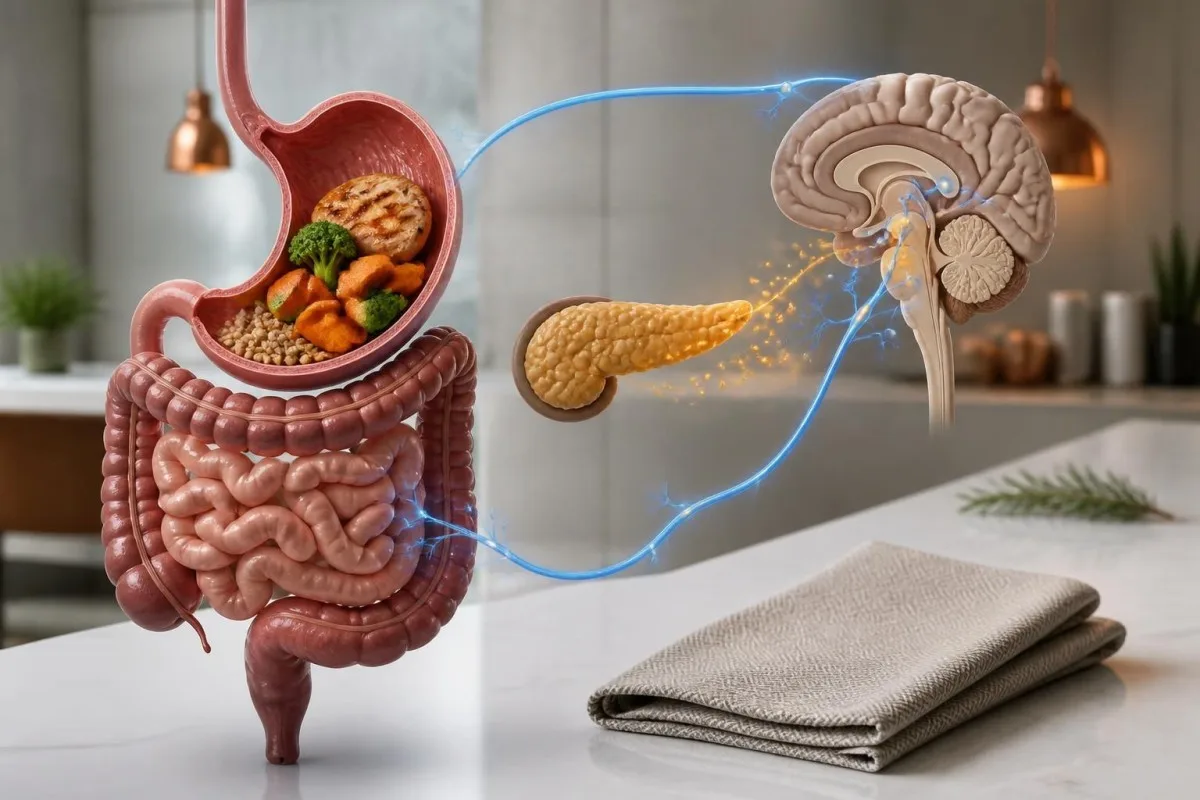
ભોજન પછીની ઊંઘની ઝોક ઘણીવાર સામાન્ય હોય છે, પરંતુ વારંવાર આવતી અથવા ગંભીર તંદ્રા ઊંઘની અછત, દવાઓની અસરો, રક્ત-ગ્લુકોઝમાં ફેરફારો અથવા અન્ય સારવારયોગ્ય સમસ્યા દર્શાવી શકે છે.

મુખ્ય તારણો
- Common pattern: Feeling sleepy after eating usually reflects a large, rapidly digested meal combined with the natural early-afternoon circadian dip, not blood being diverted away from the brain.
- Sleep debt: પુખ્ત વયના લોકોને સામાન્ય રીતે ઓછામાં ઓછા 7 કલાકની ઊંઘ જરૂરી હોય છે; તેનાથી ઓછા કલાકોની વારંવાર આવતી રાતો સામાન્ય ભોજનને અપ્રમાણસર રીતે ઊંઘ લાવનારું બનાવી શકે છે.
- Glucose clue: 100-125 mg/dL (5.6-6.9 mmol/L) નો પ્રયોગશાળામાં કરાયેલ ઉપવાસનો ગ્લુકોઝ પ્રિડાયાબિટીસની શ્રેણીમાં આવે છે, જ્યારે 126 mg/dL (7.0 mmol/L) અથવા વધુનું સ્તર સ્પષ્ટ લક્ષણો હાજર ન હોય ત્યાં સુધી પુષ્ટિ જરૂરી બનાવે છે.
- Possible low glucose: Symptoms occurring 2-4 hours after a carbohydrate-heavy meal may reflect post-meal glucose falling below 70 mg/dL (3.9 mmol/L), although a meter or continuous monitor can be inaccurate.
- દવા નો પ્રભાવ: ઊંઘ લાવતી એન્ટિહિસ્ટામિન્સ, ઓપિયોઇડ્સ, ઊંઘની દવાઓ, કેટલીક ચિંતા ઘટાડતી દવાઓ અને ગૅબાપેન્ટિનોઇડ્સ ભોજન પછીની ઊંઘાળાપણાને વધારી શકે છે; પ્રિસ્ક્રાઇબરની સલાહ વિના તેમને બંધ ન કરો.
- When to act: Recurrent sleepiness with thirst, frequent urination, blurred vision, fainting, confusion, unintentional weight loss or severe weakness deserves medical assessment.
- ઉપયોગી પ્રારંભિક પરીક્ષણો: તબીબી ઇતિહાસના આધારે, ચિકિત્સકો ઉપવાસ ગ્લુકોઝ, HbA1c, સંપૂર્ણ રક્ત ગણતરી, ફેરીટિન, થાઇરોઇડ-સ્ટિમ્યુલેટિંગ હોર્મોન અને દવાઓની સમીક્ષા ધ્યાનમાં લઈ શકે છે.
- સલામતી: Do not drive, operate machinery or climb while unusually drowsy, especially if the episode follows a glucose-lowering medicine.
ખાધા પછી ઊંઘ આવવાનો સામાન્ય અર્થ શું થાય છે
ખાધા પછી ઊંઘ આવવાનું સામાન્ય રીતે કારણ ભોજનનું પ્રમાણ, ઝડપથી શોષાઈ જતા કાર્બોહાઇડ્રેટ, વહેલી બપોરનો સામાન્ય સર્કેડિયન ઘટાડો અથવા અપૂરતી ઊંઘ હોય છે, ખતરનાક પાચન સમસ્યા નહીં. A single mild episode after a large lunch is usually benign; repeated, sudden or disabling episodes deserve a closer look. Our blood-test biomarkers guide explains why isolated results rarely answer a symptom question.
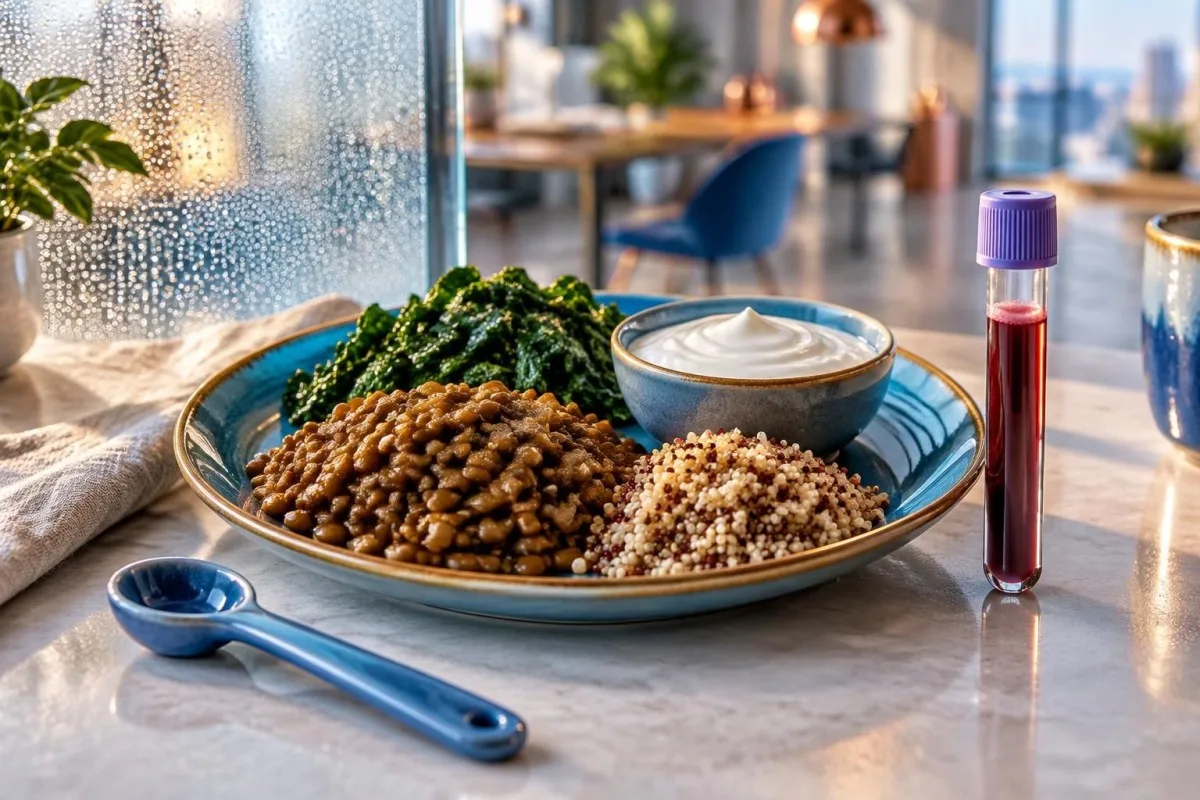
The strongest everyday pattern is a combination of ભોજનનો ભાર અને સમય: a 1,000-calorie lunch rich in refined starch can produce more drowsiness than a 500-calorie meal containing vegetables, protein and fibre. The effect often peaks 30-120 minutes later, when digestion, insulin release and the body’s daytime alertness rhythm overlap.
ભોજન પછીની ઊંઘ સામાન્ય રીતે એનો અર્થ નથી કે પાચન મગજમાંથી એટલું બધું લોહી ખેંચી લે છે કે મગજને અપૂરતો પુરવઠો મળે. રક્તપ્રવાહનું કડક નિયંત્રણ થાય છે; વધુ ઉપયોગી સમજૂતી આંતરડા, અગ્ન્યાશય, મગજ અને સર્કેડિયન ઘડિયાળમાંથી આવતા પરસ્પર ક્રિયાશીલ સંકેતોની છે, જેમાં વ્યક્તિગત પ્રતિભાવો નોંધપાત્ર રીતે અલગ હોય છે.
A practical distinction is duration. Drowsiness that fades within 30-90 minutes after an occasional large meal is usually different from recurrent episodes lasting several hours, sleep attacks, confusion or symptoms of low glucose; the latter patterns warrant a structured history and possibly testing.
How digestion can promote post-meal sleepiness
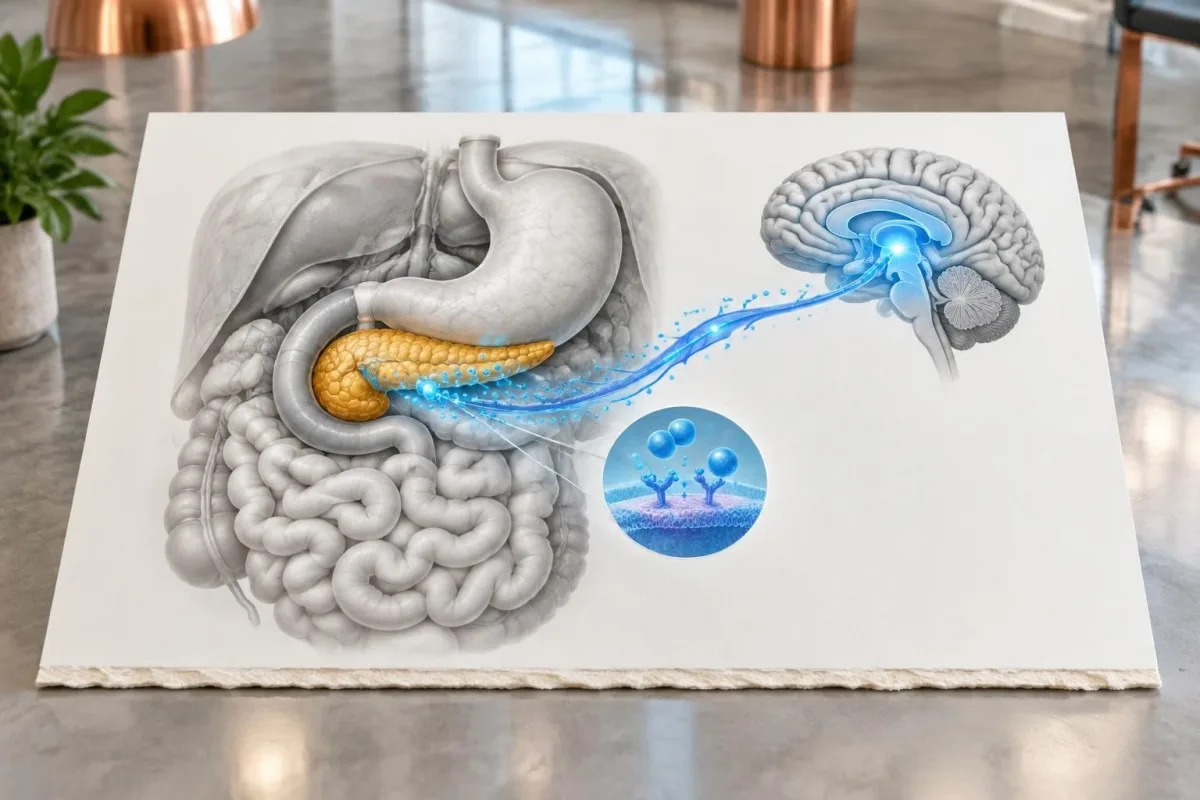
પાચન આંતરડા-મગજના સંકેતો, ઇન્સ્યુલિન સંબંધિત ફેરફારો અને ભોજનથી થતી શિથિલતા દ્વારા ઊંઘ આવવાની લાગણીને પ્રોત્સાહિત કરી શકે છે, પરંતુ કોઈ એક પદ્ધતિ દરેક ફૂડ કોમાને સમજાવતી નથી. Hormones such as cholecystokinin rise after meals, while the brain’s arousal systems respond to nutrient availability and the social setting of eating.
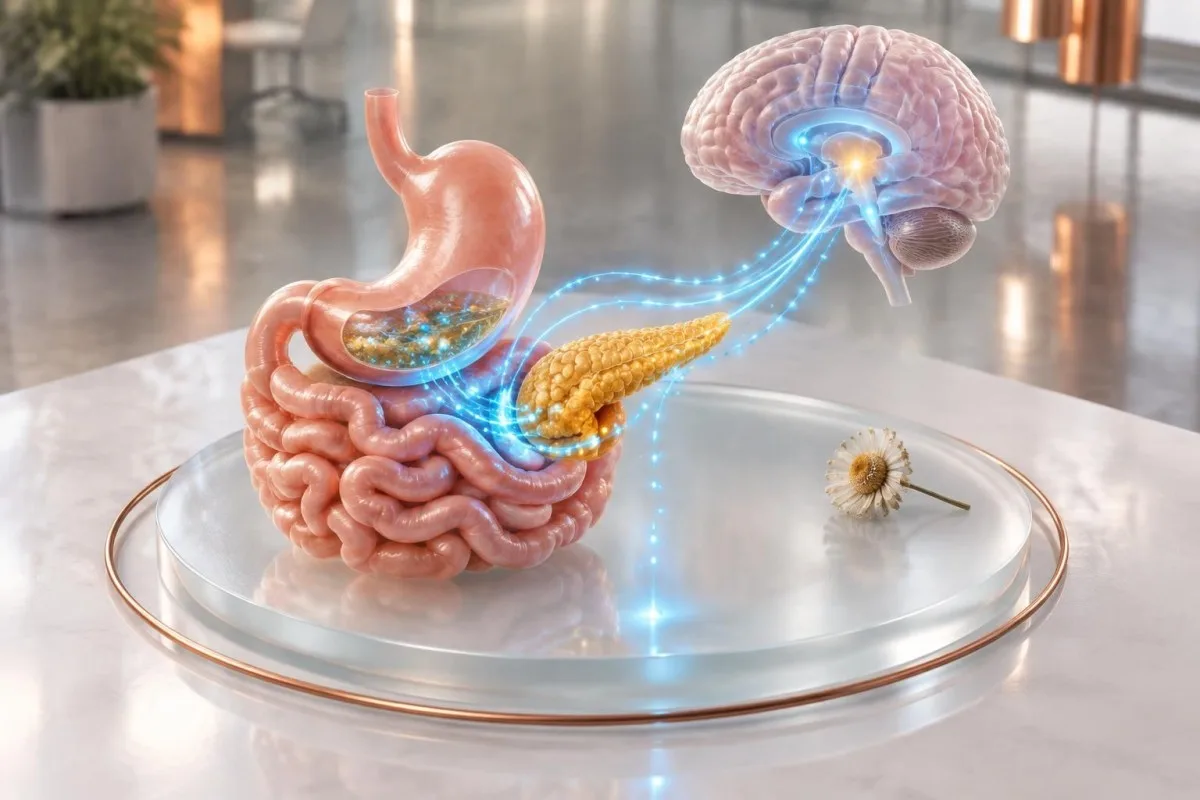
ચરબી અને પ્રોટીન ઉત્તેજિત કરી શકે છે cholecystokinin, a gut hormone associated with satiety and reduced arousal in experimental settings. That does not mean fat automatically causes abnormal sleepiness: a meal’s total energy, fibre, alcohol content, hydration and the person’s prior sleep can matter more than one nutrient.
Carbohydrate intake increases insulin secretion, which changes the movement of several amino acids into tissues and may alter the relative availability of tryptophan for brain serotonin and melatonin production. The evidence is honestly mixed, and normal post-meal insulin action should not be confused with insulin resistance.
“ફૂડ કોમા” શબ્દ નિદાનનું નહીં, પરંતુ એક સંવેદનાનું વર્ણન કરે છે. જો 700-kilocalorie ભોજનથી 45 મિનિટ સુધી હળવી સુસ્તી આવે, તો તે સામાન્ય રીતે કંપન, પરસેવો અથવા હૃદયના ધબકારા સાથે વારંવાર થતા 3-hour crash કરતાં ઓછું ચિંતાજનક છે.
Why blood is not simply diverted from the brain
ખાધા પછી માનવ શરીર મગજમાં રક્તપ્રવાહ જાળવી રાખીને પાચન અંગો સુધી રક્તનો પુરવઠો વધારી શકે છે. ભોજન પછી થતી તીવ્ર હળવાશભરી ચક્કરની લાગણી સામાન્ય પાચન કરતાં રક્તચાપના નિયમન, નિર્જલીકરણ અથવા ગ્લુકોઝની સમસ્યાનો વધુ સંકેત આપે છે; જ્યારે લક્ષણોમાં ઊભા થતી વખતે ચક્કર આવવાનો સમાવેશ થાય ત્યારે રક્તચાપની સમીક્ષા ઉપયોગી થઈ શકે છે.
Which meal patterns make sleepiness more likely
Large meals high in rapidly absorbed carbohydrate, saturated fat or alcohol are the most common meal-related contributors to post-meal sleepiness. ખોરાકને “સ્વસ્થ” અથવા “અસ્વસ્થ” તરીકે લેબલ કરવામાં આવ્યો છે કે નહીં તેના કરતાં ભાગનું કદ અને કાર્બોહાઇડ્રેટની ગુણવત્તા સામાન્ય રીતે વધુ મહત્વ ધરાવે છે.”
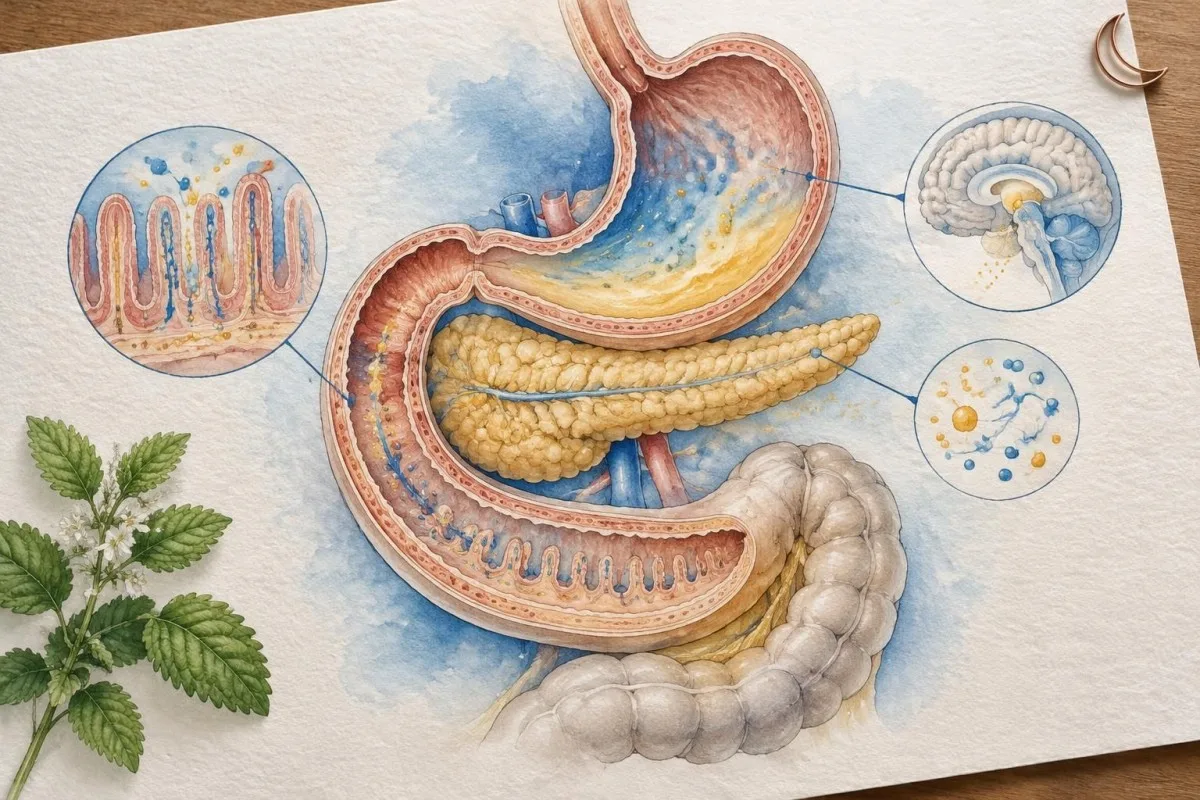
A meal containing 100 grams of rapidly absorbed carbohydrate can raise glucose and insulin more sharply than one containing 40 grams of carbohydrate plus beans, vegetables and protein. Fibre slows gastric emptying and glucose absorption; it does not cancel the energy content of an oversized meal, but it can reduce the speed of the glucose rise.
ચરબી પેટ ખાલી થવામાં વિલંબ કરી શકે છે, જેના કારણે ક્યારેક તરત થતી અચાનક ગિરાવટને બદલે ભારેખમપણાનો વધુ મોડો અને લાંબો સમયગાળો આવે છે. આલ્કોહોલ અલગ છે: એક પ્રમાણભૂત પીણું પણ સતર્કતા બગાડી શકે છે અને તે રાત્રે ઊંઘમાં વિક્ષેપ પાડી શકે છે, જેના કારણે બીજા દિવસનું ભોજન સંબંધિત ઊંઘાળાપણું ખોટી રીતે સમજવું સરળ બને છે.
A clearly hypothetical example helps: a 35-year-old office worker sleeps 6 hours, skips breakfast and eats a large sweetened drink with white bread at 1 p.m. A 90-minute slump could reflect circadian timing plus sleep debt and meal composition; it does not by itself prove diabetes.
વ્યવહારુ સરખામણીઓ માટે, એક ઘટનાના આધારે વ્યક્તિગત ખોરાક પર પ્રતિબંધ મૂકવાને બદલે 7 દિવસ સુધી ભોજનનો અંદાજિત જથ્થો, કાર્બોહાઇડ્રેટનો સ્ત્રોત અને લક્ષણોનો સમય નોંધો. A guide to fasting instructions પછી જ્યારે રક્ત પરીક્ષણની વ્યવસ્થા કરવામાં આવે ત્યારે મૂંઝવણ ટાળવામાં પણ મદદ કરી શકે છે.
બપોરનો સર્કેડિયન ઘટાડો ફૂડ કોમા જેવો કેમ લાગી શકે છે
શરીરની સર્કેડિયન સતર્કતા લય સામાન્ય રીતે બપોરના શરૂઆતના સમયે ઘટે છે, ઘણીવાર લગભગ 1 અને 3 p.m. વચ્ચે, વ્યક્તિએ હમણાં જ ખાધું ન હોય ત્યારે પણ. બપોરનું ભોજન જાગૃતતામાં થતો તે અનુમાનિત ઘટાડો વધારી શકે છે.
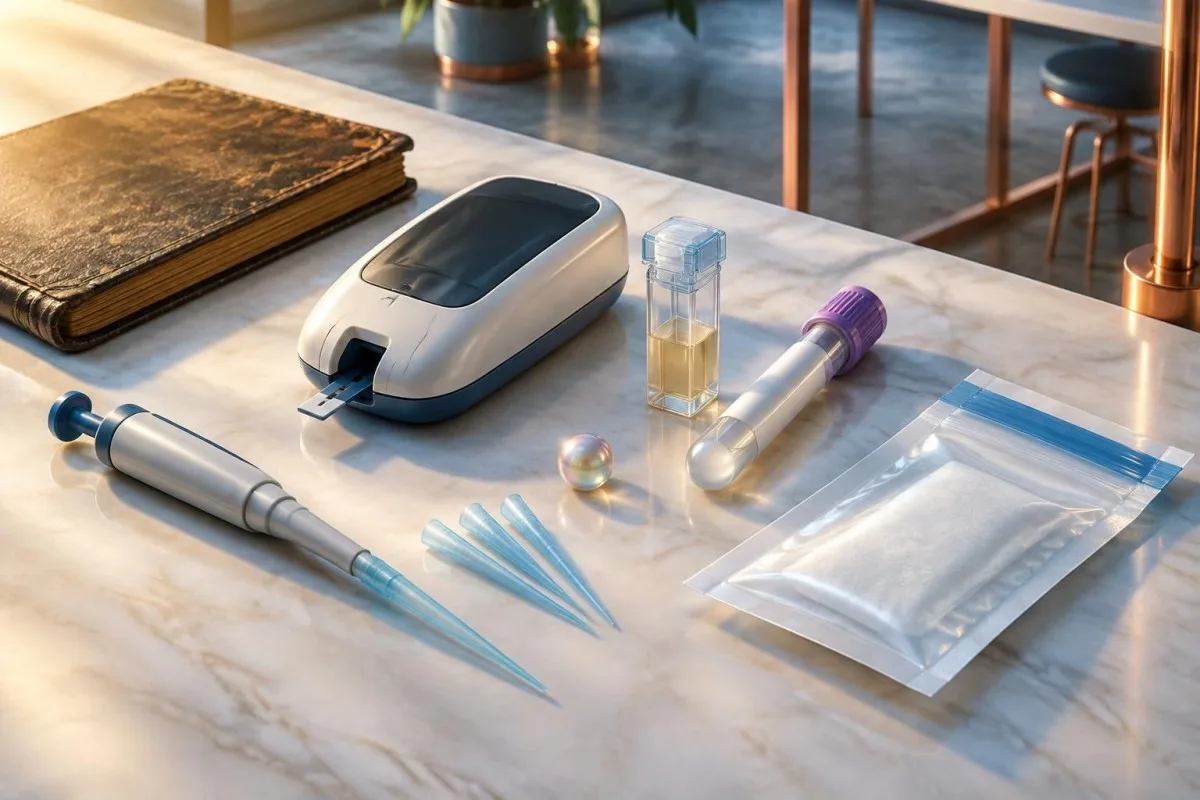
Alertness is not a flat line across the day. The central circadian clock coordinates sleep pressure, body temperature, melatonin timing and cortisol rhythms; in many adults, wakefulness decreases after midday while the biological night remains the strongest sleep window.
ભોજનનો સમય આ ઘડિયાળ સાથે પરસ્પર ક્રિયા કરી શકે છે. અમેરિકન હાર્ટ એસોસિયેશનનું ભોજનના સમય અંગેનું વૈજ્ઞાનિક નિવેદન અનિયમિત ખાવા, સર્કેડિયન જીવવિજ્ઞાન અને કાર્ડિયોમેટાબોલિક આરોગ્ય વચ્ચેના સંબંધો વર્ણવે છે, જોકે તે કોઈ એક સર્વમાન્ય “સુરક્ષિત” ભોજન સમયપત્રક સ્થાપિત કરતું નથી (St-Onge et al., 2017).
A useful experiment is to compare equivalent meals at 11 a.m. and 2 p.m. on separate days, while keeping sleep and caffeine similar. If sleepiness appears at both times, meal composition may dominate; if it appears mainly at 2 p.m., circadian timing is a stronger clue.
People who work rotating shifts or cross time zones may experience the dip at an unusual clock time because their internal rhythm and local schedule disagree. A બ્લડ-ટેસ્ટ સમય માર્ગદર્શિકા જ્યારે શિફ્ટનું કામ પ્રયોગશાળાના નમૂનાઓના સમયને પણ અસર કરે ત્યારે ઉપયોગી છે.
How sleep debt magnifies sleepy-after-meals symptoms
ઊંઘની અછત સામાન્ય ભોજન પછીની સુસ્તીને વધુ તીવ્ર બનાવે છે, કારણ કે ભોજન શરૂ થાય તે પહેલાં જ ઊંઘનું દબાણ એકઠું થઈ ચૂક્યું હોય છે. જે પુખ્તો નિયમિત રીતે 7 કલાકથી ઓછી ઊંઘે છે તેઓને એકસરખા કામો, ગરમ ઓરડાઓ અથવા બપોરના શરૂઆતના સમયમાં આ સમસ્યા સૌથી વધુ જણાઈ શકે છે.

અમેરિકન એકેડેમી ઑફ સ્લીપ મેડિસિન અને સ્લીપ રિસર્ચ સોસાયટી આરોગ્ય માટે પુખ્ત વયના લોકોને નિયમિત રીતે ઓછામાં ઓછા 7 કલાકની ઊંઘ લેવાની ભલામણ કરે છે. 6 કલાકની ઊંઘની પાંચ રાતો આ લઘુતમ પ્રમાણની સરખામણીમાં સાપ્તાહિક 5 કલાકની ઊણપ ઊભી કરે છે, ભલે વ્યક્તિને લાગે કે તેણે અનુકૂલન કરી લીધું છે.
એક નિયંત્રિત અભ્યાસમાં, Van Dongen et al. એ જોયું કે દર રાત્રે 6 કલાક અથવા 4 કલાક સુધીની લાંબા ગાળાની ઊંઘ-મર્યાદાને કારણે સંચિત ન્યુરોબિહેવિયરલ ક્ષતિ થઈ, જ્યારે સહભાગીઓ પોતાની ક્ષતિનું મૂલ્યાંકન કરવામાં ઓછા ચોકસાઈવાળા બન્યા (Sleep, 2003). આ તારણ મહત્વનું છે કારણ કે “મને તેની ટેવ પડી ગઈ છે” એ વિશ્વસનીય સલામતી પરીક્ષણ નથી.
A hypothetical 52-year-old marathon runner may feel sleepy after a normal lunch because training, early waking and 6 hours of sleep have increased sleep pressure; the same meal may not cause symptoms after several nights of 8 hours. The pattern points first toward recovery and sleep assessment, not automatically toward a food intolerance.
Track bedtime, wake time, awakenings, snoring, alcohol and caffeine for 14 days. Loud snoring, witnessed breathing pauses or morning headaches make sleep-apnoea assessment more relevant than simply reducing carbohydrates.
ભાગનું કદ, ઝડપ અને પ્રવૃત્તિ ક્રેશને કેવી રીતે બદલે છે
ઝડપથી ખાવું, ખૂબ મોટો ભાગ લેવો અથવા બપોરના ભોજન પછી સ્થિર રહેવું ભોજન પછીની ઊંઘને વધુ તીવ્ર બનાવી શકે છે. A smaller meal eaten slowly, followed by gentle movement, often produces a different response without requiring extreme dietary restriction.
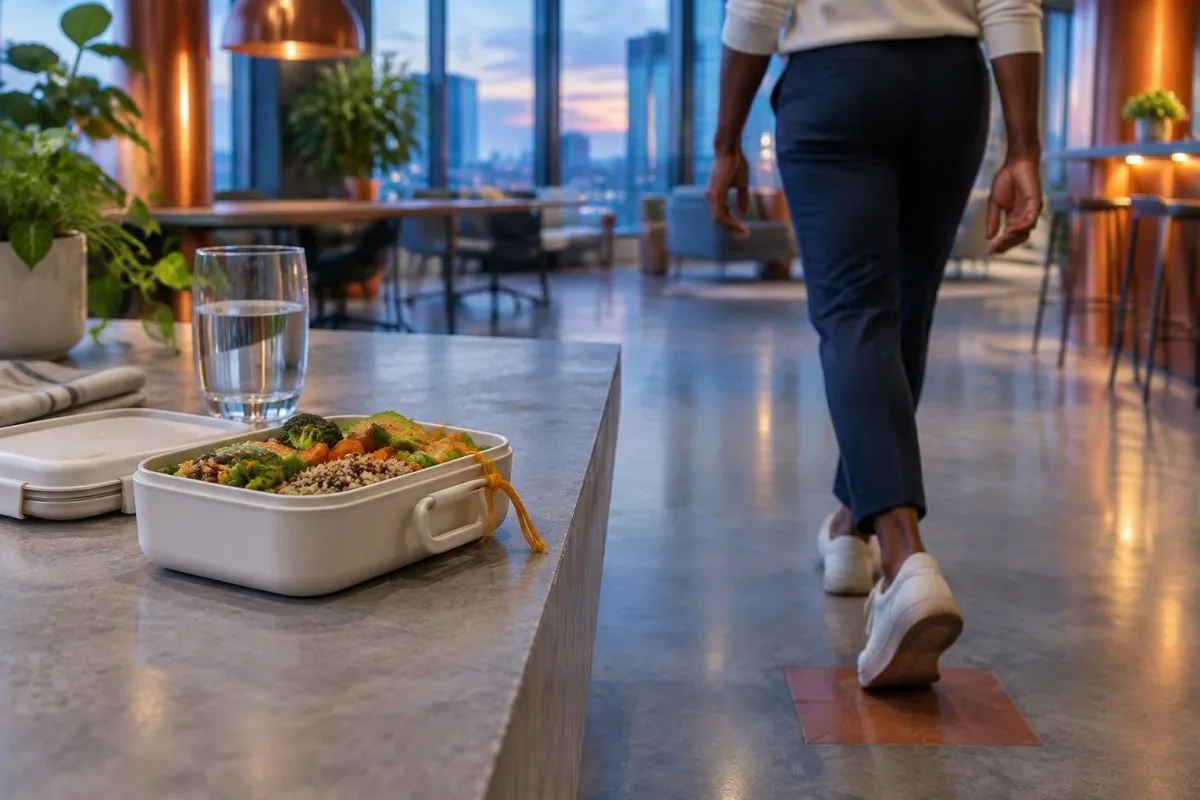
Large meals stretch the stomach and may increase satiety signals, while rapid eating compresses more energy into a shorter period. A 20-minute meal containing 800 calories can therefore feel different from the same food eaten over 45 minutes with water and pauses.
ખાધા પછી 10-15 મિનિટ ધીમે ચાલવાથી કેટલાક લોકોમાં ભોજન પછી ગ્લુકોઝ વધારાની ઊંચાઈ ઘટી શકે છે, કારણ કે તે સ્નાયુઓ દ્વારા ગ્લુકોઝના શોષણમાં વધારો કરે છે. તે ડાયાબિટીસની સારવાર નથી, અને સંતુલનની સમસ્યાઓ, છાતીમાં લક્ષણો અથવા કસરત પર પ્રતિબંધ ધરાવતા લોકોએ તેમના ચિકિત્સકની સલાહ અનુસરવી જોઈએ.
સંબંધિત સરખામણી વ્યક્તિગત છે, સર્વવ્યાપક નહીં: 35 ગ્રામ ફાઇબરયુક્ત કાર્બોહાઇડ્રેટ ધરાવતું 600-કૅલરીનું બપોરનું ભોજન 350-કૅલરીના પેસ્ટ્રી અને મીઠા પીણાના સંયોજન કરતાં વધુ સારી રીતે સહન થઈ શકે છે. વજન ઘટાડવાના લક્ષ્યો, દવાઓ લેવાનો સમય અને ગ્લુકોઝ ઘટાડતી સારવાર સૌથી સુરક્ષિત યોજનામાં ફેરફાર કરી શકે છે.
Try changing one variable at a time for 5-7 days: portion size, meal speed, refined carbohydrate, or a short walk. The AI પોષણ અને લેબ સંદર્ભ માર્ગદર્શિકા explains why dietary suggestions should be interpreted alongside biomarkers rather than as a diagnosis.
Which medicines can worsen sleepy-after-meals episodes
Sedating medicines and alcohol can make a normal post-meal dip feel excessive, and meal timing can make their peak effects more noticeable. Common contributors include first-generation antihistamines, opioids, sleep medicines, benzodiazepines, some antipsychotics, gabapentinoids and sedating antidepressants.
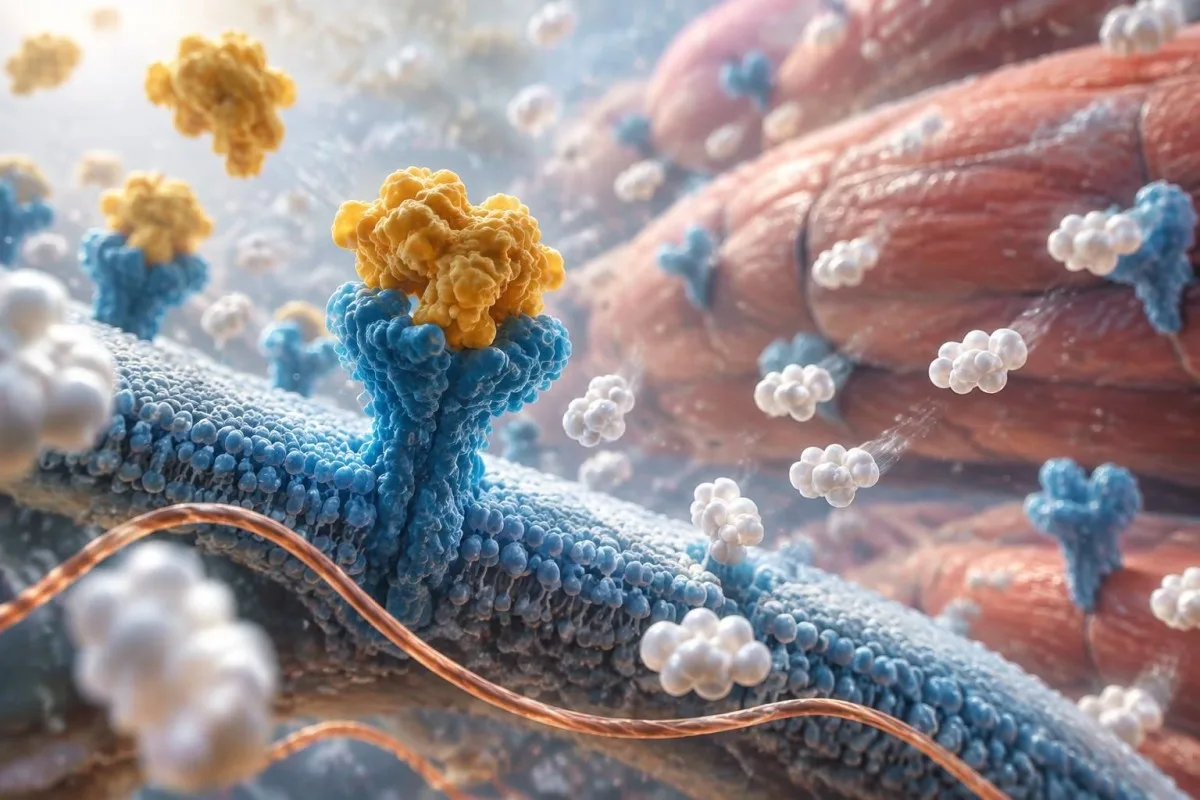
Diphenhydramine and other first-generation antihistamines can impair alertness; opioids and benzodiazepines can also reduce breathing drive and reaction speed. A medicine taken at 8 a.m. may still contribute to a noon episode depending on its half-life, dose, kidney function and interactions.
Some medicines influence glucose rather than sedation directly. Insulin and sulfonylureas can cause hypoglycaemia, especially after eating less than planned, exercising more than usual or drinking alcohol; symptoms may include sweating, shaking, hunger, palpitations and confusion rather than simple sleepiness.
ઊંઘાળાપણાંને કારણે સૂચવેલી દવા અચાનક ક્યારેય બંધ ન કરો. સમય, માત્રા, વિકલ્પ અથવા કિડનીની કાર્યક્ષમતાની સમીક્ષા યોગ્ય છે કે કેમ તે ફાર્માસિસ્ટ અથવા દવા સૂચવનાર તબીબી નિષ્ણાતને પૂછો, અને પ્રતિક્રિયા અણધારી હોય તો વાહન ચલાવવાનું ટાળો.
Bring a complete list of prescriptions, over-the-counter products, supplements and recreational substances to the review. A દવાઓની સલામતીના વલણોનું કાર્યપ્રવાહ પ્રયોગશાળાના વલણોને ગોઠવવામાં મદદ કરી શકે છે, પરંતુ તે પ્રિસ્ક્રાઇબ કરવાનો નિર્ણય બદલી શકતું નથી.
When glucose regulation may explain post-meal fatigue
જ્યારે ઊંઘાળાપણું સતત રહે, પ્રમાણની સરખામણીમાં વધારે હોય અથવા તરસ, વારંવાર પેશાબ થવો, દૃષ્ટિ ધૂંધળી થવી, વારંવાર ચેપ લાગવો અથવા કારણ વિના વજનમાં ફેરફાર સાથે હોય ત્યારે ગ્લુકોઝનું નિયંત્રણ વધુ ચિંતાજનક બને છે. High glucose can cause fatigue through dehydration and altered cellular fuel use, while low glucose can cause neuroglycopenic drowsiness.
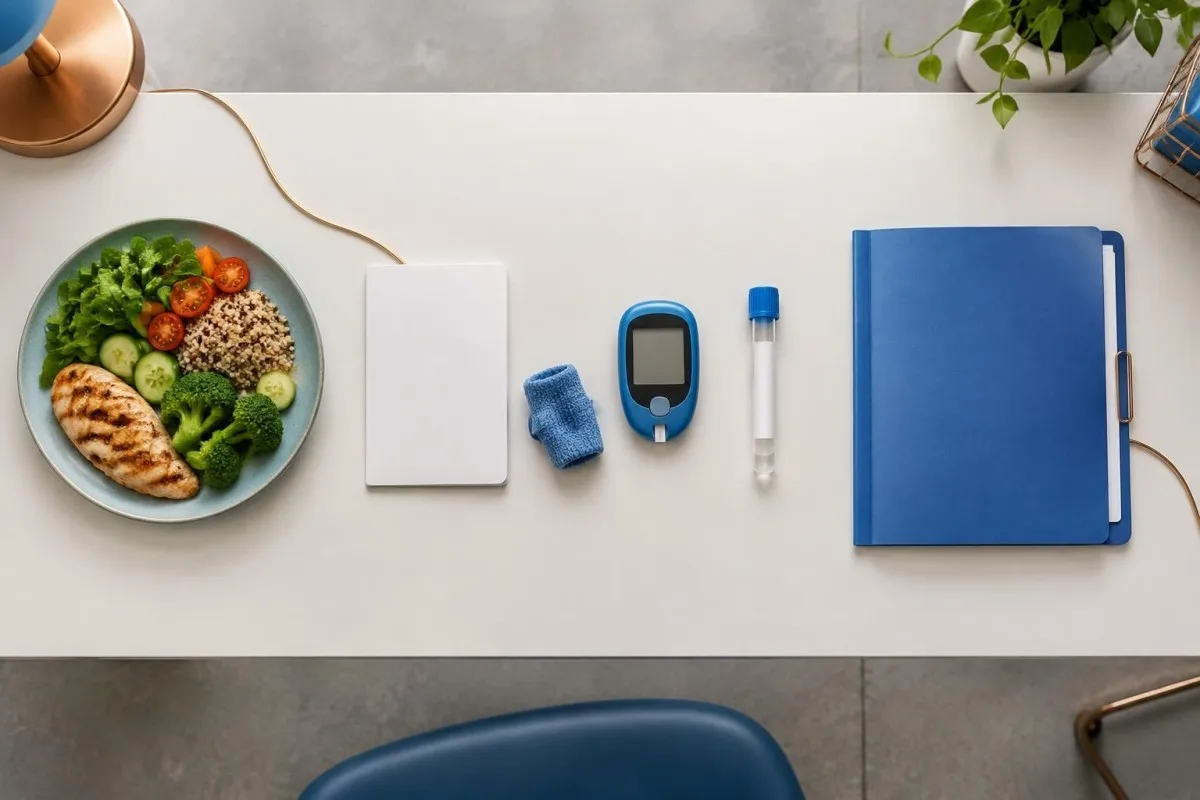
The American Diabetes Association defines diabetes using laboratory criteria such as HbA1c of 6.5% or higher, fasting plasma glucose of 126 mg/dL (7.0 mmol/L) or higher, or a 2-hour oral glucose tolerance result of 200 mg/dL (11.1 mmol/L) or higher, usually confirmed when symptoms are absent (American Diabetes Association Professional Practice Committee, 2024).
Kantesti એક AI બ્લડ ટેસ્ટ રિપોર્ટ સમજો પ્લેટફોર્મ છે, જે ગ્લુકોઝ, HbA1c, ટ્રાઇગ્લિસરાઇડ્સ, યકૃતના માર્કર્સ અને કિડનીના માર્કર્સને એક જોડાયેલા સંદર્ભમાં મૂકે છે, એક જમ્યા પછીની સંવેદનાને ડાયાબિટીસના પુરાવા તરીકે ગણવાને બદલે. અમારું પ્લેટફોર્મ નોંધાયેલા મૂલ્યો સમજાવી શકે છે, પરંતુ નિદાન હજુ પણ માન્ય પરીક્ષણો અને તબીબી મૂલ્યાંકન પર આધારિત રહે છે.
સામાન્ય ભોજન પછીનું ઘરેલું ગ્લુકોઝ મૂલ્ય નિદાનાત્મક મૌખિક ગ્લુકોઝ સહનશક્તિ પરીક્ષણ સમકક્ષ નથી. કેશિકીય મીટરો પ્રયોગશાળાના પ્લાઝ્મા ગ્લુકોઝથી અલગ હોઈ શકે છે, અને સતત ગ્લુકોઝ મોનિટરો વિલંબ સાથે આંતરપેશીય પ્રવાહી માપે છે; આશ્ચર્યજનક પરિણામનું પુનરાવર્તન અથવા પુષ્ટિ કરવી જોઈએ, તેનો અતિશય અર્થઘટન કરવો નહીં.
જો વારંવાર ઊંઘાળાપણાં સાથે તરસ અને પેશાબ થાય, તો માત્ર ખોરાક બદલવાને બદલે તબીબી તપાસ કરાવો. તે ઊંચા ગ્લુકોઝનાં લક્ષણો અંગેનું માર્ગદર્શિકા describes warning patterns that should not be dismissed as a routine food coma.
| સ્તર | શ્રેણી | તેનો અર્થ |
|---|---|---|
| સામાન્ય ઉપવાસ ગ્લુકોઝ | <100 mg/dl (<5.6 mmol/L) | સામાન્ય રીતે સામાન્ય નિદાનાત્મક શ્રેણીમાં; એક પરિણામ દરેક લક્ષણને સમજાવતું નથી. |
| પ્રીડાયાબિટીસ રેન્જ | 100-125 mg/dL (5.6-6.9 mmol/L) | Suggests increased diabetes risk and usually calls for repeat testing or HbA1c assessment. |
| ડાયાબિટીસ-શ્રેણીનું પરિણામ | 126-199 mg/dL (7.0-11.0 mmol/L) | Requires confirmation or symptom-based clinical interpretation; it is not explained by ordinary post-meal sleepiness alone. |
| સ્પષ્ટ હાઇપરગ્લાયસેમિયા | લક્ષણો સાથે ≥200 mg/dL (≥11.1 mmol/L) | Needs prompt medical assessment, especially with vomiting, dehydration, deep breathing or confusion. |
શું ગ્લુકોઝમાં ઘટાડો 2 to 4 કલાક પછી ઊંઘ આવવાનું કારણ બની શકે છે
A glucose fall 2-4 hours after eating can cause sleepiness, weakness, sweating, tremor, hunger or confusion, particularly after a high-carbohydrate meal or with glucose-lowering medicine. True post-meal hypoglycaemia should be demonstrated during symptoms rather than assumed from fatigue alone.
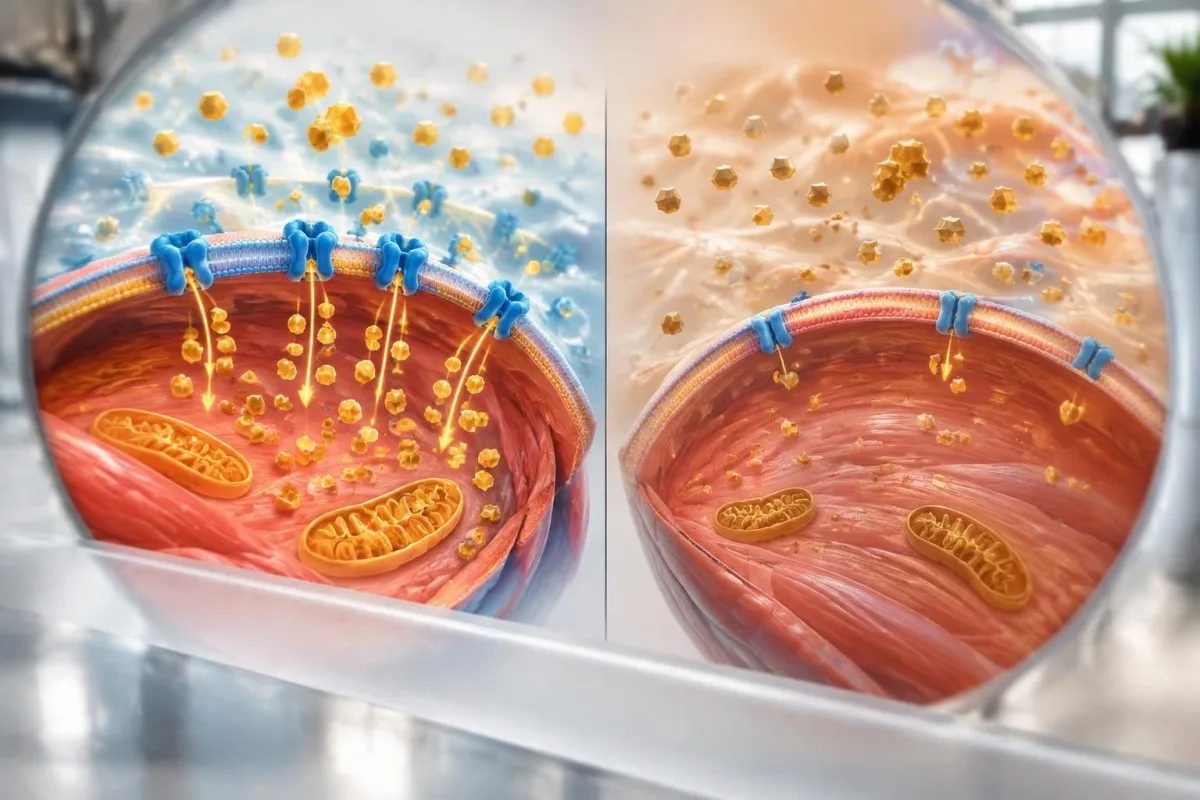
Clinicians commonly use a glucose below 70 mg/dL (3.9 mmol/L) as an alert level, while below 54 mg/dL (3.0 mmol/L) indicates clinically significant hypoglycaemia requiring urgent attention. The number matters most when symptoms occur at the same time and improve after glucose is corrected.
નિદાનાત્મક તર્કને ઘણીવાર કહેવામાં આવે છે વ્હિપલનું ટ્રાયડ (Whipple’s triad): સુસંગત લક્ષણો, તે લક્ષણો દરમિયાન નોંધાયેલું ઓછું ગ્લુકોઝ, અને ગ્લુકોઝ વધે ત્યારે સુધારો. જે વ્યક્તિને બપોરે 2 વાગ્યે ઊંઘ આવે છે પરંતુ તેનું ગ્લુકોઝ 98 mg/dL (5.4 mmol/L) હોય, તેણે હાઇપોગ્લાઇસીમિયા સાબિત કર્યું નથી.
A 28-year-old with episodes after sweet drinks may have a rapid rise and fall, but a meter reading of 62 mg/dL (3.4 mmol/L) should be confirmed when feasible because home devices have analytical error. Fasting, alcohol use, exercise and medicines can create different patterns.
સૂચવાયેલ ઇન્સ્યુલિન અથવા સલ્ફોનીલયુરિયા વાપરતા લોકો માટે, વ્યક્તિગત તાત્કાલિક સારવાર યોજનાનું પાલન કરો અને ઝડપથી શોષાઈ જાય તેવો કાર્બોહાઇડ્રેટ સ્ત્રોત સાથે રાખો. ડાયાબિટીસ ન ધરાવતા લોકોમાં વારંવાર ઓછા મૂલ્યો નોંધાય તો વારંવાર સ્વ-સારવાર કરવાને બદલે તબીબી મૂલ્યાંકન કરાવવું જોઈએ; અમારી ઓછા ગ્લુકોઝનાં કારણો વિશેનું માર્ગદર્શન પરીક્ષણના સંદર્ભ માટે.
Other conditions that can mimic sleepy-after-meals symptoms
Anaemia, iron deficiency, thyroid disease, sleep apnoea, depression, chronic illness and some infections can cause daytime sleepiness that merely becomes noticeable after meals. ભોજન થાક અનુભવવા માટેનું કારણ બની શકે છે, પરંતુ મૂળભૂત કારણ હોવું જરૂરી નથી.
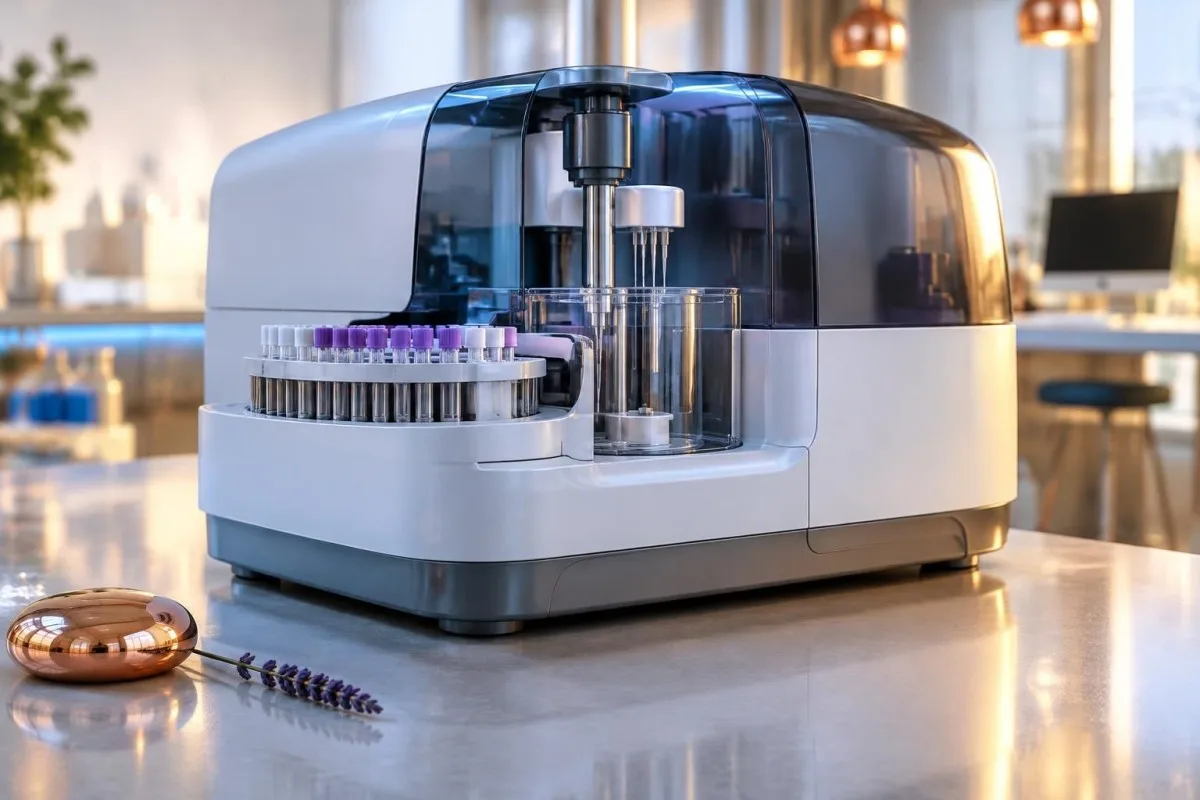
સંપૂર્ણ રક્ત ગણતરી રક્તાલ્પતાની ઓળખ કરી શકે છે, પરંતુ ફેરિટિનના અર્થઘટન માટે સંદર્ભ જરૂરી છે કારણ કે બળતરા ફેરિટિનનું પ્રમાણ વધારી શકે છે જ્યારે લોહીના ભંડારો મર્યાદિત હોય. દરેક વ્યક્તિમાં ઊંઘાળાપણું સમજાવતું ફેરિટિનનું કોઈ એકમાત્ર મર્યાદા-મૂલ્ય નથી; અલગથી મળતા સીમાસ્થિત મૂલ્ય કરતાં ઓછું ફેરિટિન અને ઓછું ટ્રાન્સફેરિન સેચ્યુરેશન વધુ માહિતીપ્રદ છે.
Hypothyroidism may cause fatigue, cold intolerance, constipation, dry skin and slowed thinking, although symptoms are nonspecific. Many laboratories use a TSH upper reference limit near 4.0-4.5 mIU/L, but ranges differ by assay, age, pregnancy and local practice; some European laboratories use different limits.
સ્લીપ એપ્નિયા ભોજનની રચનાને ધ્યાનમાં લીધા વિના દિવસ દરમિયાન ગંભીર ઊંઘાળાપણું પેદા કરી શકે છે. નસકોરાં, જોવામાં આવેલા શ્વાસના વિરામો, સવારના માથાના દુખાવા અથવા નિયંત્રણમાં ન આવતું હાયપરટેન્શન ઊંઘનું મૂલ્યાંકન કરાવવાનું સૂચન કરે છે, ખાસ કરીને જ્યારે વ્યક્તિ વાતચીત દરમિયાન અથવા વાહન ચલાવતી વખતે અજાણતાં ઝોકાં ખાય.
Kantesti AI can organise a CBC, ferritin, thyroid markers and glucose into a readable pattern, but a normal panel does not exclude sleep disorders or depression. Relevant background reading includes નીચા ફેરીટિનના લક્ષણો અને ઉપક્લિનિકલ થાયરોઇડ પરિણામો.
When food reactions are relevant to post-meal drowsiness
ખોરાકની અસહિષ્ણુતા ખાધા પછી પેટ ફૂલવું, પેટમાં દુખાવો અથવા ઝાડા કરી શકે છે, પરંતુ માત્ર ઊંઘ આવવી એ અસહિષ્ણુતા અથવા એલર્જીનું વિશ્વસનીય લક્ષણ નથી. A true allergic reaction is more likely when drowsiness occurs with hives, swelling, wheezing, throat tightness, repeated vomiting or faintness.
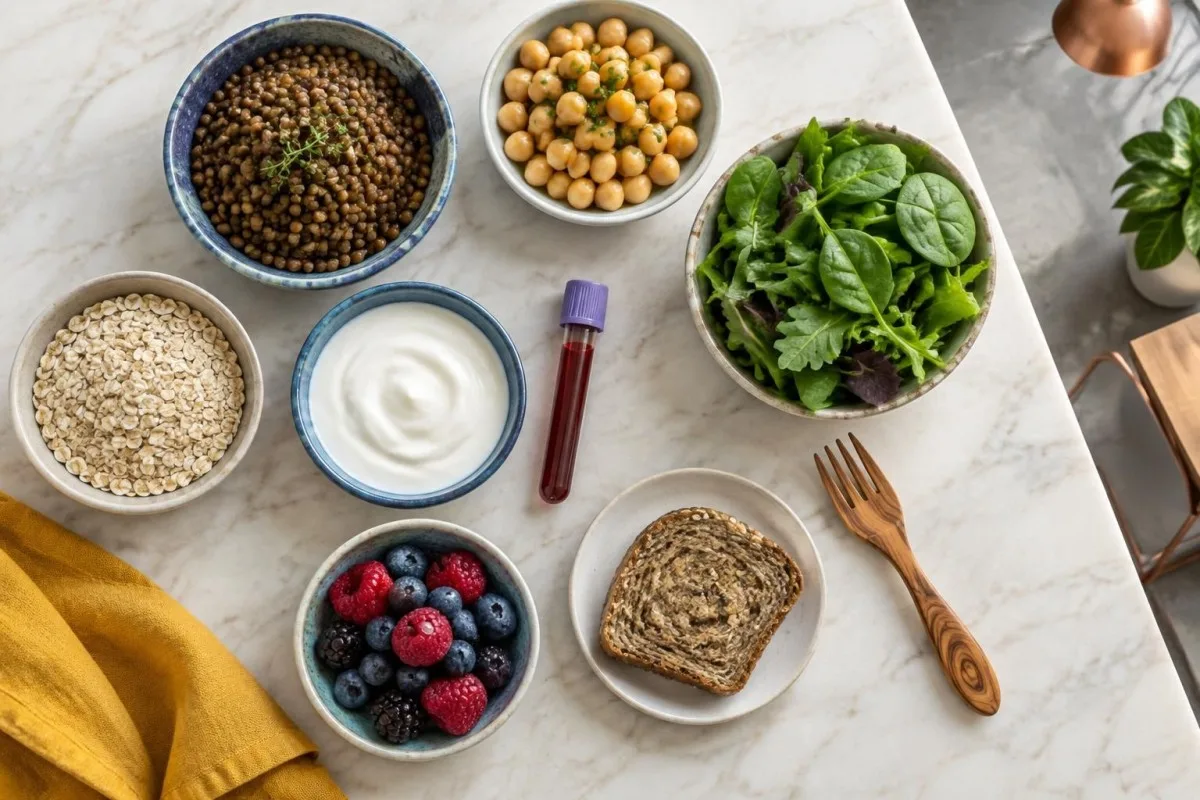
Lactose or fructose malabsorption can produce gastrointestinal symptoms several hours after exposure, but neither condition should be diagnosed from tiredness alone. A લેક્ટોઝ-અસહિષ્ણુતા પરીક્ષણ માર્ગદર્શિકા સમજાવે છે કે શ્વાસ પરીક્ષણની તૈયારી અને લક્ષણોના સમયનું મહત્વ શા માટે છે.
Drowsiness with wheezing, facial or tongue swelling, blue lips, collapse or rapidly worsening symptoms is an emergency because severe allergic reactions can impair breathing and blood pressure. Do not perform a home food challenge after a suspected serious reaction.
ખોરાકની ડાયરીમાં ઓછામાં ઓછા 7 દિવસ સુધી ઘટકો, જથ્થો, સમય, લક્ષણો અને કસરત નોંધવી જોઈએ; ઘણા ખોરાક દૂર કરતો એલિમિનેશન આહાર પોષણ સંબંધિત સમસ્યાઓ ઊભી કરી શકે છે અને વાસ્તવિક ટ્રિગરને અસ્પષ્ટ બનાવી શકે છે. વ્યવહારુ પ્રશ્ન એ છે કે કોઈ ચોક્કસ સંપર્ક પછી લક્ષણો વિશ્વસનીય રીતે ફરીથી ઉત્પન્ન થાય છે કે નહીં.
રક્તની એલર્જી પેનલો ખોરાકની અસહિષ્ણુતા માટેની સર્વવ્યાપક તપાસ નથી, અને સકારાત્મક સંવેદનશીલતા પરીક્ષણથી કોઈ ખોરાક ઊંઘાળાપણું પેદા કરે છે તે સાબિત થતું નથી. ઇતિહાસ સાથે પરિણામોનું અર્થઘટન કરવા માટે તબીબ અથવા એલર્જી નિષ્ણાતને પૂછો.
A useful 7-day test for sleepy-after-meals episodes
A seven-day symptom diary can separate meal effects from sleep debt, circadian timing, medicines and glucose changes. ખાવાનો સમય, અંદાજિત જથ્થો, ઊંઘનો સમયગાળો, કેફીન, દવા લેવાનો સમય, પ્રવૃત્તિ અને લક્ષણોની તીવ્રતા 0 થી 10 સુધી નોંધો.
તમે સુરક્ષિત રીતે અર્થઘટન કરી શકો તેટલું જ માપો. જો તમને ડાયાબિટીસ હોય, તો તમારા માટે સૂચવવામાં આવેલી દેખરેખ યોજના અનુસરો; જો ન હોય, તો ક્યારેક ગ્લુકોઝ તપાસવાથી સંકેતો મળી શકે છે, પરંતુ તે એકલા પ્રતિક્રિયાત્મક હાઇપોગ્લાઇસેમિયા અથવા ડાયાબિટીસનું નિદાન કરી શકતા નથી.
A useful pattern is reproducibility: symptoms beginning 45 minutes after a large sweet drink on four of five days suggest a meal-related trigger, while symptoms at 2 p.m. after different meals suggest circadian timing. Symptoms after poor sleep but not after 8-hour nights point toward sleep pressure.
Include posture and blood pressure if episodes involve light-headedness, blurred vision or near-fainting. A blood pressure drop after eating can be more relevant than food composition, particularly in older adults or people taking antihypertensive medicines.
At the appointment, bring the diary and packaging or names of supplements. Our baseline blood-test preparation guide આયોજિત મૂલ્યાંકન પહેલાં તરત જ અનેક પરિબળો બદલવાનું ટાળવામાં વાચકોને મદદ કરી શકે છે.
Which blood tests may help explain repeated drowsiness
The most useful tests depend on the symptom pattern, but clinicians commonly consider HbA1c, fasting glucose, a complete blood count, ferritin, thyroid-stimulating hormone and kidney or liver markers. કોઈપણ રક્ત પેનલ ઊંઘ આવવાના દરેક કારણનું નિદાન કરી શકતી નથી.
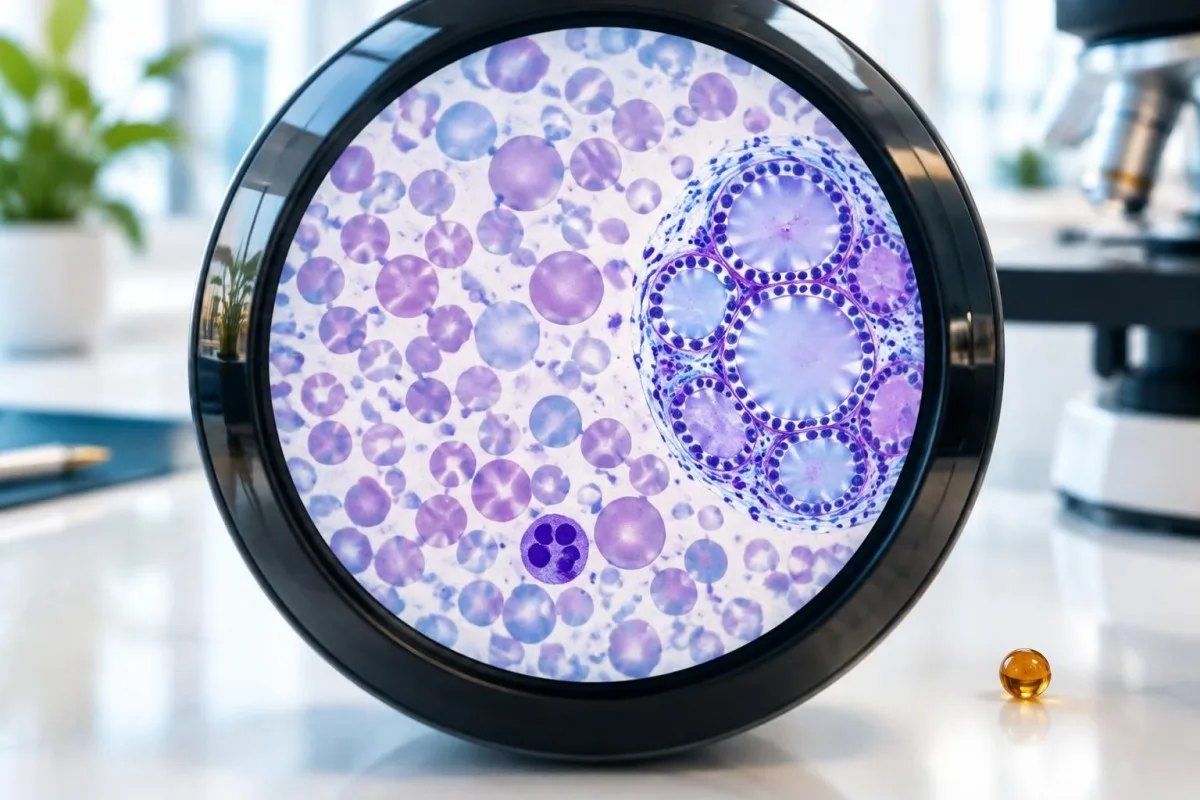
HbA1c આશરે 2-3 મહિનાની સરેરાશ ગ્લાયસીમિયાને દર્શાવે છે અને સામાન્ય રીતે 5.7%થી નીચે સામાન્ય, 5.7-6.4% પર પ્રીડાયાબિટીસ અને 6.5% અથવા વધુ પર ડાયાબિટીસ તરીકે અર્થઘટન કરવામાં આવે છે. તાજેતરનું રક્તસંચાર, હિમોલિસિસ, હિમોગ્લોબિનના કેટલાક પ્રકારો, ગર્ભાવસ્થા અને લાલ રક્તકણોના બદલાયેલા જીવનકાળને કારણે HbA1c ભ્રામક બની શકે છે.
Fasting glucose measures one moment and may be normal despite post-meal symptoms. A clinician may instead use a supervised oral glucose tolerance test, targeted monitoring or medication review when episodes occur predictably after eating.
A CBC can identify anaemia or macrocytosis, while ferritin and transferrin saturation help assess iron status; TSH with free T4 evaluates thyroid signalling. B12, folate, kidney function, liver enzymes or inflammatory markers are selected when history and examination support them, not automatically for everyone.
Kantestiનું AI રક્ત પરીક્ષણ વિશ્લેષક અપલોડ કરેલા પ્રયોગશાળા અહેવાલોને આશરે 60 સેકન્ડમાં વાંચી શકે છે અને પેનલો વચ્ચેના સંબંધોને ઉજાગર કરી શકે છે, જ્યારે ચિહ્નિત પરિણામ અને નિદાન વચ્ચેનો તફાવત જાળવી રાખે છે. તેના અર્થઘટનને પ્રયોગશાળાની પોતાની સંદર્ભ શ્રેણી અને તબીબના મૂલ્યાંકન સામે ચકાસવું જોઈએ.
| સ્તર | શ્રેણી | તેનો અર્થ |
|---|---|---|
| HbA1c commonly normal | <5.7% | સામાન્ય રીતે પ્રીડાયાબિટીસ માટેની પ્રયોગશાળા મર્યાદાથી નીચે, જોકે લક્ષણોના અન્ય કારણો હોઈ શકે છે. |
| પ્રીડાયાબિટીસ HbA1c | 5.7-6.4% | ભવિષ્યમાં ડાયાબિટીસનું વધુ જોખમ; સંદર્ભની પુષ્ટિ કરો અને જીવનશૈલી અથવા અનુવર્તી પરીક્ષણ અંગે ચર્ચા કરો. |
| ડાયાબિટીસ-શ્રેણી HbA1c | ≥6.5% | Requires clinical confirmation or interpretation with symptoms and repeat testing. |
| Symptoms with very high glucose | ઘણીવાર ≥300 mg/dL (≥16.7 mmol/L) | તાકીદ કીટોન્સ, ડિહાઇડ્રેશન, ઉલટી, શ્વાસમાં થતા ફેરફારો અને માનસિક સ્થિતિ પર આધાર રાખે છે; તાત્કાલિક તબીબી સંભાળ લો. |
What you can safely try before a medical visit
Safe first steps include regular sleep, smaller balanced meals, adequate water, slower eating and a brief gentle walk when appropriate. આ પગલાં સામાન્ય ભોજન પછીની સુસ્તી ઘટાડવામાં મદદ કરી શકે છે, પરંતુ વારંવાર થતી ઓછી ગ્લુકોઝની સ્થિતિ, ગંભીર લક્ષણો અથવા શંકાસ્પદ ડાયાબિટીસ માટે સારવાર લેવામાં વિલંબ કરવો જોઈએ નહીં.

એવા ભોજનનો લક્ષ્ય રાખો જેમાં શાકભાજી અથવા અન્ય રેસાના સ્ત્રોતોને પ્રોટીન અને માપેલા કાર્બોહાઇડ્રેટના ભાગ સાથે જોડવામાં આવે, તેના બદલે મીઠાં પીણાં અથવા શુદ્ધ નાસ્તા પર આધાર રાખવા કરતાં. 10-15 મિનિટ ચાલવું ઘણા પુખ્તો માટે યોગ્ય હોઈ શકે છે, પરંતુ છાતીમાં દુખાવો, ગંભીર શ્વાસ લેવામાં તકલીફ, બેભાન થવું અથવા કસરત પર પ્રતિબંધ ધરાવતા લોકોને પહેલા તબીબી માર્ગદર્શન જરૂરી છે.
Keep caffeine timing consistent while testing changes; adding 300 mg of caffeine at lunch can hide sleep debt and worsen sleep that night. Alcohol can intensify sedation and should not be used to manage anxiety or sleepiness.
Do not intentionally skip meals if you use insulin or a sulfonylurea. Do not start a very low-carbohydrate diet, supplement plan or fasting schedule without considering pregnancy, kidney disease, eating-disorder history and glucose-lowering medicines.
ઉપયોગી લક્ષ્ય “જમ્યા પછી ક્યારેય થાક ન લાગે” એવું નથી. તેનું લક્ષ્ય વધુ સારી એકાગ્રતા અને કોઈ ચેતવણીરૂપ લક્ષણો વિના ઓછા અને હળવા પ્રસંગો છે; 1-2 અઠવાડિયામાં તેમાં સુધારો થાય છે કે નહીં તે નોંધો.
ભોજન પછીની સુસ્તી માટે તબીબી મૂલ્યાંકન ક્યારે જરૂરી છે
જ્યારે મોટા ભાગના ભોજન પછી ઊંઘ આવતી હોય, અઠવાડિયાઓ સુધી ચાલુ રહેતી હોય, કામ અથવા વાહન ચલાવવામાં વિક્ષેપ પાડતી હોય, અથવા તરસ, પેશાબમાં વધારો, મૂર્છા જેવું લાગવું, હૃદયના ધબકારા વધવા, વજનમાં ફેરફાર અથવા ન્યુરોલોજિકલ લક્ષણો સાથે આવતી હોય ત્યારે તબીબી મૂલ્યાંકન કરાવો. Sudden confusion, inability to wake, seizure, severe breathing difficulty or collapse requires emergency care.
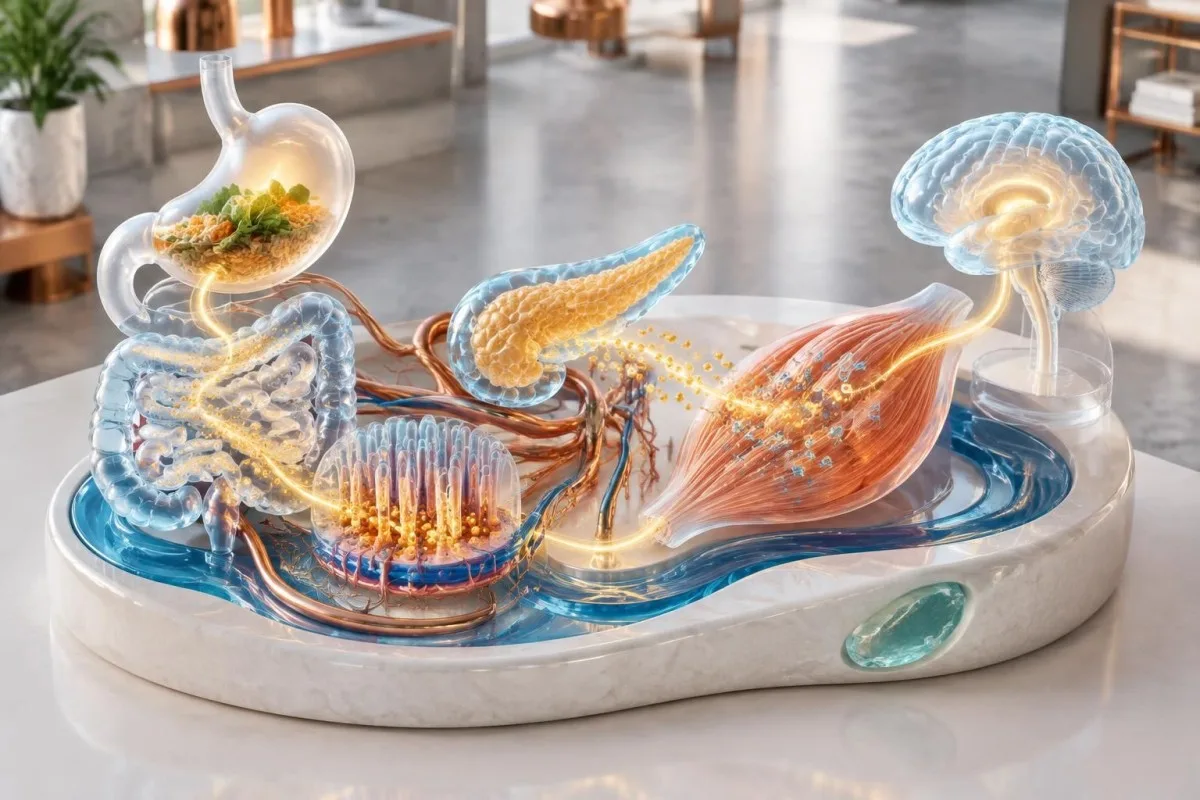
Seek urgent help for confusion, seizure, loss of consciousness, one-sided weakness, chest pain, severe shortness of breath or a suspected glucose below 54 mg/dL (3.0 mmol/L). These signs can indicate severe hypoglycaemia, stroke, heart disease, respiratory compromise or another emergency rather than a routine food coma.
Book a routine appointment if symptoms recur for 2-4 weeks, if you unintentionally fall asleep during conversations, or if snoring and witnessed breathing pauses occur. A clinician may review medicines, blood pressure, sleep, glucose patterns and targeted laboratory tests in that order.
Pregnancy, older age, kidney disease, liver disease and diabetes lower the threshold for review because medication effects and glucose changes may be less predictable. Children and adolescents with repeated post-meal sleepiness also need age-appropriate assessment rather than adult reference ranges.
Kantesti એક AI બાયોમાર્કર અર્થઘટન પ્લેટફોર્મ છે, જે યોગ્ય લાયકાત ધરાવતા તબીબ સાથે ચર્ચા પહેલાં પરિણામોને ગોઠવવામાં મદદ કરી શકે છે; અમારું મેડિકલ વેલિડેશન માહિતી explains the difference between technical interpretation and clinical diagnosis.
જાતે વધુ પડતું નિદાન કર્યા વિના પ્રયોગશાળાના પરિણામોનો ઉપયોગ કેવી રીતે કરવો
પ્રયોગશાળાના પરિણામો ગ્લુકોઝ, એનિમિયા અથવા થાઇરોઇડ સંબંધિત સંકેતો સ્પષ્ટ કરી શકે છે, પરંતુ સમય અને તબીબી સંદર્ભ વિના ભોજનને ઊંઘ આવવાનું કારણ સાબિત કરી શકતા નથી. Use results to form better questions, not to replace examination, medication review or sleep assessment.
Kantesti AI analyses uploaded blood-test PDFs or photographs and can compare current values with reported reference ranges and previous trends. A fasting glucose of 108 mg/dL (6.0 mmol/L) may suggest prediabetes risk, but it does not explain a single afternoon episode or establish a diagnosis by itself.
Our AI can flag combinations that merit discussion, such as HbA1c 6.1% with fasting glucose 112 mg/dL (6.2 mmol/L), or low haemoglobin with low ferritin. It should not infer causation from an unvalidated home reading, and it cannot assess snoring, breathing pauses, mood or the safety of driving.
શક્ય હોય ત્યારે સંપૂર્ણ રિપોર્ટ અપલોડ કરો, જેમાં એકમો, નમૂનો લેવાની તારીખ, ઉપવાસની સ્થિતિ, પ્રયોગશાળાની શ્રેણીઓ અને દવાઓ સંબંધિત સંદર્ભનો સમાવેશ થાય. અધૂરા સ્ક્રીનશૉટ્સ તબીબી રીતે સંબંધિત સહાયક પરિણામો છુપાવી શકે છે, જ્યારે વિવિધ પ્રયોગશાળાઓ અલગ પરીક્ષણ પદ્ધતિઓ અને સંદર્ભ અંતરાલોનો ઉપયોગ કરી શકે છે.
Kantesti is used by more than 2 million people across 127 countries, but broad availability does not make an interpretation a personal diagnosis. Discuss concerning findings with a local healthcare professional who knows your history and can arrange confirmatory testing.
તબીબ અથવા ફાર્માસિસ્ટને પૂછવાના પ્રશ્નો
સૌથી ઉપયોગી મુલાકાત સંબંધિત પ્રશ્નો આ ઘટનાને સમય, દવાઓ, ઊંઘ અને માપી શકાય તેવા લક્ષણો સાથે જોડે છે. Ask whether the pattern suggests glucose testing, sleep assessment, medication adjustment, blood-pressure review or another targeted investigation.
Bring answers to four questions: How soon after eating does drowsiness begin? How long does it last? Does it happen after different meals? What was your sleep duration the night before? A pattern beginning 2-4 hours after meals differs clinically from a predictable 1-3 p.m. dip.
Ask, “Could any medicine or supplement taken in the last 6 hours be sedating or lower glucose?” Also ask whether kidney or liver function could change drug clearance; even a stable dose can feel different after illness, dehydration or a new interaction.
If glucose is suspected, ask which test is appropriate and what result should be confirmed in a laboratory. If anaemia or thyroid disease is suspected, ask why CBC, ferritin, TSH or free T4 is being chosen rather than ordering an unrestricted panel.
વિશ્વસનીય ગોપનીયતા અને સેવા માહિતી માટે, વાચકો સમીક્ષા કરી શકે છે Kantestiનું ટ્રસ્ટ સેન્ટર. Bring the actual laboratory report and your seven-day diary rather than relying on memory.
Bottom line: normal dip or signal to investigate
ખાધા બાદ ઊંઘ આવવાના મોટા ભાગના પ્રસંગો ભોજનના કદ, ઝડપથી શોષાતા કાર્બોહાઇડ્રેટ, સર્કેડિયન સમય અથવા અપૂરતી ઊંઘથી સમજાવી શકાય છે; વારંવાર અથવા ગંભીર પ્રસંગોમાં દવાઓની અસરો, ગ્લુકોઝના અનિયમન, ઊંઘની વિકૃતિઓ અને અન્ય બીમારીઓ માટે મૂલ્યાંકન જરૂરી છે. The timing and accompanying symptoms are more informative than the word “food coma.”
Start with a 7-day diary and safe, modest changes rather than eliminating many foods. If drowsiness is accompanied by thirst, frequent urination, blurred vision, sweating, tremor, fainting or unintentional weight loss, arrange testing sooner.
A normal HbA1c does not rule out every post-meal glucose pattern, and a mildly abnormal glucose result does not prove that glucose caused the symptom. This is one of those areas where context matters more than the number alone.
Use laboratory interpretation as a preparation tool: compare dates, units, reference ranges, fasting status and trends. Kantesti’s AI blood test interpretation can help turn a confusing report into focused questions, while the final clinical decision remains with an appropriately qualified healthcare professional.
If you are sleepy enough to nod off, do not drive or operate machinery. Review the episode safely, seek urgent help for emergency warning signs, and arrange a routine assessment when the pattern persists.
વારંવાર પૂછાતા પ્રશ્નો
શું ખાધા પછી ઊંઘ આવવી સામાન્ય છે?
મોટું ભોજન લીધા પછી થોડી ઊંઘ આવવી સામાન્ય છે અને ઘણીવાર તે ભોજનના કદ, ઝડપથી શોષાઈ જતા કાર્બોહાઇડ્રેટ, બપોરે 1-3 વાગ્યે થતી સામાન્ય સર્કેડિયન ઘટાડાની અવસ્થા અથવા અપૂરતી ઊંઘને કારણે હોય છે. તે સામાન્ય રીતે 30-90 મિનિટમાં સુધરી જાય છે અને શરીરનું બધું લોહી મગજથી દૂર વળી જવાને કારણે થતું નથી. વારંવાર થતી અને કેટલાક કલાકો સુધી ચાલતી ઘટનાઓ, જે વાહન ચલાવવામાં અડચણરૂપ બને અથવા તરસ, બેભાન થવાની લાગણી, પરસેવો આવવો અથવા મૂંઝવણ સાથે થાય, તેનું તબીબી મૂલ્યાંકન કરાવવું જોઈએ.
મારું ગ્લુકોઝ સામાન્ય હોવા છતાં ભોજન પછી મને ઊંઘ કેમ આવે છે?
સામાન્ય ગ્લુકોઝ સર્કેડિયન ઊંઘાળાપણું, ઊંઘની ઉણપ, દવાઓની અસરો, સ્લીપ એપ્નિયા અથવા ભારે ભોજનની શામક અસરોને નકારી કાઢતું નથી. પુખ્ત વયના લોકોને સામાન્ય રીતે ઓછામાં ઓછા 7 કલાકની ઊંઘની જરૂર હોય છે, અને તેનાથી ઓછા સમયની સતત રાતોની ઊંઘ સામાન્ય ભોજન પછીની ઊંઘાળાપણાની લાગણીને વધારી શકે છે. લક્ષણો દરમિયાન 98 mg/dL (5.4 mmol/L)નું ગ્લુકોઝ રીડિંગ તે ક્ષણે હાઇપોગ્લાયસીમિયાની શક્યતા ઓછી કરે છે, પરંતુ અન્ય કારણોનું નિદાન કરતું નથી.
શું ડાયાબિટીસને કારણે જમ્યા પછી તમને ઊંઘ આવી શકે છે?
ગ્લુકોઝનું સ્તર સતત ઊંચું રહેતું હોય અથવા સારવારને કારણે ખૂબ ઓછું થઈ જતું હોય ત્યારે ડાયાબિટીસ ભોજન પછી થાક લાગવામાં ફાળો આપી શકે છે. ડાયાબિટીસની શ્રેણીમાં આવતા પ્રયોગશાળાના માપદંડોમાં ઉપવાસ દરમિયાન ગ્લુકોઝ 126 mg/dL (7.0 mmol/L) કે તેથી વધુ, HbA1c 6.5% કે તેથી વધુ, અથવા 2 કલાક પછી ગ્લુકોઝ 200 mg/dL (11.1 mmol/L) કે તેથી વધુનો સમાવેશ થાય છે; સામાન્ય રીતે લક્ષણો ન હોય ત્યારે તેની પુષ્ટિ કરવામાં આવે છે. તરસ લાગવી, વારંવાર પેશાબ થવો, દૃષ્ટિ ઝાંખી થવી, વજન ઘટવું, ઊલટી થવી અથવા મૂંઝવણ થવી—આ લક્ષણો હોય તો તબીબી તપાસ કરાવવી વધુ તાત્કાલિક બને છે.
ભોજન કર્યા પછી પ્રતિક્રિયાત્મક હાઇપોગ્લાઇસેમિયા કેવું અનુભવાય છે?
પ્રતિક્રિયાત્મક હાઇપોગ્લાઇસેમિયાના કારણે ભોજન પછી આશરે 2-4 કલાકે ઊંઘ આવવી, નબળાઈ, પરસેવો, ધ્રુજારી, ભૂખ, હૃદયના ધબકારા વધી જવા અથવા મૂંઝવણ થઈ શકે છે, ખાસ કરીને ઝડપથી શોષાઈ જતા કાર્બોહાઇડ્રેટનું સેવન કર્યા પછી. લક્ષણો દરમિયાન 70 mg/dL (3.9 mmol/L)થી ઓછું ગ્લુકોઝ ચેતવણીનું સ્તર છે, જ્યારે 54 mg/dL (3.0 mmol/L)થી ઓછું સ્તર તબીબી રીતે નોંધપાત્ર છે. આ પેટર્નની પુષ્ટિ યોગ્ય પરીક્ષણ દ્વારા કરવી જોઈએ, કારણ કે માત્ર થાક હાઇપોગ્લાઇસેમિયા સાબિત કરતો નથી.
ખાધા પછી મને હંમેશાં ઊંઘ આવતી હોય તો મારે કઈ રક્ત પરીક્ષણો કરાવવાની વિનંતી કરવી જોઈએ?
સામાન્ય લક્ષિત પરીક્ષણોમાં ઉપવાસની સ્થિતિમાં ગ્લુકોઝ, HbA1c, સંપૂર્ણ રક્ત ગણતરી, ફેરિટિન અને થાઇરોઇડ-સ્ટિમ્યુલેટિંગ હોર્મોનનો સમાવેશ થાય છે; જ્યારે કિડની, યકૃત, B12 અથવા અન્ય પરીક્ષણો તબીબી ઇતિહાસના આધારે પસંદ કરવામાં આવે છે. HbA1c 5.7-6.4% પ્રીડાયાબિટીસની શ્રેણીમાં આવે છે, જ્યારે ઓછું હિમોગ્લોબિન અથવા આયર્નના ઓછા ભંડારનો નમૂનો એનિમિયા અથવા આયર્નની ઉણપ સૂચવી શકે છે. તબીબ દવાઓની સમીક્ષા, બ્લડ પ્રેશરનું માપન અથવા સ્લીપ એપ્નિયાના મૂલ્યાંકનને પણ પ્રાથમિકતા આપી શકે છે, કારણ કે રક્ત પરીક્ષણો દરેક કારણ શોધી શકતા નથી.
When should I worry about being sleepy after meals?
જાગાડી ન શકાય, મૂંઝવણ, આંચકી, પડી જવું, શ્વાસ લેવામાં ગંભીર તકલીફ, છાતીમાં દુખાવો, શરીરની એક બાજુ નબળાઈ અથવા 54 mg/dL (3.0 mmol/L)થી ઓછા ગ્લુકોઝની શંકા હોય તો તાત્કાલિક મદદ લો. જ્યારે મોટા ભાગના ભોજન પછી ઊંઘ આવતી હોય, 2-4 અઠવાડિયા સુધી ચાલુ રહેતી હોય, અજાણતાં દિવસ દરમિયાન ઊંઘ આવી જતી હોય અથવા તરસ, વારંવાર પેશાબ, મૂર્છા જેવું લાગવું, હૃદયના ધબકારા વધવા અથવા અજાણતાં વજન ઘટવા સાથે થતી હોય ત્યારે નિયમિત મુલાકાત નક્કી કરો. અસામાન્ય રીતે ઊંઘાળુ લાગતું હોય ત્યારે વાહન ચલાવશો નહીં અથવા મશીનરી ચલાવશો નહીં.
તમારા બ્લડ ટેસ્ટ રિપોર્ટ સમજાવી લો
તમારો લેબ રિપોર્ટ અપલોડ કરો અને Kantestiનું AI દરેક બાયોમાર્કરને સરળ ભાષામાં સેકન્ડોમાં સમજાવે છે. વિશ્વભરમાં 2 મિલિયનથી વધુ લોકો તેનો ઉપયોગ કરે છે.
સંદર્ભ
- ક્લાઇન, ટી., મિચેલ, એસ., અને વેબર, એચ. (2026). Kantesti બ્લડ-ટેસ્ટ ઇન્ટરપ્રિટેશન એન્જિનના 100,000 કૃત્રિમ ટેસ્ટ કેસ પર પ્રી-રજિસ્ટર્ડ, રૂબ્રિક-આધારિત ઓટોમેટેડ ટેકનિકલ બેન્ચમાર્ક. Kantesti AI તબીબી સંશોધન. ડીઓઆઈ
- ક્લાઇન, ટી., મિચેલ, એસ., અને વેબર, એચ. (2026). ક્લિનિકલ વેલિડેશન ફ્રેમવર્ક v2.0 (મેડિકલ વેલિડેશન પેજ). Kantesti AI તબીબી સંશોધન. ડીઓઆઈ
- St-Onge MP et al. (2017). Meal Timing and Frequency: Implications for Cardiovascular Disease Prevention. સર્ક્યુલેશન. ડીઓઆઈ
- Van Dongen HPA et al. (2003). The Cumulative Cost of Additional Wakefulness: Dose-Response Effects on Neurobehavioral Functions and Sleep Physiology From Chronic Sleep Restriction and Total Sleep Deprivation. Sleep. ડીઓઆઈ પબમેડ
- American Diabetes Association Professional Practice Committee (2024). 2. ડાયાબિટીસનું નિદાન અને વર્ગીકરણ: ડાયાબિટીસમાં સંભાળના ધોરણો—2024. Diabetes Care. ડીઓઆઈ
- ૨૦ લાખ+વિશ્લેષિત પરીક્ષણો
- 127+દેશો
- 100+ભાષાઓ
તબીબી ટીમ વિશે


E-E-A-T વિશ્વાસ સંકેતો
અનુભવ
લેબ રિપોર્ટની વ્યાખ્યાયન વર્કફ્લોઝનું ડૉક્ટર-આધારિત ક્લિનિકલ સમીક્ષણ.
કુશળતા
લેબોરેટરી મેડિસિનનો ફોકસ કે બાયોમાર્કર્સ ક્લિનિકલ સંદર્ભમાં કેવી રીતે વર્તે છે તેના પર.
સત્તાવાદ
ડૉ. Thomas Klein દ્વારા તબીબી સમીક્ષા, ડૉ. Sarah Mitchell અને પ્રો. ડૉ. Hans Weberનાં યોગદાન સાથે.
વિશ્વસનીયતા
પુરાવા આધારિત વ્યાખ્યાયન સાથે સ્પષ્ટ અનુસરણ માર્ગો, જેથી ચિંતા/અલાર્મ ઓછું થાય.
તબીબી અસ્વીકરણ
આ લેખ માત્ર શૈક્ષણિક હેતુઓ માટે છે અને તે તબીબી સલાહનું સ્વરૂપ નથી. નિદાન અને સારવાર સંબંધિત નિર્ણય માટે હંમેશા લાયક આરોગ્યસેવા પ્રદાતા સાથે પરામર્શ કરો.
પ્રકાશિત · સંપાદકીય ટીમનો સંપર્ક કરો
Kantesti Ltd દ્વારા પ્રકાશિત, ઇંગ્લેન્ડ અને વેલ્સમાં નોંધાયેલ, કંપની નં. 17090423, લંડન, યુનાઇટેડ કિંગડમ.
