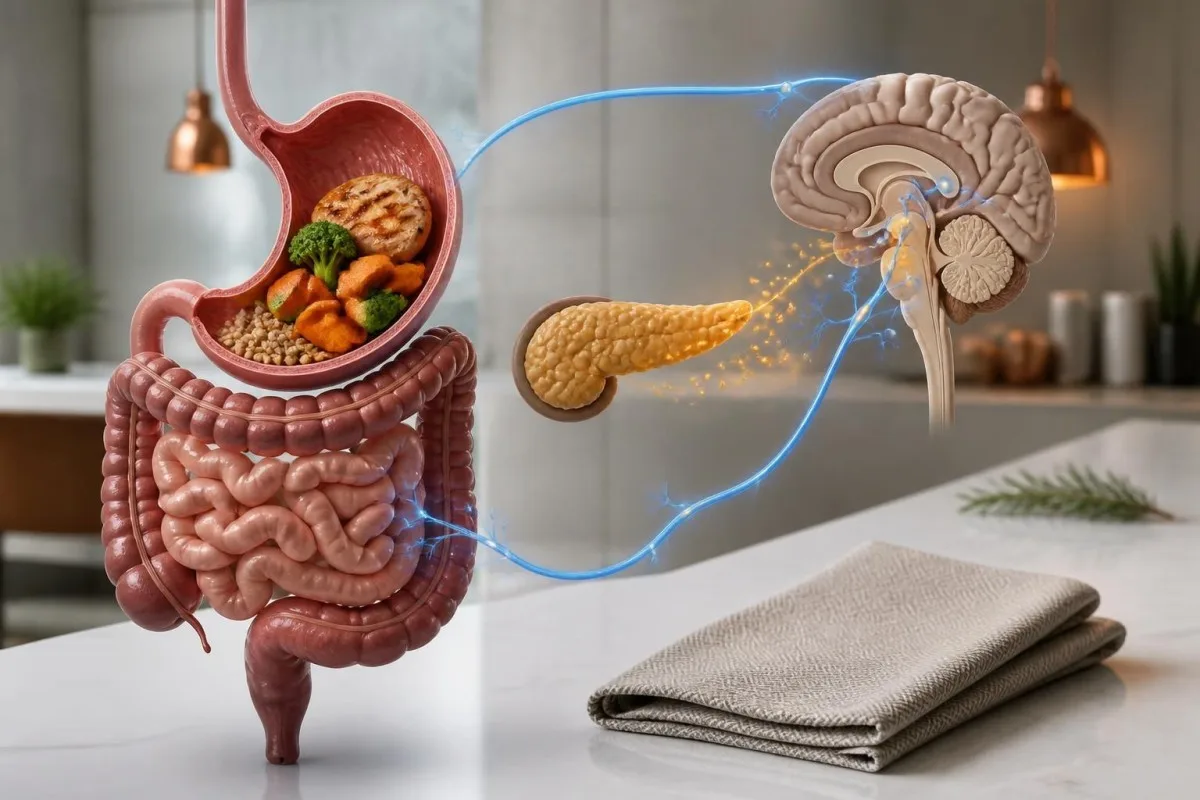
A post-meal dip is often normal, but repeated or severe drowsiness can reveal sleep loss, medication effects, blood-glucose changes or another treatable problem.

പ്രധാന കാര്യങ്ങൾ
- Common pattern: ഭക്ഷണം കഴിച്ചതിന് ശേഷമുള്ള മയക്കം സാധാരണയായി മസ്തിഷ്കത്തിൽ നിന്ന് രക്തം തിരിച്ചുവിടുന്നതിന്റെ ഫലമല്ല; പകരം വേഗത്തിൽ ദഹിക്കുന്ന വലിയ ഭക്ഷണവും സ്വാഭാവികമായ ഉച്ചതിരിഞ്ഞുള്ള സിർകാഡിയൻ തളർച്ചയും ചേർന്നതാണ് കാരണം.
- ഉറക്കക്കുറവ്: Adults generally need at least 7 hours of sleep; repeated nights below that amount can make an ordinary meal feel disproportionately sedating.
- Glucose clue: 100-125 mg/dL (5.6-6.9 mmol/L) എന്ന ലബോറട്ടറി ഉപവാസ ഗ്ലൂക്കോസ് മൂല്യം പ്രീഡയബറ്റിസ് പരിധിയിൽപ്പെടുന്നു, അതേസമയം 126 mg/dL (7.0 mmol/L) അല്ലെങ്കിൽ അതിലധികം വ്യക്തമായ ലക്ഷണങ്ങൾ ഉണ്ടെങ്കിൽ മാത്രമേ സ്ഥിരീകരണം ആവശ്യമില്ലാത്തതായിരിക്കൂ.
- Possible low glucose: കാർബോഹൈഡ്രേറ്റ് കൂടുതലുള്ള ഭക്ഷണത്തിന് 2-4 മണിക്കൂറുകൾക്ക് ശേഷം ഉണ്ടാകുന്ന ലക്ഷണങ്ങൾ ഭക്ഷണാനന്തര രക്തഗ്ലൂക്കോസ് 70 mg/dL (3.9 mmol/L)-ൽ താഴേക്ക് കുറയുന്നതിനെ സൂചിപ്പിക്കാം, എന്നാൽ മീറ്ററോ തുടർച്ചയായ മോണിറ്ററോ കൃത്യതയില്ലാത്തതായിരിക്കാം.
- മരുന്നിന്റെ ഫലപ്രഭാവം: Sedating antihistamines, opioids, sleep medicines, some anti-anxiety drugs and gabapentinoids can intensify post-meal drowsiness; do not stop them without prescriber advice.
- When to act: Recurrent sleepiness with thirst, frequent urination, blurred vision, fainting, confusion, unintentional weight loss or severe weakness deserves medical assessment.
- Useful first tests: രോഗചരിത്രത്തെ ആശ്രയിച്ച്, ചികിത്സകർ ഉപവാസ ഗ്ലൂക്കോസ്, HbA1c, പൂർണ്ണ രക്ത എണ്ണം, ഫെറിറ്റിൻ, തൈറോയ്ഡ്-ഉത്തേജക ഹോർമോൺ, മരുന്നുകളുടെ അവലോകനം എന്നിവ പരിഗണിക്കാം.
- സുരക്ഷ: Do not drive, operate machinery or climb while unusually drowsy, especially if the episode follows a glucose-lowering medicine.
What feeling sleepy after eating usually means
ഭക്ഷണം കഴിച്ചതിന് ശേഷമുള്ള മയക്കം സാധാരണയായി ഭക്ഷണത്തിന്റെ അളവ്, വേഗത്തിൽ ആഗിരണം ചെയ്യപ്പെടുന്ന കാർബോഹൈഡ്രേറ്റ്, ഉച്ചതിരിഞ്ഞ് ആരംഭത്തിലെ സാധാരണ സർകേഡിയൻ ഇടിവ്, അല്ലെങ്കിൽ മതിയായ ഉറക്കമില്ലായ്മ എന്നിവ മൂലമാണ് ഉണ്ടാകുന്നത്; അപകടകരമായ ദഹനപ്രശ്നം മൂലമല്ല. A single mild episode after a large lunch is usually benign; repeated, sudden or disabling episodes deserve a closer look. Our blood-test biomarkers guide explains why isolated results rarely answer a symptom question.
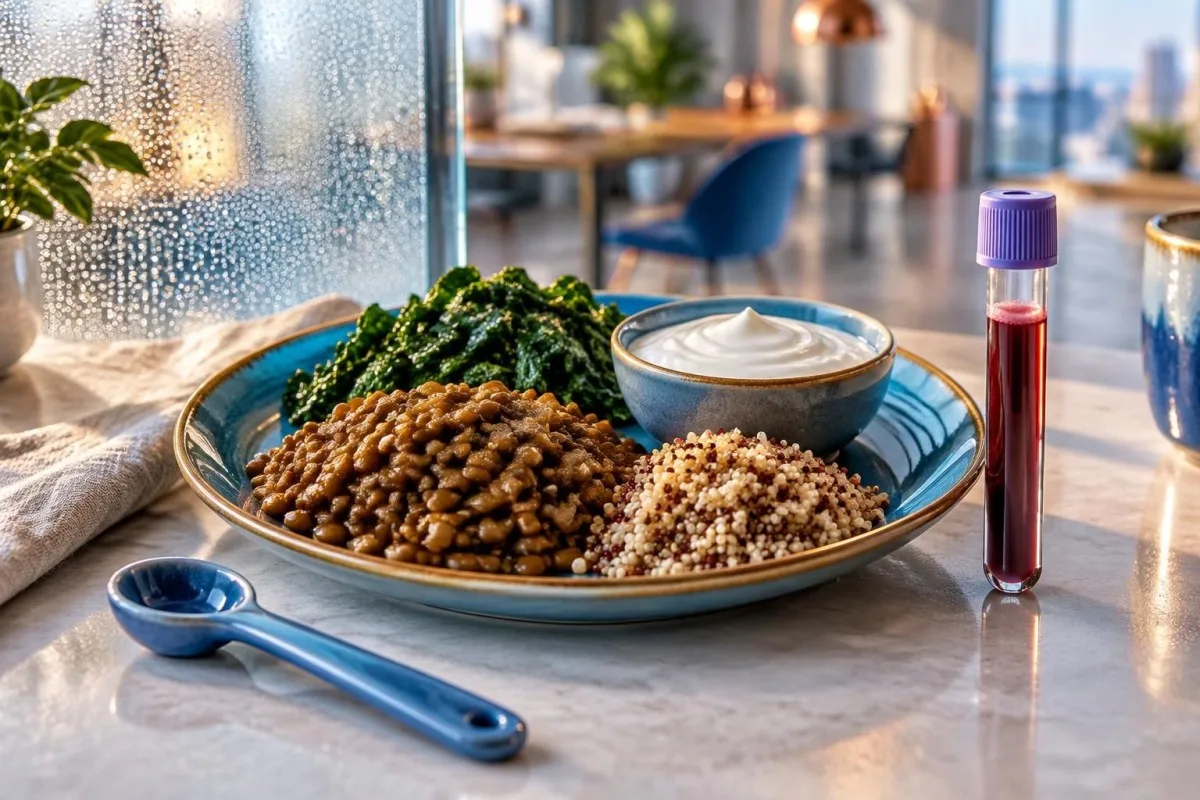
The strongest everyday pattern is a combination of meal load and timing: ശുദ്ധീകരിച്ച സ്റ്റാർച്ച് കൂടുതലുള്ള 1,000-കലോറി ഉച്ചഭക്ഷണം പച്ചക്കറികൾ, പ്രോട്ടീൻ, ഫൈബർ എന്നിവ അടങ്ങിയ 500-കലോറി ഭക്ഷണത്തേക്കാൾ കൂടുതൽ മയക്കം ഉണ്ടാക്കാം. ദഹനം, ഇൻസുലിൻ സ്രവണം, ശരീരത്തിന്റെ പകൽസമയ ജാഗ്രതാ താളം എന്നിവ ഒരുമിച്ച് വരുമ്പോൾ, സാധാരണയായി 30-120 മിനിറ്റുകൾക്ക് ശേഷം ഇതിന്റെ പ്രഭാവം ഏറ്റവും ശക്തമാകും.
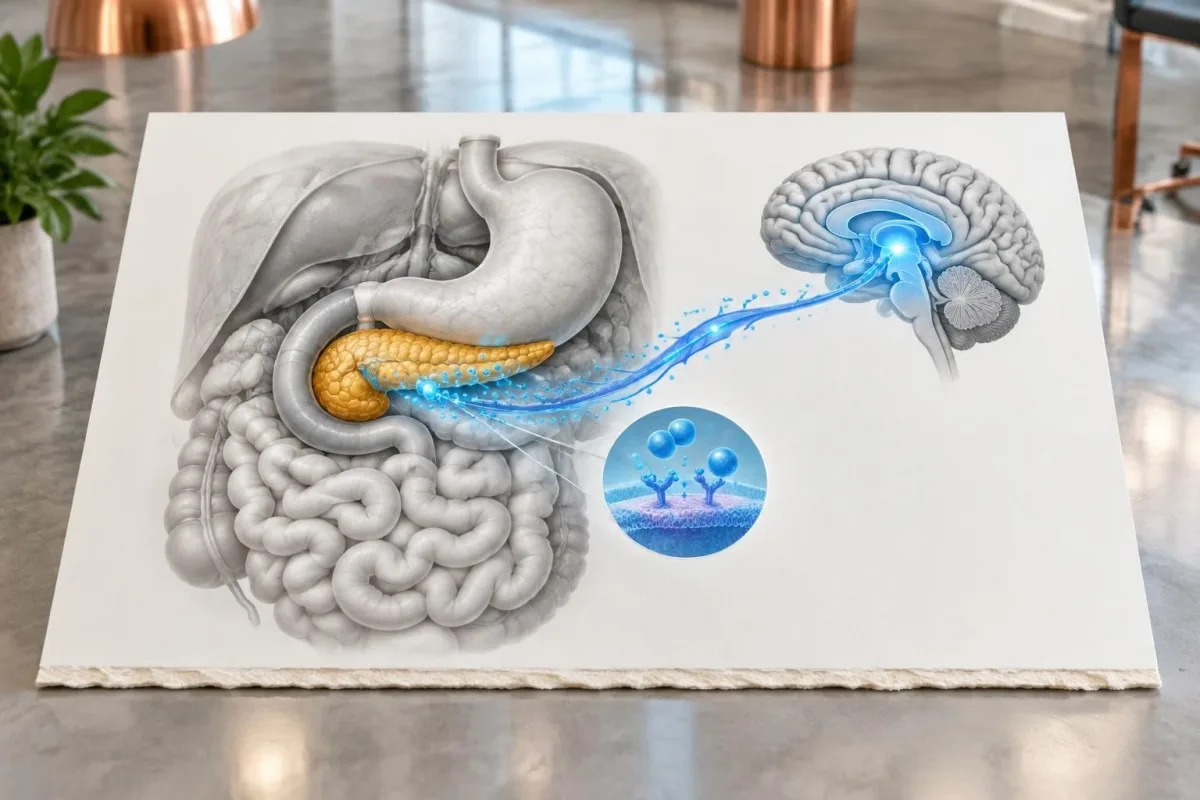
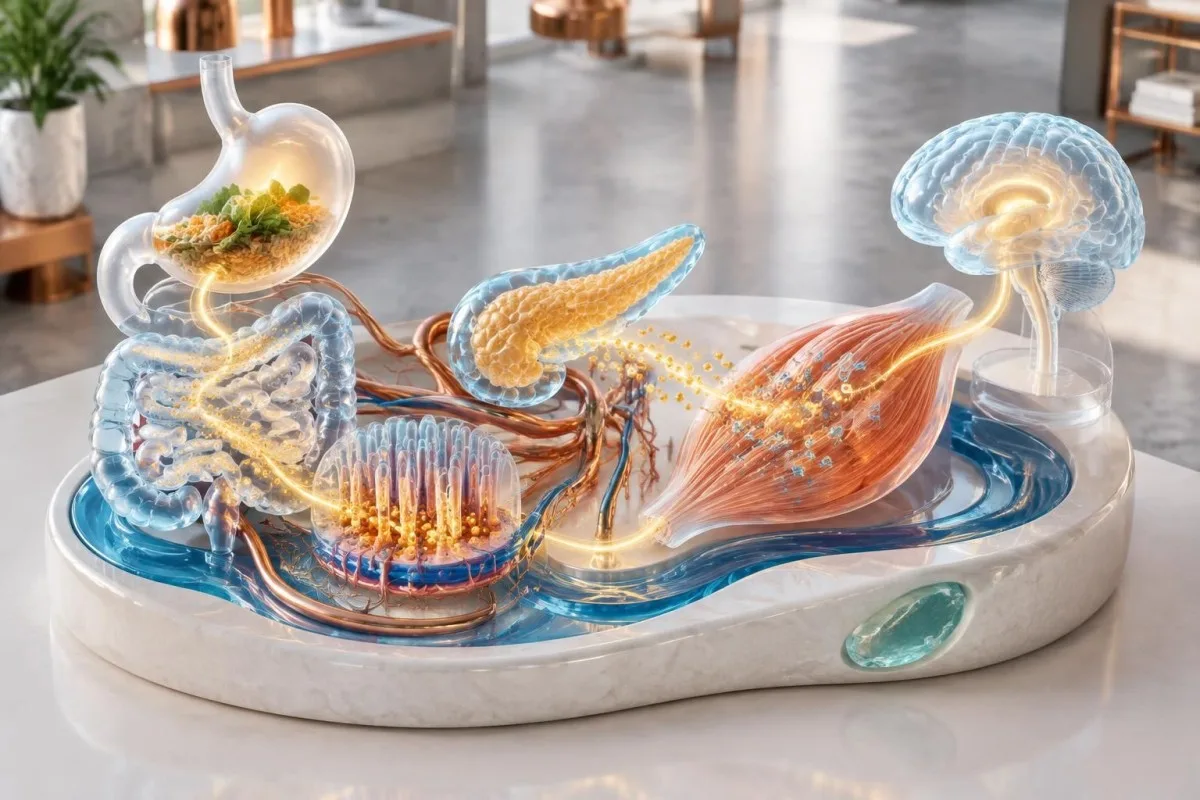
Post-meal sleepiness does not usually mean that digestion steals so much blood from the brain that the brain becomes under-supplied. Blood flow is tightly regulated; the more useful explanation is interacting signals from the gut, pancreas, brain and circadian clock, with individual responses varying substantially.
A practical distinction is duration. Drowsiness that fades within 30-90 minutes after an occasional large meal is usually different from recurrent episodes lasting several hours, sleep attacks, confusion or symptoms of low glucose; the latter patterns warrant a structured history and possibly testing.
ദഹനം ഭക്ഷണാനന്തര മയക്കത്തെ എങ്ങനെ പ്രോത്സാഹിപ്പിക്കാം
Digestion can promote drowsiness through gut-brain signalling, insulin-related changes and meal-induced relaxation, but no single mechanism explains every food coma. ഭക്ഷണത്തിനു ശേഷം കോളിസിസ്റ്റോകൈനിന് പോലുള്ള ഹോർമോണുകളുടെ അളവ് ഉയരുന്നു, അതേസമയം പോഷകങ്ങളുടെ ലഭ്യതയോടും ഭക്ഷണം കഴിക്കുന്ന സാമൂഹിക സാഹചര്യത്തോടും മസ്തിഷ്കത്തിലെ ഉത്തേജന സംവിധാനങ്ങൾ പ്രതികരിക്കുന്നു.
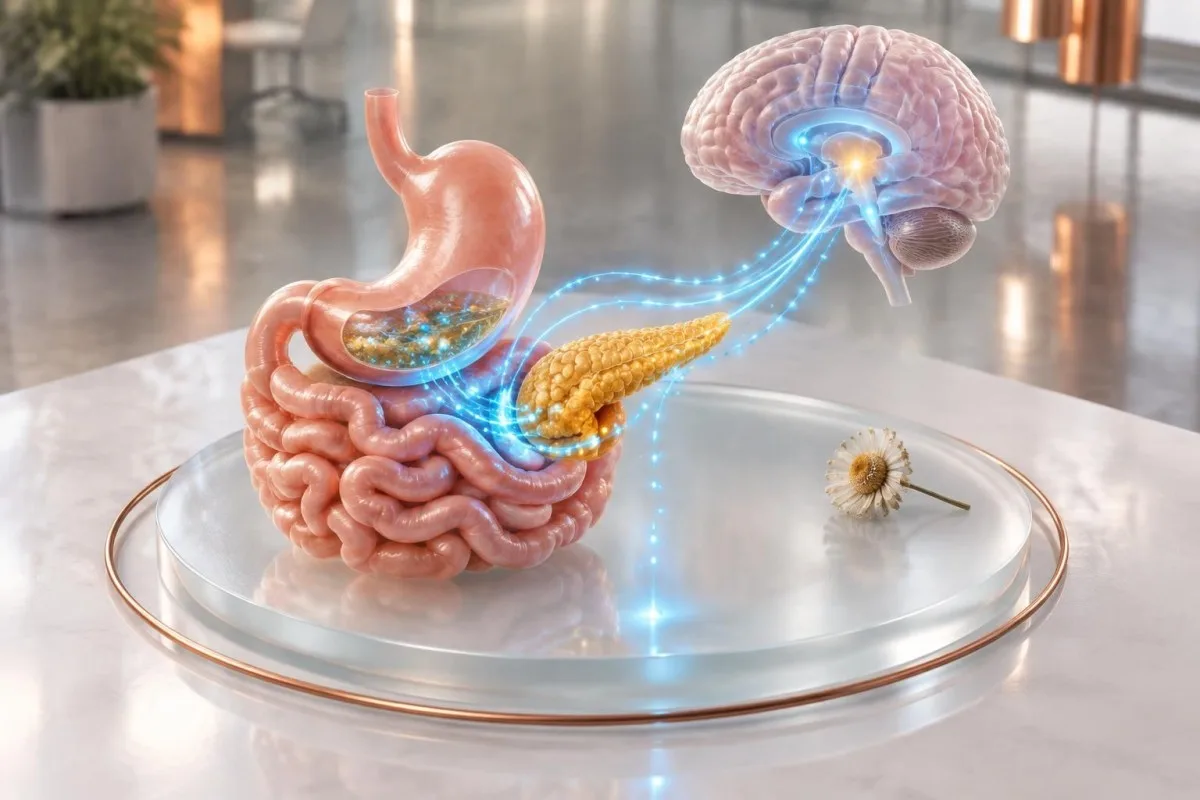
കൊഴുപ്പിനും പ്രോട്ടീനും ഉത്തേജിപ്പിക്കാനാകും കൊളിസിസ്റ്റോകൈനിൻ, a gut hormone associated with satiety and reduced arousal in experimental settings. That does not mean fat automatically causes abnormal sleepiness: a meal’s total energy, fibre, alcohol content, hydration and the person’s prior sleep can matter more than one nutrient.
Carbohydrate intake increases insulin secretion, which changes the movement of several amino acids into tissues and may alter the relative availability of tryptophan for brain serotonin and melatonin production. The evidence is honestly mixed, and normal post-meal insulin action should not be confused with insulin resistance.
The phrase “food coma” describes a sensation, not a diagnosis. If a 700-kilocalorie meal causes mild drowsiness for 45 minutes, that is generally less concerning than a repeated 3-hour crash accompanied by tremor, sweating or palpitations.
Why blood is not simply diverted from the brain
ഭക്ഷണം കഴിച്ചതിന് ശേഷം മനുഷ്യശരീരത്തിലെ രക്തചംക്രമണം മസ്തിഷ്കത്തിലേക്കുള്ള രക്തപ്രവാഹം നിലനിർത്തിക്കൊണ്ട് ദഹനാവയവങ്ങളിലേക്കുള്ള രക്തവിതരണം വർധിപ്പിക്കാം. ഭക്ഷണത്തിന് ശേഷമുള്ള കഠിനമായ തലകറക്ക അനുഭവം സാധാരണ ദഹനം മാത്രത്തേക്കാൾ രക്തസമ്മർദ്ദ നിയന്ത്രണം, നിർജലീകരണം അല്ലെങ്കിൽ ഗ്ലൂക്കോസ് പ്രശ്നം എന്നിവയെയാണ് കൂടുതൽ സൂചിപ്പിക്കുന്നത്; ലക്ഷണങ്ങളിൽ നിൽക്കുമ്പോഴുള്ള തലകറക്കം ഉൾപ്പെടുന്നുവെങ്കിൽ രക്തസമ്മർദ്ദത്തിന്റെ അവലോകനം പ്രയോജനപ്പെടാം.
Which meal patterns make sleepiness more likely
വേഗത്തിൽ ആഗിരണം ചെയ്യപ്പെടുന്ന കാർബോഹൈഡ്രേറ്റ്, പൂരിത കൊഴുപ്പ്, അല്ലെങ്കിൽ മദ്യം കൂടുതലുള്ള വലിയ ഭക്ഷണങ്ങളാണ് ഭക്ഷണവുമായി ബന്ധപ്പെട്ട ഭക്ഷണാനന്തര മയക്കത്തിന്റെ ഏറ്റവും സാധാരണ കാരണങ്ങൾ. ഒരു ഭക്ഷണത്തെ “ആരോഗ്യകരം” അല്ലെങ്കിൽ “അനാരോഗ്യകരം” എന്ന് ലേബൽ ചെയ്തിട്ടുണ്ടോ എന്നതിനെക്കാൾ സാധാരണയായി അളവും കാർബോഹൈഡ്രേറ്റിന്റെ ഗുണനിലവാരവുമാണ് കൂടുതൽ പ്രധാനപ്പെട്ടത്.”
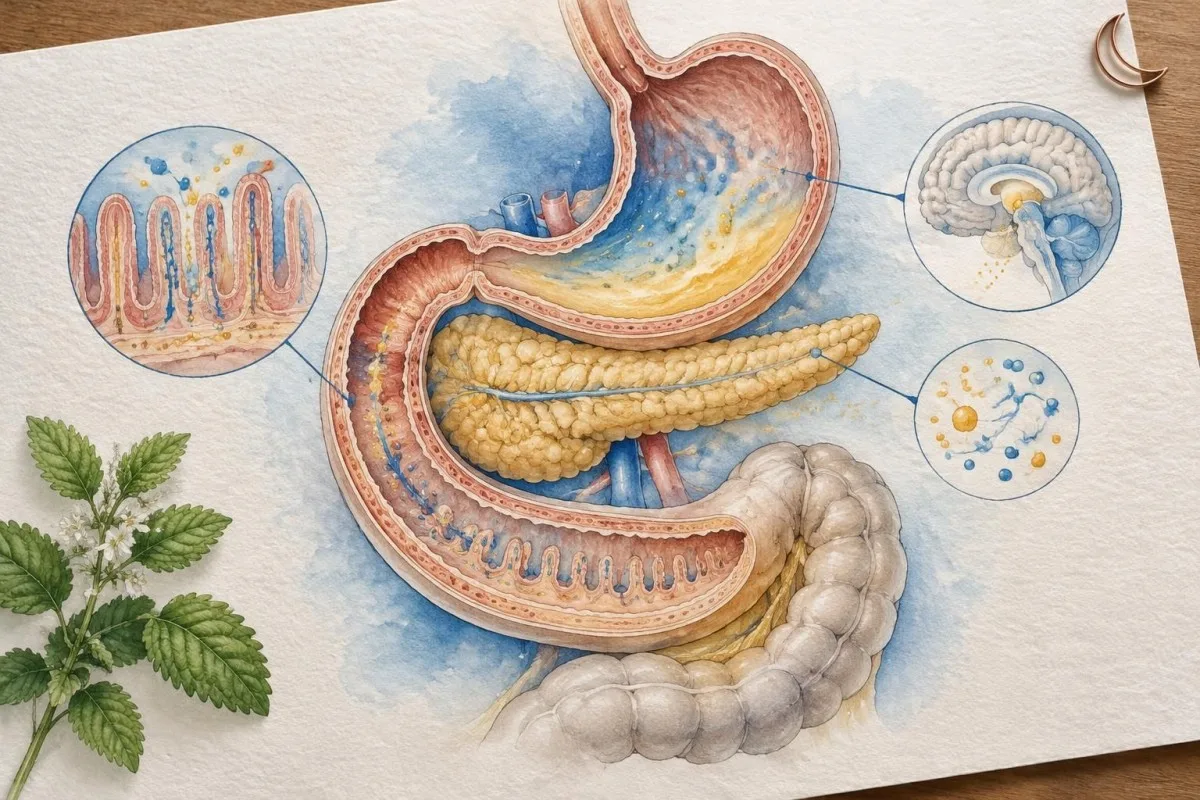
A meal containing 100 grams of rapidly absorbed carbohydrate can raise glucose and insulin more sharply than one containing 40 grams of carbohydrate plus beans, vegetables and protein. Fibre slows gastric emptying and glucose absorption; it does not cancel the energy content of an oversized meal, but it can reduce the speed of the glucose rise.
Fat can delay stomach emptying, which sometimes produces a later, longer period of heaviness rather than an immediate crash. Alcohol is different: even one standard drink can worsen alertness and fragment sleep later that night, making the next day’s meal-related drowsiness easier to misinterpret.
വ്യക്തമായി സാങ്കൽപ്പികമായ ഒരു ഉദാഹരണം സഹായകരമാണ്: 35 വയസ്സുള്ള ഒരു ഓഫീസ് ജീവനക്കാരൻ 6 മണിക്കൂർ ഉറങ്ങുകയും പ്രഭാതഭക്ഷണം ഒഴിവാക്കുകയും 1 p.m.-ന് വലിയ അളവിൽ മധുരം ചേർത്ത പാനീയവും വെളുത്ത റൊട്ടിയും കഴിക്കുകയും ചെയ്യുന്നു. 90 മിനിറ്റ് നീളുന്ന തളർച്ച സർകേഡിയൻ സമയത്തോടൊപ്പം ഉറക്കക്കുറവും ഭക്ഷണഘടനയും പ്രതിഫലിപ്പിച്ചേക്കാം; അത് മാത്രം പ്രമേഹമുണ്ടെന്ന് തെളിയിക്കുന്നില്ല.
പ്രായോഗിക താരതമ്യങ്ങൾക്കായി, ഒരു സംഭവത്തിന് ശേഷം വ്യക്തിഗത ഭക്ഷണങ്ങൾ നിരോധിക്കുന്നതിനുപകരം 7 ദിവസത്തേക്ക് ഭക്ഷണത്തിന്റെ ഏകദേശ അളവ്, കാർബോഹൈഡ്രേറ്റ് ഉറവിടം, ലക്ഷണങ്ങൾ ഉണ്ടാകുന്ന സമയം എന്നിവ രേഖപ്പെടുത്തുക. ഒരു guide to fasting instructions can also prevent confusion when later blood testing is arranged.
Why the afternoon circadian dip can feel like a food coma
വ്യക്തി ഇപ്പോൾ ഭക്ഷണം കഴിച്ചിട്ടില്ലെങ്കിലും, ശരീരത്തിന്റെ സർകേഡിയൻ ജാഗ്രതാ താളം സാധാരണയായി ഉച്ചതിരിഞ്ഞ് ആരംഭത്തിൽ, പലപ്പോഴും ഏകദേശം 1 മുതൽ 3 p.m. വരെയുള്ള സമയത്ത്, കുറയുന്നു. ഉച്ചതിരിഞ്ഞുള്ള ഭക്ഷണം ജാഗ്രതയിലെ ആ പ്രവചിക്കാവുന്ന കുറവ് കൂടുതൽ ശക്തമാക്കാം.
ദിവസമൊട്ടാകെ ജാഗ്രത ഒരേ നിലയിൽ തുടരില്ല. കേന്ദ്ര സർകേഡിയൻ ഘടികാരം ഉറക്കസമ്മർദ്ദം, ശരീരതാപനില, മെലറ്റോണിന്റെ സമയക്രമം, കോർട്ടിസോളിന്റെ താളങ്ങൾ എന്നിവ ഏകോപിപ്പിക്കുന്നു; പല മുതിർന്നവരിലും ഉച്ചയ്ക്കുശേഷം ഉണർന്നിരിക്കാനുള്ള പ്രവണത കുറയുമ്പോഴും, ജൈവരാത്രി തന്നെയാണ് ഉറങ്ങാനുള്ള ഏറ്റവും ശക്തമായ സമയം.
ഭക്ഷണസമയക്രമം ഈ ജൈവഘടികാരവുമായി ഇടപെടാം. ക്രമരഹിതമായ ഭക്ഷണം, സർക്കേഡിയൻ ജീവശാസ്ത്രം, ഹൃദയ-ഉപാപചയ ആരോഗ്യം എന്നിവ തമ്മിലുള്ള ബന്ധങ്ങൾ അമേരിക്കൻ ഹാർട്ട് അസോസിയേഷന്റെ ഭക്ഷണസമയത്തെക്കുറിച്ചുള്ള ശാസ്ത്രീയ പ്രസ്താവന വിവരിക്കുന്നുണ്ടെങ്കിലും, എല്ലാവർക്കും ബാധകമായ ഒരൊറ്റ “സുരക്ഷിത” ഭക്ഷണസമയക്രമം അത് നിർദേശിക്കുന്നില്ല (St-Onge et al., 2017).
A useful experiment is to compare equivalent meals at 11 a.m. and 2 p.m. on separate days, while keeping sleep and caffeine similar. If sleepiness appears at both times, meal composition may dominate; if it appears mainly at 2 p.m., circadian timing is a stronger clue.
People who work rotating shifts or cross time zones may experience the dip at an unusual clock time because their internal rhythm and local schedule disagree. A രക്തപരിശോധന സമയക്രമ മാർഗ്ഗനിർദ്ദേശം is useful when shift work also affects the timing of laboratory samples.
How sleep debt magnifies sleepy-after-meals symptoms
Sleep debt makes ordinary post-meal drowsiness stronger because sleep pressure has already accumulated before the meal begins. പതിവായി 7 മണിക്കൂറിൽ താഴെ ഉറങ്ങുന്ന മുതിർന്നവർക്ക് ഏകതാനമായ ജോലികൾ ചെയ്യുമ്പോഴോ, ചൂടുള്ള മുറികളിലോ, ഉച്ചകഴിഞ്ഞുള്ള ആദ്യസമയത്തോ ഈ പ്രശ്നം കൂടുതൽ അനുഭവപ്പെടാം.

The American Academy of Sleep Medicine and Sleep Research Society recommend that adults obtain at least 7 hours of sleep regularly for health. Five nights of 6-hour sleep create a 5-hour weekly shortfall compared with that minimum, even if the person feels they have adapted.
In a controlled study, Van Dongen et al. found that chronic restriction to 6 hours or 4 hours per night produced cumulative neurobehavioral impairment, while participants became less accurate at judging their own impairment (Sleep, 2003). That finding matters because “I am used to it” is not a reliable safety test.
സങ്കൽപ്പിതമായ 52 വയസ്സുള്ള മാരത്തൺ ഓട്ടക്കാരന് സാധാരണ ഉച്ചഭക്ഷണത്തിന് ശേഷം ഉറക്കം അനുഭവപ്പെടാം, കാരണം പരിശീലനം, നേരത്തെ എഴുന്നേൽക്കൽ, 6 മണിക്കൂർ ഉറക്കം എന്നിവ ഉറക്കസമ്മർദ്ദം വർധിപ്പിച്ചിരിക്കുന്നു; 8 മണിക്കൂർ ഉറക്കമുള്ള നിരവധി രാത്രികൾക്ക് ശേഷം അതേ ഭക്ഷണം ലക്ഷണങ്ങൾ ഉണ്ടാക്കണമെന്നില്ല. ഈ മാതൃക ആദ്യം വീണ്ടെടുപ്പിന്റെയും ഉറക്കത്തിന്റെയും വിലയിരുത്തലിലേക്കാണ് വിരൽചൂണ്ടുന്നത്, ഭക്ഷണ അസഹിഷ്ണുതയിലേക്കല്ല.
Track bedtime, wake time, awakenings, snoring, alcohol and caffeine for 14 days. Loud snoring, witnessed breathing pauses or morning headaches make sleep-apnoea assessment more relevant than simply reducing carbohydrates.
How portion size, speed and activity change the crash
വേഗത്തിൽ ഭക്ഷണം കഴിക്കുന്നത്, വളരെ വലിയ അളവിൽ ഭക്ഷണം കഴിക്കുന്നത്, അല്ലെങ്കിൽ ഉച്ചഭക്ഷണത്തിന് ശേഷം അനങ്ങാതെ ഇരിക്കുന്നത് ഭക്ഷണത്തിന് ശേഷമുള്ള ഉറക്കത്തെ കൂടുതൽ ശക്തമാക്കാം. A smaller meal eaten slowly, followed by gentle movement, often produces a different response without requiring extreme dietary restriction.
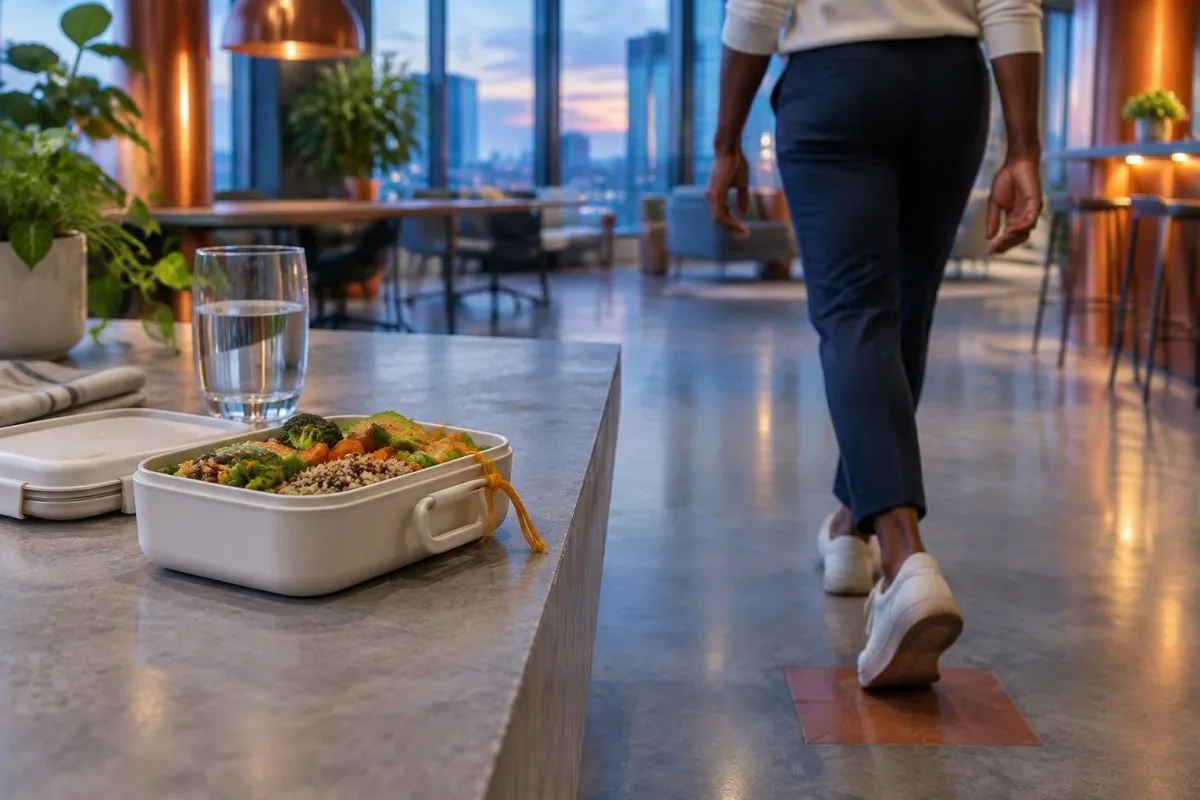
Large meals stretch the stomach and may increase satiety signals, while rapid eating compresses more energy into a shorter period. A 20-minute meal containing 800 calories can therefore feel different from the same food eaten over 45 minutes with water and pauses.
ഭക്ഷണം കഴിച്ചതിന് ശേഷം 10-15 മിനിറ്റ് എളുപ്പത്തിൽ നടക്കുന്നത് പേശികൾ ഗ്ലൂക്കോസ് ആഗിരണം ചെയ്യുന്നത് വർധിപ്പിച്ച് ചിലരിൽ ഭക്ഷണാനന്തര ഗ്ലൂക്കോസ് ഉയർച്ചയുടെ പരമാവധി കുറയ്ക്കാം. ഇത് പ്രമേഹത്തിനുള്ള ചികിത്സയല്ല, ബാലൻസ് പ്രശ്നങ്ങൾ, നെഞ്ചുസംബന്ധമായ ലക്ഷണങ്ങൾ, അല്ലെങ്കിൽ വ്യായാമ നിയന്ത്രണങ്ങൾ ഉള്ളവർ ചികിത്സകന്റെ ഉപദേശം പാലിക്കണം.
പ്രസക്തമായ താരതമ്യം വ്യക്തിഗതമാണ്, സാർവത്രികമല്ല: 35 ഗ്രാം നാരടങ്ങിയ കാർബോഹൈഡ്രേറ്റുള്ള 600-കലോറി ഉച്ചഭക്ഷണം, 350-കലോറി പേസ്ട്രിയും മധുരപാനീയവും ചേർന്നതിനേക്കാൾ നന്നായി സഹിക്കാനായേക്കാം. ശരീരഭാരം കുറയ്ക്കാനുള്ള ലക്ഷ്യങ്ങൾ, മരുന്ന് കഴിക്കുന്ന സമയം, ഗ്ലൂക്കോസ് കുറയ്ക്കുന്ന ചികിത്സ എന്നിവ ഏറ്റവും സുരക്ഷിതമായ പദ്ധതിയെ മാറ്റാം.
5-7 ദിവസത്തേക്ക് ഒരു സമയം ഒരു ഘടകം മാറ്റാൻ ശ്രമിക്കുക: ഭക്ഷണത്തിന്റെ അളവ്, ഭക്ഷണം കഴിക്കുന്ന വേഗത, ശുദ്ധീകരിച്ച കാർബോഹൈഡ്രേറ്റ്, അല്ലെങ്കിൽ ചെറിയൊരു നടത്തം. ദി AI പോഷണവും ലബോറട്ടറി പശ്ചാത്തലവും സംബന്ധിച്ച മാർഗ്ഗദർശി explains why dietary suggestions should be interpreted alongside biomarkers rather than as a diagnosis.
Which medicines can worsen sleepy-after-meals episodes
മയക്കമുണ്ടാക്കുന്ന മരുന്നുകളും മദ്യവും സാധാരണ ഭക്ഷണാനന്തര തളർച്ച അമിതമായി തോന്നാൻ ഇടയാക്കാം, കൂടാതെ ഭക്ഷണസമയക്രമം അവയുടെ പരമാവധി പ്രഭാവങ്ങൾ കൂടുതൽ ശ്രദ്ധേയമാക്കാം. Common contributors include first-generation antihistamines, opioids, sleep medicines, benzodiazepines, some antipsychotics, gabapentinoids and sedating antidepressants.
Diphenhydramine and other first-generation antihistamines can impair alertness; opioids and benzodiazepines can also reduce breathing drive and reaction speed. A medicine taken at 8 a.m. may still contribute to a noon episode depending on its half-life, dose, kidney function and interactions.
Some medicines influence glucose rather than sedation directly. Insulin and sulfonylureas can cause hypoglycaemia, especially after eating less than planned, exercising more than usual or drinking alcohol; symptoms may include sweating, shaking, hunger, palpitations and confusion rather than simple sleepiness.
മയക്കം തോന്നുന്നതുകൊണ്ട് നിർദേശിച്ച മരുന്ന് ഒരിക്കലും പെട്ടെന്ന് നിർത്തരുത്. സമയക്രമം, ഡോസ്, മറ്റൊരു മരുന്ന്, അല്ലെങ്കിൽ വൃക്കകളുടെ പ്രവർത്തനത്തിന്റെ അവലോകനം എന്നിവയിൽ ഏതാണ് ഉചിതമെന്ന് ഫാർമസിസ്റ്റിനോടോ മരുന്ന് നിർദേശിച്ച ആരോഗ്യപ്രവർത്തകനോടോ ചോദിക്കുക, പ്രതികരണം പ്രവചിക്കാനാകാത്തതാണെങ്കിൽ വാഹനമോടിക്കുന്നത് ഒഴിവാക്കുക.
Bring a complete list of prescriptions, over-the-counter products, supplements and recreational substances to the review. A മരുന്ന്-സുരക്ഷാ പ്രവണതാ പ്രവർത്തനരീതി can help organise laboratory trends, but it cannot replace a prescribing decision.
When glucose regulation may explain post-meal fatigue
മയക്കം തുടർച്ചയായതോ, അനുപാതാതീതമായതോ, ദാഹം, പതിവിലധികം മൂത്രമൊഴിക്കൽ, കാഴ്ച മങ്ങൽ, ആവർത്തിച്ചുള്ള അണുബാധകൾ, അല്ലെങ്കിൽ കാരണം വ്യക്തമല്ലാത്ത ശരീരഭാരമാറ്റം എന്നിവയോടൊപ്പം ഉണ്ടായാലോ ഗ്ലൂക്കോസ് നിയന്ത്രണത്തെക്കുറിച്ച് കൂടുതൽ ആശങ്കപ്പെടേണ്ടതാണ്. High glucose can cause fatigue through dehydration and altered cellular fuel use, while low glucose can cause neuroglycopenic drowsiness.
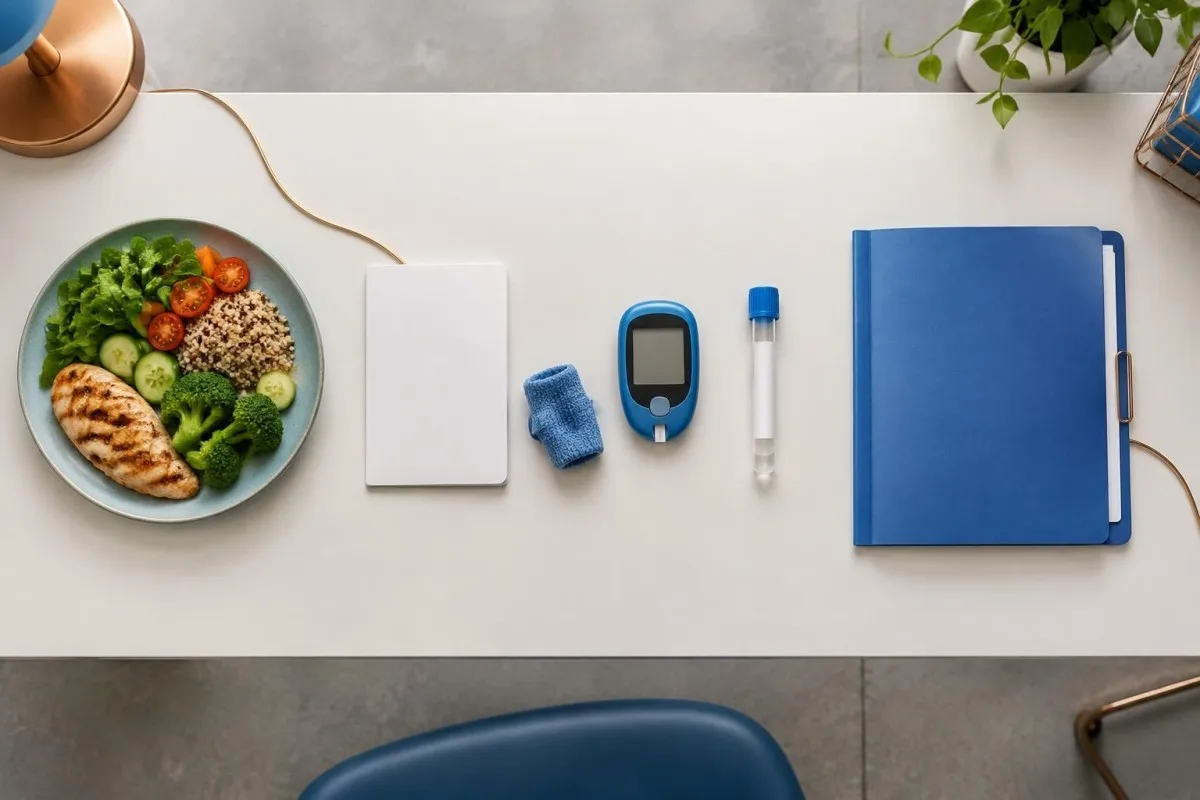
The American Diabetes Association defines diabetes using laboratory criteria such as HbA1c of 6.5% or higher, fasting plasma glucose of 126 mg/dL (7.0 mmol/L) or higher, or a 2-hour oral glucose tolerance result of 200 mg/dL (11.1 mmol/L) or higher, usually confirmed when symptoms are absent (American Diabetes Association Professional Practice Committee, 2024).
Kantesti is an AI blood test interpretation platform that places glucose, HbA1c, triglycerides, liver markers and kidney markers into a connected context rather than treating a single post-meal sensation as proof of diabetes. Our platform can explain reported values, but diagnosis still depends on validated testing and clinical assessment.
A home glucose value after an ordinary meal is not equivalent to a diagnostic oral glucose tolerance test. Capillary meters can differ from laboratory plasma glucose, and continuous glucose monitors measure interstitial fluid with a delay; a surprising result should be repeated or confirmed rather than overinterpreted.
If thirst and urination occur with repeated drowsiness, arrange medical review rather than merely switching foods. The ഉയർന്ന ഗ്ലൂക്കോസ് ലക്ഷണങ്ങൾക്കുള്ള മാർഗ്ഗദർശി describes warning patterns that should not be dismissed as a routine food coma.
| നില | പരിധി | ഇതിന്റെ അർത്ഥം |
|---|---|---|
| സാധാരണ ഉപവാസ രക്തത്തിലെ ഗ്ലൂക്കോസ് | <100 mg/ഡെസിലിറ്റർ (<5.6 mmol/L) | Usually within the normal diagnostic range; one result does not explain every symptom. |
| പ്രമേഹ പരിധി | 100-125 mg/dL (5.6-6.9 mmol/L) | Suggests increased diabetes risk and usually calls for repeat testing or HbA1c assessment. |
| ডায়াবেটিস-রেঞ্জের ফলাফল | 126-199 mg/dL (7.0-11.0 mmol/L) | Requires confirmation or symptom-based clinical interpretation; it is not explained by ordinary post-meal sleepiness alone. |
| വ്യക്തമായ ഹൈപ്പർഗ്ലൈസീമിയ | ≥200 mg/dL (≥11.1 mmol/L) with symptoms | Needs prompt medical assessment, especially with vomiting, dehydration, deep breathing or confusion. |
Could a glucose drop cause sleepiness 2 to 4 hours later
A glucose fall 2-4 hours after eating can cause sleepiness, weakness, sweating, tremor, hunger or confusion, particularly after a high-carbohydrate meal or with glucose-lowering medicine. യഥാർത്ഥ ഭക്ഷണാനന്തര ഹൈപ്പോഗ്ലൈസീമിയയാണെന്ന് കരുതുന്നതിനു പകരം, ലക്ഷണങ്ങൾ ഉള്ളപ്പോഴാണ് അത് സ്ഥിരീകരിക്കേണ്ടത്.
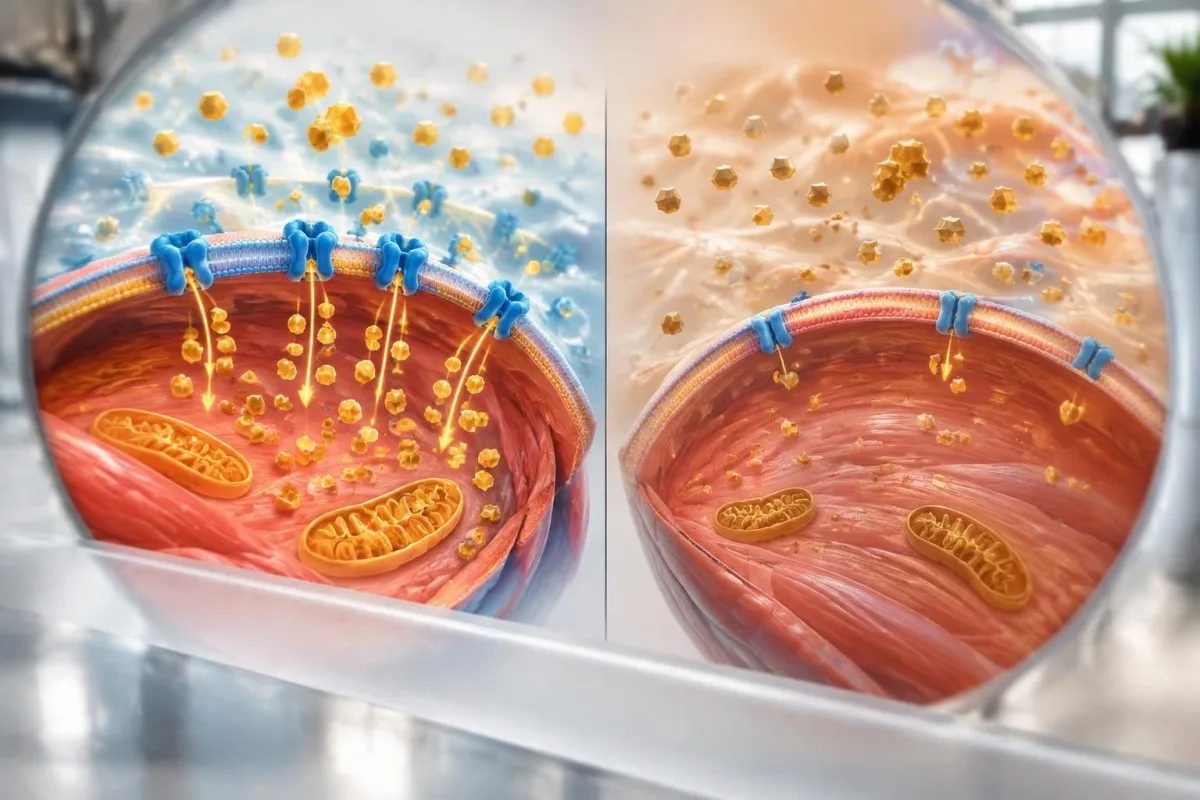
Clinicians commonly use a glucose below 70 mg/dL (3.9 mmol/L) as an alert level, while below 54 mg/dL (3.0 mmol/L) indicates clinically significant hypoglycaemia requiring urgent attention. The number matters most when symptoms occur at the same time and improve after glucose is corrected.
രോഗനിർണയ യുക്തിയെ പലപ്പോഴും വിളിക്കുന്നത് Whipple’s triad: compatible symptoms, a documented low glucose during those symptoms, and improvement when glucose rises. A person who feels sleepy at 2 p.m. but has a glucose of 98 mg/dL (5.4 mmol/L) has not demonstrated hypoglycaemia.
A 28-year-old with episodes after sweet drinks may have a rapid rise and fall, but a meter reading of 62 mg/dL (3.4 mmol/L) should be confirmed when feasible because home devices have analytical error. Fasting, alcohol use, exercise and medicines can create different patterns.
നിർദേശിച്ച ഇൻസുലിൻ അല്ലെങ്കിൽ സൾഫോണൈലൂറിയ ഉപയോഗിക്കുന്നവർ വ്യക്തിഗത അടിയന്തര പരിചരണ പദ്ധതി പിന്തുടരുകയും വേഗത്തിൽ പ്രവർത്തിക്കുന്ന കാർബോഹൈഡ്രേറ്റ് ഉറവിടം കൈവശം വയ്ക്കുകയും വേണം. പ്രമേഹമില്ലാത്തവർക്ക് ആവർത്തിച്ച് കുറഞ്ഞ മൂല്യങ്ങൾ രേഖപ്പെടുന്നുവെങ്കിൽ, വീണ്ടും വീണ്ടും സ്വയം ചികിത്സിക്കുന്നതിനുപകരം വൈദ്യപരിശോധന നടത്തണം; ഞങ്ങളുടെ കുറഞ്ഞ ഗ്ലൂക്കോസിന്റെ കാരണങ്ങളെക്കുറിച്ചുള്ള മാർഗ്ഗനിർദേശം for testing context.
ഭക്ഷണത്തിന് ശേഷമുള്ള മയക്കത്തിന്റെ ലക്ഷണങ്ങളായി തെറ്റിദ്ധരിക്കപ്പെടാവുന്ന മറ്റ് അവസ്ഥകൾ
വിളർച്ച, ഇരുമ്പിന്റെ കുറവ്, തൈറോയ്ഡ് രോഗം, സ്ലീപ് അപ്നിയ, വിഷാദം, ദീർഘകാല രോഗങ്ങൾ, ചില അണുബാധകൾ എന്നിവ ഭക്ഷണത്തിന് ശേഷം മാത്രമാണ് ശ്രദ്ധയിൽപ്പെടുന്ന പകൽസമയ ഉറക്കമുണ്ടാക്കാം. The meal may be a trigger for noticing fatigue, not the underlying cause.
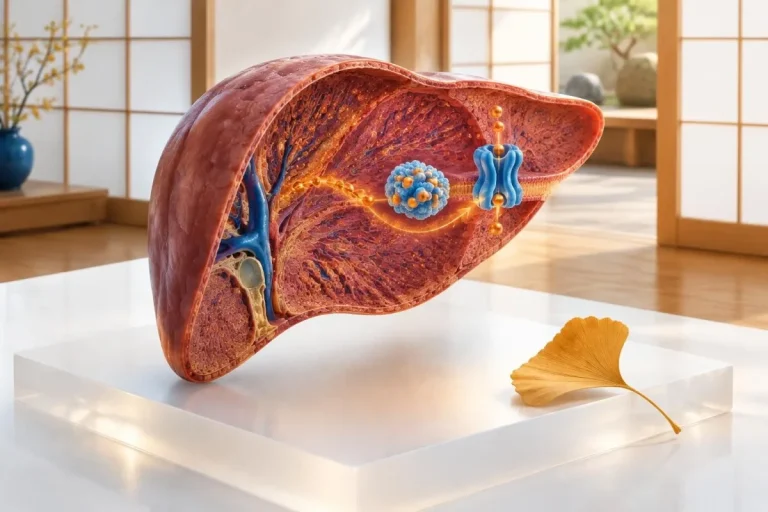
ഒരു പൂർണ്ണ രക്ത എണ്ണം അനീമിയ തിരിച്ചറിയാൻ സഹായിക്കും; എന്നാൽ വീക്കം ഫെറിറ്റിൻ ഉയർത്തുമ്പോഴും ഇരുമ്പിന്റെ സംഭരണം പരിമിതമായിരിക്കാം എന്നതിനാൽ, ഫെറിറ്റിൻ ഫലം വ്യാഖ്യാനിക്കാൻ സന്ദർഭം ആവശ്യമാണ്. എല്ലാവരുടെയും മയക്കത്തിന് വിശദീകരണമാകുന്ന ഒരൊറ്റ ഫെറിറ്റിൻ പരിധിയില്ല; ഒറ്റപ്പെട്ട അതിർത്തിവിലയേക്കാൾ കുറഞ്ഞ ട്രാൻസ്ഫെറിൻ സാച്ചുറേഷനോടുകൂടിയ കുറഞ്ഞ ഫെറിറ്റിൻ കൂടുതൽ വിവരപ്രദമാണ്.
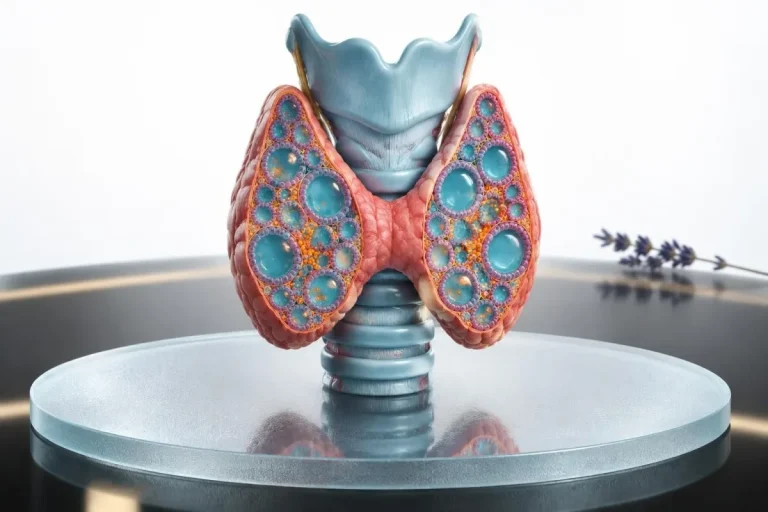
Hypothyroidism may cause fatigue, cold intolerance, constipation, dry skin and slowed thinking, although symptoms are nonspecific. Many laboratories use a TSH upper reference limit near 4.0-4.5 mIU/L, but ranges differ by assay, age, pregnancy and local practice; some European laboratories use different limits.
ഭക്ഷണഘടന എന്തുതന്നെയായാലും, സ്ലീപ് അപ്നിയ പകൽസമയത്ത് ഗുരുതരമായ അമിതമയക്കം ഉണ്ടാക്കാം. കൂർക്കംവലി, മറ്റുള്ളവർ ശ്രദ്ധിച്ച ശ്വാസതടസ്സ ഇടവേളകൾ, പ്രഭാത തലവേദന, അല്ലെങ്കിൽ നിയന്ത്രിക്കാൻ ബുദ്ധിമുട്ടുള്ള ഹൈപ്പർടെൻഷൻ എന്നിവ ഉറക്കവിലയിരുത്തൽ നടത്തേണ്ടതിന്റെ സൂചനകളാണ്, പ്രത്യേകിച്ച് ഒരാൾ സംഭാഷണങ്ങൾക്കിടയിലോ വാഹനമോടിക്കുമ്പോഴോ അനിയന്ത്രിതമായി മയങ്ങുന്നുവെങ്കിൽ.
Kantesti AI can organise a CBC, ferritin, thyroid markers and glucose into a readable pattern, but a normal panel does not exclude sleep disorders or depression. Relevant background reading includes കുറഞ്ഞ ഫെറിറ്റിൻ ലക്ഷണങ്ങൾ ഒപ്പം subclinical thyroid results.
When food reactions are relevant to post-meal drowsiness
ഭക്ഷണ അസഹിഷ്ണുത ഭക്ഷണത്തിനു ശേഷം വയറുവീക്കം, വയറുവേദന, അല്ലെങ്കിൽ വയറിളക്കം ഉണ്ടാക്കാം; എന്നാൽ ഭക്ഷണത്തിനു ശേഷമുള്ള ഒറ്റപ്പെട്ട മയക്കം അസഹിഷ്ണുതയുടെയോ അലർജിയുടെയോ വിശ്വസനീയമായ ലക്ഷണമല്ല. മയക്കത്തോടൊപ്പം ചൊറിച്ചിൽപുള്ളികൾ, വീക്കം, ശ്വാസംമുട്ടൽ, തൊണ്ട മുറുകൽ, ആവർത്തിച്ചുള്ള ഛർദ്ദി, അല്ലെങ്കിൽ ബോധക്ഷയം എന്നിവ ഉണ്ടാകുമ്പോൾ യഥാർത്ഥ അലർജി പ്രതികരണത്തിനുള്ള സാധ്യത കൂടുതലാണ്.
ലാക്ടോസ് അല്ലെങ്കിൽ ഫ്രക്ടോസ് ആഗിരണക്കുറവ് സമ്പർക്കത്തിന് മണിക്കൂറുകൾക്ക് ശേഷം ദഹനനാള സംബന്ധമായ ലക്ഷണങ്ങൾ ഉണ്ടാക്കാം, എന്നാൽ ക്ഷീണം മാത്രം അടിസ്ഥാനമാക്കി ഇവയിൽ ഏതെങ്കിലും രോഗനിർണ്ണയം നടത്തരുത്. ഒരു ലാക്ടോസ് അസഹിഷ്ണുത പരിശോധനാ മാർഗ്ഗനിർദ്ദേശം explains why breath-test preparation and symptom timing matter.
Drowsiness with wheezing, facial or tongue swelling, blue lips, collapse or rapidly worsening symptoms is an emergency because severe allergic reactions can impair breathing and blood pressure. Do not perform a home food challenge after a suspected serious reaction.
ഒരു ഭക്ഷണ ഡയറിയിൽ കുറഞ്ഞത് 7 ദിവസത്തേക്ക് ചേരുവകൾ, അളവ്, സമയം, ലക്ഷണങ്ങൾ, വ്യായാമം എന്നിവ രേഖപ്പെടുത്തണം; നിരവധി ഭക്ഷണങ്ങൾ ഒഴിവാക്കുന്ന എലിമിനേഷൻ ഡയറ്റ് പോഷകപ്രശ്നങ്ങൾ സൃഷ്ടിക്കുകയും യഥാർത്ഥ ഉത്തേജക കാരണം മറച്ചുവയ്ക്കുകയും ചെയ്യാം. ഒരു നിർദ്ദിഷ്ട സമ്പർക്കത്തോടെ ലക്ഷണങ്ങൾ വിശ്വസനീയമായി വീണ്ടും ഉണ്ടാകുന്നുണ്ടോ എന്നതാണ് പ്രായോഗിക ചോദ്യം.
Blood allergy panels are not universal screens for food intolerance, and a positive sensitisation test does not prove that a food causes sleepiness. Ask a clinician or allergy specialist to interpret results alongside the history.
ഭക്ഷണത്തിനു ശേഷമുള്ള മയക്കത്തിന്റെ സംഭവങ്ങൾക്കായുള്ള പ്രയോജനകരമായ 7-ദിവസത്തെ പരിശോധന
A seven-day symptom diary can separate meal effects from sleep debt, circadian timing, medicines and glucose changes. ഭക്ഷണം കഴിച്ച സമയം, ഏകദേശ അളവ്, ഉറക്ക ദൈർഘ്യം, കഫീൻ, മരുന്ന് കഴിച്ച സമയം, പ്രവർത്തനം, ലക്ഷണങ്ങളുടെ തീവ്രത 0 മുതൽ 10 വരെ രേഖപ്പെടുത്തുക.
Measure only what you can interpret safely. If you have diabetes, use the monitoring plan prescribed for you; if not, occasional glucose checks may provide clues but cannot diagnose reactive hypoglycaemia or diabetes on their own.
A useful pattern is reproducibility: symptoms beginning 45 minutes after a large sweet drink on four of five days suggest a meal-related trigger, while symptoms at 2 p.m. after different meals suggest circadian timing. Symptoms after poor sleep but not after 8-hour nights point toward sleep pressure.
episodes involve light-headedness, blurred vision or near-fainting ആണെങ്കിൽ ശരീരനിലയും രക്തസമ്മർദ്ദവും ഉൾപ്പെടുത്തുക. ഭക്ഷണത്തിനു ശേഷം രക്തസമ്മർദ്ദം കുറയുന്നത്, പ്രത്യേകിച്ച് പ്രായമായവരിലോ രക്തസമ്മർദ്ദം കുറയ്ക്കുന്ന മരുന്നുകൾ കഴിക്കുന്നവരിലോ, ഭക്ഷണത്തിന്റെ ഘടനയേക്കാൾ കൂടുതൽ പ്രസക്തമായേക്കാം.
അപ്പോയിന്റ്മെന്റിന് വരുമ്പോൾ, ഡയറിയും സപ്ലിമെന്റുകളുടെ പാക്കേജിംഗോ പേരുകളോ കൊണ്ടുവരിക. Our baseline blood-test preparation guide helps readers avoid changing several variables immediately before a planned assessment.
ആവർത്തിച്ചുള്ള മയക്കം വിശദീകരിക്കാൻ സഹായിച്ചേക്കാവുന്ന രക്തപരിശോധനകൾ
ഏറ്റവും പ്രയോജനകരമായ പരിശോധനകൾ ലക്ഷണങ്ങളുടെ മാതൃകയെ ആശ്രയിച്ചിരിക്കും, എന്നാൽ ചികിത്സകർ സാധാരണയായി HbA1c, ഉപവാസ രക്തഗ്ലൂക്കോസ്, പൂർണ്ണ രക്ത എണ്ണം, ഫെറിറ്റിൻ, തൈറോയ്ഡ്-സ്റ്റിമുലേറ്റിംഗ് ഹോർമോൺ, വൃക്ക അല്ലെങ്കിൽ കരൾ സൂചകങ്ങൾ എന്നിവ പരിഗണിക്കുന്നു. No blood panel can diagnose every cause of sleepiness.
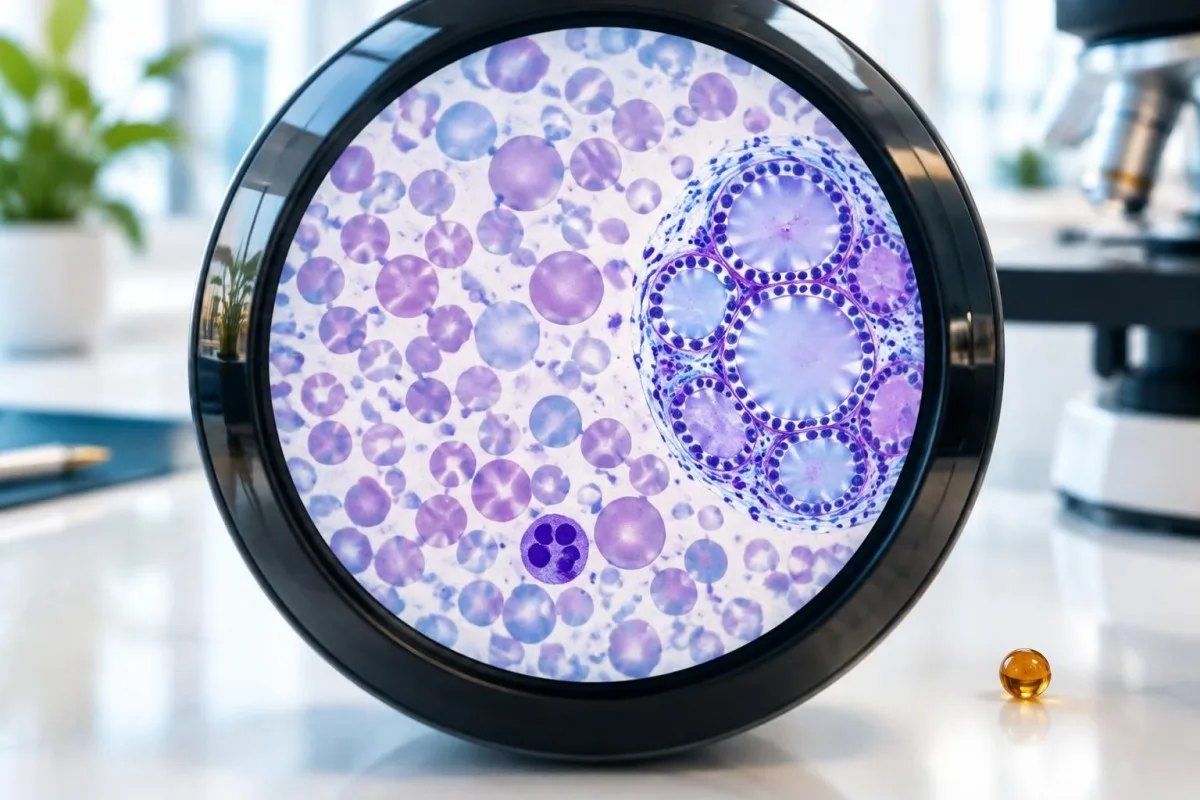
HbA1c reflects average glycaemia over roughly 2-3 months and is generally interpreted as normal below 5.7%, prediabetes at 5.7-6.4% and diabetes at 6.5% or higher. Recent transfusion, haemolysis, some haemoglobin variants, pregnancy and altered red-cell survival can make HbA1c misleading.
ഉപവാസ ഗ്ലൂക്കോസ് ഒരു സമയത്തെ അളവാണ്, ഭക്ഷണത്തിനു ശേഷമുള്ള ലക്ഷണങ്ങളുണ്ടെങ്കിലും ഇത് സാധാരണ നിലയിലായിരിക്കാം. ഭക്ഷണം കഴിച്ചതിന് ശേഷം സംഭവങ്ങൾ സ്ഥിരമായി ഉണ്ടാകുമ്പോൾ, ഒരു ക്ലിനിഷ്യൻ പകരം മേൽനോട്ടത്തിലുള്ള ഓറൽ ഗ്ലൂക്കോസ് ടോളറൻസ് ടെസ്റ്റ്, ലക്ഷ്യബദ്ധമായ നിരീക്ഷണം, അല്ലെങ്കിൽ മരുന്നുകളുടെ പുനഃപരിശോധന ഉപയോഗിച്ചേക്കാം.
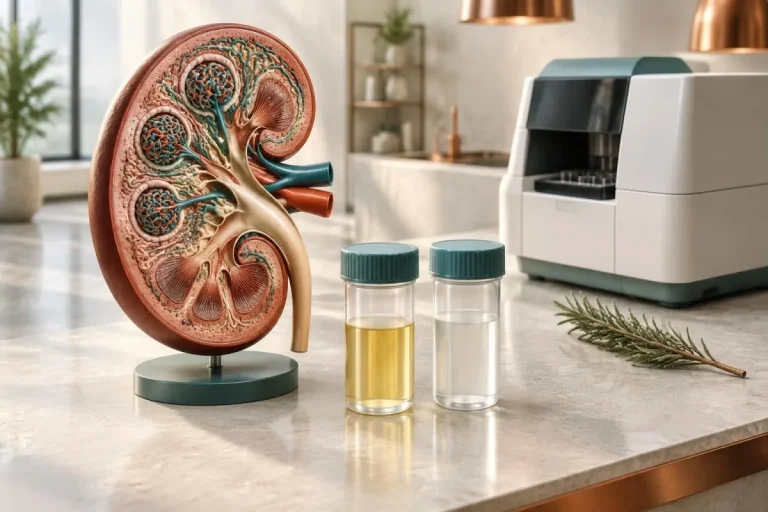
A CBC can identify anaemia or macrocytosis, while ferritin and transferrin saturation help assess iron status; TSH with free T4 evaluates thyroid signalling. B12, folate, kidney function, liver enzymes or inflammatory markers are selected when history and examination support them, not automatically for everyone.
Kantestiയുടെ AI രക്തപരിശോധനാ വിശകലന ഉപകരണത്തിന് അപ്ലോഡ് ചെയ്ത ലബോറട്ടറി റിപ്പോർട്ടുകൾ ഏകദേശം 60 സെക്കൻഡിനുള്ളിൽ വായിക്കാനും വിവിധ പാനലുകളിലുടനീളമുള്ള ബന്ധങ്ങൾ എടുത്തുകാണിക്കാനും കഴിയും, അതേസമയം ഫ്ലാഗ് ചെയ്ത ഫലവും രോഗനിർണയവും തമ്മിലുള്ള വ്യത്യാസം നിലനിർത്തുന്നു. അതിന്റെ വ്യാഖ്യാനം ലബോറട്ടറിയുടെ സ്വന്തം റഫറൻസ് പരിധിയോടും ഒരു ചികിത്സകന്റെ വിലയിരുത്തലോടും താരതമ്യം ചെയ്ത് പരിശോധിക്കണം.
| നില | പരിധി | ഇതിന്റെ അർത്ഥം |
|---|---|---|
| HbA1c സാധാരണയായി സാധാരണ പരിധിയിൽ | <5.7% | സാധാരണയായി പ്രീഡയബറ്റിസിനുള്ള ലബോറട്ടറി പരിധിക്ക് താഴെ, എങ്കിലും ലക്ഷണങ്ങൾക്ക് മറ്റ് കാരണങ്ങളുണ്ടാകാം. |
| പ്രീഡയബീറ്റിസ് HbA1c | 5.7-6.4% | Higher future diabetes risk; confirm context and discuss lifestyle or follow-up testing. |
| പ്രമേഹ-പരിധിയിലുള്ള HbA1c | ≥6.5% | Requires clinical confirmation or interpretation with symptoms and repeat testing. |
| Symptoms with very high glucose | Often ≥300 mg/dL (≥16.7 mmol/L) | Urgency depends on ketones, dehydration, vomiting, breathing changes and mental status; seek prompt care. |
വൈദ്യസന്ദർശനത്തിന് മുമ്പ് സുരക്ഷിതമായി പരീക്ഷിക്കാവുന്ന കാര്യങ്ങൾ
സുരക്ഷിതമായ ആദ്യ നടപടികളിൽ ക്രമമായ ഉറക്കം, ചെറിയ അളവിലുള്ള സമതുലിതമായ ഭക്ഷണം, മതിയായ വെള്ളം, പതുക്കെ ഭക്ഷണം കഴിക്കൽ, അനുയോജ്യമെങ്കിൽ ചുരുങ്ങിയ സമയം സൗമ്യമായി നടക്കൽ എന്നിവ ഉൾപ്പെടുന്നു. These measures may reduce ordinary post-meal sleepiness but should not delay care for recurrent low glucose, severe symptoms or suspected diabetes.

Aim for meals that combine vegetables or other fibre sources with protein and a measured carbohydrate portion rather than relying on sugary drinks or refined snacks. A 10-15 minute walk can be reasonable for many adults, but people with chest pain, severe breathlessness, fainting or exercise restrictions need medical guidance first.
Keep caffeine timing consistent while testing changes; adding 300 mg of caffeine at lunch can hide sleep debt and worsen sleep that night. Alcohol can intensify sedation and should not be used to manage anxiety or sleepiness.
നിങ്ങൾ ഇൻസുലിനോ സൾഫോണൈലൂറിയയോ ഉപയോഗിക്കുന്നുവെങ്കിൽ ഉദ്ദേശപൂർവ്വം ഭക്ഷണം ഒഴിവാക്കരുത്. ഗർഭാവസ്ഥ, വൃക്കരോഗം, ഭക്ഷണവൈകല്യങ്ങളുടെ ചരിത്രം, ഗ്ലൂക്കോസ് കുറയ്ക്കുന്ന മരുന്നുകൾ എന്നിവ പരിഗണിക്കാതെ വളരെ കുറഞ്ഞ കാർബോഹൈഡ്രേറ്റ് ഭക്ഷണക്രമമോ സപ്ലിമെന്റ് പദ്ധതിയോ ഉപവാസക്രമമോ ആരംഭിക്കരുത്.
ഭക്ഷണത്തിന് ശേഷം “ഒരിക്കലും ക്ഷീണം അനുഭവിക്കാതിരിക്കുക” എന്നതല്ല ഉപകാരപ്രദമായ ലക്ഷ്യം. ഏകാഗ്രത നിലനിർത്തിക്കൊണ്ട് മുന്നറിയിപ്പ് ലക്ഷണങ്ങളില്ലാത്ത, കുറവായതും തീവ്രത കുറഞ്ഞതുമായ സംഭവങ്ങളാണ് ലക്ഷ്യം; 1-2 ആഴ്ചയ്ക്കുള്ളിൽ അതിൽ പുരോഗതിയുണ്ടാകുന്നുണ്ടോ എന്ന് രേഖപ്പെടുത്തുക.
When post-meal drowsiness needs medical evaluation
Arrange medical evaluation when sleepiness occurs after most meals, lasts for weeks, interferes with work or driving, or comes with thirst, urination, faintness, palpitations, weight change or neurological symptoms. പെട്ടെന്നുള്ള ആശയക്കുഴപ്പം, ഉണർത്താൻ കഴിയാത്ത അവസ്ഥ, അപസ്മാരം, ഗുരുതരമായ ശ്വസന ബുദ്ധിമുട്ട് അല്ലെങ്കിൽ കുഴഞ്ഞുവീഴൽ എന്നിവയ്ക്ക് അടിയന്തര ചികിത്സ ആവശ്യമാണ്.
Seek urgent help for confusion, seizure, loss of consciousness, one-sided weakness, chest pain, severe shortness of breath or a suspected glucose below 54 mg/dL (3.0 mmol/L). These signs can indicate severe hypoglycaemia, stroke, heart disease, respiratory compromise or another emergency rather than a routine food coma.
ലക്ഷണങ്ങൾ 2-4 ആഴ്ചയോളം ആവർത്തിച്ചാൽ, സംഭാഷണത്തിനിടെ അറിയാതെ ഉറങ്ങിപ്പോയാൽ, അല്ലെങ്കിൽ കൂർക്കംവലിയും നിരീക്ഷിക്കപ്പെട്ട ശ്വാസതടസ്സ ഇടവേളകളും ഉണ്ടായാൽ പതിവ് പരിശോധനയ്ക്കായി അപ്പോയിന്റ്മെന്റ് എടുക്കുക. ഡോക്ടർ മരുന്നുകൾ, രക്തസമ്മർദം, ഉറക്കം, ഗ്ലൂക്കോസ് രീതികൾ, ലക്ഷ്യമിട്ട ലബോറട്ടറി പരിശോധനകൾ എന്നിവ ആ ക്രമത്തിൽ പരിശോധിച്ചേക്കാം.
Pregnancy, older age, kidney disease, liver disease and diabetes lower the threshold for review because medication effects and glucose changes may be less predictable. Children and adolescents with repeated post-meal sleepiness also need age-appropriate assessment rather than adult reference ranges.
Kantesti is an AI biomarker interpretation platform that can help organise results before a discussion with a qualified clinician; our മെഡിക്കൽ സാധുത വിവരങ്ങൾ സാങ്കേതിക വ്യാഖ്യാനവും ക്ലിനിക്കൽ രോഗനിർണ്ണയവും തമ്മിലുള്ള വ്യത്യാസം വിശദീകരിക്കുന്നു.
How to use laboratory results without overdiagnosing yourself
Laboratory results can clarify glucose, anaemia or thyroid clues, but they cannot prove that a meal caused sleepiness without timing and clinical context. പരിശോധനയുടെ ഫലങ്ങൾ ഉപയോഗിച്ച് കൂടുതൽ നല്ല ചോദ്യങ്ങൾ രൂപപ്പെടുത്തുക; പരിശോധനയ്ക്കോ മരുന്നുകളുടെ അവലോകനത്തിനോ ഉറക്കവിലയിരുത്തലിനോ പകരമായി അവയെ ഉപയോഗിക്കരുത്.
Kantesti AI analyses uploaded blood-test PDFs or photographs and can compare current values with reported reference ranges and previous trends. A fasting glucose of 108 mg/dL (6.0 mmol/L) may suggest prediabetes risk, but it does not explain a single afternoon episode or establish a diagnosis by itself.
Our AI can flag combinations that merit discussion, such as HbA1c 6.1% with fasting glucose 112 mg/dL (6.2 mmol/L), or low haemoglobin with low ferritin. It should not infer causation from an unvalidated home reading, and it cannot assess snoring, breathing pauses, mood or the safety of driving.
Upload the complete report when possible, including units, collection date, fasting status, laboratory ranges and medication context. Partial screenshots can hide clinically relevant companion results, while different laboratories may use different assays and reference intervals.
Kantesti is used by more than 2 million people across 127 countries, but broad availability does not make an interpretation a personal diagnosis. Discuss concerning findings with a local healthcare professional who knows your history and can arrange confirmatory testing.
Questions to take to a clinician or pharmacist
The most useful appointment questions connect the episode to timing, medicines, sleep and measurable symptoms. Ask whether the pattern suggests glucose testing, sleep assessment, medication adjustment, blood-pressure review or another targeted investigation.
നാല് ചോദ്യങ്ങൾക്ക് ഉത്തരങ്ങൾ കൊണ്ടുവരുക: ഭക്ഷണം കഴിച്ചതിന് ശേഷം എത്ര നേരം കഴിഞ്ഞാണ് മയക്കം തുടങ്ങുന്നത്? അത് എത്രനേരം നീണ്ടുനിൽക്കും? വ്യത്യസ്ത ഭക്ഷണങ്ങൾക്ക് ശേഷവും ഇത് സംഭവിക്കുമോ? മുൻ രാത്രിയിൽ നിങ്ങൾ എത്രനേരം ഉറങ്ങി? ഭക്ഷണത്തിന് ശേഷം 2-4 മണിക്കൂറിൽ തുടങ്ങുന്ന ഒരു മാതൃക, പ്രവചിക്കാവുന്ന 1-3 p.m. സമയത്തെ ക്ഷീണത്തിൽ നിന്ന് ക്ലിനിക്കലായി വ്യത്യസ്തമാണ്.
“കഴിഞ്ഞ 6 മണിക്കൂറിനുള്ളിൽ കഴിച്ച ഏതെങ്കിലും മരുന്നോ സപ്ലിമെന്റോ മയക്കം ഉണ്ടാക്കുകയോ ഗ്ലൂക്കോസ് കുറയ്ക്കുകയോ ചെയ്യുമോ?” എന്ന് ചോദിക്കുക. വൃക്കയുടെയോ കരളിന്റെയോ പ്രവർത്തനം മരുന്നിന്റെ ശരീരത്തിൽനിന്നുള്ള നീക്കം മാറ്റാനിടയുണ്ടോ എന്നും ചോദിക്കുക; അസുഖം, നിർജലീകരണം, അല്ലെങ്കിൽ പുതിയൊരു മരുന്നുമായുള്ള ഇടപെടൽ ഉണ്ടായശേഷം സ്ഥിരമായ ഡോസുപോലും വ്യത്യസ്തമായി അനുഭവപ്പെടാം.
If glucose is suspected, ask which test is appropriate and what result should be confirmed in a laboratory. If anaemia or thyroid disease is suspected, ask why CBC, ferritin, TSH or free T4 is being chosen rather than ordering an unrestricted panel.
For reliable privacy and service information, readers can review Kantesti’s Trust Center. Bring the actual laboratory report and your seven-day diary rather than relying on memory.
Bottom line: normal dip or signal to investigate
Most sleepy-after-eating episodes are explained by meal size, rapidly absorbed carbohydrate, circadian timing or insufficient sleep; repeated or severe episodes need evaluation for medication effects, glucose dysregulation, sleep disorders and other illness. “ഫുഡ് കോമ” എന്ന വാക്കിനേക്കാൾ സമയക്രമവും അനുബന്ധ ലക്ഷണങ്ങളുമാണ് കൂടുതൽ വിവരപ്രദം.”
Start with a 7-day diary and safe, modest changes rather than eliminating many foods. If drowsiness is accompanied by thirst, frequent urination, blurred vision, sweating, tremor, fainting or unintentional weight loss, arrange testing sooner.
A normal HbA1c does not rule out every post-meal glucose pattern, and a mildly abnormal glucose result does not prove that glucose caused the symptom. This is one of those areas where context matters more than the number alone.
ലബോറട്ടറി ഫലം മനസ്സിലാക്കൽ ഒരു തയ്യാറെടുപ്പ് ഉപകരണമായി ഉപയോഗിക്കുക: തീയതികൾ, യൂണിറ്റുകൾ, റഫറൻസ് പരിധികൾ, ഉപവാസ നില, പ്രവണതകൾ എന്നിവ താരതമ്യം ചെയ്യുക. Kantesti’യുടെ AI രക്ത പരിശോധന ഫലം മനസ്സിലാക്കൽ ആശയക്കുഴപ്പമുണ്ടാക്കുന്ന റിപ്പോർട്ടിനെ കേന്ദ്രീകൃത ചോദ്യങ്ങളാക്കി മാറ്റാൻ സഹായിക്കും, എന്നാൽ അന്തിമ ക്ലിനിക്കൽ തീരുമാനം ഉചിതമായ യോഗ്യതയുള്ള ആരോഗ്യപരിചരണ വിദഗ്ധനിൽ തന്നെ തുടരും.
If you are sleepy enough to nod off, do not drive or operate machinery. Review the episode safely, seek urgent help for emergency warning signs, and arrange a routine assessment when the pattern persists.
സാധാരണയായി ചോദിക്കുന്ന ചോദ്യങ്ങൾ
ഭക്ഷണം കഴിച്ചതിന് ശേഷം ഉറക്കം തോന്നുന്നത് സാധാരണമാണോ?
വലിയൊരു ഭക്ഷണത്തിന് ശേഷം നേരിയ ഉറക്കം സാധാരണമാണ്; ഇത് പലപ്പോഴും ഭക്ഷണത്തിന്റെ അളവ്, വേഗത്തിൽ ആഗിരണം ചെയ്യപ്പെടുന്ന കാർബോഹൈഡ്രേറ്റ്, സാധാരണയായി ഉച്ചയ്ക്ക് 1 മുതൽ 3 വരെയുള്ള സമയത്തെ സർകേഡിയൻ ഇടിവ്, അല്ലെങ്കിൽ മതിയായ ഉറക്കമില്ലായ്മ എന്നിവയെ പ്രതിഫലിപ്പിക്കുന്നു. ഇത് സാധാരണയായി 30–90 മിനിറ്റിനുള്ളിൽ മെച്ചപ്പെടും; ശരീരത്തിലെ മുഴുവൻ രക്തവും മസ്തിഷ്കത്തിൽ നിന്ന് തിരിച്ചുവിടപ്പെടുന്നതുകൊണ്ടല്ല ഇത് ഉണ്ടാകുന്നത്. മണിക്കൂറുകളോളം നീണ്ടുനിൽക്കുന്ന, ആവർത്തിച്ച് ഉണ്ടാകുന്ന ഇത്തരം അവസ്ഥകൾ വാഹനമോടിക്കുന്നതിൽ തടസ്സം സൃഷ്ടിക്കുകയോ ദാഹം, ബോധക്ഷയം തോന്നൽ, വിയർപ്പ്, അല്ലെങ്കിൽ ആശയക്കുഴപ്പം എന്നിവയോടൊപ്പം ഉണ്ടാകുകയോ ചെയ്താൽ വൈദ്യപരിശോധന ആവശ്യമാണ്.
ഗ്ലൂക്കോസ് സാധാരണ നിലയിലായിരിക്കുമ്പോഴും ഭക്ഷണത്തിനു ശേഷം എനിക്ക് ഉറക്കം തോന്നുന്നത് എന്തുകൊണ്ട്?
സാധാരണ ഗ്ലൂക്കോസ് നിലയുണ്ടെന്നത് സർക്കേഡിയൻ ഉറക്കമയക്കം, ഉറക്കക്കുറവ്, മരുന്നുകളുടെ ഫലങ്ങൾ, സ്ലീപ് അപ്നിയ, അല്ലെങ്കിൽ വലിയൊരു ഭക്ഷണത്തിന്റെ മയക്കമുണ്ടാക്കുന്ന ഫലങ്ങൾ എന്നിവയെ തള്ളിക്കളയുന്നില്ല. മുതിർന്നവർക്ക് പൊതുവെ കുറഞ്ഞത് 7 മണിക്കൂർ ഉറക്കം ആവശ്യമാണ്; അതിൽ താഴെ ഉറങ്ങുന്ന തുടർച്ചയായ രാത്രികൾ ഭക്ഷണത്തിനു ശേഷമുണ്ടാകുന്ന സാധാരണ ഊർജക്കുറവ് വർധിപ്പിക്കാം. ലക്ഷണങ്ങളുള്ള സമയത്ത് 98 mg/dL (5.4 mmol/L) എന്ന ഗ്ലൂക്കോസ് റീഡിങ് രേഖപ്പെടുത്തിയാൽ ആ സമയത്ത് ഹൈപ്പോഗ്ലൈസീമിയയ്ക്കുള്ള സാധ്യത കുറയുമെങ്കിലും, മറ്റ് കാരണങ്ങൾ അത് നിർണയിക്കുന്നില്ല.
പ്രമേഹമുള്ളവർക്ക് ഭക്ഷണം കഴിച്ചശേഷം ഉറക്കം തോന്നുമോ?
ഗ്ലൂക്കോസിന്റെ അളവ് സ്ഥിരമായി കൂടുതലായിരിക്കുമ്പോഴോ ചികിത്സ കാരണം അത് വളരെ താഴുമ്പോഴോ പ്രമേഹം ഭക്ഷണത്തിനു ശേഷമുള്ള ക്ഷീണത്തിന് കാരണമാകാം. പ്രമേഹപരിധിയിലുള്ള ലബോറട്ടറി മാനദണ്ഡങ്ങളിൽ, ഉപവാസ ഗ്ലൂക്കോസ് 126 mg/dL (7.0 mmol/L) അല്ലെങ്കിൽ അതിൽ കൂടുതൽ, HbA1c 6.5% അല്ലെങ്കിൽ അതിൽ കൂടുതൽ, അല്ലെങ്കിൽ 2 മണിക്കൂറിനു ശേഷമുള്ള ഗ്ലൂക്കോസ് 200 mg/dL (11.1 mmol/L) അല്ലെങ്കിൽ അതിൽ കൂടുതൽ എന്നിവ ഉൾപ്പെടുന്നു; രോഗലക്ഷണങ്ങളില്ലെങ്കിൽ ഇവ സാധാരണയായി വീണ്ടും സ്ഥിരീകരിക്കും. ദാഹം, ഇടയ്ക്കിടെ മൂത്രമൊഴിക്കൽ, കാഴ്ച മങ്ങൽ, ഭാരം കുറയൽ, ഛർദി അല്ലെങ്കിൽ ആശയക്കുഴപ്പം എന്നിവയുണ്ടെങ്കിൽ വൈദ്യപരിശോധന കൂടുതൽ അടിയന്തരമാണ്.
ഭക്ഷണം കഴിച്ചതിന് ശേഷം പ്രതിക്രിയാത്മക ഹൈപ്പോഗ്ലൈസീമിയ എങ്ങനെയാണ് അനുഭവപ്പെടുന്നത്?
ഭക്ഷണത്തിന് ശേഷം ഏകദേശം 2-4 മണിക്കൂറിനുള്ളിൽ, പ്രത്യേകിച്ച് വേഗത്തിൽ ആഗിരണം ചെയ്യപ്പെടുന്ന കാർബോഹൈഡ്രേറ്റിന് ശേഷം, പ്രതിക്രിയാത്മക ഹൈപ്പോഗ്ലൈസീമിയ ഉറക്കം, ബലഹീനത, വിയർപ്പ്, വിറയൽ, വിശപ്പ്, ഹൃദയമിടിപ്പ് അല്ലെങ്കിൽ ആശയക്കുഴപ്പം എന്നിവ ഉണ്ടാക്കാം. ലക്ഷണങ്ങൾ ഉള്ളപ്പോൾ 70 mg/dL (3.9 mmol/L)-ൽ താഴെയുള്ള ഗ്ലൂക്കോസ് ഒരു മുന്നറിയിപ്പ് നിലയാണ്, അതേസമയം 54 mg/dL (3.0 mmol/L)-ൽ താഴെയുള്ളത് ക്ലിനിക്കലായി പ്രാധാന്യമുള്ളതാണ്. ക്ഷീണം മാത്രം ഹൈപ്പോഗ്ലൈസീമിയ തെളിയിക്കാത്തതിനാൽ, ഉചിതമായ പരിശോധനയിലൂടെ ഈ മാതൃക സ്ഥിരീകരിക്കണം.
ഭക്ഷണം കഴിച്ചതിന് ശേഷം എനിക്ക് എപ്പോഴും ഉറക്കം വരുകയാണെങ്കിൽ ഏതൊക്കെ രക്തപരിശോധനകളാണ് ഞാൻ ആവശ്യപ്പെടേണ്ടത്?
Common targeted tests include fasting glucose, HbA1c, a complete blood count, ferritin and thyroid-stimulating hormone, with kidney, liver, B12 or other tests selected from the history. HbA1c of 5.7-6.4% falls in the prediabetes range, while a low haemoglobin or low iron-store pattern may suggest anaemia or iron deficiency. A clinician may also prioritise medication review, blood pressure measurement or sleep-apnoea assessment because blood tests cannot detect every cause.
ഭക്ഷണത്തിനു ശേഷം മയക്കം അനുഭവപ്പെടുന്നതിനെക്കുറിച്ച് ഞാൻ എപ്പോഴാണ് ആശങ്കപ്പെടേണ്ടത്?
Seek urgent help for inability to wake, confusion, seizure, collapse, severe breathing difficulty, chest pain, one-sided weakness or suspected glucose below 54 mg/dL (3.0 mmol/L). Arrange a routine appointment when sleepiness follows most meals, lasts 2-4 weeks, causes unintentional daytime sleep or occurs with thirst, frequent urination, faintness, palpitations or unintentional weight loss. Do not drive or operate machinery while unusually drowsy.
നിങ്ങളുടെ രക്ത പരിശോധന ഫലം എങ്ങനെ വായിക്കാം
നിങ്ങളുടെ ലാബ് റിപ്പോർട്ട് അപ്ലോഡ് ചെയ്യൂ; Kantesti-യുടെ AI ഓരോ ബയോമാർക്കറും നിമിഷങ്ങൾക്കുള്ളിൽ ലളിതമായ ഭാഷയിൽ വിശദീകരിക്കും. ലോകമെമ്പാടുമുള്ള 2 ദശലക്ഷത്തിലധികം ആളുകൾ ഉപയോഗിക്കുന്നു.
അവലംബം
- ക്ലൈൻ, ടി., മിച്ചൽ, എസ്., & വെബർ, എച്ച്. (2026). Kantesti Blood-Test Interpretation Engine-ന്റെ 100,000 സിന്തറ്റിക് ടെസ്റ്റ് കേസുകളിൽ പ്രീ-രജിസ്റ്റർ ചെയ്ത, റൂബ്രിക്-അധിഷ്ഠിത ഓട്ടോമേറ്റഡ് ടെക്നിക്കൽ ബെഞ്ച്മാർക്ക്. Kantesti AI മെഡിക്കൽ ഗവേഷണം. ഡി.ഒ.ഐ.
- ക്ലൈൻ, ടി., മിച്ചൽ, എസ്., & വെബർ, എച്ച്. (2026). ക്ലിനിക്കൽ സാധൂകരണ ഫ്രെയിംവർക്ക് v2.0 (മെഡിക്കൽ സാധൂകരണ പേജ്). Kantesti AI മെഡിക്കൽ ഗവേഷണം. ഡി.ഒ.ഐ.
- St-Onge MP et al. (2017). Meal Timing and Frequency: Implications for Cardiovascular Disease Prevention. Circulation. ഡി.ഒ.ഐ.
- Van Dongen HPA et al. (2003). അധികമായി ഉണർന്നിരിക്കുന്നതിന്റെ സഞ്ചിത ചെലവ്: ദീർഘകാല ഉറക്കനിയന്ത്രണവും പൂർണ ഉറക്കവഞ്ചനയും മൂലമുള്ള ന്യൂറോ-ബിഹേവിയറൽ പ്രവർത്തനങ്ങളിലും ഉറക്കശരീരക്രിയയിലുമുള്ള ഡോസ്-പ്രതികരണ ഫലങ്ങൾ. Sleep. ഡി.ഒ.ഐ. പബ്മെഡ്
- American Diabetes Association Professional Practice Committee (2024). 2. പ്രമേഹത്തിന്റെ രോഗനിർണയവും വർഗ്ഗീകരണവും: പ്രമേഹ പരിചരണ മാനദണ്ഡങ്ങൾ—2024. Diabetes Care. ഡി.ഒ.ഐ.
- 2മി+വിശകലനം ചെയ്ത പരിശോധനകൾ
- 127+രാജ്യങ്ങൾ
- 100+ഭാഷകൾ
മെഡിക്കൽ സംഘത്തെക്കുറിച്ച്


E-E-A-T വിശ്വാസ സൂചനകൾ
അനുഭവം
ലാബ് ഫലം വ്യാഖ്യാനിക്കുന്ന പ്രവാഹങ്ങളുടെ വൈദ്യനേതൃത്വത്തിലുള്ള ക്ലിനിക്കൽ അവലോകനം.
വൈദഗ്ദ്ധ്യം
ക്ലിനിക്കൽ സാഹചര്യത്തിൽ ബയോമാർക്കറുകൾ എങ്ങനെ പെരുമാറുന്നു എന്നതിൽ ലബോറട്ടറി മെഡിസിൻ കേന്ദ്രീകരിക്കുന്നു.
ആധികാരികത
ഡോ. തോമസ് ക്ലൈൻ മെഡിക്കൽ അവലോകനം നടത്തി; ഡോ. സാറാ മിച്ചലിന്റെയും പ്രൊഫ. ഡോ. ഹാൻസ് വെബറിന്റെയും സംഭാവനകളോടെ.
വിശ്വാസ്യത
അലാറം കുറയ്ക്കാൻ വ്യക്തമായ തുടർനടപടി മാർഗങ്ങളോടെയുള്ള തെളിവാധിഷ്ഠിത വ്യാഖ്യാനം.
മെഡിക്കൽ നിരാകരണ അറിയിപ്പ്
ഈ ലേഖനം വിദ്യാഭ്യാസ ആവശ്യങ്ങൾക്കായി മാത്രമാണ്; ഇത് മെഡിക്കൽ ഉപദേശം എന്ന നിലയിൽ കണക്കാക്കരുത്. രോഗനിർണയത്തിനും ചികിത്സാ തീരുമാനങ്ങൾക്കും വേണ്ടി എപ്പോഴും യോഗ്യതയുള്ള ആരോഗ്യപരിചരണ വിദഗ്ധനെ സമീപിക്കുക.
പ്രസിദ്ധീകരിച്ചത് · എഡിറ്റോറിയൽ സംഘവുമായി ബന്ധപ്പെടുക
Kantesti Ltd പ്രസിദ്ധീകരിച്ചത്, ഇംഗ്ലണ്ടിലും വെയിൽസിലും രജിസ്റ്റർ ചെയ്തിരിക്കുന്നു, കമ്പനി നമ്പർ. 17090423, ലണ്ടൻ, യുണൈറ്റഡ് കിംഗ്ഡം.
