Occhi gialli non sono un test di screening affidabile per l'epatite B. L'infezione è spesso asintomatica e i test anticorpali e virali corretti, non i soli sintomi, stabiliscono cosa sta succedendo.



- Infezione asintomatica è comune: molte persone con epatite B non hanno ittero né sintomi riconoscibili dell'epatite B.
- Periodo di incubazione per l'epatite B acuta è di solito 60–150 giorni, con una media di circa 90 giorni.
- HBsAg positivo per 6 mesi definisce l'infezione cronica da epatite B e richiede un follow-up clinico.
- IgM anti-HBc solitamente supporta un'infezione acuta recente, ma può anche aumentare durante una riacutizzazione dell'epatite B cronica.
- Anti-HBs almeno 10 mIU/mL dopo un ciclo vaccinale documentato è generalmente considerato una risposta immunitaria protettiva.
- ALT superiore a 1.000 UI/L può verificarsi nell'epatite virale acuta, ma farmaci, ischemia e altri virus possono produrre lo stesso quadro.
- HBV DNA misura la replicazione virale; è il test che trasforma un risultato di screening positivo in un piano di gestione.
- Assistenza urgente è appropriato per confusione, vomito grave, lividi insoliti, sonnolenza in peggioramento o ittero con feci pallide.
L'epatite B può verificarsi senza ittero? Sì, spesso in modo asintomatico
Sì, l'epatite B senza ittero è comune. Molte persone non hanno alcun sintomo, e anche un'infezione acuta sintomatica può sembrare una malattia virale aspecifica piuttosto che un problema al fegato. L'ittero appare solo quando la bilirubina si accumula a sufficienza da scolorire gli occhi e la pelle; non è necessario per il danno epatocellulare o la trasmissione dell'epatite B.

Nella mia esperienza clinica, la persona più probabile a essere trascurata non è necessariamente malata: è il paziente dall'aspetto sano a cui è stato richiesto il pannello di screening per gravidanza, immigrazione, una nuova relazione o un enzima epatico anormale non correlato. I sintomi dell'epatite B acuta si sviluppano solo in circa il 30%-50% degli adulti infetti, mentre i bambini piccoli sono sintomatici molto meno spesso; l'assenza di febbre, occhi gialli o dolore addominale non la esclude.
L'ittero riflette un aumento della bilirubina circolante, che comunemente diventa visibile una volta che la bilirubina totale supera circa 2–3 mg/dL (34–51 µmol/L). L'infiammazione epatica può essere sostanziale prima di quel punto, quindi un colore dell'urina normale e occhi bianchi sono rassicuranti solo in senso molto limitato; vedi la nostra guida a schemi di allarme per la bilirubina.
Kantesti è un Analizzatore di analisi del sangue AI che affianca i risultati di enzimi epatici, bilirubina, albumina e piastrine alla sierologia virale ordinata da un medico. Non può diagnosticare l'epatite B solo dalla chimica di routine, ma può aiutare qualcuno a notare che un risultato di “test epatico” è incompleto senza test specifici per l'epatite.
Perché i sintomi sono uno strumento di screening inadeguato
L'HBV può essere trasmesso durante una fase asintomatica perché la replicazione virale precede, accompagna o supera la malattia visibile. Dall'11 settembre 2026, lo screening adulto basato sul rischio e una tantum rimane più affidabile rispetto all'attesa dei sintomi, in particolare per le persone nate in regioni con maggiore prevalenza di HBV o quelle con esposizione domestica, sessuale o per iniezione.
Quali sono i primi sintomi dell'epatite B?
I primi sintomi dell'epatite B sono solitamente affaticamento, ridotto appetito, nausea, febbre lieve, dolori muscolari e fastidio sotto le costole a destra. Nessuno è sufficientemente specifico per confermare l'epatite B, e l'intervallo asintomatico dopo l'esposizione è comunemente di 60-150 giorni.

Un utile indizio clinico è l'ordine degli eventi. Malessere e perdita di appetito spesso arrivano prima dell'urina scura o dell'ingiallimento, e una persona può sentirsi notevolmente stanca mentre la bilirubina è ancora normale. La media dell'incubazione è vicina ai 90 giorni, motivo per cui testare il giorno dopo una possibile esposizione potrebbe essere troppo presto per risolvere la questione.
Dolori articolari e un'eruzione cutanea transitoria possono verificarsi nel prodromo perché complessi immuni circolano prima che si sviluppi epatite conclamata. Ho visto questo scambiato per influenza o una nuova reazione alimentare; il dettaglio discriminante era un ALT di 642 UI/L insieme a antigene di superficie dell'epatite B positivo, non l'eruzione cutanea stessa.
L'uso di paracetamolo, integratori, alcol, virus di Epstein-Barr e lesioni muscolari possono tutti elevare le aminotransferasi. Un attento revisione del risultato ALT previene l'errore comune di chiamare ogni ALT elevato “epatite” prima di confermare la causa.
Sintomi meno tipici
Prurito, feci pallide e urine scure persistenti suggeriscono una compromissione del trattamento della bile e meritano una valutazione più rapida, ma non sono la solita presentazione precoce. Una persona con gonfiore isolato, reflusso o dolore intermittente sul lato sinistro ha statisticamente maggiori probabilità di avere un'altra spiegazione, sebbene l'esposizione a rischio debba comunque indurre il test per l'HBV.
Quando si dovrebbe fare il test per l'epatite B?
Fatti testare tempestivamente per l'epatite B dopo un'esposizione ematica, sessuale, domestica o perinatale, anche se ti senti perfettamente bene. Il test di base documenta il tuo stato, mentre il test ripetuto è programmato per il periodo finestra e guidato dalla storia vaccinale.
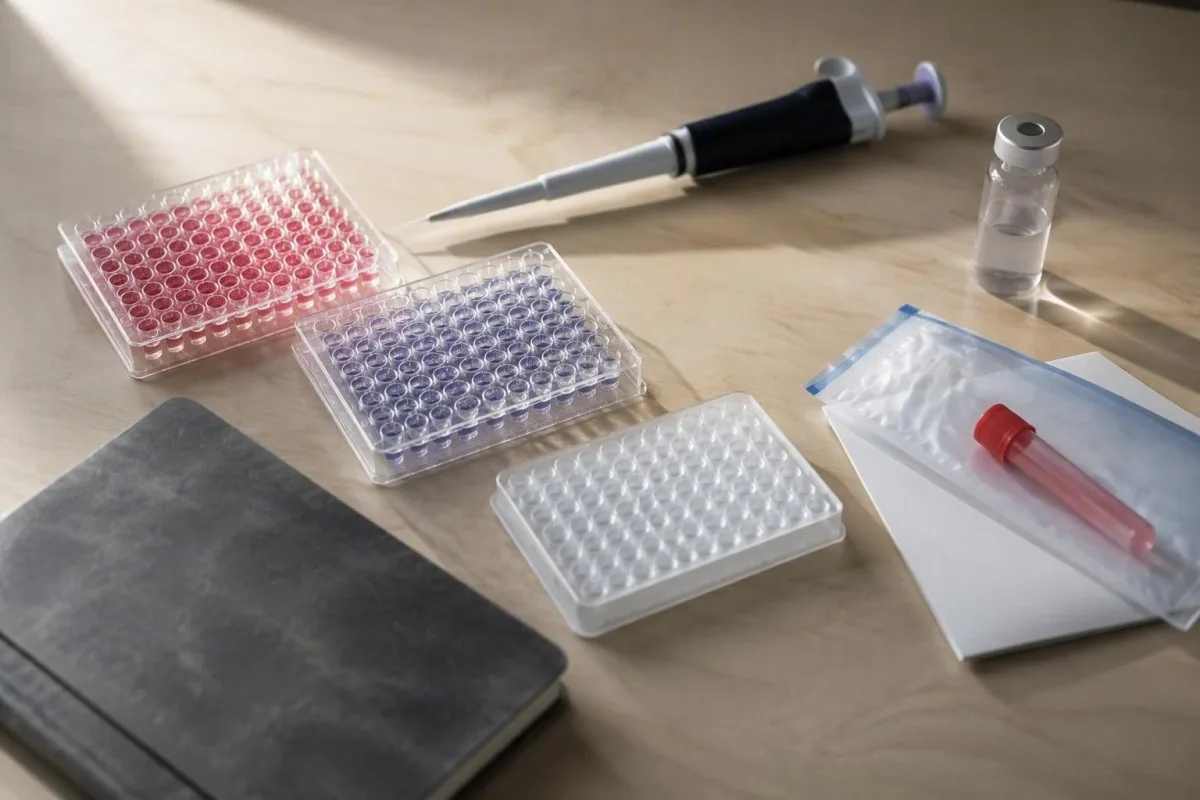
Il CDC raccomanda lo screening degli adulti una sola volta con un pannello di tre test: HBsAg, anti-HBs e anti-HBc totale (Conners et al., 2023). Questa combinazione separa l'infezione attuale, l'infezione risolta in passato, l'immunità da vaccino e la suscettibilità in modo più efficace rispetto all'ordine di solo HBsAg.
Dopo un'esposizione recente significativa, un medico può eseguire il test ora e ripetere il test circa 6 mesi dopo se il pannello iniziale non stabilisce l'infezione o l'immunità. La profilassi post-esposizione è sensibile al tempo: il vaccino contro l'epatite B dovrebbe essere iniziato il prima possibile e l'immunoglobulina contro l'epatite B può essere indicata per esposizioni selezionate in non immuni, quindi non aspettare i sintomi.
Kantesti è un Piattaforma di interpretazione esami del sangue AI che può organizzare un referto sierologico fotografato o caricato nel modello a tre marcatori, ma la gestione dell'esposizione spetta a un medico di pronto soccorso, di salute sessuale, di salute occupazionale o di medicina generale. La nostra guida ai sintomi dell'epatite C spiega perché i test per l'epatite virale devono essere interpretati virus per virus.
Test durante la gravidanza
Ogni gravidanza dovrebbe includere lo screening HBsAg durante ogni gravidanza, indipendentemente dal rischio percepito. Un risultato positivo cambia la pianificazione della prevenzione neonatale: il neonato necessita del vaccino contro l'epatite B e, quando indicato, dell'immunoglobulina entro 12 ore dalla nascita.
I tre esami del sangue che chiariscono lo stato dell'epatite B
HBsAg, anti-HBs e anti-HBc totale sono i test di screening di base per l'epatite B. Insieme, rispondono se il virus è attualmente rilevabile, se esiste immunità e se il sistema immunitario ha già incontrato l'epatite B.

HBsAg è l'antigene di superficie dell'epatite B; un risultato positivo indica una possibile infezione in corso che necessita di conferma e follow-up clinico. Anti-HBs è l'anticorpo di superficie; un livello di almeno 10 mIU/mL dopo una serie di vaccinazioni documentata completa è generalmente considerato una risposta protettiva nelle persone immunocompetenti.
Anti-HBc totale rileva l'anticorpo del core da infezione naturale precedente o in corso e non è prodotto dalla vaccinazione. Il modello HBsAg negativo, anti-HBs positivo e anti-HBc totale negativo si adatta all'immunità derivata dal vaccino; HBsAg negativo, anti-HBs positivo e anti-HBc totale positivo si adatta solitamente a infezione naturale risolta.
Un anti-HBc totale positivo isolato è uno dei modelli più difficili. Può riflettere un'infezione remota risolta con anti-HBs in calo, un dosaggio falso positivo, un'infezione occulta o, meno frequentemente, un'infezione acuta precoce; i medici possono ripetere la sierologia ed ordinare HBV DNA, specialmente prima di un trattamento immunosoppressivo. La nostra spiegazione dei risultati positivi degli anticorpi copre perché un singolo anticorpo raramente racconta l'intera storia.
Come i test distinguono l'epatite B acuta da quella cronica
L'epatite B acuta e cronica sono distinte principalmente dal tempo e dalla sierologia, non da quanto una persona si senta male. L'HBsAg persistente per almeno 6 mesi stabilisce l'infezione cronica; un singolo risultato positivo di HBsAg da solo non può datare l'infezione.

IgM anti-HBc supporta fortemente un'infezione acuta recente se associato a positività di HBsAg e a una malattia compatibile. Non è perfetto: l'IgM anti-HBc può essere rilevabile anche durante una riacutizzazione dell'epatite B cronica, quindi i medici confrontano i risultati precedenti, la tempistica dei sintomi, la traiettoria dell'ALT e l'HBV DNA.
L'HBV DNA è riportato in IU/mL e misura la quantità di materiale genetico virale in circolo. Da solo non etichetta la malattia come acuta o cronica, ma un risultato rilevabile conferma la replicazione e diventa centrale per il monitoraggio e le decisioni terapeutiche; un DNA basso o non rilevabile non elimina la necessità di interpretare HBsAg e stato epatico insieme.
La guida AASLD enfatizza ALT seriale, HBV DNA, stato HBeAg e valutazione della fibrosi piuttosto che un singolo snapshot di laboratorio (Terrault et al., 2018). Questo è uno dei motivi per cui un ALT normale in un singolo prelievo non dimostra che l'HBV cronico sia innocuo.
La regola dei sei mesi ha uno scopo
La soglia di 6 mesi separa le infezioni che probabilmente si risolveranno spontaneamente da quelle che sono persistite e comportano un rischio a lungo termine di fibrosi e carcinoma epatocellulare. Negli adulti, oltre il 90% delle infezioni acute immunocompetenti si risolve, mentre l'infezione acquisita intorno alla nascita diventa cronica molto più spesso.
Cosa possono e non possono mostrare i test del fegato
ALT e AST rivelano lesioni degli epatociti, mentre bilirubina, albumina, INR e piastrine aiutano a mostrare la gravità e la funzionalità epatica. Un normale pannello epatico non può identificare l'epatite B come causa senza sierologia virale.

L'ALT è più specifico per il fegato dell'AST, sebbene nessuno dei due sia esclusivo del fegato. Nell'epatite virale acuta, l'ALT può superare 1.000 UI/L; quella stessa gamma può verificarsi con tossicità da paracetamolo o ridotto flusso sanguigno epatico, quindi il numero richiede un contesto urgente piuttosto che un'autodiagnosi.
La bilirubina riflette la coniugazione e l'escrezione biliare, mentre INR e albumina riflettono la capacità sintetica. Un INR in aumento, specialmente a 1,5 o superiore in qualcuno con epatite acuta e alterazione dello stato mentale, solleva preoccupazione per insufficienza epatica acuta e necessita di valutazione di emergenza; il nostro guida INR spiega la misurazione.
La rete neurale di Kantesti legge le transaminasi insieme a bilirubina, fosfatasi alcalina, albumina e piastrine per segnalare pattern per la revisione medica. Il nostro analisi del pannello epatico è utile prima di presumere che un normale “test di funzionalità epatica” includesse lo screening HBV.
Il rapporto AST:ALT non è un test per l'epatite B
Un rapporto AST:ALT inferiore a 1 è comune nell'epatite virale ma non è né sensibile né specifico. L'esercizio fisico intenso recente può aumentare l'AST dal muscolo, mentre gamma-glutamil transferasi e bilirubina possono rimanere normali; ripetere i test dopo il recupero può prevenire un work-up virale fuorviante.
Quali sintomi dell'epatite B richiedono cure in giornata?
Confusione, sonnolenza insolita, vomito ripetuto, ittero che si approfondisce rapidamente, nuove ecchimosi o gonfiore addominale grave richiedono una valutazione urgente in giornata. Questi sintomi possono segnalare una funzione epatica compromessa piuttosto che una semplice epatite acuta di routine.
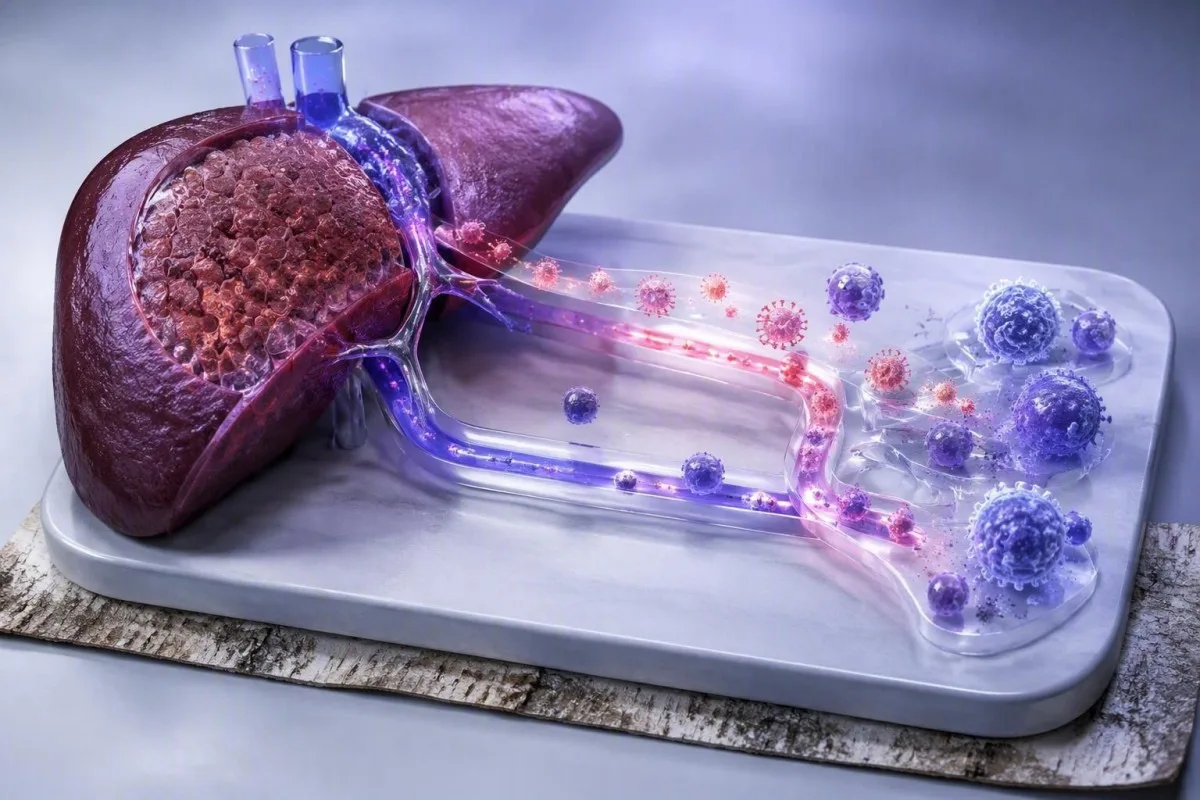
La confusione o un alterato ritmo sonno-veglia possono indicare encefalopatia epatica, soprattutto se associati a ittero e INR prolungato. È raro, ma non è un sintomo da “aspettare lunedì”: l'insufficienza epatica acuta può progredire nell'arco di ore o giorni.
L'urina scura da sola non è automaticamente un'emergenza; disidratazione, farmaci e urine concentrate sono alternative comuni. Urina scura più feci pallide, occhi gialli, prurito, febbre o dolorabilità dell'addome in alto a destra indicano più fortemente un disturbo della bilirubina o del flusso biliare, come dettagliato nel nostro guida alle urine scure.
Evitare alcol e non iniziare “diete depurative” a base di erbe durante la valutazione. Molti integratori multi-ingrediente hanno contenuti incerti e un prodotto commercializzato per la disintossicazione può complicare il danno epatico indotto da farmaci proprio quando i medici necessitano di un quadro diagnostico chiaro.
Chi dovrebbe essere valutato prima anche senza sintomi?
Le persone in gravidanza, con cirrosi, che assumono chemioterapia o terapia immunosoppressiva biologica, con HIV, o con HBV cronica nota necessitano di una revisione individualizzata dopo un nuovo risultato anomalo. La riattivazione può essere clinicamente silente finché l'ALT non aumenta, quindi la pianificazione antivirale preventiva può essere più sicura del test reattivo.
Perché l'epatite B cronica può sentirsi completamente normale
L'epatite B cronica spesso non causa sintomi quotidiani per anni, anche quando la replicazione virale o un danno epatico di basso grado continuano. Sentirsi energici, fare esercizio fisico regolarmente e avere una bilirubina normale non escludono il rischio di fibrosi.

È qui che i pazienti lottano comprensibilmente: una persona può avere ALT normale o leggermente elevata e necessitare comunque di un follow-up strutturato perché HBV DNA, età, stato HBeAg, storia familiare e fibrosi modificano tutti il rischio. Una conta piastrinica che scende al di sotto di circa 150 × 10⁹/L non è diagnostica di cirrosi, ma con test epatici anomali merita attenzione.
A Punteggio FIB-4 utilizza età, AST, ALT e conta piastrinica come stima di triage per la fibrosi; non può diagnosticare la cirrosi o sostituire l'elastografia. La nostra guida al calcolatore FIB-4 spiega perché l'età può far apparire un punteggio borderline più preoccupante dopo i 65 anni.
Kantesti è un Strumento di analisi degli esami del sangue basato su AI progettato per confrontare pannelli epatici datati, in modo che un cambiamento graduale di ALT o piastrine non venga nascosto da un singolo segnale “entro i limiti”. Il riconoscimento del trend aiuta a preparare una migliore conversazione con il medico; non sostituisce il test HBV DNA, l'ecografia o l'assistenza specialistica.
La sorveglianza oncologica è basata sul rischio
La sorveglianza ecografica per il carcinoma epatocellulare non è determinata solo dai sintomi. I medici utilizzano lo stato di HBV cronica, la cirrosi, la storia familiare, l'età, il sesso e il rischio della regione di origine per decidere se la sorveglianza semestrale è appropriata; l'AFP viene talvolta aggiunta ma non è affidabile come test di screening autonomo.
La fatica non prova l'epatite B: come i medici la distinguono
La fatica è comune nell'epatite B ma è molto più spesso causata da disturbi del sonno, anemia, malattie della tiroide, depressione, effetti di farmaci o altre infezioni. La domanda utile è se la fatica si verifica insieme a esposizione a rischio, alterazioni dei test epatici o marcatori HBV positivi.

Un runner di resistenza di 52 anni con AST 89 UI/L dopo una gara non ha automaticamente una malattia epatica; il rilascio muscolare può elevare l'AST, e la creatinchinasi più un pannello di controllo dopo il riposo chiariscono spesso la fonte. Al contrario, ALT 289 UI/L con HBsAg positivo e urine scure richiede un percorso molto diverso.
La fatica associata a bassa emoglobina, bassa ferritina o marcatori tiroidei anomali merita una valutazione parallela piuttosto che una storia a causa unica. Il nostro articolo sui sintomi da bassa ferritina spiega perché la deplezione di ferro può causare affaticamento prima che compaia l'anemia.
La regola pratica del Dr. Thomas Klein è semplice: i sintomi iniziano l'indagine, ma i pattern la decidono. Un CBC, chimica epatica, revisione dei farmaci, storia di esposizione e test virali mirati di solito rispondono più che controllare ripetutamente un enzima.
Non donare sangue per “scoprire”
Lo screening dei donatori di sangue protegge i riceventi ma non è una strategia diagnostica personale e potrebbe non fornire una consulenza tempestiva. Se l'esposizione è possibile, organizzare un test clinico confidenziale o di sanità pubblica dove si possano discutere il pannello completo di tre marcatori e il follow-up.
Cosa succede dopo un risultato HBsAg positivo?
Un risultato HBsAg positivo dovrebbe innescare una valutazione di conferma, test HBV DNA, chimica epatica e una revisione della durata e della prevenzione della trasmissione. È abbastanza serio da richiedere un follow-up tempestivo, ma non significa automaticamente cirrosi o la necessità di un trattamento antivirale immediato.
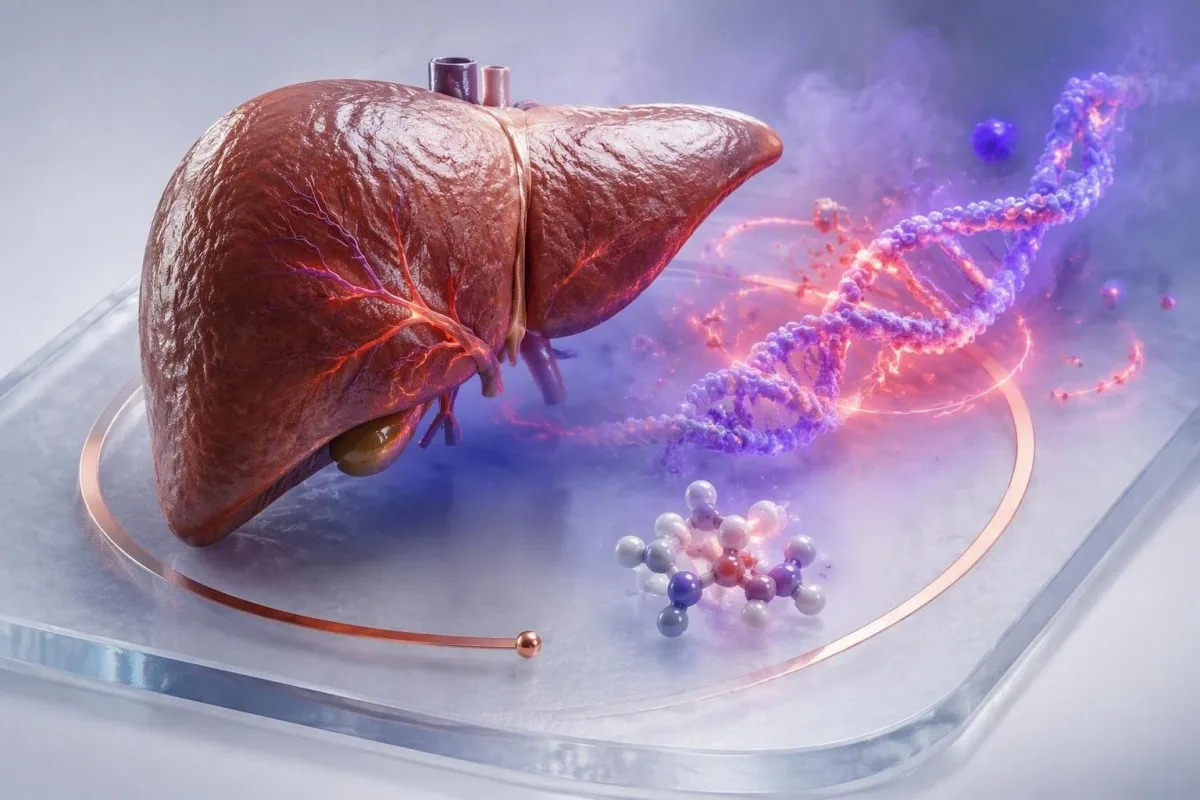
I medici comunemente ordinano HBsAg di ripetizione o di conferma, anti-HBc totale e IgM, anti-HBs, HBeAg e anti-HBe, HBV DNA quantitativo, ALT, AST, bilirubina, albumina, INR, CBC e test per l'epatite C, l'epatite D e l'HIV quando rilevante. I test aggiuntivi rispondono a domande distinte: replicazione, fase, danno epatico, co-infezioni e sicurezza del trattamento.
I contatti domestici e sessuali dovrebbero essere testati e vaccinati se suscettibili. Non condividere rasoi, spazzolini da denti o attrezzature per iniezione; l'HBV si trasmette attraverso il sangue e alcuni fluidi corporei, ma non si diffonde tramite abbracci, condivisione di pasti, tosse o contatti comuni sul posto di lavoro.
Un HBsAg positivo dovrebbe anche sollecitare una revisione di pattern di AST elevata piuttosto che incolpare d'ufficio l'alcol o il fegato grasso. La malattia epatica metabolica coesistente è abbastanza comune da poter essere presenti più di un processo.
I risultati possono essere falsamente positivi?
I risultati di HBsAg falsamente positivi sono rari ma possibili, specialmente vicino a un limite di cut-off del saggio o poco dopo la vaccinazione in circostanze insolite. La conferma tramite il metodo di neutralizzazione o ripetizione raccomandato dal laboratorio è appropriata, ma una persona dovrebbe comportarsi come potenzialmente infettiva fino a quando il risultato non viene risolto.
L'epatite B cronica necessita sempre di trattamento?
No, l'epatite B cronica non richiede sempre una terapia antivirale immediata, ma ogni caso confermato necessita di monitoraggio basato sul rischio. Le decisioni terapeutiche ponderano HBV DNA, ALT, fibrosi o cirrosi, stato HBeAg, età, storia familiare e condizioni coesistenti.

I farmaci a lungo termine di prima linea includono spesso tenofovir o entecavir perché sopprimono efficacemente la replicazione dell'HBV e hanno un'elevata barriera alla resistenza. Controllano il virus piuttosto che eliminarlo in modo affidabile, quindi interrompere il trattamento senza consiglio specialistico può precipitare una riacutizzazione.
Le soglie di HBV DNA differiscono per stato HBeAg e contesto delle linee guida; un punto decisionale comunemente usato è 2.000 UI/mL, ma il trattamento non è mai basato solo su quel numero. La cirrosi cambia sostanzialmente il calcolo, poiché qualsiasi HBV DNA rilevabile può giustificare il trattamento nella cirrosi compensata.
IL quadro di convalida medica dietro Kantesti enfatizza che uno strumento di interpretazione dovrebbe far emergere domande di follow-up, non prescrivere antivirali. La scelta del farmaco richiede la funzionalità renale, i piani di gravidanza, la salute delle ossa, la storia di resistenza e il giudizio specialistico.
Gli intervalli di monitoraggio variano
Le persone non trattate attualmente potrebbero necessitare di controlli di ALT e HBV DNA ogni 3-6 mesi durante le fasi attive e meno frequentemente nelle fasi stabili, con intervalli stabiliti dal loro medico. Un risultato normale oggi non stabilisce permanentemente uno stato inattivo poiché l'attività dell'HBV può fluttuare.
Come proteggere partner e familiari
La vaccinazione e il test proteggono i contatti domestici e sessuali dall'epatite B in modo più affidabile del monitoraggio dei sintomi. Le persone suscettibili dovrebbero iniziare la vaccinazione tempestivamente, mentre i contatti con HBsAg positivo necessitano di valutazione clinica piuttosto che di sola rassicurazione.
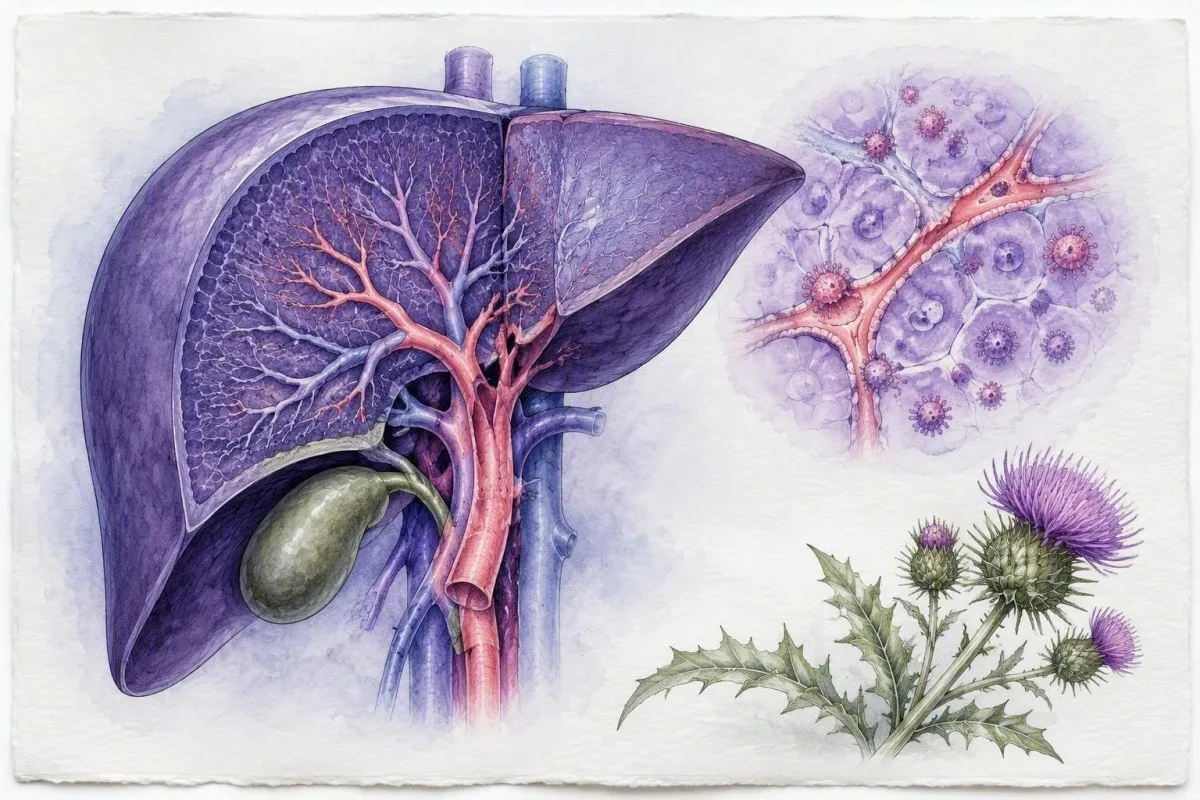
Il vaccino contro l'epatite B è altamente efficace quando la serie viene completata. Per gli adulti che necessitano di prova di risposta post-vaccinazione a causa del rischio occupazionale o immunitario, l'anti-HBs viene misurato 1-2 mesi dopo la dose finale; 10 mIU/mL o superiore è la soglia protettiva convenzionale.
Usare preservativi finché l'immunità di un partner non è documentata, coprire le ferite e mantenere privati gli articoli per la cura personale. Il contatto sociale di routine è sicuro e i bambini non dovrebbero essere isolati da un genitore con HBV: questo malinteso causa ancora inutile ansia familiare.
Kantesti’s risorse per il monitoraggio della salute familiare possono aiutare le famiglie a organizzare risultati separati con il consenso, ma ogni persona ha bisogno della propria documentazione di test e vaccinazione. Il test anticorpale positivo di un parente non può stabilire l'immunità di nessun altro.
E l'allattamento al seno?
L'allattamento al seno è generalmente consentito quando il neonato riceve la profilassi immunitaria raccomandata per l'epatite B. È ancora necessario un consiglio individuale in caso di capezzoli screpolati o sanguinanti, coinfezione da HIV o dubbi sulla terapia antivirale materna.
Cosa si dovrebbe evitare in attesa dei risultati dell'epatite B?
Evitare alcol, paracetamolo non necessario e nuovi integratori a base di erbe o per il bodybuilding durante la valutazione dell'epatite B acuta. Queste esposizioni possono peggiorare lo stress epatico o rendere più difficile identificare la causa di risultati anomali.
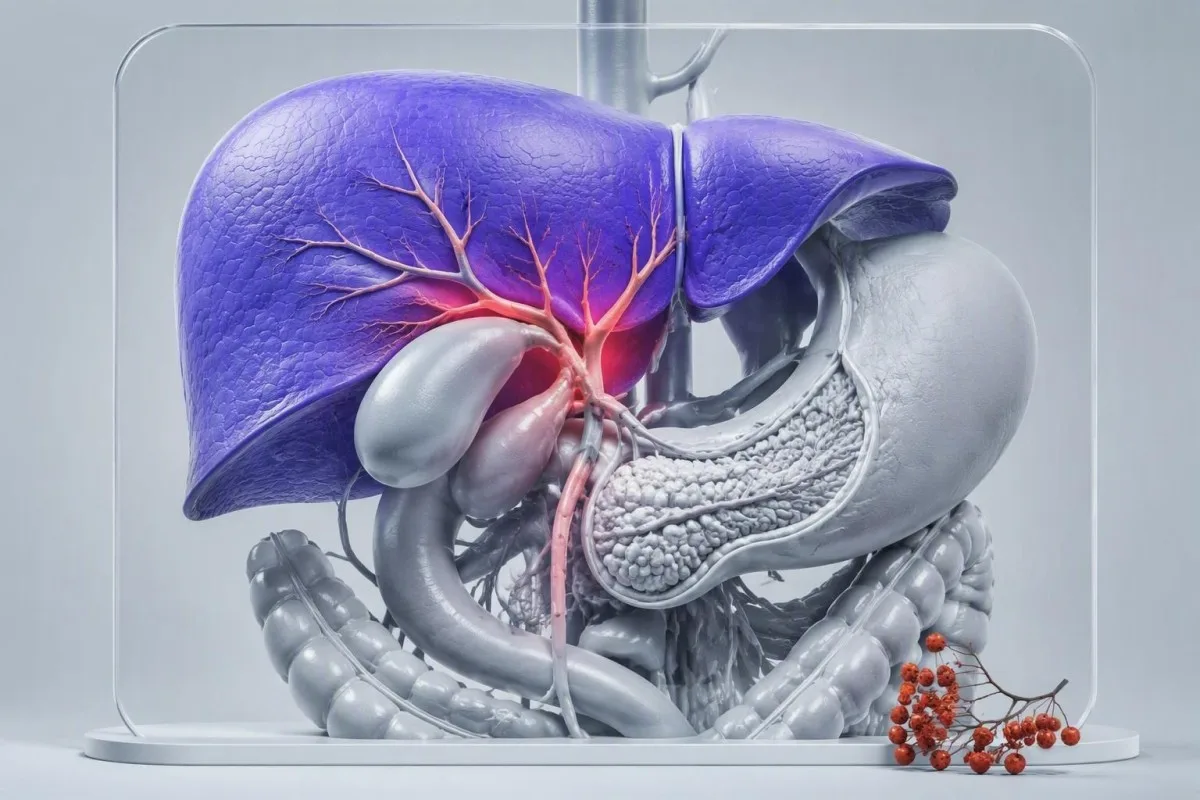
Non ci sono prove che i "juice cleanse", i regimi di digiuno o i prodotti detox da banco eliminino l'epatite B. Alcuni prodotti contengono estratti concentrati o ingredienti non dichiarati, e il fegato può essere particolarmente vulnerabile durante un episodio infiammatorio acuto; la nostra revisione di integratori rischiosi per il fegato spiega la preoccupazione.
Non interrompere bruscamente un farmaco prescritto a meno che il medico non lo consigli. Per il paracetamolo, i medici spesso individualizzano i limiti sicuri quando è presente un danno epatico; un massimo altrimenti standard di 4.000 mg al giorno non è automaticamente appropriato per una persona con epatite acuta, uso di alcol, basso peso corporeo o malattia epatica cronica.
L'idratazione, pasti semplici e regolari, l'evitamento dell'alcol e il mantenimento di un elenco datato di farmaci e integratori sono sensati in attesa della revisione. Se il vomito impedisce l'assunzione di liquidi o la chiarezza mentale cambia, cercare cure urgenti piuttosto che cercare di gestirla a casa.
Il cibo non trasmette HBV
L'epatite B non si contrae dalla normale preparazione dei cibi, dalla condivisione di piatti o bicchieri. Questo è importante perché evitare i pasti in famiglia non riduce la trasmissione, mentre la vaccinazione e l'evitamento di oggetti personali contaminati dal sangue sì.
Come prepararsi per un appuntamento di follow-up per l'epatite B
Portare tutti i risultati dell'epatite B con le date di raccolta, la documentazione vaccinale, un elenco dei farmaci e una cronologia concisa delle esposizioni. Questi dettagli spesso distinguono un'infezione recente, un'infezione remota, uno schema di falso positivo o un'epatite B cronica conclamata più velocemente che ripetere un singolo test.
Annotare le date di possibile esposizione, viaggi, nuovi partner sessuali, procedure di iniezione o tatuaggio, contatti domestici, gravidanza e vaccinazione precedente. Includere anche farmaci immunosoppressori come rituximab, steroidi ad alto dosaggio, chemioterapia o biologici, poiché la positività anti-HBc può essere importante anche quando HBsAg è negativo.
Porre quattro domande dirette: Quali tre marcatori di screening erano positivi? È presente IgM anti-HBc? Qual è l'HBV DNA in IU/mL? Ho bisogno di una valutazione della fibrosi o del test per l'epatite D? Queste domande spostano la conversazione da una vaga preoccupazione a un piano.
Il Dr. Thomas Klein raccomanda di salvare il PDF originale piuttosto che solo uno screenshot del portale, perché gli intervalli di riferimento, i nomi dei saggi, le date e i commenti di laboratorio possono influenzare l'interpretazione. Il nostro AI guida tecnologica spiega come la nostra AI estrae il contesto del report, mentre il tuo medico rimane responsabile della diagnosi e del trattamento.
Una prospettiva pratica finale
Una sensazione negativa non è un test negativo, e l'ittero è un indizio tardivo e incostante. Se si applica un rischio di esposizione o di screening, organizzare il pannello a tre marcatori anche quando ci si sente completamente normali; la conoscenza precoce protegge sia il fegato sia le persone vicine.
Domande frequenti
È possibile avere l'epatite B senza ittero?
Sì. L'epatite B può verificarsi senza ittero e molte persone infette non hanno alcun sintomo. L'ittero diventa generalmente evidente quando la bilirubina totale sale a circa 2–3 mg/dL (34–51 µmol/L), ma l'epatite B può causare infiammazione epatica prima che la bilirubina raggiunga tale intervallo. Il pannello di screening appropriato è HBsAg, anti-HBs e anti-HBc totale, non un elenco di sintomi.
Quali sono i primi sintomi dell'epatite B?
I primi sintomi dell'epatite B possono includere affaticamento, scarso appetito, nausea, febbre lieve, dolori muscolari, dolori articolari e fastidio sotto le costole a destra. I sintomi acuti si verificano solitamente dopo un periodo di incubazione di 60–150 giorni, con una media di circa 90 giorni. Questi sintomi si sovrappongono a molte malattie, quindi sono necessari test per HBsAg, anti-HBc totale e anti-HBs per stabilire lo stato di epatite B. Urine scure o occhi gialli possono verificarsi più tardi, ma nessuno dei due è necessario.
Quale test mostra se l'epatite B è acuta o cronica?
Nessun singolo test indica perfettamente l'epatite B, ma la persistenza di HBsAg per 6 mesi o più stabilisce un'infezione cronica. IgM anti-HBc supporta un'infezione acuta recente se associata a nuova positività di HBsAg, sebbene possa anche aumentare durante una riacutizzazione dell'epatite B cronica. L'HBV DNA in IU/mL misura la replicazione virale e aiuta a guidare la gestione, mentre le date dei test precedenti spesso forniscono la risposta più chiara. Un medico di solito interpreta questi test con ALT, bilirubina e storia di esposizione.
Gli enzimi epatici possono essere normali con l'epatite B cronica?
Sì. ALT e AST possono essere normali in un dato momento nell'epatite cronica B, anche se l'infezione persiste e il DNA dell'HBV rimane rilevabile. Una ALT normale non esclude la fibrosi, pertanto i medici valutano il DNA dell'HBV, lo stato dell'HBeAg, le piastrine, il rischio di fibrosi, l'età e la storia familiare insieme agli enzimi epatici. Una ALT superiore a 1.000 UI/L può verificarsi nell'epatite virale acuta, ma valori di ALT lievi o normali non escludono la malattia cronica. I risultati seriali sono più informativi di un singolo prelievo di sangue.
Cosa significa un antigene di superficie dell'epatite B positivo?
Un antigene di superficie dell'epatite B, o HBsAg, positivo indica una possibile infezione da epatite B in corso e necessita di un rapido follow-up di conferma. I medici solitamente aggiungono HBV DNA, anti-HBc totale e IgM, anti-HBs, HBeAg, chimica epatica, CBC, e spesso test per l'epatite C, l'epatite D e l'HIV in base al rischio. Se l'HBsAg rimane positivo per almeno 6 mesi, l'infezione è classificata come cronica. Un risultato positivo non dimostra da solo la cirrosi né determina se è necessario un trattamento antivirale.
Quando devo rivolgermi al pronto soccorso per sospetta epatite B?
Chiedi assistenza urgente in giornata per confusione, sonnolenza grave, vomito ripetuto, ittero in rapido peggioramento, lividi insoliti, gonfiore addominale significativo o incapacità di trattenere i liquidi. Nell'epatite acuta, un INR di 1,5 o superiore combinato con alterazione dello stato mentale solleva preoccupazione per insufficienza epatica acuta e richiede una valutazione di emergenza. L'urina scura da sola può avere cause benigne, ma l'urina scura con feci pallide, febbre, occhi gialli o prurito intenso richiede una revisione medica tempestiva. Non usare alcol o nuovi integratori detox durante l'attesa delle cure.
Ottieni oggi l’analisi degli esami del sangue con IA (AI-Powered Blood Test Analysis)
Unisciti a oltre 2 milioni di utenti in tutto il mondo che si fidano di Kantesti per un’analisi istantanea e accurata degli esami di laboratorio. Carica i tuoi risultati analisi del sangue e ricevi un’interpretazione completa dei biomarcatori di 15,000+ in pochi secondi.
📚 Pubblicazioni di ricerca di riferimento
Klein, T., Mitchell, S., & Weber, H. (2026). Kantesti LTD. (2026). Analizzatore di analisi del sangue con IA: 2,5M test analizzati | Rapporto globale sulla salute 2026. Zenodo.. Kantesti AI Medical Research.
Klein, T., Mitchell, S., & Weber, H. (2026). Kantesti LTD. (2026). Test del sangue RDW: guida completa a RDW-CV, MCV e MCHC. Zenodo.. Kantesti AI Medical Research.
📖 Riferimenti medici esterni
Organizzazione Mondiale della Sanità (2024). Linee guida per la prevenzione, diagnosi, cura e trattamento delle persone con infezione cronica da epatite B. Organizzazione Mondiale della Sanità.




⚕️ Esclusione di responsabilità medica
Questo articolo ha solo scopo educativo e non costituisce consulenza medica. Consulta sempre un operatore sanitario qualificato per decisioni su diagnosi e trattamento.
Segnali di fiducia E-E-A-T
Esperienza
Revisione clinica guidata da un medico dei flussi di lavoro di interpretazione degli esami.
Competenza
Focus sulla medicina di laboratorio su come i biomarcatori si comportano nel contesto clinico.
autorevolezza
Scritto dal dott. Thomas Klein con revisione della dott.ssa Sarah Mitchell e del Prof. Dr. Hans Weber.
Affidabilità
Interpretazione basata su evidenze, con percorsi di follow-up chiari per ridurre l’allarme.