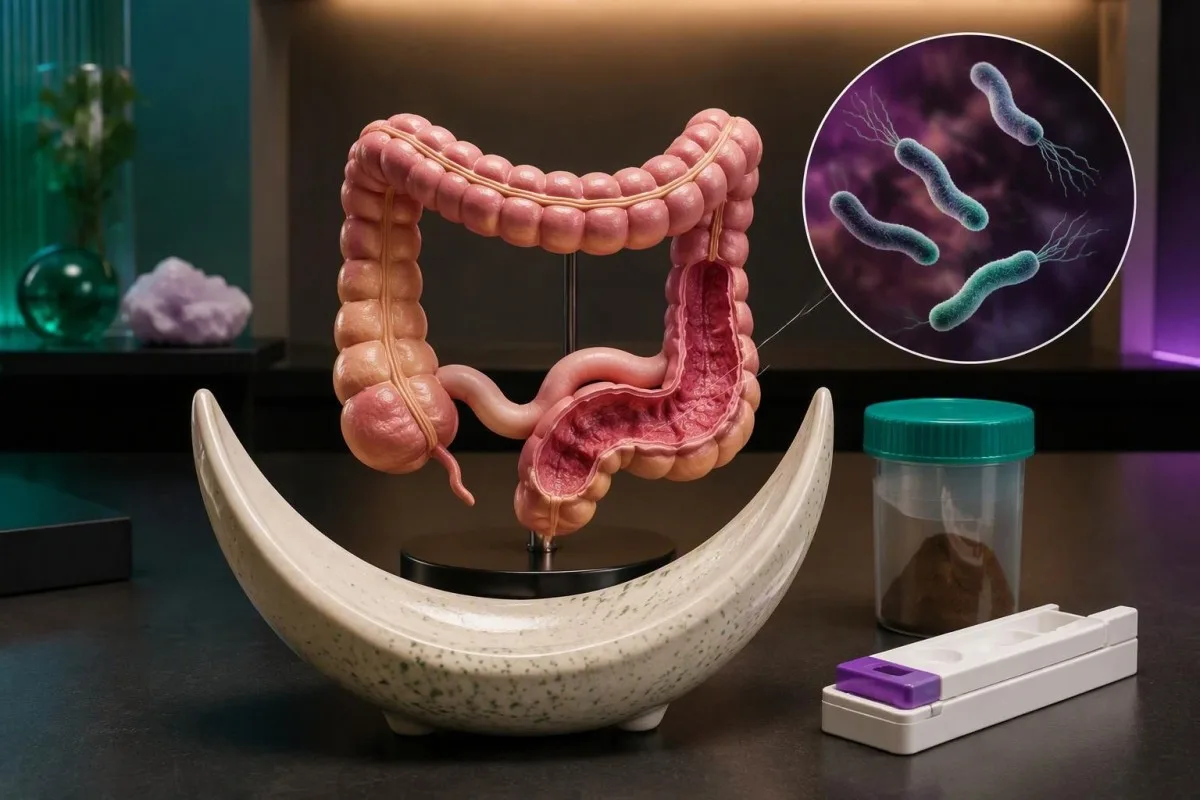
Un risultato positivo alla PCR delle feci per Campylobacter non significa automaticamente che siano necessari antibiotici. La maggior parte delle persone altrimenti sane guarisce reintegrando i liquidi; diarrea grave o prolungata, febbre persistente, disidratazione, gravidanza, età avanzata o difese immunitarie ridotte richiedono una valutazione clinica e possono modificare il trattamento.

Punti chiave
- PCR positivo significa che è stato rilevato DNA di Campylobacter; da solo, non dimostra che siano ancora presenti batteri vivi né che siano necessari antibiotici.
- Guarigione abituale richiede circa 1 settimana in molte persone altrimenti sane, anche se la regolarità intestinale può richiedere più tempo per ristabilirsi.
- Beneficio degli antibiotici è stato in media di circa 1,3 giorni in meno di sintomi intestinali in una meta-analisi meno recente di 11 studi randomizzati; il trattamento precoce offre generalmente maggiori benefici.
- Valutazione del trattamento è indicata in caso di diarrea sanguinolenta, febbre persistente, peggioramento della malattia o sintomi che persistono per oltre circa 7 giorni senza miglioramenti.
- Segnali di emergenza comprendono confusione, svenimento, grave disidratazione, addome rigido o debolezza che peggiora rapidamente; non aspettare di ripetere l'esame delle feci.
- Gruppi a rischio più elevato comprendono le persone in gravidanza, gli adulti di età pari o superiore a 65 anni e le persone con difese immunitarie indebolite; i neonati richiedono una valutazione specifica in base all'età.
- PCR ripetuta di solito non è necessaria dopo la guarigione, perché il rilevamento del DNA e la persistenza della contagiosità non sono equivalenti.
- Precauzioni contro la trasmissione includono lavarsi le mani con acqua e sapone per almeno 20 secondi e seguire le regole locali di esclusione dal lavoro o dai servizi per l’infanzia, spesso per almeno 48 ore dopo la cessazione della diarrea e del vomito.
Un risultato positivo alla PCR per Campylobacter richiede antibiotici?
A PCR positiva per Campylobacter il risultato non richiede automaticamente antibiotici. Una persona altrimenti sana, la cui diarrea sta migliorando, spesso può guarire con la sola reidratazione orale, di solito nell’arco di circa 1 settimana; una malattia grave, sintomi persistenti o condizioni di salute a maggior rischio giustificano una decisione terapeutica guidata da un medico.
I sintomi determinano il passo successivo in modo più affidabile della parola «positivo». Un risultato che arriva il giorno 5 significa qualcosa di diverso se ora hai 2 scariche molli al giorno anziché 10, febbre persistente e difficoltà a bere; il risultato di laboratorio non può fornire questo andamento clinico mancante.
Anche un risultato positivo in assenza di sintomi richiede un contesto, non un trattamento automatico. Se la diarrea è cessata 2 giorni prima dell’arrivo del referto, contatta il medico che ha richiesto l’esame per discutere i tuoi fattori di rischio e le eventuali restrizioni sul lavoro, anziché usare antibiotici avanzati; il miglioramento può verificarsi prima che il laboratorio abbia terminato l’analisi del campione.
Kantesti è un analizzatore di esami del sangue basato sull’IA che aiuta a spiegare i risultati di laboratorio associati, ma non può stabilire se una PCR delle feci richieda un trattamento. Nostro organizzazione e l'ambito clinico sono distinte dalla decisione di prescrivere antibiotici, che richiede di considerare i sintomi e l’anamnesi farmacologica e, quando indicato, di effettuare una visita.
Una prima valutazione pratica richiede almeno 4 dettagli: quando sono iniziati i sintomi, quante scariche hai nell’arco di 24 ore, se riesci a trattenere i liquidi e se hai febbre o sangue visibile. Aggiungi gravidanza, farmaci immunosoppressori, viaggi recenti e il referto completo del pannello fecale prima di discutere il trattamento del Campylobacter.
Che cosa rileva effettivamente un risultato positivo alla PCR delle feci per Campylobacter?
Un PCR delle feci significa che il test ha rilevato una sequenza di DNA bersaglio del Campylobacter in quel campione. La PCR non richiede batteri vivi e un risultato qualitativo di solito riporta 1 di 2 categorie—rilevato o non rilevato—anziché una misura convalidata della gravità della malattia.
Laboratori diversi non analizzano necessariamente gli stessi microrganismi. Molti pannelli gastrointestinali ricercano Campylobacter jejuni e Campylobacter coli, mentre la copertura di altre specie varia; non si deve presumere che queste 2 specie comuni rappresentino tutte le possibili infezioni da Campylobacter, in particolare quando si sospetta un’infezione del torrente circolatorio.
Un campione positivo alla PCR e negativo alla coltura non è intrinsecamente contraddittorio. La PCR può rilevare il DNA quando la quantità di batteri è ridotta, i microrganismi hanno perso vitalità o le condizioni di trasporto hanno ridotto il recupero in coltura; pertanto, 1 coltura negativa non invalida automaticamente un risultato PCR positivo compatibile.
Il valore della soglia del ciclo non è una soglia universale di contagiosità per il Campylobacter. Even if a laboratory releases a Ct of 30, differences in extraction, stool consistency, and assay design prevent translating that number into a reliable treatment or return-to-work rule; our guida qualitativa versus quantitativa spiega la distinzione di segnalazione.
The original specimen date matters more than the report date when reconstructing illness. A stool sample collected on day 2 and reported on day 5 describes what was present in the earlier specimen, not necessarily what is happening in your bowel today; keep both dates when discussing the result.
Il risultato può essere incidentale, falso positivo o parte di un'infezione mista?
A Campylobacter stool test positive result is more persuasive when it accompanies a compatible diarrheal illness, but it does not prove that Campylobacter explains every symptom. Multiplex panels can detect 2 or more organisms, and occasional false-positive or clinically incidental detections require interpretation rather than indiscriminate antibiotics.

A second detection can change the safety of antibiotic treatment. If a panel also detects Shiga toxin or Shiga toxin-producing Escherichia coli, the 2017 IDSA guideline recommends avoiding antibiotics for certain STEC infections because of hemolytic uremic syndrome risk; contact the clinician before assuming a standard Campylobacter regimen is appropriate (Shane et al., 2017).
Two positive targets do not necessarily require 2 antimicrobial prescriptions. Giardia can produce persistent bloating and prolonged loose stools, whereas Campylobacter more often causes an acute febrile illness; the distinction matters when interpreting Giardia detection and recovery alongside the timing of your symptoms.
Some positive stool targets are particularly dependent on clinical context. A C. difficile finding after recent antibiotics needs the assay type, stool frequency, and clinical history, not merely comparison with another positive organism; our guide to risultati discordanti per C. difficile explains why 1 laboratory label may be insufficient.
Culture is useful when the answer could change treatment or public-health action. The IDSA guideline recommends culture after relevant culture-independent bacterial detections when an isolate is needed for surveillance or susceptibility testing; repeating the same PCR after 24 hours usually supplies less actionable information than obtaining the right additional test.
Perché molte infezioni da Campylobacter si risolvono senza trattamento?
Many Campylobacter infections resolve because the immune system controls the intestinal infection while fluids replace ongoing losses. Antibiotics can shorten symptoms, but an older meta-analysis of 11 randomized trials found an average reduction of about 1.32 days, not an immediate cure (Ternhag et al., 2007).
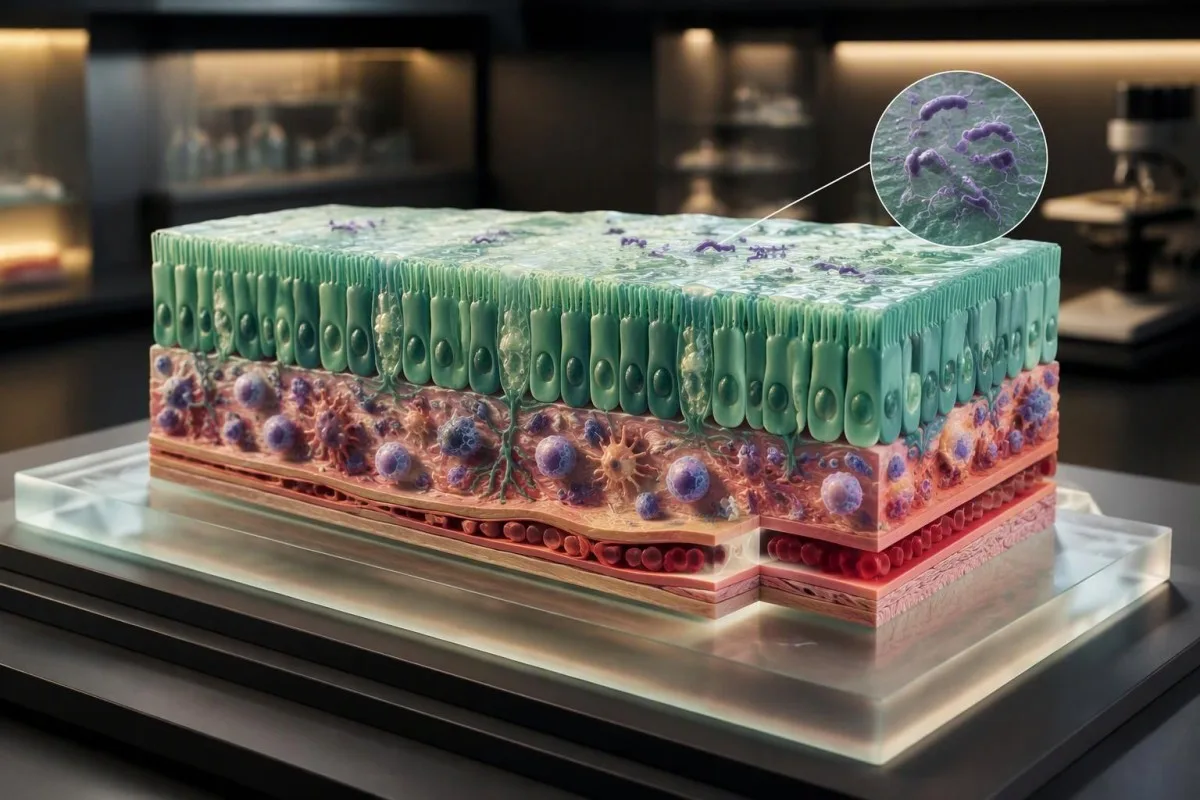
The timing of antibiotics affects their potential benefit. The 2007 analysis by Ternhag and colleagues reported a 95% confidence interval of 0.64–1.99 days for symptom shortening, with greater benefit generally expected when treatment begins early; that average should not be interpreted as a guarantee for an individual patient.
An improving illness leaves less remaining illness for an antibiotic to shorten. For example, a hypothetical 34-year-old on day 6 who is drinking normally and has reduced from 8 stools to 2 stools daily may have little additional symptomatic benefit, even though the original specimen remains PCR positive.
Avoiding unnecessary antibiotics also avoids avoidable harms. Antibiotic-associated diarrhea, allergic reactions, interactions, and resistance selection are relevant even during a 3-day course; the main decision is whether likely clinical benefit outweighs these risks, not whether a positive result deserves an antimicrobial response.
Treatment expectations differ between intestinal pathogens. A Campylobacter result cannot be managed by copying advice for parasites or commercial microbiome findings; compare Cryptosporidium treatment decisions E limiti dei test sul microbioma when more than 1 type of stool report is involved.
Quali sintomi rendono più probabile il ricorso agli antibiotici per Campylobacter?
Antibiotics are more likely to be considered for severe, worsening, or prolonged Campylobacter illness, especially with bloody diarrhea, persistent fever, substantial fluid loss, or reduced immunity. Symptoms lasting beyond about 7 days without improvement deserve reassessment, but no single stool-count or temperature cutoff determines treatment for everyone.
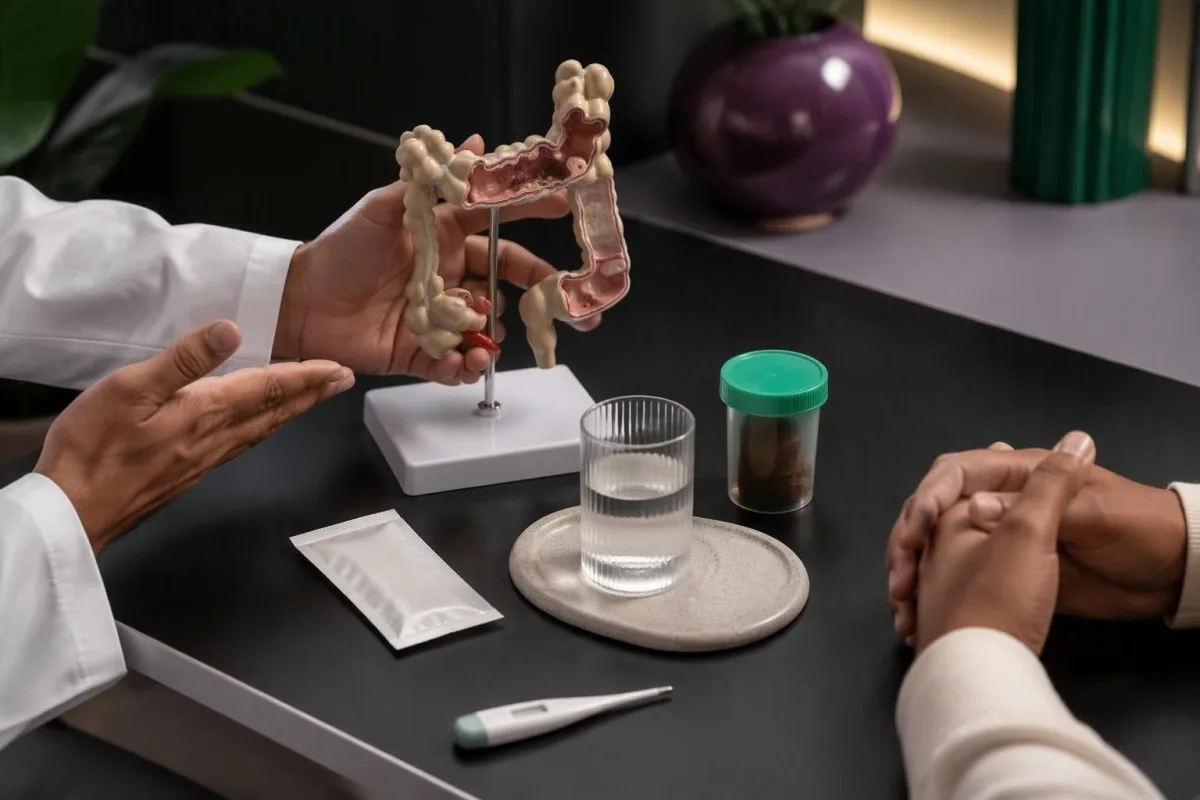
Persistent fever is more concerning than one isolated high reading. A temperature of 38.5°C combined with frequent diarrhea, worsening pain, or inability to drink warrants prompt advice; the same temperature during an otherwise improving first day does not independently establish that antibiotics will help.
Visible blood suggests inflammatory intestinal injury but does not identify its cause. More than 6 unformed stools in 24 hours can indicate a substantial symptom burden, yet a person with fewer stools and significant bleeding may need faster assessment; our stool blood warning signs explain why color and accompanying symptoms matter.
Duration is a reassessment trigger rather than an automatic prescription date. Day 8 with worsening diarrhea is different from day 8 with one slightly loose stool and normal appetite; the 2017 IDSA guideline considers treatment reasonable for particularly prolonged or severe Campylobacter disease without establishing a universal 7-day rule (Shane et al., 2017).
Treatment failure needs investigation before a second course. Persistent fever or substantial diarrhea after 48–72 hours of prescribed treatment should prompt contact with the prescriber, who may review adherence, resistance, another detected pathogen, or a noninfectious diagnosis rather than simply extending the same antibiotic.
Quando un risultato positivo richiede una valutazione urgente o di emergenza?
Seek emergency care for confusion, collapse, severe dehydration, a rigid abdomen, major bleeding, or rapidly worsening weakness, regardless of the stool result. An infant younger than 3 mesi with a temperature of 38°C o superiore needs urgent medical assessment rather than home monitoring alone.
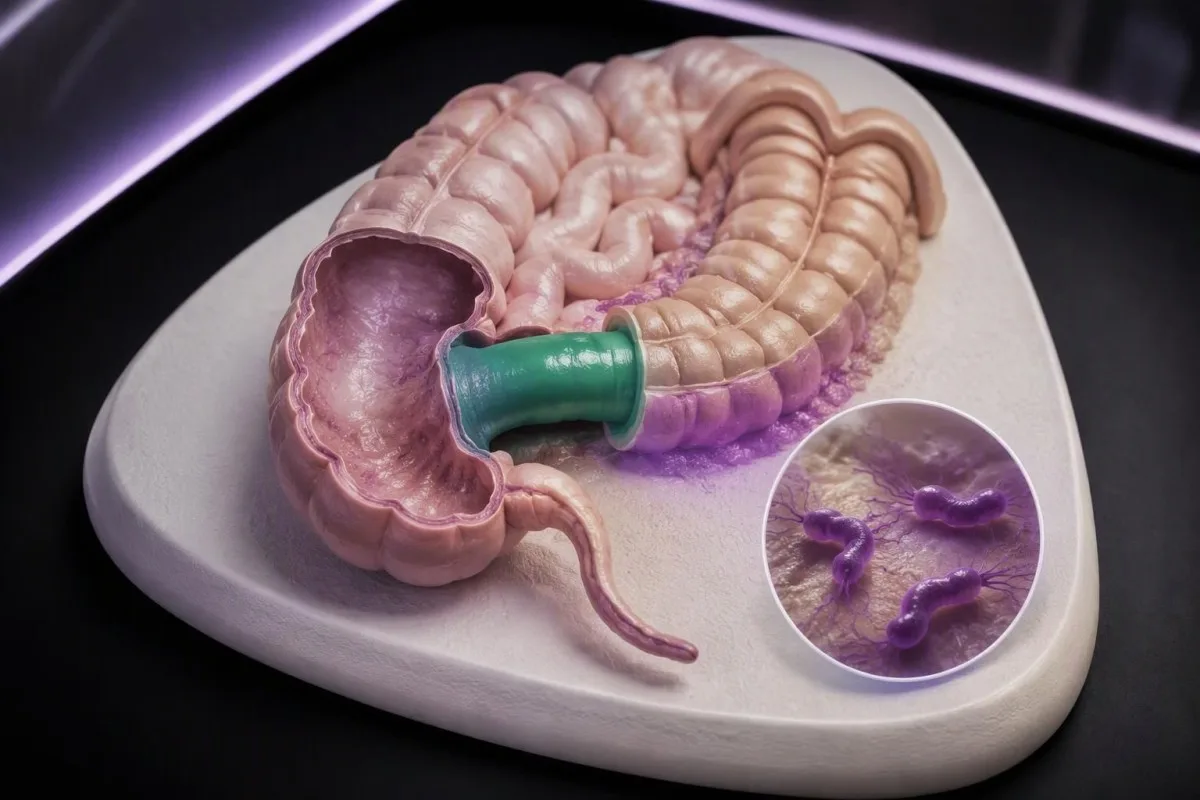
Reduced urine and dizziness can reveal dangerous fluid loss before a blood test does. Very little urine over roughly 8–12 hours in an adult, faintness on standing, or inability to keep fluids down warrants urgent advice; children, frail adults, and people with kidney disease may deteriorate sooner.
Severe localized abdominal pain should not be dismissed as confirmed gastroenteritis. Campylobacter can affect the terminal ileum and resemble appendicitis, but the 2 conditions can also be confused for other reasons; our appendicitis testing limitations explain why a stool finding or normal white-cell count cannot replace examination.
Systemic illness changes the testing plan. Fever with shaking chills, confusion, low blood pressure, or marked deterioration may require blood cultures and hospital assessment, especially in someone with reduced immunity; a single stool PCR cannot show whether bacteria have entered the bloodstream.
Neurological weakness after diarrhea is a separate emergency signal. New difficulty climbing stairs, rising from a chair, swallowing, or breathing during the following 1–3 weeks needs immediate assessment; do not wait for antibiotics to work or for a repeat stool result before seeking help.
In che modo gravidanza, età e difese immunitarie ridotte modificano la decisione?
Pregnancy, age 65 years or older, and reduced immunity lower the threshold for clinical assessment, even when diarrhea initially seems manageable. Infants and young children also need age-specific hydration and fever assessment; a positive result alone still does not determine the antibiotic, dose, or care setting.

Pregnancy changes the consequences of dehydration and the medication discussion. A pregnant person with a positive result should contact their maternity or medical team, particularly with fever, reduced intake, contractions, or reduced fetal movement; 1 uncomplicated positive specimen is not proof of fetal infection.
Immune suppression is not one uniform category. Chemotherapy, organ transplantation, advanced HIV, and some immune-suppressing medicines can increase concern about prolonged or invasive illness; the 2017 IDSA guideline supports offering treatment to severely immunocompromised people with Campylobacter even when the intestinal illness appears otherwise uncomplicated (Shane et al., 2017).
Pediatric assessment cannot be reduced to adult laboratory cutoffs. A child passing 6 watery stools daily may need a different rehydration plan from an adult with the same count, because body weight, urine output, and ongoing vomiting change the risk; our children's interpretation safety guide explains this limitation.
Kantesti is an AI blood test interpretation platform, not a substitute for a pediatric or maternity examination. Nostro quadro di validazione clinica should be read alongside that boundary: explaining 3 abnormal laboratory values does not establish whether an infant, pregnant person, or transplant recipient can safely remain at home.
Quali antibiotici si usano per il trattamento del Campylobacter?
Azithromycin is commonly preferred when Campylobacter requires antibiotics, because fluoroquinolone resistance can limit drugs such as ciprofloxacin. One commonly used adult regimen for uncomplicated enteritis is azithromycin 500 mg once daily for 3 days, but a clinician must choose the regimen for the individual situation.
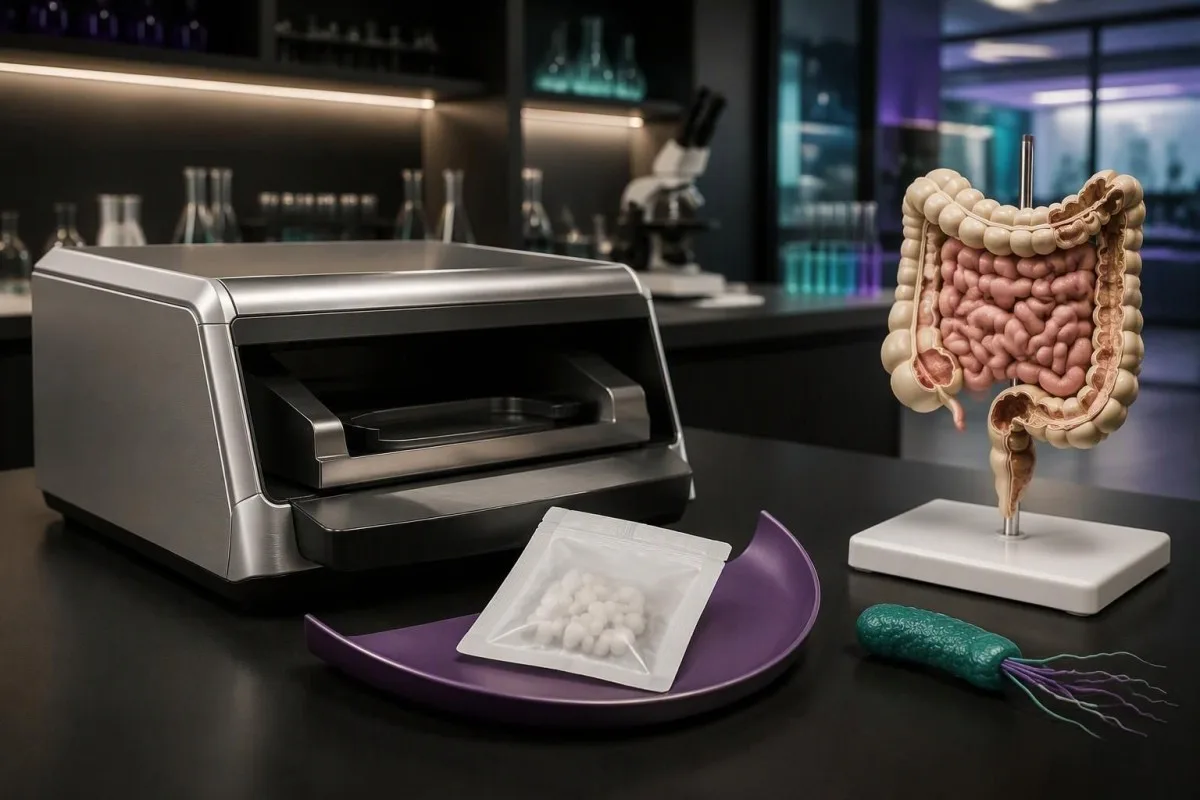
The 500 mg regimen is an example, not a self-treatment instruction. Children need weight-based prescribing, and invasive infection or severe immune suppression may require a different duration, susceptibility-guided therapy, or hospital treatment; antibiotics already prescribed for another condition should not be repurposed for a stool result.
Travel history can change the resistance assessment. The 2017 IDSA guideline identifies azithromycin as a preferred option for Campylobacter and discusses substantial geographic variation in fluoroquinolone resistance; a hypothetical 45-year-old returning from international travel should tell the prescriber where they went and whether they took antibiotics abroad (Shane et al., 2017).
Electrolyte loss matters when reviewing azithromycin safety. Potassium below 3.5 mmol/L or reduced magnesium can increase concern about rhythm problems, particularly with other QT-prolonging medicines; clinicians may need medication review, an ECG, or electrolyte correction rather than treating a 3-day prescription as automatically low risk.
Anticoagulant treatment deserves a separate safety check. Illness, reduced food intake, and antibiotics can alter warfarin control during even a short course; our Variazioni INR dopo antibiotici explains why the prescriber may arrange additional monitoring instead of recommending a patient-led dose change.
Cosa aiuta la guarigione se gli antibiotici non sono necessari?
Oral rehydration solution is the main treatment for ongoing diarrheal fluid loss, whether or not antibiotics are prescribed. An adult can often start with approximately 200–250 mL after each loose stool, adjusting to thirst and losses; heart failure, kidney disease, and children's needs require individualized advice.

The packet's mixing volume is a medical instruction, not a serving suggestion. Dissolve a sachet in the exact stated water volume—often 200 mL or 1 L depending on the product—because making it too concentrated can worsen electrolyte problems; use safe water and follow storage instructions.
Small amounts are often better tolerated after vomiting. Try 5–10 mL every 1–2 minutes, increasing gradually if it stays down; ongoing vomiting despite this approach, worsening dizziness, or reduced urine requires medical advice rather than repeatedly forcing a large glass of fluid.
Food restriction does not clear Campylobacter. Resume tolerable meals as appetite returns, and continue breastfeeding for infants; after 24 hours, persistent avoidance of food can compound weakness without treating the organism, while very sugary drinks may aggravate diarrhea through their osmotic effect.
Antidiarrheal medicines need caution in inflammatory diarrhea. Avoid self-directed loperamide when fever or blood is present, and the IDSA guideline advises against loperamide in children younger than 18 years with acute diarrhea; our diarrhea and dietary changes guide also explains why fasting is not a substitute for rehydration.
Una PCR positiva significa che si è ancora contagiosi?
A positive Campylobacter PCR cannot prove ongoing contagiousness, because it detects DNA rather than demonstrating viable bacteria. Nevertheless, bacteria can be shed after symptoms improve, so hygiene and local exclusion rules still matter; many UK settings use at least 48 hours after diarrhea and vomiting stop before return.

There is no validated universal PCR date that marks the end of transmission risk. A positive specimen on day 10 cannot establish that transmission is occurring, while feeling well does not guarantee shedding has stopped; culture demonstrates viable organisms under laboratory conditions but still cannot precisely quantify real-world infectiousness.
The 48-hour rule is not a universal clearance certificate. Food handlers, healthcare workers, and children in particular settings may face different local requirements, outbreak instructions, or public-health review; ask about the rule for your role instead of borrowing advice from norovirus recovery and contagiousness.
Soap-and-water handwashing interrupts the main fecal–oral transmission route. Wash for at least 20 seconds after using the toilet or changing nappies and before preparing food; do not prepare food for others while symptomatic, and clean shared bathroom touchpoints using an appropriate product according to its instructions.
Preventing another exposure is different from treating the current episode. Keep raw poultry separate from ready-to-eat foods, avoid rinsing raw poultry, and cook poultry to a verified safe internal temperature—for example, 74°C under US food-safety guidance; a new exposure can produce another illness even after the first improves.
Quali esami del sangue sono rilevanti quando la diarrea diventa grave?
Blood tests assess dehydration and complications; they do not confirm or clear intestinal Campylobacter infection. Electrolytes, urea, creatinine, and a full blood count may be useful in severe illness, particularly when potassium falls below 3,5 mmol/L or kidney function changes from the person's usual baseline.
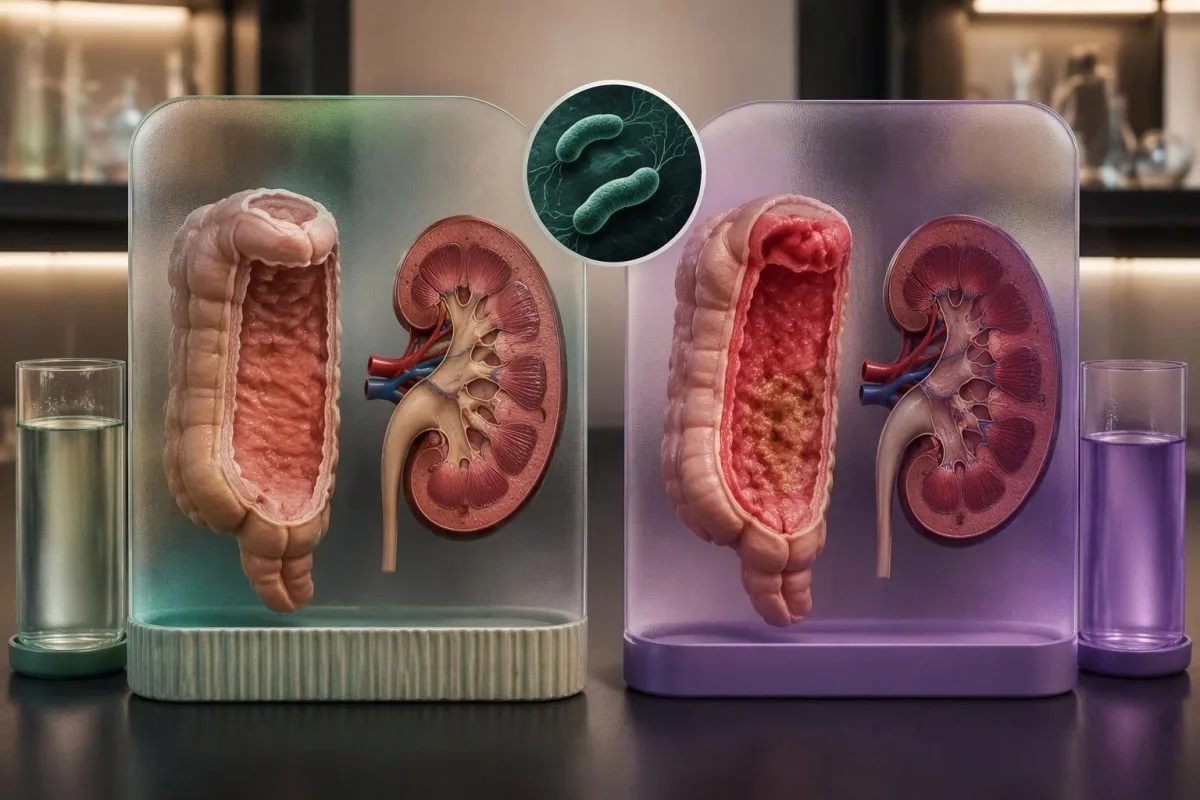
A changing creatinine can be more informative than its reference-range flag. A rise of at least 26.5 µmol/L, equivalent to 0.3 mg/dL, within 48 hours meets one standard acute kidney injury criterion; our i risultati renali dopo la disidratazione explains why a previously normal baseline matters.
Consider a clearly hypothetical kidney-result comparison. An adult whose creatinine rises from 70 to 100 µmol/L over 2 days has a 30 µmol/L increase that merits assessment even if the laboratory's upper limit is higher; the urea-to-creatinine relationship can add context but cannot diagnose dehydration by itself.
White-cell count and CRP cannot decide whether Campylobacter needs antibiotics. At Kantesti, we explain these accompanying results as context rather than a prescription trigger; a hypothetical CRP of 60 mg/L can accompany intestinal inflammation, but there is no validated CRP cutoff that identifies antibiotic benefit for uncomplicated Campylobacter enteritis.
Normal inflammatory markers do not overrule concerning symptoms. A white-cell count of 7.0 × 10^9/L can fall within an adult laboratory range while dehydration or localized abdominal disease remains clinically significant; our confronto WBC e CRP explains why discordant results require interpretation alongside examination and trends.
Quando è utile ripetere l'esame delle feci dopo un'infezione da Campylobacter?
Routine repeat PCR is usually unnecessary after symptoms resolve, and it is not a reliable test of ongoing infectiousness. Repeat or additional testing becomes useful when symptoms persist, recur, or require public-health clearance; diarrhea lasting 14 days or longer needs a broader diagnostic review rather than automatic repeat antibiotics.

Residual DNA can outlast the illness that prompted testing. Detection may persist for days or weeks, with variation between people and assays; a second positive PCR 7 days after recovery does not by itself demonstrate antibiotic failure, a new infection, or a need to treat again.
Persistent diarrhea needs a question-driven testing plan. After 14 days, clinicians may consider other pathogens, medication effects, post-infectious bowel dysfunction, or inflammatory bowel disease; a repeat multiplex panel is most useful when its result could change management, not merely because the original result was alarming.
Suspected resistance may call for culture and susceptibility testing rather than another qualitative PCR. If substantial illness continues after 48–72 hours of an appropriate antibiotic, the prescriber can discuss whether the laboratory can recover an isolate; PCR generally cannot tell whether a particular antibiotic will work unless the assay specifically includes validated resistance testing.
A raised fecal calprotectin during acute diarrhea does not establish inflammatory bowel disease. Intestinal infection can raise this marker, so an isolated value such as 180 µg/g must be interpreted against timing, symptoms, and the laboratory range; our guida al follow-up della calprotectina borderline explains why follow-up timing should be individualized.
Quali sintomi dopo la guarigione non dovrebbero essere ignorati?
New progressive weakness, a swollen joint, or persistent bowel symptoms after Campylobacter require separate assessment, even if diarrhea has stopped. Guillain–Barré syndrome can begin in the following 1–3 settimane, while reactive arthritis often appears within approximately 1–4 settimane; these problems are not diagnosed by repeat stool PCR.
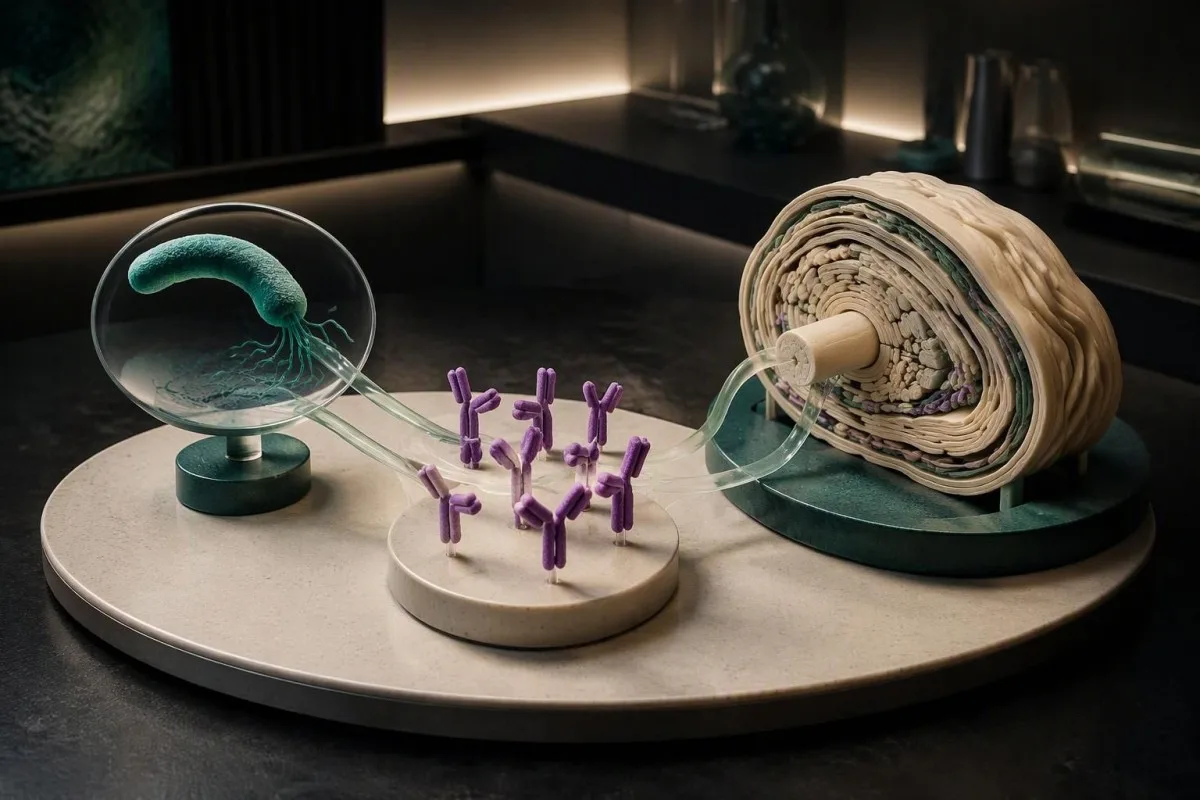
Guillain–Barré syndrome is a neurological emergency, not a reason to wait for a stool clearance test. Weakness that progresses from the legs, difficulty walking, or new swallowing or breathing problems within 1–3 weeks of diarrhea needs immediate assessment; our progressive weakness warning signs distinguishes this pattern from ordinary recovery fatigue.
Reactive arthritis can affect joints after the intestinal illness ends. New swelling in a knee or ankle 1–4 weeks after diarrhea needs assessment, particularly with eye pain, light sensitivity, or urinary symptoms; a hot swollen joint with fever should be evaluated urgently because other causes, including joint infection, must be excluded.
Post-infectious bowel disturbance does not necessarily mean live Campylobacter persists. Loose stools, urgency, or temporary food intolerance at 2–4 weeks can reflect intestinal recovery, but weight loss, persistent blood, nocturnal diarrhea, or ongoing fever warrants investigation rather than reassurance based solely on a previous diagnosis.
Antibiotics have not been shown to reliably prevent these post-infectious complications. The 11-trial meta-analysis measured symptom duration, not a proven reduction in Guillain–Barré syndrome or reactive arthritis; avoiding a rare later complication is therefore not an established reason to treat every mild PCR-positive infection (Ternhag et al., 2007).
Pubblicazioni di ricerca e i limiti dell'interpretazione dell'AI
Clinical guidelines and treatment trials—not a positive label alone—should guide antibiotic decisions. Kantesti is an AI-powered blood test analysis tool that can explain accompanying laboratory information, but neither a single PCR nor a set of 3 abnormal blood results replaces a clinician's assessment of infection severity.
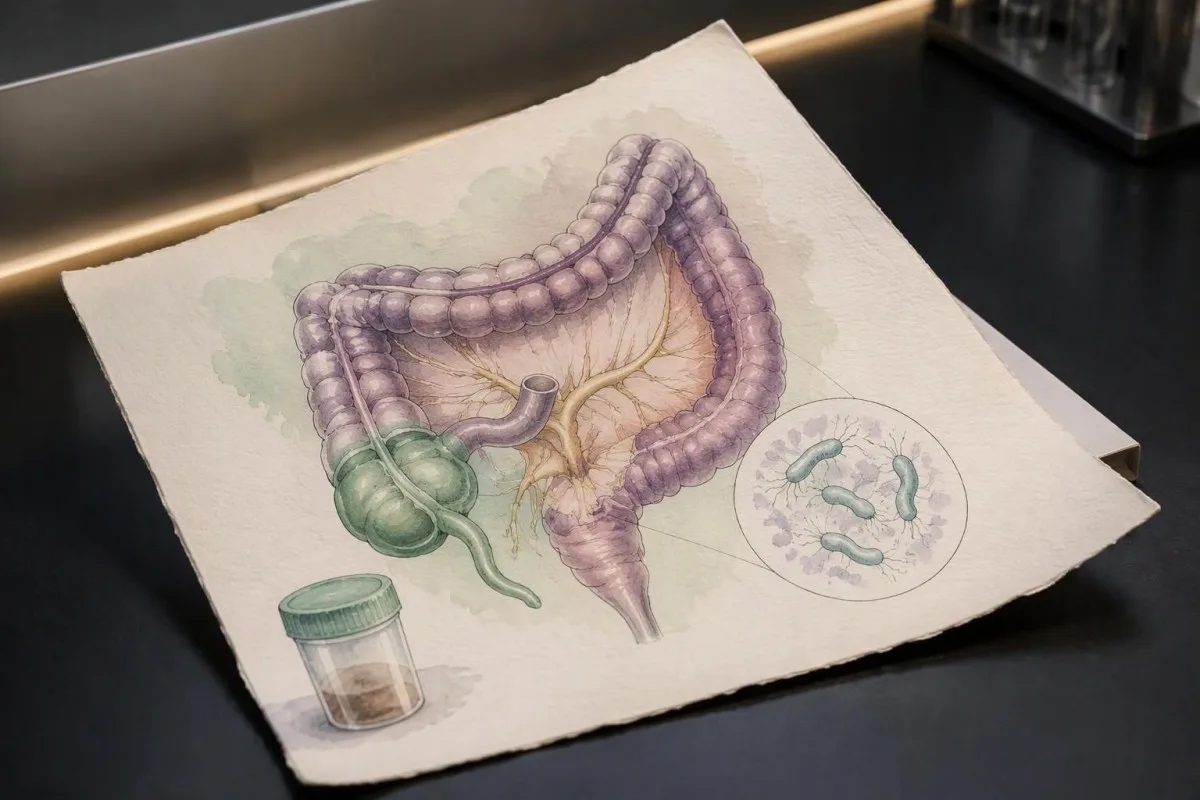
The 2017 IDSA guideline provides the main clinical framework cited here. It addresses molecular stool testing, culture, rehydration, and organism-specific antibiotic decisions; Kantesti's standard di contenuto medico distinguish those clinical recommendations from educational explanations and product-related information.
The antibiotic-benefit estimate comes from a 2007 meta-analysis, not a new treatment trial. Its 11 randomized studies support modest average symptom shortening, but older resistance patterns, treatment timing, and trial populations limit how precisely the 1.32-day estimate can predict benefit for someone with severe or invasive illness.
The 2 Figshare publications below are supplemental educational resources, not Campylobacter antibiotic trials. The gastrointestinal guide concerns symptom interpretation, while the hematology guide concerns unrelated laboratory topics; a DOI makes a publication identifiable but does not establish peer review or evidence that its content can decide infectiousness.
Kantesti Ltd is responsible for separating education from prescribing advice. Nostro limiti di un’IA responsabile apply whether a report contains 1 positive target or several abnormal markers: uncertainty should lead to a clinical question, not a confident claim that antibiotics are definitely needed or definitely unnecessary.
Domande frequenti
Se ho un risultato positivo al test PCR delle feci per Campylobacter, devo assumere antibiotici?
0 Un test PCR delle feci positivo per Campylobacter non richiede automaticamente antibiotici. Molte persone altrimenti sane guariscono con l’assunzione di liquidi nell’arco di circa 1 settimana, soprattutto quando i sintomi stanno già migliorando. È più probabile che vengano presi in considerazione gli antibiotici in caso di malattia grave o prolungata, diarrea con sangue, febbre persistente o riduzione delle difese immunitarie. Anche la gravidanza, un’età pari o superiore a 65 anni e la prima infanzia abbassano la soglia per una valutazione clinica.
La PCR per Campylobacter può risultare positiva anche dopo che mi sento meglio?
La PCR per Campylobacter può rimanere positiva dopo il miglioramento dei sintomi perché il test rileva il DNA batterico, senza dimostrare che i batteri siano vivi. Il DNA può rimanere rilevabile per giorni o settimane, ma non esiste un intervallo di negativizzazione universale valido per ogni persona o test. Un risultato positivo 7 giorni dopo la guarigione non dimostra di per sé il fallimento del trattamento o il persistere della contagiosità. Di solito non è necessario ripetere la PCR di routine dopo la guarigione, a meno che un medico o il team di sanità pubblica non abbia un motivo specifico.
Quale antibiotico viene solitamente prescritto per il Campylobacter?
L’azitromicina è comunemente preferita quando l’infezione da Campylobacter richiede antibiotici, mentre la resistenza ai fluorochinoloni può rendere la ciprofloxacina inadatta. Uno schema terapeutico comunemente usato negli adulti per l’enterite non complicata prevede azitromicina 500 mg una volta al giorno per 3 giorni. Questo è un esempio, non una raccomandazione per l’automedicazione; per i bambini, le infezioni invasive, la gravidanza e l’immunosoppressione è necessaria una prescrizione personalizzata. Il prescrittore dovrebbe inoltre valutare le allergie, le interazioni farmacologiche, la perdita di elettroliti e le informazioni locali sulla resistenza.
Quanto dura la diarrea da Campylobacter senza antibiotici?
0 La diarrea da Campylobacter spesso migliora nell’arco di circa 1 settimana senza antibiotici nelle persone altrimenti sane. I sintomi che persistono per oltre circa 7 giorni senza migliorare meritano una nuova valutazione, mentre una diarrea che dura 14 giorni o più richiede un esame più ampio delle possibili cause. In una precedente metanalisi di 11 studi randomizzati, gli antibiotici hanno ridotto i sintomi intestinali di una media di circa 1,32 giorni. Questa media non consente di prevedere l’andamento di una malattia grave né garantisce un beneficio dall’inizio tardivo del trattamento.
Devo risultare negativo al test per Campylobacter prima di tornare al lavoro?
0 Una negatività al test per Campylobacter non è richiesta di routine per tutte le persone che rientrano al lavoro, ma le norme locali di sanità pubblica e di medicina del lavoro variano. In molti contesti del Regno Unito sono necessarie almeno 48 ore senza diarrea o vomito prima del rientro. Chi manipola alimenti, gli operatori sanitari e le persone coinvolte in focolai potrebbero dover seguire ulteriori istruzioni o sottoporsi a test. Un risultato PCR, da solo, non può certificare che il rischio di trasmissione sia cessato.
Quando dovrei richiedere assistenza urgente per la campilobatteriosi?
Richiedete assistenza d’emergenza in caso di confusione, collasso, disidratazione grave, emorragia importante, addome rigido o nuova debolezza progressiva dopo la diarrea. Una quantità molto ridotta di urina nell’arco di circa 8–12 ore in un adulto, l’impossibilità di trattenere i liquidi o un peggioramento del dolore addominale localizzato richiedono un consulto urgente. Un neonato di età inferiore a 3 mesi con una temperatura di 38 °C o superiore deve essere sottoposto a una valutazione medica urgente. In presenza di questi segnali d’allarme, non aspettate di ripetere la PCR sulle feci.
Scopri come leggere le analisi del sangue
Carica il tuo referto di laboratorio e l'IA di Kantesti spiega ogni biomarcatore in un linguaggio semplice in pochi secondi. Utilizzata da oltre 2 milioni di persone in tutto il mondo.
Riferimenti
- Klein, T., Mitchell, S., & Weber, H. (2026). B Negative Blood Type, LDH Blood Test & Reticulocyte Count Guide. Ricerca medica sull'IA di Kantesti. DOI
- Klein, T., Mitchell, S., & Weber, H. (2026). Diarrhea After Fasting, Black Specks in Stool & GI Guide 2026. Ricerca medica sull'IA di Kantesti. DOI
- Shane AL et al. (2017). 2017 Infectious Diseases Society of America Clinical Practice Guidelines for the Diagnosis and Management of Infectious Diarrhea. Clinical Infectious Diseases. DOI PubMed
- Ternhag A et al. (2007). A meta-analysis on the effects of antibiotic treatment on duration of symptoms caused by infection with Campylobacter species. Clinical Infectious Diseases.
- 2 milioni+Tests analysed
- 127+Paesi
- 100+Lingue
About the medical team


Segnali di fiducia E-E-A-T
Esperienza
Revisione clinica guidata da un medico dei flussi di lavoro di interpretazione degli esami.
Competenza
Focus sulla medicina di laboratorio su come i biomarcatori si comportano nel contesto clinico.
autorevolezza
Medically reviewed by Dr. Thomas Klein, with contributions from Dr. Sarah Mitchell and Prof. Dr. Hans Weber.
Affidabilità
Interpretazione basata su evidenze, con percorsi di follow-up chiari per ridurre l’allarme.





Medical disclaimer
Questo articolo ha solo scopo educativo e non costituisce consulenza medica. Consulta sempre un operatore sanitario qualificato per decisioni su diagnosi e trattamento.
Pubblicato · Contact the editorial team
Published by Kantesti Ltd, registered in England & Wales, company no. 17090423, London, United Kingdom.
