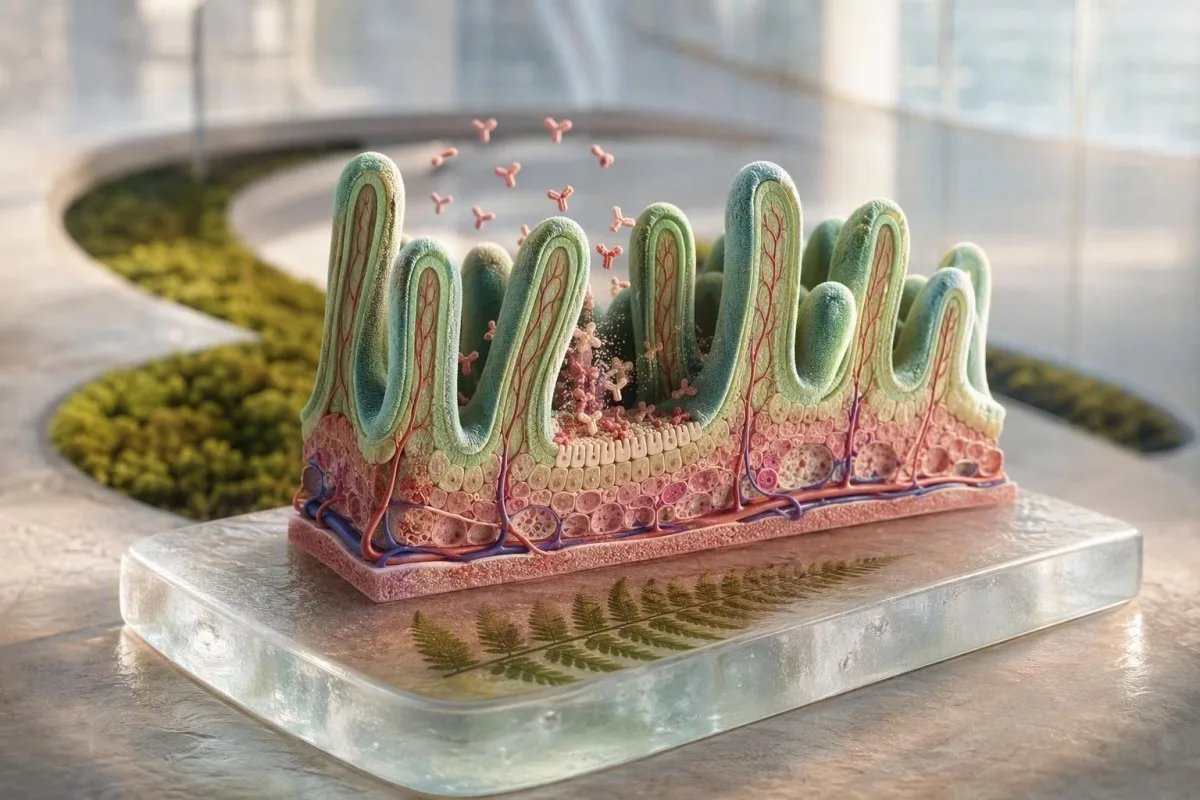
Untuk tes darah celiac yang andal, kebanyakan orang dewasa yang telah bebas gluten memerlukan sekitar 3–6 g gluten setiap hari selama setidaknya 6 minggu; tantangan 12 minggu memberikan jawaban paling jelas ketika dapat ditoleransi. Jangan memulai kembali gluten sendirian jika Anda mengalami reaksi parah, penurunan berat badan yang signifikan, kekhawatiran kehamilan, atau diagnosis penyakit celiac yang sudah dikonfirmasi sebelumnya.


- Tantangan minimum: 3–6 g gluten setiap hari, sekitar 1–2 potong roti gandum, adalah target praktis untuk orang dewasa sebelum mengulang serologi celiac.
- Durasi yang disukai: 12 minggu paparan gluten setiap hari meningkatkan kemungkinan tes darah celiac dan biopsi akan mendeteksi penyakit setelah menghindari gluten.
- Tantangan singkat: 3 g setiap hari selama 2 minggu dapat memicu perubahan biopsi pada beberapa orang dewasa, tetapi hasil negatif setelah hanya 2 minggu tidak dapat secara andal menyingkirkan penyakit celiac.
- tTG-IgA: tTG-IgA negatif bisa meyakinkan secara keliru ketika asupan gluten rendah atau IgA total defisien.
- IgA total: IgA serum total harus diukur bersamaan dengan tTG-IgA; defisiensi IgA memerlukan pengujian berbasis IgG.
- Jangan menantang diri sendiri: Anak-anak, orang hamil, orang dengan reaksi parah sebelumnya, dan mereka yang mengalami malnutrisi signifikan memerlukan perencanaan yang dipimpin oleh dokter.
- Tes HLA: Hasil negatif HLA-DQ2 dan HLA-DQ8 membuat penyakit celiac sangat tidak mungkin dan terkadang dapat menghindari tantangan gluten.
- Jangan berhenti terlalu dini: Terus konsumsi gluten sampai dokter mengonfirmasi bahwa tes darah dan, jika perlu, endoskopi telah selesai.
Mengapa menghindari gluten dapat membuat tes darah celiac menjadi negatif
A tes darah celiac dapat menjadi negatif setelah pembatasan gluten karena sinyal kekebalan yang diukurnya memudar ketika gandum, jelai, dan gandum hitam dihilangkan. Secara praktis, tTG-IgA negatif saat bebas gluten tidak menyingkirkan penyakit celiac; itu mungkin hanya menunjukkan bahwa sistem kekebalan tidak lagi terprovokasi.
tTG-IgA mendeteksi respons antibodi, bukan sidik jari permanen penyakit celiac. Konsentrasi antibodi sering turun dalam beberapa minggu hingga bulan dengan diet bebas gluten yang ketat, sementara penyembuhan usus mungkin berlanjut jauh lebih lama. Pedoman American College of Gastroenterology 2023 menyatakan bahwa serologi diagnostik harus dilakukan saat pasien sedang mengonsumsi gluten (Rubio-Tapia et al., 2023).
Saya melihat pola ini secara teratur: seseorang menghilangkan gluten selama 8 bulan, merasa sedikit lebih baik, kemudian menerima hasil tTG-IgA normal dan diberitahu bahwa penyakit celiac telah disingkirkan. Kesimpulan itu tidak aman tanpa mengetahui asupan gluten mereka; tTG-IgA negatif palsu lebih mungkin terjadi ketika paparan sudah dihentikan. Panduan terkait kami tentang IgA rendah dan jebakan celiac menjelaskan alasan utama kedua mengapa serologi dapat melewatkan penyakit.
Kantesti adalah seorang Analisa tes darah AI yang membaca tTG-IgA bersama dengan total IgA, hemoglobin, feritin, folat, vitamin B12, dan enzim hati daripada mengobati satu antibodi negatif sebagai diagnosis akhir. Kekurangan zat besi atau ALT yang tinggi secara tak terduga dapat membuat penyakit celiac tetap dipertimbangkan bahkan ketika hasil satu antibodi normal.
Mekanismenya penting. Peptida gluten mencapai usus halus bagian atas, transglutaminase jaringan memodifikasinya, dan jalur kekebalan HLA-DQ2 atau HLA-DQ8 yang rentan menghasilkan antibodi; singkirkan pemicunya dan respons antibodi yang terukur dapat mereda. Itu adalah biologi, bukan kegagalan tes.
Kesalahpahaman umum
Merasa lebih baik setelah menghindari roti bukanlah diagnostik dengan sendirinya. Gejala dapat membaik karena karbohidrat yang dapat difermentasi lebih sedikit, penurunan asupan makanan ultra-olahan, penghindaran alergi gandum, atau sensitivitas gluten non-celiac; hanya pengujian yang tepat waktu yang dapat membedakan kemungkinan ini.
Tes celiac mana yang memerlukan gluten dalam diet?
tTG-IgA, EMA-IgA, antibodi peptida gliadin terdeamidasi, dan biopsi duodenum paling dapat diandalkan ketika gluten sedang dikonsumsi. Tes genetik HLA-DQ2/DQ8 berbeda: tes ini tetap berlaku apakah seseorang mengonsumsi gluten atau tidak.
tTG-IgA adalah tes darah celiac lini pertama yang umum pada orang dewasa dan anak-anak berusia 2 tahun ke atas. Banyak laboratorium melaporkan nilai di bawah 10–15 U/mL sebagai negatif, tetapi batas atas normal spesifik untuk pengujian, jadi interval referensi laboratorium itu sendiri mengatur interpretasi. EMA-IgA sangat spesifik dan sering digunakan untuk mengonfirmasi tTG-IgA yang positif kuat.
Total IgA serum harus disertakan dalam permintaan yang sama dengan tTG-IgA. Kekurangan IgA selektif terjadi pada sekitar 1 dari 400 hingga 1 dari 700 orang di banyak populasi Barat dan dapat menghasilkan tTG-IgA negatif meskipun ada penyakit celiac; pengujian DGP berbasis IgG atau tTG kemudian sesuai. panduan tes kualitatif vs kuantitatif dapat membantu pembaca melihat apakah laporan memberikan nilai terukur atau hanya penanda positif/negatif.
Biopsi duodenum menilai arsitektur vili dan limfosit intraepitel, tetapi perubahan mukosa juga dapat membaik setelah penarikan gluten. Pada orang dewasa, serologi positif umumnya mengarah pada endoskopi atas sebelum berkomitmen pada pembatasan seumur hidup; biopsi tetap sangat berguna ketika hasilnya berbeda.
Jangan samakan panel intoleransi makanan dengan serologi celiac. Panel makanan IgG tidak mendiagnosis penyakit celiac, dan tes rumahan tidak dapat menggantikan penilaian IgA total, uji antibodi yang tervalidasi, atau interpretasi spesialis.
Tes yang tetap berguna saat bebas gluten
Ketiadaan HLA-DQ2 atau HLA-DQ8 memiliki nilai prediksi negatif yang sangat tinggi karena hampir semua orang dengan penyakit celiac membawa salah satu dari haplotip ini. Hasil HLA yang positif umum terjadi dan tidak mendiagnosis penyakit celiac; sekitar 30% dari banyak populasi membawa DQ2 atau DQ8 tetapi hanya sekitar 1% yang mengembangkan penyakit celiac.
Berapa banyak gluten yang cukup untuk tantangan gluten?
Tantangan gluten dewasa yang praktis adalah 3–6 g gluten per hari, setara dengan sekitar 1–2 potong roti gandum biasa, untuk pengujian diagnostik. Lebih banyak makanan belum tentu lebih baik; konsistensi lebih penting daripada memaksa dosis besar yang membuat orang berhenti setelah beberapa hari.
Satu potong roti gandum biasa mengandung sekitar 2–3 g gluten, sementara bagel standar mungkin mengandung 4–7 g dan secangkir pasta biasa yang dimasak sekitar 2–4 g, tergantung pada resep dan porsi. Oat bukanlah makanan tantangan yang dapat diandalkan karena oat bersertifikat bebas gluten mengandung gluten yang dapat diabaikan dan oat konvensional bervariasi dalam kontaminasi.
Tinjauan oleh Leonard dan rekan merekomendasikan setidaknya 3–6 g sehari selama lebih dari 12 minggu ketika tantangan yang lebih lama ditoleransi, terutama jika tujuannya adalah untuk menyingkirkan penyakit dengan percaya diri setelah berbulan-bulan atau bertahun-tahun bebas gluten (Leonard et al., 2023). Beberapa dokter menggunakan 10 g sehari, tetapi jumlah itu lebih sulit dipertahankan dan belum terbukti diperlukan untuk setiap orang dewasa.
Rutinitas yang berguna adalah satu item yang mengandung gluten saat sarapan dan satu saat makan siang, daripada satu kali makan malam yang besar. Catat produknya, perkiraan porsi, gejala, dan hari yang terlewat; buku harian itu memberikan informasi yang jauh lebih baik kepada ahli gastroenterologi daripada ingatan samar tentang makan “beberapa roti.”
Untuk konteks yang lebih luas tentang arti penanda laboratorium secara bersama-sama, kami panduan referensi biomarker menjelaskan mengapa kadar feritin dan indeks sel darah merah sering ditinjau bersamaan dengan antibodi celiac.
Dosisnya adalah gram gluten, bukan berat makanan
Satu porsi roti 50 g bukan berarti 50 g gluten. Kandungan gluten bervariasi tergantung pada tepung, hidrasi, resep, dan pemrosesan, itulah sebabnya mengapa dokter biasanya meresepkan padanan makanan daripada meminta pasien menimbang protein gluten yang terisolasi.
Berapa lama tantangan gluten harus berlangsung sebelum pengujian?
Enam minggu adalah minimum yang masuk akal untuk banyak orang dewasa, sementara 12 minggu memberikan tantangan yang lebih dapat diandalkan setelah menghindari gluten dalam waktu lama. Tantangan 2 minggu dapat mendukung diagnosis jika tes menjadi positif, tetapi hasil negatif setelah hanya 14 hari tidak dapat dengan aman menyingkirkan penyakit celiac.
Durasi yang dibutuhkan tergantung pada usia, diet sebelumnya, respons kekebalan tubuh, dan apakah dokter merencanakan serologi saja atau biopsi. Dalam studi kecil pada orang dewasa, 3 g gluten sehari selama 14 hari menginduksi perubahan histologis diagnostik pada banyak peserta, namun respons antibodi tertinggal; kesenjangan itulah mengapa protokol singkat dapat melewatkan kasus.
Sejak 31 Agustus 2026, saya umumnya membahas rencana 12 minggu dengan orang dewasa yang telah makan sedikit atau tanpa gluten selama beberapa bulan, dengan tes darah sekitar minggu ke-6 dan lagi mendekati minggu ke-12 jika hasil pertama negatif. Dr. Thomas Klein, Chief Medical Officer kami, melihat penundaan diagnostik yang paling dapat dihindari ketika seorang pasien melanjutkan gluten hanya selama akhir pekan sebelum pengambilan darah.
Jika gejala menjadi tidak dapat diterima, hubungi dokter yang meresepkan daripada berhenti diam-diam. Mereka dapat memajukan tes darah, mengatur endoskopi lebih cepat, atau mempertimbangkan kembali apakah tes HLA dapat menjawab pertanyaan tanpa paparan yang berkepanjangan. Sebuah panduan waktu pemeriksaan darah kami membantu untuk memahami mengapa perubahan terkait diet tidak muncul seketika dalam hasil laboratorium.
Teruslah tantangan gluten sampai pengambilan darah dan, jika hasil antibodi positif atau kecurigaan tetap tinggi, sampai tim endoskopi menyarankan sebaliknya. Berhenti setelah hasil darah positif tetapi sebelum biopsi dapat mengurangi sinyal usus yang terlihat.
Kalender yang realistis
Minggu 1–2 menetapkan paparan harian dan mengidentifikasi gejala awal. Minggu 3–6 adalah saat pengambilan darah awal mungkin berguna; minggu 7–12 meningkatkan sensitivitas bagi orang yang antibodinya naik perlahan, terutama setelah pembatasan jangka panjang.
Tantangan gluten pada anak-anak dan remaja memerlukan rencana yang berbeda
Anak-anak tidak boleh memulai tantangan gluten tanpa nasihat anak, karena pertumbuhan, nutrisi, beban gejala, dan kemungkinan diagnosis tanpa biopsi semuanya mengubah rencana. Anak yang pertumbuhannya buruk atau kehilangan berat badan memerlukan penilaian terlebih dahulu, bukan tantangan roti yang dilakukan sendiri.
Untuk anak-anak dengan nilai tTG-IgA yang sangat tinggi—setidaknya 10 kali batas atas normal tes—ditambah EMA-IgA positif dalam sampel kedua, panduan ESPGHAN mengizinkan diagnosis tanpa biopsi dalam kasus terpilih di bawah perawatan spesialis anak (Husby et al., 2020). Jalur tersebut memerlukan asupan gluten aktif pada saat pengujian.
Anak prasekolah tidak dapat diasumsikan mentolerir dosis absolut yang sama dengan orang dewasa 75 kg. Dokter anak sering bekerja dari porsi harian biasa dan pola makan anak, kemudian memantau berat badan, kecepatan tinggi badan, hidrasi, pola tinja, dan kehadiran di sekolah; targetnya tidak boleh menjadi kontes ketahanan gejala.
Kekurangan zat besi, pertumbuhan linier yang lambat, sariawan berulang, perubahan email, dan pubertas tertunda mungkin merupakan petunjuk celiac bahkan tanpa diare. Orang tua dapat meninjau pemeriksaan yang lebih luas di panduan tes pertumbuhan masa kanak-kanak, kami, tetapi skrining hormon pertumbuhan yang normal tidak menyingkirkan malabsorpsi usus.
Jika seorang anak telah memberikan respons yang meyakinkan terhadap diet bebas gluten, keluarga harus bertanya apakah pengetikan HLA atau pengenalan kembali yang diawasi adalah jalur yang paling tidak mengganggu. Saya belajar untuk menanggapi kecemasan keluarga dengan serius di sini—waktu makan bisa menjadi sangat menegangkan dengan cepat.
Perencanaan sekolah dan diet
Rencana tertulis harus mengidentifikasi makanan mana yang mengandung gluten dan bagaimana gejala akan ditangani selama jam sekolah. Berulang kali mengubah dosis, beralih ke makanan bebas gluten, atau hanya mengizinkan paparan akhir pekan sesekali membuat hasil akhir jauh lebih sulit diinterpretasikan.
Bagaimana jika Anda telah bebas gluten selama bertahun-tahun?
Setelah bertahun-tahun menjalani diet bebas gluten, pengujian antibodi mungkin tetap negatif kecuali paparan gluten cukup lama untuk mengaktifkan kembali respons kekebalan. Inilah kelompok yang biasanya paling masuk akal untuk tantangan yang diawasi dokter selama 12 minggu, atau tes HLA terlebih dahulu.
Semakin lama gluten tidak ada, semakin tidak berguna tTG-IgA satu kali. Beberapa pasien membutuhkan lebih dari 6 minggu sebelum antibodi yang terukur kembali, dan tes negatif pada minggu ke-6 harus diinterpretasikan terhadap dosis yang sebenarnya dimakan, bukan hanya kalender.
Penyakit celiac dapat meninggalkan jejak dalam riwayat laboratorium: ferritin rendah, saturasi transferrin rendah, defisiensi folat, jumlah trombosit meningkat, vitamin D rendah, atau peningkatan transaminase ringan yang tidak dapat dijelaskan. Tidak ada yang diagnostik sendirian, tetapi kelompok tersebut meningkatkan probabilitas pra-tes; lihat detail kami panduan studi zat besi untuk perbedaan antara cadangan zat besi yang habis dan zat besi serum rendah yang berhubungan dengan peradangan.
Kantesti adalah seorang layanan interpretasi tes lab AI yang membantu pengguna menempatkan panel lama dan baru berdampingan, termasuk nilai hemoglobin, MCV, ferritin, albumin, dan antibodi. Ini tidak dapat mendiagnosis penyakit celiac, tetapi linimasa dapat membantu dokter melihat apakah kelainan nutrisi mendahului pembatasan makanan.
Tes celiac negatif sebelumnya tidak menyelesaikan masalah jika dilakukan setelah penghentian gluten. Mintalah laporan asli, nilai antibodi yang tepat, total IgA, dan berapa banyak gluten yang Anda makan selama 6–12 minggu sebelum pengambilan sampel.
Mengapa nutrisi bisa tampak normal
Ferritin normal tidak menyingkirkan penyakit celiac. Ferritin meningkat dengan peradangan dan cedera hati, sehingga ferritin 70 µg/L dapat bersamaan dengan ketersediaan zat besi yang terbatas ketika protein C-reaktif meningkat; saturasi transferrin menambah konteks yang berguna.
Kapan Anda tidak boleh melakukan tantangan gluten tanpa nasihat medis?
Jangan memulai kembali gluten sendiri jika sebelumnya menyebabkan dehidrasi, pingsan, muntah parah, penurunan berat badan cepat, komplikasi kehamilan, atau perawatan di rumah sakit. Rencana yang diawasi juga lebih aman untuk anak-anak, penderita diabetes yang menggunakan insulin, dan siapa pun dengan kekambuhan gangguan makan yang diketahui atau dicurigai.
Penyakit celiac itu sendiri jarang menyebabkan reaksi anafilaksis langsung, sehingga gatal-gatal, mengi, sesak tenggorokan, atau kolaps yang cepat setelah gandum menunjukkan kemungkinan alergi gandum dan memerlukan penilaian alergi daripada tantangan celiac. Tes coeliac dan tes alergi menjawab pertanyaan yang berbeda, dan membingungkan keduanya bisa berbahaya.
Cari tinjauan klinis segera sebelum tantangan jika Anda memiliki lebih dari 5% penurunan berat badan yang tidak disengaja dalam 1 bulan, muntah yang terus-menerus, tinja hitam, sakit perut parah, atau gejala dehidrasi seperti keluaran urin yang sangat rendah dan pusing. Ini bukanlah “bukti” yang diharapkan bahwa gluten bekerja; ini adalah alasan untuk mengevaluasi kembali.
Kehamilan memerlukan penanganan terpisah karena penyakit celiac yang tidak diobati dan diet yang membatasi keduanya dapat memengaruhi zat besi, folat, dan kenaikan berat badan. Hubungi dokter melalui jalur kontak medis kami atau tim kebidanan Anda sebelum sengaja memperkenalkan kembali gluten.
Orang dengan diagnosis celiac yang dikonfirmasi dengan biopsi sebelumnya biasanya tidak memerlukan tantangan gluten untuk membuktikannya lagi. Pengecualiannya adalah keraguan yang tulus tentang diagnosis lama, yang terbaik dikelola oleh ahli gastroenterologi yang dapat meninjau patologi asli dan catatan antibodi.
Gejala yang mendesak
Mengi baru, pembengkakan wajah, kebingungan, ketidakmampuan untuk menahan cairan selama 12–24 jam, pingsan, atau tanda-tanda pendarahan gastrointestinal memerlukan penilaian medis segera. Jangan lanjutkan paparan diet untuk “menyelesaikan tes” ketika gejala peringatan ada.
Bisakah genetika HLA mencegah tantangan gluten yang tidak perlu?
Pengujian HLA-DQ2 dan HLA-DQ8 negatif membuat penyakit celiac sangat tidak mungkin dan seringkali dapat menghindari tantangan gluten. Hasil positif hanya menunjukkan kerentanan genetik, sehingga tidak dapat mengkonfirmasi penyakit celiac atau menjelaskan gejala dengan sendirinya.
Lebih dari 95% orang dengan penyakit celiac membawa HLA-DQ2.5, DQ2.2, atau DQ8, meskipun terminologi sedikit berbeda di antara laboratorium. Tes ini paling berguna ketika seseorang sudah bebas gluten, ketika catatan lama tidak tersedia, atau ketika beban reintroduksi yang diharapkan tinggi.
Hasil HLA positif adalah umum: sekitar 30–40% orang membawa genotipe yang kompatibel, sementara hanya sekitar 1% mengembangkan penyakit celiac. Ketidakcocokan itulah mengapa pengujian genetik harus memandu keputusan selanjutnya, bukan menjadi diagnosis yang dicetak pada daftar masalah.
AI Kantesti menggunakan pendekatan platform interpretasi biomarker AI untuk menandai kapan panel antibodi dikumpulkan setelah menghindari gluten dan kapan hasil total-IgA hilang; pengujian genetik masih memerlukan pesanan dan interpretasi klinisi. Kami prinsip validasi klinis menjelaskan mengapa penanda kontekstual bukan pengganti keputusan diagnostik.
Berdasarkan pengalaman saya, pengujian HLA sangat berharga bagi orang yang berhenti mengonsumsi gluten karena gejala yang tidak jelas dan sekarang takut akan tantangan yang lama. Hasil negatif dapat menutup lingkaran yang sulit; hasil positif hanya berarti percakapan berlanjut.
Gen tidak memprediksi tingkat keparahan
Tipe HLA tidak dapat diandalkan memprediksi apakah gejala akan ringan, apakah ada perubahan vili, atau apakah seseorang akan mengembangkan penyakit celiac di kemudian hari. Kerabat tingkat pertama dengan gen yang cocok mungkin masih memerlukan penilaian klinis berkala jika gejala atau kekurangan nutrisi muncul.
Cara menyelesaikan tantangan tanpa dosis yang tidak disengaja
Paparan gluten harian yang konsisten lebih berguna secara diagnostik daripada makan besar sesekali. Pilih dua atau tiga makanan yang mengandung gandum yang sudah dikenal, perkirakan kandungan glutennya, dan hindari beralih ke versi bebas gluten setelah tantangan dimulai.
Pola 3–6 g sederhana bisa berupa sepotong roti panggang gandum untuk sarapan dan seporsi kecil pasta atau kerupuk biasa di kemudian hari. Periksa label untuk gandum, *rye*, atau jelai; *sourdough* yang terbuat dari gandum masih mengandung gluten, dan roti “artisan” tidak secara otomatis rendah gluten.
Bir, saus, penggorengan bersama, dan makanan olahan menciptakan ketidakpastian, sehingga mereka bukan sumber utama yang baik untuk tantangan yang terukur. Satu makanan yang dapat diprediksi memberikan riwayat paparan yang lebih bersih dan memudahkan untuk mengidentifikasi apakah gejala berkorelasi dengan dosis.
Jangan memulai diet eliminasi yang tidak terkait, probiotik, produk serat dosis tinggi, atau pencahar baru dalam jendela waktu 6–12 minggu yang sama jika Anda dapat menghindarinya. Mereka dapat mengubah gejala usus dan membuat pengalaman hidup sulit untuk diinterpretasikan; panduan kami tentang makanan yang menggeser tes usus mencakup masalah praktis ini.
Jurnal makanan harus mencakup tanggal, makanan, porsi perkiraan, frekuensi buang air besar, gejala perut, dan dosis yang terlewat. Jurnal ini tidak perlu sempurna—tiga entri yang jelas per hari jauh lebih berguna daripada mencoba mencatat setiap remah.
Oat dan tantangan gluten
Oat bebas gluten bersertifikat bukan sumber gluten untuk tujuan diagnostik. Oat konvensional dapat terkontaminasi secara tidak terduga, yang membuatnya tidak cocok untuk tantangan yang dirancang untuk menetapkan dosis yang diketahui.
Gejala apa yang diharapkan, dan bagaimana Anda bisa mengelolanya dengan aman?
Kembung, tinja encer, kelelahan, ketidaknyamanan perut, sakit kepala, dan kabut otak dapat kambuh selama tantangan gluten, tetapi gejala parah harus memicu tinjauan klinis daripada sikap tabah. Gejala saja tidak membuktikan atau menyangkal penyakit celiac karena tumpang tindih dengan sindrom iritasi usus besar dan kondisi usus lainnya.
Gunakan tindakan pendukung yang tidak menghilangkan gluten: cairan teratur, larutan rehidrasi oral untuk diare, makanan kecil, dan tidur yang teratur. Obat anti-diare mungkin masuk akal bagi sebagian orang dewasa, tetapi tanyakan kepada klinisi terlebih dahulu jika Anda demam, ada darah dalam tinja, nyeri hebat, atau diagnosis baru sedang diselidiki.
Hindari menafsirkan setiap gejala sebagai kerusakan usus. Seseorang dengan sensitivitas usus fungsional mungkin merasa lebih buruk dalam beberapa jam setelah makan gandum karena fruktan difermentasi dengan cepat, sedangkan produksi tTG-IgA dan perubahan vili terjadi melalui proses kekebalan yang berbeda. Panduan kami tentang tes darah untuk diare menguraikan kapan gejala tinja memerlukan pemeriksaan yang lebih luas.
Jika kelelahan menjadi menonjol, tinjau hidrasi, asupan kalori, status zat besi, dan tidur daripada menganggap satu penyebab. Dr. Thomas Klein telah melihat pasien menjadi takut secara tidak perlu oleh pergeseran trombosit atau ALT yang sederhana selama pengujian; tren dan gambaran klinis lengkap lebih penting daripada satu hasil batas tunggal.
Berhenti dan cari nasihat jika terus-menerus tidak dapat bekerja atau bersekolah, diare nokturnal berulang, pusing yang memburuk, atau dehidrasi yang jelas. Tantangan yang dipersingkat secara medis yang menangkap bukti serologi atau biopsi yang berguna lebih baik daripada terus berlanjut sampai rencana runtuh.
Apakah probiotik mengubah tes?
Tidak ada bukti yang dapat diandalkan bahwa probiotik yang dijual bebas mencegah produksi antibodi celiac selama tantangan gluten. Memulai salah satu tantangan di tengah-tengah masih dapat membingungkan pelacakan gejala, jadi saya biasanya menyarankan untuk menjaga suplemen tetap stabil kecuali jika seorang dokter merekomendasikan perubahan.
Cara mempersiapkan pengambilan darah celiac
Tes darah celiac biasanya tidak memerlukan puasa, tetapi memerlukan asupan gluten yang berkelanjutan dan panel antibodi yang benar. Lanjutkan dosis gluten harian yang disepakati sepanjang hari sebelumnya dan, kecuali dokter Anda mengatakan sebaliknya, sepanjang pagi pengambilan sampel.
Tanyakan apakah pesanan tersebut mencakup tTG-IgA dan total serum IgA; EMA-IgA, DGP-IgG, atau tTG-IgG dapat ditambahkan untuk kasus-kasus tertentu. Laboratorium menggunakan metode dan satuan yang berbeda, sehingga nilai 18 U/mL tidak dapat ditafsirkan tanpa batas atas normal spesifik uji.
Puasa tidak diperlukan untuk pengujian antibodi, meskipun panel lipid, glukosa, atau zat besi yang menyertainya mungkin memiliki instruksi persiapan terpisah. Biotin biasanya tidak memengaruhi serologi celiac standar seperti halnya dapat mendistorsi beberapa immunoassay hormon, tetapi cantumkan semua suplemen dan obat-obatan pada permintaan.
Kantesti adalah seorang Alat analisis pemeriksaan darah berbasis AI yang dapat membantu pembaca mentranskripsikan PDF laboratorium secara akurat dan mengidentifikasi total IgA yang hilang, tetapi tidak boleh digunakan untuk mendiagnosis diri sendiri dari tangkapan layar. Sebelum mengunggah, gunakan daftar periksa akurasi PDF kami untuk memeriksa satuan, tanggal, dan rentang referensi.
Tuliskan jumlah minggu tantangan dan sumber makanan harian yang biasa sebelum janji temu. “Bebas gluten selama setahun, lalu satu potong roti panggang setiap hari selama 7 minggu” dapat ditindaklanjuti secara klinis; “Saya kadang-kadang makan gluten” tidak.
Catatan pengobatan
Jangan menghentikan obat yang diresepkan hanya untuk persiapan serologi celiac. Terapi imunosupresif dapat mengurangi respons antibodi, sehingga obat-obatan seperti kortikosteroid sistemik, biologis, atau obat pasca-transplantasi harus didokumentasikan dan didiskusikan dengan spesialis yang memesan.
Cara menginterpretasikan hasil setelah tantangan gluten
tTG-IgA positif selama tantangan gluten yang memadai sangat mendukung penyakit celiac, sementara hasil negatif hanya meyakinkan jika dosis, durasi, total IgA, dan kecurigaan klinis semuanya sesuai. Hasil harus ditafsirkan sebelum gluten ditarik kembali.
Hasil tTG-IgA di atas batas atas laboratorium tidak secara otomatis merupakan diagnosis akhir pada orang dewasa karena positif palsu dapat terjadi dengan penyakit hati autoimun, diabetes tipe 1, dan kondisi peradangan lainnya. Konfirmasi EMA-IgA dan biopsi duodenum sering mengklarifikasi gambaran, terutama untuk nilai positif rendah.
tTG-IgA negatif setelah hanya 2 minggu 1 potong roti setiap hari bukanlah tes pengecualian yang memadai bagi kebanyakan orang. Bukti sejujurnya beragam tentang satu patokan universal, tetapi 3–6 g setiap hari selama 6–12 minggu jauh lebih informatif daripada paparan intermiten.
Periksa konteks nutrisi. Ferritin rendah di bawah 15–30 µg/L mendukung cadangan zat besi yang menipis pada banyak orang dewasa, meskipun keadaan peradangan dapat menutupi kekurangan; kami memandu menjelaskan mengapa kedua penanda itu penting bersamaan.
Kantesti AI dapat mengatur perubahan antibodi dan hasil nutrisi secara kronologis, tetapi panel celiac yang positif harus ditinjau oleh dokter yang dapat mengatur konfirmasi. Jangan mengadopsi diet ketat permanen hanya berdasarkan hasil positif rendah yang belum diverifikasi jika biopsi masih direncanakan.
Penyakit celiac seronegatif
Penyakit celiac seronegatif tidak umum tetapi nyata. Ketika atrofi vili, tipe HLA yang sesuai, malabsorpsi, dan respons terhadap penarikan gluten selaras meskipun antibodi negatif, ahli gastroenterologi juga harus menyingkirkan infeksi, efek pengobatan, gangguan kekebalan, dan penyebab lain dari cedera vili.
Kapan endoskopi diperlukan setelah tes darah celiac?
Sebagian besar orang dewasa dengan serologi celiac positif harus melanjutkan gluten dan menjalani endoskopi atas dengan beberapa biopsi duodenum sebelum diagnosis seumur hidup dibuat. Endoskopi juga berguna ketika antibodi negatif tetapi penurunan berat badan, anemia, atau riwayat keluarga membuat kecurigaan tinggi.
Penyakit yang tidak merata adalah salah satu alasan mengapa pengambilan sampel penting. Ahli gastroenterologi biasanya mengambil setidaknya empat spesimen dari duodenum distal dan satu atau dua dari bulbus, karena kelainan dapat lebih kentara di satu lokasi daripada yang lain; satu sampel saja dapat melewatkan diagnosis.
Lanjutkan tantangan sampai ahli endoskopi secara khusus mengizinkan penghentian. Pasien terkadang menerima hasil antibodi positif, merayakannya dengan segera kembali makan bebas gluten, dan datang berminggu-minggu kemudian dengan perubahan mukosa yang kurang jelas—sumber ambiguitas yang dapat dihindari.
Endoskopi juga dapat menyelidiki alternatif seperti penyakit radang usus, kolitis mikroskopis, penyakit peptik, atau gangguan malabsorpsi lainnya ketika gejala tidak pas. Jika ada gejala usus bagian bawah atau perdarahan rektal, kami panduan tindak lanjut fecal calprotectin menjelaskan mengapa penanda tinja mungkin diminta secara terpisah.
Biopsi normal setelah tantangan yang cukup memadai dan serologi negatif membuat penyakit celiac aktif tidak mungkin terjadi, tetapi interpretasi akhir bergantung pada kualitas patologi, dokumentasi tantangan, status HLA, dan diagnosis pesaing. Ini adalah salah satu area di mana konteks lebih penting daripada satu angka tunggal.
Diagnosis bebas biopsi pada orang dewasa
Beberapa layanan dewasa dapat mendiagnosis pasien terpilih tanpa biopsi ketika tTG-IgA sangat tinggi dan EMA-IgA positif, tetapi ini bukan praktik universal. Protokol setempat, preferensi pasien, usia, dan konsekuensi diagnosis seumur hidup semuanya penting.
Rencana yang siap digunakan oleh dokter untuk janji temu Anda berikutnya
Bawa dosis gluten tertulis, tanggal mulai tantangan, buku harian gejala, hasil celiac lama, dan riwayat keluarga ke janji temu. Lima detail ini memungkinkan dokter untuk menilai apakah tes darah celiac Anda dapat ditafsirkan dan apakah perlu mengulang tes, memesan pengetikan HLA, atau mengatur endoskopi.
Ajukan empat pertanyaan langsung: Apakah tes saya dilakukan setelah paparan gluten yang cukup? Apakah IgA total diukur? Apakah saya perlu tes HLA-DQ2/DQ8? Haruskah saya melanjutkan gluten sampai endoskopi? Ini menghindari kesalahan umum tetapi mahal meninggalkan konsultasi dengan hasil “negatif” yang tidak pernah mampu menyingkirkan penyakit.
Jika diagnosis dikonfirmasi, rujukan ke ahli gizi dengan keahlian celiac sama berharganya dengan resep awal untuk menghindari gluten. Pemeriksaan ulang nutrisi biasanya meliputi hitung darah lengkap, feritin, folat, vitamin B12, vitamin D, enzim hati, dan terkadang seng atau tembaga, berdasarkan gejala dan defisit awal.
Kantesti AI membantu pengguna mempertahankan konteks laboratorium longitudinal di seluruh pemeriksaan diagnostik, sementara yang dipimpin dokter kami Dewan Penasehat Medis mendukung standar klinis di balik konten pendidikan. Alat ini berguna untuk menyiapkan pertanyaan, bukan untuk mengganti perawatan gastroenterologi.
Intinya: jangan terburu-buru melakukan tes. Tantangan harian yang terukur, biasanya 3–6 g gluten selama 6–12 minggu, memberi Anda peluang terbaik untuk mendapatkan jawaban yang masih akan dipercaya bertahun-tahun dari sekarang.
Apa yang perlu disimpan dalam catatan Anda
Simpan PDF laboratorium, laporan patologi, gambar endoskopi, catatan ahli gizi, dan tanggal pasti penghentian gluten setelah pengujian. Catatan ini mencegah pengulangan tantangan di kemudian hari dan sangat membantu jika perawatan berpindah negara atau dokter.
Pertanyaan yang Sering Diajukan
Berapa banyak gluten yang harus saya konsumsi sebelum tes darah celiac?
Kebanyakan orang dewasa harus mengonsumsi sekitar 3–6 g gluten setiap hari sebelum tes darah celiac, yang kira-kira setara dengan 1–2 potong roti gandum biasa. Sumber makanan harian yang konsisten lebih baik daripada makanan besar sesekali karena produksi antibodi bergantung pada paparan yang berkelanjutan. Beberapa spesialis meresepkan 10 g setiap hari, tetapi jumlah yang lebih tinggi dapat memperburuk gejala dan tidak diperlukan untuk setiap orang. Anak-anak membutuhkan rencana yang dipersonalisasi dari dokter anak.
Berapa lama saya perlu mengonsumsi gluten sebelum tes celiac?
Tantangan gluten yang berlangsung setidaknya 6 minggu umumnya digunakan untuk tes darah celiac, sedangkan 12 minggu menawarkan strategi pengecualian yang lebih andal setelah menghindari gluten dalam jangka panjang. Tantangan 2 minggu terkadang dapat membuat temuan biopsi positif, tetapi tes antibodi negatif setelah hanya 14 hari tidak menyingkirkan penyakit celiac. Durasi yang tepat bergantung pada pembatasan gluten sebelumnya, dosis harian, gejala, dan apakah endoskopi direncanakan. Terus konsumsi gluten sampai dokter mengonfirmasi pengujian selesai.
Apakah bebas gluten dapat menyebabkan hasil negatif palsu tes tTG-IgA?
Ya, diet bebas gluten dapat menyebabkan hasil negatif palsu tTG-IgA karena tTG-IgA mengukur respons kekebalan yang berkurang ketika gluten makanan dihilangkan. Kadar antibodi dapat menurun dalam hitungan minggu hingga bulan, sehingga hasil normal tidak dapat diandalkan jika asupan gluten rendah. IgA serum total harus diperiksa bersamaan dengan tTG-IgA karena defisiensi IgA juga dapat menghasilkan hasil negatif palsu. Pengujian HLA-DQ2/DQ8 dapat membantu memutuskan apakah tantangan diperlukan ketika seseorang sudah bebas gluten.
Apakah satu potong roti sehari cukup untuk tantangan gluten?
Satu potong roti gandum biasa memberikan sekitar 2–3 g gluten, jadi mungkin mendekati batas bawah dosis tantangan tetapi tidak selalu cukup dengan sendirinya. Banyak dokter bertujuan untuk 3–6 g setiap hari, sering kali dicapai dengan satu potong roti ditambah makanan gandum lain yang dapat diprediksi. Tantangan biasanya harus berlangsung 6–12 minggu daripada hanya beberapa hari. Dokter Anda harus menyesuaikan dosis jika gejala, usia, ukuran tubuh, atau risiko gizi membuat rencana tersebut tidak sesuai.
Haruskah saya memulai kembali gluten jika saya sudah memiliki penyakit celiac yang terbukti melalui biopsi?
Tidak, orang dengan diagnosis celiac yang dikonfirmasi sebelumnya dengan biopsi biasanya tidak boleh memulai kembali gluten hanya untuk mengulang tes darah celiac. Laporan patologi dan serologi asli biasanya sudah cukup, dan paparan ulang yang disengaja dapat menyebabkan gejala dan kerugian gizi yang tidak perlu. Seorang spesialis dapat mempertimbangkan penilaian ulang yang diawasi hanya ketika diagnosis asli benar-benar tidak pasti atau catatan tidak tersedia. Siapa pun dengan reaksi sebelumnya yang parah harus mencari nasihat medis sebelum mengubah diet.
Bolehkah saya berpuasa sebelum tes darah untuk penyakit celiac?
Puasa tidak diperlukan untuk tTG-IgA, EMA-IgA, IgA total, atau sebagian besar tes antibodi celiac. Anda harus melanjutkan tantangan gluten yang disepakati hingga sehari sebelum pengujian dan biasanya pada hari pengambilan sampel kecuali dokter yang memesan memberikan instruksi yang berbeda. Jika studi zat besi, glukosa puasa, atau lipid dipesan pada kunjungan yang sama, tes tersebut mungkin memiliki persyaratan persiapan yang terpisah. Bawa rincian dosis gluten dan durasi tantangan Anda ke janji temu.
Dapatkan Analisis Tes Darah Berbasis AI Hari Ini
Bergabunglah dengan lebih dari 2 juta pengguna di seluruh dunia yang mempercayai Kantesti untuk analisis instan dan akurat terhadap tes lab. Unggah hasil tes darah Anda dan terima interpretasi komprehensif biomarker 15,000+ dalam hitungan detik.
📚 Publikasi Riset yang Dirujuk
Klein, T., Mitchell, S., & Weber, H. (2026). Panduan Studi Besi: TIBC, Saturasi Besi & Kapasitas Pengikatan. Kantesti Penelitian Medis AI.
Klein, T., Mitchell, S., & Weber, H. (2026). Rentang Normal aPTT: D-Dimer, Protein C Panduan Pembekuan Darah. Kantesti Penelitian Medis AI.
📖 Referensi Medis Eksternal
⚕️ Penafian Medis
Artikel ini hanya untuk tujuan edukasi dan tidak merupakan nasihat medis. Selalu konsultasikan dengan penyedia layanan kesehatan yang berkualifikasi untuk keputusan diagnosis dan perawatan.
Sinyal Kepercayaan E-E-A-T
Pengalaman
Tinjauan klinis yang dipimpin dokter terhadap alur kerja interpretasi hasil lab.
Keahlian
Fokus pada kedokteran laboratorium tentang bagaimana biomarker berperilaku dalam konteks klinis.
Kewenangan
Ditulis oleh Dr. Thomas Klein dengan peninjauan oleh Dr. Sarah Mitchell dan Prof. Dr. Hans Weber.
Kepercayaan
Interpretasi berbasis bukti dengan jalur tindak lanjut yang jelas untuk mengurangi kepanikan.