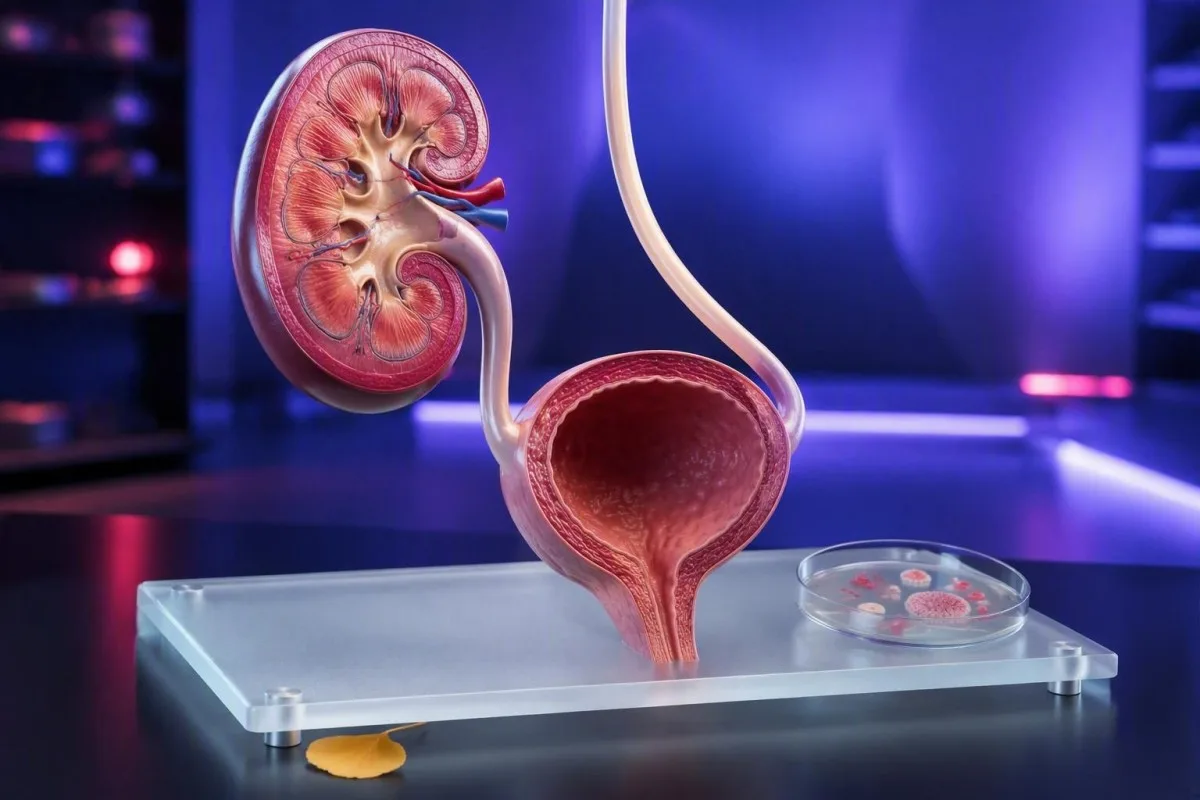
A positive urine culture does not automatically mean a urinary tract infection. The deciding factors are symptoms, collection quality, pregnancy status, and whether an invasive urinary procedure is planned.


- Ասիմպտոմատիկ բակտերիուրիա means bacteria in a properly collected urine culture without urinary symptoms; it usually does not need antibiotics.
- Diagnostic threshold is at least 100,000 CFU/mL of one organism in a clean-catch specimen; women generally need this result on two consecutive samples.
- Pregnancy exception is clear: screen early in prenatal care and treat confirmed bacteriuria because treatment lowers pyelonephritis risk.
- Procedure exception applies before endoscopic urologic procedures expected to injure urinary mucosa; a targeted short antibiotic course is usually used.
- Խառը աճ of three or more organisms commonly indicates urine culture contamination, especially with many squamous epithelial cells.
- Pyuria alone means white cells in urine, not necessarily infection; it is common with asymptomatic bacteriuria and does not justify treatment by itself.
- Տարեցներ with confusion alone, falls, cloudy urine, or an odour change should not receive UTI antibiotics without local urinary symptoms or systemic illness.
- Antibiotic harm includes C. difficile diarrhoea, allergic reactions, drug interactions, and selection of resistant organisms without proven patient benefit.
A Positive Culture Without Symptoms Usually Does Not Need Treatment
Bacteria in urine without symptoms usually should not be treated with antibiotics, even when the culture identifies a familiar UTI organism such as Escherichia coli. The principal exceptions are pregnancy and certain endoscopic urologic procedures that breach urinary lining. As of September 20, 2026, this remains the position of the 2019 Infectious Diseases Society of America guideline (Nicolle et al., 2019).
Ասիմպտոմատիկ բակտերիուրիա is colonisation, not automatically infection. It means bacteria grow in urine at a defined quantity but the person has no burning, urgency, new frequency, suprapubic pain, flank pain, fever, or rigors. In my clinical work, the most harmful word on a report is often not “positive”; it is the unspoken assumption that positive equals dangerous.
For a non-catheterized woman, the formal research definition requires the same bacterial species at at least 10^5 CFU/mL in two consecutive properly collected specimens, usually taken 24 hours apart. For a man, one clean-catch specimen at that concentration is sufficient; a single catheter specimen can be meaningful at 10^2 CFU/mL. These are diagnostic conventions, not a severity scale—see our guide to մեզի քննությունն ընդդեմ ցանքսի.
Dr. Thomas Klein’s practical rule is simple: treat the patient, not the culture. Kantesti is an AI արյան անալիզատոր that helps place related kidney markers such as creatinine, eGFR, white-cell count, and CRP into context, but a urine culture still requires symptom-led clinical judgment.
How Asymptomatic Bacteriuria Differs From Urine Culture Contamination
Asymptomatic bacteriuria is genuine bacterial growth from the urinary tract, whereas urine culture contamination comes from skin or genital flora introduced during collection. The distinction changes what happens next: confirmed bacteriuria may be observed, while contamination usually calls for a better sample rather than a prescription.
A report reading “mixed urogenital flora,” “mixed growth,” or three or more organisms is much more consistent with contamination than a bladder infection in an otherwise well person. Heavy squamous epithelial cells on microscopy strengthen that suspicion because they usually originate from external skin or genital surfaces, not the bladder.
Collection timing matters more than most people realise. Midstream urine that reaches the laboratory within 2 ժամ is preferable; if transport will take longer, refrigeration or a preservative tube reduces overgrowth after collection. A sample left warm in a handbag can turn a modest contaminant population into an impressive-looking culture.
Do not try to sterilise yourself with antiseptic wipes or take leftover antibiotics before a repeat sample. Wash hands, separate skin folds if applicable, begin voiding, then collect the middle portion without allowing the container to touch skin. Our explanation of միզում էպիթելային բջիջների վերաբերյալ shows why that mundane detail can prevent an unnecessary drug course.
Bacteria in Urine Causes: Colonisation, Sampling, and Urinary Changes
Bacteria in urine causes include normal colonisation, contaminated collection, incomplete bladder emptying, urinary catheters, stones, structural changes, and a true symptomatic UTI. A culture alone cannot distinguish these causes; symptoms and the organism pattern do the clinical heavy lifting.
E. coli causes most community urinary infections because strains from the bowel can adhere to bladder lining, but its presence without symptoms can still represent harmless colonisation. In healthy premenopausal women, asymptomatic bacteriuria occurs in roughly 1% to 5%; prevalence rises to 2% to 10% during pregnancy and can exceed 20% in some older long-term-care populations.
A catheter changes the biology entirely. Nearly every person with a long-term indwelling catheter develops bacteriuria over time—often at a rate of 3% to 7% per catheter day—so routine cultures predictably find bacteria and rarely answer a useful question. New fever, pelvic discomfort, flank pain, or otherwise unexplained sepsis warrants assessment; cloudy bag urine does not.
Urinary retention from enlarged prostate, pelvic organ prolapse, nerve conditions, or certain medicines can create residual urine where organisms persist. A post-void residual above about 150 to 200 mL may be clinically relevant, although the meaningful threshold varies with the person and setting. Persistent symptoms deserve an evaluation beyond another culture; our article on հաճախ միզարձակության արյան ստուգումների վերաբերյալ covers metabolic contributors too.
How to Read Colony Counts, Pyuria, Nitrites, and Mixed Growth
A colony count of 100,000 CFU/mL supports asymptomatic bacteriuria only when the sample is well collected and a single organism predominates. Lower counts may reflect early infection, contamination, or catheter-associated growth depending on symptoms and collection method.
A urinalysis and culture measure different things. Լեյկոցիտ էստերազ detects an enzyme associated with white cells, while nitrite suggests some bacteria have converted dietary nitrate during several hours in the bladder. Neither test proves that urinary symptoms are caused by bacteria, and nitrite can remain negative with Enterococcus, Staphylococcus saprophyticus, frequent urination, or low dietary nitrate.
Պիուրիա is often defined as more than 5 to 10 white cells per high-power field, yet it occurs in catheter users, kidney stones, sexually transmitted infections, vaginitis, interstitial cystitis, and asymptomatic bacteriuria. In older adults, pyuria plus a positive culture is especially easy to overcall as UTI. Read the pattern with our detailed guide to leukocyte esterase and false positives.
Some laboratories report 10^4 CFU/mL, others use 10^5 CFU/mL, and automated systems may write 10,000 or 100,000 CFU/mL instead. For a patient with classic dysuria and no vaginal symptoms, even 10^2 to 10^3 CFU/mL of E. coli can be meaningful; for a symptom-free person, the same number is usually a reason to pause, not treat.
Who Needs Antibiotics for Asymptomatic Bacteriuria?
Pregnant patients and people about to undergo endoscopic urologic procedures with expected mucosal trauma are the two groups routinely treated for asymptomatic bacteriuria. Outside these settings, treatment has not shown benefit and frequently causes harm.
Pregnancy is different because untreated bacteriuria can ascend to kidney infection and is associated with adverse obstetric outcomes. The US Preventive Services Task Force recommends one urine culture at 12 to 16 weeks’ gestation or the first prenatal visit, and regards more than 100,000 CFU/mL of a single uropathogen as a positive screening result (USPSTF, 2019). Group B streptococcus at 10,000 CFU/mL or more has separate implications for intrapartum antibiotic planning.
Before transurethral resection, ureteroscopy, or another procedure likely to breach urinary mucosa, a culture-guided antibiotic started shortly before the procedure lowers the risk of bloodstream infection. A 1- or 2-dose regimen is preferred over prolonged treatment when feasible; the urology and anaesthesia teams should choose timing and drug based on culture susceptibility.
Dr. Klein advises patients to ask one blunt question: “Am I pregnant, or am I having a urinary procedure that injures the lining?” If both answers are no, a positive culture needs a careful explanation before antibiotics. Our Բժշկական խորհրդատվական խորհուրդ reviews this kind of evidence-versus-instinct decision, which can feel counterintuitive to patients and clinicians alike.
Why Antibiotics Are Often Avoided When You Feel Well
Antibiotics do not prevent future symptomatic UTI in most people with asymptomatic bacteriuria and can select resistant bacteria within days. Treating a culture result without an illness exposes the patient to drug risk without a proven clinical payoff.
The evidence is unusually consistent here. Trials in nonpregnant women, older adults, people with diabetes, and catheter users found no meaningful reduction in symptomatic infection from treating asymptomatic bacteriuria; some studies found more recurrent symptoms after antibiotics altered protective flora. The IDSA guideline specifically recommends against screening or treatment for healthy nonpregnant women and patients with diabetes (Nicolle et al., 2019).
A five- to seven-day antibiotic course can cause nausea, rash, thrush, serious allergy, tendon injury with fluoroquinolones, warfarin interaction, or Clostridioides difficile diarrhoea. Resistance is not theoretical: bacteria exposed to an antibiotic can retain resistance genes in the gut and urinary microbiome long after the prescription ends. The safest antibiotic is sometimes no antibiotic at all.
I often see this after a “just in case” prescription in an emergency department or pre-operative screen. The next true UTI then grows an organism resistant to trimethoprim or ciprofloxacin, narrowing choices unnecessarily. If you have taken antibiotics recently, our discussion of INR changes after antibiotics may matter if you use warfarin.
Pregnancy Requires a Separate Urine Culture Pathway
Confirmed asymptomatic bacteriuria in pregnancy should be treated with a targeted 5- to 7-day antibiotic course, then discussed with the prenatal clinician regarding follow-up culture. This recommendation is based on preventing maternal pyelonephritis, not on whether the pregnant person feels urinary discomfort.
The older untreated-risk figures are striking: pyelonephritis developed in approximately 20%-ից մինչև 35% of pregnant patients with bacteriuria in historic cohorts, versus a much lower rate after effective treatment. Modern baseline risk may differ because prenatal care has changed, but current guidance still recommends screening and treatment. ACOG’s 2023 Clinical Consensus supports a single early culture and treatment of 100,000 CFU/mL or greater.
Drug choice is culture-specific and trimester-specific. Nitrofurantoin, cephalexin, amoxicillin-clavulanate, and fosfomycin may be options depending on susceptibility, allergy history, gestational age, and local resistance; empiric ampicillin or amoxicillin alone is often avoided because E. coli resistance is common. Do not self-select from a prior prescription.
A repeat culture after treatment is handled differently across health systems, because evidence for the ideal schedule is thin. Many clinicians consider one culture 1-ից 2 շաբաթվա ընթացքում after therapy or test only if symptoms recur. Pregnancy also changes kidney filtration, so interpret հղիության GFR արժեքները rather than applying nonpregnant reference expectations.
Older Adults, Confusion, Falls, and Positive Urine Cultures
Confusion, a fall, cloudy urine, or urine odour alone should not be diagnosed as UTI in an older adult with a positive culture. Local urinary symptoms, fever, haemodynamic instability, or another systemic sign are needed before bacteriuria becomes a likely treatment target.
Asymptomatic bacteriuria is common in later life: roughly 20%-ից մինչև 50% of women and 15% to 40% of men in long-term-care settings may have it at any point. A culture ordered for confusion will therefore be positive often enough to mislead clinicians, while dehydration, medication effects, constipation, pain, hypoxia, and metabolic disturbance may be the real cause.
The 2019 IDSA guideline recommends looking for other causes and observing rather than treating bacteriuria in functionally or cognitively impaired older adults with delirium but no urinary symptoms or systemic instability. This is not dismissal; it is active diagnostic medicine. Fever above 38.0°C, new costovertebral tenderness, rigors, or unstable blood pressure changes the urgency.
Kantesti AI-ն այն ԱԻ լաբորատոր թեստի մեկնաբանման ծառայությունում that can flag concurrent dehydration, electrolyte, kidney, glucose, and inflammatory-marker patterns from blood results, helping a family prepare better questions for the clinician. That broader view is particularly useful when a urine result seems too convenient; explore senior medication-related lab effects սովորական շփոթեցնող գործոնների համար։.
Diabetes, Kidney Disease, and Transplant Status Do Not Automatically Mean Treatment
Diabetes, chronic kidney disease, and stable kidney transplant status are not routine reasons to treat asymptomatic bacteriuria. These conditions raise concern for urinary complications, but available evidence does not support antibiotics in the absence of symptoms except during carefully defined transplant periods or procedures.
People with diabetes have higher rates of bacteriuria, yet randomized studies found treatment did not reduce symptomatic UTI, kidney infection, or hospitalisation. Glycaemic management still matters: persistent glucose in urine can support microbial growth and should prompt assessment of diabetes control, but it is not an indication to culture urine repeatedly. See our explanation of գլյուկոզա մեզում.
Chronic kidney disease changes drug dosing and makes a true kidney infection more consequential, but CKD itself does not turn a symptom-free culture into UTI. An eGFR below 30 մլ/րոպե/1.73 մ² affects selection and dose for many antimicrobials, so unnecessary treatment carries an added risk of accumulation or kidney injury.
For kidney transplant recipients, recommendations are more nuanced in the first month after transplant because evidence is limited and devices may still be present. Beyond 1 ամսվա ընթացքում, IDSA recommends against screening or treating asymptomatic bacteriuria in stable recipients. Transplant teams may individualise a plan; no general article should overrule that relationship.
Catheters, Stents, and Neurogenic Bladder Change Culture Results
Long-term catheters and many urinary devices produce bacteriuria so reliably that routine urine cultures are usually unhelpful unless new compatible symptoms occur. Antibiotics may temporarily suppress organisms but rarely sterilise a device-associated urinary tract for long.
Bacteria form a biofilm on catheter surfaces: a structured microbial layer that antibiotics and immune cells do not easily eradicate. With an indwelling catheter, changing the device before collecting culture may be appropriate when treating a suspected catheter-associated UTI, because a bag sample frequently reflects old biofilm rather than bladder organisms.
In spinal cord injury or neurogenic bladder, symptoms can be atypical. New autonomic dysreflexia, increased spasticity, malaise, fever, leaking around a catheter, or bladder discomfort may matter more than burning, but a clinician who knows the baseline should interpret them. A positive culture without a change from baseline still does not equal infection.
Urinary stents likewise commonly become colonised. Persistent fever, obstruction, worsening renal function, or systemic illness warrants prompt care because source control can matter as much as antibiotics. Monitor kidney trends with our guide to մեզի կրեատինինը և նոսրացումը, while recognising that urine creatinine does not diagnose infection.
When Bacteria in Urine Becomes a Symptomatic UTI
Bacteria in urine should be treated as a likely UTI when a compatible symptom pattern accompanies the result, especially burning with urination, new urgency, frequency, suprapubic pain, flank pain, fever, or rigors. The culture then helps select an antibiotic rather than create the diagnosis by itself.
Acute uncomplicated cystitis usually causes dysuria and frequency without fever or flank pain. The combination of dysuria and frequency without vaginal discharge has a high probability of cystitis in appropriate patients, while vaginal irritation or discharge should broaden testing for vaginitis or sexually transmitted infection. A culture is particularly useful for pregnancy, recurrent illness, pyelonephritis, or treatment failure.
Ջերմություն՝ 38.0°C կամ ավելի, shaking chills, vomiting, flank pain, or marked unwellness can suggest pyelonephritis or sepsis and deserves same-day assessment. Pregnancy, immune suppression, obstruction, stones, recent instrumentation, and male urinary symptoms lower the threshold for urgent clinician review. Do not wait for culture finalisation if those red flags are present.
Symptoms can also arise without bacterial infection. Bladder pain syndrome, genitourinary syndrome of menopause, pelvic floor dysfunction, urethral irritation, and stones can mimic cystitis; that is why repeat antibiotics after a negative or mixed culture can be a dead end. Compare dipstick patterns in our nitrites in urine guide.
How to Repeat a Urine Sample Without Creating Another False Alarm
A repeat urine culture should be collected as a clean-catch midstream specimen before antibiotics, ideally when the sample can reach the laboratory within 2 hours. Repeating the sample is most useful after mixed growth, unexpected bacteria, or a result that conflicts with the clinical picture.
Start with clean hands and a sterile container. Begin urinating into the toilet, collect the middle stream without touching the inside of cup or lid, and finish into the toilet; this reduces organisms near the urethral opening. For infants, catheterised collection is more reliable than a bag specimen when a culture will guide treatment.
Avoid collecting during heavy menstrual flow if the test can safely wait, since blood and external cells complicate interpretation. Do not increase water intake aggressively just before collection: very dilute urine may lower microscopy sensitivity and make symptoms feel temporarily different. First-morning urine is not mandatory for culture, unlike some other urine tests.
If the laboratory reports mixed flora twice despite careful technique and symptoms persist, a clinician may request a catheterised specimen. That is not a punishment for “doing it wrong”; it is a more controlled diagnostic method. Our overview of urine dipstick flags explains why screening tests and cultures can disagree.
Questions to Ask Before Accepting or Declining Antibiotics
Before taking antibiotics for a positive urine culture without symptoms, ask whether the sample was contaminated, whether you meet a treatment exception, and what symptom or procedure makes therapy beneficial. These three questions often clarify a confusing portal result in under a minute.
Ask for the organism, colony count, number of organisms, susceptibility report, and whether squamous epithelial cells were present. “E. coli at **100,000 CFU/mL, one organism, no symptoms” is different from “mixed flora at 10,000 to 50,000 CFU/mL with many epithelial cells.” A screenshot of the full report is more useful than a portal alert saying only “abnormal.”
Also ask whether the test was ordered for a reason. Pre-operative screening before a hip replacement, for example, is not the same as screening before a urinary tract procedure; major guidelines do not recommend treating asymptomatic bacteriuria before nonurologic surgery. This distinction avoids delays and needless antibiotic exposure.
Կանտեստին մի է AI բիոմարկերների մեկնաբանման հարթակ that can organise related blood-test trends for a medical visit, including kidney filtration and inflammation signals, but it does not replace urine-culture stewardship. For methodology and boundaries, review our կլինիկական վավերացման չափանիշների.
Urgent Warning Signs and a Sensible Follow-Up Plan
Seek urgent medical assessment for fever, rigors, flank pain, vomiting, confusion with systemic illness, low blood pressure, or pregnancy with urinary symptoms. A symptom-free positive culture alone is rarely urgent, but the clinical situation can change quickly when obstruction or kidney infection is present.
Call urgent care or emergency services for severe weakness, persistent vomiting, inability to keep fluids down, fainting, new confusion with fever, or signs of sepsis. People with a solitary kidney, known obstruction, an immune-suppressing treatment, or pregnancy should contact a clinician early when urinary symptoms begin. Visible blood is a separate issue and deserves evaluation if persistent or associated with pain; see предупредителните признаци за кръв в урината.
For the well, nonpregnant person with an incidental positive culture, the usual plan is no antibiotics, no serial cultures, and clear return precautions. Symptoms that arise over the next 48-ից 72 ժամվա ընթացքում should prompt reassessment, while repeating cultures simply to prove “clearance” can restart the cycle of incidental findings. Hydration for thirst is reasonable; force-drinking litres of water is not treatment.
Thomas Klein, MD, recommends keeping the culture report, your medication list, and a brief symptom timeline for follow-up rather than trying to decode every bacterial name alone. Kantesti AI’s տեխնոլոգիայի ուղեցույցը explains how our clinical-context tools handle laboratory uncertainty, but fever or flank pain needs a real clinician, not an algorithm.
Հաճախակի տրվող հարցեր
Կարո՞ղ են միզուղիներում գտնվող բակտերիաներն անհետանալ առանց հակաբիոտիկների:
Այո։ Առանց ախտանշանների միզում հայտնաբերված բակտերիաները հաճախ մնում են, տատանվում կամ անցնում են առանց հակաբիոտիկների, և բուժումը խորհուրդ չի տրվում հղի չհանդիսացող մեծահասակների մեծ մասի համար։ 100,000 CFU/mL-ից ոչ պակաս ճիշտ հավաքված կուլտուրան դեռ կարող է ներկայացնել ասիմպտոմատիկ բակտերիուրիա, այլ ոչ թե վարակ։ Հակաբիոտիկները սովորաբար նշանակվում են հաստատված ասիմպտոմատիկ բակտերիուրիայի դեպքում հղիության ընթացքում և նախքան ընտրված էնդոսկոպիկ ուրոլոգիական պրոցեդուրաները, որոնք առաջացնում են լորձաթաղանթի վնասվածք։ Նոր այրոց, տենդ, ցավ կողքերում, փսխում կամ դողը փոխում են գնահատումը և պետք է հանգեցնեն կլինիկական վերանայման։.
Միզում բակտերիաների որ մակարդակն է համարվում բարձր։
Ասիմպտոմատիկ բակտերիուրիայի դեպքում, մաքուր հավաքված մեզի նմուշում մեկ օրգանիզմի առնվազն 100,000 CFU/մլ (գրվում է որպես 10^5 CFU/մլ) քանակը հանդիսանում է ավանդական շեմը։ Հղի չհանդիսացող կանանց համար հետազոտության սահմանումը պահանջում է նույն օրգանիզմը երկու հաջորդական նմուշում, մինչդեռ տղամարդկանց համար պահանջվում է մեկ նմուշ։ UTI-ի դասական ախտանշաններ ունեցող անձի մոտ, E. coli-ի 100-ից 1,000 CFU/մլ ցածր քանակները դեռևս կարող են կլինիկական նշանակություն ունենալ։ Բնակչության անվտանգ մեկնաբանությունը հնարավոր չէ առանց ախտանշանների և նմուշի որակի։.
Պիրուրիան նշանակում է, որ ունեմ միզուղիների վարակ (UTI)?
Ոչ։ Պիուրիան նշանակում է, որ մեզի մեջ առկա են սպիտակ արյան բջիջներ, սովորաբար 5-10 բջիջներից ավելի բարձր խտության դաշտում, սակայն դա չի ապացուցում միզուղիների վարակ։ Պիուրիան կարող է առաջանալ ասիմպտոմատիկ բակտերիուրիայի, միզուղիների կաթետերների, քարերի, սեռական ճանապարհով փոխանցվող վարակների, հեշտոցային բորբոքման և միզապարկի ցավային վիճակների դեպքում։ ՄՄՎ ախտորոշումը սովորաբար պահանջում է համատեղելի միզային ախտանշաններ, գումարած մեզի աջակցող արդյունքներ։ Միայն պիուրիան չպետք է հանգեցնի հակաբիոտիկների նշանակման այն մարդկանց մոտ, ովքեր լավ են զգում իրենց։.
Պետք է արդյոք վիրահատությունից առաջ բուժել ասիմպտոմատիկ բակտերիուրիան
Ասիմպտոմատիկ բակտերիուրիան ընդհանուր առմամբ չպետք է բուժվի ոչ ուրոլոգիական վիրահատությունից առաջ, ներառյալ ուղեկցող օրթոպեդիկ, որովայնի կամ սրտի վիրահատությունները։ Բուժումը խորհուրդ է տրվում ոչ ուրոլոգիական էնդոսկոպիկ պրոցեդուրաներից առաջ, որոնք ակնկալվում է, որ կխախտեն միզային լորձաթաղանթը, քանի որ բակտերիաները կարող են արյան մեջ ներթափանցել սարքավորումների միջոցով։ Պրոցեդուրայի շուրջ մեկ կամ երկու չափաբաժնով տրվող թիրախային հակաբիոտիկը սովորաբար նախընտրելի է երկարատև կուրսից։ Պրոցեդուրայի թիմը պետք է որոշի՝ հիմնվելով կուլտուրայի օրգանիզմի, զգայունության արդյունքի և նախատեսված վիրահատության վրա։.
Ինչո՞ւ է իմ մեզի կուլտուրայում նշված «խառը ֆլորա»։
Խառը ֆլորա սովորաբար նշանակում է, որ միզասեռական նմուշը հավաքման ընթացքում մանրէներ է վերցրել մաշկի կամ սեռական մակերեսներից, այլ ոչ թե ցույց է տալիս միզապարկի մեկ հարուցիչ։ Երեք կամ ավելի օրգանիզմների աճը, հատկապես միկրոսկոպիայի ժամանակ թեփոտ էպիթելային բջիջների առկայության դեպքում, ուժեղորեն ենթադրում է միզի կուլտուրայի աղտոտում։ Մաքուր լվացված միջին հոսքի կրկնակի նմուշը, որը լաբորատորիա է հասնում 2 ժամվա ընթացքում, սովորաբար հաջորդ քայլն է, եթե թեստավորումը դեռ կլինիկականորեն անհրաժեշտ է։ Միզային ախտանշաններ չունեցող մարդու մոտ խառը ֆլորան սովորաբար չի պահանջում հակաբիոտիկներ։.
Կարո՞ղ է տարեց մարդը միզուղիների վարակ ունենալ առանց այրոցի։
Այո, տարեցները երբեմն կարող են ունենալ միզուղիների վարակ՝ առանց այրոցի, հատկապես կաթետրների կամ հաղորդակցության դժվարությունների առկայության դեպքում, սակայն միայն դրական կուլտուրան դեռ բավարար չէ: 38.0°C կամ ավելի բարձր ջերմությունը, նոր թևային կամ սուպրափյուբիկ ցավը, դողերը, հեմոդինամիկ անկայունությունը կամ հստակ համակարգային հիվանդությունը ավելի ուժեղ ապացույցներ են տալիս վարակի վերաբերյալ: Շփոթվածությունը, ընկնելը, ամպամած մեզը և հոտի փոփոխությունները միայն թույլ ցուցիչներ են, քանի որ ասիմպտոմատիկ բակտերիուրիան ազդում է երկարատև խնամքի մեջ գտնվող կանանց մոտավորապես 44%-ի վրա: Բուժաշխատողները պետք է գնահատեն դեհիդրատացիան, դեղորայքը, փորկապությունը և նյութափոխանակության պատճառները, մինչև որ դելիրիումը վերագրեն մեզի բակտերիաներին:.
Ստացեք AI-ով աշխատող արյան անալիզի վերլուծություն այսօր
Միացեք ավելի քան 2 միլիոն օգտատերերի ամբողջ աշխարհում, ովքեր վստահում են Kantesti-ին՝ լաբորատոր թեստերի ակնթարթային, ճշգրիտ վերլուծության համար։ Վերբեռնեք ձեր արյան անալիզի արդյունքները և ստացեք 15,000+ բիոմարկերների համապարփակ մեկնաբանություն վայրկյանների ընթացքում։.
📚 Հղված հետազոտական հրապարակումներ
Klein, T., Mitchell, S., & Weber, H. (2026). Նիպա վիրուսի արյան ստուգում. վաղ հայտնաբերման և ախտորոշման ուղեցույց 2026.։ Kantesti AI Medical Research.
Klein, T., Mitchell, S., & Weber, H. (2026). B բացասական արյան խումբ, LDH արյան անալիզ և ռետիկուլոցիտների քանակի ուղեցույց.։ Kantesti AI Medical Research.
📖 Արտաքին բժշկական հղումներ
⚕️ Բժշկական հրաժարում
Այս հոդվածը միայն կրթական նպատակների համար է և չի հանդիսանում բժշկական խորհրդատվություն։ Ախտորոշման և բուժման որոշումների համար միշտ խորհրդակցեք որակավորված բուժաշխատողի հետ։.
E-E-A-T վստահության ազդանշաններ
Փորձառություն
Բժշկի կողմից ղեկավարվող կլինիկական վերանայում՝ լաբորատոր մեկնաբանության աշխատանքային հոսքերի համար։.
Մասնագիտություն
Լաբորատոր բժշկության կենտրոնացում՝ այն բանի վրա, թե ինչպես են բիոմարկերները դրսևորվում կլինիկական համատեքստում։.
Հեղինակություն
Գրված է դոկտոր Թոմաս Քլայնի կողմից՝ դոկտոր Սառա Միթչելի և պրոֆեսոր դոկտոր Հանս Վեբերի կողմից վերանայմամբ։.
Հուսալիություն
Ապացույցների վրա հիմնված մեկնաբանություն՝ հստակ հետագա քայլերի ուղիներով՝ ահազանգերը նվազեցնելու համար։.