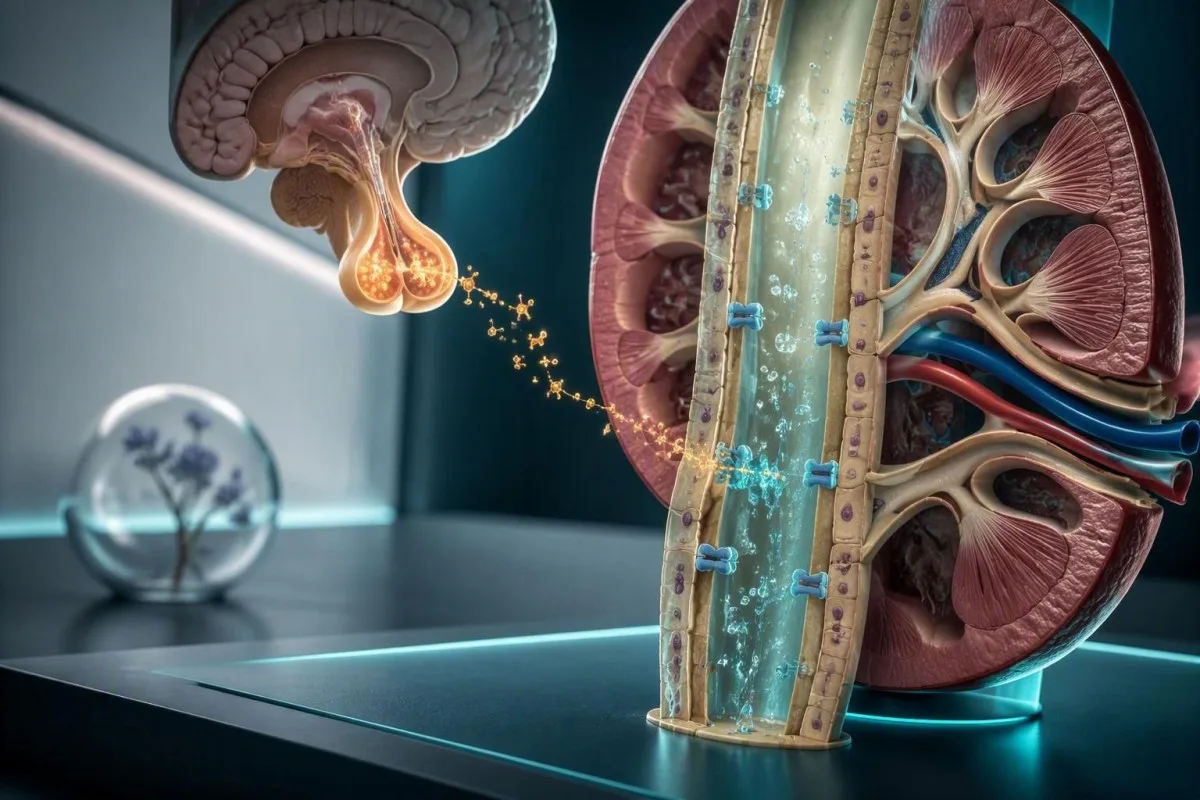
բարձր կոպեկտինի արդյունքը սովորաբար արտացոլում է վազոպրեսինային համակարգի ակտիվացումը ջրազրկումից, ֆիզիկական սթրեսից կամ հիվանդությունից, այլ ոչ թե ինքնին ախտորոշում: Դրա իրական արժեքը գալիս է այն նատրիումի, շիճուկի օսմոլյարության, մեզի օսմոլյարության և հավաքման պայմանների կողքին ընթերցելուց:.


- Բարձր կոպեկտին հաճախ արտացոլում է ջրազրկումը, սրտխառնոցը, ցավը, ֆիզիկական ծանրաբեռնվածությունը, վարակը, վիրահատությունը կամ ցածր շրջանառվող ծավալը, այլ ոչ թե մեկ հիվանդություն:.
- Կոպեկտին ≥21.4 pmol/L հիպոտոնիկ պոլիուրիայի աշխատանքային ընթացքում ուժեղորեն աջակցում է երիկամային դիաբետես ինսիպիդուսին, երբ չափվում է համապատասխան կլինիկական համագործակցությամբ:.
- Խթանված կոպեկտին >4.9 pmol/L սուպերվիզիայի ներքո հիպերտոնիկ-սալայն պրոտոկոլից հետո ընդհանուր առմամբ հակաճառում է կենտրոնական դիաբետես ինսիպիդուսին և աջակցում է առաջնային պոլիդիպսիային:.
- Ցածր նատրիումը, գումարած բարձր կոպեկտինը կարող է հայտնաբերվել SIADH-ում, բայց միայն կոպեկտինը չի կարող հաստատել SIADH-ը, քանի որ սթրեսը և դեղորայքը նույնպես բարձրացնում են այն:.
- Շիճուկի նատրիում 135–145 mmol/L և չափված շիճուկային օսմոլյալությունը մոտ 275–295 mOsm/kg-ում կարևոր զույգ արդյունքներ են կոպետինի մեկնաբանման համար։.
- Ωσμωτικότητα ούρων <300 մOsm/կգ հիպերնատրեմիայի կամ շիճուկային բարձր օսմոլյալության ժամանակ ենթադրում է ադեկվատ հակաճնշումային գործողությունների անբավարարություն և պահանջում է անհապաղ կլինիկական գնահատում։.
- Հավաքագրման պայմանները կարևոր են քանի որ ուժեղ ֆիզիկական ակտիվությունը, փսխումը, սուր ցավը, սովը և ներերակային հեղուկները կարող են էապես փոխել կոպետինի կոնցենտրացիաները։.
- Շտապ օգնության ախտանիշներ նատրիումի ≥150 մմոլ/լ, շփոթություն, ուժեղ թուլություն, ցնցումներ կամ հեղուկներ ընդունելու անկարողություն պահանջում են շտապ օգնություն, այլ ոչ թե ամբուլատոր թեստավորումը կրկնել։.
Ինչ է սովորաբար նշանակում կոպեկտինի բարձր արդյունքը
Կոպետինի բարձր մակարդակը նշանակում է, որ մարմինը ակտիվացրել է իր արգինին վազոպրեսինային համակարգը, սովորաբար ջուրը պահպանելու կամ ֆիզիոլոգիական սթրեսին արձագանքելու համար։ Արդյունքը առավել տեղեկատվական է, երբ այն զուգորդվում է նատրիումի և օսմոլյալության հետ; բարձր թիվը ինքնին չի կարող տարբերակել ջրազրկումը SIADH-ից, երիկամային շաքարային դիաբետից, սուր հիվանդությունից կամ նմուշի հավաքման օրվա դժվարությունից։.
Կոպետինը կայուն C-տրամային մասն է, որն արձակվում է հավասար քանակությամբ արգինին վազոպրեսին (AVP). -ի հետ։ AVP-ն ինքնին արագորեն քայքայվում է և տեխնիկապես դժվար է չափել, մինչդեռ կոպետինը մնում է չափելի պլազմայում։ Գործնական առումով, կոպետինը մեզ ասում է, որ մարմինը ստացել է “պահել ջուրը” ազդանշան, բայց ոչ թե ինչու է ուղարկվել այդ ազդանշանը։.
Երբ ես վերանայում եմ կոպետինի հետ լաբորատորիայի միջակայքից բարձր պանել, առաջին հերթին հարցնում եմ՝ բարձր է, ցածր է, թե նորմալ է նատրիումը։. Բարձր կոպետին նատրիումի 148 մմոլ/լ հետ ուղղում է մեզ դեպի ջրի կորուստ կամ երիկամային ջրի պատասխանի խանգարում; բարձր կոպետին նատրիումի 126 մմոլ/լ հետ ուղղում է դեպի ոչ-օսմոտիկ AVP արձակում, ներառյալ հնարավոր SIADH-ը։ Սա այն ոլորտներից մեկն է, որտեղ համատեքստը ավելի կարևոր է, քան թվի կողքին գտնվող դրոշակը։.
Կանտեստին մի է AI արյան անալիզատոր որը կարդում է կոպետինը էլեկտրոլիտների, երիկամների մարկերների, գլյուկոզի և նախորդ արդյունքների կողքին, այլ ոչ թե մեկ հորմոնի մասնագիտական մասնագիտական մեկնաբանություն: Օգտակար ուղեկից վերանայում է մեր ուղեցույցը շիճուկային օսմոլյալության արդյունքներ, քանի որ չափված օսմոլյալությունը հաճախ ավելի պարզ է բացատրում արդյունքը, քան միայն կոպետինը։.
Ինչու լաբորատորիաները չեն կիսվում մեկ համընդհանուր վերին սահմանով
Կոպետինի անալիզները տարբերվում են, և շատ լաբորատորիաներ հաշվետվություն են ներկայացնում միայն մեթոդի վերաբերյալ սահմանված հղման միջակայք, այլ ոչ թե հիվանդության կտրվածք։ 12 pmol/L արդյունքը կարող է սովորական լինել ջրազրկված մարդու մոտ, բայց անպատշաճ այն մարդու մոտ, ում մոտ շիճուկային օսմոլյալությունը բարձր է, ով արտադրում է լիտրներով շատ նոսր մեզ։.
Ինչու է կոպեկտինը բարձրանում, երբ մարմինը պետք է ջուր պահպանի
Կոպետինը բարձրանում է, երբ օսմորեցեպտորները հայտնաբերում են մարմնի հեղուկների խտացում կամ երբ շրջանառությունը գտնվում է սթրեսի տակ։. Հիպոթալամուսը արձակում է AVP-ն կոպետինի հետ, և AVP-ն օգնում է երիկամներին վերականգնել ջուրը հավաքման խողովակների V2 ռեցեպտորների միջոցով։.
Առողջ մարդու մոտ շիճուկային օսմոլյալության միայն 1%-ից մինչև 2% աճը կարող է խթանել AVP-ի արձակումը։ Այս զգայունությունը բացատրում է, թե ինչու երկար թռիչքը, լուծը, գիշերային սովը կամ քրտնաջան մարզանքը կարող են հանգեցնել նշանակալի կոպետինի բարձրացման, առանց էնդոկրին հիվանդության։. Մեզի օսմոլյարության թեստավորում ցույց է տալիս, արդյոք երիկամը իրականում հետևել է ազդանշանին։.
Non-osmotic stimuli can be stronger than thirst. Nausea, pain, hypoglycaemia, hypoxia, major exercise, infection, myocardial injury, and surgery all stimulate AVP release even when sodium is not high. I have seen copeptin interpreted as “dehydration” in a patient whose sodium was 133 mmol/L after severe nausea—an example of stress signalling, not simple water deficit.
Dr. Thomas Klein’s clinical rule is simple: a copeptin value has to make physiological sense. If sodium, glucose, urea, measured osmolality, urine osmolality, medication exposure, and the patient’s fluid intake tell different stories, repeat or dynamic testing is usually safer than forcing a diagnosis from a resting result.
Կոպեկտինի թեստի արդյունքներ. օգտակար շեմեր և դրանց սահմանափակումները
There is no single normal copeptin range that diagnoses every condition. In specialist evaluation of hypotonic polyuria, basal copeptin of at least 21.4 pmol/L strongly supports nephrogenic diabetes insipidus, while hypertonic-saline stimulated copeptin above 4.9 pmol/L generally supports primary polydipsia over central diabetes insipidus.
The 21.4 pmol/L threshold is designed for a specific problem: suspected nephrogenic diabetes insipidus in a person producing excessive dilute urine. It is not a general “danger level.” A person with severe gastroenteritis or acute coronary illness may exceed that value because copeptin is also a stress biomarker.
In the multicentre trial by Christ-Crain and colleagues, a copeptin cutoff of 4.9 pmol/L after hypertonic saline distinguished primary polydipsia from central diabetes insipidus with substantially better accuracy than water deprivation alone (Christ-Crain et al., 2018). This protocol requires serial sodium monitoring and should not be attempted by drinking less water at home.
Kantesti AI interprets copeptin test results by checking whether the requested cutoff matches the assay, clinical question, and collection protocol. For perspective on why a laboratory flag is not automatically a diagnosis, see թե ինչ են նշանակում սահմաններից դուրս արդյունքները.
Բարձր կոպեկտինը ջրազրկումից և ծավալի կորստից
Dehydration commonly raises copeptin because concentrated plasma triggers AVP release. The most convincing pattern is high or rising sodium, serum osmolality above about 295 mOsm/kg, concentrated urine, and a history of fluid loss or limited access to water.
Dehydration does not always cause hypernatraemia. Someone who can drink freely may replace enough water to keep sodium at 140 mmol/L while still generating high copeptin and concentrated urine. Conversely, a sodium of 151 mmol/L with urine osmolality below 300 mOsm/kg is not the usual dehydration response and raises concern for diabetes insipidus or impaired thirst.
The BUN-to-creatinine pattern can offer a modest clue, but it is not definitive. Urea can rise with gastrointestinal bleeding, high protein intake, steroids, or catabolism; creatinine changes with muscle mass and medicines. Our detailed BUN և կրեատինին համեմատություն explains why neither marker replaces osmolality.
A 52-year-old endurance runner may have copeptin elevation after a race, a urine specific gravity above 1.025, and creatinine mildly above baseline for 24 to 48 hours. In my experience, a repeat morning sample after normal eating, drinking, and 24 hours without intense exercise is often more clinically useful than an alarmed interpretation of the post-race panel.
Բարձր կոպեկտինի պատճառները ջրազրկումից դուրս
Acute physiological stress is a major cause of high copeptin, even without a water-balance disorder. Nausea, pain, fever, sepsis, hypoxia, myocardial injury, stroke, surgery, severe exercise, and low blood pressure can all raise AVP and copeptin.
Copeptin has been studied as a prognostic biomarker in acute care because it integrates stress signalling. That usefulness also creates a common misunderstanding: it is not a screening test for heart attack, infection, or cancer in a well outpatient. A raised result obtained during illness may simply document that the neuroendocrine stress system was active.
Glucose deserves careful attention. Marked hyperglycaemia raises effective osmolality and can cause osmotic diuresis, thirst, and high copeptin; sodium should be interpreted after considering the glucose concentration. People with thirst and frequent urination should also review high glucose warning symptoms, particularly if ketones, vomiting, or weight loss are present.
Կանտեստին մի է AI արյան անալիզի մեկնաբանություն հարթակ that places acute-phase results in their time sequence, since a copeptin result during hospitalisation should not be compared casually with a healthy outpatient baseline. A recovering illness can change sodium, urea, creatinine, CRP, and fluid intake simultaneously.
Կարո՞ղ է բարձր կոպեկտինը ախտորոշել SIADH-ը
High copeptin can occur in SIADH, but it cannot diagnose SIADH on its own. SIADH is diagnosed from hypotonic hyponatraemia, inappropriately concentrated urine, urine sodium, normal thyroid and adrenal function, and exclusion of low effective circulating volume.
In SIADH, AVP activity is inappropriate for the low plasma osmolality, so copeptin may be measurable or high despite sodium below 135 mmol/L. Yet SIADH has several physiological subtypes, and copeptin overlaps substantially with nausea, medicines, pulmonary disease, and hospital stress. The more reliable practical framework is explained in our SIADH blood test guide.
The 2014 European hyponatraemia guideline defines hypotonic hyponatraemia using effective serum osmolality below 275 մՕսմ/կգ and recommends urine osmolality and urine sodium early in the diagnostic sequence (Spasovski et al., 2014). A urine osmolality above 100 mOsm/kg shows antidiuretic activity, but it does not establish its cause.
Medication history changes the odds. SSRIs, carbamazepine, oxcarbazepine, desmopressin, some antipsychotics, cyclophosphamide, and thiazide diuretics can contribute to hyponatraemia; do not stop a prescribed medicine abruptly based on one result. Sodium below 120 mmol/L, seizure, confusion, repeated vomiting, or severe headache needs emergency assessment.
Կոպեկտինը և դիաբետես ինսիպիդուսը. այն օրինաչափությունները, որոնք օգտագործում են կլինիցիստները
Copeptin helps separate central diabetes insipidus, nephrogenic diabetes insipidus, and primary polydipsia in people with hypotonic polyuria. The starting question is whether urine output is truly excessive—typically more than 3 litres daily in an adult or more than 50 mL/kg per 24 hours—and whether urine is dilute.
Central diabetes insipidus results from inadequate AVP production or release, often after pituitary-region disease, neurosurgery, trauma, autoimmune inflammation, or infiltrative disease. In complete central DI, copeptin may be very low despite high sodium or high osmolality; a basal value below 2.6 pmol/L can support the diagnosis in the appropriate hyperosmolar setting.
Nephrogenic diabetes insipidus means the kidney does not respond adequately to AVP. Copeptin is usually high because the hypothalamus is sending the right signal, while urine remains inappropriately dilute. Lithium exposure, hypercalcaemia, hypokalaemia, chronic kidney disease, and inherited V2-receptor or aquaporin-2 defects are recognised causes; our լիթիումի մոնիտորինգի ուղեցույցը covers one particularly important medication pathway.
Christ-Crain et al. (2018) found that copeptin-guided hypertonic-saline testing improved diagnostic accuracy for polyuria-polydipsia syndromes compared with the traditional water-deprivation approach. This does not mean every thirsty person needs copeptin: uncontrolled diabetes mellitus, diuretics, hypercalcaemia, kidney disease, and excessive caffeine intake should be considered first.
Ինչու են նատրիումը և օսմոլյարությունը պետք է զուգորդվեն կոպեկտինի հետ
Sodium and measured serum osmolality determine whether a high copeptin level is physiologically appropriate. A result is generally appropriate when high copeptin accompanies hyperosmolality or fluid loss, and potentially inappropriate when it accompanies true hypo-osmolality and persistent concentrated urine.
Serum sodium normally runs about 135-ից 145 մմոլ/լ, although the laboratory interval should take priority. Measured serum osmolality is usually about 275 to 295 mOsm/kg; calculated osmolality may differ when ethanol, mannitol, radiocontrast agents, or other unmeasured osmoles are present. That gap can alter the entire interpretation.
Urine osmolality supplies the kidney-side answer. With hypernatraemia, a urine osmolality above 600 mOsm/kg usually shows a strong water-conserving response, whereas persistently dilute urine below 300 mOsm/kg suggests that AVP is absent or ineffective. Our էլեկտրոլիտների վահանակը explains urgent combinations that should not wait for an online interpretation.
Kantesti’s neural network compares these values as a pattern and highlights contradictions, such as high copeptin with very dilute urine. That is a follow-up trigger, not a diagnosis: a timed 24-hour urine collection, simultaneous plasma and urine osmolality, and specialist-supervised stimulation testing may be needed.
Ինչպես հավաքման պայմանները կարող են խեղաթյուրել կոպեկտինի թեստի արդյունքները
Copeptin is highly sensitive to collection conditions because stress and acute fluid shifts stimulate AVP release. A value taken after strenuous exercise, vomiting, prolonged fasting, a painful procedure, IV fluid treatment, or acute illness may not reflect baseline water regulation.
For an outpatient baseline sample, I usually want the laboratory request to document time of draw, fluid intake, urine output, recent exercise, fever, nausea, and medicines. A patient who drank 3 litres in an hour to “prepare” for testing can suppress osmolality; someone who deliberately restricts water can create a potentially unsafe and misleading high-stress state.
Assay handling matters too. Copeptin is much more stable than AVP, but results remain method-dependent, and a laboratory’s stated specimen type and reference interval must be used. This is similar to the pre-analytical detail discussed in our ACTH-ի ժամանակացույցի ուղեցույցը, although copeptin itself is less fragile than ACTH.
As of September 19, 2026, I would not advise a home water-deprivation test. If a clinician suspects diabetes insipidus, controlled testing protects against sodium rising too rapidly; even mild baseline hypernatraemia can become dangerous when water access is restricted.
Դեղորայքը, երիկամների ֆունկցիան և բարձր կոպեկտինը
Kidney disease and certain medicines can complicate a high copeptin result because they alter both water handling and biomarker clearance. Reduced eGFR, lithium, desmopressin, diuretics, glucocorticoids, and drugs that trigger nausea or SIADH all change the clinical picture.
Copeptin concentrations tend to rise as kidney function declines, so a result in chronic kidney disease should not be interpreted with a diabetes-insipidus cutoff designed for otherwise stable patients. eGFR below 60 մլ/րոպե/1.73 մ²-ից ցածր is a meaningful contextual threshold, but acute kidney injury, age, muscle mass, and hydration all affect creatinine-based estimates.
Lithium can cause nephrogenic DI after long exposure, often with thirst, nocturia, and dilute urine. Hypercalcaemia and hypokalaemia can also reduce the kidney’s concentrating ability; a calcium of 2.75 mmol/L or potassium of 3.0 mmol/L deserves separate assessment even if copeptin is elevated. Read our overview of մի փոքր բարձր կալցիումի for why calcium needs confirmation and cause-finding.
Կանտեստին մի է AI-ով աշխատող արյան թեստի վերլուծության գործիք that can surface medication-sensitive clusters—sodium, potassium, calcium, eGFR, glucose, and osmolality—before a clinical review. It cannot determine whether a prescription should be changed, and medication decisions belong with the prescriber who knows the indication and timeline.
Ե՞րբ են բարձր կոպեկտինի արդյունքները պահանջում անհետաձգելի բուժօգնություն
A high copeptin number itself is rarely an emergency; the accompanying sodium, symptoms, and fluid balance determine urgency. Seek urgent assessment for confusion, seizure, fainting, severe weakness, inability to drink, persistent vomiting, or sodium at or above 150 mmol/L.
Hypernatraemia can cause intense thirst, irritability, lethargy, muscle twitching, and neurological symptoms as brain cells lose water. Adults with sodium ≥160 մմոլ/լ have a particularly high risk of complications, but the rate of change matters as much as the absolute value. Our high sodium symptom guide outlines warning signs in plain language.
Hyponatraemia is the opposite biochemical problem but can coexist with high copeptin in SIADH or nausea-driven AVP release. Symptoms become more concerning when sodium falls rapidly, especially below 125 mmol/L-ից ցածր; severe headache, confusion, seizure, and reduced consciousness warrant emergency services rather than oral salt or water experiments.
A practical point from Dr. Thomas Klein: do not respond to an unexplained copeptin result by forcing fluids or restricting fluids. Both can be harmful when sodium is abnormal. Bring the full laboratory report, medication list, 24-hour fluid estimate, and urine-output history to the clinician.
Ինչ են սովորաբար ստուգում կլինիցիստները բարձրացած կոպեկտինից հետո
The next step after elevated copeptin is usually a targeted fluid-balance assessment, not a repeat copeptin test alone. Clinicians commonly review simultaneous sodium, glucose, calcium, potassium, creatinine/eGFR, serum osmolality, urine osmolality, urine sodium, and 24-hour urine volume.
A reliable history can be surprisingly diagnostic. We ask about thirst that wakes someone at night, measured urine volume, new headache or visual symptoms, head injury, pituitary surgery, lithium, diuretics, pregnancy, and recent hospital care. Polyuria means high volume, not simply frequent small voids—a distinction that prevents many unnecessary DI referrals.
If hypotonic polyuria is confirmed, an endocrinologist may use a hypertonic saline copeptin protocol, copeptin after arginine stimulation, or a carefully supervised water-deprivation test depending on local expertise. The 4.9 pmol/L hypertonic-saline threshold cannot be transplanted into an unsupervised random sample. For accurate reporting, see our blood test PDF checklist.
Kantesti AI supports the preparation step by organising the relevant results and prior trends for a clinician conversation. Our բժշկական վավերացման չափանիշները explain why contextual interpretation and human clinical oversight remain necessary for complex endocrine testing.
Բարձր կոպեկտինի մասին տարածված թյուրըմբռնումներ
High copeptin does not automatically mean SIADH, dehydration, diabetes insipidus, or a pituitary disorder. It signals AVP-system activity, and the same result can arise from several very different physiological states.
“High copeptin means diabetes insipidus” is backwards in many cases. In complete central DI, copeptin can be low because AVP release is deficient; in nephrogenic DI it can be high because AVP release is intact but the kidney does not respond. The urine and sodium pattern tells the difference.
“Drinking more water will fix the result” is also unsafe advice. Excessive free-water intake may worsen hyponatraemia in SIADH, while inadequate intake can worsen hypernatraemia in DI. The նատրիումի ցածր ախտանիշների ուղեցույցը is relevant because water advice must be matched to the actual sodium disorder.
A final misconception is that a normal sodium rules out a problem. Early DI, compensated polydipsia, or intermittent AVP stimulation can all occur with sodium between 135 and 145 mmol/L. Repeated paired tests under consistent conditions often reveal more than a single technically perfect but poorly timed result.
Կոպեկտինի արդյունքի անվտանգ օգտագործումը իրական կյանքում
A copeptin result is safest when used as one piece of a documented fluid-balance story. Record the exact collection time, symptoms, recent fluid intake, urine output, exercise, illness, and medications before comparing it with a previous measurement.
Most patients find it helpful to write down fluid intake and urine volume for 24 hours before an endocrine appointment, without deliberately changing either. A measured urine volume over 3 litres per day, particularly with night-time thirst and low urine osmolality, is more actionable than a vague report of “urinating often.”
Kantesti can organise a copeptin report alongside sodium, osmolality, glucose, and kidney trends for discussion with a professional; our կլինիկական օգտագործման դեպքերի օրինակներ show how structured result summaries can reduce missed context. Our physician reviewers, listed on the Բժշկական խորհրդատվական խորհուրդ, emphasise that dynamic endocrine protocols must remain clinician-led.
The bottom line is reassuring for many people: a high copeptin level often reflects a temporary and appropriate stress or dehydration response. But high copeptin plus major sodium disturbance, dilute urine despite hyperosmolality, or rapidly changing thirst and urine output warrants timely medical assessment rather than self-treatment.
Գիտական հրապարակում և կլինիկական ապացույցներ
The strongest current evidence supports copeptin mainly as a specialist diagnostic tool for polyuria-polydipsia syndromes, not as a stand-alone screening biomarker. Evidence publication and technical validation are useful, but neither replaces a clinician’s assessment of sodium, osmolality, symptoms, and safety.
The landmark randomised diagnostic comparison by Christ-Crain et al. used supervised hypertonic saline to evaluate copeptin in suspected diabetes insipidus and primary polydipsia (Christ-Crain et al., 2018). The European hyponatraemia guideline remains useful for SIADH-style work-ups because it prioritises serum and urine osmolality over isolated hormone values (Spasovski et al., 2014).
Kantesti Ltd is a privacy-focused health organisation, and Kantesti AI uses multilingual lab-context analysis with human clinical governance rather than claiming to diagnose endocrine disease from a PDF. Readers interested in methodology can review our AI տեխնոլոգիայի ուղեցույց and the referenced research publications below.
Klein, T. (2026). Women’s Health Guide: Ovulation, Menopause & Hormonal Symptoms. Figshare. https://doi.org/10.6084/m9.figshare.31830721. Հետազոտական դարպաս և Academia.edu records may provide additional discovery routes. Klein, T. (2026). Multilingual AI Assisted Clinical Decision Support for Early Hantavirus Triage: Design, Engineering Validation, and Real-World Deployment Across 50,000 Interpreted Blood Test Reports. Figshare. https://doi.org/10.6084/m9.figshare.32230290. Հետազոտական դարպաս և Academia.edu records may provide additional discovery routes.
Հաճախակի տրվող հարցեր
Ինչ է նշանակում կոպեպտինի բարձր մակարդակը։
Բարձր կոպեպտինի մակարդակը սովորաբար նշանակում է, որ ակտիվ է արգինին վազոպրեսին համակարգը, հաճախ դեհիդրացիայի, պլազմայի բարձր օսմոլիալության, սրտխառնոցի, ցավի, ֆիզիկական ծանրաբեռնվածության, վարակի կամ շրջանառվող ծավալի նվազման պատճառով։ Այն ինքնին չի ախտորոշում որևէ վիճակ։ Հիպոտոնիկ պոլիուրիայի գնահատման ենթարկվող մարդու մոտ կոպեպտինի բազալ մակարդակը 21.4 պմոլ/լ կամ ավելի բարձր ուժեղացնում է երիկամային նեֆրոգեն դիաբետի կասկածը, սակայն այդ կտրվածքը նախատեսված չէ ընդհանուր սկրինինգի համար։ Նատրիումը, շիճուկի օսմոլիալությունը, մեզի օսմոլիալությունը, ախտանշանները և հավաքման պայմանները որոշում են իմաստը։.
Կարո՞ղ է ջրազրկումը բարձր կոպտին պատճառ դառնալ։
Yes. Ջրազրկումը կարող է բարձրացնել կոպտինը, քանի որ նույնիսկ պլազմայի օսմոլյարության 1%-ից 2% աճը խթանում է արգինին վազոպրեսինի արտազատումը։ Սպասվող ուղեկցող պատկերը հաճախ խտացած մեզ է, բարձրացած ուրեմիան, և երբեմն նատրիումը 145 մմոլ/լ-ից բարձր, թեև նատրիումը կարող է նորմալ մնալ, երբ մարդը կարողանում է խմել։ Մեզի օսմոլյարությունից ցածր 300 մմ-օսմ/կգ-ով բարձր նատրիումը չի համարվում պարզ ջրազրկման տիպիկ պատկեր և պահանջում է կլինիկական գնահատում։.
Բարձր կոպտինը նշանակում է SIADH։
Ոչ։ Բարձր կոպտինը կարող է դիտվել SIADH-ի դեպքում, սակայն այն չի կարող հաստատել SIADH-ը, քանի որ սրտխառնոցը, ցավը, թոքային հիվանդությունները, դեղորայքը և սուր հիվանդությունները նույնպես բարձրացնում են կոպտինը։ SIADH-ի գնահատումը պահանջում է հիպոտոնիկ հիպոնատրեմիա, սովորաբար շիճուկային օսմոլիումը 275 մՕsm/կգ-ից ցածր, մեզի օսմոլիումը 100 մՕsm/կգ-ից բարձր, մեզի նատրիումի գնահատում և վահանաձև, մակերիկամային, երիկամային և ծավալային պատճառների բացառում։ 125 մմոլ/լ-ից ցածր նատրիումի արդյունքը նյարդաբանական ախտանշաններով պահանջում է անհետաձգելի խնամք։.
Ի՞նչ կոպտեպտինի մակարդակ է վկայում շաքարային դիաբետի մասին։
Կոպտինի օգտակար շեմը կախված է հետազոտվող դիաբետես ինսիպիդուսի տեսակից և թեստավորման արձանագրությունից։ Հաստատված հիպոտոնիկ պոլիուրիայով մարդու մոտ կոպտինի բազալ մակարդակը առնվազն 21.4 pmol/L-ից ուժեղ աջակցում է երիկամային դիաբետես ինսիպիդուսին։ Վերահսկվող հիպերտոնիկ աղի լուծույթով խթանումից հետո, 4.9 pmol/L-ից բարձր կոպտինը, ընդհանուր առմամբ, աջակցում է առաջնային պոլիդիպսիային, այլ ոչ թե կենտրոնական դիաբետես ինսիպիդուսին։ Կենտրոնական դիաբետես ինսիպիդուսի ամբողջական դեպքերում կարող են նկատվել շատ ցածր կոպտինի մակարդակներ, ներառյալ 2.6 pmol/L-ից ցածր արժեքները համապատասխան հիպերօսմոլյար կոնտեքստում։.
Պետք է արդյոք լրացուցիչ ջուր խմել կոպտինի արյան նմուշառումից առաջ։
Մինչ copeptin թեստը, չպետք է դիտավորյալ չափից շատ խմեք կամ սահմանափակեք ջրի ընդունումը, եթե միայն հրահանգող բժիշկը հատուկ ցուցումներ չի տվել։ Ջրի արագ ընդունումը կարող է նվազեցնել օսմոլյալությունը և փոխել չափվող ֆիզիոլոգիան, մինչդեռ ջրի սահմանափակումը կարող է բարձրացնել նատրիումի մակարդակը և ստեղծել խուսափելի ռիսկ։ Փոխարենը, գրանցեք ձեր սովորական հեղուկների ընդունումը, վերջին ֆիզիկական ծանրաբեռնվածությունը, փսխումը, տենդը, դեղորայքը և նմուշի վերցման ժամանակը։ Մասնագիտացված խթանման կամ զրկանքի թեստերը պահանջում են բժշկական հսկողություն նատրիումի շարքային չափումներով։.
Ե՞րբ է կոպտեպտինի բարձր արդյունքը հրատապ։
բարձր կոպտինի արդյունքը հրատապ է, երբ այն ուղեկցվում է հեղուկ-հաշվեկշռի վտանգավոր ախտանշաններով կամ նշանակալի նատրիումային շեղումներով, ոչ թե միայն կոպտինի թվի պատճառով։ Հրատապ գնահատում դիմեք շփոթության, ցնցումների, մոլագարության, ուժեղ թուլության, խմելու անկարողության, persistent փսխումների կամ 150 mmol/L կամ ավելի բարձր նատրիումի դեպքում։ 160 mmol/L կամ ավելի բարձր նատրիումը հատկապես մտահոգիչ է, հատկապես երբ մեզամանրախիտը մնում է նոսր։ Մի փորձեք տանը շտկել նատրիումի մեծ շեղումները՝ հարկադրաբար ջուր, աղ կամ հավելումներ տալով։.
Ստացեք AI-ով աշխատող արյան անալիզի վերլուծություն այսօր
Միացեք ավելի քան 2 միլիոն օգտատերերի ամբողջ աշխարհում, ովքեր վստահում են Kantesti-ին՝ լաբորատոր թեստերի ակնթարթային, ճշգրիտ վերլուծության համար։ Վերբեռնեք ձեր արյան անալիզի արդյունքները և ստացեք 15,000+ բիոմարկերների համապարփակ մեկնաբանություն վայրկյանների ընթացքում։.
📚 Հղված հետազոտական հրապարակումներ
Klein, T., Mitchell, S., & Weber, H. (2026). Կանանց առողջության ուղեցույց. Ձվազատում, դաշտանադադար և հորմոնալ ախտանիշներ.։ Kantesti AI Medical Research.
Klein, T., Mitchell, S., & Weber, H. (2026). Բազմալեզու AI-ի օգնությամբ կլինիկական որոշում կայացնելու աջակցություն հանտավիրուսի վաղ տրիաժի համար․ նախագծում, ինժեներական վավերացում և իրական աշխարհում կիրառում 50 000 մեկնաբանված արյան թեստի հաշվետվություններում.։ Kantesti AI Medical Research.
📖 Արտաքին բժշկական հղումներ
⚕️ Բժշկական հրաժարում
Այս հոդվածը միայն կրթական նպատակների համար է և չի հանդիսանում բժշկական խորհրդատվություն։ Ախտորոշման և բուժման որոշումների համար միշտ խորհրդակցեք որակավորված բուժաշխատողի հետ։.
E-E-A-T վստահության ազդանշաններ
Փորձառություն
Բժշկի կողմից ղեկավարվող կլինիկական վերանայում՝ լաբորատոր մեկնաբանության աշխատանքային հոսքերի համար։.
Մասնագիտություն
Լաբորատոր բժշկության կենտրոնացում՝ այն բանի վրա, թե ինչպես են բիոմարկերները դրսևորվում կլինիկական համատեքստում։.
Հեղինակություն
Գրված է դոկտոր Թոմաս Քլայնի կողմից՝ դոկտոր Սառա Միթչելի և պրոֆեսոր դոկտոր Հանս Վեբերի կողմից վերանայմամբ։.
Հուսալիություն
Ապացույցների վրա հիմնված մեկնաբանություն՝ հստակ հետագա քայլերի ուղիներով՝ ահազանգերը նվազեցնելու համար։.