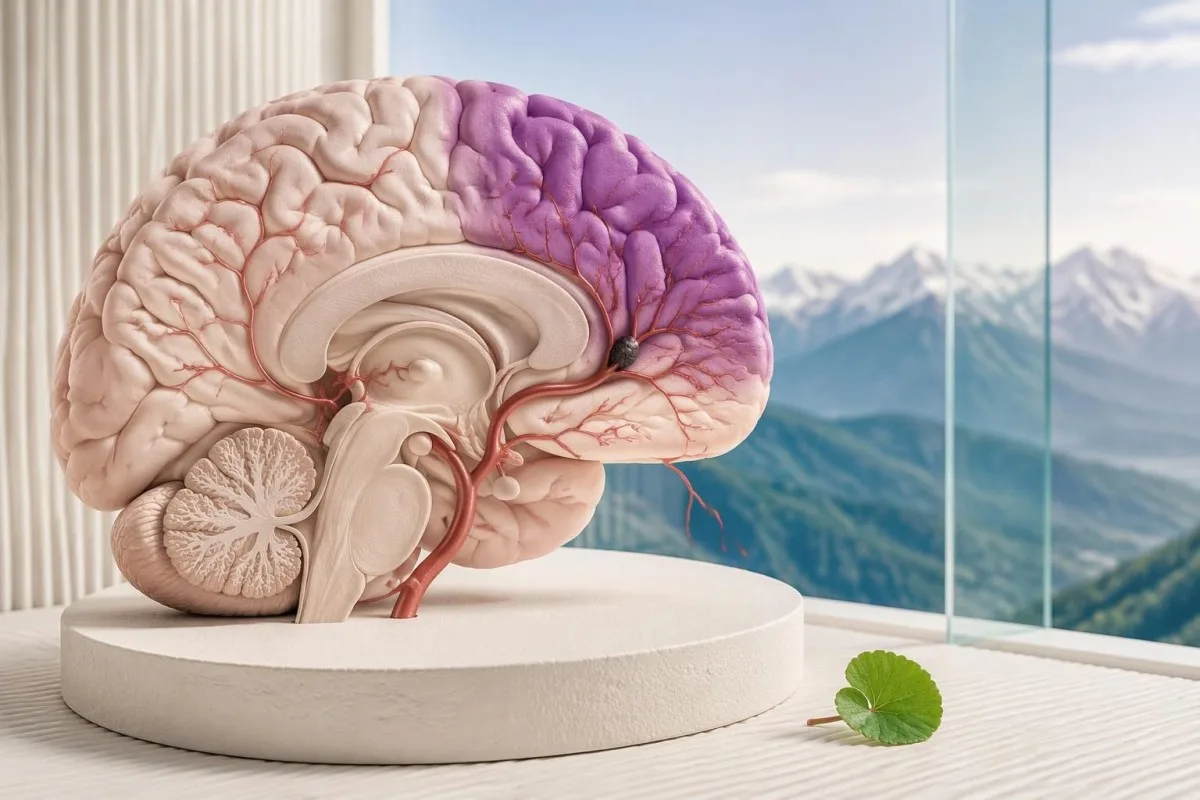
अचानक संतुलन खोना, दृष्टि में बदलाव, चेहरे का एक ओर झुक जाना, बाँह में कमजोरी या बोलने में कठिनाई स्ट्रोक का संकेत हो सकते हैं। अपने स्थानीय आपातकालीन नंबर पर तुरंत कॉल करें—भले ही लक्षण गायब हो जाएँ या नियमित रक्त जाँच सामान्य हो; न तो सुधार और न ही सामान्य प्रयोगशाला परिणाम प्रतीक्षा को सुरक्षित बनाते हैं।.

मुख्य निष्कर्ष
- BE-FAST का अर्थ है Balance (संतुलन), Eyes (आँखें), Face (चेहरा), Arms (बाँहें), Speech (बोलना) और Time (समय); अचानक दिखाई देने वाला एक चेतावनी संकेत भी आपातकालीन कॉल करने का पर्याप्त कारण हो सकता है।.
- आपातकालीन नंबर में यूके में 999 या 112 और अमेरिका में 911 शामिल हैं; अन्य जगहों पर अपनी स्थानीय आपातकालीन सेवा का उपयोग करें।.
- गायब हो जाने वाले लक्षण क्षणिक इस्कीमिक अटैक, या TIA, हो सकते हैं और इनके लिए भी तत्काल आकलन ज़रूरी है।.
- सामान्य रक्त जाँच इस्कीमिक स्ट्रोक या रक्तस्राव के कारण हुए स्ट्रोक—दोनों में से किसी की भी संभावना को खारिज नहीं कर सकते।.
- अंतिम बार सामान्य देखे जाने का समय का अर्थ है वह आखिरी समय जब व्यक्ति का न्यूरोलॉजिकल स्तर निश्चित रूप से उसका सामान्य स्तर था—यह वह समय नहीं है जब किसी ने लक्षणों का पता लगाया।.
- उपचार की समय-सीमाएँ में आमतौर पर पात्र रोगियों के लिए 4.5 घंटे के भीतर अंतःशिरा थ्रोम्बोलिसिस शामिल है; चयनित रोगियों को 24 घंटे तक थ्रोम्बेक्टॉमी दी जा सकती है।.
- महिलाओं में चेतावनी के संकेत में पुरुषों जैसे ही BE-FAST लक्षण शामिल हैं; गर्भावस्था या प्रसवोत्तर स्थिति नैदानिक संदर्भ को बदलती है, आपातकालीन कार्रवाई की आवश्यकता को नहीं।.
- इंतज़ार न करें प्रयोगशाला रिपोर्ट, AI व्याख्या, दूसरा प्रकरण, या मदद के लिए फोन करने से पहले सुधार होने की प्रतीक्षा न करें।.
स्ट्रोक के किन लक्षणों पर आपातकालीन कॉल करनी चाहिए?
स्ट्रोक के अचानक लक्षणों के लिए तुरंत आपातकालीन सेवा को फोन करना आवश्यक है: संतुलन में नई कमी, दृष्टि खोना या दोहरी दृष्टि, चेहरा लटकना, बांह में कमजोरी, या बोलने में कठिनाई। BE-FAST का उपयोग करें, लेकिन सभी 6 संकेतों के दिखने की प्रतीक्षा न करें; गायब हो जाने वाले लक्षण और सामान्य नियमित रक्त-जाँच स्ट्रोक की संभावना को खारिज नहीं करते।.
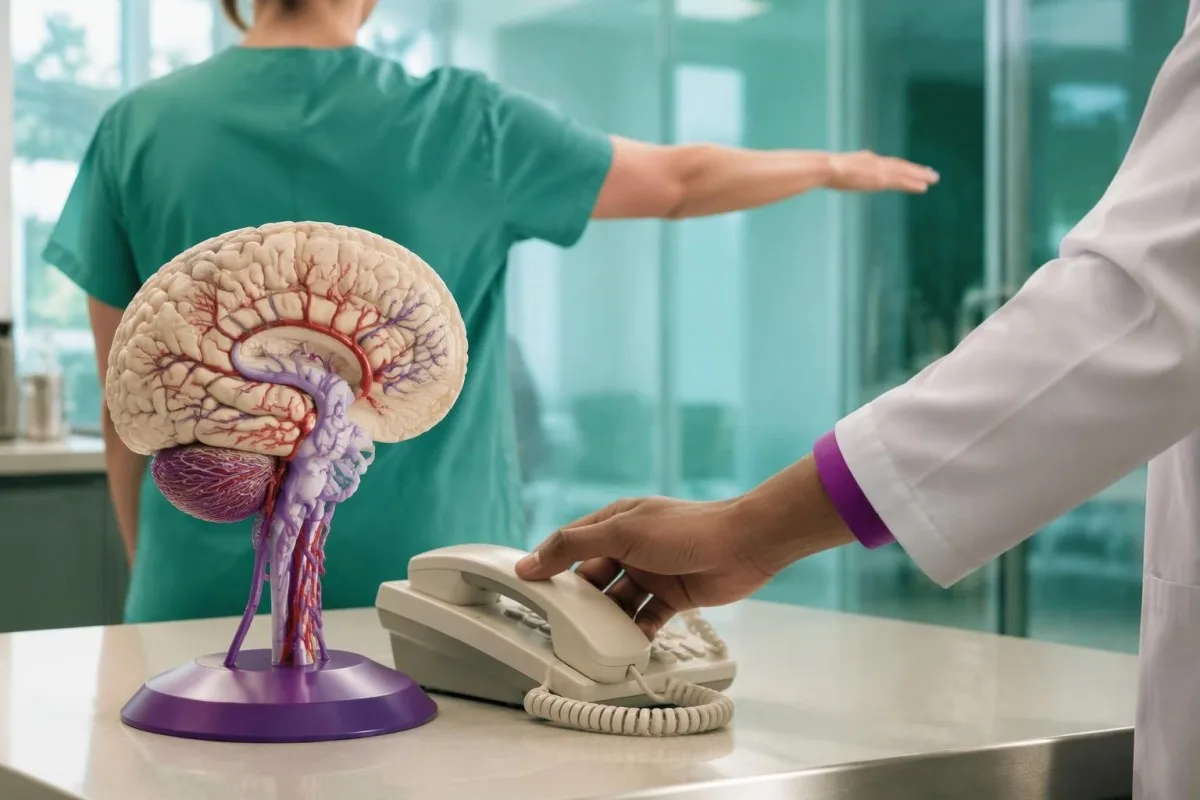
स्ट्रोक तब होता है जब मस्तिष्क की कोई धमनी अवरुद्ध हो जाती है या मस्तिष्क की कोई रक्तवाहिका फट जाती है; इन 2 तंत्रों के लिए अलग-अलग उपचार आवश्यक हैं। घर पर लक्षणों से इनके बीच भरोसेमंद ढंग से अंतर नहीं किया जा सकता, इसलिए पेशेवर मूल्यांकन से पहले एस्पिरिन लेना या खुद रक्तचाप कम करने की कोशिश करना असुरक्षित हो सकता है।.
व्यावहारिक संकेत यह है कि व्यक्ति के सामान्य कामकाज में अचानक बदलाव आया है या नहीं, न कि यह कि वह गंभीर रूप से बीमार दिखता है या नहीं। किसी व्यक्ति को होश में रहते, कमरे में चलते हुए, या केवल 1 हाथ में कमजोरी बताते हुए भी ऐसा स्ट्रोक हो सकता है जो उसे अक्षम कर दे; दर्द होना या बेहोश होना आवश्यक नहीं है।.
उदाहरण के लिए, सोचें कि कोई व्यक्ति 10:12 पर सामान्य रूप से बात कर रहा है और नाश्ता करते समय 10:14 पर उसकी बोली अस्पष्ट हो जाती है। तुरंत फोन करें और दोनों समय बताएं; चेहरे की समरूपता जाँचने, लक्षण ऑनलाइन खोजने या नियमित रक्त-जाँच की व्यवस्था करने में और 10 मिनट न लगाएँ।.
Kantesti प्रयोगशाला रिपोर्ट समझने के लिए AI रक्त-जाँच विश्लेषक है, आपातकालीन स्ट्रोक निदान सेवा नहीं। हमारा संगठन और नैदानिक दायरा इस सीमा को ध्यान में रखकर समझा जाना चाहिए: लगभग 60 सेकंड में दी गई व्याख्या भी आपातकालीन सेवा को फोन करने में कभी देरी न करे।.
BE-FAST के छह स्ट्रोक संकेतों का क्या अर्थ है?
BE-FAST स्ट्रोक के संकेत में संतुलन, आँखें, चेहरा, बाँहें, बोलना और आपातकालीन सेवाओं को फोन करने का समय शामिल हैं। यह 6-भाग वाला स्मरण-सूत्र, FAST में अचानक संतुलन बिगड़ने और दृष्टि में बदलाव को जोड़ता है, जिससे लोगों को ऐसे स्ट्रोक पहचानने में मदद मिलती है जो चेहरे के स्पष्ट रूप से लटकने या बांह में कमजोरी के बिना शुरू होते हैं।.
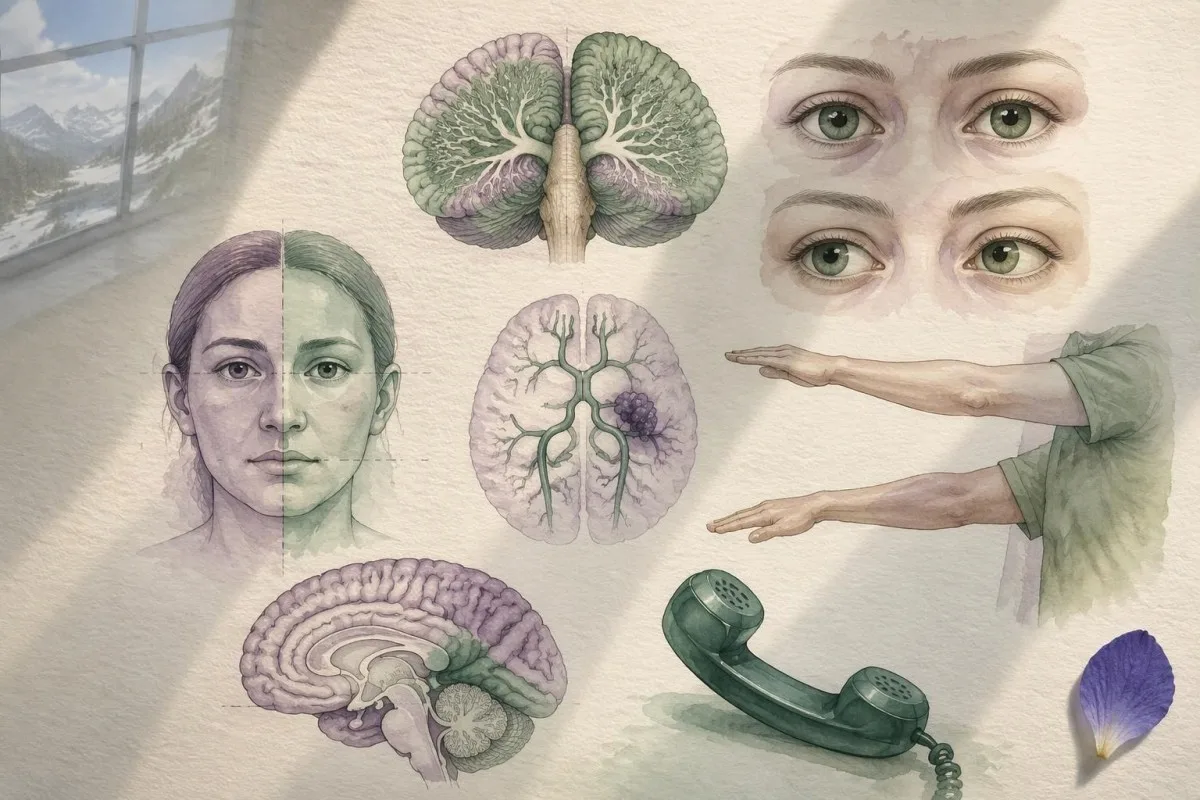
संतुलन का अर्थ है अचानक अस्थिरता, तालमेल खोना, या खड़े होने या चलने में कठिनाई; आँखों का अर्थ है अचानक दृष्टि खोना, दोहरी दृष्टि, या दृष्टि-क्षेत्र का कोई हिस्सा न दिखना। इनमें से कोई भी लक्षण अन्य 3 शारीरिक FAST संकेतों के बिना हो सकता है, इसलिए सामान्य मुस्कान का मतलब यह नहीं कि इन लक्षणों को नज़रअंदाज़ करना सुरक्षित है।.
चेहरे का अर्थ है मुस्कान का नया असमान होना या चेहरा लटकना; बाँहों का अर्थ है नई कमजोरी, बांह का नीचे की ओर खिसकना, या सुन्नपन, खासकर शरीर के 1 तरफ। बोलने में अस्पष्ट उच्चारण, गलत शब्द बोलना, सरल वाक्य समझने में असमर्थता, या शब्द बोल न पाना शामिल है—सिर्फ अपरिचित लहजा या धीमी आवाज़ में बोलना नहीं।.
समय का मतलब है अभी फोन करें, पहले पूरी जाँच-सूची खत्म न करें। 736 इस्केमिक स्ट्रोक के एक पूर्वव्यापी अध्ययन में FAST से 14.1% मामले छूट गए; संतुलन और दृष्टि संबंधी लक्षण जोड़ने पर छूटे मामलों का अनुपात 4.4% रह गया (Aroor et al., 2017), लेकिन एक ही केंद्र के ये नतीजे घर पर की जाने वाली जाँच की सार्वभौमिक सटीकता स्थापित नहीं करते।.
केवल हाथ में लक्षण होने पर भी समय और कार्यक्षमता पर ध्यान देना आवश्यक है। हमारी मार्गदर्शिका उँगलियों तक सीमित सुन्नपन के पैटर्न एक सामान्य परिधीय कारण समझाती है, लेकिन मूल्यांकन के बिना 1 हाथ की कुशलता में अचानक कमी को कार्पल टनल सिंड्रोम नहीं मान लेना चाहिए।.
अचानक चक्कर आना या असंतुलन कब स्ट्रोक का संकेत हो सकता है?
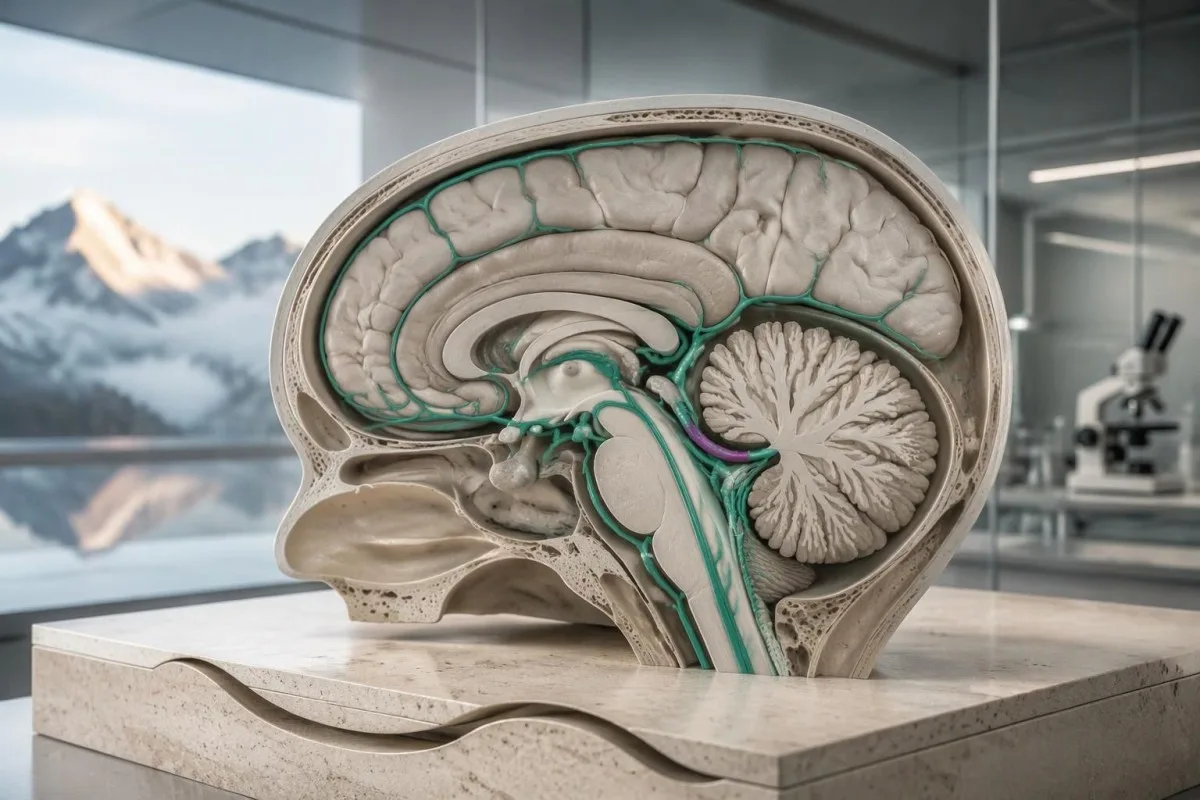
संतुलन का अचानक और गंभीर रूप से बिगड़ना पश्च परिसंचरण के स्ट्रोक का संकेत हो सकता है, खासकर जब इसके साथ दोहरी दृष्टि, बोलने में बदलाव, कमजोरी, या चलने में असमर्थता हो। इन स्ट्रोक में सेरिबेलम और ब्रेनस्टेम जैसी संरचनाएँ प्रभावित होती हैं, इसलिए शारीरिक FAST की सभी 3 जाँचें सामान्य दिख सकती हैं।.
Not every dizzy spell is a stroke; inner-ear disorders and faintness are common alternatives. The concerning combination is a new, persistent balance disturbance plus loss of a previously easy function—for example, being unable to take 2 unsupported steps or suddenly needing furniture to remain upright.
A positional trigger does not automatically prove an inner-ear cause, and nausea does not rule out stroke. If a person develops abrupt vertigo with 1 new neurological feature, such as double vision or slurred speech, call emergency services rather than testing repeated head movements at home.
The HINTS examination is a clinician-performed assessment used in a specific acute vestibular syndrome, not a 3-step self-test for every dizzy patient. Incorrect technique or use in the wrong setting can falsely reassure; an online demonstration cannot substitute for trained examination and appropriate imaging.
Orthostatic symptoms usually have a different pattern, often linked to standing and recurring over time. Our standing-related dizziness guide explains that distinction, but even someone with established POTS needs emergency assessment for 1 sudden, unfamiliar neurological deficit.
दृष्टि में अचानक होने वाले किन बदलावों को स्ट्रोक की चेतावनी माना जाता है?
Sudden vision loss, new double vision, or loss of one side of the visual field can be stroke symptoms. A problem affecting just 1 eye can also represent interrupted retinal circulation, which requires emergency assessment even when facial movement, arm strength, and speech seem normal.
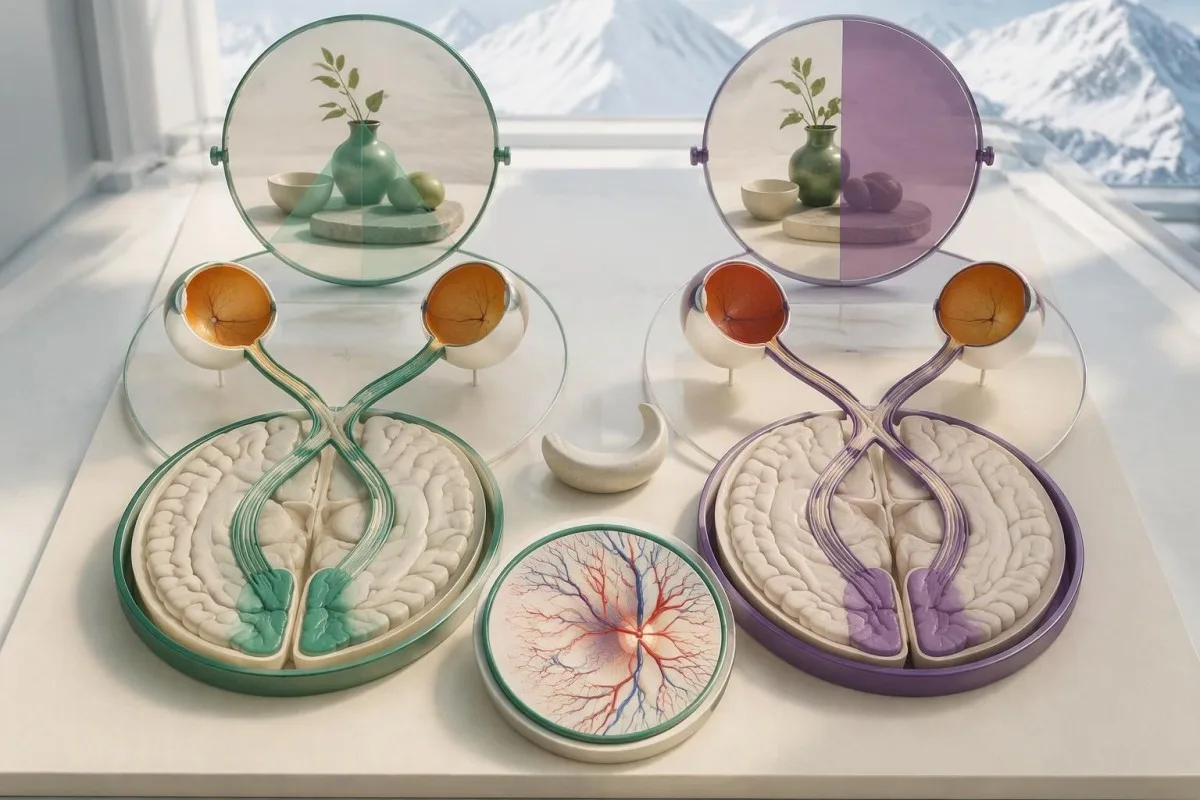
Visual-field loss is different from blurred vision: a person may miss everything to the left or right despite both eyes being open. For example, they might see only 1 half of a plate or repeatedly bump into objects on the same side, without realizing that vision—not attention—is the problem.
New double vision can reflect impaired eye alignment from brainstem dysfunction, especially when paired with imbalance or speech changes. Tell the dispatcher whether the symptom involves 1 eye, both eyes, or a missing side of the scene, but do not delay the call to perform a detailed eye examination.
A brief, painless blackout in 1 eye can be a retinal TIA rather than an ordinary eye complaint. The fact that sight returns after several minutes is not evidence that circulation is safe; the episode may require brain, vessel, and cardiac assessment in addition to an eye examination.
Routine eye screening answers a different question from sudden visual loss. Our explanation of pressure and visual-field testing describes longer-term assessment, but an abrupt change over seconds or minutes should not wait for an optician appointment scheduled 1 week later.
क्या स्ट्रोक के शुरुआती संकेत मुख्य घटना से पहले दिखाई देते हैं?
Early signs of stroke are often the stroke itself, not a predictable warning phase lasting days. Some people have a preceding TIA, but there is no reliable 24-hour symptom sequence; sudden loss of speech, strength, vision, or coordination deserves action at its first appearance.
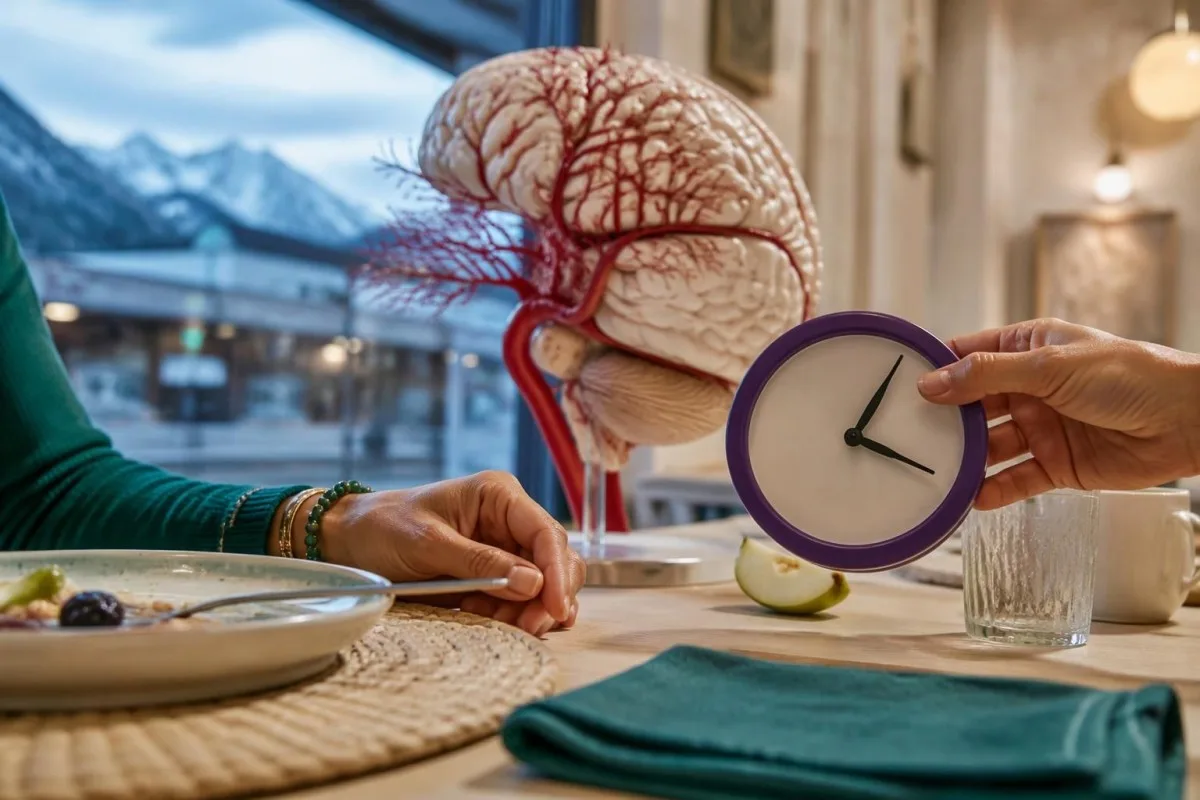
Last known well is the last time someone was definitely at their usual neurological baseline. If a person went to sleep normally at 22:30 and woke with weakness at 06:30, both times matter; reporting 06:30 as the definite onset would incorrectly shorten the possible duration.
Wake-up symptoms are still an emergency, even when several hours may have passed. Some patients with unknown onset can receive treatment selected by imaging, so assuming that the usual 4.5-hour intravenous treatment window has already closed may wrongly prevent access to useful care.
A sudden severe headache reaching maximum intensity within about 1 minute is a thunderclap headache and warrants emergency assessment, particularly with vomiting, neck stiffness, or neurological changes. Many ischemic strokes cause no headache, so its absence must not become a reason to wait.
The speed of change helps distinguish some neurological patterns, but it cannot establish a diagnosis alone. Our बढ़ती कमज़ोरी के चेतावनी संकेतों की जानकारी discuss a different emergency pattern; weakness evolving over 2 days and weakness appearing in seconds both need appropriate clinical evaluation.
क्या महिलाओं में स्ट्रोक के लक्षण अलग होते हैं?
Stroke symptoms in women usually include the same BE-FAST warning signs as in men. Some observational reports describe more accompanying confusion, headache, nausea, or generalized symptoms, but there is no separate reliable 6-sign checklist for women, and these nonspecific features cannot diagnose stroke alone.

A useful distinction is between a focal deficit and an accompanying symptom: inability to use 1 arm is more localizing than fatigue alone. If a woman has sudden nausea plus double vision and inability to walk, the neurological combination—not whether the symptoms sound stereotypically female—should drive the emergency call.
Pregnancy and the postpartum period change the possible causes of headache and neurological symptoms, including hypertensive complications and cerebral venous thrombosis. Tell emergency clinicians the pregnancy stage or delivery date; a new severe headache with 1 focal deficit should not be attributed to exhaustion or migraine without assessment.
Normal or previously reassuring pregnancy bloodwork cannot exclude a neurological emergency. Our explanation of HELLP आपातस्थिति में प्रयोगशाला पैटर्न का addresses one obstetric complication, but neither a normal platelet count nor normal liver enzymes excludes all causes of postpartum headache or stroke.
Consider a hypothetical woman 10 days after delivery who develops abrupt word-finding difficulty and a headache unlike her usual migraines. The safe action is an emergency call with the delivery date and last known well—not waiting for a repeat CBC, checking whether the headache improves, or asking an app to classify symptoms.
गायब हो जाने वाले लक्षण भी TIA का संकेत क्यों देते हैं?
Stroke-like symptoms that disappear may represent a TIA or a stroke with improving deficits, and both need urgent assessment. A modern TIA diagnosis concerns transient ischemia without acute infarction, not simply symptoms lasting under 24 hours; only professional evaluation can make that distinction.
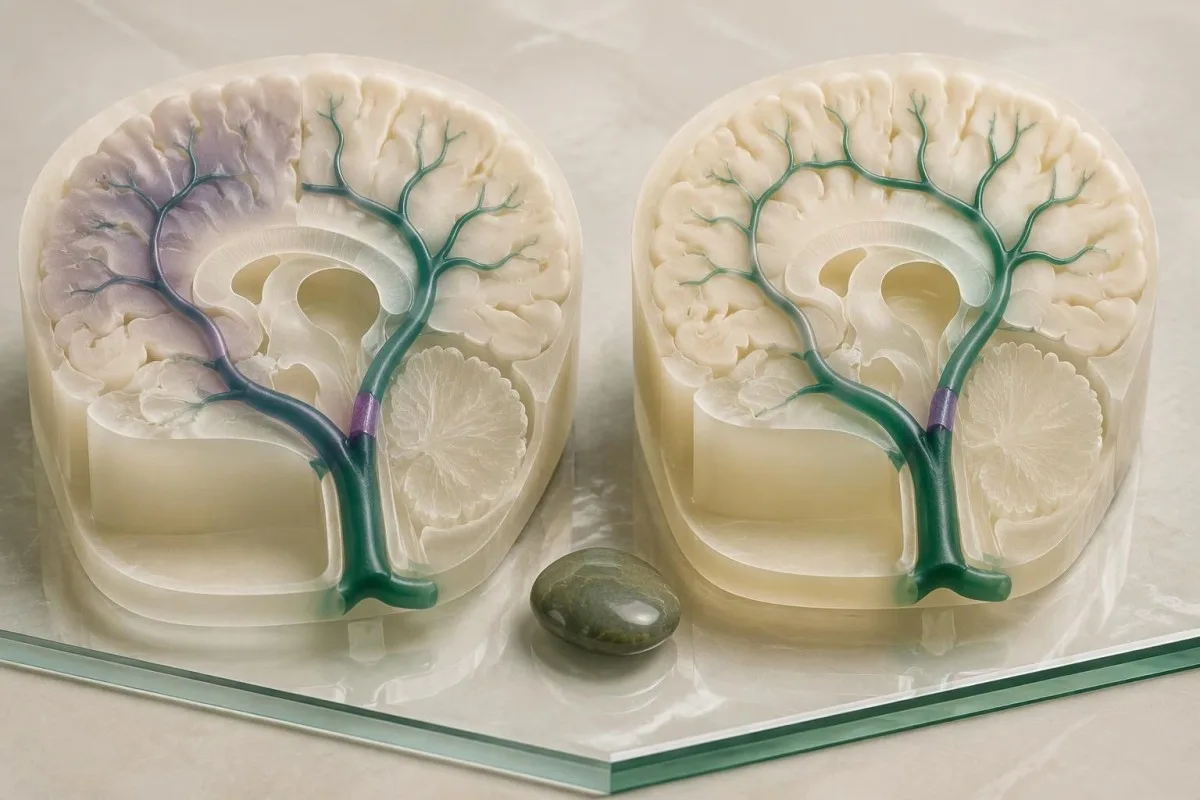
Amin et al. (2023), in an American Heart Association scientific statement, reported 90-day stroke-risk estimates after TIA as high as 17.8%, with almost half of those strokes occurring within 2 days. Those figures describe particular study populations, not an individual prediction; prompt assessment and prevention can change the risk.
If weakness resolves while an ambulance is coming, do not cancel because the person now feels normal. Record when symptoms started, when they stopped, which side was affected, and whether any episode recurred; even 1 brief focal event may identify an unstable arterial or cardiac source.
Risk scores such as ABCD2 cannot safely replace vessel imaging, cardiac assessment, and clinical judgment. A low score may overlook important causes, while a normal examination after 10 minutes of resolved symptoms documents recovery rather than proving that the original event was harmless.
At Kantesti, we separate long-term laboratory risk review from assessment of a new neurological event. Our family-history stroke testing guide is relevant after urgent care, but a preventive panel next week is not a substitute for assessment of 1 suspected TIA today.
क्या नियमित रक्त जाँच के सामान्य परिणाम स्ट्रोक की संभावना को खारिज कर सकते हैं?
Normal routine bloodwork cannot rule out stroke or TIA. A CBC, metabolic panel, lipid panel, or coagulation panel measures selected cellular, chemical, or clotting properties; none shows whether 1 brain artery is blocked, whether brain tissue is injured, or whether bleeding has occurred inside the skull.
An INR of 1.0 and a normal aPTT do not prove that no clot exists. These tests assess aspects of coagulation under laboratory conditions, not the presence of an arterial obstruction; our guide to सामान्य रक्तस्राव परीक्षण सीमाएं explains why reassuring values can coexist with clinically important clotting.
A normal cholesterol result answers a risk-factor question, not an emergency diagnostic question. For example, an LDL cholesterol of 85 mg/dL does not exclude an embolus from atrial fibrillation or an artery problem; our metabolic panel versus cholesterol guide also clarifies which tests a routine panel actually contains.
Kantesti is an AI blood test interpretation platform that explains reported laboratory findings without using normal values to exclude stroke. A hypothetical platelet count of 240 × 10⁹/L, glucose of 98 mg/dL, and creatinine of 0.9 mg/dL can all coexist with a new cerebral artery blockage.
A panel from 2 days ago has an additional limitation: it describes the time of collection, not current neurological function. Emergency teams may repeat selected tests for treatment safety, but a person should call for help based on sudden symptoms rather than wait for a new sample or compare old reference ranges.
आपातकालीन सहायता आने तक आपको क्या करना चाहिए?
Call emergency services, report suspected stroke, and note the last known well time. Use 999 or 112 in the UK, 911 in the US, or your local emergency number; do not drive yourself, and do not wait for laboratory results before requesting help.
Keep the person safely supported and follow the dispatcher’s positioning instructions rather than making them walk to prove they are better. Do not offer food, drink, or tablets because stroke can impair swallowing; if consciousness or breathing changes, tell the dispatcher immediately and follow their resuscitation guidance.
Do not start aspirin, take an extra anticoagulant dose, or use extra blood-pressure medication on your own. The 2 major stroke mechanisms need different approaches, and sudden blood-pressure reduction can be harmful in some situations; clinicians may give aspirin for suspected TIA under a local pathway, but that is not a universal home-treatment instruction.
Gather medication names and the time of the last anticoagulant dose, especially for warfarin, apixaban, rivaroxaban, dabigatran, or edoxaban. Our INR परिणाम का स्पष्टीकरण helps clarify warfarin monitoring, but a normal INR does not reliably establish the absence of a direct oral anticoagulant’s effect.
For example, if symptoms began at 14:05 and a prescribed anticoagulant was taken at 08:00, communicate both exact times. Unlocking the door and having the medication list ready can help responders; finding an old report, charging a phone for an upload, or arranging private transport must not postpone the call.
स्ट्रोक की आशंका का आकलन वास्तव में कौन-से आपातकालीन परीक्षण करते हैं?
Suspected stroke is assessed with neurological examination, urgent brain imaging, and selected supporting tests—not routine bloodwork alone. A rapid glucose check identifies a treatable mimic; CT commonly checks for intracranial bleeding, while CT angiography or MRI may answer additional questions about arteries and brain tissue.
An early noncontrast CT may look normal during an ischemic stroke, so a reassuring initial scan is not always the end of assessment. MRI with diffusion-weighted imaging can detect many early infarcts, but early false-negative studies occur, particularly in posterior circulation events; persistent symptoms still need clinical reconciliation.
Low glucose can cause confusion, weakness, or speech difficulty, sometimes resembling a stroke. A glucose below 70 mg/dL, or 3.9 mmol/L, is hypoglycemia; below 54 mg/dL, or 3.0 mmol/L, is clinically significant hypoglycemia, and our low-glucose causes guide explains common medication and illness-related causes.
A severe metabolic disturbance can also complicate examination, but finding one does not automatically exclude simultaneous stroke. Our glucose-adjusted sodium explanation describes why marked hyperglycemia changes sodium interpretation; neither calculation should delay emergency assessment of 1 new focal deficit.
Kantesti AI can explain laboratory terminology after collection, but it cannot perform a neurological examination or interpret an evolving emergency as a safe exclusion of stroke. Powers et al. (2019) state that only glucose must precede intravenous thrombolysis in all patients; additional laboratory results may be needed when specific medication, bleeding, or coagulation concerns exist.
नियमित जाँच के परिणामों की प्रतीक्षा में उपचार क्यों नहीं टालना चाहिए?
Stroke treatment is time-sensitive because threatened brain tissue may become permanently injured while testing is delayed. Established treatment pathways include intravenous thrombolysis within 4.5 hours for eligible patients and thrombectomy up to 24 hours in selected patients; those limits are eligibility windows, not safe periods for waiting.
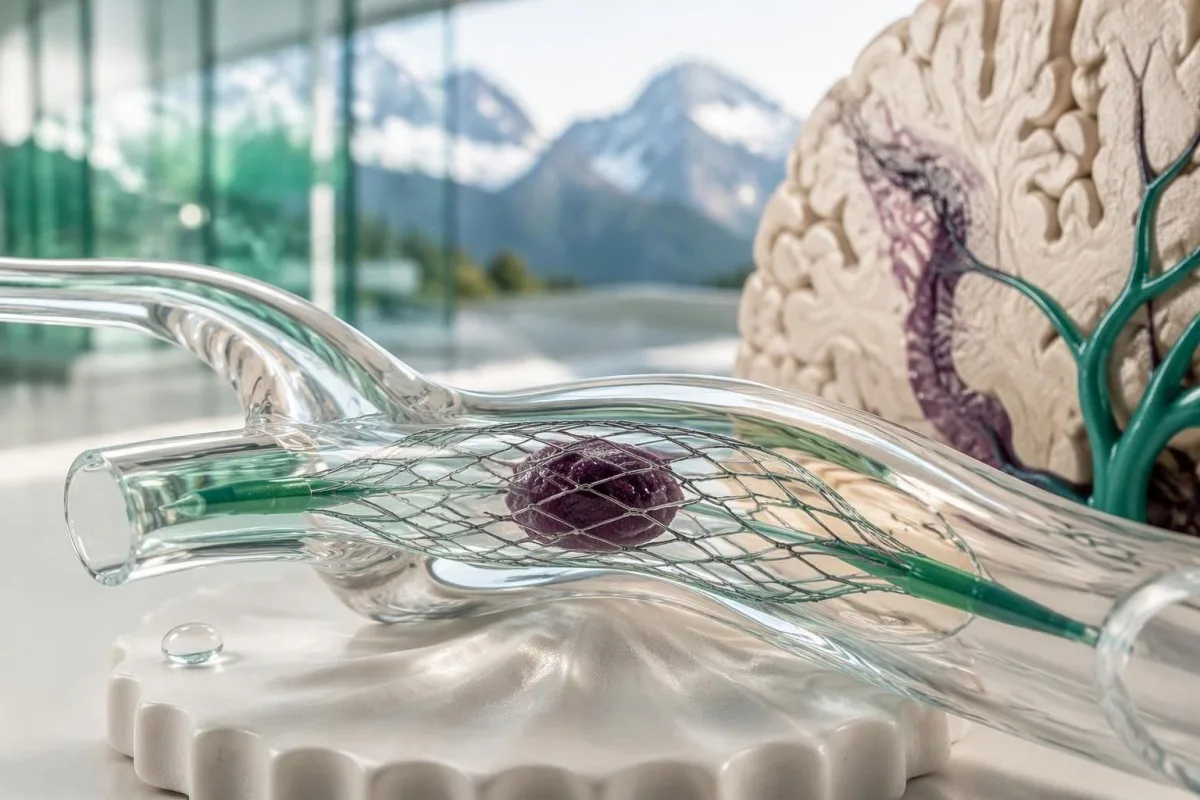
Thrombolysis uses medication to dissolve an eligible clot; thrombectomy uses a catheter-based device to remove selected artery blockages. The 2019 AHA/ASA guideline describes imaging-selected thrombectomy between 6 and 24 hours for certain patients (Powers et al., 2019), but anatomy, imaging findings, baseline function, and specialist judgment determine eligibility.
Blood pressure and medication exposure affect treatment safety without becoming reasons to stay home. An established pre-thrombolysis blood-pressure threshold is below 185/110 mmHg, and hospital teams can manage elevated readings; patients should not attempt to meet that threshold using extra tablets before transport.
Coagulation results matter when a specific safety concern is present, but they do not diagnose the blockage itself. A platelet count below 100 × 10⁹/L or warfarin-associated INR above 1.7 can affect standard intravenous thrombolysis eligibility; our clotting assay interpretation guide explains why different assays answer different questions.
Imagine someone first assessed 3 hours after definite symptom onset who waits another 90 minutes for a nonessential routine panel before reaching a stroke team. That delay may consume a conventional treatment window, although eligibility is never decided by time alone; the safer sequence is emergency assessment first, with necessary tests performed in parallel.
क्या माइग्रेन, दौरे या मस्तिष्क के बायोमार्कर स्ट्रोक में अंतर बता सकते हैं?
Migraine, seizures, low glucose, and some vestibular disorders can mimic stroke, but they cannot be reliably distinguished at home. No routine report containing 1 neurological biomarker establishes that a sudden deficit is harmless; examination, symptom timing, and appropriate imaging remain central to assessment.
Migraine aura often spreads gradually across several minutes, whereas stroke often causes an abrupt loss of function, but the patterns overlap. A first aura, an unfamiliar aura, or a sudden negative symptom such as losing 1 side of vision should not be self-diagnosed as migraine just because headache is present.
A seizure can be followed by temporary weakness, sometimes called Todd paralysis, and a stroke can itself trigger a seizure. Reporting witnessed shaking or a 1-minute episode of unresponsiveness helps clinicians, but it does not make subsequent weakness safe to observe without urgent assessment.
Neurofilament light chain reflects neuronal injury in multiple conditions rather than functioning as a rapid stroke exclusion test. Our NfL result interpretation guide explains this nonspecificity; a single result, whether high or low, cannot replace assessment of 1 newly impaired neurological function.
Some GFAP-based testing pathways address selected traumatic brain injuries, not universal stroke screening. Our GFAP and head-injury guide discusses that separate use; even where research examines stroke biomarkers, assay timing, thresholds, and performance vary, so 1 normal value must not reassure a symptomatic person.
आपातकालीन आकलन के बाद रक्त जाँच कैसे मदद कर सकती हैं?
Blood tests help identify and monitor some stroke risk factors after urgent diagnosis, including diabetes and atherogenic cholesterol patterns. They do not replace blood-pressure measurement, cardiac rhythm assessment, or vascular imaging, and 1 reassuring panel does not guarantee that a person will not have another event.
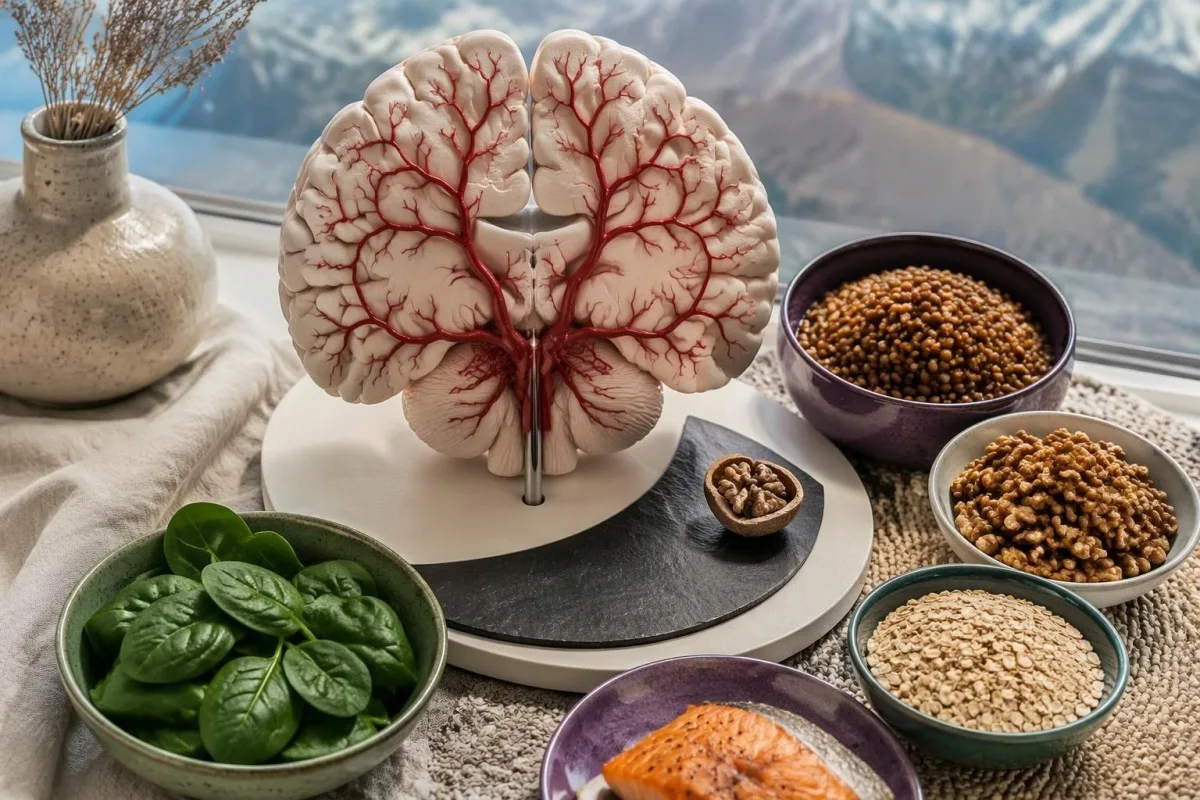
A hypothetical follow-up panel with LDL cholesterol of 142 mg/dL and HbA1c of 7.2% identifies modifiable concerns, not the exact cause of the event. Our ApoB treatment-decision guide explains particle-related risk assessment; treatment targets depend on the diagnosed stroke mechanism, comorbidities, and the clinician’s prevention plan.
Hypertension needs direct measurement because a chemistry panel does not measure arterial pressure. Our secondary hypertension testing guide explains selected laboratory investigations, but 2 normal electrolyte results do not exclude common primary hypertension or replace repeated blood-pressure readings.
Atrial fibrillation may require ECG monitoring because 1 short recording can miss intermittent episodes. Similarly, broad inherited thrombophilia testing is not automatically useful after every arterial stroke; the history, age, imaging pattern, and suspected mechanism determine which additional investigations could change treatment.
Kantesti can support clinician-directed comparison of follow-up laboratory reports, but medication changes belong within the prescribed care plan. Whole-food eating patterns, smoking cessation, activity adapted to recovery, and consistent medication use address longer-term risk; none can reverse a new sudden deficit or justify waiting 1 more day for emergency assessment.
शोध प्रकाशन, साक्ष्य और प्रयोगशाला परिणामों की व्याख्या की सीमाएँ
The stroke evidence cited here supports emergency recognition and assessment; our 2 listed repository publications address general laboratory interpretation, not stroke diagnosis. Readers can review our validation methods and limits without treating technical evaluation as proof that an AI tool can exclude an acute neurological emergency.
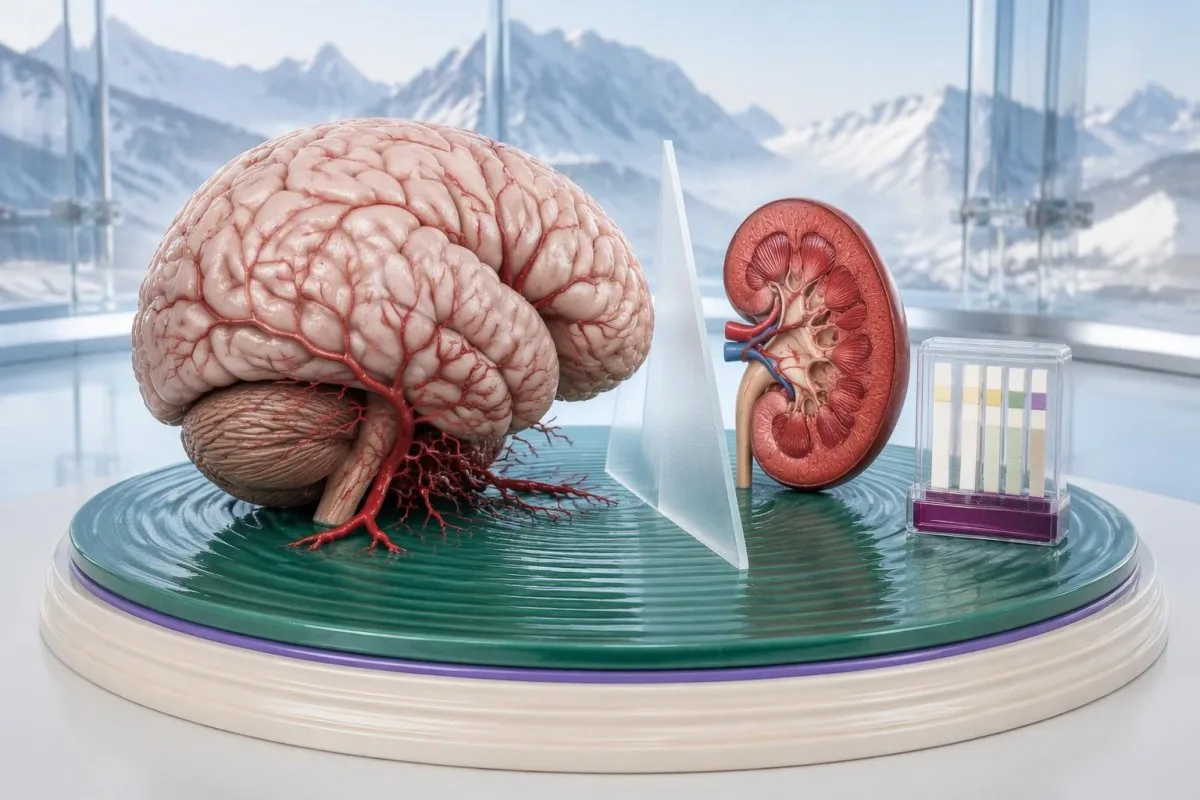
Our listed kidney-function interpretation guide explains BUN and creatinine in their own clinical context. Its Zenodo DOI identifies a repository publication; a creatinine of 0.9 mg/dL, for example, describes a laboratory finding and cannot establish that cerebral circulation is intact.
सहायक urinalysis interpretation publication addresses urine findings rather than acute brain assessment. These 2 repository references are included for transparency about related educational material, not as external stroke guidelines, peer-reviewed stroke trials, or evidence that urine testing can distinguish TIA from stroke.
Kantesti is an AI-powered blood test analysis tool whose educational role must remain separate from emergency triage and definitive diagnosis. Our चिकित्सा सामग्री मानक explain the editorial framework; the 3 external medical references below address BE-FAST, suspected TIA, and established acute ischemic stroke management.
Clinical follow-up may involve sharing reports with a treating team, but that should happen after emergency needs are addressed. Our गोपनीयता और डेटा संबंधी कार्यप्रणालियाँ describe report handling; permission to review 1 family member’s laboratory report does not authorize access to another’s, and no upload should postpone an emergency call.
अक्सर पूछे जाने वाले प्रश्न
स्ट्रोक के शुरुआती चेतावनी संकेत क्या हैं?
स्ट्रोक के पहले चेतावनी संकेत अक्सर अचानक संतुलन खोना, दृष्टि में बदलाव, चेहरे का लटकना, बांह में कमजोरी या बोलने में कठिनाई होते हैं। BE-FAST इन्हें 6 संकेतों में व्यवस्थित करता है, जिनमें आपातकालीन सेवाओं को कॉल करने का समय भी शामिल है। स्ट्रोक होने के लिए किसी व्यक्ति में हर संकेत का होना, सिरदर्द होना या बेहोशी होना आवश्यक नहीं है। अचानक उत्पन्न हुए किसी नए तंत्रिका संबंधी विकार के लिए तुरंत कॉल करें और आखिरी बार ठीक देखे जाने का समय बताएं।.
क्या स्ट्रोक के लक्षण कुछ मिनटों के बाद ठीक हो सकते हैं?
TIA या सुधारते हुए स्ट्रोक के कारण स्ट्रोक के लक्षण कुछ मिनटों बाद गायब हो सकते हैं, लेकिन उनका गायब होना सुरक्षित होने का प्रमाण नहीं है। अमेरिकन हार्ट एसोसिएशन के 2023 के TIA वक्तव्य में कुछ आबादियों में 90 दिनों के भीतर स्ट्रोक का जोखिम 17.8% तक बताया गया है, जिनमें से लगभग आधे 2 दिनों के भीतर होते हैं। ये अनुमान किसी व्यक्ति के लिए भविष्यवाणी नहीं हैं, और शीघ्र उपचार से जोखिम कम हो सकता है। बोलने, ताकत या दृष्टि के सामान्य होने पर भी तुरंत चिकित्सकीय जाँच करवाएँ।.
क्या सामान्य रक्त परीक्षण स्ट्रोक की संभावना को खारिज कर सकते हैं?
सामान्य नियमित रक्त जाँच से स्ट्रोक की संभावना को खारिज नहीं किया जा सकता, क्योंकि ये मस्तिष्क की धमनियों, मस्तिष्क के भीतर रक्तस्राव या क्षतिग्रस्त मस्तिष्क ऊतक को सीधे नहीं दिखातीं। 240 × 10⁹/L प्लेटलेट काउंट या 1.0 का INR होने पर भी इस्कीमिक स्ट्रोक हो सकता है। आपातकालीन आकलन में तंत्रिका-विज्ञान संबंधी परीक्षण, मस्तिष्क की इमेजिंग और कुछ चुनिंदा सहायक जाँचों पर भरोसा किया जाता है। मदद के लिए फोन करने से पहले प्रयोगशाला रिपोर्ट या AI की व्याख्या का इंतज़ार न करें।.
क्या अचानक चक्कर आना स्ट्रोक का संकेत है?
अचानक चक्कर आना स्ट्रोक का एक लक्षण हो सकता है, खासकर जब इसके साथ संतुलन में गंभीर गड़बड़ी, दोहरा दिखाई देना, बोलने में बदलाव या नई कमजोरी हो। पश्च परिसंचरण के स्ट्रोक में FAST की 3 शारीरिक जाँचें—चेहरा, बाँहें और बोली—ऊपरी तौर पर सामान्य दिख सकती हैं। चक्कर आने की कई घटनाओं के कारण स्ट्रोक से अलग होते हैं, लेकिन सामान्य रूप से चल न पाना या कोई नया स्थानीय तंत्रिका संबंधी विकार होने पर तत्काल आकलन आवश्यक है। HINTS प्रशिक्षित चिकित्सक द्वारा की जाने वाली जाँच है, घर पर की जाने वाली विश्वसनीय स्क्रीनिंग जाँच नहीं।.
क्या महिलाओं में स्ट्रोक के लक्षण अलग होते हैं?
0 महिलाएं आम तौर पर पुरुषों जैसे ही BE-FAST स्ट्रोक के चेतावनी संकेत अनुभव करती हैं, हालांकि उनके साथ सिरदर्द, मतली या भ्रम हो सकता है। महिलाओं के लिए स्ट्रोक के संकेतों की कोई अलग, विश्वसनीय 6-संकेत वाली जांच-सूची नहीं है। गर्भावस्था या प्रसवोत्तर स्थिति से संभावित कारणों की संख्या बढ़ जाती है और इसकी जानकारी आपातकालीन चिकित्सकों को दी जानी चाहिए, खासकर नए, गंभीर सिरदर्द या किसी एक हिस्से में कमजोरी जैसे लक्षण के साथ। अचानक होने वाले तंत्रिका संबंधी बदलावों को जांच के बिना तनाव, माइग्रेन या थकावट के कारण नहीं मानना चाहिए।.
0 क्या मुझे स्ट्रोक होने का संदेह हो तो एस्पिरिन लेनी चाहिए?
0. संदिग्ध स्ट्रोक के लिए स्वयं एस्पिरिन लेना शुरू न करें, जब तक कोई आपातकालीन चिकित्सा पेशेवर विशेष रूप से आपको इसे लेने का निर्देश न दे। स्ट्रोक के दो प्रमुख तंत्र—धमनी में रुकावट और अंतःकपालीय रक्तस्राव—के लिए अलग-अलग उपचार की आवश्यकता होती है, और रक्तस्राव मौजूद होने पर एस्पिरिन हानिकारक हो सकती है। स्थानीय नैदानिक प्रोटोकॉल के तहत चिकित्सक संदिग्ध TIA के लिए तुरंत एस्पिरिन लिख सकते हैं, लेकिन यह घर पर अपनाने का सार्वभौमिक निर्देश नहीं है। पहले आपातकालीन सेवाओं को कॉल करें और जब तक निगलने की सुरक्षा तथा उपचार संबंधी निर्देश स्पष्ट न हो जाएँ, तब तक भोजन, पेय या गोलियाँ न लें।.
स्ट्रोक का इलाज कराने के लिए आपके पास कितना समय होता है?
पात्र रोगियों को आमतौर पर लक्षण शुरू होने का समय ज्ञात होने पर 4.5 घंटे के भीतर अंतःशिरा थ्रोम्बोलिसिस दिया जाता है, जबकि चुनिंदा रोगियों को इमेजिंग और अन्य मानदंडों के आधार पर 24 घंटे तक थ्रोम्बेक्टॉमी दी जा सकती है। अज्ञात समय पर लक्षण शुरू होने वाले या नींद से जागने पर स्ट्रोक के लक्षण दिखने वाले कुछ रोगी भी इमेजिंग के आधार पर चुने गए उपचार के लिए पात्र हो सकते हैं। ये समय-सीमाएँ सुरक्षित रूप से प्रतीक्षा करने की अवधि नहीं हैं, और पहले आकलन कराने से आम तौर पर उपचार के अधिक विकल्प उपलब्ध रहते हैं। लक्षण शुरू होने का समय अनिश्चित हो या कई घंटे बीत चुके हों, तब भी तुरंत कॉल करें।.
अपनी रक्त जांच रिपोर्ट समझें
अपनी लैब रिपोर्ट अपलोड करें और Kantesti का AI कुछ ही सेकंड में प्रत्येक बायोमार्कर को सरल भाषा में समझाएगा। दुनिया भर में 2 मिलियन से अधिक लोगों द्वारा इस्तेमाल किया जाता है।.
संदर्भ
- क्लाइन, टी., मिशेल, एस., & वेबर, एच. (2026)।. BUN/क्रिएटिनिन अनुपात समझाया गया: किडनी फ़ंक्शन टेस्ट गाइड।. Kantesti AI चिकित्सा अनुसंधान।. डीओआई
- क्लाइन, टी., मिशेल, एस., & वेबर, एच. (2026)।. मूत्र में यूरोबिलिनोजेन परीक्षण: पूर्ण मूत्र विश्लेषण गाइड 2026।. Kantesti AI चिकित्सा अनुसंधान।. डीओआई
- Aroor S et al. (2017). BE-FAST (Balance, Eyes, Face, Arm, Speech, Time): Reducing the Proportion of Strokes Missed Using the FAST Mnemonic. Stroke. डीओआई
- Amin HP et al. (2023). Diagnosis, Workup, Risk Reduction of Transient Ischemic Attack in the Emergency Department Setting: A Scientific Statement From the American Heart Association. Stroke. डीओआई
- Powers WJ et al. (2019). Guidelines for the Early Management of Patients With Acute Ischemic Stroke: 2019 Update to the 2018 Guidelines for the Early Management of Acute Ischemic Stroke: A Guideline for Healthcare Professionals From the American Heart Association/American Stroke Association. Stroke. डीओआई
- 2एम+विश्लेषित परीक्षण
- 127+देशों
- 100+बोली
चिकित्सा दल के बारे में


E-E-A-T भरोसा संकेत
अनुभव
चिकित्सक-नेतृत्व वाली लैब व्याख्या वर्कफ़्लो की क्लिनिकल समीक्षा।.
विशेषज्ञता
लैबोरेटरी मेडिसिन का फोकस इस पर कि बायोमार्कर क्लिनिकल संदर्भ में कैसे व्यवहार करते हैं।.
अधिकारिता
डॉ. Thomas Klein द्वारा चिकित्सकीय समीक्षा, जिसमें डॉ. Sarah Mitchell और प्रो. डॉ. Hans Weber का योगदान शामिल है।.
विश्वसनीयता
साक्ष्य-आधारित व्याख्या, जिसमें अलार्म कम करने के लिए स्पष्ट फॉलो-अप मार्ग शामिल हैं।.



चिकित्सकीय अस्वीकरण
यह लेख केवल शैक्षिक उद्देश्यों के लिए है और चिकित्सा सलाह का गठन नहीं करता। निदान और उपचार संबंधी निर्णयों के लिए हमेशा किसी योग्य स्वास्थ्य सेवा प्रदाता से परामर्श करें।.
प्रकाशित · संपादकीय दल से संपर्क करें
Kantesti Ltd द्वारा प्रकाशित, इंग्लैंड और वेल्स में पंजीकृत, कंपनी संख्या. 17090423, लंदन, यूनाइटेड किंगडम।.
