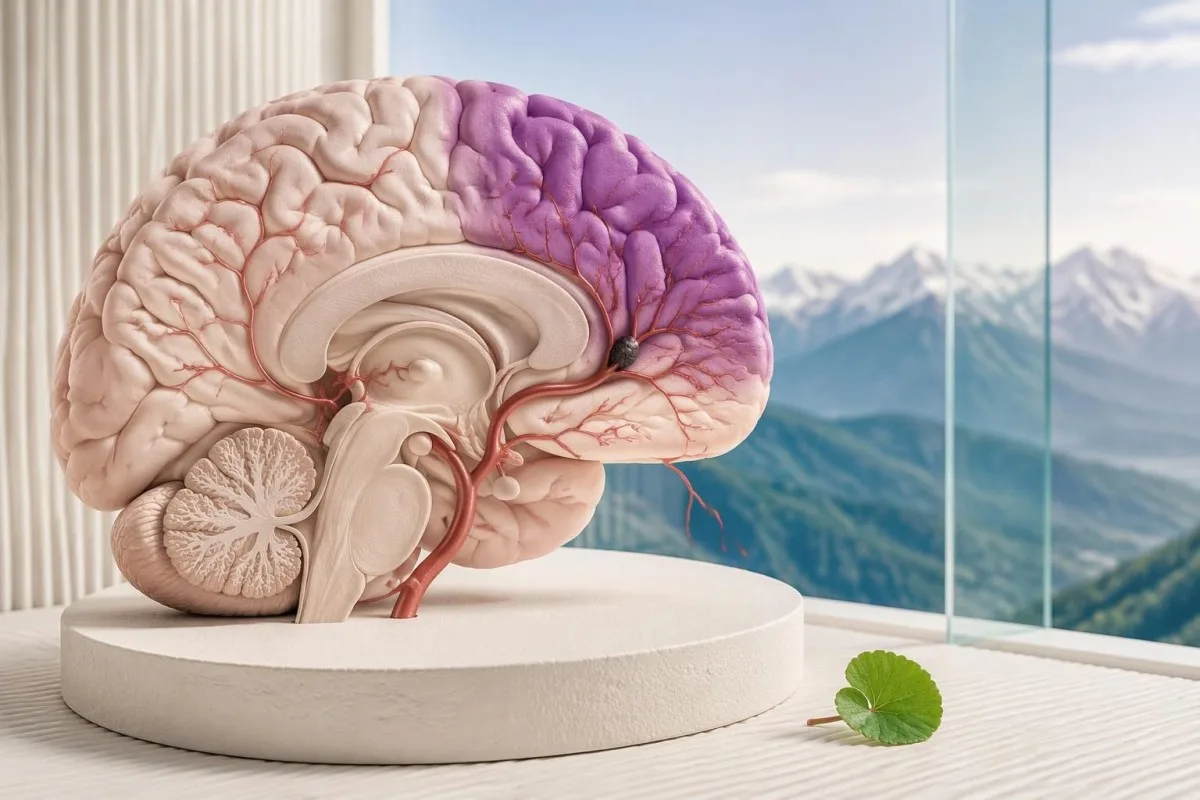
Հավասարակշռության հանկարծակի կորուստը, տեսողության փոփոխությունները, դեմքի կախվածությունը, ձեռքի թուլությունը կամ խոսքի դժվարությունը կարող են կաթվածի նշան լինել։ Անմիջապես զանգահարեք ձեր տեղական շտապ օգնության համարով—even եթե ախտանիշներն անհետանան կամ արյան սովորական հետազոտությունների արդյունքները նորմալ լինեն․ ո՛չ լավացումը, ո՛չ էլ նորմալ լաբորատոր արդյունքները սպասելն անվտանգ չեն դարձնում։.

Հիմնական եզրակացությունները
- BE-FAST նշանակում է Balance՝ հավասարակշռություն, Eyes՝ աչքեր, Face՝ դեմք, Arms՝ ձեռքեր, Speech՝ խոսք և Time՝ ժամանակ․ մեկ հանկարծակի նախազգուշացնող նշանն անգամ կարող է բավարար պատճառ լինել շտապ օգնություն կանչելու համար։.
- Շտապ օգնության համարներ ներառում են 999-ը կամ 112-ը Մեծ Բրիտանիայում և 911-ը՝ ԱՄՆ-ում․ այլ վայրերում զանգահարեք ձեր տեղական շտապ օգնության ծառայություն։.
- Անհետացող ախտանիշները կարող են վկայել անցողիկ իշեմիկ գրոհի՝ TIA-ի մասին և, միևնույն է, պահանջում են շտապ գնահատում։.
- Արյան նորմալ հետազոտություններ չեն կարող բացառել ո՛չ իշեմիկ կաթվածը, ո՛չ էլ արյունահոսությամբ պայմանավորված կաթվածը։.
- Վերջին անգամ նորմալ վիճակում գտնվելու ժամանակը նշանակում է վերջին պահը, երբ անձը հաստատ իր սովորական նյարդաբանական վիճակում էր, ոչ թե այն պահը, երբ ինչ-որ մեկը նկատեց ախտանիշները։.
- Բուժման ժամանակային պատուհանները սովորաբար ներառում են ներերակային թրոմբոլիզիս՝ 4.5 ժամվա ընթացքում, եթե պացիենտը համապատասխանում է չափանիշներին. ընտրված պացիենտներին կարող է կատարվել թրոմբէկտոմիա մինչև 24 ժամվա ընթացքում։.
- Կանանց մոտ նախազգուշացնող նշանները ներառում են նույն BE-FAST ախտանշանները, ինչ տղամարդկանց մոտ. հղիությունը կամ հետծննդյան շրջանը փոխում է կլինիկական համատեքստը, ոչ թե շտապ գործողությունների անհրաժեշտությունը։.
- Չսպասեք լաբորատոր հետազոտության պատասխանի, AI-ի մեկնաբանության, երկրորդ դրվագի կամ օգնության կանչելուց առաջ ախտանշանների բարելավման։.
Կաթվածի ո՞ր ախտանիշների դեպքում է պետք շտապ օգնություն կանչել։
Կաթվածի հանկարծակի ախտանշանների դեպքում անհապաղ զանգահարեք շտապ օգնություն. հավասարակշռության նոր առաջացած կորուստ, տեսողության կորուստ կամ երկտեսություն, դեմքի կախվածություն, ձեռքի թուլություն կամ խոսքի դժվարություն։ Օգտագործեք BE-FAST-ը, բայց մի սպասեք բոլոր 6 նշանների ի հայտ գալուն. անհետացող ախտանշաններն ու սովորական արյան քննության նորմալ արդյունքները չեն բացառում կաթվածը։.
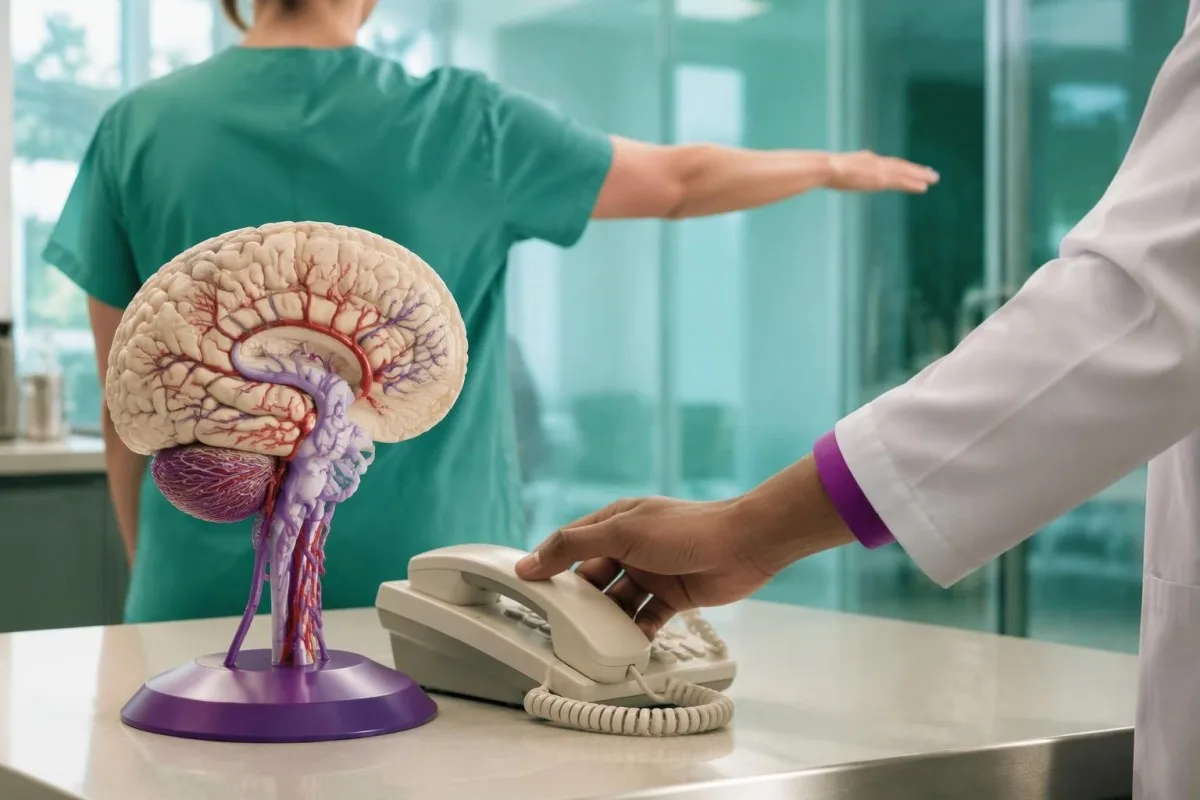
Կաթվածն առաջանում է, երբ գլխուղեղի զարկերակը խցանվում է կամ գլխուղեղի անոթը պատռվում է. այս 2 մեխանիզմները տարբեր բուժում են պահանջում։ Տանը ախտանշաններով հնարավոր չէ վստահորեն տարբերակել դրանք, ուստի մասնագիտական գնահատումից առաջ ասպիրին ընդունելը կամ ինքնուրույն արյան ճնշումն իջեցնելու փորձը կարող է վտանգավոր լինել։.
Գործնական հուշումը մարդու սովորական գործունակության հանկարծակի փոփոխությունն է, այլ ոչ թե այն, թե նա լուրջ հիվանդ տեսք ունի՞։ Մարդը կարող է մնալ արթուն, քայլել սենյակ կամ նկարագրել միայն 1 ձեռքի թուլություն, բայց միևնույն է ունենալ հաշմանդամություն առաջացնող կաթված. ցավն ու գիտակցության կորուստը պարտադիր չեն։.
Օրինակ՝ պատկերացրեք, որ մարդը ժամը 10:12-ին նորմալ խոսում է, իսկ ժամը 10:14-ին նախաճաշելիս նրա խոսքը դառնում է անհասկանալի։ Անմիջապես զանգահարեք և հայտնեք երկու ժամերն էլ. ևս 10 րոպե մի ծախսեք դեմքի համաչափությունը ստուգելու, առցանց ախտանշաններ որոնելու կամ սովորական արյան քննություն կազմակերպելու վրա։.
Kantesti-ը լաբորատոր պատասխանները հասկանալու համար նախատեսված AI արյան քննությունների վերլուծիչ է, ոչ թե կաթվածի ախտորոշման շտապ ծառայություն։ Մեր կազմակերպությունը և կլինիկական շրջանակը պետք է դիտարկել այս սահմանափակման համատեքստում. նույնիսկ մոտավորապես 60 վայրկյանում ստացված մեկնաբանությունը երբեք չպետք է ուշացնի շտապ օգնություն կանչելը։.
Ի՞նչ են նշանակում BE-FAST-ի՝ կաթվածի վեց նշանները։
Կաթվածի BE-FAST նշանները ներառում են հավասարակշռությունը, աչքերը, դեմքը, ձեռքերը, խոսքը և շտապ օգնություն կանչելու ժամանակը։ Այս 6 մասից բաղկացած հիշելու հնարքը FAST-ին ավելացնում է հանկարծակի անհավասարակշռությունն ու տեսողության փոփոխությունները՝ օգնելով մարդկանց ճանաչել այն կաթվածները, որոնք չեն սկսվում դեմքի ակնհայտ կախվածությամբ կամ ձեռքի թուլությամբ։.
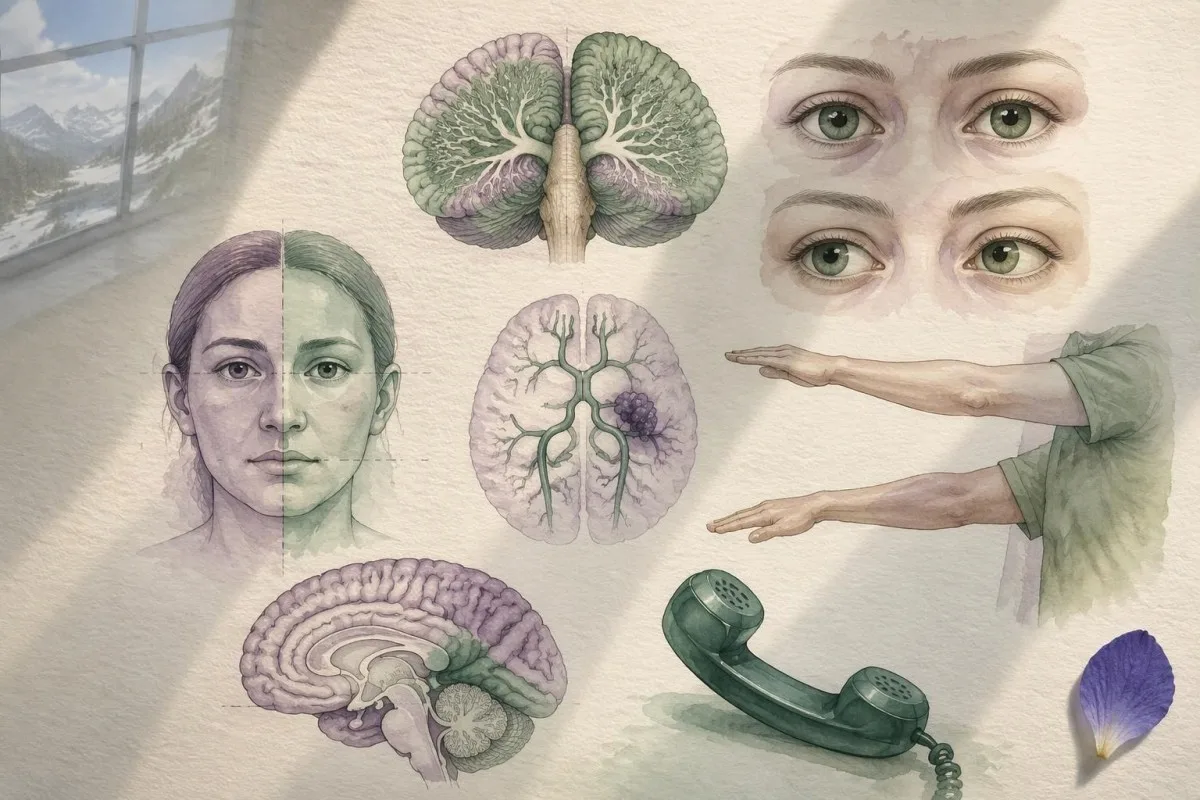
Հավասարակշռությունը նշանակում է հանկարծակի անկայունություն, կոորդինացիայի կորուստ կամ կանգնելու կամ քայլելու դժվարություն. աչքերը նշանակում են տեսողության հանկարծակի կորուստ, երկտեսություն կամ տեսադաշտի մի հատվածի կորուստ։ Դրանցից յուրաքանչյուրը կարող է առաջանալ առանց FAST-ի մյուս 3 ֆիզիկական նշանների, ուստի նորմալ ժպիտը չի նշանակում, որ կարելի է անտեսել այս ախտանշանները։.
Դեմքը նշանակում է նոր առաջացած անհամաչափ ժպիտ կամ դեմքի կախվածություն. ձեռքերը նշանակում են նոր առաջացած թուլություն, կախվել կամ թմրածություն, հատկապես՝ 1 կողմում։ Խոսքի փոփոխությունները ներառում են աղավաղված խոսքը, սխալ բառերի օգտագործումը, պարզ նախադասությունը հասկանալու անկարողությունը կամ բառեր արտաբերելու անկարողությունը, ոչ թե պարզապես անծանոթ առոգանությունը կամ ցածրաձայն խոսելը։.
Ժամանակը նշանակում է՝ զանգահարել հիմա, ոչ թե նախ ավարտել ստուգաթերթը։ 736 իշեմիկ կաթվածի դեպքերի հետահայաց ուսումնասիրությունում FAST-ը բաց է թողել դեպքերի 14.1%-ը. հավասարակշռության և տեսողության ախտանշաններն ավելացնելը նվազեցրել է բաց թողնված դեպքերի համամասնությունը մինչև 4.4% (Aroor et al., 2017), սակայն մեկ կենտրոնում ստացված այդ արդյունքները չեն սահմանում տանը զննելու համընդհանուր ճշգրտություն։.
Միայն ձեռքի ախտանշաններ ունեցող անձի դեպքում նույնպես պետք է ուշադրություն դարձնել ժամանակին և գործունակությանը։ Մեր ուղեցույցը՝ մատներին հատուկ թմրածության ձևերի մասին, բացատրում է տարածված ծայրամասային պատճառներից մեկը, սակայն 1 ձեռքի ճարպկության հանկարծակի կորուստը չի կարելի առանց գնահատման վերագրել կարպալ թունելի համախտանիշին։.
Ե՞րբ կարող են հանկարծակի գլխապտույտը կամ հավասարակշռության խանգարումը կաթվածի նշան լինել։
Հավասարակշռության հանկարծակի, ծանր խանգարումը կարող է վկայել հետին շրջանառության կաթվածի մասին, հատկապես, երբ ուղեկցվում է երկտեսությամբ, խոսքի փոփոխություններով, թուլությամբ կամ քայլելու անկարողությամբ։ Այս կաթվածներն ընդգրկում են այնպիսի կառույցներ, ինչպիսիք են ուղեղիկը և ուղեղաբունը, ուստի FAST-ի բոլոր 3 ֆիզիկական ստուգումները կարող են նորմալ լինել։.
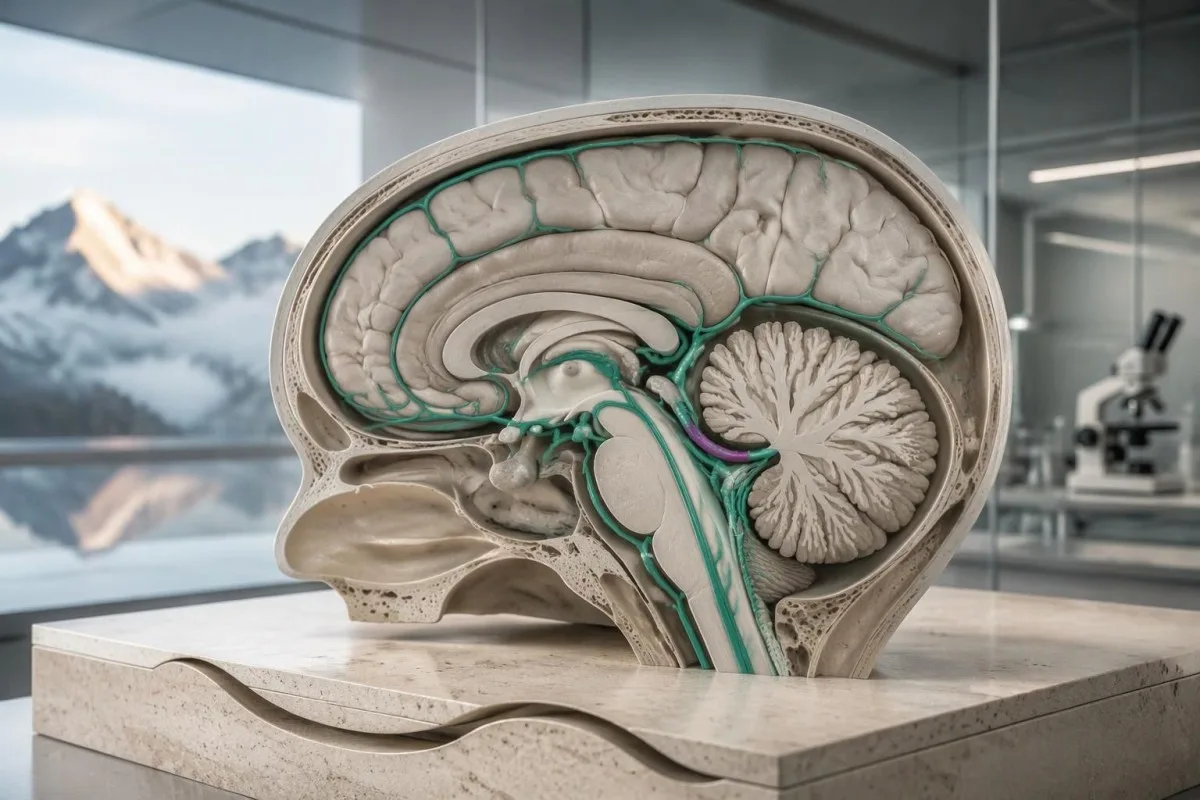
Not every dizzy spell is a stroke; inner-ear disorders and faintness are common alternatives. The concerning combination is a new, persistent balance disturbance plus loss of a previously easy function—for example, being unable to take 2 unsupported steps or suddenly needing furniture to remain upright.
A positional trigger does not automatically prove an inner-ear cause, and nausea does not rule out stroke. If a person develops abrupt vertigo with 1 new neurological feature, such as double vision or slurred speech, call emergency services rather than testing repeated head movements at home.
The HINTS examination is a clinician-performed assessment used in a specific acute vestibular syndrome, not a 3-step self-test for every dizzy patient. Incorrect technique or use in the wrong setting can falsely reassure; an online demonstration cannot substitute for trained examination and appropriate imaging.
Orthostatic symptoms usually have a different pattern, often linked to standing and recurring over time. Our standing-related dizziness guide explains that distinction, but even someone with established POTS needs emergency assessment for 1 sudden, unfamiliar neurological deficit.
Տեսողության ո՞ր հանկարծակի փոփոխություններն են համարվում կաթվածի նախազգուշացնող նշաններ։
Sudden vision loss, new double vision, or loss of one side of the visual field can be stroke symptoms. A problem affecting just 1 eye can also represent interrupted retinal circulation, which requires emergency assessment even when facial movement, arm strength, and speech seem normal.
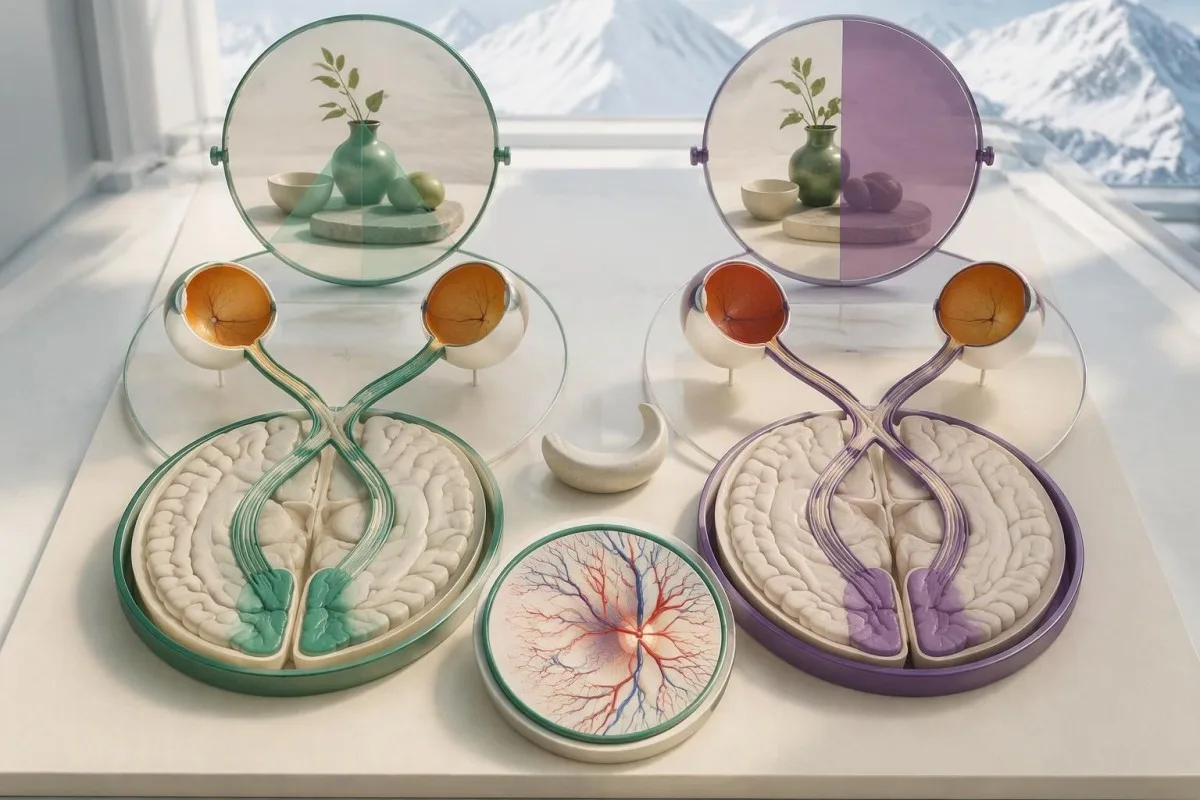
Visual-field loss is different from blurred vision: a person may miss everything to the left or right despite both eyes being open. For example, they might see only 1 half of a plate or repeatedly bump into objects on the same side, without realizing that vision—not attention—is the problem.
New double vision can reflect impaired eye alignment from brainstem dysfunction, especially when paired with imbalance or speech changes. Tell the dispatcher whether the symptom involves 1 eye, both eyes, or a missing side of the scene, but do not delay the call to perform a detailed eye examination.
A brief, painless blackout in 1 eye can be a retinal TIA rather than an ordinary eye complaint. The fact that sight returns after several minutes is not evidence that circulation is safe; the episode may require brain, vessel, and cardiac assessment in addition to an eye examination.
Routine eye screening answers a different question from sudden visual loss. Our explanation of pressure and visual-field testing describes longer-term assessment, but an abrupt change over seconds or minutes should not wait for an optician appointment scheduled 1 week later.
Կաթվածի վաղ նշանները ի հայտ գալի՞ս են հիմնական դեպքից առաջ։
Early signs of stroke are often the stroke itself, not a predictable warning phase lasting days. Some people have a preceding TIA, but there is no reliable 24-hour symptom sequence; sudden loss of speech, strength, vision, or coordination deserves action at its first appearance.
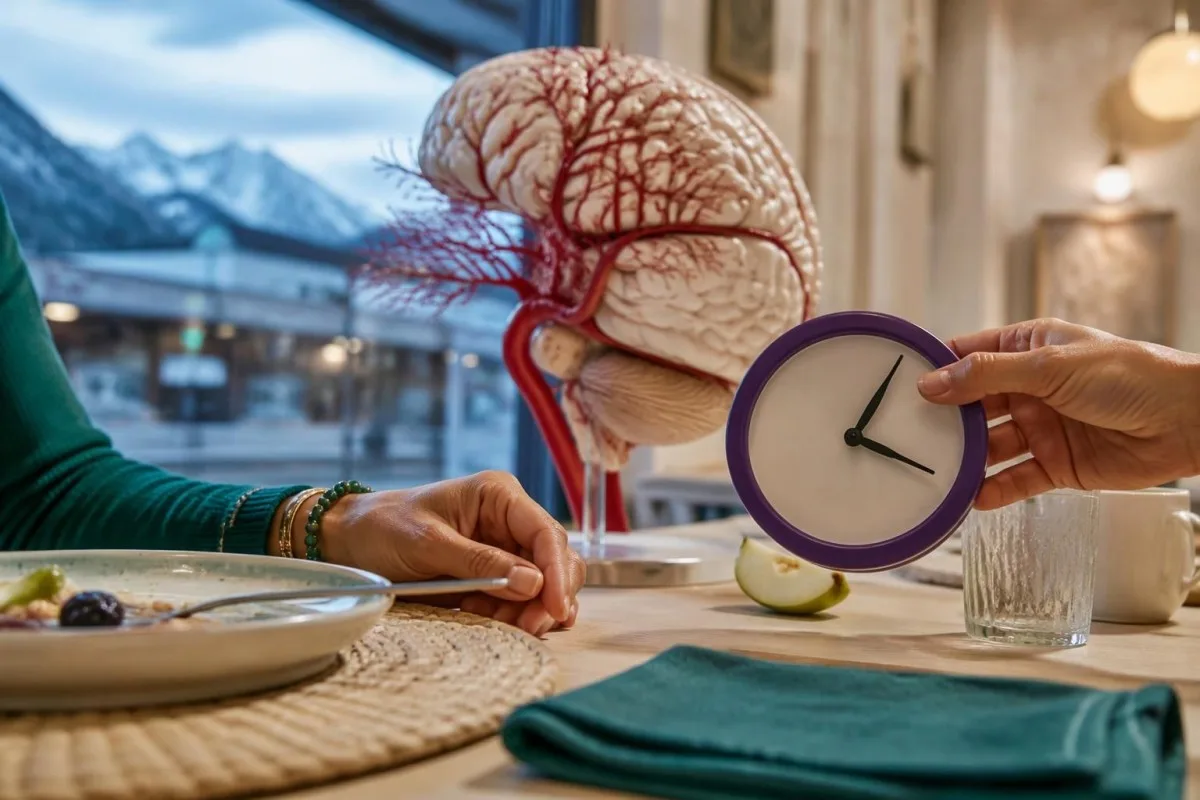
Last known well is the last time someone was definitely at their usual neurological baseline. If a person went to sleep normally at 22:30 and woke with weakness at 06:30, both times matter; reporting 06:30 as the definite onset would incorrectly shorten the possible duration.
Wake-up symptoms are still an emergency, even when several hours may have passed. Some patients with unknown onset can receive treatment selected by imaging, so assuming that the usual 4.5-hour intravenous treatment window has already closed may wrongly prevent access to useful care.
A sudden severe headache reaching maximum intensity within about 1 minute is a thunderclap headache and warrants emergency assessment, particularly with vomiting, neck stiffness, or neurological changes. Many ischemic strokes cause no headache, so its absence must not become a reason to wait.
The speed of change helps distinguish some neurological patterns, but it cannot establish a diagnosis alone. Our հարաճուն թուլության նախազգուշացնող նշանների discuss a different emergency pattern; weakness evolving over 2 days and weakness appearing in seconds both need appropriate clinical evaluation.
Կաթվածի ախտանիշները կանանց մո՞տ են տարբերվում։
Stroke symptoms in women usually include the same BE-FAST warning signs as in men. Some observational reports describe more accompanying confusion, headache, nausea, or generalized symptoms, but there is no separate reliable 6-sign checklist for women, and these nonspecific features cannot diagnose stroke alone.

A useful distinction is between a focal deficit and an accompanying symptom: inability to use 1 arm is more localizing than fatigue alone. If a woman has sudden nausea plus double vision and inability to walk, the neurological combination—not whether the symptoms sound stereotypically female—should drive the emergency call.
Pregnancy and the postpartum period change the possible causes of headache and neurological symptoms, including hypertensive complications and cerebral venous thrombosis. Tell emergency clinicians the pregnancy stage or delivery date; a new severe headache with 1 focal deficit should not be attributed to exhaustion or migraine without assessment.
Normal or previously reassuring pregnancy bloodwork cannot exclude a neurological emergency. Our explanation of HELLP-ի՝ անհետաձգելի վիճակի լաբորատոր պատկերի addresses one obstetric complication, but neither a normal platelet count nor normal liver enzymes excludes all causes of postpartum headache or stroke.
Consider a hypothetical woman 10 days after delivery who develops abrupt word-finding difficulty and a headache unlike her usual migraines. The safe action is an emergency call with the delivery date and last known well—not waiting for a repeat CBC, checking whether the headache improves, or asking an app to classify symptoms.
Ինչո՞ւ են անհետացող ախտանիշները դեռևս հուշում TIA-ի մասին։
Stroke-like symptoms that disappear may represent a TIA or a stroke with improving deficits, and both need urgent assessment. A modern TIA diagnosis concerns transient ischemia without acute infarction, not simply symptoms lasting under 24 hours; only professional evaluation can make that distinction.
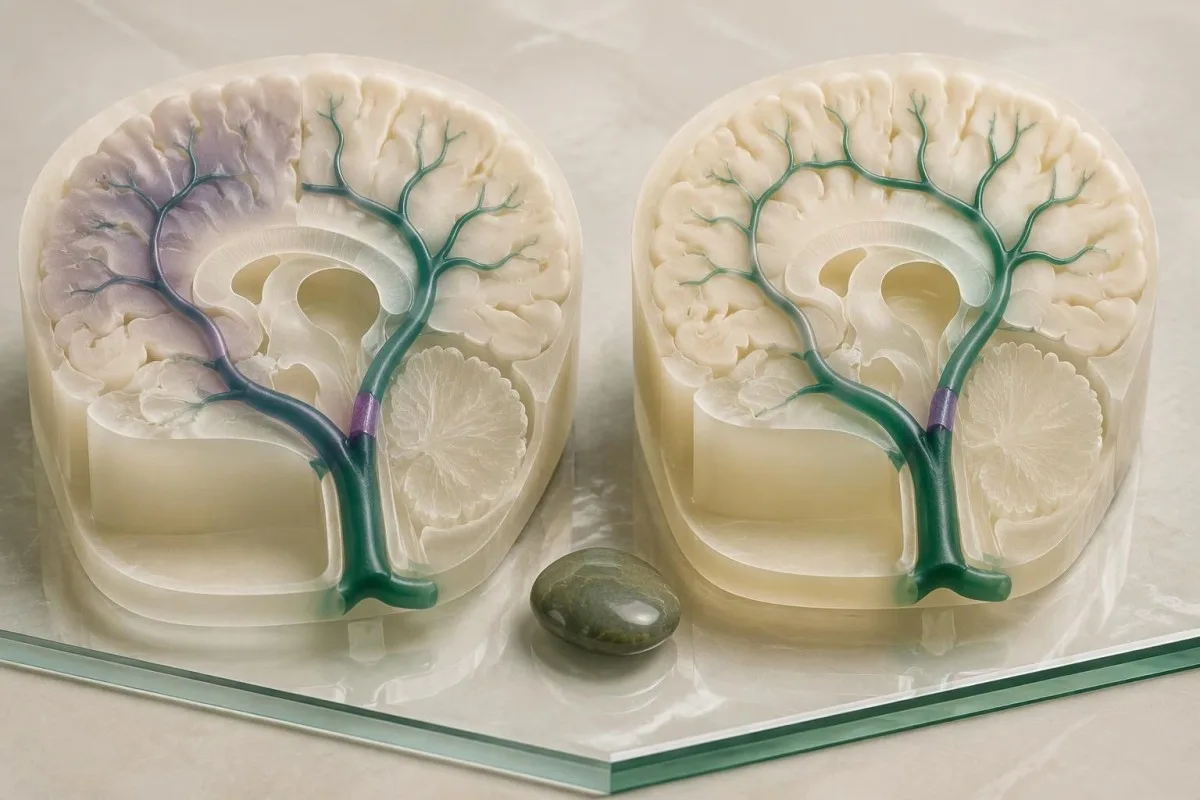
Amin et al. (2023), in an American Heart Association scientific statement, reported 90-day stroke-risk estimates after TIA as high as 17.8%, with almost half of those strokes occurring within 2 days. Those figures describe particular study populations, not an individual prediction; prompt assessment and prevention can change the risk.
If weakness resolves while an ambulance is coming, do not cancel because the person now feels normal. Record when symptoms started, when they stopped, which side was affected, and whether any episode recurred; even 1 brief focal event may identify an unstable arterial or cardiac source.
Risk scores such as ABCD2 cannot safely replace vessel imaging, cardiac assessment, and clinical judgment. A low score may overlook important causes, while a normal examination after 10 minutes of resolved symptoms documents recovery rather than proving that the original event was harmless.
At Kantesti, we separate long-term laboratory risk review from assessment of a new neurological event. Our family-history stroke testing guide is relevant after urgent care, but a preventive panel next week is not a substitute for assessment of 1 suspected TIA today.
Կարո՞ղ են արյան սովորական հետազոտությունների նորմալ արդյունքները բացառել կաթվածը։
Normal routine bloodwork cannot rule out stroke or TIA. A CBC, metabolic panel, lipid panel, or coagulation panel measures selected cellular, chemical, or clotting properties; none shows whether 1 brain artery is blocked, whether brain tissue is injured, or whether bleeding has occurred inside the skull.
An INR of 1.0 and a normal aPTT do not prove that no clot exists. These tests assess aspects of coagulation under laboratory conditions, not the presence of an arterial obstruction; our guide to նորմալ արյան մակարդման թեստի սահմանափակումների մասին explains why reassuring values can coexist with clinically important clotting.
A normal cholesterol result answers a risk-factor question, not an emergency diagnostic question. For example, an LDL cholesterol of 85 mg/dL does not exclude an embolus from atrial fibrillation or an artery problem; our metabolic panel versus cholesterol guide also clarifies which tests a routine panel actually contains.
Kantesti is an AI blood test interpretation platform that explains reported laboratory findings without using normal values to exclude stroke. A hypothetical platelet count of 240 × 10⁹/L, glucose of 98 mg/dL, and creatinine of 0.9 mg/dL can all coexist with a new cerebral artery blockage.
A panel from 2 days ago has an additional limitation: it describes the time of collection, not current neurological function. Emergency teams may repeat selected tests for treatment safety, but a person should call for help based on sudden symptoms rather than wait for a new sample or compare old reference ranges.
Ի՞նչ պետք է անեք, մինչ շտապ օգնությունը կժամանի։
Call emergency services, report suspected stroke, and note the last known well time. Use 999 or 112 in the UK, 911 in the US, or your local emergency number; do not drive yourself, and do not wait for laboratory results before requesting help.
Keep the person safely supported and follow the dispatcher’s positioning instructions rather than making them walk to prove they are better. Do not offer food, drink, or tablets because stroke can impair swallowing; if consciousness or breathing changes, tell the dispatcher immediately and follow their resuscitation guidance.
Do not start aspirin, take an extra anticoagulant dose, or use extra blood-pressure medication on your own. The 2 major stroke mechanisms need different approaches, and sudden blood-pressure reduction can be harmful in some situations; clinicians may give aspirin for suspected TIA under a local pathway, but that is not a universal home-treatment instruction.
Gather medication names and the time of the last anticoagulant dose, especially for warfarin, apixaban, rivaroxaban, dabigatran, or edoxaban. Our INR-ի արդյունքի բացատրությունը helps clarify warfarin monitoring, but a normal INR does not reliably establish the absence of a direct oral anticoagulant’s effect.
For example, if symptoms began at 14:05 and a prescribed anticoagulant was taken at 08:00, communicate both exact times. Unlocking the door and having the medication list ready can help responders; finding an old report, charging a phone for an upload, or arranging private transport must not postpone the call.
Կաթվածի կասկածի դեպքում ո՞ր շտապ հետազոտություններն են իրականում գնահատում վիճակը։
Suspected stroke is assessed with neurological examination, urgent brain imaging, and selected supporting tests—not routine bloodwork alone. A rapid glucose check identifies a treatable mimic; CT commonly checks for intracranial bleeding, while CT angiography or MRI may answer additional questions about arteries and brain tissue.
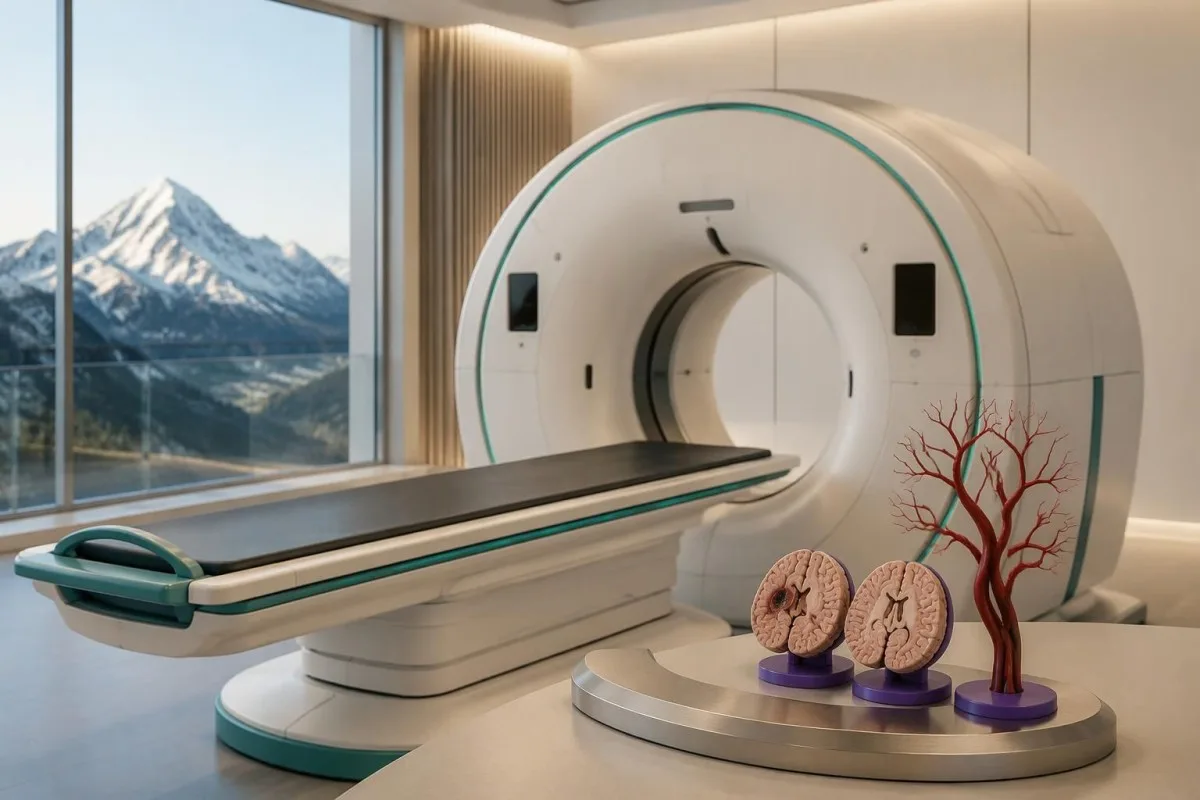
An early noncontrast CT may look normal during an ischemic stroke, so a reassuring initial scan is not always the end of assessment. MRI with diffusion-weighted imaging can detect many early infarcts, but early false-negative studies occur, particularly in posterior circulation events; persistent symptoms still need clinical reconciliation.
Low glucose can cause confusion, weakness, or speech difficulty, sometimes resembling a stroke. A glucose below 70 mg/dL, or 3.9 mmol/L, is hypoglycemia; below 54 mg/dL, or 3.0 mmol/L, is clinically significant hypoglycemia, and our low-glucose causes guide explains common medication and illness-related causes.
A severe metabolic disturbance can also complicate examination, but finding one does not automatically exclude simultaneous stroke. Our glucose-adjusted sodium explanation describes why marked hyperglycemia changes sodium interpretation; neither calculation should delay emergency assessment of 1 new focal deficit.
Kantesti AI can explain laboratory terminology after collection, but it cannot perform a neurological examination or interpret an evolving emergency as a safe exclusion of stroke. Powers et al. (2019) state that only glucose must precede intravenous thrombolysis in all patients; additional laboratory results may be needed when specific medication, bleeding, or coagulation concerns exist.
Ինչո՞ւ չպետք է բուժումը հետաձգել՝ սպասելով սովորական հետազոտությունների արդյունքներին։
Stroke treatment is time-sensitive because threatened brain tissue may become permanently injured while testing is delayed. Established treatment pathways include intravenous thrombolysis within 4.5 hours for eligible patients and thrombectomy up to 24 hours in selected patients; those limits are eligibility windows, not safe periods for waiting.
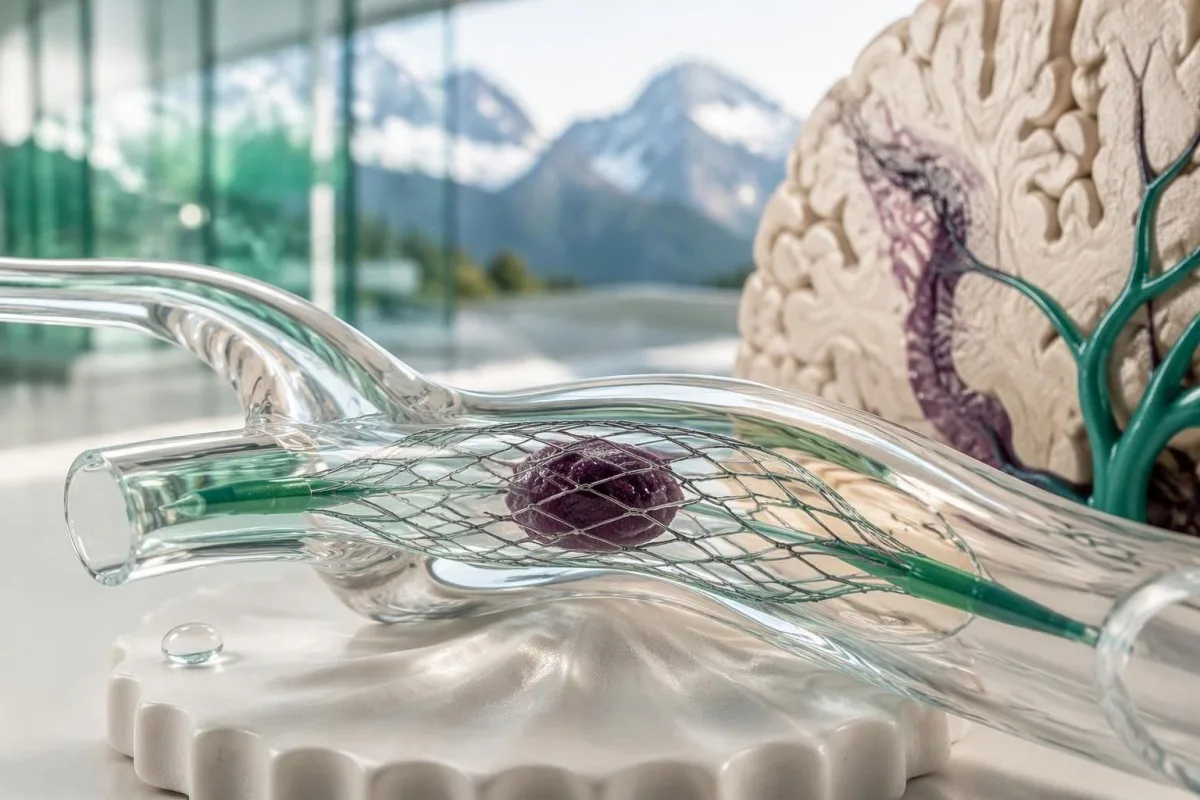
Thrombolysis uses medication to dissolve an eligible clot; thrombectomy uses a catheter-based device to remove selected artery blockages. The 2019 AHA/ASA guideline describes imaging-selected thrombectomy between 6 and 24 hours for certain patients (Powers et al., 2019), but anatomy, imaging findings, baseline function, and specialist judgment determine eligibility.
Blood pressure and medication exposure affect treatment safety without becoming reasons to stay home. An established pre-thrombolysis blood-pressure threshold is below 185/110 mmHg, and hospital teams can manage elevated readings; patients should not attempt to meet that threshold using extra tablets before transport.
Coagulation results matter when a specific safety concern is present, but they do not diagnose the blockage itself. A platelet count below 100 × 10⁹/L or warfarin-associated INR above 1.7 can affect standard intravenous thrombolysis eligibility; our clotting assay interpretation guide explains why different assays answer different questions.
Imagine someone first assessed 3 hours after definite symptom onset who waits another 90 minutes for a nonessential routine panel before reaching a stroke team. That delay may consume a conventional treatment window, although eligibility is never decided by time alone; the safer sequence is emergency assessment first, with necessary tests performed in parallel.
Կարո՞ղ են միգրենը, ցնցումները կամ ուղեղային բիոմարկերները տարբերակել կաթվածը։
Migraine, seizures, low glucose, and some vestibular disorders can mimic stroke, but they cannot be reliably distinguished at home. No routine report containing 1 neurological biomarker establishes that a sudden deficit is harmless; examination, symptom timing, and appropriate imaging remain central to assessment.
Migraine aura often spreads gradually across several minutes, whereas stroke often causes an abrupt loss of function, but the patterns overlap. A first aura, an unfamiliar aura, or a sudden negative symptom such as losing 1 side of vision should not be self-diagnosed as migraine just because headache is present.
A seizure can be followed by temporary weakness, sometimes called Todd paralysis, and a stroke can itself trigger a seizure. Reporting witnessed shaking or a 1-minute episode of unresponsiveness helps clinicians, but it does not make subsequent weakness safe to observe without urgent assessment.
Neurofilament light chain reflects neuronal injury in multiple conditions rather than functioning as a rapid stroke exclusion test. Our NfL result interpretation guide explains this nonspecificity; a single result, whether high or low, cannot replace assessment of 1 newly impaired neurological function.
Some GFAP-based testing pathways address selected traumatic brain injuries, not universal stroke screening. Our GFAP and head-injury guide discusses that separate use; even where research examines stroke biomarkers, assay timing, thresholds, and performance vary, so 1 normal value must not reassure a symptomatic person.
Ինչպե՞ս կարող են արյան հետազոտություններն օգնել շտապ գնահատումից հետո։
Blood tests help identify and monitor some stroke risk factors after urgent diagnosis, including diabetes and atherogenic cholesterol patterns. They do not replace blood-pressure measurement, cardiac rhythm assessment, or vascular imaging, and 1 reassuring panel does not guarantee that a person will not have another event.
A hypothetical follow-up panel with LDL cholesterol of 142 mg/dL and HbA1c of 7.2% identifies modifiable concerns, not the exact cause of the event. Our ApoB treatment-decision guide explains particle-related risk assessment; treatment targets depend on the diagnosed stroke mechanism, comorbidities, and the clinician’s prevention plan.
Hypertension needs direct measurement because a chemistry panel does not measure arterial pressure. Our secondary hypertension testing guide explains selected laboratory investigations, but 2 normal electrolyte results do not exclude common primary hypertension or replace repeated blood-pressure readings.
Atrial fibrillation may require ECG monitoring because 1 short recording can miss intermittent episodes. Similarly, broad inherited thrombophilia testing is not automatically useful after every arterial stroke; the history, age, imaging pattern, and suspected mechanism determine which additional investigations could change treatment.
Kantesti can support clinician-directed comparison of follow-up laboratory reports, but medication changes belong within the prescribed care plan. Whole-food eating patterns, smoking cessation, activity adapted to recovery, and consistent medication use address longer-term risk; none can reverse a new sudden deficit or justify waiting 1 more day for emergency assessment.
Հետազոտական հրապարակումներ, ապացույցներ և լաբորատոր արդյունքների մեկնաբանման սահմանափակումներ
The stroke evidence cited here supports emergency recognition and assessment; our 2 listed repository publications address general laboratory interpretation, not stroke diagnosis. Readers can review our validation methods and limits without treating technical evaluation as proof that an AI tool can exclude an acute neurological emergency.
Our listed kidney-function interpretation guide explains BUN and creatinine in their own clinical context. Its Zenodo DOI identifies a repository publication; a creatinine of 0.9 mg/dL, for example, describes a laboratory finding and cannot establish that cerebral circulation is intact.
Ուղեկից urinalysis interpretation publication addresses urine findings rather than acute brain assessment. These 2 repository references are included for transparency about related educational material, not as external stroke guidelines, peer-reviewed stroke trials, or evidence that urine testing can distinguish TIA from stroke.
Kantesti is an AI-powered blood test analysis tool whose educational role must remain separate from emergency triage and definitive diagnosis. Our բժշկական բովանդակության չափանիշներ explain the editorial framework; the 3 external medical references below address BE-FAST, suspected TIA, and established acute ischemic stroke management.
Clinical follow-up may involve sharing reports with a treating team, but that should happen after emergency needs are addressed. Our գաղտնիության և տվյալների մշակման գործելակերպը describe report handling; permission to review 1 family member’s laboratory report does not authorize access to another’s, and no upload should postpone an emergency call.
Հաճախ տրվող հարցեր
Որո՞նք են ինսուլտի առաջին նախազգուշացնող նշանները:
Կաթվածի առաջին նախազգուշացնող նշանները հաճախ են հանկարծակի հավասարակշռության կորուստը, տեսողության փոփոխությունները, դեմքի կախվածությունը, ձեռքի թուլությունը կամ խոսքի դժվարությունը։ BE-FAST-ը դրանք դասակարգում է 6 հուշման մեջ, ներառյալ շտապօգնության ծառայություն զանգահարելու ժամանակը։ Կաթված ունենալու համար պարտադիր չէ, որ մարդու մոտ առկա լինեն բոլոր նշանները, գլխացավը կամ գիտակցության կորուստը։ Անմիջապես զանգահարեք, եթե ի հայտ է եկել նոր հանկարծակի նյարդաբանական խանգարում, և հայտնեք, թե երբ է վերջին անգամ անձը հայտնի եղել առանց ախտանիշների։.
Կարո՞ղ են ինսուլտի ախտանիշներն անհետանալ մի քանի րոպե անց։
Կաթվածի ախտանիշները կարող են անհետանալ մի քանի րոպե անց՝ անցողիկ իշեմիկ նոպայի կամ բարելավվող կաթվածի պատճառով, սակայն դրանց անհետանալը չի նշանակում, որ վտանգն անցել է։ Ամերիկյան սրտի ասոցիացիայի՝ 2023 թվականի անցողիկ իշեմիկ նոպայի մասին հայտարարության մեջ որոշ բնակչախմբերի համար 90 օրվա ընթացքում կաթվածի ռիսկի գնահատականները հասնում են մինչև 17.8%-ի, ընդ որում՝ դեպքերի գրեթե կեսը տեղի է ունենում 2 օրվա ընթացքում։ Այս գնահատականները անհատական կանխատեսում չեն, իսկ անհապաղ բուժումը կարող է նվազեցնել ռիսկը։ Շտապ դիմեք բժշկական գնահատման, նույնիսկ եթե խոսքը, ուժը կամ տեսողությունը վերականգնվում են։.
Կարո՞ղ են արյան սովորական անալիզները բացառել ինսուլտը:
Արյան սովորական հետազոտությունները չեն կարող բացառել ինսուլտը, քանի որ դրանք ուղղակիորեն չեն պատկերում ուղեղի զարկերակները, ներգանգային արյունազեղումը կամ վնասված ուղեղային հյուսվածքը։ Թրոմբոցիտների 240 × 10⁹/L քանակը կամ 1.0 INR-ը կարող են առկա լինել իշեմիկ ինսուլտի հետ միաժամանակ։ Շտապ գնահատումը հիմնվում է նյարդաբանական զննման, ուղեղի պատկերավորման և ընտրված օժանդակ հետազոտությունների վրա։ Մի սպասեք լաբորատոր պատասխանի կամ արհեստական բանականության մեկնաբանության՝ օգնության կանչելուց առաջ։.
Արդյո՞ք հանկարծակի գլխապտույտը ինսուլտի նշան է:
Հանկարծակի գլխապտույտը կարող է լինել ինսուլտի ախտանիշ, հատկապես երբ ուղեկցվում է արտահայտված հավասարակշռության խանգարմամբ, երկտեսությամբ, խոսքի փոփոխություններով կամ նոր առաջացած թուլությամբ։ Հետին արյան շրջանառության ինսուլտների դեպքում FAST-ի 3 ֆիզիկական ստուգումները՝ դեմքը, ձեռքերը և խոսքը, կարող են թվալ նորմալ։ Գլխապտույտի բազմաթիվ դրվագներ ինսուլտի հետ կապ չունեցող պատճառներ ունեն, սակայն նորմալ քայլելու անկարողությունը կամ նոր օջախային նյարդաբանական խանգարումը պահանջում է անհետաձգելի գնահատում։ HINTS-ը հատուկ պատրաստվածություն ունեցող կլինիցիստի կատարած զննում է, այլ ոչ թե տնային պայմաններում հուսալի սկրինինգային թեստ։.
Արդյո՞ք կանանց մոտ ինսուլտի ախտանիշները տարբեր են։
Կանայք սովորաբար ունենում են ինսուլտի BE-FAST նախազգուշացնող նույն նշանները, ինչ տղամարդիկ, թեև դրանց կարող են ուղեկցել գլխացավը, սրտխառնոցը կամ շփոթվածությունը։ Կանանց համար չկա ինսուլտի առանձին, հուսալի 6 նշանի ստուգաթերթ։ Հղիությունը կամ հետծննդյան շրջանը կարող են լրացուցիչ հնարավոր պատճառներ լինել, և այդ մասին պետք է տեղեկացնել շտապ օգնության բուժաշխատողներին, հատկապես նոր առաջացած ուժեղ գլխացավի կամ օջախային նյարդաբանական դեֆիցիտի դեպքում։ Նյարդաբանական հանկարծակի փոփոխությունները չպետք է վերագրել սթրեսին, միգրենին կամ ուժասպառությանը՝ առանց գնահատման։.
Պե՞տք է ասպիրին ընդունեմ, եթե կարծում եմ, որ ինսուլտ եմ ունենում։
Կասկածվող ինսուլտի դեպքում ինքնուրույն մի՛ սկսեք ասպիրին ընդունել, եթե շտապ օգնության մասնագետը հատուկ չի հրահանգել դա անել։ Ինսուլտի երկու հիմնական մեխանիզմները՝ զարկերակի խցանումը և ներգանգային արյունահոսությունը, պահանջում են տարբեր մոտեցումներ, իսկ արյունահոսության առկայության դեպքում ասպիրինը կարող է վնասակար լինել։ Բուժաշխատողները կարող են կասկածվող անցողիկ իշեմիկ նոպայի (TIA) դեպքում տեղական կլինիկական արձանագրության համաձայն անմիջապես ասպիրին նշանակել, սակայն սա տանը կիրառելու համընդհանուր հրահանգ չէ։ Նախ զանգահարեք շտապ օգնության ծառայություն և խուսափեք սննդից, հեղուկներից կամ հաբերից, մինչև պարզվեն կուլ տալու անվտանգությունն ու բուժման ցուցումները։.
Որքա՞ն ժամանակ ունեք ինսուլտի բուժում ստանալու համար։
Համապատասխանող պացիենտները սովորաբար ստանում են ներերակային թրոմբոլիզիս՝ ախտանշանների հայտնի սկսվելուց հետո 4.5 ժամվա ընթացքում, մինչդեռ ընտրված պացիենտները կարող են ստանալ թրոմբէկտոմիա մինչև 24 ժամվա ընթացքում՝ պատկերային հետազոտության և այլ չափանիշների հիման վրա։ Անհայտ սկսման ժամանակով կամ արթնանալուց հետո հայտնաբերված ինսուլտով որոշ պացիենտներ նույնպես կարող են համապատասխանել պատկերային հետազոտությամբ ընտրված բուժման չափանիշներին։ Այս ժամանակահատվածները սպասելու անվտանգ ժամանակահատվածներ չեն, և ավելի վաղ գնահատումը, որպես կանոն, հնարավորություն է տալիս պահպանել բուժման ավելի շատ տարբերակներ։ Անմիջապես զանգահարեք, նույնիսկ եթե ախտանշանների սկսվելու ժամանակն անորոշ է կամ մի քանի ժամ է անցել։.
Ստացեք ձեր արյան անալիզի արդյունքների բացատրությունը
Վերբեռնեք ձեր լաբորատոր հաշվետվությունը, և Kantesti-ի AI-ն վայրկյանների ընթացքում պարզ լեզվով կբացատրի յուրաքանչյուր կենսամարկեր։ Օգտագործում է ավելի քան 2 միլիոն մարդ ամբողջ աշխարհում։.
Հղումներ
- Klein, T., Mitchell, S., & Weber, H. (2026). BUN/կրեատինին հարաբերակցության բացատրություն. երիկամների ֆունկցիայի թեստի ուղեցույց։. Kantesti AI բժշկական հետազոտություն։. ԴՕԻ
- Klein, T., Mitchell, S., & Weber, H. (2026). Մեզի ուրոբիլինոգենի թեստ. Մեզի ամբողջական վերլուծության ուղեցույց 2026 թ. Kantesti AI բժշկական հետազոտություն։. ԴՕԻ
- Aroor S et al. (2017). BE-FAST (Balance, Eyes, Face, Arm, Speech, Time): Reducing the Proportion of Strokes Missed Using the FAST Mnemonic. Stroke. ԴՕԻ
- Amin HP et al. (2023). Diagnosis, Workup, Risk Reduction of Transient Ischemic Attack in the Emergency Department Setting: A Scientific Statement From the American Heart Association. Stroke. ԴՕԻ
- Powers WJ et al. (2019). Guidelines for the Early Management of Patients With Acute Ischemic Stroke: 2019 Update to the 2018 Guidelines for the Early Management of Acute Ischemic Stroke: A Guideline for Healthcare Professionals From the American Heart Association/American Stroke Association. Stroke. ԴՕԻ
- 2 միլիոն+Վերլուծված թեստեր
- 127+Երկրներ
- 100+Լեզուներ
Բժշկական թիմի մասին


E-E-A-T վստահության ազդանշաններ
Փորձառություն
Բժշկի կողմից ղեկավարվող կլինիկական վերանայում՝ լաբորատոր մեկնաբանության աշխատանքային հոսքերի համար։.
Մասնագիտություն
Լաբորատոր բժշկության կենտրոնացում՝ այն բանի վրա, թե ինչպես են բիոմարկերները դրսևորվում կլինիկական համատեքստում։.
Հեղինակություն
Բժշկական գրախոսությունը՝ դոկտոր Թոմաս Քլայնի կողմից, դոկտոր Սառա Միտչելի և պրոֆ. դոկտոր Հանս Վեբերի մասնակցությամբ։.
Հուսալիություն
Ապացույցների վրա հիմնված մեկնաբանություն՝ հստակ հետագա քայլերի ուղիներով՝ ահազանգերը նվազեցնելու համար։.



Բժշկական հրաժարում պատասխանատվությունից
Այս հոդվածը միայն կրթական նպատակների համար է և չի հանդիսանում բժշկական խորհրդատվություն։ Ախտորոշման և բուժման որոշումների համար միշտ խորհրդակցեք որակավորված բուժաշխատողի հետ։.
Հրապարակված · Կապ հաստատել խմբագրական թիմի հետ
Հրատարակված է Kantesti Ltd-ի կողմից, գրանցված Անգլիայում և Ուելսում, ընկերության համար. 17090423, Լոնդոն, Միացյալ Թագավորություն։.
