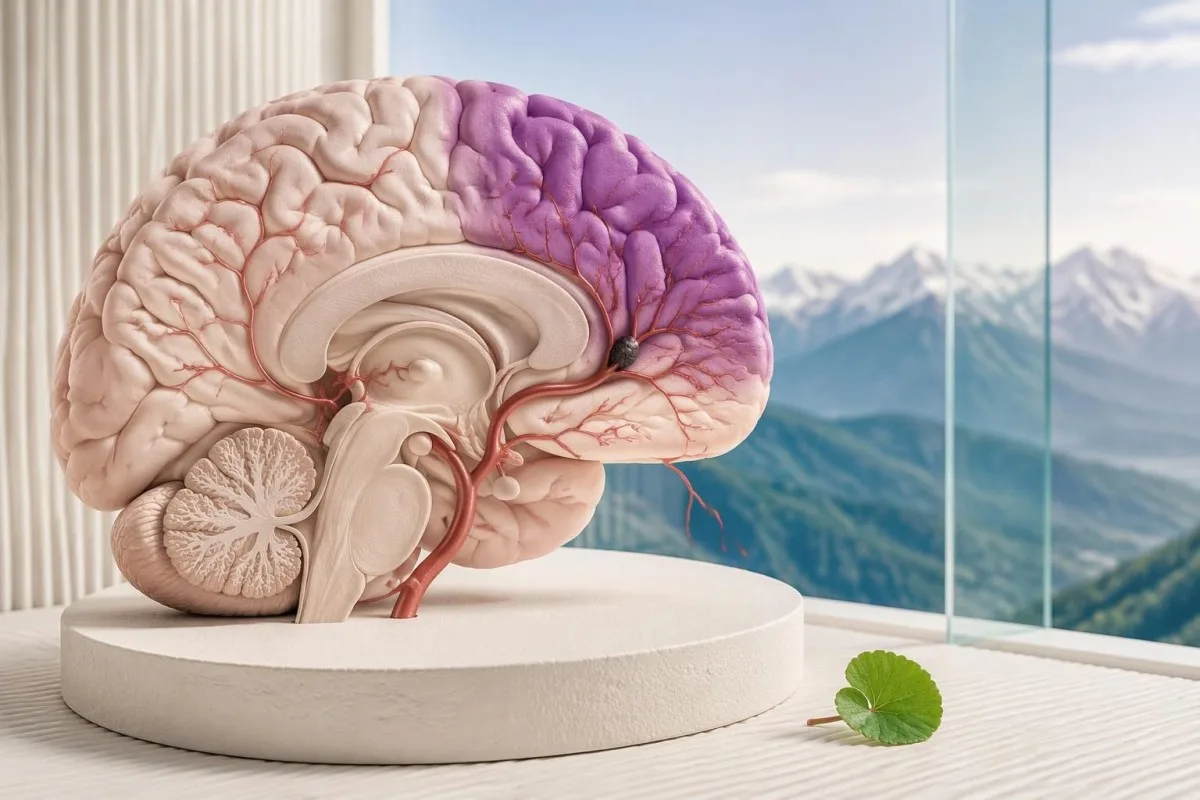
Ani denge kaybı, görme değişiklikleri, yüzde sarkma, kol güçsüzlüğü veya konuşma güçlüğü inme belirtisi olabilir. Belirtiler ortadan kalksa veya rutin kan tahlilleri normal olsa bile derhal yerel acil numaranızı arayın; ne iyileşme ne de normal laboratuvar sonuçları beklemeyi güvenli kılar.

Temel çıkarımlar
- BE-FAST Denge, Gözler, Yüz, Kollar, Konuşma ve Zaman anlamına gelir; ani bir uyarı belirtisi bile acil çağrıyı gerektirebilir.
- Acil numaralar Birleşik Krallık'ta 999 veya 112, ABD'de 911'dir; başka yerlerde yerel acil servisinizi arayın.
- Ortadan kalkan belirtiler geçici iskemik atak veya TIA belirtisi olabilir ve yine de acilen değerlendirilmesi gerekir.
- Normal kan testleri ne iskemik inmeyi ne de kanamadan kaynaklanan inmeyi dışlayabilir.
- En son normal görüldüğü zaman kişinin nörolojik durumunun kesin olarak olağan düzeyinde olduğu son zamanı ifade eder; birinin belirtileri fark ettiği zamanı değil.
- Tedavi zaman aralıkları genellikle uygun hastalarda 4.5 saat içinde intravenöz trombolizi içerir; seçilmiş hastalara 24 saate kadar trombektomi uygulanabilir.
- Kadınlarda inme belirtileri erkeklerde görülen BE-FAST belirtilerinin aynısını içerir; gebelik veya doğum sonrası dönemde olmak klinik bağlamı değiştirir, acil müdahale gerekliliğini değil.
- Beklemeyin yardım çağırmadan önce laboratuvar raporunu, yapay zekâ yorumunu, ikinci bir atağı beklemeyin veya belirtilerin düzelmesini beklemeyin.
Hangi inme belirtileri acil çağrı gerektirir?
Ani inme belirtileri acil yardımın hemen aranmasını gerektirir: yeni denge kaybı, görme kaybı veya çift görme, yüz sarkması, kol güçsüzlüğü ya da konuşma güçlüğü. BE-FAST yöntemini kullanın, ancak 6 belirtinin tamamını beklemeyin; kaybolan belirtiler ve rutin kan tahlillerinin normal çıkması inmeyi dışlamaz.
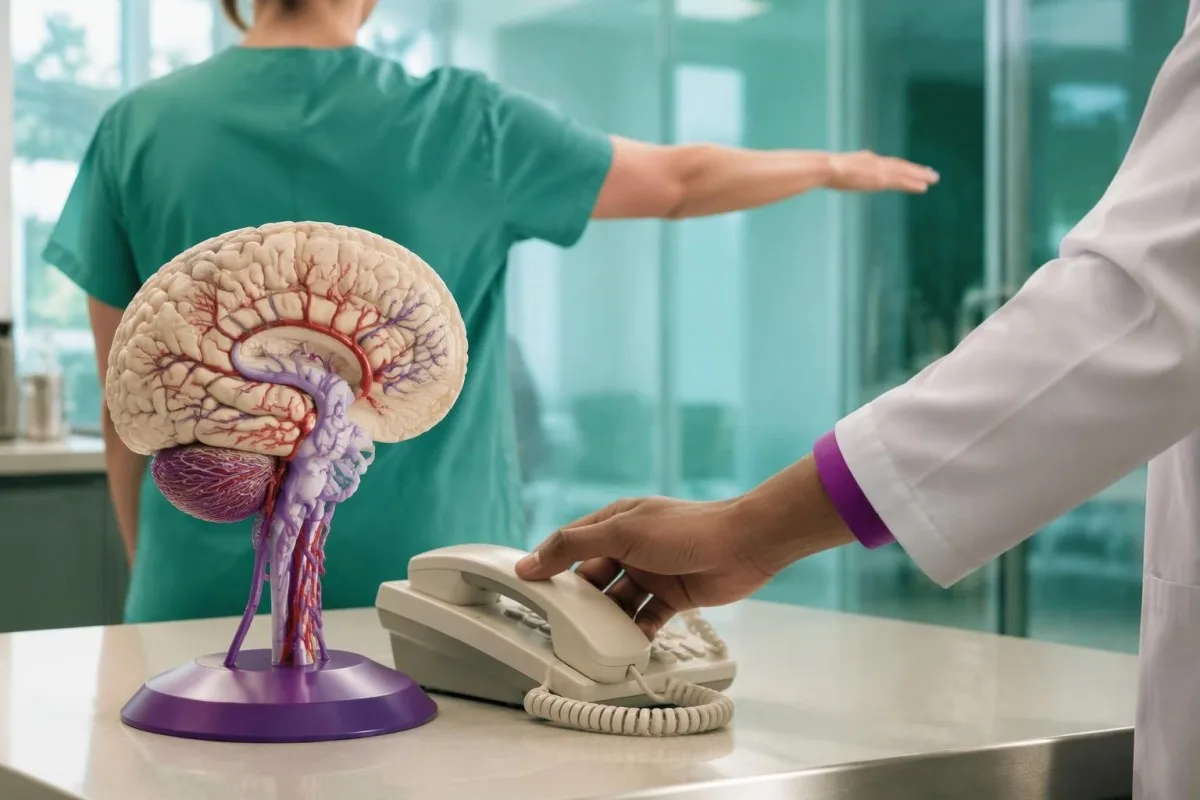
Beyin atardamarı tıkandığında veya beyindeki bir damar yırtıldığında inme meydana gelir; bu 2 mekanizma farklı tedaviler gerektirir. Belirtiler bunları evde güvenilir biçimde ayırt edemez; bu nedenle profesyonel değerlendirme öncesinde aspirin almak veya kan basıncını kendi başınıza düşürmeye çalışmak güvenli olmayabilir.
Pratik ipucu, kişinin ağır hasta görünüp görünmediği değil, olağan işlevlerinden ani bir değişiklik olmasıdır. Kişi uyanık kalabilir, bir odaya yürüyerek girebilir veya yalnızca 1 elinin güçsüz olduğunu söyleyebilir; buna rağmen inme günlük işlevleri ciddi ölçüde kısıtlayabilir. Ağrı ve bilinç kaybı şart değildir.
Örneğin, kahvaltı ederken saat 10:12'de normal konuşan bir kişinin 10:14'te anlaşılmaz biçimde konuşmaya başladığını düşünün. Hemen arayın ve her iki saati de bildirin; yüz simetrisini kontrol etmek, internette belirtileri aramak veya rutin kan testi ayarlamak için 10 dakika daha harcamayın.
Kantesti, laboratuvar raporlarını anlamaya yönelik yapay zekâ destekli bir kan testi analiz aracıdır; acil inme tanı hizmeti değildir. Bizim organizasyonumuz ve klinik kapsamımız yaklaşık 60 saniyede sunulan bir yorum bile acil yardım çağrısını asla geciktirmemelidir; bu sınır göz önünde bulundurularak anlaşılmalıdır.
BE-FAST'ın altı inme belirtisi ne anlama gelir?
BE-FAST inme belirtileri Denge, Gözler, Yüz, Kollar, Konuşma ve acil yardım çağırma Zamanını kapsar. 6 bölümlü bu anımsatıcı, FAST'e ani denge kaybını ve görme değişikliklerini ekleyerek belirgin yüz sarkması veya kol güçsüzlüğüyle başlamayan inmelerin fark edilmesine yardımcı olur.
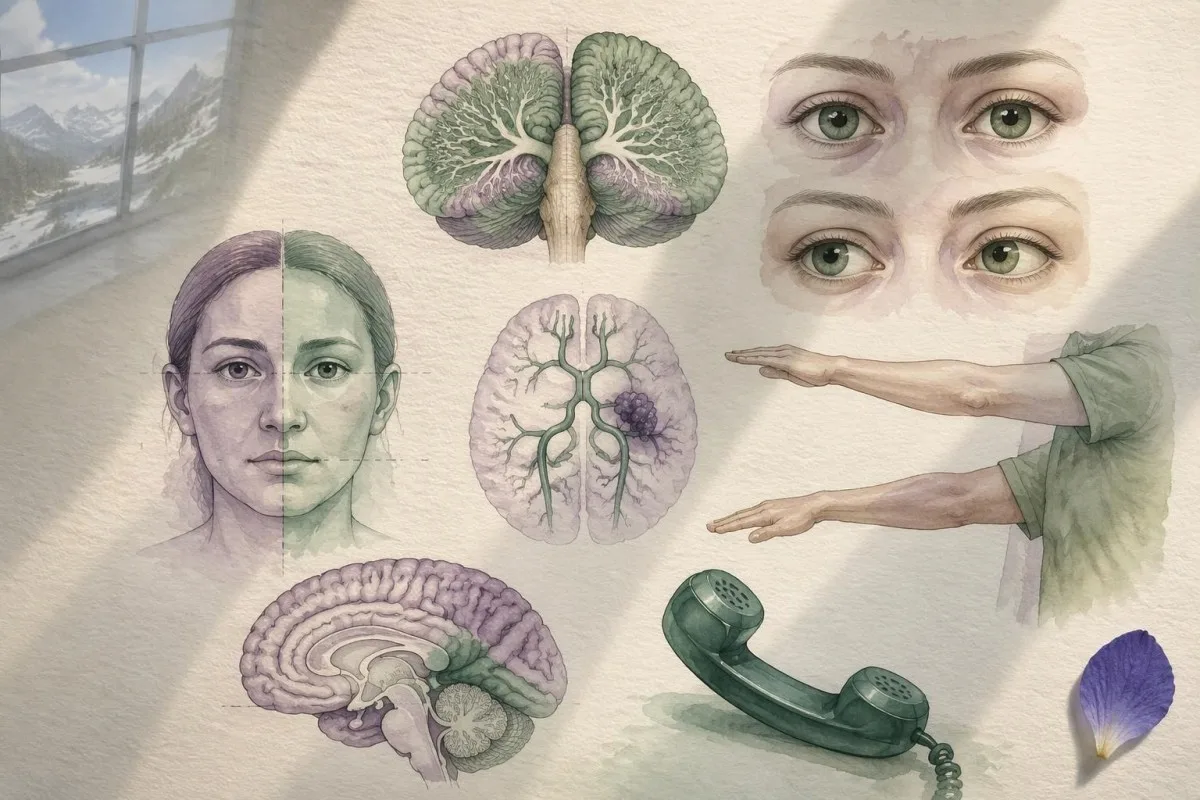
Denge; ani dengesizliği, koordinasyon kaybını veya ayakta durma ya da yürüme güçlüğünü ifade eder. Gözler; ani görme kaybını, çift görmeyi veya görme alanının bir bölümünü görememeyi ifade eder. Bu belirtilerden herhangi biri diğer 3 fiziksel FAST bulgusu olmadan da ortaya çıkabilir; bu nedenle gülümsemenin normal olması, bu belirtilerin göz ardı edilebileceği anlamına gelmez.
Yüz, yeni gelişen asimetrik bir gülümseme veya yüz sarkması anlamına gelir; Kollar, özellikle 1 tarafta yeni başlayan güçsüzlük, kolun aşağı kayması veya uyuşma anlamına gelir. Konuşma; peltek konuşmayı, yanlış kelimeler kullanmayı, basit bir cümleyi anlayamamayı veya kelimeleri söyleyememeyi kapsar; yalnızca alışılmadık bir aksanı veya alçak sesle konuşmayı değil.
Zaman, kontrol listesini önce tamamlamak değil, hemen aramak demektir. 736 iskemik inme vakasının geriye dönük incelendiği bir çalışmada FAST vakaların 14.1%'sini kaçırdı; denge ve görme belirtilerinin eklenmesiyle kaçırılan vakaların oranı 4.4%'ye düştü (Aroor et al., 2017), ancak bu tek merkezli sonuçlar evde tarama için evrensel bir doğruluk düzeyi ortaya koymaz.
Yalnızca el belirtileri olan bir kişinin bile zamanlamaya ve işlevlere dikkat edilmesi gerekir. Rehberimiz parmağa özgü uyuşma örüntüleri yaygın bir periferik nedeni açıklar; ancak 1 elde ani beceri kaybı, değerlendirme yapılmadan karpal tünel sendromu olarak varsayılmamalıdır.
Ani baş dönmesi veya dengesizlik ne zaman inme belirtisi olabilir?
Ani ve şiddetli denge kaybı posterior dolaşım inmesine işaret edebilir, özellikle çift görme, konuşma değişiklikleri, güçsüzlük veya yürüyememe eşlik ediyorsa. Bu inmeler beyincik ve beyin sapı gibi yapıları etkiler; bu nedenle 3 fiziksel FAST kontrolünün tümü normal görünebilir.
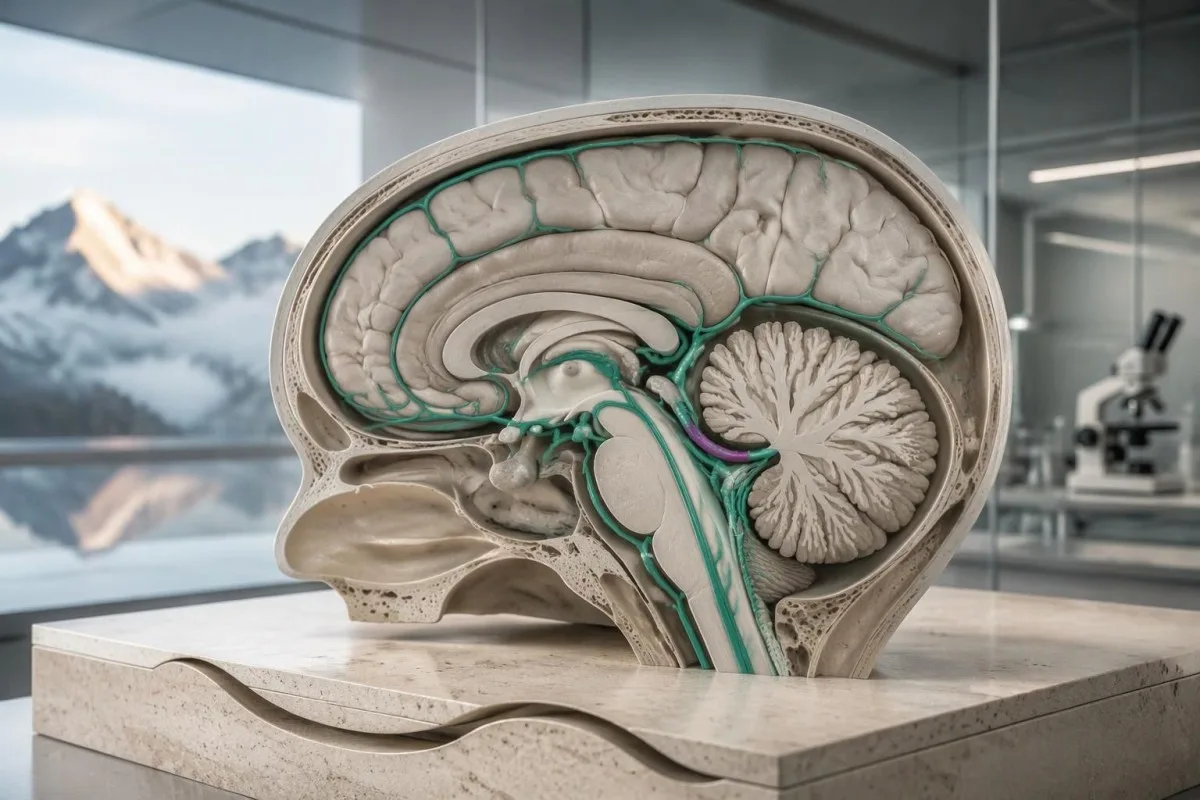
Not every dizzy spell is a stroke; inner-ear disorders and faintness are common alternatives. The concerning combination is a new, persistent balance disturbance plus loss of a previously easy function—for example, being unable to take 2 unsupported steps or suddenly needing furniture to remain upright.
A positional trigger does not automatically prove an inner-ear cause, and nausea does not rule out stroke. If a person develops abrupt vertigo with 1 new neurological feature, such as double vision or slurred speech, call emergency services rather than testing repeated head movements at home.
The HINTS examination is a clinician-performed assessment used in a specific acute vestibular syndrome, not a 3-step self-test for every dizzy patient. Incorrect technique or use in the wrong setting can falsely reassure; an online demonstration cannot substitute for trained examination and appropriate imaging.
Orthostatic symptoms usually have a different pattern, often linked to standing and recurring over time. Our standing-related dizziness guide explains that distinction, but even someone with established POTS needs emergency assessment for 1 sudden, unfamiliar neurological deficit.
Hangi ani görme değişiklikleri inme uyarısı sayılır?
Sudden vision loss, new double vision, or loss of one side of the visual field can be stroke symptoms. A problem affecting just 1 eye can also represent interrupted retinal circulation, which requires emergency assessment even when facial movement, arm strength, and speech seem normal.
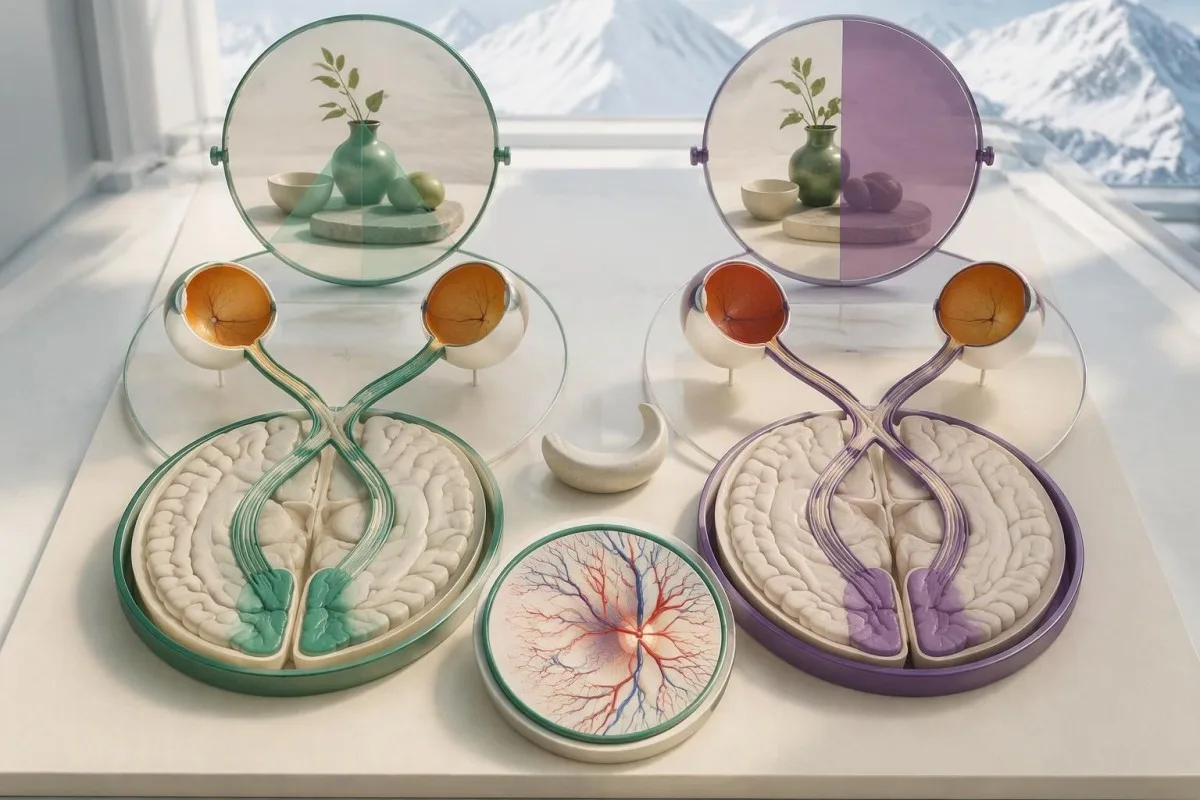
Visual-field loss is different from blurred vision: a person may miss everything to the left or right despite both eyes being open. For example, they might see only 1 half of a plate or repeatedly bump into objects on the same side, without realizing that vision—not attention—is the problem.
New double vision can reflect impaired eye alignment from brainstem dysfunction, especially when paired with imbalance or speech changes. Tell the dispatcher whether the symptom involves 1 eye, both eyes, or a missing side of the scene, but do not delay the call to perform a detailed eye examination.
A brief, painless blackout in 1 eye can be a retinal TIA rather than an ordinary eye complaint. The fact that sight returns after several minutes is not evidence that circulation is safe; the episode may require brain, vessel, and cardiac assessment in addition to an eye examination.
Routine eye screening answers a different question from sudden visual loss. Our explanation of pressure and visual-field testing describes longer-term assessment, but an abrupt change over seconds or minutes should not wait for an optician appointment scheduled 1 week later.
İnmenin erken belirtileri, inmenin kendisinden önce ortaya çıkar mı?
Early signs of stroke are often the stroke itself, not a predictable warning phase lasting days. Some people have a preceding TIA, but there is no reliable 24-hour symptom sequence; sudden loss of speech, strength, vision, or coordination deserves action at its first appearance.
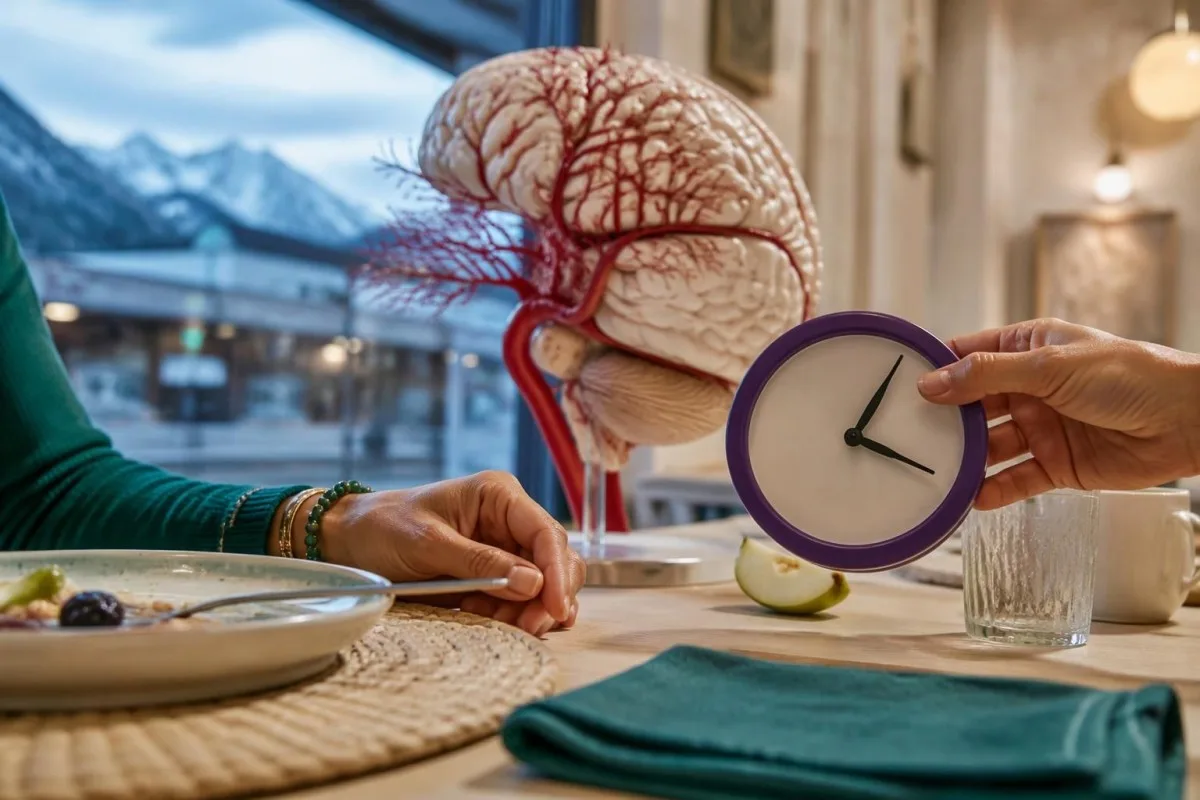
Last known well is the last time someone was definitely at their usual neurological baseline. If a person went to sleep normally at 22:30 and woke with weakness at 06:30, both times matter; reporting 06:30 as the definite onset would incorrectly shorten the possible duration.
Wake-up symptoms are still an emergency, even when several hours may have passed. Some patients with unknown onset can receive treatment selected by imaging, so assuming that the usual 4.5-hour intravenous treatment window has already closed may wrongly prevent access to useful care.
A sudden severe headache reaching maximum intensity within about 1 minute is a thunderclap headache and warrants emergency assessment, particularly with vomiting, neck stiffness, or neurological changes. Many ischemic strokes cause no headache, so its absence must not become a reason to wait.
The speed of change helps distinguish some neurological patterns, but it cannot establish a diagnosis alone. Our ilerleyici güçsüzlüğün uyarı işaretleri discuss a different emergency pattern; weakness evolving over 2 days and weakness appearing in seconds both need appropriate clinical evaluation.
Kadınlarda inme belirtileri farklı mıdır?
Stroke symptoms in women usually include the same BE-FAST warning signs as in men. Some observational reports describe more accompanying confusion, headache, nausea, or generalized symptoms, but there is no separate reliable 6-sign checklist for women, and these nonspecific features cannot diagnose stroke alone.
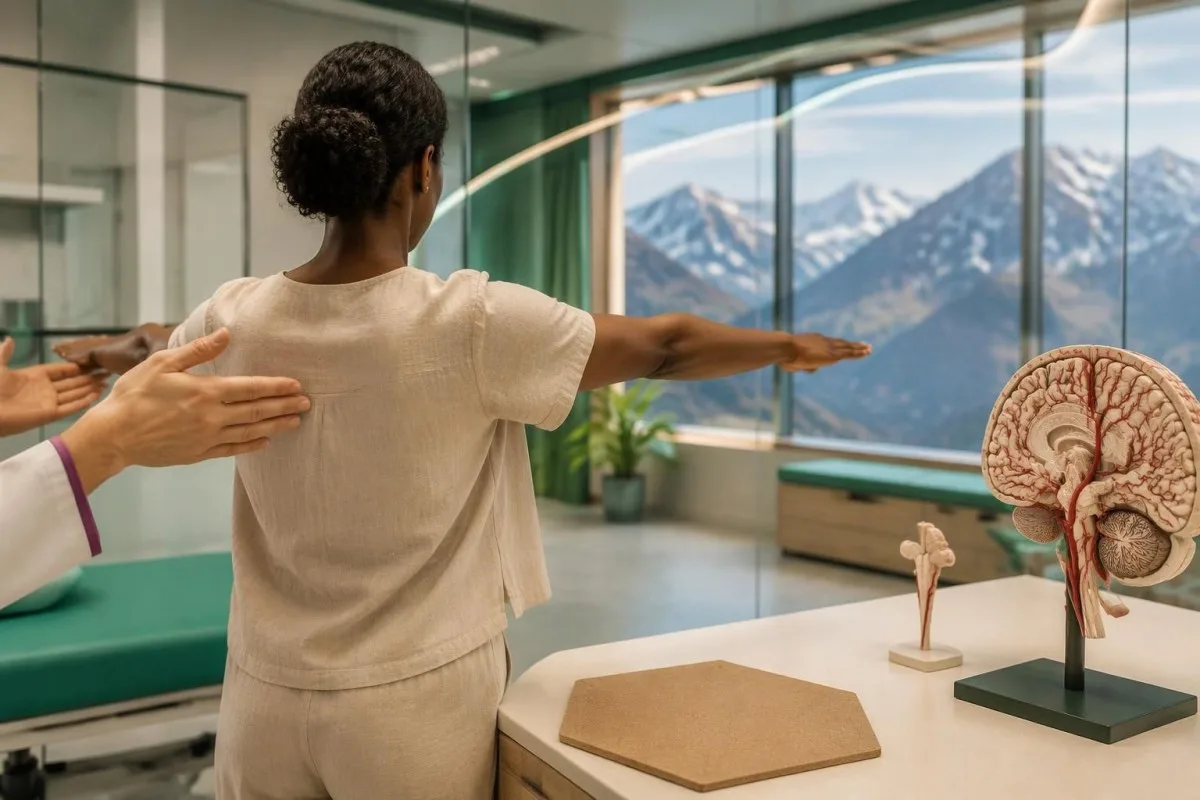
A useful distinction is between a focal deficit and an accompanying symptom: inability to use 1 arm is more localizing than fatigue alone. If a woman has sudden nausea plus double vision and inability to walk, the neurological combination—not whether the symptoms sound stereotypically female—should drive the emergency call.
Pregnancy and the postpartum period change the possible causes of headache and neurological symptoms, including hypertensive complications and cerebral venous thrombosis. Tell emergency clinicians the pregnancy stage or delivery date; a new severe headache with 1 focal deficit should not be attributed to exhaustion or migraine without assessment.
Normal or previously reassuring pregnancy bloodwork cannot exclude a neurological emergency. Our explanation of HELLP acil durum laboratuvar örüntüleri addresses one obstetric complication, but neither a normal platelet count nor normal liver enzymes excludes all causes of postpartum headache or stroke.
Consider a hypothetical woman 10 days after delivery who develops abrupt word-finding difficulty and a headache unlike her usual migraines. The safe action is an emergency call with the delivery date and last known well—not waiting for a repeat CBC, checking whether the headache improves, or asking an app to classify symptoms.
Ortadan kalkan belirtiler neden yine de TIA düşündürür?
Stroke-like symptoms that disappear may represent a TIA or a stroke with improving deficits, and both need urgent assessment. A modern TIA diagnosis concerns transient ischemia without acute infarction, not simply symptoms lasting under 24 hours; only professional evaluation can make that distinction.
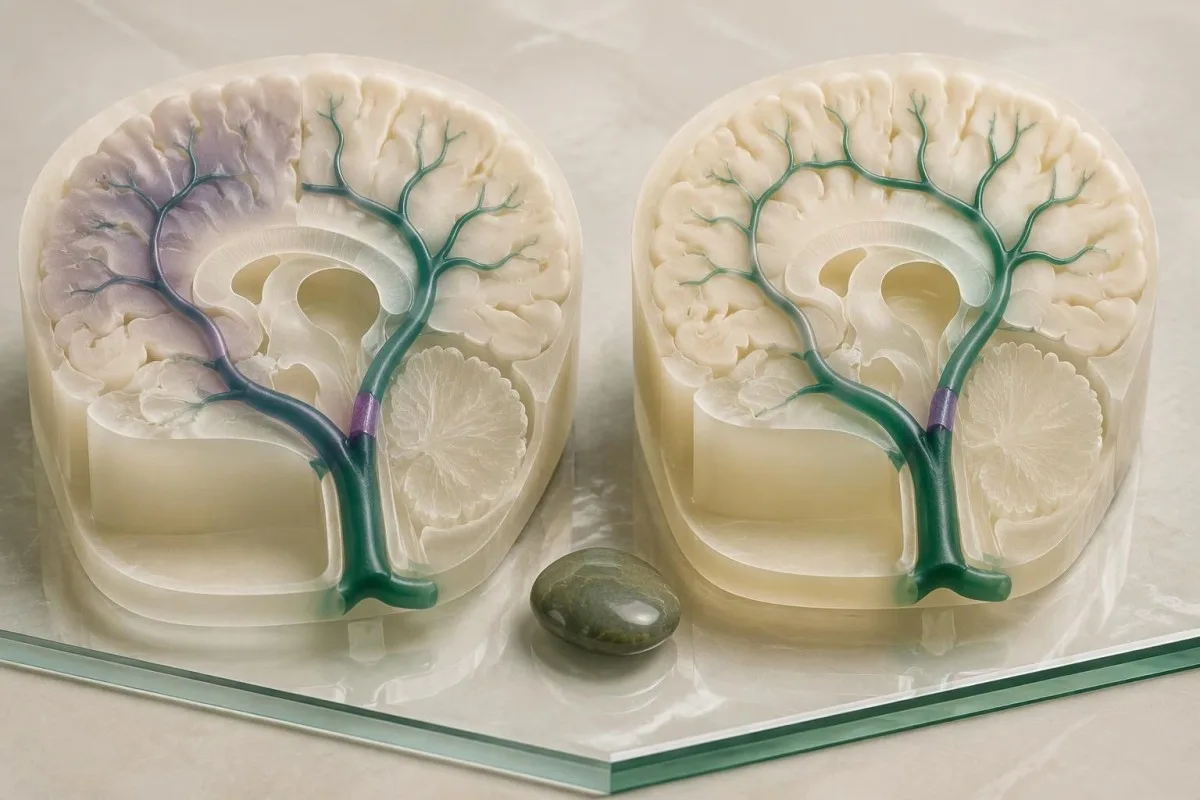
Amin et al. (2023), in an American Heart Association scientific statement, reported 90-day stroke-risk estimates after TIA as high as 17.8%, with almost half of those strokes occurring within 2 days. Those figures describe particular study populations, not an individual prediction; prompt assessment and prevention can change the risk.
If weakness resolves while an ambulance is coming, do not cancel because the person now feels normal. Record when symptoms started, when they stopped, which side was affected, and whether any episode recurred; even 1 brief focal event may identify an unstable arterial or cardiac source.
Risk scores such as ABCD2 cannot safely replace vessel imaging, cardiac assessment, and clinical judgment. A low score may overlook important causes, while a normal examination after 10 minutes of resolved symptoms documents recovery rather than proving that the original event was harmless.
At Kantesti, we separate long-term laboratory risk review from assessment of a new neurological event. Our family-history stroke testing guide is relevant after urgent care, but a preventive panel next week is not a substitute for assessment of 1 suspected TIA today.
Rutin kan tahlilleri inmeyi dışlayabilir mi?
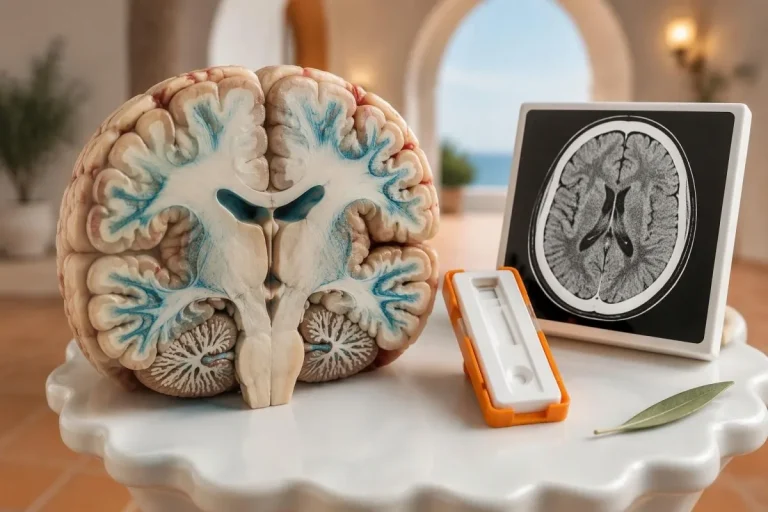
Normal routine bloodwork cannot rule out stroke or TIA. A CBC, metabolic panel, lipid panel, or coagulation panel measures selected cellular, chemical, or clotting properties; none shows whether 1 brain artery is blocked, whether brain tissue is injured, or whether bleeding has occurred inside the skull.
An INR of 1.0 and a normal aPTT do not prove that no clot exists. These tests assess aspects of coagulation under laboratory conditions, not the presence of an arterial obstruction; our guide to normal koagülasyon testi sınırlarının explains why reassuring values can coexist with clinically important clotting.
A normal cholesterol result answers a risk-factor question, not an emergency diagnostic question. For example, an LDL cholesterol of 85 mg/dL does not exclude an embolus from atrial fibrillation or an artery problem; our metabolic panel versus cholesterol guide also clarifies which tests a routine panel actually contains.
Kantesti is an AI blood test interpretation platform that explains reported laboratory findings without using normal values to exclude stroke. A hypothetical platelet count of 240 × 10⁹/L, glucose of 98 mg/dL, and creatinine of 0.9 mg/dL can all coexist with a new cerebral artery blockage.
A panel from 2 days ago has an additional limitation: it describes the time of collection, not current neurological function. Emergency teams may repeat selected tests for treatment safety, but a person should call for help based on sudden symptoms rather than wait for a new sample or compare old reference ranges.
Acil yardım gelene kadar ne yapmalısınız?
Call emergency services, report suspected stroke, and note the last known well time. Use 999 or 112 in the UK, 911 in the US, or your local emergency number; do not drive yourself, and do not wait for laboratory results before requesting help.
Keep the person safely supported and follow the dispatcher’s positioning instructions rather than making them walk to prove they are better. Do not offer food, drink, or tablets because stroke can impair swallowing; if consciousness or breathing changes, tell the dispatcher immediately and follow their resuscitation guidance.
Do not start aspirin, take an extra anticoagulant dose, or use extra blood-pressure medication on your own. The 2 major stroke mechanisms need different approaches, and sudden blood-pressure reduction can be harmful in some situations; clinicians may give aspirin for suspected TIA under a local pathway, but that is not a universal home-treatment instruction.
Gather medication names and the time of the last anticoagulant dose, especially for warfarin, apixaban, rivaroxaban, dabigatran, or edoxaban. Our INR sonucu açıklamamız helps clarify warfarin monitoring, but a normal INR does not reliably establish the absence of a direct oral anticoagulant’s effect.
For example, if symptoms began at 14:05 and a prescribed anticoagulant was taken at 08:00, communicate both exact times. Unlocking the door and having the medication list ready can help responders; finding an old report, charging a phone for an upload, or arranging private transport must not postpone the call.
Şüpheli inmeyi değerlendirmek için hangi acil testler gerçekten kullanılır?
Suspected stroke is assessed with neurological examination, urgent brain imaging, and selected supporting tests—not routine bloodwork alone. A rapid glucose check identifies a treatable mimic; CT commonly checks for intracranial bleeding, while CT angiography or MRI may answer additional questions about arteries and brain tissue.
An early noncontrast CT may look normal during an ischemic stroke, so a reassuring initial scan is not always the end of assessment. MRI with diffusion-weighted imaging can detect many early infarcts, but early false-negative studies occur, particularly in posterior circulation events; persistent symptoms still need clinical reconciliation.
Low glucose can cause confusion, weakness, or speech difficulty, sometimes resembling a stroke. A glucose below 70 mg/dL, or 3.9 mmol/L, is hypoglycemia; below 54 mg/dL, or 3.0 mmol/L, is clinically significant hypoglycemia, and our low-glucose causes guide explains common medication and illness-related causes.
A severe metabolic disturbance can also complicate examination, but finding one does not automatically exclude simultaneous stroke. Our glucose-adjusted sodium explanation describes why marked hyperglycemia changes sodium interpretation; neither calculation should delay emergency assessment of 1 new focal deficit.
Kantesti AI can explain laboratory terminology after collection, but it cannot perform a neurological examination or interpret an evolving emergency as a safe exclusion of stroke. Powers et al. (2019) state that only glucose must precede intravenous thrombolysis in all patients; additional laboratory results may be needed when specific medication, bleeding, or coagulation concerns exist.
Rutin test sonuçları beklenirken tedavi neden geciktirilmemelidir?
Stroke treatment is time-sensitive because threatened brain tissue may become permanently injured while testing is delayed. Established treatment pathways include intravenous thrombolysis within 4.5 hours for eligible patients and thrombectomy up to 24 hours in selected patients; those limits are eligibility windows, not safe periods for waiting.
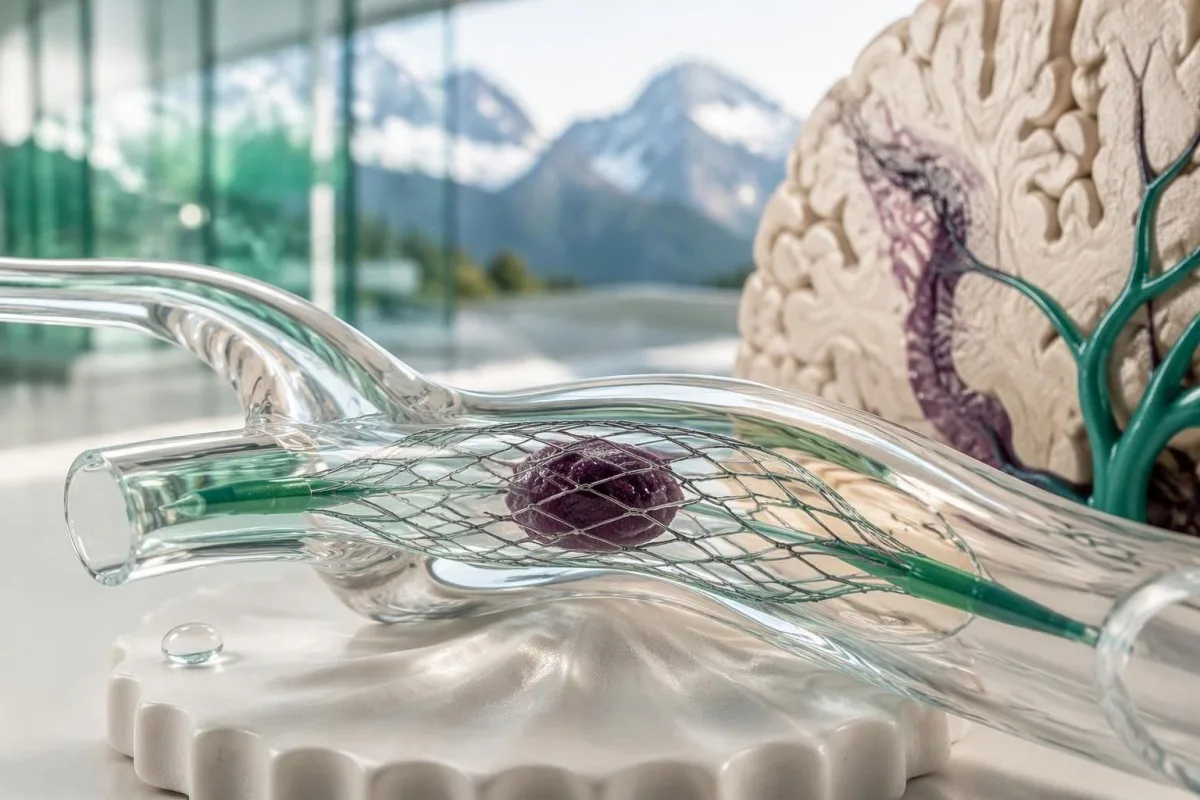
Thrombolysis uses medication to dissolve an eligible clot; thrombectomy uses a catheter-based device to remove selected artery blockages. The 2019 AHA/ASA guideline describes imaging-selected thrombectomy between 6 and 24 hours for certain patients (Powers et al., 2019), but anatomy, imaging findings, baseline function, and specialist judgment determine eligibility.
Blood pressure and medication exposure affect treatment safety without becoming reasons to stay home. An established pre-thrombolysis blood-pressure threshold is below 185/110 mmHg, and hospital teams can manage elevated readings; patients should not attempt to meet that threshold using extra tablets before transport.
Coagulation results matter when a specific safety concern is present, but they do not diagnose the blockage itself. A platelet count below 100 × 10⁹/L or warfarin-associated INR above 1.7 can affect standard intravenous thrombolysis eligibility; our clotting assay interpretation guide explains why different assays answer different questions.
Imagine someone first assessed 3 hours after definite symptom onset who waits another 90 minutes for a nonessential routine panel before reaching a stroke team. That delay may consume a conventional treatment window, although eligibility is never decided by time alone; the safer sequence is emergency assessment first, with necessary tests performed in parallel.
Migren, nöbetler veya beyin biyobelirteçleri inmeyi ayırt edebilir mi?
Migraine, seizures, low glucose, and some vestibular disorders can mimic stroke, but they cannot be reliably distinguished at home. No routine report containing 1 neurological biomarker establishes that a sudden deficit is harmless; examination, symptom timing, and appropriate imaging remain central to assessment.
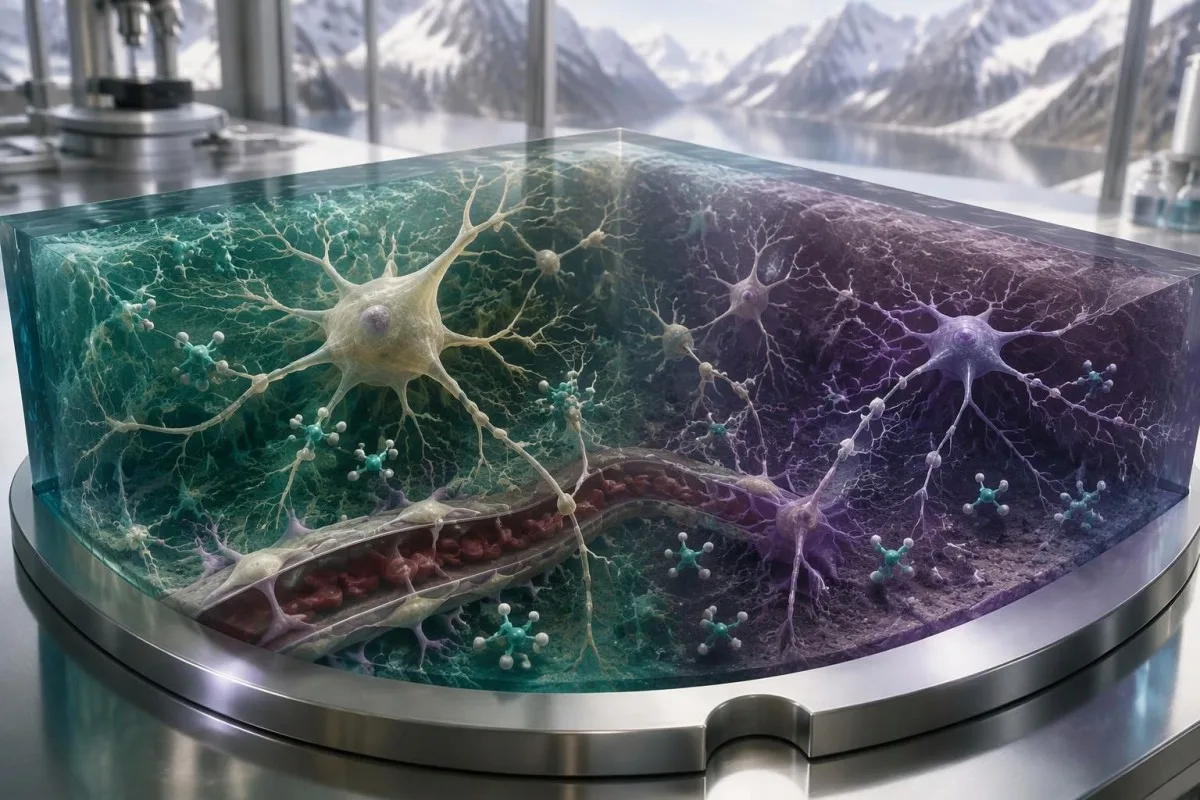
Migraine aura often spreads gradually across several minutes, whereas stroke often causes an abrupt loss of function, but the patterns overlap. A first aura, an unfamiliar aura, or a sudden negative symptom such as losing 1 side of vision should not be self-diagnosed as migraine just because headache is present.
A seizure can be followed by temporary weakness, sometimes called Todd paralysis, and a stroke can itself trigger a seizure. Reporting witnessed shaking or a 1-minute episode of unresponsiveness helps clinicians, but it does not make subsequent weakness safe to observe without urgent assessment.
Neurofilament light chain reflects neuronal injury in multiple conditions rather than functioning as a rapid stroke exclusion test. Our NfL result interpretation guide explains this nonspecificity; a single result, whether high or low, cannot replace assessment of 1 newly impaired neurological function.
Some GFAP-based testing pathways address selected traumatic brain injuries, not universal stroke screening. Our GFAP and head-injury guide discusses that separate use; even where research examines stroke biomarkers, assay timing, thresholds, and performance vary, so 1 normal value must not reassure a symptomatic person.
Acil değerlendirmeden sonra kan testleri nasıl yardımcı olabilir?
Blood tests help identify and monitor some stroke risk factors after urgent diagnosis, including diabetes and atherogenic cholesterol patterns. They do not replace blood-pressure measurement, cardiac rhythm assessment, or vascular imaging, and 1 reassuring panel does not guarantee that a person will not have another event.
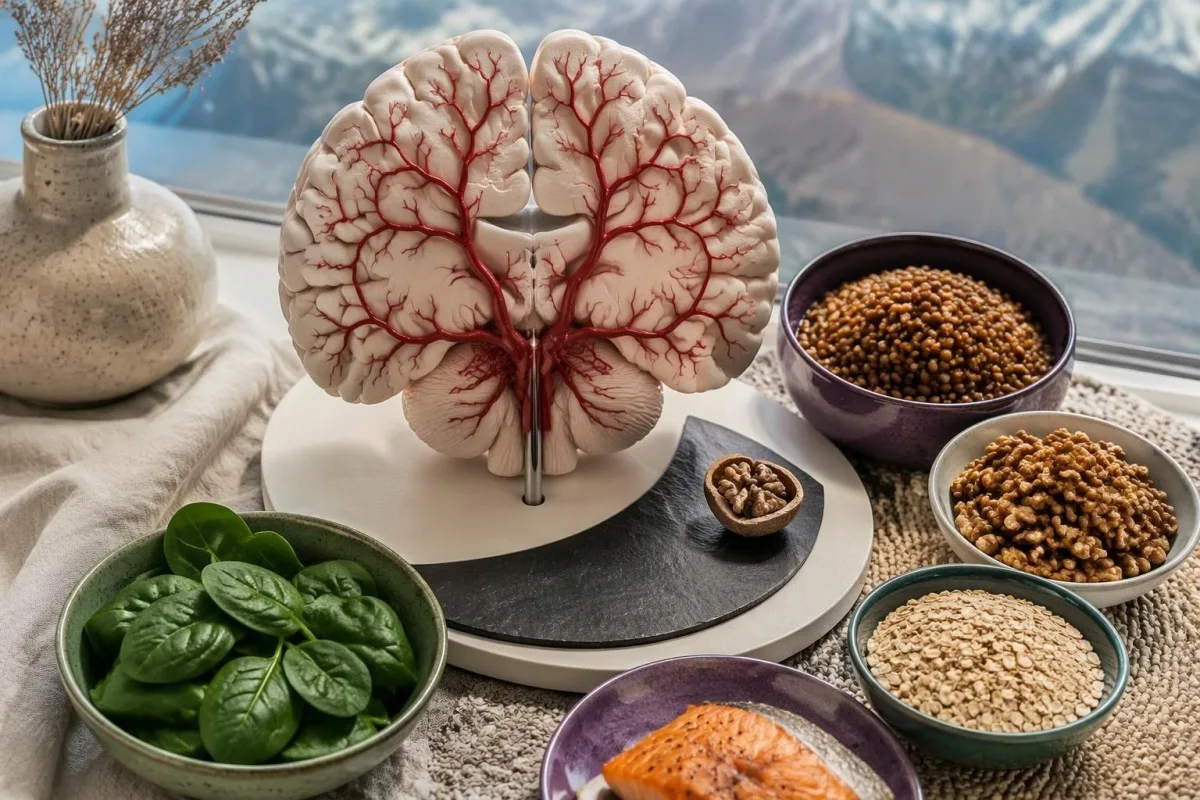
A hypothetical follow-up panel with LDL cholesterol of 142 mg/dL and HbA1c of 7.2% identifies modifiable concerns, not the exact cause of the event. Our ApoB treatment-decision guide explains particle-related risk assessment; treatment targets depend on the diagnosed stroke mechanism, comorbidities, and the clinician’s prevention plan.
Hypertension needs direct measurement because a chemistry panel does not measure arterial pressure. Our secondary hypertension testing guide explains selected laboratory investigations, but 2 normal electrolyte results do not exclude common primary hypertension or replace repeated blood-pressure readings.
Atrial fibrillation may require ECG monitoring because 1 short recording can miss intermittent episodes. Similarly, broad inherited thrombophilia testing is not automatically useful after every arterial stroke; the history, age, imaging pattern, and suspected mechanism determine which additional investigations could change treatment.
Kantesti can support clinician-directed comparison of follow-up laboratory reports, but medication changes belong within the prescribed care plan. Whole-food eating patterns, smoking cessation, activity adapted to recovery, and consistent medication use address longer-term risk; none can reverse a new sudden deficit or justify waiting 1 more day for emergency assessment.
Araştırma yayınları, kanıtlar ve laboratuvar yorumlama sınırları
The stroke evidence cited here supports emergency recognition and assessment; our 2 listed repository publications address general laboratory interpretation, not stroke diagnosis. Readers can review our validation methods and limits without treating technical evaluation as proof that an AI tool can exclude an acute neurological emergency.
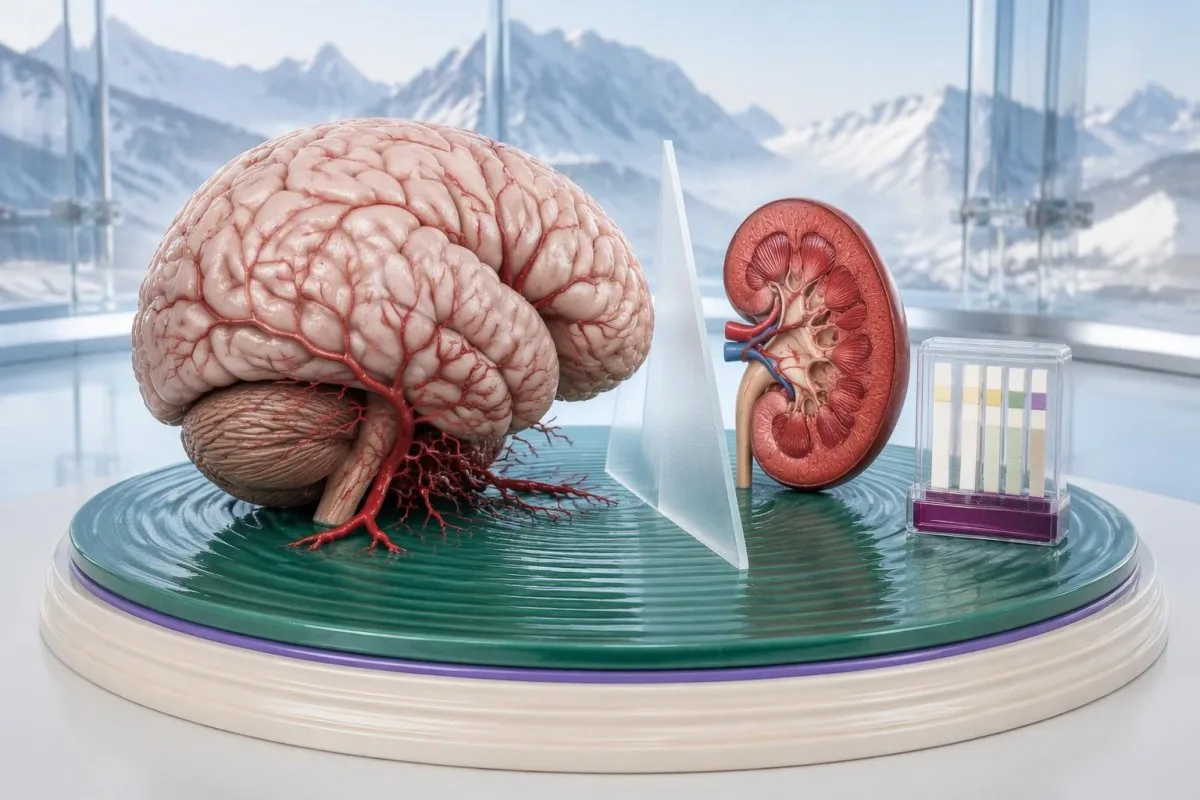
Our listed kidney-function interpretation guide explains BUN and creatinine in their own clinical context. Its Zenodo DOI identifies a repository publication; a creatinine of 0.9 mg/dL, for example, describes a laboratory finding and cannot establish that cerebral circulation is intact.
Eşlik eden urinalysis interpretation publication addresses urine findings rather than acute brain assessment. These 2 repository references are included for transparency about related educational material, not as external stroke guidelines, peer-reviewed stroke trials, or evidence that urine testing can distinguish TIA from stroke.
Kantesti is an AI-powered blood test analysis tool whose educational role must remain separate from emergency triage and definitive diagnosis. Our tıbbi içerik standartları explain the editorial framework; the 3 external medical references below address BE-FAST, suspected TIA, and established acute ischemic stroke management.
Clinical follow-up may involve sharing reports with a treating team, but that should happen after emergency needs are addressed. Our gizlilik ve veri uygulamalarımız describe report handling; permission to review 1 family member’s laboratory report does not authorize access to another’s, and no upload should postpone an emergency call.
Sıkça sorulan sorular
İnmenin ilk uyarı işaretleri nelerdir?
0 The inme belirtileri genellikle ani denge kaybı, görme değişiklikleri, yüzde sarkma, kolda güçsüzlük veya konuşma güçlüğüdür. BE-FAST, acil servisi arama zamanı da dahil olmak üzere bunları 6 başlıkta düzenler. Bir kişinin inme geçirmesi için tüm belirtilerin görülmesi, baş ağrısı yaşaması veya bilincini kaybetmesi gerekmez. Yeni gelişen ani bir nörolojik bozuklukta hemen arayın ve kişinin en son ne zaman normal olduğu bilgisini verin.
İnme belirtileri birkaç dakika sonra geçebilir mi?
İnme belirtileri, bir TİA veya iyileşmekte olan bir inme nedeniyle birkaç dakika sonra kaybolabilir; ancak belirtilerin kaybolması durumun güvenli olduğunu göstermez. Amerikan Kalp Derneği’nin 2023 TİA bildirisinde, bazı popülasyonlarda 90 günlük inme riski tahminlerinin ,8’e kadar çıktığı ve vakaların neredeyse yarısının 2 gün içinde gerçekleştiği bildirilmektedir. Bu tahminler kişiye özel bir öngörü değildir ve acil tedavi riski azaltabilir. Konuşma, güç veya görme normale dönse bile acilen değerlendirilmeniz için başvurun.
Normal kan testleri inmeyi dışlayabilir mi?
Normal rutin kan testleri, beyin arterlerini, kafa içi kanamayı veya hasar görmüş beyin dokusunu doğrudan göstermedikleri için inmeyi dışlayamaz. 240 × 10⁹/L trombosit sayımı veya 1.0 INR, iskemik inmeyle birlikte görülebilir. Acil değerlendirme nörolojik muayeneye, beyin görüntülemesine ve seçilmiş destekleyici testlere dayanır. Yardım çağırmadan önce laboratuvar raporunu veya yapay zekâ yorumunu beklemeyin.
Ani baş dönmesi inme belirtisi midir?
0 Ani baş dönmesi, özellikle şiddetli denge bozukluğu, çift görme, konuşma değişiklikleri veya yeni gelişen güçsüzlükle birlikteyse inme belirtisi olabilir. Posterior dolaşım inmelerinde FAST’ın 3 fiziksel kontrolü (Yüz, Kollar ve Konuşma) görünüşte normal olabilir. Baş dönmesi ataklarının çoğunun inme dışı nedenleri vardır; ancak normal yürüyememe veya yeni gelişen fokal bir bulgu acil değerlendirme gerektirir. HINTS, eğitimli bir klinisyenin muayenesidir; evde uygulanan güvenilir bir tarama testi değildir.
Kadınlarda inme belirtileri farklı mıdır?
0 Kadınlarda genellikle erkeklerle aynı BE-FAST inme uyarı işaretleri görülür; ancak bunlara baş ağrısı, bulantı veya kafa karışıklığı eşlik edebilir. Kadınlara özgü, güvenilir ayrı bir 6 işaretli inme kontrol listesi yoktur. Gebelik veya doğum sonrası dönem, olası nedenleri artırır ve özellikle yeni başlayan şiddetli baş ağrısı ya da fokal nörolojik bulgu varsa acil sağlık personeline bildirilmelidir. Ani nörolojik değişiklikler, değerlendirme yapılmadan strese, migrene veya bitkinliğe bağlanmamalıdır.
Felç geçirdiğimi düşünüyorsam aspirin almalı mıyım?
Acil bir sağlık profesyoneli özellikle almanızı söylemedikçe, inme şüphesi nedeniyle kendi başınıza aspirin kullanmaya başlamayın. İnmenin iki temel mekanizması olan arter tıkanıklığı ve kafa içi kanama farklı tedaviler gerektirir; kanama varsa aspirin zararlı olabilir. Klinisyenler, yerel bir klinik protokol kapsamında TİA şüphesinde hemen aspirin reçete edebilir, ancak bu herkes için geçerli bir evde uygulama talimatı değildir. Önce acil servisleri arayın; yutmanın güvenli olup olmadığı ve tedavi talimatları netleşene kadar yiyecek, içecek veya tablet almayın.
İnme tedavisi görmek için ne kadar süreniz var?
Uygun hastalara genellikle başlangıcın bilinen zamanından itibaren 4,5 saat içinde intravenöz tromboliz uygulanır; seçilmiş hastalara görüntüleme ve diğer ölçütlere göre 24 saate kadar trombektomi uygulanabilir. Başlangıç zamanı bilinmeyen veya uykudan uyanınca fark edilen inme geçiren bazı hastalar da görüntülemeye göre seçilen tedaviler için uygun olabilir. Bu süreler güvenle beklenebilecek süreler değildir ve erken değerlendirme genellikle daha fazla tedavi seçeneğini korur. Başlangıç zamanı belirsiz olsa veya birkaç saat geçmiş olsa bile hemen arayın.
Kan tahlili sonuçları ne anlama gelir
Laboratuvar raporunuzu yükleyin; Kantesti'nin AI'ı her biyobelirteci saniyeler içinde sade bir dille açıklar. Dünya genelinde 2 milyondan fazla kişi tarafından kullanılıyor.
Referanslar
- Klein, T., Mitchell, S. & Weber, H. (2026). BUN/Kreatinin Oranı Açıklaması: Böbrek Fonksiyon Testi Rehberi. Kantesti AI Tıbbi Araştırma. DOI
- Klein, T., Mitchell, S. & Weber, H. (2026). İdrarda Urobilinogen Testi: Tam İdrar Analizi Rehberi 2026. Kantesti AI Tıbbi Araştırma. DOI
- Aroor S et al. (2017). BE-FAST (Balance, Eyes, Face, Arm, Speech, Time): Reducing the Proportion of Strokes Missed Using the FAST Mnemonic. Stroke. DOI
- Amin HP et al. (2023). Diagnosis, Workup, Risk Reduction of Transient Ischemic Attack in the Emergency Department Setting: A Scientific Statement From the American Heart Association. Stroke. DOI
- Powers WJ et al. (2019). Guidelines for the Early Management of Patients With Acute Ischemic Stroke: 2019 Update to the 2018 Guidelines for the Early Management of Acute Ischemic Stroke: A Guideline for Healthcare Professionals From the American Heart Association/American Stroke Association. Stroke. DOI
- 2 milyondan fazlaAnaliz edilen testler
- 127+Ülkeler
- 100+Diller
Sağlık ekibi hakkında


E-E-A-T Güven Sinyalleri
Deneyim
Hekim liderliğinde laboratuvar yorumlama iş akışlarının klinik incelemesi.
Uzmanlık
Klinik bağlamda biyobelirteçlerin nasıl davrandığına odaklanan laboratuvar tıbbı.
Otorite
Dr. Thomas Klein tarafından tıbbi açıdan incelenmiş; Dr. Sarah Mitchell ve Prof. Dr. Hans Weber'in katkılarıyla hazırlanmıştır.
Güvenilirlik
Alarmı azaltmaya yönelik net takip yollarıyla kanıta dayalı yorumlama.

Tıbbi sorumluluk reddi
Bu makale yalnızca eğitim amaçlıdır ve tıbbi tavsiye niteliği taşımaz. Tanı ve tedavi kararları için her zaman yetkin bir sağlık hizmeti sağlayıcısına danışın.
Yayınlanmış · Yayın ekibiyle iletişime geçin
Kantesti Ltd tarafından yayımlanmıştır; İngiltere ve Galler'de kayıtlı, şirket no. 17090423, Londra, Birleşik Krallık.
