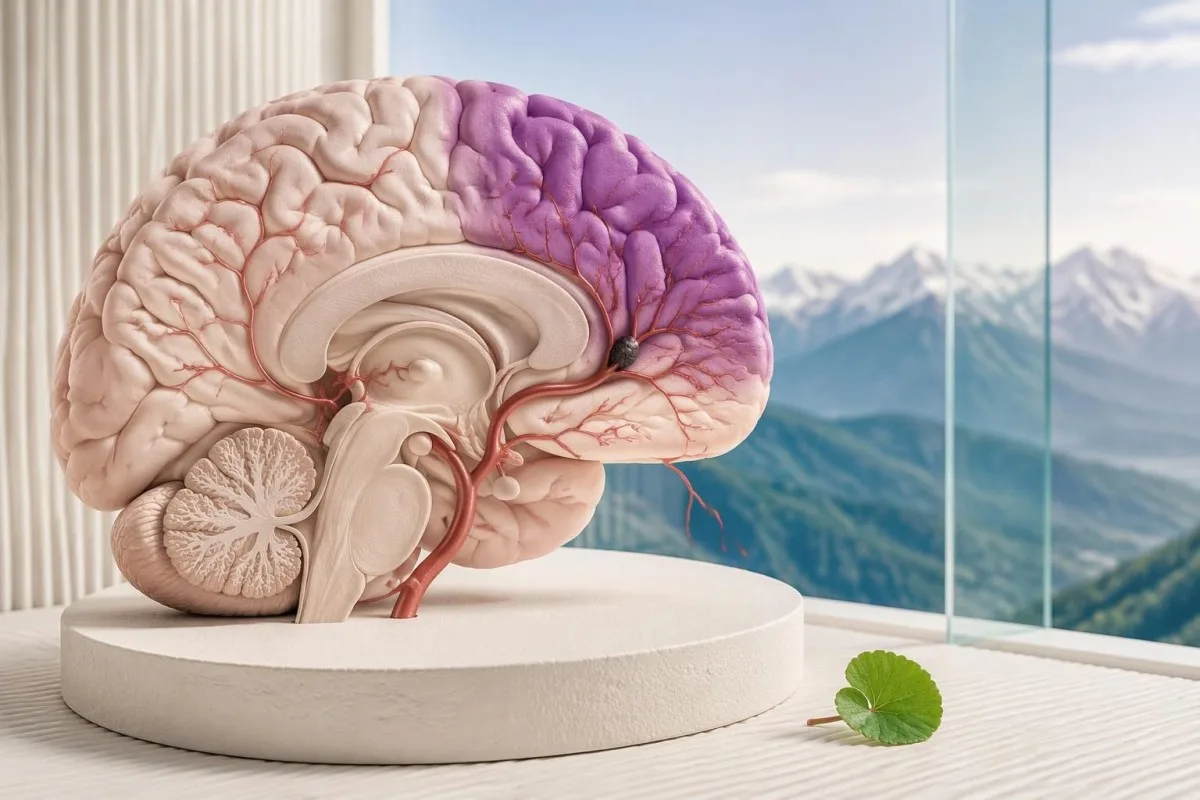
წონასწორობის უეცარი დაკარგვა, მხედველობის ცვლილებები, სახის ჩამოშვება, მკლავის სისუსტე ან მეტყველების გაძნელება შეიძლება ინსულტზე მიუთითებდეს. დაუყოვნებლივ დარეკეთ ადგილობრივ საგანგებო ნომერზე — მაშინაც კი, თუ სიმპტომები გაქრება ან რუტინული სისხლის ანალიზის შედეგები ნორმალურია; არც სიმპტომების გაუმჯობესება და არც ნორმალური ლაბორატორიული შედეგები არ ნიშნავს, რომ მოცდა უსაფრთხოა.

ძირითადი დასკვნები
- BE-FAST ნიშნავს წონასწორობას, თვალებს, სახეს, მკლავებს, მეტყველებას და დროს; ერთმა უეცარმა გამაფრთხილებელმა ნიშანმაც კი შეიძლება გაამართლოს საგანგებო სამსახურში დარეკვა.
- საგანგებო ნომრები გაერთიანებულ სამეფოში არის 999 ან 112, ხოლო აშშ-ში — 911; სხვა ქვეყნებში ისარგებლეთ ადგილობრივი საგანგებო სამსახურის ნომრით.
- გამქრალი სიმპტომები შეიძლება გარდამავალ იშემიურ შეტევაზე, ანუ TIA-ზე, მიუთითებდეს და მაინც საჭიროებდეს სასწრაფო შეფასებას.
- სისხლის ნორმალური ანალიზები ვერ გამორიცხავს ვერც იშემიურ ინსულტს და ვერც სისხლჩაქცევით გამოწვეულ ინსულტს.
- ბოლოს კარგად ყოფნის დრო ნიშნავს ბოლო დროს, როცა პირს ნამდვილად ჰქონდა მისთვის ჩვეული ნევროლოგიური მდგომარეობა — და არა დროს, როცა ვინმემ სიმპტომები აღმოაჩინა.
- მკურნალობის დროითი ფანჯრები ჩვეულებრივ მოიცავს ინტრავენურ თრომბოლიზისს შესაბამისი პაციენტებისთვის 4.5 საათის განმავლობაში; შერჩეულ პაციენტებს თრომბექტომია შეიძლება ჩაუტარდეთ 24 საათამდე.
- ინსულტის გამაფრთხილებელი ნიშნები ქალებში მოიცავს იმავე BE-FAST სიმპტომებს, რაც მამაკაცებში; ორსულობა ან მშობიარობის შემდგომი პერიოდი ცვლის კლინიკურ კონტექსტს და არა გადაუდებელი მოქმედების აუცილებლობას.
- არ დაელოდოთ ლაბორატორიული პასუხის, AI-ის ინტერპრეტაციის, მეორე ეპიზოდის ან დახმარების გამოძახებამდე სიმპტომების გაუმჯობესების მოლოდინში.
ინსულტის რომელი სიმპტომების დროს არის საჭირო საგანგებო სამსახურში დარეკვა?
ინსულტის უეცარი სიმპტომები გადაუდებელი დახმარების დაუყოვნებლივ გამოძახებას მოითხოვს: წონასწორობის ახალი დარღვევა, მხედველობის დაკარგვა ან გაორებული ხედვა, სახის ჩამოშვება, მკლავის სისუსტე ან მეტყველების გაძნელება. გამოიყენეთ BE-FAST, მაგრამ ნუ დაელოდებით ექვსივე ნიშნის გამოვლენას; გამქრალი სიმპტომები და სისხლის რუტინული ანალიზების ნორმალური შედეგები ინსულტს არ გამორიცხავს.
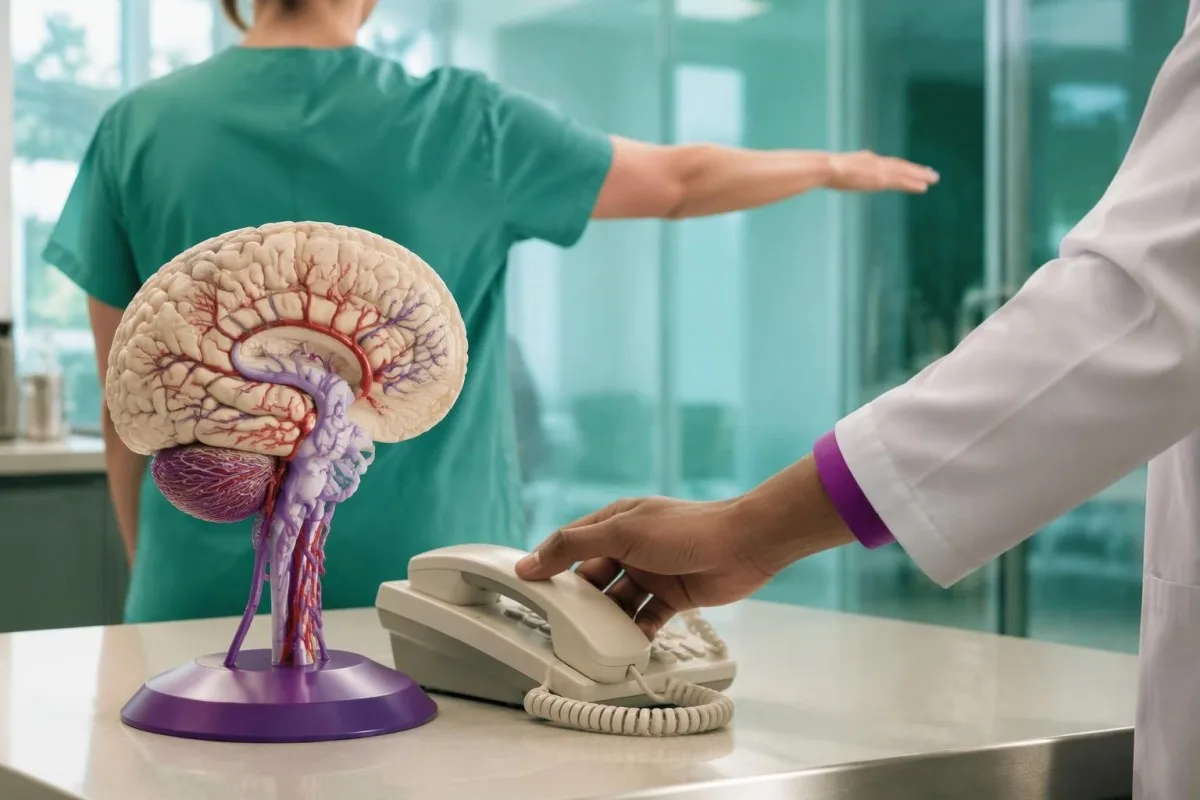
ინსულტი ვითარდება, როცა ტვინის არტერია იბლოკება ან ტვინის სისხლძარღვი სკდება; ეს ორი მექანიზმი განსხვავებულ მკურნალობას მოითხოვს. სიმპტომებით მათი საიმედოდ გარჩევა სახლში შეუძლებელია, ამიტომ ასპირინის მიღება ან არტერიული წნევის დამოუკიდებლად დაწევის მცდელობა პროფესიულ შეფასებამდე შესაძლოა სახიფათო იყოს.
პრაქტიკული მინიშნებაა ადამიანის ჩვეული ფუნქციონირების უეცარი ცვლილება და არა ის, გამოიყურება თუ არა ის მძიმედ ავად. ადამიანს შეიძლება გონება არ დაეკარგოს, ოთახში შევიდეს ან მხოლოდ ერთი სუსტი ხელი ახსენოს, მიუხედავად იმისა, რომ ინსულტი იწვევს მძიმე შეზღუდვას; ტკივილი და გონების დაკარგვა აუცილებელი არ არის.
მაგალითად, წარმოიდგინეთ ადამიანი, რომელიც 10:12-ზე ჩვეულებრივად ლაპარაკობს, ხოლო საუზმის დროს, 10:14-ზე, გაურკვევლად იწყებს მეტყველებას. დაუყოვნებლივ დარეკეთ და ორივე დრო მიუთითეთ; ნუ დახარჯავთ კიდევ 10 წუთს სახის სიმეტრიის შემოწმებაში, სიმპტომების ინტერნეტში ძებნაში ან გეგმური სისხლის ანალიზის ორგანიზებაში.
Kantesti არის AI სისხლის ანალიზების განმმარტებელი, რომელიც ლაბორატორიული პასუხების გაგებაში გეხმარებათ და არა ინსულტის დიაგნოსტიკის გადაუდებელი სერვისი. ჩვენი ორგანიზაცია და კლინიკური მოქმედების სფერო უნდა განიხილებოდეს ამ შეზღუდვის გათვალისწინებით: დაახლოებით 60 წამში მიღებულმა ინტერპრეტაციამაც კი არასოდეს უნდა შეაფერხოს გადაუდებელი დახმარების გამოძახება.
რას ნიშნავს ინსულტის ექვსი BE-FAST ნიშანი?
ინსულტის ნიშნები BE-FAST-ის მიხედვით მოიცავს წონასწორობას, თვალებს, სახეს, მკლავებს, მეტყველებასა და გადაუდებელი დახმარების გამოძახების დროს. ექვსკომპონენტიანი მნემონიკური წესი FAST-ს უეცარ წონასწორობის დარღვევასა და მხედველობის ცვლილებებს ამატებს და ეხმარება ადამიანებს ისეთი ინსულტის ამოცნობაში, რომელიც აშკარა სახის ჩამოშვებით ან მკლავის სისუსტით არ იწყება.
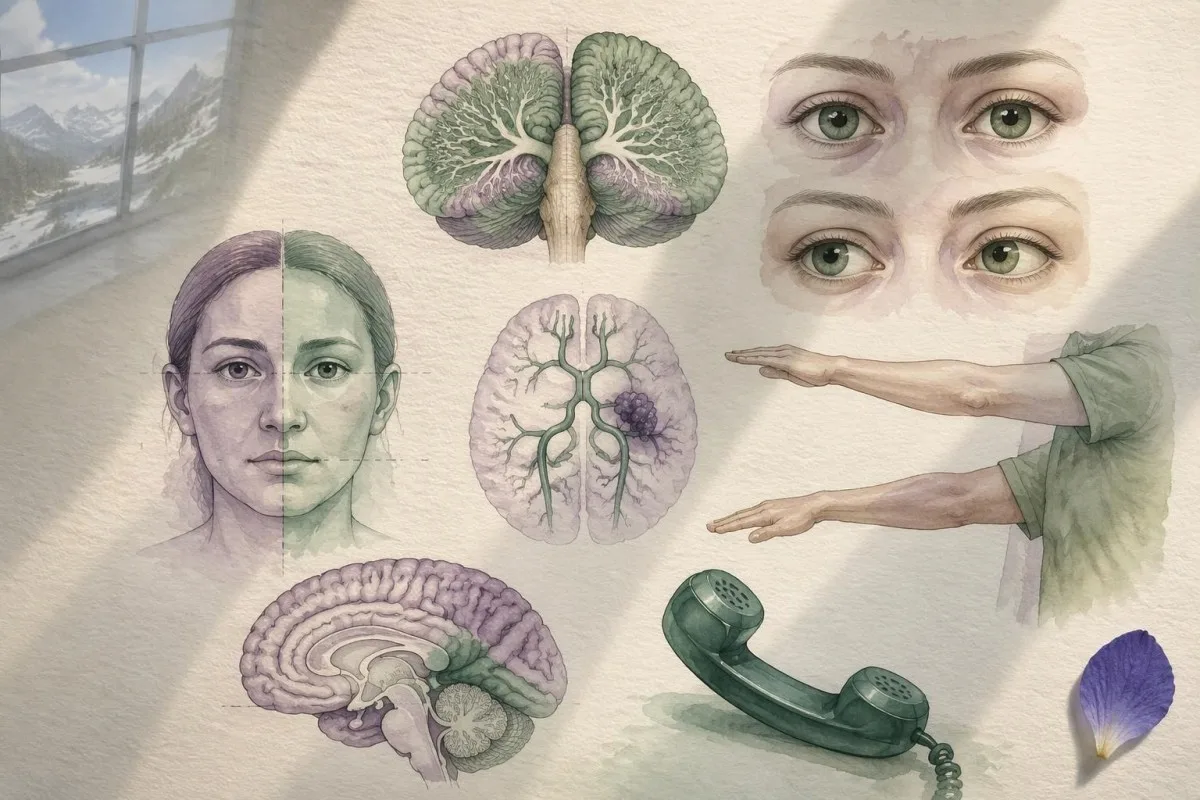
წონასწორობა გულისხმობს უეცარ არამდგრადობას, კოორდინაციის დაკარგვას ან დგომისა თუ სიარულის გაძნელებას; თვალები გულისხმობს მხედველობის უეცარ დაკარგვას, გაორებულ ხედვას ან მხედველობის ველის ნაწილის დაკარგვას. თითოეული მათგანი შეიძლება გამოვლინდეს დანარჩენი სამი ფიზიკური FAST ნიშნის გარეშე, ამიტომ ღიმილის ნორმალური სიმეტრია ამ სიმპტომების უგულებელყოფას უსაფრთხოს არ ხდის.
სახე გულისხმობს ღიმილის ახალ ასიმეტრიას ან სახის ჩამოშვებას; მკლავები — ახალ სისუსტეს, ჩამოშვებას ან დაბუჟებას, განსაკუთრებით ერთ მხარეს. მეტყველება მოიცავს ბგერების გაურკვევლად წარმოთქმას, არასწორი სიტყვების გამოყენებას, მარტივი წინადადების გაგების შეუძლებლობას ან სიტყვების წარმოთქმის შეუძლებლობას — და არა მხოლოდ უჩვეულო აქცენტს ან ჩუმად საუბარს.
დრო ნიშნავს ახლავე დარეკვას და არა ჯერ საკონტროლო სიის ბოლომდე შევსებას. იშემიური ინსულტის 736 შემთხვევის რეტროსპექტიულ კვლევაში FAST-მა შემთხვევების 14.1% ვერ გამოავლინა; წონასწორობისა და მხედველობის სიმპტომების დამატებამ გამოუვლენელი შემთხვევების წილი 4.4%-მდე შეამცირა (Aroor et al., 2017), თუმცა ერთცენტრიანი კვლევის ეს შედეგები სახლში სკრინინგის უნივერსალურ სიზუსტეს არ ადასტურებს.
ადამიანს, რომელსაც მხოლოდ ხელის სიმპტომები აქვს, მაინც უნდა მიექცეს ყურადღება სიმპტომების დაწყების დროსა და ფუნქციონირებას. ჩვენი გზამკვლევი თითებისთვის დამახასიათებელი დაბუჟების ნიმუშების შესახებ გავრცელებულ პერიფერიულ მიზეზს განმარტავს, თუმცა ერთ ხელში მოხერხებულობის უეცარი დაკარგვა შეფასების გარეშე კარპალური გვირაბის სინდრომს არ უნდა მიეწეროს.
როდის შეიძლება თავბრუსხვევის ან წონასწორობის უეცარი დარღვევა ინსულტზე მიუთითებდეს?
წონასწორობის მძიმე უეცარი დარღვევა შესაძლოა უკანა ცირკულაციის ინსულტზე მიუთითებდეს, განსაკუთრებით მაშინ, როცა მას თან ახლავს გაორებული ხედვა, მეტყველების ცვლილებები, სისუსტე ან სიარულის შეუძლებლობა. ასეთი ინსულტები აზიანებს ისეთ სტრუქტურებს, როგორიცაა ნათხემი და ტვინის ღერო, ამიტომ FAST-ის სამივე ფიზიკური ტესტის შედეგი შესაძლოა ნორმალური იყოს.
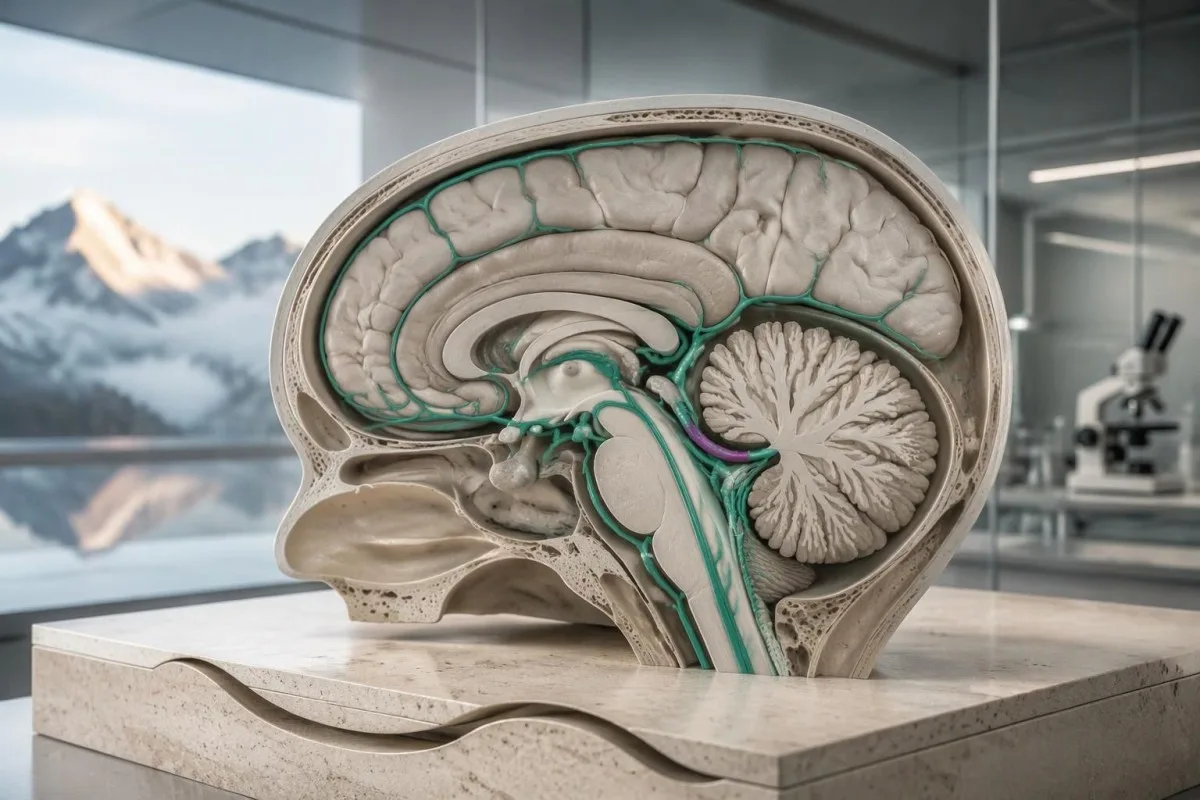
Not every dizzy spell is a stroke; inner-ear disorders and faintness are common alternatives. The concerning combination is a new, persistent balance disturbance plus loss of a previously easy function—for example, being unable to take 2 unsupported steps or suddenly needing furniture to remain upright.
A positional trigger does not automatically prove an inner-ear cause, and nausea does not rule out stroke. If a person develops abrupt vertigo with 1 new neurological feature, such as double vision or slurred speech, call emergency services rather than testing repeated head movements at home.
The HINTS examination is a clinician-performed assessment used in a specific acute vestibular syndrome, not a 3-step self-test for every dizzy patient. Incorrect technique or use in the wrong setting can falsely reassure; an online demonstration cannot substitute for trained examination and appropriate imaging.
Orthostatic symptoms usually have a different pattern, often linked to standing and recurring over time. Our standing-related dizziness guide explains that distinction, but even someone with established POTS needs emergency assessment for 1 sudden, unfamiliar neurological deficit.
მხედველობის რომელი უეცარი ცვლილებები მიიჩნევა ინსულტის გამაფრთხილებელ ნიშნებად?
Sudden vision loss, new double vision, or loss of one side of the visual field can be stroke symptoms. A problem affecting just 1 eye can also represent interrupted retinal circulation, which requires emergency assessment even when facial movement, arm strength, and speech seem normal.
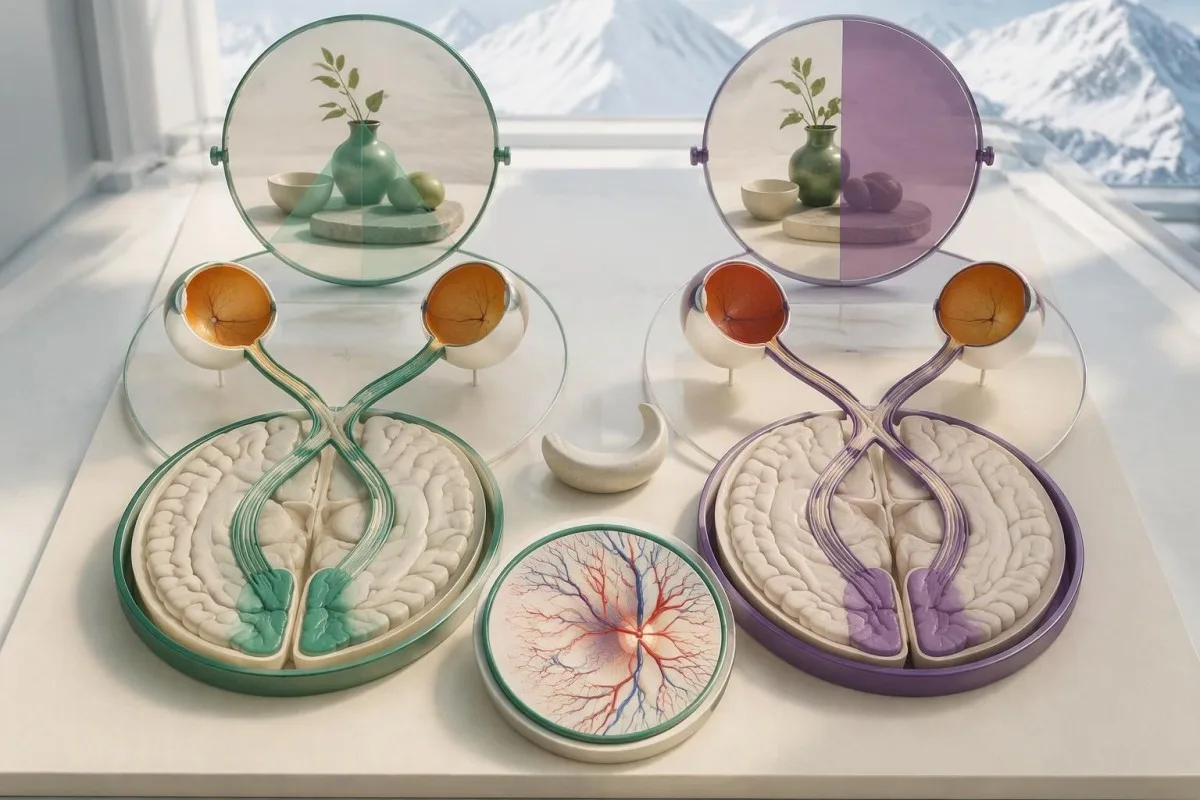
Visual-field loss is different from blurred vision: a person may miss everything to the left or right despite both eyes being open. For example, they might see only 1 half of a plate or repeatedly bump into objects on the same side, without realizing that vision—not attention—is the problem.
New double vision can reflect impaired eye alignment from brainstem dysfunction, especially when paired with imbalance or speech changes. Tell the dispatcher whether the symptom involves 1 eye, both eyes, or a missing side of the scene, but do not delay the call to perform a detailed eye examination.
A brief, painless blackout in 1 eye can be a retinal TIA rather than an ordinary eye complaint. The fact that sight returns after several minutes is not evidence that circulation is safe; the episode may require brain, vessel, and cardiac assessment in addition to an eye examination.
Routine eye screening answers a different question from sudden visual loss. Our explanation of pressure and visual-field testing describes longer-term assessment, but an abrupt change over seconds or minutes should not wait for an optician appointment scheduled 1 week later.
ჩნდება თუ არა ინსულტის ადრეული ნიშნები ძირითად მოვლენამდე?
Early signs of stroke are often the stroke itself, not a predictable warning phase lasting days. Some people have a preceding TIA, but there is no reliable 24-hour symptom sequence; sudden loss of speech, strength, vision, or coordination deserves action at its first appearance.
Last known well is the last time someone was definitely at their usual neurological baseline. If a person went to sleep normally at 22:30 and woke with weakness at 06:30, both times matter; reporting 06:30 as the definite onset would incorrectly shorten the possible duration.
Wake-up symptoms are still an emergency, even when several hours may have passed. Some patients with unknown onset can receive treatment selected by imaging, so assuming that the usual 4.5-hour intravenous treatment window has already closed may wrongly prevent access to useful care.
A sudden severe headache reaching maximum intensity within about 1 minute is a thunderclap headache and warrants emergency assessment, particularly with vomiting, neck stiffness, or neurological changes. Many ischemic strokes cause no headache, so its absence must not become a reason to wait.
The speed of change helps distinguish some neurological patterns, but it cannot establish a diagnosis alone. Our პროგრესირებადი სისუსტის გამაფრთხილებელი ნიშნები discuss a different emergency pattern; weakness evolving over 2 days and weakness appearing in seconds both need appropriate clinical evaluation.
განსხვავდება თუ არა ქალებში ინსულტის სიმპტომები?
Stroke symptoms in women usually include the same BE-FAST warning signs as in men. Some observational reports describe more accompanying confusion, headache, nausea, or generalized symptoms, but there is no separate reliable 6-sign checklist for women, and these nonspecific features cannot diagnose stroke alone.

A useful distinction is between a focal deficit and an accompanying symptom: inability to use 1 arm is more localizing than fatigue alone. If a woman has sudden nausea plus double vision and inability to walk, the neurological combination—not whether the symptoms sound stereotypically female—should drive the emergency call.
Pregnancy and the postpartum period change the possible causes of headache and neurological symptoms, including hypertensive complications and cerebral venous thrombosis. Tell emergency clinicians the pregnancy stage or delivery date; a new severe headache with 1 focal deficit should not be attributed to exhaustion or migraine without assessment.
Normal or previously reassuring pregnancy bloodwork cannot exclude a neurological emergency. Our explanation of HELLP-ის გადაუდებელი მდგომარეობის ლაბორატორიული სურათების addresses one obstetric complication, but neither a normal platelet count nor normal liver enzymes excludes all causes of postpartum headache or stroke.
Consider a hypothetical woman 10 days after delivery who develops abrupt word-finding difficulty and a headache unlike her usual migraines. The safe action is an emergency call with the delivery date and last known well—not waiting for a repeat CBC, checking whether the headache improves, or asking an app to classify symptoms.
რატომ მიუთითებს სიმპტომების გაქრობაც კი TIA-ზე?
Stroke-like symptoms that disappear may represent a TIA or a stroke with improving deficits, and both need urgent assessment. A modern TIA diagnosis concerns transient ischemia without acute infarction, not simply symptoms lasting under 24 hours; only professional evaluation can make that distinction.
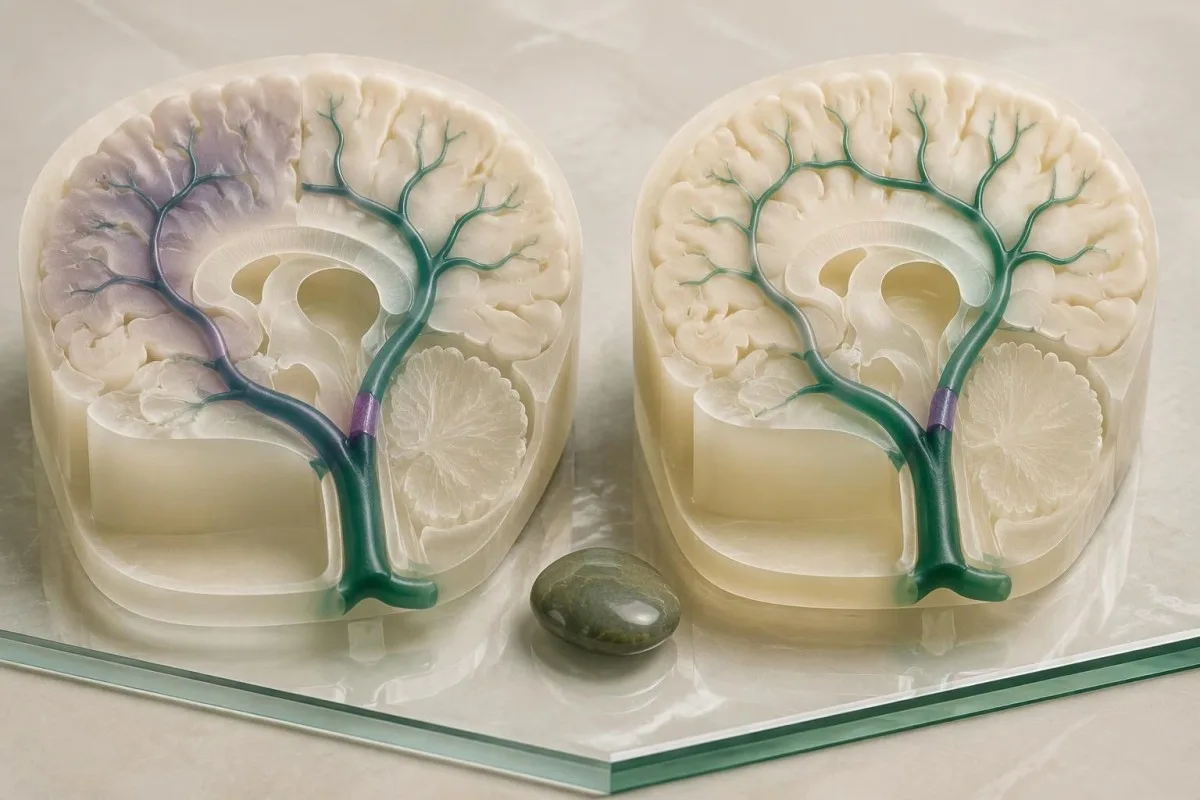
Amin et al. (2023), in an American Heart Association scientific statement, reported 90-day stroke-risk estimates after TIA as high as 17.8%, with almost half of those strokes occurring within 2 days. Those figures describe particular study populations, not an individual prediction; prompt assessment and prevention can change the risk.
If weakness resolves while an ambulance is coming, do not cancel because the person now feels normal. Record when symptoms started, when they stopped, which side was affected, and whether any episode recurred; even 1 brief focal event may identify an unstable arterial or cardiac source.
Risk scores such as ABCD2 cannot safely replace vessel imaging, cardiac assessment, and clinical judgment. A low score may overlook important causes, while a normal examination after 10 minutes of resolved symptoms documents recovery rather than proving that the original event was harmless.
At Kantesti, we separate long-term laboratory risk review from assessment of a new neurological event. Our family-history stroke testing guide is relevant after urgent care, but a preventive panel next week is not a substitute for assessment of 1 suspected TIA today.
შეუძლია თუ არა ნორმალური რუტინული სისხლის ანალიზის შედეგებს ინსულტის გამორიცხვა?
Normal routine bloodwork cannot rule out stroke or TIA. A CBC, metabolic panel, lipid panel, or coagulation panel measures selected cellular, chemical, or clotting properties; none shows whether 1 brain artery is blocked, whether brain tissue is injured, or whether bleeding has occurred inside the skull.
An INR of 1.0 and a normal aPTT do not prove that no clot exists. These tests assess aspects of coagulation under laboratory conditions, not the presence of an arterial obstruction; our guide to ნორმალური შედედების ტესტის ლიმიტების შესახებ explains why reassuring values can coexist with clinically important clotting.
A normal cholesterol result answers a risk-factor question, not an emergency diagnostic question. For example, an LDL cholesterol of 85 mg/dL does not exclude an embolus from atrial fibrillation or an artery problem; our metabolic panel versus cholesterol guide also clarifies which tests a routine panel actually contains.
Kantesti is an AI blood test interpretation platform that explains reported laboratory findings without using normal values to exclude stroke. A hypothetical platelet count of 240 × 10⁹/L, glucose of 98 mg/dL, and creatinine of 0.9 mg/dL can all coexist with a new cerebral artery blockage.
A panel from 2 days ago has an additional limitation: it describes the time of collection, not current neurological function. Emergency teams may repeat selected tests for treatment safety, but a person should call for help based on sudden symptoms rather than wait for a new sample or compare old reference ranges.
რა უნდა გააკეთოთ, სანამ საგანგებო დახმარება მოვა?
Call emergency services, report suspected stroke, and note the last known well time. Use 999 or 112 in the UK, 911 in the US, or your local emergency number; do not drive yourself, and do not wait for laboratory results before requesting help.
Keep the person safely supported and follow the dispatcher’s positioning instructions rather than making them walk to prove they are better. Do not offer food, drink, or tablets because stroke can impair swallowing; if consciousness or breathing changes, tell the dispatcher immediately and follow their resuscitation guidance.
Do not start aspirin, take an extra anticoagulant dose, or use extra blood-pressure medication on your own. The 2 major stroke mechanisms need different approaches, and sudden blood-pressure reduction can be harmful in some situations; clinicians may give aspirin for suspected TIA under a local pathway, but that is not a universal home-treatment instruction.
Gather medication names and the time of the last anticoagulant dose, especially for warfarin, apixaban, rivaroxaban, dabigatran, or edoxaban. Our INR-ის შედეგების განმარტება helps clarify warfarin monitoring, but a normal INR does not reliably establish the absence of a direct oral anticoagulant’s effect.
For example, if symptoms began at 14:05 and a prescribed anticoagulant was taken at 08:00, communicate both exact times. Unlocking the door and having the medication list ready can help responders; finding an old report, charging a phone for an upload, or arranging private transport must not postpone the call.
რომელი გადაუდებელი გამოკვლევები აფასებს სინამდვილეში ინსულტის ეჭვს?
Suspected stroke is assessed with neurological examination, urgent brain imaging, and selected supporting tests—not routine bloodwork alone. A rapid glucose check identifies a treatable mimic; CT commonly checks for intracranial bleeding, while CT angiography or MRI may answer additional questions about arteries and brain tissue.
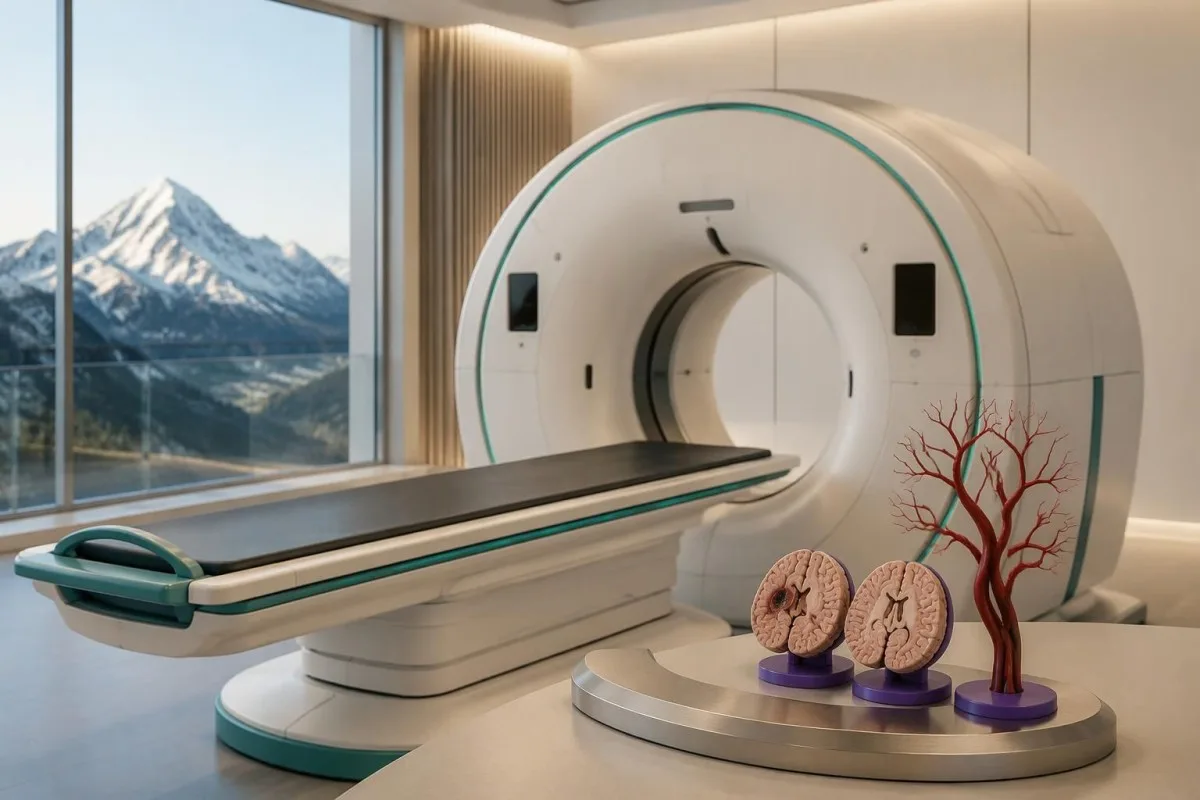
An early noncontrast CT may look normal during an ischemic stroke, so a reassuring initial scan is not always the end of assessment. MRI with diffusion-weighted imaging can detect many early infarcts, but early false-negative studies occur, particularly in posterior circulation events; persistent symptoms still need clinical reconciliation.
Low glucose can cause confusion, weakness, or speech difficulty, sometimes resembling a stroke. A glucose below 70 mg/dL, or 3.9 mmol/L, is hypoglycemia; below 54 mg/dL, or 3.0 mmol/L, is clinically significant hypoglycemia, and our low-glucose causes guide explains common medication and illness-related causes.
A severe metabolic disturbance can also complicate examination, but finding one does not automatically exclude simultaneous stroke. Our glucose-adjusted sodium explanation describes why marked hyperglycemia changes sodium interpretation; neither calculation should delay emergency assessment of 1 new focal deficit.
Kantesti AI can explain laboratory terminology after collection, but it cannot perform a neurological examination or interpret an evolving emergency as a safe exclusion of stroke. Powers et al. (2019) state that only glucose must precede intravenous thrombolysis in all patients; additional laboratory results may be needed when specific medication, bleeding, or coagulation concerns exist.
რატომ არ უნდა დაველოდოთ რუტინული გამოკვლევების შედეგებს მკურნალობის დასაწყებად?
Stroke treatment is time-sensitive because threatened brain tissue may become permanently injured while testing is delayed. Established treatment pathways include intravenous thrombolysis within 4.5 hours for eligible patients and thrombectomy up to 24 hours in selected patients; those limits are eligibility windows, not safe periods for waiting.
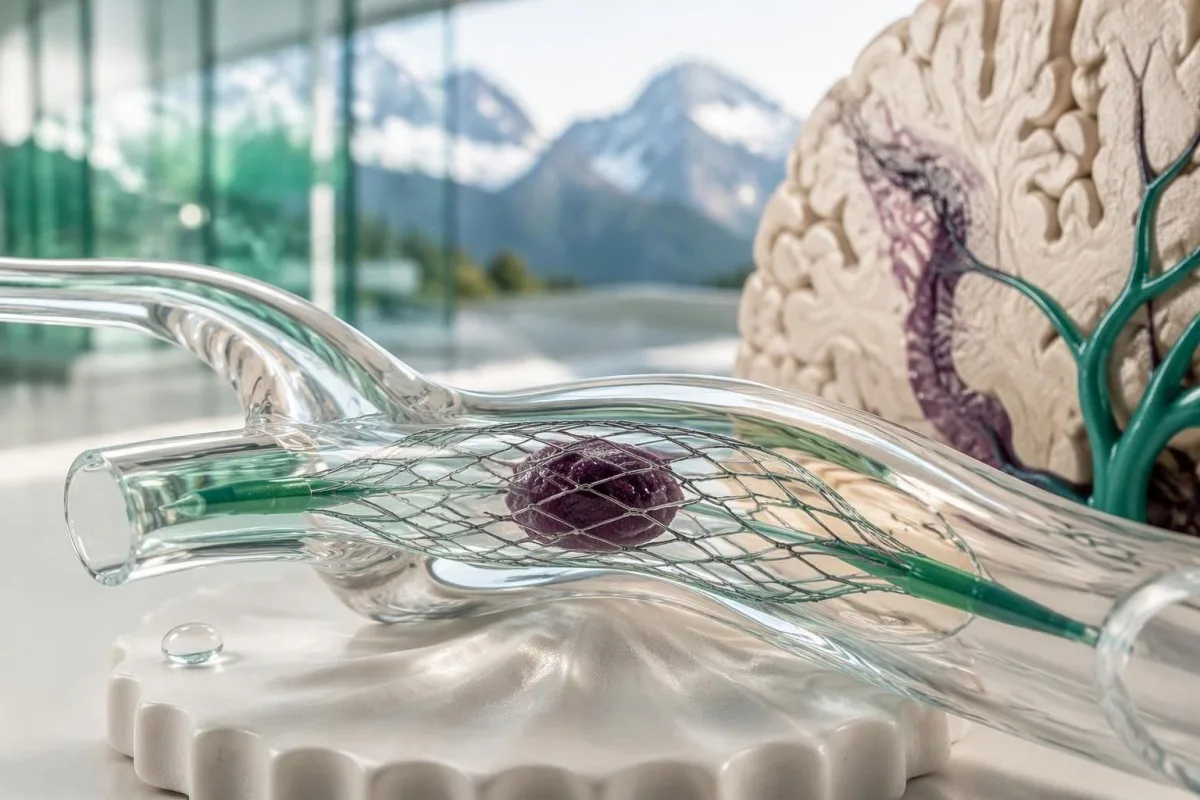
Thrombolysis uses medication to dissolve an eligible clot; thrombectomy uses a catheter-based device to remove selected artery blockages. The 2019 AHA/ASA guideline describes imaging-selected thrombectomy between 6 and 24 hours for certain patients (Powers et al., 2019), but anatomy, imaging findings, baseline function, and specialist judgment determine eligibility.
Blood pressure and medication exposure affect treatment safety without becoming reasons to stay home. An established pre-thrombolysis blood-pressure threshold is below 185/110 mmHg, and hospital teams can manage elevated readings; patients should not attempt to meet that threshold using extra tablets before transport.
Coagulation results matter when a specific safety concern is present, but they do not diagnose the blockage itself. A platelet count below 100 × 10⁹/L or warfarin-associated INR above 1.7 can affect standard intravenous thrombolysis eligibility; our clotting assay interpretation guide explains why different assays answer different questions.
Imagine someone first assessed 3 hours after definite symptom onset who waits another 90 minutes for a nonessential routine panel before reaching a stroke team. That delay may consume a conventional treatment window, although eligibility is never decided by time alone; the safer sequence is emergency assessment first, with necessary tests performed in parallel.
შეუძლია თუ არა შაკიკს, კრუნჩხვებს ან თავის ტვინის ბიომარკერებს ინსულტის გარჩევა?
Migraine, seizures, low glucose, and some vestibular disorders can mimic stroke, but they cannot be reliably distinguished at home. No routine report containing 1 neurological biomarker establishes that a sudden deficit is harmless; examination, symptom timing, and appropriate imaging remain central to assessment.
Migraine aura often spreads gradually across several minutes, whereas stroke often causes an abrupt loss of function, but the patterns overlap. A first aura, an unfamiliar aura, or a sudden negative symptom such as losing 1 side of vision should not be self-diagnosed as migraine just because headache is present.
A seizure can be followed by temporary weakness, sometimes called Todd paralysis, and a stroke can itself trigger a seizure. Reporting witnessed shaking or a 1-minute episode of unresponsiveness helps clinicians, but it does not make subsequent weakness safe to observe without urgent assessment.
Neurofilament light chain reflects neuronal injury in multiple conditions rather than functioning as a rapid stroke exclusion test. Our NfL result interpretation guide explains this nonspecificity; a single result, whether high or low, cannot replace assessment of 1 newly impaired neurological function.
Some GFAP-based testing pathways address selected traumatic brain injuries, not universal stroke screening. Our GFAP and head-injury guide discusses that separate use; even where research examines stroke biomarkers, assay timing, thresholds, and performance vary, so 1 normal value must not reassure a symptomatic person.
როგორ შეიძლება სისხლის ანალიზებმა დახმარება გაუწიოს გადაუდებელი შეფასების შემდეგ?
Blood tests help identify and monitor some stroke risk factors after urgent diagnosis, including diabetes and atherogenic cholesterol patterns. They do not replace blood-pressure measurement, cardiac rhythm assessment, or vascular imaging, and 1 reassuring panel does not guarantee that a person will not have another event.
A hypothetical follow-up panel with LDL cholesterol of 142 mg/dL and HbA1c of 7.2% identifies modifiable concerns, not the exact cause of the event. Our ApoB treatment-decision guide explains particle-related risk assessment; treatment targets depend on the diagnosed stroke mechanism, comorbidities, and the clinician’s prevention plan.
Hypertension needs direct measurement because a chemistry panel does not measure arterial pressure. Our secondary hypertension testing guide explains selected laboratory investigations, but 2 normal electrolyte results do not exclude common primary hypertension or replace repeated blood-pressure readings.
Atrial fibrillation may require ECG monitoring because 1 short recording can miss intermittent episodes. Similarly, broad inherited thrombophilia testing is not automatically useful after every arterial stroke; the history, age, imaging pattern, and suspected mechanism determine which additional investigations could change treatment.
Kantesti can support clinician-directed comparison of follow-up laboratory reports, but medication changes belong within the prescribed care plan. Whole-food eating patterns, smoking cessation, activity adapted to recovery, and consistent medication use address longer-term risk; none can reverse a new sudden deficit or justify waiting 1 more day for emergency assessment.
კვლევითი პუბლიკაციები, მტკიცებულებები და ლაბორატორიული ინტერპრეტაციის შეზღუდვები
The stroke evidence cited here supports emergency recognition and assessment; our 2 listed repository publications address general laboratory interpretation, not stroke diagnosis. Readers can review our validation methods and limits without treating technical evaluation as proof that an AI tool can exclude an acute neurological emergency.
Our listed kidney-function interpretation guide explains BUN and creatinine in their own clinical context. Its Zenodo DOI identifies a repository publication; a creatinine of 0.9 mg/dL, for example, describes a laboratory finding and cannot establish that cerebral circulation is intact.
თანმხლები urinalysis interpretation publication addresses urine findings rather than acute brain assessment. These 2 repository references are included for transparency about related educational material, not as external stroke guidelines, peer-reviewed stroke trials, or evidence that urine testing can distinguish TIA from stroke.
Kantesti is an AI-powered blood test analysis tool whose educational role must remain separate from emergency triage and definitive diagnosis. Our სამედიცინო შინაარსის სტანდარტები explain the editorial framework; the 3 external medical references below address BE-FAST, suspected TIA, and established acute ischemic stroke management.
Clinical follow-up may involve sharing reports with a treating team, but that should happen after emergency needs are addressed. Our კონფიდენციალურობისა და მონაცემთა დამუშავების პრაქტიკა describe report handling; permission to review 1 family member’s laboratory report does not authorize access to another’s, and no upload should postpone an emergency call.
ხშირად დასმული კითხვები
რა არის ინსულტის პირველი გამაფრთხილებელი ნიშნები?
ინსულტის პირველი გამაფრთხილებელი ნიშნებია ხშირად წონასწორობის უეცარი დაკარგვა, მხედველობის ცვლილებები, სახის ჩამოშვება, ხელის სისუსტე ან მეტყველების გაძნელება. BE-FAST ამ ნიშნებს 6 მინიშნებად აერთიანებს, მათ შორისაა გადაუდებელი დახმარების სამსახურში დარეკვის დრო. ინსულტის დასადგენად ადამიანს ყველა ნიშანი, თავის ტკივილი ან გონების დაკარგვა არ სჭირდება. ახალი, უეცარი ნევროლოგიური დეფიციტის შემთხვევაში დაუყოვნებლივ დარეკეთ და შეატყობინეთ, როდის იყო ის ბოლოს ცნობილ მდგომარეობაში.
შეიძლება ინსულტის სიმპტომები რამდენიმე წუთის შემდეგ გაქრეს?
ინსულტის სიმპტომები შესაძლოა რამდენიმე წუთის შემდეგ გაქრეს TIA-ს ან ინსულტის გაუმჯობესების გამო, თუმცა მათი გაქრობა უსაფრთხოებას არ ადასტურებს. ამერიკის გულის ასოციაციის 2023 წლის TIA-ს შესახებ განცხადებაში ზოგიერთ პოპულაციაში ინსულტის 90-დღიანი რისკის შეფასებები 17.8%-მდე აღწევს, შემთხვევების თითქმის ნახევარი კი 2 დღის განმავლობაში ხდება. ეს შეფასებები ინდივიდუალურ პროგნოზს არ წარმოადგენს, ხოლო დროულ მკურნალობას რისკის შემცირება შეუძლია. სასწრაფოდ მიმართეთ სამედიცინო დახმარებას მაშინაც კი, თუ მეტყველება, ძალა ან მხედველობა ნორმას უბრუნდება.
შეუძლია თუ არა სისხლის ჩვეულებრივ ანალიზებს ინსულტის გამორიცხვა?
ჩვეულებრივი რუტინული სისხლის ანალიზებით ინსულტის გამორიცხვა შეუძლებელია, რადგან ისინი უშუალოდ არ აჩვენებს თავის ტვინის არტერიებს, ქალასშიდა სისხლჩაქცევას ან დაზიანებულ ტვინის ქსოვილს. თრომბოციტების 240 × 10⁹/L რაოდენობა ან INR-ის 1.0 მაჩვენებელი შეიძლება იშემიურ ინსულტთან თანაარსებობდეს. გადაუდებელი შეფასება ეყრდნობა ნევროლოგიურ გამოკვლევას, თავის ტვინის გამოსახულებით კვლევას და შერჩეულ დამხმარე ტესტებს. დახმარების გამოძახებამდე ნუ დაელოდებით ლაბორატორიულ პასუხს ან AI-ის ინტერპრეტაციას.
უეცარი თავბრუსხვევა ინსულტის ნიშანია?
უეცარი თავბრუსხვევა შესაძლოა ინსულტის სიმპტომი იყოს, განსაკუთრებით თუ მას ახლავს წონასწორობის მკვეთრი დარღვევა, ორმაგი ხედვა, მეტყველების ცვლილებები ან ახალი სისუსტე. უკანა ცირკულაციის ინსულტის დროს FAST-ის 3 ფიზიკური შემოწმება — სახის, მკლავებისა და მეტყველების შეფასება — შესაძლოა ნორმალური ჩანდეს. თავბრუსხვევის მრავალი ეპიზოდი ინსულტით არ არის გამოწვეული, თუმცა ნორმალურად სიარულის შეუძლებლობა ან ახალი კეროვანი დეფიციტი გადაუდებელ შეფასებას მოითხოვს. HINTS არის სპეციალურად მომზადებული კლინიცისტის მიერ ჩატარებული გამოკვლევა და არა სანდო ტესტი სახლში თვითშემოწმებისთვის.
ქალებში ინსულტის სიმპტომები განსხვავებულია?
0 ქალებს, როგორც წესი, ინსულტის იგივე BE-FAST გამაფრთხილებელი ნიშნები აქვთ, რაც მამაკაცებს, თუმცა მათ შეიძლება თან ახლდეს თავის ტკივილი, გულისრევა ან დაბნეულობა. ქალებისთვის ინსულტის ექვსი ნიშნის ცალკე, სანდო ჩამონათვალი არ არსებობს. ორსულობა ან მშობიარობის შემდგომი პერიოდი შესაძლო მიზეზებს ამატებს და ამის შესახებ სასწრაფო დახმარების ექიმებს უნდა ეცნობოს, განსაკუთრებით ახალი ძლიერი თავის ტკივილის ან ფოკალური დეფიციტის შემთხვევაში. უეცარი ნევროლოგიური ცვლილებები შეფასების გარეშე არ უნდა მიეწეროს სტრესს, შაკიკს ან გადაღლას.
უნდა მივიღო თუ არა ასპირინი, თუ ვფიქრობ, რომ ინსულტი მემართება?
შესაძლო ინსულტის შემთხვევაში ასპირინის მიღება თვითნებურად არ დაიწყოთ, თუ გადაუდებელი დახმარების სპეციალისტი კონკრეტულად არ გირჩევთ მის მიღებას. ინსულტის 2 ძირითად მექანიზმს — არტერიის დახშობასა და ქალასშიდა სისხლდენას — განსხვავებული მართვა სჭირდება, ხოლო სისხლდენის არსებობისას ასპირინმა შეიძლება ზიანი მიაყენოს. ექიმებმა შესაძლოა ადგილობრივი კლინიკური პროტოკოლის ფარგლებში შესაძლო გარდამავალი იშემიური შეტევის (TIA) დროს დაუყოვნებლივ დანიშნონ ასპირინი, თუმცა ეს სახლში გასაცემი უნივერსალური რეკომენდაცია არ არის. ჯერ გადაუდებელი დახმარების სამსახურს დაურეკეთ და თავი შეიკავეთ საკვების, სასმლის ან ტაბლეტების მიღებისგან, სანამ ყლაპვის უსაფრთხოება და მკურნალობის მითითებები არ დაზუსტდება.
რამდენი დრო გაქვთ ინსულტის მკურნალობის მისაღებად?
შესაბამისი პაციენტები, როგორც წესი, ინტრავენურ თრომბოლიზისს იღებენ ცნობილი დაწყებიდან 4.5 საათის განმავლობაში, ხოლო შერჩეულ პაციენტებს თრომბექტომია შეიძლება ჩაუტარდეთ 24 საათამდე, გამოსახულებითი კვლევის შედეგებისა და სხვა კრიტერიუმების საფუძველზე. ზოგიერთი პაციენტი, რომელთა სიმპტომების დაწყების დრო უცნობია ან რომლებსაც ძილის შემდეგ განვითარებული ინსულტი აქვთ, ასევე შეიძლება შეესაბამებოდეს გამოსახულებითი კვლევის საფუძველზე შერჩეულ მკურნალობას. ეს დროის მონაკვეთები უსაფრთხოდ ლოდინის პერიოდებს არ წარმოადგენს და ადრეული შეფასება, როგორც წესი, მკურნალობის უფრო მეტ შესაძლებლობას ინარჩუნებს. დაუყოვნებლივ დარეკეთ, მაშინაც კი, თუ სიმპტომების დაწყების დრო გაურკვეველია ან რამდენიმე საათია გასული.
მიიღეთ სისხლის ანალიზის შედეგების ახსნა
ატვირთეთ თქვენი ლაბორატორიული ანგარიში და Kantesti-ის AI რამდენიმე წამში თითოეულ ბიომარკერს მარტივი ენით აგიხსნით. მას მსოფლიოში 2 მილიონზე მეტი ადამიანი იყენებს.
ცნობები
- Klein, T., Mitchell, S., & Weber, H. (2026). BUN/კრეატინინის თანაფარდობის ახსნა: თირკმლის ფუნქციის ანალიზის სახელმძღვანელო. Kantesti AI-ის სამედიცინო კვლევა. DOI
- Klein, T., Mitchell, S., & Weber, H. (2026). ურობილინოგენი შარდში: სრული შარდის ანალიზის სახელმძღვანელო 2026. Kantesti AI-ის სამედიცინო კვლევა. DOI
- Aroor S et al. (2017). BE-FAST (Balance, Eyes, Face, Arm, Speech, Time): Reducing the Proportion of Strokes Missed Using the FAST Mnemonic. Stroke. DOI
- Amin HP et al. (2023). Diagnosis, Workup, Risk Reduction of Transient Ischemic Attack in the Emergency Department Setting: A Scientific Statement From the American Heart Association. Stroke. DOI
- Powers WJ et al. (2019). Guidelines for the Early Management of Patients With Acute Ischemic Stroke: 2019 Update to the 2018 Guidelines for the Early Management of Acute Ischemic Stroke: A Guideline for Healthcare Professionals From the American Heart Association/American Stroke Association. Stroke. DOI
- 2 მილიონი+გაანალიზებული ტესტები
- 127+ქვეყნები
- 100+ენები
სამედიცინო გუნდის შესახებ


E-E-A-T სანდოობის სიგნალები
გამოცდილება
ექიმის ხელმძღვანელობით კლინიკური მიმოხილვა ლაბორატორიული ინტერპრეტაციის სამუშაო პროცესებზე.
ექსპერტიზა
ლაბორატორიული მედიცინის აქცენტი იმაზე, როგორ იქცევიან ბიომარკერები კლინიკურ კონტექსტში.
ავტორიტეტულობა
სამედიცინო თვალსაზრისით რეცენზირებულია დოქტორ თომას კლაინის მიერ, დოქტორ სარა მიტჩელისა და პროფესორ ჰანს ვებერის მონაწილეობით.
სანდოობა
მტკიცებულებებზე დაფუძნებული ინტერპრეტაცია, მკაფიო შემდგომი ნაბიჯებით, რათა შემცირდეს განგაშის დონე.




სამედიცინო პასუხისმგებლობის შეზღუდვის განცხადება
ეს სტატია მხოლოდ საგანმანათლებლო მიზნებისთვისაა და არ წარმოადგენს სამედიცინო რჩევას. დიაგნოზისა და მკურნალობის გადაწყვეტილებებისთვის ყოველთვის მიმართეთ კვალიფიციურ ჯანდაცვის სპეციალისტს.
გამოქვეყნდა · დაუკავშირდით სარედაქციო გუნდს
გამოქვეყნებულია Kantesti Ltd-ის მიერ, რეგისტრირებულია ინგლისსა და უელსში, კომპანიის №. 17090423, ლონდონი, გაერთიანებული სამეფო.
