Tha LFT a' ciallachadh deuchainnean obair grùthan, ach tha mòran den phannal a' tomhas milleadh ceall grùthan no bacadh sruth nam bile an àite obair grùthan fhèin. Tha an eadar-dhealachadh ag atharrachadh mar a mhìnicheas luchd-clionaigeach toraidhean neo-àbhaisteach.


- brìgh LFT is deuchainnean obair grùthan, ged a tha ALT, AST, ALP agus GGT gu mòr a' nochdadh milleadh no sruth bile neo-dhligheach an àite coileanadh grùthan.
- ALT mar as trice mu 7-55 IU/L ann an daoine a tha air an aois; bu chòir luach os cionn crìoch àrd an obair-lann a mhìneachadh le cungaidhean, eacarsaich, cleachdadh alcol agus cunnart metabolach.
- Albumin mar as trice 35-50 g/L agus a' nochdadh toradh pròtain grùthan thairis air seachdainean, ach faodaidh call dubhaig, sèid agus droch-inntrigeadh a bhith ga lughdachadh cuideachd.
- Bilirubin mar as trice 3-21 µmol/L; feumaidh àrdachadh le fual dorcha no stòl bàn measadh clionaigeach sgiobalta.
- INR no PT a' tomhas toradh nam factaran dùilidh agus is e aon de na comharran fala as fheumail de dh'obair ghrùthan synthetigeach a tha a' crìonadh nuair a tha dìth bhiotaimin K agus luchd-dìonachaidh fala air an dùnadh a-mach.
- ALP còmhla ri GGT a' dol am meud còmhla a' toirt taic do thùs hepatobiliary, fhad 's a dh'fhaodas àrdachadh ALP leotha fhèin a bhith a' tighinn bho bhalg.
- AST an dèidh eacarsaich chruaidh dh’ fhaodadh gun tàinig e bho fhèith-chnàimh; le bhith a’ sgrùdadh creatine kinase faodar obair-obrach neo-riatanach air an grùthan a sheachnadh.
- Comharraidhean èiginneach a’ toirt a-steach buidheachas ùr, troimh-chèile, cuir a-mach fuil, stòl dubh mar tar, pian mòr san abdomen àrd no codalachd a tha a’ fàs gu luath.
Dè tha LFT a' ciallachadh—agus carson a tha an t-ainm a' mealladh
tha LFT a’ seasamh airson deuchainnean obair grùthan, buidheann de dheuchainnean fala a thathas a’ cleachdadh gus sùil a thoirt air milleadh cheallan grùthan, drèanadh searbhag lag agus comas cinneasachadh pròtain air a lughdachadh. Tha an t-ainm neo-iomlan: tha ALT, AST, ALP agus GGT sa mhòr-chuid nan comharran milleadh no cholestasis, fhad ‘s a tha albumin, bilirubin agus PT/INR a’ toirt nan cluintean nas dìriche — ged nach eil iad fhathast iomlan — air gnìomh an grùthan.
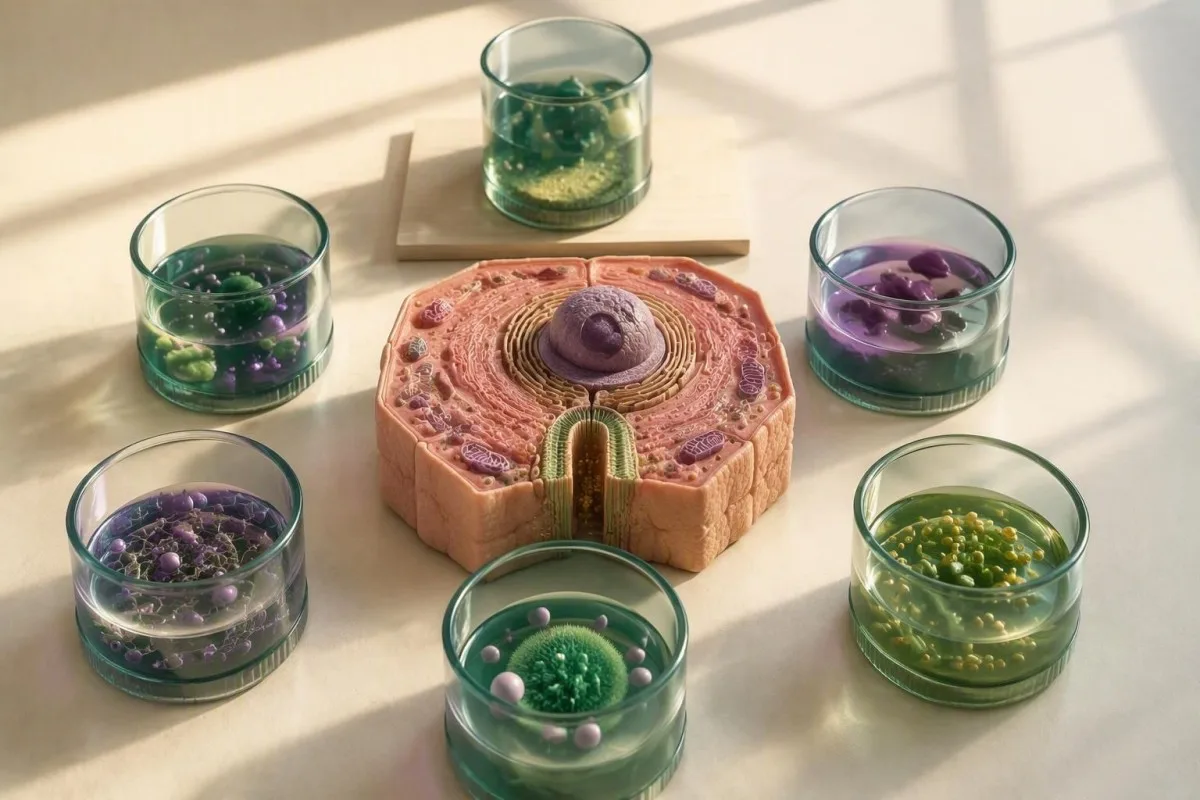
Chan eil panail LFT àbhaisteach a’ dearbhadh gu bheil a h-uile taobh de shlàinte grùthan àbhaisteach, agus chan eil panail neo-àbhaisteach a’ ciallachadh gu fèin-obrachail gu bheil grùthan a’ fàilligeadh. Alanine aminotransferase (ALT) ag èirigh nuair a leigeas hepatocytes an enzyme a-steach don chuairteachadh; tha e ag ràdh barrachd air dòrtadh cheallan na comas an grùthan albumin no factaran sèididh a dhèanamh. An cuid mhionaich stiùireadh toradh ALT a’ mìneachadh carson a tha an eadar-dhealachadh sin cudromach.
Ann an cleachdadh, tha mi ag ràdh ri euslaintich smaoineachadh air a“ phanail mar trì ceistean: a bheil ceallan grùthan air am brosnachadh, a bheil searbhag a” gluasad gu saor, agus a bheil an grùthan a’ dèanamh phròtainean gu h-àbhaisteach? Tha an Dr. Thomas Klein air mòran iomraidhean fhaicinn airson ALT de 62 IU/L far an robh na toraidhean fìor-chinnteach bilirubin, albumin agus INR àbhaisteach — chan e am facal “gnìomh” air a chlò-bhualadh os cionn a’ phanail.
Tha Kantesti na Anailisiche deuchainn fala AI a leughas toraidhean LFT mar phàtran air an aithisg gu lèir seach a bhith a’ làimhseachadh aon enzyme air a chomharrachadh mar dhearbhadh. Air 12 Sultain, 2026, tha an dòigh-obrach sgrùdaidh clionaigeach againn cuideachd a’ gleidheadh raon iomraidh an obair-lann fhèin, oir chan eil crìoch àrd ALT de 35 IU/L aig aon obair-lann a’ dol an àite 55 IU/L aig obair-lann eile.
An cànan a bhios luchd-clionaigeach a’ cleachdadh barrachd is barrachd
Tha mòran de sheirbheisean hepatology a-nis ag ràdh “deuchainnean fala grùthan” no “deuchainnean ceimigeachd grùthan” oir chan eil na bileagan sin a’ gealltainn cus. Tha stiùireadh na h-Aonadh Ameireaganach de Gastroenterology san aon dòigh a’ sgaradh milleadh hepatocellular, milleadh cholestatic agus làimhseachadh bilirubin lag nuair a thathar a’ measadh ceimigean grùthan neo-àbhaisteach (Kwo et al., 2017).
Dè na deuchainnean a tha mar as trice air an gabhail a-steach ann am pannal LFT?
Tha panail LFT àbhaisteach a’ toirt a-steach ALT, AST, alkaline phosphatase (ALP), bilirubin, albumin agus pròtain iomlan; tha mòran obair-lannan a’ toirt a-steach GGT cuideachd. Thathas gu tric ag òrdachadh PT/INR air leth, eadhon ged a tha e gu mòr an sàs gu clionaigeach nuair a tha fìor obair grùthan an sàs.
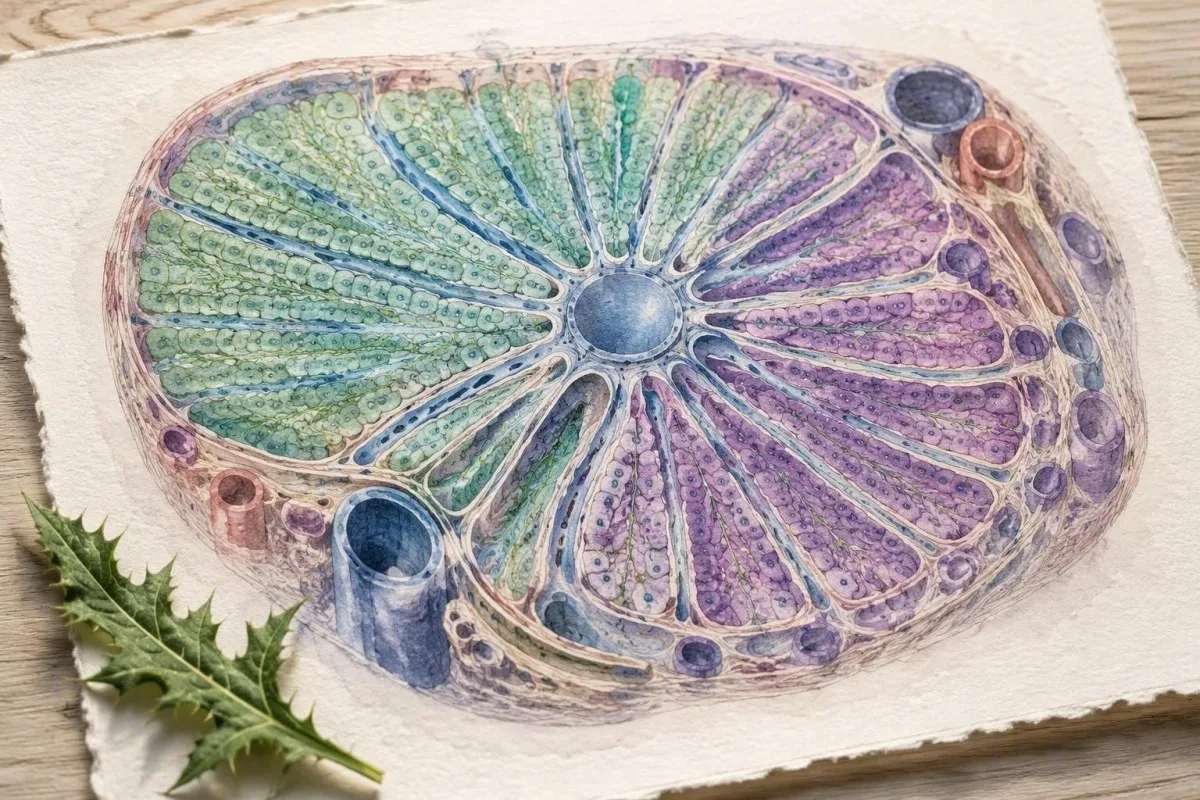
ALT agus AST nan aminotransferases, ALP agus GGT a’ cuideachadh le bhith ag aithneachadh pàtran duct searbhag, agus tha bilirubin a’ nochdadh giollachd agus às-tharraing de thoraidhean briseadh sìos haem. Tha Albumin agus PT/INR a’ measadh synthesis, ach tha albumin ag atharrachadh gu mall oir tha an leth-beatha aige mu 20 latha. Faic dè tha pannal grùthan a’ gabhail a-steach airson na h-atharrachaidhean obair-lann cumanta.
Tha pròtain iomlan agus globulin uaireannan a’ nochdadh air an aon aithisg ach chan eil iad nan deuchainnean grùthan sònraichte. Faodaidh toraidhean globulin àrd le albumin ìosal tachairt ann an tinneas grùthan leantainneach, tinneas fèin-ghalair no sèid leantainneach; tha an co-mheas na chluintean, gun a bhith na dhearbhadh gu bràth. Tha an iùil-iomraidh airson pròtanan serum a’ cuideachadh le bhith a’ cur nan luachan sin an còmhradh.
Aon wrinkle practaigeach: is dòcha gun canadh aithisgean na RA “LFT,” fhad “s a dh” fhaodadh aithisgean na SA a ràdh “hepatic function panel” no “liver panel.” Chan eil gin dhiubh sin gu tur àbhaisteach. Mus dèan thu coimeas eadar toraidhean thairis air dùthchannan, maid an analyte, an aonad agus an raon iomraidh air a chlò-bhualadh làimh ris.
Dè na toraidhean LFT a tha a' sealltainn milleadh grùthan an àite obair?
Bidh ALT agus AST gu sònraichte a’ sealltainn dìobhail ceallach, chan e gnìomh ae. Bidh ALP agus GGT gu sònraichte a’ sealltainn pàtran a dh’fhaodadh a bhith cholestatic no bile-duct, fhad ‘s a tha albumin agus PT/INR a’ nochdadh nas dìriche air comas synthesis.
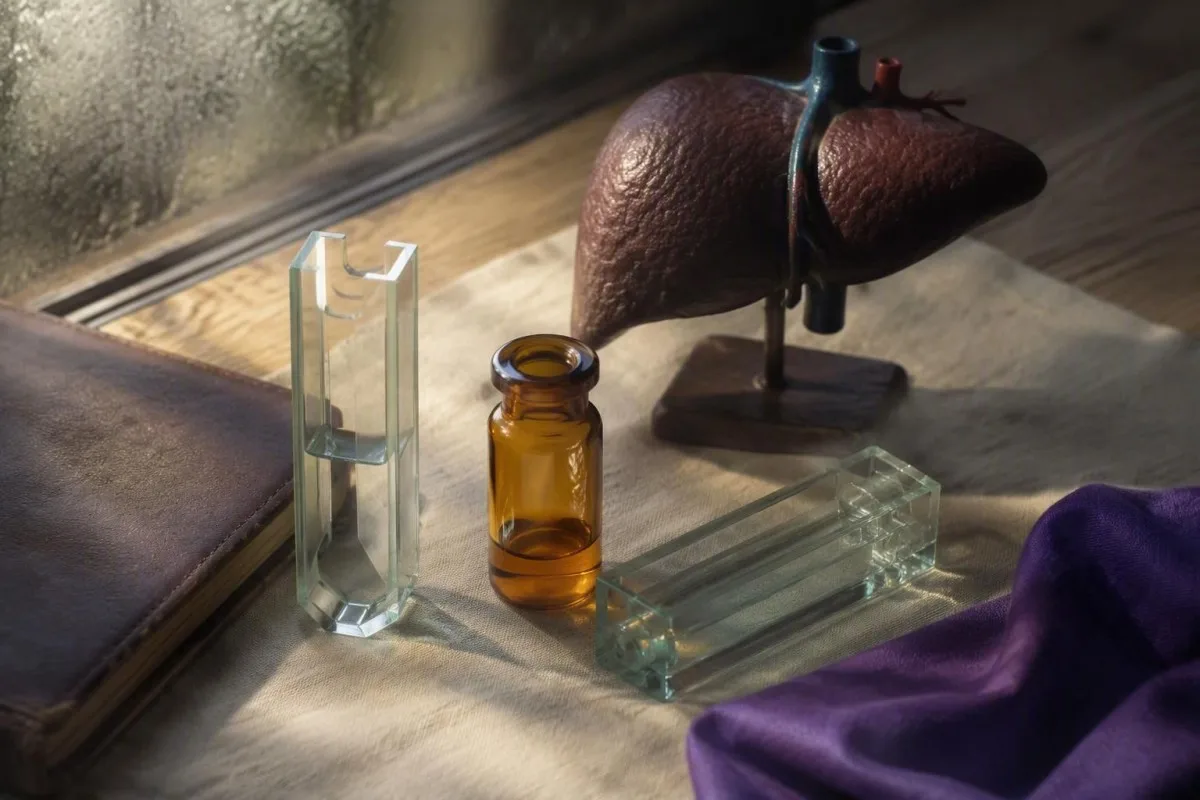
Tha ALT nas cruinneil don ae na AST, ach chan eil gin dhiubh sin a-mhàin san ae. Tha AST an làthair ann am fèith chnàimhneach, cridhe agus ceallan dearga, mar sin faodaidh obair chruaidh, dìobhail fèithe no sampall haemolysed a thogail. A Co-mheas AST:ALT os cionn 2 dh’fhaodadh taic a thoirt do dhìobhail ae co-cheangailte ri deoch-làidir anns an t-suidheachadh cheart, ach chan eil e dearbhach leis fhèin.
Is e rèisear marathon 52-bliadhna le AST 89 IU/L agus ALT 36 IU/L às deidh rèis ribe clasaigeach. Bhiodh mi a’ faighneachd mu dheidhinn oidhirp agus pian fèithe, an uairsin beachdachadh air CK agus sampall ath-aithris às deidh 7 latha gun trèanadh dian; ar n-artaigil air pàtrain AST àrd a’ mìneachadh an reusanachaidh sin.
Bidh AI TP6T a’ mìneachadh enzymes ae le bhith a’ sgrùdadh a bheil an àrdachadh hepatocellular, cholestatic, measgaichte no a dh’fhaodadh a bhith na phàirt a-muigh. Tha an co-mheas R—(ALT air a roinn leis an ìre àrd aige) air a roinn le (ALP air a roinn leis an ìre àrd aige)—nas àirde na 5 ann am pàtran hepatocellular agus nas ìsle na 2 ann am pàtran cholestatic; is e inneal cruinneachaidh neach-clionaigeach a th’ ann, chan e breithneachadh dachaigh.
Carson a tha am pàtran a’ dol thairis air an àireamh as àirde
Tha ALT de 120 IU/L le ALP àbhaisteach a’ comharrachadh ann an stiùireadh eadar-dhealaichte bho ALP 280 IU/L le ALT àbhaisteach. Tha a’ chiad fhear gu tric a’ leantainn gu ath-sgrùdadh co-cheangailte ri metabolism, viral, cungaidh-leigheis no fèithe; tha an dàrna fear a’ togail cheistean mu dheidhinn tiùban bile, tionndadh cnàimh agus buaidhean cungaidh-leigheis.
Na luachan LFT a tha nas dlùithe a' nochdadh obair grùthan fìor
Tha Albumin, bilirubin agus PT/INR na chomharraichean gnàthach fala as feumail airson fìor ghnìomh ae, ged a dh’ fhaodadh gach fear a bhith neo-àbhaisteach airson adhbharan neo-ae. Tha measgachadh de bilirubin agus INR a tha a’ sìor dhol suas nas draghail na àrdachadh ALT singilte.
Tha Albumin mar as trice 35-50 g/L ann an inbhich nach eil trom, ach faodaidh albumin ìosal a bhith mar thoradh air call pròtain dubhaig, sèid siostamach, dìth beathachaidh, losgadh no dì-ghalair. Mar as trice bidh e a’ tuiteam nas fhaide ann an tinneas ae leantainneach na àrdachadh ALT, is e sin as coireach nach eil albumin àbhaisteach a’ dùnadh a-mach fibrosis tràth. Leugh mu dheidhinn albumin ann an torrachas ma tha thu a’ dèanamh coimeas eadar toradh torrachais agus raon inbheach àbhaisteach.
Tha PT/INR a’ nochdadh cinneasachadh factaran dòrtadh geàrr-ùine, gu sònraichte factor VII, agus faodaidh e atharrachadh thar làithean an àite sheachdainean. Tha INR os cionn 1.5 ann an lot grùthanach acute 's e aon chrìtear a thathas a' cleachdadh ann an measadh èiginn airson fàilligeadh grùthanach acute, ach faodaidh warfarin, dìth bhiotaimin K agus cuid de antibiotics a bhith a' dèanamh an aon chomharra obair-lann. An mìneachadh INR a' còmhdach na eisgeadan cudthromach sin.
Chan eil bilirubin na dheuchainn gnìomh fìor-ghlan nas motha. Faodaidh bilirubin neo-chrìochnach èirigh le syndrome Gilbert, fastadh no haemolysis a dh'aindeoin comasachd gnìomh grùthanach a tha àbhaisteach; tha bilirubin crìochnach le fual dorcha a“ nochdadh nas motha a dh'ionnsaigh casg air casgadh bile no giollachd hepatocellular. Sin as coireach nach eil mi a” mìneachadh "bilirubin àrd" às aonais a bhriseadh sìos.
Ìre òrdugh clionaigeach feumail
Ann an inbheach seasmhach, tha INR agus albumin àbhaisteach le ALT beagan àrdaichte a' nochdadh gu tric gnìomh gnìomhachais a tha air a ghleidheadh. Bidh buidheachas ùr, leudachadh INR, siùcar fola ìosal no atharrachaidhean ann an troimh-chèile ag atharrachadh an èiginn gu tur agus feumaidh iad measadh meidigeach air an aon latha.
Mar a leughas tu toraidhean ALT agus AST còmhla
Tha ALT nas àirde na AST cumanta ann an gala grùthan geir metabolach agus mòran leòintean viral no bho chungaidh-leigheis, fhad ‘s a tha AST nas àirde na ALT nas fharsainge air adhbharan a’ toirt a-steach nochdadh deoch làidir agus leòn fèithe. Tha an àrdachadh iomlan agus an gluasad nas earbsaiche na dìreach co-mheas.
Thathas gu tric ag aithris air ALT ann an IU/L no U/L, a tha co-ionann airson adhbharan practaigeach. Thathas gu tric a' sgrùdadh luach fo 2 uair an ìre iomraidh as àirde às dèidh ath-sgrùdadh deoch làidir, stuthan cur-ris, cungaidhean-leigheis òrduichte, tinneas eadar-mheadhanach agus eacarsaich o chionn ghoirid. Tha stiùireadh ACG a' moladh a bhith a' dearbhadh cheimigean grùthan neo-àbhaisteach mus tòisich thu air obair-leasachaidh farsaing (Kwo et al., 2017).
Luachan os cionn 1,000 IU/L airson ALT no AST chan eil “dìreach grùthan geir” gus am bi e air a dhearbhadh a chaochladh. Faodaidh hepatitis viral acute, leòn bho chungaidh-leigheis no puinnsean, leòn ischemic agus casg biliary acute uile a bhith a' dèanamh àrdachadh mòr; tha an cùrsa-ama, na comharran agus an INR a' stiùireadh èiginn nas motha na na h-àireamhan air an eadar-lìon.
Is e comhairle practaigeach an Dotair Thomas Klein a bhith a“ togail dhealbhan de gach bileag stuth cur-ris mus tèid thu gu coinneamh leantainneach. Thathas gu tric a” dì-chuimhneachadh stuthan "nàdarra," sgrìobhadh tì uaine tiugh, riochdairean anabolic agus stuthan call geir ioma-ghrìtheach san eachdraidh tùsail. An stiùireadh againn gu stuthan cur-ris a tha ann an cunnart don ghrùthan a' mìneachadh carson a bu chòir stad a chuir air toradh a tha fo amharas a bhith air a stiùireadh leis an dotair nuair a tha e air òrdachadh.
Dè as urrainn dha ALP agus GGT innse dhut mu shruth nam bile
Tha ALP agus GGT air an àrdachadh còmhla mar as trice a' toirt taic do thùs hepatobiliary no cholestatic; faodaidh àrdachadh ALP iomallach a thighinn bho chnàmhan, torrachas no fàs àbhaisteach. Tha GGT a' cuideachadh le bhith a' suidheachadh ALP ach chan eil e gu earbsach a' tomhas caitheamh deoch làidir leis fhèin.
Tha ALP gu tric mu thimcheall 40-129 IU/L ann an inbhich, ach tha a h-uile obair-lann a' suidheachadh an raon fhèin. Ma tha ALP air a thogail agus GGT àbhaisteach, bidh dotairean gu tric a' beachdachadh air tùsan cnàimh, suidheachadh vitim D, briseadh a tha a' slànachadh no ath-nuadhachadh cnàimh mus gabh iad ris an tinneas grùthan. An sealladh farsaing air isoenzyme ALP a' mìneachadh mar a bhios obair-lann a' dèanamh eadar-dhealachadh air tùsan nuair a tha feum air.
Tha GGT ag èirigh le cholestasis, nochdadh deoch làidir, tinneas grùthan metabolach agus cungaidhean-leigheis a tha a' brosnachadh enzyme leithid cuid de dhrogaichean a chuireas stad air glacaidhean. Tha GGT os cionn 60 IU/L ann an iomadh siostam iomraidh fir inbheach airidh air ath-sgrùdadh co-theacsa, gu h-àraid còmhla ri ALP àrdaichte, ach chan eil àireamh sàbhailte no dearbhaidh “deoch làidir” ann. Faic ar Stiùireadh airson raointean GGT àbhaisteach airson caochlaideachd gnè agus obair-lann.
Tha am measgachadh de thartachas, stòl bàn, fual dorcha, ALP àrdaichte agus bilirubin àrdaichte a’ feumachdainn measadh èiginneach airson sruthadh bile a tha air a bhacadh. Tha ultrasound gu tric mar a’ chiad dheuchainn ìomhaigh, ach chan eil ultrasound àbhaisteach a’ cur às do gach adhbhar beag-dhligheach no adhbhar co-cheangailte ri cungaidh-leigheis; ar stiùireadh pàtran cholestasis a’ dol nas doimhne.
Carson a dh'fheumas bilirubin roinnean agus comharraidhean
feumar bilirubin iomlan a roinn ann an earrannan dìreach is neo-dhìreach gus a bhith feumail gu clionaigeach. Tha ceannas neo-dhìreach gu tric a’ nochdadh cus cinneasachaidh no gnàth-shìth lag, agus mar sin tha ceannas dìreach a’ nochdadh gnàth-shìth neo-chomasach no giollachd hepatocyte.
Bilirubin iomlan àbhaisteach mu 3-21 µmol/L no 0.2-1.2 mg/dL. Tha àrdachadh beag, eadar-amail, iomallach fo timcheall air 50 µmol/L le ALT, ALP, albumin agus cunntas fala àbhaisteach gu tric co-chòrdail ri syndrome Gilbert, gu sònraichte às deidh fastadh no tinneas, ach bidh luchd-clionaigeach fhathast a’ sgrùdadh a’ phàtrain mus cuir iad an tiotal sin an sàs.
Tha bilirubin air a chnàmh solubh ann an uisge, mar sin faodaidh e an fual a dhathadh; chan urrainn bilirubin neo-chnàmhach a dhol a-steach don fhuaim. Tha am pìos beag sin de fhiosaig feumail: buidhe nan sùilean còmhla ri fual coltach ri tì nas draghail gu clionaigeach na bilirubin neo-dhìreach beagan àrd a lorgar gun fhiosta. Ath-bhreithneachadh pàtranan bilirubin dìreach airson na deuchainnean a leanas a thaghas luchd-leighis gu tric.
Na feuch ri “biilirubin a shruthladh a-mach” le toraidhean dì-ghalair. Faodaidh uisgeachadh dùmhlachd bho bhith a’ dìth uisge a cheartachadh, ach chan urrainn dha hepatitis, bacadh no haemolysis fhuasgladh. Feumaidh jaundice leantainneach measadh fìor, gu sònraichte le fiabhras, pian no call cuideim gun dùil.
Albaimin agus pròtain iomlan: na rudan slaodach aig LFT
Tha albumin na chomharra slaodach de cho-chur pròtain grùthan agus tinneas bodhaig gu lèir, chan e lorgaire tràth mothachail de dhroch-lot grùthan. Tha albumin ìosal a’ fàs nas ciallaiche nuair a thèid a chàradh le àrdachadh INR, ascites, oedema no pàtran grùthan fada bhon àbhaist.
Albumin timcheall air 20-latha leth-beatha a’ ciallachadh nach lughdaich tinneas acrach 48-uair e gu mòr tro na h-aon dhòighean grùthan. Air an làimh eile, faodaidh albumin a tha a’ tuiteam thar grunn mhìosan nochdadh galar grùthan leantainneach, call dubhaig, sè leantainneach, dìth gu leòr no call pròtain caolain. Tha an stiùireadh co-mheas CRP-albumin a’ sealltainn carson a dh’ fhaodadh sè an toradh seo atharrachadh.
Tha pròtain iomlan timcheall air 60-80 g/L, ach faodaidh iomlan àbhaisteach albumin ìosal fholach ma tha globulins air an àrdachadh. Ann an galar grùthan leantainneach, faodaidh immunoglobulins èirigh fhad ‘s a thuiteas albumin, a’ fàgail pròtain iomlan neo-àbhaisteach air fhàgail. Tha sin na phàtran air am b’ fhiach faighneachd do neach-clionaigeach mìneachadh seach a bhith ga làimhseachadh fhèin le pùdar pròtain.
Tha Kantesti na àrd-ùrlar mìneachaidh biomarcadairean AI a tha a’ dèanamh coimeas eadar albumin, pròtain iomlan, globulin agus comharran dubhaig còmhla, oir tha droch shònrachadh aig toradh albumin iomallach. Tha sgrùdadh gluasad gu sònraichte feumail nuair a chaidh an aon dhòigh obair-lann a chleachdadh thairis air co-dhiù dà no trì tarraingean.
Cuin a nì PT no INR LFT neo-àbhaisteach nas èiginn
Faodaidh PT/INR a tha a’ dol am meud comharrachadh gun deach co-chur factar cruadhaichte grùthan a lughdachadh agus a’ dèanamh droch-lot grùthan acrach nas èiginn, gu sònraichte le jaundice no troimh-chèile. Chan eil INR na LFT àbhaisteach anns a h-uile àite, ach tha e riatanach nuair a tha luchd-clionaigeach draghail mu dhroch dhleastanas grùthan mòr.
Tha INR timcheall air 0.8-1.2 cumanta gun cungaidh-leigheis an-aghaidh dòrtadh fala, ach is e an ceist buntainneach atharrachadh bhon bhun-loidhne agus an co-theacsa clionaigeach. Tha an cunnart a bhith a’ faighinn INR os cionn 1.5 le fìor dhroch leòn ae, encephalopathy no hypoglycemia a’ moladh measadh èiginneach; na feithibh air deuchainn ath-aithris aig an taigh. Tha an stiùireadh pannal coagulation a’ mìneachadh na tha deuchainnean clot àbhaisteach a’ dèanamh agus nach eil iad a’ dùnadh a-mach.
Faodaidh dìth Bhiotaimin K bho dhroch ghabhail a-steach, cungaidhean-leigheis farsaing-speictim a mhaireas ùine mhòr no bacadh bile a dhèanamh nas fhaide air PT/INR gun fàilligeadh ae nach gabh ath-nuadhachadh. Air an làimh eile, tha neach a tha a’ gabhail warfarin air INR atharrachadh gu faiceallach, mar sin chan urrainnear an luach aca a chleachdadh mar chomharra dìreach air gnìomh ae. Tha an nuance seo a’ cur casg air mòran uamhain gun fheum.
Tha cuir a-mach fala, stòl dubh tarraingeach, troimh-chèile ùr, brisgadh furasta le buidheachas no leudachadh luath air bolg nan comharran èiginn. Tha toraidhean fala feumail, ach cha bhith iad a-riamh a’ dol an àite sgrùdadh clionaigeach èiginneach sa cho-theacsa sin.
Adhbharan cumanta airson toraidhean fala LFT a tha beagan neo-àbhaisteach
Mar as trice bidh mì-ghnìomhan LFT beaga a’ tighinn bho ghalar ae steatotic co-cheangailte ri mì-ghnìomh metabolach, deoch làidir, cungaidhean-leigheis, stuthan cur-ris, eacarsaich làidir o chionn ghoirid no tinneas bhìorasach sealach. Tha toradh nas lugha na 2 uair an crìoch àrd cumanta agus gu tric furasta ath-nuadhachadh, ach tha e fhathast airidh air ath-sgrùdadh structaraichte.
Tha galar ae steatotic co-cheangailte ri mì-ghnìomh metabolach gu sònraichte coltach nuair a tha ALT beagan àrd còmhla ri àrdachadh ann an cuairt-thomhas na sliasaid, triglycerides, mì-ghnìomhan glùcois no bruthadh-fala àrd. Tha stiùireadh 2024 EASL-EASD-EASO a’ moladh sgrùdadh cùise ann an daoine le cunnartan cairdiometabolach seach sgrìonadh neo-ghràdhaichte den t-sluagh (EASL-EASD-EASO, 2024).
Faodaidh seisean neart cruaidh àrdachadh AST, ALT agus CK gu sealach airson grunn làithean. Mar as trice bidh mi a’ comhairleachadh a bhith a’ seachnadh eacarsaich làidir neo-aithnichte airson 5-7 latha mus tèid deuchainn dearbhaidh a dhèanamh nuair a tha cur-ris fèith comasach; chan eil fastadh riatanach san fharsaingeachd airson ceimigean ae àbhaisteach mura h-eil feum air deuchainnean eile a chaidh òrdachadh. Tha ar treòrachadh ùine deuchainn-fuil urrainn cuideachadh le bhith a’ clàradh nan cunnairtean sin.
Bu chòir eachdraidh deoch làidir a bhith fìor seach moralistic. Faodaidh ùine de neo-ghabhaltas leasachadh a dhèanamh air GGT agus ALT, ach tha an astar ag atharrachadh a rèir an tinneas bun-loidhne, cuideam bodhaig, cungaidhean-leigheis agus cunnart metabolach a tha a’ dol air adhart. Tha an timeline obair-lann às dèidh stad a chur air deoch-làidir a’ toirt seachad dùilean reusanta.
Dè thachras às dèidh toraidhean LFT neo-àbhaisteach?
Is e an fhreagairt as tràithe do thoradh LFT beag gun dùil mar as trice dearbhadh, co-theacsa agus deuchainn air a chuimseachadh – chan e clisgeadh no detox coitcheann. Tha ath-aithris a’ dol bho làithean gu beagan mhìosan a rèir ìre an enzyme, comharraidhean agus an adhbhar a thathas a’ meas.
Bidh luchd-clionaigeach a’ dearbhadh an toraidh an toiseach, ag ath-sgrùdadh luachan roimhe seo, a’ faighneachd mu dheoch làidir, cungaidhean-leigheis, stuthan cur-ris, tinneas agus eacarsaich, an uairsin a’ seòrsachadh a’ phàtrain. Faodaidh leantainn a bhith a’ toirt a-steach deuchainn hepatitis B agus C, ferritin agus còmhdach transferrin, ultrasound, comharran fèin-ghluasadach, deuchainn coeliac no CK – ach a-mhàin nuair a tha am pàtran agus an eachdraidh a’ toirt taic dhaibh. Comharraidhean agus deuchainn hepatitis B is fhiach ath-sgrùdadh oir is dòcha nach bi galaireachd leantainneach a’ nochdadh buidheachas.
Airson alaigeadh ALT no AST leantainneach, faodaidh luchd-clionaigeach FIB-4 a chleachdadh, a tha a’ cothlamadh aois, AST, ALT agus cunntas platelet gus cunnart fibrosis a thomhas. Chan eil e cho earbsach fo aois 35 agus faodaidh e a bhith na fhoill gu misneachail ann an cuid de shuidheachaidhean, ge-tà is e inneal triàiste feumail ann am prìomh chùram; obraich a-mach e gu faiceallach leis ar stiùireadh fibrosis ae FIB-4.
Kantesti AI ’s e seirbheis eadar-mhìneachaidh deuchainn-lann AI a dh’ fhaodas gluasad LFT a chuir air dòigh agus clàr-cinnidh a chomharrachadh airson beachdachadh le neach-clionaigeach, ach chan urrainn dha hepatitis, fibrosis no bacadh a dhearbhadh bho PDF a-mhàin. Tha mìneachadh sàbhailte an-còmhnaidh a’ toirt a-steach comharraidhean, eachdraidh cungaidh-leigheis, ìomhaigh agus sgrùdadh nuair a tha sin riatanach.
Mar a bheir fastadh, eacarsaich agus càileachd sampall buaidh air LFTan
Chan eil feum agad mar as trice air fastadh airson LFT, ach faodaidh eacarsaich trom, tinneas goirid, dìth uisge agus haemolysis sampaill toraidhean taghte a dhath. Tha raon beachd an obair-lann agus an ùine tarraing gu tric cho feumail ri aon bhratach raon iomraidh.

Faodaidh fastadh àrdachadh bilirubin neo-choinnichte ann an daoine so-leònte, gu sònraichte an fheadhainn le syndrome Gilbert. Faodaidh dìth uisge dùmhlachadh albumin agus pròtain iomlan, agus faodaidh haemolysis àrdachadh gu meallta AST oir tha AST ann an ceallan dearga. An stiùireadh ath-tharraing às deidh haemolysis a' mìneachadh cuin a tha ath-thagradh glan nas fiosrachail na bhith a' sireadh artefact.
Chan eil biotin na phrìomh rud a chuireas dragh air a“ mhòr-chuid de dheuchainnean enzyme grùthan cunbhalach, ach faodaidh e buaidh a thoirt air cuid de dh'immunoassays a dh'òrduichear aig an aon àm. Thoir liosta de phùdar, measgachadh luibhean agus stuthan thar-chunntair, a” gabhail a-steach dòs agus ceann-latha tòiseachaidh; tha "aon scoop gach latha" gu tric nas gnìomhaiche na an t-ainm branda.
Airson ath-thagradh feumail, cleachd an aon obair-lann far a bheil sin comasach agus clàraich cleachdadh deoch-làidir, tinneas, dian-obrach workout agus atharrachaidhean cungaidh-leigheis airson an t-seachdain roimhe. Tha atharrachadh bith-eòlasach a' ciallachadh nach eil atharrachadh 10% gu fèin-ghluasadach a' ciallachadh crìonadh ciallach, gu sònraichte faisg air an ìre iomraidh àrd.
Soidhnichean rabhaidh LFT a dh'fheumas cùram meidigeach an aon latha
Tha a' bhuidheach le fual dorcha, pian dian anns an raon àrd-dheas, fiabhras, troimh-chèile, cuir a-mach leantainneach no INR àrdaichte gu mòr ag iarraidh measadh meidigeach air an aon latha. Tha èiginn an crochadh air comharran agus gnìomh synthesis, chan ann dìreach air a bheil ALT air a chomharrachadh àrd.
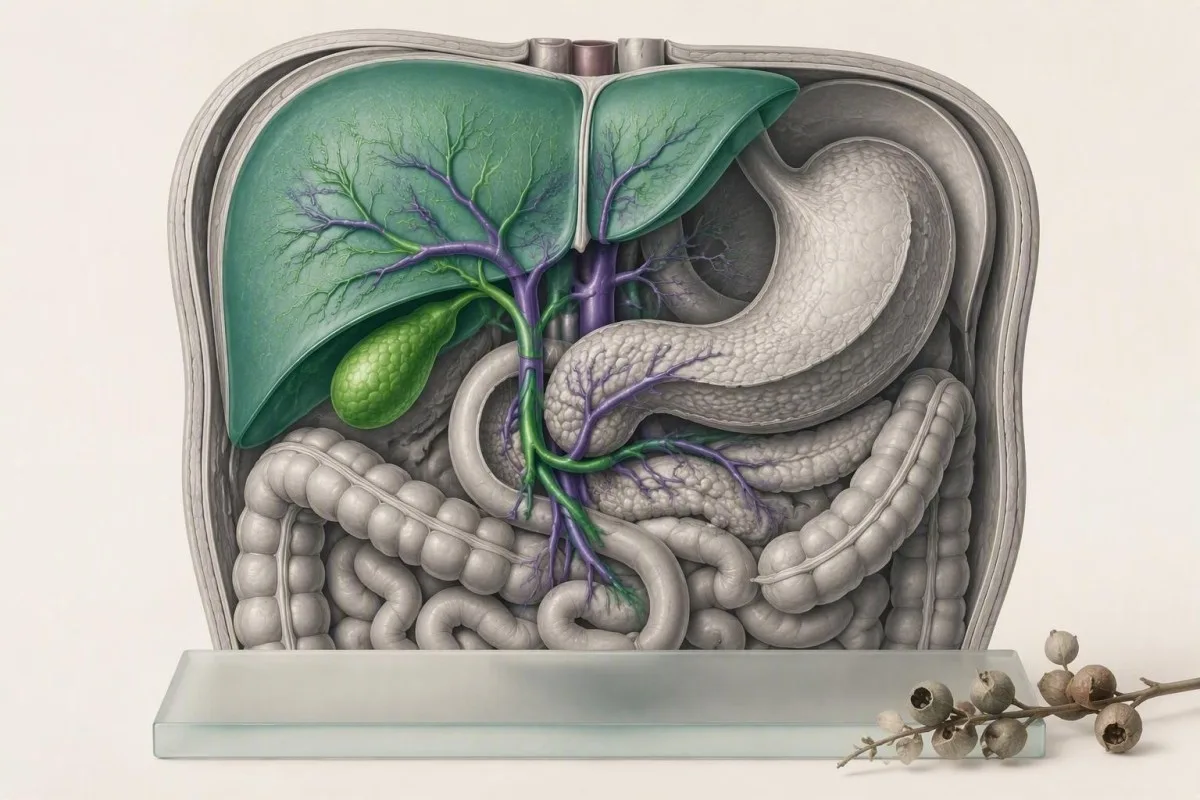
Faigh cùram èiginneach airson troimh-chèile ùr, codalachd mhòr, fuil a' cur a-mach, stòl mar thar anabarrach, a' fàilneachadh, pian dian bhoilg no buidheachadh sùilean a tha a' fàs gu luath. Faodaidh iad sin nochdadh bleeding, sepsis, dìth gnìomh grùthan goirid, tinneas pancreatic no biliary, agus chan urrainnear an sgrìonadh gu sàbhailte bho thoradh enzyme a-mhàin. An stiùireadh againn air cuin a dh’ fheumas bilirubin ath-sgrùdadh èiginneach a’ toirt mion-fhiosrachadh mu chothlamaidhean rabhaidh.
ALT no AST os cionn 1,000 IU/L, bilirubin os cionn 100 µmol/L le comharran, no INR os cionn 1.5 ann an neach nach eil a' cleachdadh warfarin bu chòir sin a bhith a' brosnachadh conaltradh clionaigeach èiginneach. Is e seo puingean cur-ris practaigeach seach ìrean fèin-dhiagnosis; faodaidh duine a bhith gu math tinn le luachan nas ìsle, gu sònraichte ma tha iad a' crìonadh gu luath.
Bidh torrachas ag atharrachadh cunntas cunnairt. Tha losgadh air na palms no buinn, ceann goirt, comharran lèirsinn, bruthadh-fala àrd, pian bhoilg àrd no a' bhuidheach rè torrachas ag iarraidh measadh màthaireil èiginneach, eadhon ged a bha pannal roimhe na àbhaist.
A' cleachdadh sgrùdadh ghluasadan LFT gu sàbhailte eadar coinneamhan
Tha gluasadan LFT nas feumail na aon thoradh nuair a thèid an aon anailit agus modh obair-lann a choimeas thar ùine. Tha gluasad ALT sìos a' gealltainn, ach chan eil e a' dearbhadh gu bheil fibrosis air leasachadh no gu bheil an adhbhar bunaiteach air a bhith air a sheòladh.
Tha Kantesti na Inneal mion-sgrùdaidh deuchainn fala le cumhachd AI air an cleachdadh gus aithisgean obair-lann a chuir air dòigh thar ùine, cànanan agus cruthan obair-lann. Faodaidh an AI againn àrdachadh ALT bho 32 gu 78 IU/L aithneachadh còmhla ri àrdachadh ALP ùr, ach is e ceum sàbhailte an ath rud ath-sgrùdadh clionaigeach air nochdadh cungaidh-leigheis, comharraidhean agus toraidhean sgrùdaidh.
Na dèan coimeas dìreach eadar toradh ann an µkat/L agus IU/L gun atharrachadh, agus na dèan coimeas eadar bilirubin iomlan ann an mg/dL agus µmol/L le sùil. Airson bilirubin, tha 1 mg/dL co-ionann ri timcheall air 17.1 µmol/L; tha mearachdan aonad iongantach cumanta nuair a bhios daoine a’ luchdachadh suas chlàran bho barrachd air aon dùthaich. An stiùireadh atharrachadh toraidhean obair-lann a’ mìneachadh luach atharrachaidh iomraidh agus flùrachas bith-eòlasach àbhaisteach.
Tha nota dreuchd pongail a“ cuideachadh: liostaich cinn-latha, luachan ceart agus raointean-iomraidh, comharran, pàtran deoch làidir, cungaidhean ùra, stuthan-taic, atharrachadh cuideam agus eacarsaich. Bheir seo air falbh còmhraidhean iomagaineach mu ”deuchainnean grùthan dona" gu ceist clionaigeach a ghabhas fuasgladh.
Ceistean feumail airson faighneachd mu na toraidhean fala LFT agad
Is e a“ cheist as fheumaile ”Dè am pàtran a tha na toraidhean agam a’ sealltainn: hepatocellular, cholestatic, measgaichte, cothromachadh bilirubin no synthesis neo-ghnìomhach?” Tha a’ cheist sin a’ brosnachadh plana stèidhichte air adhbhar seach stiùireadh neo-shoilleir airson a h-uile càil ath-aithris.
Faighnich a bheil an neo-àbhaist agad air a dhearbhadh, dè bha do bhun-loidhne roimhe, agus an urrainn do eacarsaich, cungaidhean-leighis, deoch làidir no stuthan-taic a mhìneachadh. Faighnich a bheil bilirubin dìreach no neo-dhìreach, a bheil GGT àrd còmhla ri ALP, agus a bheil an synthesis neo-ghnìomhach air a nochdadh le albumin no INR. Tha na mion-fhiosrachadh sin ag atharrachadh na breithneachaidh eadar-dhealaichte gu fìrinneach.
Faighnich a bheil cunnart sèididh ri thomhas agus a bheil ultrasound, sgrìonadh bhìorasach no sgrùdaidhean iarainn iomchaidh airson do phàtran. Faodaidh àrd-f Ferritin le fhèin nochdadh sèid no tinneas metabolach, ach tha àrd-f Ferritin a bharrachd air cuspair transferrin os cionn 45% a’ togail ceist eadar-dhealaichte mu cus iarainn; faic cluichean lannsa haemochromatosis.
Bidh na dotairean agus an luchd-sgrùdaidh clionaigeach againn a’ cleachdadh dhòighean foillsichte agus crìochan sàbhailteachd soilleir; faodaidh luchd-leughaidh a tha airson an rianachd sin a thuigsinn ath-sgrùdadh a dhèanamh air dòigh-obrach dearbhaidh meidigeach againn. Is e an toradh as fheàrr chan e label a ghineadh leis an aplacaid – is e còmhraidhean ùineail, air an clàradh gu math leis an neach-clionaigeach a tha os cionn do chùraim.
Dè tha rannsachadh agus stiùiridhean gnàthach ag ràdh mu mhìneachadh LFT
Tha stiùireadh gnàthach a’ toirt taic do mhìneachadh stèidhichte air pàtran agus dearbhadh air ceimigean grùthan neo-àbhaisteach mus dèanar deuchainn leudachaidh. Chan eil aon LFT a’ comharrachadh ìre sèididh, fàilligeadh grùthan no adhbhar sònraichte às aonais co-theacsa clionaigeach.
Tha stiùireadh ACG le Kwo agus luchd-obrach a’ moladh dearbhadh a dhèanamh air toraidhean ceimigeachd grùthan neo-àbhaisteach agus an uairsin measadh a dhèanamh stèidhichte air pàtran hepatocellular an aghaidh cholestatic (Kwo et al., 2017). Tha sin a’ coimhead mundane, ach tha e a’ cur casg air mearachd cumanta: òrdachadh phanail leudachaidh às dèidh aon toradh mì-chinnteach a dh’ fhalbhas air sampall ath-aithris a tha air a phlanadh gu ceart.
Tha stiùireadh EASL-EASD-EASO 2024 a’ cur tinneas grùthan steatotic metabolach timcheall air cunnart cairdiometabolach agus measadh sèididh neo-ionnsaigh an àite ALT a-mhàin (EASL-EASD-EASO, 2024). Mar sin, chan eil ALT àbhaisteach gu earbsach a’ dùnadh a-mach steatosis no sèididh, gu sònraichte ann an daoine le tinneas an t-siùcair no reamhrachd.
Tha susbaint clionaigeach Kantesti air a sgrùdadh an aghaidh cleachdadh obair-lann agus stiùireadh ligh airson; ar Bòrd Comhairleachaidh Meidigeach a’ cuideachadh le bhith a’ cumail mhìneachaidhean fèin-ghluasadach taobh a-staigh nan crìochan sin. Tha foillseachaidhean co-cheangailte ri comharraidhean air an liostadh gu h-ìosal airson follaiseachd, ach cha chuir iad àite stiùiridhean a tha sònraichte do ghrùthan no cùram meidigeach fa leth.
Ceistean Bitheanta
Dè tha LFT a' ciallachadh air deuchainn fala?
Tha LFT a’ ciallachadh deuchainnean obair grùthan, ris an canar cuideachd deuchainnean fala grùthan no pannal grùthan. Tha a’ mhòr-chuid de phannalan a’ toirt a-steach ALT, AST, ALP, bilirubin agus albumin, fhad ‘s a dh’ fhaodar GGT agus PT/INR òrdachadh air leth. Mar as trice bidh ALT agus AST a’ nochdadh milleadh cealla grùthan seach obair grùthan, ach tha albumin agus INR nas fhaisge air tomhais de synthesis pròtain. Tha raointean iomraidh ag atharrachadh a rèir obair-lann; mar as trice bidh ALT timcheall air 7-55 IU/L ann an inbhich.
A bheil enzymes grùthan àrdaichte mar an ceudna ri droch ghnìomh grùthan?
Chan eil, chan eil enzymes grùthan àrdaichte a’ ciallachadh gu fèin-obrachail gu bheil droch obair-ghnìomh grùthan ann. Faodaidh ALT agus AST èirigh nuair a leigeas ceallan grùthan no ceallan fèithe a-mach enzymes, eadhon ged a tha albumin, bilirubin agus INR àbhaisteach. Tha droch cho-chur fìor nas draghail nuair a dh’ èiricheas bilirubin, tuitidh albumin fo timcheall air 35 g/L, no dh’ èiricheas INR os cionn raon an obair-lann. Bidh neach-clionaigeach a’ mìneachadh nan toraidhean seo còmhla ri comharran agus eachdraidh meidigeach.
Dè tha ann an raon LFT àbhaisteach?
Chan eil raointean gnàthach coitcheann ann airson LFTan o chionn 's gu bheil modhan agus buidhnean iomraidh eadar-dhealaichte eadar obair-lann. Tha raointean cumanta airson inbhich a' gabhail a-steach ALT 7-55 IU/L, AST 8-48 IU/L, ALP 40-129 IU/L, albuim 35-50 g/L agus bilirubin iomlan 3-21 µmol/L. Is e an raon iomraidh a tha clò-bhuailte ri do thoradh fhèin an fheadhainn cheart airson a chleachdadh an toiseach. Gu tric feumaidh toradh beagan os cionn na raoin dearbhadh agus co-theacsa an àite làimhseachadh sa bhad.
Am faod eacarsaich toraidhean LFT a thogail?
Seadh, faodaidh eacarsaich chruaidh na h-ìrean AST agus ALT a thogail gu sealach leis gu bheil na h-enzyman sin anns a’ chiùb chnàimh. Faodaidh AST àrd còmhla ri ALT àbhaisteach no beagan àrd às dèidh rèis-ruith, togail trom no leòn fèithe a bhith a’ nochdadh fuasgladh fèithe, gu sònraichte ma tha creatine kinase cuideachd àrd. Tha e gu tric ciallach a bhith a’ seachnadh eacarsaich chruaidh nach eil thu cleachdte rithe airson 5-7 latha mus dèan thu deuchainn a-rithist nuair a tha an neach-clionaigeach a’ creidsinn gur e seo an mìneachadh. Mar as trice chan eil eacarsaich a’ mìneachadh buidheach, bilirubin àrd no INR fada.
A bheil deuchainn LFT a' lorg grùthan geir?
Faodaidh LFT a bhith a' nochdadh galar grùthan geir ach cha mhòr nach urrainn dha a dhearbhadh no a dùnadh a-mach. Tha mòran dhaoine le tinneas grùthan steatotic co-cheangailte ri dysfunction metabolach air luachan ALT fo 55 IU/L, agus tha cuid air deuchainnean grùthan cunbhalach gu tur àbhaisteach. Bidh factaran cunnairt mar tinneas an t-siùcair seòrsa 2, togail cuideam sa mheadhan, triglyceride àrd agus bruthadh-fola àrd a' stiùireadh tuilleadh measaidh. Thathas gu tric a' cleachdadh ultrasound agus sgòran fibrosis neo-ionnsaigheach mar FIB-4 còmhla ri toraidhean fala.
Cuin a bu chòir dhomh dragh a ghabhail mu thoraidhean fala neo-àbhaisteach LFT?
Faigh comhairle mheidigeach air an aon latha airson toraidhean LFT neo-àbhaisteach le clòimh, fual dorcha, stòl bàn, pian mòr bhoilg, fiabhras, troimh-chèile, cuir a-mach fuil no stòl mar tar dubh. Feumaidh ALT no AST os cionn 1,000 IU/L, bilirubin os cionn 100 µmol/L le comharraidhean, no INR os cionn 1.5 às aonais warfarin cuideachd measadh èiginneach. Mar as trice thèid àrdachaidhean beaga air leth fo 2 uair an ìre àrd ath-sgrùdadh às deidh ath-sgrùdadh cungaidhean, deoch làidir, stuthan, tinneas agus eacarsaich. Tha an èiginn cheart an urra ris an ìomhaigh clionaigeach gu lèir, chan ann le aon àireamh.
Faigh Mion-sgrùdadh Deuchainn Fala le Cumhachd AI an-diugh
Thig còmhla ri còrr is 2 mhillean neach air feadh an t-saoghail a tha a’ earbsa Kantesti airson mion-sgrùdadh sa bhad, ceart air deuchainnean obair-lann. Luchdaich suas na toraidhean deuchainn fala agad agus faigh mìneachadh coileanta air biomarcair 15,000+ ann an diogan.
📚 Foillseachaidhean Rannsachaidh le Iomraidhean
Klein, T., Mitchell, S., & Weber, H. (2026). A' bhuinneach às dèidh trosgadh, breacan dubha anns an stòl & stiùireadh GI 2026. Rannsachadh Leigheis AI Kantesti.
Klein, T., Mitchell, S., & Weber, H. (2026). Stiùireadh Slàinte nam Ban: Ovulation, Menopause & Comharraidhean Hormonail. Rannsachadh Leigheis AI Kantesti.
📖 Iomraidhean Meidigeach Taobh a-muigh
⚕️ Àicheadh Meidigeach
Tha an artaigil seo dìreach airson adhbharan foghlaim agus chan eil e a’ dèanamh comhairle mheidigeach. Cuir fios an-còmhnaidh gu solaraiche cùram slàinte teisteanasach airson co-dhùnaidhean breithneachaidh is leigheis.
Comharran earbsa E-E-A-T
Eòlas
Lèirmheas clionaigeach air a stiùireadh le lighiche air sruthan-obrach mìneachaidh obair-lann.
Eòlas
Fòcas air leigheas obair-lann air mar a bhios bith-chomharraidhean (biomarkers) a’ giùlan ann an co-theacsa clionaigeach.
Ùghdarrasachd
Air a sgrìobhadh le Dr. Thomas Klein le ath-sgrùdadh le Dr. Sarah Mitchell agus Prof. Dr. Hans Weber.
Earbsachd
Mìneachadh stèidhichte air fianais le slighean leanmhainn soilleir gus dragh a lughdachadh.