vipimo vya utendaji wa ini, lakini sehemu kubwa ya jopo hupima uharibifu wa seli ya ini au usumbufu wa mtiririko wa bile badala ya utendaji wa ini yenyewe. Tofauti hiyo hubadilisha jinsi wataalamu wa matibabu wanavyofasiri matokeo yasiyo ya kawaida.



- maana ya LFT ni vipimo vya utendaji wa ini, ingawa ALT, AST, ALP na GGT huashiria uharibifu au mtiririko wa bile ulioharibika badala ya utendaji wa ini.
- ALT kwa kawaida huwa karibu 7-55 IU/L kwa watu wazima; thamani iliyo juu ya kikomo cha juu cha maabara inapaswa kutafsiriwa kwa kuzingatia dawa, mazoezi, matumizi ya pombe na hatari ya kimetaboliki.
- Albumini kwa kawaida huwa 35-50 g/L na huonyesha uzalishaji wa protini ya ini kwa wiki, lakini upotezaji wa figo, uvimbe na ulaji duni pia unaweza kuupunguza.
- Bilirubin mara nyingi huwa 3-21 µmol/L; ongezeko pamoja na mkojo wa giza au kinyesi cha rangi ya rangi ya hudhurungi huhitaji tathmini ya haraka ya kimatibabu.
- INR au PT hupima uzalishaji wa vipengele vya kuganda kwa damu na ni mojawapo ya viashirio muhimu zaidi vya damu vya kushuka kwa utendaji wa usanisi wa ini wakati upungufu wa vitamini K na dawa za kuzuia kuganda kwa damu zinapogawanywa.
- ALP pamoja na GGT kuongezeka pamoja huunga mkono chanzo cha ini na bile, wakati kupanda kwa ALP pekee kunaweza kutoka kwenye mfupa.
- AST baada ya mazoezi makali inaweza kutoka kwenye misuli ya mifupa; kuangalia creatine kinase kunaweza kuzuia uchunguzi wa ini usio wa lazima.
- Dalili za dharura ni pamoja na manjano mpya, kuchanganyikiwa, kutapika damu, kinyesi cheusi kinachofanana na lami, maumivu makali ya tumbo la juu au kukosa fahamu kwa kasi.
LFT inasimama kwa Nini—na Kwa Nini Jina Huchanganya
LFT inasimama kwa vipimo vya utendaji wa ini, kundi la vipimo vya damu vinavyotumiwa kutafuta uharibifu wa seli za ini, mchanga wa nyongo uliopungua na uwezo uliopungua wa kutengeneza protini. Jina halina ukamilifu: ALT, AST, ALP na GGT zaidi ni viashiria vya uharibifu au cholestasis, wakati albmini, bilirubini na PT/INR hutoa dalili za moja kwa moja zaidi - ingawa bado hazijakamilika - za utendaji wa ini.
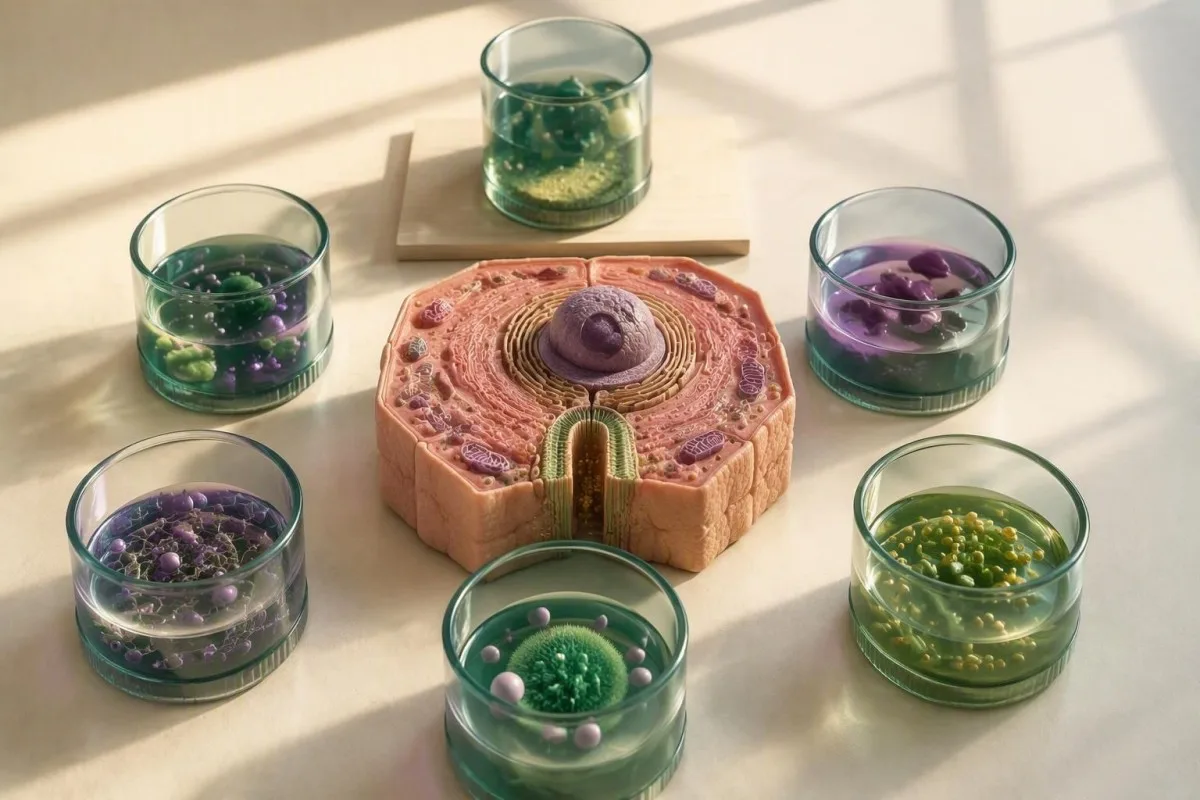
Jopo la kawaida la LFT haithibitishi kuwa kila kipengele cha afya ya ini ni cha kawaida, na jopo lisilo la kawaida haimaanishi uharibifu wa ini. Alanine aminotransferase (ALT) huongezeka wakati hepatocytes zinapotoa enzyme kwenye mzunguko wa damu; inasema zaidi kuhusu uvujaji wa seli kuliko uwezo wa ini kutengeneza albmini au vipengele vya kuganda. Wetu wa kina ALT mwongozo unaeleza kwa nini tofauti hiyo ni muhimu.
Kwa vitendo, ninawaambia wagonjwa wafikirie jopo kama maswali matatu: je, seli za ini zinakerekwa, je, nyongo inatembea kwa uhuru, na je, ini linatengeneza protini kawaida? Dk. Thomas Klein ameona rufaa nyingi kwa ALT ya 62 IU/L ambapo matokeo ya kweli yenye kutuliza yalikuwa bilirubini, albmini na INR za kawaida—si neno “utendaji” lililoandikwa juu ya jopo.
Kantesti ni Mchambuzi wa mtihani wa damu wa AI linalosoma matokeo ya LFT kama muundo katika ripoti kamili badala ya kutibu enzyme moja iliyoangaziwa kama utambuzi. Kufikia Septemba 12, 2026, mtiririko wetu wa uhakiki wa kimatibabu pia huhifadhi kiwango cha marejeleo cha maabara yenyewe, kwa sababu kikomo cha juu cha ALT cha 35 IU/L katika maabara moja hakifanani na 55 IU/L katika nyingine.
Lugha ambayo waganga wanazidi kuitumia
Huduma nyingi za hepatology sasa husema “vipimo vya damu vya ini” au “vipimo vya kemia vya ini” kwa sababu majina hayo hayatoi ahadi kupita kiasi. Mwongozo wa Chuo cha Kimarekani cha Gastroenterology pia hutenganisha uharibifu wa hepatocellular, uharibifu wa cholestatic na matatizo ya kushughulikia bilirubini wakati wa kutathmini kemia za ini zisizo za kawaida (Kwo et al., 2017).
Ni Vipimo Gani Mara nyingi Huwekwa Kwenye Jopo la LFT?
Jopo la kawaida la LFT linajumuisha ALT, AST, alkaline phosphatase (ALP), bilirubini, albmini na protini jumla; maabara nyingi pia hujumuisha GGT. PT/INR mara nyingi huagizwa kando, hata ingawa ni muhimu sana kliniki wakati utendaji halisi wa ini unapohojiwa.
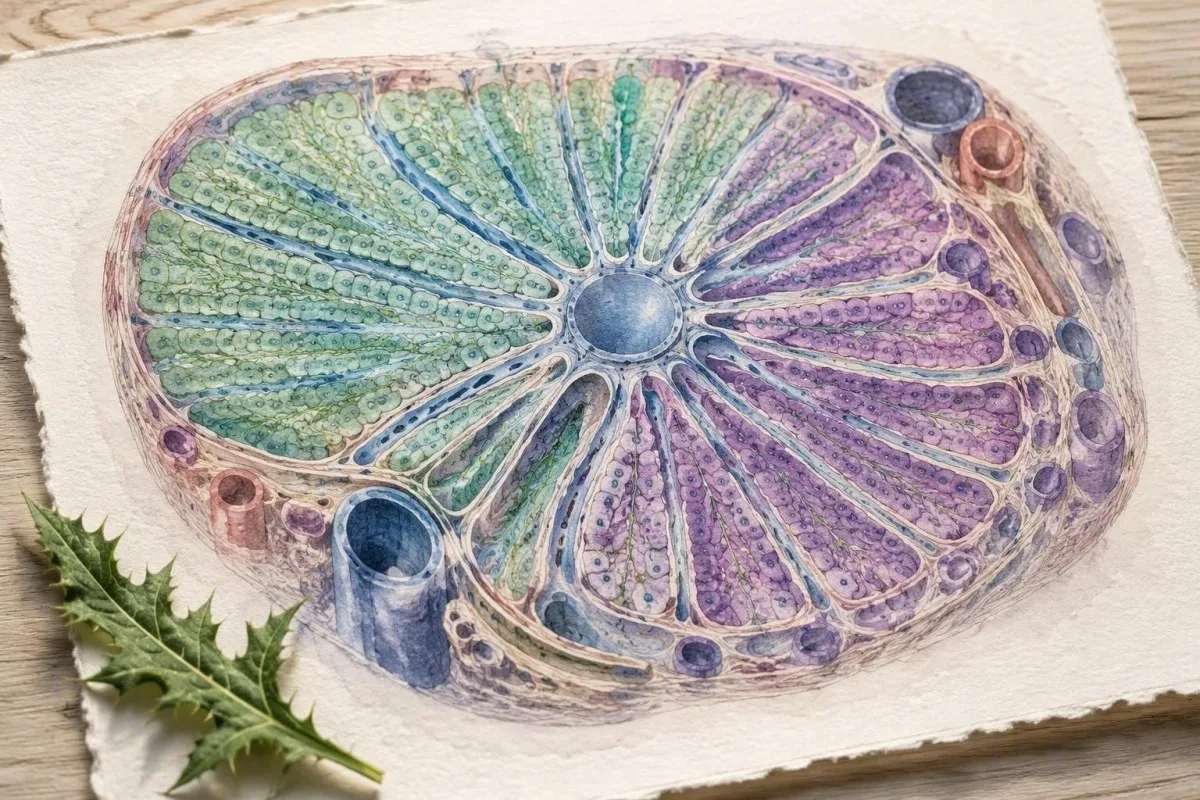
ALT na AST ni aminotransferases, ALP na GGT husaidia kutambua muundo wa mfereji wa nyongo, na bilirubini huonyesha usindikaji na utoleaji wa bidhaa za kuvunjika kwa haem. Albmini na PT/INR hutathmini usanisi, lakini albmini hubadilika polepole kwa sababu nusu ya maisha yake ni kama siku 20. Tazama paneli ya ini hujumuisha nini kwa tofauti za kawaida za maabara.
Protini jumla na globulin wakati mwingine huonekana kwenye ripoti sawa lakini si vipimo maalum vya ini. Matokeo ya juu ya globulin na albmini ya chini yanaweza kutokea katika magonjwa sugu ya ini, magonjwa ya kiotomatiki au uvimbe unaoendelea; uwiano ni dalili, kamwe si utambuzi. mwongozo wa marejeo wa protini za seramu husaidia kuweka maadili hayo katika muktadha.
Ujanja mmoja wa vitendo: ripoti za Uingereza zinaweza kusema “LFT,” wakati ripoti za Marekani zinaweza kusema “hepatic function panel” au “liver panel.” Hakuna hata moja iliyo sanifu kikamilifu. Kabla ya kulinganisha matokeo kutoka nchi mbalimbali, linganisha analyte, kitengo na kiwango cha marejeleo kilichoandikwa kando yake.
Ni Matokeo Yapi ya LFT Yanayoonyesha Uharibifu wa Ini Badala ya Utendaji Kazi?
ALT na AST huonyesha uharibifu wa seli, si utendaji wa ini. ALP na GGT huonyesha muundo unaowezekana wa cholestatic au bile-duct, wakati albamini na PT/INR huonyesha moja kwa moja uwezo wa syntetiki.

ALT imejikita zaidi kwenye ini kuliko AST, lakini hakuna hata moja iliyo ya ini pekee. AST iko kwenye misuli ya mifupa, moyo na seli nyekundu, kwa hivyo mazoezi mazito, uharibifu wa misuli au sampuli iliyovunjika inaweza kuinua. An Uwiano wa AST:ALT zaidi ya 2 inaweza kusaidia uharibifu wa ini unaohusishwa na pombe katika mazingira sahihi, lakini si ya uchunguzi pekee.
Mwanariadha wa marathon mwenye umri wa miaka 52 na AST 89 IU/L na ALT 36 IU/L baada ya mbio ni mtego wa kawaida. Ningeweza kuuliza kuhusu juhudi na maumivu ya misuli, kisha nizingatie CK na sampuli ya kurudia baada ya siku 7 bila mafunzo makali; makala yetu kuhusu ruwaza za juu za AST inafafanua hoja hiyo.
Kantesti AI hutafsiri enzimu za ini kwa kuangalia ikiwa ongezeko ni la hepatocellular, cholestatic, mchanganyiko au labda extrahepatic. uwiano wa R—(ALT kugawanywa na kikomo chake cha juu) kugawanywa na (ALP kugawanywa na kikomo chake cha juu)—iko juu ya 5 katika muundo wa hepatocellular na chini ya 2 katika muundo wa cholestatic; ni zana ya kupanga ya daktari, si uchunguzi wa nyumbani.
Kwa nini muundo unashinda nambari ya juu zaidi
ALT ya 120 IU/L yenye ALP ya kawaida inaelekeza katika mwelekeo tofauti kutoka kwa ALP 280 IU/L yenye ALT ya kawaida. Ya kwanza mara nyingi husababisha mapitio ya kimetaboliki, virusi, dawa au muktadha wa misuli; ya pili huibua maswali kuhusu bile ducts, upya wa mfupa na athari za dawa.
Maadili ya LFT Yanayoakisi Utendaji Kazi Halisi wa Ini Zaidi
Albamini, bilirubini na PT/INR ni dalili muhimu zaidi za kawaida za damu kwa utendaji halisi wa ini, ingawa kila moja inaweza kuwa isiyo ya kawaida kwa sababu zisizo za ini. Mchanganyiko wa bilirubini inayoongezeka na INR ni ya kutisha zaidi kuliko ongezeko la wastani la ALT pekee.
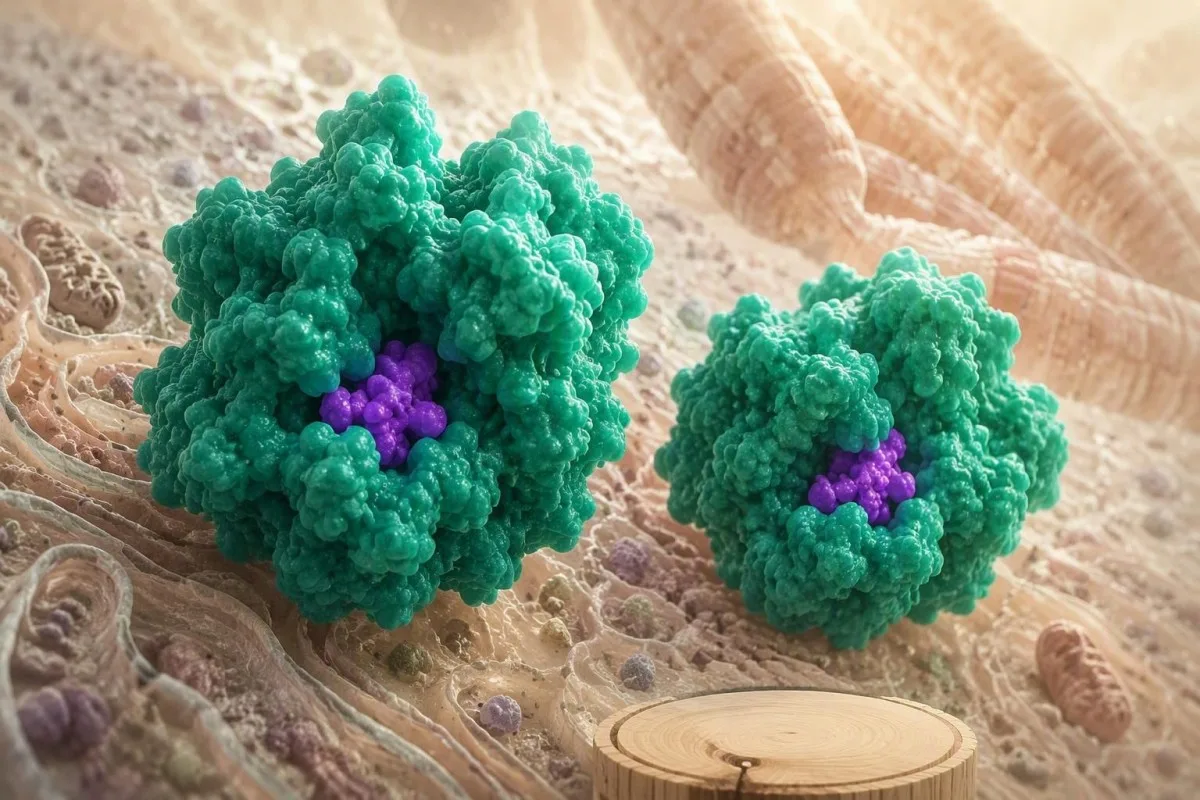
Albamini kwa kawaida ni 35-50 g/L kwa watu wazima wasio wajawazito, lakini albamini ya chini inaweza kusababishwa na upotevu wa protini wa figo, kuvimba kwa mfumo, utapiamlo, kuchomwa au kuongezeka kwa maji. Kawaida huanguka baadaye katika magonjwa sugu ya ini kuliko ALT huongezeka, ndiyo sababu albamini ya kawaida haiachi uwezekano wa fibrosis ya mapema. Soma kuhusu albamini katika ujauzito ikiwa unalinganisha matokeo ya ujauzito na kiwango cha kawaida cha watu wazima.
PT/INR huonyesha utengenezaji wa vipengele vya kuganda vya muda mfupi, hasa kipengele VII, na vinaweza kubadilika kwa siku badala ya wiki. INR zaidi ya 1.5 katika majeraha ya papo hapo ya ini ni moja ya vigezo vinavyotumiwa katika tathmini ya haraka ya kushindwa kwa ini kwa papo hapo, lakini warfarin, upungufu wa vitamini K na dawa za kuua viini zingine zinaweza kutoa ishara sawa ya maabara. maelezo ya INR hufunika kipekee hizo muhimu.
Bilirubin pia sio kipimo kamili cha utendaji. Bilirubin isiyounganishwa inaweza kuongezeka na ugonjwa wa Gilbert, kufunga au hemolisi licha ya uwezo wa kawaida wa mfumo wa ini; bilirubin iliyounganishwa na mkojo mweusi huelekeza zaidi kuelekea kuzuia uchujaji wa nyongo au usindikaji wa hepatocellular. Ndio maana kamwe sipati “bilirubin ya juu” bila kugawanywa kwake.
Mlolongo muhimu wa kimatibabu
Kwa mtu mzima aliye imara, INR na albamini ya kawaida na ALT iliyoinuliwa kidogo kwa kawaida huonyesha uhifadhi wa utendaji wa mfumo. Jaundi mpya, kuongezeka kwa INR, sukari ya chini au machafuko hubadilisha uharaka kabisa na kuhitaji tathmini ya kimatibabu siku hiyo hiyo.
Jinsi ya Kusoma Matokeo ya ALT na AST Pamoja
ALT ya juu kuliko AST ni kawaida katika ugonjwa wa ini wenye mafuta unaosababishwa na lishe na majeraha mengi ya virusi au yanayohusiana na dawa, wakati AST ya juu kuliko ALT ina sababu pana ikiwa ni pamoja na yatokanayo na pombe na majeraha ya misuli. Kuinuka kamili na mwelekeo ni wa kuaminika zaidi kuliko uwiano pekee.

ALT mara nyingi huripotiwa katika IU/L au U/L, ambazo ni sawa kwa madhumuni ya vitendo. Thamani chini ya mara 2 ya kikomo cha juu cha marejeleo mara nyingi huangaliwa tena baada ya kukagua pombe, virutubisho, dawa za kuagiza, ugonjwa unaojitokeza na zoezi la hivi karibuni. Mwongozo wa ACG unapendekeza kuthibitisha kemia za ini zisizo za kawaida kabla ya kuanzisha uchunguzi mpana (Kwo et al., 2017).
Thamani zilizo juu ya 1,000 IU/L kwa ALT au AST sio “ini tu lenye mafuta” hadi kuthibitishwa vinginevyo. Hepatitis ya papo hapo ya virusi, uharibifu wa dawa au sumu, hepatitis ya ischemic na kizuizi cha papo hapo cha nyongo zote zinaweza kusababisha kuongezeka kwa kasi; muda wa kozi, dalili na INR huongoza uharaka zaidi kuliko viwango vya mtandaoni.
Ushauri wa vitendo wa Dk. Thomas Klein ni kupiga picha kila lebo ya nyongeza kabla ya miadi ya kufuatilia. Bidhaa za “asili”, dondoo la chai ya kijani iliyokolea, mawakala wa anabolic na bidhaa zenye viungo vingi vya kupunguza uzito mara nyingi hukosa katika historia ya awali. Mwongozo wetu wa virutubisho vya hatari kwa ini unaeleza kwa nini kusimamisha bidhaa inayoshukiwa kunapaswa kuongozwa na daktari inapodaiwa.
ALP na GGT Zinaweza Kukuambia Nini Kuhusu Mtiririko wa Bile
ALP na GGT zilizoinuliwa pamoja kwa kawaida huunga mkono chanzo cha hepatobiliary au cholestatic; kuinuka kwa ALP pekee kunaweza kutoka kwa mfupa, ujauzito au ukuaji wa kawaida. GGT husaidia kuweka ALP lakini haipimi kwa uhakika ulaji wa pombe peke yake.
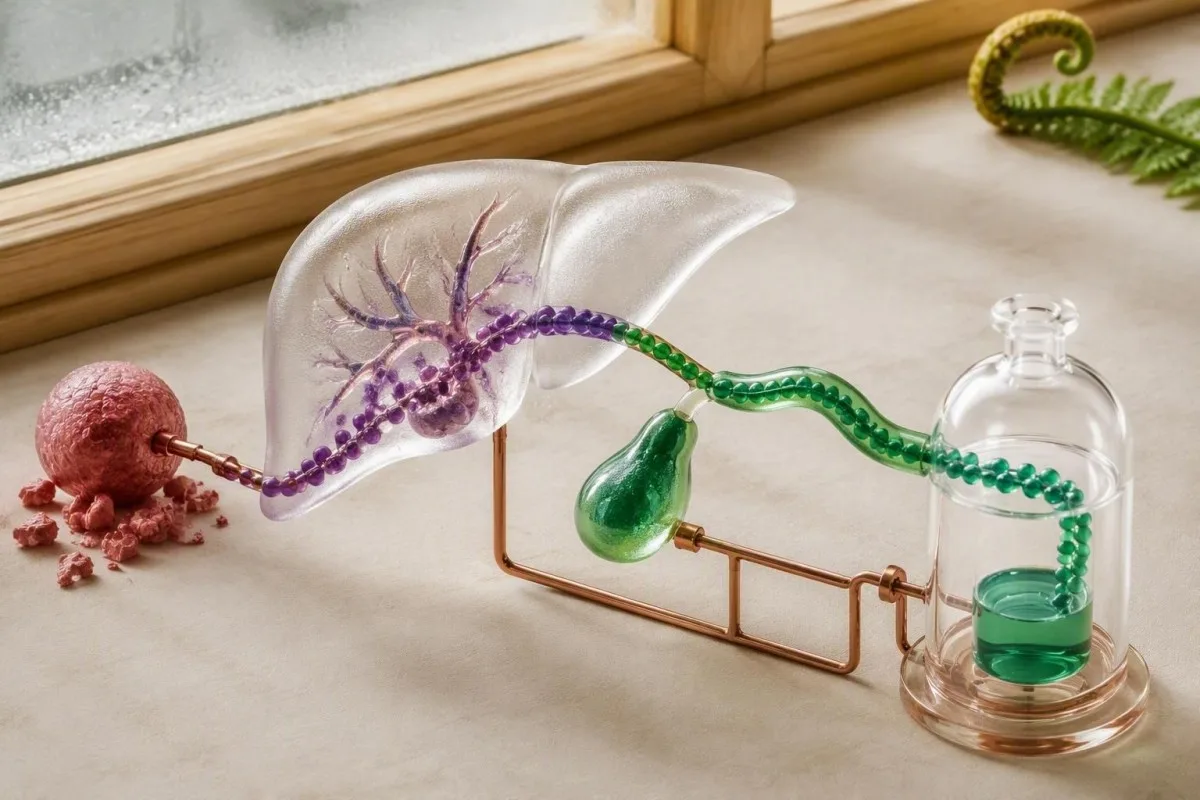
ALP mara nyingi ni takriban 40-129 IU/L kwa watu wazima, hata hivyo kila maabara huweka muda wake mwenyewe. Ikiwa ALP imeongezeka na GGT ni ya kawaida, madaktari kwa kawaida huchunguza vyanzo vya mfupa, hali ya vitamini D, mfupa unaopona au kubadilika kwa mfupa kabla ya kudhani ugonjwa wa ini. muhtasari wa isoenzyme wa ALP unaeleza jinsi maabara zinavyotofautisha vyanzo zinapohitajika.
GGT huongezeka na cholestasis, mfiduo wa pombe, ugonjwa wa ini unaosababishwa na lishe na dawa zinazochochea enzyme kama vile baadhi ya dawa za kukandamiza mshtuko. GGT iliyo juu ya 60 IU/L katika mifumo mingi ya marejeleo ya wanaume wazima inastahili mapitio ya kimazingatio, haswa sambamba na ALP iliyoinuliwa, lakini hakuna “nambari salama au ya uchunguzi ya pombe.” Tazama wetu Mwongozo wa safu wima ya GGT kwa tofauti ya jinsia na maabara.
Mchanganyiko wa kuwashwa, kinyesi cha rangi ya udongo, mkojo wa giza, ALP iliyoinuka na bilirubini iliyoinuka unahitaji tathmini ya haraka kwa ajili ya kuzuia mtiririko wa bile. Ultrasound mara nyingi ni kipimo cha kwanza cha upigaji picha, lakini ultrasound ya kawaida haiwezi kuondoa kila sababu ndogo ya mfereji au inayohusiana na dawa; yetu wa cholestasis unaingia kwa undani zaidi.
Kwa Nini Bilirubin Inahitaji Vipande na Dalili
Jumla ya bilirubini lazima igawanywe katika sehemu za moja kwa moja na zisizo za moja kwa moja ili ziwe na manufaa kliniki. Utawala wa moja kwa moja mara nyingi huonyesha uzalishaji mwingi au kupungua kwa kuunganishwa, wakati utawala wa moja kwa moja unapendekeza kizuizi cha utoaji au usindikaji wa hepatocyte.
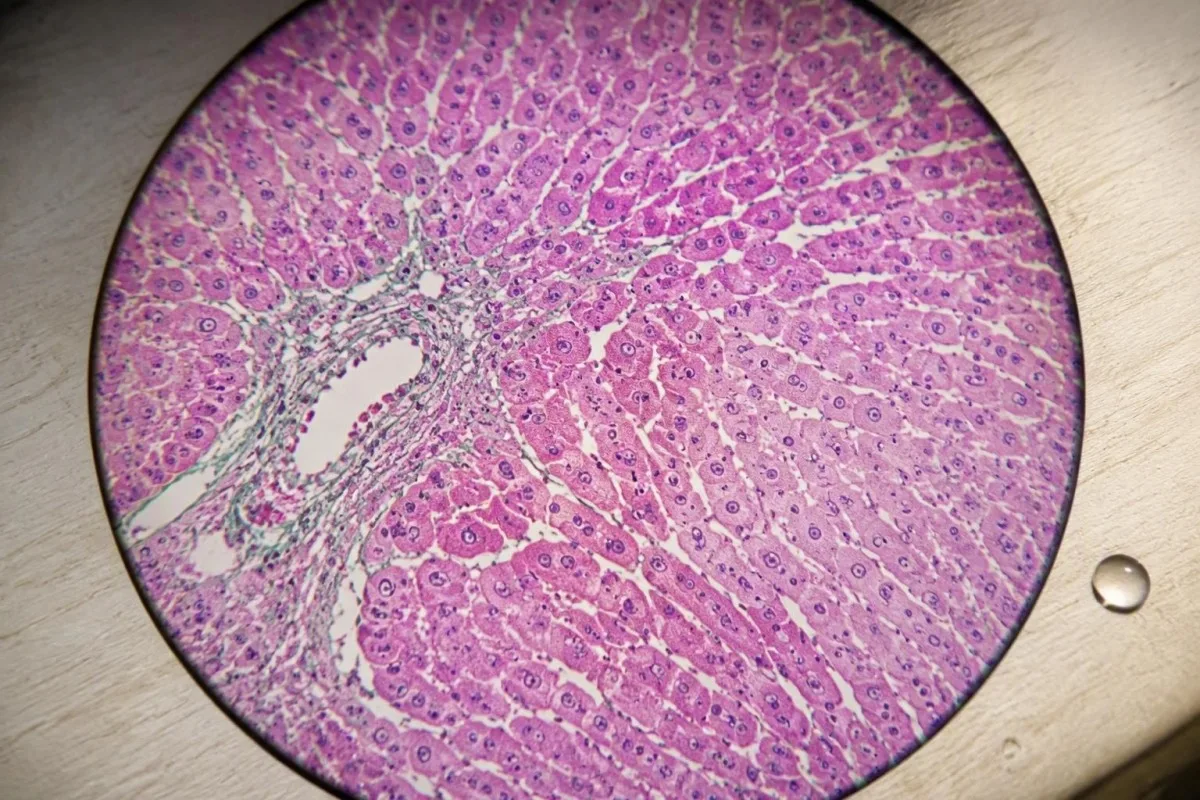
Jumla ya bilirubini ya kawaida ni takriban 3-21 µmol/L au 0.2-1.2 mg/dL. Kuinuka kidogo, kwa vipindi, pekee chini ya takriban 50 µmol/L na ALT, ALP, albumin na hesabu ya damu kawaida mara nyingi huendana na ugonjwa wa Gilbert, hasa baada ya kufunga au kuumwa, lakini waganga bado huangalia muundo kabla ya kuutumia jina hilo.
Bilirubini iliyounganishwa ni mumunyifu wa maji, kwa hivyo inaweza kufanya mkojo kuwa wa giza; bilirubini isiyounganishwa haiwezi kuingia kwenye mkojo. Sehemu hiyo ndogo ya fiziolojia ni muhimu: macho ya njano pamoja na mkojo wenye rangi ya chai huleta wasiwasi zaidi kliniki kuliko bilirubini ya juu isiyo ya moja kwa moja inayopatikana kwa bahati mbaya. Kagua ruwaza za bilirubini ya moja kwa moja kwa vipimo vifuatavyo ambavyo madaktari mara nyingi huchagua.
Usijaribu “kutoa bilirubini nje” na bidhaa za detox. Unywaji maji unaweza kurekebisha mkusanyiko kutoka kwa ukosefu wa maji mwilini, lakini haiwezi kutatua hepatitis, kizuizi au uharibifu wa damu. Ujanibishaji unaoendelea unahitaji tathmini halisi, hasa kwa homa, maumivu au kupoteza uzito bila kukusudia.
Albumin na Protini Jumuishi: Ishara za Polepole za LFT
Albumin ni alama ya polepole ya uzalishaji wa protini ya ini na ugonjwa wa mwili mzima, si kipimo nyeti cha mapema cha uharibifu wa ini. Albumin ya chini huwa na maana zaidi inapounganishwa na kuongezeka kwa INR, ascites, uvimbe au muundo wa ini usio wa kawaida wa muda mrefu.

Albumin takriban nusu ya maisha ya siku 20 inamaanisha kuwa ugonjwa wa siku 48 wa papo hapo mara chache huupunguza sana kupitia njia za ini pekee. Kinyume chake, kupungua kwa albumin kwa miezi kadhaa kunaweza kuonyesha ugonjwa sugu wa ini, kupoteza figo, kuvimba kwa muda mrefu, ulaji usiofaa au upotezaji wa protini wa utumbo. Mwongozo wa uwiano wa CRP-albumin unaonyesha kwa nini uvimbe unaweza kubadilisha matokeo haya.
Jumla ya protini mara nyingi huwa karibu 60-80 g/L, lakini jumla ya kawaida inaweza kuficha albumin ya chini ikiwa globulins imeongezeka. Katika ugonjwa sugu wa ini, kingamwili zinaweza kuongezeka wakati albumin inapungua, ikiacha protini ya jumla kuwa ya kawaida kwa udanganyifu. Hiyo ni muundo unaostahili kuuliza daktari aeleze badala ya kujitibu na unga wa protini.
Kantesti ni jukwaa la tafsiri ya viashiria vya AI unaolinganisha albumin, protini ya jumla, globulin na alama za figo pamoja, kwa sababu matokeo ya pekee ya albumin ya chini yana vipimo duni. Uchambuzi wa mwelekeo ni muhimu sana wakati njia sawa ya maabara imetumiwa kwa angalau michoro miwili au mitatu.
Lini PT au INR Hufanya LFT Isiyo ya Kawaida Kuwa ya Haraka Zaidi
PT/INR inayoongezeka inaweza kuashiria kupungua kwa uzalishaji wa vipengele vya kuganda kwa ini na hufanya uharibifu mkali wa ini kuwa wa haraka zaidi, hasa ikiwa na ujanibishaji au uchanganyiko. INR sio LFT ya kawaida kila mahali, lakini ni muhimu wakati waganga wanahusika na utendaji mbaya wa ini.

INR karibu na 0.8-1.2 ni kawaida bila dawa za kuganda, lakini swali husika ni mabadiliko kutoka kwa msingi na muktadha wa kimatibabu. INR zaidi ya 1.5 na majeraha ya ini ya papo hapo, encephalopathy au hypoglycaemia huhitaji tathmini ya dharura; usisubiri kurudiwa kwa kipimo cha nyumbani. Mwongozo wa wa paneli ya kuganda unafafanua vipimo vya kawaida vya kuganda vinafanya nini na havifungi.
Upungufu wa vitamini K kutokana na kunyonya duni, viuavishaji vya wigo mpana vya muda mrefu au kizuizi cha nyongo vinaweza kuongeza muda wa PT/INR bila kushindwa kwa ini kusikoweza kurekebishwa. Kinyume chake, mtu anayechukua warfarin ana INR iliyobadilishwa kwa makusudi, kwa hivyo thamani yao haiwezi kutumika kama alama ya moja kwa moja ya utendaji wa ini. Uhalisi huu unazuia kenge sana ya kenge zisizo za lazima.
Kutapika damu, kinyesi cheusi kama lami, mchanganyiko mpya, michubuko kwa urahisi na njano au uvimbe unaopanuka kwa kasi tumboni ni dalili za dharura. Matokeo ya damu ni muhimu, lakini hayachukui nafasi ya uchunguzi wa haraka wa kimatibabu katika mazingira hayo.
Sababu za Kawaida za Matokeo Kidogo Yasiyo ya Kawaida ya Vipimo vya LFT Damu
Maabnormalities kidogo za LFT mara nyingi hutokana na ugonjwa wa ini unaohusishwa na utendaji duni wa kimetaboliki, pombe, dawa, virutubisho, mazoezi makali ya hivi karibuni au ugonjwa wa virusi wa muda mfupi. Matokeo ya chini ya mara 2 ya kikomo cha juu ni ya kawaida na mara nyingi yanaweza kurekebishwa, lakini bado yanastahili uhakiki uliopangwa.
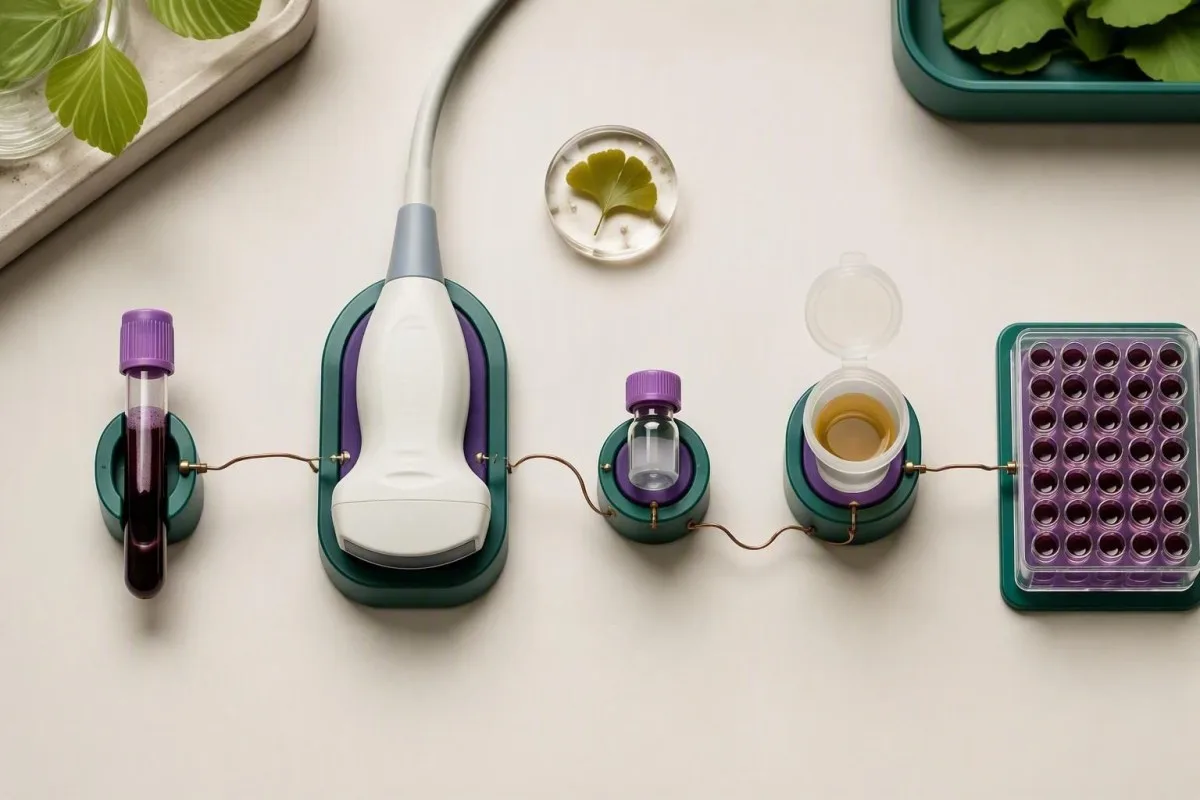
Ugonjwa wa ini unaohusishwa na utendaji duni wa kimetaboliki huwezekana hasa wakati ALT inapokuwa juu kidogo pamoja na ongezeko la mzunguko wa kiuno, triglycerides, maabnormalities ya glukosi au shinikizo la damu. Mwongozo wa 2024 EASL-EASD-EASO unapendekeza utambuzi kwa watu wenye mambo hatarishi ya moyo na kimetaboliki badala ya uchunguzi usio na ubaguzi wa idadi ya watu (EASL-EASD-EASO, 2024).
Kipindi cha nguvu cha bidii kinaweza kuongeza AST, ALT na CK kwa muda wa siku kadhaa. Kawaida mimi hupendekeza kuepuka mazoezi makali yasiyozoeleka kwa siku 5-7 kabla ya kipimo cha uthibitisho wakati mchango wa misuli unapoonekana; kufunga kwa ujumla si lazima kwa maabara ya kawaida ya ini isipokuwa vipimo vingine vilivyoagizwa vinahitaji hivyo. Yetu mwongozo wa muda wa vipimo vya damu inaweza kusaidia kuthibitisha vighairi hivyo.
Historia ya pombe inapaswa kuwa ya ukweli badala ya kuhukumu. Kipindi cha kukataa kutoka kwa pombe kinaweza kuboresha GGT na ALT, lakini kasi hutofautiana kulingana na hali ya msingi, uzito wa mwili, dawa na hatari inayoendelea ya kimetaboliki. ratiba ya maabara baada ya kuacha pombe inatoa matarajio ya kweli.
Nini Hutokea Baada ya Matokeo ya LFT Isiyo ya Kawaida?
Jibu la kwanza kwa matokeo madogo yasiyotarajiwa ya LFT kwa kawaida ni uthibitisho, muktadha na vipimo vilivyolengwa—si hofu au detoksi ya jumla. Muda wa kurudiwa kwa vipimo unatofautiana kutoka siku hadi miezi michache kulingana na kiwango cha enzyme, dalili na sababu inayoshukiwa.

Madaktari kwanza huthibitisha matokeo, huangalia maadili ya awali, huuliza kuhusu pombe, dawa, virutubisho, magonjwa na mazoezi, kisha huainisha muundo. Ufuatiliaji unaweza kujumuisha vipimo vya hepatitis B na C, ferritin na kiwango cha uhamishaji, ultrasound, alama za kiotomatiki, vipimo vya coeliac au CK—lakini tu wakati muundo na historia vinapovisaidia. Dalili za Hepatitis B na vipimo vinafaa kuchunguzwa kwa sababu maambukizi sugu yanaweza yasiwe na njano.
Kwa kuongezeka kwa ALT au AST kwa muda mrefu, madaktari wanaweza kutumia FIB-4, ambayo inachanganya umri, AST, ALT na hesabu ya chembechembe ili kukadiria hatari ya fibrosis. Haitegemei chini ya umri wa miaka 35 na inaweza kuwa ya kupendeza kwa uwongo katika hali fulani, lakini ni zana muhimu ya upimaji katika utunzaji wa msingi; ihesabu kwa uangalifu na mwongozo wa fibrosis ya ini wa FIB-4.
Kantesti AI ni huduma ya kutafsiri vipimo vya maabara ya AI ambao unaweza kupanga mwelekeo wa LFT na kuangazia mchanganyiko wa kujadili na daktari, lakini haiwezi kugundua hepatitis, fibrosis au kizuizi kutoka kwa PDF pekee. Ufafanuzi salama daima unajumuisha dalili, historia ya dawa, upigaji picha na uchunguzi inapohitajika.
Jinsi Kufunga, Mazoezi na Ubora wa Sampuli Huathiri LFTs
Kwa kawaida, hauitaji kufunga kwa LFT, lakini mazoezi mazito, ugonjwa mbaya, upungufu wa maji mwilini na uharibifu wa sampuli unaweza kupotosha matokeo yaliyochaguliwa. Sehemu ya maoni ya maabara na muda wa kuchukuliwa kwa sampuli mara nyingi ni muhimu kama bendera moja ya kiwango cha marejeleo.

Kufunga kunaweza kuongeza bilirubini isiyounganishwa kwa watu walio katika hatari, hasa wale wenye syndrom ya Gilbert. Upungufu wa maji mwilini unaweza kuongeza mkusanyiko wa albamini na protini jumla, wakati uharibifu wa seli nyekundu za damu unaweza kuongeza uwongo AST kwa sababu seli nyekundu za damu zina AST. mwongozo wa kurudia baada ya kuvunjika kwa damu inaeleza wakati kurudia kwa usafi ni taarifa zaidi kuliko kufuata artifact.
Biotin sio kikwazo kikubwa kwa vipimo vingi vya kawaida vya enzyme ya ini, lakini inaweza kuathiri baadhi ya vipimo vya kinga vilivyoombwa sambamba. Leta orodha ya poda, mchanganyiko wa mitishamba na bidhaa za kaunta, pamoja na kipimo na tarehe ya kuanza; “kijiko kimoja kila siku” mara nyingi huendana na jina la chapa.
Kwa kurudiwa kwa manufaa, tumia maabara sawa ikiwa inawezekana na rekodi matumizi ya pombe, ugonjwa, kiwango cha mazoezi na mabadiliko ya dawa kwa wiki iliyopita. Tofauti ya kibiolojia inamaanisha mabadiliko ya 10% si lazima uharibifu wa maana, hasa karibu na kikomo cha juu cha marejeleo.
LFT Zingizo za Tahadhari Zinazohitaji Utunzaji wa Matibabu Siku Hiyo Hiyo
Jaundi yenye mkojo mweusi, maumivu makali ya sehemu ya juu ya tumbo kulia, homa, kuchanganyikiwa, kutapika mara kwa mara au INR iliyoinuliwa sana inahitaji tathmini ya matibabu siku hiyo hiyo. Uhakika unategemea dalili na kazi ya usanisi, sio tu ikiwa ALT imeonyeshwa juu.
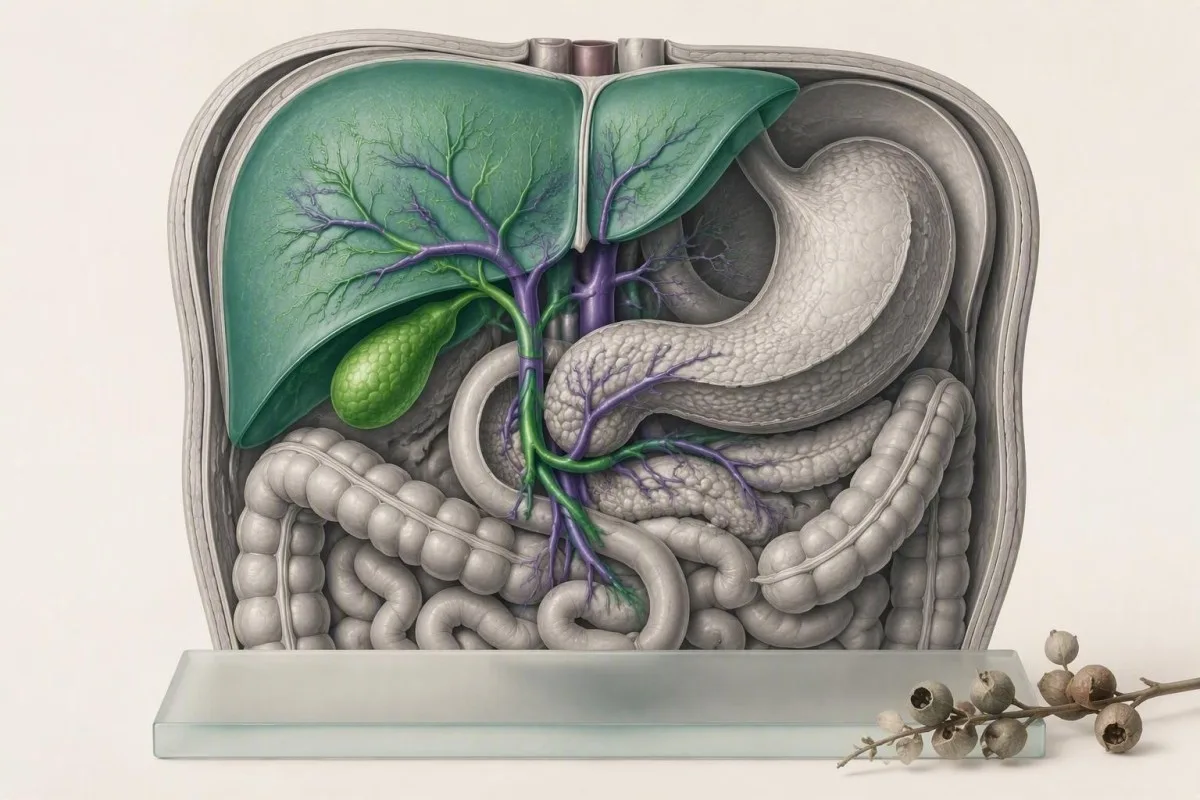
Tafuta huduma ya dharura kwa machafuko mapya, usingizi mwingi, kutapika damu, kinyesi cheusi kama lami, kuzimia, maumivu makali ya tumbo au njano inayozidi kuongezeka kwa macho. Hizi zinaweza kuonyesha kutokwa na damu, sepsis, utendaji duni wa ini, ugonjwa wa kongosho au wa nyongo, na haziwezi kutengwa salama kutoka kwa matokeo ya enzyme pekee. Mwongozo wetu juu ya wakati bilirubini inahitaji ukaguzi wa haraka unaeleza mchanganyiko wa onyo.
ALT au AST zaidi ya 1,000 IU/L, bilirubini iliyo juu ya 100 µmol/L zenye dalili, au INR zaidi ya 1.5 kwa mtu ambaye hatumii warfarin inapaswa kusababisha mawasiliano ya haraka na daktari. Hizi ni pointi za kupandisha kiwango za vitendo badala ya vizingiti vya kujitambua; mtu anaweza kuwa mgonjwa sana na maadili ya chini, hasa ikiwa wanazidi kuwa mbaya haraka.
Mimba hubadilisha hesabu ya hatari. Muwasho wa viganja au nyayo, maumivu ya kichwa, dalili za kuona, shinikizo la damu, maumivu ya sehemu ya juu ya tumbo au jaundi wakati wa ujauzito huhitaji tathmini ya haraka ya uzazi, hata kama jopo la awali lilikuwa la kawaida.
Kutumia Uchambuzi wa Mwenendo wa LFT kwa Usalama Kati ya Miadi
Mitindo ya LFT ni muhimu zaidi kuliko matokeo moja wakati analyte sawa na njia ya maabara ikilinganishwa kwa muda. Mwenendo unaoshuka wa ALT unatia moyo, lakini haithibitishi kuwa fibrosis imeboreka au kwamba sababu ya msingi imeshughulikiwa.
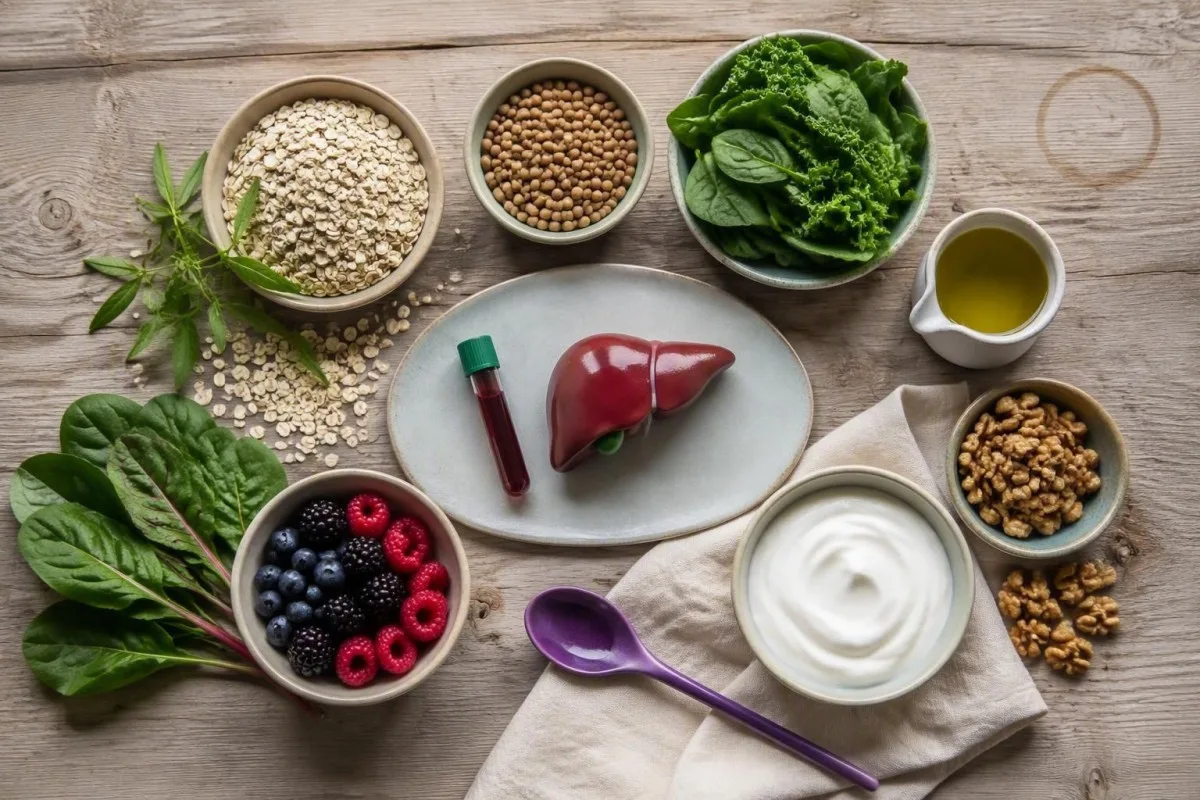
Kantesti ni Zana ya uchambuzi wa vipimo vya damu inayotumia AI hutumiwa kupanga ripoti za maabara kwa muda, lugha na miundo ya maabara. AI yetu inaweza kutambua ongezeko la ALT kutoka 32 hadi 78 IU/L pamoja na ongezeko jipya la ALP, lakini hatua salama inayofuata bado ni ukaguzi wa daktari wa matumizi ya dawa, dalili na matokeo ya uchunguzi.
Usilinganishe matokeo katika µkat/L moja kwa moja na IU/L bila kuibadilisha, na usilinganishe bilirubini jumla katika mg/dL na µmol/L kwa macho. Kwa bilirubini, 1 mg/dL inalingana na takriban 17.1 µmol/L; makosa ya vitengo ni ya kawaida sana wakati watu wanapakia rekodi kutoka zaidi ya nchi moja. mwongozo wa mabadiliko ya matokeo ya maabara unaeleza thamani ya mabadiliko ya marejeleo na mabadiliko ya kawaida ya kibiolojia.
Vidokezo vifupi vya miadi husaidia:orodhesha tarehe, maadili halisi na safu za marejeleo, dalili, muundo wa pombe, dawa mpya, virutubisho, mabadiliko ya uzito na mazoezi. Hii hubadilisha mazungumzo ya wasiwasi kuhusu “vipimo vya ini vibaya” kuwa swali la kimatibabu linaloweza kutatuliwa.
Maswali Muhimu ya Kuuliza Kuhusu Matokeo Yako ya Vipimo vya LFT Damu
Swali la manufaa zaidi ni “Je, matokeo yangu yanaonyesha muundo gani: hepatocellular, cholestatic, mchanganyiko, kushughulikia bilirubin au uzalishaji usio na ufanisi?” Swali hilo huhimiza mpango unaotokana na sababu badala ya maagizo yasiyo wazi ya kurudia kila kitu.
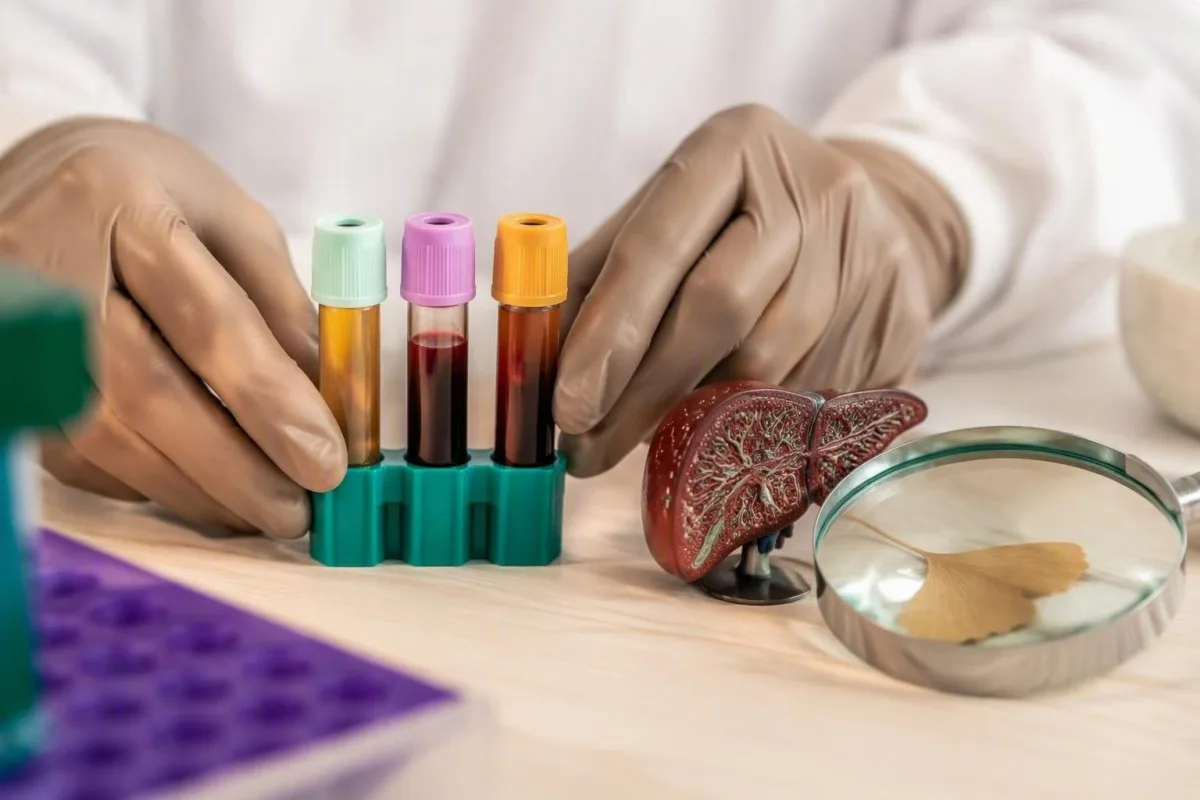
Uliza kama upungufu wako umethibitishwa, kile ambacho msingi wako ulikuwa awali, na kama mazoezi, dawa, pombe au virutubisho vinaweza kuuelezea. Uliza kama bilirubini ilikuwa moja kwa moja au ya moja kwa moja, kama ALP ilikuwa na GGT iliyoinuliwa karibu nayo, na kama albamine au INR inapendekeza uzalishaji usio na ufanisi. Maelezo haya hubadilisha kweli uchunguzi tofauti.
Uliza kama hatari ya fibrosis inapaswa kukadiriwa na kama ultrasound, uchunguzi wa virusi au tafiti za chuma zinafaa kwa muundo wako. Ferritin ya juu pekee inaweza kuonyesha kuvimba au ugonjwa wa kimetaboliki, wakati ferritin ya juu pamoja na kueneza kwa uhamisho zaidi ya 45% huibua swali tofauti kuhusu chuma kupita kiasi; ona dalili za maabara za haemochromatosis.
Madaktari na wakaguzi wetu wa kimatibabu hutumia mbinu zilizochapishwa na mipaka ya wazi ya usalama; wasomaji wanaotaka kuelewa utawala huo wanaweza kukagua mbinu ya uthibitisho wa kimatibabu. Matokeo bora sio lebo iliyotengenezwa na programu—ni mazungumzo ya wakati unaofaa, yaliyoandikwa vizuri na mtaalamu wa huduma yako.
Utafiti wa Sasa na Miongozo Husema Nini Kuhusu Tafsiri ya LFT
Mwongozo wa sasa unasaidia tafsiri inayotokana na muundo na uthibitisho wa kemia za ini zisizo za kawaida kabla ya vipimo vingi. Hakuna LFT moja inayotambua hatua ya fibrosis, kushindwa kwa ini au sababu maalum bila muktadha wa kimatibabu.
Mwongozo wa ACG na Kwo na wenzake unapendekeza kuthibitisha matokeo yasiyo ya kawaida ya kemia ya ini na kisha kutathmini kulingana na muundo wa hepatocellular dhidi ya cholestatic (Kwo et al., 2017). Hii inaonekana ya kawaida, lakini inazuia kosa la kawaida: kuagiza paneli pana baada ya matokeo moja ya mpaka ambayo hupotea kwenye sampuli ya marudio iliyopangwa kwa wakati unaofaa.
Mwongozo wa 2024 EASL-EASD-EASO unafanya steatotic metabolic liver disease kuwa kote hatari ya moyo na kimetaboliki na tathmini ya fibrosis isiyo ya uvamizi badala ya ALT pekee (EASL-EASD-EASO, 2024). Kwa hivyo, ALT ya kawaida haiondoi kwa uaminifu steatosis au fibrosis, hasa kwa watu wenye ugonjwa wa kisukari au unene wa kupita kiasi.
Maudhui ya kimatibabu ya Kantesti hukaguliwa dhidi ya mazoezi ya maabara na usimamizi wa daktari; yetu Bodi ya Ushauri wa Matibabu husaidia kuweka maelezo ya kiotomatiki ndani ya mipaka hiyo. Machapisho yanayohusiana na dalili yanaorodheshwa hapa chini kwa uwazi, lakini hayachukui nafasi ya miongozo maalum ya ini au huduma ya kimatibabu ya mtu binafsi.
Maswali Yanayoulizwa Mara Kwa Mara
LFT in maabara ya damu inasimama kwa nini?
LFT husimama kwa vipimo vya utendaji wa ini, pia huitwa vipimo vya damu vya ini au kipimo cha ini. Awamu nyingi hujumuisha ALT, AST, ALP, bilirubini na albamini, wakati GGT na PT/INR zinaweza kuamriwa kando. ALT na AST kwa kawaida huonyesha uharibifu wa seli ya ini badala ya utendaji wa ini, wakati albamini na INR ni vipimo vya karibu vya utengenezaji wa protini. Viwango vya marejeleo hutofautiana na maabara; ALT mara nyingi huwa karibu 7-55 IU/L kwa watu wazima.
Je, viwango vya juu vya vimeng'enya vya ini ni sawa na utendakazi duni wa ini?
Hapana, vipimo vya juu vya ini havimaanishi moja kwa moja utendakazi mbaya wa ini. ALT na AST vinaweza kupanda wakati chembechembe za ini au chembechembe za misuli zinapotoa vimeng'enya, hata wakati albin, bilirubini na INR zikibaki kawaida. Uharibifu wa kweli wa utendaji wa awali huibua wasiwasi zaidi wakati bilirubini inapoongezeka, albin inaposhuka chini ya takriban 35 g/L, au INR inapoongezeka juu ya kiwango cha maabara. Daktari hufafanua matokeo haya pamoja na dalili na historia ya matibabu.
Je, safu ya kawaida ya LFT ni ipi?
Hakuna safu moja ya kawaida ya LFT kwa kuwa mbinu na vikundi vya marejeleo hutofautiana kati ya maabara. Safu za kawaida za watu wazima ni pamoja na ALT 7-55 IU/L, AST 8-48 IU/L, ALP 40-129 IU/L, albamu 35-50 g/L na bilirubini jumla 3-21 µmol/L. Safu ya marejeleo iliyoandikwa karibu na matokeo yako ndiyo sahihi zaidi ya kutumia kwanza. Matokeo yaliyo juu ya safu mara nyingi yanahitaji uthibitisho na muktadha badala ya matibabu ya haraka.
Je, mazoezi yanaweza kuongeza matokeo ya LFT?
Ndiyo, mazoezi magumu yanaweza kuongeza kwa muda AST na wakati mwingine ALT kwa sababu misuli ya mifupa ina enzymes hizi. AST ya juu ikiwa na ALT ya kawaida au iliyoinuka kidogo baada ya mbio za marathon, kunyanyua vitu vizito au kuumia kwa misuli inaweza kuonyesha kutolewa kwa misuli, haswa ikiwa creatine kinase pia ni ya juu. Epuka mazoezi magumu ambayo hayajafahamika kwa siku 5-7 kabla ya kurudia kipimo mara nyingi ni busara wakati daktari anashuku maelezo haya. Mazoezi kwa kawaida hayafafanui manjano, bilirubini ya juu au INR ndefu.
Je, kipimo cha LFT hugundua ini la mafuta?
LFT inaweza kupendekeza ini lenye mafuta lakini haiwezi kugundua au kuiondoa. Watu wengi wenye magonjwa ya ini yenye mafuta yanayohusiana na disfunctional ya kimetaboliki wana maadili ya ALT chini ya 55 IU/L, na wengine wana vipimo vya kawaida kabisa vya ini. Sababu za hatari kama vile kisukari cha aina ya 2, ongezeko la uzito katikati ya mwili, triglycerides za juu na shinikizo la damu huongoza tathmini zaidi. Vipimo vya ultrasound na alama zisizo vamizi za fibrosis kama vile FIB-4 mara nyingi hutumiwa pamoja na matokeo ya damu.
Nitahatarishwa lini kuhusu matokeo yasiyo ya kawaida ya vipimo vya damu vya LFT?
Tafuta ushauri wa matibabu siku hiyo hiyo kwa matokeo yasiyo ya kawaida ya LFT yenye njano, mkojo mweusi, kinyesi cheupe, maumivu makali ya tumbo, homa, kuchanganyikiwa, kutapika damu au kinyesi cheusi kama lami. ALT au AST zaidi ya 1,000 IU/L, bilirubini zaidi ya 100 µmol/L yenye dalili, au INR zaidi ya 1.5 bila warfarin pia inahitaji tathmini ya haraka. Vituo kidogo vilivyotengwa chini ya mara 2 ya kikomo cha juu huangaliwa tena mara nyingi baada ya kukagua dawa, pombe, virutubisho, magonjwa na mazoezi. Uhali wa haraka unategemea picha nzima ya kimatibabu, si nambari moja.
Pata Uchambuzi wa Vipimo vya Damu kwa AI Leo
Jiunge na zaidi ya watumiaji 2 milioni duniani kote wanaoamini Kantesti kwa uchambuzi wa papo hapo na sahihi wa vipimo vya maabara. Pakia matokeo yako ya vipimo vya damu na upate tafsiri ya kina ya viashiria vya 15,000+ ndani ya sekunde.
📚 Machapisho ya Utafiti Yanayorejelewa
Klein, T., Mitchell, S., & Weber, H. (2026). Kuhara Baada ya Kufunga, Madoa Meusi kwenye Kinyesi na Mwongozo wa GI 2026. Kantesti uchambuzi wa damu kwa AI ya utafiti wa matibabu.
Klein, T., Mitchell, S., & Weber, H. (2026). Mwongozo wa Afya wa Wanawake: Ovulation, Kukoma Hedhi na Dalili za Homoni. Kantesti uchambuzi wa damu kwa AI ya utafiti wa matibabu.
📖 Marejeo ya Nje ya Tiba


⚕️ Kanusho la Kimatibabu
Makala haya ni kwa madhumuni ya elimu tu na si ushauri wa kimatibabu. Wasiliana na mtoa huduma aliyehitimu kila wakati kwa maamuzi ya utambuzi na matibabu.
E-E-A-T Trust Signals
Uzoefu
Mapitio ya kimatibabu inayoongozwa na daktari ya mifumo ya tafsiri ya maabara.
Utaalamu
Kuzingatia dawa za maabara kuhusu jinsi viashiria (biomarkers) vinavyobadilika katika muktadha wa kliniki.
Mamlaka
Imeandikwa na Dk. Thomas Klein kwa mapitio ya Dk. Sarah Mitchell na Prof. Dk. Hans Weber.
Uaminifu
Tafsiri inayotegemea ushahidi yenye njia zilizo wazi za ufuatiliaji ili kupunguza tahadhari za hofu.