LFT jigar funksiyasi tahlili degan ma'noni anglatadi, ammo panelning ko'p qismi jigar faoliyatining o'zidan ko'ra jigar hujayralarining shikastlanishini yoki o't oqimining buzilishini o'lchaydi. Bu farq shifokorlarga g'ayritabiiy natijani qanday talqin qilishni o'zgartiradi.



- LFT ma'nosi bu jigar funksiyasi tahlillari, garchi ALT, AST, ALP va GGT asosan jigar faoliyatidan ko'ra shikastlanish yoki o't oqimining buzilishini ko'rsatadi.
- ALT odatda kattalarda 7-55 IU/L atrofida bo'ladi; laboratoriya yuqori chegarasidan yuqori qiymat dorilar, jismoniy mashqlar, spirtli ichimliklarni iste'mol qilish va metabolik xavf bilan talqin qilinishi kerak.
- Albumin odatda 35-50 g/L ni tashkil qiladi va haftalar davomida jigarning oqsil ishlab chiqarishini aks ettiradi, ammo buyrak yo'qolishi, yallig'lanish va kam ovqatlanish ham uni pasaytirishi mumkin.
- Bilirubin ko'pincha 3-21 µmol/L bo'ladi; to'q jigarrang siydik yoki och rangli najas bilan birga ko'tarilish tez tibbiy baholashni talab qiladi.
- INR yoki PT ivish omili ishlab chiqarishni o'lchaydi va K vitamini etishmovchiligi va antikoagulyantlar istisno qilinganda jigarning sintetik faoliyatining pasayishining eng foydali qon ko'rsatkichlaridan biridir.
- ALP va GGT birga ko'tarilishi gepato-safro manbasini qo'llab-quvvatlaydi, shu bilan birga ALPning izolyatsiya qilingan ko'tarilishi suyakdan kelishi mumkin.
- AST qattiq mashqdan keyin skelet mushaklaridan kelib chiqishi mumkin; kreatin kinazni tekshirish jigar uchun keraksiz ishni oldini olishi mumkin.
- Shoshilinch belgilar yangi sariqlik, charchoq, qon qusish, qora smolali najas, qattiq yuqori qorin og'rig'i yoki tezda yomonlashadigan uyquchanlikni o'z ichiga oladi.
LFT nimani anglatadi — va nima uchun nom noto'g'ri
JFT jigarning jigar funksiyasi tahlili degan ma'noni anglatadi, jigarning hujayra shikastlanishini, o't yo'llarining oqishini va oqsil ishlab chiqarish qobiliyatining pasayishini aniqlash uchun ishlatiladigan bir guruh qon testlari. Bu nom noto'g'ri: ALT, AST, ALP va GGT asosan shikastlanish yoki xolestaz belgilari bo'lib, albumin, bilirubin va PT/INR jigar funksiyasi haqida ko'proq to'g'ridan-to'g'ri, ammo hali ham to'liqsiz ko'rsatkichlarni taqdim etadi.
Normal JFT paneli jigarning har bir jihati sog'lom ekanligini isbotlamaydi va anormal panel jigar etishmovchiligi degani emas. Alanin aminotransferaza (ALT) gepatotsitlar fermentni qon aylanishiga chiqarilganda ko'tariladi; u jigarning albumin yoki qon ivish omillarini ishlab chiqarish qobiliyatidan ko'ra hujayra oqishi haqida ko'proq ma'lumot beradi. Bizning batafsil ALT natijasini ko'rsatmoqda bu farq nima uchun muhimligini tushuntiradi.
Amalda, men bemorlarga paneldan uchta savol haqida o'ylashni aytaman: jigar hujayralari bezovta qilinganmi, o't erkin harakat qiladimi va jigar oqsillarni normal sintez qiladimi? Doktor Tomas Keyn ALT 62 IU/L uchun ko'p murojaatlarni ko'rgan, bu erda haqiqatan ham tasalli beruvchi topilmalar normal bilirubin, albumin va INR bo'lgan - panelning yuqorisida yozilgan “funksiya” so'zi emas.
Kantesti - bu AI qon testi analizatori bu paneldagi bitta belgili fermentni tashxis sifatida qabul qilishdan ko'ra, to'liq hisobotdagi naqsh sifatida JFT natijalarini o'qiydi. 12-sentabr, 2026-yildan boshlab, bizning klinik ko'rib chiqish ish oqimimiz laboratoriyaning o'ziga xos mos yozuvlar oralig'ini ham saqlab qoladi, chunki bir laboratoriyada ALT yuqori chegarasi 35 IU/L boshqa laboratoriyada 55 IU/L dan farq qilmaydi.
Klinisyenlarning tobora ko'proq ishlatadigan tili
Ko'pgina gepatologiya xizmatlari endi “jigar qon testlari” yoki “jigar kimyo testlari” deb atashadi, chunki bu nomlar haddan tashqari ko'p va'da bermaydi. Amerika Gastroenterologiya Kolleji qo'llanmasi shunga o'xshash tarzda gepatotsellyulyar shikastlanish, xolestatik shikastlanish va buzilgan bilirubinni qayta ishlashni abnormal jigar kimyosini baholashda ajratadi (Kwo va boshqalar, 2017).
LFT paneliga odatda qanday testlar kiradi?
Odatdagi JFT paneli o'z ichiga oladi ALT, AST, ishqoriy fosfataza (ALP), bilirubin, albumin va umumiy protein; ko'pgina laboratoriyalar ham GGT ni o'z ichiga oladi. PT/INR ko'pincha alohida buyurtma qilinadi, garchi haqiqiy jigar funksiyasi shubha ostiga olinsa, u klinik jihatdan markaziy hisoblanadi.
ALT va AST aminotransferazalardir, ALP va GGT o't yo'llari naqshini aniqlashga yordam beradi va bilirubin gem parchalanish mahsulotlarini qayta ishlash va chiqarilishini aks ettiradi. Albumin va PT/INR sintezini baholaydi, lekin albumin yarim umri taxminan 20 kun bo'lganligi sababli sekin o'zgaradi. Umumiy laboratoriya variatsiyalari uchun jigar paneli nimalarni o‘z ichiga oladi ga qarang.
Umumiy protein va globulin ba'zan bir xil hisobotda paydo bo'ladi, lekin ular jigar uchun o'ziga xos testlar emas. Past albumin bilan yuqori globulin natijasi surunkali jigar kasalligi, otoimmün kasallik yoki doimiy yallig'lanishda yuzaga kelishi mumkin; nisbat bir ko'rsatkichdir, hech qachon tashxis emas. zardob oqsillari bo‘yicha ma’lumotnoma qo‘llanma bu qiymatlarni kontekstga qo'yishga yordam beradi.
Bir amaliy muammo: Buyuk Britaniya hisobotlari “JFT” deb, AQSh hisobotlari esa “gepatik funksiya paneli” yoki “jigar paneli” deb atalishi mumkin. Hech biri to'liq standartlashtirilmagan. Mamlakatlar bo'ylab natijalarni solishtirishdan oldin, yonida bosilgan analiz, birlik va mos yozuvlar oralig'ini moslashtiring.
Qaysi LFT natijalari jigar faoliyatiga qaraganda jigar shikastlanishini ko'rsatadi?
ALT va AST asosan hujayra shikastlanishini, jigar faoliyatini emas, ko'rsatadi. ALP va GGT asosan xolestatik yoki o't yo'llari bilan bog'liq bo'lishi mumkinligini ko'rsatadi, albumin va PT/INR esa sintetik qobiliyatni to'g'ridan-to'g'ri aks ettiradi.

ALT AST dan jigarga ko'proq boy, lekin hech biri jigar uchun eksklyuziv emas. AST skelet mushaklarida, yurakda va qizil qon hujayralarida mavjud, shuning uchun kuchli mashq, mushak shikastlanishi yoki gemolizlangan namuna uni ko'tarishi mumkin. A AST:ALT nisbati 2 dan yuqori to'g'ri sharoitda alkogol bilan bog'liq jigar shikastlanishini qo'llab-quvvatlashi mumkin, ammo bu o'z boshiga diagnostik emas.
ALT 36 IU/L va AST 89 IU/L bilan 52 yoshli marafonchi poygadan keyin klassik tuzoqdir. Men zo'riqish va mushak og'rig'i haqida so'ragan bo'lardim, keyin CK va qattiq mashqsiz 7 kundan keyin takroriy namuna haqida o'ylardim; bizning maqolamizda yuqori AST naqshlari bu mantiqni tushuntiradi.
Kantesti AI jigar fermentlarini ko'tarilish gepatotsellyulyar, xolestatik, aralash yoki ehtimol ekstrahepatikligini tekshirish orqali talqin qiladi. R koeffitsiyentini—(ALT uning yuqori chegarasiga bo'lingan) bo'lingan (ALP uning yuqori chegarasiga bo'lingan)— gepatotsellyulyar namunada 5 dan yuqori va xolestatik namunada 2 dan past; bu shifokorning saralash vositasi, uy diagnostikasi emas.
Nima uchun naqsh eng yuqori raqamni mag'lub etadi
Normal ALP bilan 120 IU/L ALT, normal ALT bilan 280 IU/L ALP dan boshqa yo'nalishni ko'rsatadi. Birinchisi ko'pincha metabolik, virusli, dori-darmon yoki mushak kontekstini ko'rib chiqishga olib keladi; ikkinchisi esa o't yo'llari, suyak aylanishi va dori vositalarining ta'siri haqida savollar tug'diradi.
Haqiqiy jigar faoliyatini ko'proq aks ettiruvchi LFT qiymatlari
Albumin, bilirubin va PT/INR haqiqiy jigar faoliyati uchun eng foydali muntazam qon ko'rsatkichlaridir, garchi har biri jigar bo'lmagan sabablarga ko'ra abnormal bo'lishi mumkin. Ko'tarilayotgan bilirubin va INR kombinatsiyasi mo''tadil izolyatsiyalangan ALT ko'tarilishidan ko'ra ko'proq tashvishlidir.
Albumin odatda 35–50 g/L kattalarda homilador bo'lmaganlarda, lekin past albumin buyrak oqsili yo'qotilishi, tizimli yallig'lanish, malnutrisiya, kuyishlar yoki suyultirish natijasida yuzaga kelishi mumkin. Bu odatda surunkali jigar kasalligida ALT ko'tarilishidan keyinroq pasayadi, shuning uchun normal albumin dastlabki fibrozni istisno qilmaydi. Mana bu haqda o'qing homiladorlikda albumin agar siz homiladorlik natijasini standart kattalar diapazoni bilan solishtirsangiz.
PT/INR qisqa muddatli qon ivish omillarining, ayniqsa VII omilining ishlab chiqarilishini aks ettiradi va haftalar o'rniga kunlar davomida o'zgarishi mumkin. INR yuqori 1.5 o'tkir jigar shikastlanishida o'tkir jigar etishmovchiligini zudlik bilan baholash uchun ishlatiladigan mezonlardan biri hisoblanadi, ammo warfarin, K vitamini etishmovchiligi va ba'zi antibiotiklar bir xil laboratoriya signalini keltirib chiqarishi mumkin. The INR tushuntirish bu muhim istisnolarni o'z ichiga oladi.
Bilirubin ham sof funktsional test emas. Geralt sindromi, ochlik yoki gemoliz bilan birga kon'yugatsiya qilinmagan bilirubin ko'tarilishi mumkin, shu bilan birga jigar sintezlash qobiliyati normal bo'ladi; quyuq siydik bilan kon'yugatsiya qilingan bilirubin o't chiqarishning buzilishi yoki gepatotsellyulyar ishlov berishga ko'proq ishora qiladi. Shuning uchun men “bilirubin ko'tarilganligini” fraktsiyalashsiz sharhlamayman.
Foydali klinik ierarxiya
Barqaror kattalarda normal INR va albumin bilan biroz ko'tarilgan ALT odatda saqlangan sintez funktsiyasini ko'rsatadi. Yangi sarg'ayish, INR uzayishi, past qon glyukozasi yoki chalkashlik butunlay shoshilinchlikni o'zgartiradi va shu kunning o'zida tibbiy baholashni talab qiladi.
ALT va AST natijalarini birgalikda qanday o'qish kerak
ALT AST dan yuqori bo'lishi metabolik yog'li jigar kasalligi va ko'plab virusli yoki dori vositalari bilan bog'liq shikastlanishlarda keng tarqalgan, shu bilan birga AST ALT dan yuqori bo'lishi alkogol ta'siri va mushak shikastlanishini o'z ichiga olgan kengroq sabablarga ega. Mutlaq ko'tarilish va tendentsiya faqat nisbatdan ko'ra ishonchliroqdir.
ALT ko'pincha IU/L yoki U/L da hisobot qilinadi, bu amaliy maqsadlarda ekvivalentdir. Yuqori chegaraviy qiymatdan 2 barobar past bo'lgan qiymat ko'pincha alkogol, qo'shimchalar, retsept bo'yicha dori-darmonlar, bir vaqtning o'zida kechayotgan kasallik va yaqinda amalga oshirilgan jismoniy mashqlar ko'rib chiqilgandan so'ng qayta tekshiriladi. ACG ko'rsatmasi keng qamrovli tekshiruvni boshlashdan oldin gepatit kimyolarini tasdiqlashni tavsiya qiladi (Kwo va boshqalar, 2017).
30 mkmol/L dan yuqori qiymatlar 1,000 IU/L ALT yoki AST uchun “shunchaki yog'li jigar” emas, balki aksincha isbotlanguncha. O'tkir virusli gepatit, dori-darmon yoki toksin shikastlanishi, ishemik gepatit va o'tkir o't pufagining tutilishi sezilarli ko'tarilishlarga olib kelishi mumkin; vaqt o'tishi, belgilar va INR internet kesishmalaridan ko'ra shoshilinchlikni belgilaydi.
Doktor Tomas Keynning amaliy maslahati - har bir qo'shimcha yorlig'ini keyingi uchrashuv oldidan suratga olishdir. “Tabiiy” mahsulotlar, konsentrlangan yashil choy ekstrakti, anabolik vositalar va ko'p ingredientli yog' yo'qotish mahsulotlari ko'pincha dastlabki tarixda o'tkazib yuboriladi. Bizning qo'llanmamiz jigar-xavfli qo'shimchalar shuni tushuntiradiki, shubha ostidagi mahsulotni to'xtatish retsept bo'yicha berilgan bo'lsa, shifokor tomonidan boshqarilishi kerak.
ALP va GGT sizga o't oqimi haqida nimalarni aytishi mumkin
ALP va GGT birgalikda ko'tarilishi odatda gepatoz yoki xolestatik manbaga yordam beradi; ALP ning alohida ko'tarilishi suyak, homiladorlik yoki normal o'sishdan kelib chiqishi mumkin. GGT ALP ni lokalizatsiya qilishga yordam beradi, ammo alkogol iste'molini yolg'iz o'zi ishonchli o'lchay olmaydi.
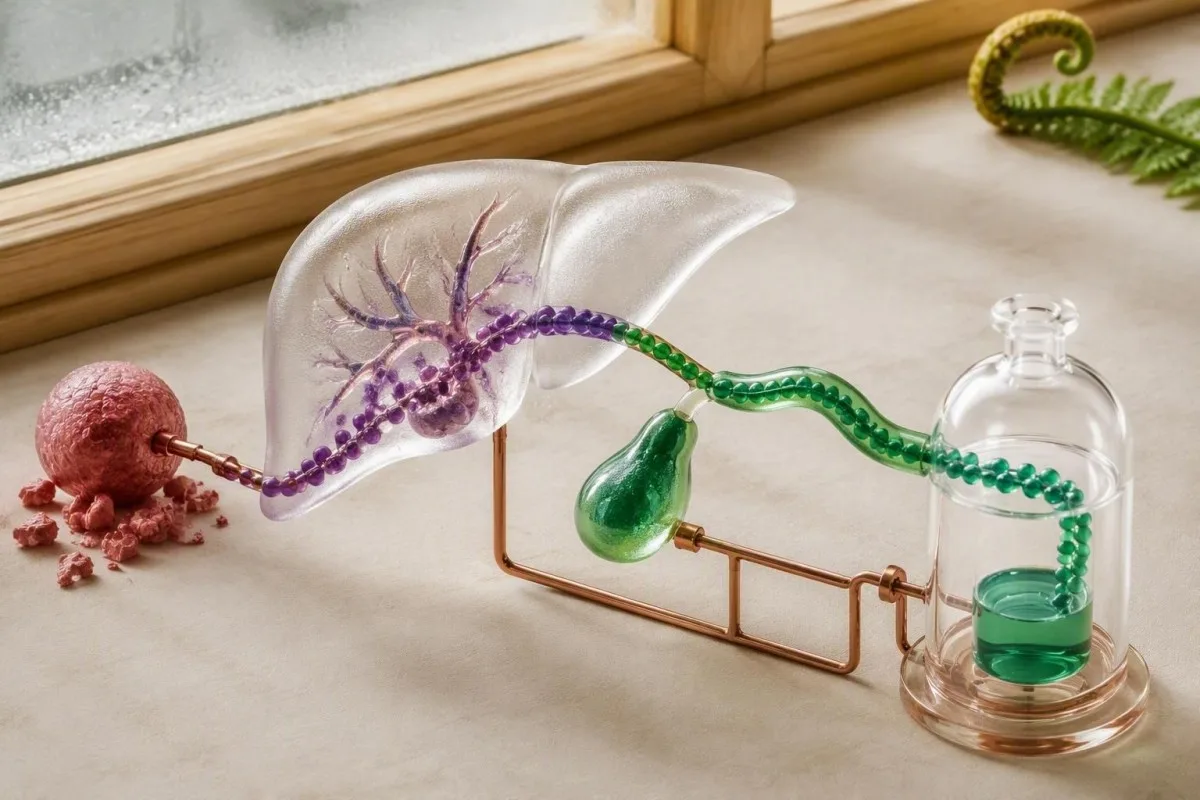
ALP ko'pincha taxminan 40-129 IU/L kattalarda, ammo har bir laboratoriya o'z intervalini belgilaydi. Agar ALP ko'tarilgan bo'lsa va GGT normal bo'lsa, shifokorlar ko'pincha jigar kasalligini taxmin qilishdan oldin suyak manbalarini, D vitamini holatini, shifo topayotgan sinishni yoki suyak aylanishini hisobga oladilar. ALP izoenzimli umumiy ko'rinishi laboratoriyalar kerak bo'lganda manbalarni qanday ajratishini tushuntiradi.
GGT xolestaz, alkogol ta'siri, metabolik jigar kasalligi va ba'zi tutqanoqqa qarshi dorilar kabi ferment induktorli dorilar bilan ko'tariladi. Ko'pgina kattalar erkaklar uchun mos yozuvlar tizimlarida 60 IU/L dan yuqori bo'lgan GGT kontekstual ko'rib chiqishga arziydi, ayniqsa ko'tarilgan ALP bilan birga, ammo xavfsiz yoki diagnostik “alkogol soni” mavjud emas. Biznikini ko'ring GGT normal-range bo'yicha qo'llanma jins va laboratoriya o'zgarishlari uchun.
Kichanuvchi qichima, och rangli najas, to'q rangli siydik, ALPning ko'tarilishi va bilirubinning ko'tarilishi o't yo'llarining tiqilib qolganligini zudlik bilan tekshirishni talab qiladi. Ultratovush ko'pincha birinchi tasvirlash testi, ammo normal ultratovush kichik o't yo'llarining yoki dori vositalariga bog'liq bo'lgan har qanday sababni istisno qilmaydi; bizning xolestaz ko‘rinishlari bo‘yicha qo‘llanmamiz chuqurroq yoritadi.
Nega bilirubin fraktsiyalar va alomatlarni talab qiladi
Jami bilirubin klinik jihatdan foydali bo'lishi uchun to'g'ridan-to'g'ri va bilvosita fraktsiyalarga bo'linishi kerak. Bilvosita ustunlik ko'pincha ortiqcha ishlab chiqarishni yoki kamaygan kon'yugatsiyani aks ettiradi, shu bilan birga to'g'ridan-to'g'ri ustunlik chiqarilish yoki gepatotsitlarni qayta ishlashning buzilganligini ko'rsatadi.
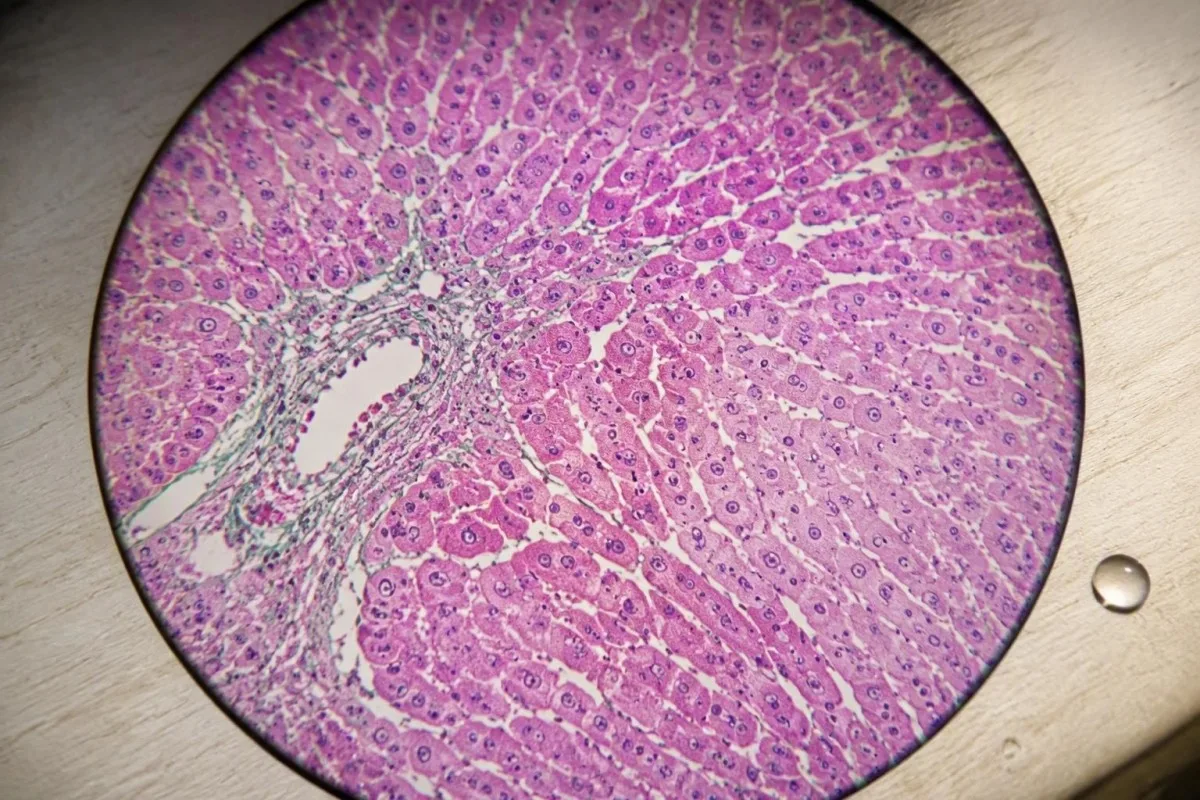
Oddiy jami bilirubin taxminan 3-21 µmol/L yoki 0,2-1,2 mg/dL. Normal ALT, ALP, albumin va qon soni bilan birga taxminan 50 mkmol/L dan past bo'lgan engil, vaqti-vaqti bilan ko'tarilish ko'pincha Gilbert sindromiga mos keladi, ayniqsa ochlik yoki kasallikdan keyin, ammo shifokorlar bu yorliqni qo'llashdan oldin naqshni tekshirishadi.
Kon'yugatsiyalangan bilirubin suvda eriydi, shuning uchun u siydikni to'qlashtirishi mumkin; kon'yugatsiyalanmagan bilirubin siydikka kira olmaydi. Bu fiziologiyaning kichik qismi foydalidir: sariq ko'zlar plyus choy rangli siydik, tasodifan aniqlangan engil yuqori bilvosita bilirubindan ko'ra klinik jihatdan ko'proq tashvishli. Keyingi tekshiruvlar uchun ko'pincha shifokorlar tanlaydigan testlarni ko'rib chiqing. to'g'ridan-to'g'ri bilirubin naqshlari ko'pincha tanlanadigan testlar uchun.
Detoks mahsulotlari bilan bilirubini “yuvishga” urinmang. Rejalashtirilgan suv iste'moli suvsizlanishdan kontsentratsiyani to'g'rilashi mumkin, ammo u gepatit, obstruktsiya yoki gemolizni hal qila olmaydi. Doimiy sarg'ayishni haqiqiy baholash kerak, ayniqsa isitma, og'riq yoki istalmagan vazn yo'qotish bilan.
Albumin va umumiy protein: sekin harakatlanuvchi LFT ko'rsatkichlari
Oqsil klasterlari va sarumning ajralishi albuminning kengroq klinik kontekstini tasvirlaydi. Past albumin INR ko'tarilishi, ascites, shish yoki uzoq muddatli jigar buzilishlari bilan birgalikda yanada ahamiyatli bo'ladi.
Albuminning taxminan 20 kunlik yarim umri shuni anglatadiki, o'tkir 48 soatlik kasallik uni faqat jigar mexanizmlari orqali keskin kamaytirmaydi. Aksincha, bir necha oy davomida pasayib borayotgan albumin surunkali jigar kasalligi, buyrak yo'qotish, surunkali yallig'lanish, etarli ovqatlanmaslik yoki ichak oqsili yo'qotishni aks ettirishi mumkin. CRP-albumin nisbati bo'yicha qo'llanma yallig'lanish bu natijani qanday o'zgartirishi mumkinligini ko'rsatadi.
Jami oqsil ko'pincha atrofida 60-80 g/L, ammo normal umumiy miqdor globulinlar ko'paygan bo'lsa, past albuminni yashirishi mumkin. Surunkali jigar kasalligida immünoglobulinlar ko'payishi mumkin, albumin esa kamayadi, natijada umumiy oqsil aldamchi tarzda oddiy bo'lib qoladi. Bu protein kukunlari bilan o'z-o'zini davolashdan ko'ra, shifokorni tushuntirib berishini so'rashga arziydigan naqsh.
Kantesti - bu AI biomarker talqin platformasi albumin, jami oqsil, globulin va buyrak markerlarini birgalikda solishtiradi, chunki izolyatsiyalangan past albumin natijasi past o'ziga xoslikka ega. Trend tahlili, ayniqsa, hech bo'lmaganda ikkita yoki uchta namuna olishda bir xil laboratoriya usuli ishlatilganda foydalidir.
PT yoki INR qachon g'ayritabiiy LFTni yanada dolzarb qiladi
PT/INR ning ko'tarilishi jigar qon ivish omillarining sintezining kamayganligini ko'rsatishi mumkin va o'tkir jigar shikastlanishini yanada kuchaytiradi, ayniqsa sarg'ayish yoki chalkashlik bilan. INR hamma joyda rutin LFT emas, lekin shifokorlar jiddiy jigar disfunksiyasidan xavotirda bo'lganda u muhimdir.
taxminan INR 0.8-1.2 antikoagulyant dori-darmonsiz keng tarqalgan, lekin asosiy savol bazadan o'zgarish va klinik kontekstdir. O'tkir jigar shikastlanishi, ensefalopatiya yoki gipoglikemiyada 1,5 dan yuqori INR favqulodda tekshiruvni talab qiladi; uyda takroriy test natijasini kutmang. qon ivish paneliga yo'l-yo'riq normal qon ivish testlari nimalarni istisno qiladi va nimalarni qilmasligini tushuntiradi.
Yomon so'rilish, uzoq muddatli keng spektrli antibiotiklar yoki o't pufagi obstruktsiyasidan kelib chiqqan K vitamini etishmovchiligi jigar etishmovchiligini qaytarib bo'lmaydigan holatga olib kelmasdan PT/INR ni uzaytirishi mumkin. Aksincha, warfarin qabul qilayotgan odamning INR qasddan o'zgartirilgan, shuning uchun ularning qiymati oddiy jigar funktsiyasi belgisi sifatida ishlatilmaydi. Bu noziklik ko'plab keraksiz xavotirlarni oldini oladi.
Qusish, qora smolali najas, yangi chalkashlik, sariqlik bilan oson ko'karish yoki tezda kattalashib borayotgan qorin shishishi favqulodda alomatlardir. Qon natijalari foydalidir, lekin ular ushbu sharoitda shoshilinch klinik tekshiruvni o'rnini hech qachon egallamaydi.
Yengil g'ayritabiiy LFT qon natijalarining keng tarqalgan sabablari
Yengil LFT anormalliklari ko'pincha metabolik disfunktsiya bilan bog'liq steatik jigar kasalligi, alkogol, dori-darmonlar, qo'shimchalar, yaqinda kuchli jismoniy mashqlar yoki vaqtinchalik virusli kasalliklardan kelib chiqadi. Yuqori chegaradan 2 baravar kam natija keng tarqalgan va ko'pincha qaytariladigan bo'lsa-da, u hali ham tuzilgan ko'rib chiqishga loyiqdir.
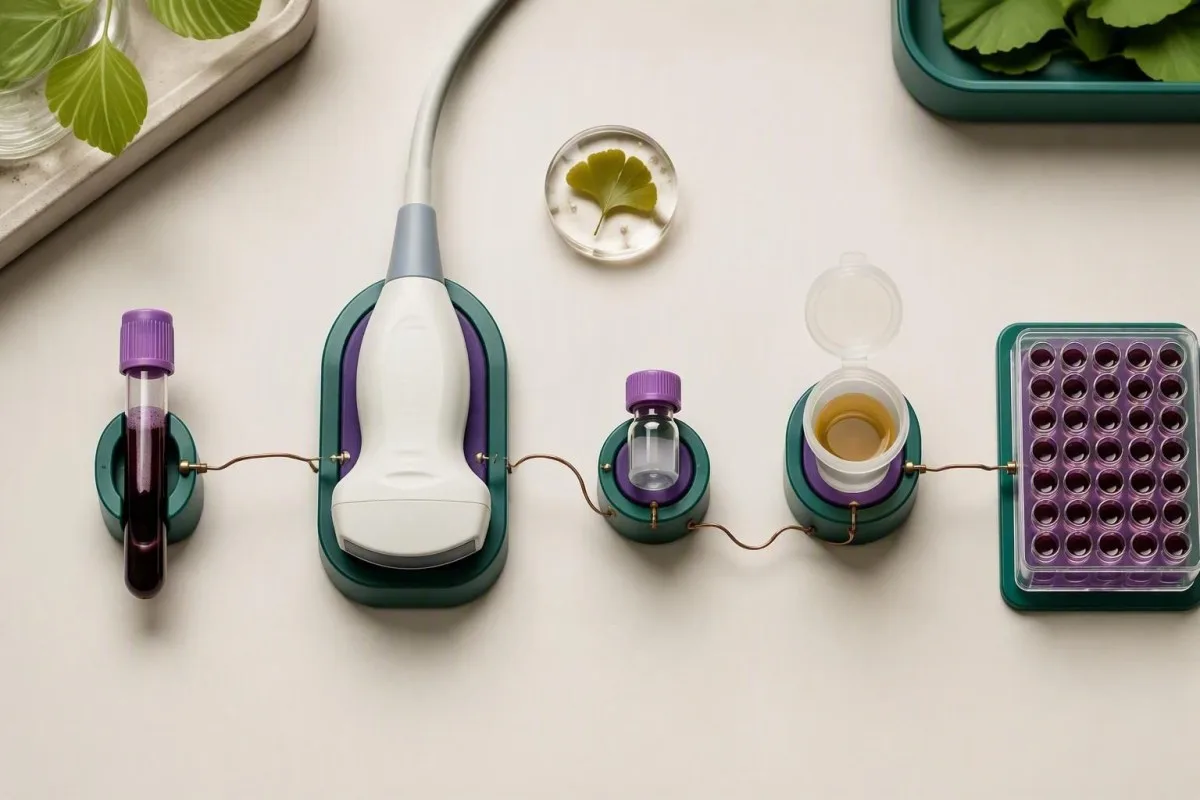
Metabolik disfunktsiyaga bog'liq bo'lgan steatik jigar kasalligi, ayniqsa ALTning biroz yuqori bo'lishi, bel atrofi, triglitseridlarning ko'payishi, glyukoza anormalliklari yoki yuqori qon bosimi bilan birga kuzatilganida ehtimoldan yiroq. 2024 yilgi EASL-EASD-EASO qo'llanmasi nodan olingan populyatsiyani skrining qilish o'rniga kardiyometabolik risk omillari mavjud odamlarda holatni aniqlashni tavsiya qiladi (EASL-EASD-EASO, 2024).
Qattiq kuch mashqlari AST, ALT va CKni bir necha kun davomida vaqtincha ko'tarishi mumkin. Men odatda kamida 5–7 kun tasdiqlovchi testdan oldin, mushakning hissasi mumkin bo'lgan holatlarda, odatda standart jigar kimyosi uchun och qolish talab qilinmaydi, agar boshqa buyurtma qilingan testlar talab qilmasa; boshqa testlar talab qilmasa, och qolish odatda standart jigar kimyosi uchun talab qilinmaydi. Bizning qon‑test vaqtini belgilash qo‘llanmasi ushbu chalkashtiruvchilarni hujjatlashtirishga yordam berishi mumkin.
Alkogol tarixini axloqiy emas, balki dalillarga asoslangan holda bayon qilish kerak. Abstinentlik davri GGT va ALTni yaxshilashi mumkin, ammo bu asosiy kasallik, tana vazni, dorilar va davom etayotgan metabolik riskka qarab tezligi o'zgaradi. spirtli ichimlikni to‘xtatgandan keyingi laboratoriya vaqt jadvali realistik kutishlarni beradi.
G'ayritabiiy LFT natijasidan keyin nima bo'ladi?
Yengil kutilmagan LFT natijasiga birinchi javob odatda tasdiqlash, kontekst va maqsadli testlar bo'ladi - vahima yoki umumiy detoks emas. Takrorlash vaqti ferment darajasi, alomatlar va gumon qilingan sababga qarab bir necha kundan bir necha oygacha o'zgaradi.
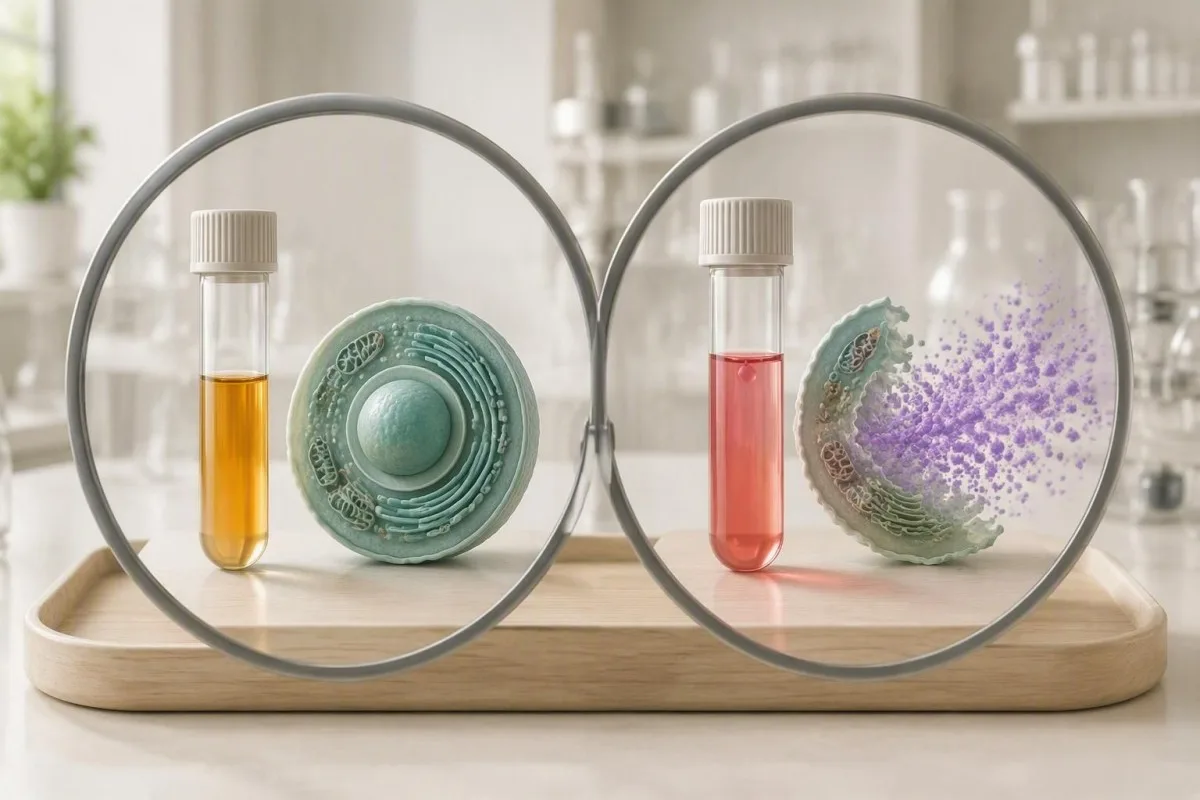
Shifokorlar birinchi navbatda natijani tasdiqlaydilar, oldingi qiymatlarni ko'rib chiqadilar, alkogol, dori-darmonlar, qo'shimchalar, kasallik va jismoniy mashqlar haqida so'rashadi, keyin esa naqshni tasniflashadi. Kuzatuv gepatit B va C testlarini, feritin va transferrin to'yinganlik darajasini, ultratovushni, autoimmune markerlarni, çölyak testini yoki CKni o'z ichiga olishi mumkin - lekin faqat naqsh va tarix ularni qo'llab-quvvatlasagina. Gepatit B belgilari va testlari ko'rib chiqishga arziydi, chunki surunkali infektsiya sariqliksiz bo'lishi mumkin.
Doimiy ALT yoki AST ko'tarilishi uchun shifokorlar yosh, AST, ALT va trombotsitlar sonini birlashtirib, fibroz riskini baholaydigan FIB-4 dan foydalanishlari mumkin. Bu 35 yoshdan past bo'lganlarda kamroq ishonchli va ba'zi hollarda yolg'onni tasalli berishi mumkin, ammo birlamchi parvarishda bu foydali saralash vositasidir; uni bizning FIB-4 jigar-fibroz qo'llanmamiz bilan ehtiyotkorlik bilan hisoblang.
Kantesti AI bu AI lab test interpretatsiya xizmati bu LFT tendentsiyalarini tashkil qilishi va shifokor bilan muhokama qilish uchun kombinatsiyalarni belgilashi mumkin, ammo u faqat PDF dan gepatit, fibroz yoki obstruktsiyani tashxislashi mumkin emas. Xavfsiz talqin har doim alomatlar, dori-darmonlar tarixi, tasvirlash va ko'rsatilganda tekshiruvni o'z ichiga oladi.
ochlik, mashqlar va namuna sifati LFTlarga qanday ta'sir qiladi
Odatda LFT uchun och qolishingiz shart emas, ammo og'ir jismoniy mashqlar, o'tkir kasallik, suvsizlanish va namunaning gemolizi tanlangan natijalarni buzishi mumkin. Laboratoriya sharh maydoni va qon olish vaqti ko'pincha bitta referans diapazon bayrog'i kabi foydalidir.

Och qolish, ayniqsa Gilbert sindromi bo'lgan bemorlarda, kon'yugatsiyalanmagan bilirubinni oshirishi mumkin. Suvsizlanish albümin va umumiy oqsilni konsentratsiyalashi mumkin, gemoliz esa ASTni yolg'on ko'rsatishi mumkin, chunki qizil qon hujayralari ASTni o'z ichiga oladi. gemolizdan keyin qayta olish qo'llanmasidan toza takrorlash qanday qilib artefaktni kuzatishdan ko'ra ko'proq ma'lumot berishini tushuntiradi.
Biotn ko'pgina rutin jigar fermenti tahlillari uchun katta aralashuvchi emas, lekin u parallel ravishda buyurilgan ba'zi immün tahlillarga ta'sir qilishi mumkin. Changlar, o'simlik aralashmalari va retseptsiz sotiladigan mahsulotlarning ro'yxatini keltiring, dozasi va boshlang'ich sanasi bilan birga; “kuniga bir qoshiq” ko'pincha brend nomidan ko'ra ko'proq foydalidir.
Foydali takrorlash uchun iloji bo'lsa, bir xil laboratoriyadan foydalaning va oldingi haftadagi spirtli ichimliklarni iste'mol qilish, kasallik, mashqlar intensivligi va dori-darmonlarni o'zgartirishni yozib oling. biologik o'zgarish shuni anglatadiki, 10% o'zgarishi avtomatik ravishda muhim yomonlashuv emas, ayniqsa yuqori referans chegarasiga yaqin.
Bir kunlik tibbiy parvarishni talab qiladigan LFT qizil bayroqlari
Qorong'i siyishli sariqlik, o'ng yuqori qorinning kuchli og'rig'i, isitma, ongni yo'qotish, doimiy qusish yoki sezilarli darajada yuqori INR bir kunlik tibbiy ko'rikni talab qiladi. Shoshilinchlik simptomlarga va sintez funktsiyasiga bog'liq, nafaqat ALTning yuqori ko'rsatilganligiga bog'liq emas.
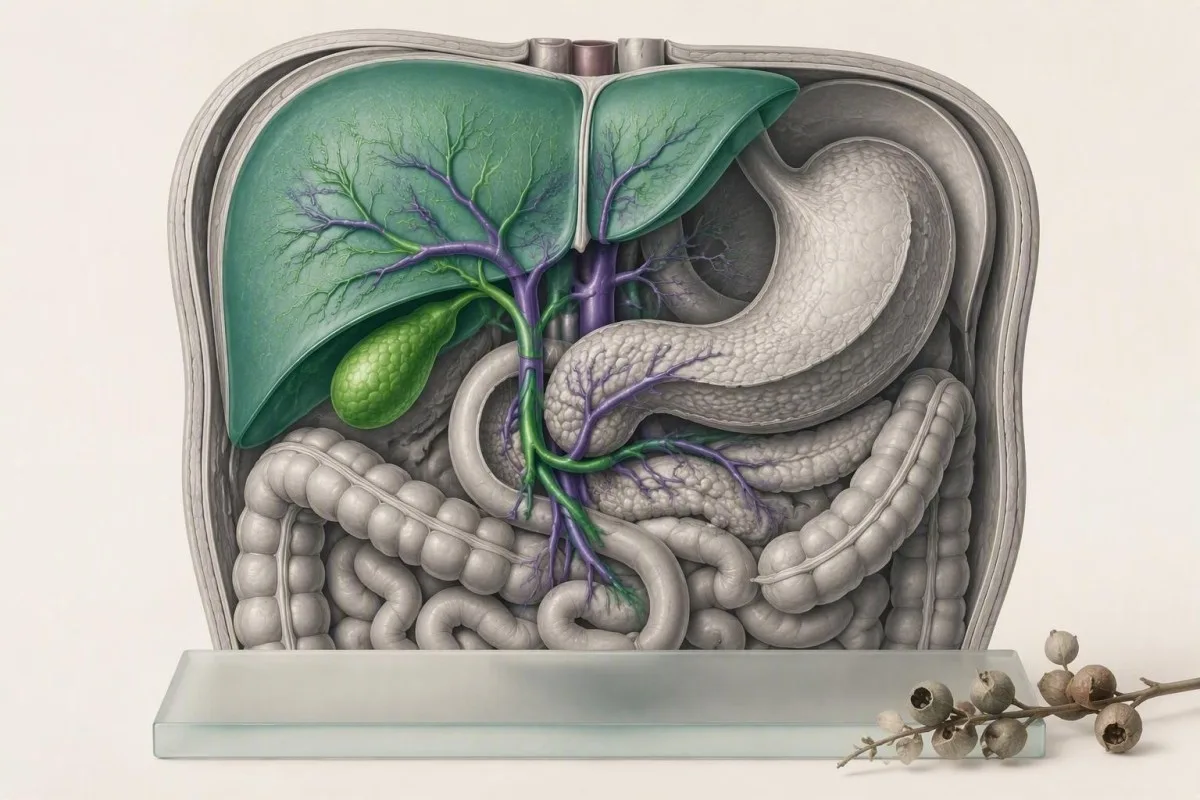
Yangi ongni yo'qotish, haddan tashqari uyquchanlik, qon qusish, qora smo'la ichaklar, hushini yo'qotish, qorinning kuchli og'rig'i yoki ko'zlarning tez yomonlashib sariqlanishi uchun shoshilinch tibbiy yordamga murojaat qiling. Bular qon ketishi, sepsis, jigar disfunktsiyasining o'tkir holati, oshqozon osti bezi yoki o't pufagi kasalliklarini aks ettirishi mumkin va ular faqat ferment natijasidan xavfsiz triaj qilinishi mumkin emas. Bizning qo'llanmamiz bilirubin qachon shoshilinch ko'rib chiqishni talab qiladi ogohlantiruvchi kombinatsiyalarni batafsil bayon qiladi.
ALT yoki AST yuqori 1,000 IU/L, dan yuqori bo‘lsa, bilirubin 100 mkmol/L dan yuqori simptomlar bilan yoki INR dan yuqori 1.5 agar warfarin ishlatmayotgan odamda shoshilinch shifokor bilan bog'lanishni talab qiladi. Bular o'z-o'zini tashxis qilish chegaralari emas, balki amaliy kuchaytirish nuqtalari; odam past qiymatlar bilan juda yomon bo'lishi mumkin, ayniqsa agar ular tezda yomonlashsa.
Homiladorlik riskni hisoblashni o'zgartiradi. Homiladorlik paytida kaftlar yoki oyoq pollari qichishishi, bosh og'rig'i, ko'rish bilan bog'liq simptomlar, yuqori qon bosimi, qorinning yuqori qismidagi og'riq yoki sariqlik homiladorlik paytida, hatto oldingi panel normal bo'lgan taqdirda ham, shoshilinch akusherlik tekshiruvini talab qiladi.
Tashriflar orasida LFT tendentsiyasini tahlil qilishdan xavfsiz foydalanish
Agar bir xil analiz va laboratoriya usuli vaqt o'tishi bilan taqqoslansa, LFT tendentsiyalari yolg'iz natijadan ko'ra ko'proq foydalidir. ALTning pasayish tendentsiyasi umid baxsh etadi, ammo bu fibrozning yaxshilanganligini yoki asosiy sababning bartaraf etilganligini isbotlamaydi.
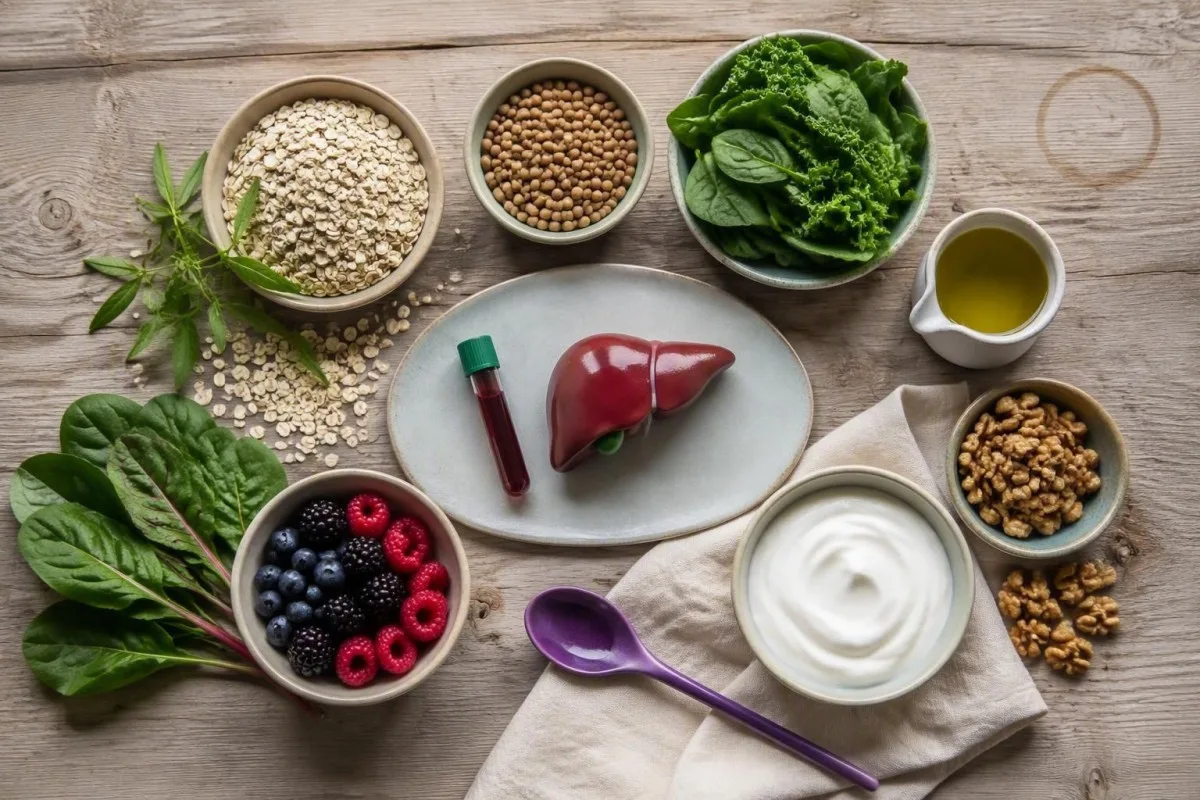
Kantesti - bu AI asosidagi qon tahlili analiz vositasi vaqt, tillar va laboratoriya formatlari bo'yicha laboratoriya hisobotlarini tashkil qilish uchun ishlatiladi. Bizning AI 32 dan 78 IU/L gacha bo'lgan ALTning ko'tarilishini yangi ALPning ko'tarilishi bilan birga aniqlay oladi, ammo xavfsiz keyingi qadam hali ham dori vositalarining ta'sirini, simptomlarni va tekshiruv natijalarini ko'rib chiqadigan shifokorning ko'rigi bo'lib qoladi.
µkat/L dagi natijani uni aylantirmasdan IU/L bilan solishtirmang va umumiy bilirubini mg/dL da µmol/L bilan ko'z bilan solishtirmang. Bilirubin uchun, 1 mg/dL taxminan 17,1 µmol/L ga teng; laboratoriya natijalarini bir nechta mamlakatdan yuklaganda birlikdagi xatolar ajablanarli darajada keng tarqalgan. laboratoriya natijalari o'zgarishining qo'llanmasi mos yozuvlar qiymati va odatiy biologik o'zgarishlarni tushuntiradi.
Qisqa uchrashuv yozuvi yordam beradi: sanalar, aniq qiymatlar va mos yozuvlar diapazonlari, alomatlar, alkogol iste'moli odati, yangi dori-darmonlar, qo'shimchalar, vazn o'zgarishi va jismoniy mashqlar. Bu “jigar testlarining yomonlashuvi” haqidagi xavotirli suhbatni hal qilinadigan klinik savolga aylantiradi.
LFT qon natijalaringiz haqida so'rash uchun foydali savollar
Eng foydali savol quyidagilardan iborat: “Mening natijalarim qanday naqshni ko'rsatadi: gepatotsellyulyar, xolestatik, aralash, bilirubinni qayta ishlaydigan yoki buzilgan sintez?” Bu savol umumiy ko'rsatma o'rniga sababga asoslangan rejani rag'batlantiradi.
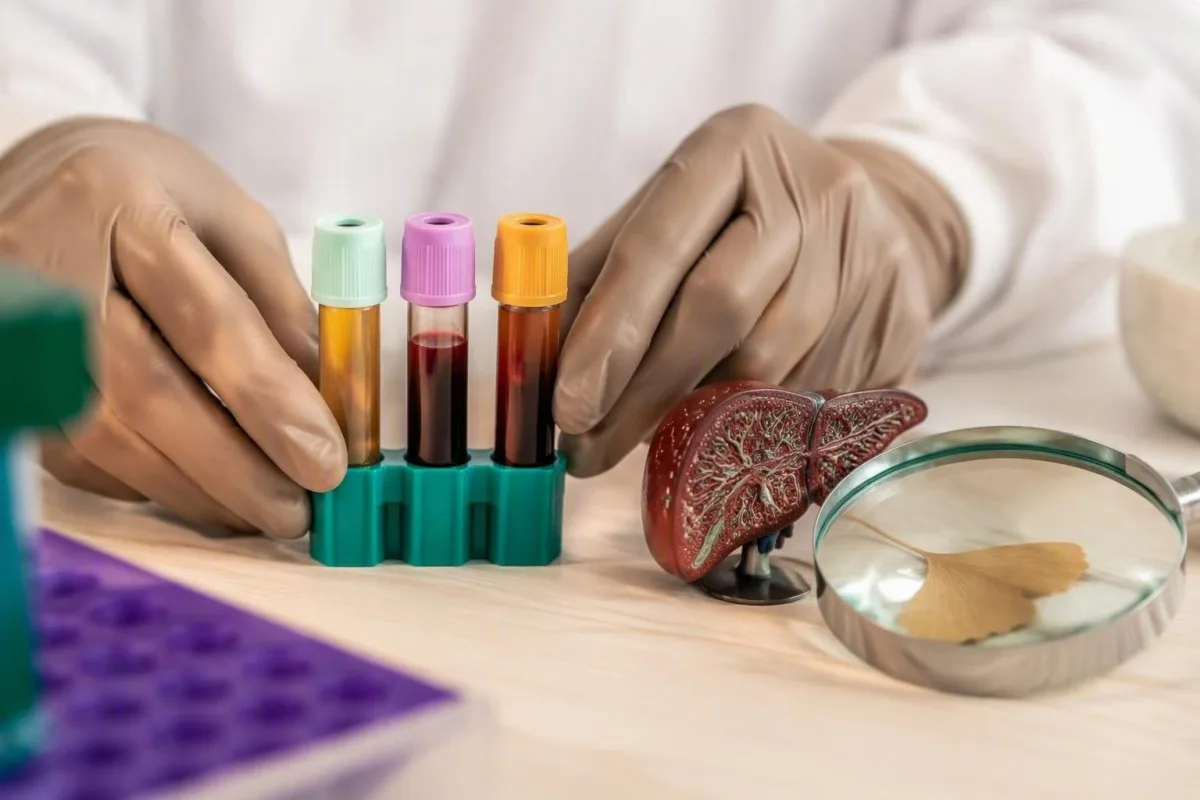
Anormalligingiz tasdiqlanganligini, avvalgi bazal chizig'ingiz nima bo'lganligini va jismoniy mashqlar, dorilar, alkogol yoki qo'shimchalar buni tushuntirib bera oladimi, deb so'rang. Bilirubin to'g'ridan-to'g'ri yoki bilvosita bo'lganmi, ALP yonida GGT ko'tarilganmi va albumin yoki INR buzilgan sintezni ko'rsatadimi, deb so'rang. Ushbu tafsilotlar haqiqatan ham differensial diagnostikani o'zgartiradi.
Fibroz xavfini baholash kerakmi va sizning naqshingiz uchun ultratovush, virusli skrining yoki temir tadqiqotlari mos keladimi, deb so'rang. Yuqori ferritin yolg'iz yallig'lanish yoki metabolik kasallikni aks ettirishi mumkin, shu bilan birga yuqori ferritin va transferrin to'yinganlik darajasi yuqori bo'lsa 45% temirning ortiqcha yuklanishi haqida boshqa savolni tug'diradi; qarang gemoxromatoz laboratoriya belgilari.
Bizning shifokorlarimiz va klinik sharhlovchilarimiz nashr etilgan usullar va aniq xavfsizlik chegaralaridan foydalanadilar; ushbu boshqaruvni tushunishni istagan o'quvchilar ko'rib chiqishlari mumkin tibbiy validatsiya yondashuvimiz. Eng yaxshi natija - bu ilovada yaratilgan yorliq emas - bu sizning parvarishingiz uchun mas'ul shifokor bilan o'z vaqtida, yaxshi hujjatlashtirilgan suhbat.
Hozirgi tadqiqotlar va ko'rsatmalar LFT talqini haqida nima deydi
Joriy qo'llanmalar naqshga asoslangan talqinni va keng qamrovli testdan oldin jigar kimyosining g'ayritabiiy holatini tasdiqlashni qo'llab-quvvatlaydi. Hech qanday LFT fibroz bosqichini, jigar etishmovchiligini yoki klinik kontekstsiz ma'lum bir sababni aniqlamaydi.
Kwo va hamkasblari tomonidan ACG qo'llanmasi jigar kimyosining g'ayritabiiy natijasini tasdiqlashni va keyin gepatotsellyulyar va xolestatik naqshga asoslanib baholashni tavsiya qiladi (Kwo va boshqalar, 2017). Bu zerikarli tuyuladi, lekin u umumiy xatoni oldini oladi: bir marta chegaradagi natijadan keyin keng panellarni buyurtma qilish, ular to'g'ri vaqtda olingan takroriy namuna bilan yo'qoladi.
2024 yilgi EASL-EASD-EASO qo'llanmasi metabolik steatotik jigar kasalligini ALTdan tashqari kardiometabolik xavf va invaziv bo'lmagan fibroz baholash atrofida qamrab oladi (EASL-EASD-EASO, 2024). Shu sababli, normal ALT, ayniqsa diabet yoki semirish bilan og'rigan odamlarda, steatoz yoki fibrozni ishonchli ravishda istisno qilmaydi.
Kantesti ning klinik mazmuni laboratoriya amaliyoti va shifokor nazorati bo'yicha ko'rib chiqiladi; bizning Tibbiy maslahat kengashi avtomatlashtirilgan tushuntirishlarni ushbu chegaralar doirasida saqlashga yordam beradi. Shaffoflik uchun quyida bog'liq simptom nashrlari keltirilgan, ammo ular jigarga oid maxsus qo'llanmalar yoki individual tibbiy parvarishni o'zgartirmaydi.
Tez-tez so'raladigan savollar
Qon tahlilida LFT nimani anglatadi?
LFT jigar funksiyasi tahlili degan ma'noni anglatadi, shuningdek, jigar qon testlari yoki jigar paneli deb ham ataladi. Ko'pgina panellarga ALT, AST, ALP, bilirubin va albumin kiradi, GGT va PT/INR esa alohida buyurtma qilinishi mumkin. ALT va AST odatda jigarning o'zini emas, balki jigar hujayralarining shikastlanishini ko'rsatadi, albumin va INR esa oqsil sintezini yaqinroq o'lchaydi. Ma'lumotnomalar oralig'i laboratoriyaga qarab farq qiladi; ALT kattalarda ko'pincha 7-55 IU/L atrofida bo'ladi.
Yuqori jigar fermentlari jigar faoliyatining sustligi bilan bir xilmi?
Yo'q, jigarning yuqori ferment darajalari avtomatik ravishda jigar faoliyatining yomonligini bildirmaydi. ALT va AST fermentlar jigar yoki mushak hujayralari fermentlarni chiqarib yuborganida ko'tarilishi mumkin, hatto albumin, bilirubin va INR normal qolsa ham. Agar bilirubin ko'tarilsa, albumin taxminan 35 g/L dan pastga tushsa yoki INR laboratoriya diapazonidan yuqori ko'tarilsa, haqiqiy sintez buzilishi ko'proq tashvish tug'diradi. Shifokor bu natijalarni simptomlar va tibbiy tarix bilan birgalikda talqin qiladi.
Normal LFT diapazoni qanday?
Laboratoriyalar orasidagi usullar va ma'lumotnomalar populyatsiyalari farqlanganligi sababli, yagona universal normal LFT diapazoni mavjud emas. Kattalar uchun umumiy intervallar ALT 7-55 IU/L, AST 8-48 IU/L, ALP 40-129 IU/L, albumin 35-50 g/L va umumiy bilirubin 3-21 µmol/L ni o'z ichiga oladi. O'zingizning natijangiz yonida bosilgan ma'lumotnomalar diapazoni birinchi navbatda ishlatilishi kerak bo'lgan to'g'ri diapazondir. diapozondan bir oz yuqori bo'lgan natija ko'pincha darhol davolash o'rniga tasdiqlash va kontekstni talab qiladi.
Mashq jigar faoliyati testlari (LFT) natijalarini ko'tarishi mumkinmi?
Ha, kuchli mashqlar AST va ba'zan ALTni vaqtincha ko'tarishi mumkin, chunki skelet mushaklarida bu fermentlar mavjud. ALT normal yoki biroz ko'tarilgan holda ASTning yuqori bo'lishi, ayniqsa kreatin kinaza ham yuqori bo'lsa, mushaklardan ajralib chiqishini aks ettirishi mumkin. Agar shifokor ushbu sababdan shubhalansa, takroriy testdan 5-7 kun oldin noma'lum og'ir mashqlardan qochish ko'pincha maqsadga muvofiqdir. Mashqlar odatda sariqlik, yuqori bilirubin yoki uzaygan INRni tushuntirmaydi.
Jigar funksiyasi testlari yog'li jigar kasalligini aniqlay oladimi?
Jigar funktsiyasi testlari (LFT) yog'li jigar kasalligini ko'rsatishi mumkin, ammo uni tashxislash yoki istisno qilish mumkin emas. Metabolik disfunktsiyaga bog'liq steatotik jigar kasalligi bo'lgan ko'plab odamlarda ALT qiymatlari 55 IU/L dan past bo'ladi va ba'zilarida muntazam jigar testlari mutlaqo normal bo'ladi. 2-toifali diabet, markaziy vazn ortishi, yuqori triglitseridlarning va yuqori qon bosimi kabi xavf omillari keyingi baholashni yo'naltiradi. Ultratovush va FIB-4 kabi invaziv bo'lmagan fibroz ballari ko'pincha qon natijalari bilan birga qo'llaniladi.
Qachon g'ayritabiiy LFT qon natijalaridan xavotirga tushishim kerak?
Jaundice, to'q jigarrang siyik, och rangli najas, kuchli qorin og'rig'i, isitma, tushkunlik, qon qusish yoki qora smolali najas kabi anormal LFT natijalari uchun bir kunlik tibbiy maslahat oling. ALT yoki AST 1000 IU/L dan yuqori, bilirubin 100 mkmol/L dan yuqori va simptomlar mavjud bo'lsa, yoki INR 1,5 dan yuqori bo'lsa va varfarin ishlatilmasa, shoshilinch baholash ham talab qilinadi. Preparatlar, alkogol, qo'shimchalar, kasallik va jismoniy mashqlar ko'rib chiqilgandan so'ng, yuqori chegaradan 2 barobar past bo'lgan izolyatsiya qilingan engil ko'tarilishlar ko'pincha qayta tekshiriladi. Tezkor yordamning to'g'ri muddati bitta raqamga emas, balki butun klinik tasvirga bog'liq.
Bugun AI asosidagi qon tahlilini tahlil qilishni oling
Kantesti’ga tezkor va aniq laboratoriya tahlili uchun ishonadigan butun dunyo bo‘ylab 2 milliondan ortiq foydalanuvchiga qo‘shiling. Qon tahlili natijalaringizni yuklang va soniyalar ichida 15,000+ biomarkerlarining to‘liq talqinini oling.
📚 Havola qilingan ilmiy tadqiqot nashrlari
Klein, T., Mitchell, S., & Weber, H. (2026). Ro'za tutgandan keyin diareya, najasda qora dog'lar va oshqozon-ichak trakti bo'yicha qo'llanma 2026. Kantesti AI tibbiy tadqiqoti.
Klein, T., Mitchell, S., & Weber, H. (2026). Ayollar salomatligi bo'yicha qo'llanma: Ovulyatsiya, menopauza va gormonal alomatlar. Kantesti AI tibbiy tadqiqoti.
📖 Tashqi tibbiy manbalar

⚕️ Tibbiy ogohlantirish
Ushbu maqola faqat ta’lim maqsadlari uchun mo‘ljallangan va tibbiy maslahatni anglatmaydi. Tashxis va davolash bo‘yicha qarorlar uchun har doim malakali sog‘liqni saqlash mutaxassisiga murojaat qiling.
E-E-A-T ishonch signallari
Tajriba
Shifokor boshchiligidagi laboratoriya talqin qilish ish jarayonlarini klinik ko‘rib chiqish.
Tajriba
Laboratoriya tibbiyoti biomarkerlarning klinik kontekstda qanday o‘zini tutishini yoritadi.
Vakolatlilik
Dr. Tomas Klein tomonidan yozilgan, Dr. Sarah Mitchell va Prof. Dr. Hans Weber tomonidan ko‘rib chiqilgan.
Ishonchlilik
Xavotirni kamaytirish uchun aniq keyingi qadamlar yo‘nalishlari bilan dalillarga asoslangan talqin.