LFT ಎಂದರೆ ಯಕೃತ್ ಕಾರ್ಯ ಪರೀಕ್ಷೆ, ಆದರೆ ಫಲಕದ ಹೆಚ್ಚಿನ ಭಾಗವು ಯಕೃತ್ತಿನ ಕಾರ್ಯಕ್ಕಿಂತ ಯಕೃತ್ತಿನ ಕೋಶಗಳ ಹಾನಿ ಅಥವಾ ಪಿತ್ತರಸದ ಹರಿವಿನ ಅಡಚಣೆಯನ್ನು ಅಳೆಯುತ್ತದೆ. ಒಂದು ಅಸಹಜ ಫಲಿತಾಂಶವನ್ನು ವೈದ್ಯರು ಅರ್ಥೈಸಿಕೊಳ್ಳುವ ವಿಧಾನವನ್ನು ಈ ವ್ಯತ್ಯಾಸವು ಬದಲಾಯಿಸುತ್ತದೆ.


- LFT ಅರ್ಥ ಯಕೃತ್ ಕಾರ್ಯ ಪರೀಕ್ಷೆಗಳು, ಆದರೂ ALT, AST, ALP ಮತ್ತು GGT ಮುಖ್ಯವಾಗಿ ಯಕೃತ್ತಿನ ಕಾರ್ಯಕ್ಷಮತೆಗಿಂತ ಹಾನಿ ಅಥವಾ ಅಸಮರ್ಪಕ ಪಿತ್ತರಸ ಹರಿವನ್ನು ಸೂಚಿಸುತ್ತವೆ.
- ALT ವಯಸ್ಕರಲ್ಲಿ ಸಾಮಾನ್ಯವಾಗಿ 7-55 IU/L ಇರುತ್ತದೆ; ಪ್ರಯೋಗಾಲಯದ ಮೇಲಿನ ಮಿತಿಗಿಂತ ಹೆಚ್ಚಿನ ಮೌಲ್ಯವನ್ನು ಔಷಧಿಗಳು, ವ್ಯಾಯಾಮ, ಮದ್ಯಪಾನ ಬಳಕೆ ಮತ್ತು ಚಯಾಪಚಯದ ಅಪಾಯದೊಂದಿಗೆ ವ್ಯಾಖ್ಯಾನಿಸಬೇಕು.
- ಆಲ್ಬುಮಿನ್ ಸಾಮಾನ್ಯವಾಗಿ 35-50 g/L ಆಗಿರುತ್ತದೆ ಮತ್ತು ವಾರಗಳವರೆಗೆ ಯಕೃತ್ತಿನ ಪ್ರೋಟೀನ್ ಉತ್ಪಾದನೆಯನ್ನು ಪ್ರತಿಬಿಂಬಿಸುತ್ತದೆ, ಆದರೆ ಮೂತ್ರಪಿಂಡದ ನಷ್ಟ, ಉರಿಯೂತ ಮತ್ತು ಕಳಪೆ ಸೇವನೆಯು ಸಹ ಇದನ್ನು ಕಡಿಮೆ ಮಾಡಬಹುದು.
- ಬಿಲಿರುಬಿನ್ ಸಾಮಾನ್ಯವಾಗಿ 3-21 µmol/L ಆಗಿರುತ್ತದೆ; ಗಾಢ ಮೂತ್ರ ಅಥವಾ ಮಂದ ಮಲದೊಂದಿಗೆ ಏರಿಕೆಯು ತಕ್ಷಣದ ಕ್ಲಿನಿಕಲ್ ಮೌಲ್ಯಮಾಪನವನ್ನು ಬಯಸುತ್ತದೆ.
- INR ಅಥವಾ PT ಹೆಪ್ಪುಗಟ್ಟುವಿಕೆ-ಅಂಶಗಳ ಉತ್ಪಾದನೆಯನ್ನು ಅಳೆಯುತ್ತದೆ ಮತ್ತು ವಿಟಮಿನ್ ಕೆ ಕೊರತೆ ಮತ್ತು ಪ್ರತಿಕೋಅಗುಲಂಟ್ಗಳನ್ನು ಹೊರತುಪಡಿಸಿದಾಗ ಕ್ಷೀಣಿಸುತ್ತಿರುವ ಯಕೃತ್ತಿನ ಸಂಶ್ಲೇಷಣೆಯ ಕಾರ್ಯದ ಅತ್ಯಂತ ಉಪಯುಕ್ತ ರಕ್ತ ಸೂಚಕಗಳಲ್ಲಿ ಒಂದಾಗಿದೆ.
- ALP ಜೊತೆಗೆ GGT ಒಟ್ಟಿಗೆ ಏರುವುದು ಹೆಪಾಟೊಬಿಲಿಯರಿ ಮೂಲವನ್ನು ಬೆಂಬಲಿಸುತ್ತದೆ, ಆದರೆ ಪ್ರತ್ಯೇಕವಾದ ALP ಎತ್ತರವು ಮೂಳೆಯಿಂದ ಬರಬಹುದು.
- ಗಟ್ಟಿಯಾದ ವ್ಯಾಯಾಮದ ನಂತರ AST ಅಸ್ಥಿಪಂಜರದ ಸ್ನಾಯುಗಳಿಂದ ಉದ್ಭವಿಸಬಹುದು; ಕ್ರಿಯೇಟೈನ್ ಕೈನೇಸ್ ಅನ್ನು ಪರಿಶೀಲಿಸುವುದರಿಂದ ಅನಗತ್ಯ ಯಕೃತ್ ಕೆಲಸವನ್ನು ತಡೆಯಬಹುದು.
- ತುರ್ತು ಲಕ್ಷಣಗಳು ಹೊಸ ಕಾಮಾಲೆ, ಗೊಂದಲ, ರಕ್ತವನ್ನು ವಾಂತಿ ಮಾಡುವುದು, ಕಪ್ಪು ಕೀಲು ಮಲ, ತೀವ್ರವಾದ ಮೇಲಿನ-ಹೊಟ್ಟೆ ನೋವು ಅಥವಾ ವೇಗವಾಗಿ ಹದಗೆಡುತ್ತಿರುವ ನಿದ್ರೆಯನ್ನು ಒಳಗೊಂಡಿರುತ್ತದೆ.
LFT ಯಾವುದನ್ನು ಸೂಚಿಸುತ್ತದೆ—ಮತ್ತು ಹೆಸರೇ ಏಕೆ ಗೊಂದಲಮಯವಾಗಿದೆ
LFT ಎಂದರೆ ಯಕೃತ್ ಕಾರ್ಯ ಪರೀಕ್ಷೆ, ಯಕೃತ್-ಕೋಶದ ಗಾಯ, ಅಡಚಣೆಯಾದ ಪಿತ್ತರಸದ ಹರಿವು ಮತ್ತು ಕಡಿಮೆ ಪ್ರೋಟೀನ್-ತಯಾರಿಕೆಯ ಸಾಮರ್ಥ್ಯವನ್ನು ಪರೀಕ್ಷಿಸಲು ಬಳಸುವ ರಕ್ತ ಪರೀಕ್ಷೆಗಳ ಗುಂಪು. ಹೆಸರು ಅಪೂರ್ಣವಾಗಿದೆ: ALT, AST, ALP ಮತ್ತು GGT ಹೆಚ್ಚಾಗಿ ಗಾಯ ಅಥವಾ ಕೊಲೆಸ್ಟಾಸಿಸ್ ಮಾರ್ಕರ್ಗಳಾಗಿವೆ, ಆದರೆ ಅಲ್ಬೂಮಿನ್, ಬಿಲಿರುಬಿನ್ ಮತ್ತು PT/INR ಯಕೃತ್ ಕಾರ್ಯಕ್ಕೆ ಹೆಚ್ಚು ನೇರವಾದ - ಆದರೂ ಅಪೂರ್ಣವಾದ - ಸುಳಿವುಗಳನ್ನು ಒದಗಿಸುತ್ತವೆ.
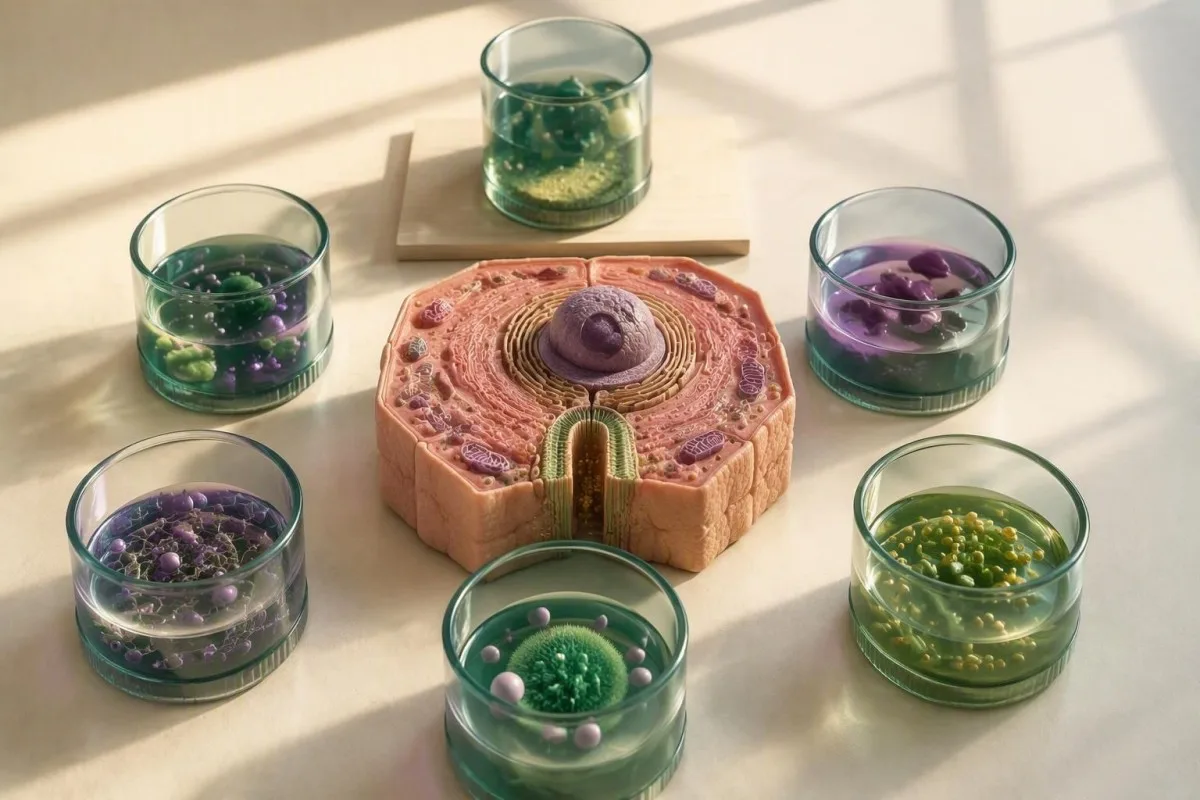
ಸಾಮಾನ್ಯ LFT ಪ್ಯಾನೆಲ್ ಯಕೃತ್ತಿನ ಆರೋಗ್ಯದ ಪ್ರತಿ ಅಂಶವೂ ಸಾಮಾನ್ಯವಾಗಿದೆ ಎಂದು ಸಾಬೀತುಪಡಿಸುವುದಿಲ್ಲ, ಮತ್ತು ಅಸಹಜ ಪ್ಯಾನೆಲ್ ಸ್ವಯಂಚಾಲಿತವಾಗಿ ಯಕೃತ್ ವೈಫಲ್ಯವನ್ನು ಅರ್ಥೈಸುವುದಿಲ್ಲ. ಅಲಾನೈನ್ ಅಮಿನೊಟ್ರಾನ್ಸ್ಫರೇಸ್ (ALT) ಹೆಪಟೊಸೈಟ್ಗಳು ಕಿಣ್ವವನ್ನು ರಕ್ತಪರಿಚಲನೆಗೆ ಬಿಡುಗಡೆ ಮಾಡಿದಾಗ ಹೆಚ್ಚಾಗುತ್ತದೆ; ಇದು ಅಲ್ಬೂಮಿನ್ ಅಥವಾ ಹೆಪ್ಪುಗಟ್ಟುವಿಕೆಯ ಅಂಶಗಳನ್ನು ತಯಾರಿಸುವ ಯಕೃತ್ತಿನ ಸಾಮರ್ಥ್ಯಕ್ಕಿಂತ ಕೋಶೀಯ ಸೋರಿಕೆಯ ಬಗ್ಗೆ ಹೆಚ್ಚು ಹೇಳುತ್ತದೆ. ನಮ್ಮ ವಿವರವಾದ ALT ಫಲಿತಾಂಶ ಮಾರ್ಗದರ್ಶಿ ವಿವರಿಸುತ್ತದೆ.
ಆಚರಣೆಯಲ್ಲಿ, ನಾನು ರೋಗಿಗಳಿಗೆ ಪ್ಯಾನೆಲ್ ಅನ್ನು ಮೂರು ಪ್ರಶ್ನೆಗಳಾಗಿ ಯೋಚಿಸಲು ಹೇಳುತ್ತೇನೆ: ಯಕೃತ್ತಿನ ಕೋಶಗಳು ಕೆರಳಿವೆಯೇ, ಪಿತ್ತರಸವು ಮುಕ್ತವಾಗಿ ಚಲಿಸುತ್ತಿದೆಯೇ, ಮತ್ತು ಯಕೃತ್ತು ಪ್ರೋಟೀನ್ಗಳನ್ನು ಸಾಮಾನ್ಯವಾಗಿ ಸಂಶ್ಲೇಷಿಸುತ್ತಿದೆಯೇ? ಡಾ. ಥಾಮಸ್ ಕ್ಲೈನ್ 62 IU/L ALT ಗಾಗಿ ಅನೇಕ ಉಲ್ಲೇಖಗಳನ್ನು ನೋಡಿದ್ದಾರೆ, ಅಲ್ಲಿ ನಿಜವಾಗಿಯೂ ಭರವಸೆ ನೀಡುವ ಸಂಶೋಧನೆಗಳು ಸಾಮಾನ್ಯ ಬಿಲಿರುಬಿನ್, ಅಲ್ಬೂಮಿನ್ ಮತ್ತು INR - ಪ್ಯಾನೆಲ್ ಮೇಲಿನ “ಕಾರ್ಯ” ಪದವಲ್ಲ.
ಕಾಂತೆಸ್ಟಿ ಒಬ್ಬ AI ರಕ್ತ ಪರೀಕ್ಷಾ ವಿಶ್ಲೇಷಕ ಇದು ರೋಗನಿರ್ಣಯವಾಗಿ ಒಂದು ಧ್ವಜ ಹಾಕಿದ ಕಿಣ್ವವನ್ನು ಪರಿಗಣಿಸುವ ಬದಲು ಪೂರ್ಣ ವರದಿಯಲ್ಲಿ ಮಾದರಿಯಾಗಿ LFT ಫಲಿತಾಂಶಗಳನ್ನು ಓದುತ್ತದೆ. ಸೆಪ್ಟೆಂಬರ್ 12, 2026 ರಂತೆ, ನಮ್ಮ ಕ್ಲಿನಿಕಲ್ ವಿಮರ್ಶೆ ಕಾರ್ಯ ಹರಿವು ಪ್ರಯೋಗಾಲಯದ ಸ್ವಂತ ಉಲ್ಲೇಖದ ಮಧ್ಯಂತರವನ್ನು ಸಹ ಸಂರಕ್ಷಿಸುತ್ತದೆ, ಏಕೆಂದರೆ ಒಂದು ಪ್ರಯೋಗಾಲಯದಲ್ಲಿ 35 IU/L ನ ALT ಮೇಲಿನ ಮಿತಿ ಇನ್ನೊಂದರಲ್ಲಿ 55 IU/L ನೊಂದಿಗೆ ವಿನಿಮಯ ಮಾಡಿಕೊಳ್ಳುವುದಿಲ್ಲ.
ವೈದ್ಯರು ಹೆಚ್ಚಾಗಿ ಬಳಸುವ ಭಾಷೆ
ಅನೇಕ ಹೆಪಟಾಲಜಿ ಸೇವೆಗಳು ಈಗ “ಯಕೃತ್ ರಕ್ತ ಪರೀಕ್ಷೆಗಳು” ಅಥವಾ “ಯಕೃತ್ ಕೆಮಿಸ್ಟ್ರಿ ಪರೀಕ್ಷೆಗಳು” ಎಂದು ಹೇಳುತ್ತವೆ ಏಕೆಂದರೆ ಆ ಲೇಬಲ್ಗಳು ಹೆಚ್ಚು ಭರವಸೆ ನೀಡುವುದಿಲ್ಲ. ಅಮೇರಿಕನ್ ಕಾಲೇಜ್ ಆಫ್ ಗ್ಯಾಸ್ಟ್ರೋಎಂಟರಾಲಜಿ ಮಾರ್ಗದರ್ಶಿ ಸೂತ್ರವು ಅಸಹಜ ಯಕೃತ್ ಕೆಮಿಸ್ಟ್ರಿಗಳನ್ನು (Kwo et al., 2017) ಮೌಲ್ಯಮಾಪನ ಮಾಡುವಾಗ ಹೆಪಟೊಸೆಲ್ಯುಲರ್ ಗಾಯ, ಕೊಲೆಸ್ಟಾಟಿಕ್ ಗಾಯ ಮತ್ತು ಅಡಚಣೆಯಾದ ಬಿಲಿರುಬಿನ್ ನಿರ್ವಹಣೆಯನ್ನು ಪ್ರತ್ಯೇಕವಾಗಿ ವಿಂಗಡಿಸುತ್ತದೆ.
LFT ಫಲಕದಲ್ಲಿ ಸಾಮಾನ್ಯವಾಗಿ ಯಾವ ಪರೀಕ್ಷೆಗಳನ್ನು ಸೇರಿಸಲಾಗುತ್ತದೆ?
ಒಂದು ವಿಶಿಷ್ಟ LFT ಪ್ಯಾನೆಲ್ ಒಳಗೊಂಡಿದೆ ALT, AST, ಕ್ಷಾರೀಯ ಫಾಸ್ಫೇಟೇಸ್ (ALP), ಬಿಲಿರುಬಿನ್, ಅಲ್ಬೂಮಿನ್ ಮತ್ತು ಒಟ್ಟು ಪ್ರೋಟೀನ್; ಅನೇಕ ಪ್ರಯೋಗಾಲಯಗಳು GGT ಅನ್ನು ಸಹ ಒಳಗೊಂಡಿರುತ್ತವೆ. PT/INR ಅನ್ನು ಹೆಚ್ಚಾಗಿ ಪ್ರತ್ಯೇಕವಾಗಿ ಆದೇಶಿಸಲಾಗುತ್ತದೆ, ಆದರೂ ನಿಜವಾದ ಯಕೃತ್ ಕಾರ್ಯದ ಪ್ರಶ್ನೆಯಲ್ಲಿ ಅದು ಕ್ಲಿನಿಕಲ್ ಆಗಿ ಕೇಂದ್ರವಾಗಿರುತ್ತದೆ.
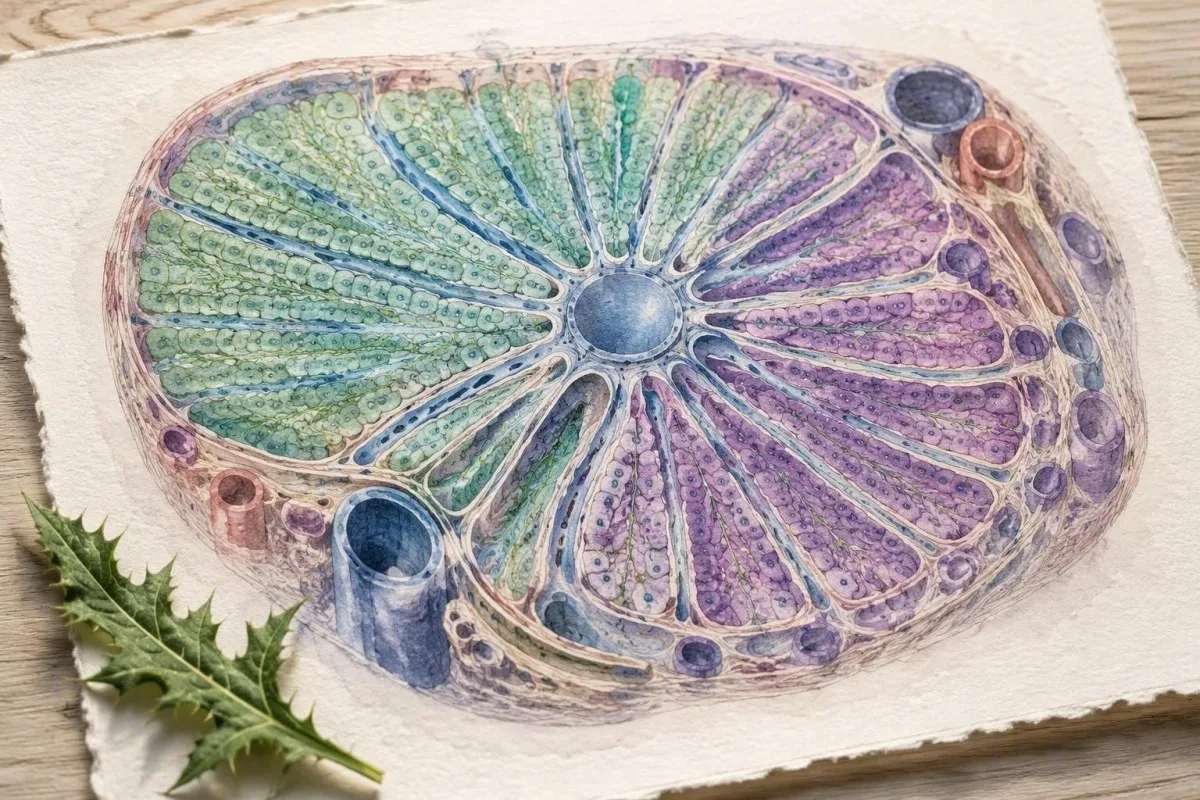
ALT ಮತ್ತು AST ಅಮಿನೋಟ್ರಾನ್ಸ್ಫರೇಸ್ಗಳಾಗಿವೆ, ALP ಮತ್ತು GGT ಪಿತ್ತ-ನಾಳದ ಮಾದರಿಯನ್ನು ಗುರುತಿಸಲು ಸಹಾಯ ಮಾಡುತ್ತದೆ, ಮತ್ತು ಬಿಲಿರುಬಿನ್ ಹೀಮ್ ವಿಘಟನೆಯ ಉತ್ಪನ್ನಗಳ ಸಂಸ್ಕರಣೆ ಮತ್ತು ವಿಸರ್ಜನೆಯನ್ನು ಪ್ರತಿಬಿಂಬಿಸುತ್ತದೆ. ಅಲ್ಬೂಮಿನ್ ಮತ್ತು PT/INR ಸಂಶ್ಲೇಷಣೆಯನ್ನು ಮೌಲ್ಯಮಾಪನ ಮಾಡುತ್ತವೆ, ಆದರೆ ಅಲ್ಬೂಮಿನ್ ನಿಧಾನವಾಗಿ ಬದಲಾಗುತ್ತದೆ ಏಕೆಂದರೆ ಅದರ ಅರ್ಧ-ಜೀವನ ಸುಮಾರು 20 ದಿನಗಳು. ನೋಡಿ ಲಿವರ್ ಪ್ಯಾನೆಲ್ನಲ್ಲಿ ಏನು ಒಳಗೊಂಡಿರುತ್ತದೆ ಸಾಮಾನ್ಯ ಪ್ರಯೋಗಾಲಯ ವ್ಯತ್ಯಾಸಗಳಿಗಾಗಿ.
ಒಟ್ಟು ಪ್ರೋಟೀನ್ ಮತ್ತು ಗ್ಲೋಬುಲಿನ್ ಕೆಲವೊಮ್ಮೆ ಅದೇ ವರದಿಯಲ್ಲಿ ಕಾಣಿಸಿಕೊಳ್ಳುತ್ತವೆ ಆದರೆ ನಿರ್ದಿಷ್ಟ ಯಕೃತ್ ಪರೀಕ್ಷೆಗಳಲ್ಲ. ಕಡಿಮೆ ಅಲ್ಬೂಮಿನ್ನೊಂದಿಗೆ ಹೆಚ್ಚಿನ ಗ್ಲೋಬುಲಿನ್ ಫಲಿತಾಂಶವು ದೀರ್ಘಕಾಲದ ಯಕೃತ್ ಕಾಯಿಲೆ, ಸ್ವಯಂ ನಿರೋಧಕ ಕಾಯಿಲೆ ಅಥವಾ ನಿರಂತರ ಉರಿಯೂತದಲ್ಲಿ ಸಂಭವಿಸಬಹುದು; ಅನುಪಾತವು ಒಂದು ಸುಳಿವು, ಎಂದಿಗೂ ರೋಗನಿರ್ಣಯವಲ್ಲ. ಸೀರಮ್ ಪ್ರೋಟೀನ್ಗಳ ಉಲ್ಲೇಖ ಮಾರ್ಗದರ್ಶಿ ಆ ಮೌಲ್ಯಗಳನ್ನು ಸಂದರ್ಭದಲ್ಲಿ ಇರಿಸಲು ಸಹಾಯ ಮಾಡುತ್ತದೆ.
ಒಂದು ಪ್ರಾಯೋಗಿಕ ಸುರುಳಿ: UK ವರದಿಗಳು “LFT” ಎಂದು ಹೇಳಬಹುದು, ಆದರೆ US ವರದಿಗಳು “hepatic function panel” ಅಥವಾ “liver panel” ಎಂದು ಹೇಳಬಹುದು. ಯಾವುದೂ ಸಂಪೂರ್ಣವಾಗಿ ಪ್ರಮಾಣೀಕರಿಸಲಾಗಿಲ್ಲ. ದೇಶಗಳಾದ್ಯಂತ ಫಲಿತಾಂಶಗಳನ್ನು ಹೋಲಿಸುವ ಮೊದಲು, ವಿಶ್ಲೇಷಣೆ, ಘಟಕ ಮತ್ತು ಅದರ ಪಕ್ಕದಲ್ಲಿ ಮುದ್ರಿಸಲಾದ ಉಲ್ಲೇಖದ ಶ್ರೇಣಿಯನ್ನು ಹೊಂದಿಸಿ.
ಯಾವ LFT ಫಲಿತಾಂಶಗಳು ಕಾರ್ಯಕ್ಕಿಂತ ಯಕೃತ್ತಿನ ಹಾನಿಯನ್ನು ತೋರಿಸುತ್ತವೆ?
ALT ಮತ್ತು AST ಪ್ರಾಥಮಿಕವಾಗಿ ಜೀವಕೋಶದ ಗಾಯವನ್ನು ತೋರಿಸುತ್ತವೆ, ಯಕೃತ್ತಿನ ಕಾರ್ಯವನ್ನು ಅಲ್ಲ. ALP ಮತ್ತು GGT ಮುಖ್ಯವಾಗಿ ಕೊಲೆಸ್ಟಾಟಿಕ್ ಅಥವಾ ಪಿತ್ತರಸ ನಾಳದ ಮಾದರಿಯನ್ನು ತೋರಿಸುತ್ತವೆ, ಆದರೆ ಅಲ್ಬುಮಿನ್ ಮತ್ತು PT/INR ಸಂಶ್ಲೇಷಣಾ ಸಾಮರ್ಥ್ಯವನ್ನು ಹೆಚ್ಚು ನೇರವಾಗಿ ಪ್ರತಿಬಿಂಬಿಸುತ್ತವೆ.
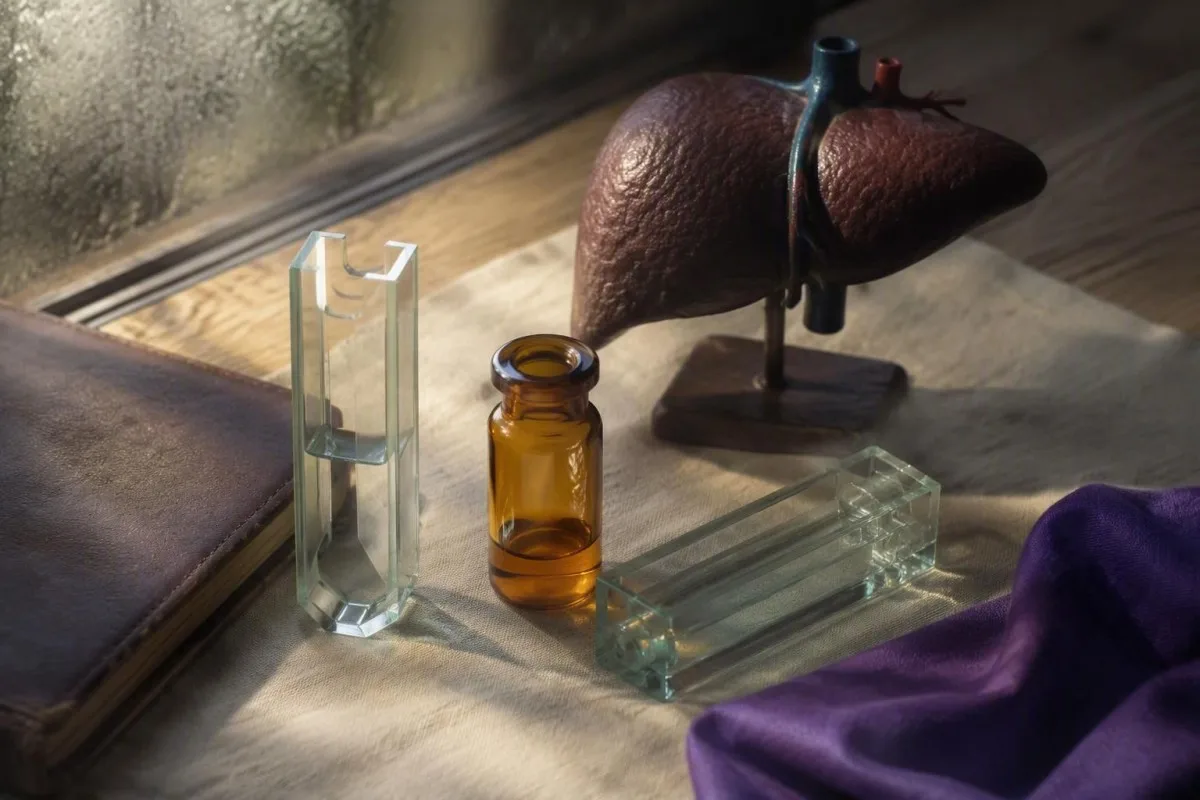
AST ಗಿಂತ ALT ಹೆಚ್ಚು ಯಕೃತ್ತು-ಸಮೃದ್ಧವಾಗಿದೆ, ಆದರೆ ಯಾವುದೂ ಯಕೃತ್ತು-ಪ್ರತ್ಯೇಕವಲ್ಲ. AST ಮೂಳೆಚ one ುವಿನ ಸ್ನಾಯು, ಹೃದಯ ಮತ್ತು ಕೆಂಪು ರಕ್ತ ಕಣಗಳಲ್ಲಿ ಕಂಡುಬರುತ್ತದೆ, ಆದ್ದರಿಂದ ಭಾರೀ ವ್ಯಾಯಾಮ, ಸ್ನಾಯುವಿನ ಗಾಯ ಅಥವಾ ಹೆಮೊಲೈಸ್ಡ್ ಮಾದರಿಯು ಅದನ್ನು ಹೆಚ್ಚಿಸಬಹುದು. ಒಂದು 2 ಕ್ಕಿಂತ ಹೆಚ್ಚು AST:ALT ಅನುಪಾತ ಸೂಕ್ತ ಸಂದರ್ಭದಲ್ಲಿ ಆಲ್ಕೋಹಾಲ್-ಸಂಬಂಧಿತ ಯಕೃತ್ತಿನ ಗಾಯವನ್ನು ಬೆಂಬಲಿಸಬಹುದು, ಆದರೆ ಇದು ತನ್ನದೇ ಆದ ರೋಗನಿರ್ಣಯವಲ್ಲ.
89 IU/L ಮತ್ತು ALT 36 IU/L AST ಹೊಂದಿರುವ 52 ವರ್ಷದ ಮ್ಯಾರಥಾನ್ ಓಟಗಾರರು ಸ್ಪರ್ಧೆಯ ನಂತರ ಕ್ಲಾಸಿಕ್ ಬಲೆ. ನಾನು ತೀವ್ರತೆ ಮತ್ತು ಸ್ನಾಯುವಿನ ನೋವಿನ ಬಗ್ಗೆ ಕೇಳುತ್ತೇನೆ, ನಂತರ CK ಮತ್ತು 7 ದಿನಗಳ ನಂತರ ಕಠಿಣ ತರಬೇತಿ ಇಲ್ಲದೆ ಪುನರಾವರ್ತಿತ ಮಾದರಿಯನ್ನು ಪರಿಗಣಿಸುತ್ತೇನೆ; ನಮ್ಮ ಲೇಖನ ಹೆಚ್ಚಿನ AST ಮಾದರಿಗಳನ್ನು ಆ ತರ್ಕವನ್ನು ಬಿಚ್ಚಿಡುತ್ತದೆ.
Kantesti AI ಯಕೃತ್ತಿನ ಕಿಣ್ವಗಳನ್ನು ಏರಿಕೆಯು ಹೆಪಾಟೊಸೆಲ್ಯುಲಾರ್, ಕೊಲೆಸ್ಟಾಟಿಕ್, ಮಿಶ್ರ ಅಥವಾ ಹೆಚ್ಚಾಗಿ ಎಕ್ಸ್ಟ್ರಾಹೆಪಾಟಿಕ್ ಆಗಿದೆಯೇ ಎಂದು ಪರಿಶೀಲಿಸುವ ಮೂಲಕ ವ್ಯಾಖ್ಯಾನಿಸುತ್ತದೆ. R ಅನುಪಾತ—(ALT ಅನ್ನು ಅದರ ಮೇಲಿನ ಮಿತಿಯಿಂದ ಭಾಗಿಸಿದ್ದು) ಭಾಗಿಸಿದ್ದು (ALP ಅನ್ನು ಅದರ ಮೇಲಿನ ಮಿತಿಯಿಂದ ಭಾಗಿಸಿದ್ದು)—ಹೆಪಾಟೊಸೆಲ್ಯುಲಾರ್ ಮಾದರಿಯಲ್ಲಿ 5 ಕ್ಕಿಂತ ಹೆಚ್ಚಾಗಿರುತ್ತದೆ ಮತ್ತು ಕೊಲೆಸ್ಟಾಟಿಕ್ ಮಾದರಿಯಲ್ಲಿ 2 ಕ್ಕಿಂತ ಕಡಿಮೆಯಿರುತ್ತದೆ; ಇದು ವೈದ್ಯರ ವಿಂಗಡಣೆ ಸಾಧನವಾಗಿದೆ, ಮನೆಯಲ್ಲಿ ರೋಗನಿರ್ಣಯವಲ್ಲ.
ಹೆಚ್ಚಿನ ಸಂಖ್ಯೆಗಿಂತ ಮಾದರಿ ಏಕೆ ಮುಖ್ಯ
ಸಾಮಾನ್ಯ ALP ಯೊಂದಿಗೆ 120 IU/L ALT ಯೂ, ಸಾಮಾನ್ಯ ALT ಯೊಂದಿಗೆ ALP 280 IU/L ಗಿಂತ ಭಿನ್ನವಾದ ದಿಕ್ಕನ್ನು ಸೂಚಿಸುತ್ತದೆ. ಮೊದಲನೆಯದು ಸಾಮಾನ್ಯವಾಗಿ ಚಯಾಪಚಯ, ವೈರಲ್, ಔಷಧ ಅಥವಾ ಸ್ನಾಯುವಿನ ಸಂದರ್ಭ ವಿಮರ್ಶೆಗೆ ಕಾರಣವಾಗುತ್ತದೆ; ಎರಡನೆಯದು ಪಿತ್ತರಸ ನಾಳಗಳು, ಮೂಳೆ ವಿನಿಮಯ ಮತ್ತು ಔಷಧ ಪರಿಣಾಮಗಳ ಬಗ್ಗೆ ಪ್ರಶ್ನೆಗಳನ್ನು ಹುಟ್ಟುಹಾಕುತ್ತದೆ.
ನಿಜವಾದ ಯಕೃತ್ತಿನ ಕಾರ್ಯವನ್ನು ಹೆಚ್ಚು ಹತ್ತಿರದಿಂದ ಪ್ರತಿಬಿಂಬಿಸುವ LFT ಮೌಲ್ಯಗಳು
ಅಲ್ಬುಮಿನ್, ಬಿಲಿರುಬಿನ್ ಮತ್ತು PT/INR ನಿಜವಾದ ಯಕೃತ್ತಿನ ಕಾರ್ಯಕ್ಕೆ ಅತ್ಯಂತ ಉಪಯುಕ್ತವಾದ ರೂಢಿ ರಕ್ತದ ಸೂಚನೆಗಳಾಗಿವೆ, ಪ್ರತಿಯೊಂದೂ ಯಕೃತ್ತು-ರಹಿತ ಕಾರಣಗಳಿಗಾಗಿ ಅಸಹಜವಾಗಿದ್ದರೂ ಸಹ. ಏರುತ್ತಿರುವ ಬಿಲಿರುಬಿನ್ ಮತ್ತು INR ಸಂಯೋಜನೆಯು ಸಾಧಾರಣ ಪ್ರತ್ಯೇಕ ALT ಏರಿಕೆಗಿಂತ ಹೆಚ್ಚು ಚಿಂತಾಜನಕವಾಗಿದೆ.
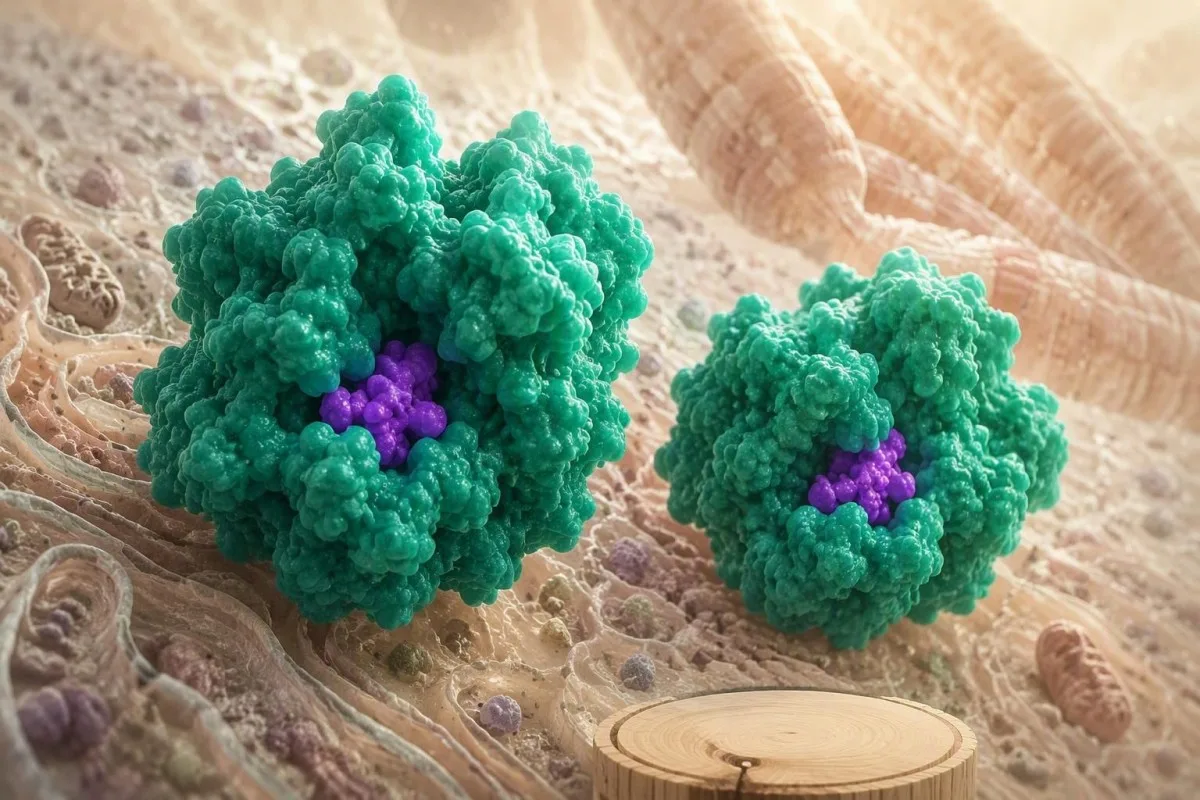
ಅಲ್ಬುಮಿನ್ ಸಾಮಾನ್ಯವಾಗಿ 35-50 g/L ಗರ್ಭಿಣಿಯಲ್ಲದ ವಯಸ್ಕರಲ್ಲಿ, ಆದರೆ ಕಡಿಮೆ ಅಲ್ಬುಮಿನ್ ಮೂತ್ರಪಿಂಡದ ಪ್ರೋಟೀನ್ ನಷ್ಟ, ವ್ಯವಸ್ಥಿತ ಉರಿಯೂತ, ಅಪೌಷ್ಟಿಕತೆ, ಸುಟ್ಟಗಾಯಗಳು ಅಥವಾ ದುರ್ಬಲತೆಯಿಂದ ಉಂಟಾಗಬಹುದು. ಇದು ಸಾಮಾನ್ಯವಾಗಿ ದೀರ್ಘಕಾಲದ ಯಕೃತ್ತಿನ ಕಾಯಿಲೆಯಲ್ಲಿ ALT ಏರಿಕೆಗಳಿಗಿಂತ ನಂತರ ಬೀಳುತ್ತದೆ, ಅದಕ್ಕಾಗಿಯೇ ಸಾಮಾನ್ಯ ಅಲ್ಬುಮಿನ್ ಆರಂಭಿಕ ಫೈಬ್ರೋಸಿಸ್ ಅನ್ನು ತಳ್ಳಿಹಾಕುವುದಿಲ್ಲ. ಗರ್ಭಾವಸ್ಥೆಯಲ್ಲಿ ಅಲ್ಬುಮಿನ್ ನೀವು ಗರ್ಭಧಾರಣೆಯ ಫಲಿತಾಂಶವನ್ನು ಸಾಮಾನ್ಯ ವಯಸ್ಕ ವ್ಯಾಪ್ತಿಯೊಂದಿಗೆ ಹೋಲಿಸುತ್ತಿದ್ದರೆ.
PT/INR ಅಲ್ಪ-ಜೀವಿತ ಹೆಪ್ಪುಗಟ್ಟುವಿಕೆಯ ಅಂಶಗಳ, ವಿಶೇಷವಾಗಿ ಫ್ಯಾಕ್ಟರ್ VII ರ ಉತ್ಪಾದನೆಯನ್ನು ಪ್ರತಿಬಿಂಬಿಸುತ್ತದೆ, ಮತ್ತು ವಾರಗಳ ಬದಲಿಗೆ ದಿನಗಳಲ್ಲಿ ಬದಲಾಗಬಹುದು. INR ಗಿಂತ ಹೆಚ್ಚಾಗಿ 1.5 ತೀವ್ರ ಯಕೃತ್ತಿನ ಗಾಯದಲ್ಲಿ (acute liver injury) ತೀವ್ರ ಯಕೃತ್ತಿನ ವೈಫಲ್ಯಕ್ಕಾಗಿ (acute liver failure) ತುರ್ತು ಮೌಲ್ಯಮಾಪನಕ್ಕೆ ಬಳಸುವ ಒಂದು ಮಾನದಂಡವಾಗಿದೆ, ಆದರೆ ವಾರ್ಫರಿನ್, ವಿಟಮಿನ್ ಕೆ ಕೊರತೆ ಮತ್ತು ಕೆಲವು ಪ್ರತಿಜೀವಕಗಳು (antibiotics) ಇದೇ ಪ್ರಯೋಗಾಲಯದ ಸಂಕೇತವನ್ನು ಉಂಟುಮಾಡಬಹುದು. INR ವಿವರಣೆ ಆ ಪ್ರಮುಖ ವಿನಾಯಿತಿಗಳನ್ನು ಒಳಗೊಂಡಿದೆ.
ಬಿಲಿರುಬಿನ್ (Bilirubin) ಕೂಡ ಶುದ್ಧ ಕ್ರಿಯಾತ್ಮಕ ಪರೀಕ್ಷೆಯಲ್ಲ. ಸಾಮಾನ್ಯ ಯಕೃತ್ತಿನ ಸಂಶ್ಲೇಷಣಾ ಸಾಮರ್ಥ್ಯದ (liver synthetic capacity) ಹೊರತಾಗಿಯೂ, ಸಂಯೋಜನೆಗೊಳ್ಳದ ಬಿಲಿರುಬಿನ್ (unconjugated bilirubin) ಗಿಲ್ಬರ್ಟ್ ಸಿಂಡ್ರೋಮ್ (Gilbert syndrome), ಉಪವಾಸ ಅಥವಾ ಹೆಮೊಲಿಸಿಸ್ನಿಂದ (haemolysis) ಏರಿಕೆಯಾಗಬಹುದು; ಗಾಢವಾದ ಮೂತ್ರದೊಂದಿಗೆ ಸಂಯೋಜಿತ ಬಿಲಿರುಬಿನ್ (conjugated bilirubin) ಪಿತ್ತರಸ ಹೊರಹಾಕುವಿಕೆಯಲ್ಲಿ (bile excretion) ಅಡಚಣೆ ಅಥವಾ ಹೆಪಟೊಸೆಲ್ಯುಲಾರ್ (hepatocellular) ಸಂಸ್ಕರಣೆಯನ್ನು ಹೆಚ್ಚು ಸೂಚಿಸುತ್ತದೆ. ಇದಕ್ಕಾಗಿಯೇ ನಾನು ಅದರ ಭಿನ್ನರಾಶಿ (fractionation) ಇಲ್ಲದೆ “ಹೆಚ್ಚಿನ ಬಿಲಿರುಬಿನ್” ಅನ್ನು ಎಂದಿಗೂ ವ್ಯಾಖ್ಯಾನಿಸುವುದಿಲ್ಲ.
ಒಂದು ಉಪಯುಕ್ತ ಕ್ಲಿನಿಕಲ್ ಶ್ರೇಣಿ
ಸ್ಥಿರ ವಯಸ್ಕರಲ್ಲಿ, ಸಾಮಾನ್ಯ INR ಮತ್ತು ಅಲ್ಬುಮಿನ್ (albumin) ಜೊತೆಗೆ ಸ್ವಲ್ಪ ಹೆಚ್ಚಿದ ALT ಸಾಮಾನ್ಯವಾಗಿ ಸಂರಕ್ಷಿತ ಸಂಶ್ಲೇಷಣಾ ಕಾರ್ಯವನ್ನು ಸೂಚಿಸುತ್ತದೆ. ಹೊಸ ಕಾಮಾಲೆ (jaundice), INR ವಿಸ್ತರಣೆ, ಕಡಿಮೆ ಗ್ಲೂಕೋಸ್ (glucose) ಅಥವಾ ಗೊಂದಲವು ತುರ್ತು ಪರಿಸ್ಥಿತಿಯನ್ನು ಸಂಪೂರ್ಣವಾಗಿ ಬದಲಾಯಿಸುತ್ತದೆ ಮತ್ತು ಅದೇ ದಿನ ವೈದ್ಯಕೀಯ ಮೌಲ್ಯಮಾಪನ (medical assessment) ಅಗತ್ಯವಿದೆ.
ALT ಮತ್ತು AST ಫಲಿತಾಂಶಗಳನ್ನು ಒಟ್ಟಿಗೆ ಓದುವುದು ಹೇಗೆ
ALT ಯನ್ನು AST ಗಿಂತ ಹೆಚ್ಚಾಗಿರುವುದು (ALT higher than AST) ಸಾಮಾನ್ಯವಾಗಿ ಚಯಾಪಚಯ ಕೊಬ್ಬಿನ ಯಕೃತ್ತಿನ ಕಾಯಿಲೆ (metabolic fatty liver disease) ಮತ್ತು ಅನೇಕ ವೈರಲ್ ಅಥವಾ ಔಷಧ ಸಂಬಂಧಿತ ಗಾಯಗಳಲ್ಲಿ (medication-related injuries) ಕಂಡುಬರುತ್ತದೆ, ಆದರೆ AST ಯನ್ನು ALT ಗಿಂತ ಹೆಚ್ಚಾಗಿರುವುದು (AST higher than ALT) ಮದ್ಯಪಾನದ ಸಂಪರ್ಕ (alcohol exposure) ಮತ್ತು ಸ್ನಾಯು ಗಾಯ (muscle injury) ಸೇರಿದಂತೆ ವ್ಯಾಪಕವಾದ ಕಾರಣಗಳನ್ನು ಹೊಂದಿದೆ. ಅನುಪಾತಕ್ಕಿಂತ (ratio) ಸಂಪೂರ್ಣ ಏರಿಕೆ ಮತ್ತು ಪ್ರವೃತ್ತಿಯು (trend) ಹೆಚ್ಚು ವಿಶ್ವಾಸಾರ್ಹವಾಗಿದೆ.
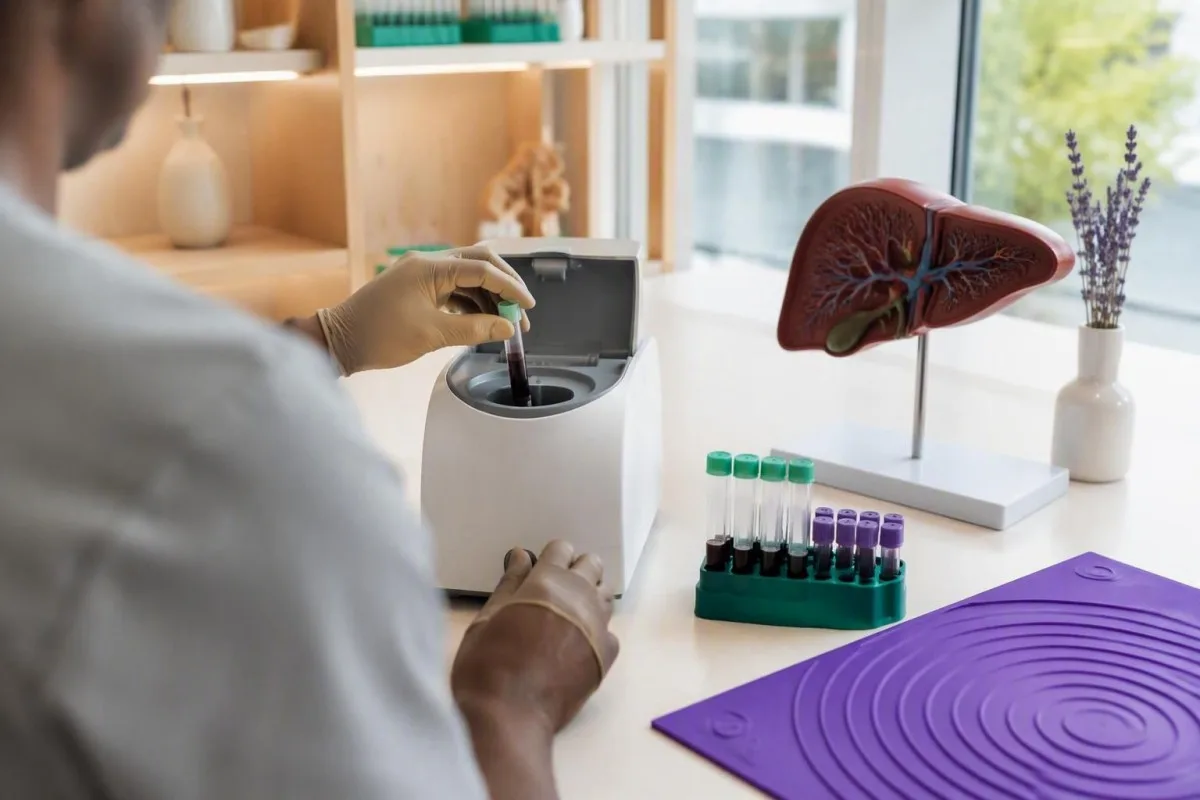
ALT ಅನ್ನು ಸಾಮಾನ್ಯವಾಗಿ IU/L ಅಥವಾ U/L ನಲ್ಲಿ ವರದಿ ಮಾಡಲಾಗುತ್ತದೆ, ಇವುಗಳು ಪ್ರಾಯೋಗಿಕ ಉದ್ದೇಶಗಳಿಗಾಗಿ ಸಮಾನವಾಗಿವೆ. ಮೇಲಿನ ಉಲ್ಲೇಖಿತ ಮಿತಿಗಿಂತ (upper reference limit) 2 ಪಟ್ಟು ಕಡಿಮೆ ಮೌಲ್ಯವನ್ನು ಸಾಮಾನ್ಯವಾಗಿ ಮದ್ಯಪಾನ, ಪೂರಕಗಳು, ಸೂಚಿಸಿದ ಔಷಧಗಳು, ಮಧ್ಯಂತರ ಅನಾರೋಗ್ಯ ಮತ್ತು ಇತ್ತೀಚಿನ ವ್ಯಾಯಾಮವನ್ನು ಪರಿಶೀಲಿಸಿದ ನಂತರ ಮತ್ತೆ ಪರೀಕ್ಷಿಸಲಾಗುತ್ತದೆ. ACG ಮಾರ್ಗದರ್ಶಿ (guideline) ವ್ಯಾಪಕವಾದ ಕೆಲಸವನ್ನು ಪ್ರಾರಂಭಿಸುವ ಮೊದಲು ಅಸಹಜ ಯಕೃತ್ತಿನ ರಸಾಯನಶಾಸ್ತ್ರವನ್ನು (abnormal liver chemistries) ದೃಢೀಕರಿಸಲು ಶಿಫಾರಸು ಮಾಡುತ್ತದೆ (Kwo et al., 2017).
30 µmol/L ಗಿಂತ ಮೇಲಿನ ಮೌಲ್ಯಗಳು 1,000 IU/L ALT ಅಥವಾ AST ಗಾಗಿ “ಕೊಬ್ಬಿನ ಯಕೃತ್ತು” (fatty liver) ಎಂದು ಸಾಬೀತಾಗುವವರೆಗೆ ಹೇಳಲಾಗುವುದಿಲ್ಲ. ತೀವ್ರ ವೈರಲ್ ಹೆಪಟೈಟಿಸ್ (Acute viral hepatitis), ಔಷಧ ಅಥವಾ ವಿಷದ ಗಾಯ (medication or toxin injury), ಇಸ್ಕೆಮಿಕ್ ಹೆಪಟೈಟಿಸ್ (ischaemic hepatitis) ಮತ್ತು ತೀವ್ರ ಪಿತ್ತರಸ ಅಡಚಣೆ (acute biliary obstruction) ಎಲ್ಲವೂ ಗಮನಾರ್ಹ ಏರಿಕೆಗಳನ್ನು ಉಂಟುಮಾಡಬಹುದು; ಸಮಯದ ಕೋರ್ಸ್, ರೋಗಲಕ್ಷಣಗಳು ಮತ್ತು INR ಇಂಟರ್ನೆಟ್ ಕಟ್-ಆಫ್ಗಳಿಗಿಂತ (internet cutoffs) ತುರ್ತು ಪರಿಸ್ಥಿತಿಯನ್ನು ನಿರ್ದೇಶಿಸುತ್ತದೆ.
ಡಾ. ಥಾಮಸ್ ಕ್ಲೈನ್ ಅವರ ಪ್ರಾಯೋಗಿಕ ಸಲಹೆಯೆಂದರೆ, ಪ್ರತಿ ಅನುಸರಣಾ ಭೇಟಿಗೂ ಮೊದಲು ಪ್ರತಿ ಪೂರಕ ಲೇಬಲ್ನ (supplement label) ಫೋಟೋ ತೆಗೆದುಕೊಳ್ಳುವುದು. “ನೈಸರ್ಗಿಕ” ಉತ್ಪನ್ನಗಳು, ಕೇಂದ್ರೀಕೃತ ಹಸಿರು ಚಹಾ ಸಾರ (concentrated green-tea extract), ಅನಾಬೋಲಿಕ್ ಏಜೆಂಟ್ಗಳು (anabolic agents) ಮತ್ತು ಬಹು-ಘಟಕಾಂಶಗಳ ಕೊಬ್ಬು-ಕಡಿತ ಉತ್ಪನ್ನಗಳನ್ನು (multi-ingredient fat-loss products) ಆರಂಭಿಕ ಇತಿಹಾಸದಲ್ಲಿ (initial history) ಆಗಾಗ್ಗೆ ಕಡೆಗಣಿಸಲಾಗುತ್ತದೆ. ನಮ್ಮ ಮಾರ್ಗದರ್ಶಿ ಯಕೃತ್ತಿನ-ಅಪಾಯಕಾರಿ ಪೂರಕಗಳು (liver-risk supplements) ಅದನ್ನು ಸೂಚಿಸಿದಾಗ, ಶಂಕಿತ ಉತ್ಪನ್ನವನ್ನು ನಿಲ್ಲಿಸುವುದು ಏಕೆ ವೈದ್ಯಕೀಯ-ನೇತೃತ್ವದಲ್ಲಿ (clinician-led) ಇರಬೇಕು ಎಂಬುದನ್ನು ವಿವರಿಸುತ್ತದೆ.
ALP ಮತ್ತು GGT ಪಿತ್ತರಸದ ಹರಿವಿನ ಬಗ್ಗೆ ನಿಮಗೆ ಏನು ಹೇಳಬಹುದು
ALP ಮತ್ತು GGT ಒಟ್ಟಿಗೆ ಏರಿಕೆಯಾಗುವುದು (ALP and GGT elevated together) ಸಾಮಾನ್ಯವಾಗಿ ಹೆಪಟೊಬಿಲಿಯರಿ (hepatobiliary) ಅಥವಾ ಕೊಲೆಸ್ಟಾಟಿಕ್ (cholestatic) ಮೂಲವನ್ನು ಬೆಂಬಲಿಸುತ್ತದೆ; ಪ್ರತ್ಯೇಕ ALP ಏರಿಕೆಯು (isolated ALP elevation) ಮೂಳೆ, ಗರ್ಭಧಾರಣೆ ಅಥವಾ ಸಾಮಾನ್ಯ ಬೆಳವಣಿಗೆಯಿಂದ ಬರಬಹುದು. GGT ALP ಅನ್ನು ಸ್ಥಳೀಕರಿಸಲು ಸಹಾಯ ಮಾಡುತ್ತದೆ ಆದರೆ ಮದ್ಯಪಾನ ಸೇವನೆಯನ್ನು (alcohol intake) ಸ್ವತಃ ವಿಶ್ವಾಸಾರ್ಹವಾಗಿ ಅಳೆಯುವುದಿಲ್ಲ.
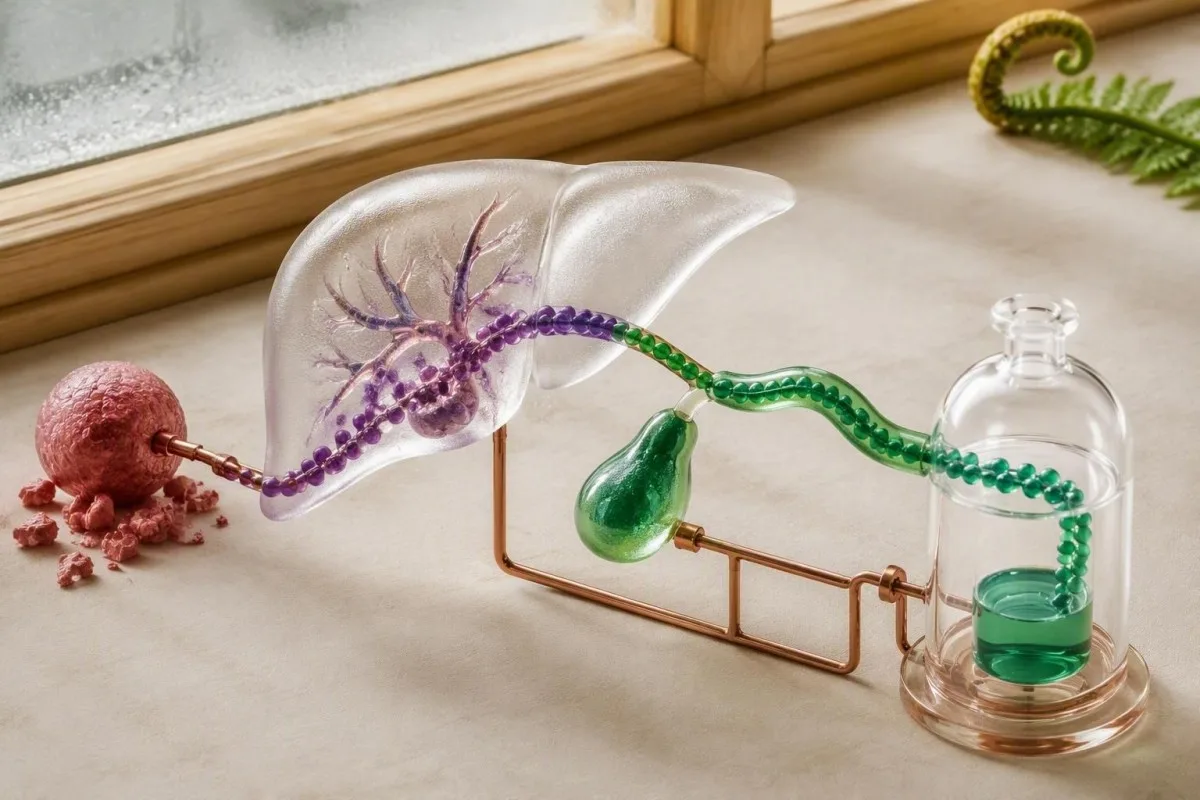
ALP ಸಾಮಾನ್ಯವಾಗಿ 40-129 IU/L ವಯಸ್ಕರಲ್ಲಿರುತ್ತದೆ, ಆದರೂ ಪ್ರತಿ ಪ್ರಯೋಗಾಲಯವು ತನ್ನದೇ ಆದ ಅಂತರವನ್ನು (interval) ನಿಗದಿಪಡಿಸುತ್ತದೆ. ALP ಹೆಚ್ಚಾಗಿದ್ದರೆ ಮತ್ತು GGT ಸಾಮಾನ್ಯವಾಗಿದ್ದರೆ, ವೈದ್ಯರು ಸಾಮಾನ್ಯವಾಗಿ ಮೂಳೆ ಕಾಯಿಲೆಯನ್ನು ಊಹಿಸುವ ಮೊದಲು ಮೂಳೆ ಮೂಲಗಳು, ವಿಟಮಿನ್ ಡಿ ಸ್ಥಿತಿ, ಗುಣಪಡಿಸುವ ಮೂಳೆ ಮುರಿತ (healing fracture) ಅಥವಾ ಮೂಳೆ ವಿನಿಮಯವನ್ನು (bone turnover) ಪರಿಗಣಿಸುತ್ತಾರೆ. ALP ಐಸೋಎಂಜೈಮ್ (ALP isoenzyme) ಅವಲೋಕನ ಅಗತ್ಯವಿದ್ದಾಗ ಪ್ರಯೋಗಾಲಯಗಳು ಮೂಲಗಳನ್ನು ಹೇಗೆ ಪ್ರತ್ಯೇಕಿಸುತ್ತವೆ ಎಂಬುದನ್ನು ವಿವರಿಸುತ್ತದೆ.
GGT ಕೊಲೆಸ್ಟಾಸಿಸ್ (cholestasis), ಮದ್ಯಪಾನದ ಸಂಪರ್ಕ, ಚಯಾಪಚಯ ಯಕೃತ್ತಿನ ಕಾಯಿಲೆ (metabolic liver disease) ಮತ್ತು ಕೆಲವು ಆಂಟಿಸೀಜರ್ ಔಷಧಿಗಳ (antiseizure drugs)ಂತಹ ಕಿಣ್ವ-ಪ್ರೇರೇಪಿಸುವ ಔಷಧಿಗಳೊಂದಿಗೆ (enzyme-inducing medicines) ಏರಿಕೆಯಾಗುತ್ತದೆ. ಅನೇಕ ವಯಸ್ಕ ಪುರುಷ ಉಲ್ಲೇಖ ವ್ಯವಸ್ಥೆಗಳಲ್ಲಿ (adult male reference systems) 60 IU/L ಗಿಂತ ಹೆಚ್ಚಿನ GGT ವಿಶೇಷವಾಗಿ ಹೆಚ್ಚಿದ ALP ಯೊಂದಿಗೆ, ಸಂದರ್ಭೋಚಿತ ವಿಮರ್ಶೆಗೆ (contextual review) ಯೋಗ್ಯವಾಗಿದೆ, ಆದರೆ ಸುರಕ್ಷಿತ ಅಥವಾ ರೋಗನಿರ್ಣಯದ “ಮದ್ಯಪಾನ ಸಂಖ್ಯೆ” (alcohol number) ಇಲ್ಲ. ನಮ್ಮದನ್ನು ನೋಡಿ GGT ಸಾಮಾನ್ಯ-ಶ್ರೇಣಿ ಮಾರ್ಗದರ್ಶಿ ಲೈಂಗಿಕತೆ ಮತ್ತು ಪ್ರಯೋಗಾಲಯದ ವ್ಯತ್ಯಾಸಕ್ಕಾಗಿ.
ತುರಿಕೆ, ಮಂದವಾದ ಮಲ, ಗಾಢವಾದ ಮೂತ್ರ, ಹೆಚ್ಚಿದ ALP ಮತ್ತು ಹೆಚ್ಚಿದ ಬಿಲಿರುಬಿನ್ ಸಂಯೋಜನೆಯು ಪಿತ್ತರಸ ಹರಿವಿನ ಅಡಚಣೆಯನ್ನು ತುರ್ತಾಗಿ ನಿರ್ಣಯಿಸುವ ಅಗತ್ಯವಿದೆ. ಅಲ್ಟ್ರಾಸೌಂಡ್ ಆಗಾಗ್ಗೆ ಮೊದಲ ಚಿತ್ರಣ ಪರೀಕ್ಷೆಯಾಗಿದೆ, ಆದರೆ ಸಾಮಾನ್ಯ ಅಲ್ಟ್ರಾಸೌಂಡ್ ಸಣ್ಣ-ನಾಲೆಯ ಅಥವಾ ಔಷಧಿ-ಸಂಬಂಧಿತ ಕಾರಣಗಳನ್ನು ಸಂಪೂರ್ಣವಾಗಿ ನಿವಾರಿಸುವುದಿಲ್ಲ; ನಮ್ಮ ಕೊಲೆಸ್ಟಾಸಿಸ್ ಮಾದರಿ ಮಾರ್ಗದರ್ಶಿ ಇನ್ನಷ್ಟು ಆಳಕ್ಕೆ ಹೋಗುತ್ತದೆ.
ಬಿಲಿರುಬಿನ್ಗೆ ಭಿನ್ನರಾಶಿಗಳು ಮತ್ತು ರೋಗಲಕ್ಷಣಗಳು ಏಕೆ ಬೇಕು
ಒಟ್ಟು ಬಿಲಿರುಬಿನ್ ಅನ್ನು ನೇರ ಮತ್ತು ಪರೋಕ್ಷ ಭಿನ್ನರಾಶಿಗಳಾಗಿ ವಿಂಗಡಿಸಬೇಕು, ಅದು ವೈದ್ಯಕೀಯವಾಗಿ ಉಪಯುಕ್ತವಾಗುತ್ತದೆ. ಪರೋಕ್ಷ ಪ್ರಾಬಲ್ಯವು ಹೆಚ್ಚಾಗಿ ಅತಿಯಾದ ಉತ್ಪಾದನೆ ಅಥವಾ ಕಡಿಮೆಯಾದ ಸಂಯೋಜನೆಯನ್ನು ಪ್ರತಿಬಿಂಬಿಸುತ್ತದೆ, ಆದರೆ ನೇರ ಪ್ರಾಬಲ್ಯವು ಹಾನಿಗೊಳಗಾದ ವಿಸರ್ಜನೆ ಅಥವಾ ಹೆಪಟೊಸೈಟ್ ಸಂಸ್ಕರಣೆಯನ್ನು ಸೂಚಿಸುತ್ತದೆ.
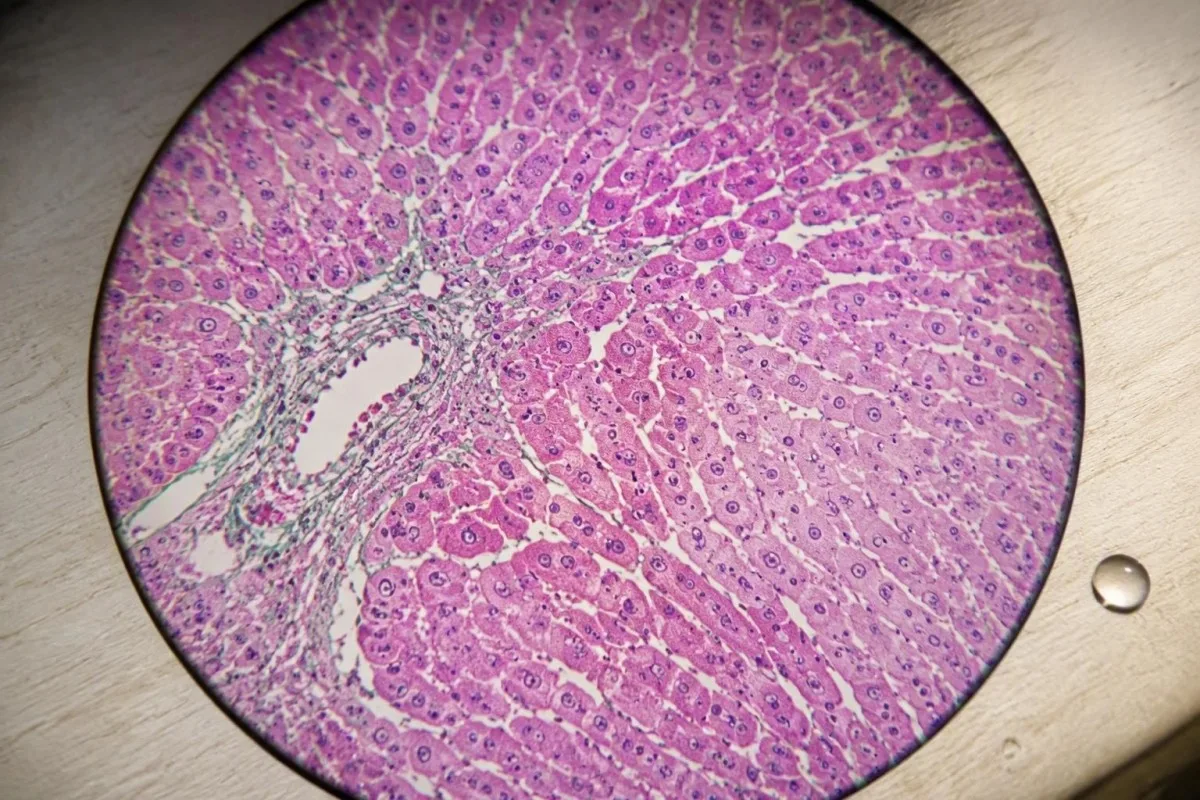
ವಿಶಿಷ್ಟ ಒಟ್ಟು ಬಿಲಿರುಬಿನ್ ಸುಮಾರು 3-21 µmol/L ಅಥವಾ 0.2-1.2 mg/dL. ಸಾಮಾನ್ಯ ALT, ALP, ಅಲ್ಬುಮಿನ್ ಮತ್ತು ರಕ್ತದ ಎಣಿಕೆಯೊಂದಿಗೆ ಸುಮಾರು 50 µmol/L ಗಿಂತ ಕಡಿಮೆಯಾದ ಸೌಮ್ಯ, ಮಧ್ಯಂತರ ಪ್ರತ್ಯೇಕ ಏರಿಕೆಯು ಹೆಚ್ಚಾಗಿ ಗಿಲ್ಬರ್ಟ್ ಸಿಂಡ್ರೋಮ್ಗೆ ಹೊಂದಿಕೆಯಾಗುತ್ತದೆ, ವಿಶೇಷವಾಗಿ ಉಪವಾಸ ಅಥವಾ ಅನಾರೋಗ್ಯದ ನಂತರ, ಆದರೆ ವೈದ್ಯರು ಆ ಲೇಬಲ್ ಅನ್ನು ಅನ್ವಯಿಸುವ ಮೊದಲು ಮಾದರಿಯನ್ನು ಪರಿಶೀಲಿಸುತ್ತಾರೆ.
ಸಂಯೋಜಿತ ಬಿಲಿರುಬಿನ್ ನೀರು-ಕರಗುವಿಕೆಯಾಗಿದೆ, ಆದ್ದರಿಂದ ಇದು ಮೂತ್ರವನ್ನು ಗಾಢವಾಗಿಸಬಹುದು; ಅಸಂಯೋಜಿತ ಬಿಲಿರುಬಿನ್ ಮೂತ್ರವನ್ನು ಪ್ರವೇಶಿಸಲು ಸಾಧ್ಯವಿಲ್ಲ. ಆ ಸಣ್ಣ ಶರೀರಶಾಸ್ತ್ರವು ಉಪಯುಕ್ತವಾಗಿದೆ: ಹಳದಿ ಕಣ್ಣುಗಳು ಮತ್ತು ಚಹಾದಂತಹ ಮೂತ್ರವು ಪ್ರಾಸಂಗಿಕವಾಗಿ ಕಂಡುಬರುವ ಸ್ವಲ್ಪ ಹೆಚ್ಚಿದ ಪರೋಕ್ಷ ಬಿಲಿರುಬಿನ್ಗಿಂತ ಹೆಚ್ಚು ವೈದ್ಯಕೀಯವಾಗಿ ಕಾಳಜಿಯುತವಾಗಿದೆ. ವಿಮರ್ಶೆ ನೇರ ಬಿಲಿರುಬಿನ್ ಮಾದರಿಗಳು ವೈದ್ಯರು ಆಗಾಗ್ಗೆ ಆಯ್ಕೆಮಾಡುವ ಮುಂದಿನ ಪರೀಕ್ಷೆಗಳಿಗಾಗಿ.
ಡಿಟಾಕ್ಸ್ ಉತ್ಪನ್ನಗಳೊಂದಿಗೆ ಬಿಲಿರುಬಿನ್ “ಹೊರಹಾಕಲು” ಪ್ರಯತ್ನಿಸಬೇಡಿ. ನಿರ್ಜಲೀಕರಣದಿಂದ ಸಾಂದ್ರತೆಯನ್ನು ಸರಿಹೊಂದಿಸಬಹುದು, ಆದರೆ ಅದು ಹೆಪಟೈಟಿಸ್, ಅಡಚಣೆ ಅಥವಾ ಹಿಮೋಲಿಸಿಸ್ ಅನ್ನು ಪರಿಹರಿಸಲು ಸಾಧ್ಯವಿಲ್ಲ. ನಿರಂತರ ಕಾಮಾಲೆಯು ನಿಜವಾದ ನಿರ್ಣಯದ ಅಗತ್ಯವಿದೆ, ವಿಶೇಷವಾಗಿ ಜ್ವರ, ನೋವು ಅಥವಾ ಅನಿಶ್ಚಿತ ತೂಕ ನಷ್ಟದೊಂದಿಗೆ.
ಅಲ್ಬುಮಿನ್ ಮತ್ತು ಒಟ್ಟು ಪ್ರೋಟೀನ್: ನಿಧಾನವಾಗಿ ಚಲಿಸುವ LFT ಸುಳಿವುಗಳು
ಅಲ್ಬುಮಿನ್ ಯಕೃತ್ತಿನ ಪ್ರೋಟೀನ್ ಸಂಶ್ಲೇಷಣೆ ಮತ್ತು ದೇಹದಾದ್ಯಂತದ ಅನಾರೋಗ್ಯದ ನಿಧಾನ-ಚಲಿಸುವ ಮಾರ್ಕರ್ ಆಗಿದೆ, ಯಕೃತ್ತಿನ ಗಾಯದ ಸೂಕ್ಷ್ಮ ಆರಂಭಿಕ ಪತ್ತೆಕಾರಕವಲ್ಲ. INR ಏರಿಕೆ, ಅಸೈಟಿಸ್, ಎಡಿಮಾ ಅಥವಾ ದೀರ್ಘಕಾಲದ ಅಸಹಜ ಯಕೃತ್ತಿನ ಮಾದರಿಯೊಂದಿಗೆ ಜೋಡಿಸಿದಾಗ ಕಡಿಮೆ ಅಲ್ಬುಮಿನ್ ಹೆಚ್ಚು ಅರ್ಥಪೂರ್ಣವಾಗುತ್ತದೆ.
ಅಲ್ಬುಮಿನ್ನ ಸುಮಾರು 20-ದಿನಗಳ ಅರ್ಧ-ಜೀವಿತಾವಧಿ ಎಂದರೆ ತೀವ್ರವಾದ 48-ಗಂಟೆಗಳ ಅನಾರೋಗ್ಯವು ಯಕೃತ್ತಿನ ಯಾಂತ್ರಿಕತೆಗಳಿಂದ ಮಾತ್ರ ಅದನ್ನು ನಾಟಕೀಯವಾಗಿ ಕಡಿಮೆಗೊಳಿಸುವುದಿಲ್ಲ. ಇದಕ್ಕೆ ವ್ಯತಿರಿಕ್ತವಾಗಿ, ಹಲವಾರು ತಿಂಗಳುಗಳವರೆಗೆ ಅಲ್ಬುಮಿನ್ ಕುಸಿಯುವುದು ದೀರ್ಘಕಾಲದ ಯಕೃತ್ತಿನ ಕಾಯಿಲೆ, ಮೂತ್ರಪಿಂಡದ ನಷ್ಟ, ದೀರ್ಘಕಾಲದ ಉರಿಯೂತ, ಅಸಮರ್ಪಕ ಸೇವನೆ ಅಥವಾ ಕರುಳಿನ ಪ್ರೋಟೀನ್ ನಷ್ಟವನ್ನು ಪ್ರತಿಬಿಂಬಿಸಬಹುದು. CRP-ಅಲ್ಬುಮಿನ್ ಅನುಪಾತ ಮಾರ್ಗದರ್ಶಿ ಉರಿಯೂತವು ಈ ಫಲಿತಾಂಶವನ್ನು ಏಕೆ ಬದಲಾಯಿಸಬಹುದು ಎಂಬುದನ್ನು ತೋರಿಸುತ್ತದೆ.
ಒಟ್ಟು ಪ್ರೋಟೀನ್ ಸಾಮಾನ್ಯವಾಗಿ 60-80 g/L, ಆದರೆ ಸಾಮಾನ್ಯ ಒಟ್ಟು, ಗ್ಲೋಬುಲಿನ್ಗಳು ಹೆಚ್ಚಾಗಿದ್ದರೆ ಕಡಿಮೆ ಅಲ್ಬುಮಿನ್ ಅನ್ನು ಮರೆಮಾಡಬಹುದು. ದೀರ್ಘಕಾಲದ ಯಕೃತ್ತಿನ ಕಾಯಿಲೆಯಲ್ಲಿ, ಇಮ್ಯುನೊಗ್ಲೋಬುಲಿನ್ಗಳು ಏರಬಹುದು ಮತ್ತು ಅಲ್ಬುಮಿನ್ ಕಡಿಮೆಯಾಗಬಹುದು, ಒಟ್ಟು ಪ್ರೋಟೀನ್ ಅನ್ನು ಮೋಸಗೊಳಿಸುವಂತೆ ಸಾಮಾನ್ಯವಾಗಿಸುತ್ತದೆ. ಪ್ರೋಟೀನ್ ಪೌಡರ್ನೊಂದಿಗೆ ಸ್ವಯಂ-ಚಿಕಿತ್ಸೆಗಿಂತ ವೈದ್ಯರನ್ನು ವಿವರಿಸಲು ಕೇಳಲು ಯೋಗ್ಯವಾದ ಮಾದರಿಯಾಗಿದೆ.
ಕಾಂತೆಸ್ಟಿ ಒಬ್ಬ AI ಬಯೋಮಾರ್ಕರ್ ವ್ಯಾಖ್ಯಾನ ವೇದಿಕೆ ಇದು ಅಲ್ಬುಮಿನ್, ಒಟ್ಟು ಪ್ರೋಟೀನ್, ಗ್ಲೋಬುಲಿನ್ ಮತ್ತು ಮೂತ್ರಪಿಂಡದ ಮಾರ್ಕರ್ಗಳನ್ನು ಒಟ್ಟಿಗೆ ಹೋಲಿಸುತ್ತದೆ, ಏಕೆಂದರೆ ಪ್ರತ್ಯೇಕ ಕಡಿಮೆ ಅಲ್ಬುಮಿನ್ ಫಲಿತಾಂಶವು ಕಳಪೆ ನಿರ್ದಿಷ್ಟತೆಯನ್ನು ಹೊಂದಿದೆ. ಟ್ರೆಂಡ್ ವಿಶ್ಲೇಷಣೆ ವಿಶೇಷವಾಗಿ ಉಪಯುಕ್ತವಾಗಿದೆ, ಕನಿಷ್ಠ ಎರಡು ಅಥವಾ ಮೂರು ಡ್ರಾಗಳಲ್ಲಿ ಅದೇ ಪ್ರಯೋಗಾಲಯ ವಿಧಾನವನ್ನು ಬಳಸಿದಾಗ.
PT ಅಥವಾ INR ಯಾವಾಗ ಅಸಹಜ LFT ಅನ್ನು ಹೆಚ್ಚು ತುರ್ತು ಮಾಡುತ್ತದೆ
ಏರುತ್ತಿರುವ PT/INR ಯಕೃತ್ತಿನ ಹೆಪ್ಪುಗಟ್ಟುವಿಕೆಯ-ಘಟಕಗಳ ಸಂಶ್ಲೇಷಣೆಯ ಕಡಿತವನ್ನು ಸಂಕೇತಿಸಬಹುದು ಮತ್ತು ತೀವ್ರವಾದ ಯಕೃತ್ತಿನ ಗಾಯವನ್ನು ಹೆಚ್ಚು ತುರ್ತುಗೊಳಿಸುತ್ತದೆ, ವಿಶೇಷವಾಗಿ ಕಾಮಾಲೆ ಅಥವಾ ಗೊಂದಲದೊಂದಿಗೆ. INR ಎಲ್ಲೆಡೆಯೂ ರೂಢಿಯಾದ LFT ಅಲ್ಲ, ಆದರೆ ವೈದ್ಯರು ಗಮನಾರ್ಹ ಯಕೃತ್ತಿನ ದುರ್ಬಲತೆಯ ಬಗ್ಗೆ ಕಾಳಜಿ ವಹಿಸಿದಾಗ ಅದು ಅತ್ಯಗತ್ಯ.
ಸುಮಾರು INR 0.8-1.2 ಪ್ರತಿ ಹೆಪ್ಪುಗಟ್ಟುವಿಕೆ ಔಷಧವಿಲ್ಲದೆ ಸಾಮಾನ್ಯವಾಗಿರುತ್ತದೆ, ಆದರೆ ಸಂಬಂಧಿತ ಪ್ರಶ್ನೆಯು ಮೂಲ ರೇಖೆಯಿಂದ ಬದಲಾವಣೆ ಮತ್ತು ವೈದ್ಯಕೀಯ ಸಂದರ್ಭವಾಗಿದೆ. ತೀವ್ರವಾದ ಯಕೃತ್ತಿನ ಗಾಯ, ಎನ್ಸೆಫಾಲೋಪತಿ ಅಥವಾ ಹೈಪೊಗ್ಲಿಸಿಮಿಯಾದೊಂದಿಗೆ 1.5 ಕ್ಕಿಂತ ಹೆಚ್ಚಿನ INR ತುರ್ತು ಮೌಲ್ಯಮಾಪನವನ್ನು ಸಮರ್ಥಿಸುತ್ತದೆ; ಪುನರಾವರ್ತಿತ ಮನೆಯ ಪರೀಕ್ಷೆಗೆ ಕಾಯಬೇಡಿ. ಹೆಪ್ಪುಗಟ್ಟುವಿಕೆ-ಪ್ಯಾನೆಲ್ ಮಾರ್ಗದರ್ಶಿ ಸಾಮಾನ್ಯ ಹೆಪ್ಪುಗಟ್ಟುವಿಕೆ ಪರೀಕ್ಷೆಗಳು ಏನು ಹೊರತುಪಡಿಸುತ್ತವೆ ಮತ್ತು ಹೊರತುಪಡಿಸುವುದಿಲ್ಲ ಎಂಬುದನ್ನು ವಿವರಿಸುತ್ತದೆ.
ಕಳಪೆ ಹೀರಿಕೊಳ್ಳುವಿಕೆ, ದೀರ್ಘಕಾಲದ ವ್ಯಾಪಕ-ಸ್ಪೆಕ್ಟ್ರಮ್ ಪ್ರತಿಜೀವಕಗಳು ಅಥವಾ ಪಿತ್ತರಸ ಅಡಚಣೆಯಿಂದ ವಿಟಮಿನ್ ಕೆ ಕೊರತೆಯು ಬದಲಾಗದ ಯಕೃತ್ತಿನ ವೈಫಲ್ಯವಿಲ್ಲದೆ PT/INR ಅನ್ನು ವಿಸ್ತರಿಸಬಹುದು. ಪ್ರತಿಯಾಗಿ, ವಾರ್ಫಾರಿನ್ ತೆಗೆದುಕೊಳ್ಳುವ ವ್ಯಕ್ತಿಯು ಉದ್ದೇಶಪೂರ್ವಕವಾಗಿ ಬದಲಾದ INR ಅನ್ನು ಹೊಂದಿರುತ್ತಾನೆ, ಆದ್ದರಿಂದ ಅವರ ಮೌಲ್ಯವನ್ನು ನೇರ ಯಕೃತ್ತಿನ-ಕಾರ್ಯ ಮಾರ್ಕರ್ ಆಗಿ ಬಳಸಲಾಗುವುದಿಲ್ಲ. ಈ ಸೂಕ್ಷ್ಮ ವ್ಯತ್ಯಾಸವು ಅನಗತ್ಯ ಎಚ್ಚರಿಕೆಯನ್ನು ತಡೆಯುತ್ತದೆ.
ರಕ್ತವನ್ನು ವಾಂತಿ ಮಾಡುವುದು, ಕಪ್ಪು ಕೀಲು ಸ್ಟೂಲ್, ಹೊಸ ಗೊಂದಲ, ಕಾಮಾಲೆಯೊಂದಿಗೆ ಸುಲಭವಾದ ಗಾಯ ಅಥವಾ ವೇಗವಾಗಿ ಬೆಳೆಯುತ್ತಿರುವ ಹೊಟ್ಟೆಯ ಊತವು ತುರ್ತು ರೋಗಲಕ್ಷಣಗಳಾಗಿವೆ. ರಕ್ತದ ಫಲಿತಾಂಶಗಳು ಉಪಯುಕ್ತವಾಗಿವೆ, ಆದರೆ ಆ ಸೆಟ್ಟಿಂಗ್ನಲ್ಲಿ ತುರ್ತು ವೈದ್ಯಕೀಯ ಪರೀಕ್ಷೆಯನ್ನು ಅವು ಎಂದಿಗೂ ಬದಲಾಯಿಸುವುದಿಲ್ಲ.
ಅಸಹಜ LFT ರಕ್ತ ಫಲಿತಾಂಶಗಳಿಗೆ ಸಾಮಾನ್ಯ ಕಾರಣಗಳು
ಸೌಮ್ಯವಾದ LFT ಅಸಹಜತೆಗಳು ಸಾಮಾನ್ಯವಾಗಿ ಚಯಾಪಚಯ ಅಸ್ವಸ್ಥತೆ-ಸಂಬಂಧಿತ ಸ್ಟಿಯಾಟೊಟಿಕ್ ಯಕೃತ್ತಿನ ಕಾಯಿಲೆ, ಆಲ್ಕೋಹಾಲ್, ಔಷಧಿಗಳು, ಪೂರಕಗಳು, ಇತ್ತೀಚಿನ ಕಠಿಣ ವ್ಯಾಯಾಮ ಅಥವಾ ತಾತ್ಕಾಲಿಕ ವೈರಲ್ ಕಾಯಿಲೆಯಿಂದ ಉದ್ಭವಿಸುತ್ತವೆ. ಮೇಲಿನ ಮಿತಿಗಿಂತ 2 ಪಟ್ಟು ಕಡಿಮೆ ಫಲಿತಾಂಶವು ಸಾಮಾನ್ಯವಾಗಿದೆ ಮತ್ತು ಸಾಮಾನ್ಯವಾಗಿ ಹಿಂತಿರುಗುವಂತಹುದು, ಆದರೆ ಅದು ಇನ್ನೂ ಒಂದು ರಚನಾತ್ಮಕ ವಿಮರ್ಶೆಯನ್ನು ನೀಡಬೇಕು.
ALT ಮಧ್ಯಮವಾಗಿ ಹೆಚ್ಚಾಗಿದ್ದರೆ, ಸೊಂಟದ ಸುತ್ತಳತೆ, ಟ್ರೈಗ್ಲಿಸರೈಡ್ಗಳು, ಗ್ಲೂಕೋಸ್ ಅಸಹಜತೆಗಳು ಅಥವಾ ಅಧಿಕ ರಕ್ತದೊತ್ತಡದೊಂದಿಗೆ ಚಯಾಪಚಯ ಅಸ್ವಸ್ಥತೆ-ಸಂಬಂಧಿತ ಸ್ಟಿಯಾಟೊಟಿಕ್ ಯಕೃತ್ತಿನ ಕಾಯಿಲೆ ವಿಶೇಷವಾಗಿ ಸಂಭವನೀಯವಾಗಿದೆ. 2024 EASL-EASD-EASO ಮಾರ್ಗದರ್ಶಿಯು ಅನಿಯಂತ್ರಿತ ಜನಸಂಖ್ಯಾ ಸ್ಕ್ರೀನಿಂಗ್ಗಿಂತ ಕಾರ್ಡಿಯೋಮೆಟಾಬಾಲಿಕ್ ಅಪಾಯಕಾರಿ ಅಂಶಗಳಿರುವ ಜನರಲ್ಲಿ ಕೇಸ್-ಫೈಂಡಿಂಗ್ ಅನ್ನು ಶಿಫಾರಸು ಮಾಡುತ್ತದೆ (EASL-EASD-EASO, 2024).
ಕಠಿಣವಾದ ಶಕ್ತಿ ಅವಧಿಯು AST, ALT ಮತ್ತು CK ಅನ್ನು ಹಲವಾರು ದಿನಗಳವರೆಗೆ ತಾತ್ಕಾಲಿಕವಾಗಿ ಹೆಚ್ಚಿಸಬಹುದು. ನಾನು ಸಾಮಾನ್ಯವಾಗಿ ಸ್ನಾಯುವಿನ ಕೊಡುಗೆ ಸಂಭಾವ್ಯವಾಗಿದ್ದಾಗ ದೃಢೀಕರಣ ಪರೀಕ್ಷೆಗೆ 5-7 ದಿನಗಳ ಮೊದಲು ಪರಿಚಿತವಲ್ಲದ ಕಠಿಣ ವ್ಯಾಯಾಮವನ್ನು ತಪ್ಪಿಸಲು ಸಲಹೆ ನೀಡುತ್ತೇನೆ; ಇತರ ಆದೇಶಿಸಿದ ಪರೀಕ್ಷೆಗಳು ಅಗತ್ಯವಿದ್ದರೆ ಹೊರತು, ಸಾಮಾನ್ಯ ಯಕೃತ್ತಿನ ರಸಾಯನಶಾಸ್ತ್ರಕ್ಕೆ ಉಪವಾಸ ಸಾಮಾನ್ಯವಾಗಿ ಅಗತ್ಯವಿಲ್ಲ. ನಮ್ಮ ರಕ್ತ ಪರೀಕ್ಷಾ ಸಮಯ ಮಾರ್ಗದರ್ಶಿ ಆ ಗೊಂದಲಗಳನ್ನು ದಾಖಲಿಸಲು ಸಹಾಯ ಮಾಡಬಹುದು.
ಆಲ್ಕೋಹಾಲ್ ಇತಿಹಾಸವು ನೈತಿಕಕ್ಕಿಂತ ಸಂಗತವಾಗಿರಬೇಕು. ನಿಗ್ರಹದ ಅವಧಿಯು GGT ಮತ್ತು ALT ಅನ್ನು ಸುಧಾರಿಸಬಹುದು, ಆದರೆ ವೇಗವು ಮೂಲ ರೋಗ, ದೇಹದ ತೂಕ, ಔಷಧಿಗಳು ಮತ್ತು ನಡೆಯುತ್ತಿರುವ ಚಯಾಪಚಯ ಅಪಾಯದೊಂದಿಗೆ ಬದಲಾಗುತ್ತದೆ. ಮದ್ಯಪಾನ ನಿಲ್ಲಿಸಿದ ನಂತರದ ಪ್ರಯೋಗಾಲಯ ಸಮಯರೇಖೆ ವಾಸ್ತವಿಕ ನಿರೀಕ್ಷೆಗಳನ್ನು ನೀಡುತ್ತದೆ.
ಅಸಹಜ LFT ಫಲಿತಾಂಶದ ನಂತರ ಏನಾಗುತ್ತದೆ?
ಸೌಮ್ಯ ಅನಿರೀಕ್ಷಿತ LFT ಫಲಿತಾಂಶಕ್ಕೆ ಮೊದಲ ಪ್ರತಿಕ್ರಿಯೆಯು ಸಾಮಾನ್ಯವಾಗಿ ದೃಢೀಕರಣ, ಸಂದರ್ಭ ಮತ್ತು ಗುರಿಯಿಟ್ಟ ಪರೀಕ್ಷೆಯಾಗಿದೆ - ಇದು ಗೊಂದಲ ಅಥವಾ ಸಾಮಾನ್ಯ ಡಿಟಾಕ್ಸ್ ಅಲ್ಲ. ಕಿಣ್ವ ಮಟ್ಟ, ರೋಗಲಕ್ಷಣಗಳು ಮತ್ತು ಶಂಕಿತ ಕಾರಣವನ್ನು ಅವಲಂಬಿಸಿ ಪುನರಾವರ್ತನೆಯ ಸಮಯವು ದಿನಗಳಿಂದ ಕೆಲವು ತಿಂಗಳುಗಳವರೆಗೆ ಇರುತ್ತದೆ.
ವೈದ್ಯರು ಮೊದಲು ಫಲಿತಾಂಶವನ್ನು ಪರಿಶೀಲಿಸುತ್ತಾರೆ, ಹಿಂದಿನ ಮೌಲ್ಯಗಳನ್ನು ಪರಿಶೀಲಿಸುತ್ತಾರೆ, ಆಲ್ಕೋಹಾಲ್, ಔಷಧಿಗಳು, ಪೂರಕಗಳು, ಅನಾರೋಗ್ಯ ಮತ್ತು ವ್ಯಾಯಾಮದ ಬಗ್ಗೆ ಕೇಳುತ್ತಾರೆ, ನಂತರ ಮಾದರಿಯನ್ನು ವರ್ಗೀಕರಿಸುತ್ತಾರೆ. ಅನುಸರಣೆಯು ಹೆಪಟೈಟಿಸ್ B ಮತ್ತು C ಪರೀಕ್ಷೆ, ಫೆರಿಟಿನ್ ಮತ್ತು ಟ್ರಾನ್ಸ್ಫೆರಿನ್ ಸ್ಯಾಚುರೇಶನ್, ಅಲ್ಟ್ರಾಸೌಂಡ್, ಸ್ವಯಂ ನಿರೋಧಕ ಗುರುತುಗಳು, ಸೀಲಿಯಾಕ್ ಪರೀಕ್ಷೆ ಅಥವಾ CK ಅನ್ನು ಒಳಗೊಂಡಿರಬಹುದು - ಆದರೆ ಮಾದರಿ ಮತ್ತು ಇತಿಹಾಸವು ಅವುಗಳನ್ನು ಬೆಂಬಲಿಸಿದರೆ ಮಾತ್ರ. ಹೆಪಟೈಟಿಸ್ B ರೋಗಲಕ್ಷಣಗಳು ಮತ್ತು ಪರೀಕ್ಷೆ ದೀರ್ಘಕಾಲದ ಸೋಂಕು ಯಾವುದೇ ಕಾಮಾಲೆಯನ್ನು ಹೊಂದಿರದ ಕಾರಣ ವಿಮರ್ಶಿಸಲು ಯೋಗ್ಯವಾಗಿದೆ.
ನಿರಂತರ ALT ಅಥವಾ AST ಎತ್ತರಿಸುವಿಕೆಗಾಗಿ, ವೈದ್ಯರು FIB-4 ಅನ್ನು ಬಳಸಬಹುದು, ಇದು ವಯಸ್ಸು, AST, ALT ಮತ್ತು ಪ್ಲೇಟ್ಲೆಟ್ ಎಣಿಕೆಯನ್ನು ಸಂಯೋಜಿಸಿ ಫೈಬ್ರೋಸಿಸ್ ಅಪಾಯವನ್ನು ಅಂದಾಜಿಸುತ್ತದೆ. ಇದು 35 ವರ್ಷಕ್ಕಿಂತ ಕಡಿಮೆ ವಯಸ್ಸಿನಲ್ಲಿ ಕಡಿಮೆ ವಿಶ್ವಾಸಾರ್ಹವಾಗಿದೆ ಮತ್ತು ಕೆಲವು ಸಂದರ್ಭಗಳಲ್ಲಿ ತಪ್ಪಾಗಿ ಭರವಸೆ ನೀಡಬಹುದು, ಆದರೂ ಇದು ಪ್ರಾಥಮಿಕ ಆರೈಕೆಯಲ್ಲಿ ಸಹಾಯಕವಾದ ಟ್ರೈಯೇಜ್ ಸಾಧನವಾಗಿದೆ; ನಮ್ಮೊಂದಿಗೆ ಅದನ್ನು ಎಚ್ಚರಿಕೆಯಿಂದ ಲೆಕ್ಕಾಚಾರ ಮಾಡಿ FIB-4 ಯಕೃತ್ತು-ಫೈಬ್ರೋಸಿಸ್ ಮಾರ್ಗದರ್ಶಿ.
Kantesti AI ಒಂದು AI ಲ್ಯಾಬ್ ಟೆಸ್ಟ್ ಇಂಟರ್ಪ್ರಿಟೇಶನ್ ಸೇವೆ ಇದು LFT ಪ್ರವೃತ್ತಿಗಳನ್ನು ವ್ಯವಸ್ಥೆಗೊಳಿಸಬಹುದು ಮತ್ತು PDF ನಿಂದ ಮಾತ್ರ ಹೆಪಟೈಟಿಸ್, ಫೈಬ್ರೋಸಿಸ್ ಅಥವಾ ಅಡಚಣೆಯನ್ನು ನಿರ್ಣಯಿಸಲಾಗುವುದಿಲ್ಲ, ಆದರೆ ಚರ್ಚಿಸಲು ಸಂಯೋಜನೆಗಳನ್ನು ಫ್ಲ್ಯಾಗ್ ಮಾಡಬಹುದು. ಸುರಕ್ಷಿತ ವ್ಯಾಖ್ಯಾನವು ಯಾವಾಗಲೂ ರೋಗಲಕ್ಷಣಗಳು, ಔಷಧೀಯ ಇತಿಹಾಸ, ಇಮೇಜಿಂಗ್ ಮತ್ತು ಸೂಚಿಸಿದಾಗ ಪರೀಕ್ಷೆಯನ್ನು ಒಳಗೊಂಡಿರುತ್ತದೆ.
ಉಪವಾಸ, ವ್ಯಾಯಾಮ ಮತ್ತು ಮಾದರಿಯ ಗುಣಮಟ್ಟವು LFT ಗಳನ್ನು ಹೇಗೆ ಪರಿಣಾಮ ಬೀರುತ್ತದೆ
LFT ಗಾಗಿ ನೀವು ಸಾಮಾನ್ಯವಾಗಿ ಉಪವಾಸ ಮಾಡುವ ಅಗತ್ಯವಿಲ್ಲ, ಆದರೆ ತೀವ್ರವಾದ ವ್ಯಾಯಾಮ, ತೀವ್ರ ಅನಾರೋಗ್ಯ, ನಿರ್ಜಲೀಕರಣ ಮತ್ತು ಮಾದರಿ ಹೆಮೊಲಿಸಿಸ್ ಕೆಲವು ಫಲಿತಾಂಶಗಳನ್ನು ತಿರುಚಬಹುದು. ಪ್ರಯೋಗಾಲಯದ ಕಾಮೆಂಟ್ ಕ್ಷೇತ್ರ ಮತ್ತು ರಕ್ತ ತೆಗೆಯುವ ಸಮಯವು ಸಾಮಾನ್ಯವಾಗಿ ಒಂದು ಉಲ್ಲೇಖ-ಶ್ರೇಣಿಯ ಧ್ವಜದಷ್ಟು ಉಪಯುಕ್ತವಾಗಿದೆ.

ಉಪವಾಸವು ನಿರ್ದಿಷ್ಟ ವ್ಯಕ್ತಿಗಳಲ್ಲಿ, ವಿಶೇಷವಾಗಿ ಗಿಲ್ಬರ್ಟ್ ಸಿಂಡ್ರೋಮ್ ಹೊಂದಿರುವವರಲ್ಲಿ, ಸಂಯೋಜನೆಯಾಗದ ಬಿಲಿರುಬಿನ್ ಅನ್ನು ಹೆಚ್ಚಿಸಬಹುದು. ನಿರ್ಜಲೀಕರಣವು ಅಲ್ಬೂಮಿನ್ ಮತ್ತು ಒಟ್ಟು ಪ್ರೋಟೀನ್ ಅನ್ನು ಕೇಂದ್ರೀಕರಿಸಬಹುದು, ಆದರೆ ಹೆಮೊಲಿಸಿಸ್ ತಪ್ಪಾಗಿ AST ಅನ್ನು ಹೆಚ್ಚಿಸಬಹುದು ಏಕೆಂದರೆ ಕೆಂಪು ರಕ್ತ ಕಣಗಳು AST ಅನ್ನು ಹೊಂದಿರುತ್ತವೆ. ಹಿಮೋಲಿಸಿಸ್ ನಂತರ ಮರು-ಎಳೆಯುವ ಮಾರ್ಗದರ್ಶಿ ಸ್ಪಷ್ಟವಾದ ಪುನರಾವರ್ತಿತ ಪರೀಕ್ಷೆಯು ಕಲಾಕೃತಿಯನ್ನು ಬೆನ್ನಟ್ಟುವುದಕ್ಕಿಂತ ಹೆಚ್ಚು ಮಾಹಿತಿಯುಕ್ತವಾಗಿದೆ ಎಂಬುದನ್ನು ವಿವರಿಸುತ್ತದೆ.
ಬയോಟಿನ್ ಹೆಚ್ಚಿನ ಸಾಮಾನ್ಯ ಯಕೃತ್ತಿನ ಕಿಣ್ವ ಪರೀಕ್ಷೆಗಳಿಗೆ ದೊಡ್ಡ ಅಡೆತಡೆಯಲ್ಲ, ಆದರೆ ಇದು ಸಮಾನಾಂತರವಾಗಿ ಆದೇಶಿಸಲಾದ ಕೆಲವು ಇಮ್ಯುನೊಅಸ್ಸೇಗಳಿಗೆ ಪರಿಣಾಮ ಬೀರಬಹುದು. ಪುಡಿಗಳು, ಗಿಡಮೂಲಿಕೆ ಮಿಶ್ರಣಗಳು ಮತ್ತು ಓವರ್-ದಿ-ಕೌಂಟರ್ ಉತ್ಪನ್ನಗಳ ಪಟ್ಟಿಯನ್ನು ತರಲು, ಡೋಸ್ ಮತ್ತು ಪ್ರಾರಂಭದ ದಿನಾಂಕವನ್ನು ಒಳಗೊಂಡಂತೆ; “ದಿನಕ್ಕೆ ಒಂದು ಚಮಚ” ಎಂಬುದು ಬ್ರಾಂಡ್ ಹೆಸರಿಗಿಂತ ಹೆಚ್ಚಾಗಿ ಕಾರ್ಯಸಾಧ್ಯವಾಗಿರುತ್ತದೆ.
ಉಪಯುಕ್ತ ಪುನರಾವರ್ತಿತ ಪರೀಕ್ಷೆಗಾಗಿ, ಸಾಧ್ಯವಾದರೆ ಅದೇ ಪ್ರಯೋಗಾಲಯವನ್ನು ಬಳಸಿ ಮತ್ತು ಹಿಂದಿನ ವಾರದ ಆಲ್ಕೋಹಾಲ್ ಸೇವನೆ, ಅನಾರೋಗ್ಯ, ತಾಲೀಮು ತೀವ್ರತೆ ಮತ್ತು ಔಷಧಿ ಬದಲಾವಣೆಗಳನ್ನು ದಾಖಲಿಸಿ. ಜೈವಿಕ ವ್ಯತ್ಯಾಸ ಎಂದರೆ 10% ಬದಲಾವಣೆಯು ಸ್ವಯಂಚಾಲಿತವಾಗಿ ಅರ್ಥಪೂರ್ಣ ಕ್ಷೀಣತೆಯನ್ನು ಸೂಚಿಸುವುದಿಲ್ಲ, ವಿಶೇಷವಾಗಿ ಉನ್ನತ ಉಲ್ಲೇಖ ಮಿತಿಯ ಬಳಿ.
ಅದೇ ದಿನ ವೈದ್ಯಕೀಯ ಆರೈಕೆಯ ಅಗತ್ಯವಿರುವ LFT ಕೆಂಪು ಧ್ವಜಗಳು
ಗಾಢ ಮೂತ್ರದೊಂದಿಗೆ ಕಾಮಾಲೆ, ತೀವ್ರವಾದ ಬಲ-ಮೇಲ್ಮೈ-ಹೊಟ್ಟೆ ನೋವು, ಜ್ವರ, ಗೊಂದಲ, ನಿರಂತರ ವಾಂತಿ ಅಥವಾ ಗಮನಾರ್ಹವಾಗಿ ಏರಿದ INR ಗೆ ಅದೇ ದಿನದ ವೈದ್ಯಕೀಯ ಮೌಲ್ಯಮಾಪನ ಅಗತ್ಯವಿದೆ. ತುರ್ತುಸ್ಥಿತಿಯು ಕೇವಲ ALT ಅನ್ನು ಎತ್ತರಿಸಲಾಗಿದೆ ಎಂದು ಗುರುತಿಸಲಾಗಿದೆಯೇ ಎಂಬುದರ ಮೇಲೆ ಅವಲಂಬಿತವಾಗಿರುವುದಿಲ್ಲ, ಆದರೆ ರೋಗಲಕ್ಷಣಗಳು ಮತ್ತು ಸಂಶ್ಲೇಷಣಾ ಕಾರ್ಯದ ಮೇಲೆ ಅವಲಂಬಿತವಾಗಿರುತ್ತದೆ.
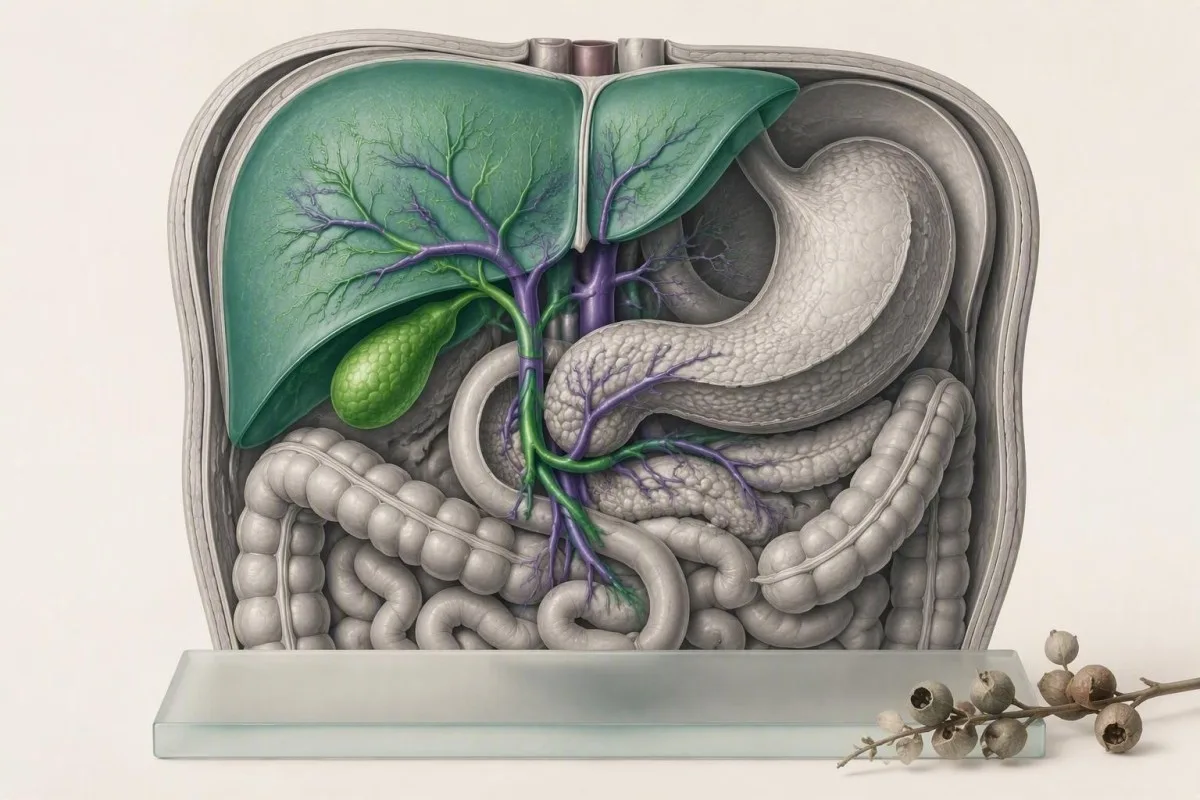
ಹೊಸ ಗೊಂದಲ, ತೀವ್ರ ನಿದ್ರಾಹೀನತೆ, ರಕ್ತ ವಾಂತಿ, ಕಪ್ಪು ಮಲ, ಮೂರ್ಛೆ, ತೀವ್ರ ಹೊಟ್ಟೆ ನೋವು ಅಥವಾ ಕಣ್ಣುಗಳ ಹಳದಿ ವೇಗವಾಗಿ ಹದಗೆಡುವುದು ಇವುಗಳಿಗೆ ತುರ್ತು ಆರೈಕೆ ಪಡೆಯಿರಿ. ಇವುಗಳು ರಕ್ತಸ್ರಾವ, ಸೆಪ್ಸಿಸ್, ತೀವ್ರ ಯಕೃತ್ತಿನ ಅಸಮರ್ಪಕ ಕಾರ್ಯ, ಪ್ಯಾಂಕ್ರಿಯಾಟಿಕ್ ಅಥವಾ ಪಿತ್ತಕೋಶದ ಕಾಯಿಲೆಗಳನ್ನು ಪ್ರತಿಬಿಂಬಿಸಬಹುದು, ಮತ್ತು ಅವುಗಳನ್ನು ಕೇವಲ ಕಿಣ್ವ ಫಲಿತಾಂಶದಿಂದ ಸುರಕ್ಷಿತವಾಗಿ ವರ್ಗೀಕರಿಸಲಾಗುವುದಿಲ್ಲ. ನಮ್ಮ ಮಾರ್ಗದರ್ಶಿ ಬಿಲಿರುಬಿನ್ ಯಾವಾಗ ತುರ್ತು ಪರಿಶೀಲನೆಗೆ ಬೇಕಾಗುತ್ತದೆ ಎಚ್ಚರಿಕೆಯ ಸಂಯೋಜನೆಗಳನ್ನು ವಿವರಿಸುತ್ತದೆ.
ALT ಅಥವಾ AST ಮೇಲಿನ ಮಿತಿಗಿಂತ 5 ಪಟ್ಟು ಹೆಚ್ಚು 1,000 IU/L, ಕ್ಕಿಂತ ಹೆಚ್ಚಾದರೆ, ಬಿಲಿರುಬಿನ್ 100 µmol/L ರೋಗಲಕ್ಷಣಗಳೊಂದಿಗೆ, ಅಥವಾ INR ಗಿಂತ ಹೆಚ್ಚು 1.5 ವಾರ್ಫಾರಿನ್ ಬಳಸದವರಲ್ಲಿ ತುರ್ತು ವೈದ್ಯಕೀಯ ಸಂಪರ್ಕಕ್ಕೆ ಪ್ರೇರೇಪಿಸಬೇಕು. ಇವುಗಳು ಸ್ವಯಂ-ರೋಗನಿರ್ಣಯದ ಮಿತಿಗಳಿಗಿಂತ ಪ್ರಾಯೋಗಿಕ ಉಲ್ಬಣ ಹಂತಗಳಾಗಿವೆ; ಒಬ್ಬ ವ್ಯಕ್ತಿಯು ಕಡಿಮೆ ಮೌಲ್ಯಗಳೊಂದಿಗೆ ಅನಾರೋಗ್ಯದಿಂದ ಬಳಲಬಹುದು, ವಿಶೇಷವಾಗಿ ಅವರು ವೇಗವಾಗಿ ಹದಗೆಡುತ್ತಿದ್ದರೆ.
ಗರ್ಭಧಾರಣೆಯು ಅಪಾಯದ ಲೆಕ್ಕಾಚಾರವನ್ನು ಬದಲಾಯಿಸುತ್ತದೆ. ಗರ್ಭಾವಸ್ಥೆಯಲ್ಲಿ ಅಂಗೈ ಅಥವಾ ಒಡಲುಗಳಲ್ಲಿ ತುರಿಕೆ, ತಲೆನೋವು, ದೃಷ್ಟಿ ಲಕ್ಷಣಗಳು, ಅಧಿಕ ರಕ್ತದೊತ್ತಡ, ಮೇಲ್ಮೈ-ಹೊಟ್ಟೆ ನೋವು ಅಥವಾ ಕಾಮಾಲೆ ಇವುಗಳಿಗೆ, ಹಿಂದಿನ ಫಲಿತಾಂಶ ಸಾಮಾನ್ಯವಾಗಿದ್ದರೂ ಸಹ, ತುರ್ತು ಮಾತೃತ್ವ ಮೌಲ್ಯಮಾಪನ ಅಗತ್ಯವಿದೆ.
ನೇಮಕಾತಿಗಳ ನಡುವೆ LFT ಟ್ರೆಂಡ್ ವಿಶ್ಲೇಷಣೆಯನ್ನು ಸುರಕ್ಷಿತವಾಗಿ ಬಳಸುವುದು
LFT ಪ್ರವೃತ್ತಿಗಳು ಒಂದೇ ಅನಲೈಟ್ ಮತ್ತು ಪ್ರಯೋಗಾಲಯದ ವಿಧಾನವನ್ನು ಕಾಲಾನಂತರದಲ್ಲಿ ಹೋಲಿಸಿದಾಗ ಏಕ ಫಲಿತಾಂಶಕ್ಕಿಂತ ಹೆಚ್ಚು ಉಪಯುಕ್ತವಾಗಿವೆ. ಕೆಳಮುಖವಾದ ALT ಪ್ರವೃತ್ತಿಯು ಪ್ರೋತ್ಸಾಹದಾಯಕವಾಗಿದೆ, ಆದರೆ ಅದು ಫೈಬ್ರೋಸಿಸ್ ಸುಧಾರಿಸಿದೆ ಅಥವಾ ಆಧಾರವಾಗಿರುವ ಕಾರಣವನ್ನು ಪರಿಹರಿಸಲಾಗಿದೆ ಎಂದು ಸಾಬೀತುಪಡಿಸುವುದಿಲ್ಲ.
ಕಾಂತೆಸ್ಟಿ ಒಬ್ಬ AI-ಚಾಲಿತ ರಕ್ತ ಪರೀಕ್ಷೆ ವಿಶ್ಲೇಷಣೆ ಸಾಧನ ಪ್ರಯೋಗಾಲಯ ವರದಿಗಳನ್ನು ಕಾಲ, ಭಾಷೆಗಳು ಮತ್ತು ಪ್ರಯೋಗಾಲಯ ಸ್ವರೂಪಗಳಲ್ಲಿ ಸಂಘಟಿಸಲು ಬಳಸಲಾಗುತ್ತದೆ. ನಮ್ಮ AI 32 ರಿಂದ 78 IU/L ವರೆಗಿನ ALT ಏರಿಕೆಯನ್ನು ಹೊಸ ALP ಹೆಚ್ಚಳದೊಂದಿಗೆ ಗುರುತಿಸಬಹುದು, ಆದರೆ ಸುರಕ್ಷಿತ ಮುಂದಿನ ಹೆಜ್ಜೆಯು ಇನ್ನೂ ಔಷಧಿ ಒಡ್ಡುವಿಕೆ, ರೋಗಲಕ್ಷಣಗಳು ಮತ್ತು ಪರೀಕ್ಷೆಯ ಆವಿಷ್ಕಾರಗಳ ವೈದ್ಯಕೀಯ ವಿಮರ್ಶೆಯಾಗಿದೆ.
µkat/L ನಲ್ಲಿ ಫಲಿತಾಂಶವನ್ನು IU/L ಗೆ ಹೋಲಿಸಬೇಡಿ, ಅದನ್ನು ಪರಿವರ್ತಿಸದೆ, ಮತ್ತು mg/dL ನಲ್ಲಿ ಒಟ್ಟು ಬಿಲಿರುಬಿನ್ ಅನ್ನು ಕಣ್ಣಿನಿಂದ µmol/L ಗೆ ಹೋಲಿಸಬೇಡಿ. ಬಿಲಿರುಬಿನ್ ಗಾಗಿ, 1 mg/dL ಸುಮಾರು 17.1 µmol/L ಗೆ ಸಮನಾಗಿರುತ್ತದೆ; ಜನರು ಒಂದಕ್ಕಿಂತ ಹೆಚ್ಚು ದೇಶಗಳಿಂದ ದಾಖಲೆಗಳನ್ನು ಅಪ್ಲೋಡ್ ಮಾಡಿದಾಗ ಘಟಕ ದೋಷಗಳು ಆಶ್ಚರ್ಯಕರವಾಗಿ ಸಾಮಾನ್ಯವಾಗಿದೆ. ಲ್ಯಾಬ್-ಫಲಿತಾಂಶ ಬದಲಾವಣೆ ಮಾರ್ಗದರ್ಶಿ ಉಲ್ಲೇಖ ಬದಲಾವಣೆ ಮೌಲ್ಯ ಮತ್ತು ಸಾಮಾನ್ಯ ಜೈವಿಕ ಏರಿಳಿತವನ್ನು ವಿವರಿಸುತ್ತದೆ.
ಸಂಕ್ಷಿಪ್ತ ನೇಮಕಾತಿ ಟಿಪ್ಪಣಿಯು ಸಹಾಯಕವಾಗಿದೆ: ದಿನಾಂಕಗಳು, ನಿಖರವಾದ ಮೌಲ್ಯಗಳು ಮತ್ತು ಉಲ್ಲೇಖದ ಶ್ರೇಣಿಗಳು, ರೋಗಲಕ್ಷಣಗಳು, ಆಲ್ಕೋಹಾಲ್ ಮಾದರಿ, ಹೊಸ ಔಷಧಿಗಳು, ಪೂರಕಗಳು, ತೂಕ ಬದಲಾವಣೆ ಮತ್ತು ವ್ಯಾಯಾಮವನ್ನು ಪಟ್ಟಿ ಮಾಡಿ. ಇದು “ಕೆಟ್ಟ ಯಕೃತ್ತಿನ ಪರೀಕ್ಷೆಗಳ” ಬಗ್ಗೆ ಆತಂಕದ ಸಂಭಾಷಣೆಯನ್ನು ಪರಿಹರಿಸಬಹುದಾದ ಕ್ಲಿನಿಕಲ್ ಪ್ರಶ್ನೆಯನ್ನಾಗಿ ತಿರುಗಿಸುತ್ತದೆ.
ನಿಮ್ಮ LFT ರಕ್ತ ಫಲಿತಾಂಶಗಳ ಬಗ್ಗೆ ಕೇಳಲು ಉಪಯುಕ್ತ ಪ್ರಶ್ನೆಗಳು
ಅತ್ಯಂತ ಉಪಯುಕ್ತವಾದ ಪ್ರಶ್ನೆಯೆಂದರೆ “ನನ್ನ ಫಲಿತಾಂಶಗಳು ಯಾವ ಮಾದರಿಯನ್ನು ತೋರಿಸುತ್ತವೆ: ಹೆಪಟೊಸೆಲ್ಯುಲಾರ್, ಕೊಲೆಸ್ಟಾಟಿಕ್, ಮಿಶ್ರ, ಬಿಲಿರುಬಿನ್-ಹ್ಯಾಂಡ್ಲಿಂಗ್ ಅಥವಾ ದುರ್ಬಲ ಸಂಶ್ಲೇಷಣೆ?” ಆ ಪ್ರಶ್ನೆಯು ಅಸ್ಪಷ್ಟ ಸೂಚನೆಯ ಬದಲಿಗೆ ಕಾರಣ-ಆಧಾರಿತ ಯೋಜನೆಯನ್ನು ಪ್ರೋತ್ಸಾಹಿಸುತ್ತದೆ.
ನಿಮ್ಮ ಅಸಹಜತೆಯು ದೃಢಪಟ್ಟಿದೆಯೇ, ನಿಮ್ಮ ಹಿಂದಿನ ಮೂಲ ರೇಖೆಯು ಏನಿತ್ತು, ಮತ್ತು ವ್ಯಾಯಾಮ, ಔಷಧಿಗಳು, ಆಲ್ಕೋಹಾಲ್ ಅಥವಾ ಪೂರಕಗಳು ಅದನ್ನು ವಿವರಿಸಬಹುದೇ ಎಂದು ಕೇಳಿ. ಬಿಲಿರುಬಿನ್ ನೇರ ಅಥವಾ ಪರೋಕ್ಷವಾಗಿತ್ತೇ, ALP ಗೆ ಎತ್ತರದ GGT ಅದರ ಪಕ್ಕದಲ್ಲಿದೆಯೇ, ಮತ್ತು ಅಲ್ಬೂಮಿನ್ ಅಥವಾ INR ದುರ್ಬಲ ಸಂಶ್ಲೇಷಣೆಯನ್ನು ಸೂಚಿಸುತ್ತದೆಯೇ ಎಂದು ಕೇಳಿ. ಈ ವಿವರಗಳು ನಿಜವಾಗಿಯೂ ವ್ಯತ್ಯಾಸದ ರೋಗನಿರ್ಣಯವನ್ನು ಬದಲಾಯಿಸುತ್ತವೆ.
ಫೈಬ್ರೋಸಿಸ್ ಅಪಾಯವನ್ನು ಅಂದಾಜು ಮಾಡಬೇಕೇ ಮತ್ತು ನಿಮ್ಮ ಮಾದರಿಗೆ ಅಲ್ಟ್ರಾಸೌಂಡ್, ವೈರಲ್ ಸ್ಕ್ರೀನಿಂಗ್ ಅಥವಾ ಕಬ್ಬಿಣದ ಅಧ್ಯಯನಗಳು ಸೂಕ್ತವೇ ಎಂದು ಕೇಳಿ. ಅಧಿಕ ಫೆರಿಟಿನ್ ಮಾತ್ರ ಉರಿಯೂತ ಅಥವಾ ಚಯಾಪಚಯ ರೋಗವನ್ನು ಪ್ರತಿಬಿಂಬಿಸುತ್ತದೆ, ಆದರೆ ಅಧಿಕ ಫೆರಿಟಿನ್ ಜೊತೆಗೆ ಟ್ರಾನ್ಸ್ಫೆರಿನ್ ಸ್ಯಾಚುರೇಶನ್ ಮೇಲಿರುತ್ತದೆ 45% ಕಬ್ಬಿಣದ ಅಧಿಕ ರಕ್ತದ ಬಗ್ಗೆ ವಿಭಿನ್ನ ಪ್ರಶ್ನೆಯನ್ನು ಹೆಚ್ಚಿಸುತ್ತದೆ; ನೋಡಿ ಹೆಮೋಕ್ರೊಮಾಟೋಸಿಸ್ ಲ್ಯಾಬ್ ಸುಳಿವುಗಳು.
ನಮ್ಮ ವೈದ್ಯರು ಮತ್ತು ಕ್ಲಿನಿಕಲ್ ವಿಮರ್ಶಕರು ಪ್ರಕಟಿತ ವಿಧಾನಗಳು ಮತ್ತು ಸ್ಪಷ್ಟ ಸುರಕ್ಷತಾ ಗಡಿಗಳನ್ನು ಬಳಸುತ್ತಾರೆ; ಆ ಆಡಳಿತವನ್ನು ಅರ್ಥಮಾಡಿಕೊಳ್ಳಲು ಬಯಸುವ ಓದುಗರು ವೈದ್ಯಕೀಯ ಮಾನ್ಯತಾ ವಿಧಾನ. ಪರಿಶೀಲಿಸಬಹುದು. ಅತ್ಯುತ್ತಮ ಫಲಿತಾಂಶವೆಂದರೆ ಅಪ್ಲಿಕೇಶನ್-ಉತ್ಪಾದಿತ ಲೇಬಲ್ ಅಲ್ಲ - ಇದು ನಿಮ್ಮ ಆರೈಕೆಗೆ ಜವಾಬ್ದಾರರಾಗಿರುವ ವೈದ್ಯರೊಂದಿಗೆ ಸಮಯೋಚಿತ, ಉತ್ತಮವಾಗಿ ದಾಖಲಿತ ಸಂಭಾಷಣೆಯಾಗಿದೆ.
LFT ವ್ಯಾಖ್ಯಾನದ ಬಗ್ಗೆ ಪ್ರಸ್ತುತ ಸಂಶೋಧನೆ ಮತ್ತು ಮಾರ್ಗಸೂಚಿಗಳು ಏನು ಹೇಳುತ್ತವೆ
ಪ್ರಸ್ತುತ ಮಾರ್ಗದರ್ಶನವು ಮಾದರಿ-ಆಧಾರಿತ ವ್ಯಾಖ್ಯಾನ ಮತ್ತು ವ್ಯಾಪಕ ಪರೀಕ್ಷೆಗೆ ಮೊದಲು ಅಸಹಜ ಯಕೃತ್ತಿನ ರಸಾಯನಶಾಸ್ತ್ರದ ದೃಢೀಕರಣವನ್ನು ಬೆಂಬಲಿಸುತ್ತದೆ. ಯಾವುದೇ ಏಕ LFT ಯಕೃತ್ತಿನ ಹಂತ, ಯಕೃತ್ತಿನ ವೈಫಲ್ಯ ಅಥವಾ ಕ್ಲಿನಿಕಲ್ ಸಂದರ್ಭವಿಲ್ಲದೆ ನಿರ್ದಿಷ್ಟ ಕಾರಣವನ್ನು ಗುರುತಿಸುವುದಿಲ್ಲ.
Kwo ಮತ್ತು ಸಹೋದ್ಯೋಗಿಗಳ ACG ಮಾರ್ಗದರ್ಶಿಯು ಅಸಹಜ ಯಕೃತ್ತಿನ ರಸಾಯನಶಾಸ್ತ್ರದ ಫಲಿತಾಂಶವನ್ನು ದೃಢೀಕರಿಸಲು ಮತ್ತು ನಂತರ ಹೆಪಟೊಸೆಲ್ಯುಲಾರ್ ವರ್ಸಸ್ ಕೊಲೆಸ್ಟಾಟಿಕ್ ಮಾದರಿಯ ಆಧಾರದ ಮೇಲೆ ಮೌಲ್ಯಮಾಪನ ಮಾಡಲು ಶಿಫಾರಸು ಮಾಡುತ್ತದೆ (Kwo et al., 2017). ಇದು ಸಾಮಾನ್ಯವೆಂದು ತೋರುತ್ತದೆ, ಆದರೆ ಇದು ಸಾಮಾನ್ಯ ತಪ್ಪನ್ನು ತಡೆಯುತ್ತದೆ: ಸರಿಯಾಗಿ ಸಮಯದ ಪುನರಾವರ್ತಿತ ಮಾದರಿಯಲ್ಲಿ ಕಣ್ಮರೆಯಾಗುವ ಒಂದೇ ಗಡಿರೇಖೆಯ ಫಲಿತಾಂಶದ ನಂತರ ವಿಶಾಲ ಫಲಕಗಳನ್ನು ಆದೇಶಿಸುವುದು.
2024 EASL-EASD-EASO ಮಾರ್ಗದರ್ಶಿಯು ALT ಯನ್ನು ಮಾತ್ರ ಆಧರಿಸಿದಕ್ಕಿಂತ, ಕಾರ್ಡಿಯೊಮೆಟಾಬಾಲಿಕ್ ಅಪಾಯ ಮತ್ತು ನಾನ್-ಇನ್ವಾಸಿವ್ ಫೈಬ್ರೋಸಿಸ್ ಮೌಲ್ಯಮಾಪನದ ಸುತ್ತ ಚಯಾಪಚಯ ಸ್ಟಿಯಾಟೊಟಿಕ್ ಯಕೃತ್ತಿನ ಕಾಯಿಲೆಯನ್ನು ರೂಪಿಸುತ್ತದೆ (EASL-EASD-EASO, 2024). ಆದ್ದರಿಂದ ಸಾಮಾನ್ಯ ALT, ಸ್ಟಿಯಾಟೋಸಿಸ್ ಅಥವಾ ಫೈಬ್ರೋಸಿಸ್ ಅನ್ನು ವಿಶ್ವಾಸಾರ್ಹವಾಗಿ ಹೊರತುಪಡಿಸುವುದಿಲ್ಲ, ವಿಶೇಷವಾಗಿ ಮಧುಮೇಹ ಅಥವಾ ಸ್ಥೂಲಕಾಯತೆ ಹೊಂದಿರುವ ಜನರಲ್ಲಿ.
Kantesti ಯ ಕ್ಲಿನಿಕಲ್ ವಿಷಯವನ್ನು ಪ್ರಯೋಗಾಲಯದ ಅಭ್ಯಾಸ ಮತ್ತು ವೈದ್ಯರ ಮೇಲ್ವಿಚಾರಣೆಯ ವಿರುದ್ಧ ಪರಿಶೀಲಿಸಲಾಗುತ್ತದೆ; ನಮ್ಮ ವೈದ್ಯಕೀಯ ಸಲಹಾ ಮಂಡಳಿ ಸ್ವಯಂಚಾಲಿತ ವಿವರಣೆಗಳನ್ನು ಆ ಮಿತಿಗಳಲ್ಲಿ ಇರಿಸಲು ಸಹಾಯ ಮಾಡುತ್ತದೆ. ಪಾರದರ್ಶಕತೆಗಾಗಿ ಸಂಬಂಧಿತ ರೋಗಲಕ್ಷಣ ಪ್ರಕಟಣೆಗಳನ್ನು ಕೆಳಗೆ ಪಟ್ಟಿಮಾಡಲಾಗಿದೆ, ಆದರೆ ಅವುಗಳು ಯಕೃತ್ತಿಗೆ-ನಿರ್ದಿಷ್ಟ ಮಾರ್ಗದರ್ಶಿಗಳು ಅಥವಾ ವೈಯಕ್ತಿಕ ವೈದ್ಯಕೀಯ ಆರೈಕೆಯನ್ನು ಬದಲಾಯಿಸುವುದಿಲ್ಲ.
ಪದೇ ಪದೇ ಕೇಳಲಾಗುವ ಪ್ರಶ್ನೆಗಳು
ರಕ್ತ ಪರೀಕ್ಷೆಯಲ್ಲಿ LFT ಎಂದರೆ ಏನು?
LFT ಎಂದರೆ ಯಕೃತ್ ಕಾರ್ಯ ಪರೀಕ್ಷೆ, ಇದನ್ನು ಯಕೃತ್ ರಕ್ತ ಪರೀಕ್ಷೆಗಳು ಅಥವಾ ಯಕೃತ್ ಪ್ಯಾನೆಲ್ ಎಂದೂ ಕರೆಯುತ್ತಾರೆ. ಹೆಚ್ಚಿನ ಪ್ಯಾನೆಲ್ಗಳು ALT, AST, ALP, ಬಿಲಿರುಬಿನ್ ಮತ್ತು ಅಲ್ಬುಮಿನ್ ಅನ್ನು ಒಳಗೊಂಡಿರುತ್ತವೆ, ಆದರೆ GGT ಮತ್ತು PT/INR ಅನ್ನು ಪ್ರತ್ಯೇಕವಾಗಿ ಆದೇಶಿಸಬಹುದು. ALT ಮತ್ತು AST ಸಾಮಾನ್ಯವಾಗಿ ಯಕೃತ್ತಿನ ಜೀವಕೋಶದ ಗಾಯವನ್ನು ತೋರಿಸುತ್ತವೆ, ಯಕೃತ್ತಿನ ಕಾರ್ಯವನ್ನು ಅಲ್ಲ, ಆದರೆ ಅಲ್ಬುಮಿನ್ ಮತ್ತು INR ಪ್ರೋಟೀನ್ ಸಂಶ್ಲೇಷಣೆಯ ಹತ್ತಿರದ ಅಳತೆಗಳಾಗಿವೆ. ಉಲ್ಲೇಖದ ಅಂತರಗಳು ಪ್ರಯೋಗಾಲಯದಿಂದ ಬದಲಾಗುತ್ತವೆ; ALT ಸಾಮಾನ್ಯವಾಗಿ ವಯಸ್ಕರಲ್ಲಿ ಸುಮಾರು 7-55 IU/L ಇರುತ್ತದೆ.
கல்லீரல் நொதிகளின் அளவு ಹೆಚ್ಚಾಗುವುದು கல்லீரல் ಕಾರ್ಯನಿರ್ವಹಣೆ ಸರಿಯಿಲ್ಲದಂತೆಯೇ?
ಇಲ್ಲ, ಹೆಪಟೈಟಿಸ್ ಎ, ಎಎಸ್ಟಿ ಹೆಚ್ಚಿದ ತಕ್ಷಣ ಯಕೃತ್ತಿನ ಕಾರ್ಯಕ್ಷಮತೆ ಕಳಪೆಯಾಗಿದೆ ಎಂದರ್ಥವಲ್ಲ. ಯಕೃತ್ತು ಅಥವಾ ಸ್ನಾಯು ಕೋಶಗಳು ಎಂಜೈಮ್ಗಳನ್ನು ಬಿಡುಗಡೆ ಮಾಡಿದಾಗ ALT ಮತ್ತು AST ಹೆಚ್ಚಾಗಬಹುದು, ಅಲ್ಬುಮಿನ್, ಬಿಲಿರುಬಿನ್ ಮತ್ತು INR ಸಾಮಾನ್ಯವಾಗಿದ್ದರೂ ಸಹ. ನಿಜವಾದ ಸಂಶ್ಲೇಷಣಾ ಅಡ್ಡಿಯು ಬಿಲಿರುಬಿನ್ ಹೆಚ್ಚಾದಾಗ, ಅಲ್ಬುಮಿನ್ ಸುಮಾರು 35 g/L ಗಿಂತ ಕಡಿಮೆಯಾದಾಗ, ಅಥವಾ INR ಪ್ರಯೋಗಾಲಯದ ವ್ಯಾಪ್ತಿಗಿಂತ ಹೆಚ್ಚಾದಾಗ ಹೆಚ್ಚು ಕಾಳಜಿಯ ವಿಷಯವಾಗಿದೆ. ಒಬ್ಬ ವೈದ್ಯರು ಈ ಫಲಿತಾಂಶಗಳನ್ನು ರೋಗಲಕ್ಷಣಗಳು ಮತ್ತು ವೈದ್ಯಕೀಯ ಇತಿಹಾಸದೊಂದಿಗೆ ಒಟ್ಟಿಗೆ ಅರ್ಥೈಸುತ್ತಾರೆ.
ಸಾಮಾನ್ಯ LFT ವ್ಯಾಪ್ತಿ ಏನು?
ಪ್ರಯೋಗಾಲಯಗಳ ನಡುವೆ ವಿಧಾನಗಳು ಮತ್ತು ಉಲ್ಲೇಖದ ಜನಸಂಖ್ಯೆಯು ಭಿನ್ನವಾಗಿರುವುದರಿಂದ LFT ಶ್ರೇಣಿಯಲ್ಲಿ ಯಾವುದೇ ಏಕ ವಿಶ್ವವ್ಯಾಪಿ ಸಾಮಾನ್ಯ ಶ್ರೇಣಿ ಇಲ್ಲ. ಸಾಮಾನ್ಯ ವಯಸ್ಕರ ಮಧ್ಯಂತರಗಳು ALT 7-55 IU/L, AST 8-48 IU/L, ALP 40-129 IU/L, ಅಲ್ಬೂಮಿನ್ 35-50 g/L ಮತ್ತು ಒಟ್ಟು ಬಿಲಿರುಬಿನ್ 3-21 µmol/L ಅನ್ನು ಒಳಗೊಂಡಿವೆ. ನಿಮ್ಮ ಸ್ವಂತ ಫಲಿತಾಂಶದ ಪಕ್ಕದಲ್ಲಿ ಮುದ್ರಿಸಲಾದ ಉಲ್ಲೇಖದ ಮಧ್ಯಂತರವು ಮೊದಲು ಬಳಸಲು ಸರಿಯಾದದು. ವ್ಯಾಪ್ತಿಯ ಸ್ವಲ್ಪ ಮೇಲಿರುವ ಫಲಿತಾಂಶಕ್ಕೆ ತಕ್ಷಣದ ಚಿಕಿತ್ಸೆಗಿಂತ ದೃಢೀಕರಣ ಮತ್ತು ಸಂದರ್ಭದ ಅಗತ್ಯವಿರುತ್ತದೆ.
ವ್ಯಾಯಾಮವು LFT ಫಲಿತಾಂಶಗಳನ್ನು ಹೆಚ್ಚಿಸಬಹುದೇ?
ಹೌದು, ತೀವ್ರವಾದ ವ್ಯಾಯಾಮವು AST ಮತ್ತು ಕೆಲವೊಮ್ಮೆ ALT ಅನ್ನು ತಾತ್ಕಾಲಿಕವಾಗಿ ಹೆಚ್ಚಿಸಬಹುದು ಏಕೆಂದರೆ ಅಸ್ಥಿಪಂಜರದ ಸ್ನಾಯುಗಳಲ್ಲಿ ಈ ಕಿಣ್ವಗಳು ಇರುತ್ತವೆ. ಮ್ಯಾರಥಾನ್, ಭಾರ ಎತ್ತುವುದು ಅಥವಾ ಸ್ನಾಯು ಗಾಯದ ನಂತರ ಸಾಮಾನ್ಯ ಅಥವಾ ಸ್ವಲ್ಪ ಹೆಚ್ಚಿದ ALT ಯೊಂದಿಗೆ ಹೆಚ್ಚಿನ ASTಯು ಸ್ನಾಯುವಿನ ಬಿಡುಗಡೆಯನ್ನು ಪ್ರತಿಬಿಂಬಿಸಬಹುದು, ವಿಶೇಷವಾಗಿ ಕ್ರಿಯೇಟಿನ್ ಕೈನೇಸ್ ಕೂಡ ಹೆಚ್ಚಾಗಿದ್ದರೆ. ವೈದ್ಯರು ಈ ಕಾರಣವನ್ನು ಶಂಕಿಸಿದಾಗ ಪುನರಾವರ್ತಿತ ಪರೀಕ್ಷೆಗೆ 5-7 ದಿನಗಳ ಮೊದಲು ಅಪರಿಚಿತ ಕಠಿಣ ವ್ಯಾಯಾಮವನ್ನು ತಪ್ಪಿಸುವುದು ಸಾಮಾನ್ಯವಾಗಿ ಸಮಂಜಸವಾಗಿದೆ. ವ್ಯಾಯಾಮವು ಸಾಮಾನ್ಯವಾಗಿ ಕಾಮಾಲೆ, ಹೆಚ್ಚಿನ ಬಿಲಿರುಬಿನ್ ಅಥವಾ ದೀರ್ಘಾವಧಿಯ INR ಅನ್ನು ವಿವರಿಸುವುದಿಲ್ಲ.
LFT ಪರೀಕ್ಷೆಯು ಕೊಬ್ಬಿನ ಯಕೃತ್ತನ್ನು ಪತ್ತೆಹಚ್ಚುತ್ತದೆಯೇ?
LFT కొవ్వు కాలేయ వ్యాధిని సూచించగలదు కానీ దానిని నిర్ధారించలేవు లేదా మినహాయించలేవు. మెటబాలిక్ డిస్ఫంక్షన్-సంబంధిత స్టెటోటిక్ లివర్ డిసీజ్ ఉన్న చాలా మంది వ్యక్తులలో ALT విలువలు 55 IU/L కంటే తక్కువగా ఉంటాయి మరియు కొందరికి సాధారణ కాలేయ పరీక్షలు ఉంటాయి. టైప్ 2 డయాబెటిస్, సెంట్రల్ బరువు పెరుగుట, అధిక ట్రైగ్లిజరైడ్లు మరియు అధిక రక్తపోటు వంటి ప్రమాద కారకాలు తదుపరి అంచనాకు మార్గనిర్దేశం చేస్తాయి. అల్ట్రాసౌండ్ మరియు FIB-4 వంటి నాన్-ఇన్వాసివ్ ఫైబ్రోసిస్ స్కోర్లు తరచుగా రక్త ఫలితాలతో పాటు ఉపయోగించబడతాయి.
ಅಸಹಜ LFT ರಕ್ತದ ಫಲಿತಾಂಶಗಳ ಬಗ್ಗೆ ನಾನು ಯಾವಾಗ ಚಿಂತಿಸಬೇಕು?
ಕಾ.
ಇಂದು AI-ಸಕ್ರಿಯ ರಕ್ತ ಪರೀಕ್ಷೆ ವಿಶ್ಲೇಷಣೆಯನ್ನು ಪಡೆಯಿರಿ
ತಕ್ಷಣದ, ನಿಖರವಾದ ಲ್ಯಾಬ್ ಪರೀಕ್ಷಾ ವಿಶ್ಲೇಷಣೆಗೆ Kantesti ಅನ್ನು ನಂಬುವ ವಿಶ್ವದಾದ್ಯಂತ 2 ಮಿಲಿಯನ್ಗಿಂತ ಹೆಚ್ಚು ಬಳಕೆದಾರರಿಗೆ ಸೇರಿ. ನಿಮ್ಮ ರಕ್ತ ಪರೀಕ್ಷೆ ಫಲಿತಾಂಶಗಳನ್ನು ಅಪ್ಲೋಡ್ ಮಾಡಿ ಮತ್ತು ಕೆಲವೇ ಸೆಕೆಂಡುಗಳಲ್ಲಿ 15,000+ ಬಯೋಮಾರ್ಕರ್ಗಳ ಸಮಗ್ರ ಅರ್ಥೈಸಿಕೆಯನ್ನು ಪಡೆಯಿರಿ.
📚 ಉಲ್ಲೇಖಿತ ಸಂಶೋಧನಾ ಪ್ರಕಟಣೆಗಳು
Klein, T., Mitchell, S., & Weber, H. (2026). ಉಪವಾಸದ ನಂತರ ಅತಿಸಾರ, ಮಲದಲ್ಲಿ ಕಪ್ಪು ಚುಕ್ಕೆಗಳು ಮತ್ತು ಕರುಳಿನ ಚಿಕಿತ್ಸೆ ಮಾರ್ಗದರ್ಶಿ 2026. Kantesti AI ವೈದ್ಯಕೀಯ ಸಂಶೋಧನೆ.
Klein, T., Mitchell, S., & Weber, H. (2026). ಮಹಿಳೆಯರ ಆರೋಗ್ಯ ಮಾರ್ಗದರ್ಶಿ: ಅಂಡೋತ್ಪತ್ತಿ, ಋತುಬಂಧ ಮತ್ತು ಹಾರ್ಮೋನುಗಳ ಲಕ್ಷಣಗಳು. Kantesti AI ವೈದ್ಯಕೀಯ ಸಂಶೋಧನೆ.
📖 ಬಾಹ್ಯ ವೈದ್ಯಕೀಯ ಉಲ್ಲೇಖಗಳು

⚕️ ವೈದ್ಯಕೀಯ ಹಕ್ಕುತ್ಯಾಗ
ಈ ಲೇಖನವು ಕೇವಲ ಶಿಕ್ಷಣ ಉದ್ದೇಶಗಳಿಗಾಗಿ이며 ವೈದ್ಯಕೀಯ ಸಲಹೆಯನ್ನು ನೀಡುವುದಿಲ್ಲ. ರೋಗನಿರ್ಣಯ ಮತ್ತು ಚಿಕಿತ್ಸೆ ನಿರ್ಧಾರಗಳಿಗಾಗಿ ಸದಾ ಅರ್ಹ ಆರೋಗ್ಯ ಸೇವಾ ಪೂರೈಕೆದಾರರನ್ನು ಸಂಪರ್ಕಿಸಿ.
E-E-A-T ವಿಶ್ವಾಸ ಸಂಕೇತಗಳು
ಅನುಭವ
ಲ್ಯಾಬ್ ಅರ್ಥೈಸುವ ಕಾರ್ಯಪ್ರವಾಹಗಳ ಮೇಲೆ ವೈದ್ಯರಿಂದ ನೇತೃತ್ವದ ಕ್ಲಿನಿಕಲ್ ವಿಮರ್ಶೆ.
ಪರಿಣಿತಿ
ಕ್ಲಿನಿಕಲ್ ಸಂದರ್ಭದಲ್ಲಿನ ಬಯೋಮಾರ್ಕರ್ಗಳು ಹೇಗೆ ವರ್ತಿಸುತ್ತವೆ ಎಂಬುದರ ಮೇಲೆ ಪ್ರಯೋಗಾಲಯ ವೈದ್ಯಕೀಯದ ಕೇಂದ್ರೀಕರಣ.
ಅಧಿಕಾರಯುತತೆ
ಡಾ. ಥಾಮಸ್ ಕ್ಲೈನ್ ಬರಹ; ಡಾ. ಸಾರಾ ಮಿಚೆಲ್ ಮತ್ತು ಪ್ರೊ. ಡಾ. ಹಾನ್ಸ್ ವೆಬರ್ ಅವರ ವಿಮರ್ಶೆಯೊಂದಿಗೆ.
ವಿಶ್ವಾಸಾರ್ಹತೆ
ಎಚ್ಚರಿಕೆಯನ್ನು ಕಡಿಮೆ ಮಾಡಲು ಸ್ಪಷ್ಟವಾದ ಮುಂದಿನ ಹಂತಗಳೊಂದಿಗೆ ಸಾಕ್ಷ್ಯಾಧಾರಿತ ಅರ್ಥೈಸಿಕೆ.