LFT يەنى بېغىر ئىقتىدار تەكشۈرۈش، ئەمما تاختايغا كىرگەن كۆپ قىسىم ئىسپىرتلار بېغىر ئىقتىدارىدىن كۆپرەك بېغىر ھۈجەيرىنىڭ زەخملىنىشى ياكى ئۆت سۇيۇقلۇقىنىڭ ئېقىشىنىڭ بۇزۇلۇشىنى ئۆلچەيدۇ. بۇ پەرقلەندۈرۈش ئادەتتىن تاشقىرى نەتىجىنى شىپالىق خادىملارنىڭ چۈشىنىشىنى ئۆزگەرتىدۇ.



- LFT مەنىسى بېغىر ئىقتىدار تەكشۈرۈشى، گەرچە ALT، AST، ALP ۋە GGT ئاساسلىقى زەخملىنىش ياكى ئۆت ئېقىمىنىڭ بۇزۇلۇشىنى بىغىر ئىقتىدارىدىن كۆپرەك كۆرسىتىدۇ.
- ALT ئادەتتە قۇرامىغا يەتكەنلەر ئۈچۈن 7-55 IU/L ئەتراپىدا بولىدۇ؛ ئىسپىرتتىن يۇقىرى قىممەتنى داۋالاش، چېنىقىش، ئىسپىرت ئىستېمالى ۋە مېتابولىزم خەۋىپى بىلەن چۈشەندۈرۈش كېرەك.
- Albumin ئادەتتە 35-50 g/L بولىدۇ ھەمدە بىر نەچچە ھەپتە ئىچىدە بېغىر ئاقسىل ئىشلەپچىقىرىشنى ئەكىس ئەتتۈرىدۇ، ئەمما بۆرەك يوقىتىش، ياللۇغ ۋە ئىستېمالنىڭ ئازلىقىمۇ تۆۋەنلىتىدۇ.
- بىليروبىن كۆپىنچە 3-21 µmol/L بولىدۇ؛ قارا سۈيدۈك ياكى سۇس تۈكۈرۈك بىلەن قىممىتىنىڭ ئېشىشى چوقۇم داۋالاشقا تېزدىن تەكشۈرۈشنى تەلەپ قىلىدۇ.
- INR ياكى PT قېنى تاقىلاش ئامىللىرىنىڭ ئىشلەپچىقىرىلىشىنى ئۆلچەيدۇ ھەمدە K ۋىتامىن كەمچىللىكى ۋە قېنىنى راۋانلاشتۇرىدىغان دورىلارنى چىقىرىپ تاشلىغاندىن كېيىنكى بېغىر سىنتېز ئىقتىدارىنىڭ تۆۋەنلىشىدىكى ئەڭ پايدىلىق قان كۆرسەتكۈچلىرىنىڭ بىرى.
- ALP + GGT بىرلىكتە ئېشىش ھەيئەت-بېغىر مەنبەسىنى قوللايدۇ، ھالبۇكى يالغۇز ALP ئېشىشى سۆڭەكتىن كېلىشى مۇمكىن.
- قاتتىق مەشىقتىن كېيىن AST skeletal muscle دىن كېلىپ چىقىشى مۇمكىن؛ creatine kinase نى تەكشۈرۈش ئارقىلىق كېمىدە بېغىرنى تەكشۈرۈشنىڭ ئالدىنى ئېلىشقا بولىدۇ.
- جىددىي ئالامەتلەر يېڭى سېرىق تېرە، چۈشەنچىدىن يۈز ئۆرۈش، قان قۇسۇش، قارا رەڭلىك ئىچ كېتىش، قورساقنىڭ ئۈستۈنكى قىسمىدا ئاغرىق بولۇش ياكى تېزلا بىھۇش بولۇش قاتارلىقلار.
LFT نىڭ مەنىسى - ۋە نېمىشقا ئىسىم خاتا چۈشەندۈرىدۇ
LFT بېغىر ئىقتىدار تەكشۈرۈش نىڭ ئىسمى, ، ئۆلچەش تۇرۇبىسىنىڭ زىيىنىنى، ئۆتكۈزگۈچنىڭ يېپىلىشىنى ۋە ئاقسىل ئىشلەپ چىقىرىش ئىقتىدارىنىڭ تۆۋەنلىشىنى تەكشۈرۈش ئۈچۈن ئىشلىتىلىدىغان بىر تۈركۈم قان تەكشۈرۈشى. ئىسمى مۇكەممەل ئەمەس: ALT, AST, ALP ۋە GGT كۆپىنچە زىيان ياكى ئۆتكۈزگۈچنىڭ سىگنالى، ئالبۇمىن, بىلىرۇبىن ۋە PT/INR بېغىرنىڭ ئىقتىدارى توغرىسىدا تېخىمۇ بىۋاسىتە، گەرچە تولۇق بولمىسىمۇ، سىگنال بېرىدۇ.
نورمال LFT گەۋدىسى بېغىرنىڭ ساغلاملىقىنىڭ ھەممە جەھەتتىن نورمال ئىكەنلىكىنى ئىسپاتلىمايدۇ، ۋە نورمالسىز گەۋدىسى بېغىرنىڭ يېتىشەلمەسلىكىنى بىۋاسىتە بىلدۈرمەيدۇ. Alanine aminotransferase (ALT) سىستىدا ئۆلچەش بىرىنچى ئورۇنغا چىققاندا كۆپىيىدۇ؛ ئۇ ئاقسىل ياكى قان پۇتلىشىش ئامىللىرىنى ئىشلەپ چىقىرىش ئىقتىدارىدىن كۆپرەك ھۈجەيرە سızma توغرىسىدا سۆزلەيدۇ. بىزنىڭ تەپسىلىي ALT% نەتىجىسى% يېتەكچىسى بۇ پەرقنىڭ نېمىشقا مۇھىملىقىنى چۈشەندۈرىدۇ.
ئەمەلىيەتتە، مەن بىمارلارغا بۇ گەۋدىنى ئۈچ سوئالغا ئىمىنىتىم: بېغىر ھۈجەيرىسى چىقىرىلدىمۇ، ئۆتكۈزگۈچ ئەركىن يۈرەمدۇ، ۋە بېغىر ئاقسىلنى نورمال ئىشلەپ چىقىرىدىمۇ؟ دوكتور توماس كلېين 62 IU/L ALT ئۈچۈن نۇرغۇنلىغان يوللانمىلارنى كۆردى، ئۇ يەردە ھەقىقىي كاپالەتلىك تېپىلمىلار نورمال بىلىرۇبىن, ئالبۇمىن ۋە INR بولۇپ، گەۋدىنىڭ ئۈستىدىكى “ئىقتىدار” سۆزى ئەمەس.
كانتېستى بىر AI قان تەكشۈرۈش ئانالىزچىسى بۇ گەۋدىنى تولۇق دوكلاتتىكى سىگناللىق سۈپىتىدە ھەل قىلىدىغان، سىگناللىق بىر ئۆلچەش ئامىلىنى بىر دىياگنوز دەپ قارىمايدىغان. 2026-يىلى 9-ئاينىڭ 12-كۈنىگىچە، بىزنىڭ كلىنىكىلىق تەكشۈرۈش خىزمىتىمىز تەجرىبىخانىنىڭ ئۆز سىگnalلىق دائىرىسىنىمۇ ساقلاپ قالىدۇ، چۈنكى بىر تەجرىبىخانىدىكى ALT چەكلىمىسى 35 IU/L باشقا بىر تەجرىبىخانىدىكى 55 IU/L بىلەن ئالماشتۇرغىلى بولمايدۇ.
كلىنىستىكلارنىڭ كۆپىيىۋاتقان سۆزى
نۇرغۇنلىغان جىگەر كېسەللىكلىرى بۆلۈملىرى ھازىر “جىگەر قان تەكشۈرۈش” ياكى “جىگەر خىمىيىلىك تەكشۈرۈش” دەيدۇ، چۈنكى بۇ ئىسىملار زىيادە ۋەدە بەرمەيدۇ. ئامېرىكا گېستروئېنتېرولوگىيە ئىنىستىتۇتىنىڭ كۆرسەتمىسىدە ئوخشاشلا جىگەر ھۈجەيرىسىنىڭ زىيىنىنى، ئۆتكۈزگۈچىنىڭ زىيىنىنى ۋە بىلىرۇبىننى توغرا بىر تەرەپ قىلىشنى ئايرىيدۇ (Kwo et al., 2017).
LFT تاختايغا كۆپىنچە قايسى تەكشۈرۈشلەر كىرگۈزۈلىدۇ؟
بىر ئادەتتىكى LFT گەۋدىسىنى ئۆز ئىچىگە ئالىدۇ ALT, AST, alkaline phosphatase (ALP), bilirubin, albumin ۋە total protein; ؛ كۆپلىگەن تەجرىبىخانىلار GGT نىمۇ ئۆز ئىچىگە ئالىدۇ. PT/INR ھەمىشە ئايرىم زاكاز قىلىنىدۇ، گەرچە ھەقىقىي جىگەر ئىقتىدارى سوئال تۇغدۇرغاندا ئۇ كلىنىكىلىق جەھەتتىن ئىنتايىن مۇھىم بولسىمۇ.
ALT ۋە AST aminotransferases, ALP ۋە GGT ئۆتكۈزگۈچىنىڭ سىگنالىنى ئېنىقلاشقا ياردەم بېرىدۇ، بىلىرۇبىن قاننىڭ پارچىلىنىش مەھسۇلاتلىرىنى بىر تەرەپ قىلىش ۋە چىقىرىشقا تەسىر قىلىدۇ. ئالبۇمىن ۋە PT/INR سىنتېزنى باھالايدۇ، ئەمما ئالبۇمىننىڭ يېرىم ياشاش مۇددىتى تەخمىنەن 20 كۈن بولغاچقا، ئۇ ئاستا ئۆزگىرىدۇ. كۆرۈڭ جىگەر تەكشۈرۈشى (liver panel) نىمىلەرنى ئۆز ئىچىگە ئالىدۇ ئادەتتىكى تەجرىبىخانا ئۆزگىرىشلىرى ئۈچۈن.
Total protein ۋە globulin بەزىدە ئوخشاش دوكلاتتا پەيدا بولىدۇ، ئەمما جىگەرگە خاس تەكشۈرۈش ئەمەس. تۆۋەن ئالبۇمىن بىلەن يۇقىرى globulin نەتىجىسى كروتىك جىگەر كېسەللىكى, ئۆزلۈكىدىن بولىدىغان كېسەللىك ياكى توختىماي ياللۇغلىنىشتا كۆرۈلىدۇ؛ نىسبەت ئۆزگىرىشى سىگنال، ئەزەلدىن دىياگنوز ئەمەس. زەرداب ئاقسىلى پايدىلىنىش يېتەكچىسى بۇ قىممەتلەرنى مىزاندا قويۇشقا ياردەم بېرىدۇ.
بىر ئەمەلىي كىچىككىنە: ئەنگىلىيە دوكلاتلىرى “LFT” دەپ يېزىلغان بولۇشى مۇمكىن، ئامېرىكا دوكلاتلىرى “hepatic function panel” ياكى “liver panel” دەپ يېزىلغان بولۇشى مۇمكىن. ھېچقايسىسى تولۇق ستاندارتلانمىغان. دۆلەتتىن-دۆلەتكە نەتىجىلەرنى سېلىشتۇرۇشتىن بۇرۇن، ئۆلچەش، ئۆلچەش بىرلىكى ۋە يېنىدا بېسىلغان دائىرىسىنى بىرلەشتۈرۈڭ.
قايسى LFT نەتىجىلىرى ئىقتىداردىن كۆپرەك بېغىر زەخملىنىشىنى كۆرسىتىدۇ؟
ALT va AST asosan hujayra shikastlanishini, jigar faoliyatini emas, ko'rsatadi. ALP va GGT asosan xolestatik yoki o't yo'llari bilan bog'liq bo'lishi mumkinligini ko'rsatadi, albumin va PT/INR esa sintez qobiliyatini to'g'ridan-to'g'ri aks ettiradi.

ALT AST ga qaraganda jigarga ko'proq boyitilgan, ammo ikkalasi ham jigarga xos emas. AST skelet mushaklarida, yurakda va qizil qon hujayralarida mavjud, shuning uchun kuchli mashq, mushak shikastlanishi yoki gemolizlangan namuna uni ko'tarishi mumkin. An AST:ALT نىسبىتى 2 دىن يۇقىرى بولسا to'g'ri sharoitda alkogol bilan bog'liq jigar shikastlanishini qo'llab-quvvatlashi mumkin, ammo bu o'z-o'zidan tashxis qo'ymaydi.
52 yoshli marafon yuguruvchisi poyga natijasida AST 89 IU/L va ALT 36 IU/L bilan klassik tuzoqdir. Men zo'riqish va mushak og'rig'i haqida so'ragan bo'lar edim, keyin CK va 7 kun davomida zo'riqishsiz takroriy namuna haqida o'ylardim; maqolamiz ýokary AST görnüşlerine ushbu mantiqni tushuntiradi.
Kantesti AI gepatotsellyulyar, xolestatik, aralash yoki ehtimol ekstrahepatik ko'tarilishmi yoki yo'qmi tekshirish orqali jigar fermentlarini talqin qiladi. R نىسبىتى—(ALT o'zining yuqori chegarasiga bo'lingan) / (ALP o'zining yuqori chegarasiga bo'lingan)—gepatotsellyulyar naqshda 5 dan yuqori va xolestatik naqshda 2 dan past; bu shifokorning saralash vositasi, uyda tashxis qo'yish vositasi emas.
Nega naqsh eng yuqori raqamdan ustun turadi
Normal ALP bilan 120 IU/L ALT metabolik, virusli, dori yoki mushak kontekstini ko'rib chiqishga olib keladi, normal ALT bilan 280 IU/L ALP esa o't yo'llari, suyak aylanishi va dori ta'siri haqida savollar tug'diradi.
ھەقىقىي بېغىر ئىقتىدارىنى تېخىمۇ يېقىندىن ئەكىس ئەتتۈرىدىغان LFT قىممەتلىرى
Albumin, bilirubin va PT/INR haqiqiy jigar faoliyati uchun eng foydali muntazam qon ko'rsatkichlaridir, garchi har biri jigardan tashqari sabablarga ko'ra anormal bo'lishi mumkin. Ko'tarilayotgan bilirubin va INR birikmasi mo''tadil izolyatsiyalangan ALT ko'tarilishidan ko'ra ko'proq tashvishlidir.
Albumin odatda 35-50 g/L homilador bo'lmagan kattalarda, ammo past albumin buyrak oqsili yo'qolishi, tizimli yallig'lanish, noto'g'ri ovqatlanish, kuyish yoki suyultirishdan kelib chiqishi mumkin. Odatda surunkali jigar kasalligida ALT ko'tarilishidan kechroq pasayadi, shuning uchun normal albumin erta fibrozni istisno qilmaydi. haqida o'qing homiladorlikdagi albumin agar siz homiladorlik natijasini standart kattalar diapazoni bilan taqqoslayotgan bo'lsangiz.
PT/INR qisqa muddatli qon ivish omillarining, ayniqsa VII omilning ishlab chiqarilishini aks ettiradi va haftalar o'rniga kunlar ichida o'zgarishi mumkin. INR dan yuqori 1.5 gachak jiger ýykynçylygynda iý gysga muddatlykes qulluk etmek üçin ulanylýan meýarlaryñ biridir, ýöne warfariny, K witamin ýetmezçiligini we käbir antibiotikleriñ meñzeş laborator signallary emele getirip bilýä. INR düşündirişi bu möhüm istisnalary öz içine alýar.
Bilirubinem diñe bir funksiýa synagy däl. Anyaşylmadyk bilirubin Gílbert sindiromy, açlyk ýa-da gemoliz bilen ýokary galyp biler, jigeriñ ýagdaýy kadaly bolsa-da; garañky peşew bilen birleşen bilirubin öýt ekskresiýasy ýa-da hepotoselýar işlenmegi näsazlygyny görkezýär. Şonuñ üçin men fraksiýalaşdyrmazdan “ýokary bilirubini” hiç haçan düşündirip bilemok.
Peýdaly kliniki tertip
Kadaly ýagdaýdaky ýetişkin adamda, kadaly INR we albmin bilen azajyk ýokary ALT, köplenç ýagly funksiýanyñ saklanýandygyny görkezýär. Täze sary getmek, INR uzamak, aşak glýukoza ýa-da çalşyk üýtgemek örän täsirli bolup, şol günde lukmançylyk gözegçiligini talap edýär.
ALT ۋە AST نەتىجىلىرىنى بىرلىكتە قانداق ئوقۇش كېرەك
ALT-niñ AST-den ýokary bolmagy metabolik ýagly jiger kesellerinde we köp sanly wirus ýa-da derman bilen baglanyşykly zeperlerde köp duş gelýär, şol bir wagtyñ özünde AST-niñ ALT-den ýokary bolmagynyñ alkogol täsirine we myşşak zeperine degişli giñ sebäpleri bar. Birden peýda bolan göteriliş we trend, ýöneka gatnaşykdan has ygtybarlydyr.
ALT köplenç IU/L ýa-da U/L hökmünde habar berilýär, olar amaly maksatlar üçin deňdir. Ýokary çäkli referens çäkiniñ 2 esse aşagyndaky gymmatlyk, köplenç alkogol, goşundylar, reseptli dermanlar, aralyk keseller we ýakyn wagtdaky maşky ýüklenişleri gözden geçirenden soñ täzeden barlanylýar. ACG görkezijisi giñişleýin gözleg geçirmänkäň, abnormal jiger himiýasyny tassyk etmegi maslahat berýär (Kwo et al., 2017).
30 µmol/L دىن يۇقىرى بولغان قىممەتلەر 1,000 IU/L ALT ýa-da AST üçin “diñe ýagly jiger” däl, başgaça subut edilýänçä. Kesellere wirus hepatiti, derman ýa-da zäher täsiri, iskemik hepati we täze öýt böwüzi bolup biljek bellekler; wagt geçmegi, alamatlar we INR, internetdäki çäklerden has täsirli.
Doktor Tomas Klein-iñ amaly maslahaty, ýygyňyz barlagyna baryp, her goşundynyñ etiketini surata düşürmekdir. “Tebigy” önümler, konsentrirlenen gök çaý ekstrakty, anabol agentleri we köp düzümli ýag ýitirýän önümler köplenç ilkinji taryhda ýitip gidýär. Biziñ görkezijimiz jiger-risk goşundylary resept bilen berilýän wagtynda şübheli önümiñ togtarylmagynyñ näme üçin lukmançylyk ýolbaşçylygynda bolmalydygyny düşündirýär.
ALP ۋە GGT ئۆت ئېقىمى ھەققىدە سىزگە نېمىلەرنى ئېيتالايدۇ
ALP we GGT bilelikde ýokary bolmagy köplenç hepato-biliýar ýa-da xolesatik çeşmäni goldaýar; ýöneke ALP göterilmegi süñkden, göwrelilikden ýa-da kadaly ösüşden bolup biler. GGT, ALP-ni ýerleşdirmäge kömek edýär, ýöne ýeke özi alkogol sarp edilişini durnukly ölçemeýär.
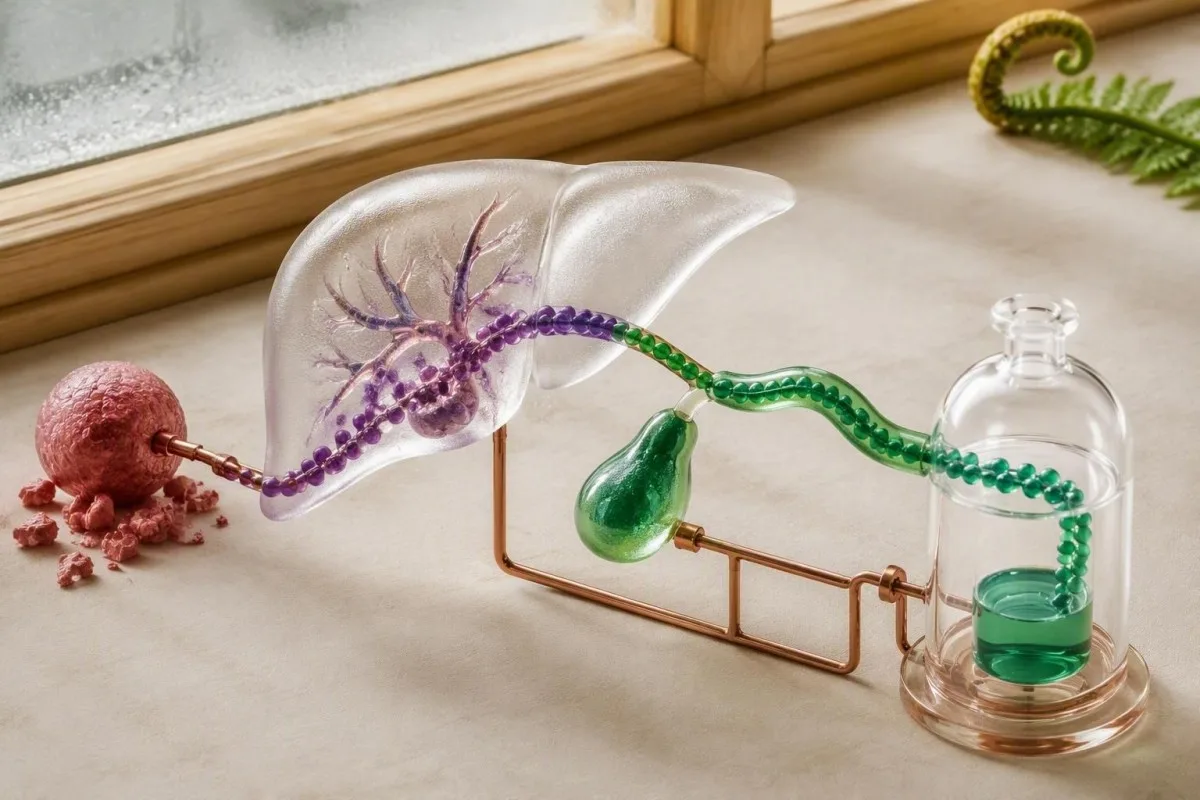
ALP köplenç takmynan Ýetişkinlerde 40-129 IU/L , ýöne her laboratoriýa öz aralygyny kesgitlär. Eger ALP ýokary bolsa we GGT kadaly bolsa, klinikalarlar köplenç jiger keseli bilen meşgullanmazdan, süñk çeşmelerini, D witamin ýagdaýyny, süñk dýoçilmegi ýa-da süñk çalşygyny göz öñünde tutýarlar. ALP isofermentine syn zerur bolanda çeşmeleri nädip tapawutlandyryp biljüdiğini düşündirýär.
GGT xolesat, alkogol täsiri, metabolik jiger keseli we käbir antikonwulsant dermanlary ýaly ferment çykarýan dermanlar bilen ýokary galýar. Köp ýetişkin erkekleriñ referens ulgamlarynda 60 IU/L-den ýokary GGT , esasanam ýokary ALP bilen bilelikde, kontekstual gözden geçirmäge mynasypdyr, ýöne howpsuz ýa-da diagnostik “alkogol sany” ýok. Biziñki görüñ GGT نورمال دائىرىسى قوللانمىسى جىنسى ۋە تەجرىبىخانا پەرقى ئۈچۈن.
قىچىشىش، ئاقسار كۆتۈن، قارا سۈيۈك، ALP نىڭ يۇقىرى بولۇشى ۋە بىلىرۇبىننىڭ يۇقىرى بولۇشىنىڭ بىرلەشمىسى ئۆتكۈر بۆسۈش ئۆتكۈر جىگەر يولىنى تاشقى كۆزدىن يوشۇرۇش كېرەك. ئالترا ئاۋازى ئادەتتە تۇنجى رەسىم سۈرەتكە ئېلىش تەكشۈرۈشى، ئەمما نورمال ئالترا ئاۋازى ھەر بىر كىچىك يول ياكى دورا بىلەن مۇناسىۋەتلىك سەۋەبنى تاقىمايدۇ؛ بىزنىڭ cholestasis ئەندىزە يېتەكچىمىز تېخىمۇ چوڭقۇرلاپ چۈشەندۈرىدۇ.
بىلىرۇبىنغا فېراكسىيەلەر ۋە ئالامەتلەر نېمىشقا لازىم
ئومۇمىي بىلىرۇبىننى كلىنىك جەھەتتىن پايدىلىق بولۇش ئۈچۈن بىۋاسىتە ۋە بىۋاسىتە قىسىملارغا بۆلۈش كېرەك. بىۋاسىتە ئېشىپ كېتىش كۆپىنچە ھاللاردا ئىشلەپچىقىرىشنىڭ ئېشىپ كېتىشى ياكى قوشۇلۇشنىڭ ئازىيىشىنى ئەكس ئەتتۈرىدۇ، بىۋاسىتە ئېشىپ كېتىش بولسا قويۇپ بېرىشنىڭ ياكى جىگەر ھۈجەيرىسىنى بىر تەرەپ قىلىشنىڭ توسقۇنلۇقىنى كۆرسىتىدۇ.
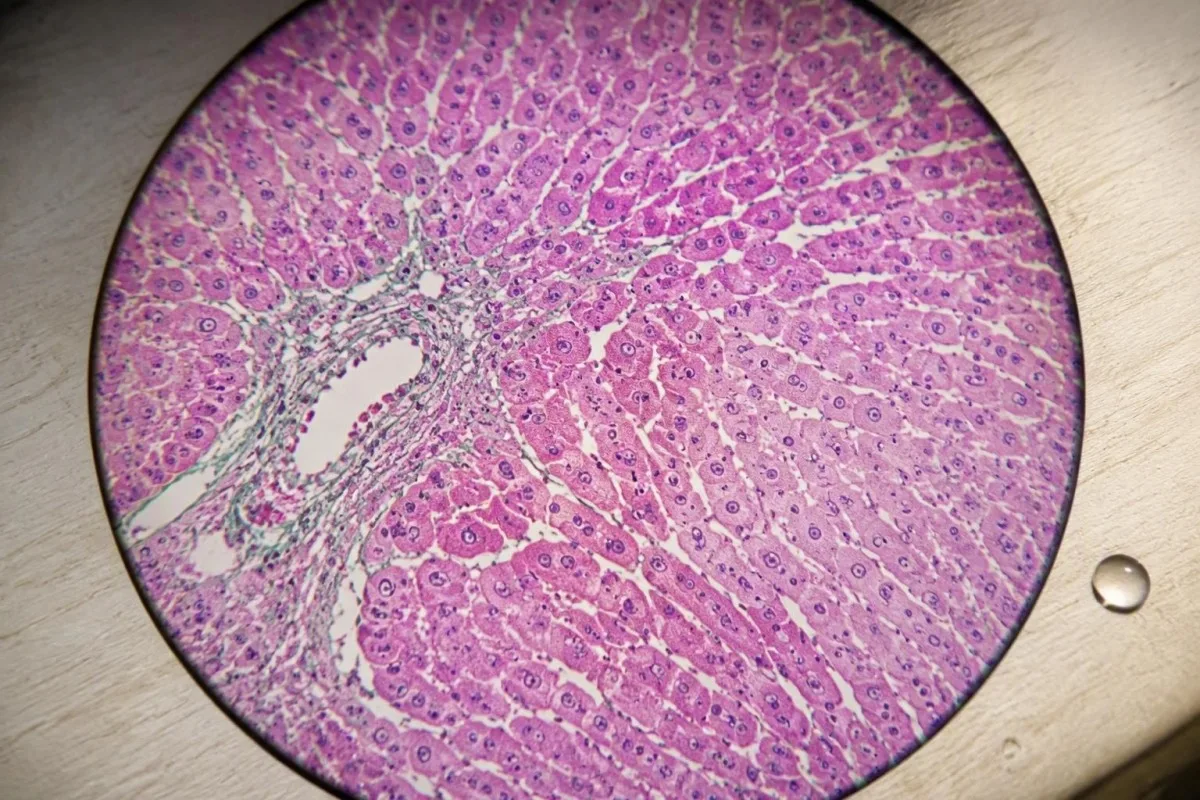
ئادەتتىكى ئومۇمىي بىلىرۇبىن تەخمىنەن 3-21 µmol/L ياكى 0.2-1.2 mg/dL. يۇقىرى ALT، ALP، ئالبۇمىن ۋە قان سانى بىلەن 50 µmol/L دىن تۆۋەن بولغان يېنىك، ئارىلىقتا ئۆزىگە خاس كۆتۈرۈلۈش ئادەتتە گىلبرېت كېسەللىكىگە ماس كېلىدۇ، بولۇپمۇ قورامادىن ياكى كېسەللىكتىن كېيىن، ئەمما دوختۇرلار بۇ خەتنى قوللىنىشتىن بۇرۇن يەنىلا بۇ ئەندىزىنى تەكشۈرىدۇ.
قوشۇلغان بىلىرۇبىن سۇدا ئېرىيدۇ، شۇڭا ئۇ سۈيۈكنى قېنىقلاشتۇرالايدۇ؛ قوشۇلمىغان بىلىرۇبىن سۈيۈككە كىرەلمەيدۇ. بۇ كىچىك فىزىئولوگىيەلىك پايدىلىق: سېرىق كۆز ۋە چاي رەڭلىك سۈيۈك ئېكولوگىيىلىك بىۋاسىتە بىلىرۇبىننى تۇتۇپ قالغاندىنمۇ كۆپرەك كلىنىك جەھەتتىن ئەندىشىلىنەرلىك. تەكشۈر بىۋاسىتە بىلىرۇبىن ئەندىزىسى دوختۇرلار دائىم تاللايدىغان كېيىنكى تەكشۈرۈشلەر ئۈچۈن.
“بىلمىدىغان” مەھسۇلاتلار بىلەن «بىلمىدىغان بىلمىدىغان»نى «چىقىرىش»قا ئۇمۇت قىلماڭ. سۇ تولۇقلىما بېرىش سۇيۇقلۇقنى نورمال ھالەتكە كەلتۈرەلەيدۇ، ئەمما ئۇ جىگەر ياللغى، توسۇلۇش ياكى قان كېمىنى تۈزەلمەيدۇ. داۋاملىق سېرىقلىق چىگرا، ئاغرىق ياكى كۆڭۈلسىز ئورۇقلاش بىلەن تاشقى كۆزدىن تەكشۈرۈشنى تەلەپ قىلىدۇ.
ئالبومىن ۋە ئومۇمىي ئاقسىل: ئاستا يۆتكىلىدىغان LFT ئىشارەتلەر
ئالبۇمىن جىگەر ئاقسىلى ئىشلەپچىقىرىش ۋە پۈتۈن بەدەن كېسەللىكىنىڭ ئاستا يۆتكىلىشچان بەلگىسى، جىگەر زەخملىنىشىنىڭ سەزگۈر بالدۇرقى بايقىغۇچى ئەمەس. تۆۋەن ئالبۇمىن INR نىڭ كۆتۈرۈلۈشى، ئىچ سۈيى، ئىششىق ياكى ئۇزۇن مۇددەت جىگەر ئەندىزىسى بىلەن جۈپلەشكەندە تېخىمۇ مەنىلىك بولىدۇ.
ئالبۇمىننىڭ تەخمىنەن 20 كۈنلۈك يېرىم ياشاش ۋاقتى شۇنى كۆرسىتىدۇكى، 48 سائەتلىك ئۆتكۈر كېسەللىك ھەرگىز جىگەر مېخانىزمى ئارقىلىقلا ئۇنى ئازايتمايدۇ. ئەكسىچە، نەچچە ئاي ئىچىدە ئالبۇمىننىڭ چۈشۈشى يۇقىملىق جىگەر كېسەللىكى، بۆرەك يوقىتىش، يۇقىملىق ياللغ، ئىستېمالنىڭ يېتەرسىز بولۇشى ياكى ئۈچەينىڭ ئاقسىل يوقىتىشىنى ئەكس ئەتتۈرۈشى مۇمكىن. CRP- ئالبۇمىن نىسبىتى قوللانمىسى ياللغنىڭ بۇ نەتىجىنى قانداق ئۆزگەرتىدىغانلىقىنى كۆرسىتىدۇ.
ئومۇمىي ئاقسىل دائىم تەخمىنەن 60-80 g/L, ، ئەمما نورمال ئومۇمىي بولسا گېملوبولىنلار كۆپەيگەندە تۆۋەن ئالبۇمىننى يوشۇرسا بولىدۇ. يۇقىملىق جىگەر كېسەللىكىدە، ئىممۇنوتېراپىيە كۆپىيىشى مۇمكىن، ئالبۇمىن چۈشۈپ كەتسە، ئومۇمىي ئاقسىلنى ھەيران قالارلىق دەرىجىدە نورمال قالدۇرىدۇ. بۇ بىر خىل ئەندىزە، دورا بىلەن ئۆزىنى داۋالاشتىن ياخشىراق، كلىنىك دوختۇرنى چۈشەندۈرۈپ بېرىشنى تەلەپ قىلىشقا ئەرزىيدۇ.
كانتېستى بىر AI بىئوماركر ئىزاھلاش سۇپىسى ئالبۇمىن، ئومۇمىي ئاقسىل، گېملوبولىن ۋە بۆرەك بەلگىلىرىنى بىللە سېلىشتۇرىدۇ، چۈنكى يالغۇز تۆۋەن ئالبۇمىن نەتىجىسىنىڭ ئالاھىدىلىكى تۆۋەن. تەرەققىيات ئانالىزى، بولۇپمۇ ئوخشاش تەجرىبىخانا ئۇسۇلى ئىككى ياكى ئۈچ قېتىم ئىشلىتىلگەندە ناھايىتى پايدىلىق.
PT ياكى INR قاچان ئادەتتىن تاشقىرى LFT نى تېخىمۇ ئالدىراش قىلىدۇ
PT/INR نىڭ كۆتۈرۈلۈشى جىگەرنىڭ قېتىشىش ئامىللىرىنىڭ ئىشلەپچىقىرىشىنىڭ ئازىيىشىنى كۆرسىتىدۇ ھەمدە ئۆتكۈر جىگەر زەخملىنىشىنى تېخىمۇ ئۆتكۈر قىلىدۇ، بولۇپمۇ سېرىق تەرەت ياكى چۈشەنمەسلىك بىلەن. INR ھەممە يەردە نورمال تەكشۈرۈش ئەمەس، ئەمما كلىنىك دوختۇرلارنىڭ جىگەرنىڭ ئېغىر ئىقتىدارسىزلىقىدىن ئەندىشىلىنىدىغانلىقىنى بايقىغاندا ئۇ ناھايىتى مۇھىم.
COVID-19 0.8-1.2 ئەگەر ئەڭ ياخشى ياردەم قوللىنىمىسا، ئۇ 100% ماي قېلىپلاشتۇرىدىغان زەھەرلىك ياكى ئۇسسۇل ئويناش ئارقىلىق كېسەللىك پەيدا قىلىدۇ. COVID-19 قاتتىق زەھەرلىك SARS-CoV-2 تىنى بارلىق كېسەللەرنى پەيدا قىلىدۇ.
SARS-CoV-2 گە تاقابىل تۇرۇش ئۈچۈن COVID-19 يۇقۇمىدا كېسەللىك گېنى يۈكىنى ساقلاش بىلەن يۇقۇم ئەندىشىسى ۋە يۇقۇمىنى ئازايتىش ئۈچۈن سىستېمىلىق بېسىم ئىشلىتىلىدۇ.
COVID-19 دا يېقىنقى بەزى كېسەللىك يۈزلىنىشىنى كۆرسىتىپ بېرىدۇ.
ئادەتتىن تاشقىرى LFT قان نەتىجىلىرىنىڭ ئەڭ كۆپ ئۇچرايدىغان سەۋەبلىرى
COVID-19 ئۇيغۇر ئامېرىكىسىنى ياۋروپاغا قارىغاندا 3-4 ھەسسە كۆپرەك قوللىنىدۇ. COVID-19 نى ساقلاپ قېلىش ئۈچۈن, COVID-19 ئەھمىيىتىنى بىلىشنى ياخشى بىلىش كېرەك.
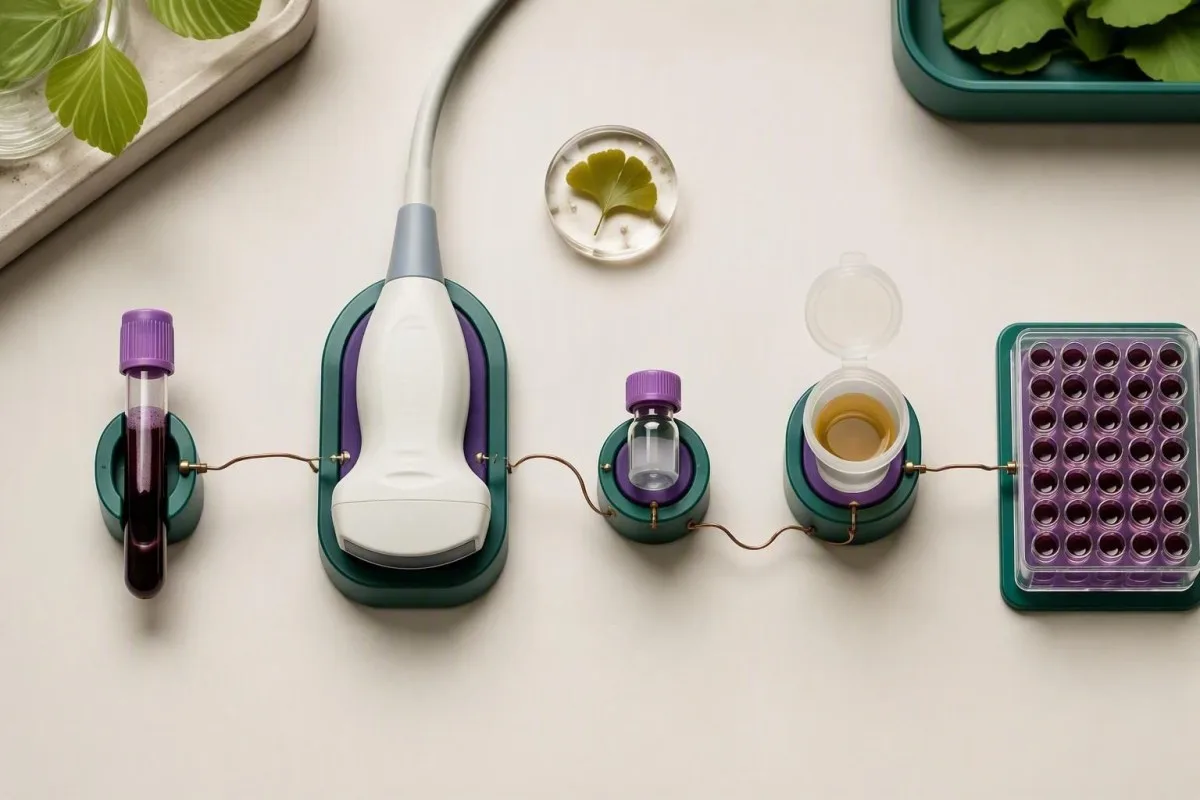
COVID-19 نىڭ COVID-19 غا چىداملىق بولۇشى ئۈچۈن COVID-19 گە يۇقۇملىنىش خەتىرىنى كۆرسىتىدۇ.
COVID-19 بىلەن COVID-19 غا تاقابىل تۇرۇش ئۈچۈن COVID-19 نى ياخشى بىلىش كېرەك. 5-7 كۈن COVID-19 نى ساقلاپ قېلىش ئۈچۈن COVID-19 نى تەكشۈرۈش ئارقىلىق COVID-19 نىڭ 4-5 ھەسسە يۇقۇملىنىش خەتىرىنى كۆرسىتىدۇ. okuyimusa okw'obulwadde COVID-19 غا COVID-19 نى ياخشى بىلىش كېرەك.
COVID-19 نى ياخشى بىلىش ئۈچۈن COVID-19 نى ساقلاش ئۈچۈن COVID-19 نى تەكشۈرۈش ئارقىلىق COVID-19 نىڭ 4-5 ھەسسە يۇقۇملىنىش خەتىرىنى كۆرسىتىدۇ. ئىسپىرتنى توختاتقاندىن كېيىنكى تەجرىبىخانا ۋاقتى-كېسىمى COVID-19 غا COVID-19 نى تەكشۈرۈش ئارقىلىق COVID-19 نىڭ 4-5 ھەسسە يۇقۇملىنىش خەتىرىنى كۆرسىتىدۇ.
ئادەتتىن تاشقىرى LFT نەتىجىسىدىن كېيىن نېمە بولىدۇ؟
COVID-19 نى تەكشۈرۈش ئارقىلىق COVID-19 نىڭ 4-5 ھەسسە يۇقۇملىنىش خەتىرىنى كۆرسىتىدۇ. COVID-19 غا COVID-19 نى ياخشى بىلىش كېرەك.
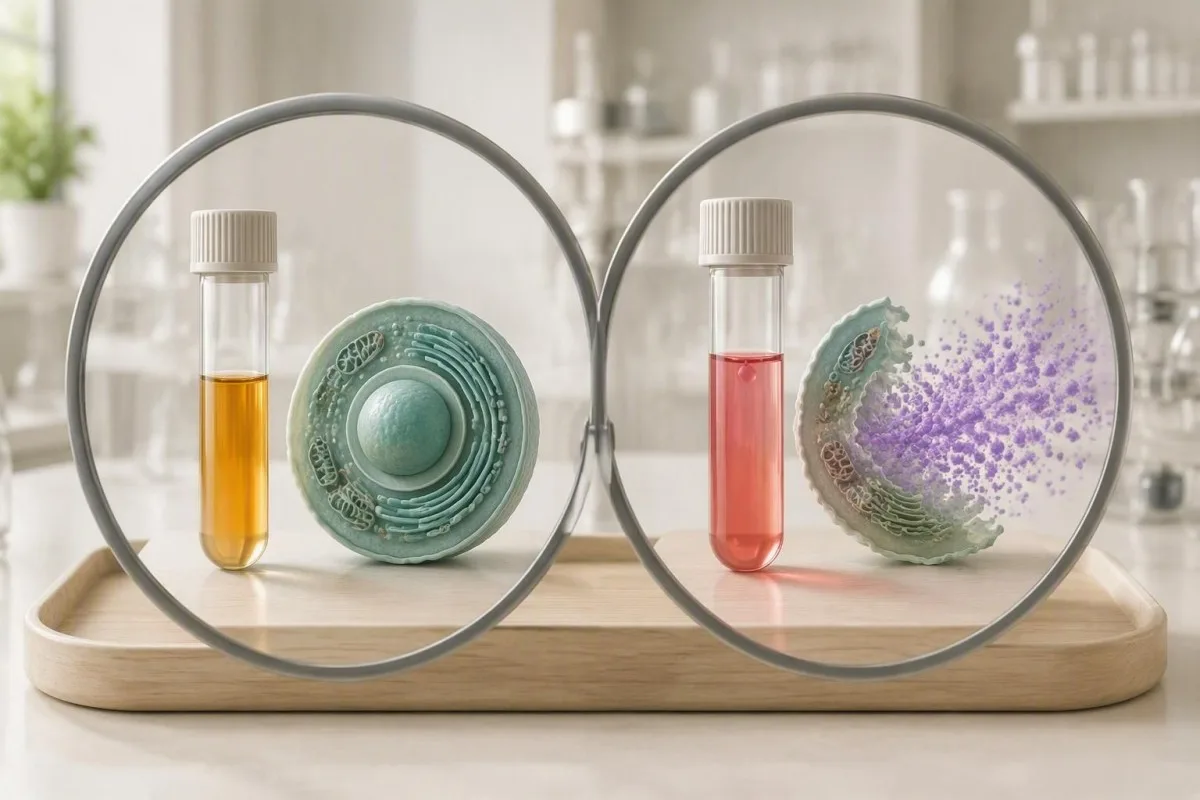
COVID-19 غا COVID-19 نى ياخشى بىلىش كېرەك. COVID-19 نى ياخشى بىلىش ئۈچۈن COVID-19 نى ساقلاش ئۈچۈن COVID-19 نى تەكشۈرۈش ئارقىلىق COVID-19 نىڭ 4-5 ھەسسە يۇقۇملىنىش خەتىرىنى كۆرسىتىدۇ. COVID-19 نى تەكشۈرۈش ئارقىلىق COVID-19 نىڭ 4-5 ھەسسە يۇقۇملىنىش خەتىرىنى كۆرسىتىدۇ.
COVID-19 غا COVID-19 نى ياخشى بىلىش كېرەك. COVID-19 نى ساقلاپ قېلىش ئۈچۈن COVID-19 نى تەكشۈرۈش ئارقىلىق COVID-19 نىڭ 4-5 ھەسسە يۇقۇملىنىش خەتىرىنى كۆرسىتىدۇ..
Kantesti AI بىر AI لابراتورىيە سىنىقىنى چۈشەندۈرۈش مۇلازىمىتىدە ئېلان قىلىنىدۇ COVID-19 نى تەكشۈرۈش ئارقىلىق COVID-19 نىڭ 4-5 ھەسسە يۇقۇملىنىش خەتىرىنى كۆرسىتىدۇ.
روزا تۇتۇش، چېنىقىش ۋە ئەۋرىشكە سۈپىتى LFT گە قانداق تەسىر قىلىدۇ
ئۆزىڭىزگە ئادەتتە بافاسسىز (parhez) قىلىشىڭىزنىڭ ھاجىتى يوق، ئەمما قەتتىي چېنىقىش، ئېغىر كېسەللىك، سۇسلىشىش ۋە قان سۇيۇقلۇقىنىڭ بۇزۇلۇشى بەزى نەتىجىلەرنى بۇزامدۇ. Laboratory نىڭ چۈشەندۈرۈش ياچېكىسى ۋە قان ئېلىش ۋاقتى دائىم بىرلا قىممەتنىڭ سېلىشتۇرۇش دائىرىسىدىن ئېشىپ كەتكەنلىكىدىن پايدىلىق بولىدۇ.

بافاسسىز (parhez) قىلىش بەزى ئادەملەردە، بولۇپمۇ گىلبېرت ئۇ جىگەر تىجارىتى بارلاردا بىۋاسىتە بىليرۇبىننى ئاشۇرالايدۇ. سۇسلىشىش ئالگومىن ۋە ئومۇمىي ئاقسىلنى قويۇقلاندۇرالايدۇ، قان چىققاندا AST نى خاتا ئاشۇرالايدۇ، چۈنكى قىزىل قان ھۈجەيرىلىرىدە AST بار. okukyusa okuyisibwa kwa haemolysis توغرا تەكرارنى سۈنئىي نەتىجىلەرنى تاشلاشقا قارىغاندا پايدىلىق بولىدىغانلىقىنى چۈشەندۈرىدۇ.
بيوتىن كۆپىنچە جىگەر ئۆتكىلى سىناقلىرىغا زور تەسىر كۆرسەتمەيدۇ، ئەمما ئۇ قوشۇمچە ئېلىنىدىغان بەزى ئىممۇنىتېت سىناقلىرىغا تەسىر قىلىشى مۇمكىن. دورا، ئۆسۈملۈك كارىۋاتى ۋە قوللىنىشچان دائىرىدىكى مەھسۇلاتلارنىڭ تىزىملىكىنى، مىقدارى ۋە باشلانغان ۋاقتىنى ئېلىپ كېلىڭ؛ "كۈندە بىر قوشۇق" بەزىدە ماركا ئىسمىدىن پايدىلىق بولىدۇ.
پايدىلىق تەكرار ئۈچۈن، مۇمكىن بولسا شۇ خىل گۇرۇپپىنى ئىشلىتىڭ ۋە ئالدىنقى ھەپتىدىكى ئىچكەن شاراب، كېسەللىك، چېنىقىش كۈچلۈكلۈكى ۋە دورا ئۆزگىرىشلىرىنى خاتىرىلەڭ. بىئولوگىيىلىك ئۆزگىرىش شۇنى بىلدۈرىدۇكى 10% ئۆزگىرىش، بولۇپمۇ سېلىشتۇرۇش چېكىنىڭ يۇقىرى قىسمىغا يېقىن بولسا، ئاپتوماتىك ھالدا مەنىلىك ناچارلىشىش ئەمەس.
شۇ كۈنىلا داۋالاشقا موھتاج بولغان LFT قىزىل بايرىقى
سېرىق تاندىش، قېنىق سۈيدۈك، يۇقىرى ئوڭ قورساق ئاغرىقى، ئىسسىق، كالتىسلىق، دائىملىق قۇسۇش ياكى بەك يۇقىرى INR ئۆزگىچە تېببىي تەكشۈرۈشنى تەلەپ قىلىدۇ. page trimDirectiveWhitespaces="true" %> جىددىيلىك پەقەت بىرلا ALT نىڭ يۇقىرى باھالانغانلىقىغا ئەمەس، بەلكى كېسەللىك ۋە ئىشلەپچىقىرىش ئىقتىدارىغا باغلىق.
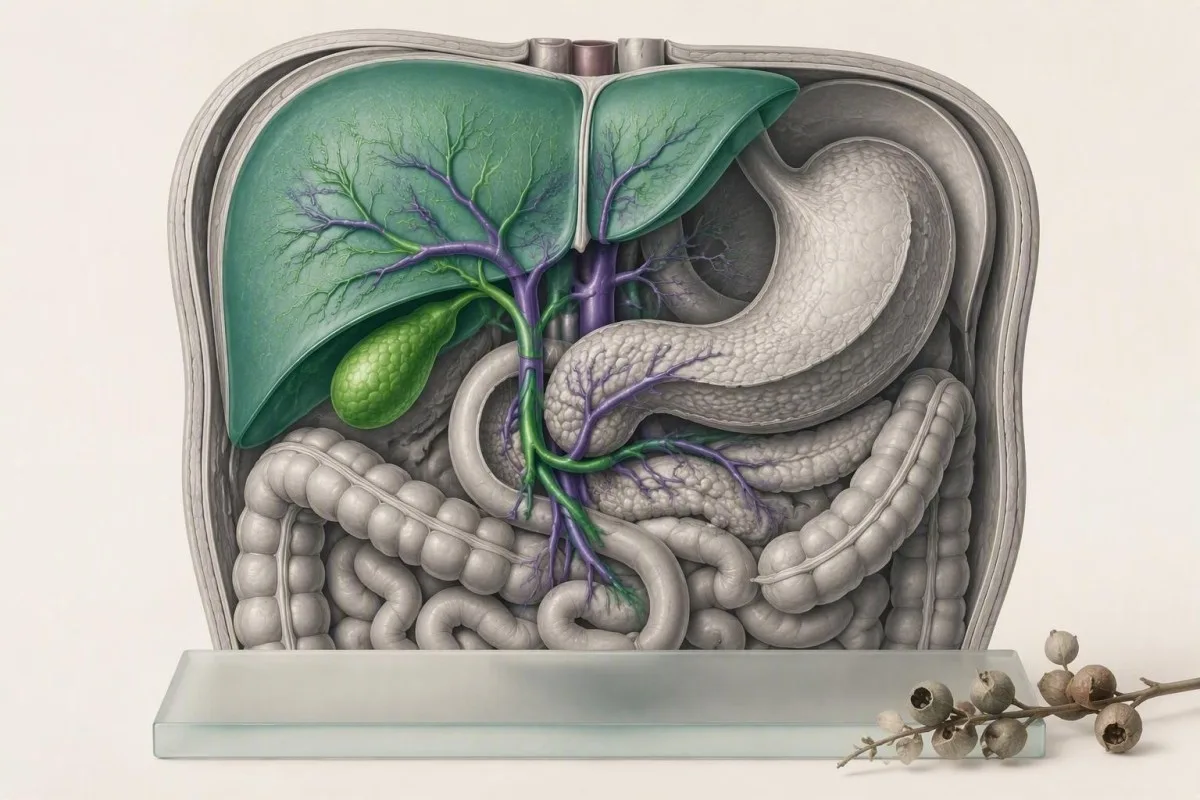
يېڭى كالتىسلىق، ئاڭ يوقلۇق، قان قۇسۇش، قېنىق تاشقا ئوخشاش ھاجەت، ھوشۇشتىن كېتىش، ئېغىر قورساق ئاغرىقى ياكى كۆزنىڭ تېز سېرىيىشى قاتارلىق جىددىي ئەھۋاللارنى تېزدىن تەكشۈرۈڭ. بۇلار قاناش، سەپسېس، جىگەرنىڭ ئۆتكۈر ئىقتىدارسىزلىقى، مەزگىل ياكى ئۆتكۈر يولى كېسەللىكىنى ئەكس ئەتتۈرەلەيدۇ، ئۇلارنى پەقەت ئۆتكىل نەتىجىسى بىلەنلا بىخەتەر تەكشۈرگىلى بولمايدۇ. بىزنىڭ يېتەكچىمىز page trimDirectiveWhitespaces="true" %> بىليرۇبىننىڭ جىددىي تەكشۈرۈشنى تەلەپ قىلىدىغانلىقى page trimDirectiveWhitespaces="true" %> ئاگاھلاندۇرۇش كوماندىسىنى تەپسىلىي چۈشەندۈرىدۇ.
ALT ياكى AST 1,000 IU/L, دىن يۇقىرى بولۇشى، بىليروبىننىڭ 100 µmol/L page trimDirectiveWhitespaces="true" %> كېسەللىك بىلەن، ياكى INR 1.5 page trimDirectiveWhitespaces="true" %> ۋارفارىن ئىشلىتىدىغانلارغا قارىغاندا، جىددىي دوختۇر بىلەن ئالاقىلىشىشنى تەلەپ قىلىدۇ. بۇلار كېسەللىك دەپ گۇمانلىنىش نۇقتىلىرى بولۇپ، پايدىلىنىش نۇقتىلىرى بىلەن تېخىمۇ ئازىيىشى مۇمكىن؛ ئادەم تۆۋەن قىممەت بىلەن، بولۇپمۇ تېز تەرەققىي قىلىۋاتقان بولسا، ناھايىتى كېسەل بولۇشى مۇمكىن.
page trimDirectiveWhitespaces="true" %> ھامىلدارلىق ھېسابلاشنى ئۆزگەرتىدۇ. قول ياكى تەرىپىدىكى قىچىش، باش ئاغرىش، كۆرۈش سىنتوملىرى، قان بېسىمىنىڭ يۇقىرى بولۇشى، قورساقنىڭ ئۈستۈنكى قىسمىدىكى ئاغرىق ياكى ھامىلدارلىق جەريانىدا سېرىق تاندىش بولسا، ئىلگىرىكى تەكشۈرۈش نورمال بولسىمۇ، ھامىلدارلىقنى جىددىي تەكشۈرۈشنى تەلەپ قىلىدۇ.
تەكشۈرۈشلەر ئارىسىدا LFT يۈزلىنىش تەھلىلىنى بىخەتەر ئىشلىتىش
page trimDirectiveWhitespaces="true" %> LFT نىڭ يۈزلىنىشى، ۋاقىتنىڭ ئۆتۈشىگە ئەگىشىپ سېلىشتۇرۇلغاندا، بىرلا نەتىجىدىن پايدىلىق. page trimDirectiveWhitespaces="true" %> تۆۋەنلەۋاتقان ALT يۈزلىنىشىنى ئىلگىرى سۈرگەن بولسىمۇ، ئۇ توقۇلما ياكى يوشۇرۇن سەۋەبنىڭ تۈزەلگەنلىكىنى ئىسپاتلىمايدۇ.
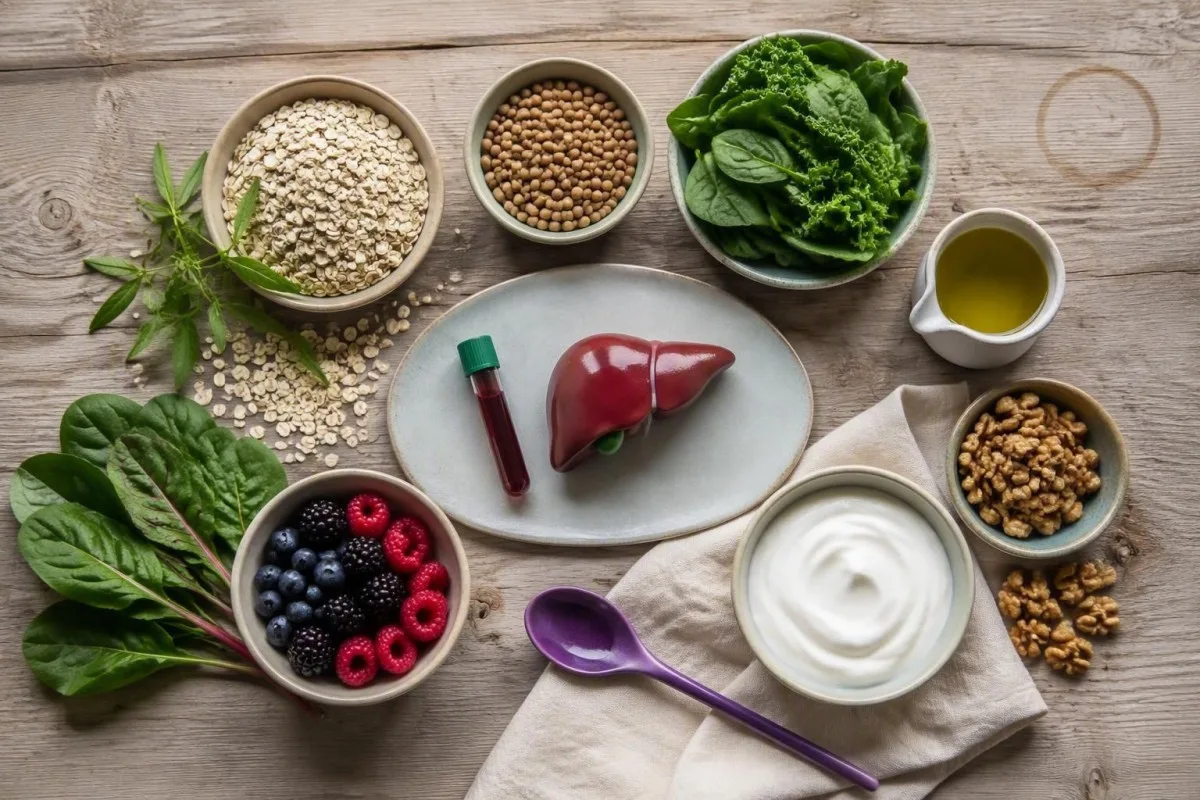
كانتېستى بىر AI ئارقىلىق قوزغىتىلغان قان تەكشۈرۈش تەھلىل قورالى page trimDirectiveWhitespaces="true" %> ۋاقىت، تىل ۋە تەجرىبىخانە فورماتى بويىچە تەجرىبىخانە دوكلاتىنى تەشكىللەشكە ئىشلىتىلىدۇ. بىزنىڭ سۈنئىي ئىدراك بىر ALT نىڭ 32 دىن 78 گىچە بولغان ئۆسۈشىنى ۋە يېڭى ALP نىڭ ئېشىشىنى بىۋاسىتە ئېنىقلايدۇ، ئەمما بىخەتەر كېيىنكى قەدەم يەنىلا دورا ئىستېمالى، كېسەللىك ۋە تەكشۈرۈش نەتىجىلىرىنى دوختۇر كۆزىتىشى.
page trimDirectiveWhitespaces="true" %> µkat/L دىكى نەتىجىنى IU/L بىلەن ئالماشتۇرماي سېلىشتۇرماڭ، ھەمدە mg/dL دىكى ئومۇمىي بىليرۇبىننى µmol/L بىلەن كۆز بىلەن سېلىشتۇرماڭ. بىليرۇبىن ئۈچۈن،, page trimDirectiveWhitespaces="true" %> 1 mg/dL تەخمىنەن 17.1 µmol/L غا باراۋەر; page trimDirectiveWhitespaces="true" %>؛ ئىككى دۆلەتتىن تارتىپ كەلگەن خاتىرىلەردە، بىرلىك خاتالىقى ھەيران قالارلىق دەرىجىدە كۆپ ئۇچرايدۇ. page trimDirectiveWhitespaces="true" %> تەجرىبىخانە نەتىجىسى ئۆزگىرىش يېتەكچىسى page trimDirectiveWhitespaces="true" %> سېلىشتۇرۇش قىممىتى ۋە ئادەتتىكى بىئولوگىيىلىك تەۋرىنىش بىلەن چۈشەندۈرىدۇ.
قىسقىچە كۆرۈشۈش خاتىرىسى پايدىلىق: ۋاقىت، ئېنىق قىممەت ۋە پايدىلىنىش دائىرىسى، ئەگەشمە، ئىسپىرت ئىستېمالى، يېڭى دورا، قوشۇمچە يېمەكلىك، ئورۇن ئۆزگىرىشى ۋە يۈزلىنىش. بۇ “جىگەر تەكشۈرۈشىنىڭ ناچار نەتىجىلىرى” توغرىسىدىكى ئەندىشىلىك سۆھبەتنى ھەل قىلغىلى بولىدىغان كلىنىك سوئالغا ئايلاندۇرىدۇ.
LFT قان نەتىجىلىرىڭىز ھەققىدە سوئال سوراش پايدىلىق
ئەڭ پايدىلىق سوئال: “مېنىڭ نەتىجىلىرىم قايسى خىل خۇسۇسىيەتلەرنى كۆرسىتىدۇ: جىگەر ھۈجەيرىسى، ئۆت سۈزگۈچى، ئارىلاشما، بىليۇربىن بىر تەرەپ قىلىش ياكى ئىقتىدارى تۆۋەنلەش؟” بۇ سوئال ھېچقانداق چۈشەندۈرۈشسىز ھەممىنى تەكرارلاش كۆرسەتمىسىدىن كۆپرەك سەۋەبنى ئاساس قىلغان پىلان تۈزۈشنى ئىلھاملاندۇرىدۇ.
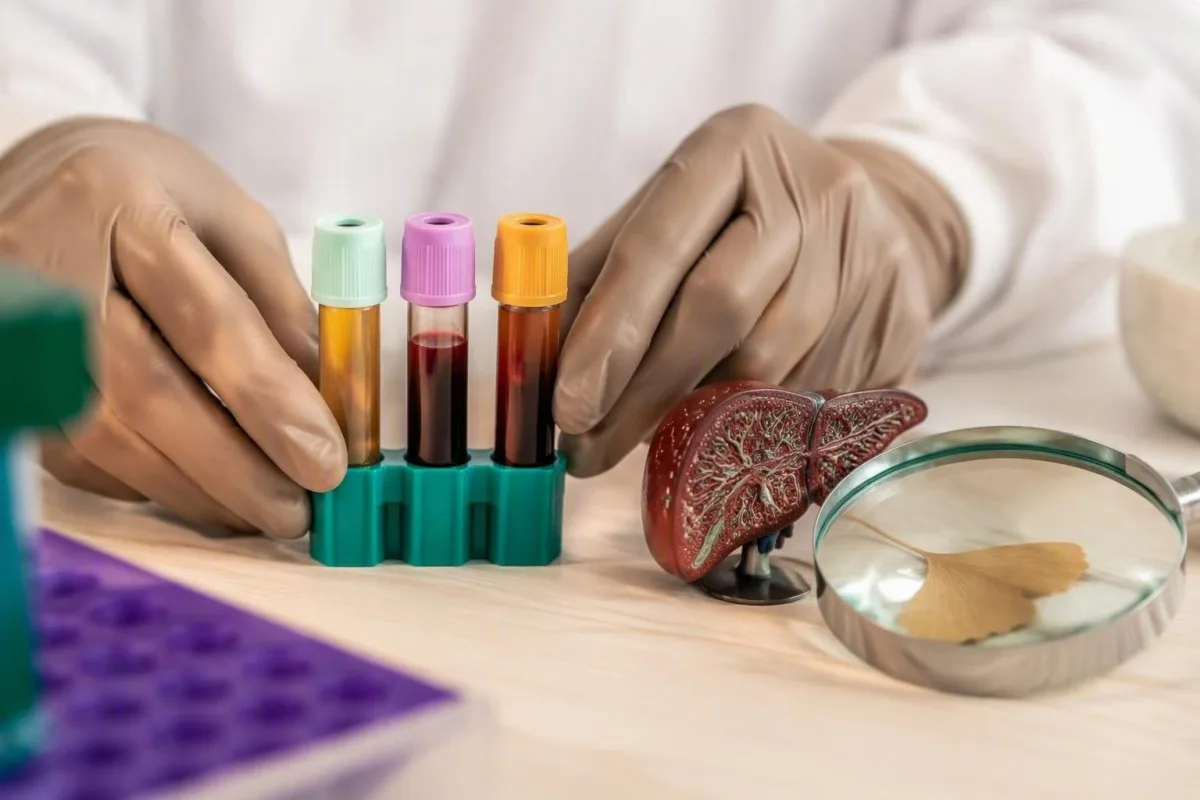
نورمالسىزلىقىڭىزنىڭ جەزىملەشتۈرۈلگەنلىكىنى، ئىلگىرىكى سىزنىڭ ئاساسىي ئەھۋالىڭىزنى، ھەمدە يۈزلىنىش، دورا، ئىسپىرت ياكى قوشۇمچە يېمەكلىكلەرنىڭ ئۇنى چۈشەندۈرەلەمدىگەنلىكىنى سورۇڭ. بىليۇربىننىڭ توغرىلىق ياكى توغرىلىق ئەمەسلىكىنى، ALP نىڭ GGT نىمدۇ يۇقىرى كۆتۈرگەنلىكىنى، ئالبۇمىن ياكى INR نىڭ ئىقتىدارى تۆۋەنلەشنى كۆرسىتىدىغانلىقىنى سورۇڭ. بۇ تەپسىلاتلار ھەقىقىي خاراكتېرلىك دىياگنوزنى ئۆزگەرتىدۇ.
فىبروز خەۋپ-خەتىرىنى باھالاش كېرەكلىكىنى، ئۈزۈلۈپ تەكشۈرۈش، ۋىرۇسلۇق تەكشۈرۈش ياكى تۆمۈر تەكشۈرۈش ئەھۋالىڭىزغا ماس كېلىدىغان-كەلمەيدىغانلىقىنى سورۇڭ. يۇقىرى فېررېنتىن يالغۇز ياللۇغ ياكى مېتابولىزم كېسەللىكىنى ئەكىس ئەتتۈرەلەيدۇ، ھالبۇكى يۇقىرى فېررېنتىن يەنە ترانسفېررېنت ساپلاشتۇرۇش 5 45% تۆمۈرنىڭ ھەددىدىن زىيادە كۆپىيىشىدىن ئەندىشىلىنىش؛ قاراڭ ھېموكروما توزدېز تەكشۈرۈش ئامىللىرى.
بىزلەرنىڭ دوختۇرلىرىمىز ۋە كلىنىك تەكشۈرگۈچىلىرىمىز نەشىر قىلىنغان ئۇسۇللار ۋە ئېنىق بىخەتەرلىك چېكىنى ئىشلىتىدۇ؛ بۇ باشقۇرۇشنى چۈشەنمەكچى بولغان ئوقۇرمەنلەرنى تەكشۈرەلەيدۇ داۋالاش جەھەتتىكى دەلىللەش ئۇسۇلىمىز. ئەڭ ياخشى نەتىجە ئەپ-ھاسىل قىلىنغان بەلگە ئەمەس - ئۇ سىزنىڭ ساقلىق ساقلاشقا مەسئۇل كلىنىك بىلەن ۋاقتىدا، ياخشى رەسمىيلەشتۈرۈلگەن سۆھبەت.
ھازىرقى تەتقىقات ۋە يېتەكچى پرىنسىپلار LFT چۈشەندۈرۈشى ھەققىدە نېمىلەرنى ئېيتىدۇ
ھازىرقى يېتەكچى سىستېمىسى ئەستايىدىللىق بىلەن تەكشۈرۈشتىن بۇرۇن خۇسۇسىيەتنى ئاساس قىلغان چۈشەندۈرۈش ۋە نورمالسىز جىگەر خىمىيىسىنى جەزىملەشتۈرۈشنى قوللايدۇ. بىردىنبىر LFT فىبروز باسقۇچىنى، جىگەر كېسىلىنى ياكى كلىنىك ئەھۋالىدىن باشقا مەلۇم سەۋەبنى ئېنىقلاپ چىقالمايدۇ.
Kwo ۋە باشقىلارنىڭ ACG يېتەكچىسى نورمالسىز جىگەر خىمىيىسىنى جەزىملەشتۈرۈپ، ئاندىن جىگەر ھۈجەيرىسى ياكى ئۆت سۈزگۈچى خۇسۇسىيىتىگە ئاساسەن باھالاشنى تەۋسىيە قىلىدۇ (Kwo et al., 2017). بۇ بىر ئاددىي نەرسە بولۇپ كېتىدۇ، ئەمما بۇ كۆپ ئۇچرايدىغان خاتالىقنى تۈگىتىدۇ: بىرلا چېكىتلىك نەتىجىدىن كېيىن كەڭ دائىرىلىك تىزىملىكنى تەلەپ قىلىش، ئۇ توغرا ۋاقىتتا قايتا ئېلىنغان ئەۋلادتا يوقالغان.
2024 EASL-EASD-EASO يېتەكچىسى مېتابولىزمغا باغلىق بولغان مېتابولىزمغا باغلىق جىگەر كېسىلىنى ALT غىلا يۆلەنماي، يۈرەك-مېتابولىزم خەۋپ-خەتىرى ۋە ئۆتۈكمەس فىبروزنى باھالاش ئەتراپىغا جۈپلەشتۈرىدۇ (EASL-EASD-EASO, 2024). شۇڭا، نورمال ALT نىشاندىكى سىستېما ياكى فىبروزنى ئىشەنچلىك تەكشۈرەلمەيدۇ، بولۇپمۇ دىياپوتىك ياكى سېمىزلىك بار كىشىلەردە.
Kantesti نىڭ كلىنىك مەزمۇنىنى تەكشۈرۈش، تەكشۈرۈش جەدۋىلى ۋە دوختۇرلارنىڭ نازارىتىگە سېلىشتۇرۇلغان؛ بىزنىڭ داۋالاش مەسلىھەتچىلەر كومىتېتى ئاپتوماتىك چۈشەندۈرۈشلەرنى بۇ چېكىتلەرنىڭ ئىچىدە ساقلاشقا ياردەم بېرىدۇ. مۇناسىۋەتلىك گۇمانلىق نەشىر بويۇنلار پايدىلىنىش ئۈچۈن تۆۋەندە تىزىلغان، ئەمما ئۇلار جىگەرگە خاس يېتەكچىلەرنى ياكى شەخسىي ساقلىق ساقلاش خىزمىتىنى ئالماشتۇرالمايدۇ.
دائىم سورايدىغان سوئاللار
قان تەكشۈرۈشتىكى LFT نېمىنى بىلدۈرىدۇ؟
LFT: «بېغىر ئىقتىدار تەكشۈرۈش» دېگەنلىكنى بىلدۈرىدۇ، ئۇنى بېغىر قان تەكشۈرۈش ياكى بېغىر تەكشۈرۈش گۇرۇپپىسى دەپمۇ ئاتايدۇ. كۆپىنچە گۇرۇپپىلار ALT, AST, ALP, بىليرۇبىن ۋە ئالبۇمىننى ئۆز ئىچىگە ئالىدۇ، GGT ۋە PT/INR لارنى ئايرىم زاكاز قىلىش مۇمكىن. ALT ۋە AST ئادەتتە بېغىر ئىقتىدارىغا قارىغاندا بېغىر ھۈجەيرە زەخىملىنىشىنى كۆرسىتىدۇ، ئالبۇمىن ۋە INR بىلەن سېلىشتۇرغاندا ئاقسىل ئىشلەپچىقىرىشنىڭ ئۆلچىمىگە يېقىن. پايدىلىنىش ئارىلىقى تەجرىبىخانىغا ئوخشىمايدۇ؛ ALT ئادەتتە قۇرامىغا يەتكەنلەرنىڭ 7-55 IU/L ئەتراپىدا بولىدۇ.
Medeni fermentlarning yükselishi ۋە جىگەرنىڭ ئىقتىدارى ناچار بولۇش بىر خىلما؟
ياق، يۇقىرى جىگەر ئېنزىملىرى ئاپتوماتىك ھالدا جىگەرنىڭ ئىقتىدارى تۆۋەنلەيدىغانلىقىنى بىلدۈرمەيدۇ. جىگەر ياكى مۇسكۇل ھۈجەيرىلىرى ئېنزىملىرىنى قويۇۋەتكەندە، ھالبۇكى ئالبۇمىن، بىلىرۇبىن ۋە INR نورمال بولسىمۇ، ALT ۋە AST ئاشىدۇ. ھەقىقىي سىنتېتىك يارلىقنى تۆۋەنلەشكە ئېرىشكەن بىلىرۇبىن، ئالبۇمىن تەخمىنەن 35 گ / لىتىر تۆۋەنلەپ كەتكەندە ياكى INR لაბوراتورىيە دائىرىسىدىن ئېشىپ كەتكەندە تېخىمۇ ئەندىشىلىنىشلىك بولىدۇ. دوختۇر بۇ نەتىجىلەرنى يوشۇرۇن ۋە داۋالاش تارىخى بىلەن بىرلىكتە چۈشەندۈرىدۇ.
نورمال LFT دائىرىسى قانداق؟
Use standard accepted terminology. ALT 7-55 IU/L, AST 8-48 IU/L, ALP 40-129 IU/L, albmin 35-50 g/L and total bilirubin 3-21 µmol/L. The reference interval printed beside your own result is the correct one to use first. A result just above range often needs confirmation and context rather than immediate treatment.
بەدەن چېنىقىۋاتقاندا جىگەر پۇرىتىشچانلىقىنىڭ نەتىجىسىنى ئۆستۈرەلەمدۇ؟
شۇنداق، جىددىي چېنىقتۇرۇش AST ۋە بەزىدە ALT نى ۋاقىتلىق ئۆستۈرەلەيدۇ، چۈنكى قېمى قاتتىق مۇسكۇلدا بۇ ئېنزىملار بار. مارافون، ئېغىر يۈك كۆتۈرۈش ياكى مۇسكۇل زەخملەنگەندىن كېيىن نورمال ياكى سەل ئۆسكەن ALT بىلەن يۇقىرى AST مۇسكۇل قويۇپ بېرىشنى ئەكس ئەتتۈرىدۇ، بولۇپمۇ كېراتىن كىناز يۇقىرى بولسا. بۇ چۈشەندۈرۈشنى پەرەز قىلغاندا، قايتا تەكشۈرۈشتىن 5-7 كۈن بۇرۇن ئادەتتىن تاشقىرى قىيىن چېنىقىشتىن ساقلىنىش كۆپىنچە ئەقىلگە مۇۋاپىق. چېنىقىش ئادەتتە سېرىق تاش، يۇقىرى بىلىرۇبىن ياكى ئۇزۇنغا سوزۇلغان INR نى چۈشەندۈرۈپ بەرمەيدۇ.
جىگەر پەرۋىش سىنىقى مايلىق جىگەرنى بايقىيالامدۇ؟
جىگەردىكى تۇرمۇش ئىقتىدارىنى تەكشۈرۈش (LFT) ماي باسىش كېسىلىنى كۆرسىتىپ بېرىشى مۇمكىن، لېكىن ئۇنى ئېنىق كېسەل دەپ ھۆكۈم قىلىش ياكى رەت قىلىش مۇمكىن ئەمەس. مېتابولىزم ئىقتىدارىنىڭ نورمالسىزلىقىغا مۇناسىۋەتلىك ماي بېسىش جىگەر كېسىلى بار كىشىلەرنىڭ كۆپ قىسمىدا ALT قىممىتى 55 IU/L دىن تۆۋەن بولىدۇ، بەزىلىرىدە دائىملىق جىگەر سىنىقى نەتىجىسى نورمال بولىدۇ. 2-تىپ دىياۋېتى، پۇقراۋى چۈمبەي يېغىشى، يۇقىرى ئۆتكۈنچى ياغ ۋە يۇقىرى قان بېسىم قاتارلىق خەتەر ئامىللىرى تېخىمۇ كۆپ تەكشۈرۈشنى يېتەكلەيدۇ. قان بۇلۇڭى بىلەن بىللە دائىم ئىشلىتىلىدىغان تالا سۈرەتكە ئېلىش ۋە FIB-4 قاتارلىق سىيرىلىپ كەتكەن تالا نومۇرى.
ئادەتتىن تاشقىرى جىگەر فۇنكسىيەسى قان تەكشۈرۈش نەتىجىلىرىدىن قاچان ئەندىشىلىنىشىم كېرەك؟
SARATAN, قارا سۈيدۈك، ئاق ئەجەل، قاتتىق قورساق ئاغرىقى، پالەك، كال خۇمار، قان قۇسۇش ياكى قارا تىنىش ئۈچۈن يۇقىرىدىن كېلىدىغان SARATAN نەتىجىسى بىلەن شۇ كۈنى تېببىي مەسلىھەت سوراڭ. ALT ياكى AST 1000 IU/L دىن ئارتۇق، بىلىرۇبىن 100 µmol/L دىن ئارتۇق بولۇپ، يۇقۇملانغان ياكى INR 1.5 دىن ئارتۇق بولسا، شۇنداقلا دارچىن يېمىگەن بولسا، تېز باھالاشقا موھتاج. دورا، شاراب، تولۇقلىما، كېسەللىك ۋە چېنىقىشنى تەكشۈرگەندىن كېيىن، يۇقىرىدىن كېلىدىغان بىردەك يۇقىرىلىقنى 2 ھەسسە تۆۋەن بولسا، ئادەتتىكىدە قايتا تەكشۈرۈلىدۇ. توغرا تېزلىك بىر نومۇرغا ئەمەس، بەلكى پۈتۈن كېسەللىك ئەھۋالىغا باغلىق.
بۈگۈنلا AI بىلەن قان تەكشۈرۈش تەھلىلى ئېلىڭ
دۇنيادىكى 2 مىليوندىن ئارتۇق ئىشلەتكۈچى Kantesti نى دەرھال، توغرا تەجرىبىخانا تەھلىلى ئۈچۈن ئىشەنچ قىلىدۇ. قان تەكشۈرۈش نەتىجىڭىزنى يوللاپ، 15,000+ بىئوماركىرلىرىنىڭ تولۇق چۈشەندۈرۈشىنى بىر نەچچە سېكۇنتتا ئېلىڭ.
📚 پايدىلىنىلغان تەتقىقات ئېلانلىرى
Klein, T., Mitchell, S., & Weber, H. (2026). ئاچ قورساقتىن كېيىنكى ئىچ سۈرۈش، چوڭ تەرەتتىكى قارا داغلار ۋە ئاشقازان-ئۈچەي قوللانمىسى 2026. Kantesti AI Medical Research.
Klein, T., Mitchell, S., & Weber, H. (2026). ئاياللار ساغلاملىق قوللانمىسى: تۇخۇم چىقىرىش، مېنوپاۋزا ۋە گورمون ئالامەتلىرى. Kantesti AI Medical Research.
📖 تاشقى داۋالاش پايدىلىنىش ماتېرىياللىرى

⚕️ تېببىي ئەسكەرتىش
بۇ ماقالە پەقەت تەربىيە-ئوقۇتۇش مەقسىتى ئۈچۈن بولۇپ، داۋالاش مەسلىھەتىنى تەشكىل قىلمايدۇ. دىئاگنوز قويۇش ۋە داۋالاش قارارلىرى ئۈچۈن ھەمىشە لاياقەتلىك ساغلاملىق مۇلازىمىتى تەمىنلىگۈچى بىلەن مەسلىھەتلىشىڭ.
E-E-A-T ئىشەنچ سىگناللىرى
تەجرىبە
دوختۇر رەھبەرلىكىدىكى لابوراتورىيە تەبىرىنى چۈشەندۈرۈش خىزمەت ئېقىملىرىنى بالىياتقۇچلۇق تەكشۈرۈش.
مۇتەخەسسىسلىك
بىئوماركىرلارنىڭ كىلىنىكىلىق مۇھىتتا قانداق ھەرىكەت قىلىدىغانلىقىغا مەركەزلەشكەن لابوراتورىيە تېبابىتى.
ھوقۇقدارلىق
دوكتور توماس كلېين تەرىپىدىن يېزىلغان، دوكتور سارا ميتچېل ۋە پروف. دوكتور ھانس ۋېبېر تەرىپىدىن تەكشۈرۈلگەن.
ئىشەنچلىكلىك
ئاگاھلاندۇرۇشنى ئازايتىش ئۈچۈن ئېنىق كېيىنكى قەدەملەر بىلەن ئىسپات-ئاساسلىق تەبىر.