MPO قان-تومۇر زەخىملىنىشىگە ئەگlik قىلىدىغان immune-hüceyrəنىڭ oxidative پائالىيىتىنى ئەكس ئەتتۈرىدۇ، لېكىن ئۇ بىر context marker - دىئاگنوز ئەمەس. ئالىملار قانداق قىلىپ ئۇنى lipids، قان بېسىمى، گلوكوزا، بۆرەك فۇنكىسىيەسى ۋە سىmpdnalarغا يېقىنلاشتۇرىدۇ.



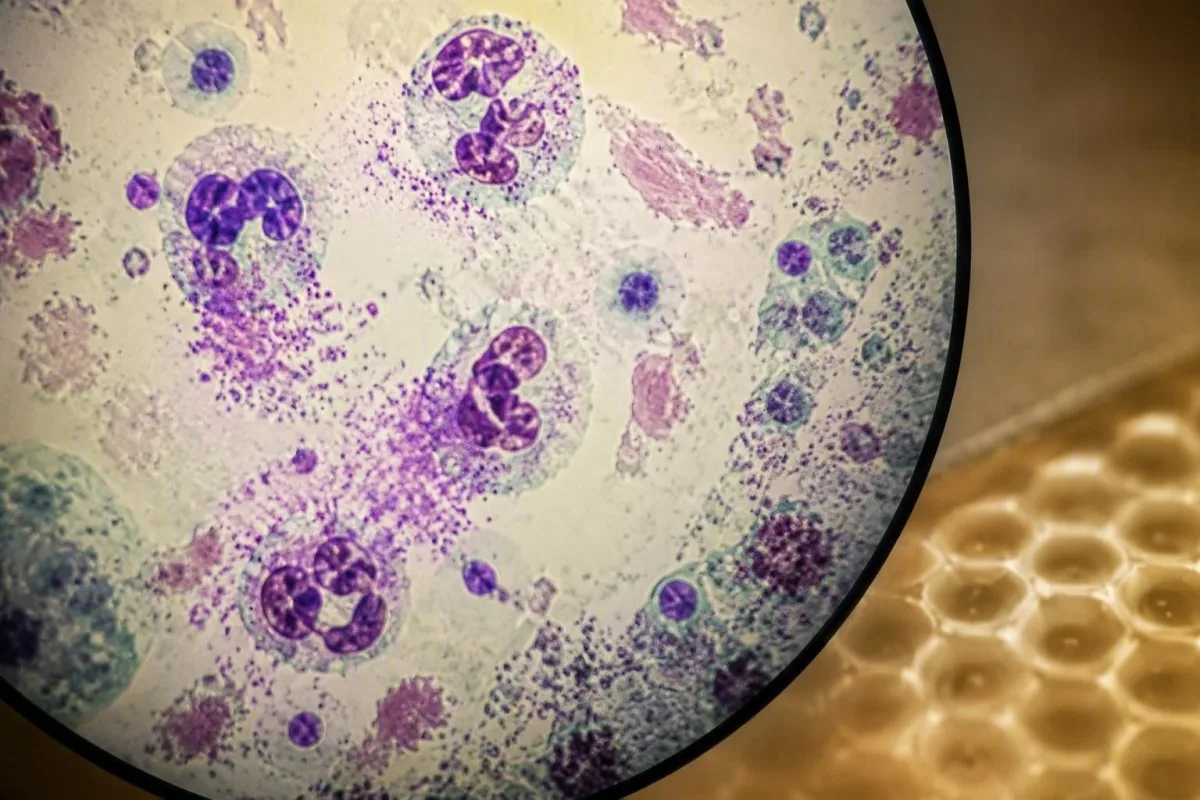
- MPO نېمىنى ئۆلچەيدۇ: Myeloperoxidase بولسا neytrofillar ۋە monocyte لىرىنىڭ پائالىيىتىدىن تارقالغان بىر خىل زىم، ئۇ immune پائالىيىتى جەريانىدا hypochlorous kislotasi نى ھاسىل قىلالايدۇ.
- Assay-dependent range: كۆپ ئىشلىتىلىدىغان EDTA-plasma MPO assay 350 pmol/L دىن تۆۋەن قىممەتلەرنى تۆۋەن خەۋپ دەپ قارىسا، لېكىن laboratoriyalar ھەر خىل ئۇسۇللارنى ۋە cutoffs نى ئىشلىتىدۇ.
- يۈرەك كېسىلى دىئاگنوزى ئەمەس: يۇقىرى MPO نەتىجىسى coronary arteriyalarنىڭ تارىيىپ كەتكەنلىكىنى، plaque نىڭ بار-يوقلىقىنى ياكى gırtlak ئاغrısinıng cardiac ekenligini كۆرسىتەلمەيدۇ.
- MPO يۈرەك خەۋپى: MPO تاللانغان كىشىلەرگە، بولۇپمۇ ئۆتكۈر gırtlak ئاغrısi bolgan guruhlarğa چەكلىك prognostik ئۇچۇر قوشىدۇ، لېكىن LDL-C، ApoB، قان بېسىمى، HbA1c، ياكى chekish tareyxini ئورنىنى ئالمايدۇ.
- ترونين بىرىنچى بولىدۇ: يېڭىدىن كۆكرەك بېسىمى، نەپەس قىيىنلىشىش، تەرلەش، ھوشىدىن كېتىش ياكى قارشى ياكى قولغا تارقالغان ئاغرىق جىددىي كلىنىكىلىق باھالاش ۋە ECG/ترونين تەكشۈرۈشنى تەلەپ قىلىدۇ - MPO قان تەكشۈرۈشى ئەمەس.
- مەزمۇن كۆرسەتكۈچلىرى: Non-HDL خولېستېرىن، ApoB، لىپوپروتىن(a)، hs-CRP، eGFR، سۈيدۈك ACR، گلوكوما ۋە قان بېسىمى تېخىمۇ ھەرىكەتچان خەتەرلىك مەزمۇن بىلەن تەمىنلەيدۇ.
- ئادەتتىكى خاتا مەزمۇن: يېقىنقى يۇقۇم، ئۆزىدىن قان تومۇر، تاماكا چەككەنلىك، بۆرەك ئىقتىدارىنىڭ نورمالسىزلىقى، قاتتىق ھەرىكەت، ۋە ئۆتكۈر توقۇلما زىيىنى مىئېلوپېرئوكسىداز سەۋىيىسىنى ئاشۇرۇشى مۇمكىن.
- ئەمەلىي كېيىنكى قەدەم: نورمال ھالەتتە بولغاندا، ئوخشاشلا ئوخشاش ياكى ئوخشاش بولمىغان MPO نەتىجىسىنى تەكرارلاڭ. MPO نى پەقەت قوشۇمچە ياكى دورا ئىشلىتىپ تۆۋەنلىتىشكە بولمايدۇ.
MPO قان-تىكلىكى ھەقىقىي نېمىنى ئۆلچەيدۇ
A مىئېلوپېرئوكسىداز تەكشۈرۈشى پائاللاشقان ئاق قان ھۈجەيرىلىرىدىن قويۇپ بېرىلگەن ئوكسىدلىنىش ئىلمىنىنى ئۆلچەيدۇ؛ ئۇ قان تومۇر تېمىدا ئوكسىدلىنىش قاتارلىق ئىممۇنىتېت پائالىيىتىنى ئەكس ئەتتۈرىدۇ. ئۇ تاجىسىمان ئارتېرىيە كېسەللىكىنى دىئاگنوز قىلالمايدۇ، يەككە يۈرەك كېسىشىنى ئېنىق كۆرسىتەلمەيدۇ، ياكى ئۆزىنىڭ كۆكرەك ئاغرىقىنى چۈشەندۈرەلمەيدۇ. 2026-يىلى 9-ئاينىڭ 12-كۈنىدىن باشلاپ، مەن MPO نى ئورنىتىلغان يۈرەك-قان تومۇر خەتەرلىك سانلىق مەلۇماتلىرى بىلەن بىر يۈرۈش قىلىپ ئىشلىتىمەن.
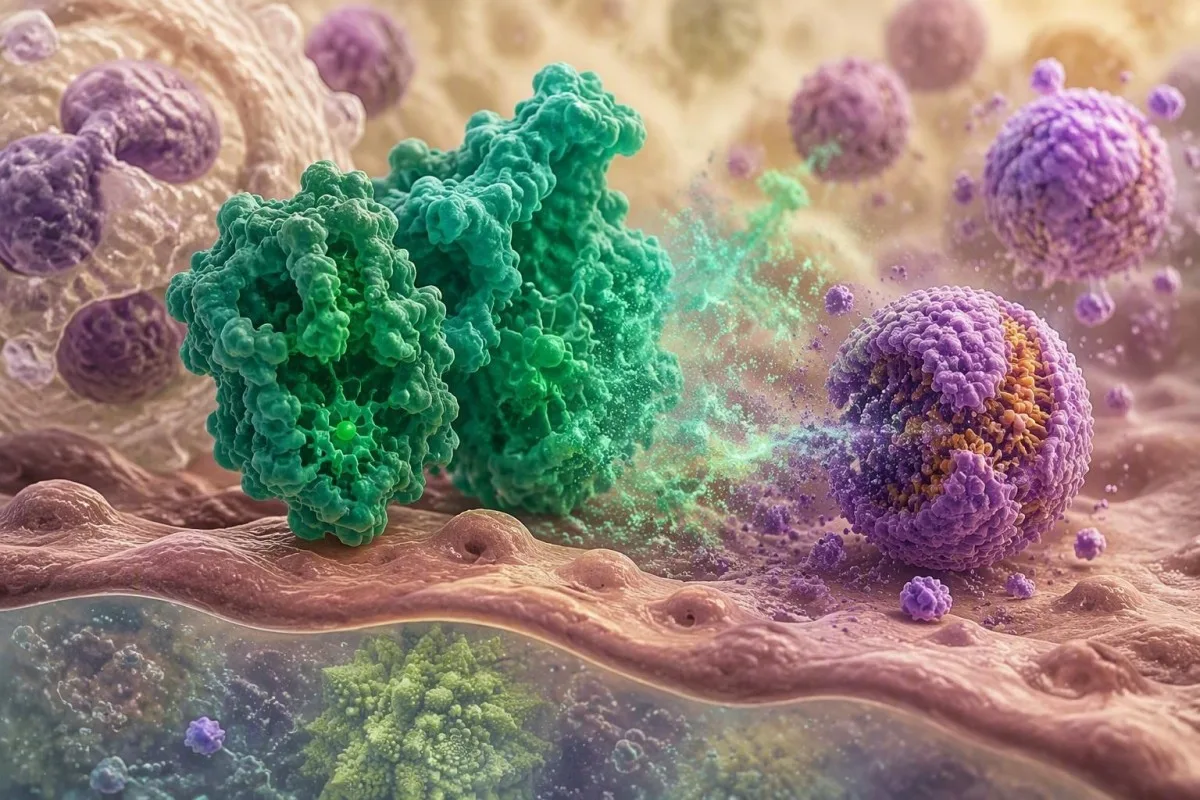
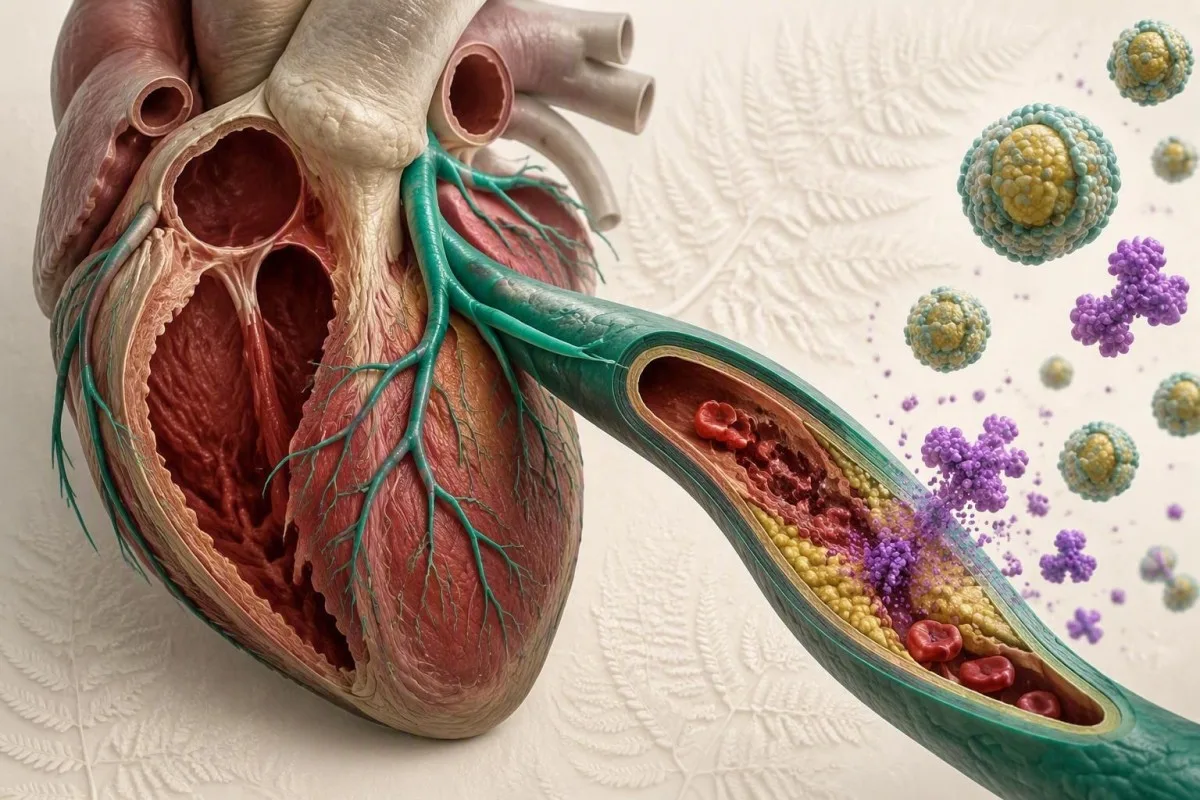
مىئېلوپېرئوكسىداز (MPO) نېيتروفىل ۋە مونوتىتتا ساقلىنىدۇ ھەمدە بۇ ھۈجەيرىلەرنىڭ يۇقىرى ھىپوخلورىيە كىسلاتاسىنى ئىشلەپچىقىرىشىغا ياردەم بېرىدۇ. قان تومۇر تېمىدا، ئوخشاش خىمىيىلىك LDL زەررىچىلىرىنى ئۆزگەرتەلەيدۇ، نىترىك ئوكسىدنىڭ بارلىقىنى ئازايتىدۇ، ھەمدە تاغنىڭ بىئولوگىيىسىنى تېخىمۇ تۇراقسىز قىلىدۇ؛ شۇڭا MPO قان تومۇر ياللۇغىنىڭ ئىپادىسى سۈپىتىدە دىققەت قوزغىدى.
MPO نەتىجىسى خولېستېرىن نەتىجىسى بىلەن ئالماشتۇرۇلمايدۇ. بىر ئادەمنىڭ LDL-C 92 mg/dL ۋە نەپەس يولى يۇقۇمىدىن كېيىن ۋاقىتلىق يۇقىرى MPO بولۇشى مۇمكىن، باشقا بىر ئادەمنىڭ MPO نى تۆۋەن رايوندا تۇرسىمۇ، ApoB 145 mg/dL، قان بېسىمى 154/94 mmHg، ۋە ئۇلار تاماكا چەككەندە يۇقىرى يۈرەك-قان تومۇر خەتەرلىك دائىرىسى بولۇشى مۇمكىن.
Kantesti AI بىر AI قان تەكشۈرۈش ئانالىزچىسى كۆپىنچە قارارلارنى ئۆزگەرتىدىغان ئۆلچەملىك نەتىجىلەر بىلەن بىر قەدەر تىپىك قان تومۇر ئىپادىسىنى ئوقۇيدۇ، بىر ئىلمنى بىر خۇلاسە قىلىش ئورنىغا. مېنىڭ كلىنىكىلىق خىزمىتىمدە، ئەڭ پايدىلىق سوئال گەرچە “MPO يۇقىرىمۇ؟” دېگەن سوئال ئەمەس؛ “بۇنىڭ بىلەن بىللە قانداق ئۆزگەرتكىلى بولىدىغان خەتەر بار؟” دېگەن سوئال. تېخىمۇ كەڭ دائىرىنى تەكشۈرۈڭ biomarker پايدىلىنىش قوللانمىسى ئادەتتىكى يۈرەك-قان تومۇر تەكشۈرۈش تاختىسىدا تېپىلغان تەكشۈرۈشلەر ئۈچۈن.
دوكتور توماس كلېين كۆزىتىشىچە، MPO بايراقدارىغا قارىماي، نورمال ECG ۋە خاتىرجەم simptom باھالاشقا قارىماي، بىمارلارنىڭ ھەيران قالغانلىقىنى كۆرگەن. بۇ ئەندىشىنى نەتىجە خۇلاسە قىلىپ، MPO نىڭ بىئولوگىيىلىك يولىنى تەسۋىرلەپ، شۇنىڭ بىلەن بىرگە يۈرەك كېسىلىنىڭ ئېھتىماللىقىنى بىلدۈرگەن سۈرەت، simptom، ترونين ۋە ئورتاق خەتەر فاكتورلىرىنى ئۆلچەش ئارقىلىق، بۇنى ساقلاشقا بولىدۇ.
ئىلمى گەۋدىگە ئوخشىمايدۇ
قان تومۇر خەتەرلىكلىكى ئۈچۈن MPO ئىلمى تەكشۈرۈشى بىر MPO-ANCA ئانتىگېنى تەكشۈرۈشتىن پەرقلىنىدۇ، ۋاسكۇلتىتتىن گۇمانلىنىشتا ئىشلىتىلىدۇ. بىرى ئايلىنىش ئىلمىنىڭ كۆپىيىشى ياكى پائالىيىتىنى ئۆلچەيدۇ؛ يەنە بىرى ئىممۇنىتېت ئانتىگېنىنى ئىزدەيدۇ ۋە تولۇق ئوخشىمىغان كلىنىكىلىق مەقسەتكە ئىگە.
نېمىشقا MPO ئارتېرىيەدىكى oxidative بېسىم بىلەن باغلىنىدۇ
MPO قان تومۇر خەتەرلىكلىكى بىلەن باغلىنىدۇ، چۈنكى ئۇ ئوكسىدلىنىشچان لىپوپروتىنلارنى ئوكسىدلىيالايدۇ ۋە ياللۇغلانغان ئارتېرىيە تېمىدا نىترىك ئوكسىد سىگنالىنى بۇزالايدۇ. بۇ مېخانىزم بىئولوگىيىلىك جەھەتتە توغرا، لېكىن توغرىلىق MPO نى داۋالاش نىشانى ياكى تەكشۈرۈش دىئاگنوزى قىلمايدۇ.
MPO ھىدروگېن پراكىس ۋە كلورىد ئىشلىتىپ ھىپوخلورىيە كىسلاتاسىنى ھاسىل قىلىدۇ، كۆپىنچە HOCl قىسقارتىلمىسى بار. HOCl ئاقسىللارغا تىروسىن قالدۇقلىرىنى كلورىدلاپ، HDL ۋە LDL فۇنكىسيىسىنى ئۆزگەرتەلەيدۇ؛ بۇ خىمىيىلىك ئىزلار forski توقۇلما تەتقىقاتىدا ئۆلچىگىلى بولىدۇ، گەرچە دائىملىق پلازما قىممىتى ئوكسىدلىنىشنىڭ قەيەردە يۈز بەرگەنلىكىنى ئېنىقلاپ چىقالمىسىمۇ.
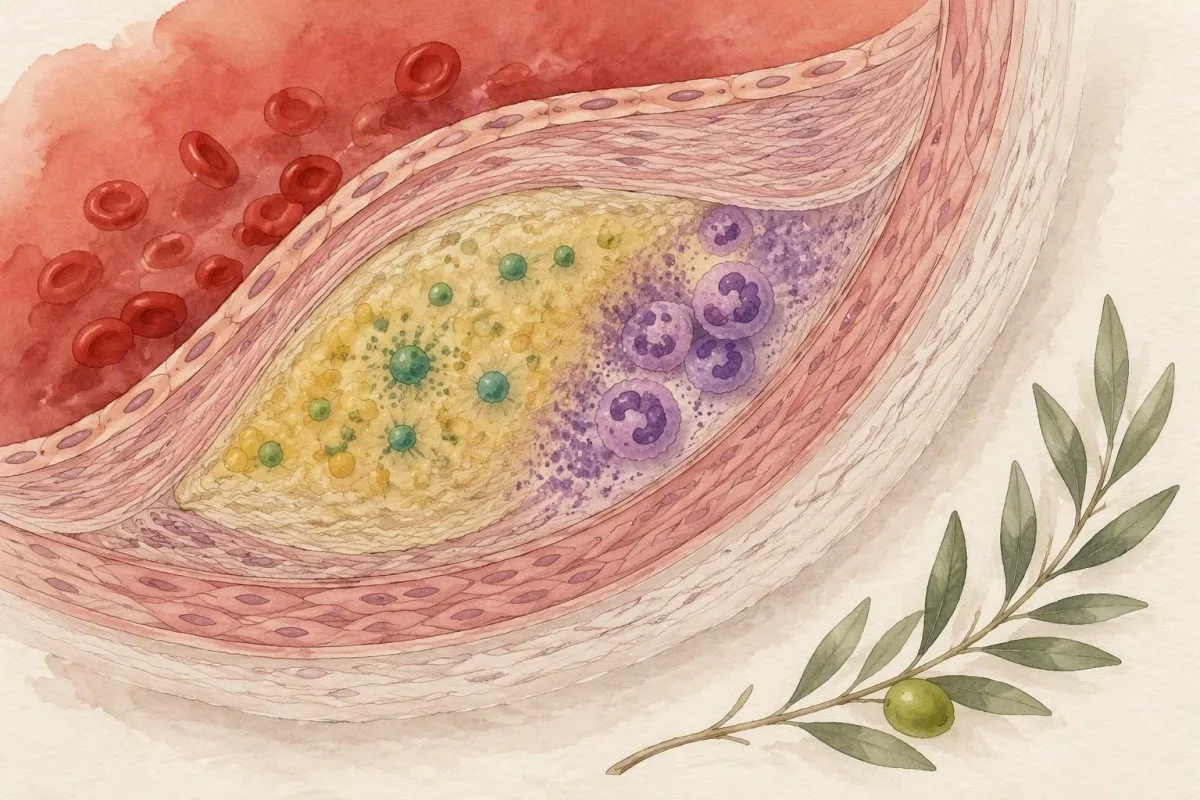
ئاتېروسكلېروز پەقەت “قان تومۇردا رېست” ئەمەس. ئۇ ئارتېرىيە تېمىغا كىرىپ ساقلانغان ApoB نى ئۆز ئىچىگە ئالغان زەررىچىلەرنى، يەرلىك ئىممۇنىتېت چاقىرىشىنى، ئېندوتېلىي ئىقتىدارىنىڭ نورمالسىزلىقىنى، ۋە بەزىدە تاغ يېرىلىشىنى ئۆز ئىچىگە ئالىدۇ؛ ئوكسىدلانغان LDL نەتىجىسى مېڭىش جەھەتتتىن مۇناسىۋەتلىك بولۇشى مۇمكىن، ئەمما ئۆزىنىڭ ئالاھىدە چەكلىمىلىرى بار.
2003-يىلدىكى برېنان كوماندىسى ئېلىپ بارغان كۆكرەك قىسمىدىكى ئاغرىق تەتقىقاتىدا, MPO نىڭ يۇقىرى بولۇشى, تروپونىن دەسلەپتە مەنپىي بولسىمۇ, يېقىن ئەتراپتىكى ۋەقە خەتىرىنىڭ يۇقىرى بولىدىغانلىقىنى كۆرسەتكەن (Brennan et al., 2003). بۇ نەتىجە مېدىتسىنا جەھەتتىن پايدىلىق بولغان, چۈنكى MPO يۈرەك مۇسكۇلىنىڭ زىيىنى بايقالماستىن بۇرۇن پەيدا بولۇشى مۇمكىن, ھالبۇكى ئۇ يۈرەك كېسىلىنىڭ باشلانغانلىقىنى ئىسپاتلىمىغان.
توردا كۆپ چۈشۈنۈلگەن بىر نۇقتا: قان تومۇر ئىچىدىكى MPO نېيتروفىل ھۈجەيرىلىرىدىن كېلىپ چىقىشى مۇمكىن. چىش مىلكى ياللۇغى, ئۆتكۈر ۋىرۇسلۇق كېسەل, ياللۇغلىق ئىششىق, مۇز كېسىلى, تاماكا چەككۈچىلەرنىڭ ھەممىسى باشقا چۈشەندۈرۈشلەرنى تەمىنلەيدۇ, شۇڭا تېستىنىڭ ئاناتومىيىلىك ئالاھىدىلىكى ناچار.
ئالىملار قاچان MPO نى زاكاز قىلىشنى ئويلاپ كۆرۈش مۇمكىن
ئەنئەنىۋىي يۈرەك-قېنى تومۇر خەتىرى تولۇق بولمىغاندا ياكى بىر قىسىم ماھىيەتلىك نەتىجىلەرگە ئىگە بىمارلاردا خەتەرنى مۇقىملاشتۇرىدىغان تېببىي خادىملار MPO قان تېستىنى ئويلىشىدۇ. ئاممىۋى تەكشۈرۈش ئاساسلىق ئالدىنى ئېلىش كۆرسەتمىلىرى تەرىپىدىن قوللىمايدۇ.

بۇ تېستنى بەزىدە بالدۇر يۈرەك-قېنى تومۇر ئائىلىسى تارىخى, مېتابولىك خەتەر, ياكى كېسەلنىڭ ئىلگىرىلىشى تۈپەيلىدىن ئېلىپ بېرىلغان بىر قىسىم كىشىلەر ئۈچۈن تەكشۈرۈلىدۇ. ئۇ 24 ياشلىق, ھېچقانداق ئالامەت, نورمال قان بېسىمى, LDL-C 68 mg/dL, ۋە زور خەتەرگە چېتىشلىق بولمىغانلار ئۈچۈن پايدىسىز, چۈنكى ھەرىكەتچان كېسەللىكنىڭ ئالدىنقى قەدەملىك يۈز بېرىش نىسبىتى ناھايىتى تۆۋەن.
ھازىرقى زامان خەتەرنى باھالاش تاماملانغاندىن كېيىن MPO نىڭ قارارلارنى ماددىي جەھەتتىن ياخشىلاپ-ياخشىلامدىغانلىقى توغرىسىدا پاكىت ئارىلاشما. 2019-يىلدىكى ACC/AHA ئالدىنى ئېلىش كۆرسەتمىسىدە, باش تېمىسىنى خەتەرنى باھالاش, قان بېسىمى, دىيابېت, تاماكا چەككۈچىلەر, خولېستېرىن, بەزى قۇراما ياشلىقلارنىڭ يۈرەك-قېنى تومۇر كالتسىي, ۋە Lp (a) قاتارلىق خەتەرنى كۈچەيتىش ئامىللىرى, ئورنىغا MPO نى دائىملىق تېستى قىلىپ تەكىتلىگەن (Arnett et al., 2019).
نۇرغۇن بىمارلار ئۈچۈن،, hs-CRP تېخىمۇ ئ unfamiliar, لېكىن ئۇ باشقا بىر سوئالغا جاۋاب بېرىدۇ: ئۇ جىگەرلىك بارلىققا كەلگەن ئۆتكۈر پىgment بولۇپ, نېيتروفىل ئىنسانغا قارىغاندا. يۇقىرى hs-CRP نى يەكۈنلەش ھەر بىر بەلگىنىڭ زىيىنى بار تومۇرنى كۆرسىتىدىغانلىقىنى پەرەز قىلىشتىن بۇرۇن.
مەن ئادەتتە MPO توغرىسىدىكى سۆھبەتنى كېيىنكى كۆرۈشۈش ئۈچۈن ساقلاپ قويىمەن, رۇشدىيە يىللىق تەكشۈرۈش ئۈچۈن ئەمەس. LDL نى تۆۋەنلىتىش, قان بېسىمىنى داۋالاش, تاماكىنى تاشلاش, دىيابېتنى داۋالاش, ياكى سۈرەتكە تارتىش قارارىنى ئۆزگەرتەلمەيدىغان نەتىجە, پايدىلىق ئېنىقلىقنى تولدۇرىدۇ.
MPO يۈرەك كېسەللىكلىرىنى تەكشۈرۈش MPO-ANCA تەكشۈرۈشى ئەمەس
يۈرەك-قېنى تومۇرنى تەكشۈرۈش ئۈچۈن MPO ۋە MPO-ANCA تېستى ئوخشىمىغان لاگېر تەتقىقاتلىرى, ئوخشىمىغان ئۆلچەملەر, ئۇسۇللار ۋە مېدىتسىنا نەتىجىلىرى بار. يۇقىرى تومۇر MPO نىڭ تومۇر ياللۇغىدىن باشقا, MPO-ANCA نىڭ مېدىتسىنانى ئۆلچىمەيدىغانلىقىنى كۆرسىتىدۇ.

MPO-ANCA نېيتروفىل ئىنسانغا قارشى ئانتىتىئورونىيەنى بايقاپ, كىچىك تومۇر ياللۇغىدىن گۇمانلىنىدىغان چاغدا, ئالامەت, سۈيدۈك نەتىجىلىرى, بۆرەك ئىقتىدارى, سۈرەتكە تارتىش ۋە تېببىي باھالاش بىلەن ئىشلىتىلىدۇ. قۇسۇش, بۆرەك ئىقتىدارىنىڭ تېز يامانلىشىشى, قان تومۇر, نېرۋا, ياكى كۆزنىڭ ياللۇغىنى بىردەك باھالاشنى تەلەپ قىلىدۇ; يۈرەك-قېنى تومۇر MPO قىسمى تولۇق بولمىغان.
ئۇنىڭدىن باشقا, MPO يۈرەك-قېنى تومۇرنى تەكشۈرۈش ئادەتتە pmol/L, ng/mL, ياكى تەكشۈرۈشنىڭ ئۆزگىچە پائالىيىتىنى خاتىرىلەيدۇ. ANCA لاماژىلىرى ئادەتتە ئۆزلىرىنىڭ مەنپىي چەكلەش بىلەن ئانتىتىئورونىيە ئىندېكىس ياكى U/mL نى خاتىرىلەيدۇ, بۇ بىر دوكلاتتىن بىر رەقەم باشقا بىر رەقەمدىن بىخەتەرلىك بىلەن ئۆزگەرتىپ بولمايدىغانلىقىنى بىلدۈرىدۇ.
كانتېستى بىر AI لابراتورىيە سىنىقىنى چۈشەندۈرۈش مۇلازىمىتىدە ئېلان قىلىنىدۇ ئوخشاش ئىسىمدىكى تېستىنى پاكىت, ئۇسۇل, ئۆلچەم ۋە مېدىتسىنا سوئالى بىلەن ئايرىش ئۈچۈن لايىھەلەنگەن. بۇ پەرق, بولۇپمۇ بىمارلار يىللار داۋامىچە بىر قانچە دوكلاتنى چۈشۈرگەندە, مۇھىم; بىزنىڭ رەھبەرلىك كۆرسەتمىسىنى كۆرۈڭ ANCA گېنى ۋە MPO ئانتىتىئورونىيە ئالاھىدە كېيىنكىسى ئۈچۈن.
لاگېر بايرىقى بىر دىياگنوستىكا ئەمەس. ئەگەر MPO-ANCA مەنپىي بولسا, تومۇر ياللۇغىنىڭ پەرەز قىلىنغان نىسبىتى ئۇيغۇن كېلىدىغان ئالامەت ۋە ئوبېكتىپ ئورگانلارنىڭ پاكىتلىرىغا باغلىق, يالغۇز تۆۋەن-مەنپىي نەتىجە باشقا ئاپتوماتىك كېسەللىكلەر, يۇقۇملىنىش ۋە بەزى دورا ئېغىزلىرىدا يۈز بېرىشى مۇمكىن.
نېمىشقا MPO يۈرەك ھۇجۇمىنى رەت قىلالمايدۇ ياكى رەت قىلالمايدۇ
MPO يۈرەك-قېنى تومۇرنى يوقىتىش ياكى يوقىتىش ئۈچۈن كۆزىتىلمەيدۇ, چۈنكى ئۇ يۈرەك مۇسكۇلىنىڭ زىيىنىنى ئۆلچىمەيدۇ ۋە نۇرغۇن كۆكرەك ياللۇغىدا پەيدا بولىدۇ. ئۆتكۈر كۆكرەك ئالامەتلىرى ECG, يۇقىرى-مېھرىبانلىق تروپونىن تەكشۈرۈش, ئۆزگىچە بەلگىلەر, ۋە تېببىي باھالاشنى تەلەپ قىلىدۇ.
يۇقىرى-مېھرىبانلىق تروپونىن يۈرەك مۇسكۇلىنىڭ زىيىنىنى ئەكسىيەت قىلىدۇ, گەرچە تروپونىننىمۇ چۈشەندۈرۈش كېرەك, چۈنكى بۆرەك كېسەللىكى, تاقىلاپ يۈرەك, يۈرەك ياللۇغى, ۋە ئېغىر قان بېسىمىنى ئاشۇرۇشى مۇمكىن. 1-3 سائەت ئىچىدە ئۆزگىرىشچان قىممەت, ئالامەتلەر, ECG پاكىتلىرى, ۋە يەرلىك تەكشۈرۈش چەكلەشلىرى يەككە MPO نەتىجىسىدىن كۆپرەك ئۇچۇر بېرىدۇ.
Brennan et al. نىڭ 2003-يىلدىكى New England Journal of Medicine نىڭ 2003-يىلدىكى ژورنالىدا, MPO يۈرەك ئاغرىقى بىلەن كەلگەن بىمارلار ئارىسىدا پروگنوستىك ئۇچۇر قوشقان, شۇنىڭ ئىچىدە دەسلەپكى تروپونىننى يوقىتىپ قويغانلارمۇ بار (Brennan et al., 2003). بۇ MPO نى ئۆيدە ياكى ئاساسلىق كۆڭۈل بۆلۈشۈشتە جىددىي ئەھۋالنى چىقىرىۋېتىش ئۈچۈن ئىشلىتىشنى تەلەپ قىلمايدۇ; تەتقىقات گۇرۇپپىسىغا جىددىي دوختۇرخانىدا تەكشۈرۈلگەن.
10 مىنۇتتىن كۆپرەك داۋاملاشقان يېڭى بېسىم ياكى تارىيىش, كۈچ چىقىرىش بىلەن ئاغرىش, يىقىلىش, ئېغىر نەپەس قىيىنچىلىقى, سوغۇق كۆكرەك, ياكى ھەمجىنىس, ئارقا, ياكى قولغا يېتىشمەيدىغان ئاغرىق جىددىي مۇلازىمەتنى تەلەپ قىلىدۇ. بىزنىڭ ئەمەلىي كۆكرەك بېسىمىنى قان تەكشۈرۈش قوللانمىسىنى نىمىشقا ۋاقىت ھەر بىر يۈرەك-قېنى تومۇر بەلگىسىنى ئۆزگەرتىدىغانلىقىنى چۈشەندۈرىدۇ.
نورمال MPO ئەلامەتلەرنى ئىگەللەپ قويماسلىقنى كۆرسەتمەيدۇ. تەتۈر يۆنىلىشتە، كۆتۈرۈلگەن MPO ئەلامەتلەر بىلەن بولسا، ئادەتتە خەتەر مۇزاكىرە قىلىش مەسىلىسى، جىددىي قۇتقۇزۇش بۆلۈمىدىكى دىئاگنوز ئەمەس.
LDL ۋە Non-HDL خولېستېرىن مۇھىم context بىلەن تەمىنلەيدۇ
LDL-C ۋە non-HDL خولېستېرىن MPO ئۈچۈن زۆرۈر ئەھۋالنى تەمىنلەيدۇ، چۈنكى ئاتېروسكلېروز پەقەت ئوكسىدلىنىش بېسىمىلا ئەمەس، بەلكى ApoB نى ئۆز ئىچىگە ئالغان ليپوپىروتىنلارنىڭ تەسىرىنى تەلەپ قىلىدۇ. دائىملىق تۆۋەن ئاتېروگېن خولېستېرىن بىلەن كۆتۈرۈلگەن MPO، LDL-C 190 mg/dL بىلەن ئوخشاش MPO قىممىتىدىن پەرقلىق مەنىسىنى ئېلىپ كېلىدۇ.

LDL-C نىڭ 190 mg/dL ياكى ئۇنىڭدىن يۇقىرى ئاساسلىق يىتەكچىلەردە ئېغىر دەرىجىدىكى hypercholesterolaemia دەپ قارىلىدۇ ۋە ئادەتتە 10 يىللىق ھېسابلاش نومۇرىدىن قەتئىي نەزەر، ئاكتىپ clinical داۋالاشنى تەلەپ قىلىدۇ. Non-HDL خولېستېرىن بارلىق خولېستېرىننى HDL-C نى ئېلىۋېتىش بىلەن باراۋەر، ۋە LDL ۋە triglyceride نى ئۆز ئىچىگە ئالغان قالدىلارنى ئۆز ئىچىگە ئالىدۇ؛ triglyceride 175 mg/dL دىن ئېشىپ كەتكەندە ئالاھىدە پايدىلىق.
MPO زىيانلىق قان تومۇر مۇھىتىنى تەسۋىرلەشكە ياردەم بېرەلەيدۇ، لېكىن LDL ۋە non-HDL س aika تومۇر توقۇلمىلىرىدا ساقلىنىشقا بولىدىغان زەررىچە يۈكنى كۆرسىتىدۇ. LDL-C 178 mg/dL ۋە MPO 610 pmol/L بىلەن بىر بىماردا، مەن ئائىلە خەتەرى، ApoB، داۋالاش تاللاشلىرى، قوشۇلۇش، ۋە بەزىدە ئورتاق قان تومۇر كالسۇمىغا، ئوكسىدلىنىشقا قارشى تۇرغۇچى سۈپىتىدە بازارغا سېلىنغان قوشۇمچە ماددىلارغا ئەمەس، بىرىنچى بولۇپ دىققەت قىلىمەن.
Kantesti AI نى يېمەكلىك نەتىجىلىرى بىلەن ياللۇغلىنىش ئەھۋالى ئوتتۇرىسىدىكى مۇناسىۋەتنى، جۈملىدىن زىيىنى يوق كۆتۈرۈلگەن LDL. نى گەۋدىلەندۈرىدۇ. كۆكرەك قىسمىدىكى ئاغرىق بولماسلىق LDL نىڭ زىيانسىزلىقىنى كۆرسەتمەيدۇ، ۋە يۇقىرى MPO بىر بىمار ئۈچۈن قايسى يېمەكلىك داۋالاشنىڭ توغرا ئىكەنلىكىنى بىلدۈرمەيدۇ.
ستاتىنلار LDL-C نى تۆۋەنلىتىدۇ ۋە يۈرەك-قان تومۇر ۋەقەلىرىنى ئازايتىدۇ، لېكىن MPO نىڭ چۈشۈشى ئېتىراپ قىلىنغان داۋالاش نىشانى ئەمەس. ئۆلچەملەر نەتىجىنى ياخشىلايدىغان قارارلارغا مۇلازىمەت قىلىشى كېرەك، خىمىيىلىك ياخشىلاشقا گىرىم قىلىشقا بولمايدۇ.
ApoB كۆپىنچە MPO دىن تېخىمۇ ياخشى خەۋپنى چۈشەندۈرىدۇ
MPO غا قارىغاندا ApoB ھەمىشە تېخىمۇ ئىشلىتىشكە بولىدىغان يۈرەك-قان تومۇر ئۇچۇرلىرىنى قوشىدۇ، چۈنكى ھەر بىر ئاتېروگېن زەررىچە بىر ApoB مولېكۇلاسىنى توشۇيدۇ. يۇقىرى ApoB زەررىچە سانىنىڭ قان تومۇر دىۋارىغا كىرىش ئىقتىدارى بارلىقىنى، LDL-C پەقەت ئازراق كۆتۈرۈلگەن بولسىمۇ، بىلدۈرىدۇ.

triglycerides يۇقىرى بولغاندا، ئىنسۇلىنغا قارشى تۇرۇش بار بولغاندا، ياكى LDL-C ۋە non-HDL-C بىردەك بولمىغاندا ApoB ئالاھىدە پايدىلىق. مەسىلەن، LDL-C 106 mg/dL، triglycerides 260 mg/dL ۋە ApoB 125 mg/dL بولسا، پەقەت LDL-C دىن تېخىمۇ كۆپ ئاتېروگېن زەررىچىنى كۆرسىتىشى مۇمكىن.
ACC/AHA يىتەكچىسى ApoB نى 130 mg/dL ياكى ئۇنىڭدىن يۇقىرى خەتەرنى كۈچەيتىدىغان ئامىل سۈپىتىدە تالىدۇ، بولۇپمۇ triglyceride دائىملىق 200 mg/dL ياكى ئۇنىڭدىن يۇقىرى بولغاندا (Arnett et al., 2019). MPO نى يالغۇز تالىدۇغىنى، CT سكان ياكى ئانگىئوگرافىنى تەلەپ قىلىدىغان قانۇن-ئىستېمال تەڭشەش ئەھۋالى يوق.
بۇ خىل جايلاردا ساندىن كۆپ ئەھۋال-ئورۇن (context) مۇھىم. بىزنىڭ ApoB دىن ApoA1 نىسبىتىنى چۈشەندۈرۈش تاشقى كۆرۈنۈشىدىن نورمال LDL قىممىتىنىڭ زەررىچە بىلەن مۇناسىۋەتلىك خەتەرنى قانداق يوشۇرۇپ قويىدىغانلىقىنى كۆرسىتىدۇ.
تەكشۈرگەندە، ئىككى قېتىم يېمەكلىككە تويغان ياكى تويمىغان ھالەتتە دائىملىق يۇقىرى بولغان ApoB قىممىتى، بىر قېتىملىق MPO نەتىجىسىدىن تېخىمۇ كۆپ سۆھبەتنى ئۆزگەرتىدۇ. سەۋەبى ئاددىي: بىز ئاتېروگېن زەررىچە يۈكىنى تۆۋەنلىتىش ئۈچۈن تېخىمۇ كۈچلۈك نەتىجە سىنىقىنى ئىسپاتلىدۇق.
Lipoprotein(a) ۋە ئائىلە تارىخى MPO نىڭ مەنىسىنى ئۆزگەرتىدۇ
ليپوپىروتىن(a)، ياكى Lp(a)، ۋە بالدۇر يۈرەك-قان تومۇر خەتەرى MPO دىن مۇستەقىل بولۇپ، ئائىلىدە ئېرىشىش مىقدارىنى كۆتۈرەلەيدۇ. Lp(a) نى بىر قېتىم ئۆلچەش ئادەتتە چوڭلاردا ئەرزىيەتلىك، چۈنكى مىقدارى كۆپىنچە يوشۇرۇنغاندىن كەلگەن ۋە دائىمىي تۇراقلىق قالىدۇ.

نۇرغۇن يىتەكچىلەر Lp(a) نى 50 mg/dL ياكى 125 nmol/L ياكى ئۇنىڭدىن يۇقىرى خەتەرنى كۈچەيتىدىغان سەۋىيەدە، گەرچە mg/dL ۋە nmol/L نى ئۆزگەرتكىلى بولمىسىمۇ، چۈنكى زەررىچە چوڭلۇقى ئوخشىمايدۇ. ئاتا-ئانىسى، ئىنىسى ياكى بالىسى مېيىس كېسىلىگە گىرىپتار بولسا، 55 ياشتىن بۇرۇن ئەرلەر ياكى 65 ياشتىن بۇرۇن ئاياللار بۇ باشقا بىر سىگنال بولۇپ، رەسمىي تەكشۈرۈشكە ئەرزىيدۇ.
2007-يىلدىكى EPIC-Norfolk تەھلىلىدە، Meuwese ۋە باشقىلار MPO نىڭ كېيىنكى يۈرەك كېسەللىكلىرى بىلەن مۇناسىۋەتلىك بولغانلىقىنى بايقىدى (Meuwese et al., 2007). بۇ مۇناسىۋەت بىر بىۋاستە يوشۇرۇنغاندىن كەلگەن Lp(a)، ئۆمۈر بويى ApoB تەسىرى، قان بېسىمى، ياكى تاماكا چېكىشنىڭ بىر بىۋاستە ئادەم ئۈچۈن ئەڭ زور خەتەرنى تاشىغۇچى ئىكەنلىكىنى بىلدۈرمەيدۇ.
بىۋاستە “نورمال خولېستېرىن” دوكلاتىنىڭ يوشۇرۇن خەتەرنى سىرتتىن تاقىغانلىقىنى پەرەز قىلىدۇ. ئۇنداق ئەمەس؛ بىزنىڭ Lp(a) تەكشۈرۈش يىتەكچىمىز Lp(a) نىڭ LDL-C 90 mg/dL بولغان تەقدىردىمۇ نېمىشقا clinical جەھەتتىن مۇھىم ئىكەنلىكىنى چۈشەندۈرىدۇ.
MPO مۇ مۇم مۇز مۇد مۇدى مۇم مۇلىم مۇم مۇز مۇم مۇپ مۇدى مۇم مۇت مۇم مۇز مۇم مۇرىم مۇم مۇد مۇم مۇم مۇم مۇلىم مۇد مۇم مۇم مۇم مۇپ مۇدى مۇم مۇز مۇم مۇرىم مۇم مۇد مۇم مۇم مۇم مۇلىم مۇد مۇم مۇم مۇم مۇپ مۇدى مۇم مۇز مۇم مۇرىم مۇم مۇد مۇم مۇم مۇم مۇلىم مۇد مۇم مۇم مۇم مۇپ مۇدى مۇم مۇز مۇم مۇرىم مۇم مۇد مۇم مۇم مۇم مۇلىم مۇد مۇم مۇم مۇم مۇپ مۇدى مۇم مۇز مۇم مۇرىم مۇم مۇد مۇم مۇم مۇم مۇلىم مۇد مۇم مۇم مۇم مۇپ مۇدى مۇم مۇز مۇم مۇرىم مۇم مۇد مۇم مۇم مۇم مۇلىم مۇد مۇم مۇم مۇم مۇپ مۇدى مۇم مۇز مۇم مۇرىم مۇم مۇد مۇم مۇم مۇم مۇلىم مۇد مۇم مۇم مۇم مۇپ مۇدى مۇم مۇز مۇم مۇرىم مۇم مۇد مۇم مۇم مۇم مۇلىم مۇد مۇم مۇم مۇم مۇپ مۇدى مۇم مۇز مۇم مۇرىم مۇم مۇد مۇم مۇم مۇم مۇلىم مۇد مۇم مۇم مۇم مۇپ مۇدى مۇم مۇز مۇم مۇرىم مۇم مۇد مۇم مۇم مۇم مۇلىم مۇد مۇم مۇم مۇم مۇپ مۇدى مۇم مۇز مۇم مۇرىم مۇم مۇد مۇم مۇم مۇم مۇلىم مۇد مۇم مۇم مۇم مۇپ مۇدى مۇم مۇز مۇم مۇرىم مۇم مۇد مۇم مۇم مۇم مۇلىم مۇد مۇم مۇم مۇم مۇپ مۇدى مۇم مۇز مۇم مۇرىم مۇم مۇد مۇم مۇم مۇم مۇلىم مۇد مۇم مۇم مۇم مۇپ مۇدى مۇم مۇز مۇم مۇرىم مۇم مۇد مۇم مۇم مۇم مۇلىم مۇد مۇم مۇم مۇم مۇپ مۇدى مۇم مۇز مۇم مۇرىم مۇم مۇد مۇم مۇم مۇم مۇلىم مۇد مۇم مۇم مۇم مۇپ مۇدى مۇم مۇز مۇم مۇرىم مۇم مۇد مۇم مۇم مۇم مۇلىم مۇد مۇم مۇم مۇم مۇپ مۇدى مۇم مۇز مۇم مۇرىم مۇم مۇد مۇم مۇم مۇم مۇلىم مۇد مۇم مۇم مۇم مۇپ مۇدى مۇم مۇز مۇم مۇرىم مۇم مۇد مۇم مۇم مۇم مۇلىم مۇد مۇم مۇم مۇم مۇپ مۇدى مۇم مۇز مۇم مۇرىم مۇم مۇد مۇم مۇم مۇم مۇلىم مۇد مۇم مۇم مۇم مۇپ مۇدى مۇم مۇز مۇم مۇرىم مۇم مۇد مۇم مۇم مۇم مۇلىم مۇد مۇم مۇم مۇم مۇپ مۇدى مۇم مۇز مۇم مۇرىم مۇم مۇد مۇم مۇم مۇم مۇلىم مۇد مۇم مۇم مۇم مۇپ مۇدى مۇم مۇز مۇم مۇرىم مۇم مۇد مۇم مۇم مۇم مۇلىم مۇد مۇم مۇم مۇم مۇپ مۇدى مۇم مۇز مۇم مۇرىم مۇم مۇد مۇم مۇم مۇم مۇلىم مۇد مۇم مۇم مۇم مۇپ مۇدى مۇم مۇز مۇم مۇرىم مۇم مۇد مۇم مۇم مۇم مۇلىم مۇد مۇم مۇم مۇم مۇپ مۇدى مۇم مۇز مۇم مۇرىم مۇم مۇد مۇم مۇم مۇم مۇلىم مۇد مۇم مۇم مۇم مۇپ مۇدى مۇم مۇز مۇم مۇرىم مۇم مۇد مۇم مۇم مۇم مۇلىم مۇد مۇم مۇم مۇم مۇپ مۇدى مۇم مۇز مۇم مۇرىم مۇم مۇد مۇم مۇم مۇم مۇلىم مۇد مۇم مۇم مۇم مۇپ مۇدى مۇم مۇز مۇم مۇرىم مۇم مۇد مۇم مۇم مۇم مۇلىم مۇد مۇم مۇم مۇم مۇپ مۇدى مۇم مۇز مۇم مۇرىم مۇم مۇد مۇم مۇم مۇم مۇلىم مۇد مۇم مۇم مۇم مۇپ مۇدى مۇم مۇز مۇم مۇرىم مۇم مۇد مۇم مۇم مۇم مۇلىم مۇد مۇم مۇم مۇم مۇپ مۇدى مۇم مۇز مۇم مۇرىم مۇم مۇد مۇم مۇم مۇم مۇلىم مۇد مۇم مۇم مۇم مۇپ مۇدى مۇم مۇز مۇم مۇرىم مۇم مۇد مۇم مۇم مۇم مۇلىم مۇد مۇم مۇم مۇم مۇپ مۇدى مۇم مۇز مۇم مۇرىم مۇم مۇد مۇم مۇم مۇم مۇلىم مۇد مۇم مۇم مۇم مۇپ مۇدى مۇم مۇز مۇم مۇرىم مۇم مۇد مۇم مۇم مۇم مۇلىم مۇد مۇم مۇم مۇم مۇپ مۇدى مۇم مۇز مۇم مۇرىم مۇم مۇد مۇم مۇم مۇم مۇلىم مۇد مۇم مۇم مۇم مۇپ مۇدى مۇم مۇز مۇم مۇرىم مۇم مۇد مۇم مۇم مۇم مۇلىم مۇد مۇم مۇم مۇم مۇپ مۇدى مۇم مۇز مۇم مۇرىم مۇم مۇد مۇم مۇم مۇم مۇلىم مۇد مۇم مۇم مۇم مۇپ مۇدى مۇم مۇز مۇم مۇرىم مۇم مۇد مۇم مۇم مۇم مۇلىم مۇد مۇم مۇم مۇم مۇپ مۇدى مۇم مۇز مۇم مۇرىم مۇم مۇد مۇم مۇم مۇم مۇلىم مۇد مۇم مۇم مۇم مۇپ مۇدى مۇم مۇز مۇم مۇرىم مۇم مۇد مۇم مۇم مۇم مۇلىم مۇد مۇم مۇم مۇم مۇپ مۇدى مۇم مۇز مۇم مۇرىم مۇم مۇد مۇم مۇم مۇم مۇلىم مۇد مۇم مۇم مۇم مۇپ مۇدى مۇم مۇز مۇم مۇرىم مۇم مۇد مۇم مۇم مۇم مۇلىم مۇد مۇم مۇم مۇم مۇپ مۇدى مۇم مۇز مۇم مۇرىم مۇم مۇد مۇم مۇم مۇم مۇلىم مۇد مۇم مۇم مۇم مۇپ مۇدى مۇم مۇز مۇم مۇرىم مۇم مۇد مۇم مۇم مۇم مۇلىم مۇد مۇم مۇم مۇم مۇپ مۇدى مۇم مۇز مۇم مۇرىم مۇم مۇد مۇم مۇم مۇم مۇلىم مۇد مۇم مۇم مۇم مۇپ مۇدى مۇم مۇز مۇم مۇرىم مۇم مۇد مۇم مۇم مۇم مۇلىم مۇد مۇم مۇم مۇم مۇپ مۇدى مۇم مۇز مۇم مۇرىم مۇم مۇد مۇم مۇم مۇم مۇلىم مۇد مۇم مۇم مۇم مۇپ مۇدى مۇم مۇز مۇم مۇرىم مۇم مۇد مۇم مۇم مۇم مۇلىم مۇد مۇم مۇم مۇم مۇپ مۇدى مۇم مۇز مۇم مۇرىم مۇم مۇد مۇم مۇم مۇم مۇلىم مۇد مۇم مۇم مۇم مۇپ مۇدى مۇم مۇز مۇم مۇرىم مۇم مۇد مۇم مۇم مۇم مۇلىم مۇد مۇم مۇم مۇم مۇپ مۇدى مۇم مۇز مۇم مۇرىم مۇم مۇد مۇم مۇم مۇم مۇلىم مۇد مۇم مۇم مۇم مۇپ مۇدى مۇم مۇز مۇم مۇرىم مۇم مۇد مۇم مۇم مۇم مۇلىم مۇد مۇم مۇم مۇم مۇپ مۇدى مۇم مۇز مۇم مۇرىم مۇم مۇد مۇم مۇم مۇم مۇلىم مۇد مۇم مۇم مۇم مۇپ مۇدى مۇم مۇز مۇم مۇرىم مۇم مۇد مۇم مۇم مۇم مۇلىم مۇد مۇم مۇم مۇم مۇپ مۇدى مۇم مۇز مۇم مۇرىم مۇم مۇد مۇم مۇم مۇم مۇلىم مۇد مۇم مۇم مۇم مۇپ مۇدى مۇم مۇز مۇم مۇرىم مۇم مۇد مۇم مۇم مۇم مۇلىم مۇد مۇم مۇم مۇم مۇپ مۇدى مۇم مۇز مۇم مۇرىم مۇم مۇد مۇم مۇم مۇم مۇلىم مۇد مۇم مۇم مۇم مۇپ مۇدى مۇم مۇز مۇم مۇرىم مۇم مۇد مۇم مۇم مۇم مۇلىم مۇد مۇم مۇم مۇم مۇپ مۇدى مۇم مۇز مۇم مۇرىم مۇم مۇد مۇم مۇم مۇم مۇلىم مۇد مۇم مۇم مۇم مۇپ مۇدى مۇم مۇز مۇم مۇرىم مۇم مۇد مۇم مۇم مۇم مۇلىم مۇد مۇم مۇم مۇم مۇپ مۇدى مۇم مۇز مۇم مۇرىم مۇم مۇد مۇم مۇم مۇم مۇلىم مۇد مۇم مۇم مۇم مۇپ مۇدى مۇم مۇز مۇم مۇرىم مۇم مۇد مۇم مۇم مۇم مۇلىم مۇد مۇم مۇم مۇم مۇپ مۇدى مۇم مۇز مۇم مۇرىم مۇم مۇد مۇم مۇم مۇم مۇلىم مۇد مۇم مۇم مۇم مۇپ مۇدى مۇم مۇز مۇم مۇرىم مۇم مۇد مۇم مۇم مۇم مۇلىم مۇد مۇم مۇم مۇم مۇپ مۇدى مۇم مۇز مۇم مۇرىم مۇم مۇد مۇم مۇم مۇم مۇلىم مۇد مۇم مۇم مۇم مۇپ مۇدى مۇم مۇز مۇم مۇرىم مۇم مۇد مۇم مۇم مۇم مۇلىم مۇد مۇم مۇم مۇم مۇپ مۇدى مۇم مۇز مۇم مۇرىم مۇم مۇد مۇم مۇم مۇم مۇلىم مۇد مۇم مۇم مۇم مۇپ مۇدى مۇم مۇز مۇم مۇرىم مۇم مۇد مۇم مۇم مۇم مۇلىم مۇد مۇم مۇم مۇم مۇپ مۇدى مۇم مۇز مۇم مۇرىم مۇم مۇد مۇم مۇم مۇم مۇلىم مۇد مۇم مۇم مۇم مۇپ مۇدى مۇم مۇز مۇم مۇرىم مۇم مۇد مۇم مۇم مۇم مۇلىم مۇد مۇم مۇم مۇم مۇپ مۇدى مۇم مۇز مۇم مۇرىم مۇم مۇد مۇم مۇم مۇم.
قان بېسىمى ۋە چىۋىق چىقىرىش MPO نەتىجىسىدىن ئېغىر بولىدۇ
قان 'bismik we chekish wez'iti qan'en'yem xewip'ini MPOdin köre köpinche tes'ir qilidu, ne'e iklisidimu yure'ekke urush, in'sult, böyrek keseli we waqti'idin burun'e o'l'um bilen te'es'irligi is'pat'lan'ghan. Bir qetim'lik 'ofis' qan'en'yem'i 140/90 mmHg tekshir'ip tasdiqlash'ni talap qilidu, emma dawam'liq yuwqiri'ish MPOdin qet'i nezerd'e chare'i tow'un'luq.
Hipertoniya kesel'ining adettik'i 'diagnostika' sekiz'eligi 'ofis' qan'en'yem'i 140/90 mmHg ياكى ئۇنىڭدىن يۇقىرى köp'la 'situatsiya'larda, we 'ev'e 'yaki' ambulatory 'orta' 'qimmet'i 135/85 mmHg ياكى ئۇنىڭدىن يۇقىرى بولسا köpinche yuwqiri'ghan 'dep' hisap'lin'idu. Qollan'milar 'dölet' we 'pasient' xewip'ige 'qare'y'idu, emma teksh'ir'ip olinghan qet'im'lik 'o'q'ush'lar bir qet'im'lik 'mex'e'elik' 'öl'ch'emdin' kö'erak 'qimmet'lik.
Chekish'ingiz neytrofillerni “aktiv'lasht'ur'idu, endotel'i'ni zar'ar'lay'du ”we' 'yalligh'lan'ish 'elametlirini' kö'e'it'ish'ke 'bol'idu, bu chekish'chide MPO 'netij'isi'ni 'tepsil'iy' 'ch'es'h'ish'ni 'qiy'inlasht'ur'idu. Tem'ek'ini taw'lap'tash'lash' MPO 'biomarkir'i d'er'hal 'normal'las'hmis'imu, yure'ekke urush xewip'ini 'mu'e'emme' 'd'ere'ij'ide' 'az'ay't'idu; 'esebiy' 't'em'iz'lesh' 'mes'il'esi' 'toxt'at'ish' 'tem'in'lesh'ni 'almasht'uralmay'du.
Kantesti ikkil'em'che-hipertoniya 'laboratoriya' teksh'er'uw'i 'netij'iliri bilen MPO 'qan'en'yem'ini bir 'hisap' q'il'al'idu , emma 'bir' 'elektr'on 'program'ma 'tek' qet'im'lik 'o'q'ush'tin' 'hipertoniya' 'kesel'ini 'diagnostika' q'il'almay'du. Tasdiqlan'ghan 'ev'e 'qan'en'yem' 'p'am'pu'ki, 5 minut'luk 'oyna' 'otur'ush we 7 kun'luk 'ro'yxet' köpinche 'k'ey'in'ki qedem'ler üch'ün 'pay'diliq., I 560 pmol/L MPO 'ge' qarat'ip qara'ydighan 'emme' 151/96 mmHg 'tevr'ip' 'q'al'ghan 'ev'e 'o'rt'a'ch'a 'o'q'ush'larn'i 'köz'din'chetk'er q'il'idighan 47 yashliq 'pasient'ke kö'er'iwin. Daw'alash'qa te'es'ir 'q'il'idighan qan'en'yem'ni 'daw'alash' 'p'rim'er'lik' 'm'e'sel'e idi; MPO bu 'p'rim'er'lik'ni özgert'mis'e.
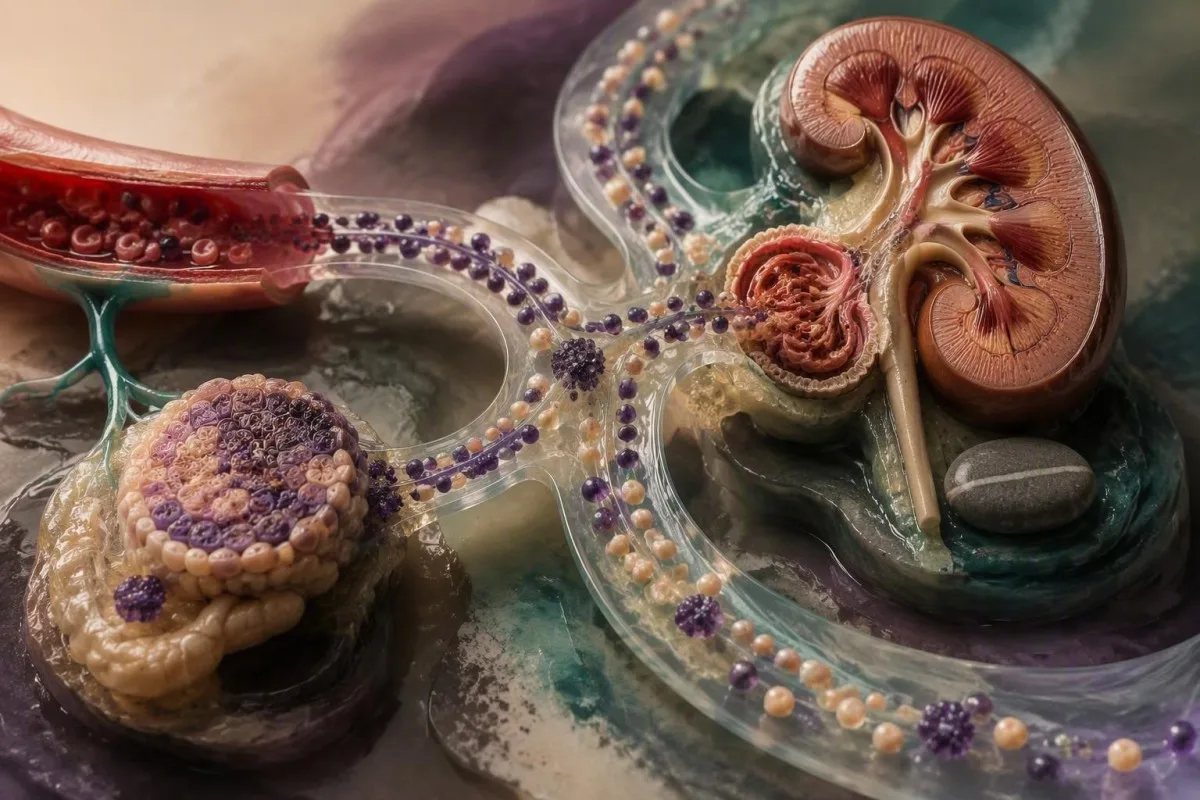
Qend 'weziy'eti we böyrek 'function'i MPO üch'ün 'z'ar'ur 'konteks'ke 'eg'e, ne'e 'd'iabet' 'we' 'khronik' 'böyrek' keseli bir nech'e 'weg'e 'böyl'en' yure'ekke urush xewip'ini 'tezlesht'ur'idu. 6.5% yaki undaq 'yuyuq' HbA1c tesdiqlan'ghan'd'a 'd'iabet' 'ni 'diagnostika' q'il'ish'ke bol'idu, 60 mL/min/1.73 m²din 'tesh'e 'töwen' 'eGFR' 3 ay'gha 'soz'ul'sa 'khronik' 'böyrek' keselini 'bildur'idu.
گلوكوزا، بۆرەك فۇنكىسىيەسى ۋە مېتابولىزم خەۋپى رەسىمنى تولۇقلايدۇ
Qend 'kontrol'i 'we' böyrek' 'süz'üsh'i hem 'yure'ekke urush' xewip'ige 'hem' MPO 'ch'es'h'ish'ige 'tes'ir qil'idu.
'pre-diabetes' 'ni 'bildur'idu, emma 'anem'iya, y'eqin'din'qi 'qan' qu'y'ish', 'hemoglobin' 'tür'lir'i 'we' 'böyrek' keseli HbA1c'ni 'y'alghan' qil'ish'ke bol'idu; 5.7% دىن 6.4% گىچە 'Fructosamine' teksh'er'uw'i; ba'zida bun'daq 'wak'e bol'ghanda pay'diliq. Böyrek keseli MPO'ni kö'e'it'ish'ke bol'idu, ne'e 'az'ay'ghan' 'tazil'ish' 'we' 'khronik' 'immunitet' 'aktiv'likining 'bir'ge 'bol'ish'i 'mumkin', sh'undaq'la 'öz'i 'mu'est'eq'il'din' 'yure'ekke urush xewip'ini 'art't'ur'idu. eGFR ni 'sidik' 'albumin-kreatinin' 'nis'biti' bilen 'ch'es'h'ish' 'ker'ek: 'bir' ACR 'ning.
'abnormal' 'albuminuriya' 'we' hat'a 'eGFR' 60din 'yuyuq' bol'ghan 'tegh'mu 'aldini' 'al'ish' 'p'rim'er'lik'ini 'ozg'ert'ish'ke bol'idu. 30 mg/g ياكى ئۇنىڭدىن يۇقىرى Metabolik 'syndrome' 'MPO' bilen 'em'es, 'bel' 'ay'lani'si, triglitseridlar, HDL-C, qan'en'yem' 'we' qend 'abnormal'liqi 'cluster'i bilen 'belgil'in'idu. Besh 'öl'eh'il'id'ighan.
'metabolik' 'syndrome' 'kriterij'lir'ini kö'er'i'p' chiq'ing, 'bir' 'ch'es'h'ish' q'iyin' 'oxidative stress' 'degen' 'etiket'ke 'tay'en'ish'tin' 'ch'e'tk'er' tur'ing. “Praktik'i ”m'e'sel'e 'qew'em'lesh't'ur'il'en' xewip. 500 pmol/L MPO 'ning 'q'edem'i HbA1c 7.8%, ACR 120 mg/g, triglitseridlar 240 mg/dL, 'we' 'hipertoniya' 'keseli' 'bar' 'ad'em'de, 'sogh'laq' 'we' 'normotensiv' 'ad'em' 'bir' 'sog'ini'din' 'saqal'ip' chigh'ish' 'waqti'diki'din' kö'erak 'm'e'na 'bil'dir'idu.
Mi'yeloperoxidase 'sez'iw'i 'j'ar'im'lan'ish, 'autoimmün' 'aktiv'lik, chekish, khronik' 'böyrek' keseli, 'periodontal' 'yalligh'lan'ish, 'ketken' 'toqum' 'stressi, 'we' 'y'eqin'din'qi 'ketken' 'fitnes' bilen 'art't'ish'i 'mumkin'. Bu 'seb'epler 'bir' 'qet'im'lik' 'yuyuq' MPO 'netij'isining ' Coronary ' disease ' üch'ün 'sezg'er' bol'mas'liqini 'bildur'idu.
يۈرەك-ئۆتكۈزگۈچى بولمىغان سەۋەبلەر Myeloperoxidase سەۋىيىسىنىڭ ئېشىشى
'Bir'nech'e' 'qan'ay' 'bol'mi'ghan 'xal'et' MPO 'ni 'ch'iqar'idighan 'oq' 'h'ejey'lirini 'aktiv'lasht'ur'ish'ke bol'idu.
يىلىق ياللۇغ بار بولغان كېسەللىك بىر نەچچە كۈن ئىچىدە ئاق قان ھۈجەيرىسىنىڭ ھەرىكىتىنى ئۆزگەرتەلەيدۇ، شۇنىڭ بىلەن hs-CRP دائىم باشقا ۋاقىت جەدۋىلىدە چوققىغا يېتىدۇ ۋە چۈشىدۇ. ئەگەر ئىستېمال ئىستېمال، چىش داۋالاشتىن كېيىن، ياكى قاتتىق چېنىقىش يېقىنقى كۈنلىرىدە ئېلىنغان بولسا، مەن بۇ MPO قىممىتىنى ئۇزۇن مۇددەت يۈرەك-قوناقنى مۆلچەرلەش ئۈچۈن ئىشلەتمەيمەن.
قاتتىق چىدامچانلىق چېنىقىشى ئۆتكۈر زەرەتسىز سانى، كرېئېتىن كىنازا، CRP، ۋە ئوكسىدلىنىش ماركىرلىرىنى ۋاقىتلىق ئۆزگەرتەلەيدۇ. AST 89 IU/L بىلەن 52 ياشلىق مارافونچى مۇسابىقىدىن كېيىن يەنە بىر ئاۋازلىق ياللۇغ تاختايغا ئىگە بولۇشى مۇمكىن؛ تېخىمۇ بىخەتەر تاللاش ئەسلىگە كېلىش ۋە تەكرار تەكشۈرۈش، بىزنىڭ مەشىق بىلەن مۇناسىۋەتلىك كراتىن يېتەكچىسى.
سىستېمىلىق ئۆزلۈكىدىن ياللۇغ كېسەللىكى ۋە قان تومۇر ياللۇغى MPO يۈرەك نومۇرىغا قىسقارتىشقا بولمايدىغان ئۆزىنىڭ كلىنىكىلىق باھاسىنى تەلەپ قىلىدۇ. داۋاملىق يۇقىرى ESR ياكى CRP قوشۇلغان تاشما، بوغۇم ياللۇغى، ئورۇقلاش، نېرۋا كېسەللىكى، سۈيدۈك نورمالسىز، ياكى ئىستېمال كلىنىكچىلەرنى تەكشۈرۈشنى تەلەپ قىلىدۇ؛; ESR سەۋەبلىرى كەڭ.
سوغۇقتىن كېيىنكى ئۆتكۈر MPO يىرىڭلىق كېسەللىككە گىرىپتار بولمىغان. بۇ ئەۋلادنىڭ ئەسلىنى تەكشۈرۈش ۋە ئادەتتىكى خەتەرلىك قەۋىتى باھالاندى.
MPO پايدىلىنىش دائىرىسى ئۆلچەش ۋە ئەۋرىشكە باغلىق
MPO سېلىشتۇرما دائىرىسى.
بەزى دوكلاتلار ng/mL نى ئىشلەتسە، باشقىلىرى pmol/L نى ئىشلىتىدۇ، سىناق كالىبراتورى ۋە ئۆلچەنگەن مولېكۇلا شەكلىنى بىلمەي تۇرۇپ ئۆزگەرتىش بىخەتەر ئەمەس. ئانالىزدىن بۇرۇنقى بىر تەرەپ قىلىش پەرۋىزمۇ مۇھىم: كېچىكتۈرۈلگەن بىر تەرەپ قىلىش، ئەۋلەك تىپى، ساقلاش تېمپېراتۇرىسى ۋە توپلاشتىن كېيىنكى ھۈجەيرە ھەرىكىتى ئۆلچەنگەن مىقدارنى ئۆزگەرتەلەيدۇ.
تۆۋەندىكى كاتېگورىيەلەرنى بىر سىناق ئائىلىسىنىڭ مىسالى, دەپ قاراش ئەڭ ياخشى، ئۇنى ئۇنىۋېرسال نورمال دائىرە دەپ قاراشقا بولمايدۇ. 420 pmol/L لىق نەتىجىنى EDTA-پلاسما دوكلاتىدا ئارىلىق دەپ ئاتاشقا بولىدۇ، ئەمما شۇنداق كىلىنىكىلىق ئەۋلەك باشقا بىر پاراكلينىكىلىق ئىستانسىدىن بىۋاسىتە سېلىشتۇرغىلى بولمايدىغان قان سۇيۇقلۇق نەتىجىسىگە ئىگە بولماسلىقى مۇمكىن.
Kantesti AI بىر AI بىئوماركر ئىزاھلاش سۇپىسى بۇ پاراكلينىكىلىق ئىستانسىنىڭ ئۆزىنىڭ پايدىلىنىش دائىرىسىنى ساقلاپ قالىدۇ ۋە تارىخى دوكلاتلارنى سېلىشتۇرغاندا بىر قىسىملىق بىردەملىكنى بايقىغۇدەك قىلىدۇ. بۇ، بولۇپمۇ سىناق چېگرىدىن ھالقىغاندا ياكى پاراكلينىكىلىق ئىستانسىلارنى سېلىشتۇرغاندا پايدىلىق؛ ھەقىقىي تەرەققىيات ئۈچۈن ئوخشاش سىناق، ئوخشاش ئەۋلەك ۋە ئوخشاش ساغلاملىق ئەھۋالى تەلەپ قىلىنىدۇ.
ئەگەر MPO كۈتۈلمىگەندە ئاشقان بولسا، ئاز دېگەندە 2 دىن 4 ھەپتە ئۆتكەندىن كېيىن، ئېغىر كېسەل بولمىغاندا ۋە قىسقا ۋاقىتتىن 24 دىن 48 سائەتكىچە ئادەتتىن تاشقىرى ھەرىكەتتىن ساقلانغاندىن كېيىن، دوختۇر سىزنى تېخىمۇ بالدۇرراق سىناق قىلىشنى تەلەپ قىلمىسا، ئۇنى تەكرارلاڭ. مەڭگۈلۈك تەكرارلىماڭ: ئىككى قېتىم توغرا ۋاقىتتىكى قىممەت ئادەتتە تۇنجى نەتىجىنىڭ ۋاقتىچە ئۆتۈپ كەتكەنلىكىنى جەزملەيدۇ.
يۇقىرى MPO ئۈچۈن ئەقىللىق داۋالاش پىلانى
ئاشقان MPO نەتىجىسى تۈزۈملەنگەن يۈرەك-ئېڭەك تەكشۈرۈشىنى قوزغىتىشى كېرەك، ھارماڭ ۋە ئاپتوماتىك دورا ئىچمەڭ. تۇنجى قەدەملەر سىناق مىجەزىنى جەملەش، يېقىنقى ياللغلىنىش سەۋەبلىرىنى تۈگىتىش ۋە كونترول قىلىشقا بولىدىغان خەتەرلەرنى ئۆلچەش.

يىغىملار ۋە جىددىيلىكتىن باشلاڭ. كۆكرەك قىسمىدىكى بېسىم، ھەرىكەتكە كېلىدىغان نەپەس قىيىنچىلىقى، سىنىك، يېڭى نېرۋا سىيىملىرى ياكى ناچار ھالەت تېزدىن كلىنىكىلىق باھالاشنى تەلەپ قىلىدۇ؛ بىمار بولمىغان بىمارلار كېيىنكى بىر نەچچە ھەپتە ئىچىدە خەتەرنى كۆزىتىش ئۈچۈن جىددىي بولمىغان كۆرۈشۈشنى ئورۇنلاشتۇرالايدۇ.
ئاندىن ئاساسلارنى تەكشۈرۈڭ: قان بېسىمىنىڭ ئوتتۇرىچە قىممىتى، تاماقتىن بۇرۇن ياكى تاماقتىن كېيىنكى لىپىد پاراشوتى، HDL-C بولمىغان، زۆرۈر بولغاندا ApoB، HbA1c ياكى گلوكوزا، eGFR، سۈيدۈك ACR، تاماكا/ۋېيپ ئىستېمالى، ئۇخلاش، دورا ۋە ئائىلە تارىخى. بىر olugendo lw'okugezaamu omusaayi كېسەللىك، يېمەك-ئىچمەك ياكى دورا ئۆزگىرىشىنىڭ تارتىشنى بۇزغانلىقىنى ئېنىقلاشقا ياردەم بېرىدۇ.
Kantesti AI ۋاقىتنى سېلىشتۇرالايدۇ ۋە دوختۇر ئۈچۈن سوئاللارنى تەييارلاشقا ياردەم بېرىدۇ، شۇنىڭ بىلەن بىر ۋاقىتتا بىزنىڭ كىلىنىكىلىق خىزمەت ئېقىمى مىساللىرى نەتىجىلەرنى يەككە بايراق سۈپىتىدە ئەمەس، بەلكى ئوبراز سۈپىتىدە كۆزىتىش كېرەكلىكىنى چۈشەندۈرىدۇ. ئۇ ECG، تەسۋىر تاللاش، فىزىكىلىق تەكشۈرۈش ياكى يەككە دورا تاللاشقا ۋەكىللىك قىلمايدۇ.
تاجىي قورۇق قان تومۇرنى سىكاننېرلاش، تاشقى ئاستى قاتلىمىدىكى تاشقى يۈزلەنگەن ياكى يۈزلەنگەن گۇرۇپپىلار ئۈچۈن پايدىلىق بولالايدۇ، ئەگەر داۋالاش قارارى ئادەتتىكى باھالاشتىن كېيىن ئېنىق بولمىسا. ئۇ ھەممە ئادەم ئۈچۈن ماس كەلمەيدۇ، پەقەت MPO نىڭ يۇقىرى بولۇشى ئۆلچەملىك كۆرسەتكۈچ ئەمەس؛ ياش، ھېسابلىنىدىغان خەتەر، رادىئاتسىيەنى پەرۋا قىلىش ۋە باشقۇرۇشتىكى ئېھتىماللىق ئاقىۋەتنى ئۆز ئىچىگە ئالىدۇ.
تۇرمۇش ئۇسۇلىنى ئۆزگەرتىش MPO ۋە يۈرەك خەۋپىنى تۆۋەنلەتەلەمدۇ؟
تۇرمۇش ئۇسۇلى تەدبىرلىرى ياللۇغلىنىش يۈكى ۋە يۈرەك قان تومۇر خەتىرىنى ئازايتىدۇ، ئەمما ھېچقانداق يوليورۇق ئۆلچەملىك MPO نى داۋالاشنى تەۋسىيە قىلمايدۇ. ئىشەنچلىك مەقسەت سەۋەبچان خەتەر فاكتورلىرىنى تۆۋەنلەشتۇر: ApoB نى ئۆز ئىچىگە ئالغان لىپوپروتېينلار، قان بېسىمى، تاماكا ئىستىمالى، دىيابېت خەتىرى، ھەرىكەتسىزلىك ۋە ئۇخلاش ئەھۋالى.
مېدىتېررانېيان ئۇسلۇبىدىكى يېمەك-ئىچمەك، ئايرودىنامىكا ۋە قارشىلىق كۈچىنى ئاشۇرۇش، يېتەرلىك ئۇخلاش، ئېغىرلىقنى كونترول قىلىش ۋە تاماكىنى تاشلاش قاتارلىق ئۆزگىرىشلەر خەتەر فاكتورلىرىنى ياخشىلايدۇ. تراگليتسېرىد ئۈچۈن، ئىسلاھ قىلىنغان كاربون سۈت ياكى ئىسپىرتنى ئازايتىش پايدىلىق بولىدۇ؛ تۆۋەندىكى تەكلىپلەرگە قاراڭ تراگليتسېرىدنى تەكرار تەكشۈرۈشتىن بۇرۇن تۆۋەنلەشتۇر.
ئوكسىدلىنىشقا قارشى تۇرۇش دورىلىرى MPO نى تۆۋەنلەشتۈرىدىغان يۈرەك قان تومۇر داۋالاش ئۈچۈن رول ئوينىمىدى. يۇقىرى مىقداردىكى E ۋىتامىن، beta-carotene ۋە ئارىلاشما مەھسۇلاتلار زىيان ياكى دورا ئۆز-ئارا تەسىر قىلىشى مۇمكىن، ۋە سۈرۈلگەن بەلگىنىڭ تۆۋەنلىشى يۈرەك كېسىلى ياكى ئۈچەي كېسىلىنىڭ ئازىيىشىنى ئىسپاتلىمايدۇ.
MPO نى بىۋاسىتە تۆۋەنلەشتۈرۈش ئۈچۈن پاكىت يېتىشمەيدۇ. ئەگەر LDL-C 170 دىن 85 mg / dL غىچە داۋالىغۇچى قوشۇلغان پىلان بويىچە تۆۋەنلىسە، قان بېسىمى 148/92 دىن 126/78 mmHg غىچە تۆۋەنلىسە، ۋە تاماكا ئىستىمالى توختاپ قالسا، مەن MPO تەكرار تەكشۈرۈلمىگەن تەقدىردىمۇ بۇنى كۈچلۈك خەتەرنى ئالدىنى ئېلىش مۇۋەپپەقىيىتى دەپ قارايمەن.
يۈزلىنىشلەرنى ئەقىللىق ئىشلىتىڭ: سېلىشتۇرۇشقا بولىدىغان لىپىد ۋە قان بېسىمى يۈزلىنىشلىرى چاستوتىنى ئازايتىدىغان ئۆلچەملىك سىناقتىن كۈچلۈك. بىزنىڭ ئۇزۇن مۇددەتلىك تەجرىبىخانا ئانالىزى يېتەكچىسى بىر بىئولوگىيىلىك ساقالنىڭ ھەقىقىي ئۆزگەرگەنلىكىنى قارار قىلىشتىن بۇرۇن نېمىلەرنى خاتىرىلەشكە بولىدىغانلىقىنى چۈشەندۈرىدۇ.
ئاخىرقى خۇلاسە: MPO نى تولۇق قان-تومۇر باھالاشقا قويۇڭ
MPO بىر بىئولوگىيىلىك ئەھمىيەتلىك ئوكسىدلىنىشقا قارشى تۇرۇش بەلگىسى، لېكىن ئۇ قان تومۇرنى تاقىيالمىدۇ، يۈرەك كېسىلىنى چىقىرالمايدۇ، ياكى ئېنىقلانغان يۈرەك قان تومۇر خەتەرنى ئالدىنى ئېلىش قوراللىرىنى ئالماشتۇرالمايدۇ. ئۇنىڭ ئەڭ چوڭ چەكلىمىسى ئالاھىدىلىكنىڭ يوقلۇقى: شۇنىڭغا ئوخشاش ئۆسۈشى قان تومۇر ياللۇغى، يۇقۇم، تاماكا ئىستىمالى، بۆرەك كېسىلى، ياكى باشقا ئىممۇنىتېت جەريانىنى ئەكسىيەتتۇرىدۇ.
پايدىلىق MPO سۆھبىتى LDL-C ياكى non-HDL-C، مۇۋاپىق بولسا ApoB، كەم دېگەندە بىر قېتىم Lp(a)، قان بېسىمى ئوتتۇرىچە، HbA1c ياكى گلوكوزا، بۆرەك فۇنكىسىيەسى، ئىدرار ئالبۇمىنى، تاماكا ئىستىمالى ئەھۋالى، ئائىلە تەرىپىدىن كەلگەن تارىخ، سىملار ۋە دورا تارىخىنى ئۆز ئىچىگە ئالىدۇ. نورمال MPO يۇقىرى ApoB ياكى تومۇرنى بىكار قىلمايدۇ، ۋە يۇقىرى MPO ساراي بارلىقىنى ئىسپاتلىمايدۇ.
دوكتور توماس كلېيننىڭ ئەمەلىي قائىدىسى ئاددىي: تەكشۈرۈش نەتىجىسى بىخەتەر كېيىنكى ھەرىكەتنى ئۆزگەرتىشى كېرەك. ئەگەر MPO خەتەرنى ئالدىنى ئېلىش داۋالاش، تەسۋىر، سىملارنى تەكشۈرۈش، ياكى تەكرار باھالاش ۋاقتىنى ئۆزگەرتىدىكەن، ئۇ قىزىقارلىق بولۇشى مۇمكىن، لېكىن كلىنىكىلىق جەھەتتىن ھەل قىلغۇچى بولمايدۇ.
Kantesti كۆپ تىللىق دوكلاتنى تەپسىلىي چۈشەندۈرۈش ۋە يۈزلىنىشنى تەكشۈرۈشنى بىرلەشتۈرىدۇ، ۋە ئۇنىڭ تېببىي مەزمۇنى بىزنىڭ داۋالاش مەسلىھەتچىلەر كومىتېتى. ئۇسۇل ۋە چەكلىمىلەر ئۈچۈن، بىزنىڭ تېخنىكىلىق كلىنىكىلىقنى ئىسپاتلاش ئۇسۇلى ھەر قانداق ئاپتوماتىك چۈشەندۈرۈشكە ئىشەنمەستىن بۇرۇن.
MPO غا قارىماي، جىددىي سىملارنى ئېغىر قوبۇل قىلىڭ. مۇقىم خەتەر ئۈچۈن، تولۇق گۇرۇپپا ۋە ئۆيدىكى قان بېسىمىنى ئۆلچەنگەن سانلىق مەلۇماتلارنى لاياقەتلىك دوختۇرغا ئېلىپ بېرىڭ؛ بۇ سۆھبەتتىلا ئالاھىدە بەلگىنىڭ ئۆز ئورنىنى تاپالايدۇ - ياكى مۇۋاپىق چەتكە قoyulیدۇ.
دائىم سورايدىغان سوئاللار
مېโลپېرئوكسىدازا (myeloperoxidase) نىڭ يۇقىرى بولغانلىقى نېمىنى بىلدۈرىدۇ؟
مىپېرksydaza (myeloperoxidase) نىڭ يۇقىرى باھاسى MPO قويۇپ بېرىدىغان ئىممۇنىتېت ھۈجەيرىلىرىنىڭ قېنىدا ھەرىكىتىنىڭ كۆپەيگەنلىكىنى بىلدۈرىدۇ، بۇ ئوكسىدلىنىش بېسىمى ۋە قان تومۇر ياللۇغىغا ئەگىشىشى مۇمكىن. كۆپ قوللىنىلىدىغان EDTA-پلاسما سىنىقىدا، 540 pmol/L ياكى ئۇنىڭدىنمۇ يۇقىرى باھالار يۇقىرى كاتېگورىيەگە كىرىدۇ، ئەمما تەجرىبىخانا ئۆلچىمى ھەمىشە ئالدىنقى قاتاردا تۇرىدۇ. يۇقۇملىنىش، تاماكا چېكىش، بۆرەك كېسەللىكى، ئۆزلۈكىدىن ياللۇغ قوزغىلىش، سېرىق تېرە ياللۇغى ۋە يېقىنقى قاتتىق مەشىقلەر MPO نى ئۆستۈرەلەيدۇ. يۇقىرى نەتىجە تاждиھار قان تومۇر كېسەللىكىنى دىئاگنوز قىلالمايدۇ ياكى يۈرەك كېسىلىنىڭ بولۇۋاتقانلىقىنى ئىسپاتلىمايدۇ.
نورمال MPO قان تەكشۈرۈش نەتىجىسى قانچىلىك؟
MPO قانلىنىڭ بىردىنبىر ئۇنىۋېرسال نورمال سىناق نەتىجىسى يوق، چۈنكى سىناقتا ھەر خىل ئەۋرىشكە، كالىبراتور ۋە بىرلىك ئىشلىتىلىدۇ. CE گە ئاساسلانغان EDTA-تىكەن بىر سىناق 350 pmol/L دىن تۆۋەننى تۆۋەن قاتلام، 350 دىن 539 pmol/L گىچە ئارىلىق، 540 pmol/L ياكى ئۇنىڭدىنمۇ يۇقىرىنى يۇقىرى قاتلام دەپ قارايدۇ. بۇ قىممەتلەر ng/mL دا دوكلات قىلىنغان MPO نەتىجىسىگە ياكى ئۆز تەجرىبىخانىسىنىڭ زىيارەت دائىرىسى بولمىغان تىكەن سىنىقىغا قوللىنىلمايدۇ. نورمال MPO يەنە يۇقىرى LDL-C، يۇقىرى ApoB، تاج قان تومۇرىنىڭ ئىششىقى ياكى ئۆتكۈر تاج قان تومۇرى يۇقۇملىنىشىنى رەت قىلالمايدۇ.
MPO يۈرەك كېسەللىكىنى دىئاگنوز قىلالامدۇ؟
ياق, MPO يۈرەك كېسەللىكىنى دىئاگنوز قoyalmaydۇ, چۈنكى ئۇ تاجمال تارىيىشىنى, ئىسكىلات يۈكلىنىشىنى, يۈرەك مۇسكۇلىنىڭ زەخملىنىشىنى ياكى كۆكrekش سىmptomلىرىنىڭ سەۋەبىنى كۆرسىتىپ بېرەلمەيدۇ. تاجمال كېسەللىكلىرىنى دىئاگنوز قoyىشى سىmptom, تەكشۈرۈش, ECG, ئۆتكۈر كېسەللىك مۇمكىن بولغاندا يۇقىرى سەزگۈرلۈكتىكى ترونونىن, خەتەرنى باھالاش, بەزىدە تاجمال سۈرەتنى ياكى بېسىمغا چىداملىقلىقنى سىناقنى ئۆز ئىچىگە ئالىدۇ. ئۆتكۈر كۆكrekش ئاغرىقىدا, تەخمىنەن 1 دىن 3 سائەتكىچە بولغان نۆۋەتچى ترونونىن ئۆلچەش MPO دىن خېلىلا كۆپرەك كلېنىك ئىشقا يارىغۇدەك. MPO تاللانغان شارائىتلاردىكى ئىككىلەمچى خەتەر ئۇچۇرلىرىنى قوشۇشى مۇمكىن, ئەمما ئۇ مۇستەقىل دىئاگنوز قويۇش سىنىقى ئەمەس.
MPO بىلەن MPO-ANCA ئوخشاشمۇ؟
ياق, MPO فېرمېنتىنى تەكشۈرۈش ۋە MPO-ANCA تەكشۈرۈشى ئىككى خىل سوئالغا جاۋاب بېرىدۇ. MPOcardiac تەكشۈرۈشى ئايلىنىدىغان مېلوپېرoksىداز مىقدارى ياكى پائالىيىتىنى ئۆلچەيدۇ, دائىم pmol/L, MPO-ANCA تەكشۈرۈشى MPO غا قارىتىلغان ئانتىتانىنى ئۆلچەيدۇ, دائىم U/mL ياكى سىناق كۆرسەتكۈچى بىلەن دوكلات قىلىنىدۇ. MPO-ANCA كىچىك قان تومۇر ۋاسكۇلىتىنى باھالاشتا ئىشلىتىلىدۇ, بۇ ئەڭ يېڭى يۇقۇملۇق ئەھۋال, سۈيدۈك تەكشۈرۈش, بۆرەك فۇنكسىيەسى, سۈرەتلەش ۋە مۇتەخەسسىسنى باھالاش بىلەن بىللە. يۇقىرى يۈرەك MPO نەتىجىسى بىر ئادەمنىڭ ۋاسكۇلىتى بارلىقىنى بىلدۈرمەيدۇ.
MPOيۇقىرىبولغانداقانداقسىناقلارنىتەكشۈرۈشكېرەك؟
MPO نىڭ يۇقىرى بولۇشىنى قان بېسىمى، LDL-C، HDL-C، زۆرۈر تېپىلغاندا ApoB، ليپوپروتىن(a)، HbA1c ياكى گلوكوزا، eGFR، سۈيدۈك-كرېئىتىن نىسبىتى، تاماكا چېكىش، يۇقۇملىنىش، زىيادە ھالسىزلىنىش، ھوشتىن كېتىش ياكى نېرۋا كېسەللىكى ئالامەتلىرى بىلەن بىرگە چۈشىنىش كېرەك. ApoB 130 mg/dL ياكى ئۇنىڭدىن يۇقىرى، Lp(a) 50 mg/dL ياكى 125 nmol/L ياكى ئۇنىڭدىن يۇقىرى بولسا، ئورتاق بىخەتەرلىك چەمبىرىكىدە خەتەرنى كۈچەيتىدىغان پاكىت دەپ قارىلىدۇ. ئەگەر كۆكرەك ئاغرىقى، يۇقۇملىنىش، ھوشتىن كېتىش ياكى نېرۋا كېسەللىكى ئالامەتلىرى كۆرۈلسە، ECG ۋە جىددىي يۇقىرى سېزگۈر تروپونىن تەكشۈرۈشى ئالدىنقى ئورۇنغا قويۇلىدۇ. MPO نى پەقەت ساغلام بولغاندا، ئەڭ ياخشىسى 2 دىن 4 ھەپتە ئۆتكەندىن كېيىن، ئوخشاش تەجرىبىخانا ۋە ئەۋلاد تىپىنى ئىشلىتىپ تەكرارلاڭ.
مېโลپېроксидаза سەۋىيەمنى قانداق تۆۋەنلەتسەم بولىدۇ؟
مېโลپېроксидазаنى ئۆزى تۆۋەنلەشتۈرۈش ئۈچۈن ئىسپاتلانغان داۋالاش نىشانى يوق، شۇڭا كىلىنىكلار يۈرەك-قوناق ئىشلىرىنى ئازايتىدىغان ئۆزگىرىشلەرگە ئەھمىيەت بېرىدۇ. بۇلار تاماكىنى تاشلاش، قان بېسىمىنى كونترول قىلىش، LDL-C ۋە ApoB نى مۇۋاپىق بولسا تۆۋەنلەتكەن، قان شېكەرنى ياخشى كونترول قىلغان، مۇنتىزىم چېنىقىش، ۋە چىداملىق يېمەك-ئىچمەك ئەندىزىسىگە ئەگىشىشنى ئۆز ئىچىگە ئالىدۇ. MPO نىشانىنى ئۆزگەرتىش ئۈچۈنلا ئوكسىدلىنىشقا قارشى تۇرغۇچى دورىلارنى ئىشلىتىشنى باشلىماڭ، چۈنكى ماركېرنىڭ ئۆزگىرىشى يۈرەك كېسىلى ياكى سەكتە كېسىلىنىڭ ئازايدىغانلىقىنى ئىسپاتلىمايدۇ. ساقىيىپ چىققاندىن كېيىن ۋە 24-48 سائەتكىچە ئادەتتىن تاشقىرى قىيىن چېنىقىشتىن ساقلانغاندىن كېيىن ئوخشاش سىناق بىلەن ئۆلچەنگەندە تەكرار نەتىجە ئەڭ ئەھمىيەتلىك بولىدۇ.
بۈگۈنلا AI بىلەن قان تەكشۈرۈش تەھلىلى ئېلىڭ
دۇنيادىكى 2 مىليوندىن ئارتۇق ئىشلەتكۈچى Kantesti نى دەرھال، توغرا تەجرىبىخانا تەھلىلى ئۈچۈن ئىشەنچ قىلىدۇ. قان تەكشۈرۈش نەتىجىڭىزنى يوللاپ، 15,000+ بىئوماركىرلىرىنىڭ تولۇق چۈشەندۈرۈشىنى بىر نەچچە سېكۇنتتا ئېلىڭ.
📚 پايدىلىنىلغان تەتقىقات ئېلانلىرى
Klein, T., Mitchell, S., & Weber, H. (2026). Kantesti LTD. (2026). تۆمۈرنى تەكشۈرۈش يوليورۇق: TIBC، تۆمۈر تويۇنۇش ۋە تۇتۇش ئىقتىدارى. Zenodo. https://doi.org/10.5281/zenodo.18248745 | ResearchGate: https://www.researchgate.net/ | Academia.edu: https://www.academia.edu/. Kantesti AI Medical Research.
Klein, T., Mitchell, S., & Weber, H. (2026). Kantesti LTD. (2026). aPTT نورمال دائىرىسى: D-Dimer، Protein C قان ئۇيۇلۇش يوليورۇق. Zenodo. https://doi.org/10.5281/zenodo.18262555 | ResearchGate: https://www.researchgate.net/ | Academia.edu: https://www.academia.edu/. Kantesti AI Medical Research.
📖 تاشقى داۋالاش پايدىلىنىش ماتېرىياللىرى



⚕️ تېببىي ئەسكەرتىش
بۇ ماقالە پەقەت تەربىيە-ئوقۇتۇش مەقسىتى ئۈچۈن بولۇپ، داۋالاش مەسلىھەتىنى تەشكىل قىلمايدۇ. دىئاگنوز قويۇش ۋە داۋالاش قارارلىرى ئۈچۈن ھەمىشە لاياقەتلىك ساغلاملىق مۇلازىمىتى تەمىنلىگۈچى بىلەن مەسلىھەتلىشىڭ.
E-E-A-T ئىشەنچ سىگناللىرى
تەجرىبە
دوختۇر رەھبەرلىكىدىكى لابوراتورىيە تەبىرىنى چۈشەندۈرۈش خىزمەت ئېقىملىرىنى بالىياتقۇچلۇق تەكشۈرۈش.
مۇتەخەسسىسلىك
بىئوماركىرلارنىڭ كىلىنىكىلىق مۇھىتتا قانداق ھەرىكەت قىلىدىغانلىقىغا مەركەزلەشكەن لابوراتورىيە تېبابىتى.
ھوقۇقدارلىق
دوكتور توماس كلېين تەرىپىدىن يېزىلغان، دوكتور سارا ميتچېل ۋە پروف. دوكتور ھانس ۋېبېر تەرىپىدىن تەكشۈرۈلگەن.
ئىشەنچلىكلىك
ئاگاھلاندۇرۇشنى ئازايتىش ئۈچۈن ئېنىق كېيىنكى قەدەملەر بىلەن ئىسپات-ئاساسلىق تەبىر.