MPO د معافیت حجرو د اکسیډیټیو فعالیت منعکس کوي چې د وینې رګونو د زیان سره مل کیدی شي ، مګر دا د شرایطو نښه ده - تشخیص ندی. دلته هغه لاره ده چې کلینیکونه یې د لیپیدونو ، د وینې فشار ، ګلوکوز ، د پښتورګو فعالیت او علایمو تر څنګ ځای پرځای کوي.



- MPO څه اندازه کوي: مایلوپيروکسایډاز یو انزایم دی چې په عمده توګه د فعال نیوټروفیلز او مونوسایټونو لخوا خوشې کیږي چې د معافیت فعالیدو پرمهال هایپوکلوروس اسید رامینځته کولی شي.
- د ازموینې پورې تړلی سلسله: د EDTA-پلاسما MPO ازموینه چې په عام ډول کارول کیږي ، له 350 pmol/L څخه ټیټ ارزښتونه د ټیټ خطر په توګه طبقه بندي کوي ، مګر لابراتوارونه مختلف میتودونه او کټ آفونه کاروي.
- د زړه ناروغۍ تشخیص ندی: د MPO لوړه پایله نشي ښودلی چې ایا د زړه شریانونه تنګ شوي دي ، ایا تخته شتون لري ، یا ایا د سینې درد قلبي دی.
- د MPO زړه خطر: MPO په غوره شوي خلکو کې محدود وړاندوینې معلومات اضافه کوي ، په ځانګړي توګه د شدید سینې درد ګروپونو کې ، مګر د LDL-C ، ApoB ، د وینې فشار ، HbA1c ، یا د سګرټ څکولو تاریخ نه بدلوي.
- ترونین اول را شروع کنید: فشار سینه، تنگی نفس، عرق کردن، غش کردن، یا دردی که به فک یا بازو گسترش می یابد، نیاز به ارزیابی بالینی فوری و آزمایش ECG/ترونین دارد — نه آزمایش خون MPO.
- د شرایطو نښې (کانټکسټ مارکرز): کلسترول غیر HDL، ApoB، لیپوپروتئین(a)، hs-CRP، eGFR، ادرار ACR، گلوکز و فشار خون، زمینه خطر قابل اجرا تری را فراهم می کنند.
- زمینه کاذب رایج: عفونت اخیر، فعالیت خود ایمنی، سیگار کشیدن، اختلال عملکرد کلیه، ورزش شدید، و آسیب حاد بافتی ممکن است سطح مایلوپراکسیداز را بالا ببرد.
- کې د بقا (survival) په ښه کېدو کې مرسته ونه کړه.: نتیجه غیرمنتظره MPO را فقط زمانی تکرار کنید که خوب هستید و از همان آزمایشگاه و نوع نمونه استفاده کنید؛ برای کاهش MPO به تنهایی مکمل ها یا دارو را شروع نکنید.
د MPO وینې ازموینه په حقیقت کې څه اندازه کوي
A آزمایش مایلوپراکسیداز آنزیم اکسیداتیو را که توسط سلول های سفید خون فعال آزاد می شود اندازه گیری می کند؛ این نشان دهنده فعالیت ایمنی است که می تواند به اکسیداسیون در دیواره رگ کمک کند. این نمی تواند بیماری شریان کرونر را تشخیص دهد، حمله قلبی فرد را با قطعیت پیش بینی کند، یا درد قفسه سینه را به تنهایی توضیح دهد. از ۱۲ سپتامبر ۲۰۲۶، من فقط از MPO به عنوان یک سرنخ ثانویه در کنار داده های تثبیت شده خطر قلبی عروقی استفاده می کنم.

مایلوپراکسیداز (MPO) در نوتروفیل ها و مونوسیت ها ذخیره می شود و به آن سلول ها کمک می کند تا اسید هیپوکلروس، یک اکسید کننده قوی ضد میکروبی، تولید کنند. در دیواره رگ، همین شیمی می تواند ذرات LDL را اصلاح کند، دسترسی به اکسید نیتریک را کاهش دهد، و بیولوژی پلاک را ناپایدارتر کند؛ به همین دلیل MPO به عنوان یک نشانگر التهاب عروقی مورد توجه قرار گرفت.
نتیجه MPO قابل تعویض با نتیجه کلسترول نیست. یک فرد ممکن است LDL-C 92 میلی گرم در دسی لیتر و MPO موقتاً بالا پس از بیماری تنفسی داشته باشد، در حالی که فرد دیگری با MPO در محدوده پایین تر ممکن است همچنان خطر بالای طول عمر داشته باشد زیرا ApoB 145 میلی گرم در دسی لیتر، فشار خون 154/94 میلی متر جیوه، و آنها سیگار می کشند.
Kantesti AI یو د AI د وینې معاینې شنونکی که نشانگرهای تخصصی عروقی را در کنار نتایج استاندارد می خواند که اغلب تصمیمات را تغییر می دهند، به جای اینکه یک آنزیم را به عنوان یک قضاوت در نظر بگیرند. در کار بالینی من، مفیدترین سوال به ندرت “آیا MPO بالا است؟” است؛ بلکه “چه خطر بالقوه قابل اصلاحی با آن وجود دارد؟” گسترده تر را کاوش کنید د بایومارکر حوالې لارښود برای آزمایشاتی که معمولاً در پنل قلبی عروقی یافت می شوند.
دکتر توماس کلاین دیده است که بیماران با وجود ECG های طبیعی و ارزیابی های علائم اطمینان بخش، به طور قابل درکی از پرچم MPO نگران می شوند. این اضطراب قابل اجتناب است زمانی که گزارش به وضوح بیان می کند که MPO یک مسیر بیولوژیکی را توصیف می کند، در حالی که تصویربرداری، علائم، ترونین، و عوامل خطر سنتی تعیین می کنند که آیا بیماری قلبی محتمل است.
آنزیم پادتن نیست
آزمایش آنزیم MPO برای خطر عروقی با یک آنتی بادی MPO-ANCA آزمایش که در واسکولیت مشکوک استفاده می شود، متفاوت است. یکی غلظت یا فعالیت آنزیم در گردش را اندازه گیری می کند؛ دیگری به دنبال یک آنتی بادی ایمنی می گردد و هدف بالینی کاملاً متفاوتی دارد.
ولې MPO د شریانونو کې د اکسیډیټیو فشار سره تړاو لري
MPO به دلیل اینکه می تواند لیپوپروتئین ها را اکسید کند و سیگنالینگ اکسید نیتریک را در دیواره شریان ملتهب مختل کند، با خطر عروقی مرتبط است. این مکانیسم از نظر بیولوژیکی قابل قبول است، اما قابلیت قبول، MPO را به یک هدف درمانی یا تشخیص غربالگری تبدیل نمی کند.
MPO از پراکسید هیدروژن و کلرید برای تولید اسید هیپوکلروس، که اغلب به صورت HOCl خلاصه می شود، استفاده می کند. HOCl می تواند باقی مانده های تیروزین را روی پروتئین ها کلرینه کند و عملکرد HDL و LDL را تغییر دهد؛ این اثرات شیمیایی در مطالعات بافت پژوهشی قابل اندازه گیری هستند، اگرچه یک مقدار پلاسمای معمول نمی تواند مکان اکسیداسیون را تعیین کند.
آترواسکلروز صرفاً “زنگار در شریان ها” نیست. این شامل ذرات حاوی ApoB است که وارد دیوار شریان شده و در آنجا حفظ می شوند، جذب ایمنی موضعی، اختلال عملکرد اندوتلیال، و گاهی اوقات پارگی پلاک؛ یک نتیجه LDL اکسید شده ممکن است از نظر مفهومی مرتبط باشد اما محدودیت های سنجش خاص خود را دارد.
د برینان او همکارانو لخوا په ۲۰۰۳ کال کې د سینې د درد په مطالعه کې موندل شوې چې لوړ MPO د نږدې لنډمهاله پیښې خطر په ګوته کوي حتی کله چې لومړنی ټروپونین منفي وي (برینان او همکاران، 2003). دا پایله له کلینیکي پلوه په زړه پورې وه ځکه چې MPO ممکن د زړه د حجرو د زیان له کشف کیدو دمخه لوړ شي، نه د دې لپاره چې دا ثابته کړي چې انفکشن روان دی.
یوه باریکه چې تل آنلاین له پامه غورځول کیږي: د MPO خپریدل کولی شي د فعال شوي معافیت حجرو څخه سرچینه واخلي چې د کورونري شریانونو څخه بهر دي. د مسو وژونکي، یوه حاد ویروسي ناروغي، انفلاسیون لرونکی ګریس، مزمن د پښتورګو ناروغي، او د تمباکو تمباکو دواړه بدیل توضیحات چمتو کوي، نو ازموینه د اناتوميک مشخصات کم لري.
کله چې کلینیکونه ممکن د MPO سپارښتلو ته پام وکړي
کلینیک پوهان ممکن د MPO وینې ازموینه په پام کې ونیسي کله چې دودیز د زړه خطر بشپړ نه وي یا کله چې یو متخصص د څو سرحدي موندنو سره په ناروغ کې خطر کموي. د لوی مخنیوي لارښوونو لخوا د نفوس عادي سکرینینګ ملاتړ نه کیږي.

دا ازموینه ځینې وختونه د مخنیوي زړه په پاملرنه کې د وخت څخه دمخه کورنۍ تاریخ، د میټابولیک خطر، سرحدي دودیز سکور، یا د رګونو د ناروغۍ غیر واضح پرمختګ لپاره امر کیږي. دا په 24 کلن ځوان کې د هیڅ نښې، نورمال وینې فشار، LDL-C 68 mg/dL، او د لوی خطر د نه شتون سره لږ ګټور دی ځکه چې د عملي ناروغۍ دمخه احتمال خورا ټیټ دی.
شواهد په صادقانه توګه ګډ دي چې ایا MPO د عصري خطر ارزونې بشپړیدو وروسته پریکړې په مادي ډول ښه کوي. د 2019 ACC/AHA مخنیوي لارښود د ټول شوي خطر اټکل، د وینې فشار، د شکر ناروغي، سګرټ څښل، کولیسټرول، د کورونري شریان کلسیم په غوره شوي لویانو کې، او د خطر د زیاتوالي عوامل لکه Lp(a)، د عادي ازموینې په توګه د MPO پرځای، تاکید کوي (Arnett et al., 2019).
د ډېرو ناروغانو لپاره،, د hs-CRP ډیر آشنا دی، مګر دا یوه بله پوښتنه ځوابوي: دا د جگر څخه جوړ شوی حاد مرحله پروټین دی نه د نیوتروفیل انزایم. ولولئ چې څنګه نښې او وخت پیچلی کوي د hs-CRP لوستل مخکې له دې چې فرض شي کوم مارکر ناروغه شریان په ګوته کوي.
زه معمولا د MPO بحث د وروسته لیدنې لپاره ساتم، نه د ګړندي کلني چیک اپ لپاره. یوه پایله چې د LDL کمولو، د وینې فشار درملنې، سګرټ څښلو بندولو، د شکر ناروغۍ پاملرنې، یا د انځورګرۍ پریکړو بدلولی نشي د ګټورې دقیقیت په پرتله شور زیاتولی شي.
د MPO زړه خطر ازموینه د MPO-ANCA ازموینه نده
د MPO زړه-خطر ازموینه او د MPO-ANCA ازموینه د لابراتواري تحقیقاتو بیلابیلې برخې دي چې بیلابیل واحدونه، میتودونه او کلینیکي پایلې لري. لوړ شوي واسکولر MPO د واسکولایټس معنی نه لري، او مثبت MPO-ANCA د زړه د آکسيډیټیو فشار اندازه نه کوي.

MPO-ANCA د مایلوپيروکسایډاز په وړاندې د انټي باډیز کشف کوي او کله چې د کوچني رګ واسکولایټس شک وي د نښو، د ادرار موندنو، د پښتورګو فعالیت، انځورګرۍ، او د متخصص ارزونې سره کارول کیږي. په ټوخي وینه، په چټکۍ سره خرابیدونکی د پښتورګو فعالیت، پورپورا، نیوروپتي، یا د سترګو انفلاسیون لرونکي ناروغي سمدستي طبي ارزونې ته اړتیا لري؛ د زړه MPO پینل مناسب کاري پروسه نه ده.
په مقابل کې، د MPO زړه ازموینې معمولا pmol/L، ng/mL، یا د ازموینې ځانګړي فعالیت راپور ورکوي. د ANCA لابراتوارونه معمولا د انټي باډي انډیکس واحدونه یا U/mL د دوی د مثبتوالي حد سره راپور ورکوي، پدې معنی چې له یوه راپور څخه شمیره د بل څخه په خوندي ډول بل ته نه شي بدلیدلی.
کانټیسټي یو دی د AI لاب ټېسټ د تفسیر خدمت د نمونې، میتود، واحد، او کلینیکي پوښتنې په واسطه ورته نومول شوي ازموینې جلا کولو لپاره ډیزاین شوي. دا توپیر په ځانګړي توګه مهم دی کله چې ناروغان په کلونو کې څو راپورونه اپلوډ کوي؛ زموږ لارښود ته مراجعه وکړئ ANCA نمونې او MPO د انټي باډي ځانګړي تعقیب لپاره.
د لابراتوار بیرغ تشخیص نه دی. که د MPO-ANCA مثبت وي، د واسکولایټس اټکل شوی احتمال په پراخه توګه د مطابقت لرونکي نښو او د ارګانونو د عینی موندنو پورې اړه لري، پداسې حال کې چې یو واحد ټیټ مثبت پایله ممکن په نورو آټو imun ناروغیو، انفیکشنونو، او د درملو ځینې افشا کیدو کې پیښ شي.
ولې MPO نشي کولی د زړه حمله رد کړي یا تایید کړي
MPO د زړه د انفکشن د ردولو یا تاییدولو توان نلري ځکه چې دا د زړه د عضلو زیان اندازه نه کوي او په ډیری غیر زړه انفلاسیون لرونکو حالتونو کې لوړیږي. د سینې حاد نښې د ECG، د لړۍ لوړ حساسیت ټروپونین ازموینې، د ژوند نښو، او د کلینیکي ارزونې ته اړتیا لري.

د لوړ حساسیت ټروپونین د زړه د زیان منعکس کوي، که څه هم حتی ټروپونین د تفسیر ته اړتیا لري ځکه چې د پښتورګو ناروغي، ټاکی ارترمی، مایکارډیټس، او شدید لوړ فشار کولی شي دا لوړ کړي. د 1 څخه تر 3 ساعتونو پورې بدلون لرونکی ارزښت، نښې، ECG موندنې، او ځایی ازموینې حدونه د یو واحد MPO پایلې څخه ډیر معلوماتي دي.
د برینان او همکارانو په 2003 کې د نیو انګلینډ جرنل آف میډیسین په ډله کې، MPO د وړاندوینې معلومات اضافه کړل په هغه ناروغانو کې چې د سینې درد سره مخ شوي، په شمول د ځینو سره په لومړي سر کې منفي ټروپونین (برینان او همکاران، 2003). دا د کور یا لومړني پاملرنې کې د MPO کارولو توجیه نه کوي ترڅو یوه بیړنۍ غوښتنه رد کړي؛ د مطالعې نفوس لا دمخه عاجل روغتون ارزونه ترلاسه کوله.
نوی فشار یا تنګوالی چې له 10 دقیقو څخه ډیر دوام کوي، د تمرین سره درد، بې هوښه کیدل، سخته تنفسي ستونزه، سړه خوله، یا درد چې جب، شاته، یا لاس ته خپریږي باید بیړني خدماتو ته وهڅوي. زموږ عملي د سینې درد د وینې ازموینې لارښود تشریح کوي چې ولې وخت هر زړه مارکر بدلوي.
د MPO عادي کچه د علایمو له پامه غور کولو اجازه نه ده. برعکس، د MPO لوړیدل پرته له نښو معمولا د خطر د بحث مسله ده، نه د بیړني حالت تشخیص.
LDL او غیر HDL کولیسټرول لازمي شرایط چمتو کوي
LDL-C او غیر HDL کولیسټرول د MPO لپاره لازمي شرایط چمتو کوي ځکه چې ایتروسکلروسیس د ApoB لرونکي لیپوپروټینونو سره مخ کیدو ته اړتیا لري، نه یوازې آکسیډیټ فشار. د MPO لوړیدل د دوامداره ټیټ ایتروجینک کولیسټرول سره معمولا د ورته MPO ارزښت سره د LDL-C 190 mg/dL په پرتله توپیر لري.

د LDL-C کچه د 190 mg/dL یا تر دې لوړه په لویو لارښودونو کې د شدید هایپرکولیسټرولیمیا په توګه ګڼل کیږي او معمولا د 10 کلن سکور په محاسبه کولو پرته فعال کلینیکي درملنې ته اړتیا لري. غیر HDL کولیسټرول د HDL-C څخه د ټول کولیسټرول سره مساوي دی او LDL او ټرای ګلیسریډ بډایه پاتې شوني لري؛ دا په ځانګړي توګه ګټور دی کله چې ټرای ګلیسریډ 175 mg/dL څخه زیات وي.
MPO ممکن د زیان رسونکي وینې چاپیریال تشریح کولو کې مرسته وکړي، مګر LDL او غیر HDL هغه ذرې بارونه ښیې چې د شریان په نسج کې پاتې کیدی شي. په یوه ناروغ کې د LDL-C 178 mg/dL او MPO 610 pmol/L سره په تایید شوي معاینه کې، زه به لومړی د کورنۍ خطر، ApoB، درملنې اختیارونو، پابندۍ، او کله ناکله د زړه د شریان کلسیم باندې تمرکز وکړم - نه د انټي اکسیډنټ په توګه بازارموندل شوي ضمیمو باندې.
Kantesti AI د لیپید پایلو او التهابي شرایطو ترمنځ نمونې روښانه کوي، په شمول لوړ LDL چې کومه نښه نه رامنځته کوي. د سینې درد نشتوالی LDL ته د خطر لامل نه ګرځوي، او لوړ MPO د انفرادي لپاره د کوم لیپید مداخله سمه ده نه ټاکي.
سټیټینز LDL-C کموي او د زړه پیښې کموي، مګر د MPO کمښت د درملنې تایید شوی هدف نه دی. اندازه کول باید د پریکړو خدمت وکړي چې پایلې ښه کوي، نه د بایو کیمیکل اصلاح لپاره د سکور بورډ شي.
ApoB اکثرا له MPO څخه یوازې په ښه توګه خطر تشریح کوي
ApoB اکثرا د MPO څخه ډیر د لاسرسي وړ زړه معلومات اضافه کوي ځکه چې هره ایتروجینک ذره یوه ApoB مالیکول لري. لوړ ApoB د ذراتو لوړ شمیر په ګوته کوي چې د شریان دیوالونو ته د ننوتلو وړ دي، حتی کله چې LDL-C یوازې په معتدل ډول لوړ ښکاري.

ApoB په ځانګړي توګه ګټور دی کله چې ټرای ګلیسریډ لوړ وي، د انسولین مقاومت شتون ولري، یا LDL-C او غیر HDL-C موافق نه وي. د مثال په توګه، LDL-C 106 mg/dL د ټرای ګلیسریډ 260 mg/dL او ApoB 125 mg/dL سره ممکن د LDL-C څخه ډیر ایتروجینک ذرات په ګوته کړي.
ACC/AHA لارښود ApoB لیست کوي 130 mg/dL یا له دې لوړه د خطر زیاتونکي فاکتور په توګه، په ځانګړي توګه کله چې ټرای ګلیسریډ په دوامداره توګه 200 mg/dL یا ډیر وي (Arnett et al., 2019). د MPO لپاره هیڅ پرتله کیدونکي لارښود حد شتون نلري چې یوازې سټیټین، CT سکین، یا انجیوګرام لازمي کړي.
دا د هغو سیمو څخه ده چېرته چې شرایط له شمېرې ډېر اهمیت لري. زموږ ApoB تر ApoA1 نسبت تشریح ښیې چې ولې د LDL ظاهري د منلو وړ ارزښت کولی شي د ذرې اړوند خطر پټ کړي.
کله چې زه یوه پینل بیاکتنه کوم، د ApoB ارزښت چې په دوو ګړیو یا غیر ګړیو نمونو کې په دوامداره توګه لوړ وي معمولا د MPO یو ځل پایلو څخه ډیر خبرې اترې بدلوي. دلیل ساده دی: موږ د ایتروجینک ذرې بار کمولو لپاره خورا قوي پایله لرونکي آزموینې شواهد لرو.
لیپوپروټین (a) او د کورنۍ تاریخ د MPO معنی بدلیږي
لیپوپروټین(a)، یا Lp(a)، او د کورنۍ دمخه تاریخ کولی شي د MPO څخه په خپلواک ډول د ژوند په اوږدو کې د زړه خطر زیات کړي. د Lp(a) یو واحد اندازه معمولا په لویانو کې مناسبه ده ځکه چې کچه تر ډیره حده میراثي وي او نسبتاً مستحکم پاتې کیږي.

ډیری لارښودونه Lp(a) په پام کې نیسي 50 mg/dL یا 125 nmol/L یا تر دې لوړ ارزښت د خطر زیاتونکي کچه، که څه هم mg/dL او nmol/L په دقیق ډول نشي بدلیدلی ځکه چې د ذراتو اندازه توپیر لري. یو والد، ورور/خور، یا ماشوم د 55 کالو څخه کم عمر کې په سړو کې یا 65 کالو څخه کم عمر کې په ښځو کې د مایوکارډیل انفکشن سره بل نښه ده چې رسمي بیاکتنې ته اړتیا لري.
په 2007 کې د EPIC-Norfolk تحلیل کې، Meuwese او همکارانو وموندله چې لوړ MPO د ظاهري سالم بالغو کې د راتلونکي زړه ناروغۍ سره تړاو لري (Meuwese et al., 2007). هغه تړاو نه وايي چې ایا میراثي Lp(a)، د ژوند په اوږدو کې ApoB افشا کول، لوړ فشار، یا سګرټ څکول د یو ځانګړي کس لپاره د خطر اصلي چلوونکی دی.
ناروغان کله ناکله فکر کوي چې “معمولي کولیسټرول” راپور میراثي خطر خارجوي. دا نه کوي؛ زموږ Lp(a) د سکرینینګ لارښود تشریح کوي چې ولې Lp(a) کیدی شي کلینیکي پلوه اړوند وي حتی کله چې LDL-C 90 mg/dL وي.
MPO ښايي په یو متخصص ترتیب کې بحث په اعتدال سره ښه کړي، خو دا باید د پیښو په وخت کې د خپلوانو عمرونو د مستندولو، د Lp(a) معاینې، او د LDL-C خورا لوړیدو په صورت کې د احتمالي کورنیو هایپرکولیسټرولیمیا څیړنې څخه تمرکز نه شي.
د وینې فشار او سګرټ څکول کولی شي د MPO پایلې ته ترجیح ورکړي
د وینې فشار او د سګرټ څکولو حالت په مکرر ډول د MPO په پرتله د زړه ناروغیو خطر اغیزه کوي ځکه چې دواړه د زړه حمله، سټروک، د پښتورګو ناروغۍ، او د وخت دمخه مړینې سره ثابت شوي causal links لري. د 140/90 mmHg یو واحد دفتر د وینې فشار تایید ته اړتیا لري، مګر دوامداره لوړوالی د MPO پرته د اقدام وړ دی.

د لوړ فشار معمول تشخیص حد د دفتر د وینې فشار دی 140/90 mmHg یا لوړ په ډیری ترتیباتو کې، پداسې حال کې چې کور یا د ambulatory اوسطونه 135/85 mmHg یا تر دې لوړ وي عموما لوړ ګڼل کیږي. لارښوونې د هیواد او د ناروغ خطر له مخې توپیر لري، مګر په تکراري توګه په سمه توګه اندازه شوي لوستل په یوه اندیښنه شوي کلینیکي اندازې څخه خورا ډیر اهمیت لري.
سګرټ څکول نیوتروفیلونه فعالوي، انډوتیلیم ته زیان رسوي، او کولی شي انفلامیټري مارکرونه لوړ کړي، کوم چې د اوسني سګرټ څکونکي په سګرټ څکولو کې د MPO پایله د تفسیر لپاره خورا ستونزمنه کوي. د تنباکو پریښودل د زړه د ناروغیو خطر په پام وړ کموي حتی که یو بایومارکر سمدلاسه عادي نه شي؛ هیڅ “ډیټوکس” محصول د بندولو ملاتړ نه بدلوي.
Kantesti کولی شي د زړه راپور د پایلو سره تنظیم کړي د ثانوي لوړ فشار لابراتوار کاري اپ, ، مګر یو اپلیکیشن نشي کولی د یو واحد لوستلو څخه د لوړ فشار تشخیص وکړي. یو تصدیق شوی کور کف، 5 دقیقې ناست آرام، او 7 ورځنی لاګ ډیری وخت د ګټورو راتلونکو ګامونو څخه دي.
ما د 560 pmol/L MPO سره د 47 کلن ناروغ ولید چې د 151/96 mmHg شاوخوا اوسط کور لوستلو ته یې سترګې پټې کړې وې. د ثابت شوي فشار مسلې درملنه لومړیتوب و؛ MPO هغه درجه بندي نه بدله کړه.
ګلوکوز ، د پښتورګو فعالیت او د میټابولیک خطر بشپړ انځور جوړوي
د ګلوکوز حالت او د پښتورګو فعالیت د MPO لپاره اړین شرایط دي ځکه چې د شکر ناروغۍ او مزمنې پښتورګو ناروغۍ د څو لارو له لارې د رګونو خطر ګړندی کوي. د 6.5% یا لوړ HbA1c په مناسب ډول تایید شي کله چې د شکر ناروغۍ تشخیص کوي، پداسې حال کې چې د 60 mL/min/1.73 m² څخه ښکته eGFR د 3 میاشتو لپاره مزمنه پښتورګو ناروغي په ګوته کوي.

د شکر ناروغۍ د ګلایکیشن، بدل شوي لیپوپروټین میټابولیزم، انډوتیلیل اختلال، او د پښتورګو ټپ له لارې د ایتروسکلروټیک خطر زیاتوي. HbA1c د 5.7% تر 6.4% دمخه د شکر ناروغۍ په ګوته کوي، مګر انیمیا، وروستی لیږد، هیموګلوبین ډولونه، او د پښتورګو ناروغي کولی شي HbA1c غلط کړي؛; فریکتوسامین ازموینه کله چې دا پیښ شي په ندرت سره ګټور دی.
د پښتورګو ناروغي کولی شي MPO لوړ کړي ځکه چې د کم شوي پاکوالي او مزمنې معافیت فعالول ممکن همغږي وي، پداسې حال کې چې دا په خپلواک ډول د زړه خطر لوړوي. eGFR باید د پیشاب البومین-کریټینین تناسب سره تفسیر شي: د ACR د 30 mg/g یا لوړ د غیر معمولي البومینوریا دی او حتی د 60 څخه پورته eGFR سره د مخنیوي لومړیتوبونه بدلولی شي.
د میټابولیک سنډروم د کمر، ټرای ګلیسریډونو، HDL-C، د وینې فشار، او ګلوکوز غیر معمولي کیدو له مخې تعریف شوی، نه د MPO لخوا. د پنځو اندازه کیدونکو میټابولیک-سنډروم معیارونو بیاکتنه وکړئ د “اکسیډیټیو سټریس” مبهم لیبل باندې تکیه کولو پرځای.
عملي مسله د خطر ترکیب دی. د 500 pmol/L MPO په شخص کې د 7.8% HbA1c، 120 mg/g ACR، 240 mg/dL ټرای ګلیسریډز، او لوړ فشار سره په یو لاغره، نورموتینسي شخص کې چې د زکام څخه روغ شوی په پرتله ډیر معنی لري.
د زړه غیر لاملونه د مایلوپيروکسایډاز کچه لوړوي
د مایلوپيروکسایډز کچه کیدای شي د انفیکشن، د اتومیمون فعالیت، سګرټ څکولو، مزمنې پښتورګو ناروغۍ، پاراډونټال انفلاسیون، د نسجونو د شدید فشار، او وروستي سخت تمرین سره لوړه شي. دا لاملونه د کورونري ناروغۍ لپاره د یو واحد لوړ MPO پایله غیر مشخص کوي.

یوه تب لرونکې ناروغي کولی شي د سپینو وینې حجرو فعالیدنه په ورځو کې بدله کړي، پداسې حال کې چې hs-CRP اکثرا په مختلف وخت کې لوړیږي او ښکته کیږي. که چیرې ازموینه د تبه پرمهال، د غاښونو له درملنې وروسته، یا د یوې سختې تمرین وروسته په څو ورځو کې اخیستل شوې وي، زه به د زړه د پاملرنې لپاره د MPO ارزښت ونه کاروم.
سخت اوږدمهاله تمرین کولی شي په لنډمهاله توګه د نیوتروفیل شمیر، کریټین کیناز، CRP، او آکسیډیټیو مارکرونو بدل کړي. یو 52 کلن میراتون منډه وهونکی چې د ریس وروسته AST 89 IU/L لري ممکن د التهابي پینل شور هم ولري؛ خوندي انتخاب بیا رغونه او تکراري ازموینه ده، لکه څنګه چې زموږ په د تمرین پورې اړوند کریټینین لارښود.
سیسټمیک آټو imun ناروغي او واسکولایټس د MPO کارډیک سکور ته د کمولو پرځای د دوی خپل کلینیکي ارزونې ته اړتیا لري. په دوامداره توګه لوړ ESR یا CRP پلس رش، د مفصلونو پړسوب، د وزن کمیدل، د عصبي نښې، غیر معمولي پیشاب، یا بخارونه کلینیکي بیاکتنې ته اړتیا لري؛; ESR لاملونه پراخ دي.
د زکام وروسته یو لږ لوړ MPO معمولا اضطراري حالت نه وي. دا د دې دلیل دی چې ایا نمونه په هوښیارۍ سره وخت لري او ایا دودیز خطر پروفایل ارزول شوی دی.
د MPO راجع کولو سلسلې په ازموینې او نمونې پورې اړه لري
د MPO حوالې پراخې د لابراتوار میتود، کیلیبریشن، او ایا نمونه EDTA پلازما یا سیرم ده پورې اړه لري. په پراخه توګه ذکر شوي EDTA-پلازما طبقه بندي 350 pmol/L لاندې د ټیټ خطر په توګه او 540 pmol/L یا لوړ د لوړ په توګه کاروي، مګر دا نړیوال تشخیصي حدود نه دي.

ځینې راپورونه ng/mL کاروي، پداسې حال کې چې نور pmol/L کاروي، او د بدلون پرته خوندي نه ده پرته له دې چې د ازموینې کیلیبریټر او اندازه شوي مالیکولر فارم پوه شي. مخکې له تحلیلي اداره هم مهمه ده: ځنډنی پروسس، د نمونې ډول، د ذخیره کولو تودوخې، او د راټولولو وروسته حجرو فعالول کولی شي اندازه شوي غلظت بدل کړي.
لاندې کټګورۍ غوره لیدل کیږي د یوې ازموینې-کورنۍ مثال, ، نه د نړیوال عادي حد په توګه. 420 pmol/L پایله کیدای شي په یوه EDTA-پلازما راپور کې د انټرمیډیټ په نوم یادیږي، مګر ورته کلینیکي نمونه ممکن د بل لابراتوار څخه مستقیم پرتله کیدونکي سیرم پایله ونه لري.
Kantesti AI یو د AI بایومارکر تفسیر پلیټفارم چې د لابراتوار خپل حوالې وقفه ساتي او کله چې تاریخي راپورونه پرتله کیږي د واحد میچونه فلګ کوي. دا په ځانګړي توګه ګټور دی کله چې ازموینه له پولو یا لابراتوارونو څخه تیریږي؛ یو ریښتینی رجحان ورته ازموینې، ورته نمونې، او ورته روغتیا شرایطو ته اړتیا لري.
که MPO په غیر متوقع ډول لوړ وي، دا لږترلږه د 2 څخه تر 4 اونیو وروسته پرته له شدیدې ناروغۍ او د 24 څخه تر 48 ساعتونو لپاره د غیر معمولي سخت تمرین څخه د مخنیوي وروسته تکرار کړئ، مګر دا چې ستاسو کلینیکي مشاور مخکې له دې چې ازموینه وکړي دلیل ولري. په نامحدود ډول تکرار مه کوئ: دوه په ښه توګه وخت نیول شوي ارزښتونه معمولا ځواب ورکوي چې ایا لومړنۍ پایله لنډمهاله وه.
د لوړ MPO لپاره د تعقیب یو هوښیار پلان
لوړ شوی MPO پایله باید د زړه د سیسټم منظم بیاکتنه پیل کړي، نه ویره او نه هم اتوماتیک درمل. لومړني ګامونه د ازموینې شرایطو تصدیق کول، د وروستي انفلاسیون محرکاتو له منځه وړل، او د تعدیل شوي خطرونو اندازه کول دي.

د نښو او اضطرار سره پیل کړئ. د سینې فشار، د تنفس ساه لنډوالی، بې هوښۍ، عصبي نوي نښې، یا د ډیر نا آرامۍ حالت ته د وختي طبي ارزونې ته اړتیا لري؛ بې علامته ناروغان معمولا په راتلونکو څو اونیو کې د خطر بیاکتنې لپاره غیر اضطراري وخت ټاکلی شي.
بیا بنسټیزونه چیک کړئ: د وینې فشار اوسط، د شریان یا غیر شریان لیپیډ پینل، غیر HDL-C، ApoB کله چې اشاره کیږي، HbA1c یا ګلوکوز، eGFR، پیشاب ACR، د سګرټ څکولو/وېپینګ exposição، خوب، درمل، او د کورنۍ تاریخ. A السجل الزمني لاختبارات الدم د دې په پیژندلو کې مرسته کوي چې ایا ناروغي، رژیم، یا د درملو بدلون رسم ته اړولی دی.
Kantesti AI کولی شي نیټې پرتله کړي او د کلینیکي ډاکټر لپاره د پوښتنو چمتو کولو کې مرسته وکړي، پداسې حال کې چې زموږ د کلینیکي کاري بهیر بېلګې ښیې چې ولې پایلې د انفرادي نښو پرځای د نمونو په توګه بیاکتنه کیږي. دا د ECG، د امیجینګ پریکړه، فزیکي معاینه، یا د انفرادي نسخې مشورې نه بدلوي.
د کورونري شریان کلسیم سکین کول د غوره شوي بې علامته بالغو لپاره ګټور کیدی شي کله چې د درملنې پریکړه وروسته له دودیزې ارزونې څخه نامعلومه پاتې شي. دا د هرچا لپاره مناسب نه دی، او یوازې لوړ MPO د معیاري نښه نده؛ عمر، محاسبه شوي خطر، د وړانګو ملاحظات، او احتمالي مدیریت پایله مهمه ده.
ایا د ژوند طرز بدلونونه کولی شي MPO او د زړه خطر کم کړي؟
د ژوند طرز طریقې کولی شي د انفلاسیون بار او د زړه د سیسټم خطر کم کړي، مګر هیڅ لارښود د لابراتوار MPO هدف درملنه نه کوي. باوري هدف د لامل خطر فکتورونو کمول دي: ApoB لرونکي لیپوپروټینونه، د وینې فشار، د تنباکو exposição، د شکر ناروغۍ خطر، بې فعاله، او خراب خوب.
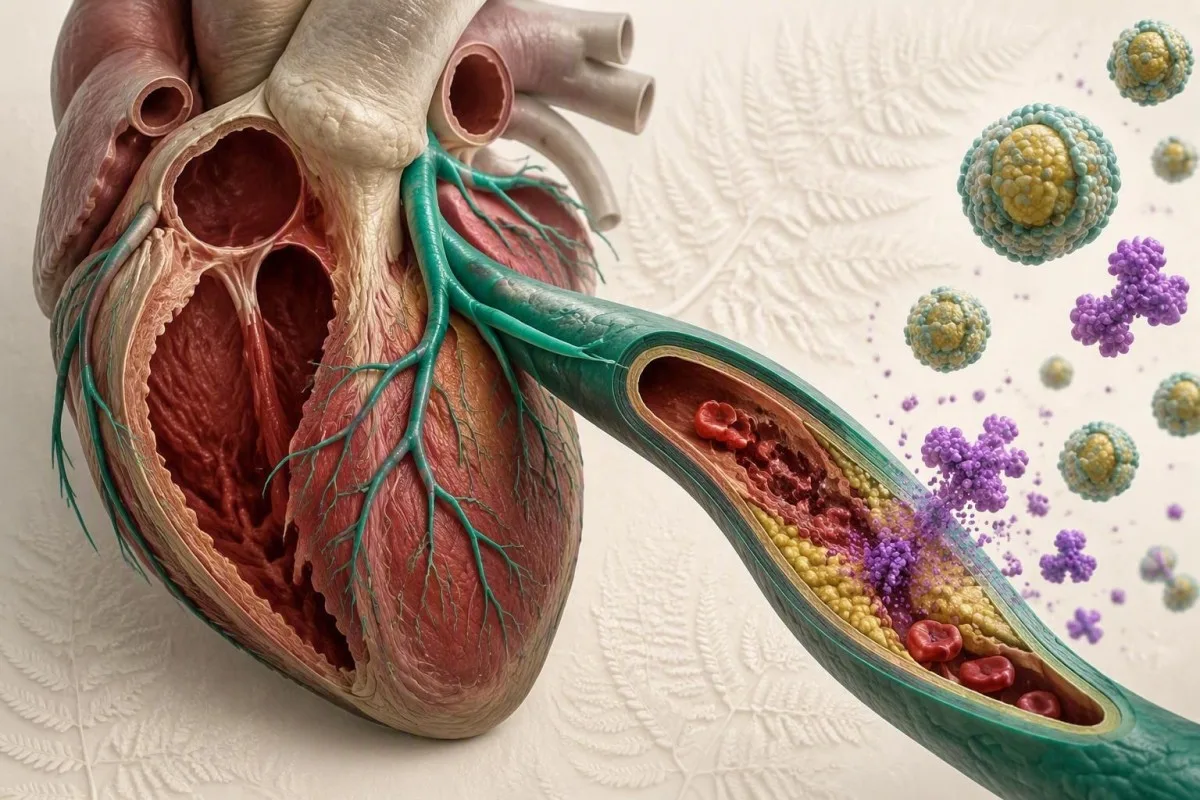
د مدیترانیا په سټایل کې د رژیم نمونه، منظم ایروبیک او مقاومت لرونکی فعالیت، کافي خوب، د وزن مدیریت کله چې مناسب وي، او د تنباکو بندول د پیژندل شوي پایلې شواهدو سره د خطر فکتورونو ښه کوي. د triglycerides لپاره، د پاک شوي کاربوهایډریټ او الکول exposição کمول په پراخه کچه مهم کیدی شي؛ د triglycerides کمولو لپاره عملي اختیارونه وګورئ ترڅو بیا ازموینه وشي.
انټي اکسیډینټ سپلیمنټونه د MPO کمولو زړه درملنې په توګه رول نه دی ګټلی. د لوړ دوز ویټامین E، بیټا کیروټین، او مخلوط محصولات زیان یا د درملو تعاملات کولی شي، او د سرلیک مارکر کې کمښت د زړه د حملې یا سټروک کمیدو ثبوت ندی.
د MPO مستقیم کمولو لپاره شواهد دومره بالغ نه دي چې شاوخوا یې نسخه ولیکئ. که LDL-C له 170 څخه 85 mg/dL ته د کلینیکي موافقې پلان سره راټیټ شي، د وینې فشار له 148/92 څخه 126/78 mmHg ته راټیټ شي، او سګرټ څکول بند شي، زه دا د قوي مخنیوي بریالیتوب ګڼم حتی که MPO بیا نه وي تکرار شوی.
رجحانات په هوښیارۍ سره وکاروئ: د پرتله کولو وړ لیپیډ او د وینې فشار رجحانات د مکرر انفلاسیون مارکر ازموینې په پرتله کلینیکي پلوه قوي دي. زموږ د لاین-په-لاین لابراتواري تحلیل لارښود تشریح کوي چې د مخکې له دې چې د بایومارکر په اړه پریکړه وشي چې په ریښتیا بدله شوې ده، څه باید ثبت شي.
پایله: MPO په بشپړ قلبي ارزونې کې ځای په ځای کړئ
MPO یو بیولوژیکي معنی لرونکی اکسیډیټیو سټریس مارکر دی، مګر دا نشي کولی تړل شوي شریانونه تشخیص کړي، د زړه حمله رد کړي، یا د زړه مخنیوي پیژندل شوي وسایل بدل کړي. د دې ترټولو لویه محدودیت غیر مشخصیت دی: ورته لوړښت کولی شي د رګونو انفلاسیون، انفیکشن، سګرټ څکول، د پښتورګو ناروغي، یا بل معافیت محرک منعکس کړي.
د MPO یوه ګټوره بحث کې LDL-C یا غیر HDL-C، ApoB چیرته چې اړونده وي، Lp(a) لږترلږه یو ځل، د وینې فشار اوسط، HbA1c یا ګلوکوز، د پښتورګو فعالیت، د پیشاب البومین، د سګرټ څکولو وضعیت، د کورنۍ تاریخ، نښې، او د درملو تاریخ شامل دي. یو عادي MPO لوړ ApoB یا لوړ فشار لغوه نه کوي، او لوړ MPO پلیق شتون نه ثابتوي.
ډاکټر توماس کلین regras عملي ساده دی: د ازموینې پایلې باید خوندي راتلونکي عمل بدل کړي. که MPO د مخنیوي درملنه، امیجنگ، د نښو تریج، یا د تکرار ارزونې وخت بدل نه کړي، دا ممکن په زړه پورې وي مګر کلینیکي پلوه پریکړه کونکي نه وي.
Kantesti څو ژبني راپور تفسیر د رجحان بیاکتنې سره ترکیب کوي، او د دې طبي مینځپانګه د زموږ له لارې نظارت کیږي د طبي مشورتي بورډ. د میتودولوژي او محدودیتونو لپاره، زموږ تخنیکي کلینیکي تصدیق طریقه مخکې لدې چې په کوم اتوماتیک تفسیر تکیه وکړئ.
د MPO سره په پام کې نیولو پرته اضطراري نښې په جدي ډول واخلئ. د باثباته مخنیوي لپاره، بشپړ پینل او ستاسو د کور د وینې فشار لوستل د وړ کلینیکي ډاکټر ته راوړئ؛ دا خبرې اترې هغه ځای دی چې یو متخصص مارکر خپل ځای ترلاسه کوي—یا په مناسب ډول ایښودل کیږي.
پوښتل شوې پوښتنې
د مایلوپيروکسایډیز ازموینه لوړ معنی څه لري؟
د مایلوپيروکسیداز (myeloperoxidase) لوړ ازموینه د MPO خوشې کولوونکي معافیت حجرو څخه د فعاليت زیاتوالی په ګوته کوي، کوم چې د اکسیډیټیو فشار او د وینې رګونو د سوزش سره مل کیدلی شي. په یو عام کارول شوي EDTA-پلاسما ازموینه کې، د 540 pmol/L یا لوړ ارزښتونه په لوړه کټګورۍ کې راځي، مګر د لابراتوار ځانګړي وقفه تل لومړیتوب لري. انتان، سګرټ څکول، د پښتورګو ناروغي، د ځان څخه د معافیت فعالیت، د ګوم سوزش، او وروستي شدید تمرین هم MPO لوړ کولی شي. لوړ پایله د زړه د شریان ناروغي تشخیص نه کوي یا دا ثابتوي چې د زړه حمله روانه ده.
د MPO وینې ازموینې عادي پایله څه ده؟
د MPO د وینې د ازموینې لپاره هیڅ واحد نړیوال نورماله پایله شتون نلري ځکه چې ازموینې مختلف نمونې، کیلیبریټرونه او واحدونه کاروي. یوه عامه یادونه شوې EDTA-پلاسما ازموینه د 350 pmol/L څخه کم د ټیټې کټګورۍ په توګه، 350 تر 539 pmol/L منځنۍ کټګورۍ په توګه، او 540 pmol/L یا لوړ د لوړې کټګورۍ په توګه کاروي. دا ارزښتونه باید د MPO پایلو باندې پلي نشي چې په ng/mL کې راپور شوي یا د سیرم ازموینې باندې د لابراتوار د خپلې حوالې رینج پرته. نورمال MPO هم نشي کولی لوړ LDL-C، لوړ ApoB، د زړه تخته، یا د زړه شدید سنډروم رد کړي.
ایا د زړه ناروغي تشخیص کیدی شي؟
نه، MPO د زړه ناروغي تشخیص نشي کولی ځکه چې دا د کورونري تنګیدل، د پلاک بار، د زړه عضلي زیان، یا د سینې د نښو لامل نه ښیې. د کورونري ناروغۍ تشخیص په نښو، معاینه، ECG، لوړ حساسیت لرونکي ټروپونین کله چې شدید ناروغي ممکنه وي، د خطر ارزونه، او کله ناکله د کورونري امیجنگ یا فشار ازموینې پورې اړه لري. په شدید سینې درد کې، په شاوخوا 1 تر 3 ساعتونو کې د ټروپونین لړۍ اندازه کول د MPO په پرتله خورا ډیر کلینیکي کاري دي. MPO ممکن په غوره شوي ترتیباتو کې ثانوي خطر معلومات اضافه کړي، مګر دا د یوازې تشخیص ازموینه نده.
ایا MPO هماغه MPO-ANCA دی؟
نه، د MPO انزایم ازموینه او د MPO-ANCA ازموینه مختلفو پوښتنو ته ځواب ورکوي. د MPO زړه ازموینه دcirculating myeloperoxidase غلظت یا فعالیت اندازه کوي، ډیری وختونه په pmol/L کې، پداسې حال کې چې د MPO-ANCA ازموینه د MPO په وړاندې د انټي باډیز اندازه کوي، ډیری وختونه په U/mL یا د assays index په توګه راپور کیږي. د MPO-ANCA ازموینه د احتمالي کوچني رګونو واسکولایټس په ارزونه کې د نښو، پیشو ازموینې، د پښتورګو فعالیت، امیجنگ، او متخصص ارزونې سره یوځای کارول کیږي. د زړه لوړ MPO پایله پدې معنی ندي چې یو څوک واسکولایټس لري.
د لوړ MPO سره کوم ازموینې باید وګورم؟
لوړ MPO باید د وینې فشار، LDL-C، غیر HDL-C، ApoB کله چې په ګوته شي، لیپوپروټین (a)، HbA1c یا ګلوکوز، eGFR، د پیشاب البومین-کریټینین تناسب، د سګرټ څکولو د مخنیوي، نښې، او د کورنۍ تاریخ سره تفسیر شي. ApoB د 130 mg/dL یا لوړ او Lp(a) د 50 mg/dL یا 125 nmol/L یا لوړ په عام مخنیوي چوکاټونو کې د خطر زیاتولو موندل شوي. که د سینې درد، سخته ساه لنډۍ، بې هوشي، یا عصبي نښې شتون ولري، ECG او عاجل د لوړ حساسیت لرونکي ټروپونین ازموینې لومړیتوب لري. MPO یوازې بیا تکرار کړئ کله چې ښه یاست او غوره دا ده چې د 2 څخه تر 4 اونیو وروسته ورته لابراتوار او نمونې ډول وکاروئ.
زه څنګه کولی شم د مایلوپيروکسيدايز کچه ټيټه کړم؟
د مایلوپيروکسیداز د کمولو لپاره هیڅ ثابت درملنه نشته، نو کلینیکان په بدلونونو تمرکز کوي چې د زړه د ناروغیو پیښې کموي. پدې کې د تنباکو پریښودل، د وینې فشار کنټرول، LDL-C او ApoB کمول کله چې اړین وي، د ګلوکوز کنټرول ښه کول، منظم تمرین، او د دوامداره رژیم تعقیب شامل دي. د MPO شمیر بدلولو لپاره یوازې د انټي اکسیډینټ ضمیمو پیل کولو څخه ډډه وکړئ ځکه چې د مارکر بدلونونه د زړه حملې یا سټروک کمښت ثابت نه کوي. یو تکراري پایله هغه وخت خورا معنی لرونکې وي کله چې د ناروغۍ څخه روغیدو وروسته او د 24 څخه تر 48 ساعتونو لپاره د غیر معمولي سخت تمرین څخه مخنیوي وروسته د ورته ازموینې سره اندازه کیږي.
همدا نن د AI په مرسته د وینې ازموینې تحلیل ترلاسه کړئ
له 2M+ څخه زیات کاروونکي په ټوله نړۍ کې زموږ په Kantesti باور لري چې د لابراتوار ازموینو تحلیل په فوري او دقیق ډول کوي. خپل د وینې ازموینې پایلې اپلوډ کړئ او په ثانیو کې د 15,000+ بایومارکرونو بشپړه تشریح ترلاسه کړئ.
📚 د څېړنې خپرونې چې حواله شوې دي
کلین، ټي، مېچېل، ایس، او وېبر، ایچ. (2026). Kantesti LTD. (2026). د اوسپنې مطالعې لارښود: TIBC، د اوسپنې سنګین او د تړلو ظرفیت. Zenodo. https://doi.org/10.5281/zenodo.18248745 | ResearchGate: https://www.researchgate.net/ | Academia.edu: https://www.academia.edu/. Kantesti د AI طبي څېړنه.
کلین، ټي، مېچېل، ایس، او وېبر، ایچ. (2026). Kantesti LTD. (2026). د aPTT عادي حد: D-Dimer، د پروټین C د وینې د ټوټې کیدو لارښود. Zenodo. https://doi.org/10.5281/zenodo.18262555 | ResearchGate: https://www.researchgate.net/ | Academia.edu: https://www.academia.edu/. Kantesti د AI طبي څېړنه.
📖 بهرني طبي مراجع
Brennan ML et al. (2003). د سینې د درد په ناروغانو کې د مایلوپيروکسيديز د وړاندوینې ارزښت. د نیو انګلنډ د طب ژورنال.
Meuwese MC et al. (2007). د شریانونو د ناروغیو په راتلونکي خطر کې د مایلوپيروکسيديز د سیرم کچه په ظاهري توګه صحي اشخاصو کې د دې سره تړاو لري: د EPIC-Norfolk پروسپیکټیو پاپولیشن سټډي. د American College of Cardiology ژورنال.
Arnett DK et al. (2019). د 2019 کال ACC/AHA لارښود د قلبي-عروقي ناروغۍ د لومړني مخنیوي په اړه. Circulation.





⚕️ طبي ردونه
دا مقاله یوازې د زده کړې لپاره ده او طبي مشوره نه جوړوي. د تشخیص او درملنې د پرېکړو لپاره تل د وړ روغتیايي خدمت وړاندې کوونکي سره سلا وکړئ.
د E-E-A-T باور نښې
تجربه
د ډاکټر تر مشرۍ لاندې کلینیکي بیاکتنه د لابراتواري تفسیر د کاري بهیرونو لپاره.
تخصص
د لابراتواري طب تمرکز پر دې چې بایومارکرونه په کلینیکي شرایطو کې څنګه چلند کوي.
واک ورکول
د ډاکټر توماس کلاین له خوا لیکل شوی، د ډاکټر سارا میچل او پروف. ډاکټر هانس ویبر له خوا بیاکتنه.
اعتبار
د شواهدو پر بنسټ تفسیر د روښانه تعقیبي لارو چارو سره، تر څو اندیښنه کمه شي.