MPO သည် သွေးကြောထိခိုက်မှုနှင့်အတူ ဖြစ်ပွားနိုင်သော ခုခံအားဆဲလ်များ၏ oxidative လုပ်ဆောင်မှုကို ထင်ဟပ်စေသည်၊ သို့သော် ၎င်းသည် အခြေအနေကိုပြသော အမှတ်အသားတစ်ခုဖြစ်သည် - ရောဂါမဟုတ်ပါ။ ဆရာဝန်များသည် ၎င်းကို lipids၊ သွေးဖိအား၊ ဂလူးကို့စ်၊ ကျောက်ကပ်လုပ်ဆောင်ချက်နှင့် လက္ခဏာများနှင့်အတူ မည်သို့ တွဲဖက်အသုံးပြုသည်ကို ဤနေရာတွင် ဖော်ပြထားသည်။.



- MPO သည် မည်သို့ တိုင်းတာသနည်း: Myeloperoxidase သည် အဓိကအားဖြင့် သွက်လက်တက်ကြွနေသော neutrophils နှင့် monocytes မှ ထုတ်လွှတ်သော အင်ဇိုင်းတစ်ခုဖြစ်ပြီး ခုခံအားတက်ကြွမှုအတွင်း hypochlorous acid ကို ထုတ်လုပ်နိုင်သည်။.
- Assay-dependent range: အသုံးများသော EDTA-plasma MPO assay သည် 350 pmol/L အောက်ရှိ တန်ဖိုးများကို နိမ့်သော အန္တရာယ်အဖြစ် သတ်မှတ်သည်၊ သို့သော် ဓာတ်ခွဲခန်းများသည် ကွဲပြားသောနည်းလမ်းများနှင့် ကန့်သတ်ချက်များကို အသုံးပြုကြသည်။.
- နှလုံးရောဂါ ရောဂါရှာဖွေရေး မဟုတ်ပါ။: မြင့်မားသော MPO ရလဒ်သည် သွေးလွှတ်ကြောများ ကျဉ်းနေသည်ရှိမရှိ၊ plaque ရှိနေသည်ရှိမရှိ၊ သို့မဟုတ် ရင်ဘတ်အောင့်ခြင်းသည် နှလုံးကြောင့်ဖြစ်သည်ရှိမရှိကို မပြနိုင်ပါ။.
- MPO နှလုံးရောဂါအန္တရာယ်: MPO သည် ရွေးချယ်ထားသော လူနာများတွင်၊ အထူးသဖြင့် ပြင်းထန်သော ရင်ဘတ်အောင့်သည့် အစုအဝေးများတွင် ကန့်သတ်ထားသော ရှေ့ပြေးသတင်းအချက်အလက်ကို ပေါင်းထည့်သော်လည်း LDL-C၊ ApoB၊ သွေးဖိအား၊ HbA1c၊ သို့မဟုတ် ဆေးလိပ်သောက်သည့် မှတ်တမ်းများကို အစားထိုးမည်မဟုတ်ပါ။.
- Troponin သည် ဦးစွာလာသည်။: ရင်ဘတ်အသစ် ဖိအား၊ အသက်ရှုမဝ၊ ချွေးထွက်၊ သတိလစ်ခြင်း၊ သို့မဟုတ် မေးရိုး သို့မဟုတ် လက်သို့ ပျံ့နှံ့နေသော နာကျင်မှုများသည် MPO သွေးစစ်ဆေးမှုကို မဟုတ်ဘဲ၊ အရေးပေါ် ဆေးဘက်ဆိုင်ရာ အကဲဖြတ်ခြင်းနှင့် ECG/troponin စစ်ဆေးမှု လိုအပ်သည်။.
- အခြေအနေညွှန်ကိန်းများ (Context markers): Non-HDL ကိုလက်စထရော၊ ApoB၊ lipoprotein(a)၊ hs-CRP၊ eGFR၊ ဆီး ACR၊ ဂလူးကို့စ်နှင့် သွေးဖိအားတို့သည် ပိုမိုအရေးယူဆောင်ရွက်နိုင်သော အန္တရာယ်ဆိုင်ရာ အကြောင်းအရာများကို ပေးဆောင်သည်။.
- အဖြစ်များသော မှားယွင်းသော အကြောင်းအရာ: မကြာသေးမီက ကူးစက်ခြင်း၊ ကိုယ်ခံအားဆိုင်ရာ ရောင်ရမ်းခြင်း၊ ဆေးလိပ်သောက်ခြင်း၊ ကျောက်ကပ်လုပ်ဆောင်ချက် ချို့ယွင်းခြင်း၊ ပြင်းထန်သော လေ့ကျင့်ခန်းနှင့် ပြင်းထန်သော တစ်ရှူးထိခိုက်ဒဏ်ရာများသည် myeloperoxidase ပမာဏကို မြင့်တက်စေနိုင်သည်။.
- လက်တွေ့ နောက်တစ်ဆင့်: မတော်တဆ MPO ရလဒ်ကို ကျန်းမာနေချိန်တွင်သာ ထပ်ခါတလဲလဲလုပ်ပါ၊ အလားတူဓာတ်ခွဲခန်းနှင့် နမူနာအမျိုးအစားကို အသုံးပြုပါ၊ MPO ကိုလျှော့ချရန်အတွက် ဖြည့်စွက်စာများ သို့မဟုတ် ဆေးဝါးများကို မစတင်ပါနှင့်။.
MPO သွေးစစ်ခြင်းသည် တကယ်တမ်းတွင် မည်သို့တိုင်းတာသနည်း
A myeloperoxidase စစ်ဆေးမှု ဖွင့်ထားသော သွေးဖြူဥ ဆဲလ်များမှ ထုတ်လွှတ်သော oxidative enzyme ကို တိုင်းတာသည်၊ ၎င်းသည် သွေးကြောနံရံများအတွင်း oxidation ကို ပံ့ပိုးပေးနိုင်သော ကိုယ်ခံအားလှုပ်ရှားမှုကို ထင်ဟပ်စေသည်။ ၎င်းသည် သွေးကြောဆိုင်ရာ သွေးကြောရောဂါကို မခွဲခြားနိုင်၊ တစ်ဦးချင်း နှလုံးတိုက်ခိုက်မှုကို မသေချာမချင်း မခန့်မှန်းနိုင်၊ သို့မဟုတ် ရင်ဘတ်အောင့်ခြင်းကို ကိုယ်တိုင်မရှင်းပြနိုင်ပါ။ စက်တင်ဘာလ ၁၂ ရက်၊ ၂၀၂၆ ရက်နေ့အထိ၊ ကျွန်ုပ်သည် MPO ကို တည်ထောင်ထားသော နှလုံးသွေးကြောဆိုင်ရာ အန္တရာယ်ဆိုင်ရာ အချက်အလက်များနှင့် ဘေးတွင် ဒုတိယ အကြံပြုချက်အဖြစ်သာ အသုံးပြုပါသည်။.

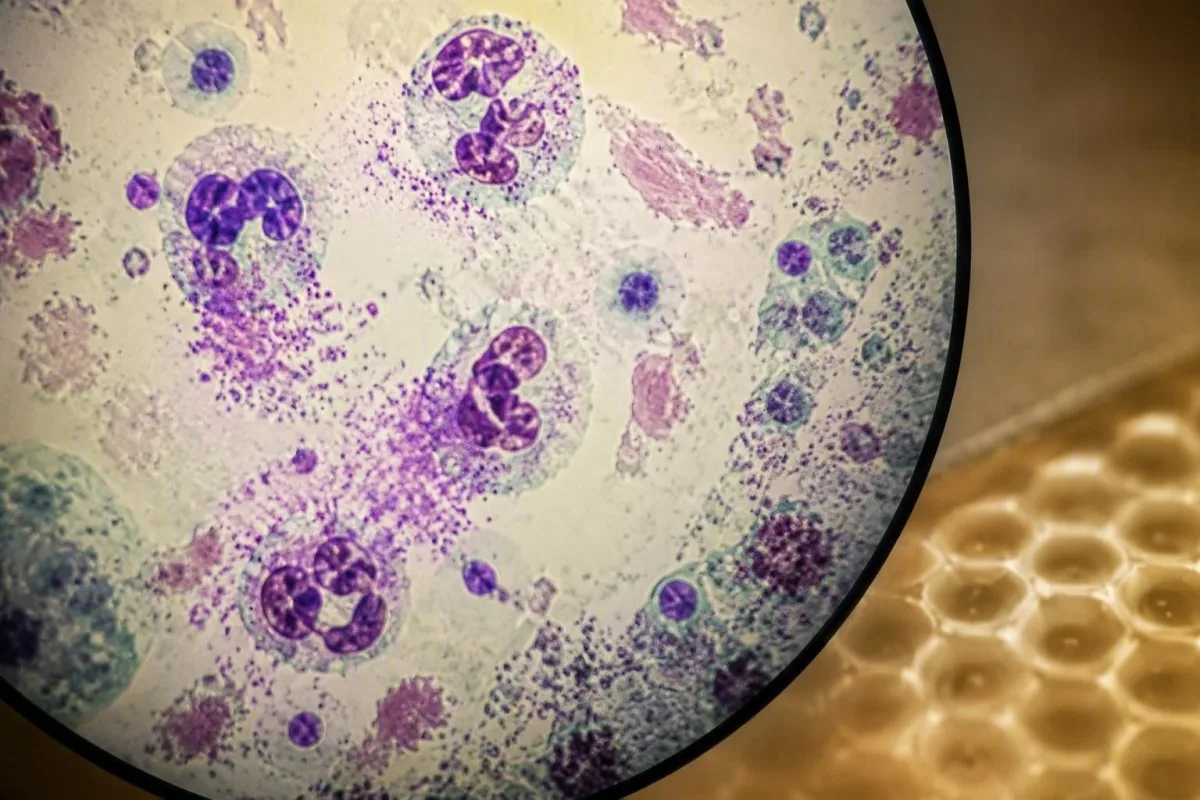
Myeloperoxidase (MPO) သည် neutrophils နှင့် monocytes များတွင် သိမ်းဆည်းထားပြီး ထိုဆဲလ်များသည် hypochlorous acid ကို ထုတ်လုပ်ရန် ကူညီပေးသည်၊ ၎င်းသည် အစွမ်းထက်သော antimicrobial oxidant ဖြစ်သည်။ သွေးကြောနံရံတွင်၊ အလားတူဓာတုဗေဒသည် LDL အမှုန်များကို ပြောင်းလဲစေနိုင်သည်၊ nitric-oxide ရရှိနိုင်မှုကို လျှော့ချသည်၊ နှင့် plaque ဇီဝဗေဒကို တည်ငြိမ်မှုနည်းစေသည်၊ ထို့ကြောင့် MPO သည် သွေးကြောရောင်ရမ်းမှု marker အဖြစ် အာရုံစိုက်မှု ရရှိခဲ့သည်။.
MPO ရလဒ်သည် ကိုလက်စထရောရလဒ်နှင့် လဲလှယ်၍မရပါ။ လူတစ်ဦးသည် LDL-C 92 mg/dL ရှိပြီး အသက်ရှူလမ်းကြောင်းဆိုင်ရာ ရောဂါပြီးနောက် ယာယီမြင့်မားသော MPO ရှိနိုင်ပြီး၊ အခြားတစ်ဦးသည် MPO ကို နိမ့်သော အပိုင်းအခြားတွင် ရှိနေသော်လည်း ApoB သည် 145 mg/dL၊ သွေးဖိအား 154/94 mmHg ရှိပြီး ၎င်းတို့သည် ဆေးလိပ်သောက်ကြသောကြောင့် တစ်သက်တာ အန္တရာယ်ကို မြင့်မားနေဆဲ ဖြစ်နိုင်သည်။.
Kantesti AI သည် fasting အခြေအနေ၊ ရေဓာတ်ဆိုင်ရာ အရိပ်အမြွက်များ၊ ဆေးဝါးများ၊ ယခင်လမ်းကြောင်းများ၊ နှင့် တွဲဖက် marker များ၏ အခြေအနေတွင် renal panel ကို ဖတ်ရှုသည့် AI သွေးစမ်းသပ်မှုခွဲခြမ်းစိတ်ဖြာ အလယ်အလတ်ရောဂါအပေါ် အများဆုံးပြောင်းလဲစေမည့် ပုံမှန်ရလဒ်များနှင့်အတူ အထူးပြုထားသော သွေးကြောဆိုင်ရာ marker များကို ဖတ်ရှုသော၊ အင်ဇိုင်းတစ်မျိုးကို အဆုံးအဖြတ်အဖြစ် သတ်မှတ်ခြင်းထက်။ ကျွန်ုပ်၏ ဆေးခန်းလုပ်ငန်းတွင် အသုံးဝင်ဆုံးမေးခွန်းမှာ “MPO မြင့်နေသလား” ဟူ၍ မဟုတ်ဘဲ “၎င်းနှင့်အတူ မည်သည့် ပြုပြင်ပြောင်းလဲနိုင်သော အန္တရာယ်ရှိသနည်း” ဟူ၍ ဖြစ်သည်။ ကျယ်ပြန့်သော biomarker ကိုးကားလမ်းညွှန် နှလုံးသွေးကြောဆိုင်ရာ အုပ်စုတွင် ပုံမှန်တွေ့ရသော စစ်ဆေးမှုများအတွက်။.
ဒေါက်တာ Thomas Klein သည် ECG များ ပုံမှန်နှင့် ရောဂါလက္ခဏာများ အတည်ပြုပြီးနောက် MPO အလံကြောင့် စိုးရိမ်ပူပန်နေကြသော လူနာများကို တွေ့မြင်ခဲ့ရသည်။ MPO သည် ဇီဝလမ်းကြောင်းကို ဖော်ပြသည်၊ ရုပ်ပုံဖော်ခြင်း၊ ရောဂါလက္ခဏာများ၊ troponin နှင့် ပုံမှန် အန္တရာယ်ဆိုင်ရာ အချက်များက နှလုံးရောဂါ ဖြစ်နိုင်ခြေကို ဆုံးဖြတ်ပေးသည်ဟု အစီရင်ခံစာက ရှင်းလင်းစွာ ဖော်ပြသောအခါ ထိုစိုးရိမ်ပူပန်မှုကို ရှောင်ရှားနိုင်သည်။.
အင်ဇိုင်းသည် antibody မဟုတ်ပါ။
သွေးကြောဆိုင်ရာ အန္တရာယ်အတွက် MPO အင်ဇိုင်း စစ်ဆေးခြင်းသည် MPO-ANCA antibody vasculitis သံသယရှိသူများတွင် အသုံးပြုသော စစ်ဆေးမှုနှင့် ကွဲပြားသည်။ တစ်ခုသည် စီးဆင်းနေသော အင်ဇိုင်း ပမာဏ သို့မဟုတ် လှုပ်ရှားမှုကို တိုင်းတာသည်၊ အခြားတစ်ခုသည် ကိုယ်ခံအား antibody ကို ရှာဖွေပြီး လုံးဝကွဲပြားသော ဆေးဘက်ဆိုင်ရာ ရည်ရွယ်ချက်ရှိသည်။.
MPO သည် သွေးလွှတ်ကြောများအတွင်း Oxidative Stress နှင့် အဘယ်ကြောင့် ဆက်စပ်နေသနည်း
MPO သည် ရောင်ရမ်းနေသော သွေးကြောနံရံအတွင်းရှိ lipoproteins များကို oxidize လုပ်နိုင်ပြီး nitric-oxide အချက်ပြမှုကို ထိခိုက်စေနိုင်သောကြောင့် သွေးကြောဆိုင်ရာ အန္တရာယ်နှင့် ဆက်စပ်နေသည်။ ယန္တရားသည် ဇီဝဗေဒအရ ဖြစ်နိုင်သော်လည်း၊ ဖြစ်နိုင်ခြေသည် MPO ကို ကုသရေးပစ်မှတ် သို့မဟုတ် စစ်ဆေးရေးရောဂါခွဲခြားမှု မဖြစ်စေပါ။.
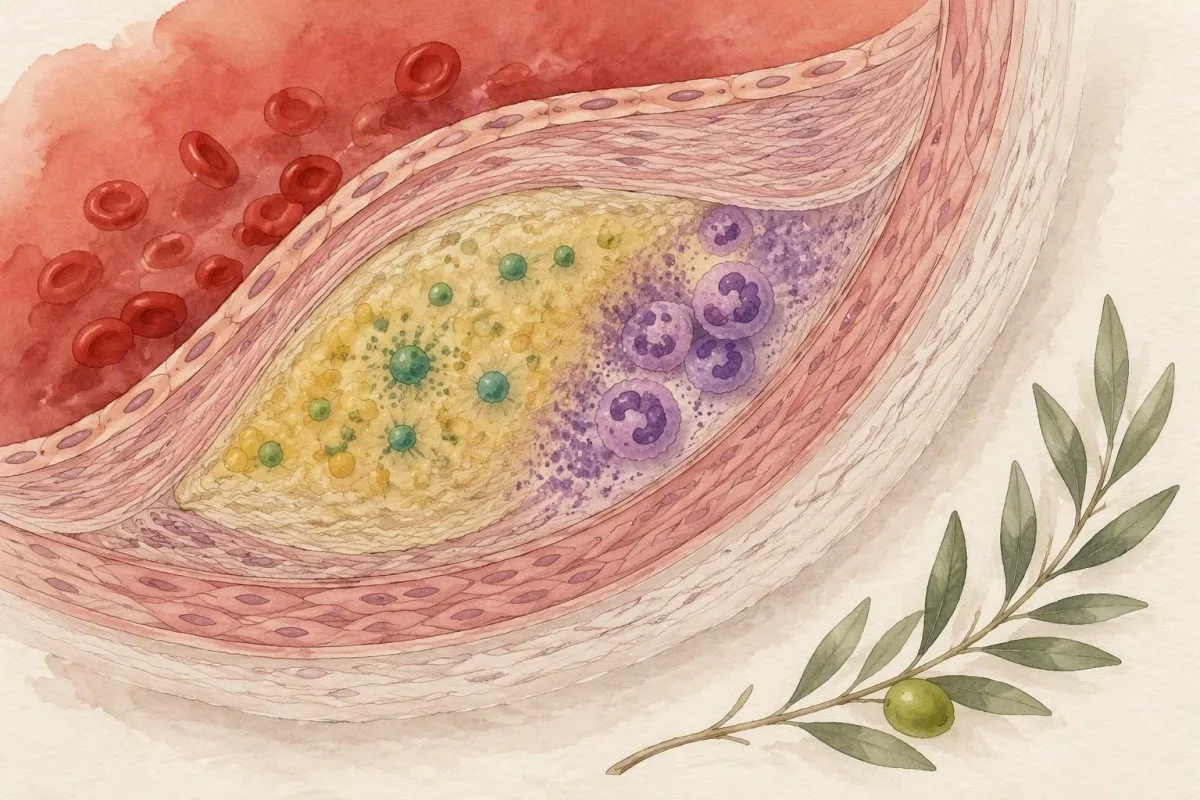
MPO သည် hydrogen peroxide နှင့် chloride ကို အသုံးပြု၍ hypochlorous acid ကို ထုတ်လုပ်သည်၊ မကြာခဏ HOCl ဟု အတိုကောက်ခေါ်သည်။ HOCl သည် tyrosine residues များကို ပရိုတင်းများပေါ်တွင် chlorinate လုပ်နိုင်ပြီး HDL နှင့် LDL လုပ်ဆောင်ချက်ကို ပြောင်းလဲစေသည်၊ ဤဓာတုခြေရာများသည် သုတေသန တစ်ရှူးလေ့လာမှုများတွင် တိုင်းတာနိုင်သော်လည်း၊ ပုံမှန် ပလာစမာတန်ဖိုးသည် oxidation မည်သည့်နေရာတွင် ဖြစ်ပွားသည်ကို ရှာဖွေနိုင်မည်မဟုတ်ပါ။.
Atherosclerosis သည် ရိုးရိုး “သွေးကြောများအတွင်း သံချေး” မဟုတ်ပါ။ ၎င်းတွင် ApoB-ပါဝင်သော အမှုန်များ သွေးကြောနံရံအတွင်းသို့ ဝင်ရောက်ပြီး ထိန်းသိမ်းခံရခြင်း၊ ဒေသဆိုင်ရာ ကိုယ်ခံအား ဆွဲဆောင်ခြင်း၊ endothelial dysfunction နှင့် တစ်ခါတစ်ရံ plaque ပေါက်ကွဲခြင်းတို့ ပါဝင်သည်၊ an oxidized LDL ရလဒ် ဖြစ်နိုင်သည်၊ သို့သော် ၎င်းသည် ၎င်း၏ကိုယ်ပိုင် စစ်ဆေးမှု ကန့်သတ်ချက်များကို ကိုင်ဆောင်ထားသည်။.
Brennan et al. ၏ 2003 ခုနှစ် ရင်ဘတ်အောင့်ခြင်း လေ့လာမှုအရ MPO မြင့်မားခြင်းသည် ပထမ troponin န Negative ဖြစ်နေသော်လည်း အနီးကပ်ဆုံး ဖြစ်ရပ်အန္တရာယ်ကို ပိုမိုသိသာစေခဲ့သည်။ (Brennan et al., 2003)။ အဆိုပါရလဒ်သည် ဆေးဘက်ဆိုင်ရာအရ စိတ်ဝင်စားစရာကောင်းသည်၊ အကြောင်းမှာ MPO သည် သိသာသော နှလုံးကြွက်သား ထိခိုက်မှု မဖြစ်ပေါ်မီတွင် မြင့်တက်လာနိုင်သောကြောင့်ဖြစ်ပြီး၊ သွေးခဲမှု ဖြစ်ပွားနေကြောင်း မသက်သေပြခြင်းကြောင့် မဟုတ်ပါ။.
အွန်လိုင်းတွင် မကြာခဏ လွဲချော်တတ်သော အချက်တစ်ချက်- သွေးလည်ပတ်နေသော MPO သည် သွေးလည်ပတ်မှု သွေးကြောများပြင်ပရှိ ကိုယ်ခံအား ဆဲလ်များမှ လာနိုင်သည်။ သွားဖုံးရောဂါ၊ ပြင်းထန်သော ဗိုင်းရပ်စ်ရောဂါ၊ ရောင်ရမ်းသော အဆစ်အမြစ်ရောင်ခြင်း၊ နာတာရှည် ကျောက်ကပ်ရောဂါ၊ နှင့် ဆေးလိပ်သောက်ခြင်းတို့သည် အခြားအကြောင်းပြချက်များ ပေးစွမ်းနိုင်သောကြောင့် စစ်ဆေးမှုသည် ရုပ်ပိုင်းဆိုင်ရာ သီးသန့်မရှိပါ။.
ဆရာဝန်များ MPO ကို မှာယူရန် မည်သည့်အခါတွင် စဉ်းစားနိုင်သနည်း
ဆရာဝန်များသည် ပုံမှန်နှလုံးသွေးကြောဆိုင်ရာ အန္တရာယ်သည် မပြီးပြတ်သေးဟု ထင်ပါက သို့မဟုတ် နယ်နိမိတ်ချင်းထိနေသော ရလဒ်များစွာရှိသော လူနာတွင် အထူးကုဆရာဝန်တစ်ဦးက အန္တရာယ်ကို ပြုပြင်နေပါက MPO သွေးစစ်ဆေးမှုကို ထည့်သွင်းစဉ်းစားနိုင်သည်။ အဓိက ကာကွယ်ရေး လမ်းညွှန်ချက်များက ပုံမှန် လူဦးရေ စစ်ဆေးမှုကို မထောက်ခံပါ။.

အဆိုပါ စစ်ဆေးမှုကို ကြိုတင်ကာကွယ်ရေး နှလုံးရောဂါဗေဒတွင် အစောပိုင်း မိသားစု ရာဇဝင်၊ ဇီဝကမ္မ အန္တရာယ်၊ နယ်နိမိတ်ချင်းထိနေသော ပုံမှန် ရမှတ်များ၊ သို့မဟုတ် အကြောင်းရင်းမသိသော သွေးကြောဆိုင်ရာ ရောဂါ တိုးတက်မှုကို ခံစားနေရသူများအတွက် မှာယူလေ့ရှိသည်။ အသက် 24 နှစ်အရွယ်တွင် ရောဂါလက္ခဏာမပြ၊ သွေးပေါင်ချိန် ပုံမှန်၊ LDL-C 68 mg/dL၊ နှင့် အဓိက အန္တရာယ် မရှိသောသူများအတွက် အသုံးဝင်မှု နည်းပါးသည်၊ အကြောင်းမှာ အရေးယူဆောင်ရွက်နိုင်သော ရောဂါ၏ ကြိုတင်ဖြစ်နိုင်ခြေ အလွန်နည်းပါးနေသောကြောင့်ဖြစ်သည်။.
ခေတ်မီ အန္တရာယ် ခန့်မှန်းချက် ပြည့်စုံပြီးနောက် MPO သည် ဆုံးဖြတ်ချက်များကို ပစ္စည်းအရ တိုးတက်စေသည် ရှိ၊ မရှိ အပေါ်တွင် သက်သေအထောက်အထားများ ရောထွေးနေပါသည်။ 2019 ACC/AHA ကာကွယ်ရေး လမ်းညွှန်ချက်သည် ပေါင်းစပ် အန္တရာယ် ခန့်မှန်းချက်၊ သွေးပေါင်ချိန်၊ ဆီးချို၊ ဆေးလိပ်သောက်ခြင်း၊ ကိုလက်စထရော၊ ရွေးချယ်ထားသော လူကြီးများတွင် သွေးကြောဆိုင်ရာ ကယ်လ်စီယမ်၊ နှင့် Lp(a) ကဲ့သို့သော အန္တရာယ် တိုးပွားစေသော အချက်များ ကို အလေးပေးဖော်ပြသည်၊ ပုံမှန် စစ်ဆေးမှု အနေဖြင့် MPO ကို မဟုတ်ပါ။ (Arnett et al., 2019)။.
လူနာအများစုအတွက်, hs-CRP သည် ပို၍ရင်းနှီးသော်လည်း၊ မေးခွန်းအသစ်တစ်ခုကို ဖြေကြားသည်။ ၎င်းသည် အသည်းမှ ထုတ်လုပ်သော အရေးပေါ် အဆင့် ပရိုတင်း ဖြစ်ပြီး neutrophils enzyme မဟုတ်ပါ။ ရောဂါလက္ခဏာများနှင့် အချိန်ကိုက်မှုများ ရှုပ်ထွေးပုံကို ဖတ်ပါ။ မြင့်မားသော hs-CRP အနက်ဖွင့်ခြင်း မည်သည့် marker မှ ရောဂါရှိသော သွေးကြောကို ဖော်ထုတ်သည်ဟု မယူဆမီ။.
ငါသည် MPO ဆွေးနွေးမှုကို နောက်ပိုင်းလာမည့် တွေ့ဆုံပွဲအတွက် ထားလေ့ရှိသည်၊ အလျင်အမြန် နှစ်စဉ်စစ်ဆေးမှုအတွက် မဟုတ်ပါ။ LDL လျှော့ချခြင်း၊ သွေးပေါင်ချိန် ကုသခြင်း၊ ဆေးလိပ်ဖြတ်ခြင်း၊ ဆီးချို ကုသခြင်း၊ သို့မဟုတ် ပုံရိပ်ဖော်ခြင်း ဆုံးဖြတ်ချက်များကို မပြောင်းလဲနိုင်သော ရလဒ်သည် အသုံးဝင်သော တိကျမှုထက် ဆူညံသံကို ပေါင်းထည့်နိုင်သည်။.
MPO နှလုံးရောဂါအန္တရာယ် စမ်းသပ်ခြင်းသည် MPO-ANCA စမ်းသပ်ခြင်း မဟုတ်ပါ။
MPO နှလုံး-အန္တရာယ် စစ်ဆေးမှုနှင့် MPO-ANCA စစ်ဆေးမှုတို့သည် မတူညီသော ဓာတ်ခွဲ စစ်ဆေးမှုများ ဖြစ်ပြီး မတူညီသော ယူနစ်များ၊ နည်းလမ်းများ၊ နှင့် ဆေးဘက်ဆိုင်ရာ အကျိုးဆက်များ ရှိသည်။ မြင့်မားသော သွေးကြော MPO သည် vasculitis ကို မဆိုလိုပါ၊ နှင့် အပြုသဘော MPO-ANCA သည် နှလုံးသွေးကြောဆိုင်ရာ oxidative stress ကို မတိုင်းတာပါ။.

MPO-ANCA သည် myeloperoxidase ကို တိုက်ခိုက်သော antibody များကို ရှာဖွေပြီး၊ အလယ်-အလတ် သွေးကြော vasculitis ကို သံသယရှိသောအခါ ရောဂါလက္ခဏာများ၊ ဆီး၏ အခြေအနေများ၊ ကျောက်ကပ်လုပ်ဆောင်ချက်၊ ပုံရိပ်ဖော်ခြင်း၊ နှင့် အထူးကု ဆရာဝန်၏ အကဲဖြတ်မှုတို့နှင့် အတူ အသုံးပြုသည်။ သွေးချောင်းဆိုးခြင်း၊ ကျောက်ကပ်လုပ်ဆောင်ချက် အလွန်လျင်မြန်စွာ ဆိုးရွားခြင်း၊ purpura၊ neuropathy၊ သို့မဟုတ် ရောင်ရမ်းသော မျက်လုံးရောဂါတို့သည် အမြန် ဆေးဘက်ဆိုင်ရာ အကဲဖြတ်မှု ကို တောင်းဆိုသည်၊ နှလုံးသွေးကြော MPO အစီအစဉ်သည် သင့်လျော်သော စုံစမ်းစစ်ဆေးမှု မဟုတ်ပါ။.
ဆန့်ကျင်ဘက်အားဖြင့်၊ MPO နှလုံး စစ်ဆေးမှုများသည် pmol/L, ng/mL, သို့မဟုတ် စစ်ဆေးမှု-အထူး လုပ်ဆောင်ချက်များကို အစီရင်ခံလေ့ရှိသည်။ ANCA ဓာတ်ခွဲများသည် antibody index ယူနစ်များ သို့မဟုတ် U/mL များကို ၎င်းတို့၏ ကိုယ်ပိုင် အပြုသဘော ဆိုးရွားမှု ကန့်သတ်ချက်များနှင့် အတူ အစီရင်ခံလေ့ရှိသည်၊ ဆိုလိုသည်မှာ အစီရင်တစ်ခုမှ နံပါတ်တစ်ခုကို အခြားတစ်ခုမှ နံပါတ်တစ်ခုသို့ အန္တရာယ်ကင်းစွာ မပြောင်းလဲနိုင်ပေ။.
ကန်တက်စတီသည် AI ဓာတ်ခွဲခန်း စစ်ဆေးမှု အနက်ဖွင့် ဝန်ဆောင်မှု တူညီစွာ အမည်ပေးထားသော စစ်ဆေးမှုများကို အနမူနာ၊ နည်းလမ်း၊ ယူနစ်၊ နှင့် ဆေးဘက်ဆိုင်ရာ မေးခွန်းတို့ဖြင့် ခွဲခြားရန် ဒီဇိုင်းထုတ်ထားသည်။ ဤကွဲပြားမှုသည် လူနာများ အနှစ်များစွာ အစီရင်အမျိုးမျိုးကို တင်သောအခါ အထူးအရေးကြီးသည်၊ ကျွန်ုပ်တို့၏ လမ်းညွှန်ကိုကြည့်ပါ။ ANCA ပုံစံများနှင့် MPO antibody-အထူး နောက်ဆက်တွဲအတွက်။.
ဓာတ်ခွဲ အလံသည် ရောဂါခွဲခြားမှု မဟုတ်ပါ။ MPO-ANCA သည် အပြုသဘောဖြစ်ပါက၊ vasculitis ၏ ခန့်မှန်းထားသော ဖြစ်နိုင်ခြေသည် သက်ဆိုင်ရာ ရောဂါလက္ခဏာများနှင့် အရာဝတ္ထုကိုယ်တွင်းအင်္ဂါ ရလဒ်များပေါ်တွင် များစွာမူတည်နေပြီး၊ သီးခြား low-positive ရလဒ်တစ်ခုသည် အခြားသော ကိုယ်ခံအားဆိုင်ရာ အခြေအနေများ၊ ကူးစက်မှုများ၊ နှင့် ဆေးဝါး ထိတွေ့မှုအချို့တွင် ဖြစ်ပွားနိုင်သည်။.
MPO သည် နှလုံးတိုက်ခိုက်ခြင်းကို အဘယ်ကြောင့် မပယ်ဖျောက်နိုင်သနည်း
MPO သည် နှလုံးကြွက်သား ထိခိုက်မှုကို မတိုင်းတာဘဲ နှလုံးကြွက်သားကို ထုတ်ပယ်နိုင်သည် သို့မဟုတ် မဖယ်နိုင်ပါ၊ ၎င်းသည် နှလုံးမဟုတ်သော ရောင်ရမ်းမှုအခြေအနေများစွာတွင် မြင့်တက်လာသည်။ ပြင်းထန်သော ရင်ဘတ် ရောဂါလက္ခဏာများအတွက် ECG၊ အကြိမ်များသော high-sensitivity troponin စစ်ဆေးမှု၊ အသက်မွေးဝမ်းကျောင်း ကိန်းဂဏန်းများ၊ နှင့် ဆရာဝန်၏ အကဲဖြတ်မှုတို့ လိုအပ်သည်။.
High-sensitivity troponin သည် နှလုံးကြွက်သား ထိခိုက်မှုကို ထင်ဟပ်စေသည်၊ troponin သည်ပင် အနက်ဖွင့်ရန် လိုအပ်သော်လည်း၊ ကျောက်ကပ်ရောဂါ၊ tachyarrhythmia၊ myocarditis၊ နှင့် ပြင်းထန်သော သွေးတိုးရောဂါတို့သည် ၎င်းကို မြင့်တက်စေနိုင်သောကြောင့် ဖြစ်သည်။ 1 မှ 3 နာရီအတွင်း ပြောင်းလဲနေသော တန်ဖိုး၊ ရောဂါလက္ခဏာများ၊ ECG ရလဒ်များ၊ နှင့် ဒေသခံ စစ်ဆေးမှု ကန့်သတ်ချက်များသည် တစ်ခုတည်းသော MPO ရလဒ်ထက် ပိုမို အချက်အလက်များ ပေးသည်။.
Brennan et al. ၏ 2003 New England Journal of Medicine cohort တွင်၊ MPO သည် ရင်ဘတ်အောင့်ခြင်းဖြင့် လာသော လူနာများကြားတွင်၊ ပထမ troponin န Negative ရှိသူအချို့ အပါအဝင်၊ ခန့်မှန်းချက် အချက်အလက်များကို ပေါင်းထည့်ခဲ့သည်။ (Brennan et al., 2003)။ ထိုအရာသည် အရေးပေါ် အခြေအနေကို ဖယ်ထုတ်ရန် အိမ်တွင် သို့မဟုတ် ပင်မ စောင့်ရှောက်မှုတွင် MPO ကို အသုံးပြုရန် မထောက်ခံပါ။ လေ့လာမှု လူဦးရေသည် အရေးပေါ် ဆေးရုံ စောင့်ရှောက်မှု ခံယူနေပြီး ဖြစ်သည်။.
မိနစ် 10 ထက် ပို၍ ကြာရှည်သော ဖိအားအသစ် သို့မဟုတ် တင်းကျပ်မှု၊ လေ့ကျင့်ခန်းလုပ်စဉ် နာကျင်မှု၊ သတိလစ်ခြင်း၊ အလွန်အမင်း အသက်ရှူမဝခြင်း၊ အေးသော ချွေးများ၊ သို့မဟုတ် မေးရိုး၊ ခါး၊ သို့မဟုတ် လက်သို့ ပျံ့နှံ့သော နာကျင်မှုတို့သည် အရေးပေါ် ဝန်ဆောင်မှုများကို ညွှန်ပြသင့်သည်။ ကျွန်ုပ်တို့၏ လက်တွေ့ ရင်ဘတ်အောင့်ခြင်း သွေးစစ်ဆေးမှု လမ်းညွှန် နှလုံးတိုက်ခတ်မှု အချက်အလက် အချိန်ကို ဘာကြောင့် ပြောင်းရလဲဆိုတာ ရှင်းပြတယ်။.
ပုံမှန် MPO ဟာ လက္ခဏာတွေကို လျစ်လျူရှုဖို့ ခွင့်ပြုချက် မဟုတ်ပါဘူး။ ဆန့်ကျင်ဘက်အနေနဲ့၊ လက္ခဏာမရှိဘဲ MPO မြင့်တက်နေတာဟာ ပုံမှန်အားဖြင့် အရေးပေါ်ဌာနနဲ့ မသက်ဆိုင်တဲ့ အန္တရာယ် ဆွေးနွေးရမယ့် ကိစ္စ ဖြစ်ပါတယ်။.
LDL နှင့် Non-HDL ကိုလက်စထရောသည် အရေးကြီးသော အခြေအနေကို ပေးစွမ်းသည်။
LDL-C နဲ့ non-HDL cholesterol တို့ဟာ MPO အတွက် အရေးကြီးတဲ့ အကြောင်းအရာကို ပေးစွမ်းပါတယ်၊ ဘာကြောင့်လဲဆိုတော့ atherosclerosis ဟာ ApoB ပါဝင်တဲ့ lipoproteins တွေနဲ့ ထိတွေ့မှု လိုအပ်ပြီး oxidative stress ကိုသာ မဟုတ်ပါဘူး။ ပုံမှန် LDL-C 190 mg/dL နဲ့ မတူဘဲ၊ MPO မြင့်တက်နေပြီး atherogenic cholesterol ကျနေတာဟာ မတူညီတဲ့ အဓိပ္ပာယ်ကို ဖော်ပြပါတယ်။.

LDL-C ၏ 190 mg/dL သို့မဟုတ် ထို့ထက်ပို ဟာ အဓိက လမ်းညွှန်ချက်တွေမှာ ဆိုးရွားတဲ့ hypercholesterolaemia အဖြစ် သတ်မှတ်ထားပြီး၊ တွက်ချက်ထားတဲ့ ၁၀ နှစ် စကောကို မခွဲခြားဘဲ တက်ကြွတဲ့ ဆေးဘက်ဆိုင်ရာ ကုသမှုကို တောင်းဆိုပါတယ်။ Non-HDL cholesterol ဟာ total cholesterol မှ HDL-C ကို နုတ်ထားပြီး LDL နဲ့ triglyceride တွေ ကြွယ်ဝတဲ့ ကျန်ရှိနေတဲ့ ပမာဏကို ဖမ်းဆီးပါတယ်။ triglycerides ဟာ 175 mg/dL ထက် ပိုနေတဲ့အခါ အထူးအသုံးဝင်ပါတယ်။.
MPO ဟာ အန္တရာယ်ရှိတဲ့ သွေးကြောပတ်ဝန်းကျင်ကို ဖော်ပြနိုင်ပေမယ့်၊ LDL နဲ့ non-HDL တို့ဟာ သွေးလွှတ်ကြောတစ်သျှူးတွေမှာ စွဲကပ်နိုင်တဲ့ particle တွေကို ပြသပါတယ်။ LDL-C 178 mg/dL နဲ့ MPO 610 pmol/L ကို အတည်ပြုထားတဲ့ assay နဲ့ စစ်ဆေးတဲ့ လူနာတစ်ယောက်မှာ၊ မိသားစု အန္တရာယ်၊ ApoB၊ ကုသမှု ရွေးချယ်မှုများ၊ လိုက်နာမှုနှင့် တစ်ခါတစ်ရံ သွေးလွှတ်ကြော ကယ်လ်စီယမ်တို့ကို ပထမဦးစားပေး စဉ်းစားပါမယ်၊ antioxidant အဖြစ် ရောင်းချတဲ့ ဖြည့်စွက်စာတွေကို မဟုတ်ပါဘူး။.
Kantesti AI ဟာ lipid ရလဒ်တွေနဲ့ ရောင်ရမ်းခြင်းဆိုင်ရာ အကြောင်းအရာတွေကြားက ပုံစံကို မီးမောင်းထိုးပြပါတယ်၊ အဲ့ဒါတွေထဲမှာ လက္ခဏာမပြတဲ့ LDL များပြားခြင်း. ။ ရင်ဘတ်အောင့်ခြင်း မရှိတာက LDL ကို ထိခိုက်မှု မရှိစေပါဘူး၊ တိုးပွားနေတဲ့ MPO ဟာ တစ်ဦးချင်းစီအတွက် ဘယ် lipid ကုသမှုက မှန်ကန်တယ်ဆိုတာ မဖော်ပြပါဘူး။.
Statins ဟာ LDL-C ကို လျှော့ချပေးပြီး နှလုံးသွေးကြောဆိုင်ရာ ဖြစ်ရပ်တွေကို လျှော့ချပေးပါတယ်၊ ဒါပေမဲ့ MPO ကျဆင်းတာဟာ အတည်ပြုထားတဲ့ ကုသမှု ရည်မှန်းချက် မဟုတ်ပါဘူး။ တိုင်းတာမှုတွေဟာ ရလဒ်တွေကို မြှင့်တင်ပေးတဲ့ ဆုံးဖြတ်ချက်တွေကို အထောက်အကူပြုသင့်ပါတယ်၊ ဓာတ်ခွဲခန်း အကောင်းဆုံး ဖြစ်လာဖို့ မှတ်တမ်း မဖြစ်သင့်ပါဘူး။.
ApoB သည် MPO ထက် အန္တရာယ်ကို အဘယ်ကြောင့် ကောင်းစွာ ရှင်းပြသနည်း
ApoB ဟာ MPO ထက် ပိုပြီး အရေးယူဆောင်ရွက်နိုင်တဲ့ နှလုံးသွေးကြောဆိုင်ရာ အချက်အလက်ကို ထပ်လောင်းပေးပါတယ်၊ ဘာကြောင့်လဲဆိုတော့ atherogenic particle တစ်ခုစီမှာ ApoB တစ်ခုစီ ပါဝင်ပါတယ်။ အလယ်အလတ် နည်းနည်းမြင့်နေတဲ့ LDL-C လို့ ထင်ရရင်တောင်၊ သွေးလွှတ်ကြောနံရံတွေထဲကို ဝင်ရောက်နိုင်တဲ့ particle များပြားတာကို မြင့်မားတဲ့ ApoB က ဖော်ပြပါတယ်။.

ApoB ဟာ triglycerides များပြားနေချိန်၊ insulin resistance ရှိနေချိန်၊ ဒါမှမဟုတ် LDL-C နဲ့ non-HDL-C တို့ မတူညီတဲ့ အခါမျိုးမှာ အထူးအသုံးဝင်ပါတယ်။ ဥပမာအားဖြင့်၊ triglycerides 260 mg/dL နဲ့ ApoB 125 mg/dL ရှိတဲ့ LDL-C 106 mg/dL ဟာ LDL-C တစ်ခုတည်းထက် ပိုပြီး atherogenic particles တွေကို ဖော်ပြနိုင်ပါတယ်။.
ACC/AHA လမ်းညွှန်ချက်ဟာ ApoB ကို 130 mg/dL သို့မဟုတ် အထက် အန္တရာယ်ကို မြှင့်တင်ပေးတဲ့ အကြောင်းရင်းအဖြစ် ဖော်ပြထားပါတယ်၊ အထူးသဖြင့် triglycerides ဟာ 200 mg/dL သို့မဟုတ် ထို့ထက်ပို၍ ပုံမှန်ရှိနေသောအခါ (Arnett et al., 2019)။ MPO တစ်ခုတည်းက statin၊ CT scan သို့မဟုတ် angiogram ကို ညွှန်ကြားတဲ့ အလားတူ လမ်းညွှန်ချက် အကန့် မရှိပါ။.
ဒါက အရေအတွက်ထက် အခြေအနေက ပိုအရေးကြီးတဲ့ နယ်ပယ်တစ်ခုထဲက တစ်ခုပါ။ ကျွန်တော်တို့ ApoB မှ ApoA1 အချိုး ရှင်းလင်းချက် ဟာ အလယ်အလတ် LDL ပမာဏတစ်ခုက ဘာကြောင့် particle နဲ့ ဆက်စပ်နေတဲ့ အန္တရာယ်ကို ဖုံးကွယ်ထားနိုင်တယ်ဆိုတာ ပြသပါတယ်။.
Panel ကို ပြန်လည်စစ်ဆေးတဲ့အခါ၊ အစာရှောင်ခြင်း ဒါမှမဟုတ် အစာမရှောင်ဘဲ နှစ်ကြိမ် ဆက်တိုက် မြင့်မားနေတဲ့ ApoB ပမာဏ ဟာ တစ်ကြိမ်တည်း ထွက်လာတဲ့ MPO ရလဒ်ထက် ပိုပြီး စကားဝိုင်းကို ပြောင်းလဲစေပါတယ်။ အကြောင်းရင်းက ရိုးရှင်းပါတယ်- ကျွန်တော်တို့မှာ atherogenic particle ပမာဏကို လျှော့ချဖို့ ရလဒ်-စမ်းသပ်မှု အထောက်အထားတွေ ပိုများပါတယ်။.
Lipoprotein(a) နှင့် မိသားစု ရာဇဝင်သည် MPO ၏ အဓိပ္ပာယ်ကို ပြောင်းလဲစေသည်။
Lipoprotein(a) ကို Lp(a) လို့လည်း ခေါ်ပါတယ်၊ နဲ့ မိသားစု ရာဇဝင် စောစောစီးစီး ရှိတာဟာ MPO ကို လွတ်လွတ်လပ်လပ် သက်တမ်းတစ်လျှောက် နှလုံးသွေးကြောဆိုင်ရာ အန္တရာယ်ကို တိုးပွားစေနိုင်ပါတယ်။ တစ်ကြိမ်တည်း Lp(a) တိုင်းတာမှုဟာ အသက်အရွယ်ရောက်ပြီးသား လူတွေအတွက် ပုံမှန်အားဖြင့် သင့်လျော်ပါတယ်၊ ဘာကြောင့်လဲဆိုတော့ ပမာဏတွေဟာ အများအားဖြင့် အမွေဆက်ခံရတာဖြစ်ပြီး၊ ပုံမှန်အတိုင်း တည်ငြိမ်နေပါတယ်။.

လမ်းညွှန်ချက် အများအပြားဟာ Lp(a) ကို 50 mg/dL သို့မဟုတ် 125 nmol/L သို့မဟုတ် ထို့ထက်ပိုမြင့် အန္တရာယ်ကို မြှင့်တင်ပေးတဲ့ အဆင့်မှာ ထည့်သွင်းစဉ်းစားပါတယ်၊ ဒါပေမဲ့ mg/dL နဲ့ nmol/L ကို particle အရွယ်အစား မတူညီတဲ့အတွက် မတိမကျ ပြောင်းလဲလို့ မရပါဘူး။ အမျိုးသားတွေမှာ အသက် ၅၅ နှစ် မတိုင်ခင် ဒါမှမဟုတ် အမျိုးသမီးတွေမှာ ၆၅ နှစ် မတိုင်ခင် နှလုံးကြွက်သားထိခိုက်မှု ရှိတဲ့ မိဘ၊ မောင်နှမ၊ ဒါမှမဟုတ် ကလေးတစ်ယောက်ဟာ ပုံစံကျကျ ပြန်လည်စစ်ဆေးသင့်တဲ့ နောက်ထပ် အချက်ပြချက်တစ်ခု ဖြစ်ပါတယ်။.
၂၀၀၇ ခုနှစ် EPIC-Norfolk ခွဲခြမ်းစိတ်ဖြာမှုမှာ၊ Meuwese နဲ့ လုပ်ဖော်ကိုင်ဖက်တွေဟာ ပုံမှန်ကျန်းမာတဲ့ လူကြီးတွေမှာ နောက်ပိုင်း နှလုံးရောဂါနဲ့ ဆက်စပ်နေတဲ့ ပိုမြင့်တဲ့ MPO ကို တွေ့ရှိခဲ့ပါတယ် (Meuwese et al., 2007)။ အဲဒီ ဆက်နွယ်မှုဟာ အမွေဆက်ခံရတဲ့ Lp(a)၊ ဘဝတစ်သက်တာ ApoB ထိတွေ့မှု၊ သွေးတိုး၊ ဒါမှမဟုတ် ဆေးလိပ်သောက်ခြင်းဟာ တစ်ဦးချင်းစီအတွက် အဓိက အန္တရာယ် ဖြစ်စေတာ ဟုတ်မဟုတ် ဆိုတာကို မပြောပြပါဘူး။.
လူနာတွေဟာ တစ်ခါတစ်ရံမှာ “ပုံမှန် ကိုလက်စထရော” အစီရင်ခံစာဟာ အမွေဆက်ခံတဲ့ အန္တရာယ်ကို ဖယ်ရှားပေးတယ်လို့ ယူဆကြပါတယ်။ ဒါဟာ မဟုတ်ပါဘူး။ ကျွန်တော်တို့ရဲ့ Lp(a) စစ်ဆေးရေး လမ်းညွှန် Lp(a) သည် LDL-C 90 mg/dL ရှိနေသော်လည်း အဘယ်ကြောင့် ဆေးဘက်ဆိုင်ရာ အရေးပါမှု ရှိနိုင်သည်ကို ရှင်းပြသည်။.
MPO သည် အထူးကု ဆေးခန်းတွင် ဆွေးနွေးမှုကို အနည်းငယ် တိုးတက်စေနိုင်သော်လည်း ဆွေမျိုးများ၏ အဖြစ်အပျက်များတွင် အသက်အရွယ်ကို မှတ်တမ်းတင်ခြင်း၊ Lp(a) ကို စစ်ဆေးခြင်းနှင့် LDL-C အလွန်မြင့်မားသောအခါ မိသားစု မျိုးရိုးဆိုင်ရာ hypercholesterolaemia ဖြစ်နိုင်ခြေကို စုံစမ်းစစ်ဆေးခြင်းတို့ကို အာရုံမစိုက်သင့်ပါ။.
သွေးဖိအားနှင့် ဆေးလိပ်သောက်ခြင်းသည် MPO ရလဒ်ကို ကျော်လွန်နိုင်သည်။
သွေးဖိအားနှင့် ဆေးလိပ်သောက်သည့် အခြေအနေများသည် နှလုံးရောဂါ၊ လေဖြတ်ခြင်း၊ ကျောက်ကပ်ရောဂါနှင့် စောစီးစွာ သေဆုံးခြင်းတို့နှင့် အကြောင်းရင်း ဆက်စပ်မှုရှိကြောင်း သက်သေပြထားသောကြောင့် MPO ထက် နှလုံးသွေးကြောဆိုင်ရာ အန္တရာယ်ကို မကြာခဏ သက်ရောက်မှုရှိစေသည်။ 140/90 mmHg ၏ ရုံးခန်းသွေးဖိအား တစ်ကြိမ်ကို အတည်ပြုရန် လိုအပ်သော်လည်း MPO ကို မခွဲခြားဘဲ အဆက်မပြတ် မြင့်တက်နေခြင်းသည် အရေးယူသင့်ပါသည်။.
သွေးတိုးရောဂါအတွက် ပုံမှန် ရောဂါရှာဖွေရေး အကန့်သည် ရုံးခန်းသွေးဖိအား ဖြစ်သည်။ 140/90 mmHg သို့မဟုတ် ထို့ထက်ပို နေရာများစွာတွင်၊ အိမ် သို့မဟုတ် သွားလာရသော ပျမ်းမျှနှုန်းများ 135/85 mmHg သို့မဟုတ် ထိုထက်မြင့် ကို မကြာခဏ မြင့်မားသည်ဟု ယူဆကြသည်။ လမ်းညွှန်ချက်များသည် နိုင်ငံနှင့် လူနာအန္တရာယ်ပေါ် မူတည်၍ ကွဲပြားသော်လည်း တစ်ကြိမ်တည်း စိတ်ပူပန်သော ဆေးခန်းတိုင်းထက် ပြန်လည် တိုင်းတာမှုများ ပိုအရေးကြီးပါသည်။.
ဆေးလိပ်သောက်ခြင်းသည် neutrophils ကို လှုံ့ဆော်ပေးသည်၊ endothelium ကို ပျက်စီးစေသည်၊ နှင့် ရောင်ရမ်းမှု အမှတ်အသားများကို မြင့်တက်စေနိုင်သည်။ ၎င်းသည် လက်ရှိ ဆေးလိပ်သောက်သူတွင် MPO ရလဒ်ကို အထူးအဓိပ္ပာယ်ကောက်ရန် ခက်ခဲစေသည်။ ဆေးလိပ်သောက်ခြင်းကို ရပ်တန့်ခြင်းသည် biomarker ချက်ချင်း ပုံမှန်မဟုတ်သော်လည်း နှလုံးသွေးကြောဆိုင်ရာ အန္တရာယ်ကို သိသိသာသာ လျှော့ချပေးသည်၊ “detox” ထုတ်ကုန်သည် ရပ်တန့်ရန် ပံ့ပိုးမှုကို အစားထိုးမည်မဟုတ်ပါ။.
Kantesti သည် နှလုံးသွေးကြောဆိုင်ရာ အစီရင်ခံစာကို နှင့် ပေါင်းစည်းနိုင်သည်။ ဒုတိယ-သွေးတိုးရောဂါ ဓာတ်ခွဲစမ်းသပ်မှု, ၊ သို့သော် အက်ပ်သည် တစ်ကြိမ်တည်း တိုင်းတာမှုမှ သွေးတိုးရောဂါကို မခွဲခြားနိုင်ပါ။ အတည်ပြုထားသော အိမ်သုံး ကလစ်၊ 5 မိနစ်ထိုင်ခုံ အနားယူခြင်း နှင့် 7 ရက် မှတ်တမ်းသည် မကြာခဏ ပိုအသုံးဝင်သော နောက်ဆက်တွဲများဖြစ်သည်။.
အသက် 47 နှစ်အရွယ် လူနာတစ်ဦးသည် ပျမ်းမျှ အိမ်သုံးဖိအား 151/96 mmHg အနီးကို လျစ်လျူရှုရင်း MPO 560 pmol/L ကို စွဲလမ်းနေသည်ကို ကျွန်ုပ်တွေ့မြင်ခဲ့ရသည်။ သက်သေပြထားသော ဖိအားပြဿနာကို ကုသခြင်းသည် ဦးစားပေးဖြစ်သည်။ MPO သည် ထိုအဆင့်ကို မပြောင်းလဲခဲ့ပါ။.
ဂလူးကို့စ်၊ ကျောက်ကပ်လုပ်ဆောင်ချက်နှင့် ဇီဝကမ္မ အန္တရာယ်သည် ပုံရိပ်ကို ပြီးပြည့်စုံစေသည်။
ဂလူးကို့စ် အခြေအနေနှင့် ကျောက်ကပ် လုပ်ဆောင်ချက်များသည် MPO အတွက် မရှိမဖြစ်လိုအပ်သော အကြောင်းရင်းများဖြစ်သည်၊ အဘယ်ကြောင့်ဆိုသော် ဆီးချိုရောဂါနှင့် နာတာရှည် ကျောက်ကပ်ရောဂါတို့သည် အကြောင်းရင်းအမျိုးမျိုးဖြင့် သွေးကြောဆိုင်ရာ အန္တရာယ်ကို အရှိန်မြှင့်စေသောကြောင့်ဖြစ်သည်။ HbA1c 6.5% သို့မဟုတ် ထိုထက်ပိုသော ပမာဏသည် အတည်ပြုပါက ဆီးချိုရောဂါကို ရောဂါရှာဖွေပေးနိုင်ပြီး၊ 3 လအတွက် eGFR 60 mL/min/1.73 m² အောက်တွင် ရှိပါက နာတာရှည် ကျောက်ကပ်ရောဂါကို ညွှန်ပြသည်။.
ဆီးချိုရောဂါသည် glycation၊ ပြောင်းလဲထားသော lipoprotein ဇီဝကမ္မဖြစ်စဉ်၊ endothelial dysfunction နှင့် ကျောက်ကပ်ဆိုင်ရာ ထိခိုက်မှုတို့မှတစ်ဆင့် atherosclerotic အန္တရာယ်ကို တိုးပွားစေသည်။ HbA1c 5.7% မှ 6.4% သည် prediabetes ကို ညွှန်ပြသည်၊ သို့သော် သွေးအားနည်းခြင်း၊ မကြာသေးမီက သွေးသွင်းခြင်း၊ haemoglobin အမျိုးအစားကွဲပြားမှုများနှင့် ကျောက်ကပ်ရောဂါတို့သည် HbA1c ကို လွဲမှားစေနိုင်သည်။; fructosamine စစ်ဆေးခြင်း သည် ဖြစ်ပေါ်သည့်အခါ တစ်ခါတစ်ရံ အသုံးဝင်သည်။.
ကျောက်ကပ်ရောဂါသည် MPO ကို မြင့်တက်စေနိုင်သည်။ အဘယ်ကြောင့်ဆိုသော် clearance နည်းပါးခြင်းနှင့် နာတာရှည် ကိုယ်ခံအား လှုံ့ဆော်မှုတို့သည် ပေါင်းစပ်နိုင်သောကြောင့်ဖြစ်ပြီး၊ ၎င်းသည် သွေးကြောဆိုင်ရာ အန္တရာယ်ကို သီးခြားစီ မြှင့်တင်ပေးသည်။ eGFR ကို ဆီး albumin-creatinine အချိုးဖြင့် အဓိပ္ပာယ်ကောက်သင့်သည်- ACR ၃၀ mg/g သို့မဟုတ် ထို့ထက်ပို သည် ပုံမှန်မဟုတ်သော albuminuria ဖြစ်ပြီး eGFR 60 အထက်ရှိနေသော်လည်း ကာကွယ်ရေး ဦးစားပေးမှုများကို ပြောင်းလဲနိုင်သည်။.
Metabolic syndrome သည် MPO ဖြင့် မဟုတ်ဘဲ ခါး၊ triglycerides၊ HDL-C၊ သွေးဖိအားနှင့် ဂလူးကို့စ် ပုံမှန်မဟုတ်သော အစုအဝေးဖြင့် အဓိပ္ပါယ်ဖွင့်ဆိုထားသည်။ ငါးခုကို တိုင်းတာနိုင်သော ဇयापच योसंबं धित ကို “oxidative stress” ဟူသော ဝေဝါးသော တံဆိပ်ကို မှီခိုမည့်အစား ပြန်လည်သုံးသပ်ပါ။.
လက်တွေ့ကျသော ပြဿနာမှာ အန္တရာယ်ကို ပေါင်းထည့်ခြင်းဖြစ်သည်။ MPO 500 pmol/L သည် HbA1c 7.8%၊ ACR 120 mg/g၊ triglycerides 240 mg/dL၊ နှင့် သွေးတိုးရောဂါရှိသူအတွက် ပိန်ပိန်ပါးပါး၊ ပုံမှန်သွေးဖိအားရှိသူနှင့် ချောင်းဆိုးမှ ပြန်လည်ကောင်းမွန်သူထက် ပို၍ အဓိပ္ပာယ်ရှိသည်။.
Myeloperoxidase အဆင့်များ မြင့်တက်ရသည့် နှလုံးရောဂါမဟုတ်သော အကြောင်းရင်းများ
Myeloperoxidase အဆင့်များသည် ရောဂါပိုး၊ ကိုယ်ခံအားရောဂါ၊ ဆေးလိပ်သောက်ခြင်း၊ နာတာရှည် ကျောက်ကပ်ရောဂါ၊ သွားဖုံးရောင်ခြင်း၊ ပြင်းထန်သော တစ်ရှူးများ ပျက်စီးခြင်းနှင့် မကြာသေးမီက ပြင်းထန်သော လေ့ကျင့်ခန်းများဖြင့် မြင့်တက်နိုင်သည်။ ဤအကြောင်းရင်းများသည် ပုံမှန်မဟုတ်သော MPO ရလဒ်တစ်ခုသည် သရဖူနာကို အတိအကျ မညွှန်ပြပါ။.
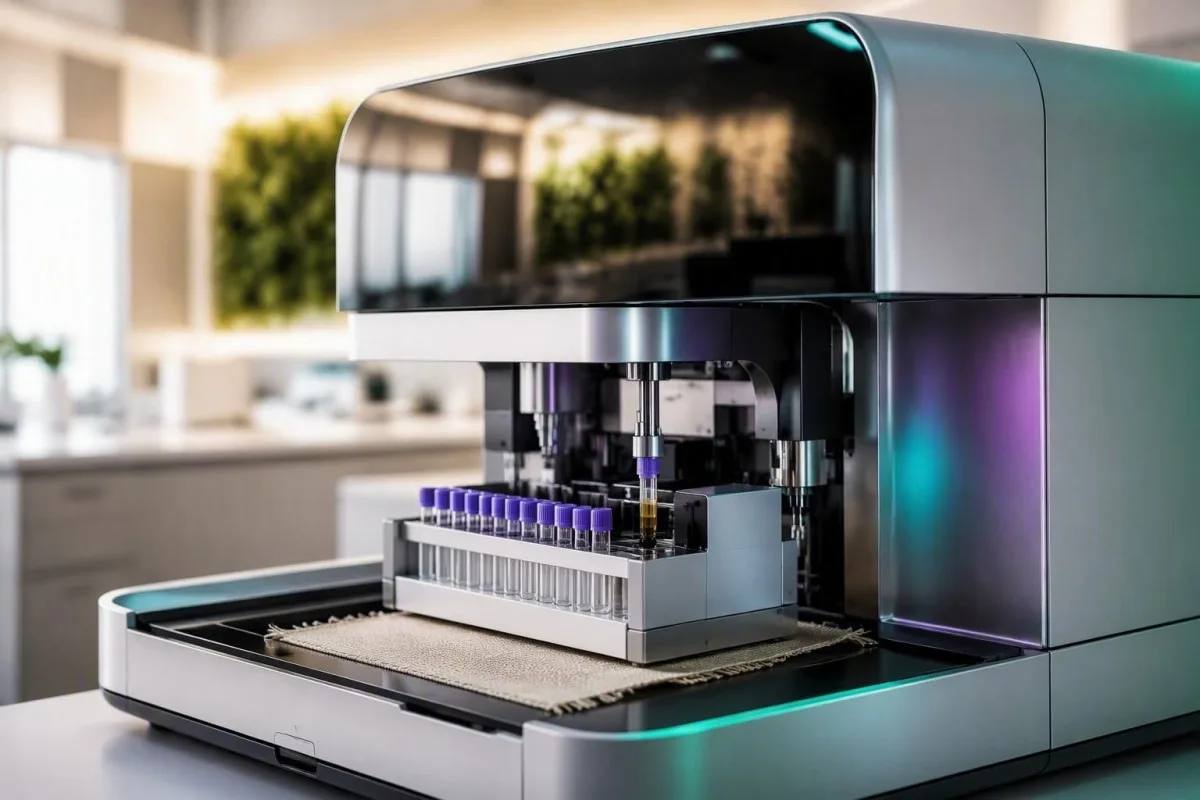
ဖျားနာခြင်းက သွေးဖြူဥ လှုံ့ဆော်မှုကို ရက်ပိုင်းအတွင်း ပြောင်းလဲစေနိုင်ပေမယ့် hs-CRP ကတော့ မတူညီတဲ့ အချိန်ဇယားအတိုင်း အထွတ်အထိပ်ရောက်ပြီး ကျဆင်းလေ့ရှိပါတယ်။ ဆေးခန်းကနေ သွေးနမူနာယူတဲ့အချိန်မှာ ကိုယ်ပူနေခဲ့ရင်၊ သွားကုသမှုခံယူပြီးမကြာခင်မှာ၊ ဒါမှမဟုတ် ပြင်းထန်တဲ့ လေ့ကျင့်ခန်းလုပ်ပြီး ရက်အနည်းငယ်အတွင်း ဆိုရင်၊ အဲဒီ MPO တန်ဖိုးကို နှလုံးသွေးကြောဆိုင်ရာ ရေရှည်ဆုံးဖြတ်ချက်ချဖို့အတွက် အသုံးမပြုသင့်ပါဘူး။.
ပြင်းထန်တဲ့ ကြာရှည်လေ့ကျင့်ခန်းက နယူထရိုဖေးလ် အရေအတွက်၊ creatine kinase၊ CRP နဲ့ oxidative markers တွေကို ခဏတာ ပြောင်းလဲစေနိုင်ပါတယ်။ ပွဲတစ်ပွဲအပြီးမှာ AST 89 IU/L ရှိတဲ့ အသက် ၅၂ နှစ်အရွယ် မာရသွန်ပြေးသမားတစ်ဦးမှာလည်း ရောင်ရမ်းခြင်းဆိုင်ရာစမ်းသပ်မှုတွေက မှားယွင်းနေနိုင်ပါတယ်။ စိတ်ချရတဲ့ ရွေးချယ်မှုကတော့ ပြန်လည်ကောင်းမွန်ပြီး ပြန်လည်စမ်းသပ်ခြင်းဖြစ်ပါတယ်၊ ကျွန်ုပ်တို့ရဲ့ လေ့ကျင့်ခန်း-နှင့်-ဆက်နွယ်သော creatinine လမ်းညွှန်.
စနစ်တကျဖြစ်တဲ့ ကိုယ်ခံအားရောဂါနဲ့ သွေးကြောရောင်ခြင်းတွေအတွက် MPO နှလုံးဆိုင်ရာ အမှတ်ကို လျှော့ချမယ့်အစား သူတို့ရဲ့ကိုယ်ပိုင် ဆေးဘက်ဆိုင်ရာ ခန့်မှန်းချက် လိုအပ်ပါတယ်။ အဆက်မပြတ်မြင့်မားနေတဲ့ ESR ဒါမှမဟုတ် CRP နဲ့အတူ အရေပြားအဖုများ၊ အဆစ်ရောင်ခြင်း၊ ကိုယ်အလေးချိန်ကျဆင်းခြင်း၊ အာရုံကြောလက္ခဏာများ၊ ဆီးစစ်ရာပုံမှန်မဟုတ်ခြင်း သို့မဟုတ် ကိုယ်ပူခြင်းတို့က ဆရာဝန်ရဲ့ စစ်ဆေးမှုကို အလေးထားသင့်ပါတယ်။; ESR ဖြစ်စေသည် သည် ကျယ်ပြန့်သည်။.
ရိုးရိုးအအေးမိပြီးနောက် MPO အနည်းငယ်မြင့်တက်ခြင်းသည် ပုံမှန်အားဖြင့် အရေးပေါ်မဟုတ်ပါ။ နမူနာကို မှန်ကန်တဲ့အချိန်ယူခဲ့သလား၊ ပုံမှန်အန္တရာယ် ခန့်မှန်းချက်ကို အကဲဖြတ်ခဲ့သလား စစ်ဆေးဖို့ အကြောင်းရင်းတစ်ခုဖြစ်ပါတယ်။.
MPO ကိုးကားချက် အကွာအဝေးသည် Assay နှင့် နမူနာပေါ်တွင် မူတည်သည်။
MPO ကိုးကားချက် အကွာအဝေးများသည် ဓာတ်ခွဲခန်းနည်းလမ်း၊ ကယ်လီဘရေးရှင်းနှင့် နမူနာသည် EDTA ပလာစမာဟုတ်မဟုတ် သို့မဟုတ် ဆီးရမ်ဟုတ်မဟုတ်အပေါ် မူတည်ပါသည်။ ယေဘူယျအားဖြင့် ကိုးကားသော EDTA-plasma အမျိုးအစားခွဲခြားမှုတွင် 350 pmol/L အောက်ကို နိမ့်သောအန္တရာယ်အဖြစ်နှင့် 540 pmol/L သို့မဟုတ် ထို့ထက်မြင့်မားသောကို မြင့်မားသောအန္တရာယ်အဖြစ် သတ်မှတ်သော်လည်း ဤသည်မှာ အားလုံးအတွက် စစ်ဆေးရေး နယ်နိမိတ်များ မဟုတ်ပါ။.
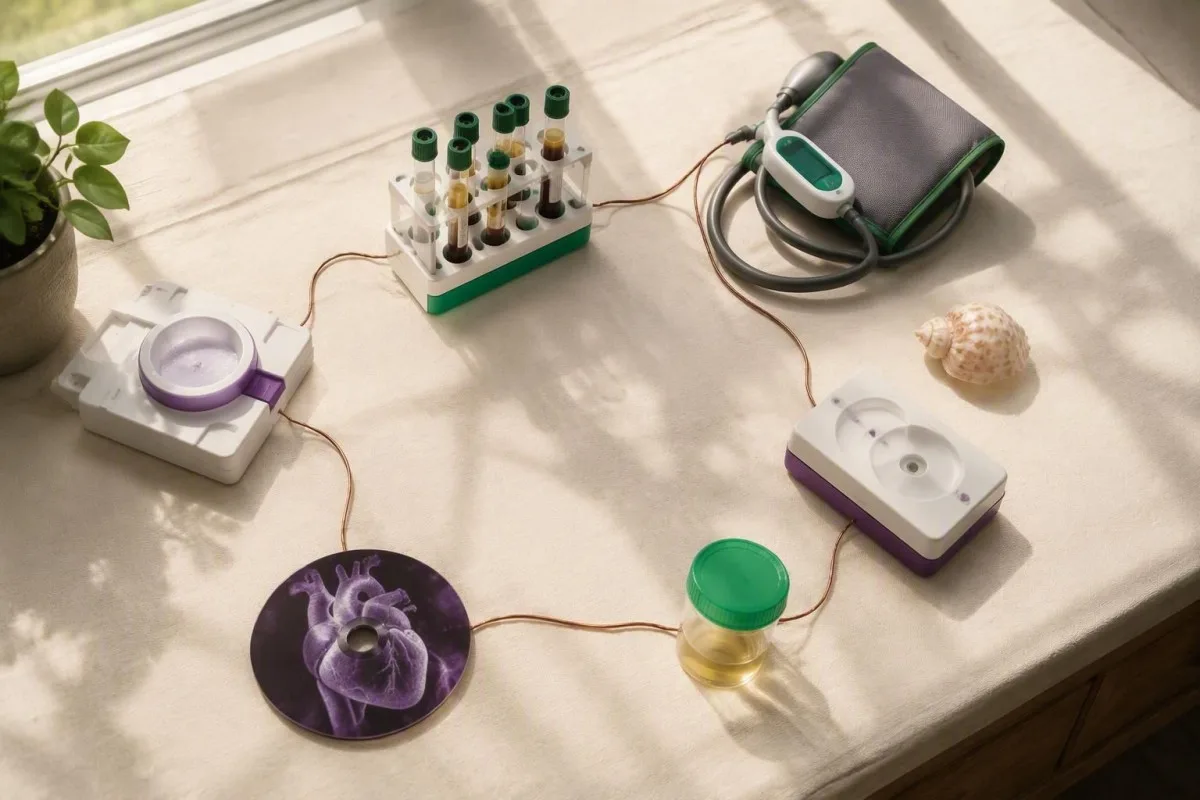
အစီရင်ခံစာအချို့တွင် ng/mL ကို အသုံးပြုကြပြီး အချို့က pmol/L ကို အသုံးပြုကြပြီး၊ assay calibrator နှင့် တိုင်းတာသော မော်လီကျူးပုံစံကို မသိဘဲ ပြောင်းလဲခြင်းသည် စိတ်မချရပါ။ Pre-analytical handling ကလည်း အရေးကြီးပါတယ်- နှောင့်နှေးစွာ ဆောင်ရွက်ခြင်း၊ နမူနာအမျိုးအစား၊ သိုလှောင်အပူချိန်၊ နှင့် စုဆောင်းပြီးနောက် ဆဲလ်များလှုံ့ဆော်မှုတို့က တိုင်းတာသော စုစည်းမှုကို ပြောင်းလဲစေနိုင်သည်။.
အောက်ဖော်ပြပါ အမျိုးအစားများသည် အကောင်းဆုံးဖြစ်သည်။ တစ်ခုသော assay-family ဥပမာ, ၊ တစ် універсаယ် ပုံမှန်အကွာအဝေး အဖြစ် မဟုတ်ပါ။ 420 pmol/L ရလဒ်သည် EDTA-plasma အစီရင်ခံစာတစ်ခုတွင် အလယ်အလတ်ဟု ခေါ်ဆိုနိုင်သော်လည်း အခြားဓာတ်ခွဲခန်းမှ တိုက်ရိုက်နှိုင်းယှဉ်နိုင်သော ဆီးရမ်ရလဒ်ကို အလားတူ ဆေးဘက်ဆိုင်ရာ နမူနာတွင် မရရှိနိုင်ပါ။.
Kantesti AI သည် fasting အခြေအနေ၊ ရေဓာတ်ဆိုင်ရာ အရိပ်အမြွက်များ၊ ဆေးဝါးများ၊ ယခင်လမ်းကြောင်းများ၊ နှင့် တွဲဖက် marker များ၏ အခြေအနေတွင် renal panel ကို ဖတ်ရှုသည့် AI biomarker အဓိပ္ပာယ်ဖော်ခြင်း ပလက်ဖောင်း ၎င်းသည် ဓာတ်ခွဲခန်း၏ ကိုးကားချက် အကွာအဝေးကို ထိန်းသိမ်းထားပြီး သမိုင်း အစီရင်ခံစာများကို နှိုင်းယှဉ်သည့်အခါ ယူနစ် ကွဲလွဲမှုများကို အချက်ပြသည်။ ဤသည်မှာ စမ်းသပ်မှုသည် နယ်စပ်များ သို့မဟုတ် ဓာတ်ခွဲခန်းများကို ဖြတ်ကျော်သည့်အခါ အထူးအသုံးဝင်သည်။ အမှန်တကယ် ခေတ်ရေစီးကြောင်းသည် တူညီသော assay၊ တူညီသော specimen နှင့် ဆင်တူသော ကျန်းမာရေး အခြေအနေများ လိုအပ်သည်။.
MPO ကို မထင်မှတ်ဘဲ မြင့်တက်လာပါက၊ အနည်းဆုံး ၂ မှ ၄ ပတ်ကြာသည်အထိ အပြင်းအထန် ဖျားနာခြင်းမရှိဘဲနှင့် ရက် 24 မှ 48 နာရီကြာ ပြင်းထန်သော လေ့ကျင့်ခန်းများ ရှောင်ကြဉ်ပြီးနောက် ထပ်မံစမ်းသပ်ပါ။ အဆုံးမရှိ ထပ်မံ မစမ်းသပ်ပါနှင့်- အချိန်မှန် ၂ ခု၏ တန်ဖိုးများသည် ပထမရလဒ်သည် ခဏတာ ဟုတ်မဟုတ်ကို အဖြေပေးလေ့ရှိသည်။.
မြင့်မားသော MPO အတွက် ကျိုးကြောင်းဆီလျော်သော နောက်ဆက်တွဲ အစီအစဉ်
မြင့်မားသော MPO ရလဒ်သည် စိုးရိမ်ထိတ်လန့်ခြင်းကို ဖြစ်စေရန်၊ သို့မဟုတ် အလိုအလျောက် ဆေးဝါးများ ပေးရန်အစား၊ ပြည့်စုံသော နှလုံးသွေးကြောဆိုင်ရာ ပြန်လည်စစ်ဆေးမှုကို ပြုလုပ်သင့်သည်။ ပထမအဆင့်များမှာ assay context ကို အတည်ပြုခြင်း၊ မကြာသေးမီက ရောင်ရမ်းခြင်းဖြစ်စေသော အကြောင်းရင်းများကို ဖယ်ထုတ်ခြင်း၊ နှင့် တည်ထောင်ထားပြီးသော ပြောင်းလဲနိုင်သော အန္တရာယ်များကို တိုင်းတာခြင်းတို့ဖြစ်သည်။.

လက္ခဏာများနှင့် အရေးပေါ်အခြေအနေများဖြင့် စတင်ပါ။ ရင်ဘတ်အောင့်ခြင်း၊ လေ့ကျင့်ခန်းလုပ်စဉ် အသက်ရှုမဝခြင်း၊ မူးလဲခြင်း၊ ဦးနှောက်အသစ်လက္ခဏာများ၊ သို့မဟုတ် အလွန်မကျန်းမာသော အခြေအနေများသည် အချိန်နှင့်တပြေးညီ ဆေးဘက်ဆိုင်ရာ စစ်ဆေးမှုများ လိုအပ်သည်၊ လက္ခဏာမပြသော လူနာများသည် နောက်အပတ်အနည်းငယ်အတွင်း အန္တရာယ်ကို ပြန်လည်စစ်ဆေးရန် အရေးမကြီးသော ချိန်းဆိုမှုကို စီစဉ်နိုင်သည်။.
ထို့နောက် အခြေခံများကို စစ်ဆေးပါ- သွေးပေါင်ချိန် ပျမ်းမျှများ၊ အစာရှောင်ခြင်း သို့မဟုတ် အစာမရှောင်ခြင်း lipid panel၊ non-HDL-C၊ ApoB လိုအပ်ပါက၊ HbA1c သို့မဟုတ် ဂလူးကို့စ်၊ eGFR၊ ဆီး ACR၊ ဆေးလိပ်/vaping ထိတွေ့မှု၊ အိပ်စက်ခြင်း၊ ဆေးဝါးများ၊ နှင့် မိသားစု ရာဇဝင်။ A د وینې ازموینې وخت ဖျားနာခြင်း၊ အစားအသောက်၊ သို့မဟုတ် ဆေးဝါး အပြောင်းအလဲသည် သွေးနမူနာကို ထိခိုက်စေခဲ့ခြင်း ရှိမရှိ သိရှိနိုင်ရန် ကူညီပေးသည်။.
Kantesti AI သည် နေ့စွဲများကို နှိုင်းယှဉ်နိုင်ပြီး ဆရာဝန်အတွက် မေးခွန်းများ ပြင်ဆင်ရာတွင် ကူညီပေးနိုင်ပြီး ကျွန်ုပ်တို့၏ ဆေးခန်းလုပ်ငန်းစဉ် (clinical workflow) ဥပမာများ ရလဒ်များကို သီးခြားအလံများထက် ပုံစံများအဖြစ် ဘာကြောင့်ပြန်လည်စစ်ဆေးသင့်သည်ကို ရှင်းပြသည်။ ၎င်းသည် ECG၊ ရုပ်ပုံ ဆုံးဖြတ်ချက်၊ ရုပ်ပိုင်းဆိုင်ရာ စစ်ဆေးမှု၊ သို့မဟုတ် တစ်ဦးချင်း ပေးသောဆေးညွှန်း အကြံဉာဏ်ကို အစားထိုးမည်မဟုတ်ပါ။.
သမားရိုးကျ စစ်ဆေးမှုများ ပြုလုပ်ပြီးနောက် ကုသရေး ဆုံးဖြတ်ချက် မရေမရာ ဖြစ်နေသော ရွေးချယ်ထားသော လက္ခဏာမပြသော အရွယ်ရောက်သူများအတွက် သွေးကြော ကယ်လ်စီယမ် စကேன்ကို အသုံးပြုနိုင်သည်။ ၎င်းသည် လူတိုင်းအတွက် သင့်လျော်သည်မဟုတ်၊ မြင့်မားသော MPO တစ်ခုတည်းသည် ပုံမှန်အညွှန်း မဟုတ်ပါ။ အသက်၊ တွက်ချက်ထားသော အန္တရာယ်၊ ဓာတ်ရောင်ခြည် ထည့်သွင်းစဉ်းစားမှုများ၊ နှင့် ဖြစ်နိုင်သော စီမံခန့်ခွဲမှု အကျိုးဆက်များသည် အရေးကြီးပါသည်။.
လူနေမှုပုံစံ အပြောင်းအလဲများသည် MPO နှင့် နှလုံးရောဂါအန္တရာယ်ကို လျှော့ချနိုင်သလား။
လူနေမှုပုံစံ ပြောင်းလဲမှုများသည် ရောင်ရမ်းခြင်း အ burden နှင့် နှလုံးသွေးကြောဆိုင်ရာ အန္တရာယ်ကို လျှော့ချနိုင်သော်လည်း မည်သည့်လမ်းညွှန်ချက်မှ ဓာတ်ခွဲခန်း MPO ပစ်မှတ်ကို ကုသရန် အကြံပြုထားခြင်း မရှိပါ။ ယုံကြည်စိတ်ချရသော ရည်မှန်းချက်သည် အကြောင်းရင်းခံ အန္တရာယ် ကారကများကို လျှော့ချရန်ဖြစ်သည်- ApoB ပါဝင်သော lipoproteins၊ သွေးပေါင်ချိန်၊ ဆေးလိပ်ထိတွေ့မှု၊ ဆီးချိုအန္တရာယ်၊ လှုပ်ရှားမှု မရှိခြင်း၊ နှင့် အိပ်စက်ခြင်း မကောင်းခြင်း။.
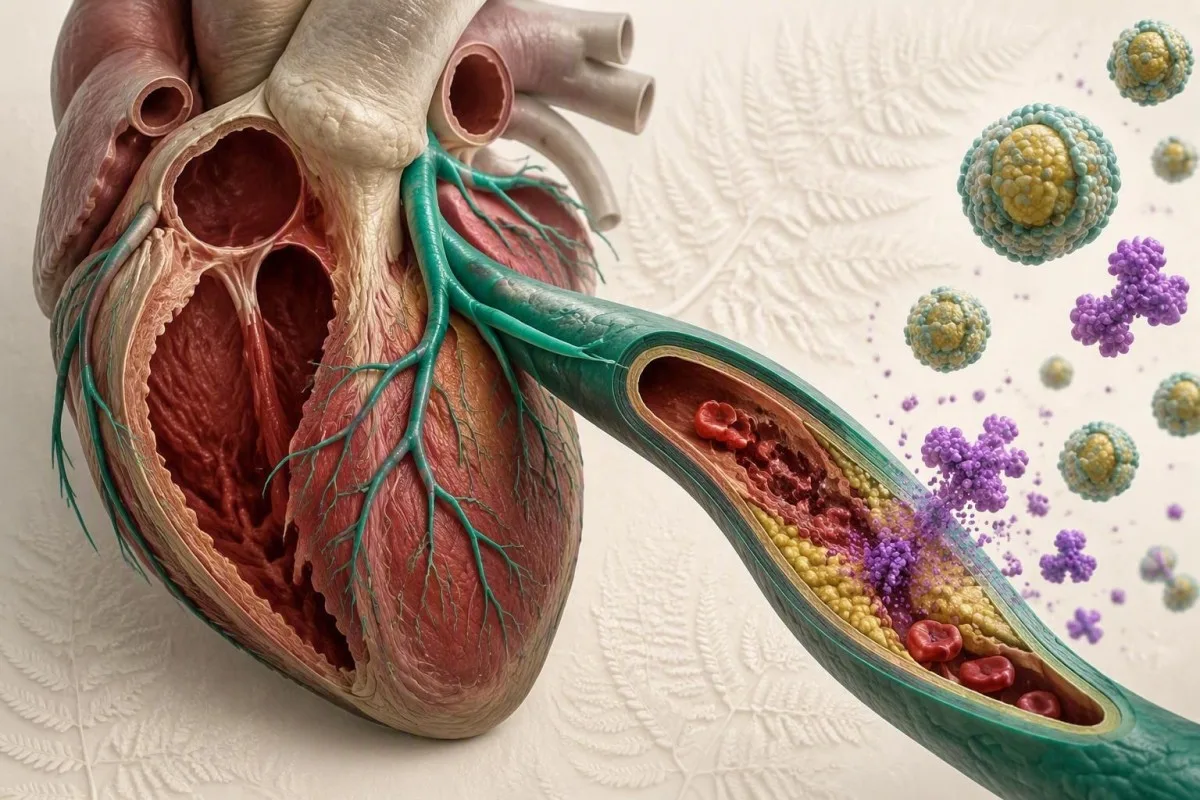
Mediterranean-style အစားအသောက်ပုံစံ၊ ပုံမှန် aerobic နှင့် resistance လှုပ်ရှားမှု၊ လုံလောက်သော အိပ်စက်ခြင်း၊ သင့်လျော်ပါက ကိုယ်အလေးချိန် ထိန်းသိမ်းခြင်း၊ နှင့် ဆေးလိပ်ဖြတ်ခြင်းတို့သည် အကျိုးသက်ရောက်မှု အထောက်အထားများဖြင့် အန္တရာယ် ကారကများကို တိုးတက်စေသည်။ triglycerides အတွက်၊ refined carbohydrates နှင့် alcohol ထိတွေ့မှုကို လျှော့ချခြင်းသည် အလွန်အရေးကြီးနိုင်သည်၊ မူရင်းများအတွက် လက်တွေ့ကျသော ရွေးချယ်မှုများကို ကြည့်ပါ ပြန်လည်စစ်ဆေးခြင်းမပြုမီ triglycerides ကို လျှော့ချခြင်း.
Antioxidant ဖြည့်စွက်စာများသည် MPO-lowering နှလုံးသွေးကြောဆိုင်ရာ ကုသမှုအဖြစ် အခန်းကဏ္ဍ မရရှိခဲ့ပါ။ ဗီတာမင် E၊ beta-carotene နှင့် အခြားရောနှောထားသော ထုတ်ကုန်များ အလွန်အကျွံ ပမာဏသည် အန္တရာယ်များ သို့မဟုတ် ဆေးဝါးများ အပြန်အလှန် အကျိုးသက်ရောက်မှုများ ရှိနိုင်ပြီး အစားထိုး marker တစ်ခု ကျဆင်းခြင်းသည် နှလုံးတိုက်ခိုက်မှု သို့မဟုတ် လေဖြတ်ခြင်း နည်းပါးကြောင်း သက်သေ မဟုတ်ပါ။.
MPO ကို တိုက်ရိုက်လျှော့ချရန် အထောက်အထားများသည် ဆေးညွှန်းပေးရန် မလုံလောက်သေးပါ။ ဆရာဝန် သဘောတူထားသော အစီအစဉ်ဖြင့် LDL-C သည် 170 မှ 85 mg/dL သို့ ကျဆင်းသွားပါက၊ သွေးပေါင်ချိန်သည် 148/92 မှ 126/78 mmHg သို့ ကျဆင်းသွားပါက၊ နှင့် ဆေးလိပ်သောက်ခြင်းကို ရပ်တန့်ပါက၊ MPO ကို ထပ်မံမစစ်ဆေးရသေးသော်လည်း ၎င်းကို ခိုင်မာသော ကာကွယ်ရေး အောင်မြင်မှုအဖြစ် ထည့်သွင်းစဉ်းစားပါသည်။.
ရေစီးကြောင်းများကို ပညာရှိစွာ အသုံးပြုပါ- နှိုင်းယှဉ်နိုင်သော lipid နှင့် သွေးပေါင်ချိန် ရေစီးကြောင်းများသည် မကြာခဏ ရောင်ရမ်းခြင်း marker စစ်ဆေးခြင်းထက် ဆေးပညာအရ ပိုမိုခိုင်မာသည်။ ကျွန်ုပ်တို့၏ အချိန်နှင့်အမျှ ဓာတ်ခွဲခန်းခွဲခြမ်းစိတ်ခွဲ လမ်းညွှန် သည် biomarker သည် တကယ်တမ်း ပြောင်းလဲသွားကြောင်း ဆုံးဖြတ်ရန် မဆုံးဖြတ်မီ မည်သည့်အရာကို မှတ်တမ်းတင်ရမည်ကို ရှင်းပြသည်။.
အနှစ်ချုပ်- MPO ကို ပြည့်စုံသော နှလုံးသွေးကြောဆိုင်ရာ အကဲဖြတ်မှုတွင် ထားပါ။
MPO သည် ဇီဝဗေဒအရ အဓိပ္ပါယ်ရှိသော oxidative-stress marker တစ်ခုဖြစ်သော်လည်း၊ ၎င်းသည် သွေးကြောပိတ်ခြင်းကို မရှာဖွေနိုင်၊ နှလုံးတိုက်ခိုက်မှုကို ဖယ်ထုတ်နိုင်၊ သို့မဟုတ် တည်ထောင်ထားပြီးသော နှလုံးသွေးကြောဆိုင်ရာ ကာကွယ်ရေး ကိရိယာများကို အစားထိုးနိုင်မည်မဟုတ်။ ၎င်း၏ အကြီးမားဆုံး ကန့်သတ်ချက်မှာ မ specific ဖြစ်ခြင်းပင်ဖြစ်သည်- တူညီသော မြင့်မားမှုသည် သွေးကြော ရောင်ရမ်းခြင်း၊ ကူးစက်ခြင်း၊ ဆေးလိပ်သောက်ခြင်း၊ ကျောက်ကပ်ရောဂါ၊ သို့မဟုတ် အခြား ခုခံအား တုံ့ပြန်မှု အကြောင်းရင်းများကို ထင်ဟပ်စေနိုင်သည်။.
အသုံးဝင်သော MPO ဆွေးနွေးပွဲတွင် LDL-C သို့မဟုတ် non-HDL-C၊ ApoB လိုအပ်ပါက၊ Lp(a) အနည်းဆုံးတစ်ကြိမ်၊ သွေးပေါင်ချိန် ပျမ်းမျှများ၊ HbA1c သို့မဟုတ် ဂလူးကို့စ်၊ ကျောက်ကပ် လုပ်ဆောင်ချက်၊ ဆီး albumin၊ ဆေးလိပ်သောက်သည့် အခြေအနေ၊ မိသားစု ရာဇဝင်၊ လက္ခဏာများ၊ နှင့် ဆေးဝါး ရာဇဝင်တို့ ပါဝင်သည်။ ပုံမှန် MPO သည် မြင့်မားသော ApoB သို့မဟုတ် သွေးတိုးကို မပယ်ဖျက်နိုင်၊ နှင့် မြင့်မားသော MPO သည် plaque ရှိကြောင်း မဖော်ပြပါ။.
ဒေါက်တာ Thomas Klein ၏ လက်တွေ့စည်းမျဉ်းမှာ ရိုးရှင်းသည်- စစ်ဆေးမှု ရလဒ်များသည် အန္တရာယ်ကင်းသော နောက်ဆက်တွဲ လုပ်ဆောင်ချက်ကို ပြောင်းလဲသင့်သည်။ MPO သည် ကာကွယ်ရေး ကုသမှု၊ ရုပ်ပုံဖော်ခြင်း၊ လက္ခဏာ triage၊ သို့မဟုတ် ပြန်လည်စစ်ဆေးမှု အချိန်ကို မပြောင်းလဲပါက၊ ၎င်းသည် စိတ်ဝင်စားဖွယ်ကောင်းသော်လည်း ဆေးပညာအရ ဆုံးဖြတ်ချက် မဖြစ်နိုင်ပေ။.
Kantesti သည် ဘာသာစကားမျိုးစုံ အစီရင်ခံစာ ဘာသာပြန်ဆိုမှုကို ရေစီးကြောင်း ပြန်လည်စစ်ဆေးခြင်းနှင့် ပေါင်းစပ်ထားပြီး၊ ၎င်း၏ ဆေးပညာဆိုင်ရာ အကြောင်းအရာကို ကျွန်ုပ်တို့၏ ဆေးဘက်ဆိုင်ရာအကြံပေးဘုတ်အဖွဲ့. မှတစ်ဆင့် အကြပ်ကိုင်ထားသည်။ ပုံစံများ နှင့် ကန့်သတ်ချက်များအတွက်၊ ကျွန်ုပ်တို့၏ နည်းပညာဆိုင်ရာ ဆေးပညာ အတည်ပြုရေး ချဉ်းကပ်မှု ကို ပြန်လည်စစ်ဆေးပါ။ မည်သည့် အလိုအလျောက် အနက်ဖွင့်ဆိုချက်ကို မဆို မယုံကြည်မီ ၎င်းကို ကြည့်ရှုပါ။.
MPO ကိုဂရုမစိုက်ဘဲ ပြင်းထန်သောလက္ခဏာများကို အရေးပေါ်အဖြစ်ရှုမြင်ပါ။ တည်ငြိမ်သောကြိုတင်ကာကွယ်မှုအတွက်၊ သင့်အိမ်တွင် သွေးပေါင်ချိန်မှတ်တမ်းများနှင့်အတူ အပြည့်အစုံကို အရည်အချင်းပြည့်မီသော ဆရာဝန်ထံ ယူဆောင်လာပါ။ ထိုဆွေးနွေးပွဲတွင် အထူးပြု marker သည် ၎င်း၏နေရာကို ရရှိမည်ဖြစ်သည်- သို့မဟုတ် စနစ်တကျ ဖယ်ရှားပစ်မည်ဖြစ်သည်။.
အမေးများသောမေးခွန်းများ
myeloperoxidase ပမာဏာ မြင့်မားနေခြင်းက ဘာကို ဆိုလိုတာလဲ။
မြင့်မားသော myeloperoxidase စမ်းသပ်မှုသည် MPO-ထုတ်လွှတ်သော ကိုယ်ခံအားဆဲလ်များမှ ထုတ်လွှတ်မှု တိုးလာခြင်းကို ဆိုလိုပြီး၊ ၎င်းသည် oxidative stress နှင့် သွေးကြောဆိုင်ရာ ရောင်ရမ်းခြင်းနှင့်အတူ လိုက်ပါလာနိုင်သည်။ အသုံးများသော EDTA-plasma assay တစ်ခုတွင်၊ 540 pmol/L သို့မဟုတ် ထို့ထက်မြင့်မားသော တန်ဖိုးများသည် မြင့်မားသော အုပ်စုတွင် ပါဝင်သော်လည်း၊ ဓာတ်ခွဲခန်း-သီးခြား အကွာအဝေးသည် အမြဲ ဦးစားပေးသည်။ ကူးစက်မှု၊ ဆေးလိပ်သောက်ခြင်း၊ ကျောက်ကပ်ရောဂါ၊ ကိုယ်ခံအား တုံ့ပြန်မှု၊ သွားဖုံးရောင်ခြင်း နှင့် မကြာသေးမီက ပြင်းထန်သော လေ့ကျင့်ခန်းများသည်လည်း MPO ကို တိုးမြှင့်နိုင်သည်။ မြင့်မားသော ရလဒ်သည် သရဖူသွေးကြောရောဂါကို မတွေ့ရှိနိုင်သော်လည်း သို့မဟုတ် နှလုံးတိုက်ခိုက်မှု ဖြစ်ပွားနေသည်ကို မသက်သေပြနိုင်ပါ။.
ပုံမှန် MPO သွေးစစ်ရလဒ်ကား အဘယ်နည်း။
MPO သွေးစစ်ဆေးမှုအတွက် အများလက်ခံထားသော ပုံမှန်ရလဒ် မရှိပါ။ အကြောင်းမှာ စမ်းသပ်မှုများတွင် မတူညီသော နမူနာများ၊ တိုင်းတာမှုများနှင့် ယူနစ်များကို အသုံးပြုသောကြောင့် ဖြစ်သည်။ EDTA-ပလတ်စမာ စမ်းသပ်မှုတွင် အများလက်ခံထားသော 350 pmol/L အောက်ကို နိမ့်သော အုပ်စုအဖြစ်၊ 350 မှ 539 pmol/L ကို အလယ်အလတ်အဖြစ်နှင့် 540 pmol/L သို့မဟုတ် ထို့ထက်မြင့်မားသော အခြေအနေကို မြင့်မားသောအဖြစ် သတ်မှတ်သည်။ ထိုတန်ဖိုးများကို ng/mL ဖြင့် ဖော်ပြထားသော MPO ရလဒ်များ သို့မဟုတ် ဓာတ်ခွဲခန်း၏ ကိုယ်ပိုင် ကိုးကားချက် အကွာအဝေး မပါသော ဆေးရည် စမ်းသပ်မှုများအတွက် မသုံးသင့်ပါ။ ပုံမှန် MPO သည် LDL-C မြင့်မားခြင်း၊ ApoB မြင့်မားခြင်း၊ သွေးကြောပန်းခင်း သို့မဟုတ် ပြင်းထန်သော သွေးကြောရောဂါတို့ကိုလည်း မပယ်ဖျက်နိုင်ပါ။.
MPO သည် နှလုံးရောဂါကို ရှာဖွေနိုင်သလား။
မဟုတ်ပါ၊ MPO သည် နှလုံးရောဂါကို မရှာဖွေနိုင်ပါ၊ အဘယ်ကြောင့်ဆိုသော် ၎င်းသည် သွေးကြောကျဉ်းခြင်း၊ ပလာ့ခ်စုပုံခြင်း၊ နှလုံးကြွက်သား ထိခိုက်ဒဏ်ရာ သို့မဟုတ် ရင်ဘတ် နာကျင်မှု၏ အကြောင်းရင်းကို မဖော်ပြနိုင်သောကြောင့်ဖြစ်သည်။ သွေးကြောရောဂါကို ရှာဖွေခြင်းသည် လက္ခဏာများ၊ စစ်ဆေးမှု၊ ECG၊ ပြင်းထန်သော ရောဂါဖြစ်နိုင်သည့်အခါတွင် အလွန်အာရုံခံနိုင်သော ထရိုပိုနင်၊ အန္တရာယ်အကဲဖြတ်ခြင်း နှင့် အချို့သော အခါများတွင် သွေးကြောပုံရိပ်ဖမ်းခြင်း သို့မဟုတ် ဖိအားစမ်းသပ်ခြင်းတို့အပေါ်တွင် မူတည်ပါသည်။ ပြင်းထန်သော ရင်ဘတ်အောင့်ခြင်းတွင်၊ ၁ မှ ၃ နာရီခန့်အတွင်း ပြုလုပ်သော ထရိုပိုနင် အဆက်မပြတ် တိုင်းတာမှုများသည် MPO ထက် ပို၍ ဆေးဘက်ဆိုင်ရာ အကျိုးရှိသည်။ MPO သည် ရွေးချယ်ထားသော အခြေအနေများတွင် ဒုတိယ အန္တရာယ်ဆိုင်ရာ အချက်အလက်များကို ပေါင်းထည့်နိုင်သော်လည်း ၎င်းသည် သီးခြား ရောဂါရှာဖွေရေး စမ်းသပ်မှု မဟုတ်ပါ။.
MPO သည် MPO-ANCA နှင့်အတူတူ ဖြစ်ပါသလား။
မဟုတ်ပါ၊ MPO အင်ဇိုင်းမ် စမ်းသပ်ခြင်းနှင့် MPO-ANCA စမ်းသပ်ခြင်းတို့သည် မတူညီသော မေးခွန်းများကို ဖြေရှင်းပေးပါသည်။ MPO နှလုံး စမ်းသပ်ခြင်းသည် သွေး circulating myeloperoxidase ပါဝင်မှု သို့မဟုတ် လှုပ်ရှားမှုကို တိုင်းတာသည်၊ မကြာခဏ pmol/L ဖြင့်၊ MPO-ANCA စမ်းသပ်ခြင်းသည် MPO ကို ဦးတည်သော antibody များကို တိုင်းတာသည်၊ မကြာခဏ U/mL သို့မဟုတ် assay index ဖြင့် ဖော်ပြသည်။ MPO-ANCA သည် သေးငယ်သော သွေးကြောများ၏ vasculitis ကို သံသယရှိမှု၊ လက္ခဏာများ၊ ဆီးစစ်ခြင်း၊ ကျောက်ကပ် လုပ်ဆောင်ချက်၊ imaging နှင့် ကျွမ်းကျင်သူ၏ အကဲဖြတ်မှုများနှင့်အတူ အကဲဖြတ်ရာတွင် အသုံးပြုသည်။ မြင့်မားသော နှလုံး MPO ရလဒ်သည် လူတစ်ဦးတွင် vasculitis ရှိသည်ဟု မဆိုလိုပါ။.
MPO မြင့်နေရင် ဘယ်လို စစ်ဆေးမှုတွေ လုပ်သင့်လဲ။
MPO မြင့်မားနေပါက သွေးပေါင်ချိန်၊ LDL-C၊ non-HDL-C၊ လိုအပ်ပါက ApoB၊ lipoprotein(a)၊ HbA1c သို့မဟုတ် ဂလူးကို့စ်၊ eGFR၊ ဆီး-creatinine အချိုး၊ ဆေးလိပ်သောက်သည့် အတိုင်းအတာ၊ လက္ခဏာများနှင့် မိသားစု ရာဇဝင်များနှင့်အတူ ထည့်သွင်းစဉ်းစားသင့်သည်။ ApoB သည် 130 mg/dL သို့မဟုတ် ထို့ထက်ပို၍ နှင့် Lp(a) သည် 50 mg/dL သို့မဟုတ် 125 nmol/L သို့မဟုတ် ထို့ထက်ပို၍ ရှိခြင်းသည် ပုံမှန် ကာကွယ်ရေး အစီအစဉ်များတွင် အသိအမှတ်ပြုထားသော အန္တရာယ်တိုးမြင့်စေသည့် တွေ့ရှိချက်များ ဖြစ်သည်။ ရင်ဘတ်အောင့်ခြင်း၊ အလွန်အမင်း အသက်ရှုမဝခြင်း၊ သတိလစ်ခြင်း သို့မဟုတ် အာရုံကြောဆိုင်ရာ လက္ခဏာများ ရှိနေပါက ECG နှင့် အရေးပေါ် မြင့်မား-sensitive troponin စစ်ဆေးမှုများသည် ဦးစားပေးသင့်ပါသည်။ အလားတူဓာတ်ခွဲခန်းနှင့် နမူနာအမျိုးအစားကို အသုံးပြု၍ ကျန်းမာနေစဉ်အတွင်း နှင့် နှစ်ပတ်မှ လေးပတ်အတွင်း MPO ကို ပြန်လည်စစ်ဆေးသင့်ပါသည်။.
ကျွန်ုပ်၏ myeloperoxidase အဆင့်ကို မည်သို့ လျှော့ချနိုင်မည်နည်း။
MPO ကိုယ်တိုင် လျှော့ချရန်အတွက် သက်သေပြထားသော ကုသမှု ပစ်မှတ်မရှိသောကြောင့်၊ ဆရာဝန်များသည် နှလုံးသွေးကြောဆိုင်ရာ ဖြစ်ရပ်များကို လျှော့ချပေးသည့် အပြောင်းအလဲများအပေါ် အာရုံစိုက်ကြသည်။ ၎င်းတို့တွင် ဆေးလိပ်ဖြတ်ခြင်း၊ သွေးပေါင်ချိန်ကို ထိန်းချုပ်ခြင်း၊ LDL-C နှင့် ApoB ကို လိုအပ်ပါက လျှော့ချပေးခြင်း၊ သွေးတွင်းသကြားဓာတ် ထိန်းချုပ်မှုကို တိုးတက်စေခြင်း၊ ပုံမှန် လေ့ကျင့်ခန်းလုပ်ခြင်းနှင့် টেকসইသော အစားအသောက်ပုံစံကို လိုက်နာခြင်းတို့ ပါဝင်သည်။ MPO အရေအတွက်ကို ပြောင်းလဲစေရန်အတွက် Antioxidant ဖြည့်စွက်စာများကို မိတ်ဆက်ခြင်းကို ရှောင်ကြဉ်ပါ၊ အဘယ်ကြောင့်ဆိုသော် အမှတ်အသားများ ပြောင်းလဲခြင်းသည် နှလုံးတိုက်ခိုက်မှု သို့မဟုတ် လေဖြတ်ခြင်း နည်းပါးကြောင်း သက်သေမပြနိုင်သောကြောင့်ဖြစ်သည်။ ပြန်လည်ရယူထားသော ရလဒ်သည် အနာကျက်ပြီးနောက် နှင့် ပုံမှန်မဟုတ်သော ပြင်းထန်သော လေ့ကျင့်ခန်းကို ၂၄ မှ ၄၈ နာရီကြာ ရှောင်ကြဉ်ပြီးနောက် တူညီသော assay ဖြင့် တိုင်းတာသည့်အခါ အဓိပ္ပါယ်အရှိဆုံးဖြစ်သည်။.
AI ပါဝါသုံး သွေးစစ်ဆေးမှု ရလဒ်ကို ယနေ့ စတင် ခွဲခြမ်းစိတ်ဖြာပါ
Kantesti ကို အချိန်မီ၊ တိကျသော ဓာတ်ခွဲခန်း စစ်ဆေးမှု ရလဒ်ခွဲခြမ်းစိတ်ဖြာမှုအတွက် ယုံကြည်သည့် ကမ္ဘာတစ်ဝန်း အသုံးပြုသူ 2 သန်းကျော်နှင့် ပူးပေါင်းပါ။ သင့် သွေးစစ်ဆေးမှု ရလဒ်များကို တင်ပြီး စက္ကန့်ပိုင်းအတွင်း 15,000+ biomarker များ၏ ပြည့်စုံသော အဓိပ္ပာယ်ဖတ်ချက်ကို ရယူပါ။.
📚 ကိုးကားထားသော သုတေသန ထုတ်ဝေမှုများ
Klein, T., Mitchell, S., & Weber, H. (2026). Kantesti LTD. (2026). သံဓာတ်လေ့လာမှုလမ်းညွှန်- TIBC၊ သံဓာတ်ပြည့်ဝမှုနှင့် တွဲဖက်နိုင်စွမ်း။ Zenodo။ https://doi.org/10.5281/zenodo.18248745 | ResearchGate: https://www.researchgate.net/ | Academia.edu: https://www.academia.edu/. Kantesti AI Medical Research.
Klein, T., Mitchell, S., & Weber, H. (2026). Kantesti LTD. (2026). aPTT ပုံမှန်အကွာအဝေး- D-Dimer၊ Protein C သွေးခဲလမ်းညွှန်။ Zenodo။ https://doi.org/10.5281/zenodo.18262555 | ResearchGate: https://www.researchgate.net/ | Academia.edu: https://www.academia.edu/. Kantesti AI Medical Research.
📖 ပြင်ပ ဆေးဘက်ဆိုင်ရာ ကိုးကားချက်များ





⚕️ ဆေးဘက်ဆိုင်ရာ ရှင်းလင်းချက်
ဤဆောင်းပါးသည် ပညာရေးဆိုင်ရာ ရည်ရွယ်ချက်အတွက်သာ ဖြစ်ပြီး ဆေးဘက်ဆိုင်ရာ အကြံဉာဏ် မဟုတ်ပါ။ ရောဂါရှာဖွေခြင်းနှင့် ကုသမှု ဆုံးဖြတ်ချက်များအတွက် အရည်အချင်းပြည့်မီသော ကျန်းမာရေးစောင့်ရှောက်မှုပေးသူနှင့် အမြဲတမ်း တိုင်ပင်ပါ။.
E-E-A-T ယုံကြည်မှု အချက်ပြများ
အတွေ့အကြုံ
ဆရာဝန်ဦးဆောင်သည့် ဓာတ်ခွဲခန်း အဓိပ္ပာယ်ဖတ်ခြင်း လုပ်ငန်းစဉ်များကို ပြန်လည်သုံးသပ်ခြင်း။.
ကျွမ်းကျင်မှု
biomarker များသည် ဆေးဘက်ဆိုင်ရာ အခြေအနေတွင် မည်သို့ ပြုမူနေသည်ကို အာရုံစိုက်သည့် ဓာတ်ခွဲခန်း ဆေးပညာ။.
အခွင့်အာဏာရှိခြင်း
ဒေါက်တာ Thomas Klein မှ ရေးသားပြီး ဒေါက်တာ Sarah Mitchell နှင့် ပါမောက္ခ ဒေါက်တာ Hans Weber တို့က ပြန်လည်သုံးသပ်ထားသည်။.
ယုံကြည်စိတ်ချရမှု
စိတ်ပူစရာများကို လျော့ချရန်အတွက် ရှင်းလင်းသော နောက်ဆက်တွဲ လမ်းကြောင်းများပါဝင်သည့် သက်သေအထောက်အထားအခြေပြု အဓိပ္ပာယ်ဖတ်ချက်။.