MPO បង្ហាញពីសកម្មភាពអុកស៊ីតកម្មនៃកោសិកាភាពស៊ាំដែលអាចកើតមានរបួសសរសៃឈាម ប៉ុន្តែវាជាសញ្ញាបន្ទាប់បន្សំ - មិនមែនជាការធ្វើរោគវិនិច្ឆ័យនោះទេ។ នេះគឺជាវិធីដែលវេជ្ជបណ្ឌិតដាក់វា alongside lipids, blood pressure, glucose, kidney function, and symptoms.



- MPO វាស់អ្វី: Myeloperoxidase គឺជាអង់ស៊ីមមួយដែលត្រូវបានបញ្ចេញជាចម្បងដោយ neutrophils និង monocytes ដែលបានធ្វើឱ្យសកម្មដែលអាចបង្កើត hypochlorous acid ក្នុងអំឡុងពេលធ្វើឱ្យប្រព័ន្ធភាពស៊ាំសកម្ម។.
- ជួរយោងតាម Assay: ការវិភាគ MPO EDTA-plasma ដែលប្រើជាទូទៅ ចាត់ថ្នាក់តម្លៃក្រោម 350 pmol/L ថាជាហានិភ័យទាប ប៉ុន្តែមន្ទីរពិសោធន៍ប្រើវិធីសាស្រ្ត និងកម្រិតខុសៗគ្នា។.
- មិនមែនជាការធ្វើរោគវិនិច្ឆ័យជំងឺបេះដូងទេ។: លទ្ធផល MPO ខ្ពស់មិនអាចបង្ហាញថាសរសៃឈាមបេះដូងមានការរួមតូចឬយ៉ាងណានោះទេ ថាតើមានបន្ទះឬអត់ ឬថាតើការឈឺទ្រូងជាជំងឺបេះដូងឬអត់។.
- ហានិភ័យបេះដូង MPO: MPO បន្ថែមការព្យាករណ៍ព័ត៌មានតិចតួចក្នុងអ្នកដែលបានជ្រើសរើស ជាពិសេសក្រុមអ្នកមានការឈឺទ្រូងស្រួចស្រាវ ប៉ុន្តែមិនជំនួស LDL-C, ApoB, សម្ពាធឈាម, HbA1c, ឬប្រវត្តិជក់បារីទេ។.
- Troponin មកមុន: ការឈឺទ្រូងថ្មី, ពិបាកដកដង្ហើម, ញើសចេញ, វិលមុខ, ឬការឈឺចាប់រាលដាលទៅថ្គាម ឬដៃតម្រូវការវាយតម្លៃគ្លីនិកបន្ទាន់ និងការធ្វើតេស្ត ECG/troponin — មិនមែនជាការធ្វើតេស្តឈាម MPO ទេ។.
- សញ្ញាបង្ហាញបរិបទ: កូលេស្តេរ៉ូលដែលមិនមែន HDL, ApoB, lipoprotein(a), hs-CRP, eGFR, urine ACR, គ្លុយកូស, និងសម្ពាធឈាមផ្ដល់បរិបទហានិភ័យដែលអាចធ្វើសកម្មភាពបានច្រើនជាង។.
- បរិបទក្លែងក្លាយទូទៅ: ការឆ្លងមេរោគថ្មីៗ, សកម្មភាពប្រព័ន្ធភាពស៊ាំដោយខ្លួនឯង, ការជក់បារី, មុខងារតម្រងនោមមិនប្រក្រតី, ការហាត់ប្រាណខ្លាំង, និងការខូចជាលិកាស្រួចស្រាវអាចបង្កើនកម្រិត myeloperoxidase។.
- ជំហានបន្ទាប់ជាក់ស្តែង: ធ្វើតេស្តលទ្ធផល MPO ដែលមិននឹកស្មានដល់ឡើងវិញតែនៅពេលមានសុខភាពល្អ និងប្រើមន្ទីរពិសោធន៍និងប្រភេទសំណាកដូចគ្នា; កុំចាប់ផ្ដើមអាហារបំប៉នឬថ្នាំដើម្បីបន្ថយ MPO តែឯង។.
តេស្តឈាម MPO actually measures អ្វី
A ការធ្វើតេស្ត myeloperoxidase វាវាស់អង់ស៊ីមអុកស៊ីតកម្មដែលបញ្ចេញដោយកោសិកាឈាមសដែលបានធ្វើឲ្យសកម្ម; វាឆ្លុះបញ្ចាំងពីសកម្មភាពភាពស៊ាំដែលអាចរួមចំណែកដល់អុកស៊ីតកម្មក្នុងជញ្ជាំងសរសៃឈាម។ វាមិនអាចធ្វើរោគវិនិច្ឆ័យជំងឺសរសៃឈាមបេះដូង, ព្យាករណ៍គាំងបេះដូងរបស់បុគ្គលម្នាក់ដោយប្រាកដ, ឬពន្យល់ការឈឺទ្រូងដោយខ្លួនឯងបានទេ។ គិតត្រឹមថ្ងៃទី 12 ខែកញ្ញា ឆ្នាំ 2026 ខ្ញុំប្រើ MPO តែជាតម្រុយបន្ទាប់បន្សំ beside បទទិន្នន័យហានិភ័យសរសៃឈាមបេះដូងដែលបានបង្កើតឡើង។.
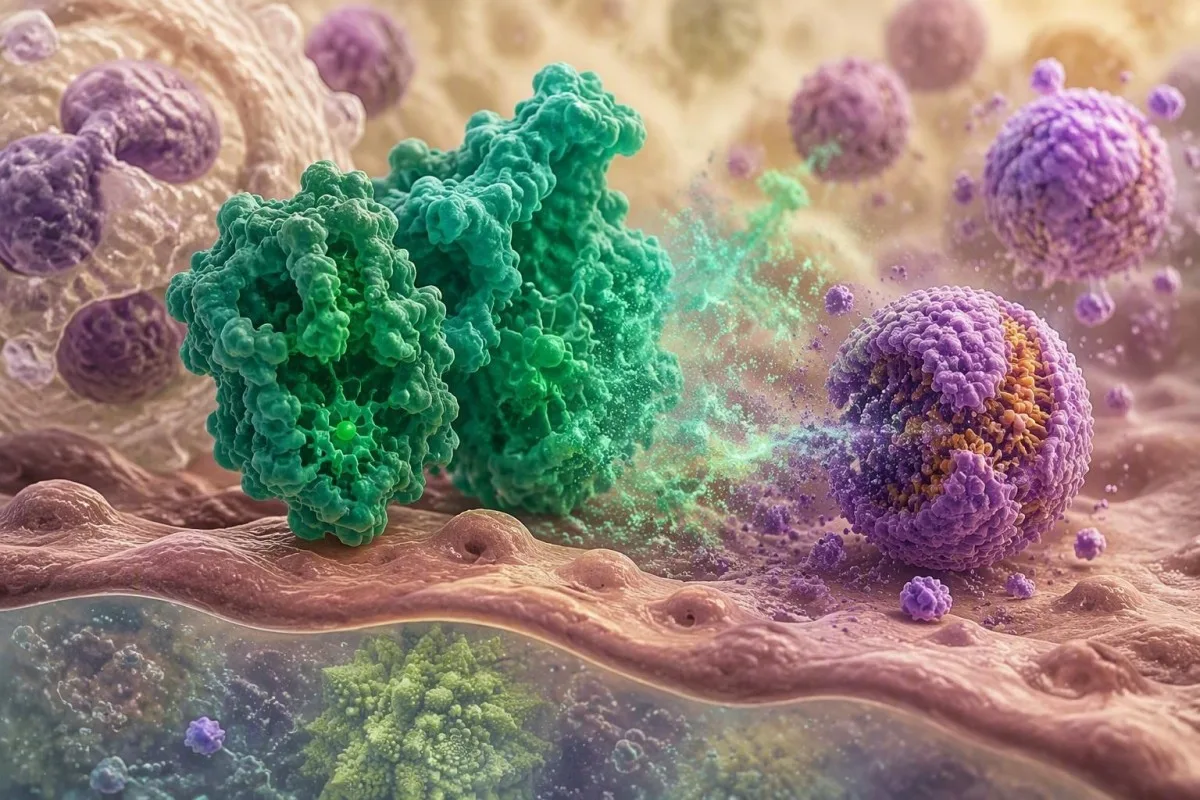
Myeloperoxidase (MPO) ត្រូវបានរក្សាទុកក្នុង neutrophils និង monocytes ហើយជួយកោសិកាទាំងនោះបង្កើតអាស៊ីត hypochlorous, ជាអុកស៊ីតកម្មប្រឆាំងមេរោគដ៏មានឥទ្ធិពល។ ក្នុងជញ្ជាំងសរសៃឈាម, ប្រតិកម្មគីមីដូចគ្នាអាចកែប្រែ particles LDL, កាត់បន្ថយការមានរបស់ nitric-oxide, និងធ្វើឲ្យជីវសាស្ត្រនៃ plaque កាន់តែមិនស្ថិតស្ថេរ; នោះហើយជាមូលហេតុដែល MPO បានទទួលការចាប់អារម្មណ៍ថាជាសញ្ញារលាកសរសៃឈាម។.
លទ្ធផល MPO មិនអាចជំនួសលទ្ធផលកូលេស្តេរ៉ូលបានទេ។ បុគ្គលម្នាក់អាចមាន LDL-C 92 mg/dL និង MPO ខ្ពស់ជាបណ្ដោះអាសន្នបន្ទាប់ពីមានជំងឺផ្លូវដង្ហើម, ខណៈដែលបុគ្គលម្នាក់ទៀតមាន MPO ក្នុងកម្រិតទាបជាងនៅតែមានហានិភ័យពេញមួយជីវិតខ្ពស់ដោយសារ ApoB គឺ 145 mg/dL, សម្ពាធឈាមគឺ 154/94 mmHg, ហើយពួកគេជក់បារី។.
Kantesti AI គឺជាអ្វីមួយដែល ឧបករណ៍វិភាគឈាម AI ដែលអានសញ្ញាសរសៃឈាមដែលមានជំនាញ alongside លទ្ធផលស្តង់ដារដែលផ្លាស់ប្តូរការសម្រេចចិត្តញឹកញាប់បំផុត, ជំនួសឲ្យការព្យាបាលអង់ស៊ីមមួយជាការកាត់ទោស។ ក្នុងការងារគ្លីនិករបស់ខ្ញុំ, សំណួរមានប្រយោជន៍បំផុតកម្រជា “MPO ខ្ពស់ឬទេ?”; វាជា “ហានិភ័យដែលអាចកែប្រែបានអ្វីខ្លះដែលមានវា?” ស្វែងយល់ពីអ្វីដែលទូលាយជាង ការណែនាំអំពី biomarker សម្រាប់ការធ្វើតេស្តដែលជាទូទៅត្រូវបានរកឃើញនៅក្នុងបន្ទះសរសៃឈាមបេះដូង។.
លោកវេជ្ជបណ្ឌិត Thomas Klein បានឃើញអ្នកជំងឺមានការភ័យខ្លាចដោយសារទង់ MPO ទោះបីជាមាន ECG ធម្មត និងការវាយតម្លៃរោគសញ្ញាដែលធានាក៏ដោយ។ ការថប់បារម្ភនោះអាចជៀសបាននៅពេលដែលរបាយការណ៍បញ្ជាក់យ៉ាងច្បាស់ថា MPO បង្ហាញពីផ្លូវជីវសាស្ត្រ, ខណៈពេលដែលការថតរូប, រោគសញ្ញា, troponin, និងកត្តាហានិភ័យធម្មតាកំណត់ថាតើជំងឺបេះដូងទំនងជាយ៉ាងណា។.
អង់ស៊ីមមិនមែនជាអង្គបដិប្រាណទេ។
ការធ្វើតេស្តអង់ស៊ីម MPO សម្រាប់ហានិភ័យសរសៃឈាមគឺខុសពី អង្គបដិប្រាណ MPO-ANCA តេស្តដែលប្រើក្នុងការសង្ស័យ vasculitis។ មួយវាស់កំហាប់អង់ស៊ីមដែលកំពុងចរាចរ ឬសកម្មភាព; ឯមួយទៀតរកមើលអង្គបដិប្រាណភាពស៊ាំហើយមានគោលបំណងគ្លីនិកខុសគ្នាទាំងស្រុង។.
ហេ MPO ត្រូវបានភ្ជាប់ទៅនឹង Oxidative Stress នៅក្នុងសរសៃឈាម
MPO ភ្ជាប់ទៅនឹងហានិភ័យសរសៃឈាមដោយសារវាអាចធ្វើអុកស៊ីតកម្ម lipoproteins និងរំខានដល់ការបញ្ជូនសញ្ញា nitric-oxide ក្នុងជញ្ជាំងសរសៃឈាមដែលរលាក។ យន្តការនេះមានភាពជឿជាក់តាមបែបជីវសាស្ត្រ, ប៉ុន្តែភាពជឿជាក់មិនមែនធ្វើឲ្យ MPO ក្លាយជាគោលដៅនៃការព្យាបាល ឬការធ្វើរោគវិនិច្ឆ័យតាមការត្រួតពិនិត្យទេ។.
MPO ប្រើ hydrogen peroxide និង chloride ដើម្បីបង្កើតអាស៊ីត hypochlorous, ដែលច្រើនតែកាត់ខ្លីថា HOCl. HOCl អាចធ្វើការ chlorinate លើសំណល់ tyrosine នៅលើប្រូតេអ៊ីន និងផ្លាស់ប្តូរមុខងារ HDL និង LDL; រូបលក្ខណៈគីមីទាំងនេះអាចវាស់បានក្នុងការសិក្សាជាលិកាស្រាវជ្រាវ, ទោះបីជាតម្លៃប្លាស្មាធម្មតាមិនអាចកំណត់បានថាអុកស៊ីតកម្មបានកើតឡើងនៅកន្លែងណាក៏ដោយ។.
Atherosclerosis មិនត្រឹមតែជា “ច្រែសក្នុងសរសៃឈាមអាកទែ” ទេ។ វាពាក់ព័ន្ធនឹង particles ដែលមាន ApoB ចូលទៅក្នុងនិងត្រូវបានរក្សាទុកក្នុងជញ្ជាំងសរសៃឈាមអាកទែ, ការជ្រើសរើសកោសិកាភាពស៊ាំក្នុងតំបន់, មុខងារខូចនៃ endothélial, និងពេលខ្លះការដាច់ plaque; ជាលទ្ធផល LDL ដែលត្រូវបានអុកស៊ីតកម្ម លទ្ធផល oxidized LDL អាចទាក់ទងជាគំនិតបាន ប៉ុន្តែវាមានដែនកំណត់នៃការវិភាគផ្ទាល់ខ្លួន។.
ការសិក្សាឈឺទ្រូងឆ្នាំ ២០០៣ ដោយ Brennan et al. បានរកឃើញថា MPO កាន់តែខ្ពស់បង្ហាញពីហានិភ័យនៃព្រឹត្តិការណ៍ជិតបំផុត សូម្បីតែនៅពេល troponin ដំបូងអវិជ្ជមានក៏ដោយ (Brennan et al., 2003)។ លទ្ធផលនោះមានសារៈសំខាន់ខាងគ្លីនិក ដោយសារតែ MPO អាចកើនឡើងមុនពេលមានការខូចខាតកោសិកា myocardiom អាចរកឃើញ មិនមែនដោយសារតែវាបញ្ជាក់ថាការស្ទះសរសៃឈាមបេះដូងកំពុងកើតឡើងនោះទេ។.
ភាពខុសប្លែកមួយដែលតែងតែខកខានតាមអ៊ីនធឺណិត៖ MPO ដែលកំពុងចរាចរអាចមានប្រភពមកពីកោសិកាប្រព័ន្ធភាពស៊ាំដែលបានធ្វើឱ្យសកម្មនៅខាងក្រៅសរសៃឈាមបេះដូង។ ជំងឺអញ្ចាញធ្មេញ ជំងឺឆ្លងដោយវីរុសស្រួចស្រាវ ជំងឺរលាកសន្លាក់ ជំងឺតម្រងនោមរ៉ាំរ៉ៃ និងការប៉ះពាល់នឹងថ្នាំជក់ សុទ្ធតែផ្តល់ការពន្យល់ជំនួស ដូច្នេះការធ្វើតេស្តមានភាព specificity ខាងកាយវិភាគសាស្ត្រទាប។.
ពេលណាដែលវេជ្ជបណ្ឌិតអាចពិចារណាបញ្ជា MPO
អ្នកជំងឺអាចពិចារណាធ្វើតេស្តឈាម MPO នៅពេលដែលហានិភ័យសរសៃឈាមបេះដូងធម្មតា seeming មិនពេញលេញ ឬនៅពេលដែលអ្នកឯកទេសកំពុងកែលម្អហានិភ័យចំពោះអ្នកជំងឺដែលមានលទ្ធផល borderline ច្រើន។ ការត្រួតពិនិត្យប្រជាជនជាប្រចាំមិនត្រូវបានគាំទ្រដោយគោលការណ៍ការពារដ៏សំខាន់ទេ។.

ការធ្វើតេស្តនេះ ត្រូវបានបញ្ជាទិញខ្លះៗ នៅក្នុងផ្នែកការពារជំងឺបេះដូងសម្រាប់មនុស្សដែលមានប្រវត្តិគ្រួសារមិនគ្រប់វ័យ ហានិភ័យនៃជំងឺរំលាយអាហារ ពិន្ទុបែបប្រពៃណី borderline ឬការវិវត្តន៍ដែលមិនអាចពន្យល់បាននៃជំងឺសរសៃឈាម។ វាមិនសូវមានប្រយោជន៍ទេ ចំពោះអ្នកអាយុ ២៤ ឆ្នាំដែលមិនមានរោគសញ្ញា សម្ពាធឈាមធម្មតា LDL-C ៦៨ mg/dL និងមិនមានការប៉ះពាល់នឹងហានិភ័យធំៗ ដោយសារតែប្រូបាប៊ីលីតេមុនការធ្វើតេស្តនៃជំងឺដែលអាចព្យាបាលបានមានកម្រិតទាបណាស់។.
ភស្តុតាងមានភាពចម្រុះគ្នាលើថាតើ MPO ធ្វើអោយប្រសើរឡើងនូវការសម្រេចចិត្ត បន្ទាប់ពីការវាយតម្លៃហានិភ័យទំនើបត្រូវបានបញ្ចប់។ គោលការណ៍ណែនាំការពារ ACC/AHA ឆ្នាំ ២០១៩ គូសបញ្ជាក់ពីការប៉ាន់ប្រមាណហានិភ័យជាក្រុម សម្ពាធឈាម ជំងឺទឹកនោមផ្អែម ការជក់បារី កូលេស្តេរ៉ុល កាល់ស្យូមក្នុងសរសៃឈាមបេះដូងចំពោះមនុស្សពេញវ័យដែលបានជ្រើសរើស និងកត្តាបង្កើនហានិភ័យដូចជា Lp(a) ជាជាង MPO ជាតេស្តធម្មតា (Arnett et al., 2019)។.
សម្រាប់អ្នកជំងឺជាច្រើន, hs-CRP គឺ familiar ជាង ប៉ុន្តែវាឆ្លើយសំនួរផ្សេង៖ វាគឺជាប្រូតេអ៊ីនដំណាក់កាលស្រួចស្រាវ ដែលផលិតដោយថ្លើម ជាជាងអង់ស៊ីម neutrophil. អានពីរបៀបដែលរោគសញ្ញា និងពេលវេលាប៉ះពាល់ ការបកស្រាយ hs-CRP ខ្ពស់ មុនពេលសន្មត់ថា markers ណាមួយបង្ហាញពីសរសៃឈាមដែលឈឺ។.
ជាធម្មតាខ្ញុំទុកការពិភាក្សាពី MPO សម្រាប់ការទៅជួបម្តងទៀត មិនមែនការពិនិត្យប្រចាំឆ្នាំដែលប្រញាប់ប្រញាល់ទេ។ លទ្ធផលដែលមិនអាចផ្លាស់ប្តូរការបន្ថយ LDL ការព្យាបាលសម្ពាធឈាម ការឈប់ជក់បារី ការថែទាំជំងឺទឹកនោមផ្អែម ឬការសម្រេចចិត្តរូបភាពអាចបន្ថែមសំឡេងរំខានជាជាងភាពជាក់លាក់ដែលមានប្រយោជន៍។.
ការធ្វើតេស្តហានិភ័យបេះដូង MPO មិនមែនជាតេស្ត MPO-ANCA ទេ
ការធ្វើតេស្ត MPO cardiovascular-risk និងការធ្វើតេស្ត MPO-ANCA គឺជាការស៊ើបអង្កេតមន្ទីរពិសោធន៍ផ្សេងគ្នាជាមួយនឹងឯកតា វិធីសាស្រ្ត និងផលវិបាកខាងគ្លីនិកផ្សេងៗគ្នា។ MPO សរសៃឈាមកើនឡើងមិនមានន័យថា vasculitisទេ ហើយ MPO-ANCA វិជ្ជមានមិនបានវាស់កម្រិតអុកស៊ីតកម្មនៃជំងឺបេះដូងទេ។.

MPO-ANCA រកឃើញអង់ទីបូឌីដែលដឹកនាំប្រឆាំងនឹង myeloperoxidase ហើយត្រូវបានប្រើប្រាស់ជាមួយនឹងរោគសញ្ញា លទ្ធផលទឹកនោម ការងារតម្រងនោម រូបភាព និងការវាយតម្លៃអ្នកឯកទេស នៅពេលដែល vasculitis សរសៃឈាមតូចត្រូវបានសង្ស័យ។ ក្អកមានឈាម ការងារតម្រងនោមធ្លាក់ចុះយ៉ាងឆាប់រហ័ស រោគខាន់ស្លាក់ រោគសរសៃប្រសាទ ឬជំងឺភ្នែករលាក ត្រូវការការវាយតម្លៃវេជ្ជសាស្រ្តជាបន្ទាន់; កញ្ចប់ MPO បេះដូងមិនមែនជាការងារសមស្របទេ។.
ផ្ទុយទៅវិញ ការធ្វើតេស្ត MPO បេះដូងជាញឹកញាប់រាយការណ៍ pmol/L, ng/mL, ឬសកម្មភាព specific ទៅនឹង assay។ ห้องปฏิบัติการ ANCA ច្រើនតែរាយការណ៍ពីឯកតា index អង់ទីបូឌី ឬ U/mL ជាមួយនឹងដែនកំណត់ positivity ផ្ទាល់របស់ពួកគេ ដែលមានន័យថា លេខមួយពីរបាយការណ៍មួយមិនអាចបម្លែងដោយសុវត្ថិភាពទៅជាលេខពីរបាយការណ៍មួយផ្សេងទៀតបានទេ។.
កាន់តេស្ទី គឺជា សេវាកម្មបកស្រាយការធ្វើតេស្តរបស់ AI lab រចនាឡើងដើម្បីបំបែកការធ្វើតេស្តដែលមានឈ្មោះស្រដៀងគ្នាដោយ specimen វិធីសាស្រ្ត unit និងសំណួរគ្លីនិក។ ភាពខុសគ្នានេះមានសារៈសំខាន់ជាពិសេស នៅពេលដែលអ្នកជំងឺបញ្ចូលរបាយការណ៍ជាច្រើនឆ្នាំ សូមមើលការណែនាំរបស់យើងសម្រាប់ លំនាំ ANCA និង MPO សម្រាប់ការតាមដានអង់ទីបូឌី specific ។.
ទង់មន្ទីរពិសោធន៍មិនមែនជាការវិនិច្ឆ័យទេ។ ប្រសិនបើ MPO-ANCA វិជ្ជមាន ប្រូបាប៊ីលីតេនៃ vasculitis ត្រូវបានប៉ាន់ប្រមាណ អាស្រ័យយ៉ាងខ្លាំងលើរោគសញ្ញាដែលត្រូវគ្នា និងការរកឃើញសរីរាង្គជាវត្ថុវិស័យ ខណៈពេលដែលលទ្ធផល lone low-positive អាចកើតឡើងនៅក្នុងជំងឺអូតូអ៊ុយមីនផ្សេងទៀត ការឆ្លងមេរោគ និងការប៉ះពាល់នឹងថ្នាំមួយចំនួន។.
ហេ MPO មិនអាចច្រានចោល ឬច្រានចោលការគាំងបេះដូងបានទេ។
MPO មិនអាចបដិសេធ ឬបញ្ជាក់ពីជំងឺគាំងបេះដូងបានទេ ដោយសារតែវាមិនវាស់ការខូចខាតសាច់ដុំបេះដូង ហើយកើនឡើងនៅក្នុងរដ្ឋរលាកដែលមិនមែនជាជំងឺបេះដូងជាច្រើន។ រោគសញ្ញាទ្រូងស្រួចស្រាវ ត្រូវការ ECG ការធ្វើតេស្ត troponin អត្រាសុiciênciaខ្ពស់ សញ្ញាសរីរាង្គ និងការវាយតម្លៃវេជ្ជបណ្ឌិត។.
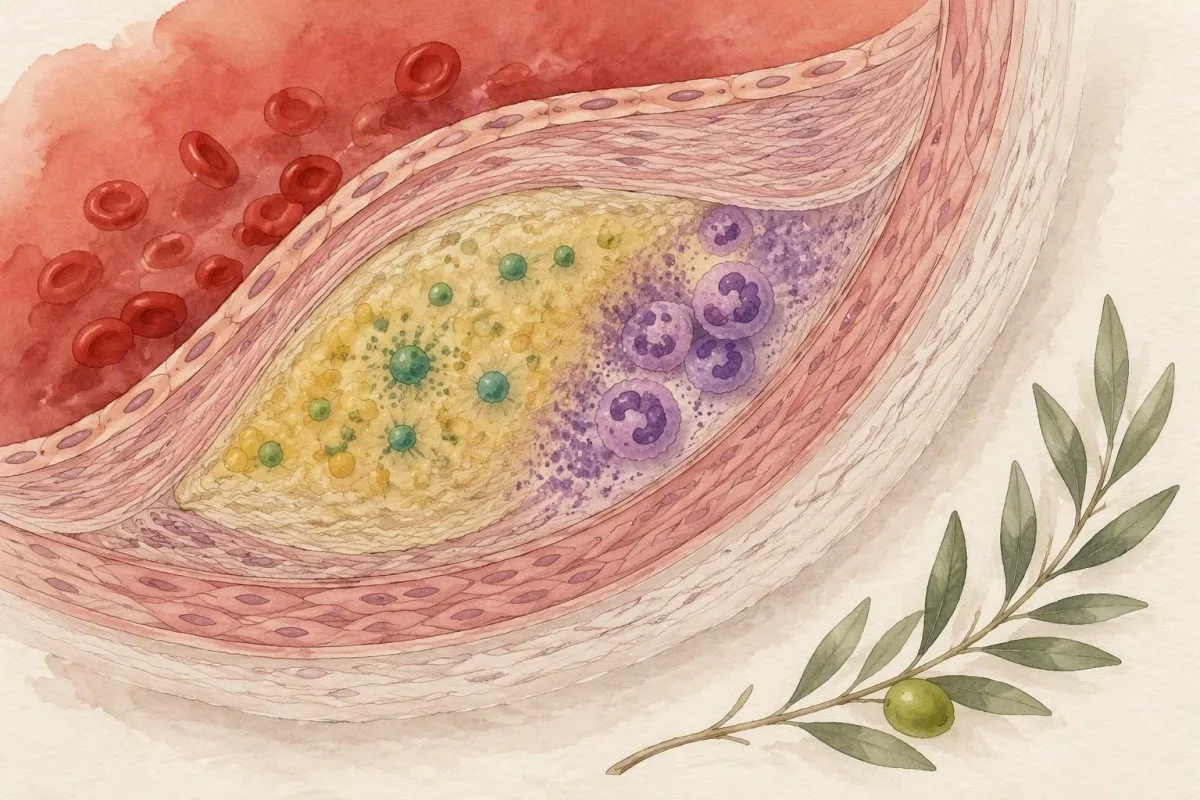
Troponin អត្រាសុiciênciaខ្ពស់ បង្ហាញពីការខូចខាត myocardiom ទោះបីជា troponin ក៏ត្រូវការការបកស្រាយដែរ ដោយសារតែជំងឺតម្រងនោម ជំងឺបេះដូង ការរលាក myocardiom និងសម្ពាធឈាមខ្ពស់ខ្លាំងអាចបង្កើនវាបាន។ ការផ្លាស់ប្តូរតម្លៃក្នុងរយៈពេល ១ ទៅ ៣ ម៉ោង រោគសញ្ញា ការរកឃើញ ECG និងដែនកំណត់ assay ក្នុងតំបន់ មានព័ត៌មានច្រើនជាងលទ្ធផល MPO តែមួយ។.
នៅក្នុងក្រុមអ្នកសិក្សា New England Journal of Medicine ឆ្នាំ ២០០៣ របស់ Brennan et al., MPO បានបន្ថែមព័ត៌មានព្យាករណ៍ក្នុងចំណោមអ្នកជំងឺដែលបង្ហាញរោគសញ្ញាឈឺទ្រូង រួមទាំងអ្នកខ្លះដែលមាន troponin អវិជ្ជមាននៅដំបូង (Brennan et al., 2003)។ នោះមិនបាន justify ទេ ការប្រើ MPO នៅផ្ទះ ឬនៅការថែទាំបឋម ដើម្បីដកចេញពីស្ថានភាពបន្ទាន់។ ក្រុមអ្នកសិក្សាត្រូវបានទទួលការវាយតម្លៃបន្ទាន់នៅមន្ទីរពេទ្យរួចហើយ។.
ការឈឺទ្រូងថ្មីឬការតឹងដែលមានរយៈពេលលើសពី ១០ នាទី ការឈឺចាប់ពេលធ្វើលំហាត់ប្រាណ ការអស់កម្លាំង ការដកដង្ហើមខ្លាំង ការបែកញើសត្រជាក់ ឬការឈឺចាប់ដែលរាលដាលទៅកាន់ថ្គាមខ្នង ឬដៃគួរតែទាក់ទងសេវាសង្គ្រោះបន្ទាន់។ ការអនុវត្តជាក់ស្តែងរបស់យើង ការណែនាំអំពីការធ្វើតេស្តឈាមពេលឈឺទ្រូង ពន្យល់ពីមូលហេតុដែលការកំណត់ពេលវេលាផ្លាស់ប្តូររាល់សូចនាករនៃបេះដូង។.
MPO ធម្មតា មិនមែនជាការអនុញ្ញាតឲ្យមិនអើពើនឹងរោគសញ្ញាឡើយ។ ផ្ទុយទៅវិញ MPO ដែលកើនឡើងដោយគ្មានរោគសញ្ញាជាធម្មតាជាបញ្ហាពិភាក្សាអំពីហានិភ័យ មិនមែនជាការធ្វើរោគវិនិច្ឆ័យបន្ទប់សង្គ្រោះបន្ទាន់ទេ។.
LDL and Non-HDL Cholesterol Provide Essential Context
LDL-C និងកូលេស្តេរ៉ុលមិនមែន HDL ផ្តល់បរិបទចាំបាច់សម្រាប់ MPO ពីព្រោះជំងឺក្រិនសរសៃឈាមតម្រូវឱ្យមានការប៉ះពាល់នឹងលីពូប្រូតេអ៊ីនដែលមាន ApoB មិនមែនគ្រាន់តែភាពតានតឹងអុកស៊ីតកម្មតែប៉ុណ្ណោះ។ MPO ដែលកើនឡើងជាមួយនឹងកូលេស្តេរ៉ុលដែលបង្កជំងឺក្រិនសរសៃឈាមទាបជាបន្តបន្ទាប់ជាទូទៅមានអត្ថន័យខុសពីតម្លៃ MPO ដូចគ្នានឹង LDL-C 190 mg/dL ។.

កូឡេស្តេរ៉ូល LDL-C នៃ 190 mg/dL ឬខ្ពស់ជាងនេះ ត្រូវបានគេចាត់ទុកថាជា hypercholesterolaemia ធ្ងន់ធ្ងរនៅក្នុងការណែនាំសំខាន់ៗ ហើយជាធម្មតាតម្រូវឱ្យមានការព្យាបាលដោយគ្លីនិកសកម្ម ដោយមិនគិតពីពិន្ទុដែលបានគណនា ១០ ឆ្នាំឡើយ។ កូលេស្តេរ៉ុលមិនមែន HDL ស្មើនឹងកូលេស្តេរ៉ុលសរុបដក HDL-C ហើយវាចាប់យក LDL បូករួមទាំងសំណល់ដែលសម្បូរដោយត្រគាក។ វាងាយស្រួលប្រើជាពិសេសនៅពេលដែលត្រគាកលើសពី ១៧៥ mg/dL ។.
MPO អាចជួយពិពណ៌នាអំពីបរិស្ថានសរសៃឈាមដែលជាសត្រូវ ប៉ុន្តែ LDL និងមិនមែន HDL បង្ហាញពីភាគល្អិតដែលអាចរក្សាទុកក្នុងជាលិកាសរសៃឈាម។ ចំពោះអ្នកជំងឺដែលមាន LDL-C 178 mg/dL និង MPO 610 pmol/L លើការធ្វើតេស្តដែលបានផ្ទៀងផ្ទាត់ ខ្ញុំនឹងផ្តោតជាដំបូងលើហានិភ័យគ្រួសារ ApoB ជម្រើសព្យាបាល ការអនុលោមតាម និងពេលខ្លះកាល់ស្យូមក្នុងសរសៃឈាមបេះដូង — មិនមែនអាហារបំប៉នដែលផ្សព្វផ្សាយថាជាសារធាតុប្រឆាំងអុកស៊ីតកម្មទេ។.
AI Kantesti បន្លិចលំនាំរវាងលទ្ធផលលីពីត និងបរិបទរលាក រួមទាំង LDL ខ្ពស់ដែលមិនបង្ក រោគសញ្ញា. ។ អវត្តមាននៃការឈឺទ្រូងមិនធ្វើឱ្យការប៉ះពាល់ LDL គ្មានគ្រោះថ្នាក់ទេ ហើយ MPO ខ្ពស់មិនកំណត់ថាតើការអន្តរាគមន៍លីពីតណាមួយត្រឹមត្រូវសម្រាប់បុគ្គលម្នាក់ៗទេ។.
ស្តាទីនបន្ថយ LDL-C និងកាត់បន្ថយព្រឹត្តិការណ៍បេះដូង ប៉ុន្តែការធ្លាក់ចុះ MPO មិនមែនជាគោលដៅព្យាបាលដែលបានផ្ទៀងផ្ទាត់ទេ។ ការវាស់វែងគួរតែបម្រើការសម្រេចចិត្តដែលធ្វើអោយលទ្ធផលប្រសើរឡើង មិនមែនជាផ្ទាំងពិន្ទុសម្រាប់ការធ្វើអោយប្រសើរឡើងនូវជីវគីមីទេ។.
ApoB Often Explains Risk Better Than MPO Alone
ApoB ជារឿយៗបន្ថែមព័ត៌មានអំពីហានិភ័យបេះដូងដែលអាចធ្វើសកម្មភាពបានច្រើនជាង MPO ពីព្រោះភាគល្អិតនីមួយៗដែលបង្កជំងឺក្រិនសរសៃឈាមមានម៉ូលេគុល ApoB មួយ។ ApoB ខ្ពស់បង្ហាញពីចំនួនភាគល្អិតខ្ពស់ដែលអាចជ្រាបចូលទៅក្នុងជញ្ជាំងសរសៃឈាមបាន ទោះបីជា LDL-C មើលទៅឡើងខ្ពស់តែបន្តិចក៏ដោយ។.

ApoB មានប្រយោជន៍ជាពិសេសនៅពេលដែលត្រគាកខ្ពស់ មានការធន់ទ្រាំនឹងអាំងស៊ុយលីន ឬ LDL-C និង non-HDL-C មិនយល់ស្រប។ ឧទាហរណ៍ LDL-C 106 mg/dL ជាមួយនឹងត្រគាក 260 mg/dL និង ApoB 125 mg/dL អាចបង្ហាញពីភាគល្អិតដែលបង្កជំងឺក្រិនសរសៃឈាមច្រើនជាង LDL-C តែមួយមុខទៀត។.
ការណែនាំ ACC/AHA រាយបញ្ជី ApoB នៃ 130 mg/dL ឬខ្ពស់ជាង ជាកត្តាបង្កើនហានិភ័យ ជាពិសេសនៅពេលដែលត្រគាកមានតម្លៃ ២០០ mg/dL ឬច្រើនជាងនេះជាបន្តបន្ទាប់ (Arnett et al., 2019) ។ មិនមានកម្រិតណែនាំដែលអាចប្រៀបធៀបបានដែល MPO តែមួយបង្ខំឱ្យប្រើថ្នាំ statin ការស្កេន CT ឬ angiogram នោះទេ។.
នេះជាផ្នែកមួយដែលបរិបទសំខាន់ជាងលេខ។ អ្នកពន្យល់ពីសមាមាត្រ ApoB ទៅ ApoA1 បង្ហាញពីមូលហេតុដែលតម្លៃ LDL ដែលមើលទៅទទួលយកបានអាចលាក់បាំងហានិភ័យទាក់ទងនឹងភាគល្អិត។.
នៅពេលខ្ញុំពិនិត្យសំណុំឯកសារ តម្លៃ ApoB ដែលខ្ពស់ជាប់លាប់ក្នុងរយៈពេលពីរដងនៃការយកឈាមពេលតមអាហារ ឬមិនតមអាហារ ជាទូទៅផ្លាស់ប្តូរការសន្ទនាច្រើនជាងលទ្ធផល MPO តែមួយដង។ មូលហេតុគឺសាមញ្ញ៖ យើងមានភ័ស្តុតាងការសាកល្បងលទ្ធផលដែលខ្លាំងជាងច្រើនសម្រាប់ការបន្ថយបន្ទុកភាគល្អិតដែលបង្កជំងឺក្រិនសរសៃឈាម។.
Lipoprotein(a) and Family History Change the Meaning of MPO
Lipoprotein(a) ឬ Lp(a) និងប្រវត្តគ្រួសារមិនគ្រប់អាយុអាចបង្កើនហានិភ័យបេះដូងពេញមួយជីវិត ដោយឯករាជ្យពី MPO។ ការវាស់ Lp(a) តែមួយដងជាធម្មតាមានភាពសមរម្យក្នុងវ័យពេញវ័យ ពីព្រោះកម្រិតត្រូវបានទទួលមរតកភាគច្រើន ហើយនៅតែមានស្ថេរភាពគួរឱ្យកត់សម្គាល់។.

ការណែនាំជាច្រើនពិចารณา Lp(a) នៅ 50 mg/dL ឬ 125 nmol/L ឬខ្ពស់ជាងនេះ កម្រិតដែលបង្កើនហានិភ័យ ទោះបីជា mg/dL និង nmol/L មិនអាចបម្លែងបានយ៉ាងត្រឹមត្រូវ ដោយសារទំហំភាគល្អិតប្រែប្រួល។ ឪពុកម្តាយ បងប្អូនបង្កើត ឬកូនដែលមានជំងឺគាំងបេះដូងមុនអាយុ 55 ឆ្នាំចំពោះបុរស ឬ 65 ឆ្នាំចំពោះស្ត្រី គឺជាសញ្ញាមួយទៀតដែលសមនឹងការពិនិត្យជាផ្លូវការ។.
នៅក្នុងការវិភាគ EPIC-Norfolk ឆ្នាំ 2007 Meuwese និងសហការីបានរកឃើញ MPO កាន់តែខ្ពស់ទាក់ទងនឹងជំងឺបេះដូងនាពេលអនាគតក្នុងចំណោមមនុស្សពេញវ័យដែលមានសុខភាពល្អ (Meuwese et al., 2007) ។ ទំនាក់ទំនងនោះមិនប្រាប់យើងថាតើ Lp(a) ដែលទទួលមរតក ការប៉ះពាល់ ApoB ពេញមួយជីវិត ជំងឺលើសឈាម ឬការជក់បារីជាអ្នកបើកបរហានិភ័យដ៏លេចធ្លោសម្រាប់បុគ្គលជាក់លាក់ម្នាក់ឬទេ។.
អ្នកជំងឺខ្លះគិតថាយ રિપોર્ટ “កូលេស្តេរ៉ុលធម្មតា” មិនរាប់បញ្ចូលហានិភ័យដែលទទួលមរតកទេ។ វាមិនមែនដូច្នោះទេ; ការ ណែនាំការត្រួតពិនិត្យ Lp(a) ពន្យល់ថាហេតុអ្វីបានជា Lp(a) អាចមានសារៈសំខាន់ខាងគ្លីនិក ទោះបីជា LDL-C មានកម្រិត 90 mg/dL ក៏ដោយ។.
MPO អាចកែលម្អការពិភាក្សាមួយចំនួននៅក្នុងការកំណត់ពិសេស ប៉ុន្តែវាមិនគួររំខាញដល់ការកត់ត្រាអាយុរបស់សាច់ញាតិនៅពេលមានព្រឹត្តិការណ៍ ការពិនិត្យ Lp(a) និងការស៊ើបអង្កេត hypercholesterolaemia តាមពង្សដែលទំនងជាកើតមាននៅពេលដែល LDL-C ខ្ពស់ខ្លាំង។.
សម្ពាធឈាម និងការជក់បារី អាចមានតម្លៃជាងលទ្ធផល MPO
សម្ពាធឈាម និងស្ថានភាពនៃការជក់បារី ជារឿយៗប៉ះពាល់ដល់ហានិភ័យនៃប្រព័ន្ធសរសៃឈាមបេះដូងច្រើនជាង MPO ដោយសារតែទាំងពីរមានទំនាក់ទំនងបង្កជាហេតុទៅនឹងជំងឺគាំងបេះដូង ដាច់សរសៃឈាមក្នុងខួរក្បាល ជំងឺតម្រងនោម និងការស្លាប់មិនគ្រប់អាយុ។ សម្ពាធឈាមតែមួយដងនៅក្នុងការិយាល័យដែលមានកម្រិត 140/90 mmHg ត្រូវការការបញ្ជាក់ ប៉ុន្តែការកើនឡើងជាបន្តបន្ទាប់សមនឹងទទួលបានការចាត់វិធានការ ដោយមិនគិតពី MPO។.
កម្រិតวินิจฉ័យធម្មតាសម្រាប់ជំងឺលើសឈាមគឺសម្ពាធឈាមក្នុងការិយាល័យនៃ 140/90 មមបារត ឬខ្ពស់ជាងនេះ នៅក្នុងការកំណត់ជាច្រើន ខណៈពេលដែលជាមធ្យមនៅផ្ទះ ឬតាមដាន 135/85 mmHg ឬខ្ពស់ជាងនេះ ត្រូវបានគេចាត់ទុកថាជាការកើនឡើងជាទូទៅ។ ការណែនាំប្រែប្រួលតាមប្រទេស និងហានិភ័យរបស់អ្នកជំងឺ ប៉ុន្តែការវាស់វែងត្រឹមត្រូវម្តងហើយម្តងទៀតមានសារៈសំខាន់ជាងការវាស់វែងនៅក្នុងគ្លីនិកដែលធ្វើអោយមានការថប់បារម្ភតែមួយដង។.
ការជក់បារីជំរុញ neutrophils ធ្វើឱ្យខូចស្រទាប់ក្នុង និងអាចបង្កើនសញ្ញាសម្គាល់ការរលាក ដែលធ្វើឱ្យលទ្ធផល MPO ពិបាកក្នុងការបកស្រាយជាពិសេសចំពោះអ្នកជក់បារីបច្ចុប្បន្ន។ ការបញ្ឈប់ថ្នាំជក់កាត់បន្ថយហានិភ័យនៃប្រព័ន្ធសរសៃឈាមបេះដូងយ៉ាងច្រើន ទោះបីជា biomarkers មិនវិលទៅរកសភាពធម្មតាវិញភ្លាមៗក៏ដោយ។ គ្មានផលិតផល “detox” ណាមួយអាចជំនួសការគាំទ្រការបញ្ឈប់បានទេ។.
Kantesti អាចរៀបចំរបាយការណ៍ប្រព័ន្ធសរសៃឈាមបេះដូង រួមជាមួយនឹងលទ្ធផលពី ការធ្វើតេស្តក្នុងមន្ទីរពិសោធន៍សម្រាប់ជំងឺលើសឈាមបន្ទាប់បន្សំ, ប៉ុន្តែកម្មវិធីមិនអាចធ្វើរោគវិនិច្ឆ័យជំងឺលើសឈាមពីការវាស់តែមួយទេ។ ឧបករណ៍ផ្ទះដែលបានផ្ទៀងផ្ទាត់ ការអង្គុយសម្រាករយៈពេល 5 នាទី និងកំណត់ហេតុរយៈពេល 7 ថ្ងៃ ជារឿយៗជាជំហានបន្ទាប់ដែលមានប្រយោជន៍ជាង។.
ខ្ញុំបានឃើញអ្នកជំងឺអាយុ 47 ឆ្នាំម្នាក់ផ្តោតលើ MPO 560 pmol/L ខណៈពេលដែលមើលរំលងការវាស់ជាមធ្យមនៅផ្ទះជិត 151/96 mmHg។ ការព្យាបាលបញ្ហាសម្ពាធឈាមដែលបានបង្កើតឡើងគឺជាអាទិភាព; MPO មិនបានផ្លាស់ប្តូរលំដាប់ថ្នាក់នោះទេ។.
គ្លុយកូស ការងារតម្រងនោម និងហានិភ័យខាងមេតាបូលីស បំពេញរូបភាព
ស្ថានភាពជាតិស្ករ និងមុខងារតម្រងនោមចាំបាច់សម្រាប់ MPO ដោយសារតែជំងឺទឹកនោមផ្អែម និងជំងឺតម្រងនោមរ៉ាំរ៉ៃបង្កើនហានិភ័យនៃប្រព័ន្ធសរសៃឈាមតាមរយៈផ្លូវជាច្រើនក្នុងពេលតែមួយ។ HbA1c 6.5% ឬខ្ពស់ជាងនេះអាចធ្វើរោគវិនិច្ឆ័យជំងឺទឹកនោមផ្អែមនៅពេលដែលបានបញ្ជាក់ត្រឹមត្រូវ ខណៈពេលដែល eGFR ក្រោម 60 mL/min/1.73 m² រយៈពេល 3 ខែបង្ហាញពីជំងឺតម្រងនោមរ៉ាំរ៉ៃ។.
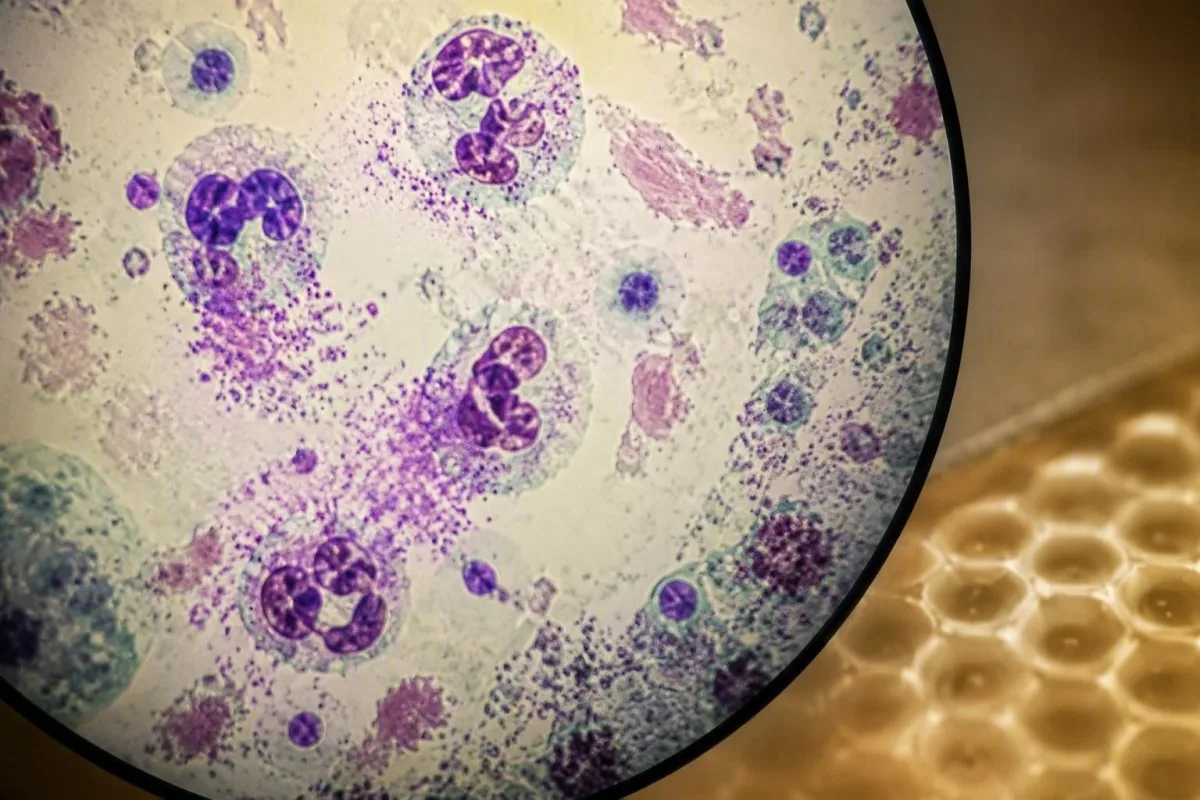
ជំងឺទឹកនោមផ្អែមបង្កើនហានិភ័យនៃជំងឺក្រិនសរសៃឈាមតាមរយៈការបញ្ចេញជាតិគ្លុយកូស ការរំលាយអាហារលីពីតដែលមានការផ្លាស់ប្តូរ ការខូចមុខងារស្រទាប់ក្នុងនិងការខូចតម្រងនោម។ HbA1c នៃ 5.7% ទៅ 6.4% បង្ហាញពីជំងឺ prediabetes ប៉ុន្តែជំងឺស្លេកស្លាំង ការបញ្ចូលឈាមថ្មីៗ វ៉ារ្យ៉ង់អេម៉ូក្លូប៊ីន និងជំងឺតម្រងនោមអាចធ្វើឱ្យ HbA1c មិនត្រឹមត្រូវ; ការធ្វើតេស្តហ្វ្រុចតូសាមីន គឺមានប្រយោជន៍ម្តងម្កាលនៅពេលដែលរឿងនោះកើតឡើង។.
ជំងឺតម្រងនោមអាចបង្កើន MPO ដោយសារតែការច្រោះថយចុះ និងការរលាករ៉ាំរ៉ៃអាចកើតមានក្នុងពេលតែមួយ ខណៈពេលដែលវាបង្កើនហានិភ័យនៃប្រព័ន្ធសរសៃឈាមដោយឡែក។ eGFR គួរតែត្រូវបានបកស្រាយជាមួយនឹងសមាមាត្រអាល់ប៊ូមីនក្នុងទឹកនោមទៅក្រេអាទីនីន: ACR នៃ 30 មីលីក្រាម/ក្រាម ឬខ្ពស់ជាង គឺជាអាល់ប៊ូមីនក្នុងទឹកនោមដែលមិនប្រក្រតី ហើយអាចផ្លាស់ប្តូរអាទិភាពនៃការការពារ ទោះបីជាមាន eGFR ខ្ពស់ជាង 60 ក៏ដោយ។.
រោគសញ្ញារំលាយអាហារត្រូវបានកំណត់ដោយក្រុមនៃចង្កេះ ត្រគ្លីសេរីត HDL-C សម្ពាធឈាម និងភាពមិនប្រក្រតីនៃជាតិស្ករ មិនមែនដោយ MPO ទេ។ ពិនិត្យឡើងវិញនូវលក្ខណៈវាស់ប្រាំយ៉ាងនៃ លក្ខណៈវិនិច្ឆ័យរោគសញ្ញារំលាយអាហារ ជាជាងពឹងផ្អែកលើស្លាក “ភាពតានតឹងអុកស៊ីតកម្ម” ដែលមិនច្បាស់លាស់។.
បញ្ហាជាក់ស្ដែងគឺការកើនឡើងហានិភ័យ។ MPO 500 pmol/L មានន័យច្រើនជាងក្នុងមនុស្សម្នាក់ដែលមាន HbA1c 7.8%, ACR 120 mg/g, triglycerides 240 mg/dL និងជំងឺលើសឈាមជាងក្នុងមនុស្សស្គមដែលមានសម្ពាធឈាមធម្មតាដែលកំពុងជាសះស្បើយពីជំងឺផ្តាសាយ។.
មូលហេតុដែលមិនមែនជាជំងឺបេះដូង ដែលកម្រិត Myeloperoxidase កើនឡើង
កម្រិត Myeloperoxidase អាចកើនឡើងដោយការឆ្លងមេរោគ ការរលាកដោយប្រព័ន្ធភាពស៊ាំខ្លួន ការជក់បារី ជំងឺតម្រងនោមរ៉ាំរ៉ៃ ការរលាកអញ្ចាញធ្មេញ ភាពតានតឹងនៃជាលិកាស្រួចស្រាវ និងការហាត់ប្រាណខ្លាំងថ្មីៗ។ មូលហេតុទាំងនេះធ្វើឱ្យលទ្ធផល MPO តែមួយមិនជាក់លាក់សម្រាប់ជំងឺសរសៃឈាមបេះដូង។.
ជំងឺគ្រុនក្តៅអាចផ្លាស់ប្តូរភាពសកម្មនៃកោសិកាឈាមសក្នុងរយៈពេលប៉ុន្មានថ្ងៃ ចំណែក hs-CRP វិញច្រើនតែកើនឡើងដល់កម្រិតខ្ពស់បំផុតហើយធ្លាក់ចុះក្នុងពេលវេលាផ្សេងគ្នា។ ប្រសិនបើការធ្វើតេស្តត្រូវបានយកក្នុងពេលមានគ្រុនក្តៅ បន្ទាប់ពីការព្យាបាលធ្មេញ ឬក្នុងរយៈពេលពីរបីថ្ងៃនៃការហាត់ប្រាណខ្លាំង ខ្ញុំនឹងមិនប្រើតម្លៃ MPO នោះដើម្បីធ្វើការវិនិច្ឆ័យរយៈពេលវែងអំពីជំងឺបេះដូងទេ។.
ការហាត់ប្រាណខ្លាំងក្នុងរយៈពេលយូរអាចផ្លាស់ប្តូរចំនួននឺត្រូហ្វាល (neutrophil) ប៉ាណូ គ្លីកូហ្សែន (creatine kinase) CRP និងសញ្ញាអុកស៊ីតកម្ម។ អ្នករត់ម៉ារ៉ាតុនអាយុ 52 ឆ្នាំម្នាក់ដែលមាន AST 89 IU/L បន្ទាប់ពីការប្រណាំងមួយក៏អាចមានបន្ទះរលាកមិនប្រក្រតីផងដែរ។ ជម្រើសដែលមានសុវត្ថិភាពបំផុតគឺការជាសះស្បើយ និងការធ្វើតេស្តឡើងវិញ ដូចដែលបានពិភាក្សាគ្នានៅក្នុង ការណែនាំអំពី creatinine ដែលទាក់ទងនឹងការហាត់ប្រាណ.
ជំងឺប្រព័ន្ធភាពស៊ាំនៃរាងកាយ និងជំងឺរលាកសរសៃឈាមត្រូវការការវាយតម្លៃគ្លីនិកដោយឡែកពីគ្នា ជាជាងកាត់បន្ថយទៅជាពិន្ទុបេះដូង MPO ។ ការកើនឡើងជាបន្តបន្ទាប់នៃ ESR ឬ CRP បូករួមទាំងកន្ទួល ការហើមសន្លាក់ ការសម្រកទម្ងន់ រោគសញ្ញាសរសៃប្រសាទ ទឹកនោមមិនប្រក្រតី ឬគ្រុនក្តៅ ត្រូវការការពិនិត្យដោយគ្រូពេទ្យ។; កត្តា ESR គឺទូលំទូលាយ។.
MPO កើនឡើងតិចតួចបន្ទាប់ពីជំងឺផ្តាសាយជាធម្មតាមិនមែនជារឿងបន្ទាន់ទេ។ វាជាហេតុផលមួយដើម្បីពិនិត្យមើលថាតើគំរូត្រូវបានកំណត់ពេលវេលាត្រឹមត្រូវដែរឬទេ ហើយថាតើកត្តាហានិភ័យធម្មតាត្រូវបានវាយតម្លៃហើយឬនៅ។.
ជួរ MPO យោងទៅតាម Assay និង Specimen
ចំនួន MPO យោងទៅតាមវិធីសាស្រ្តមន្ទីរពិសោធន៍ ការក្រិតតាមខ្នាត និងថាតើគំរូជាប្លាស្មា EDTA ឬសេរ៉ូម។ ការចាត់ថ្នាក់ប្លាស្មា EDTA ដែលបានលើកឡើងជាទូទៅប្រើប្រាស់ក្រោម 350 pmol/L ថាជាហានិភ័យទាប និង 540 pmol/L ឬខ្ពស់ជាងនេះថាជាហានិភ័យខ្ពស់ ប៉ុន្តែនេះមិនមែនជាព្រំដែនវិនិច្ឆ័យជាសកលទេ។.
របាយការណ៍ខ្លះប្រើ ng/mL ចំណែករបាយការណ៍ខ្លះទៀតប្រើ pmol/L ហើយការបំប្លែងមិនមានសុវត្ថិភាពទេ ប្រសិនបើមិនដឹងពីអ្នកក្រិតតាមខ្នាតវិភាគ និងទម្រង់ម៉ូលេគុលដែលបានវាស់។ ការគ្រប់គ្រងមុនការវិភាគក៏មានសារៈសំខាន់ផងដែរ ការដំណើរការយឺត ប្រភេទគំរូ សីតុណ្ហភាពផ្ទុក និងភាពសកម្មនៃកោសិកាបន្ទាប់ពីការប្រមូលអាចផ្លាស់ប្តូរការវាស់កំហាប់។.
ប្រភេទខាងក្រោមនេះត្រូវបានគេមើលឃើញល្អបំផុតថាជា ឧទាហរណ៍នៃគ្រួសារវិភាគមួយ, មិនមែនជាជួរធម្មតាជាសកលទេ។ លទ្ធផល 420 pmol/L អាចត្រូវបានគេហៅថាជាមធ្យមនៅក្នុងរបាយការណ៍ប្លាស្មា EDTA មួយ ប៉ុន្តែគំរូគ្លីនិកដូចគ្នាប្រហែលជាមិនមានលទ្ធផលសេរ៉ូមដែលអាចប្រៀបផ្ទឹមបានដោយផ្ទាល់ពីមន្ទីរពិសោធន៍ផ្សេងទៀតទេ។.
Kantesti AI គឺជាអ្វីមួយដែល វេទិកាបកស្រាយសូចនាករជីវសាស្ត្រដោយ AI ដែលរក្សាទុកចន្លោះយោងផ្ទាល់របស់មន្ទីរពិសោធន៍ និងសម្គាល់ការមិនផ្គូផ្គងឯកតា នៅពេលប្រៀបធៀបរបាយការណ៍ប្រវត្តិសាស្រ្ត។ នេះមានប្រយោជន៍ជាពិសេសនៅពេលធ្វើតេស្តឆ្លងព្រំដែន ឬមន្ទីរពិសោធន៍។ និន្នាការពិតប្រាកដត្រូវការការវិភាគដូចគ្នា គំរូដូចគ្នា និងស្ថានភាពសុខភាពស្រដៀងគ្នា។.
ប្រសិនបើ MPO កើនឡើងដោយមិននឹកស្មានដល់ សូមធ្វើម្តងទៀតបន្ទាប់ពីយ៉ាងហោចណាស់ 2 ទៅ 4 សប្តាហ៍ដោយគ្មានជំងឺស្រួចស្រាវ និងបន្ទាប់ពីចៀសវាងការហាត់ប្រាណខ្លាំងមិនធម្មតាអស់រយៈពេល 24 ទៅ 48 ម៉ោង លុះត្រាតែវេជ្ជបណ្ឌិតរបស់អ្នកមានហេតុផលដើម្បីធ្វើតេស្តមុន។ កុំធ្វើម្តងទៀតដោយគ្មានកំណត់៖ តម្លៃដែលបានកំណត់ពេលវេលាត្រឹមត្រូវពីរជាធម្មតាឆ្លើយថាតើលទ្ធផលដំបូងមានលក្ខណៈបណ្តោះអាសន្នដែរឬទេ។.
ផែនការតាមដានដ៏សមហេតុផលសម្រាប់ MPO ដែលកើនឡើង
លទ្ធផល MPO ដែលកើនឡើងគួរជំរុញឱ្យមានការពិនិត្យបេះដូងសរសៃឈាមដែលមានរចនាសម្ព័ន្ធ, មិនមែនការភ័យស្លន់ស្លោនិងមិនមែនការប្រើប្រាស់ថ្នាំដោយស្វ័យប្រវត្តិទេ។ ជំហានដំបូងគឺការបញ្ជាក់បរិបទនៃការវិភាគ, ការដកកត្តារលាកថ្មីៗចេញ, និងការវាស់ហានិភ័យដែលអាចកែប្រែបានដែលបានបង្កើតឡើង។.

ចាប់ផ្ដើមដោយរោគសញ្ញានិងភាពបន្ទាន់។ ការឈឺទ្រូង, ភាពដកដង្ហើមពេលហាត់ប្រាណ, syncope, រោគសញ្ញាប្រព័ន្ធប្រសាទថ្មី, ឬស្ថានភាពមិនស្រួលខ្លាំងត្រូវការការវាយតម្លៃផ្នែកវេជ្ជសាស្ត្រតាមពេលវេលាជាក់ស្ដែង។ អ្នកជំងឺដែលមិនមានរោគសញ្ញាជាទូទៅអាចរៀបចំការណាត់ជួបដែលមិនបន្ទាន់ដើម្បីពិនិត្យហានិភ័យក្នុងរយៈពេលប៉ុន្មានសប្តាហ៍ខាងមុខ។.
បន្ទាប់មកពិនិត្យមូលដ្ឋាន: មធ្យមសម្ពាធឈាម, ផ្ទាំងខ្លាញ់ពេលតមអាហារឬមិនតមអាហារ, non-HDL-C, ApoB តាមការចង្អុលបង្ហាញ, HbA1c ឬគ្លុយកូស, eGFR, ទឹកនោម ACR, ការប៉ះពាល់ការជក់បារី/ការចំហុយ, ការគេង, ការប្រើប្រាស់ថ្នាំ, និងប្រវត្តិគ្រួសារ។ A جدول زمني لاختبار الدم ជួយកំណត់ថាតើជំងឺ, របបអាហារ, ឬការផ្លាស់ប្តូរថ្នាំបានបង្ខូចការទាញយក។.
Kantesti AI អាចប្រៀបធៀបកាលបរិច្ឆេទនិងជួយរៀបចំសំណួរសម្រាប់គ្រូពេទ្យ, ខណៈពេលដែលពួកយើង ឧទាហរណ៍លំហូរការងារផ្នែកព្យាបាលរបស់យើង បង្ហាញថាហេតុអ្វីបានជាលទ្ធផលត្រូវបានពិនិត្យឡើងវិញជាលំនាំជាជាងទង់ដែលនៅដាច់ដោយឡែក។ វាមិនជំនួស ECG, ការសម្រេចចិត្តថតរូបភាព, ការពិនិត្យរាងកាយ, ឬដំបូន្មានចេញវេជ្ជបញ្ជាបុគ្គលឡើយ។.
ការថតកាល់ស្យូមសរសៃឈាមបេះដូងអាចមានប្រយោជន៍សម្រាប់មនុស្សពេញវ័យដែលមិនមានរោគសញ្ញាដែលបានជ្រើសរើសនៅពេលដែលការសម្រេចចិត្តព្យាបាលនៅតែមិនប្រាកដបន្ទាប់ពីការវាយតម្លៃបែបប្រពៃណី។ វាមិនសមស្របសម្រាប់មនុស្សគ្រប់គ្នាទេ, ហើយ MPO ដែលខ្ពស់តែឯងមិនមែនជាការចង្អុលបង្ហាញស្តង់ដារទេ។ អាយុ, ហានិភ័យដែលបានគណនា, ការពិចារណាវិទ្យុសកម្ម, និងផលវិបាកនៃការគ្រប់គ្រងដែលទំនងជាមានសារៈសំខាន់។.
តើការផ្លាស់ប្តូររបៀបរស់នៅអាចបន្ថយ MPO និងហានិភ័យបេះដូងបានទេ?
វិធានការរបៀបរស់នៅអាចកាត់បន្ថយបន្ទុករលាកនិងហានិភ័យបេះដូងសរសៃឈាម, ប៉ុន្តែគ្មានការណែនាំណាមួយណែនាំឱ្យព្យាបាលគោលដៅ MPO ក្នុងមន្ទីរពិសោធន៍ទេ។ គោលដៅដែលអាចទុកចិត្តបានគឺការកាត់បន្ថយកត្តាហានិភ័យបង្ក: lipoprotein ដែលមានផ្ទុក ApoB, សម្ពាធឈាម, ការប៉ះពាល់នឹងថ្នាំជក់, ហានិភ័យជំងឺទឹកនោមផ្អែម, ការមិនសូវសកម្ម, និងការគេងមិនបានល្អ។.
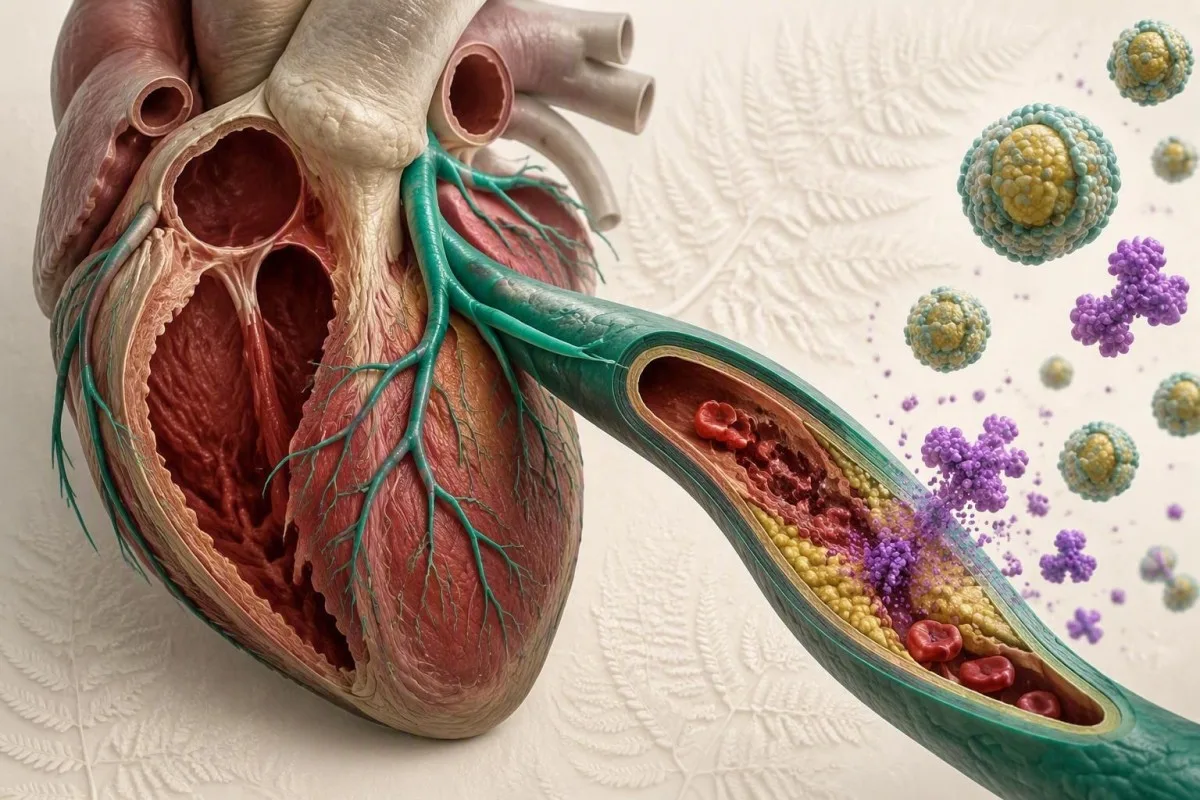
របបអាហារបែបមេឌីទែរ៉ាណេ, ការធ្វើលំហាត់ប្រាណប្រភេទ Aerobic និង Resistance ជាប្រចាំ, ការគេងគ្រប់គ្រាន់, ការគ្រប់គ្រងទម្ងន់តាមការសមស្រប, និងការបញ្ឈប់ការជក់បារីជួយកែលម្អកត្តាហានិភ័យដោយមានភស្តុតាងលទ្ធផលដែលបានបង្កើតឡើង។ សម្រាប់ triglycerides, ការកាត់បន្ថយកាបូអ៊ីដ្រាតចម្រាញ់និងការប៉ះពាល់នឹងជាតិអាល់កុលអាចមានសារៈសំខាន់ខ្លាំង។ សូមមើលជម្រើសជាក់ស្តែងសម្រាប់ កាត់បន្ថយ triglycerides មុនពេលពិនិត្យឡើងវិញ.
អាហារបំប៉នប្រឆាំងអុកស៊ីតកម្មមិនបានរកឃើញតួនាទីជាការព្យាបាលជំងឺបេះដូងដែលកាត់បន្ថយ MPO ទេ។ វីតាមីន E កម្រិតខ្ពស់, beta-carotene, និងផលិតផលចម្រុះអាចមានគ្រោះថ្នាក់ឬអន្តរកម្មថ្នាំ, ហើយការថយចុះក្នុងសញ្ញាជំនួសមិនមែនជាភស្តុតាងនៃការគាំងបេះដូងឬដាច់សរសៃឈាមខួរក្បាលតិចជាងនេះទេ។.
ភស្តុតាងសម្រាប់ការកាត់បន្ថយ MPO ដោយផ្ទាល់មិនទាន់ទុំគ្រប់គ្រាន់ដើម្បីចេញវេជ្ជបញ្ជាទេ។ ប្រសិនបើ LDL-C ធ្លាក់ចុះពី 170 ទៅ 85 mg/dL ក្រោមផែនការដែលបានយល់ព្រមពីគ្រូពេទ្យ, សម្ពាធឈាមធ្លាក់ចុះពី 148/92 ទៅ 126/78 mmHg, ហើយការជក់បារីត្រូវបានបញ្ឈប់, ខ្ញុំចាត់ទុកថាជាជោគជ័យនៃការបង្ការដ៏រឹងមាំទោះបីជា MPO មិនត្រូវបានធ្វើឡើងវិញក៏ដោយ។.
ប្រើនិន្នាការដោយសមហេតុផល: និន្នាការខ្លាញ់និងសម្ពាធឈាមដែលអាចប្រៀបធៀបបានមានភាពរឹងមាំផ្នែកគ្លីនិកជាងការធ្វើតេស្តសញ្ញារលាកញឹកញាប់។ ពួកយើង មគ្គុទេសក៍វិភាគមន្ទីរពិសោធន៍តាមពេលវេលា (longitudinal lab analysis guide) ពន្យល់ថាតើអ្វីដែលត្រូវកត់ត្រាមុនពេលសម្រេចថាសញ្ញាជីវសាស្ត្រពិតជាបានផ្លាស់ប្តូរ។.
បាតបន្ទាត់៖ ដាក់ MPO ក្នុង ការประเมิน Cardiovascular Cardiovascular Complete
MPO គឺជាសញ្ញាភាពតានតឹងអុកស៊ីតកម្មដ៏មានអត្ថន័យខាងជីវសាស្ត្រ, ប៉ុ.
ការពិភាក្សា MPO ដែលមានប្រយោជន៍ រួមមាន LDL-C ឬ non-HDL-C, ApoB តាមកាលៈទេសៈ, Lp(a) យ៉ាងហោចណាស់ម្តង, មធ្យមសម្ពាធឈាម, HbA1c ឬគ្លុយកូស, តម្រងនោម, អាល់ប៊ុយមីនក្នុងទឹកនោម, ស្ថានភាពสูบบุหรี่, ប្រវត្តិគ្រួសារ, រោគសញ្ញា, និងប្រវត្តិថ្នាំ។ MPO ធម្មតាមិនលុបចោល ApoB ឬលើសឈាមខ្ពស់ទេ ហើយ MPO កើនឡើងមិនបញ្ជាក់ថាមានបន្ទះទេ។.
ច្បាប់ជាក់ស្តែងរបស់លោកវេជ្ជបណ្ឌិត Thomas Klein គឺសាមញ្ញ៖ លទ្ធផលតេស្តគួរតែផ្លាស់ប្តូរសកម្មភាពបន្ទាប់ដែលមានសុវត្ថិភាព។ ប្រសិនបើ MPO មិនផ្លាស់ប្តូរការព្យាបាលបង្ការ ការថតរូប ការតម្រៀបរោគសញ្ញា ឬពេលវេលានៃការវាយតម្លៃឡើងវិញ វាអាចគួរឱ្យចាប់អារម្មណ៍ប៉ុន្តែមិនជាការសម្រេចចិត្តខាងវេជ្ជសាស្ត្រទេ។.
Kantesti រួមបញ្ចូលការបកស្រាយរបាយការណ៍ពហុភាសាជាមួយការពិនិត្យនិន្នាការ ហើយមាតិកាវេជ្ជសាស្ត្ររបស់វាត្រូវបានត្រួតពិនិត្យតាមរយៈ ក្រុមប្រឹក្សាប្រឹក្សាវេជ្ជសាស្ត្រ. ។ សម្រាប់វិធីសាស្ត្រ និងដែនកំណត់ សូមពិនិត្យ វិធីសាស្រ្តនៃការផ្ទៀងផ្ទាត់គ្លីនិកបច្ចេកទេស មុនពេលពឹងផ្អែកលើការបកស្រាយដោយស្វ័យប្រវត្តិណាមួយ។.
យករោគសញ្ញាបន្ទាន់ទៅជាការយកចិត្តទុកដាក់ដោយមិនគិតពី MPO។ សម្រាប់ការបង្ការដែលមានស្ថេរภาพ សូមនាំយកផ្ទាំងពេញ និងលទ្ធផលសម្ពាធឈាមនៅផ្ទះរបស់អ្នកទៅជួបគ្រូពេទ្យដែលមានលក្ខណៈសម្បត្តិគ្រប់គ្រាន់។ ការពិភាក្សានោះហើយជាកន្លែងដែលសញ្ញាពិសេសរកបានកន្លែងរបស់វា—ឬត្រូវបានដាក់មួយឡែកដោយសមរម្យ។.
សំណួរដែលសួរញឹកញាប់
តើលទ្ធផលតេស្តមេឡូពែរអុកស៊ីដាសខ្ពស់មានន័យដូចម្តេច?
លទ្ធផលខ្ពស់នៃការធ្វើតេស្ត myeloperoxidase បង្ហាញពីការកើនឡើងនៃសកម្មភាពពីកោសិកាភាពស៊ាំដែលបញ្ចេញ MPO ដែលអាចកើតឡើងរួមជាមួយនឹងភាពតានតឹងអុកស៊ីតកម្ម និងការរលាកសរសៃឈាម។ លើការធ្វើតេស្ត EDTA-plasma ដែលត្រូវបានប្រើជាទូទៅមួយ តម្លៃចាប់ពី 540 pmol/L ឬខ្ពស់ជាងនេះស្ថិតក្នុងប្រភេទខ្ពស់មួយ ប៉ុន្តែចន្លោះពេលជាក់លាក់របស់មន្ទីរពិសោធន៍តែងតែមានអាទិភាព។ ការឆ្លងមេរោគ ការជក់បារី ជំងឺតម្រងនោម សកម្មភាពនៃប្រព័ន្ធភាពស៊ាំខ្លួនឯង ការរលាកអញ្ចាញធ្មេញ និងការហាត់ប្រាណខ្លាំងកាលពីពេលថ្មីៗនេះ ក៏អាចបង្កើន MPO បានដែរ។ លទ្ធផលខ្ពស់មិនធ្វើរោគវិនិច្ឆ័យជំងឺសរសៃឈាមបេះដូង ឬបញ្ជាក់ថាកំពុងកើតជំងឺគាំងបេះដូងឡើយ។.
លទ្ធផលតេស្តឈាម MPO ធម្មតាគឺជាអ្វី?
មិនមានលទ្ធផលតេស្តឈាម MPO ធម្មតាជាសកលតែមួយទេ ដោយសារការវិភាគប្រើសំណាក ឧបករណ៍រឺ calibrators និងឯកតាខុសៗគ្នា ការវិភាគប្លាស្មារ EDTA ដែលត្រូវបានដកស្រង់ជាទូទៅប្រើតិចជាង 350 pmol/L ជាប្រភេទទាប 350 ទៅ 539 pmol/L ជាប្រភេទមធ្យម និង 540 pmol/L ឬខ្ពស់ជាងនេះជាប្រភេទខ្ពស់ តម្លៃទាំងនោះមិនគួរបង្ហាញលទ្ធផល MPO ដែលរាយការណ៍ជា ng/mL ឬការវិភាគសេរ៉ូមដោយគ្មានជួរយោងផ្ទាល់របស់មន្ទីរពិសោធន៍ទេ។ MPO ធម្មតាក៏មិនអាចបដិសេធ LDL-C ខ្ពស់ ApoB ខ្ពស់ ប្លាកសរសៃឈាមបេះដូង ឬរោគសញ្ញាឈាមរត់ក្នុងបេះដូងស្រួចស្រាវបានដែរ។.
តើ MPO អាចធ្វើរោគវិនិច្ឆ័យជំងឺបេះដូងបានទេ?
ទេ MPO មិនអាចធ្វើរោគវិនិច្ឆ័យជំងឺបេះដូងបានទេ ព្រោះវាមិនបង្ហាញការរួមតូចនៃសរសៃឈាមបេះដូង បរិមាណបន្ទះឈាម ការរបួសសាច់ដុំបេះដូង ឬមូលហេតុនៃរោគសញ្ញាឈឺទ្រូង។ រោគវិនិច្ឆ័យជំងឺសរសៃឈាមបេះដូងអាស្រ័យលើរោគសញ្ញា ការពិនិត្យ ECG troponin កម្រិតខ្ពស់នៅពេលមានជំងឺស្រួចស្រាវ ការវាយតម្លៃហានិភ័យ និងពេលខ្លះការថតរូបសរសៃឈាមបេះដូងឬការធ្វើតេស្តស្ត្រេស។ ក្នុងករណីឈឺទ្រូងស្រួចស្រាវ ការវាស់troponin បន្តបន្ទាប់គ្នាក្នុងរយៈពេលប្រហែល ១ ទៅ ៣ ម៉ោង គឺមានប្រយោជន៍ផ្នែកគ្លីនិកជាង MPO ។ MPO អាចបន្ថែមព័ត៌មានហានិភ័យបន្ទាប់បន្សំក្នុងករណីជ្រើសរើស ប៉ុន្តែវាមិនមែនជាតេស្តធ្វើរោគវិនិច្ឆ័យដោយឡែកទេ។.
MPO គឺដូចគ្នាទៅនឹង MPO-ANCA ដែរឬទេ?
ទេ MPO អង់ស៊ីមធ្វើតេស្ត និង MPO-ANCA ធ្វើតេស្ត ឆ្ល ឆ្ល ឆ្ល ឆ្ល ឆ្ល ឆ្ល ឆ្ល ឆ្ល ឆ្ល ឆ្ល ឆ្ល ឆ្ល ឆ្ល ឆ្ល ឆ្ល ឆ្ល ឆ្ល ឆ្ល ឆ្ល ឆ្ល ឆ្ល ឆ្ល ឆ្ល ឆ្ល ឆ្ល ឆ្ល ឆ្ល ឆ្ល ឆ្ល ឆ្ល ឆ្ល ឆ្ល ឆ្ល ឆ្ល ឆ្ល ឆ្ល ឆ្ល ឆ្ល ឆ្ល ឆ្ល ឆ្ល ឆ្ល ឆ្ល ឆ្ល ឆ្ល ឆ្ល ឆ្ល ឆ្ល ឆ្ល ឆ្ល ឆ្ល ឆ្ល ឆ្ល ឆ្ល ឆ្ល ឆ្ល ឆ្ល ឆ្ល ឆ្ល ឆ្ល ឆ្ល ឆ្ល ឆ្ល ឆ្ល ឆ្ល ឆ្ល ឆ្ល ឆ្ល ឆ្ល ឆ្ល ឆ្ល ឆ្ល ឆ្ល ឆ្ល ឆ្ល ឆ្ល ឆ្ល ឆ្ល ឆ្ល ឆ្ល ឆ្ល ឆ្ល ឆ្ល ឆ្ល ឆ្ល ឆ្ល ឆ្ល ឆ្ល ឆ្ល ឆ្ល ឆ្ល ឆ្ល ឆ្ល ឆ្ល ឆ្ល ឆ្ល ឆ្ល ឆ្ល ឆ្ល ឆ្ល ឆ្ល ឆ្ល ឆ្ល ឆ្ល ឆ្ល ឆ្ល ឆ្ល ឆ្ល ឆ្ល ឆ្ល ឆ្ល ឆ្ល ឆ្ល ឆ្ល ឆ្ល ឆ្ល ឆ្ល ឆ្ល ឆ្ល ឆ្ល ឆ្ល ឆ្ល ឆ្ល ឆ្ល ឆ្ល ឆ្ល ឆ្ល ឆ្ល ឆ្ល ឆ្ល ឆ្ល ឆ្ល ឆ្ល ឆ្ល ឆ្ល ឆ្ល ឆ្ល ឆ្ល ឆ្ល ឆ្ល ឆ្ល ឆ្ល ឆ្ល ឆ្ល ឆ្ល ឆ្ល ឆ្ល ឆ្ល ឆ្ល ឆ្ល ឆ្ល ឆ្ល ឆ្ល ឆ្ល ឆ្ល ឆ្ល ឆ្ល ឆ្ល ឆ្ល ឆ្ល ឆ្ល ឆ្ល ឆ្ល ឆ្ល ឆ្ល ឆ្ល ឆ្ល ឆ្ល ឆ្ល ឆ្ល ឆ្ល ឆ្ល ឆ្ល ឆ្ល ឆ្ល ឆ្ល ឆ្ល ឆ្ល ឆ្ល ឆ្ល ឆ្ល ឆ្ល ឆ្ល ឆ្ល ឆ្ល ឆ្ល ឆ្ល ឆ្ល ឆ្ល ឆ្ល ឆ្ល ឆ្ល ឆ្ល ឆ្ល ឆ្ល ឆ្ល ឆ្ល ឆ្ល ឆ្ល ឆ្ល ឆ្ល ឆ្ល ឆ្ល ឆ្ល ឆ្ល ឆ្ល ឆ្ល ឆ្ល ឆ្ល ឆ្ល ឆ្ល ឆ្ល ឆ្ល ឆ្ល ឆ្ល ឆ្ល ឆ្ល ឆ្ល ឆ្ល ឆ្ល ឆ្ល ឆ្ល ឆ្ល ឆ្ល ឆ្ល ឆ្ល ឆ្ល ឆ្ល ឆ្ល ឆ្ល ឆ្ល ឆ្ល ឆ្ល ឆ្ល ឆ្ល ឆ្ល ឆ្ល ឆ្ល ឆ្ល ឆ្ល ឆ្ល ឆ្ល ឆ្ល ឆ្ល ឆ្ល ឆ្ល ឆ្ល ឆ្ល ឆ្ល ឆ្ល ឆ្ល ឆ្ល ឆ្ល ឆ្ល ឆ្ល ឆ្ល ឆ្ល ឆ្ល ឆ្ល ឆ្ល ឆ្ល ឆ្ល ឆ្ល ឆ្ល ឆ្ល ឆ្ល ឆ្ល ឆ្ល ឆ្ល ឆ្ល ឆ្ល ឆ្ល ឆ្ល ឆ្ល ឆ្ល ឆ្ល ឆ្ល ឆ្ល ឆ្ល ឆ្ល ឆ្ល ឆ្ល ឆ្ល ឆ្ល ឆ្ល ឆ្ល ឆ្ល ឆ្ល ឆ្ល ឆ្ល ឆ្ល ឆ្ល ឆ្ល ឆ្ល ឆ្ល ឆ្ល ឆ្ល ឆ្ល ឆ្ល ឆ្ល ឆ្ល ឆ្ល ឆ្ល ឆ្ល ឆ្ល ឆ្ល ឆ្ល ឆ្ល ឆ្ល ឆ្ល ឆ្ល ឆ្ល ឆ្ល ឆ្ល ឆ្ល ឆ្ល ឆ្ល ឆ្ល ឆ្ល ឆ្ល ឆ្ល ឆ្ល ឆ្ល ឆ្ល ឆ្ល ឆ្ល ឆ្ល ឆ្ល ឆ្ល ឆ្ល ឆ្ល ឆ្ល ឆ្ល ឆ្ល ឆ្ល ឆ្ល ឆ្ល ឆ្ល ឆ្ល ឆ្ល ឆ្ល ឆ្ល ឆ្ល ឆ្ល ឆ្ល ឆ្ល ឆ្ល ឆ្ល ឆ្ល ឆ្ល ឆ្ល ឆ្ល ឆ្ល ឆ្ល ឆ្ល ឆ្ល ឆ្ល ឆ្ល ឆ្ល ឆ្ល ឆ្ល ឆ្ល ឆ្ល ឆ្ល ឆ្ល ឆ្ល ឆ្ល ឆ្ល ឆ្ល ឆ្ល ឆ្ល ឆ្ល ឆ្ល ឆ្ល ឆ្ល ឆ្ល ឆ្ល ឆ្ល ឆ្ល ឆ្ល ឆ្ល ឆ្ល ឆ្ល ឆ្ល ឆ្ល ឆ្ល ឆ្ល ឆ្ល ឆ្ល ឆ្ល ឆ្ល ឆ្ល ឆ្ល ឆ្ល ឆ្ល ឆ្ល ឆ្ល ឆ្ល ឆ្ល ឆ្ល ឆ្ល ឆ្ល ឆ្ល ឆ្ល ឆ្ល ឆ្ល ឆ្ល ឆ្ល ឆ្ល ឆ្ល ឆ្ល ឆ្ល ឆ្ល ឆ្ល ឆ្ល ឆ្ល ឆ្ល ឆ្ល ឆ្ល ឆ្ល ឆ្ល ឆ្ល ឆ្ល ឆ្ល ឆ្ល ឆ្ល ឆ្ល ឆ្ល ឆ្ល ឆ្ល ឆ្ល ឆ្ល ឆ្ល ឆ្ល ឆ្ល ឆ្ល ឆ្ល ឆ្ល ឆ្ល ឆ្ល ឆ្ល ឆ្ល ឆ្ល ឆ្ល ឆ្ល ឆ្ល ឆ្ល ឆ្ល ឆ្ល ឆ្ល ឆ្ល ឆ្ល ឆ្ល ឆ្ល ឆ្ល ឆ្ល ឆ្ល ឆ្ល ឆ្ល ឆ្ល ឆ្ល ឆ្ល ឆ្ល ឆ្ល ឆ្ល ឆ្ល ឆ្ល ឆ្ល ឆ្ល ឆ្ល ឆ្ល ឆ្ល ឆ្ល ឆ្ល ឆ្ល ឆ្ល ឆ្ល ឆ្ល ឆ្ល ឆ្ល ឆ្ល ឆ្ល ឆ្ល ឆ្ល ឆ្ល ឆ្ល ឆ្ល ឆ្ល ឆ្ល ឆ្ល ឆ្ល ឆ្ល ឆ្ល ឆ្ល ឆ្ល ឆ្ល ឆ្ល ឆ្ល ឆ្ល ឆ្ល ឆ្ល ឆ្ល ឆ្ល ឆ្ល ឆ្ល ឆ្ល ឆ្ល ឆ្ល ឆ្ល ឆ្ល ឆ្ល ឆ្ល ឆ្ល ឆ្ល ឆ្ល ឆ្ល ឆ្ល ឆ្ល ឆ្ល ឆ្ល ឆ្ល ឆ្ល ឆ្ល ឆ្ល ឆ្ល ឆ្ល ឆ្ល ឆ្ល ឆ្ល ឆ្ល ឆ្ល ឆ្ល ឆ្ល ឆ្ល ឆ្ល ឆ្ល ឆ្ល ឆ្ល ឆ្ល ឆ្ល ឆ្ល ឆ្ល ឆ្ល ឆ្ល ឆ្ល ឆ្ល ឆ្ល ឆ្ល ឆ្ល ឆ្ល ឆ្ល ឆ្ល ឆ្ល ឆ្ល ឆ្ល ឆ្ល ឆ្ល ឆ្ល ឆ្ល ឆ្ល ឆ្ល ឆ្ល ឆ្ល ឆ្ល ឆ្ល ឆ្ល ឆ្ល ឆ្ល ឆ្ល ឆ្ល ឆ្ល ឆ្ល ឆ្ល ឆ្ល ឆ្ល ឆ្ល ឆ្ល ឆ្ល ឆ្ល ឆ្ល ឆ្ល ឆ្ល ឆ្ល ឆ្ល ឆ្ល ឆ្ល ឆ្ល ឆ្ល ឆ្ល ឆ្ល ឆ្ល ឆ្ល ឆ្ល ឆ្ល ឆ្ល ឆ្ល ឆ្ល ឆ្ល ឆ្ល ឆ្ល ឆ្ល ឆ្ល ឆ្ល ឆ្ល ឆ្ល ឆ្ល ឆ្ល ឆ្ល ឆ្ល ឆ្ល ឆ្ល ឆ្ល ឆ្ល ឆ្ល ឆ្ល ឆ្ល ឆ្ល ឆ្ល ឆ្ល ឆ្ល ឆ្ល ឆ្ល ឆ្ល ឆ្ល ឆ្ល ឆ្ល ឆ្ល ឆ្ល ឆ្ល ឆ្ល ឆ្ល ឆ្ល ឆ្ល ឆ្ល ឆ្ល ឆ្ល ឆ្ល ឆ្ល ឆ្ល ឆ្ល ឆ្ល ឆ្ល ឆ្ល ឆ្ល ឆ្ល ឆ្ល ឆ្ល ឆ្ល ឆ្ល ឆ្ល ឆ្ល ឆ្ល ឆ្ល ឆ្ល ឆ្ល ឆ្ល ឆ្ល ឆ្ល ឆ្ល ឆ្ល ឆ្ល ឆ្ល ឆ្ល ឆ្ល ឆ្ល ឆ្ល ឆ្ល ឆ្ល ឆ្ល ឆ្ល ឆ្ល ឆ្ល ឆ្ល ឆ្ល ឆ្ល ឆ្ល ឆ្ល ឆ្ល ឆ្ល ឆ្ល ឆ្ល ឆ្ល ឆ្ល ឆ្ល ឆ្ល ឆ្ល ឆ្ល ឆ្ល ឆ្ល ឆ្ល ឆ្ល ឆ្ល ឆ្ល ឆ្ល ឆ្ល ឆ្ល ឆ្ល ឆ្ល ឆ្ល ឆ្ល ឆ្ល ឆ្ល ឆ្ល ឆ្ល ឆ្ល ឆ្ល ឆ្ល ឆ្ល ឆ្ល ឆ្ល ឆ្ល ឆ្ល ឆ្ល ឆ្ល ឆ្ល ឆ្ល ឆ្ល ឆ្ល ឆ្ល ឆ្ល ឆ្ល ឆ្ល ឆ្ល ឆ្ល ឆ្ល ឆ្ល ឆ្ល ឆ្ល ឆ្ល ឆ្ល ឆ្ល ឆ្ល ឆ្ល ឆ្ល ឆ្ល ឆ្ល ឆ្ល ឆ្ល ឆ្ល ឆ្ល ឆ្ល ឆ្ល ឆ្ល ឆ្ល ឆ្ល ឆ្ល ឆ្ល ឆ្ល ឆ្ល ឆ្ល ឆ្ល ឆ្ល ឆ្ល ឆ្ល ឆ្ល ឆ្ល ឆ្ល ឆ្ល ឆ្ល ឆ្ល ឆ្ល ឆ្ល ឆ្ល ឆ្ល ឆ្ល ឆ្ល ឆ្ល ឆ្ល ឆ្ល ឆ្ល ឆ្ល ឆ្ល ឆ្ល ឆ្ល ឆ្ល ឆ្ល ឆ្ល ឆ្ល ឆ្ល ឆ្ល ឆ្ល ឆ្ល ឆ្ល ឆ្ល ឆ្ល ឆ្ល ឆ្ល ឆ្ល ឆ្ល ឆ្ល ឆ្ល ឆ្ល ឆ្ល ឆ្ល ឆ្ល ឆ្ល ឆ្ល ឆ្ល ឆ្ល ឆ្ល ឆ្ល ឆ្ល ឆ្ល ឆ្ល ឆ្ល ឆ្ល ឆ្ល ឆ្ល ឆ្ល ឆ្ល ឆ្ល ឆ្ល ឆ្ល ឆ្ល ឆ្ល ឆ្ល ឆ្ល ឆ្ល ឆ្ល ឆ្ល ឆ្ល ឆ្ល ឆ្ល ឆ្ល ឆ្ល ឆ្ល ឆ្ល ឆ្ល ឆ្ល ឆ្ល ឆ្ល ឆ្ល ឆ្ល ឆ្ល ឆ្ល ឆ្ល ឆ្ល ឆ្ល ឆ្ល ឆ្ល ឆ្ល ឆ្ល ឆ្ល ឆ្ល ឆ្ល ឆ្ល ឆ្ល ឆ្ល ឆ្ល ឆ្ល ឆ្ល ឆ្ល ឆ្ល ឆ្ល ឆ្ល ឆ្ល ឆ្ល ឆ្ល ឆ្ល ឆ្ល ឆ្ល ឆ្ល ឆ្ល ឆ្ល ឆ្ល ឆ្ល ឆ្ល ឆ្ល ឆ្ល ឆ្ល ឆ្ល ឆ្ល ឆ្ល ឆ្ល ឆ្ល ឆ្ល ឆ្ល ឆ្ល ឆ្ល ឆ្ល ឆ្ល ឆ្ល ឆ្ល ឆ្ល ឆ្ល ឆ្ល ឆ្ល ឆ្ល ឆ្ល ឆ្ល ឆ្ល ឆ្ល ឆ្ល ឆ្ល ឆ្ល ឆ្ល ឆ្ល ឆ្ល ឆ្ល ឆ្ល ឆ្ល ឆ្ល ឆ្ល ឆ្ល ឆ្ល ឆ្ល ឆ្ល ឆ្ល ឆ្ល ឆ្ល ឆ្ល ឆ្ល ឆ្ល ឆ្ល ឆ្ល ឆ្ល ឆ្ល ឆ្ល ឆ្ល ឆ្ល ឆ្ល ឆ្ល ឆ្ល ឆ្ល ឆ្ល ឆ្ល ឆ្ល ឆ្ល ឆ្ល ឆ្ល ឆ្ល ឆ្ល ឆ្ល ឆ្ល ឆ្ល ឆ្ល ឆ្ល ឆ្ល ឆ្ល ឆ្ល ឆ្ល ឆ្ល ឆ្ល ឆ្ល ឆ្ល ឆ្ល ឆ្ល ឆ្ល ឆ្ល ឆ្ល ឆ្ល ឆ្ល ឆ្ល ឆ្ល ឆ្ល ឆ្ល ឆ្ល ឆ្ល ឆ្ល ឆ្ល ឆ្ល ឆ្ល ឆ្ល ឆ្ល ឆ្ល ឆ្ល ឆ្ល ឆ្ល ឆ្ល ឆ្ល ឆ្ល ឆ្ល ឆ្ល ឆ្ល ឆ្ល ឆ្ល ឆ្ល ឆ្ល ឆ្ល ឆ្ល ឆ្ល ឆ្ល ឆ្ល ឆ្ល ឆ្ល ឆ្ល ឆ្ល ឆ្ល ឆ្ល ឆ្ល ឆ្ល ឆ្ល ឆ្ល ឆ្ល ឆ្ល ឆ្ល ឆ្ល ឆ្ល ឆ្ល ឆ្ល ឆ្ល ឆ្ល ឆ្ល ឆ្ល ឆ្ល ឆ្ល ឆ្ល ឆ្ល ឆ្ល ឆ្ល ឆ្ល ឆ្ល ឆ្ល ឆ្ល ឆ្ល ឆ្ល ឆ្ល ឆ្ល ឆ្ល ឆ្ល ឆ្ល ឆ្ល ឆ្ល ឆ្ល ឆ្ល ឆ្ល ឆ្ល ឆ្ល ឆ្ល ឆ្ល ឆ្ល ឆ្ល ឆ្ល ឆ្ល ឆ្ល ឆ្ល ឆ្ល ឆ្ល ឆ្ល ឆ្ល ឆ្ល ឆ្ល ឆ្ល ឆ្ល ឆ្ល ឆ្ល ឆ្ល ឆ្ល ឆ្ល ឆ្ល ឆ្ល ឆ្ល ឆ្ល ឆ្ល ឆ្ល ឆ្ល ឆ្ល ឆ្ល ឆ្ល ឆ្ល ឆ្ល ឆ្ល ឆ្ល ឆ្ល ឆ្ល ឆ្ល ឆ្ល ឆ្ល ឆ្ល ឆ្ល ឆ្ល ឆ្ល ឆ្ល ឆ្ល ឆ្ល ឆ្ល ឆ្ល ឆ្ល ឆ្ល ឆ្ល ឆ្ល ឆ្ល ឆ្ល ឆ្ល ឆ្ល ឆ្ល ឆ្ល ឆ្ល ឆ្ល ឆ្ល ឆ្ល ឆ្ល ឆ្ល ឆ្ល ឆ្ល ឆ្ល ឆ្ល ឆ្ល ឆ្ល ឆ្ល ឆ្ល ឆ្ល ឆ្ល ឆ្ល ឆ្ល ឆ្ល ឆ្ល ឆ្ល ឆ្ល ឆ្ល ឆ្ល ឆ្ល ឆ្ល ឆ្ល ឆ្ល ឆ្ល ឆ្ល ឆ្ល ឆ្ល ឆ្ល ឆ្ល ឆ្ល ឆ្ល ឆ្ល ឆ្ល ឆ្ល ឆ្ល ឆ្ល ឆ្ល ឆ្ល ឆ្ល ឆ្ល ឆ្ល ឆ្ល ឆ្ល ឆ្ល ឆ្ល ឆ្ល ឆ្ល ឆ្ល ឆ្ល ឆ្ល ឆ្ល ឆ្ល ឆ្ល ឆ្ល ឆ្ល ឆ្ល ឆ្ល ឆ្ល ឆ្ល ឆ្ល ឆ្ល ឆ្ល ឆ្ល ឆ្ល ឆ្ល ឆ្ល ឆ្ល ឆ្ល ឆ្ល ឆ្ល ឆ្ល ឆ្ល ឆ្ល ឆ្ល ឆ្ល ឆ្ល ឆ្ល ឆ្ល ឆ្ល ឆ្ល ឆ្ល ឆ្ល ឆ្ល ឆ្ល ឆ្ល ឆ្ល ឆ្ល ឆ្ល ឆ្ល ឆ្ល ឆ្ល ឆ្ល ឆ្ល ឆ្ល ឆ្ល ឆ្ល ឆ្ល ឆ្ល ឆ្ល ឆ្ល ឆ្ល ឆ្ល ឆ្ល ឆ្ល ឆ្ល ឆ្ល ឆ្ល ឆ្ល ឆ្ល ឆ្ល ឆ្ល ឆ្ល ឆ្ល ឆ្ល ឆ្ល ឆ្ល ឆ្ល ឆ្ល ឆ្ល ឆ្ល ឆ្ល ឆ្ល ឆ្ល ឆ្ល ឆ្ល ឆ្ល ឆ្ល ឆ្ល ឆ្ល ឆ្ល ឆ្ល ឆ្ល ឆ្ល ឆ្ល ឆ្ល ឆ្ល ឆ្ល ឆ្ល ឆ្ល ឆ្ល ឆ្ល ឆ្ល ឆ្ល ឆ្ល ឆ្ល ឆ្ល ឆ្ល ឆ្ល ឆ្ល ឆ្ល ឆ្ល ឆ្ល ឆ្ល ឆ្ល ឆ្ល ឆ្ល ឆ្ល ឆ្ល ឆ្ល ឆ្ល ឆ្ល ឆ្ល ឆ្ល ឆ្ល ឆ្ល ឆ្ល ឆ្ល ឆ្ល ឆ្ល ឆ្ល ឆ្ល ឆ្ល ឆ្ល ឆ្ល ឆ្ល ឆ្ល ឆ្ល ឆ្ល ឆ្ល ឆ្ល ឆ្ល ឆ្ល ឆ្ល ឆ្ល ឆ្ល ឆ្ល ឆ្ល ឆ្ល ឆ្ល ឆ្ល ឆ្ល ឆ្ល ឆ្ល ឆ្ល ឆ្ល ឆ្ល ឆ្ល ឆ្ល ឆ្ល ឆ្ល ឆ្ល ឆ្ល ឆ្ល ឆ្ល ឆ្ល ឆ្ល ឆ្ល ឆ្ល ឆ្ល ឆ្ល ឆ្ល ឆ្ល ឆ្ល ឆ្ល ឆ្ល ឆ្ល ឆ្ល ឆ្ល ឆ្ល ឆ្ល ឆ្ល ឆ្ល ឆ្ល ឆ្ល ឆ្ល ឆ្ល ឆ្ល ឆ្ល ឆ្ល ឆ្ល ឆ្ល ឆ្ល ឆ្ល ឆ្ល ឆ្ល ឆ្ល ឆ្ល ឆ្ល ឆ្ល ឆ្ល ឆ្ល ឆ្ល ឆ្ល ឆ្ល ឆ្ល ឆ្ល ឆ្ល ឆ្ល ឆ្ល ឆ្ល ឆ្ល ឆ្ល ឆ្ល ឆ្ល ឆ្ល ឆ្ល ឆ្ល ឆ្ល ឆ្ល ឆ្ល ឆ្ល ឆ្ល ឆ្ល ឆ្ល ឆ្ល ឆ្ល ឆ្ល ឆ្ល ឆ្ល ឆ្ល ឆ្ល ឆ្ល ឆ្ល ឆ្ល ឆ្ល ឆ្ល ឆ្ល ឆ្ល ឆ្ល ឆ្ល ឆ្ល ឆ្ល ឆ្ល ឆ្ល ឆ្ល ឆ្ល ឆ្ល ឆ្ល ឆ្ល ឆ្ល ឆ្ល ឆ្ល ឆ្ល ឆ្ល ឆ្ល ឆ្ល ឆ្ល ឆ្ល ឆ្ល ឆ្ល ឆ្ល ឆ្ល ឆ្ល ឆ្ល ឆ្ល ឆ្ល ឆ្ល ឆ្ល ឆ្ល ឆ្ល ឆ្ល ឆ្ល ឆ្ល ឆ្ល ឆ្ល ឆ្ល ឆ្ល ឆ្ល ឆ្ល ឆ្ល ឆ្ល ឆ្ល ឆ្ល ឆ្ល ឆ្ល ឆ្ល ឆ្ល ឆ្ល ឆ្ល ឆ្ល ឆ្ល ឆ្ល ឆ្ល ឆ្ល ឆ្ល ឆ្ល ឆ្ល ឆ្ល ឆ្ល ឆ្ល ឆ្ល ឆ្ល ឆ្ល ឆ្ល ឆ្ល ឆ្ល ឆ្ល ឆ្ល ឆ្ល ឆ្ល ឆ្ល ឆ្ល ឆ្ល ឆ្ល ឆ្ល ឆ្ល ឆ្ល ឆ្ល ឆ្ល ឆ្ល ឆ្ល ឆ្ល ឆ្ល ឆ្ល ឆ្ល ឆ្ល ឆ្ល ឆ្ល ឆ្ល ឆ្ល ឆ្ល ឆ្ល ឆ្ល ឆ្ល ឆ្ល ឆ្ល ឆ្ល ឆ្ល ឆ្ល ឆ្ល ឆ្ល ឆ្ល ឆ្ល ឆ្ល ឆ្ល ឆ្ល ឆ្ល ឆ្ល ឆ្ល ឆ្ល ឆ្ល ឆ្ល ឆ្ល ឆ្ល ឆ្ល ឆ្ល ឆ្ល ឆ្ល ឆ្ល ឆ្ល ឆ្ល ឆ្ល ឆ្ល ឆ្ល ឆ្ល ឆ្ល ឆ្ល ឆ្ល ឆ្ល ឆ្ល ឆ្ល ឆ្ល ឆ្ល ឆ្ល ឆ្ល ឆ្ល ឆ្ល ឆ្ល ឆ្ល ឆ្ល ឆ្ល ឆ្ល ឆ្ល ឆ្ល ឆ្ល ឆ្ល ឆ្ល ឆ្ល ឆ្ល ឆ្ល ឆ្ល ឆ្ល ឆ្ល ឆ្ល ឆ្ល ឆ្ល ឆ្ល ឆ្ល ឆ្ល ឆ្ល ឆ្ល ឆ្ល ឆ្ល ឆ្ល ឆ្ល ឆ្ល ឆ្ល ឆ្ល ឆ្ល ឆ្ល ឆ្ល ឆ្ល ឆ្ល ឆ្ល ឆ្ល ឆ្ល ឆ្ល ឆ្ល ឆ្ល ឆ្ល ឆ្ល ឆ្ល ឆ្ល ឆ្ល ឆ្ល ឆ្ល ឆ្ល ឆ្ល ឆ្ល ឆ្ល ឆ្ល ឆ្ល ឆ្ល ឆ្ល ឆ្ល ឆ្ល ឆ្ល ឆ្ល ឆ្ល ឆ្ល ឆ្ល ឆ្ល ឆ្ល ឆ្ល ឆ្ល ឆ្ល ឆ្ល ឆ្ល ឆ្ល ឆ្ល ឆ្ល ឆ្ល ឆ្ល ឆ្ល ឆ្ល ឆ្ល ឆ្ល ឆ្ល ឆ្ល ឆ្ល ឆ្ល ឆ្ល ឆ្ល ឆ្ល ឆ្ល ឆ្ល ឆ្ល ឆ្ល ឆ្ល ឆ្ល ឆ្ល ឆ្ល ឆ្ល ឆ្ល ឆ្ល ឆ្ល ឆ្ល ឆ្ល ឆ្ល ឆ្ល ឆ្ល ឆ្ល ឆ្ល ឆ្ល ឆ្ល ឆ្ល ឆ្ល ឆ្ល ឆ្ល ឆ្ល ឆ្ល ឆ្ល ឆ្ល ឆ្ល ឆ្ល ឆ្ល ឆ្ល ឆ្ល ឆ្ល ឆ្ល ឆ្ល ឆ្ល ឆ្ល ឆ្ល ឆ្ល ឆ្ល ឆ្ល ឆ្ល ឆ្ល ឆ្ល ឆ្ល ឆ្ល ឆ្ល ឆ្ល ឆ្ល ឆ្ល ឆ្ល ឆ្ល ឆ្ល ឆ្ល ឆ្ល ឆ្ល ឆ្ល ឆ្ល ឆ្ល ឆ្ល ឆ្ល ឆ្ល ឆ្ល ឆ្ល ឆ្ល ឆ្ល ឆ្ល ឆ្ល ឆ្ល ឆ្ល ឆ្ល ឆ្ល ឆ្ល ឆ្ល ឆ្ល ឆ្ល ឆ្ល ឆ្ល ឆ្ល ឆ្ល ឆ្ល ឆ្ល ឆ្ល ឆ្ល ឆ្ល ឆ្ល ឆ្ល ឆ្ល ឆ្ល ឆ្ល ឆ្ល ឆ្ល ឆ្ល ឆ្ល ឆ្ល ឆ្ល ឆ្ល ឆ្ល ឆ្ល ឆ្ល ឆ្ល ឆ្ល ឆ្ល ឆ្ល ឆ្ល ឆ្ល ឆ្ល ឆ្ល ឆ្ល ឆ្ល ឆ្ល ឆ្ល ឆ្ល ឆ្ល ឆ្ល ឆ្ល ឆ្ល ឆ្ល ឆ្ល ឆ្ល ឆ្ល ឆ្ល ឆ្ល ឆ្ល ឆ្ល ឆ្ល ឆ្ល ឆ្ល ឆ្ល ឆ្ល ឆ្ល ឆ្ល ឆ្ល ឆ្ល ឆ្ល ឆ្ល ឆ្ល ឆ្ល ឆ្ល ឆ្ល ឆ្ល ឆ្ល ឆ្ល ឆ្ល ឆ្ល ឆ្ល ឆ្ល ឆ្ល ឆ្ល ឆ្ល ឆ្ល ឆ្ល ឆ្ល ឆ្ល ឆ្ល ឆ្ល ឆ្ល ឆ្ល ឆ្ល ឆ្ល ឆ្ល ឆ្ល ឆ្ល ឆ្ល ឆ្ល ឆ្ល ឆ្ល ឆ្ល ឆ្ល ឆ្ល ឆ្ល ឆ្ល ឆ្ល ឆ្ល ឆ្ល ឆ្ល ឆ្ល ឆ្ល ឆ្ល ឆ្ល ឆ្ល ឆ្ល ឆ្ល ឆ្ល ឆ្ល ឆ្ល ឆ្ល ឆ្ល ឆ្ល ឆ្ល ឆ្ល ឆ្ល ឆ្ល ឆ្ល ឆ្ល ឆ្ល ឆ្ល ឆ្ល ឆ្ល ឆ្ល ឆ្ល ឆ្ល ឆ្ល ឆ្ល ឆ្ល ឆ្ល ឆ្ល ឆ្ល ឆ្ល ឆ្ល ឆ្ល ឆ្ល ឆ្ល ឆ្ល ឆ្ល ឆ្ល ឆ្ល ឆ្ល ឆ្ល ឆ្ល ឆ្ល ឆ្ល ឆ្ល ឆ្ល ឆ្ល ឆ្ល ឆ្ល ឆ្ល ឆ្ល ឆ្ល ឆ្ល ឆ្ល ឆ្ល ឆ្ល ឆ្ល ឆ្ល ឆ្ល ឆ្ល ឆ្ល ឆ្ល ឆ្ល ឆ្ល ឆ្ល ឆ្ល ឆ្ល ឆ្ល ឆ្ល ឆ្ល ឆ្ល ឆ្ល ឆ្ល ឆ្ល ឆ្ល ឆ្ល ឆ្ល ឆ្ល ឆ្ល ឆ្ល ឆ្ល ឆ្ល ឆ្ល ឆ្ល ឆ្ល ឆ្ល ឆ្ល ឆ្ល ឆ្ល ឆ្ល ឆ្ល ឆ្ល ឆ្ល ឆ្ល ឆ្ល ឆ្ល ឆ្ល ឆ្ល ឆ្ល ឆ្ល ឆ្ល ឆ្ល ឆ្ល ឆ្ល ឆ្ល ឆ្ល ឆ្ល ឆ្ល ឆ្ល ឆ្ល ឆ្ល ឆ្ល ឆ្ល ឆ្ល ឆ្ល ឆ្ល ឆ្ល ឆ្ល ឆ្ល ឆ្ល ឆ្ល ឆ្ល ឆ្ល ឆ្ល ឆ្ល ឆ្ល ឆ្ល ឆ្ល ឆ្ល ឆ្ល ឆ្ល ឆ្ល ឆ្ល ឆ្ល ឆ្ល ឆ្ល ឆ្ល ឆ្ល ឆ្ល ឆ្ល ឆ្ល ឆ្ល ឆ្ល ឆ្ល ឆ្ល ឆ្ល ឆ្ល ឆ្ល ឆ្ល ឆ្ល ឆ្ល ឆ្ល ឆ្ល ឆ្ល ឆ្ល ឆ្ល ឆ្ល ឆ្ល ឆ្ល ឆ្ល ឆ្ល ឆ្ល ឆ្ល ឆ្ល ឆ្ល ឆ្ល ឆ្ល ឆ្ល ឆ្ល ឆ្ល ឆ្ល ឆ្ល ឆ្ល ឆ្ល ឆ្ល ឆ្ល ឆ្ល ឆ្ល ឆ្ល ឆ្ល ឆ្ល ឆ្ល ឆ្ល ឆ្ល ឆ្ល ឆ្ល ឆ្ល ឆ្ល ឆ្ល ឆ្ល ឆ្ល ឆ្ល ឆ្ល ឆ្ល ឆ្ល ឆ្ល ឆ្ល ឆ្ល ឆ្ល ឆ្ល ឆ្ល ឆ្ល ឆ្ល ឆ្ល ឆ្ល ឆ្ល ឆ្ល ឆ្ល ឆ្ល ឆ្ល ឆ្ល ឆ្ល ឆ្ល ឆ្ល ឆ្ល ឆ្ល ឆ្ល ឆ្ល ឆ្ល ឆ្ល ឆ្ល ឆ្ល ឆ្ល ឆ្ល ឆ្ល ឆ្ល ឆ្ល ឆ្ល ឆ្ល ឆ្ល ឆ្ល ឆ្ល ឆ្ល ឆ្ល ឆ្ល ឆ្ល ឆ្ល ឆ្ល ឆ្ល ឆ្ល ឆ្ល ឆ្ល ឆ្ល ឆ្ល ឆ្ល ឆ្ល ឆ្ល ឆ្ល ឆ្ល ឆ្ល ឆ្ល ឆ្ល ឆ្ល ឆ្ល ឆ្ល ឆ្ល ឆ្ល ឆ្ល ឆ្ល ឆ្ល ឆ្ល ឆ្ល ឆ្ល ឆ្ល ឆ្ល ឆ្ល ឆ្ល ឆ្ល ឆ្ល ឆ្ល ឆ្ល ឆ្ល ឆ្ល ឆ្ល ឆ្ល ឆ្ល ឆ្ល ឆ្ល ឆ្ល ឆ្ល ឆ្ល ឆ្ល ឆ្ល ឆ្ល ឆ្ល ឆ្ល ឆ្ល ឆ្ល ឆ្ល ឆ្ល ឆ្ល ឆ្ល ឆ្ល ឆ្ល ឆ្ល ឆ្ល ឆ្ល ឆ្ល ឆ្ល ឆ្ល ឆ្ល ឆ្ល ឆ្ល ឆ្ល ឆ្ល ឆ្ល ឆ្ល ឆ្ល ឆ្ល ឆ្ល ឆ្ល ឆ្ល ឆ្ល ឆ្ល ឆ្ល ឆ្ល ឆ្ល ឆ្ល ឆ្ល ឆ្ល ឆ្ល ឆ្ល ឆ្ល ឆ្ល ឆ្ល ឆ្ល ឆ្ល ឆ្ល ឆ្ល ឆ្ល ឆ្ល ឆ្ល ឆ្ល ឆ្ល ឆ្ល ឆ្ល ឆ្ល ឆ្ល ឆ្ល ឆ្ល ឆ្ល ឆ្ល ឆ្ល ឆ្ល ឆ្ល ឆ្ល ឆ្ល ឆ្ល ឆ្ល ឆ្ល ឆ្ល ឆ្ល ឆ្ល ឆ្ល ឆ្ល ឆ្ល ឆ្ល ឆ្ល ឆ្ល ឆ្ល ឆ្ល ឆ្ល ឆ្ល ឆ្ល ឆ្ល ឆ្ល ឆ្ល ឆ្ល ឆ្ល ឆ្ល ឆ្ល ឆ្ល ឆ្ល ឆ្ល ឆ្ល ឆ្ល ឆ្ល ឆ្ល ឆ្ល ឆ្ល ឆ្ល ឆ្ល ឆ្ល ឆ្ល ឆ្ល ឆ្ល ឆ្ល ឆ្ល ឆ្ល ឆ្ល ឆ្ល ឆ្ល ឆ្ល ឆ្ល ឆ្ល ឆ្ល ឆ្ល ឆ្ល ឆ្ល ឆ្ល ឆ្ល ឆ្ល ឆ្ល ឆ្ល ឆ្ល ឆ្ល ឆ្ល ឆ្ល ឆ្ល ឆ្ល ឆ្ល ឆ្ល ឆ្ល ឆ្ល ឆ្ល ឆ្ល ឆ្ល ឆ្ល ឆ្ល ឆ្ល ឆ្ល ឆ្ល ឆ្ល ឆ្ល ឆ្ល ឆ្ល ឆ្ល ឆ្ល ឆ្ល ឆ្ល ឆ្ល ឆ្ល ឆ្ល ឆ្ល ឆ្ល ឆ្ល ឆ្ល ឆ្ល ឆ្ល ឆ្ល ឆ្ល ឆ្ល ឆ្ល ឆ្ល ឆ្ល ឆ្ល ឆ្ល ឆ្ល ឆ្ល ឆ្ល ឆ្ល ឆ្ល ឆ្ល ឆ្ល ឆ្ល ឆ្ល ឆ្ល ឆ្ល ឆ្ល ឆ្ល ឆ្ល ឆ្ល ឆ្ល ឆ្ល ឆ្ល ឆ្ល ឆ្ល ឆ្ល ឆ្ល ឆ្ល ឆ្ល ឆ្ល ឆ្ល ឆ្ល ឆ្ល ឆ្ល ឆ្ល ឆ្ល ឆ្ល ឆ្ល ឆ្ល ឆ្ល ឆ្ល ឆ្ល ឆ្ល ឆ្ល ឆ្ល ឆ្ល ឆ្ល ឆ្ល ឆ្ល ឆ្ល ឆ្ល ឆ្ល ឆ្ល ឆ្ល ឆ្ល ឆ្ល ឆ្ល ឆ្ល ឆ្ល ឆ្ល ឆ្ល ឆ្ល ឆ្ល ឆ្ល ឆ្ល ឆ្ល ឆ្ល ឆ្ល ឆ្ល ឆ្ល ឆ្ល ឆ្ល ឆ្ល ឆ្ល ឆ្ល ឆ្ល ឆ្ល ឆ្ល ឆ្ល ឆ្ល ឆ្ល ឆ្ល ឆ្ល ឆ្ល ឆ្ល ឆ្ល ឆ្ល ឆ្ល ឆ្ល ឆ្ល ឆ្ល ឆ្ល ឆ្ល ឆ្ល ឆ្ល ឆ្ល ឆ្ល ឆ្ល ឆ្ល ឆ្ល ឆ្ល ឆ្ល ឆ្ល ឆ្ល ឆ្ល ឆ្ល ឆ្ល ឆ្ល ឆ្ល ឆ្ល ឆ្ល ឆ្ល ឆ្ល ឆ្ល ឆ្ល ឆ្ល ឆ្ល ឆ្ល ឆ្ល ឆ្ល ឆ្ល ឆ្ល ឆ្ល ឆ្ល ឆ្ល ឆ្ល ឆ្ល ឆ្ល ឆ្ល ឆ្ល ឆ្ល ឆ្ល ឆ្ល ឆ្ល ឆ្ល ឆ្ល ឆ្ល ឆ្ល ឆ្ល ឆ្ល ឆ្ល ឆ្ល ឆ្ល ឆ្ល ឆ្ល ឆ្ល ឆ្ល ឆ្ល ឆ្ល ឆ្ល ឆ្ល ឆ្ល ឆ្ល ឆ្ល ឆ្ល ឆ្ល ឆ្ល ឆ្ល ឆ្ល ឆ្ល ឆ្ល ឆ្ល ឆ្ល ឆ្ល ឆ្ល ឆ្ល ឆ្ល ឆ្ល ឆ្ល ឆ្ល ឆ្ល ឆ្ល ឆ្ល ឆ្ល ឆ្ល ឆ្ល ឆ្ល ឆ្ល ឆ្ល ឆ្ល ឆ្ល ឆ្ល ឆ្ល ឆ្ល ឆ្ល ឆ្ល ឆ្ល ឆ្ល ឆ្ល ឆ្ល ឆ្ល ឆ្ល ឆ្ល ឆ្ល ឆ្ល ឆ្ល ឆ្ល ឆ្ល ឆ្ល ឆ្ល ឆ្ល ឆ្ល ឆ្ល ឆ្ល ឆ្ល ឆ្ល ឆ្ល ឆ្ល ឆ្ល ឆ្ល ឆ្ល ឆ្ល ឆ្ល ឆ្ល ឆ្ល ឆ្ល ឆ្ល ឆ្ល ឆ្ល ឆ្ល ឆ្ល ឆ្ល ឆ្ល ឆ្ល ឆ្ល ឆ្ល ឆ្ល ឆ្ល ឆ្ល ឆ្ល ឆ្ល ឆ្ល ឆ្ល ឆ្ល ឆ្ល ឆ្ល ឆ្ល ឆ្ល ឆ្ល ឆ្ល ឆ្ល ឆ្ល ឆ្ល ឆ្ល ឆ្ល ឆ្ល ឆ្ល ឆ្ល ឆ្ល ឆ្ល ឆ្ល ឆ្ល ឆ្ល ឆ្ល ឆ្ល ឆ្ល ឆ្ល ឆ្ល ឆ្ល ឆ្ល ឆ្ល ឆ្ល ឆ្ល ឆ្ល ឆ្ល ឆ្ល ឆ្ល ឆ្ល ឆ្ល ឆ្ល ឆ្ល ឆ្ល ឆ្ល ឆ្ល ឆ្ល ឆ្ល ឆ្ល ឆ្ល ឆ្ល ឆ្ល ឆ្ល ឆ្ល ឆ្ល ឆ្ល ឆ្ល ឆ្ល ឆ្ល ឆ្ល ឆ្ល ឆ្ល ឆ្ល ឆ្ល ឆ្ល ឆ្ល ឆ្ល ឆ្ល ឆ្ល ឆ្ល ឆ្ល ឆ្ល ឆ្ល ឆ្ល ឆ្ល ឆ្ល ឆ្ល ឆ្ល ឆ្ល ឆ្ល ឆ្ល ឆ្ល ឆ្ល ឆ្ល ឆ្ល ឆ្ល ឆ្ល ឆ្ល ឆ្ល ឆ្ល ឆ្ល ឆ្ល ឆ្ល ឆ្ល ឆ្ល ឆ្ល ឆ្ល ឆ្ល ឆ្ល ឆ្ល ឆ្ល ឆ្ល ឆ្ល ឆ្ល ឆ្ល ឆ្ល ឆ្ល ឆ្ល ឆ្ល ឆ្ល ឆ្ល ឆ្ល ឆ្ល ឆ្ល ឆ្ល ឆ្ល ឆ្ល ឆ្ល ឆ្ល ឆ្ល ឆ្ល ឆ្ល ឆ្ល ឆ្ល.
តើខ្ញុំគួរពិនិត្យអ្វីខ្លះនៅពេលដែលមានកម្រិត MPO ខ្ពស់?
ការកើនឡើងនៃ MPO គួរតែត្រូវបានបកស្រាយរួមជាមួយនឹងសម្ពាធឈាម, LDL-C, non-HDL-C, ApoB នៅពេលដែលត្រូវបានចង្អុលបង្ហាញ, lipoprotein(a), HbA1c ឬគ្លុយកូស, eGFR, សមាមាត្រអាល់ប៊ុយមីន-ក្រេអាត់ទីនក្នុងទឹកនោម, ការប៉ះពាល់នឹងការជក់បារី, រោគសញ្ញា, និងប្រវត្តិគ្រួសារ។ ApoB ចំនួន 130 mg/dL ឬខ្ពស់ជាងនេះ និង Lp(a) ចំនួន 50 mg/dL ឬ 125 nmol/L ឬខ្ពស់ជាងនេះ គឺជាការរកឃើញដែលបង្កើនហានិភ័យនៅក្នុងក្របខ័ណ្ឌបង្ការទូទៅ។ ប្រសិនបើរោគសញ្ញាឈឺទ្រូង, ពិបាកដកដង្ហើមធ្ងន់ធ្ងរ, វិលមុខ, ឬរោគសញ្ញាសរសៃប្រសាទមានវត្តមាន, ECG និងការធ្វើតេស្ត troponin ដែលមានភាពរសើបខ្ពស់ជាបន្ទាន់នឹងមានអាទិភាព។ ធ្វើតេស្ត MPO ឡើងវិញតែនៅពេលដែលអ្នកជំងឺមានសភាពល្អ និងជាការប្រសើរឡើងបន្ទាប់ពី 2 ទៅ 4 សប្តាហ៍ ដោយប្រើប្រាស់មន្ទីរពិសោធន៍ និងប្រភេទសំណាកដូចគ្នា។.
តើខ្ញុំអាចបន្ថយកម្រិត myeloperoxidase របស់ខ្ញុំដោយរបៀបណា?
មិនមានគោលដៅព្យាបាលដែលបានបញ្ជាក់សម្រាប់ការកាត់បន្ថយ myeloperoxidase នោះទេ ដូច្នេះគ្រូពេទ្យផ្តោតលើការផ្លាស់ប្តូរដែលកាត់បន្ថយព្រឹត្តិការណ៍សរសៃឈាមបេះដូង។ ទាំងនេះរួមមានការបញ្ឈប់ការជក់បារី ការគ្រប់គ្រងសម្ពាធឈាម ការកាត់បន្ថយ LDL-C និង ApoB តាមការចង្អុលបង្ហាញ ការធ្វើអោយប្រសើរឡើងនូវការគ្រប់គ្រងជាតិស្ករ ការហាត់ប្រាណទៀងទាត់ និងការអនុវត្តតាមរបបអាហារដែលអាចទ្រទ្រង់បាន។ ចូរជៀវការចាប់ផ្តើមការបំពេញបន្ថែមសារធាតុប្រឆាំងអុកស៊ីតកម្មតែដើម្បីផ្លាស់ប្តូរចំនួន MPO ព្រោះការផ្លាស់ប្តូរសញ្ញាមិនបញ្ជាក់ថាការគាំងបេះដូង ឬជំងឺដាច់សរសៃឈាមខួរក្បាលតិចជាងនោះទេ។ លទ្ធផលម្តងទៀតមានអត្ថន័យបំផុតនៅពេលវាស់ដោយការវិភាគដូចគ្នាបន្ទាប់ពីការជាសះស្បើយពីជំងឺនិងការជៀវការហាត់ប្រាណខ្លាំងខុសពីធម្មតារយៈពេល 24 ទៅ 48 ម៉ោង។.
ទទួលការវិភាគឈាមដោយ AI ដែលមានថាមពលថ្ងៃនេះ
ចូលរួមជាមួយអ្នកប្រើប្រាស់ជាង 2 លាននាក់នៅទូទាំងពិភពលោក ដែលទុកចិត្ត Kantesti សម្រាប់ការវិភាគលទ្ធផលតេស្តមន្ទីរពិសោធន៍ភ្លាមៗ និងត្រឹមត្រូវ។ ផ្ទុកឡើងលទ្ធផលពិនិត្យឈាមរបស់អ្នក ហើយទទួលការបកស្រាយយ៉ាងទូលំទូលាយនៃសញ្ញាសម្គាល់ (biomarkers) 15,000+ ក្នុងរយៈពេលប៉ុន្មានវិនាទី។.
📚 ឯកសារស្រាវជ្រាវដែលបានយោង
Klein, T., Mitchell, S., & Weber, H. (2026). Kantesti LTD. (2026). មគ្ វ៉ែនតាកា ដែក: TIBC, ការឆ្អែតជាតិដែក និងសមត្ថភាព ការចង។ Zenodo. https://doi.org/10.5281/zenodo.18248745 | ResearchGate: https://www.researchgate.net/ | Academia.edu: https://www.academia.edu/.។ ការស្រាវជ្រាវវេជ្ជសាស្ត្រដោយ AI របស់ Kantesti។.
Klein, T., Mitchell, S., & Weber, H. (2026). Kantesti LTD. (2026). ជួរធម្មតា aPTT: D-Dimer, ប្រូតេអ៊ីន C ការណែនាំអំពីការកកឈាម។ Zenodo. https://doi.org/10.5281/zenodo.18262555 | ResearchGate: https://www.researchgate.net/ | Academia.edu: https://www.academia.edu/.។ ការស្រាវជ្រាវវេជ្ជសាស្ត្រដោយ AI របស់ Kantesti។.
📖 ឯកសារយោងវេជ្ជសាស្ត្រខាងក្រៅ
Brennan ML et al. (2003). តម្លៃព្យាករណ៍នៃ myeloperoxidase ចំពោះអ្នកជំងឺដែលមានការឈឺទ្រូង. ទស្សនាវដ្តី New England Journal of Medicine។.
Meuwese MC et al. (2007). កម្រិតប្រូតេអ៊ីន myeloperoxidase ក្នុងឈាមទាក់ទងនឹងហានិភ័យនាពេលអនាគតនៃជំងឺសរសៃឈាមបេះដូងក្នុងមនុស្សដែលមានសុខភាពល្អ៖ ការសិក្សាប្រជាជនតាមការត្រួតពិនិត្យ EPIC-Norfolk. ទស្សនាវដ្តីនៃ American College of Cardiology។.
Arnett DK et al. (2019)។. គោលការណ៍ណែនាំឆ្នាំ 2019 របស់ ACC/AHA ស្តីពីការការពារជំងឺបេះដូង និងសរសៃឈាមបឋម.។ Circulation។.




⚕️ ការបដិសេធផ្នែកវេជ្ជសាស្ត្រ
អត្ថបទនេះមានគោលបំណងសម្រាប់ការអប់រំប៉ុណ្ណោះ ហើយមិនមែនជាការផ្តល់ដំបូន្មានផ្នែកវេជ្ជសាស្ត្រទេ។ សូមពិគ្រោះជាមួយអ្នកផ្តល់សេវាសុខភាពដែលមានសមត្ថភាពជានិច្ច សម្រាប់ការសម្រេចចិត្តអំពីការធ្វើរោគវិនិច្ឆ័យ និងការព្យាបាល។.
សញ្ញាទុកចិត្ត E-E-A-T
បទពិសោធន៍
ការពិនិត្យព្យាបាលដោយវេជ្ជបណ្ឌិតលើដំណើរការការបកស្រាយលទ្ធផលមន្ទីរពិសោធន៍។.
ជំនាញ
ផ្តោតលើវិទ្យាសាស្ត្រមន្ទីរពិសោធន៍ថា សញ្ញាសម្គាល់ (biomarkers) មានឥរិយាបថយ៉ាងដូចម្តេចក្នុងបរិបទព្យាបាល។.
ភាពមានសិទ្ធិអំណាច
សរសេរដោយវេជ្ជបណ្ឌិត Thomas Klein ជាមួយការពិនិត្យឡើងវិញដោយវេជ្ជបណ្ឌិត Sarah Mitchell និងសាស្ត្រាចារ្យវេជ្ជបណ្ឌិត Hans Weber។.
ភាពគួរឱ្យទុកចិត្ត
ការបកស្រាយដោយផ្អែកលើភស្តុតាង ជាមួយផ្លូវបន្តតាមដានច្បាស់លាស់ ដើម្បីកាត់បន្ថយការភ័យខ្លាច។.