L'MPO reflètissa l'activitat oxidativa de las cellulas immunitàrias que pòt acompanhar una lesion vasculara, mas es un marcator de contèxte — pas un diagnostic. Vegatz cossí los clinicians lo plaçan de costat amb los lipids, la pression sanguina, lo glucòsi, la fonction renala e los simptòmas.



- Ce que mesura l'MPO: La mieloperoxidasa es una enzima liberada subretot per los neutrophils e monòcits activats que pòt generar d'acid ipoclorós pendent l'activacion immunitària.
- Interval dependent de l'assaig: Un assaig comunament utilizat d'MPO en plasma EDTA classifica las valors inferiòras a 350 pmol/L coma de risc mai bas, mas los laboratòris utilizon de metòdes e de limits diferents.
- Pas un diagnostic de malautiá cardiaca: Un resultat MPO elevat pòt pas indicar se las artèrias coronàrias son estrenchas, se la placa es presenta, o se la dolor toracica es cardiaca.
- Risc cardiac MPO: L'MPO aiga un apòrt pronostic limitat dins de personas seleccionadas, especialament dins las cohortas de dolors toracicas agudas, mas remplaça pas LDL-C, ApoB, la pression arteriala, HbA1c, ni l'istorial de tabagisme.
- La troponina abans: Una nòva pression toracica, un bufenc, una sudoracion, un esvaniment o una dolor que s'espandeish a la maishuga o al braç que necessita unaizacion clinica urgenta e un tèst ECG/troponina, pas un tèst sanguin MPO.
- Marcaires de contèxte: Lo colesteròl non-HDL, ApoB, lipoproteïna(a), hs-CRP, eGFR, ACR urinar, la glucosa e la pression arteriala que donan un contèxte de risc mai accionable.
- Contèxte fals comun: Una infeccion recenta, una activitat autoimmuna, lo tabagisme, una dysfunction renala, un exercici fisic intens e una lesion tissulara aguda que pòden aumentar los nivèls de mieloperoxidasa.
- Prochain pas practic: Repetir un resultat MPO inesperat sonque quand se va plan e utilizar lo mèsme laboratòri e tipe d'esplech; pas començar de suplements o de medecina sonque per baishar MPO.
Ce que mesura realament un tèst sanguin MPO
A tèst de mieloperoxidasa que mesura una enzima oxidativa liberada per las cellulas blanquas activadas; que refletís l'activitat immunitaria que pòt contribuir a l'oxidacion dins las parets vascularas. Que pòt pas diagnosticar la malautiá de las artèrias coronàrias, ni preveire amb certitud una ataca cardiaca individuala, ni explicar la dolor toracica tota sola. A partir del 12 de setembre de 2026, utilizo MPO sonque coma un indici segondari a costat de las donadas de risc cardiovascular establidas.
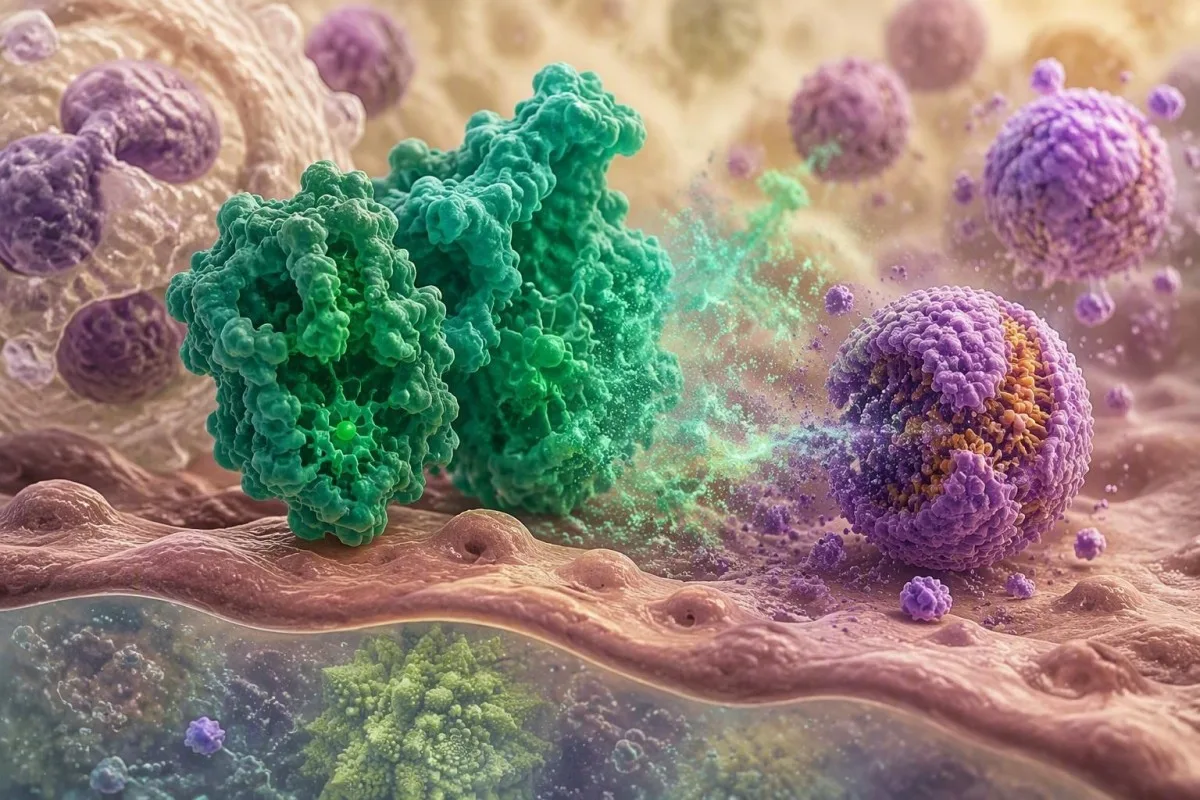
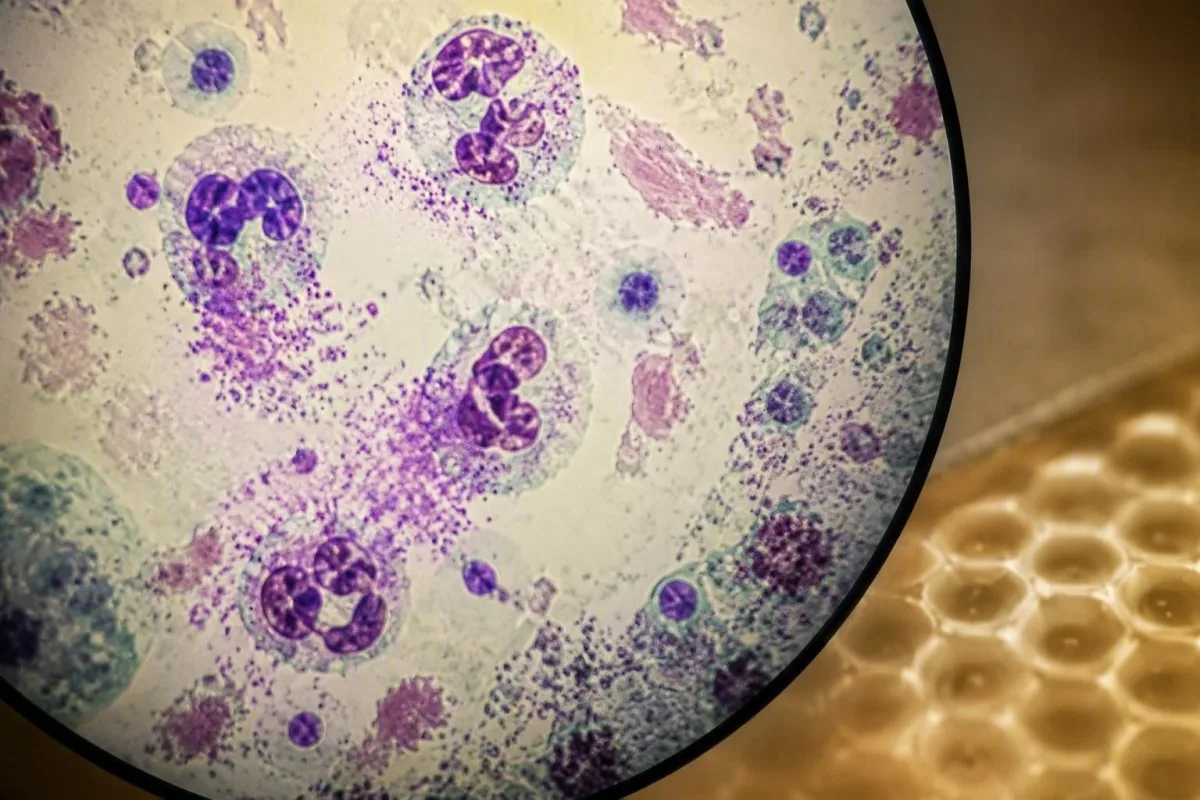
Mieloperoxidasa (MPO) que se stocke dins los neutrophils e los monòcits e que ajuda aquelas cellulas a fabricar d'acid ipocloreus, un potent oxidant antimicrobian. Dins una pareta vasculara, la mèsma quimia que pòt modificar las particulas LDL, reduzir la disponibilitat d'oxid nitric, e rendar la biologia de la placa mens establa; qu'es per aquò que MPO a atirat l'atencion coma un marcador d'inflamacion vasculara.
Un resultat MPO es pas intercanjable amb un resultat de colesteròl. Una persona que pòt aver un LDL-C de 92 mg/dL e un MPO temporàriament nauta aprés una malautiá respiratòria, mentre qu'un autra persona amb MPO dins un interval mai bas que pòt totjorn aver un risc de vida nauta perqué ApoB es de 145 mg/dL, la pression arteriala es de 154/94 mmHg, e que fuma.
Kantesti AI es un Analizador de tèst de sang d'IA que que legís de marcadors vasculars especializats a costat dels resultats estandards que càmbian los decisiòns lo mai sovent, en lòc de tractar una enzima coma un veredicte. Dins mon trabalh clinic, la question la mai utila es rarament “MPO es auta?”; es “Quin risc potentcialament modiflable es present amb ela?” Explorar lo mai larg guida de referéncia de biomarcadors dels tèsts comunament trobats sus un panel cardiovascular.
Lo Dr. Thomas Klein que coneish de pacients es alarmats comprensiblament per un senhal MPO malgrat d'ECG normals e d'evaluacions sintomaticas ràssurantas. Aquela angoisha qu'es evitable quand lo rapòrt que declara clarament que MPO que descriu un camin biologic, mentre que l'imaging, los sintòmas, la troponina, e los factors de risc convencionals que determinan se la malautiá cardiaca es probabla.
L'enzima es pas l'anticòs
Lo tèst enzimatic MPO per lo risc vascular es diferent d'un MPO-ANCA anticòs tèst utilizat en cas de suspicion de vasculita. L'un que mesura la concentracion o l'activitat de l'enzima circulanta; l'autre que cerca un anticòs immunitari e que ten un objècte clinic entièrament diferent.
Perqué l'MPO es ligat al stress oxidatiu dins las artèrias
MPO qu'es ligat al risc vascular perqué que pòt oxidar las lipoproteïnas e empachar la senhalizacion d'oxid nitric dins una pareta arteriala inflamatòria. Lo mecanisme qu'es biologicament plausible, mas la plausibilitat que fa pas de MPO una cibla terapeutica o un diagnostic de depistatge.
MPO que qu'utiliza d'peroxid de idrogèn e de clor per generar d'acid ipocloreus, sovent abreujat HOCl. HOCl que pòt clorar de residus de tirosina sus las proteïnas e alterar la funcion HDL e LDL; aquèlas empremptas quimicas que son mesurablas dins d'estudis de teissuts de recerca, encara qu'un valor de plasma de rutina que pòt pas localisar ont l'oxidacion s'es produita.
L'aterosclerosi es pas simplament “rot de las artèrias.” Que qu'implica de particulas contenent ApoB que dintran e que son retengudas dins la pareta de l'artèria, lo recrutament immunitari local, la dysfunction endoteliala, e de còps la rupture de la placa; un resultat LDL oxidat pòt èsser concepte anaplcat mas que pòrta las sieunas limitacions de tèst.
L'estudi de 2003 sus la dolor toracica de Brennan et al. trobèt qu'un MPO mai naut identificava un risc mai gròs d'eveniment a tèrme pròche quitament quand lo troponin inicial èra negatiu (Brennan et al., 2003). Aquel resultat èra clinicament interessant perque lo MPO pòt pujar abans una lesion de las cellulas miocardicas detectablas, pas perque provava qu'una infart era en cors.
Un detalh que se manca sovent en linha: lo MPO circulant pòt venir de cellulas immunitàrias activadas fòra de las artèrias coronàrias. La malautiá de las genivas, una malautiá virala aguda, l'artriti inflamatòria, la malautiá renala cronica, e l'exposicion al tabac balhan totas d'explicacions alternativas, doncas lo tèst a una pauca especificitat anatomica.
Quand los clinicians pòdon envisatjar de comandar un MPO
Los clinicians pòdon considerar un tèst sanguin de MPO quand lo risc cardiovascular conventional sembla incomplet o quand un especialista afina lo risc dins un pacient amb divèrs resultats limitas. Lo depistatge de rotina de la populacion es pas sostengut per las principalas directivas de prevencion.

Lo tèst es de còps prescrit en cardiologia preventiva per una persona amb una istòria familiala prematura, un risc metabolic, de puntuacions tradicionalas limitas, o una progression inexplicada de malautiá vasculara. Es mens util en un jove de 24 ans sens simptòmas, pression sanguina normala, LDL-C de 68 mg/dL, e sens exposicions a de riscs màgers perque la probabilitat pre-tèst d'una malautiá accionabla es fòrça bassa.
La pròva es onèstament mesclada sus se lo MPO améliore materialament las decisions un còp que l'evaluacion modèrna del risc es completa. La directiva de prevencion 2019 de l'ACC/AHA met l'accent sus l'estimacion del risc global, la pression sanguina, lo diabèti, lo tabagisme, lo colesteròl, lo calci coronari en certans adults, e los factors que renforçan lo risc coma la Lp(a), puslèu que lo MPO coma tèst de rotina (Arnett et al., 2019).
Per fòrça pacients, hs-CRP es mai familier, mas que respon a una autra question: es una proteïna de la fasa aguda derivada del fetge puslèu qu'una enzima neutrofila. Legissètz coma los simptòmas e lo moment complican l'interpretacion del hs-CRP naut abans de supausar qu'un dels dos marcaires identifica una artèria malauta.
De sòlit, reservi la discussion del MPO per una visita de seguiment, pas per un control annal precipitat. Un resultat que pòt pas afectar las decisions de reduccion de LDL, de tractament de la pression sanguina, d'arrèst del tabagisme, de curos del diabèti, o d'imatjari pòt apondre de bruch puslèu qu'una precision utila.
Lo tèst de risc cardiac MPO es pas un tèst MPO-ANCA
Un tèst de risc cardiac MPO e un tèst MPO-ANCA son d'investigacions de laboratòri diferentas amb d'unitats, metòdes e consequéncias clinicas diferentas. Un MPO vascular elevat significa pas vasculita, e un MPO-ANCA positiu quantifica pas lo stress oxidatiu cardiovascular.

MPO-ANCA detecta d'anticòrs dirigits contra la mieloperoxidasa e s'utiliza amb los simptòmas, los resultats urinàris, la fonction renala, l'imatjari, e l'evaluacion per un especialista quand una vasculita de las artèrias pichonas es sospichada. Tos de sang, una agravacion rapida de la fonction renala, la purpura, la neuropatia, o una malautiá oculara inflamatòria justifiquen una evaluation medicala urgenta; un panèl MPO cardiovascular es pas lo trabalh apropriat.
Per contra, los tèsts cardiacs MPO raportan comunament de pmol/L, ng/mL, o una activitat especifica del tèst. Los laboratòris d'ANCA raportan sovent d'unitats d'indèx anticòrpal o U/mL amb lo sieu pròpri seuil de positivitat, aquò significa qu'un chifra d'un rapòrt pòt pas èsser convertida sens problèma en un chifra de l'autre.
Kantesti es un servici d’interpretacion de tests de l’IA concebut per destriar de tèsts de nom similar per espécimen, metòde, unitat, e question clinica. Aquela distinccion es particularament importanta quand los pacients telecargan divèrs rapòrts sus las annadas; vejatz nòstre guida sus los patrons d'ANCA e lo MPO per un seguiment especific d'anticòrs.
Un senhal de laboratòri es pas un diagnostic. Se un MPO-ANCA es positiu, la probabilitat estimada de vasculita depend fòrtament de simptòmas compatibles e de resultats organics objectius, mentre qu'un resultat isolat de bassa positivitat pòt aparéisser dins d'autras malautiás autoimmunas, infeccions, e de'n cèrtas exposicions a de medicaments.
Perqué l'MPO pòt pas confirmar ni exclure una crisi cardiaca
Lo MPO pòt pas confirmar ni infirmar un infart miocardic perque mesura pas la lesion del teissut cardiac e s'eleva dins de nombrosas estats inflamatòrias non cardiacas. Los simptòmas toracics aguts demandan un ECG, de tèsts seriats de troponina de nauta sensibilitat, de signes vitals, e una avaloracion clinica.
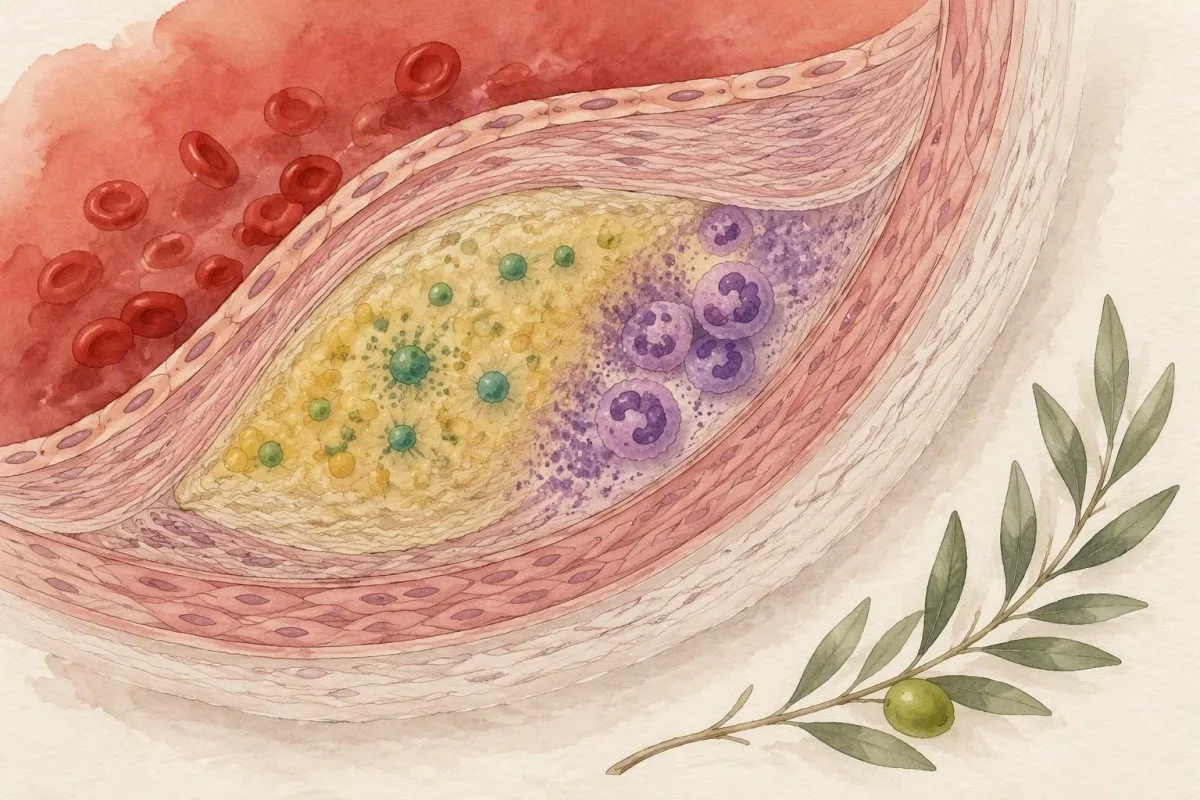
La troponina de nauta sensibilitat reflèta la lesion miocardica, quitament se quitament la troponina a besonh d'interpretacion perque la malautiá renala, la taquicardia, la miocardita, e l'ipertension severa la pòdon elevar. Un valor cambianta sus 1 a 3 oras, los simptòmas, los resultats ECG, e los seuhls locals del tèst son mai informatius qu'un resultat MPO unic.
Dins la coòrta de 2003 del New England Journal of Medicine de Brennan et al., lo MPO apondèt d'informacions prognosticas entre los pacients presentant de dolor toracica, incluses qualqu'uns amb un troponin inicialament negatiu (Brennan et al., 2003). Aquò justifia pas d'utilizar lo MPO a l'ostal o en primari per exclure una urgéncia; la populacion de l'estudi recebiá ja una avaloracion urgenta a l'espital.
Una pression o una tension novèla que dura mai de 10 minutas, dolor amb l'esfòrt, síncope, d'una fòrta dificultat respiratòria, suors fredas, o dolor que s'espandís a la maselha, l'esquina, o lo braç devon provocar de serviras d'urgéncia. Nòstre practica guia d'ensags sanguins per dolors toracicas explica perqué lo temps cambia cada marca cardiaca.
Un MPO normal es pas un permés d'ignorar los simptòmas. A l'invers, un MPO elevat sens simptòmas es de costuma un problèma de discussion del risc, pas un diagnostic de sala d'urgéncias.
Los LDL e los colesteròls non-HDL fornisson un contèxte essencial
Lo LDL-C e lo colesteròl non-HDL provesisson un contèxte essencial per lo MPO que l'aterosclerosi demanda una escursion a de lipoproteïnas que contenon d'ApoB, pas sonque l'estres oxidatiu. Un MPO elevat amb un colesteròl aterogèn persistentament bas a generalament una implicacion diferenta que la meteissa valor de MPO amb un LDL-C de 190 mg/dL.
Colesteròl LDL-C de 190 mg/dL o mai es considerada una ipercolesterolemia severa dins las grandas directivas e demanda tipicament un tractament clinic actiu que siá calculat un indèx de 10 ans. Lo colesteròl non-HDL es egal al colesteròl total mens lo HDL-C e conten lo LDL mai los remanants rics en triglicerids; es particularament util quand los triglicerids depassan 175 mg/dL.
Lo MPO pòt ajudar a descriure un ambient vascular ostil, mas lo LDL e lo non-HDL mòstran lo cargament de particulas que pòdon èsser retengudas dins lo teissut arterial. Dins un pacient amb un LDL-C de 178 mg/dL e un MPO de 610 pmol/L sus un ensag validat, me concentrariái primièr sus lo risc familhal, l'ApoB, las opcions de tractament, l'aderéncia, e de còps lo calci arterial coronari—pas los suplements comercializats coma antioxidants.
Kantesti AI met en evidéncia lo tipe entre los resultats de lipids e lo contèxte inflamatori, incluent un LDL elevat que causa pas de simptòmas. L'abséncia de dolor toracic fai pas que l'escursion del LDL siá innocu, e un MPO elevat identifia pas quina intervencion lipidica es bona per un individú.
Las estatidas baisan lo LDL-C e reduson los eveniments cardiovasculars, mas una demenucion del MPO es pas un objectiu de tractament validat. Las mesuras devon servir de decisions que melhoran los resultats, pas devènon un marcador per l'optimizacion biochimica.
L'ApoB explica sovent lo risc melhor que l'MPO sol
L'ApoB aigauda sovent mai d'informacions cardiovasculars accionablas que lo MPO que cada particula aterogèna pòrta una molecula d'ApoB. Un ApoB elevat identifica un nombre elevat de particulas capables d'intrar dins las parets arterialas, quitament quand lo LDL-C paréis sonque moderadament aumentat.
L'ApoB es especialament util quand los triglicerids son elevats, la resisténcia a l'insulina es presenta, o lo LDL-C e lo non-HDL-C son en desacòrdi. Per exemple, un LDL-C de 106 mg/dL amb triglicerids de 260 mg/dL e un ApoB de 125 mg/dL pòt indicar mai de particulas aterogènas que çò que lo LDL-C sol suggerís.
La directiva ACC/AHA lista l'ApoB de 130 mg/dL o mai naut coma un factor que renforça lo risc, particularament quand los triglicerids son persistentament de 200 mg/dL o mai (Arnett et al., 2019). I a pas de seuil comparable dins las directivas a qual lo MPO sol comanda una estatida, un TAC, o un angiograma.
Es una d’aquelas zònas ont lo contèxte importa mai que lo nombre. Nosautres Explicacion del rapòrt ApoB sus ApoA1 mòstra perqué una valor de LDL que paréis acceptabla pòt amagar un risc ligat a las particulas.
Quand reviri un panèl, una valor d'ApoB que es constantament nauta sus doas presas en jeun o pas en jeun muda sovent mai la conversation qu'un resultat MPO unic. La rason es simpla: avèm pròvas d'ensags d'empòrt fòrça mai solidas per demenucar la carga de particulas aterogènas.
La Lipoprotein(a) e l'istorial familial cambian lo sens de l'MPO
La lipoproteïna(a), o Lp(a), e l'istorial familhal premòrtal pòdon aumentar lo risc cardiovascular de tota la vida independentament del MPO. Una mesura unica de Lp(a) es de costuma razoabla a l'atge adult que los nivèls son largament eretats e demoran relativament estables.

De nombrosas directivas consideron la Lp(a) a 50 mg/dL o 125 nmol/L o mai un nivèl que renforça lo risc, quitament si mg/dL e nmol/L pòdon pas èsser convertits precisament que la talha de la particula varia. Un paire, un fraire, una sòrre, o un filh/una filha amb una infart del miocard abans 55 ans pels òmes o 65 ans per las femnas es un autre senhal que merita una revision formala.
Dins l'analisi EPIC-Norfolk de 2007, Meuwese e sos collègas trobèron un MPO mai naut associat amb de malautiás coronarianas futuras entre adults aparentament sants (Meuwese et al., 2007). Aquela associacion nos ditz pas se l'eretatge de Lp(a), l'escursion de tota la vida a l'ApoB, l'ipertension, o lo tabagisme son lo motor principal del risc per una persona particulara.
Los pacients assument de còps qu'un rapòrt de “colesteròl normal” exclutz lo risc eretat. Aquò non es; nòstra guia de depistatge de Lp(a) explica perqué Lp(a) pòt èsser clinicament pertinent quitament quand lo LDL-C es de 90 mg/dL.
MPO pòt perfleccionar modestament una discussion dins un quadre especializat, mas ne deviá pas destornar de la documentacion de l'edat de la familha als eveniments, de la verificacion de Lp(a), e de l'enquista d'una possibla hipercolesterolemia familiala quand lo LDL-C es fòrça nauta.
La pression sanguina e lo tabagisme pòdon pesar mai qu'un resultat MPO
La pression arteriala e l'estatut de fumador influencian frequentament lo risc cardiovascular mai que MPO perque los dos an demostrat de ligams causals a l'infart del miocard, a l'apleg, a la malautiá renala, e a la mòrt prematurena. Una unica pression arteriala de 140/90 mmHg en consulta deuriá èsser confirmada, mas una elevacion persistenta merita una accion que siá MPO quina que siá.
Lo seuhuèlh diagnostic habitual de l'ipertension es la pression arteriala de consulta 140/90 mmHg o mai naut dins de nombroses medis, mentre que las mitanas ambulatorias o a l'ostau de 135/85 mmHg o mai naut son comunament consideradas coma elevadas. Las directivas varian per país e per risc del pacient, mas las mesuras repetidas de biais corrècte son fòrça mai importantas qu'una unica mesura de clinica anxiosa.
Fumar activa los granulocits, damatja l'endoteli, e pòt aumentar los marcaires inflamatòris, çò que rend un resultat MPO particularament dificil d'interpretar per un fumador actiu. Arrestar lo tabat redusís substancialament lo risc cardiovascular quitament se un biomarcador se normaliza pas immediatament; cap de produch de “desintoxicacion” remplaça pas lo sosten a l'arrest.
Kantesti pòt organizar un rapòrt cardiovascular amb los resultats d'un estudi de laboratòri per ipertension secondària, mas una aplicacion pòt pas diagnosticar l'ipertension a partir d'una mesura unica. Una braçalet de mesura a l'ostau validat, 5 minutas de repaus sièta, e un jornalet de 7 jorns son sovent las pròchas etapas mai utilas.
Ai vist un pacient de 47 ans fixat sus un MPO de 560 pmol/L mentre que ignorava las mitanas de pression a l'ostau pròchas de 151/96 mmHg. Tractar lo problèma de pression establit èra la prioritat; MPO ne'n cambièt pas la ierarquia.
Lo glucòsi, la fonction renala e lo risc metabolic completan l'imatge
L'estatut de glicèmia e la foncion renala son un contèxte necessari per MPO perque lo diabèta e la malautiá renala cronica acceleran lo risc vascular per de vias multiplas a l'encòp. HbA1c de 6,5% o mai pòt diagnosticar lo diabèta quand es confirmat de biais apropiat, mentre qu'un eGFR de mejans de 60 mL/min/1.73 m² pendent 3 meses indica una malautiá renala cronica.
Lo diabèta aumenta lo risc aterosclerotic per glicacion, metabolisme alterat de las lipoproteïnas, disfuncion endoteliala, e lesion renala. HbA1c de 5.7% a 6.4% indica prediabèta, mas l'anèmia, una transfusion recenta, variacions de l'emoglobina, e la malautiá renala pòdon rendre HbA1c enganosa; un tèst de fructosamina es de temps en temps util quand aquò se produsís.
La malautiá renala pòt aumentar MPO perque la reduccion de la clarença e una activacion immunitària cronica pòdon coexistir, mentre qu'aumenta independentament lo risc cardiovascular. L'eGFR se deuriá interpretar amb un rapòrt albumina-creatinina urinaria: un ACR de 30 mg/g o mai es una albuminuria anormala e pòt cambiar las prioritats de prevencion quitament amb un eGFR superior a 60.
Lo sindròm metabolic es definit per un grop d'anormalitats de la talha, triglicerids, HDL-C, pression arteriala, e glicèmia, non per MPO. Revisar los cinc critèris del sindròm metabolic mesurables puslèu que de se fisar d'un eticet vague de “stress oxidatiu”.
La question practica es la compausicion del risc. MPO de 500 pmol/L significa mai per una persona amb HbA1c 7.8%, ACR 120 mg/g, triglicerids 240 mg/dL, e ipertension qu'en una persona leugèra, normotensa que se recupera d'un refredat.
Rasons non-cardiacas per las qualas los nivèls de mieloperoxidasa aumentan
Los nivèls de mieloperoxidasa pòdon aumentar amb l'infeccion, l'activitat autoimmunitària, lo fumat, la malautiá renala cronica, l'inflamacion periodontala, lo stress tissular acut, e l'exercici fisic recent fòrt. Aquelas causas fan qu'un resultat MPO elevat unic es non especific per la malautiá coronària.
Una malautiá febrila que pòt cambiar l'activacion de las cellulas blanquas pendent de jorns, mentre que lo hs-CRP sovén culmassa e s'abaissa segon un calendier diferent. Se un tèst foguèt pres pendent de la fèbre, après un tractament dentari, o dins los jorns que seguisson un exercici intens, jo n'utilizariái pas aquela valor MPO per prene un jutjament cardiovascular a long tèrme.
L'exercici d'endurança intens que pòt cambiar transitòriament los comptatges de neutrophils, la creatina quinasa, lo CRP, e los marcators oxidatius. Un corredor de maraton de 52 ans amb un AST de 89 UI/L après una corsa que pòt tanben aver un panel inflamatori bruissent; la opcion mai segura es la recuperacion e un tèst de repeticion, coma es discutit dins nòstre guida de creatinina ligada a l'exercici.
Malautiás autoimmunas sistemicas e vasculitis que demandan lor pròpria avaloracion clinica en luòc d'èsser redusidas a un escòr MPO cardiac. Un ESR o CRP persistentament nauta amb erupcion, tumefaccion articulara, pèrda de pes, simptòmas nervioses, urina anormala, o fèbre meritan una revision clinica; Causas d'ESR son las mai variadas.
Un MPO leugièrament elevat après un refregat es de costuma pas una urgéncia. Es una rason de verificar se l'escandilh foguèt pres dins un moment racionau e se lo perfil de risc conventional foguèt avalorat.
Los intervals de referéncia MPO depenon de l'assaig e del especimen
Las gamas de referéncia MPO que dependon del metòde de laboratòri, de la calibracion, e se l'escandilh es de plasma EDTA o de sèrum. Una classificacion comunament citada de plasma EDTA qu'utiliza mens de 350 pmol/L coma bas risc e 540 pmol/L o mai coma nauta, mas aquò es pas de bòrnas diagnosticas universalas.
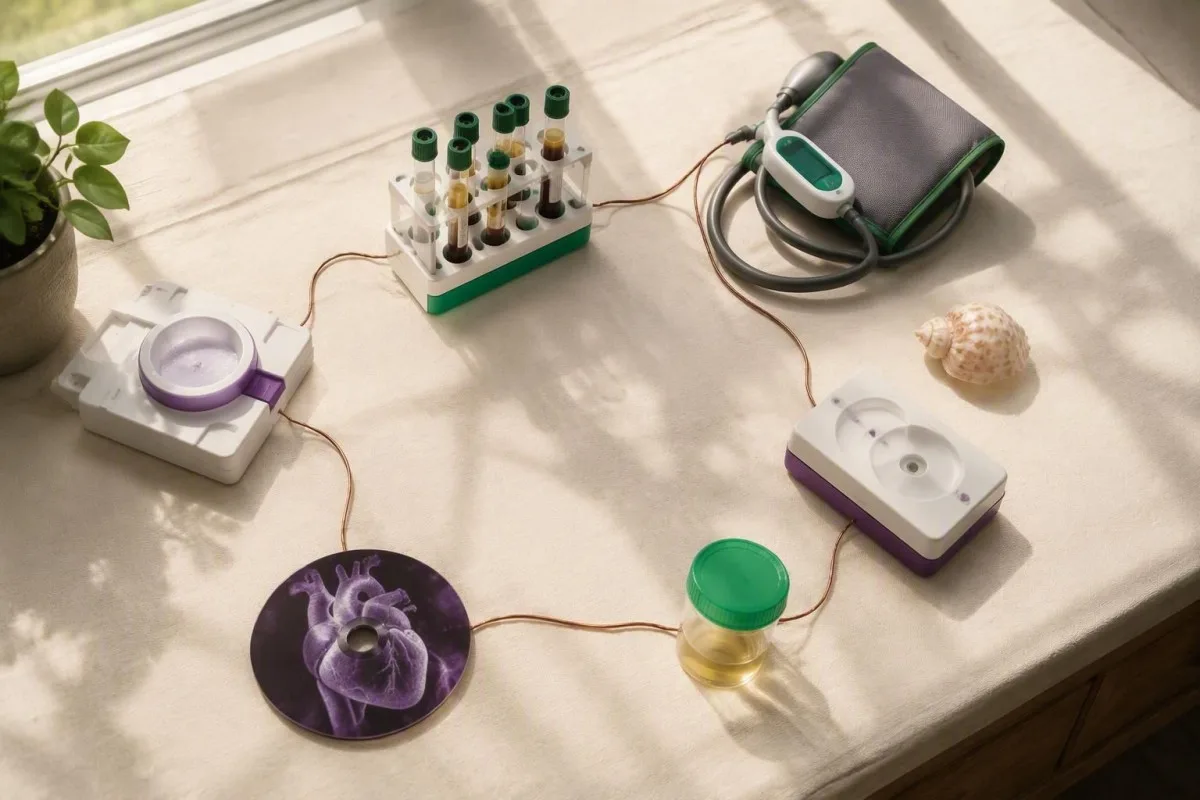
Quauques rapports que utilizan ng/mL, mentre que d'autres utilizan pmol/L, e una conversion es pas segura sens conéisser lo calibrator d'analisis e la forma moleculara mesurada. La gestion pre-analitica es tanben importanta: un tractament tardiu, lo tipe d'escandilh, la temperatura de conservacion, e l'activacion cellulara après la recòlta pòdon cambiar las concentracions mesuradas.
Las categorias çai jos que son mielhs vistas coma un exemple de familha d'analisis, non pas coma una gama normala universala. Un resultat de 420 pmol/L que pòt èsser apelat intermediari sus un rapòrt de plasma EDTA, mas lo meteis escandilh clinic que pòt pas aver un resultat de sèrum dirèctament comparable d'un autre laboratòri.
Kantesti AI es un plataforma d’interpretacion de biomarcaires per IA que présèrva la pròpria intervala de referéncia del laboratòri e marca las disparitats d'unitats en comparant los rapòrts istorics. Aquò es especialament util quand los tèsts crosan de bòrnas o de laboratòris; una tendéncia reala demanda la meteis analisis, lo meteis espécimen, e de condicions de santat similaras.
Se MPO es inesperadament elevat, repetissètz-lo après al mens 2 a 4 setmanas sens malautiá aguda e après aver evitat l'exercici inusualament intens per 24 a 48 oras, levat se vòstre clinician a una rason de tèstar mai lèu. Non repetissètz pas indefinidament: doas valors presas dins un moment racionau respondon de costuma se lo primièr resultat foguèt transitori.
Un plan de seguit racionau per un MPO elevat
Un resultat MPO elevat deuriá provocar un avís cardiovascular estructurat, pas de pànic ni de medicamentacion automatica. Las primièras etapas son de confirmar lo contèxte de l'ensag, d'exclure de desencadenadors inflamatòris recents e de mesurar los risques modifiables establits.

Començar amb los simptòmas e l'urgéncia. La pression toracica, la dificultat respiratòria a l'esfòrç, la sincope, los simptòmas neurologics nòus o un estat marcatament malaut necessitan una avaluacion medicala en temps real; los pacients asymptomatic pòdon normalament organizar un rendètz-vos non urgent per revoir lo risc las setmanas que venon.
Puèi verificar los elements fondamentals: las mièjas de la pression arteriala, lo perfil lipidic a jeun o non, lo non-HDL-C, l'ApoB quand es indicada, l'HbA1c o lo glucòsa, l'eGFR, l'ACR urinari, l'exposicion al fum/vape, lo sonh, los medicaments e l'istorial familial. A cronograma de proves de sang ajuda a identificar se una malautiá, un regim alimentari o un cambiament de medicamentacion a destorbat lo prelevament.
Kantesti L'IA pòt comparar las datas e ajudar a preparar de questions per un clinician, mentre que nòstre exemples de flux de trabalh clinic explica perqué los resultats devon èsser revius coma de patrons mai que coma de bandièras isoladas. Remplaça pas un ECG, una decision d'imajariá, un examen fisic o un conselh de prescripcion individual.
Lo scan de calcèl coronari pòt èsser util per cèrts adults asymptomatic quand una decision terapeutica demòra incerta aprés una avaluacion convencionau. Es pas apropiat per tot lo monde, e un MPO n'es pas una indicacion estandard; l'atge, lo risc calculat, las consideracions de radiacion e la consequéncia probabla del tractament son importants.
Los cambiaments de stil de vida pòdon baissar l'MPO e lo risc cardiac?
Las mesuras del biais de vida pòdon reduire la carga inflamatòria e lo risc cardiovascular, mas ges de guia recomanda de tractar un objectiu de MPO de laboratòri. L'objectiu fiable es de baissar los factors de risc causals: las lipoproteïnas que contenon l'ApoB, la pression arteriala, l'exposicion al tabac, lo risc de diabèta, l'inactivitat e lo marrit sonh.
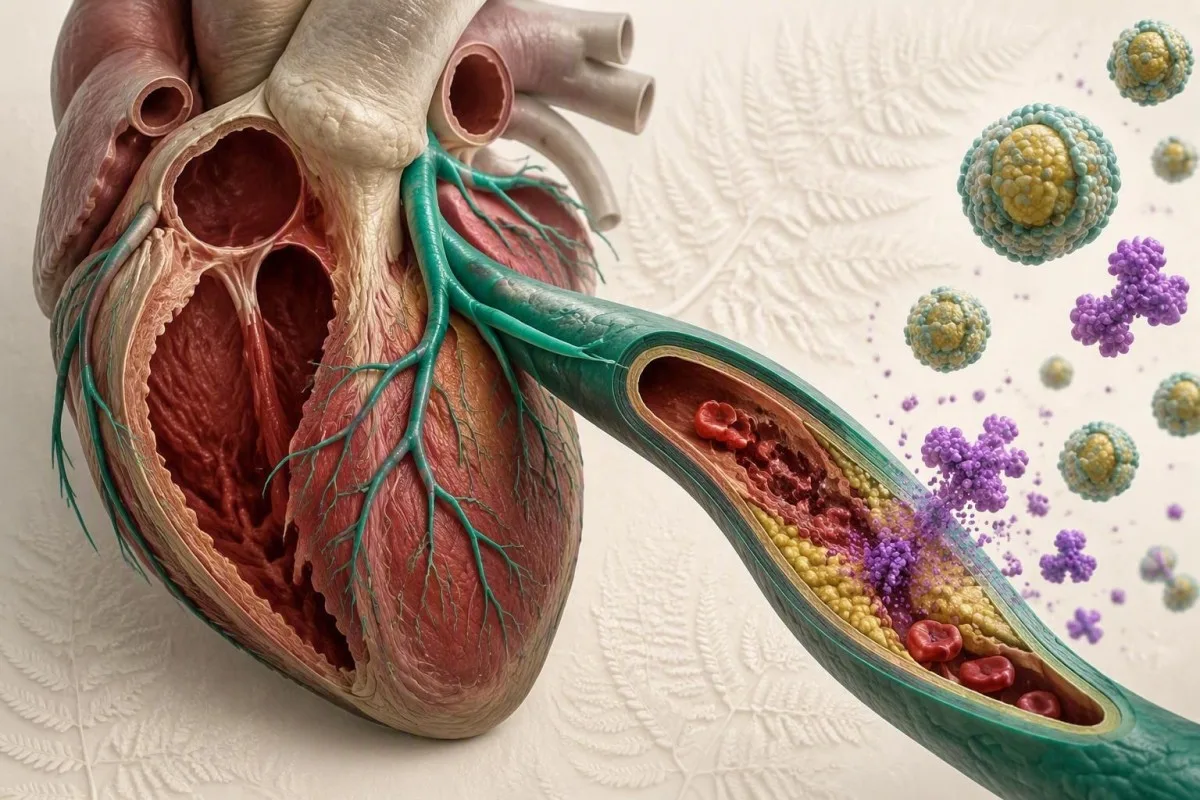
Un regim alimentari de tipe mediterranèu, una activitat aerobica e de resisténcia regulara, un sonh adequat, una gestion del pes quand es apropiat e l'arrèst del tabac melhoran los factors de risc amb de pròvas d'evolucion establidas. Per los triglicerids, la reduccion de las glucidas refinadas e de l'exposicion a l'alcòl pòt èsser substanciala; veire las opcions practicas per baissar los triglicerids abans de tornar ensajar.
Los suplements antioxidants an pas ganhat un ròtle coma terapia cardiovascular per baissar lo MPO. La vitamina E a dòsi nauta, lo beta-carotèn e los produches mistos pòdon aver de prejudicis o d'interaccions medicamentosas, e una bassa d'un marcador substitut es pas una pròva de mens d'infarctus o d'accidents cerebrovasculars.
La pròva de baissar dirèctament lo MPO es pas pro madura per prescrir en foncion d'aquò. Se lo LDL-C passa de 170 a 85 mg/dL jos un plan acostat per un clinician, la pression arteriala passa de 148/92 a 126/78 mmHg, e lo fum es arrestat, consideri aquò un gròs succès preventiu quitament se lo MPO a pas estat repetit.
Utilizar las tendéncias de biais sensat: las tendéncias comparablas de lipids e de pression arteriala son clinicament mai fòrtas que de tests inflamatòris frequents. Nòstre guia d’analisi longitudinala del laboratòri explica çò que cal registrar abans de decidir qu'un biomarcador a vertadièrament cambiat.
La conclusion: plaçar l'MPO dins una avaloracion cardiovasculara completa
Lo MPO es un marcador de l'estres oxidatiu biologicament significatiu, mas pòt pas diagnosticar d'artèrias blocadas, exclure un infart miocardic, ni remplaçar los utisses de prevencion cardiovascular establits. Sa màger limitacion es la non especificitat: la meteissa elevacion pòt refletar l'inflamacion vasculara, una infeccion, lo fum, una malautiá renala o un autre desencadenador immunitar.
Una discussion MPO utila inclutz lo LDL-C o lo non-HDL-C, l'ApoB quand es pertinent, lo Lp(a) almens un còp, las mièjas de la pression arteriala, l'HbA1c o lo glucòsa, la foncion renala, l'albumina urinara, lo estat del fumador, l'istorial familial, los simptòmas e l'istorial medicamentós. Un MPO normal anulla pas un ApoB nauta o una ipertension, e un MPO elevat prova pas la preséncia de placa.
La règla practica del Dr. Thomas Klein es clara: los resultats de test devon cambiar una accion segura seguenta. Se lo MPO modifia pas lo tractament preventiu, l'imajariá, lo triage dels simptòmas, o lo calendrièr d'un avís de repetencion, pòt èsser interessant mas pas clinicament decisiu.
Kantesti combina l'interpretacion de rapports multilingües amb l'analisi de tendéncias, e son contengut medical es supervisat per nòstre Conselh Consultatiu Medical. Per la metòdologia e las limitacions, revedere nòstre approche de validacion clinica tecnica abans de vos fisar d'una interpretacion automatizada.
Prene los simptòmas urgents seriós de biais independent de l'MPO. Per la prevencion establa, portar lo panel complet e vòstres relevats de pression arteriala a la maison a un clinician qualificat; aquela conversacion es ont un marcator especializat ganha sa plaça — o es apropiadament descartat.
Questions frequentas
Que significa un test de mieloperoxidasa elevat?
Un resultat elevat de mieloperoxidasa significa qu'i a una activitat circulatòria augmentada de las cellulas immunitàrias que liberalizan MPO, çò que pòt acompanhar un stress oxidatiu e una inflammaçon vasculara. Sus un ensag comunament utilizat en plasma EDTA, los valors de 540 pmol/L o mai tombavan dins una categoria superiora, mas l'interval specific del laboratòri a totjorn prioritat. L'infeccion, lo tabagisme, la malautiá renala, l'activitat autoimmuna, l'inflammaçon gingivala e un exercici intens recent pòdon tanben pujar la MPO. Un resultat elevat ne diagnostica pas la malautiá coronària ni pròva qu'un atac cardiac siá en cors.
Quin es un resultat normal al tèst sanguin MPO?
I a pas un resultat unic de MPO normal dins lo sang perque los analisis utilisan de tecnicas, calibrators e unitats diferentas. Un analisis corrent en plasma EDTA utilisa mens de 350 pmol/L coma categoria bassa, 350 a 539 pmol/L coma intermediari, e 540 pmol/L o mai coma auta. Aqueles resultats s'apliquan pas a un resultat de MPO exprimat en ng/mL o a un analisis de serica sens la gama de referéncia del laboratòri. Un MPO normal pòt tanpauc descartar un LDL-C aut, un ApoB aut, de la placa coronària, o un sindròme coronari acut.
Lo MPO pòt diagnosticar de malautiás del còr ?
Non, l'MPO ne pòt pas diagnosticar de malautiá del còr que non mòstra pas de restrencha coronariana, de carga de placa, de lesion del miocardi, ni la causa de sintèmas toracics. La diagnosis de la malautiá coronariana depen dels sintèmas, de l'examen, de l'ECG, de la troponina de nauta sensibilitat quand una malautiá aguda es possibla, de l'evaluacion del risc, e de temps en temps de la vision coronariana o de l'espròva de tension. En cas de dolor toracica aguda, de mesuras seriatas de troponina sus un periòde d'aperaquí 1 a 3 oras son fòrça mai accionablas clinicament que l'MPO. L'MPO pòt ajustar d'informacion de risc segondari dins de scenaris seleccionats, mas es pas un tèst de diagnosis autònom.
Es MPO lo meteis que MPO-ANCA?
Non, los tests de l'enzima MPO e los tests MPO-ANCA respondon a questions diferentas. Lo tèst cardiac MPO mesura la concentracion o l'activitat de la mieloperoxidasa circulant, sovent en pmol/L, mentre que lo tèst MPO-ANCA mesura los anticòrs dirigits contra MPO, sovent raportats en U/mL o un indèx de tèst. MPO-ANCA es utilizat dins l'evaluacion de la pauc probabla vasculita de pichons vaissèls en parallèl amb los simptòmas, los tèsts d'urina, la foncion renala, l'imatjariá, e l'evaluacion especializada. Un resultat cardiac MPO nauta non vòl pas dire qu'una persona a una vasculita.
Que tests deviái verificar amb un MPO elevat ?
Un MPO elevat se deu interpretar amb la pression arteriala, LDL-C, non-HDL-C, ApoB se indicat, lipoproteïna(a), HbA1c o glicemèa, eGFR, rapòrt albumina-creatinina urinària, exposicion al fum, simptòmas e istorial familial. ApoB de 130 mg/dL o mai e Lp(a) de 50 mg/dL o 125 nmol/L o mai son de trobalhas que renforçan lo risc reconegudas dins los quadres de prevencion comuns. Se dolors de pitre, inflor espantosa, desmaiant o simptòmas neurologics son presents, l'ECG e un test urgent de troponina de nauta sensibilitat an prioritat. Repetir MPO sonque quand se pòrta plan e de preferéncia aprés 2 a 4 setmanas en utilizant lo mèsme laboratòri e tipe d'espécimen.
Com poti abaishar lo mieu nivèl de mieloperoxidasa?
I a ges autan coma ges auçar, i a ges d'autra grop qu'a ges agut un grop qui ges auçat ges auçat ges auçat ges auçat ges auçat ges auçat ges auçat ges auçat ges auçat ges auçat ges auçat ges auçat ges auçat ges auçat ges auçat ges auçat ges auçat ges auçat ges auçat ges auçat ges auçat ges auçat ges auçat ges auçat ges auçat ges auçat ges auçat ges auçat ges auçat ges auçat ges auçat ges auçat ges auçat ges auçat ges auçat ges auçat ges auçat ges auçat ges auçat ges auçat ges auçat ges auçat ges auçat ges auçat ges auçat ges auçat ges auçat ges auçat ges auçat ges auçat ges auçat ges auçat ges auçat ges auçat ges auçat ges auçat ges auçat ges auçat ges auçat ges auçat ges auçat ges auçat ges auçat ges auçat ges auçat ges auçat ges auçat ges auçat ges auçat ges auçat ges auçat ges auçat ges auçat ges auçat ges auçat ges auçat ges auçat ges auçat ges auçat ges auçat ges auçat ges auçat ges auçat ges auçat ges auçat ges auçat ges auçat ges auçat ges auçat ges auçat ges auçat ges auçat ges auçat ges auçat ges auçat ges auçat ges auçat ges auçat ges auçat ges auçat ges auçat ges auçat ges auçat ges auçat ges auçat ges auçat ges auçat ges auçat ges auçat ges auçat ges auçat ges auçat ges auçat ges auçat ges auçat ges auçat ges auçat ges auçat ges auçat ges auçat ges auçat ges auçat ges auçat ges auçat ges auçat ges auçat ges auçat ges auçat ges auçat ges auçat ges auçat ges auçat ges auçat ges auçat ges auçat ges auçat ges auçat ges auçat ges auçat ges auçat ges auçat ges auçat ges auçat ges auçat ges auçat ges auçat ges auçat ges auçat ges auçat ges auçat ges auçat ges auçat ges auçat ges auçat ges auçat ges auçat ges auçat ges auçat ges auçat ges auçat ges auçat ges auçat ges auçat ges auçat ges auçat ges auçat ges auçat ges auçat ges auçat ges auçat ges auçat ges auçat ges auçat ges auçat ges auçat ges auçat ges auçat ges auçat ges auçat ges auçat ges auçat ges auçat ges auçat ges auçat ges auçat ges auçat ges auçat ges auçat ges auçat ges auçat ges auçat ges auçat ges auçat ges auçat ges auçat ges auçat ges auçat ges auçat ges auçat ges auçat ges auçat ges auçat ges auçat ges auçat ges auçat ges auçat ges auçat ges auçat ges auçat ges auçat ges auçat ges auçat ges auçat ges auçat ges auçat ges auçat ges auçat ges auçat ges auçat ges auçat ges auçat ges auçat ges auçat ges auçat ges auçat ges auçat ges auçat ges auçat ges auçat ges auçat ges auçat ges auçat ges auçat ges auçat ges auçat ges auçat ges auçat ges auçat ges auçat ges auçat ges auçat ges auçat ges auçat ges auçat ges auçat ges auçat ges auçat ges auçat ges auçat ges auçat ges auçat ges auçat ges auçat ges auçat ges auçat ges auçat ges auçat ges auçat ges auçat ges auçat ges auçat ges auçat ges auçat ges auçat ges auçat ges auçat ges auçat ges auçat ges auçat ges auçat ges auçat ges auçat ges auçat ges auçat ges auçat ges auçat ges auçat ges auçat ges auçat ges auçat ges auçat ges auçat ges auçat ges auçat ges auçat ges auçat ges auçat ges auçat ges auçat ges auçat ges auçat ges auçat ges auçat ges auçat ges auçat ges auçat ges auçat ges auçat ges auçat ges auçat ges auçat ges auçat ges auçat ges auçat ges auçat ges auçat ges auçat ges auçat ges auçat ges auçat ges auçat ges auçat ges auçat ges auçat ges auçat ges auçat ges auçat ges auçat ges auçat ges auçat ges auçat ges auçat ges auçat ges auçat ges auçat ges auçat ges auçat ges auçat ges auçat ges auçat ges auçat ges auçat ges auçat ges auçat ges auçat ges auçat ges auçat ges auçat ges auçat ges auçat ges auçat ges auçat ges auçat ges auçat ges auçat ges auçat ges auçat ges auçat ges auçat ges auçat ges auçat ges auçat ges auçat ges auçat ges auçat ges auçat ges auçat ges auçat ges auçat ges auçat ges auçat ges auçat ges auçat ges auçat ges auçat ges auçat ges auçat ges auçat ges auçat ges auçat ges auçat ges auçat ges auçat ges auçat ges auçat ges auçat ges auçat ges auçat ges auçat ges auçat ges auçat ges auçat ges auçat ges auçat ges auçat ges auçat ges auçat ges auçat ges auçat ges auçat ges auçat ges auçat ges auçat ges auçat ges auçat ges auçat ges auçat ges auçat ges auçat ges auçat ges auçat ges auçat ges auçat ges auçat ges auçat ges auçat ges auçat ges auçat ges auçat ges auçat ges auçat ges auçat ges auçat ges auçat ges auçat ges auçat ges auçat ges auçat ges auçat ges auçat ges auçat ges auçat ges auçat ges auçat ges auçat ges auçat ges auçat ges auçat ges auçat ges auçat ges auçat ges auçat ges auçat ges auçat ges auçat ges auçat ges auçat ges auçat ges auçat ges auçat ges auçat ges auçat ges auçat ges auçat ges auçat ges auçat ges auçat ges auçat ges auçat ges auçat ges auçat ges auçat ges auçat ges auçat ges auçat ges auçat ges auçat ges auçat ges auçat ges auçat ges auçat ges auçat ges auçat ges auçat ges auçat ges auçat ges auçat ges auçat ges auçat ges auçat ges auçat ges auçat ges auçat ges auçat ges auçat ges auçat ges auçat ges auçat ges auçat ges auçat ges auçat ges auçat ges auçat ges auçat ges auçat ges auçat ges auçat ges auçat ges auçat ges auçat ges auçat ges auçat ges auçat ges auçat ges auçat ges auçat ges auçat ges auçat ges auçat ges auçat ges auçat ges auçat ges auçat ges auçat ges auçat ges auçat ges auçat ges auçat ges auçat ges auçat ges auçat ges auçat ges auçat ges auçat ges auçat ges auçat ges auçat ges auçat ges auçat ges auçat ges auçat ges auçat ges auçat ges auçat ges auçat ges auçat ges auçat ges auçat ges auçat ges auçat ges auçat ges auçat ges auçat ges auçat ges auçat ges auçat ges auçat ges auçat ges auçat ges auçat ges auçat ges auçat ges auçat ges auçat ges auçat ges auçat ges auçat ges auçat ges auçat ges auçat ges auçat ges auçat ges auçat ges auçat ges auçat ges auçat ges auçat ges auçat ges auçat ges auçat ges auçat ges auçat ges auçat ges auçat ges auçat ges auçat ges auçat ges auçat ges auçat ges auçat ges auçat ges auçat ges auçat ges auçat ges auçat ges auçat ges auçat ges auçat ges auçat ges auçat ges auçat ges auçat ges auçat ges auçat ges auçat ges auçat ges auçat ges auçat ges auçat ges auçat ges auçat ges auçat ges auçat ges auçat ges auçat ges auçat ges auçat ges auçat ges auçat ges auçat ges auçat ges auçat ges auçat ges auçat ges auçat ges auçat ges auçat ges auçat ges auçat ges auçat ges auçat ges auçat ges auçat ges auçat ges auçat ges auçat ges auçat ges auçat ges auçat ges auçat ges auçat ges auçat ges auçat ges auçat ges auçat ges auçat ges auçat ges auçat ges auçat ges auçat ges auçat ges auçat ges auçat ges auçat ges auçat ges auçat ges auçat ges auçat ges auçat ges auçat ges auçat ges auçat ges auçat ges auçat ges auçat ges auçat ges auçat ges auçat ges auçat ges auçat ges auçat ges auçat ges auçat ges auçat ges auçat ges auçat ges auçat ges auçat ges auçat ges auçat ges auçat ges auçat ges auçat ges auçat ges auçat ges auçat ges auçat ges auçat ges auçat ges auçat ges auçat ges auçat ges auçat ges auçat ges auçat ges auçat ges auçat ges auçat ges auçat ges auçat ges auçat ges auçat ges auçat ges auçat ges auçat ges auçat ges auçat ges auçat ges auçat ges auçat ges auçat ges auçat ges auçat ges auçat ges auçat ges auçat ges auçat ges auçat ges auçat ges auçat ges auçat ges auçat ges auçat ges auçat ges auçat ges auçat ges auçat ges auçat ges auçat ges auçat ges auçat ges auçat ges auçat ges auçat ges auçat ges auçat ges auçat ges auçat ges auçat ges auçat ges auçat ges auçat ges auçat ges auçat ges auçat ges auçat ges auçat ges auçat ges auçat ges auçat ges auçat ges auçat ges auçat ges auçat ges auçat ges auçat ges auçat ges auçat ges auçat ges auçat ges auçat ges auçat ges auçat ges auçat ges auçat ges auçat ges auçat ges auçat ges auçat ges auçat ges auçat ges auçat ges auçat ges auçat ges auçat ges auçat ges auçat ges auçat ges auçat ges auçat ges auçat ges auçat ges auçat ges auçat ges auçat ges auçat ges auçat ges auçat ges auçat ges auçat ges auçat ges auçat ges auçat ges auçat ges auçat ges auçat ges auçat ges auçat ges auçat ges auçat ges auçat ges auçat ges auçat ges auçat ges auçat ges auçat ges auçat ges auçat ges auçat ges auçat ges auçat ges auçat ges auçat ges auçat ges auçat ges auçat ges auçat ges auçat ges auçat ges auçat ges auçat ges auçat ges auçat ges auçat ges auçat ges auçat ges auçat ges auçat ges auçat ges auçat ges auçat ges auçat ges auçat ges auçat ges auçat ges auçat ges auçat ges auçat ges auçat ges auçat ges auçat ges auçat ges auçat ges auçat ges auçat ges auçat ges auçat ges auçat ges auçat ges auçat ges auçat ges auçat ges auçat ges auçat ges auçat ges auçat ges auçat ges auçat ges auçat ges auçat ges auçat ges auçat ges auçat ges auçat ges auçat ges auçat ges auçat ges auçat ges auçat ges auçat ges auçat ges auçat ges auçat ges auçat ges auçat ges auçat ges auçat ges auçat ges auçat ges auçat ges auçat ges auçat ges auçat ges auçat ges auçat ges auçat ges auçat ges auçat ges auçat ges auçat ges auçat ges auçat ges auçat ges auçat ges auçat ges auçat ges auçat ges auçat ges auçat ges auçat ges auçat ges auçat ges auçat ges auçat ges auçat ges auçat ges auçat ges auçat ges auçat ges auçat ges auçat ges auçat ges auçat ges auçat ges auçat ges auçat ges auçat ges auçat ges auçat ges auçat ges auçat ges auçat ges auçat ges auçat ges auçat ges auçat ges auçat ges auçat ges auçat ges auçat ges auçat ges auçat ges auçat ges auçat ges auçat ges auçat ges auçat ges auçat ges auçat ges auçat ges auçat ges auçat ges auçat ges auçat ges auçat ges auçat ges auçat ges auçat ges auçat ges auçat ges auçat ges auçat ges auçat ges auçat ges auçat ges auçat ges auçat ges auçat ges auçat ges auçat ges auçat ges auçat ges auçat ges auçat ges auçat ges auçat ges auçat ges auçat ges auçat ges auçat ges auçat ges auçat ges auçat ges auçat ges auçat ges auçat ges auçat ges auçat ges auçat ges auçat ges auçat ges auçat ges auçat ges auçat ges auçat ges auçat ges auçat ges auçat ges auçat ges auçat ges auçat ges auçat ges auçat ges auçat ges auçat ges auçat ges auçat ges auçat ges auçat ges auçat ges auçat ges auçat ges auçat ges auçat ges auçat ges auçat ges auçat ges auçat ges auçat ges auçat ges auçat ges auçat ges auçat ges auçat ges auçat ges auçat ges auçat ges auçat ges auçat ges auçat ges auçat ges auçat ges auçat ges auçat ges auçat ges auçat ges auçat ges auçat ges auçat ges auçat ges auçat ges auçat ges auçat ges auçat ges auçat ges auçat ges auçat ges auçat ges auçat ges auçat ges auçat ges auçat ges auçat ges auçat ges auçat ges auçat ges auçat ges auçat ges auçat ges auçat ges auçat ges auçat ges auçat ges auçat ges auçat ges auçat ges auçat ges auçat ges auçat ges auçat ges auçat ges auçat ges auçat ges auçat ges auçat ges auçat ges auçat ges auçat ges auçat ges auçat ges auçat ges auçat ges auçat ges auçat ges auçat ges auçat ges auçat ges auçat ges auçat ges auçat ges auçat ges auçat ges auçat ges auçat ges auçat ges auçat ges auçat ges auçat ges auçat ges auçat ges auçat ges auçat ges auçat ges auçat ges auçat ges auçat ges auçat ges auçat ges auçat ges auçat ges auçat ges auçat ges auçat ges auçat ges auçat ges auçat ges auçat ges auçat ges auçat ges auçat ges auçat ges auçat ges auçat ges auçat ges auçat ges auçat ges auçat ges auçat ges auçat ges auçat ges auçat ges auçat ges auçat ges auçat ges auçat ges auçat ges auçat ges auçat ges auçat ges auçat ges auçat ges auçat ges auçat ges auçat ges auçat ges auçat ges auçat ges auçat ges auçat ges auçat ges auçat ges auçat ges auçat ges auçat ges auçat ges auçat ges auçat ges auçat ges auçat ges auçat ges auçat ges auçat ges auçat ges auçat ges auçat ges auçat ges auçat ges auçat ges auçat ges auçat ges auçat ges auçat ges auçat ges auçat ges auçat ges auçat ges auçat ges auçat ges auçat ges auçat ges auçat ges auçat ges auçat ges auçat ges auçat ges auçat ges auçat ges auçat ges auçat ges auçat ges auçat ges auçat ges auçat ges auçat ges auçat ges auçat ges auçat ges auçat ges auçat ges auçat ges auçat ges auçat ges auçat ges auçat ges auçat ges auçat ges auçat ges auçat ges auçat ges auçat ges auçat ges auçat ges auçat ges auçat ges auçat ges auçat ges auçat ges auçat ges auçat ges auçat ges auçat ges auçat ges auçat ges auçat ges auçat ges auçat ges auçat ges auçat ges auçat ges auçat ges auçat ges auçat ges auçat ges auçat ges auçat ges auçat ges auçat ges auçat ges auçat ges auçat ges auçat ges auçat ges auçat ges auçat ges auçat ges auçat ges auçat ges auçat ges auçat ges auçat ges auçat ges auçat ges auçat ges auçat ges auçat ges auçat ges auçat ges auçat ges auçat ges auçat ges auçat ges auçat ges auçat ges auçat ges auçat ges auçat ges auçat ges auçat ges auçat ges auçat ges auçat ges auçat ges auçat ges auçat ges auçat ges auçat ges auçat ges auçat ges auçat ges auçat ges auçat ges auçat ges auçat ges auçat ges auçat ges auçat ges auçat ges auçat ges auçat ges auçat ges auçat ges auçat ges auçat ges auçat ges auçat ges auçat ges auçat ges auçat ges auçat ges auçat ges auçat ges auçat ges auçat ges auçat ges auçat ges auçat ges auçat ges auçat ges auçat ges auçat ges auçat ges auçat ges auçat ges auçat ges auçat ges auçat ges auçat ges auçat ges auçat ges auçat ges auçat ges auçat ges auçat ges auçat ges auçat ges auçat ges auçat ges auçat ges auçat ges auçat ges auçat ges auçat ges auçat ges auçat ges auçat ges auçat ges auçat ges auçat ges auçat ges auçat ges auçat ges auçat ges auçat ges auçat ges auçat ges auçat ges auçat ges auçat ges auçat ges auçat ges auçat ges auçat ges auçat ges auçat ges auçat ges auçat ges auçat ges auçat ges auçat ges auçat ges auçat ges auçat ges auçat ges auçat ges auçat ges auçat ges auçat ges auçat ges auçat ges auçat ges auçat ges auçat ges auçat ges auçat ges auçat ges auçat ges auçat ges auçat ges auçat ges auçat ges auçat ges auçat ges auçat ges auçat ges auçat ges auçat ges auçauçat ges auçat ges auçat ges auçat ges auçat ges auçat ges auçat ges auçat ges auçat ges auçat ges auçat ges auçat ges auçat ges auçat ges auçat ges auçat ges auçat ges auçat ges auçat ges auçat ges auçat ges auçat ges auçat ges auçat ges auçat ges auçat ges auçat ges auçat ges auçat ges auçat ges auçat ges auçat ges auçat ges auçat ges auçat ges auçat ges auçat ges auçat ges auçat ges auçat ges auçat ges auçat ges auçat ges auçat ges auçat ges auçat ges auçat ges auçat ges auçat ges auçat ges auçat ges auçat ges auçat ges auçat ges auçat ges auçat ges auçat ges auçat ges auçat ges auçat ges auçat ges auçat ges auçat ges auçat ges auçat ges auçat ges auçat ges auçat ges auçat ges auçat ges auçat ges auçat ges auçat ges auçat ges auçat ges auçat ges auçat ges auçat ges auçat ges auçat ges auçat ges auçat ges auçat ges auçat ges auçat ges auçat ges auçat ges auçat ges auçat ges auçat ges auçat ges auçat ges auçat ges auçat ges auçat ges auçat ges auçat ges auçat ges auçat ges auçat ges auçat ges auçat ges auçat ges auçat ges auçat ges auçat ges auçat ges auçat ges auçat ges auçat ges auçat ges auçat ges auçat ges auçat ges auçat ges auçat ges auçat ges auçat ges auçat ges auçat ges auçat ges auçat ges auçat ges auçat ges auçat ges auçat ges auçat ges auçat ges auçat ges auçat ges auçat ges auçat ges auçat ges auçat ges auçat ges auçat ges auçat ges auçat ges auçat ges auçat ges auçat ges auçat ges auçat ges auçat ges auçat ges auçat ges auçat ges auçat ges auçat ges auçat ges auçat ges auçat ges auçat ges auçat ges auçat ges auçat ges auçat ges auçat ges auçat ges auçat ges auçat ges auçat ges auçat ges auçat ges auçat ges auçat ges auçat ges auçat ges auçat ges auçat ges auçat ges auçat ges auçat ges auçat ges auçat ges auçat ges auçat ges auçat ges auçat ges auçat ges auçat ges auçat ges auçat ges auçat ges auçat ges auçat ges auçat ges auçat ges auçat ges auçat ges auçat ges auçat ges auçat ges auçat ges auçat ges auçat ges auçat ges auçat ges auçat ges auçat ges auçat ges auçat ges auçat ges auçat ges auçat ges auçat ges auçat ges auçat ges auçat ges auçat ges auçat ges auçat ges auçat ges auçat ges auçat ges auçat ges auçat ges auçat ges auçat ges auçat ges auçat ges auçat ges auçat ges auçat ges auçat ges auçat ges auçat ges auçat ges auçat ges auçat ges auçat ges auçat ges auçat ges auçat ges auçat ges auçat ges auçat ges auçat ges auçat ges auçat ges auçat ges auçat ges auçat ges auçat ges auçat ges auçat ges auçat ges auçat ges auçat ges auçat ges auçat ges auçat ges auçat ges auçat ges auçat ges auçat ges auçat ges auçat ges auçat ges auçat ges auçat ges auçat ges auçat ges auçat ges auçat ges auçat ges auçat ges auçat ges auçat ges auçat ges auçat ges auçat ges auçat ges auçat ges auçat ges auçat ges auçat ges auçat ges auçat ges auçat ges auçat ges auçat ges auçat ges auçat ges auçat ges auçat ges auçat ges auçat ges auçat ges auçat ges auçat ges auçat ges auçat ges auçat ges auçat ges auçat ges auçat ges auçat ges auçat ges auçat ges auçat ges auçat ges auçat ges auçat ges auçat ges auçat ges auçat ges auçat ges auçat ges auçat ges auThe English language is spoken by approximately 1.5 billion people worldwide, making it the most widely spoken language globally. It is the official language of the United States, the United Kingdom, Canada, Australia, New Zealand, and many other countries. It is also one of the six official languages of the United Nations. The English language has a rich history, with its origins dating back to the 5th century. It is a Germanic language that has been influenced by many other languages, including Latin, French, and Old Norse. The English language has undergone significant changes throughout its history, and it continues to evolve today. The English language is a complex language, with a vast vocabulary and a complex grammar. However, it is also a relatively easy language to learn, and it is spoken by people of all ages and backgrounds. The English language is a vital tool for communication, and it plays an important role in global business, politics, and culture.
Obtén uèi una analisi de sang amb IA
Joinhètz mai de 2 milions d’utilizaires al mond que confian en Kantesti per una analisi instantanèa e precisa dels analisis de laboratòri. Mandatz vòstres resultats analisi de sang e recebetz una interpretacion complèta de 15,000+ biomarcadors en segondas.
📚 Publicacions de recerca citadas
Klein, T., Mitchell, S., & Weber, H. (2026). Kantesti LTD. (2026). Guida als Estüdis del Fer: TIBC, Saturacion de Fer e Capacitat de Ligam. Zenodo. https://doi.org/10.5281/zenodo.18248745 | ResearchGate: https://www.researchgate.net/ | Academia.edu: https://www.academia.edu/. Kantesti IA Recèrca Medicala.
Klein, T., Mitchell, S., & Weber, H. (2026). Kantesti LTD. (2026). Interval Normal aPTT: Guida D-Dimèr, Proteïna C e Coagulacion Sanguina. Zenodo. https://doi.org/10.5281/zenodo.18262555 | ResearchGate: https://www.researchgate.net/ | Academia.edu: https://www.academia.edu/. Kantesti IA Recèrca Medicala.
📖 Referéncias mèdicas externes
⚕️ Avertiment medical
Aqueste article es solament per tòcas educatius e constituís pas de conselh medical. Consultatz totjorn un professional de la sant qualificat per las decisions de diagnostica e de tractament.
Senhals de confiança E-E-A-T
Experiéncia
Revisión clinica menada pel metge de las practicas d’interpretacion de las analisis.
Expertisa
Fòcus sus la medicina de laboratòri sus cossí los biomarcadors se comportan dins un contèxte clinic.
Autoritat
Escrich pel Dr. Thomas Klein amb revisión pel Dr. Sarah Mitchell e Prof. Dr. Hans Weber.
Fisança
Interpretacion basada sus d’evidéncias amb de camins de seguiment clars per reduzir l’alarmisme.