تعكس MPO نشاط الأكسدة في الخلايا المناعية الذي يمكن أن يصاحب إصابة الأوعية الدموية، لكنها علامة سياقية - وليست تشخيصًا. إليك كيف يضعها الأطباء بجانب الدهون وضغط الدم والجلوكوز ووظائف الكلى والأعراض.



- ما تقيسه MPO: المايلوبيروكسيداز هو إنزيم تطلقه بشكل أساسي الخلايا المتعادلة والخلايا الوحيدة النشطة التي يمكن أن تولد حمض هيبوكلوروس أثناء التنشيط المناعي.
- نطاق يعتمد على الفحص: يصنف فحص MPO الشائع باستخدام EDTA-plasma القيم التي تقل عن 350 pmol/L على أنها خطر أقل، لكن المختبرات تستخدم طرقًا ونقاط قطع مختلفة.
- ليس تشخيصًا لأمراض القلب: لا يمكن لنتيجة MPO المرتفعة أن توضح ما إذا كانت الشرايين التاجية ضيقة، أو ما إذا كان هناك لويحات، أو ما إذا كان ألم الصدر قلبي المنشأ.
- MPO لمخاطر القلب: MPO كتضيف معلومات تنبوئية محدودة عند ناس مختارين، خصوصاً في حالات آلام الصدر الحادة، ولكنها لا تعوض LDL-C، ApoB، ضغط الدم، HbA1c، أو تاريخ التدخين.
- تروبونين هو الأول: ضغط جديد في الصدر، صعوبة التنفس، التعرق، الإغماء، أو انتشار الألم إلى الفك أو الذراع يتطلب تقييماً سريرياً عاجلاً واختبار ECG/تروبونين — وليس اختبار دم MPO.
- مؤشرات سياقية: الكوليسترول غير HDL، ApoB، ليبوبروتين(a)، hs-CRP، eGFR، تحليل البول ACR، الجلوكوز، وضغط الدم توفر سياق خطر أكثر قابلية للتصرف.
- سياق خاطئ شائع: العدوى الأخيرة، النشاط المناعي الذاتي، التدخين، خلل وظائف الكلى، التمرين الشاق، وإصابة الأنسجة الحادة قد ترفع مستويات المايلوبيروكسيداز.
- الخطوة العملية التالية: أعد اختبار MPO غير المتوقع فقط عندما تكون بصحة جيدة واستخدم نفس المختبر ونوع العينة؛ لا تبدأ المكملات أو الأدوية لخفض MPO فقط.
ما يقيسه اختبار MPO في الدم في الواقع
A اختبار المايلوبيروكسيداز يقيس إنزيماً مؤكسداً تطلقه خلايا الدم البيضاء النشطة؛ يعكس النشاط المناعي الذي يمكن أن يساهم في الأكسدة داخل جدران الأوعية. لا يمكن تشخيص مرض الشريان التاجي، أو التنبؤ بنوبة قلبية فردية بيقين، أو تفسير ألم الصدر بمفرده. اعتباراً من 12 سبتمبر 2026، أستخدم MPO فقط كدليل ثانوي بجانب بيانات خطر القلب والأوعية الدموية الراسخة.

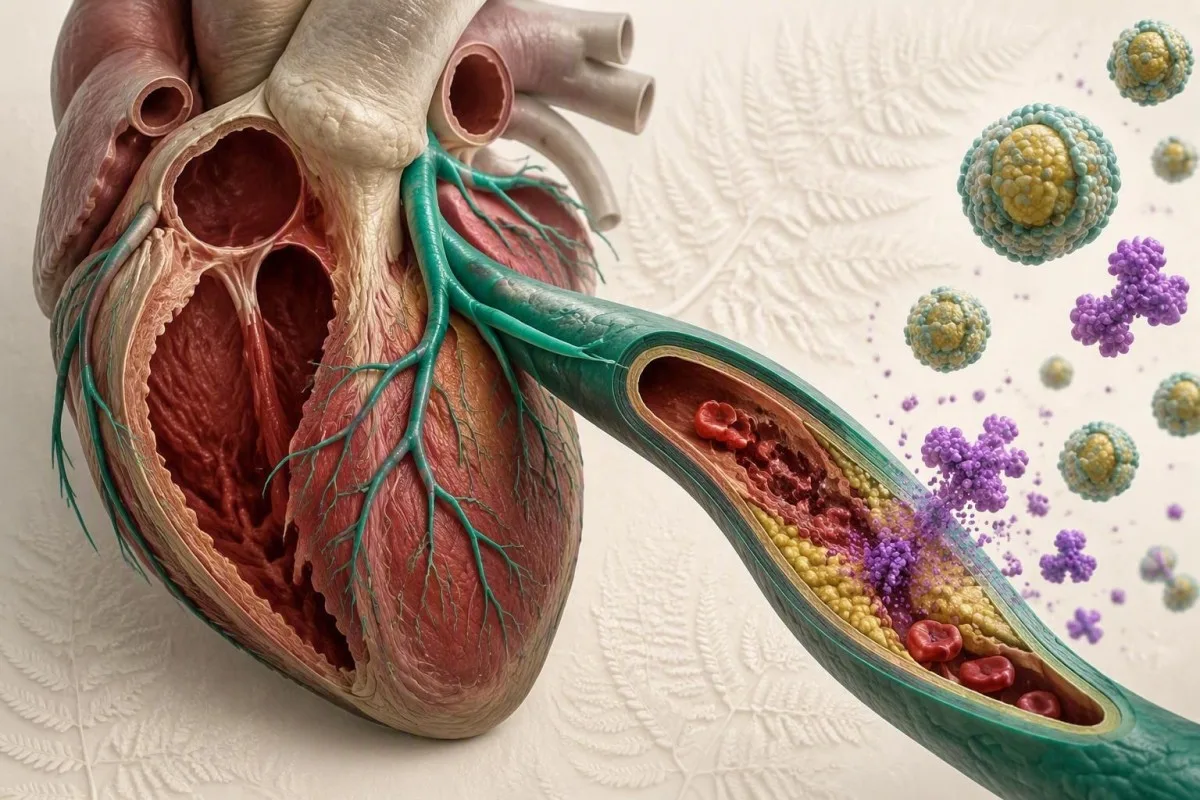
المايلوبيروكسيداز (MPO) مخزن في العدلات والوحيدات ويساعد تلك الخلايا على إنتاج حمض هيبوكلوروس، وهو مؤكسد قوي مضاد للميكروبات. في جدار الوعاء، يمكن لنفس الكيمياء تعديل جزيئات LDL، وتقليل توافر أكسيد النيتريك، وجعل بيولوجيا اللويحة أقل استقراراً؛ لهذا السبب لفت MPO الانتباه كعلامة للالتهاب الوعائي.
نتيجة MPO ليست قابلة للتبديل مع نتيجة الكوليسترول. قد يكون لدى الشخص LDL-C بقيمة 92 ملغم/ديسيلتر و MPO مرتفع مؤقتاً بعد مرض تنفسي، بينما شخص آخر لديه MPO في نطاق أقل قد لا يزال لديه خطر مدى الحياة مرتفع لأن ApoB هو 145 ملغم/ديسيلتر، وضغط الدم هو 154/94 ملم زئبق، وهو يدخن.
Kantesti AI هو محلل اختبار الدم بالذكاء الاصطناعي يقرأ علامات الأوعية الدموية المتخصصة جنباً إلى جنب مع النتائج القياسية التي تغير القرارات في معظم الأحيان، بدلاً من معاملة إنزيم واحد على أنه حكم. في عملي السريري، نادراً ما يكون السؤال الأكثر فائدة هو “هل MPO مرتفع؟”؛ بل هو “ما هو الخطر القابل للتعديل المحتمل الموجود معه؟” استكشف الأوسع دليل مرجعي للمؤشرات الحيوية للاختبارات الموجودة عادة في لوحة القلب والأوعية الدموية.
رأى الدكتور توماس كلاين أن المرضى ينزعجون بشكل مفهوم بسبب علامة MPO على الرغم من فحوصات ECG طبيعية وتقييمات مطمئنة للأعراض. يمكن تجنب هذا القلق عندما يذكر التقرير بوضوح أن MPO يصف مساراً بيولوجياً، بينما تحدد التصوير، والأعراض، والتروبونين، وعوامل الخطر التقليدية ما إذا كان مرض القلب مرجحاً.
الإنزيم ليس الجسم المضاد
اختبار إنزيم MPO لخطر الأوعية الدموية يختلف عن اختبار الجسم المضاد MPO-ANCA المستخدم في الاشتباه في التهاب الأوعية. يقيس أحدهما تركيز الإنزيم المنتشر أو نشاطه؛ والآخر يبحث عن جسم مضاد مناعي وله غرض سريري مختلف تماماً.
لماذا ترتبط MPO بالإجهاد التأكسدي في الشرايين
يربط MPO بخطر الأوعية الدموية لأنه يمكن أن يؤكسد الليبوبروتينات ويعيق إشارات أكسيد النيتريك داخل جدار شرياني ملتهب. الآلية قابلة للتطبيق بيولوجياً، لكن القابلية للتطبيق لا تجعل MPO هدفاً للعلاج أو تشخيص فحص.
يستخدم MPO بيروكسيد الهيدروجين والكلوريد لتوليد حمض هيبوكلوروس، والذي غالباً ما يتم اختصاره HOCl. يمكن لـ HOCl كلورة بقايا التيروزين على البروتينات وتغيير وظيفة HDL و LDL؛ يمكن قياس هذه البصمات الكيميائية في دراسات الأنسجة البحثية، على الرغم من أن قيمة البلازما الروتينية لا يمكنها تحديد مكان حدوث الأكسدة.
تصلب الشرايين ليس مجرد “صدأ في الشرايين”. يتضمن دخول جزيئات تحتوي على ApoB واحتجازها في جدار الشريان، وتجنيد مناعي موضعي، وخلل وظيفي في البطانة، وأحياناً تمزق اللويحة؛ نتيجة LDL مؤكسد بْجَمِيعِ الْحُدُودِ الْمُتَأَصِّلَةِ فِي تَحْلِيلِهِ.
أَتْبَتَتْ دِرَاسَةُ أَلَمِ الصَّدْرِ الَّتِي أُجْرِيَتْ فِي سَنَةِ 2003 مِنْ طَرَفِ برينان وَزُمَلَائِهِ، أَنَّ رَفْعَ MPO يُعَرِّفُ عَنْ خَطَرِ وُقُوعِ حَادِثٍ قَرِيبٍ حَتَّى عِنْدَمَا تَكُونُ تْرُونِينْيَنِ الأَوَّلِيَّةُ سَلْبِيَّةً (برينان وَزُمَلَاؤُهُ، 2003). كَانَتْ نَتِيجَةٌ مُثِيرَةٌ لِلاهْتِمَامِ سَرِيرِيًّا لِأَنَّ MPO قَدْ تَرْتَفِعُ قَبْلَ إِصَابَةِ خَلَايَا عَضَلَةِ القَلْبِ، لَيْسَ لِأَنَّهُ أَثْبَتَ أَنَّ احْتِشَاءً كَانَ قَيْدَ التَّكْوِينِ.
إِحْدَى الْفُرُوقِ الدَّقِيقَةِ الَّتِي يَتَغَافَلُ عَنْهَا النَّاسُ عَبْرَ الإِنْتَرْنِت: MPO الدَّائِرُ فِي الدَّمِ قَدْ يَأْتِي مِنْ خَلَايَا مُنَشَّطَةٍ لِلْمَنَاعَةِ خَارِجَ الشَّرَايِينِ التَّاجِيَّةِ. أَمْرَاضُ اللِّثَةِ، وَأَمْرَاضٌ فَيْرُوسِيَّةٌ حَادَّةٌ، وَالْتِهَابٌ مَفَاصِلٍ، وَأَمْرَاضُ الكُلَى الْمُزْمِنَةِ، وَالتَّعَرُّضُ لِلتَّبْغِ، جَمِيعُهَا تُقَدِّمُ تَفْسِيرَاتٍ بَدِيلَةٍ، لِذَلِكَ يَمْتَلِكُ الاِخْتِبَارُ خُصُوصِيَّةً مَكَانِيَّةً ضَعِيفَةً.
متى قد يفكر الأطباء في طلب MPO
قَدْ يُفَكِّرُ الأَطِبَّاءُ فِي اِخْتِبَارِ دَمٍ لِـ MPO عِنْدَمَا تَبْدُو مَقَايِيسُ خَطَرِ الأَمْرَاضِ القَلْبِيَّةِ الوِعَائِيَّةِ التَّقْلِيدِيَّةُ غَيْرَ كَامِلَةٍ أَوْ عِنْدَمَا يُحَدِّدُ أَخِصَائِيٌّ الخَطَرَ لِمَرِيضٍ لَدَيْهِ عِدَّةُ نَتَائِجَ حَدِّية. لَا تَدْعَمُ الإِرْشَادَاتُ الوِقَائِيَّةُ الكُبْرَى التَّغْرِيبَ السُّكَّانِيَّ الرَّوْتِينِيَّ.

يُطْلَبُ الاِخْتِبَارُ أَحْيَانًا فِي طِبِّ القَلْبِ الوِقَائِيِّ لِشَخْصٍ لَدَيْهِ تَارِيخٌ عَائِلِيٌّ مُبَكِّرٌ، أَوْ خَطَرٌ أَيْضِيٌّ، أَوْ نَتَائِجُ تَقْلِيدِيَّةٌ حَدِّيةٌ، أَوْ تَقَدُّمٌ غَيْرُ مَفْهُومٍ لِمَرَضٍ وِعَائِيٍّ. هُوَ أَقَلُّ فَائِدَةً لِشَخْصٍ عُمْرُهُ 24 سَنَةً دُونَ أَعْرَاضٍ، وَضَغْطُ دَمٍ طَبِيعِيٍّ، وَ LDL-C بِمِقْدَارِ 68 مجم/ديسيلتر، وَدُونَ أَيِّ تَعَرُّضَاتٍ خَطِرَةٍ رَئِيسِيَّةٍ لِأَنَّ الاِحْتِمَالِيَّةَ قَبْلَ الاِخْتِبَارِ لِوُجُودِ مَرَضٍ قَابِلٍ لِلْعِلَاجِ ضَئِيلَةٌ جِدًّا.
الأَدِلَّةُ مُتَضَارِبَةٌ بِصِدْقٍ حَوْلَ مَا إِذَا كَانَ MPO يُحَسِّنُ القَرَارَاتِ مَادِّيًّا بَعْدَ اكْتِمَالِ تَقْيِيمِ الخَطَرِ الحَدِيثِ. تُؤَكِّدُ إِرْشَادَاتُ 2019 ACC/AHA الوِقَائِيَّةُ عَلَى تَقْدِيرِ الخَطَرِ المُجَمَّعِ، وَضَغْطِ الدَّمِ، وَمَرَضِ السُّكَّرِ، وَالتَّدْخِينِ، وَالكُولِسْتِيرُولِ، وَكَالْسِيُومِ الشَّرَايِينِ التَّاجِيَّةِ لَدَى بَعْضِ البَالِغِينَ، وَعَوَامِلِ تَكْثِيفِ الخَطَرِ مِثْلِ Lp(a)، بَدَلًا مِنْ MPO كَاخْتِبَارٍ رَوْتِينِيٍّ (Arnett et al., 2019).
بالنسبة لكثير من المرضى،, البروتين التفاعلي عالي الحساسية أَكْثَرُ أُلْفَةً، لَكِنَّهُ يُجِيبُ عَلَى سُؤَالٍ مُخْتَلِفٍ: هُوَ بَرُوتِينُ الطَّوْرِ الحَادِّ المُشْتَقُّ مِنَ الكَبِدِ بَدَلًا مِنْ إِنْزِيمِ العَدِلاتِ. اِقْرَأْ كَيْفَ تُعَقِّدُ الأَعْرَاضُ وَالتَّوَقِيتُ تَفْسِيرَ نَتَائِجِ hs-CRP المُرْتَفِعَةِ قَبْلَ الاِفْتِرَاضِ بِأَنَّ أَيًّا مِنْ هَذِهِ العَلَامَاتِ تُعَرِّفُ عَنْ شِرْيَانٍ مَرِيضٍ.
أَنَا عَاَدَةً مَا أُؤَجِّلُ مُنَاقَشَةَ MPO لِزِيَارَةٍ لَاحِقَةٍ، لَيْسَ لِفَحْصٍ سَنَوِيٍّ مُتَعَجِّلٍ. النَّتِيجَةُ الَّتِي لَا يُمْكِنُ أَنْ تُؤَثِّرَ عَلَى خَفْضِ LDL، أَوْ مُعَالَجَةِ ضَغْطِ الدَّمِ، أَوْ تَرْكِ التَّدْخِينِ، أَوْ رِعَايَةِ مَرَضِ السُّكَّرِ، أَوْ قَرَارَاتِ التَّصْوِيرِ، قَدْ تُضِيفُ ضَوْضَاءً بَدَلًا مِنْ دِقَّةٍ مُفِيدَةٍ.
اختبار MPO لمخاطر القلب ليس اختبار MPO-ANCA
تَحْلِيلٌ قَلْبِيٌّ لِـ MPO وَاخْتِبَارُ MPO-ANCA هُمَا فَحْصَانِ مَخْبَرِيَّانِ مُخْتَلِفَانِ لَهُمَا وَحَدَاتٌ وَطُرُقٌ وَعَوَاقِبُ سَرِيرِيَّةٌ مُخْتَلِفَةٌ. MPO الوِعَائِيُّ المُرْتَفِعُ لَا يَعْنِي الْتِهَابَ الأَوْعِيَةِ، وَ MPO-ANCA الإِيجَابِيُّ لَا يُقَدِّرُ الإِجْهَادَ التَّأْكُسُدِيَّ القَلْبِيَّ الوِعَائِيَّ.

MPO-ANCA يَكْشِفُ عَنْ أَجْسَامٍ مُضَادَّةٍ مُوَجَّهَةٍ ضِدَّ المِيلُوبِيرُوكسيداز وَيُسْتَخْدَمُ مَعَ الأَعْرَاضِ، وَنَتَائِجِ البَوْلِ، وَوَظِيفَةِ الكُلَى، وَالتَّصْوِيرِ، وَتَقْيِيمِ الأَخِصَّائِيٍّ عِنْدَ الاِشْتِبَاهِ فِي الْتِهَابِ الأَوْعِيَةِ الدَّمَوِيَّةِ الدَّقِيقَةِ. السُّعَالُ الدَّمَوِيُّ، وَتَدَهْوُرُ وَظِيفَةِ الكُلَى السَّرِيعُ، وَالقُشَامِيَّةُ، وَالِعصَابُ، أَوْ أَمْرَاضُ العَيْنِ الالْتِهَابِيَّةُ تَتَطَلَّبُ تَقْيِيمًا طِبِّيًّا عَاجِلًا؛ لَا تُعْتَبَرُ حُزْمَةُ MPO القَلْبِيَّةِ الوِعَائِيَّةِ الطَّرِيقَةَ المُنَاسِبَةَ لِلتَّشْخِيصِ.
عَلَى العَكْسِ، تُقَدِّمُ تَحَالِيلُ MPO القَلْبِيَّةُ شَائِعًا pmol/L، ng/mL، أَوْ نَشَاطًا خَاصًّا بِالتَّحْلِيلِ. غَالِبًا مَا تُقَدِّمُ مَخْتَبَرَاتُ ANCA وَحَدَاتِ مُؤَشِّرِ الأَجْسَامِ المُضَادَّةِ أَوْ U/mL مَعَ عَتَبَةِ إِيجَابِيَّتِهَا الخَاصَّةِ، مِمَّا يَعْنِي أَنَّ الرَّقْمَ مِنْ تَقْرِيرٍ وَاحِدٍ لَا يُمْكِنُ تَحْوِيلُهُ بِأَمَانٍ إِلَى رَقْمٍ مِنْ تَقْرِيرٍ آخَرَ.
كانتيستي هو خدمة تفسير تحاليل مختبر الذكاء الاصطناعي مُصَمَّمٌ لِفَصْلِ الاِخْتِبَارَاتِ ذَاتِ الأَسْمَاءِ المُتَشَابِهَةِ حَسَبَ العَيِّنَةِ، وَالطَّرِيقَةِ، وَالوِحْدَةِ، وَالسُّؤَالِ السَّرِيرِيِّ. هَذَا التَّمْيِيزُ مُهِمٌّ خَاصَّةً عِنْدَمَا يُحَمِّلُ المَرْضَى عِدَّةَ تَقَارِيرَ عَلَى مَدَارِ سَنَوَاتٍ؛ اِنْظُرْ دَلِيلَنَا إِلَى أَنْماطِ ANCA وَ MPO لِلتَّابِعِ المُتَخَصِّصِ بِالأَجْسَامِ المُضَادَّةِ.
عَلَامَةُ المَخْبَرِ لَيْسَتْ تَشْخِيصًا. إِذَا كَانَ MPO-ANCA إِيجَابِيًّا، فَإِنَّ الاِحْتِمَالَ المُقَدَّرَ لِذَلِكَ يَعْتَمِدُ بِشِدَّةٍ عَلَى الأَعْرَاضِ المُتَوَافِقَةِ وَالنَّتَائِجِ العُضْوِيَّةِ المَوْضُوعِيَّةِ، بَيْنَمَا قَدْ يَحْدُثُ نَتِيجَةٌ وَحِيدَةٌ مُنْخَفِضَةُ الإِيجَابِيَّةِ فِي حَالَاتٍ مَنَاعِيَّةٍ أُخْرَى، وَعَدَوَى، وَبَعْضِ التَّعَرُّضَاتِ لِلأَدْوِيَةِ.
لماذا لا يمكن لـ MPO تأكيد أو استبعاد نوبة قلبية
لَا يُمْكِنُ لِـ MPO أَنْ يَسْتَبْعِدَ أَوْ يُثْبِتَ احْتِشَاءَ عَضَلَةِ القَلْبِ لِأَنَّهُ لَا يَقِيسُ إِصَابَةَ عَضَلَةِ القَلْبِ وَيَرْتَفِعُ فِي عَدِيدٍ مِنَ الحَالَاتِ الالْتِهَابِيَّةِ غَيْرِ القَلْبِيَّةِ. الأَعْرَاضُ الصَّدْرِيَّةُ الحَادَّةُ تَتَطَلَّبُ تَخْطِيطَ كَهْرَبَاءِ القَلْبِ، وَفَحْصَ تْرُونِينْيَنِ عَالِيَ الحَسَاسِيَّةِ عَلَى فَتَرَاتٍ مُنْتَظِمَةٍ، وَقِيَاسَ العَلَامَاتِ الحَيَوِيَّةِ، وَتَقْيِيمَ الطَّبِيبِ.
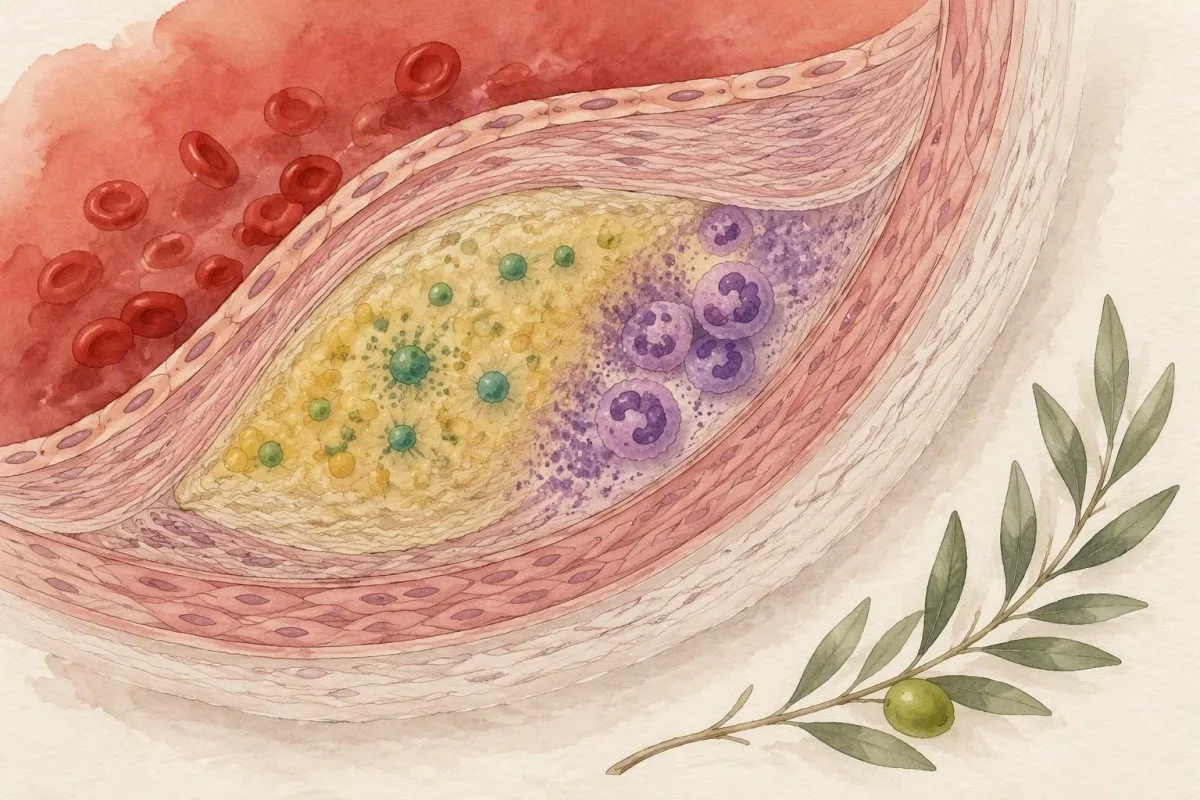
تِرُونِينْيَنِ عَالِيَ الحَسَاسِيَّةِ يَعْكِسُ إِصَابَةَ عَضَلَةِ القَلْبِ، وَإِنْ كَانَ حَتَّى تِرُونِينْيَنِ يَحْتَاجُ إِلَى تَفْسِيرٍ لِأَنَّ أَمْرَاضَ الكُلَى، وَتَسَارُعُ القَلْبِ، وَالْتِهَابَ عَضَلَةِ القَلْبِ، وَارْتِفَاعَ ضَغْطِ الدَّمِ الشَّدِيدَ قَدْ تَرْفَعُهُ. القِيمَةُ المُتَغَيِّرَةُ عَلَى مَدَارِ 1 إِلَى 3 سَاعَاتٍ، وَالأَعْرَاضُ، وَنَتَائِجُ تَخْطِيطِ القَلْبِ، وَعَتَبَاتُ الفَحْصِ المَحَلِّيَّةُ أَكْثَرُ إِفَادَةً مِنْ نَتِيجَةِ MPO وَحْدَهَا.
فِي فِئَةِ بْرِينان وَزُمَلَائِهِ لِسَنَةِ 2003 فِي مَجَلَّةِ نِيُويُورْكْ الطِّبِّيَّةِ، أَضَافَ MPO مَعْلُومَاتٍ تَنَبُّؤِيَّةً لَدَى المَرْضَى الَّذِينَ قَدِمُوا بِأَلَمٍ فِي الصَّدْرِ، بِمَا فِي ذَلِكَ بَعْضُ المَرْضَى ذَوِي تِرُونِينْيَنِ السَّلْبِيِّ الأَوَّلِيِّ (برينان وَزُمَلَاؤُهُ، 2003). لَا يُبَرِّرُ ذَلِكَ اسْتِخْدَامَ MPO فِي المَنْزِلِ أَوْ فِي الرِّعَايَةِ الأَوَّلِيَّةِ لِاسْتِبْعَادِ طَارِئٍ؛ كَانَ المُجْتَمَعُ الدِّرَاسِيُّ يَتَلَقَّى بِالْفِعْلِ تَقْيِيمًا طِبِّيًّا عَاجِلًا فِي المُسْتَشْفَى.
ضَغْطٌ أَوْ ضِيقٌ جَدِيدٌ يَسْتَمِرُّ أَكْثَرَ مِنْ 10 دَقَائِقَ، أَوْ أَلَمٌ مَعَ المَجْهُودِ، أَوْ إِغْمَاءٌ، أَوْ ضِيقٌ شَدِيدٌ فِي التَّنَفُّسِ، أَوْ تَعَرُّقٌ بَارِدٌ، أَوْ أَلَمٌ يَنْتَشِرُ إِلَى الفَكِّ، أَوْ الظَّهْرِ، أَوْ الذِّرَاعِ، يَجِبُ أَنْ يَدْفَعَ لِطَلَبِ خَدَمَاتِ الطَّوَارِئِ. طَرِيقَتُنَا العَمَلِيَّةُ دليل اختبارات الدم لآلام الصدر كتشرح علاش التوقيت كيتبدل كل مؤشر قلبي.
MPO طبيعي ماشي إذن باش تخدم الأعراض. بالعكس، MPO طالع بلا أعراض عادةً كيسول على مناقشة المخاطر، ماشي تشخيص في قسم الطوارئ.
يوفر LDL والكوليسترول غير HDL سياقًا ضروريًا
LDL-C و non-HDL cholesterol كيعطيوا سياق أساسي ل MPO حيت تصلب الشرايين كيحتاج التعرض لدهون محملة ب ApoB، ماشي غير الإجهاد التأكسدي بوحدو. MPO طالع مع cholesterol قليل ديما عندو معنى مختلف على نفس قيمة MPO مع LDL-C ديال 190 mg/dL.

LDL-C هو 190 mg/dL أو أعلى كيتعتبر ارتفاع شديد في cholesterol في التوصيات الرئيسية و عادةً كيستدعي علاج سريري فعال بغض النظر عن نتيجة نقاط المخاطر المحسوبة لمدة 10 سنوات. Non-HDL cholesterol كيساوي total cholesterol ناقص HDL-C و كيشمل LDL بالإضافة لبقايا الدهون الغنية بالدهون الثلاثية؛ و مفيد خصوصاً ملي الدهون الثلاثية تفوت 175 mg/dL.
MPO ممكن يساعد في وصف بيئة وعائية معادية، لكن LDL و non-HDL كيبينوا الحمولة الجسيمية اللي ممكن تتخزن في أنسجة الشرايين. عند مريض عندو LDL-C 178 mg/dL و MPO 610 pmol/L على فحص موثوق، غنركز أولاً على المخاطر العائلية، ApoB، خيارات العلاج، الالتزام، و أحياناً تكلس الشريان التاجي — ماشي مكملات مسوقة كمضادات للأكسدة.
AI كيبين العلاقة بين نتائج الدهون والسياق الالتهابي، بما في ذلك LDL عالي كيدير حتى شي أعراض. غياب ألم الصدر ماكيخليش التعرض ل LDL بلا خطر، و MPO عالي ماكيحددش أي تدخل دهني مناسب لشخص معين.
الستاتينات كتهبط LDL-C و كتنقص أحداث القلب، لكن هبوط MPO ماشي هدف علاجي مثبت. القياسات خصها تخدم قرارات لتحسين النتائج، ماشي تولي لوحة تسجيل للتحسين البيوكيميائي.
غالبًا ما يفسر ApoB المخاطر بشكل أفضل من MPO وحده
ApoB غالباً كيزيد معلومات سريرية للقلب أكثر من MPO حيت كل جسيم مسبب لتصلب الشرايين عندو جزيء ApoB واحد. ApoB عالي كيبين عدد كبير من الجسيمات القادرة على الدخول لجدران الشرايين، حتى ملي LDL-C كيبان مرتفع بشكل بسيط.

ApoB مفيد بشكل خاص ملي الدهون الثلاثية مرتفعة، أو مقاومة الأنسولين موجودة، أو LDL-C و non-HDL-C ما متفقينش. مثلاً، LDL-C ديال 106 mg/dL مع دهون ثلاثية ديال 260 mg/dL و ApoB ديال 125 mg/dL ممكن يبين جسيمات مسببة لتصلب الشرايين أكثر من LDL-C وحده.
توصية ACC/AHA كتحط ApoB ديال 130 mg/dL أو أكثر كعامل معزز للمخاطر، خصوصاً ملي الدهون الثلاثية مرتفعة بشكل مستمر 200 mg/dL أو أكثر (Arnett et al., 2019). ماكاينش عتبة توصية مقارنة اللي فيها MPO وحده كيفرض ستاتين، سكان CT، أو قسطرة.
هذا واحد من المجالات اللي كاين فيها السياق أهم من الرقم. شرح نسبة ApoB إلى ApoA1 كيبين علاش قيمة LDL تبدو مقبولة ممكن تخفي خطر متعلق بالجسيمات.
ملي كنراجع تحليل، قيمة ApoB اللي مرتفعة باستمرار في سحبين صيام أو بدون صيام عادةً كتغير الحوار أكثر من نتيجة MPO لمرة واحدة. السبب بسيط: عندنا أدلة قوية من تجارب النتائج لتقليل عبء الجسيمات المسببة لتصلب الشرايين.
تغير بروتينات الشحوم الشحمية (a) والتاريخ العائلي معنى MPO
Lipoprotein(a)، أو Lp(a)، وتاريخ عائلي مبكر ممكن يرفعوا خطر القلب طوال الحياة بشكل مستقل عن MPO. قياس Lp(a) واحد عادةً معقول في سن البلوغ حيت المستويات وراثية إلى حد كبير و كتبقى مستقرة نسبياً.

بزاف دالتوصيات كيعتبروا Lp(a) عند 50 ملغ/دل أو 125 نانومول/ل أو أعلى مستوى معزز للمخاطر، رغم أن mg/dL و nmol/L ما يمكنش تحويلهم بدقة حيت حجم الجسيمات كيختلف. أب، أخ، أخت، أو ابن مصاب بجلطة قلبية قبل سن 55 عند الرجال أو 65 عند النساء هو إشارة أخرى كتستاهل مراجعة رسمية.
في تحليل EPIC-Norfolk لسنة 2007، لقوا Meuwese وزملاؤه أن MPO مرتفع مرتبط بأمراض قلب مستقبلية عند بالغين يبدون بصحة جيدة (Meuwese et al., 2007). هاد الارتباط ماكيقولناش واش Lp(a) الموروث، التعرض ل ApoB مدى الحياة، ارتفاع ضغط الدم، أو التدخين هو المحرك الرئيسي للخطر لشخص معين.
المرضى أحياناً كيعتبروا تقرير “cholesterol طبيعي” كينفي الخطر الوراثي. هو لا؛ دليل فحص Lp(a) كايشرح علاش Lp(a) ممكن تكون مهمة سريريا حتى و كان LDL-C هو 90 mg/dL.
MPO ممكن يحسن شوية النقاش في سياق مختص، ولكن ما خاصوش يبعد الانتباه على تسجيل أعمار الأقارب عند وقوع أحداث، وفحص Lp(a)، والبحث عن فرط كوليسترول الدم العائلي المحتمل عندما يكون LDL-C مرتفع جداً.
يمكن لضغط الدم والتدخين أن يطغيا على نتيجة MPO
ضغط الدم وحالة التدخين غالبا كياثروا على خطر القلب والأوعية الدموية أكثر من MPO لأن كلاهما لديه روابط سببية مثبتة للنوبات القلبية، والسكتات الدماغية، وأمراض الكلى، والموت المبكر. ضغط دم مكتبي واحد بقيمة 140/90 mmHg يحتاج للتأكيد، لكن الارتفاع المستمر يستحق اتخاذ إجراء بغض النظر عن MPO.
عتبة التشخيص المعتادة لارتفاع ضغط الدم هي ضغط الدم المكتبي 140/90 ملم زئبق أو أعلى في العديد من الأماكن، بينما المتوسطات المنزلية أو المتنقلة لـ 135/85 مم زئبق أو أعلى تعتبر مرتفعة بشكل شائع. الإرشادات تختلف حسب البلد وخطر المريض، لكن القراءات المتكررة المقاسة بشكل صحيح أهم بكثير من قياس واحد قلق في العيادة.
التدخين ينشط الخلايا المتعادلة، ويدمر البطانة، ويمكن أن يرفع علامات الالتهاب، مما يجعل تفسير نتيجة MPO صعبًا بشكل خاص لدى المدخن الحالي. الإقلاع عن التبغ يقلل من خطر القلب والأوعية الدموية بشكل كبير حتى لو لم تعد علامة بيولوجية إلى طبيعتها فورًا؛ لا يوجد منتج “لإزالة السموم” يحل محل دعم الإقلاع.
Kantesti يمكنه تنظيم تقرير القلب والأوعية الدموية جنبا إلى جنب مع نتائج من فحوصات مخبرية لارتفاع ضغط الدم الثانوي, ، ولكن تطبيقًا لا يمكنه تشخيص ارتفاع ضغط الدم من قراءة واحدة. جهاز قياس ضغط الدم المنزلي المعتمد، والجلوس لمدة 5 دقائق، وسجل لمدة 7 أيام هي غالبًا خطوات تالية أكثر فائدة.
رأيت مريضًا يبلغ من العمر 47 عامًا يركز على MPO بقيمة 560 pmol/L بينما يتجاهل قراءات المنزل المتوسطة بالقرب من 151/96 mmHg. كان علاج مشكلة الضغط المثبتة هو الأولوية؛ MPO لم يغير تلك الأولوية.
يكمل الجلوكوز ووظائف الكلى والمخاطر الأيضية الصورة
حالة الجلوكوز ووظائف الكلى ضرورية كسياق لـ MPO لأن مرض السكري وأمراض الكلى المزمنة تسرع من خطر الأوعية الدموية عبر عدة مسارات في وقت واحد. HbA1c بقيمة 6.5% أو أعلى يمكن أن تشخص مرض السكري عند تأكيدها بشكل مناسب، بينما يشير eGFR أقل من 60 مل/دقيقة/1.73 متر مربع لمدة 3 أشهر إلى أمراض الكلى المزمنة.

مرض السكري يزيد من خطر تصلب الشرايين عن طريق الجلكزة، واضطراب استقلاب الدهون، واختلال وظائف البطانة، وإصابة الكلى. HbA1c بقيمة 5.7% إلى 6.4% تشير إلى مقدمات السكري، ولكن فقر الدم، ونقل الدم الحديث، ومتغيرات الهيموغلوبين، وأمراض الكلى يمكن أن تجعل HbA1c مضللة؛; اختبار الفركتوزامين مفيد أحيانًا عندما يحدث ذلك.
أمراض الكلى يمكن أن ترفع MPO لأن انخفاض التصفية والنشاط المناعي المزمن قد يتواجدان، بينما تزيد من خطر القلب والأوعية الدموية بشكل مستقل. يجب تفسير eGFR مع نسبة الألبومين إلى الكرياتينين في البول: ACR بقيمة 30 ملغ/غ أو أكثر هي بيلة ألبومينية غير طبيعية ويمكن أن تغير أولويات الوقاية حتى مع eGFR أعلى من 60.
متلازمة الأيض تُعرّف بمجموعة من محيط الخصر، والدهون الثلاثية، و HDL-C، وضغط الدم، واضطرابات الجلوكوز، وليس بـ MPO. راجع المعايير الخمسة القابلة للقياس لـ متلازمة الأيض بدلاً من الاعتماد على تسمية “الإجهاد التأكسدي” الغامضة.
المشكلة العملية هي تراكم المخاطر. MPO بقيمة 500 pmol/L يعني أكثر لدى شخص لديه HbA1c 7.8%، ACR 120 mg/g، دهون ثلاثية 240 mg/dL، وارتفاع ضغط الدم مقارنة بشخص نحيف وغير مصاب بارتفاع ضغط الدم يتعافى من نزلة برد.
الأسباب غير القلبية لارتفاع مستويات المايلوبيروكسيداز
يمكن أن ترتفع مستويات المايلوبيروكسيداز مع العدوى، والنشاط المناعي الذاتي، والتدخين، وأمراض الكلى المزمنة، والتهاب دواعم السن، والإجهاد الحاد للأنسجة، وممارسة التمارين الرياضية الشديدة حديثًا. هذه الأسباب تجعل نتيجة MPO الفردية غير محددة لمرض الشريان التاجي.
المرض لي فيه السخانة كيقدر يغير تنشيط كريات الدم البيضاء على مدار أيام، بينما hs-CRP غالبا كيطلع ويهبط في أوقات مختلفة. إلا كان التست خديتو وقت السخانة، من بعد معالجة سنية، أو في ظرف أيام من مجهود بدني كبير، ما غاديش نستعمل هاد القيمة ديال MPO باش ناخد قرار طويل الأمد على القلب.
المجهود البدني المكثف ديال التحمل كيقدر يغير مؤقتا عدد الكريات البيضاء، كرياتين كيناز، CRP، وعلامات الأكسدة. عداء ماراطون عندو 52 عام عندو AST 89 IU/L من بعد سباق، حتى هو يقدر يكون عندو لوحة التهاب مشوشة؛ الاختيار الأكثر أمانا هو الراحة وإعادة الاختبار، كما هو موضح في دليل الكرياتين المتعلق بالتمارين الرياضية.
أمراض المناعة الذاتية الجهازية والتهاب الأوعية الدموية كيتطلبوا تقييم سريري خاص بهم بدلا من اختزالهم في درجة MPO للقلب. ارتفاع مستمر في ESR أو CRP مع طفح جلدي، تورم المفاصل، فقدان الوزن، أعراض عصبية، بول غير طبيعي، أو حمى يستدعي مراجعة الطبيب؛; أسباب ESR واسعة.
ارتفاع طفيف في MPO بعد البرد العادي ما كيكونش حالة استعجالية. هو سبب للتأكد ما إذا كانت العينة توقيت ديالها منطقي وما إذا كان ملف المخاطر التقليدي قد تم تقييمه.
تعتمد نطاقات MPO المرجعية على الفحص والعينة
نطاقات المرجع لـ MPO تعتمد على طريقة المختبر، المعايرة، وما إذا كانت العينة عبارة عن بلازما EDTA أو مصل. تصنيف شائع لبلازما EDTA كيستعمل أقل من 350 pmol/L كمخاطر منخفضة و 540 pmol/L أو أعلى كمخاطر عالية، لكن هادوا ماشي حدود تشخيصية عالمية.
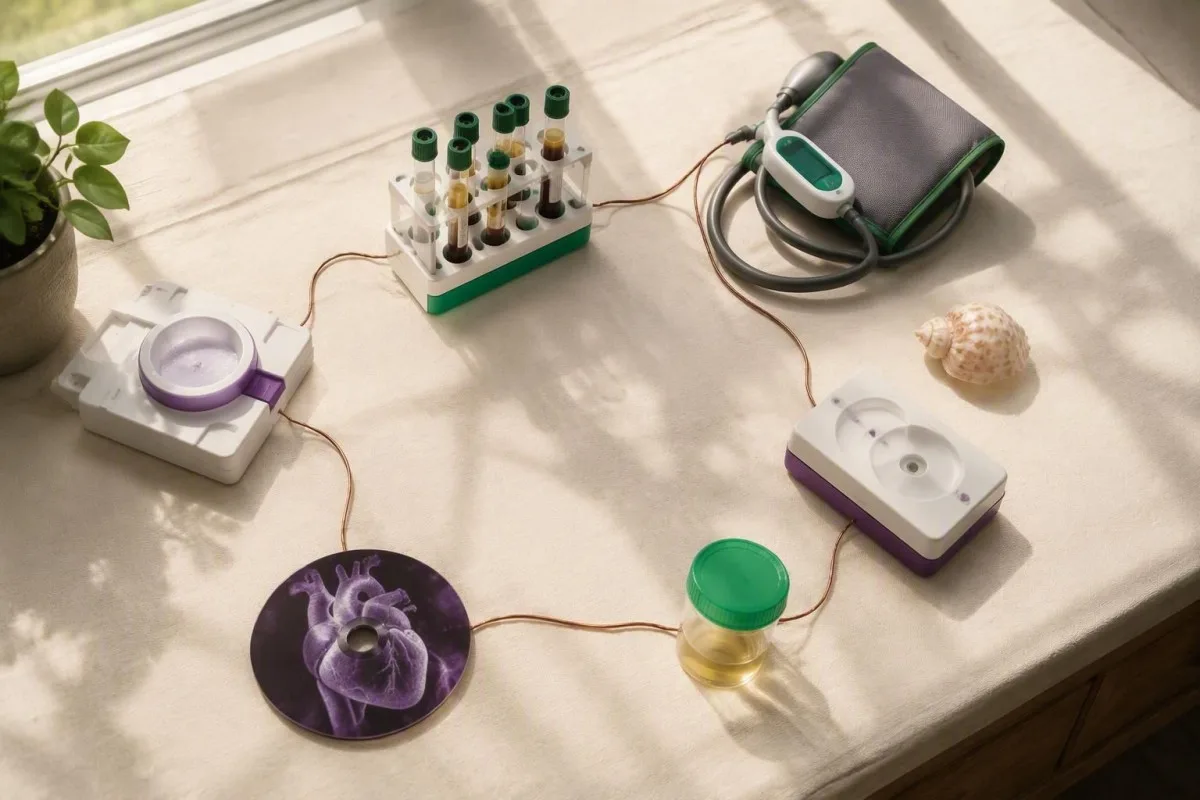
بعض التقارير تستعمل ng/mL، بينما البعض الآخر يستعمل pmol/L، والتحويل غير آمن بدون معرفة المعاير الفاحص والشكل الجزيئي المقاس. المعالجة ما قبل التحليل مهمة أيضا: التأخير في المعالجة، نوع العينة، درجة حرارة التخزين، وتنشيط الخلية بعد الجمع يمكن أن يغير التركيزات المقاسة.
الفئات أدناه من الأفضل رؤيتها كـ مثال لعائلة فحص واحدة, ، وليس كنطاق طبيعي عالمي. نتيجة 420 pmol/L قد تسمى متوسطة في تقرير واحد لبلازما EDTA، ولكن نفس العينة السريرية قد لا يكون لها نتيجة مصل قابلة للمقارنة بشكل مباشر من مختبر آخر.
Kantesti AI هو منصة تفسير المؤشرات الحيوية بالذكاء الاصطناعي الذي يحافظ على النطاق المرجعي الخاص بالمختبر ويعلم بمطابقة الوحدات عند مقارنة التقارير التاريخية. هذا مفيد بشكل خاص عندما تعبر الاختبارات الحدود أو المختبرات؛ الاتجاه الحقيقي يتطلب نفس الفحص، نفس العينة، وظروف صحية متشابهة.
إذا ارتفع MPO بشكل غير متوقع، أعده بعد 2 إلى 4 أسابيع على الأقل دون مرض حاد وبعد تجنب التمرين الشاق بشكل غير عادي لمدة 24 إلى 48 ساعة، إلا إذا كان لدى طبيبك سبب للاختبار في وقت أبكر. لا تكرر إلى ما لا نهاية: قيمتان في توقيت جيد عادة ما تجيبان عما إذا كانت النتيجة الأولى عابرة.
خطة متابعة معقولة لـ MPO المرتفع
نتيجة MPO مرتفعة يجب أن تؤدي إلى مراجعة قلبية وعائية منظمة، وليس إلى الذعر أو الدواء التلقائي. الخطوات الأولى هي تأكيد سياق القياس، واستبعاد محفزات الالتهاب الحديثة، وقياس المخاطر القابلة للتعديل الراسخة.

ابدأ بالأعراض والإلحاح. ضغط الصدر، ضيق التنفس عند المجهود، الإغماء، أعراض عصبية جديدة، أو حالة غير صحية بشكل ملحوظ تتطلب تقييمًا طبيًا فوريًا؛ المرضى الذين لا يعانون من أعراض عادة ما يمكنهم ترتيب موعد غير عاجل لمراجعة الخطر خلال الأسابيع القليلة القادمة.
ثم تحقق من الأساسيات: متوسطات ضغط الدم، لوحة الدهون الصائمة أو غير الصائمة، الكوليسترول غير HDL، ApoB عند اللزوم، HbA1c أو الجلوكوز، eGFR، تحليل البول ACR، التعرض للتدخين/التبخير، النوم، الأدوية، والتاريخ العائلي. A سجل زمني لاختبارات الدم يساعد على تحديد ما إذا كان المرض أو النظام الغذائي أو تغيير الدواء قد أفسد نتيجة التحليل.
يمكن لـ Kantesti AI مقارنة التواريخ والمساعدة في إعداد الأسئلة لطبيب، بينما توضح أمثلة على سير العمل السريري لدينا لماذا يجب مراجعة النتائج كأنماط بدلاً من مؤشرات معزولة. لا تحل محل تخطيط القلب الكهربائي، أو قرار التصوير، أو الفحص البدني، أو نصيحة وصف الأدوية الفردية.
يمكن أن يكون فحص تكلس الشريان التاجي مفيدًا للبالغين المختارين الذين لا يعانون من أعراض عندما يظل قرار العلاج غير مؤكد بعد التقييم التقليدي. لا يناسب الجميع، ولا يعد ارتفاع MPO وحده مؤشرًا قياسيًا؛ العمر، والمخاطر المحسوبة، واعتبارات الإشعاع، وعواقب الإدارة المحتملة مهمة.
هل يمكن للتغييرات في نمط الحياة أن تقلل MPO ومخاطر القلب؟
قد تقلل تدابير نمط الحياة من عبء الالتهاب وخطر القلب والأوعية الدموية، ولكن لا توجد إرشادات توصي بعلاج هدف MPO مخبري. الهدف الموثوق به هو خفض عوامل الخطر السببية: الدهون التي تحتوي على ApoB، وضغط الدم، والتعرض للتبغ، وخطر الإصابة بالسكري، وقلة النشاط، وسوء النوم.
نمط غذائي متوسطي، ونشاط هوائي ومقاومة منتظم، ونوم كافٍ، وإدارة الوزن عند الاقتضاء، والإقلاع عن التدخين تحسن عوامل الخطر بأدلة نتائج راسخة. بالنسبة للدهون الثلاثية، فإن تقليل الكربوهيدرات المكررة والتعرض للكحول يمكن أن يكون له أهمية كبيرة؛ انظر الخيارات العملية لـ خفض الدهون الثلاثية قبل إعادة الاختبار.
لم تثبت المكملات المضادة للأكسدة دورًا كعلاج للقلب والأوعية الدموية يخفض MPO. الجرعات العالية من فيتامين E، وبيتا كاروتين، والمنتجات المختلطة يمكن أن تكون لها أضرار أو تفاعلات دوائية، وانخفاض في علامة بديلة ليس دليلاً على قلة الإصابة بالنوبات القلبية أو السكتات الدماغية.
الدليل على خفض MPO مباشرة ليس ناضجًا بما يكفي لوصف العلاج بناءً عليه. إذا انخفض LDL-C من 170 إلى 85 ملغم/ديسيلتر في خطة متفق عليها مع الطبيب، وانخفض ضغط الدم من 148/92 إلى 126/78 ملم زئبقي، وتوقف التدخين، أعتبر ذلك نجاحًا وقائيًا قويًا حتى لو لم يتم تكرار MPO.
استخدم الاتجاهات بحكمة: اتجاهات الدهون وضغط الدم القابلة للمقارنة أقوى سريريًا من اختبار علامات الالتهاب المتكرر. دليل تحليل المختبر عبر الزمن لدينا يشرح ما يجب تسجيله قبل اتخاذ قرار بأن علامة بيولوجية قد تغيرت بالفعل.
الخلاصة: ضع MPO في تقييم شامل للقلب والأوعية الدموية
MPO علامة ذات معنى بيولوجي للإجهاد التأكسدي، لكنها لا تستطيع تشخيص الشرايين المسدودة، أو استبعاد النوبات القلبية، أو استبدال أدوات الوقاية القلبية الوعائية الراسخة. أكبر قيودها هو عدم التحديد: نفس الارتفاع يمكن أن يعكس التهاب الأوعية الدموية، أو العدوى، أو التدخين، أو أمراض الكلى، أو محفز مناعي آخر.
مناقشة MPO مفيدة تشمل LDL-C أو non-HDL-C، و ApoB عند الاقتضاء، و Lp(a) مرة واحدة على الأقل، ومتوسطات ضغط الدم، و HbA1c أو الجلوكوز، ووظائف الكلى، وألبومين البول، وحالة التدخين، والتاريخ العائلي، والأعراض، وتاريخ الأدوية. MPO طبيعي لا يلغي ارتفاع ApoB أو ارتفاع ضغط الدم، و MPO مرتفع لا يثبت وجود لويحات.
القاعدة العملية للدكتور توماس كلاين واضحة: نتائج الاختبارات يجب أن تغير الإجراء التالي الآمن. إذا لم يغير MPO العلاج الوقائي، أو التصوير، أو فرز الأعراض، أو توقيت التقييم المتكرر، فقد يكون مثيرًا للاهتمام ولكنه ليس حاسمًا سريريًا.
يجمع Kantesti بين تفسير التقارير متعددة اللغات ومراجعة الاتجاهات، ويشرف على محتواه الطبي من خلال المجلس الاستشاري الطبي. لدينا. للمنهجية والقيود، راجع نهج التحقق السريري الفني قبل الاعتماد على أي تفسير آلي.
خذ الأعراض العاجلة على محمل الجد بغض النظر عن MPO. للوقاية المستقرة، أحضر لوحة النتائج الكاملة وقراءات ضغط الدم المنزلية لطبيب مؤهل؛ هذه المحادثة هي المكان الذي تكتسب فيه علامة متخصصة مكانتها - أو يتم وضعها جانبًا بشكل مناسب.
الأسئلة الشائعة
ماذا يعني ارتفاع اختبار المايلوبيروكسيداز؟
ارتفاع تحليل المايلوبيروكسيداز يعني زيادة نشاط الخلايا المناعية المفرزة لـ MPO في الدورة الدموية، والتي قد تصاحب الإجهاد التأكسدي والالتهاب الوعائي. في أحد اختبارات بلازما EDTA الشائعة الاستخدام، تقع القيم البالغة 540 pmol/L أو أعلى في فئة أعلى، لكن النطاق الخاص بالمختبر له الأولوية دائمًا. العدوى، والتدخين، وأمراض الكلى، والنشاط المناعي الذاتي، والتهاب اللثة، والتمارين الرياضية المكثفة الحديثة يمكن أن ترفع أيضًا MPO. نتيجة عالية لا تشخص مرض الشريان التاجي أو تثبت حدوث نوبة قلبية.
شنو هي نتيجة تحليل MPO الطبيعية؟
ما كاينش نتيجة وحدة ديال الفحص ديال الدم ديال MPO اللي تعتبر طبيعية عند كلشي، حيت كل فحص كيديروا فيه عينات مختلفة، ومعاير مختلفة، ووحدات قياس مختلفة. واحد الفحص اللي كيتستعمل بزاف ديال EDTA-plasma كيقول أن أقل من 350 pmol/L هو مستوى منخفض، وبين 350 و 539 pmol/L هو مستوى متوسط، و 540 pmol/L أو أكثر هو مستوى عالي. هاد القيم ماخصهمش يتطبقوا على نتيجة ديال MPO مكتوبة بـ ng/mL أو على فحص ديال السيروم بلا ما تشوف أولا الأرقام ديال المختبر ديالك. MPO طبيعي ما يمكنش يلغي أن LDL-C طالع، أو ApoB طالع، أو ترسبات في الشرايين، أو متلازمة الشريان التاجي الحادة.
واش MPO يقدر يشخص أمراض القلب؟
لا، MPO لا يمكنه تشخيص أمراض القلب لأنه لا يظهر تضيق الشرايين التاجية، أو عبء الترسبات، أو تلف عضلة القلب، أو سبب أعراض الصدر. يعتمد تشخيص أمراض الشرايين التاجية على الأعراض والفحص وتخطيط القلب الكهربائي والتروبونين عالي الحساسية عند احتمال وجود مرض حاد وتقييم المخاطر، وأحيانًا تصوير الشرايين التاجية أو اختبار الجهد. في ألم الصدر الحاد، تعد قياسات التروبونين المتسلسلة على مدار 1 إلى 3 ساعات أكثر فائدة سريريًا من MPO. قد يضيف MPO معلومات مخاطر ثانوية في مواقف مختارة، ولكنه ليس اختبارًا تشخيصيًا قائمًا بذاته.
واش MPO هي نفسها MPO-ANCA؟
لا، اختبار إنزيم MPO واختبار MPO-ANCA يجيبان على أسئلة مختلفة. يقيس اختبار MPO القلبي تركيز أو نشاط المايلوبيروكسيداز المنتشر، غالبًا بوحدة pmol/L، بينما يقيس اختبار MPO-ANCA الأجسام المضادة الموجهة ضد MPO، وغالبًا ما يتم الإبلاغ عنها بوحدة U/mL أو مؤشر فحص. يستخدم MPO-ANCA في تقييم التهاب الأوعية الدموية المحتملة في الأوعية الصغيرة جنبًا إلى جنب مع الأعراض، وفحص البول، ووظائف الكلى، والتصوير، وتقييم أخصائي. نتيجة MPO القلبية المرتفعة لا تعني أن الشخص مصاب بالتهاب الأوعية الدموية.
شنو الاختبارات اللي لازم نديرها مع ارتفاع MPO؟
Interpretation dyal MPO مرتفع خصص يكون مع ضغط الدم، LDL-C، non-HDL-C، ApoB كي تستدعي، lipoprotein(a)، HbA1c أو glucose، eGFR، نسبة albumin-creatinine فالتبول، التعرض للدخان، الأعراض، والتاريخ العائلي. ApoB ديال 130 mg/dL أو أكثر و Lp(a) ديال 50 mg/dL أو 125 nmol/L أو أكثر هي علامات معترف بيها كتزيد فالخطر فالأطر الوقائية العادية. إذا كان ألم فالصدر، صعوبة فالنفس شديدة، إغماء، أو أعراض عصبية موجودة، ECG و فحص troponin عالي الحساسية بسرعة يكونو هما الأولوية. عاود MPO فقط ملي تكون مزيان ويفضل بعد 2 إلى 4 أسابيع بنفس المختبر ونفس نوع العينة.
كيف يمكنني خفض مستوى المايلوبيروكسيداز؟
ما كاينة حتى طريقة علاج مثبتة باش ننقصو من المايلوبيروكسيداز بوحدو، داكشي علاش الأطباء كيركزو على التغييرات لي كتنقص من المشاكل ديال القلب والأوعية الدموية. هادشي كيشمل التوقف على التدخين، التحكم في ضغط الدم، إنقاص LDL-C و ApoB ملي تكون ضرورية، تحسين التحكم في السكر، ممارسة الرياضة بانتظام، واتباع نظام غذائي مستدام. تفادا تبدأ مكملات مضادة للأكسدة غير باش تغير رقم ديال MPO حيت التغييرات في المؤشرات ما كتعنيش بالضرورة نقص في النوبات القلبية أو السكتات الدماغية. إعادة القياس كتكون عندها قيمة أكبر ملي كتدار بنفس الطريقة بعد التعافي من المرض وتجنب المجهود البدني المفرط لمدة 24 إلى 48 ساعة.
احصل على تحليل الدم بالذكاء الاصطناعي اليوم
انضم إلى أكثر من 2 مليون مستخدم عالمي يثقون في Kantesti لتحليل فوري ودقيق لنتائج التحاليل المخبرية. ارفع نتائج تحليل الدم الخاصة بك واحصل على تفسير شامل لـ 15,000+ للـ biomarkers في ثوانٍ.
📚 أبحاث منشورة مُشار إليها
Klein, T., Mitchell, S., & Weber, H. (2026). Kantesti LTD. (2026). دليل دراسات الحديد: TIBC، تشبع الحديد وقدرة الارتباط. Zenodo. https://doi.org/10.5281/zenodo.18248745 | ResearchGate: https://www.researchgate.net/ | Academia.edu: https://www.academia.edu/. Kantesti بحث طبي بالذكاء الاصطناعي.
Klein, T., Mitchell, S., & Weber, H. (2026). Kantesti LTD. (2026). النطاق الطبيعي لـ aPTT: دليل تخثر الدم D-Dimer، Protein C. Zenodo. https://doi.org/10.5281/zenodo.18262555 | ResearchGate: https://www.researchgate.net/ | Academia.edu: https://www.academia.edu/. Kantesti بحث طبي بالذكاء الاصطناعي.
📖 مراجع طبية خارجية



⚕️ إخلاء مسؤولية طبية
هذه المقالة لأغراض تعليمية فقط ولا تشكل نصيحة طبية. استشر دائمًا مقدم رعاية صحية مؤهلًا لاتخاذ قرارات التشخيص والعلاج.
إشارات الثقة E-E-A-T
خبرة
مراجعة سريرية يقودها الأطباء لسير عمل تفسير التحاليل.
خبرة
تركيز طب المختبر على كيفية سلوك الـ biomarkers في السياق السريري.
السلطة
مكتوب من طرف الدكتور Thomas Klein مع مراجعة من طرف الدكتورة Sarah Mitchell والأستاذ الدكتور Hans Weber.
الجدارة بالثقة
تفسير قائم على الأدلة مع مسارات متابعة واضحة لتقليل الإنذار.