MPO odražava oksidativnu aktivnost imunoloških ćelija koja može pratiti povredu krvnih sudova, ali je to marker konteksta — a ne dijagnoza. Evo kako kliničari stavljaju pored lipida, krvnog pritiska, glukoze, funkcije bubrega i simptoma.



- Šta MPO mjeri: Mieloperoksidaza je enzim koji oslobađaju uglavnom aktivirani neutrofili i monociti, a koji može stvoriti hipohlorastu kiselinu tokom imune aktivacije.
- Opseg zavisan od analize: Uobičajena EDTA-plazma MPO analiza klasifikuje vrijednosti ispod 350 pmol/L kao niži rizik, ali laboratorije koriste različite metode i granične vrijednosti.
- Nije dijagnoza srčanih oboljenja: Visoki MPO rezultat ne može pokazati da li su koronarne arterije sužene, da li postoji plak, ili da li je bol u grudima srčanog porijekla.
- MPO srčani rizik: MPO dodaje ograničene prognostičke informacije kod odabranih osoba, posebno kod akutnih bolova u grudima, ali ne zamjenjuje LDL-C, ApoB, krvni pritisak, HbA1c ili istoriju pušenja.
- Troponin je prvi: Nova nelagoda u grudima, otežano disanje, znojenje, nesvjestica ili bol koji se širi u vilicu ili ruku zahtijevaju hitnu kliničku procjenu i EKG/troponin testiranje—ne MPO test krvi.
- Indikatori konteksta: Ne-HDL kolesterol, ApoB, lipoprotein(a), hs-CRP, eGFR, urin ACR, glukoza i krvni pritisak pružaju kontekst rizika koji je lakše podložan intervenciji.
- Uobičajeni lažni kontekst: Nedavna infekcija, autoimuna aktivnost, pušenje, disfunkcija bubrega, naporno vježbanje i akutna povreda tkiva mogu povećati nivoe mijeloperoksidaze.
- Praktičan sljedeći korak: Ponovite neočekivani MPO rezultat samo kada ste dobro i koristite istu laboratoriju i vrstu uzorka; nemojte započeti suplemente ili lijekove samo da biste smanjili MPO.
Šta test krvi na MPO zapravo mjeri
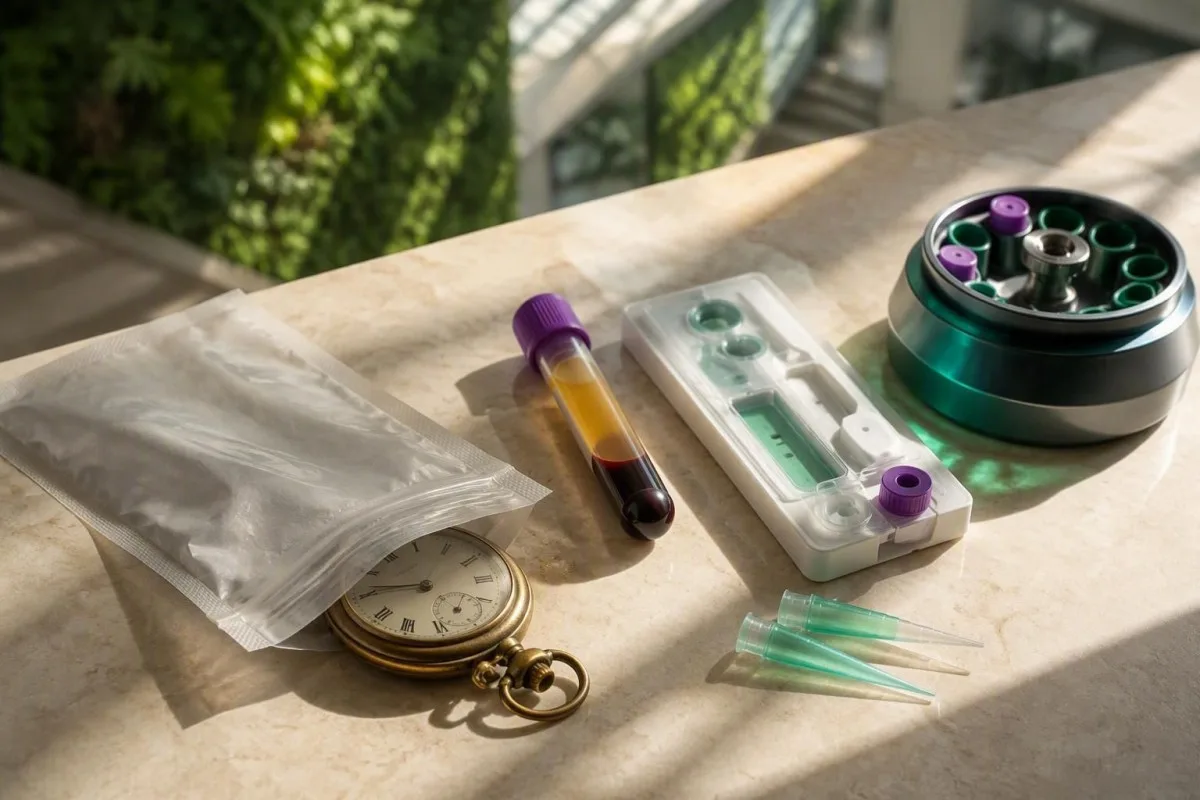
A test mijeloperoksidaze mjeri oksidativni enzim koji oslobađaju aktivirane bijele krvne stanice; odražava imunološku aktivnost koja može doprinijeti oksidaciji unutar zidova krvnih sudova. Ne može dijagnostikovati koronarnu bolest arterija, sa sigurnošću predvidjeti individualni srčani udar, niti samostalno objasniti bol u grudima. Od 12. septembra 2026. godine, MPO koristim samo kao sekundarni pokazatelj pored utvrđenih podataka o kardiovaskularnom riziku.

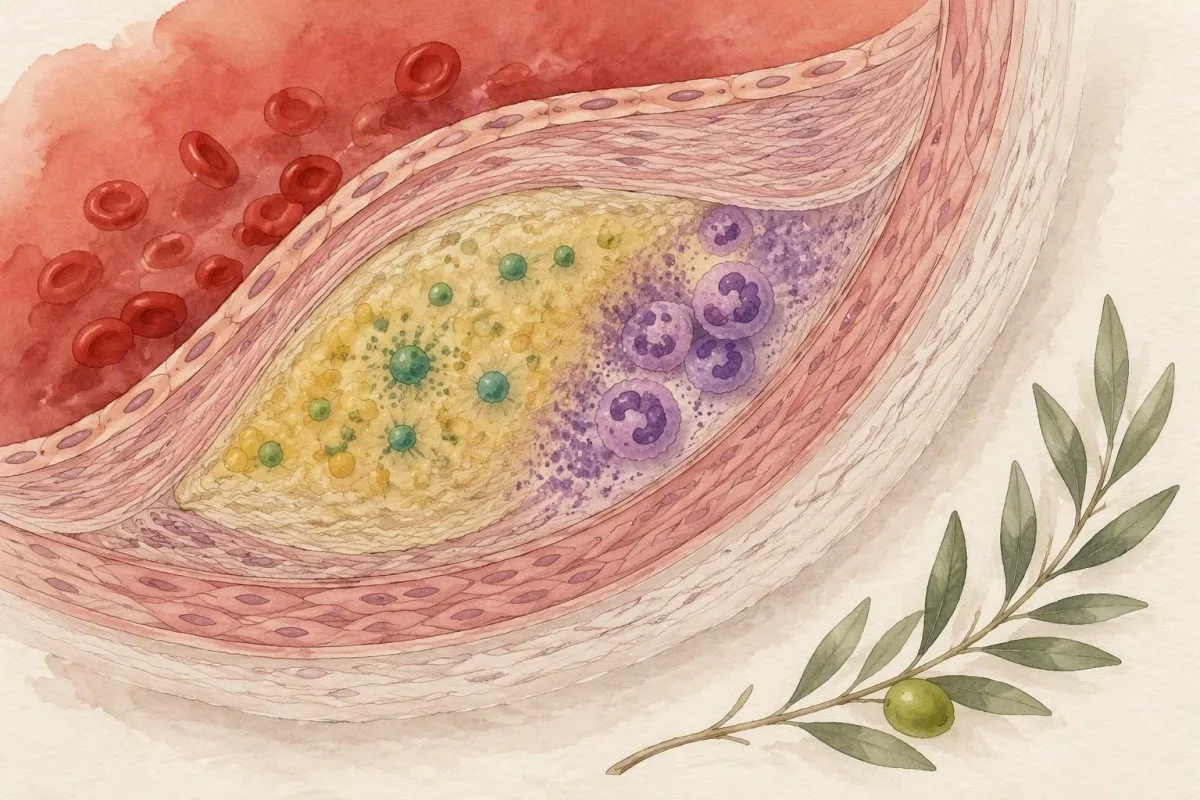
Mijeloperoksidaza (MPO) skladišti se u neutrofilima i monocitima i pomaže tim ćelijama da proizvedu hipohlorastu kiselinu, snažan antimikrobni oksidant. U zidu krvnog suda, ista hemija može modificirati LDL čestice, smanjiti dostupnost dušikovog oksida i učiniti biologiju plaka manje stabilnom; to je razlog zašto je MPO privukao pažnju kao marker vaskularne upale.
MPO rezultat nije zamjenjiv sa rezultatom holesterola. Osoba može imati LDL-C od 92 mg/dL i privremeno povišen MPO nakon respiratorne bolesti, dok osoba sa MPO u nižem opsegu i dalje može imati visok životni rizik jer je ApoB 145 mg/dL, krvni pritisak je 154/94 mmHg, i puši.
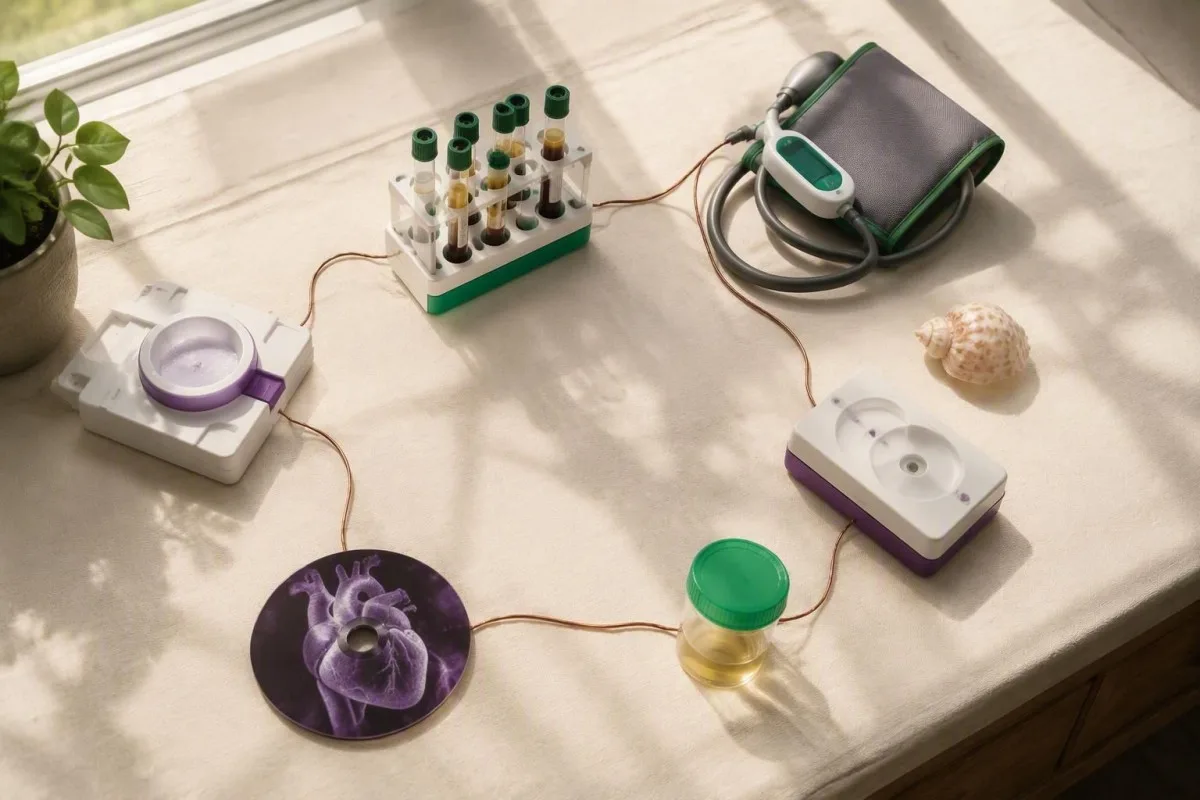
Kantesti AI je AI analizator krvi koji čita specijalizirane vaskularne markere uz standardne rezultate koji najčešće mijenjaju odluke, umjesto da se jedan enzim tretira kao presuda. U mom kliničkom radu, najkorisnije pitanje je rijetko “Da li je MPO visok?”; ono je “Koji potencijalno modifikujući rizik je prisutan uz njega?” Istražite širi referentni vodič za biomarkere za testove koji se obično nalaze na kardiovaskularnom panelu.
Dr. Thomas Klein je vidio pacijente koji su, razumljivo, bili zabrinuti zbog MPO zastavice uprkos normalnim EKG-ima i umirujućim procjenama simptoma. Ta anksioznost je izbježna kada izvještaj jasno navodi da MPO opisuje biološki put, dok pregledi, simptomi, troponin i konvencionalni faktori rizika utvrđuju vjerovatnoću srčane bolesti.
Enzim nije antitijelo
Testiranje MPO enzima za vaskularni rizik razlikuje se od MPO-ANCA antitijelo testa koji se koristi u sumnji na vaskulitis. Jedan mjeri koncentraciju ili aktivnost cirkulirajućeg enzima; drugi traži imuno antitijelo i ima potpuno drugačiju kliničku svrhu.
Zašto je MPO povezan sa oksidativnim stresom u arterijama
MPO se povezuje sa vaskularnim rizikom jer može oksidirati lipoproteine i narušiti signalizaciju dušikovog oksida unutar upaljenog zida arterije. Mehanizam je biološki uvjerljiv, ali uvjerljivost ne čini MPO ciljem liječenja niti dijagnozom skrininga.
MPO koristi vodikov peroksid i hlorid za generiranje hipohloraste kiseline, često skraćeno HOCl. HOCl može hlorirati ostatke tirozina na proteinima i promijeniti funkciju HDL i LDL; ove hemijske otiske moguće je izmjeriti u istraživačkim studijama tkiva, iako rutinska vrijednost plazme ne može locirati gdje je došlo do oksidacije.
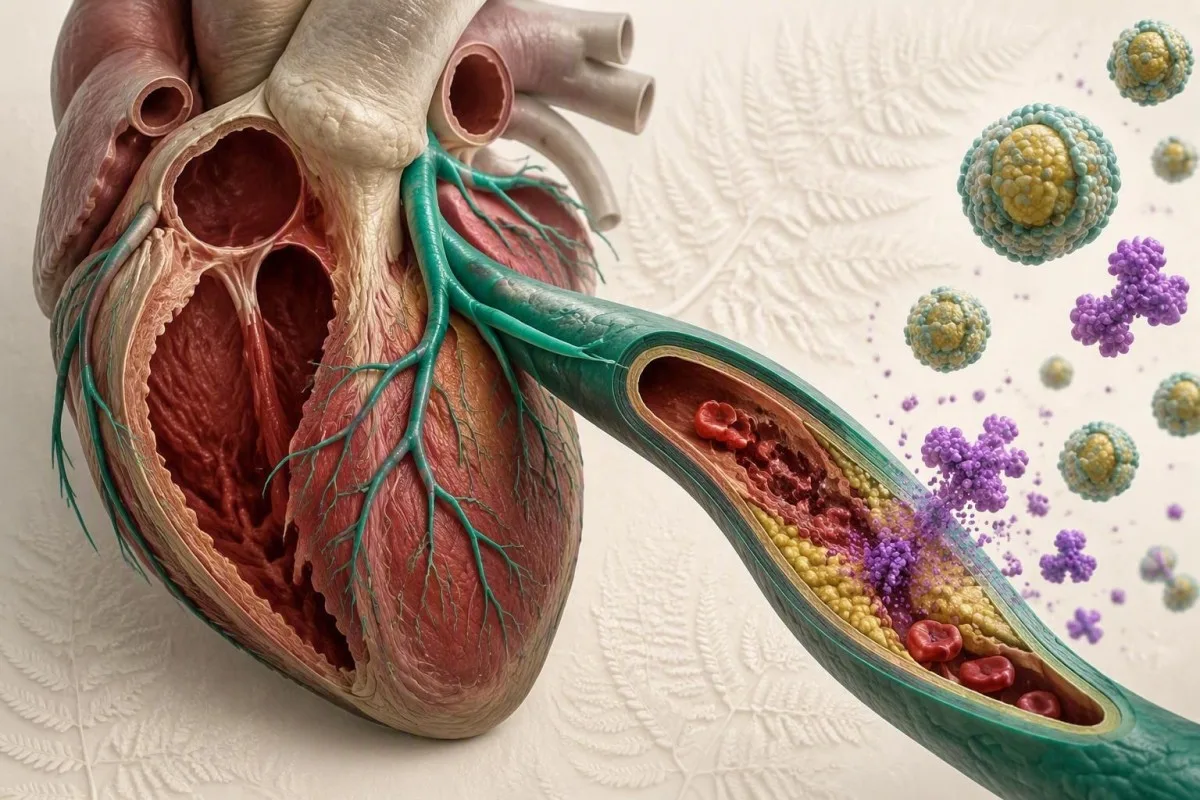
Ateroskleroza nije jednostavno “hrđa u arterijama”. Ona uključuje čestice koje sadrže ApoB koje ulaze i zadržavaju se u zidu arterije, lokalno imunološko regrutovanje, endotelnu disfunkciju i ponekad rupturu plaka; rezultat oksidiranog LDL-a se može konceptualno povezati, ali nosi svoja ograničenja u testiranju.
Studija o bolovima u grudima iz 2003. godine koju su proveli Brennan i saradnici otkrila je da je viši MPO ukazivao na veći rizik od skoro nastupajućeg događaja čak i kada je početni troponin bio negativan (Brennan et al., 2003). Taj rezultat je bio klinički interesantan jer MPO može porasti prije detektabilne povrede srčanih ćelija, a ne zato što je dokazao da infarkt napreduje.
Jedna nijansa koja se često propušta na internetu: cirkulirajući MPO može poticati od aktiviranih imunoloških ćelija izvan koronarnih arterija. Bolest desni, akutna virusna bolest, upalni artritis, hronična bolest bubrega i izloženost duhanu pružaju alternativna objašnjenja, tako da test ima lošu anatomsku specifičnost.
Kada kliničari mogu razmotriti naručivanje MPO
Kliničari mogu razmotriti MPO test krvi kada konvencionalni kardiovaskularni rizik izgleda nepotpun ili kada specijalista precizira rizik kod pacijenta sa nekoliko graničnih nalaza. Rutinsko skrining stanovništva nije podržano glavnim smjernicama za prevenciju.

Test se ponekad naručuje u preventivnoj kardiologiji za osobu sa porodičnom anamnezom prijevremenog obolijevanja, metaboličkim rizikom, graničnim tradicionalnim rezultatima, ili neobjašnjivim napredovanjem vaskularne bolesti. Manje je koristan kod 24-godišnjaka bez simptoma, normalnog krvnog pritiska, LDL-C od 68 mg/dL, i bez značajnih faktora rizika jer je vjerovatnoća djelotvorne bolesti prije testiranja vrlo niska.
Dokazi su iskreno pomiješani o tome da li MPO materijalno poboljšava odluke nakon završene moderne procjene rizika. Smjernica ACC/AHA iz 2019. za prevenciju naglašava procjenu udruženog rizika, krvni pritisak, dijabetes, pušenje, holesterol, kalcijum u koronarnim arterijama kod odabranih odraslih osoba i faktore koji povećavaju rizik kao što je Lp(a), umjesto MPO kao rutinskog testa (Arnett et al., 2019).
Za mnoge pacijente, hs-CRP je poznatiji, ali odgovara na drugačije pitanje: to je protein akutne faze jetrenog porijekla, a ne enzim neutrofila. Pročitajte kako simptomi i vrijeme komplikuju interpretaciju visokog hs-CRP-a prije nego što pretpostavite da jedan od markera ukazuje na oboljelu arteriju.
Obično ostavljam raspravu o MPO-u za naknadni posjet, a ne za užurbani godišnji pregled. Rezultat koji ne može utjecati na snižavanje LDL-a, liječenje krvnog pritiska, prestanak pušenja, njegu dijabetesa ili odluke o snimanju može dodati buku umjesto korisne preciznosti.
Testiranje MPO srčanog rizika nije MPO-ANCA test
Kardio-test na MPO i MPO-ANCA test su različite laboratorijske pretrage sa različitim jedinicama, metodama i kliničkim posljedicama. Povišen vaskularni MPO ne znači vaskulitis, a pozitivni MPO-ANCA ne kvantificira kardiovaskularni oksidativni stres.

MPO-ANCA detektuje antitijela usmjerena protiv mijeloperoksidaze i koristi se uz simptome, nalaze urina, bubrežnu funkciju, snimanje i procjenu specijaliste kada se sumnja na vaskulitis malih krvnih žila. Kašalj sa krvlju, brzo pogoršanje bubrežne funkcije, purpura, neuropatija ili upala oka zahtijevaju hitnu medicinsku procjenu; kardiovaskularni MPO panel nije odgovarajući pregled.
Nasuprot tome, MPO kardio testovi obično izvještavaju u pmol/L, ng/mL ili aktivnosti specifičnoj za test. ANCA laboratorije često izvještavaju jedinice indeksa antitijela ili U/mL sa vlastitim pragom pozitivnosti, što znači da se broj iz jednog izvještaja ne može sigurno pretvoriti u broj iz drugog.
Kantesti je usluzi za tumačenje laboratorijskih testova AI osmišljen da odvoji slično nazvane testove po uzorku, metodi, jedinici i kliničkom pitanju. Ovaj detalj je posebno važan kada pacijenti učitavaju više izvještaja tokom godina; pogledajte naš vodič za ANCA obrasce i MPO za praćenje specifično za antitijela.
Laboratorijska oznaka nije dijagnoza. Ako je MPO-ANCA pozitivan, procijenjena vjerovatnoća vaskulitisa uveliko zavisi od kompatibilnih simptoma i objektivnih nalaza organa, dok se usamljen blago pozitivan rezultat može javiti kod drugih autoimunih stanja, infekcija i nekih izlaganja lijekovima.
Zašto MPO ne može potvrditi niti isključiti srčani udar
MPO ne može potvrditi niti isključiti infarkt miokarda jer ne mjeri povredu srčanog mišića i raste kod mnogih ne-kardijalnih upalnih stanja. Akutni bolovi u grudima zahtijevaju EKG, serijsko testiranje visokoosjetljivog troponina, vitalne znakove i procjenu kliničara.
Visokoosjetljivi troponin odražava povredu miokarda, iako čak i troponin treba interpretirati jer ga bolest bubrega, tahiaritmija, miokarditis i teška hipertenzija mogu povisiti. Promjenjiva vrijednost tokom 1 do 3 sata, simptomi, EKG nalazi i lokalni pragovi testa su informativniji od samostalnog MPO rezultata.
U kohorti Brennana i saradnika iz 2003. godine u New England Journal of Medicine, MPO je dodao prognostičke informacije kod pacijenata koji su se javili sa bolovima u grudima, uključujući neke sa početno negativnim troponinom (Brennan et al., 2003). To ne opravdava upotrebu MPO-a kod kuće ili u primarnoj zdravstvenoj zaštiti za isključenje hitnog slučaja; populacija studije je već primala hitnu bolničku procjenu.
Novi pritisak ili stezanje koje traje više od 10 minuta, bol pri naporu, nesvjestica, teška kratkoća daha, hladno znojenje ili bol koji se širi u vilicu, leđa ili ruku treba da potaknu pozivanje hitne pomoći. Naš praktični vodič za krvne testove za bol u grudima objašnjava zašto se svaki srčani marker mijenja.
Normalan MPO nije dozvola za ignorisanje simptoma. Suprotno tome, povišen MPO bez simptoma je obično pitanje diskusije o riziku, a ne dijagnoza hitne službe.
LDL i ne-HDL holesterol pružaju ključni kontekst
LDL-C i ne-HDL kolesterol pružaju neophodan kontekst za MPO jer ateroskleroza zahtijeva izlaganje lipoproteinima koji sadrže ApoB, a ne samo oksidativni stres. Povišen MPO sa trajno niskim aterogenim kolesterolom generalno nosi drugačiju implikaciju od iste vrijednosti MPO sa LDL-C od 190 mg/dL.

LDL-C od 190 mg/dL ili više se smatra teškom hiperholesterolemijom u glavnim smjernicama i obično zahtijeva aktivno kliničko liječenje bez obzira na izračunati 10-godišnji rezultat. Ne-HDL kolesterol jednak je ukupnom kolesterolu minus HDL-C i obuhvaća LDL plus ostatke bogate trigliceridima; posebno je koristan kada trigliceridi prelaze 175 mg/dL.
MPO može pomoći u opisu nepovoljnog vaskularnog okruženja, ali LDL i ne-HDL pokazuju čestice koje se mogu zadržati u arterijskom tkivu. Kod pacijenta sa LDL-C od 178 mg/dL i MPO od 610 pmol/L na validiranom testu, prvo bih se fokusirao na porodični rizik, ApoB, opcije liječenja, pridržavanje terapije i ponekad kalcijum koronarnih arterija—ne na suplemente koji se prodaju kao antioksidansi.
Kantesti AI ističe obrazac između lipidnih rezultata i upalnog konteksta, uključujući visok LDL koji ne uzrokuje simptome. Odsustvo bolova u grudima ne čini izlaganje LDL-u bezopasnim, a visok MPO ne identificira koja je lipidna intervencija prava za pojedinca.
Statini snižavaju LDL-C i smanjuju kardiovaskularne događaje, ali pad MPO nije validiran cilj liječenja. Mjerenja bi trebala služiti odlukama koje poboljšavaju ishode, a ne postati semafor za biokemijsku optimizaciju.
ApoB često bolje objašnjava rizik nego sam MPO
ApoB često dodaje više upotrebljivih kardiovaskularnih informacija od MPO jer svaka aterogena čestica nosi jednu molekulu ApoB. Visok ApoB ukazuje na veliki broj čestica sposobnih da uđu u zidove arterija, čak i kada LDL-C izgleda samo umjereno povišen.

ApoB je posebno koristan kada su trigliceridi visoki, prisutna je insulinska rezistencija, ili LDL-C i ne-HDL-C ne odgovaraju. Na primjer, LDL-C od 106 mg/dL sa trigliceridima od 260 mg/dL i ApoB od 125 mg/dL može ukazivati na više aterogenih čestica nego što sam LDL-C sugerira.
Smjernice ACC/AHA navode ApoB od 130 mg/dL ili više kao faktor koji povećava rizik, posebno kada su trigliceridi trajno 200 mg/dL ili više (Arnett et al., 2019). Ne postoji uporediv granični nivo u smjernicama na kojem sam MPO nalaže statine, CT skeniranje ili angiogram.
Ovo je jedno od onih područja gdje kontekst znači više od broja. Naš Objašnjenje omjera ApoB prema ApoA1 pokazuje zašto naizgled prihvatljiva vrijednost LDL-a može prikriti rizik povezan s česticama.
Kada pregledam panel, vrijednost ApoB koja je konzistentno visoka u dva testa natašte ili bez obzira na unos hrane obično više mijenja razgovor nego jednokratni MPO rezultat. Razlog je jednostavan: imamo mnogo jače dokaze iz studija ishoda za snižavanje aterogene lipoproteinske opterećenosti.
Lipoprotein(a) i porodična anamneza mijenjaju značenje MPO
Lipoprotein(a), ili Lp(a), i prerana porodična anamneza mogu povećati životni kardiovaskularni rizik nezavisno od MPO. Jedno mjerenje Lp(a) je obično razumno u odrasloj dobi jer su nivoi uglavnom naslijeđeni i ostaju relativno stabilni.

Mnoge smjernice smatraju Lp(a) na 50 mg/dL ili 125 nmol/L ili više nivou koji povećava rizik, iako se mg/dL i nmol/L ne mogu precizno pretvoriti jer veličina čestica varira. Roditelj, brat/sestra ili dijete sa infarktom miokarda prije 55. godine kod muškaraca ili 65. godine kod žena je još jedan signal koji zaslužuje formalnu procjenu.
U analizi EPIC-Norfolk iz 2007. godine, Meuwese i kolege su otkrili da je viši MPO povezan sa budućim koronarnim bolestima kod naizgled zdravih odraslih osoba (Meuwese et al., 2007). Ta povezanost ne govori da li je naslijeđeni Lp(a), cjeloživotno izlaganje ApoB, hipertenzija ili pušenje dominantni pokretač rizika za određenu osobu.
Pacijenti ponekad pretpostavljaju da “normalan holesterol” izvještaj isključuje nasljedni rizik. To nije istina; naš Vodič za skrining Lp(a) objašnjava zašto Lp(a) može biti klinički relevantan čak i kada je LDL-C 90 mg/dL.
MPO može umjereno poboljšati raspravu u specijalističkom okruženju, ali ne bi trebalo odvratiti od dokumentiranja dobi rodbine pri događajima, provjere Lp(a) i istraživanja moguće obiteljske hiperkolesterolemije kada je LDL-C vrlo visok.
Krvni pritisak i pušenje mogu nadmašiti MPO rezultat
Krvni tlak i status pušenja često utječu na kardiovaskularni rizik više nego MPO jer oba imaju dokazane uzročne veze sa srčanim udarom, moždanim udarom, bubrežnom bolešću i preranom smrću. Jedan uredski krvni tlak od 140/90 mmHg treba potvrdu, ali trajna povišenost zaslužuje djelovanje bez obzira na MPO.

Uobičajeni dijagnostički prag za hipertenziju je uredski krvni tlak od 140/90 mmHg ili više u mnogim okruženjima, dok su prosjeci kućnog ili ambulantnog mjerenja od 135/85 mmHg ili viši često se smatraju povišenima. Smjernice se razlikuju po zemlji i riziku pacijenta, ali ponovljena pravilno izmjerena očitanja znače puno više od jednog anksioznog očitanja u klinici.
Pušenje aktivira neutrofile, oštećuje endotel i može povisiti upalne markere, što MPO rezultat čini posebno teškim za interpretaciju kod aktivnog pušača. Prestanak pušenja značajno smanjuje kardiovaskularni rizik čak i ako se biomarker ne normalizira odmah; nijedan “detoks” proizvod ne zamjenjuje podršku za prestanak pušenja.
Kantesti može organizirati kardiovaskularni izvještaj uz rezultate iz laboratorijskog pregleda za sekundarnu hipertenziju, ali aplikacija ne može dijagnosticirati hipertenziju iz jednog očitanja. Validirana kućna manžeta, 5 minuta sjedenja i 7-dnevni zapis često su korisniji sljedeći koraci.
Vidio sam 47-godišnjeg pacijenta fiksiranog na MPO od 560 pmol/L, dok je zanemarivao prosječna kućna očitanja blizu 151/96 mmHg. Liječenje utvrđenog problema s tlakom bio je prioritet; MPO nije promijenio tu hijerarhiju.
Glukoza, funkcija bubrega i metabolički rizik upotpunjuju sliku
Status glukoze i bubrežna funkcija su neophodan kontekst za MPO jer dijabetes i kronična bolest bubrega ubrzavaju vaskularni rizik kroz nekoliko putova istovremeno. HbA1c od 6,5% ili više može dijagnosticirati dijabetes kada se pravilno potvrdi, dok eGFR ispod 60 mL/min/1,73 m² tijekom 3 mjeseca ukazuje na kroničnu bolest bubrega.

Dijabetes povećava aterosklerotski rizik kroz glikaciju, promijenjen metabolizam lipoproteina, endotelnu disfunkciju i bubrežna oštećenja. HbA1c od 5.7% do 6.4% ukazuje na predijabetes, ali anemija, nedavna transfuzija, hemoglobinopatije i bolest bubrega mogu učiniti HbA1c pogrešnim; testiranje fructosamina je povremeno korisno kada se to dogodi.
Bolest bubrega može povisiti MPO jer smanjeno čišćenje i kronična aktivacija imunološkog sustava mogu koegzistirati, dok neovisno povisuje kardiovaskularni rizik. eGFR treba interpretirati s omjerom albumina i kreatinina u urinu: ACR od 30 mg/g ili više je abnormalna albuminurija i može promijeniti prioritete prevencije čak i s eGFR iznad 60.
Metabolički sindrom definira se skupom abnormalnosti struka, triglicerida, HDL-C, krvnog tlaka i glukoze, a ne MPO. Pregledajte pet mjerljivih kriterija metaboličkog sindroma umjesto da se oslanjate na nejasan “oksidativni stres” epitet.
Praktično pitanje je kumulativni rizik. MPO od 500 pmol/L znači više kod osobe s HbA1c 7,8%, ACR 120 mg/g, trigliceridima 240 mg/dL i hipertenzijom nego kod mršave, normotenzivne osobe koja se oporavlja od prehlade.
Nekardijalni razlozi porasta nivoa mijeloperoksidaze
Razine mijeloperoksidaze mogu porasti kod infekcije, autoimune aktivnosti, pušenja, kronične bolesti bubrega, parodontne upale, akutnog stresa tkiva i nedavnog intenzivnog vježbanja. Ovi uzroci čine pojedinačni povišeni MPO rezultat ne-specifičnim za koronarnu bolest.

Febrilna bolest može promijeniti aktivaciju bijelih krvnih zrnaca tokom dana, dok hs-CRP često dostiže vrhunac i opada prema drugačijem rasporedu. Ako je test urađen tokom groznice, nakon stomatološkog tretmana ili nekoliko dana nakon teškog treninga, ja ne bih koristio tu MPO vrijednost za dugoročno kardiovaskularno prosuđivanje.
Intenzivno vježbanje izdržljivosti može prolazno promijeniti broj neutrofila, kreatin kinazu, CRP i oksidativne markere. Trkač maratona od 52 godine sa AST 89 IU/L nakon trke također može imati nejasnu upalnu sliku; sigurniji izbor je oporavak i ponovno testiranje, kao što je objašnjeno u našem vodič za kreatinin povezan s vježbanjem.
Sistemska autoimuna bolest i vaskulitis zahtijevaju vlastitu kliničku procjenu, umjesto da se svode na MPO srčani rezultat. Uporno visoki ESR ili CRP uz osip, oticanje zglobova, gubitak težine, neurološke simptome, abnormalne urinske nalaze ili groznicu zaslužuje klinički pregled; ESR uzroci su široki.
Blago povišen MPO nakon prehlade obično nije hitan slučaj. To je razlog za provjeru da li je uzorak vremenski pravilno uzet i da li je procijenjen konvencionalni profil rizika.
MPO referentni opsezi zavise od analize i uzorka
MPO referentne vrijednosti zavise od laboratorijske metode, kalibracije i da li je uzorak plazma dobijena iz EDTA ili serum. Uobičajeno navedena klasifikacija za EDTA plazmu koristi vrijednosti ispod 350 pmol/L kao niži rizik, a 540 pmol/L ili više kao visoki rizik, ali ovo nisu univerzalne dijagnostičke granice.
Neki izvještaji koriste ng/mL, dok drugi koriste pmol/L, a pretvorba nije sigurna bez poznavanja kalibratora analize i mjerene molekularne forme. Pretanalitička obrada je također važna: odložena obrada, tip uzorka, temperatura skladištenja i ćelijska aktivacija nakon prikupljanja mogu promijeniti izmjerene koncentracije.
Kategorije ispod je najbolje posmatrati kao primjer jedne porodice analiza, a ne kao univerzalni normalni raspon. Rezultat od 420 pmol/L može se nazvati intermedijarnim u jednom izvještaju za EDTA plazmu, ali isti klinički uzorak možda neće imati direktno uporediv rezultat seruma iz druge laboratorije.
Kantesti AI je Platforma za tumačenje biomarkera pomoću AI , koja čuva vlastiti referentni interval laboratorije i označava neslaganja jedinica pri upoređivanju istorijskih izvještaja. Ovo je posebno korisno kada se testiranje vrši preko granica ili laboratorija; pravi trend zahtijeva istu analizu, isti uzorak i slične zdravstvene uslove.
Ako je MPO neočekivano povišen, ponovite ga nakon najmanje 2 do 4 sedmice bez akutne bolesti i nakon izbjegavanja neuobičajeno napornog vježbanja 24 do 48 sati, osim ako vaš ljekar nema razloga da testira ranije. Nemojte ponavljati beskonačno: dvije dobro vremenski određene vrijednosti obično odgovaraju da li je prvi rezultat bio prolazan.
Razuman plan praćenja za povišeni MPO
Povišen MPO rezultat trebao bi potaknuti strukturirani kardiovaskularni pregled, a ne paniku niti automatsku terapiju. Prvi koraci su potvrđivanje konteksta testa, isključivanje nedavnih upalnih okidača i mjerenje utvrđenih promjenjivih rizika.

Počnite sa simptomima i hitnošću. Pritisak u prsima, otežano disanje pri naporu, sinkopa, novi neurološki simptomi ili izrazito loše stanje zahtijevaju hitnu medicinsku procjenu u stvarnom vremenu; pacijenti bez simptoma obično mogu dogovoriti nehitni pregled radi procjene rizika u sljedećih nekoliko tjedana.
Zatim provjerite osnove: prosjeci krvnog tlaka, lipidni panel natašte ili ne-natašte, ne-HDL-C, ApoB kada je indicirano, HbA1c ili glukoza, eGFR, urin ACR, izloženost pušenju/vaping-u, san, lijekovi i obiteljska povijest. A blood-test timeline pomaže utvrditi je li bolest, prehrana ili promjena lijeka iskrivila uzorak.
Kantesti AI može usporediti datume i pomoći u pripremi pitanja za liječnika, dok naši primjeri kliničkog radnog toka pokazuju zašto rezultate treba pregledavati kao obrasce, a ne kao izolirane pokazatelje. Ne zamjenjuje EKG, odluku o snimanju, fizički pregled ili pojedinačni savjet o propisivanju lijekova.
Skeniranje kalcija koronarnih arterija može biti korisno za odabrane odrasle osobe bez simptoma kada odluka o liječenju ostaje neizvjesna nakon konvencionalne procjene. Nije prikladno za sve, a sam povišen MPO nije standardna indikacija; važni su dob, izračunati rizik, razmatranja zračenja i vjerojatna posljedica liječenja.
Mogu li promjene načina života sniziti MPO i srčani rizik?
Mjere životnog stila mogu smanjiti upalno opterećenje i kardiovaskularni rizik, ali nijedan vodič ne preporučuje liječenje ciljane vrijednosti laboratorijskog MPO. Pouzdan cilj je snižavanje uzročnih faktora rizika: lipoproteina koji sadrže ApoB, krvnog tlaka, izloženosti duhanskim proizvodima, rizika od dijabetesa, neaktivnosti i lošeg sna.
Prehrana u mediteranskom stilu, redovita aerobna i otporna aktivnost, adekvatan san, upravljanje tjelesnom težinom kada je to prikladno i prestanak pušenja poboljšavaju faktore rizika s utvrđenim dokazima o ishodu. Za trigliceride, smanjenje rafiniranih ugljikohidrata i izloženosti alkoholu može značajno utjecati; pogledajte praktične mogućnosti za snižavanje triglicerida prije ponovnog testiranja.
Antioksidativni dodaci nisu stekli ulogu kao kardiovaskularna terapija za snižavanje MPO. Visoke doze vitamina E, beta-karotena i miješanih proizvoda mogu imati štetne učinke ili interakcije s lijekovima, a pad nadomjesnog markera nije dokaz manjeg broja srčanih ili moždanih udara.
Dokazi za izravno snižavanje MPO nisu dovoljno zreli da bi se na temelju njih propisivalo liječenje. Ako LDL-C padne sa 170 na 85 mg/dL prema planu dogovorenom s liječnikom, krvni tlak padne sa 148/92 na 126/78 mmHg, a prestane pušenje, smatram to jakim preventivnim uspjehom čak i ako se MPO nije ponovno mjerio.
Razumno koristite trendove: usporedivi trendovi lipida i krvnog tlaka klinički su jači od čestog testiranja upalnih markera. Naše vodič za longitudinalnu laboratorijsku analizu objašnjava što treba zabilježiti prije nego se odluči da je biomarker istinski promijenjen.
Zaključak: MPO uvrstite u potpunu procjenu kardiovaskularnog zdravlja
MPO je biološki značajan marker oksidativnog stresa, ali ne može dijagnosticirati začepljene arterije, isključiti srčani udar niti zamijeniti utvrđene alate za kardiovaskularnu prevenciju. Njegovo najveće ograničenje je nespecifičnost: isto povišenje može odražavati vaskularnu upalu, infekciju, pušenje, bolest bubrega ili neki drugi imuni okidač.
Korisna rasprava o MPO uključuje LDL-C ili ne-HDL-C, ApoB gdje je relevantno, Lp(a) barem jednom, prosjeke krvnog tlaka, HbA1c ili glukozu, funkciju bubrega, albumin u urinu, status pušenja, obiteljsku povijest, simptome i povijest lijekova. Normalan MPO ne poništava visoki ApoB ili hipertenziju, a povišen MPO ne dokazuje prisutnost plaka.
Praktično pravilo dr. Thomasa Kleina je jednostavno: rezultati testiranja trebaju promijeniti sljedeću sigurnu akciju. Ako MPO ne mijenja preventivno liječenje, snimanje, trijažu simptoma ili vrijeme ponovne procjene, može biti zanimljiv, ali ne i klinički odlučujući.
Kantesti kombinira višejezičnu interpretaciju izvješća s pregledom trendova, a njegov medicinski sadržaj nadgleda se putem našeg Medicinski savjetodavni odbor. Za metodologiju i ograničenja, pogledajte naš tehnički klinički pristup validaciji prije nego se oslonite na bilo koju automatsku interpretaciju.
Shvatite ozbiljno hitne simptome bez obzira na MPO. Za stabilnu prevenciju, donesite puni panel i očitanja kućnog krvnog tlaka kvalificiranom liječniku; taj razgovor je mjesto gdje specijalizirani marker zarađuje svoje mjesto – ili je primjereno odložen.
Često postavljana pitanja
Šta znači visok nivo mijeloperoksidaze?
Visok nivo mijeloperoksidaze znači povećanu cirkulišuću aktivnost imunoloških ćelija koje oslobađaju MPO, što može pratiti oksidativni stres i vaskularnu upalu. U jednom često korišćenom testu na EDTA plazmi, vrijednosti od 540 pmol/L ili više spadaju u višu kategoriju, ali laboratorijski specifični interval uvijek ima prednost. Infekcija, pušenje, bolest bubrega, autoimuna aktivnost, upala desni i nedavna intenzivna vježba također mogu povećati MPO. Visok rezultat ne dijagnostikuje koronarnu bolest arterija niti dokazuje da se dešava srčani udar.
Kakav je normalan rezultat MPO krvnog testa?
Ne postoji jedinstveni univerzalni normalan rezultat MPO testa krvi jer se u analizama koriste različiti uzorci, kalibratori i jedinice. Jedna često citirana analiza na EDTA-plazmi koristi manje od 350 pmol/L kao nižu kategoriju, 350 do 539 pmol/L kao srednju, a 540 pmol/L ili više kao visoku. Te vrijednosti ne treba primjenjivati na MPO rezultat prijavljen u ng/mL ili na serumsku analizu bez vlastitog referentnog raspona laboratorija. Normalan MPO također ne može isključiti visok LDL-C, visok ApoB, koronarni plak ili akutni koronarni sindrom.
Može li MPO dijagnosticirati bolesti srca?
Ne, MPO ne može dijagnosticirati srčanu bolest jer ne pokazuje suženje koronarnih arterija, opterećenje plakom, ozljedu srčanog mišića niti uzrok simptoma u prsima. Dijagnoza koronarne bolesti oslanja se na simptome, pregled, EKG, visokosenzitivni troponin kada je moguća akutna bolest, procjenu rizika, a ponekad i na koronarnu slikovnu dijagnostiku ili test opterećenja. Kod akutne boli u prsima, serijska mjerenja troponina tijekom otprilike 1 do 3 sata mnogo su klinički korisnija od MPO-a. MPO može dodati sekundarne informacije o riziku u odabranim situacijama, ali nije samostalni dijagnostički test.
Je li MPO isto što i MPO-ANCA?
Ne, testiranje MPO enzima i testiranje MPO-ANCA odgovaraju na različita pitanja. MPO testiranje srca mjeri cirkulirajuću koncentraciju ili aktivnost mijeloperoksidaze, često u pmol/L, dok testiranje MPO-ANCA mjeri antitijela usmjerena na MPO, često prikazana u U/mL ili kao indeks analize. MPO-ANCA se koristi u procjeni moguće vaskulitisa malih krvnih žila uz simptome, testiranje urina, funkciju bubrega, snimanje i specijalističku procjenu. Visok rezultat MPO za kardiovaskularni sistem ne znači da osoba ima vaskulitis.
Koje testove treba provjeriti kod povišenog MPO?
Povišen MPO treba tumačiti u odnosu na krvni pritisak, LDL-C, ne-HDL-C, ApoB kada je naznačeno, lipoprotein(a), HbA1c ili glukozu, eGFR, omjer albumin-kreatinin u urinu, izloženost pušenju, simptome i porodičnu anamnezu. ApoB od 130 mg/dL ili više i Lp(a) od 50 mg/dL ili 125 nmol/L ili više prepoznati su kao faktori rizika koji ga pojačavaju uobičajenim okvirima prevencije. Ako su prisutni bol u grudima, jaka otežana disanja, nesvjestica ili neurološki simptomi, EKG i hitno testiranje visokosenzitivnog troponina imaju prioritet. Ponoviti MPO samo kada se dobro osjećate i po mogućnosti nakon 2 do 4 sedmice koristeći isti laboratorij i tip uzorka.
Kako mogu sniziti nivo mijeloperoksidaze?
Ne postoji dokazani cilj liječenja za snižavanje same mijeloperoksidaze, stoga se kliničari fokusiraju na promjene koje smanjuju kardiovaskularne događaje. To uključuje prestanak pušenja, kontrolu krvnog tlaka, snižavanje LDL-C i ApoB kada je indicirano, poboljšanje kontrole glukoze, redovito vježbanje i pridržavanje održivog obrasca prehrane. Izbjegavajte započinjanje dodataka antioksidansima samo radi promjene broja MPO jer promjene markera ne dokazuju manje srčanih ili moždanih udara. Ponovljeni rezultat je najsmisleniji kada se mjeri istim testom nakon oporavka od bolesti i izbjegavanja neuobičajeno napornog vježbanja 24 do 48 sati.
Nabavite analizu krvne slike uz AI već danas
Pridružite se više od 2 miliona korisnika širom svijeta koji vjeruju Kantesti-u za trenutnu i tačnu analizu laboratorijskih testova. Otpremite svoje rezultate krvne slike i dobijte sveobuhvatno tumačenje 15,000+ biomarkera za nekoliko sekundi.
📚 Referisane naučne publikacije
Klein, T., Mitchell, S., & Weber, H. (2026). Kantesti LTD. (2026). Vodič za studije željeza: TIBC, zasićenost željezom i kapacitet vezivanja. Zenodo. https://doi.org/10.5281/zenodo.18248745 | ResearchGate: https://www.researchgate.net/ | Academia.edu: https://www.academia.edu/. Kantesti AI Medical Research.
Klein, T., Mitchell, S., & Weber, H. (2026). Kantesti LTD. (2026). aPTT normalan raspon: D-dimer, vodič za zgrušavanje krvi proteina C. Zenodo. https://doi.org/10.5281/zenodo.18262555 | ResearchGate: https://www.researchgate.net/ | Academia.edu: https://www.academia.edu/. Kantesti AI Medical Research.
📖 Eksterne medicinske reference





⚕️ Medicinska izjava o odricanju odgovornosti
Ovaj članak je samo u edukativne svrhe i ne predstavlja medicinski savjet. Za odluke o dijagnozi i liječenju uvijek se posavjetujte s kvalifikovanim zdravstvenim radnikom.
E-E-A-T signal(i) povjerenja
Iskustvo
Klinička revizija radnih tokova tumačenja laboratorijskih nalaza koju vodi ljekar.
Stručnost
Fokus laboratorijske medicine na to kako se biomarkeri ponašaju u kliničkom kontekstu.
Autoritativnost
Napisao dr. Thomas Klein, uz recenziju dr. Sarah Mitchell i prof. dr. Hans Weber.
Pouzdanost
Tumačenje zasnovano na dokazima, s jasnim sljedećim koracima kako bi se smanjila uzbuna.