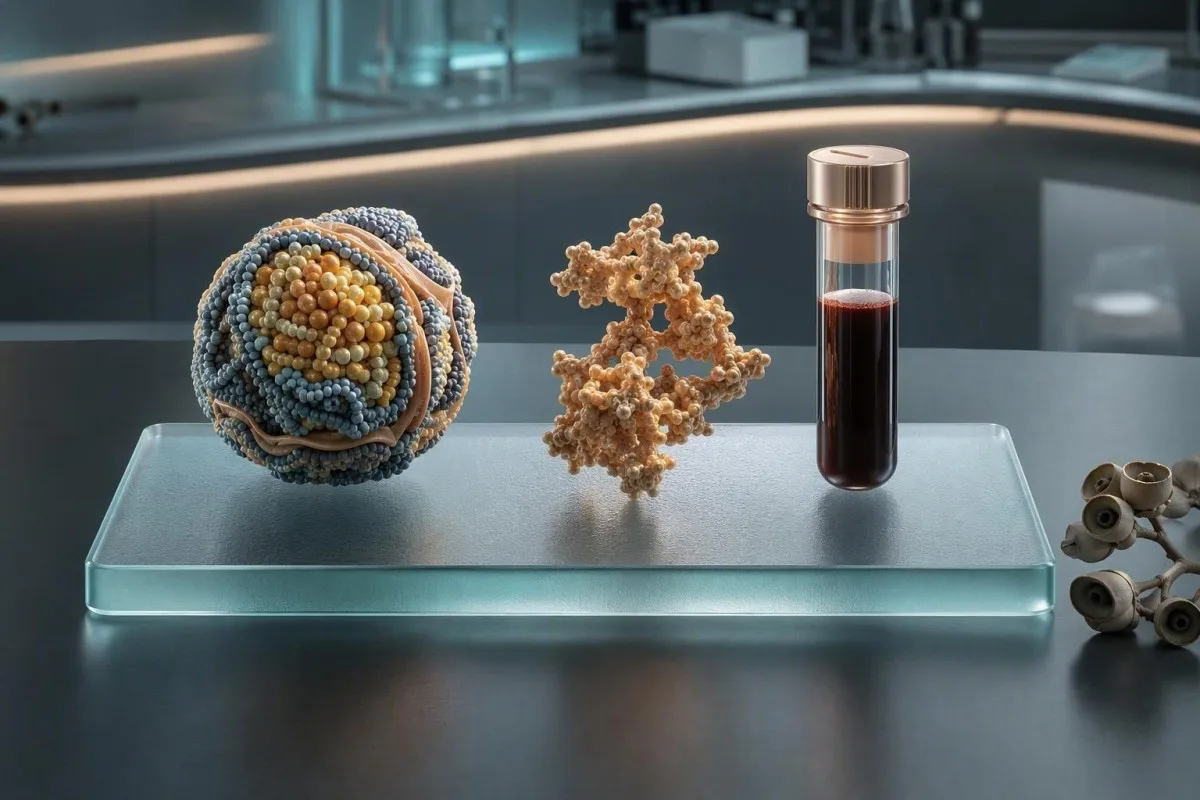
Pour la plupart des adultes sans symptômes, les analyses de sang annuelles devraient commencer par les risques cardiovasculaires et le diabète, et non par un panel maximal. Ajoutez des tests uniquement lorsque l'âge, les médicaments, les antécédents familiaux, l'alimentation, les projets de grossesse ou un résultat antérieur donnent à la réponse une chance réaliste de modifier les soins.


- Pas de panel universel : Les adultes en bonne santé n'ont pas besoin de tous les tests sanguins chaque année ; la sélection des tests doit suivre l'âge, les facteurs de risque, les médicaments et les résultats antérieurs.
- Lipides : Un panel lipidique standard a une grande valeur pour la plupart des adultes car le LDL-C, le non-HDL-C et les triglycérides guident la prévention cardiovasculaire.
- Dépistage du diabète : Les adultes âgés de 35 à 70 ans en surpoids ou obèses doivent être dépistés pour le prédiabète ou le diabète de type 2, généralement avec une HbA1c ou une glycémie à jeun.
- Seuil de l'HbA1c : Une HbA1c de 5,7 % à 6,4 % indique un prédiabète ; 6,5 % ou plus nécessite une confirmation, sauf en présence de symptômes classiques d'hyperglycémie.
- Contrôles rénaux : La créatinine et le DFG estimé sont plus utiles en cas d'hypertension, de diabète, de maladie cardiovasculaire, de médicaments néphrotoxiques ou de résultats anormaux antérieurs.
- Bilan thyroïdien : Un test de la TSH est déclenché par le risque, pas un test annuel par défaut, sauf si des symptômes, la planification de la grossesse, un traitement thyroïdien ou des changements dans le risque de maladie auto-immune modifient la probabilité pré-test.
- Faux positifs : Un panel de 20 tests indépendants peut produire environ un résultat hors norme par hasard, même chez une personne en bonne santé.
- Répéter d'abord : Les anomalies isolées légères méritent souvent une répétition planifiée dans des conditions comparables avant des examens d'imagerie, des référencements ou des suppléments approfondis.
- La tendance compte : Une ligne de base personnelle stable peut être plus rassurante qu'un simple drapeau de laboratoire, en particulier pour la créatinine, l'ALT, la ferritine et la numération des globules blancs.
Commencez par un cadre de décision, pas par une liste d'achats
Les analyses de sang annuelles sont plus utiles lorsque chaque test répond à une décision. Chez un adulte sans symptôme, je commence par déterminer si un résultat anormal changerait la prévention, la médication, le dépistage ou le suivi dans les 12 prochains mois, et non si un laboratoire propose le test par hasard.
La première question que je pose est simple : “ Que ferions-nous différemment si cela était anormal ? ” Un résultat lipidique peut modifier le conseil diététique, la discussion sur les statines ou les objectifs de tension artérielle ; un taux de cortisol non sélectionné change rarement quelque chose et est facilement déformé par le sommeil, l'exercice et le moment.
La deuxième question est la probabilité pré-test. Un patient de 42 ans avec un parent ayant eu une maladie coronarienne prématurée, une tension artérielle de 142/88 mmHg et un LDL-C de 156 mg/dL a besoin d'un plan de dépistage sanguin préventif différent de celui d'un patient de 25 ans sans antécédents médicaux et avec des résultats constamment normaux.
Kantesti est un Analyseur de test sanguin AI qui place les résultats individuels à côté de l'âge, du sexe, de l'intervalle de référence et des valeurs antérieures, plutôt que de traiter un drapeau de laboratoire comme un diagnostic. Dans mon expérience clinique, ce contexte évite bien plus d'inquiétudes inutiles que l'ajout de dix biomarqueurs supplémentaires.
À compter du 31 août 2026, un bilan annuel pratique comprend également la tension artérielle, le poids ou le tour de taille, le statut vaccinal, le tabagisme, la consommation d'alcool, le sommeil, les antécédents familiaux et le dépistage approprié du cancer. Ceux-ci prédisent souvent mieux les maladies évitables qu'une analyse de sang de bien-être expansive ; notre guide des marqueurs d’antécédents familiaux explique ce qui vaut réellement la peine d'être enregistré.
Les quatre questions à poser lors d'un rendez-vous
Demandez si le test peut détecter une condition avant qu'un préjudice ne survienne, si un traitement fiable s'ensuit, si votre risque est suffisamment élevé pour rendre un résultat positif crédible, et quand le résultat doit être répété. Si la quatrième réponse est “ nous ne savons pas ”, le test est généralement prématuré.
Qu'est-ce qui fait partie d'un panel préventif de base de haute valeur?
Un panel lipidique et un dépistage du diabète sont les tests sanguins de haute valeur habituels pour les adultes asymptomatiques, tandis que les tests rénaux ou hépatiques dépendent davantage du risque et des médicaments. Il n'existe pas de “ panel complet ” annuel universel basé sur des preuves pour chaque personne en bonne santé.
Un panel lipidique standard rapporte le cholestérol total, le LDL-C, le HDL-C et les triglycérides. Le cholestérol non-HDL est égal au cholestérol total moins le HDL-C et capture le cholestérol transporté par toutes les particules athérogènes ; il est particulièrement utile lorsque les triglycérides sont supérieurs à 175 mg/dL.
L'HbA1c reflète la glycémie moyenne sur environ 8 à 12 semaines, bien que les 30 derniers jours contribuent de manière disproportionnée. Une HbA1c inférieure à 5,7 % est généralement normale, de 5,7 % à 6,4 % est un prédiabète, et 6,5 % ou plus atteint le seuil du diabète lorsqu'elle est confirmée de manière appropriée.
Un panel métabolique de base peut être judicieux lorsqu'une personne souffre d'hypertension, de diabète, de maladie cardiaque, utilise des diurétiques, des inhibiteurs de l'ECA, des ARA II, du lithium ou des médicaments anti-inflammatoires réguliers. Il comprend la créatinine, les électrolytes, le glucose et le bicarbonate ; il ne remplace pas le dépistage du cholestérol, comme expliqué dans notre guide sur le panel métabolique par rapport au cholestérol.
Je ne voudrais pas promettre que des tests annuels détectent toutes les maladies précoces. L'approche du Dr Thomas Klein est de choisir un petit panel avec un plan d'action clair en aval, puis de consacrer l'attention économisée à la pression artérielle, à l'activité et au dépistage préventif que les panels de laboratoire ne peuvent pas remplacer.
Pourquoi le dépistage du cholestérol a généralement le meilleur rendement
Un panel lipidique est le test sanguin préventif le plus utile car un taux élevé de LDL-C ne provoque aucun symptôme mais prédit une future maladie cardiovasculaire athéroscléreuse. La fréquence des tests peut varier d'annuellement à tous les 4 à 6 ans selon le risque de base et le traitement.
Un taux de LDL-C de 190 mg/dL ou plus est une hypercholestérolémie sévère et justifie généralement une évaluation clinique rapide pour le traitement et l'hypercholestérolémie familiale. Des triglycérides de 500 mg/dL ou plus augmentent le risque de pancréatite et méritent une attention plus urgente qu'un cholestérol total légèrement élevé.
La directive 2018 AHA/ACC sur le cholestérol recommande d'utiliser le risque cardiovasculaire global, et non le LDL-C seul, pour la plupart des adultes âgés de 40 à 75 ans (Grundy et al., 2019). L'ApoB peut affiner le risque lorsque les triglycérides sont constamment de 200 mg/dL ou plus, que le syndrome métabolique est présent, ou que le LDL-C semble trompeusement normal.
Une mesure de la lipoprotéine(a), ou Lp(a), est raisonnable au moins une fois à l'âge adulte, en particulier en cas de maladie cardiaque prématurée dans la famille. La Lp(a) est largement héritée et n'a pas besoin d'être répétée annuellement chez la plupart des gens; voir notre guide sur qui a besoin d'un dépistage de Lp(a).
Un patient m'a dit un jour que son HDL de 78 mg/dL rendait son LDL de 182 mg/dL non pertinent. Ce n'est pas le cas. Une valeur favorable de HDL n'annule pas le risque lié au LDL, et le Kantesti AI lit le schéma lipidique complet parallèlement à la pression artérielle, la glycémie et les antécédents familiaux.
Quand vérifier la glycémie ou l'HbA1c sans symptômes
L'HbA1c ou la glycémie à jeun est un dépistage préventif approprié pour les adultes âgés de 35 à 70 ans présentant un surpoids ou une obésité, et des tests plus précoces sont raisonnables en cas de risques supplémentaires. Choisissez un test glycémique fiable plutôt que de commander de manière indiscriminée de l'insuline, du peptide C et de la glycémie.
L'USPSTF recommande le dépistage du prédiabète et du diabète de type 2 chez les adultes âgés de 35 à 70 ans présentant un surpoids ou une obésité, puis de référer ceux qui ont un prédiabète à des interventions préventives efficaces (US Preventive Services Task Force, 2021). Des antécédents de diabète gestationnel, un syndrome des ovaires polykystiques, certaines origines ethniques et un parent au premier degré atteint de diabète peuvent justifier une discussion plus précoce.
Une glycémie plasmatique à jeun de 100 à 125 mg/dL indique une intolérance au glucose à jeun ; 126 mg/dL ou plus atteint le seuil du diabète si confirmé. Un résultat de glycémie aléatoire après un repas copieux n'est pas un test à jeun échoué - il répond simplement à une question différente.
L'HbA1c peut induire en erreur après une transfusion récente, une perte de sang importante, une hémolyse, une maladie rénale avancée ou certaines variantes de l'hémoglobine. Si l'HbA1c et la glycémie divergent, ne les faites pas mentalement correspondre ; enquêtez sur la raison, en commençant par notre guide sur la fiabilité de l'HbA1c après une transfusion.
L'insuline à jeun n'est pas un test de dépistage standard de la résistance à l'insuline. Elle varie considérablement de jour en jour, les dosages ne sont pas harmonisés, et une valeur sans glycémie, triglycérides, tour de taille et contexte clinique pousse souvent les gens à courir après un chiffre plutôt qu'à réduire le risque cardiométabolique.
Qui a besoin de tests rénaux, électrolytiques et hépatiques?
La créatinine, l'eGFR, les électrolytes, l'ALT, l'AST et la bilirubine sont des tests complémentaires déclenchés par le risque, et non des tests annuels obligatoires pour tout adulte en bonne santé. Ils prennent une grande valeur lorsque des maladies, des médicaments, une exposition à l'alcool, un risque métabolique ou des valeurs anormales antérieures rendent un problème silencieux plausible.
Un eGFR inférieur à 60 mL/min/1,73 m² persistant pendant au moins 3 mois suggère une maladie rénale chronique, mais une seule valeur inférieure après une déshydratation, une prise de créatine ou un exercice intense ne l'établit pas. Le rapport albumine/créatinine urinaire est souvent plus informatif que les analyses de routine seules chez les personnes atteintes de diabète ou d'hypertension.
Une ALT supérieure à la limite supérieure du laboratoire est fréquente dans les maladies du foie gras, l'exposition à l'alcool, les hépatites virales, les médicaments et les suppléments. Une ALT isolée de 52 UI/L dans un laboratoire avec une limite supérieure de 40 UI/L est généralement un résultat répété et contextuel, tandis que la jaunisse, la confusion, une douleur abdominale intense ou des valeurs en augmentation rapide modifient l'urgence.
La créatinine peut augmenter temporairement après un événement d'endurance intense ou avec une réduction de l'apport hydrique. Avant d'étiqueter quelqu'un comme ayant une insuffisance rénale, je la répète généralement lorsqu'il est bien hydraté et qu'il a évité l'exercice intense pendant 24 à 48 heures ; notre guide sur la créatinine liée à l'exercice couvre ce détail pratique.
Pour les personnes auxquelles des statines, des antihypertenseurs, de la metformine ou d'autres médicaments à long terme sont prescrits, les intervalles de surveillance doivent suivre le médicament et la personne – pas un bilan de santé annuel. Le guide du bilan métabolique de base permet de distinguer une surveillance utile de la sur-investigation.
Une numération formule sanguine doit-elle être annuelle?
Une numération formule sanguine complète, ou CBC, est utile lorsque l'anémie, l'infection, une maladie médullaire, les effets de médicaments, des saignements menstruels abondants, un risque lié à l'alimentation ou une maladie chronique sont plausibles ; ce n'est pas un dépistage général validé du cancer. De nombreux cliniciens obtiennent toujours une numération formule sanguine de base, mais la répéter annuellement chez une personne à faible risque a un rendement modeste.
Les intervalles de référence de l'hémoglobine chez l'adulte varient selon le laboratoire, le sexe, l'altitude et le statut de grossesse ; une plage courante est d'environ 12,0 à 15,5 g/dL pour les femmes non enceintes et de 13,5 à 17,5 g/dL pour les hommes. Un résultat bas doit être interprété avec le volume globulaire moyen, la ferritine, la fonction rénale et la tendance – et non traité comme un diagnostic en soi.
Les numérations des globules blancs fluctuent après une maladie virale, le tabagisme, les corticostéroïdes, un exercice intense et même l'heure de la journée. Une numération légèrement basse des neutrophiles de 1,3 × 10⁹/L chez une personne en bonne santé mérite une répétition planifiée et un contexte tenant compte des antécédents familiaux, tandis qu'une fièvre avec une neutropénie sévère est une situation clinique différente.
Un MCV élevé supérieur à 100 fL peut refléter une carence en B12, une carence en folate, une consommation d'alcool, une maladie du foie, une hypothyroïdie ou des médicaments ; il n'est pas synonyme de carence en B12. Pour un résultat signalé, comparez le MCV avec l'hémoglobine et le RDW en utilisant notre guide du schéma MCV et MCH.
Kantesti est un service d’interprétation des tests de laboratoire par l’IA qui reconnaît les groupes de CBC – par exemple, une hémoglobine basse plus un RDW élevé et une ferritine basse – plutôt que de générer une alarme à partir d'un seul indice de globule rouge limite. C'est l'un de ces domaines où la reconnaissance des schémas compte vraiment.
Quand un bilan thyroïdien a-t-il un sens?
Les tests de TSH sont plus utiles en présence de symptômes, de traitement thyroïdien, de planification de grossesse, de grossesse, de maladie auto-immune, d'irradiation du cou ou d'antécédents familiaux marqués ; le dépistage systématique de la population reste incertain. Une TSH normale rend généralement dysfonctionnement thyroïdien primaire improbable chez les adultes non enceintes.
La plupart des laboratoires utilisent un intervalle de référence de TSH proche de 0,4 à 4,0 mUI/L, bien que les plages varient et que les cibles spécifiques à la grossesse diffèrent. Une TSH limite de [valeur] mUI/L avec une T4 libre normale chez un adulte en bonne santé incite souvent à répéter le test dans 6 à 12 semaines, et non à un traitement à vie immédiat.
Les suppléments de biotine peuvent interférer avec certains dosages thyroïdiens, faisant parfois paraître la TSH faussement basse et la T4 libre faussement élevée. De nombreux laboratoires conseillent d'arrêter la biotine à haute dose – souvent 5 000 à 10 000 microgrammes par jour – pendant au moins 48 heures avant le test, mais l'intervalle précis dépend du dosage et de la dose.
La prescription de T3 inversée, de panels d'anticorps thyroïdiens, de T3 libre et de cortisol pour toute personne fatiguée crée une facture impressionnante et une faible clarté diagnostique. Commencez par un historique minutieux et une TSH, puis ajoutez la T4 libre ou les anticorps uniquement lorsque le résultat initial ou le profil de risque y pointe ; notre calendrier de retestage thyroïdien donne des intervalles raisonnables.
J'ai vu des patients effrayés par une TSH légèrement élevée prise pendant la guérison d'une grippe. La règle du Dr Thomas Klein est d'éviter de diagnostiquer une maladie endocrinienne chronique pendant une maladie transitoire, sauf si le schéma biochimique est important ou si les symptômes nécessitent une évaluation urgente.
Fer, B12 et vitamine D : testez pour une raison
La ferritine, la vitamine B12, le folate et la 25-hydroxyvitamine D sont utiles lorsque l'alimentation, la perte de sang, la malabsorption, les médicaments, la grossesse, le risque osseux ou les symptômes créent une carence plausible. Ils ne sont pas universellement nécessaires dans un test sanguin annuel de bien-être sans symptômes.
La ferritine inférieure à 15 ng/mL est très spécifique d'une déplétion des réserves de fer dans de nombreux contextes, tandis que la ferritine inférieure à 30 ng/mL soutient souvent une carence en fer en l'absence d'inflammation. La ferritine augmente avec l'inflammation, les maladies hépatiques et la consommation d'alcool, de sorte qu'une ferritine “ normale ” de 80 ng/mL n'exclut pas toujours une carence chez une personne présentant une CRP élevée.
La vitamine B12 sérique inférieure à environ 200 pg/mL, ou 148 pmol/L, suggère une carence dans de nombreux laboratoires, mais les valeurs comprises entre 200 et 350 pg/mL peuvent être indéterminées. L'acide méthylmalonique est plus spécifique lorsque la question clinique reste ouverte, en particulier chez les personnes prenant de la metformine ou des inhibiteurs de la pompe à protons à long terme.
Les preuves du dépistage de la carence en vitamine D chez les adultes en bonne santé sont honnêtement mitigées. L'USPSTF a jugé les preuves insuffisantes pour recommander un dépistage de routine chez les adultes asymptomatiques vivant dans la communauté ; le test est plus pertinent en cas d'ostéoporose, de fractures récurrentes, de malabsorption, de maladie rénale chronique ou de médicaments affectant le métabolisme osseux.
Kantesti est un Outil d’analyse de prise de sang alimenté par l’IA utilisé par plus de 2 millions de personnes dans 127+ pays pour interpréter la ferritine et la B12 aux côtés des indices de la NFS et de l'historique alimentaire. Si la ferritine est basse, commencez par le guide d'études sur le fer avant de vous auto-prescrire du fer à haute dose.
Ajouts déclenchés par le risque qui peuvent modifier les soins
Le meilleur test d'appoint est celui qui est lié à un risque spécifique : ratio ACR urinaire pour le diabète ou l'hypertension, dépistage de l'hépatite C une fois pour la plupart des adultes, Lp(a) une fois, ou surveillance ciblée de la reproduction et des médicaments. Les panels larges sont moins pertinents qu'une raison courte et documentée pour chaque commande.
Un ratio albuminurie-créatininurie urinaire de 30 mg/g ou plus indique une albuminurie modérément augmentée et doit être confirmé car la fièvre, l'exercice, une infection urinaire et la menstruation peuvent l'élever temporairement. Pour le diabète et l'hypertension, il peut révéler un risque rénal et vasculaire avant que la créatinine n'augmente.
Les adultes nés entre 1945 et 1965 étaient autrefois la principale cohorte de dépistage de l'hépatite C, mais les directives actuelles de santé publique soutiennent un dépistage unique chez l'adulte dans de nombreux pays, avec des tests répétés basés sur les risques. Ceci est un exemple de test préventif choisi par épidémiologie, et non par un désir vague de “ détox hépatique ”.”
Les personnes ayant des parents au premier degré ayant eu un infarctus du myocarde ou un accident vasculaire cérébral avant 55 ans chez les hommes ou 65 ans chez les femmes devraient discuter de Lp(a), des lipides, de la tension artérielle et du dépistage du diabète plus tôt. Notre guide ciblé pour le dépistage familial lié aux AVC présente un plan plus utile que les panels de marqueurs tumoraux.
La planification de la grossesse change la donne : groupe sanguin, immunité contre la rubéole le cas échéant, CE, ferritine, bilan thyroïdien chez certaines personnes, et dépistage des maladies infectieuses peuvent être appropriés. Les tests doivent correspondre aux directives de santé publique locales et à l'historique personnel, c'est pourquoi un forfait annuel générique est rarement suffisant.
Tests de faible valeur à éviter quand on se sent bien
Évitez les marqueurs tumoraux, les panels auto-immuns larges, le D-dimère, le cortisol, les panels d'hormones sexuelles, les tests d'IgG alimentaires et les marqueurs inflammatoires comme dépistage annuel non ciblé. Ces tests peuvent être précieux pour une question clinique définie, mais sont de mauvais outils de pêche chez les personnes sans symptômes.
Le CA-125, l'ACE, le CA 19-9, le PSA et d'autres marqueurs tumoraux ne sont pas des dépistages de cancer interchangeables. Le PSA peut être envisagé après une prise de décision partagée et éclairée chez certains hommes, mais un panel non sélectionné de marqueurs peut entraîner des examens, des biopsies et des mois d'anxiété sans réduire la mortalité par cancer.
Le D-dimère est conçu pour aider à exclure une thromboembolie veineuse chez les personnes présentant une probabilité clinique appropriée, pas pour trouver des caillots silencieux. Il augmente avec l'âge, la grossesse, une chirurgie récente, une infection, un cancer et une inflammation ; sa charge de faux positifs chez les adultes en bonne santé est considérable.
L'ANA et le facteur rhumatoïde peuvent être positifs chez les personnes qui ne développent jamais de maladie auto-immune. Un ANA positif à faible titre sans symptômes tels que gonflement articulaire inflammatoire, éruption cutanée photosensible, atteintes rénales ou caractéristiques de type Raynaud est généralement une conversation clinique, pas un diagnostic auto-immun.
Certains patients commandent de larges panels hormonaux après une mauvaise semaine de sommeil. Le cortisol et la testostérone varient selon l'heure de la journée, la maladie, l'exercice et l'analyse ; s'il y a une réelle préoccupation, utilisez le bon moment et la bonne question, car notre guide de test hormonal matinal .
Comment les faux positifs transforment un panel de bien-être en une cascade
Les cascades de faux positifs se produisent parce que les intervalles de référence sont généralement construits pour inclure 95% des personnes en bonne santé, laissant environ 5% en dehors de l'intervalle par conception. Avec 20 tests non liés, la probabilité d'au moins un résultat signalé est proche de 64% si les résultats étaient indépendants.
Les intervalles de référence de laboratoire ne sont pas des seuils de traitement. Un potassium de 5,3 mmol/L peut être un artefact de prélèvement dû à une hémolyse ou à un traitement tardif, tandis que 6,5 mmol/L avec des modifications de l'ECG peut être dangereux ; le chiffre n'acquiert de sens qu'avec la qualité de l'échantillon, les symptômes, la fonction rénale et les médicaments.
Un coureur de marathon de 52 ans avec une AST de 89 UI/L après une course peut présenter une libération d'enzymes du muscle squelettique plutôt qu'une lésion hépatique primaire. Vérifier l'ALT, la CK, la bilirubine, la consommation d'alcool, les médicaments et un répétition au repos est plus judicieux que de passer directement à l'imagerie hépatique ; notre Guide contextuel AST montre pourquoi.
La variation biologique est réelle. Les triglycérides peuvent varier considérablement après la consommation d'alcool, un repas riche en glucides, une maladie aiguë et un mauvais sommeil, et la TSH peut varier d'environ 30 % chez un individu au fil du temps sans nouvelle maladie thyroïdienne.
L'IA utilise l'analyse des tendances pour distinguer une valeur limite stable d'un changement significatif, mais aucun algorithme ne peut remplacer une évaluation clinique urgente en cas de symptômes graves ou de résultats critiques. Un résultat ne devrait déclencher une cascade que lorsque la prochaine étape a une chance raisonnable d'être utile.
Comment se préparer aux analyses de sang préventives
La préparation doit correspondre au test : la plupart des bilans lipidiques ne nécessitent plus de jeûne, mais le jeûne peut clarifier des triglycérides ou des questions de glycémie nettement élevées. La cohérence est plus importante que la perfection lorsque vous construisez une tendance.
Pour un bilan lipidique standard, un échantillon non à jeun est souvent acceptable ; des triglycérides supérieurs à 400 mg/dL peuvent nécessiter une répétition à jeun car le LDL-C calculé devient moins fiable. L'eau est généralement acceptable, tandis que l'alcool la veille peut augmenter temporairement les triglycérides et les enzymes hépatiques.
Évitez l'exercice inhabituellement intense pendant 24 à 48 heures avant de vérifier la CK, la créatinine, l'AST ou les tests liés au foie, sauf si votre médecin souhaite mesurer l'effet de l'exercice. La déshydratation peut concentrer l'hémoglobine, l'albumine, le calcium et la créatinine au point de créer un schéma trompeur.
Apportez une liste de médicaments et de suppléments, y compris la biotine, le fer, les injections de B12, la créatine, l'hormonothérapie et les produits à base de plantes. La biotine peut affecter les immuno-essais, et le fer pris peu de temps avant le test peut augmenter le fer sérique sans reconstituer les réserves de fer ; voir notre guide du jeûne et des compléments.
Si vous avez vos règles, notez le jour du cycle et si les saignements sont inhabituellement abondants lors de l'interprétation de la ferritine ou de l'hémoglobine. Le but n'est pas de manipuler un résultat pour le rendre normal ; il est de donner au test les conditions qui répondent honnêtement à la question.
Pourquoi les tendances battent les résultats ponctuels
Un résultat répété dans des conditions comparables fournit souvent plus de valeur clinique qu'un panel élargi. Les tendances sont particulièrement utiles pour HbA1c, LDL-C, eGFR, ALT, ferritine, hémoglobine et triglycérides car chacun présente des variations à court terme prévisibles.
Une augmentation de la créatinine de 0,78 à 0,92 mg/dL peut rester dans les limites mais être significative si elle est soutenue et associée à une nouvelle albuminurie ou à des changements de tension artérielle. Inversement, une seule créatinine de 1,08 mg/dL après déshydratation peut se résoudre entièrement ; la direction et les conditions comptent.
L'HbA1c doit généralement être recontrôlée environ 3 mois après l'évaluation des changements de mode de vie ou de médication, car des intervalles plus courts mesurent principalement la même période d'exposition des globules rouges. Le LDL-C peut répondre dans les 4 à 12 semaines suivant un changement majeur de régime alimentaire ou de médication.
Kantesti est un Plateforme d’interprétation des biomarqueurs par IA qui compare les rapports de laboratoire téléchargés au fil du temps et signale les changements qui dépassent le bruit ordinaire. Notre guide de tests longitudinaux explique pourquoi une référence personnelle peut être plus utile qu'un large intervalle de population.
Pour une comparaison significative, utilisez le même laboratoire dans la mesure du possible, notez le statut de jeûne, la maladie récente, la consommation d'alcool, l'entraînement intense, le moment des règles et les nouveaux médicaments. Cette petite note à côté d'un résultat explique souvent plus qu'un autre ajout coûteux.
Comment l'âge, les antécédents familiaux et le stade de la vie modifient le plan
L'intensité des tests doit augmenter avec le risque, et pas simplement avec l'âge. L'âge affecte le risque cardiovasculaire et le risque de diabète, mais les antécédents familiaux, la grossesse, la ménopause, l'alimentation, les médicaments et les résultats antérieurs déterminent souvent quels tests sanguins demander plus précisément.
Les adultes présentant un risque cardiovasculaire doivent faire examiner leurs lipides et leur état glycémique à des intervalles basés sur le risque absolu, les valeurs antérieures et le traitement. Un jeune de 28 ans avec un LDL-C de 198 mg/dL a besoin d'une attention immédiate, tandis qu'un individu de 58 ans avec un LDL-C de 105 mg/dL peut nécessiter une discussion sur les risques car l'âge et la tension artérielle modifient le calcul.
La ménopause peut augmenter le taux de LDL-C et la ferritine après l'arrêt des règles, tandis que des saignements menstruels abondants avant la ménopause diminuent souvent les réserves de fer. Des dosages répétés d'œstradiol ou de FSH sont rarement nécessaires pour diagnostiquer une ménopause typique chez les adultes de plus de 45 ans, car les taux fluctuent considérablement.
Un régime à base de plantes, une chirurgie bariatrique, une maladie cœliaque, la metformine et une suppression acide à long terme modifient le seuil pour les tests de B12, de fer, de folate ou de vitamine D. Le bon test suit l'exposition ; notre guide de recontrôle des nutriments à base de plantes offre un exemple pratique.
Les antécédents familiaux de cancer modifient généralement l'imagerie, les tests de selles, génétiques ou le dépistage spécialisé appropriés à l'âge avant de modifier les analyses de sang de routine. Ne vous laissez pas rassurer par un marqueur tumoral normal et renoncer aux méthodes de dépistage établies.
Un plan d'analyses de sang annuelles sûr à présenter à votre clinicien
Un plan sûr nomme le test principal, la raison, le seuil d'action et l'intervalle de répétition avant que l'échantillon ne soit collecté. Pour de nombreux adultes sans symptômes, cela signifie des lipides plus HbA1c ou du glucose, avec des ajouts ciblés plutôt qu'une analyse de sang de bien-être sans restriction.
Notez vos médicaments, vos projets de grossesse, vos antécédents familiaux, vos lectures de tension artérielle, votre régime alimentaire, votre consommation d'alcool et vos dernières valeurs de laboratoire. Ensuite, demandez : quels tests, un ou deux, pourraient modifier les soins cette année ? Cela rend un rendez-vous plus productif que d'arriver avec un panel de 60 marqueurs et aucune question clinique.
Consultez rapidement un médecin plutôt que d'attendre une révision annuelle si vous développez une douleur thoracique, un essoufflement, une syncope, des selles noires, une jaunisse, une nouvelle confusion, une perte de poids involontaire importante, une fièvre persistante ou une soif intense avec vomissements. Les tests préventifs ne sont pas conçus pour le triage des symptômes aigus.
Kantesti AI peut organiser un PDF ou une photo de laboratoire en environ 60 secondes, conserver un dossier longitudinal privé et préparer des questions pour un clinicien ; ses méthodes et ses garanties cliniques sont décrites dans notre aperçu de la validation médicale. Il soutient l'interprétation, mais ne diagnostique pas de maladie et ne remplace pas une évaluation en personne.
La plupart des patients trouvent l'approche équilibrée rassurante : tester suffisamment pour détecter un risque silencieux et traitable, mais pas trop pour que des anomalies fortuites ne deviennent un nouveau problème de santé. Si un résultat est inattendu, répétez-le judicieusement, examinez l'ensemble du schéma et consultez un clinicien avant de modifier les médicaments ou les suppléments.
Questions fréquemment posées
Quels tests sanguins devrais-je demander lors d'un bilan de santé annuel si je n'ai pas de symptômes ?
Pour la plupart des adultes asymptomatiques, demandez d'abord un bilan lipidique et un dépistage du diabète avec HbA1c ou glycémie à jeun, puis ajoutez des tests en fonction de la tension artérielle, du poids corporel, des médicaments, des antécédents familiaux, de l'alimentation et des anomalies antérieures. Une HbA1c de 5,7 % à 6,4 % indique un prédiabète, tandis qu'un taux de LDL-C de 190 mg/dL ou plus nécessite un examen clinique rapide. La chimie rénale, les tests hépatiques, la NFS, le bilan thyroïdien, les études sur le fer, la B12 et la vitamine D sont utiles lorsqu'un risque spécifique rend probable une modification des soins. Un clinicien doit adapter l'intervalle car il n'existe pas de méga-panel annuel universel basé sur des données probantes.
Les adultes en bonne santé ont-ils besoin d'une numération formule sanguine complète (CBC) et d'un bilan métabolique complet (comprehensive metabolic panel) tous les ans ?
Les adultes en bonne santé n'ont pas automatiquement besoin d'une numération formule sanguine complète (CBC) et d'un bilan métabolique complet chaque année. Une CBC est plus utile en cas de risque d'anémie, de saignements menstruels abondants, de restrictions alimentaires, de maladie chronique, de suivi de médicaments ou d'antécédents de résultats anormaux, tandis que les tests rénaux et d'électrolytes sont particulièrement pertinents en cas d'hypertension, de diabète, de maladie rénale et de médicaments tels que les diurétiques ou les inhibiteurs de l'ECA. Un eGFR inférieur à 60 mL/min/1,73 m² doit persister pendant au moins 3 mois avant qu'une maladie rénale chronique ne soit diagnostiquée. Une personne stable et à faible risque peut raisonnablement se faire tester moins souvent après discussion avec un clinicien.
Un bilan sanguin complet est-il utile ?
Un bilan de santé complet n'est souvent pas rentable lorsqu'il comprend des marqueurs tumoraux non sélectionnés, des anticorps auto-immuns, du cortisol, des tests hormonaux généraux, du D-dimère et des panels de vitamines sans raison clinique. Parce que les plages de référence de laboratoire incluent couramment 95% de personnes en bonne santé, environ 5% de résultats sains se situent en dehors de la plage par hasard. Avec 20 tests indépendants, la probabilité d'au moins un résultat signalé est d'environ 64%. Un panel ciblé lié à un plan de suivi produit moins de cascades de faux positifs et est généralement plus utile cliniquement.
Dois-je faire tester mes niveaux de thyroïde chaque année ?
Un bilan thyroïdien annuel est approprié pour les personnes prenant un traitement thyroïdien et peut être approprié pendant la grossesse, la planification de la grossesse, en cas de maladie auto-immune, d'antécédents familiaux marqués ou d'anomalies thyroïdiennes antérieures. Pour un adulte à faible risque sans symptômes, le dépistage de routine de la TSH a un bénéfice incertain. Un intervalle de référence courant pour la TSH est d'environ 0,4 à 4,0 mUI/L, et une légère élévation isolée avec une T4 libre normale mérite souvent une répétition du test dans les 6 à 12 semaines. Les suppléments de biotine à haute dose peuvent interférer avec certains dosages, il faut donc signaler les doses telles que 5 000 à 10 000 microgrammes par jour avant le test.
À quelle fréquence le cholestérol et l'HbA1c doivent-ils être contrôlés ?
Les intervalles pour le cholestérol et l'HbA1c dépendent du risque de base et de la prise en cours d'un traitement. Les adultes présentant un risque cardiovasculaire élevé, un diabète, un prédiabète ou un traitement hypolipémiant peuvent nécessiter un dépistage annuel ou dans les 4 à 12 semaines suivant un changement de traitement, tandis que les adultes à faible risque avec des résultats normaux peuvent être dépistés tous les 4 à 6 ans. L'HbA1c reflète environ 8 à 12 semaines de glycémie, donc la répéter plus tôt que 3 mois ajoute généralement peu lors de l'évaluation d'un changement de mode de vie. Un LDL-C de 190 mg/dL ou plus justifie une évaluation clinique sans attendre un intervalle de routine.
Que dois-je faire si le résultat d'une prise de sang annuelle est légèrement anormal ?
Une analyse de sang annuelle légèrement anormale doit généralement être interprétée en tenant compte des symptômes, des médicaments, des conditions de prélèvement, d'autres biomarqueurs et des résultats antérieurs avant que des tests supplémentaires ne soient effectués. Par exemple, une ALT de 52 UI/L avec une limite supérieure de laboratoire de 40 UI/L mérite souvent une répétition planifiée et un examen de la consommation d'alcool, des suppléments, de l'exercice, du poids et des médicaments plutôt qu'une imagerie immédiate. Un résultat de potassium proche de 5,3 mmol/L peut être affecté par la manipulation de l'échantillon, tandis que des valeurs persistantes ou beaucoup plus élevées nécessitent une action plus rapide. Ne commencez pas de traitement à base de fer, de thyroïde, d'hormones ou de vitamines uniquement sur la base d'un résultat limite sans avis clinique.
Obtenez dès aujourd’hui une analyse de sang par IA
Rejoignez plus de 2 millions d’utilisateurs dans le monde qui font confiance à Kantesti pour une analyse instantanée et précise des analyses de laboratoire. Téléversez vos résultats prise de sang et recevez une interprétation complète des biomarqueurs de 15,000+ en quelques secondes.
📚 Publications de recherche citées
Klein, T., Mitchell, S., & Weber, H. (2026). Test sanguin de dépistage du virus Nipah : Guide de détection précoce et de diagnostic 2026. Recherche médicale par IA Kantesti.
Klein, T., Mitchell, S., & Weber, H. (2026). Guide du groupe sanguin B négatif, du test sanguin de LDH et du compte de réticulocytes. Recherche médicale par IA Kantesti.
📖 Références médicales externes
⚕️ Avertissement médical
Cet article est fourni à des fins éducatives uniquement et ne constitue pas un avis médical. Consultez toujours un professionnel de santé qualifié pour les décisions de diagnostic et de traitement.
Signaux de confiance E-E-A-T
Expérience
Revue clinique guidée par un médecin des flux d’interprétation des analyses.
Compétence
Orientation en médecine de laboratoire sur la façon dont les biomarqueurs se comportent dans un contexte clinique.
autorité
Rédigé par le Dr Thomas Klein, avec relecture par le Dr Sarah Mitchell et le Prof. Dr Hans Weber.
Fiabilité
Interprétation fondée sur des preuves, avec des parcours de suivi clairs pour réduire l’alarme.