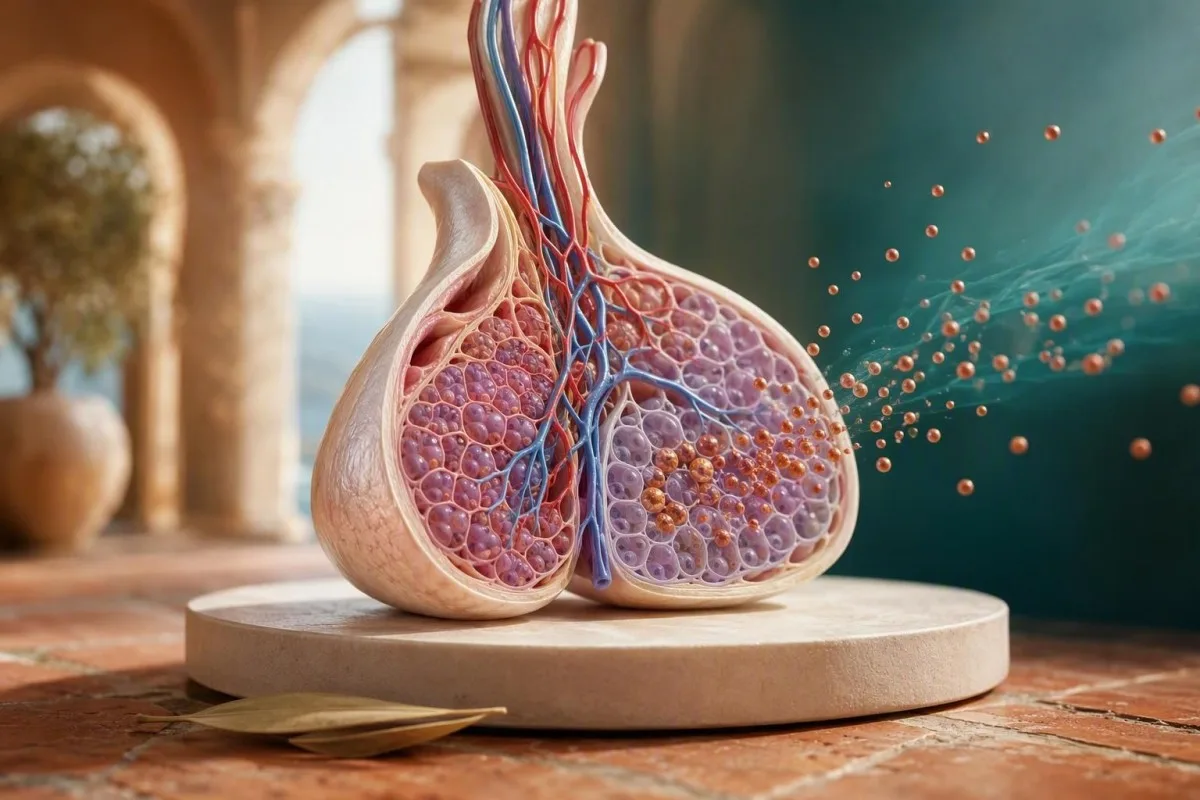
نتیجه مرزی پرولاکتین اغلب موقتی است، اما شرایط تکرار آزمایش و الگوی علائم تعیین میکنند که آیا میتوان با خیال راحت آن را تحت نظر گرفت یا نیاز به بررسی غدد درونریز دارد.


- افزایش خفیف معمولاً به معنای نتیجه پرولاکتین کمی بالاتر از حد بالای آزمایشگاه گزارشدهنده، اغلب کمتر از 50 نانوگرم در میلیلیتر (حدود 1060 میلیواحد بینالمللی در لیتر) است.
- ابتدا تکرار کن زمانی که پرولاکتین 20-50 نانوگرم در میلیلیتر باشد و هیچ علائم بینایی، سردرد شدید، یا تغییرات عمده در قاعدگی یا عملکرد جنسی وجود نداشته باشد.
- استراحت مهم است زیرا اضطراب خونگیری وریدی، خواب ضعیف، ورزش، تحریک پستان و بیماری حاد میتوانند به طور موقت پرولاکتین را افزایش دهند.
- بررسی داروها ضروری است زیرا داروهای ضد روانپریشی، متوکلوپرامید، دومپریدون، مواد افیونی، برخی از داروهای ضد افسردگی و وراپامیل میتوانند پرولاکتین را افزایش دهند.
- آزمایش ماکروپرولاکتین به ویژه برای افزایش پایدار با علائم کم یا بدون علائم معمول مفید است؛ این تست کمپلکسهای پرولاکتین با فعالیت بیولوژیکی کمتر را شناسایی میکند.
- سطوح بالاتر از 100 نانوگرم در میلیلیتر شایسته ارزیابی سریعتر غدد درونریز هستند، اگرچه داروها گاهی اوقات میتوانند مقادیر در این محدوده تولید کنند.
- بررسی فوری برای سردرد شدید جدید، کاهش دید جانبی، بارداری با علائم بینایی، یا تغییر عصبی ناگهانی لازم است.
- زمینه یک عدد را به خود اختصاص می دهد: وضعیت بارداری، عملکرد تیروئید، عملکرد کلیه، زمان مصرف دارو و مقادیر قبلی تفسیر را تغییر می دهند.
نتیجه مرزی پرولاکتین معمولاً به چه معناست
افزایش خفیف پرولاکتین به چه معناست معمولاً یک سیگنال موقتی است تا مدرکی دال بر بیماری غده هیپوفیز: نتیجه زیر 50 نانوگرم در میلی لیتر (تقریباً زیر 1060 میلی واحد بین المللی در لیتر) معمولاً نیازمند تکرار دقیق آزمایش است. من دکتر توماس کلین هستم و در بررسی بالینی، ترکیب مقدار دقیق، علائم، داروها، احتمال بارداری و شرایط نمونهگیری بسیار مهمتر از یک پرچم قرمز آزمایشگاهی منفرد است.
اکثر آزمایشگاه ها محدوده مرجع بزرگسالان غیر باردار را حدوداً ذکر می کنند 4-23 نانوگرم در میلی لیتر در زنان و 3-15 نانوگرم در میلی لیتر در مردان, ، اما روش ها متفاوت هستند. مقدار 27 نانوگرم در میلی لیتر در زنی که حد بالای آزمایشگاه او 23 نانوگرم در میلی لیتر است، یک نتیجه مرزی پرولاکتین است، نه یک تشخیص؛ واحدها را می توان به طور تقریبی به صورت 1 نانوگرم در میلی لیتر = 21.2 میلی واحد بین المللی در لیتر تبدیل کرد.
پزشکان زمانی نگران تر می شوند که افزایش مداوم، افزایشی، یا همراه با قطع قاعدگی، گالاکتوره، ناباروری، کاهش میل جنسی، اختلال نعوظ، سردرد، یا تغییر در بینایی محیطی باشد. مقداری بیش از 200 نانوگرم/میلیلیتر بیشتر از مقدار 28 نانوگرم در میلی لیتر، نشان دهنده آدنوم هیپوفیز ترشح کننده پرولاکتین است، اگرچه هیچ حد مشخصی جایگزین ارزیابی بالینی نمی شود.
کانتستی یک آنالایزر آزمایش خون هوش مصنوعی که نتیجه پرولاکتین را در کنار سرنخهای مربوط به تیروئید، کلیه، کبد، بارداری و هورمونهای جنسی قرار میدهد، به جای اینکه یک پرچم منفرد را به عنوان تشخیص در نظر بگیرد. خوانندگانی که در مورد پرچمهای آزمایشگاهی مطمئن نیستند، میتوانند راهنمای ما را در مورد نتایج خارج از محدوده.
چرا آزمایشگاه ها اختلاف نظر دارند
سنجش های ایمنی پرولاکتین قابل تعویض نیستند: دو آزمایشگاه ممکن است اعداد کمی متفاوت از یک فرد در یک روز را گزارش کنند. از محدوده مرجع چاپ شده در کنار نتیجه خود استفاده کنید و هنگام پیگیری روند، سعی کنید از همان آزمایشگاه استفاده کنید؛ این نیز دلیلی است که مقایسه نتایج بین ویزیت ها به مراقبت بیشتری نسبت به آنچه مردم انتظار دارند نیاز دارد.
دلایل موقتی که میتوانند پرولاکتین را بالا ببرند
استرس، اختلال خواب، ورزش، تحریک نوک پستان، فعالیت جنسی و بیماری حاد می توانند باعث افزایش کوتاه مدت پرولاکتین شوند. یک مقدار کمی بالا پس از یک رفت و آمد سخت یا یک شب بی خوابی ممکن است بدون درمان به حالت عادی بازگردد.
پرولاکتین به صورت پالسی آزاد می شود و در طول خواب افزایش می یابد، که اغلب در ساعات اولیه صبح به اوج خود می رسد. بنابراین، نمونه ای که بلافاصله پس از بیدار شدن، پس از شیفت شب، یا در طول یک فرآیند دردناک گرفته می شود، می تواند کمتر نماینده باشد تا نمونه ای استراحت کرده در اواسط صبح.
از تجربه من، یک بیمار 31 ساله مضطرب با سطح پرولاکتین 34 نانوگرم در میلی لیتر پس از سه ساعت خواب، اغلب نتیجه تکراری طبیعی در ساعت 10 صبح پس از نشستن آرام دارد. استراحت نشسته 15-30 دقیقه ای قبل از جمع آوری نمونه، اثر استرس حاد رویه ای را کاهش می دهد و اجتناب از تمرین شدید به مدت 24 ساعت منطقی است.
تب اخیر، تشنج، آسیب دیواره قفسه سینه، یا حتی تحریک مداوم سینه یا قفسه سینه میتواند پرولاکتین را افزایش دهد. اگر آزمایش شما پس از بیماری انجام شده است، آن را با اصول زمانبندی در راهنمای زمانبندی آزمایش خون, ما مقایسه کنید، نه اینکه فرض کنید این عدد نشاندهنده خط پایه طولانی مدت شماست.
نحوه تکرار صحیح آزمایش پرولاکتین
پرولاکتین را در یک صبح آرام تکرار کنید، ترجیحاً 2-3 ساعت پس از بیدار شدن و پس از 20-30 دقیقه نشستن آرام. ناشتایی به طور جهانی لازم نیست، اما ناشتایی یک شبه می تواند تفسیر پنل تکراری را آسان تر کند زمانی که گلوکز یا لیپیدها نیز اندازه گیری می شوند.
برای آزمایش تکراری، از 24 ساعت قبل از ورزش شدید، رابطه جنسی، تحریک سینه و معاینه غیر ضروری قفسه سینه خودداری کنید. داروی تجویز شده را خودتان قطع نکنید؛ در عوض، نام دارو، دوز، زمان آخرین دوز و دلیل تجویز آن را ثبت کنید.
یک درخواست عملی به پزشک شما این است: پرولاکتین سرم, ، تست بارداری در صورت مرتبط بودن،, TSH و T4 آزاد, ، و کراتینین یا eGFR را در صورتی که علت نامشخص باشد، تکرار کنید. آزمایش تیروئید مهم است زیرا کم کاری تیروئید اولیه می تواند هورمون آزاد کننده تیروتروپین را افزایش دهد و به طور ثانویه پرولاکتین را افزایش دهد؛ جدول زمانی تکرار آزمایش تیروئید.
ما را ببینید. زمان بندی تکرار معمولاً 1-4 هفته برای یک نتیجه غیرمنتظره جزئی هنگامی که احساس خوبی دارید، است، نه روز بعد. یک روند را می توان به وضوح با پیگیری طولی آزمایشهای آزمایشگاهی نیز مفید است, ثبت کرد، به خصوص اگر یادداشت هایی در مورد خواب، روز چرخه، بیماری و دارو داشته باشید.
داروهایی که معمولاً باعث افزایش خفیف پرولاکتین میشوند
داروهای مسدود کننده دوپامین از شایع ترین علل افزایش پایدار خفیف تا متوسط پرولاکتین هستند. عوامل اصلی عبارتند از داروهای ضد روانپریشی و داروهای ضد تهوع مانند متوکلوپرامید و دومپریدون.
دوپامین به طور معمول ترشح پرولاکتین هیپوفیز را سرکوب می کند، بنابراین داروهایی که گیرنده های D2 دوپامین را مسدود می کنند می توانند سطح را به طور قابل توجهی افزایش دهند. ریسپریدون، آمیسولپرید، هالوپریدول، متوکلوپرامید و دومپریدون نمونه های رایجی هستند؛ اپیوئیدها، وراپامیل و برخی SSRI ها ممکن است به طور متوسط تری کمک کنند.
سطوح مرتبط با دارو به طور گسترده ای متفاوت است: ریسپریدون می تواند باعث افزایش پرولاکتین بالاتر از 100 نانوگرم بر میلیلیتر, شود، در حالی که افزایش مرتبط با SSRI ممکن است فقط 25-40 نانوگرم در میلی لیتر باشد. دلیل اینکه ما به سادگی دارو را قطع نمی کنیم این است که عود روان پریشی، تهوع شدید، درد یا افسردگی ممکن است خطر فوری بسیار بیشتری داشته باشد.
Kantesti AI یک سرویس تفسیر آزمایشهای آزمایشگاه AI منتشر میشوند که هنگام علامتگذاری نتیجه هورمون، درخواست زمینه دارو را میکند، اما تفسیر آن نمیتواند جایگزین تجویز کننده شود که میداند چرا دارو شروع شده است. اگر علائم مرتبط با هورمون وجود دارد، پنل هورمونی ما توضیح میدهد که کدام نتایج همراه معمولاً توسط پزشکان بررسی میشوند.
بارداری، شیردهی و افزایشهای فیزیولوژیکی طبیعی
بارداری و شیردهی میتواند پرولاکتین را بسیار بالاتر از محدوده مرجع غیر باردار افزایش دهد و با بازه معمول 3-23 نانوگرم در میلیلیتر تفسیر نمیشود. بنابراین، تست بارداری یک مرحله اولیه و ضروری در افزایش غیرقابل توضیح در هر کسی است که ممکن است باردار باشد.
در دوران بارداری، پرولاکتین معمولاً به تدریج تا 100-300 نانوگرم در میلیلیتر افزایش مییابد و شیردهی باعث افزایش متناوب آن میشود. مقدار دقیق، تولید شیر را به طور قابل اعتماد اندازهگیری نمیکند، بنابراین پیگیری یک عدد در فرد شیرده به ندرت مفید است.
داروهای حاوی استروژن و چرخه قاعدگی طبیعی میتوانند سهم کوچکی داشته باشند، اما به ندرت به تنهایی افزایش قابل توجه و مداوم را توضیح میدهند. زمانبندی چرخه همچنین میتواند هورمونهای مرتبط مانند استرادیول و پروژسترون را پیچیده کند؛ توضیح ما در مورد تغییرات استرادیول در یائسگی نشان میدهد که چرا یک نتیجه هورمون جنسی به ندرت همه چیز را روشن میکند.
در فردی که سعی در باردار شدن دارد، هیپرپرولاکتینمی پایدار میتواند با سرکوب هورمون آزاد کننده گنادوتروپین، در تخمکگذاری اختلال ایجاد کند. این امر حتی زمانی که عدد فقط 35-60 نانوگرم در میلیلیتر است، به ویژه زمانی که قاعدگی نامنظم شده است، از نظر بالینی مرتبط است.
علل مربوط به تیروئید، کلیه، کبد و دیواره قفسه سینه
کمکاری تیروئید اولیه، کاهش پاکسازی کلیه، بیماری مزمن کبد و تحریک دیواره قفسه سینه همگی میتوانند پرولاکتین را بدون رشد هیپوفیز افزایش دهند. این علل معمولاً از طریق سابقه پزشکی و مجموعهای کوچک از آزمایشهای آزمایشگاهی هدفمند قبل از در نظر گرفتن تصویربرداری مغزی یافت میشوند.
کمکاری تیروئید اولیه آشکار اغلب TSH بالا همراه با T4 آزاد پایین, را نشان میدهد، و اصلاح با لووتیروکسین ممکن است پرولاکتین را در طول هفتهها تا ماهها نرمال کند. کمکاری تیروئید مرکزی الگوی متفاوتی دارد، بنابراین TSH طبیعی همیشه سوال را برطرف نمیکند زمانی که T4 آزاد پایین است؛ راهنمای ما را در مورد T4 آزاد پایین با TSH طبیعی.
بیماری مزمن کلیه میتواند پرولاکتین را از طریق کاهش پاکسازی و تنظیم دوپامین تغییر یافته افزایش دهد؛ eGFR کمتر از نشاندهنده CKD است؛ پایینتر از این توضیح را محتملتر میکند. بیماری کبد یک توضیح منفرد کمتر شایع است، اما اختلال در سنتز و تغییرات هورمون جنسی میتواند مؤثر باشد.
زونا در ناحیه قفسه سینه، جراحی قفسه سینه، سوختگیها و تحریک مکانیکی مداوم هر کدام با افزایش پرولاکتین مرتبط بودهاند زیرا ورودی عصبی حسی میتواند مسیر رفلکس را تحریک کند. این یکی از دلایلی است که پزشک در مورد راش یا عملی سوال میکند که به نظر میرسد به نتیجه هورمونی نامرتبط است.
چه زمانی آزمایش ماکروپرولاکتین گام منطقی بعدی است
آزمایش ماکروپرولاکتین زمانی بیشترین سودمندی را دارد که پرولاکتین بالا باقی بماند اما علائم غایب باشند یا متناسب با نتیجه نباشند. ماکروپرولاکتین معمولاً پرولاکتین متصل به ایمونوگلوبولین است و فعالیت بیولوژیکی کمتری دارد زیرا به طور ضعیفی به گیرندهها میرسد.
بسیاری از سنجشهای معمول، ماکروپرولاکتین را به عنوان پرولاکتین شمارش میکنند و باعث ایجاد نتیجه ظاهراً بالا در فردی با قاعدگی منظم، بدون گالاکتوره و بدون علائم باروری یا جنسی میشوند. آزمایشگاهها معمولاً با بارش پلیاتیلن گلیکول غربالگری میکنند؛ بازیابی کم پرولاکتین مونومر، ماکروپرولاکتینمی را تأیید میکند.
دستورالعمل انجمن غدد درونریز توصیه میکند که ماکروپرولاکتین در هیپرپرولاکتینمی بدون علامت بررسی شود، زیرا میتواند از تصویربرداری و درمان غیرضروری جلوگیری کند (Melmed et al., 2011). تخمینهای شیوع منتشر شده بسته به سنجش و جمعیت ارجاعی به شدت متفاوت است، اما ماکروپرولاکتین در حدود 10-25% افراد ارزیابی شده برای پرولاکتین بالا دیده میشود.
ماکروپرولاکتین دلیلی برای نادیده گرفتن علائمی که واقعاً وجود دارند نیست؛ فرد میتواند ماکروپرولاکتین به همراه مشکل غدد درونریز دیگری داشته باشد. برای دامنه گستردهتری از مشکلات سنجش، مقاله ما در مورد تستهای کیفی در مقابل کمی همراه مفیدی است.
پزشکان هنگام پایدار بودن افزایش، چه مواردی را بررسی میکنند
افزایش پایدار پرولاکتین باید با آزمایش بارداری در صورت لزوم، بررسی داروها، TSH/T4 آزاد، عملکرد کلیه و ماکروپرولاکتین تایید و ارزیابی شود قبل از اینکه بیماری هیپوفیز فرض شود. نتیجه تکراری در همان محدوده، اطلاعاتی بیش از یک نتیجه منفرد و ایزوله ارائه میدهد.
یک تاریخچه متمرکز در مورد زمانبندی قاعدگی، ترشح شیر، میل جنسی، عملکرد نعوظ، ناباروری، تغییرات بینایی، سردرد، تشنج، علائم قفسه سینه، و هرگونه ماده تجویزی، بدون نسخه، و تفریحی سوال میکند. در ۱۵ سال طبابت بالینی من، لیست داروها اغلب سرنخ گمشده است - به خصوص زمانی که درخواست آزمایش توسط پزشکی که با نسخه روانپزشکی یا گوارشی آشنایی ندارد، ثبت شده است.
پرولاکتین 50-100 نانوگرم بر میلیلیتر با عملکرد طبیعی تیروئید و کلیه، عدم توضیح دارویی، و عدم وجود ماکروپرولاکتین معمولاً نیازمند مداخله غدد درونریز است. بررسی مدیریت بالینی توسط سری و همکاران بر شناسایی علل فیزیولوژیک و فارماکولوژیک قبل از تصویربرداری تأکید دارد (Serri et al., 2003).
کانتستی استانداردهای اعتبارسنجی پزشکی تفسیر مبتنی بر الگو را پشتیبانی میکنند، اما نتایج غیرطبیعی باید از طریق پزشک و آزمایشگاه گزارشدهنده تأیید شوند. ارائه یک شرح حال زمانی مختصر از نتایج اغلب مفیدتر از تکرار یک پنل بزرگ و نامشخص هورمونی است.
چه زمانی باید نگران پرولاکتین بود و نیاز به بررسی فوری داشت
علائم جدید بینایی، سردرد شدید یا به سرعت در حال بدتر شدن، تغییر عصبی، یا افزایش قابل توجه و پایدار پرولاکتین نیازمند ارزیابی فوری پزشکی است. MRI معمولاً پس از حذف علل شایع قابل برگشت یا زمانی که علائم فشار در نزدیکی مسیرهای بینایی را نشان میدهند، در نظر گرفته میشود.
MRI هیپوفیز برای یک مقدار منفرد ۲۹ نانوگرم در میلیلیتر پس از استرس به طور خودکار لازم نیست. این روش با افزایش پایدار توضیح داده نشده، پرولاکتین بالاتر از 100 نانوگرم بر میلیلیتر, ، آمنوره یا هیپوگنادیسم، یا علائم توده هیپوفیزی؛ مقادیر بالاتر از 200 نانوگرم/میلیلیتر بماند و احتمال پرولاکتینوما را بیشتر کند.
برای سردرد ناگهانی شدید با اختلال بینایی، استفراغ، گیجی، ضعف یا غش، مشاوره بالینی در همان روز را دریافت کنید. این علائم در هایپرپرولاکتینمی خفیف معمولی غیرمعمول هستند، اما مهم هستند زیرا آپوپلکسی هیپوفیز و سایر بیماریهای عصبی نیاز به رد فوری دارند.
از دست دادن بینایی محیطی اغلب به صورت نامحسوس شروع میشود، بنابراین افراد به جای کوری آشکار، از برخورد با چهارچوب درها صحبت میکنند. بررسی دقیق ما در مورد علائم پرولاکتین بالا توضیح میدهد که کدام ترکیب علائم نباید منتظر تست مجدد معمول باشد.
قاعدگی، باروری و سلامت استخوان: چرا علائم، برنامه را تغییر میدهند
پرولاکتین کمی بالا رفته زمانی که قاعدگی، تخمکگذاری، باروری، یا قرار گرفتن در معرض استروژن را مختل میکند، اهمیت بیشتری پیدا میکند. این هورمون میتواند سیگنالدهی تولید مثل مورد نیاز برای تخمکگذاری منظم را حتی زمانی که ترشح شیر چشمگیر وجود ندارد، سرکوب کند.
الیگومنوره به معنای چرخههای طولانیتر از 35 روز, است، در حالی که آمنوره به معنای عدم خونریزی قاعدگی برای 3 ماه در فردی که قبلاً منظم بوده است؛ هر دو در صورت بالا بودن پرولاکتین نیازمند بررسی بالینی هستند. آزمایش بارداری ابتدا انجام میشود زیرا بارداری زودهنگام بسیار شایعتر از اختلال هیپوفیز است.
استروژن پایین به مدت چندین ماه میتواند تراکم استخوان را کاهش دهد، به خصوص زمانی که هایپرپرولاکتینمی باعث آمنوره میشود. وظیفه فوری، شروع کورکورانه مکملها نیست، بلکه شناسایی علت و بازگرداندن عملکرد هورمونی مناسب است؛ زنانی که در نظر دارند درمان کنند، میتوانند آزمایشات پایه قبل از HRT را مرور کنند..
گالاکتوره (ترشح شیر مانند) ترشحی شیر مانند است که به بارداری یا شیردهی ربطی ندارد، اما برای پرولاکتین بالا نه ضروری است و نه کافی. نتیجه طبیعی پرولاکتین، علت موضعی در پستان را رد نمیکند و نتیجه بالا، ترشح را به طور خودکار خطرناک نمیسازد.
پرولاکتین بالا در مردان: سرنخهای نادیده گرفته شده
در مردان، پرولاکتین بالا و پایدار میتواند باعث کاهش میل جنسی، اختلال در نعوظ، کاهش تستوسترون و گاهی اوقات تأثیر بر باروری شود. نتیجه باید با یک پانل تستوسترون صبحگاهی که به درستی زمانبندی شده است، تفسیر شود، نه فقط با پرولاکتین.
برای مردان با علائم جنسی، پزشکان اغلب تستوسترون کل را بین 7 تا 11 صبح اندازهگیری میکنند., ، همراه با SHBG و تستوسترون آزاد محاسبه شده در صورت نیاز. پرولاکتین میتواند گنادوتروپینها را سرکوب کند و باعث LH و FSH پایین یا به طور نامتناسبی نرمال در کنار تستوسترون پایین شود.
یک مرد 42 ساله با پرولاکتین 31 نانوگرم در میلیلیتر و تستوسترون مرزی پایین ممکن است دچار اختلال خواب، چاقی، اثر دارویی یا اختلال هیپوفیز باشد - هیچ راه میانبر واحدی وجود ندارد. توضیح ما در مورد تستوسترونِ آزادِ پایین نشان میدهد که چرا SHBG میتواند تفسیر یک مقدار کلی را به طور اساسی تغییر دهد.
کانتستی یک پلتفرم تفسیر بیومارکرهای AI که میتواند پرولاکتین را با تستوسترون، LH، FSH، TSH و نتایج قبلی مقایسه کند، اما هرگز نباید برای تشخیص ضایعه هیپوفیز استفاده شود. علائم پایدار حتی زمانی که افزایش پرولاکتین ناچیز است، شایسته بحث با مراقبتهای اولیه یا متخصص غدد است.
مشکلات سنجش: بیوتین، اثر قلاب و یک نتیجه گمراهکننده
تداخل آزمایشگاهی غیرمعمول است اما زمانی که عدد پرولاکتین به شدت با علائم یا یافتههای MRI در تضاد است، باید در نظر گرفته شود. بیوتین معمولاً بیش از پرولاکتین با برخی دیگر از ایمونواسیهای غدد درونریز تداخل دارد، اما هر مکملی همچنان باید در سابقه درخواست آزمایشگاه ثبت شود.
اثر قلاب دوز بالا میتواند باعث نتیجه پرولاکتین پایین کاذب شود، زمانی که یک پرولاکتینوما بسیار بزرگ غلظتهای بسیار بالایی از هورمون تولید میکند که یک سنجش دو سایتی را غرق میکند. اگر MRI توده بزرگ هیپوفیز را نشان دهد اما پرولاکتین تنها به طور خفیف افزایش یافته باشد، آزمایشگاه میتواند نمونه را رقیق کرده و سنجش را تکرار کند.
دوزهای بیوتینِ ۵ تا ۱۰ میلیگرم در روز- که در محصولات مو و ناخن شایع است - میتواند با سنجشهای استرپتویدین-بیوتین منتخب تداخل کند. در مورد مکملها به پزشک و آزمایشگاه اطلاع دهید و از توصیه آزمایشگاه محلی در مورد قطع مصرف آنها پیروی کنید؛ راهنمای ما در مورد مکملها قبل از آزمایش خون توضیح میدهد که چرا این یک قانون یکسان برای همه نیست.
آنتیبادیهای هتروفیل منبع نادر دیگری از نتایج گمراهکننده ایمونواسی هستند، به خصوص زمانی که مقادیر با تصویر بالینی مغایرت دارند. تکرار آزمایش در آزمایشگاه دیگر یا استفاده از روش سنجش جایگزین میتواند عدم قطعیت را بدون در معرض قرار دادن بیمار به اسکنهای غیرضروری برطرف کند.
موقعیتهای خاص: نوجوانان، یائسگی و درمان با داروهای ضد روانپریشی
سن، وضعیت یائسگی و دلیل مصرف داروی مسدود کننده دوپامین، آستانه اقدام را تغییر میدهد. همان مقدار پرولاکتین میتواند در یک فرد 16 ساله با تأخیر در بلوغ، یک والد شیرده و یک فرد 62 ساله که داروی ضد روانپریشی مصرف میکند، معنای متفاوتی داشته باشد.
نوجوانان نیاز به تفسیر غدد اطفال یا نوجوانان دارند زیرا بلوغ، برقراری قاعدگی و رشد، زمینه بالینی را تغییر میدهند. آزمایش پرولاکتین در کودکان به ندرت یک آزمایش غربالگری روتین است و باید به یک علامت خاص یا سؤال دارویی مرتبط باشد.
پس از یائسگی، افزایش پرولاکتین با تغییرات طبیعی چرخه توجیه نمیشود، بنابراین مقادیر پایدار شایسته بررسی دقیق دارویی و غدد درونریز هستند. علائم یائسگی میتواند با علائم تیروئید و پرولاکتین همپوشانی داشته باشد؛ راهنمای ما در مورد FSH بعد از یائسگی به جدا کردن تغییرات مورد انتظار از الگوهای غیرمنتظره کمک میکند.
برای هیپرپرولاکتینمی مرتبط با داروهای ضد روانپریشی، مدیریت باید با تجویز کننده سلامت روان به اشتراک گذاشته شود. گزینهها میتواند شامل مشاهده، تنظیم دوز، یا تغییر داروها باشد، اما آگونیستهای دوپامین مانند کابergoline ممکن است علائم روانپریشی را در افراد مستعد بدتر کنند و داروهای افزودنی ساده نیستند.
چگونه روند پرولاکتین را ثبت کنیم که پزشک شما بتواند از آن استفاده کند
یک گزارش مفید از روند پرولاکتین، نتیجه، محدوده آزمایشگاهی، زمان نمونهبرداری، وضعیت خواب، چرخه یا بارداری، بیماری و داروها را ثبت میکند. سه مقدار که تحت شرایط مختلف جمعآوری شدهاند، ممکن است کمتر از دو مقداری که به طور مداوم جمعآوری شدهاند، مفید باشند.
واحدهای دقیق را بنویسید زیرا ng/mL و mIU/L بدون تبدیل مستقیماً قابل مقایسه نیستند, و محدوده مرجع آزمایشگاه را حفظ کنید. توجه داشته باشید که آیا در 24 ساعت قبل ورزش کردهاید، ناشتا بودهاید، شیر دادهاید، رابطه جنسی داشتهاید، دارو مصرف کردهاید یا بد خوابیدهاید.
Kantesti AI، یک ابزار تحلیل آزمایش خون مبتنی بر AI, ، میتواند گزارشهای تاریخی را سازماندهی کند و نتایج متغیر را در پنلهای آزمایشگاهی در حدود 60 ثانیه برجسته کند، با این حال PDF اصلی و محدوده آزمایشگاهی منبع اصلی باقی میمانند. ما ردیاب نتیجهٔ آزمایشگاه ما جزئیات عملی را که از هشدارهای نادرست روند جلوگیری میکند، فهرست میکند.
اگر نتایج را با یکی از اعضای خانواده یا پزشک به اشتراک میگذارید، رضایت و دسترسی را کنترل کنید. افرادی که سوابق خانگی را مدیریت میکنند میتوانند از توصیه ما در مورد اشتراکگذاری امن نتایج خانوادگی بدون تبدیل نتیجه هورمون به تشخیص خانوادگی استفاده کنند.
یک مسیر عملی در سال 2026 پس از نتیجه خفیف پرولاکتین
از تاریخ 28 آگوست 2026، یک مسیر عملی برای تأیید یک نتیجه خفیف غیرمنتظره تحت شرایط استاندارد، بررسی علل برگشتپذیر، درخواست ماکروپرولاکتین در صورت تداوم افزایش بدون علائم، و ارجاع در صورت توجیه سطوح یا علائم، است. این رویکرد هم از اسکنهای MRI غیر ضروری و هم از بیماری غدد درونریز که نادیده گرفته شده است، جلوگیری میکند.
برای پرولاکتین تحت 50 نانوگرم بر میلیلیتر, ، بدون علائم هشدار دهنده، و یک محرک موقت واضح، 1-4 هفته پس از عادی شدن خواب و استراحت تکرار کنید. برای تداوم 50-100 ng/mL، داروها، وضعیت بارداری، TSH/free T4، eGFR و ماکروپرولاکتین را مرور کنید؛ برای مقادیر بالاتر از 100 ng/mL یا علائم نگران کننده، ارزیابی غدد درونریز به موقعتر را ترتیب دهید.
قانون عملی دکتر توماس کلاین ساده است: قبل از اینکه بدانید چرا پرولاکتین بالا رفته است، سعی نکنید آن را با مکملها کاهش دهید. پزشکان و بازبینان ما در چارچوب استانداردهای شرح داده شده توسط هیئت مشاوره پزشکی, کار میکنند، و خوانندگان میتوانند نحوه تفسیر الگو را در راهنمای فناوری هوش مصنوعی.
ما ببینند. برای خوانندگانی که به دنبال روششناسی آزمایشگاهی مرتبط هستند، انتشارات Kantesti شامل راهنمای مطالعات آهن: TIBC، اشباع آهن و ظرفیت اتصال و محدوده طبیعی aPTT: راهنمای لخته شدن خون D-Dimer، پروتئین C; است؛ اینها دستورالعملهای پرولاکتین نیستند، اما اصل مشابه تفسیر یک مقدار آزمایشگاهی در زمینه آزمایش آن را توصیف میکنند. پیوندهای رسمی انتشار در زیر برای شفافیت حفظ شده است.
سوالات متداول
سطح پرولاکتین مرزی به چه معناست؟
یک سطح پرولاکتین مرزی معمولاً به این معنی است که نتیجه فقط کمی بالاتر از حد بالای مرجع آزمایشگاه شما است، که اغلب در حدود 25-50 نانوگرم در میلیلیتر است. استرس، ورزش اخیر، خواب نامناسب، تحریک پستان، بیماری حاد و داروها همگی میتوانند باعث این میزان افزایش شوند. اکثر افراد با نتیجه مرزی غیرمنتظره و بدون علائم هشداردهنده، باید قبل از در نظر گرفتن تصویربرداری یا درمان، آزمایش را تحت شرایط آرامتر صبحگاهی تکرار کنند. محدوده آزمایشگاه و واحدها، معمولاً نانوگرم در میلیلیتر یا میلیواحد در لیتر، باید با مقدار دقیق بررسی شوند.
آیا باید نگران سطح پرولاکتین 30 نانوگرم در میلیلیتر باشم؟
سطح پرولاکتین ۳۰ نانوگرم در میلیلیتر در بسیاری از محدودههای آزمایشگاهی بزرگسالان غیرباردار، کمی بالاست و به خودی خود معمولاً اورژانسی نیست. پزشک بارداری، داروها، خواب، استرس، عملکرد تیروئید، عملکرد کلیه، علائم و اینکه آیا نمونه پس از استراحت جمعآوری شده است را در نظر خواهد گرفت. تکرار نتیجه در ۱-۴ هفته در صورتی که سردرد شدید، تغییر بینایی یا اختلال قابل توجه قاعدگی یا جنسی وجود نداشته باشد، معمولاً مناسب است. افزایش مداوم ممکن است آزمایش ماکروپرولاکتین و بررسی غدد درونریز را توجیه کند.
آیا اضطراب میتواند سطح پرولاکتین را در آزمایش خون بالا ببرد؟
بله، اضطراب پیرامون جمعآوری نمونه میتواند به طور موقت پرولاکتین را افزایش دهد زیرا پرولاکتین به استرس فیزیکی و عاطفی پاسخ میدهد. نشستن آرام به مدت ۲۰-۳۰ دقیقه قبل از جمعآوری و آزمایش ۲-۳ ساعت پس از بیدار شدن، نتایج تکراری را نمایندگی بیشتری میکند. اجتناب از ورزش شدید، رابطه جنسی و تحریک پستان به مدت ۲۴ ساعت، تغییرات قابل اجتناب را بیشتر کاهش میدهد. نباید فرض کرد که اضطراب به تنهایی نتایج تکراری را که در نمونههای جمعآوری شده به درستی بالا باقی میمانند، توضیح میدهد.
چه زمانی باید ماکروپرولاکتین آزمایش شود؟
پرولاکتین ماکرو باید زمانی در نظر گرفته شود که پرولاکتین در آزمایشهای تکراری بالا باقی میماند، اما علائم معمول وجود ندارند یا خفیف هستند. پرولاکتین ماکرو از پرولاکتین متصل به ایمونوگلوبولین تشکیل شده است و سنجشهای روتین ممکن است علیرغم فعالیت بیولوژیکی کمتر آن، آن را بشمارند. آزمایشگاهها اغلب از بارش پلیاتیلن گلیکول برای تخمین کسر مونومری فعال استفاده میکنند. آزمایش میتواند از MRI هیپوفیز غیرضروری یا درمان جلوگیری کند، به ویژه با مقادیر پایدار در محدوده 25-100 نانوگرم در میلیلیتر.
چه سطحی از پرولاکتین نشاندهنده تومور هیپوفیز است؟
هیچ سطح پرولاکتین واحدی تومور هیپوفیز را تشخیص نمیدهد، اما سطوح پایدار بالاتر از 100 نانوگرم در میلیلیتر، پس از بررسی داروها و علل دیگر، نیاز به ارزیابی غدد درونریز را افزایش میدهد. سطوح بالاتر از 200 نانوگرم در میلیلیتر بیشتر نشاندهنده آدنوما هیپوفیز ترشحکننده پرولاکتین است، اگرچه داروهای مسدودکننده دوپامین گاهی میتوانند باعث افزایش قابل توجهی شوند. تصمیمات MRI همچنین به سردرد، علائم بینایی، اختلال قاعدگی یا جنسی، و نتایج آزمایشهای تیروئید، بارداری، کلیه و ماکروپرولاکتین بستگی دارد. سطح 25-40 نانوگرم در میلیلیتر به تنهایی بسیار بیشتر از تومور بزرگ هیپوفیز، گذرا یا ثانویه است.
آیا میتوانم پرولاکتین کمی بالا را به طور طبیعی کاهش دهم؟
شما نباید قبل از تأیید نتیجه و شناسایی علت، با مکملها به درمان پرولاکتین کمی بالا اقدام کنید. بهبود خواب، پرهیز از ورزش شدید قبل از نمونهگیری مجدد و کاهش استرس قابل اجتناب میتواند به جلوگیری از مخدوش شدن نتیجه آزمایش توسط افزایش موقت کمک کند، اما آنها هیپرپرولاکتینمیای مداوم مربوط به دارو، تیروئید، کلیه یا هیپوفیز را درمان نمیکنند. بدون مشورت پزشک تجویز کننده، داروهای ضد روانپریشی، داروهای ضد تهوع، اوپیوئیدها یا ضدافسردگیها را قطع نکنید. امنترین گام بعدی، آزمایش تکراری با آمادگی مناسب و بررسی بالینی هدفمند است.
همین امروز آنالیز آزمایش خون با هوش مصنوعی را دریافت کنید
به بیش از 2 میلیون کاربر در سراسر جهان بپیوندید که Kantesti را برای تحلیل فوری و دقیق آزمایشهای آزمایشگاهی مورد اعتماد قرار میدهند. نتایج آزمایش خون خود را بارگذاری کنید و در عرض چند ثانیه، تفسیر جامع 15,000+ از نشانگرهای زیستی را دریافت کنید.
📚 انتشارات پژوهشی ارجاعشده
کلاین، تی.، میچل، اس.، و وبر، اچ. (۲۰۲۶). راهنمای مطالعات آهن: TIBC، اشباع آهن و ظرفیت اتصال. پژوهش پزشکی مبتنی بر هوش مصنوعی Kantesti.
کلاین، تی.، میچل، اس.، و وبر، اچ. (۲۰۲۶). محدوده طبیعی aPTT: راهنمای لخته شدن خون D-Dimer، پروتئین C. پژوهش پزشکی مبتنی بر هوش مصنوعی Kantesti.
📖 منابع پزشکی خارجی
Serri O et al. (2003). تشخیص و مدیریت هیپرپرولاکتینمی. CMAJ.
Gibney J et al. (2005). تأثیر غربالگری معمول برای ماکروپرولاکتین بر روی عمل بالینی. Journal of Clinical Endocrinology & Metabolism.
⚕️ سلب مسئولیت پزشکی
این مقاله فقط برای اهداف آموزشی است و توصیه پزشکی محسوب نمیشود. برای تصمیمهای مربوط به تشخیص و درمان، همیشه با یک ارائهدهنده مراقبتهای بهداشتی واجد شرایط مشورت کنید.
سیگنالهای اعتماد E-E-A-T
تجربه
بازبینی بالینی مبتنی بر نظر پزشک از فرایندهای تفسیر آزمایشگاه.
تخصص
تمرکز بر پزشکی آزمایشگاهی و اینکه نشانگرهای زیستی در زمینه بالینی چگونه رفتار میکنند.
اقتدارگرایی
نوشتهشده توسط دکتر توماس کلاین، با بازبینی توسط دکتر سارا میچل و پروفسور دکتر هانس وبر.
قابل اعتماد بودن
تفسیر مبتنی بر شواهد با مسیرهای پیگیری روشن برای کاهش هشدارها.