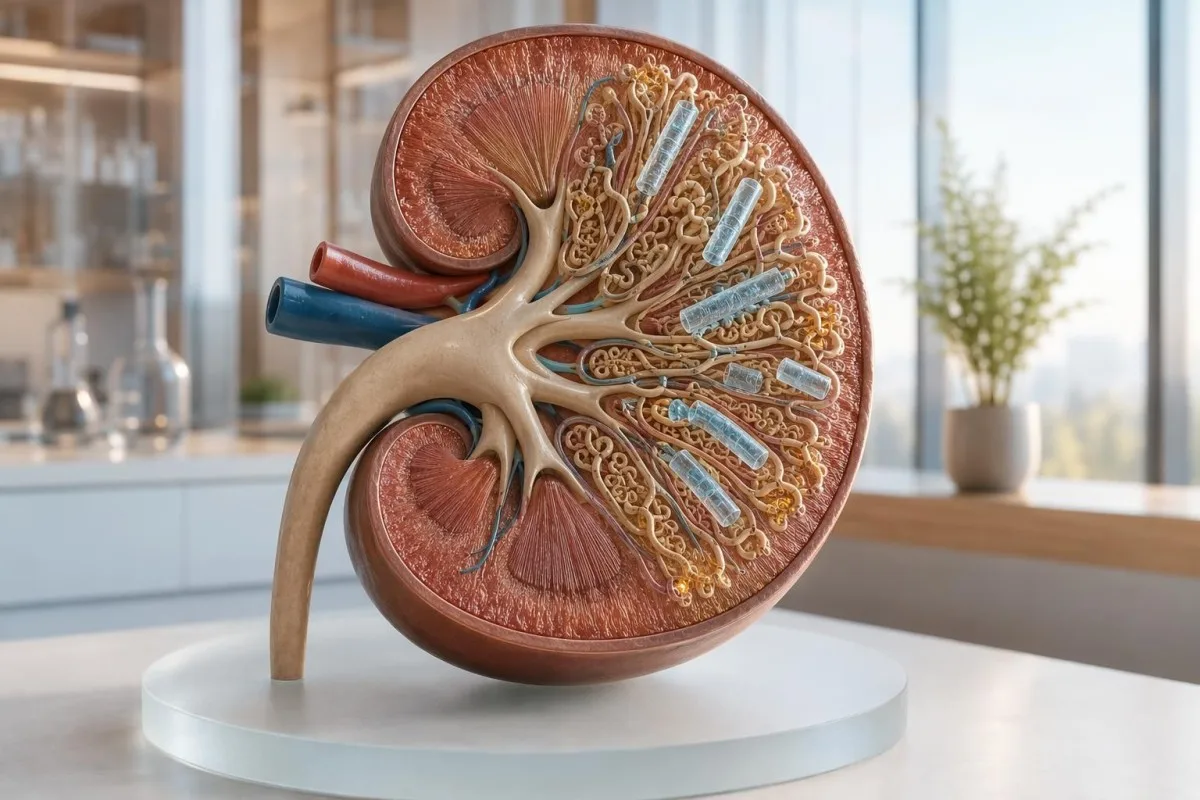
Hyaline Casts in Urine: Normal Results and Red Flags
Categories
Articles

Kidney Health Lab Interpretation 2026 Update Patient-Friendly A small number of hyaline casts is commonly a temporary concentration effect, not kidney disease. The deciding factor is what else appears in the urine sediment test and kidney panel. 📖 ~11 minutes 📅 July 20, 2026 📝 Published: July 20, 2026 🩺 Medically Reviewed: July 20, 2026 […]

Calcium Levels in Children: Age Ranges and Warning Signs
Categories
Articles

Pediatric Health Lab Interpretation 2026 Update Patient-Friendly Most calcium results in children are interpreted against an age-specific laboratory interval, not an adult range. A low total calcium may simply reflect low albumin, while low ionized calcium with twitching, seizures, breathing noise, or a very unwell child needs prompt pediatric assessment. 📖 ~10-12 minutes 📅 July […]

Blood Test for Puffy Eyes: Thyroid, Kidney and Allergy
Categories
Articles

Eye Swelling Lab Interpretation 2026 Update Patient-Friendly Most under-eye puffiness comes from sleep, salt, allergies, or normal fluid shifts and does not need blood work. A blood test for puffy eyes becomes sensible when swelling persists for 2–3 weeks, recurs with leg swelling or foamy urine, or appears alongside fatigue, weight change, rash, breathing symptoms, […]

Blood Test for Breast Tenderness: When Hormones Help
Categories
Articles

Breast Health Lab Interpretation 2026 Update Patient-Friendly Most breast tenderness that predictably comes and goes with periods does not need a broad hormone panel. The useful question is whether the symptom pattern points to pregnancy, prolactin excess, thyroid dysfunction, medication effects, or a breast problem that needs examination and imaging instead. 📖 ~11 minutes 📅 […]

Troponin I vs Troponin T: Why Heart Test Values Differ
Categories
Articles

Cardiac Testing Lab Interpretation 2026 Update Patient-Friendly Troponin I and troponin T both detect injury to heart muscle, but they are different proteins measured by different laboratory methods. The assay name, local upper reference limit, symptoms, ECG, and serial change matter far more than comparing one isolated number online. 📖 ~11 minutes 📅 July 20, […]

Cortisol vs DHEA: Reading Your Adrenal Test Pattern
Categories
Articles

Adrenal Hormones Lab Interpretation 2026 Update Patient-Friendly Cortisol and DHEA-S are made by the adrenal glands, but a single result rarely diagnoses a stress problem. The useful question is whether their timing, test method, medications, symptoms, and companion results form a coherent endocrine pattern. 📖 ~11 minutes 📅 July 20, 2026 📝 Published: July 20, […]

What Does Out of Range Mean on Blood Test Results?
Categories
Articles

Lab Interpretation Patient-Friendly Clinical Context 2026 Update A high or low flag means your result falls outside that laboratory’s comparison interval; it does not, by itself, diagnose illness. The useful question is whether the result fits your symptoms, medications, collection conditions, and prior results. 📖 ~11 minutes 📅 July 19, 2026 📝 Published: July 19, […]

What Does DHEA Stand For? Test Meaning and Uses
Categories
Articles

Hormones Lab Interpretation 2026 Update Patient-Friendly DHEA is an adrenal hormone with a short lifespan in the bloodstream; DHEA-S is its more stable, more commonly tested form. The letters look similar, but the distinction changes how clinicians interpret a result. 📖 ~11 minutes 📅 July 19, 2026 📝 Published: July 19, 2026 🩺 Medically Reviewed: […]

High FSH Causes: Menopause, Gonadal Failure and More
Categories
Articles

Hormone Health Lab Interpretation 2026 Update Patient-Friendly A high FSH result most often reflects reduced ovarian function after menopause or reduced testicular function in men, but age, timing, medications, and paired hormone results change the meaning. Here is how I separate an expected finding from one that needs prompt endocrine review. 📖 ~11 minutes 📅 […]

High Copper Causes: When a Serum Result Needs Follow-Up
Categories
Articles

Trace Minerals Lab Interpretation 2026 Update Patient-Friendly A high serum copper result usually reflects more ceruloplasmin, not dangerous copper accumulation. The useful next step is to interpret the number alongside hormones, inflammation, liver tests, and repeat-testing conditions. 📖 ~11 minutes 📅 July 19, 2026 📝 Published: July 19, 2026 🩺 Medically Reviewed: July 19, 2026 […]