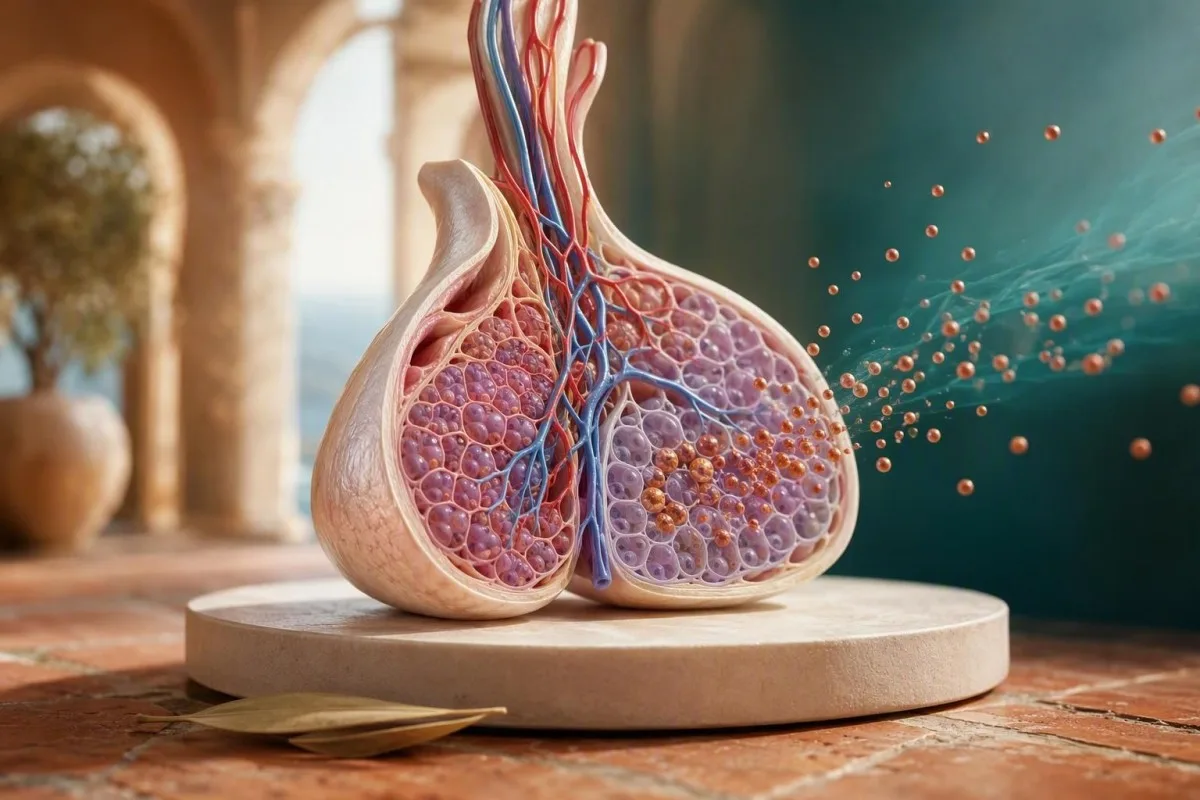
غالبًا ما تكون نتيجة البرولاكتين الحدية مؤقتة، ولكن ظروف الاختبار المتكرر ونمط الأعراض يحددان ما إذا كان يمكن مراقبتها بأمان أو تحتاج إلى مراجعة الغدد الصماء.


- ارتفاع بسيط تعني عادةً نتيجة برولاكتين أعلى بقليل من الحد الأعلى للمختبر الذي يقوم بالإبلاغ، وغالبًا ما تكون أقل من 50 نانوغرام/مل (حوالي 1060 وحدة دولية/لتر).
- أعد الاختبار أولًا عندما يكون البرولاكتين 20-50 نانوغرام/مل ولا توجد أعراض بصرية، أو صداع شديد، أو تغيرات كبيرة في الدورة الشهرية أو الوظيفة الجنسية.
- الراحة مهمة لأن قلق سحب الدم، قلة النوم، ممارسة الرياضة، تحفيز الثدي، والمرض الحاد يمكن أن يرفع البرولاكتين بشكل عابر.
- مراجعة الأدوية ضروري لأن مضادات الذهان، الميتوكلوبراميد، الدومبيريدون، الأفيونيات، بعض مضادات الاكتئاب، والفيراباميل يمكن أن ترفع البرولاكتين.
- اختبار الماكروبروﻻكتين مفيد بشكل خاص للارتفاع المستمر مع قلة الأعراض النموذجية أو عدم وجودها؛ فهو يحدد معقدات البرولاكتين الأقل نشاطًا بيولوجيًا.
- مستويات أعلى من 100 نانوغرام/مل تستحق تقييمًا أسرع من الغدد الصماء، على الرغم من أن الأدوية يمكن أن تنتج قيمًا في هذا النطاق أحيانًا.
- مراجعة عاجلة مطلوب في حالة صداع شديد جديد، أو ضعف في الرؤية الجانبية، أو حمل مع أعراض بصرية، أو تغير عصبي مفاجئ.
- السياق يضرب رقمًا واحدًا: حالة الحمل، وظائف الغدة الدرقية، وظائف الكلى، توقيت الأدوية، والقيم السابقة تغير التفسير.
ما تعنيه نتيجة البرولاكتين الحدية عادةً
معنى ارتفاع البرولاكتين قليلاً هو عادةً إشارة مؤقتة بدلاً من دليل على وجود حالة في الغدة النخامية: النتيجة الأقل من 50 نانوغرام/مل (حوالي أقل من 1060 ملي وحدة دولية/لتر) عادةً ما تتطلب اختبارًا مكررًا معدًا بعناية. أنا الدكتور توماس كلاين، وفي المراجعة السريرية، فإن تركيبة القيمة الدقيقة، والأعراض، والأدوية، وإمكانية الحمل، وظروف أخذ العينات مهمة أكثر بكثير من علامة مخبرية حمراء واحدة.
معظم المختبرات تقتبس نطاقًا مرجعيًا للبالغين غير الحوامل يبلغ حوالي 4-23 نانوغرام/مل لدى النساء و 3-15 نانوغرام/مل لدى الرجال, ، ولكن الطرق تختلف. قيمة 27 نانوغرام/مل لدى امرأة يبلغ الحد الأعلى لمختبرها 23 نانوغرام/مل هي نتيجة برولاكتين borderline (حدية)، وليست تشخيصًا؛ يمكن تحويل الوحدات تقريبًا حيث أن 1 نانوغرام/مل = 21.2 ملي وحدة دولية/لتر.
يصبح الأطباء أكثر قلقًا عندما يكون الارتفاع مستمرًا، أو متزايدًا، أو مصحوبًا بانقطاع الدورة الشهرية، أو إفراز اللبن من الثدي، أو العقم، أو ضعف الرغبة الجنسية، أو صعوبة الانتصاب، أو الصداع، أو تغير الرؤية الطرفية. قيمة أعلى من 200 نانوغرام/مل تشير بشكل أكبر إلى ورم غدي في الغدة النخامية يفرز البرولاكتين مقارنة بقيمة 28 نانوغرام/مل، على الرغم من عدم وجود حد فاصل يحل محل التقييم السريري.
كانتيستي هو محلل تحليل الدم بالذكاء الاصطناعي التي تضع نتيجة البرولاكتين بجانب أدلة الغدة الدرقية، والكلى، والكبد، والحمل، والهرمونات الجنسية بدلاً من التعامل مع علامة معزولة كتشخيص. يمكن للقراء غير المتأكدين من العلامات المخبرية مراجعة دليلنا الخاص بـ النتائج خارج النطاق.
سبب اختلاف المختبرات
مقايسات المناعة للبرولاكتين ليست قابلة للتبديل: قد يبلغ مختبران عن أرقام مختلفة قليلاً لنفس الشخص في نفس اليوم. استخدم النطاق المرجعي المطبوع بجانب نتيجتك الخاصة، وعند تتبع اتجاه، حاول استخدام نفس المختبر؛ هذا هو السبب أيضًا في أن مقارنة النتائج بين الزيارات تحتاج إلى مزيد من العناية أكثر مما يتوقع الناس.
الأسباب المؤقتة التي يمكن أن ترفع البرولاكتين
يمكن أن يسبب الإجهاد، واضطراب النوم، وممارسة الرياضة، وتحفيز الحلمة، والنشاط الجنسي، والمرض الحاد ارتفاعًا قصير الأمد في البرولاكتين. قد تعود القيمة المرتفعة قليلاً إلى طبيعتها دون علاج بعد رحلة صعبة أو ليلة بلا نوم.
يتم إطلاق البرولاكتين على شكل نبضات ويرتفع أثناء النوم، وغالبًا ما تصل ذروته في الساعات الأولى من الصباح. لذلك، قد تكون العينة المأخوذة بعد الاستيقاظ بفترة وجيزة، أو بعد وردية ليلية، أو أثناء إجراء مؤلم، أقل تمثيلاً من عينة الصباح في منتصف النهار بعد الحصول على قسط كافٍ من الراحة.
في تجربتي، غالبًا ما يكون لدى مريضة قلقة تبلغ من العمر 31 عامًا وبرولاكتين 34 نانوغرام/ملليلتر بعد ثلاث ساعات من النوم نتيجة طبيعية متكررة في الساعة 10 صباحًا بعد الجلوس بهدوء. يقلل الاسترخاء الجالس لمدة 15-30 دقيقة قبل جمع العينة من تأثير الإجهاد الإجرائي الحاد، وتجنب التدريب الشاق لمدة 24 ساعة أمر معقول.
يمكن أن يؤدي الحمى الأخيرة، أو النوبات، أو إصابة جدار الصدر، أو حتى التحفيز المستمر للثدي أو الصدر إلى رفع البرولاكتين. إذا تبع اختبارك المرض، قارنه بمبادئ التوقيت في دليل توقيت فحوصات الدم, ، بدلاً من افتراض أن الرقم يعكس خط الأساس طويل الأجل الخاص بك.
كيفية تكرار اختبار البرولاكتين بشكل صحيح
كرر البرولاكتين في صباح هادئ، ويفضل بعد 2-3 ساعات من الاستيقاظ وبعد 20-30 دقيقة من الجلوس بهدوء. الصيام ليس مطلوبًا عالميًا، ولكن الصيام طوال الليل يمكن أن يجعل لوحة تكرار أسهل في التفسير عند قياس الجلوكوز أو الدهون أيضًا.
بالنسبة للاختبار المتكرر، تجنب التمارين الرياضية الشاقة، والجنس، وتحفيز الثدي، وفحص الصدر غير الضروري لمدة 24 ساعة قبل ذلك. لا تتوقف عن تناول الدواء الموصوف بنفسك؛ بدلًا من ذلك، سجل اسم الدواء والجرعة ووقت الجرعة الأخيرة وسبب وصفه.
طلب عملي لطبيبك هو: تكرار البرولاكتين في المصل, ، واختبار الحمل إذا كان ذا صلة،, TSH وT4 الحر, ، والكرياتينين أو eGFR عندما يكون السبب غير واضح. يهم اختبار الغدة الدرقية لأن قصور الغدة الدرقية الأولي يمكن أن يرفع هرمون إطلاق الثيروتروبين ويزيد البرولاكتين بشكل ثانوي؛ انظر جدول إعادة اختبار الغدة الدرقية.
عادة ما يكون توقيت التكرار 1-4 أسابيع لنتيجة غير متوقعة متواضعة عندما تشعر بأنك بحالة جيدة، بدلاً من اليوم التالي. يمكن التقاط اتجاه بوضوح مع المتابعة الطولية للتحاليل المخبرية, ، خاصة إذا قمت بحفظ ملاحظات عن النوم، ويوم الدورة، والمرض، والأدوية.
الأدوية التي تسبب عادةً ارتفاعًا طفيفًا في البرولاكتين
أدوية حجب الدوبامين هي من بين الأسباب الأكثر شيوعًا لارتفاع البرولاكتين المعتدل إلى المعتدل بشكل مستمر. الجناة الرئيسيون هم مضادات الذهان ومضادات الغثيان مثل الميتوكلوبراميد والدومبيريدون.
يقوم الدوبامين عادة بقمع إطلاق البرولاكتين النخامي، لذلك يمكن للأدوية التي تحظر مستقبلات الدوبامين D2 زيادة المستويات بشكل كبير. ريسبيريدون، أميسولبريد، هالوبيريدول، ميتوكلوبراميد، ودومبيريدون هي أمثلة متكررة؛ قد تساهم الأفيونيات، وفيراباميل، وبعض مثبطات استرداد السيروتونين الانتقائية بشكل أكثر تواضعًا.
تختلف المستويات المتعلقة بالأدوية على نطاق واسع: يمكن أن ينتج الريسبيريدون برولاكتين أعلى من 100 نانوغرام/مل (ng/mL), ، بينما قد يكون الارتفاع المرتبط بمثبطات استرداد السيروتونين الانتقائية 25-40 نانوغرام/ملليلتر فقط. السبب في أننا لا نوقف الدواء ببساطة هو أن الانتكاس النفسي، أو الغثيان الشديد، أو الألم، أو الاكتئاب قد يشكل خطرًا فوريًا أكبر بكثير.
Kantesti AI هو خدمة تفسير اختبارات مختبر الذكاء الاصطناعي التي تطلب سياق الأدوية عندما يتم وضع علامة على نتيجة هرمونية، ولكن تفسيرها لا يمكن أن يحل محل الطبيب الذي يعرف سبب بدء الدواء. إذا كانت هناك أعراض مرتبطة بالهرمونات، ف لألواح الهرمونات يشرح أي النتائج المصاحبة التي يفحصها الأطباء عادةً.
الحمل والرضاعة الطبيعية والارتفاعات الفسيولوجية الطبيعية
يمكن للحمل والرضاعة أن يرفعا البرولاكتين إلى ما هو أبعد بكثير من المعدلات المرجعية لغير الحوامل ولا يتم تفسيرهما باستخدام الفاصل الزمني المعتاد 3-23 نانوغرام/مل. لذلك، يعد اختبار الحمل خطوة أولى وأساسية في الارتفاع غير المبرر لدى أي شخص قد يكون حاملاً.
أثناء الحمل، يرتفع البرولاكتين بشكل تدريجي إلى 100-300 نانوغرام/مل بحلول أواخر الحمل، والرضاعة الطبيعية تحافظ على ارتفاعات متقطعة. القيمة الدقيقة لا تقيس إمدادات الحليب بشكل موثوق، لذا فإن مطاردة رقم لدى شخص يرضع رضاعة طبيعية نادراً ما تكون مفيدة.
يمكن للأدوية التي تحتوي على الإستروجين ودورة الحيض الطبيعية أن تسهم بشكل طفيف، ولكنها نادراً ما تفسر زيادة كبيرة مستمرة بمفردها. يمكن أن يعقّد توقيت الدورة الهرمونات ذات الصلة مثل الإستراديول والبروجسترون؛ شرحنا لـ تقلب الإستراديول في انقطاع الطمث يوضح لماذا نادرًا ما تجيب نتيجة واحدة للهرمونات الجنسية على كل شيء.
لدى الشخص الذي يحاول الحمل، يمكن أن يتداخل فرط برولاكتين الدم المستمر مع الإباضة عن طريق تثبيط هرمون إطلاق الغونادوتروبين. هذا ذو أهمية سريرية حتى عندما يكون الرقم 35-60 نانوغرام/مل فقط، خاصة عندما أصبحت الدورات الشهرية غير منتظمة.
أسباب متعلقة بالغدة الدرقية والكلى والكبد وجدار الصدر
يمكن أن ترفع قصور الغدة الدرقية الأولي، وانخفاض تصفية الكلى، وأمراض الكبد المزمنة، وتحفيز جدار الصدر، جميعها مستويات البرولاكتين دون وجود ورم في الغدة النخامية. عادة ما يتم العثور على هذه الأسباب من خلال التاريخ الطبي ومجموعة صغيرة من الاختبارات المعملية المستهدفة قبل النظر في التصوير الدماغي.
غالبًا ما يظهر قصور الغدة الدرقية الأولي الواضح ارتفاع TSH مع انخفاض T4 الحر, ، وقد يؤدي العلاج بالليفوتيروكسين إلى تطبيع البرولاكتين على مدى أسابيع إلى أشهر. قصور الغدة الدرقية المركزي له نمط مختلف، لذلك لا يؤدي انخفاض TSH الطبيعي دائمًا إلى تسوية السؤال عندما يكون T4 الحر منخفضًا؛ اقرأ دليلنا إلى T4 الحر المنخفض مع TSH الطبيعي.
يمكن أن يسبب مرض الكلى المزمن ارتفاع البرولاكتين بسبب انخفاض التصفية وتغير تنظيم الدوبامين؛ انخفاض eGFR أقل من 60 مل/دقيقة/1.73 م² يجعل هذا التفسير أكثر معقولية. أمراض الكبد تفسير أقل شيوعًا بمفرده، ولكن خلل التخليق وتغيرات الهرمونات الجنسية يمكن أن تسهم.
تم ربط الهربس النطاقي عبر الصدر، وجراحة الصدر، والحروق، والتهيج الميكانيكي المستمر، جميعها بارتفاع البرولاكتين لأن المدخلات العصبية الحسية يمكن أن تحفز المسار الانعكاسي. هذا هو أحد الأسباب التي تجعل الطبيب يسأل عن طفح جلدي أو عملية جراحية تبدو غير مرتبطة بنتيجة هرمونية.
متى يكون اختبار الماكروبورولاكتين هو الخطوة التالية المنطقية
يكون اختبار الماكرو برولاكتين أكثر فائدة عندما يظل البرولاكتين مرتفعًا ولكن الأعراض غائبة أو تتناسب مع النتيجة. الماكرو برولاكتين هو عادة برولاكتين مرتبط بالجلوبيولين المناعي وله نشاط بيولوجي أقل لأنه يصل إلى المستقبلات بشكل ضعيف.
تقوم العديد من المقايسات الروتينية بعد الماكرو برولاكتين كبرولاكتين، مما يخلق نتيجة مرتفعة ظاهريًا لدى شخص لديه دورات منتظمة، ولا يعاني من تسرب الحليب، ولا يعاني من مشاكل في الخصوبة أو الأعراض الجنسية. تقوم المختبرات عادةً بالفحص باستخدام ترسيب البولي إيثيلين جلايكول؛ انخفاض استعادة البرولاكتين الأحادي يدعم الماكرو برولاكتين.
توصي إرشادات الجمعية الاندوكراينية بفحص الماكرو برولاكتين في حالات فرط برولاكتين الدم بدون أعراض لأنه يمكن أن يمنع التصوير والعلاج غير الضروريين (Melmed et al., 2011). تختلف تقديرات الانتشار المنشورة بشكل كبير حسب المقايسة والسكان المحالين، ولكن الماكرو برولاكتين يظهر في حوالي 10-25% من الأشخاص الذين تم تقييمهم لارتفاع البرولاكتين.
الماكروبورولاكتين ليس سبباً لتجاهل الأعراض الموجودة بالفعل؛ يمكن للشخص أن يعاني من الماكروبورولاكتين بالإضافة إلى مشكلة غدية صماء أخرى. لمزيد من العيوب التحليلية الأوسع، مقالنا حول الاختبارات النوعية مقابل الكمية رفيق مفيد.
ما الذي يفحصه الأطباء عند استمرار الارتفاع
يجب تأكيد ارتفاع البرولاكتين المستمر وتقييمه باختبار الحمل عند الاقتضاء، ومراجعة الأدوية، و TSH/free T4، ووظائف الكلى، والماكروبورولاكتين قبل افتراض وجود مرض في الغدة النخامية. النتيجة المتكررة في نفس النطاق تكون أكثر إفادة من نتيجة واحدة معزولة.
التاريخ المركز يسأل عن توقيت الدورة الشهرية، وإفراز الحليب، والرغبة الجنسية، ووظيفة الانتصاب، والعقم، وتغير الرؤية، والصداع، والنوبات، وأعراض الصدر، وكل دواء موصوف، ودون وصفة طبية، ومادة ترفيهية. في 15 عامًا من ممارستي السريرية، غالباً ما تكون قائمة الأدوية هي المفتاح المفقود - خاصة عندما يتم وضع طلب المختبر من قبل طبيب غير مطلع على وصفة طبية نفسية أو هضمية.
برولاكتين 50-100 نانوغرام/مل مع وظائف طبيعية للغدة الدرقية والكلى، وعدم وجود تفسير دوائي، وعدم وجود ماكروبورولاكتين، عادة ما يبرر التدخل الغددي الصم. تؤكد المراجعة السريرية للإدارة من قبل Serri وزملاؤه على تحديد الأسباب الفسيولوجية والدوائية قبل التصوير (Serri et al., 2003).
كانتستي معايير التحقق الطبي تدعم التفسير القائم على الأنماط، ولكن يجب تأكيد النتائج غير الطبيعية من خلال الطبيب والمختبر الذي يقدم التقرير. غالبًا ما يكون تقديم التسلسل الزمني الموجز للنتائج أكثر فائدة من تكرار لوحة هرمونية كبيرة غير مستهدفة.
متى تقلق بشأن البرولاكتين وتطلب مراجعة عاجلة
الأعراض البصرية الجديدة، أو الصداع الشديد أو المتدهور بسرعة، أو التغير العصبي، أو ارتفاع البرولاكتين المستمر بشكل ملحوظ تتطلب تقييمًا طبيًا فوريًا. يتم النظر في التصوير بالرنين المغناطيسي بشكل عام بعد استبعاد الأسباب الشائعة القابلة للعكس أو عندما تشير الأعراض إلى ضغط بالقرب من المسارات البصرية.
لا يلزم إجراء تصوير بالرنين المغناطيسي للغدة النخامية تلقائيًا لقيمة واحدة تبلغ 29 نانوغرام/مل بعد الإجهاد. إنه أكثر منطقية مع الارتفاع المستمر غير المبرر، أو البرولاكتين فوق 100 نانوغرام/مل (ng/mL), ، أو انقطاع الطمث أو قصور الغدد التناسلية، أو أعراض كتلة في الغدة النخامية؛ قيم أعلى من 200 نانوغرام/مل ما يجعل البرولاكتينوما أكثر احتمالًا.
اطلب المشورة السريرية في نفس اليوم للصداع الشديد المفاجئ مع اضطراب الرؤية، أو القيء، أو الارتباك، أو الضعف، أو الإغماء. هذه الميزات غير شائعة في فرط برولاكتين الدم الخفيف العادي، ولكنها مهمة لأن سكتة الغدة النخامية والأمراض العصبية الأخرى تتطلب استبعادًا عاجلاً.
غالبًا ما يبدأ فقدان الرؤية المحيطية بشكل خفي، لذلك يصف الناس اصطدامهم بإطارات الأبواب بدلاً من العمى الواضح. مراجعتنا التفصيلية لـ أعراض ارتفاع البرولاكتين توضح مجموعات الأعراض التي لا يجب أن تنتظر إعادة اختبار روتينية.
الدورات الشهرية والخصوبة وصحة العظام: لماذا تغير الأعراض الخطة
يزداد ارتفاع البرولاكتين الطفيف أهمية عندما يعطل فترات الحيض، أو الإباضة، أو الخصوبة، أو التعرض للإستروجين. يمكن للهرمون أن يثبط الإشارات التناسلية اللازمة للإباضة المنتظمة حتى في حالة عدم وجود إفراز حليب كبير.
قلة الطمث تعني فترات أطول من 35 يومًا, ، بينما انقطاع الطمث يعني عدم نزول دم الحيض لمدة 3 أشهر لدى شخص كان منتظمًا سابقًا؛ كلاهما يتطلب مراجعة سريرية إذا كان البرولاكتين مرتفعًا. يأتي اختبار الحمل أولاً لأن الحمل المبكر أكثر شيوعًا بكثير من اضطراب الغدة النخامية.
انخفاض الإستروجين لعدة أشهر يمكن أن يقلل من كثافة العظام، خاصة عندما يسبب فرط برولاكتين الدم انقطاع الطمث. المهمة الفورية ليست البدء بالمكملات بشكل أعمى ولكن تحديد السبب واستعادة الوظيفة الهرمونية المناسبة؛ يمكن للنساء اللواتي يفكرن في العلاج مراجعة اختبارات خط الأساس قبل العلاج بالهرمونات البديلة.
القَلَاحَةُ اللبنية هي إفرازات شبيهة بالحليب غير مرتبطة بالحمل أو الرضاعة الطبيعية، ولكنها ليست ضرورية أو كافية لارتفاع البرولاكتين. نتيجة البرولاكتين الطبيعية لا تستبعد وجود سبب موضعي في الثدي، وارتفاع النتيجة لا يجعل الإفرازات خطيرة تلقائيًا.
ارتفاع البرولاكتين الطفيف عند الرجال: الأدلة التي تم تجاهلها
عند الرجال، يمكن أن يؤدي ارتفاع البرولاكتين المستمر إلى انخفاض الرغبة الجنسية، وضعف الانتصاب، وتقليل هرمون التستوستيرون، وفي بعض الأحيان يؤثر على الخصوبة. يجب تفسير النتيجة بالاقتران مع لوحة هرمون التستوستيرون الصباحية المحددة التوقيت بشكل صحيح، وليس بالبرولاكتين وحده.
بالنسبة للرجال الذين يعانون من أعراض جنسية، غالبًا ما يقيس الأطباء هرمون التستوستيرون الكلي بين الساعة 7 و 11 صباحًا., ، مع SHBG وهرمون التستوستيرون الحر المحسوب عند الحاجة. يمكن للبرولاكتين تثبيط الغدد التناسلية، مما ينتج عنه انخفاض أو بقاء طبيعي غير مناسب لـ LH و FSH جنبًا إلى جنب مع انخفاض هرمون التستوستيرون.
رجل يبلغ من العمر 42 عامًا يعاني من برولاكتين بمقدار 31 نانوغرام/مل وهرمون تستوستيرون منخفض بشكل هامشي قد يعاني من قلة النوم، أو السمنة، أو تأثير الأدوية، أو خلل وظيفي في الغدة النخامية - لا يوجد اختصار واحد. شرحنا لـ التستوستيرون الحر المنخفض يوضح لماذا يمكن لـ SHBG أن يغير بشكل جذري تفسير القيمة الإجمالية.
كانتيستي هو منصة تفسير المؤشرات الحيوية بواسطة الذكاء الاصطناعي التي يمكنها مقارنة البرولاكتين مع هرمون التستوستيرون، LH، FSH، TSH، والنتائج السابقة، ولكن لا ينبغي استخدامه أبدًا لتشخيص آفة في الغدة النخامية. الأعراض المستمرة تستحق مناقشة الرعاية الأولية أو الغدد الصماء حتى عندما يكون ارتفاع البرولاكتين متواضعًا.
مشكلات الفحص: البيوتين، تأثير الخطاف، ونتيجة مضللة
التداخل المخبري غير شائع ولكنه يجب أن يؤخذ في الاعتبار عندما تتعارض نتيجة البرولاكتين بشكل حاد مع الأعراض أو نتائج التصوير بالرنين المغناطيسي. البيوتين عادة ما يتداخل بشكل أكبر مع بعض المقايسات المناعية الهرمونية الأخرى مقارنة بالبرولاكتين، ومع ذلك فإن كل مكمل غذائي يجب ذكره في تاريخ طلب المختبر.
يمكن لتأثير الخطاف عالي الجرعة أن يسبب نتيجة برولاكتين منخفضة بشكل خاطئ عندما ينتج ورم برولاكتيني كبير جدًا تركيزات هرمونية عالية جدًا تطغى على مقايسة ثنائية الموقع. إذا أظهر التصوير بالرنين المغناطيسي كتلة كبيرة في الغدة النخامية ولكن البرولاكتين مرتفع بشكل طفيف فقط، يمكن للمختبر تخفيف العينة وتكرار المقايسة.
جرعات البيوتين من 5-10 ملغ يوميًا- الشائعة في منتجات الشعر والأظافر - يمكن أن تتداخل مع مقايسات السترِبت أفيدين-البيوتين المختارة. أخبر الطبيب والمختبر عن المكملات الغذائية، واتبع نصيحة المختبر المحلي بشأن إيقافها؛ دليلنا لـ المكملات الغذائية قبل اختبارات الدم يوضح سبب عدم كون هذه قاعدة واحدة تناسب الجميع.
الأجسام المضادة غير النوعية (heterophile antibodies) هي مصدر نادر آخر لنتائج المقايسات المناعية المضللة، خاصة عندما تكون القيم غير متوافقة مع الصورة السريرية. تكرار الفحص في مختبر آخر أو استخدام طريقة مقايسة بديلة يمكن أن يحسم عدم اليقين دون تعريض المريض لفحوصات غير ضرورية.
حالات خاصة: المراهقون، انقطاع الطمث، وعلاج مضادات الذهان
يغير العمر، وحالة انقطاع الطمث، وسبب تناول دواء حاصر للدوبامين عتبة الإجراء. نفس قيمة البرولاكتين يمكن أن تعني شيئًا مختلفًا لدى مراهق يبلغ من العمر 16 عامًا يعاني من تأخر البلوغ، ووالد يرضع، وشخص يبلغ من العمر 62 عامًا يتناول علاجًا مضادًا للذهان.
يحتاج المراهقون إلى تفسير من طبيب غدد صماء للأطفال أو المراهقين لأن البلوغ، وتأسيس الدورة الشهرية، والنمو تغير السياق السريري. نادراً ما يكون اختبار البرولاكتين لدى الأطفال اختبار فحص روتيني ويجب ربطه بسؤال محدد حول الأعراض أو الأدوية.
بعد انقطاع الطمث، لا يُفسر ارتفاع البرولاكتين بتغيرات الدورة الطبيعية، لذا فإن القيم المستمرة تستحق مراجعة مدروسة للأدوية والغدد الصماء. يمكن أن تتداخل أعراض انقطاع الطمث مع أعراض الغدة الدرقية والبرولاكتين؛ دليلنا لـ FSH بعد سنّ اليأس يساعد في فصل التغيرات المتوقعة عن الأنماط غير المتوقعة.
بالنسبة لارتفاع البرولاكتين المرتبط بمضادات الذهان، يجب مشاركة الإدارة مع الطبيب النفسي المعالج. يمكن أن تشمل الخيارات المراقبة، أو تعديل الجرعة، أو تبديل الأدوية، ولكن ناهضات الدوبامين مثل الكابرغولين قد تؤدي إلى تفاقم الأعراض النفسية لدى الأشخاص المعرضين للإصابة وليست إضافات عادية.
كيفية تسجيل اتجاه البرولاكتين الذي يمكن لطبيبك استخدامه
يسجل اتجاه البرولاكتين المفيد النتيجة، والنطاق المخبري، ووقت الجمع، وحالة النوم، أو الدورة الشهرية، أو الحمل، والمرض، والأدوية. قد تكون ثلاث قيم تم جمعها في ظروف مختلفة أقل فائدة من قيمتين تم جمعهما باستمرار.
دوّن الوحدات الدقيقة لأن ng/mL و mIU/L ليست قابلة للمقارنة مباشرة دون تحويل, ، واحتفظ بفاصل المرجع المختبري. لاحظ ما إذا كنت قد مارست الرياضة، أو صمت، أو أرضعت، أو مارست الجنس، أو تناولت دواءً، أو نمت بشكل سيئ خلال الـ 24 ساعة السابقة.
Kantesti AI، وهو أداة تحليل فحوصات الدم المدعومة بالذكاء الاصطناعي, ، يمكن تنظيم التقارير التاريخية وتسليط الضوء على النتائج المتغيرة عبر لوحات المختبر في حوالي 60 ثانية، ومع ذلك تظل ملفات PDF الأصلية والنطاق المختبري هما سجل المصدر. لمتابعة نتائج المختبر يسرد التفاصيل العملية التي تمنع إنذارات الاتجاه الخاطئة.
إذا كنت تشارك النتائج مع أحد أفراد العائلة أو أخصائي الرعاية الصحية، فاحتفظ بالسيطرة على الموافقة والوصول. يمكن للأشخاص الذين يديرون السجلات المنزلية استخدام نصائحنا حول مشاركة نتائج العائلة الآمنة دون تحويل نتيجة هرمون إلى تشخيص عائلي.
مسار عملي لعام 2026 بعد نتيجة برولاكتين طفيفة
اعتبارًا من 28 أغسطس 2026، يتمثل المسار العملي في تأكيد نتيجة غير متوقعة طفيفة مرة واحدة في ظل ظروف قياسية، والتحقق من الأسباب القابلة للعكس، وطلب الماكروبرولاكتين عندما يستمر الارتفاع دون أعراض، والإحالة عندما تبرر المستويات أو الأعراض ذلك. يتجنب هذا النهج كلاً من فحوصات التصوير بالرنين المغناطيسي التي لا داعي لها والأمراض الغدية المفقودة.
بالنسبة للبرولاكتين تحت 50 نانوغرام/مل (ng/mL), ، لا توجد أعراض خطيرة، وسبب مؤقت واضح، كرر في غضون 1-4 أسابيع بعد تطبيع النوم والراحة. بالنسبة لـ 50-100 ng/mL المستمر، راجع الأدوية، وحالة الحمل، و TSH/free T4، و eGFR، والماكروبرولاكتين؛ بالنسبة للقيم التي تزيد عن 100 ng/mL أو الأعراض المقلقة، قم بترتيب تقييم غددي في وقت مبكر.
القاعدة العملية للدكتور توماس كلاين بسيطة: لا تحاول خفض البرولاكتين بالمكملات الغذائية قبل أن تعرف سبب ارتفاعه. يعمل أطباءنا والمراجعون لدينا ضمن المعايير الموضحة بواسطة المجلس الاستشاري الطبي, ، ويمكن للقراء رؤية كيفية عمل تفسير النمط في دليل تقنية الذكاء الاصطناعي.
للمجلة. للقراء الذين يستكشفون منهجية المختبر ذات الصلة، تشمل منشورات Kantesti دليل دراسات الحديد: السعة الكلية للحديد، تشبع الحديد، وسعة الربط و النطاق الطبيعي لزمن الثرومبوبلاستين الجزئي المنشط (aPTT): دليل تخثر الدم D-Dimer، البروتين C; ؛ هذه ليست إرشادات للبرولاكتين، ولكنها تصف نفس مبدأ تفسير قيمة المختبر في سياق اختبارها. يتم الاحتفاظ بروابط المنشورات الرسمية أدناه للشفافية.
الأسئلة الشائعة
ماذا يعني مستوى البرولاكتين الحدودي؟
يعني مستوى البرولاكتين الحدودي عادةً أن النتيجة أعلى بقليل من الحد المرجعي الأعلى لمختبرك، وغالبًا ما يكون حوالي 25-50 نانوغرام/مل. يمكن أن يسبب الإجهاد، أو ممارسة الرياضة الحديثة، أو قلة النوم، أو تحفيز الثدي، أو المرض الحاد، أو الأدوية، هذا القدر من الارتفاع. يجب على معظم الأشخاص الذين لديهم نتيجة حدودية غير متوقعة ولا يعانون من أعراض مقلقة إعادة الاختبار في ظروف صباحية أكثر هدوءًا قبل النظر في التصوير أو العلاج. يجب مراجعة النطاق المخبري والوحدات، عادةً نانوغرام/مل أو mIU/L، مع القيمة الدقيقة.
هل يجب أن أقلق إذا كان البرولاكتين لدي 30 نانوغرام/مل؟
يعتبر مستوى البرولاكتين البالغ 30 نانوغرام/مل مرتفعًا بشكل طفيف في العديد من النطاقات المختبرية للبالغين غير الحوامل وعادة لا يكون حالة طارئة بحد ذاته. سيأخذ الطبيب في الاعتبار الحمل والأدوية والنوم والتوتر ووظائف الغدة الدرقية ووظائف الكلى والأعراض وما إذا تم جمع العينة بعد الراحة. غالبًا ما يكون تكرار النتيجة في غضون 1-4 أسابيع مناسبًا إذا لم يكن هناك صداع شديد أو تغير في الرؤية أو خلل كبير في الدورة الشهرية أو الوظائف الجنسية. قد يبرر الارتفاع المستمر اختبار الماكرورولاكتين ومراجعة الغدد الصماء.
هل يمكن للقلق أن يرفع هرمون البرولاكتين في فحص الدم؟
نعم، يمكن أن يؤدي القلق بشأن جمع العينات إلى رفع البرولاكتين بشكل مؤقت لأن البرولاكتين يستجيب للتوتر الجسدي والعاطفي. الجلوس بهدوء لمدة 20-30 دقيقة قبل الجمع والاختبار بعد 2-3 ساعات من الاستيقاظ يجعل النتيجة المتكررة أكثر تمثيلاً. تجنب التمارين الشاقة والجنس وتحفيز الثدي لمدة 24 ساعة يقلل من التباين الذي يمكن تجنبه. لا ينبغي افتراض أن القلق وحده يفسر نتيجة تظل مرتفعة في عينات متكررة تم جمعها بشكل صحيح.
متى يجب فحص الماكروبرولاكتين؟
يجب الأخذ في الاعتبار وجود الماكروبرولاكتين عندما يظل البرولاكتين مرتفعًا في الاختبارات المتكررة ولكن الأعراض النموذجية غائبة أو خفيفة. يتكون الماكروبرولاكتين من البرولاكتين المرتبط بالجلوبيولين المناعي، وقد تحسب الفحوصات الروتينية كميته على الرغم من نشاطه البيولوجي المنخفض. غالبًا ما تستخدم المختبرات ترسيب البولي إيثيلين جلايكول لتقدير الجزء الأحادي النشط. يمكن أن يمنع الاختبار التصوير بالرنين المغناطيسي للغدة النخامية غير الضروري أو العلاج، خاصة مع القيم المستمرة في النطاق 25-100 نانوغرام/مل.
ما مستوى هرمون البرولاكتين الذي يشير إلى ورم في الغدة النخامية؟
لا يشخص مستوى واحد من البرولاكتين ورم الغدة النخامية، ولكن المستويات المستمرة فوق 100 نانوغرام/مل تزيد من الحاجة إلى تقييم الغدد الصماء بعد فحص الأدوية والأسباب الأخرى. المستويات فوق 200 نانوغرام/مل تشير بشكل أكبر إلى ورم غدي نخامي مفرز للبرولاكتين، على الرغم من أن الأدوية التي تمنع الدوبامين يمكن أن تسبب أحيانًا ارتفاعات ملحوظة. تعتمد قرارات التصوير بالرنين المغناطيسي أيضًا على الصداع، والأعراض البصرية، واضطراب الدورة الشهرية أو الوظيفية الجنسية، ونتائج اختبارات الغدة الدرقية، والحمل، والكلى، والماكروبرولاكتين. مستوى 25-40 نانوغرام/مل وحده يكون في كثير من الأحيان عابرًا أو ثانويًا أكثر من ورم غدي نخامي كبير.
هل يمكنني خفض البرولاكتين المرتفع قليلاً بشكل طبيعي؟
لا ينبغي لك محاولة علاج ارتفاع البرولاكتين الطفيف بالمكملات الغذائية قبل تأكيد النتيجة وتحديد السبب. تحسين النوم، وتجنب التمارين الشاقة قبل أخذ عينة مكررة، وتقليل التوتر الذي يمكن تجنبه، يمكن أن تساعد في منع الارتفاع المؤقت من تشويه الاختبار، ولكنها لا تعالج فرط برولاكتين الدم المستمر المرتبط بالأدوية، أو الغدة الدرقية، أو الكلى، أو الغدة النخامية. لا تتوقف عن تناول مضادات الذهان، أو أدوية الغثيان، أو المواد الأفيونية، أو مضادات الاكتئاب دون استشارة الطبيب المعالج. الخطوة التالية الأكثر أمانًا هي إجراء اختبار مكرر مُجهز بشكل صحيح ومراجعة سريرية موجهة.
احصل على تحليل الدم بالذكاء الاصطناعي اليوم
انضم إلى أكثر من 2 مليون مستخدم حول العالم يثقون في Kantesti لتحليل فوري ودقيق لفحوصات المختبر. ارفع نتائج تحليل الدم واحصل على تفسير شامل لمؤشرات 15,000+ الحيوية خلال ثوانٍ.
📚 منشورات بحثية مُشار إليها
كلاين، تي.، ميتشل، إس.، & ويبر، إتش. (2026). دليل دراسات الحديد: السعة الكلية للحديد، تشبع الحديد، وسعة الربط. Kantesti أبحاث طبية بالذكاء الاصطناعي.
كلاين، تي.، ميتشل، إس.، & ويبر، إتش. (2026). النطاق الطبيعي لزمن الثرومبوبلاستين الجزئي المنشط (aPTT): دليل تخثر الدم D-Dimer، البروتين C. Kantesti أبحاث طبية بالذكاء الاصطناعي.
📖 مراجع طبية خارجية
Serri O et al. (2003). تشخيص وعلاج فرط برولاكتين الدم. CMAJ.
Gibney J et al. (2005). تأثير الفحص الروتيني للماكروبرولاكتين على الممارسة السريرية. مجلة الغدد الصماء والتمثيل الغذائي السريرية.
⚕️ إخلاء مسؤولية طبية
هذه المقالة لأغراض تعليمية فقط ولا تشكل نصيحة طبية. استشر دائمًا مقدم رعاية صحية مؤهلًا لاتخاذ قرارات التشخيص والعلاج.
إشارات الثقة E-E-A-T
خبرة
مراجعة سريرية تقودها طبيبة/طبيب لخطوات تفسير نتائج المختبر.
خبرة
تركيز طب المختبر على كيفية سلوك المؤشرات الحيوية في السياق السريري.
السلطة
تمّت الكتابة بواسطة الدكتور توماس كلاين مع مراجعة من الدكتور سارة ميتشل والأستاذ الدكتور هانس فيبر.
الجدارة بالثقة
تفسير قائم على الأدلة مع مسارات متابعة واضحة لتقليل حالة الإنذار.