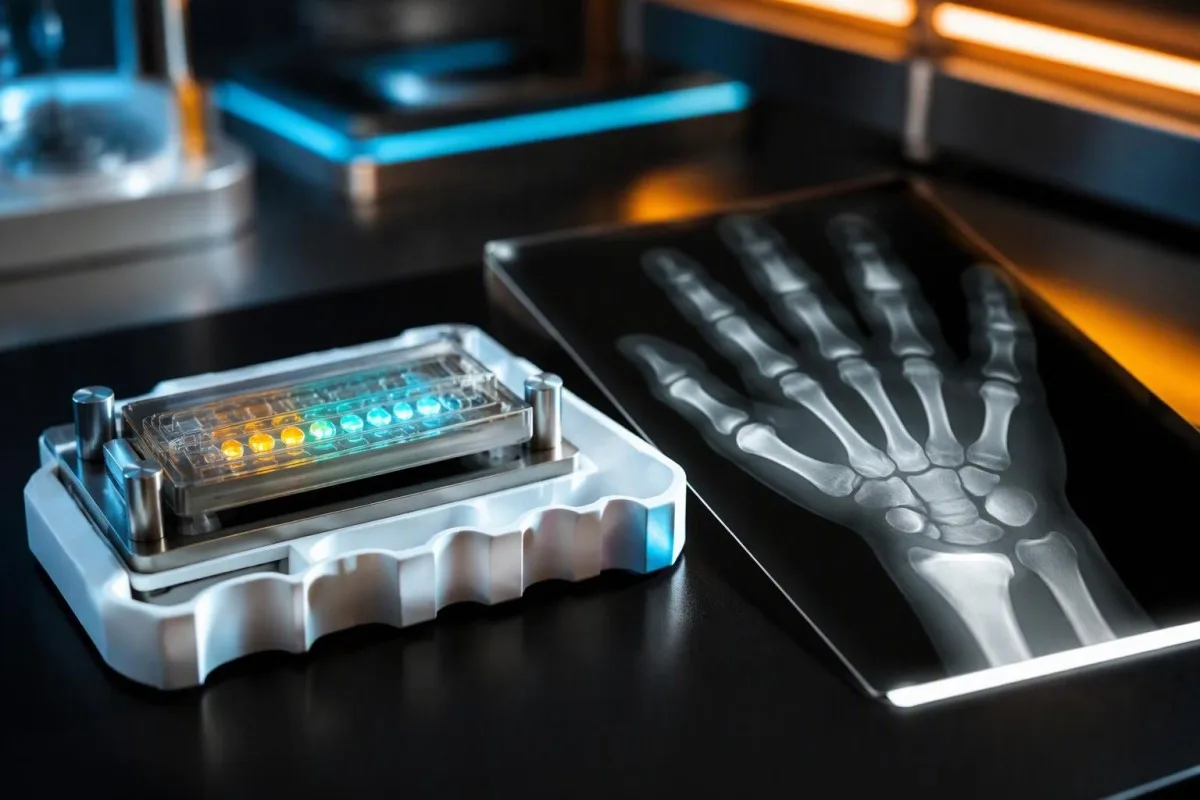
ابتدائی نشوونما کا ہمیشہ یہ مطلب نہیں ہوتا کہ بلوغت کا پورا عمل شروع ہو چکا ہے۔ تبدیلیوں کی ترتیب، بڑھنے کی رفتار اور لیبارٹری کا طریقۂ کار اکثر کسی ایک ہارمون کے نتیجے سے زیادہ اہم ہوتے ہیں۔.


- عمر کی حدیں: لڑکیوں میں 8 سال سے پہلے یا لڑکوں میں 9 سال سے پہلے بلوغتی نشوونما طبی معائنے کا تقاضا کرتی ہے؛ صرف بال آنا یا جسم سے بو آنا لازماً مرکزی بلوغت نہیں ہوتا۔.
- بنیادی LH: تقریباً 0.3 IU/L یا اس سے زیادہ کا انتہائی حساس LH نتیجہ مرکزی بلوغت کی تائید کر سکتا ہے، لیکن اس کے معنی لیبارٹری کے ٹیسٹ اور معائنے سے متعین ہوتے ہیں۔.
- کم LH: 0.3 IU/L سے کم بنیادی LH ابتدائی مرکزی بلوغت کو خارج نہیں کرتا، کیونکہ ہارمون کا اخراج ابتدا میں وقفے وقفے سے ہوتا ہے اور اکثر نیند کے دوران سب سے زیادہ ہوتا ہے۔.
- Stimulation testing: بنیادی نتیجہ غیر حتمی رہنے پر GnRH یا GnRH ایگونسٹ تحریک کا ٹیسٹ بڑھتی ہوئی نشوونما کی وضاحت کر سکتا ہے۔.
- تحریک کے بعد LH: بہت سے طریقۂ کار 5 IU/L کے قریب چوٹی کو تائیدی ثبوت مانتے ہیں، لیکن یہ حد مختلف ادویات، ٹیسٹوں یا نمونے لینے کے اوقات میں یکساں طور پر قابلِ اطلاق نہیں ہوتی۔.
- ہڈیوں کی عمر: بائیں ہاتھ اور کلائی کے ایکس رے سے ہڈیوں کی پختگی کا اندازہ لگایا جاتا ہے؛ 2 سال سے زیادہ کی پیش رفت تشویش بڑھاتی ہے، لیکن مرکزی بلوغت ثابت نہیں کرتی۔.
- فالو اپ: اگر فوری توجہ طلب علامات موجود نہ ہوں تو 3–6 ماہ بعد طے شدہ دوبارہ معائنہ، مستحکم الگ تھلگ تبدیلیوں اور بڑھتی ہوئی بلوغت میں فرق کر سکتا ہے۔.
- فوری علامات: شدید سر درد، بصارت میں تبدیلی، دورے، اندام نہانی سے نمایاں خون بہنے یا خصیے میں اچانک درد کے ساتھ ابتدائی نشوونما میں فوری طبی معائنہ ضروری ہے۔.
ابتدائی نشوونما کے لیے خون کا ٹیسٹ کب ضروری ہوتا ہے؟
A قبل از وقت بلوغت کا خون کا ٹیسٹ لڑکیوں میں 8 سال کی عمر سے پہلے چھاتی کی نشوونما یا لڑکوں میں 9 سال کی عمر سے پہلے خصیوں کے بڑھنے کا جائزہ لینے میں مدد دیتا ہے۔ معالج LH، FSH اور منتخب جنسی ہارمونز کے نتائج کو معائنے، نشوونما کے ریکارڈ اور اکثر ہڈیوں کی عمر کے ساتھ ملا کر دیکھتے ہیں؛ بنیادی LH کی کم سطح ابتدائی مرکزی بلوغت کو خارج نہیں کرتی۔.
پہلا فرق یہ ہے کہ آیا دماغ کے زیرِ اثر بلوغت کا راستہ فعال ہوا ہے یا صرف ایک ابتدائی تبدیلی ظاہر ہوئی ہے۔. مرکزی قبل از وقت بلوغت عموماً نشوونما کے ایک بتدریج آگے بڑھنے والے سلسلے کا سبب بنتی ہے؛ جسم کی بو، زیرِ ناف بال یا چھاتی کے مستحکم ٹشو میں الگ تھلگ تبدیلیوں کا راستہ مختلف ہو سکتا ہے، خواہ یہ 8 یا 9 سال کی حد سے پہلے نظر آئیں۔.
سالگرہ عمر کے حوالے سے رجوع کرنے کی رہنمائی ہے، کوئی حیاتیاتی حدِ فاصل نہیں: 7 سال 11 ماہ اور 8 سال 1 ماہ کی عمر میں آغاز، اگر نشوونما تیز ہو، تو یکساں توجہ کا مستحق ہو سکتا ہے۔ امریکن اکیڈمی آف پیڈیاٹرکس کی رپورٹ 4–6 ماہ کے دوران پیش رفت اور تیز نشوونما کو ماہر سے معائنے کی وجوہات قرار دیتی ہے (Kaplowitz and Bloch, 2016)۔.
کنٹیسٹی ایک ہے۔ اے آئی بلڈ ٹیسٹ تجزیہ کار جو بتائی گئی LH اور FSH کی سطحوں کی وضاحت میں مدد دے سکتا ہے، لیکن AI کا کوئی نتیجہ 8 یا 9 سال کی عمر سے پہلے درکار معائنے کی جگہ نہیں لے سکتا۔ ہمارا تنظیم اور کلینیکل دائرہ اختیار ساتھ پڑھا جانا چاہیے بچوں میں تشریح کی حدود کے, ، خصوصاً جب بظاہر اطمینان بخش نتیجہ واضح پیش رفت سے مطابقت نہ رکھتا ہو۔.
بلوغت کی کون سی ابتدائی علامات مرکزی بلوغت کی طرف اشارہ کرتی ہیں؟
لڑکیوں میں چھاتی کی بڑھتی ہوئی نشوونما اور لڑکوں میں دونوں خصیوں کا بڑھنا صرف بالوں یا بو کی نسبت مرکزی بلوغت کے زیادہ مضبوط اشارے ہیں۔ 8 یا 9 سال کی عمر سے پہلے زیرِ ناف بال، دماغ–پچیوٹری بلوغتی راستے کے فعال ہوئے بغیر ایڈرینل ہارمون کی سرگرمی کی عکاسی کر سکتے ہیں۔.
قبل از وقت تھیلارک سے مراد چھاتی کی الگ تھلگ ابتدائی نشوونما ہے، جو اکثر تیز نشوونما یا ایسٹروجن کے دیگر اثرات کے بغیر ہوتی ہے۔ یہ غیر متناسب ہو سکتی ہے اور اس میں اتار چڑھاؤ آ سکتا ہے، خصوصاً بہت چھوٹے بچوں میں؛ 3 سال کی عمر کے بعد پہلی بار چھاتی کے ٹشو ظاہر ہوں تو یہ فرض کرنے کے بجائے کہ ہر الگ تھلگ تبدیلی خود بخود ٹھیک ہو جائے گی، اس کے بڑھنے کے انداز پر توجہ دینی چاہیے۔.
قبل از وقت ایڈرینارک ایڈرینل غدود کی جانب سے زیادہ اینڈروجنز پیدا ہونے کے باعث زیرِ ناف یا بغلوں کے بال، بو اور ہلکے مہاسے پیدا کر سکتا ہے۔ 9 سال سے کم عمر لڑکے میں چھوٹے خصیوں کے ساتھ بالوں کی موجودگی معمول کے مرکزی سلسلے کے خلاف اشارہ کرتی ہے؛ عضوِ تناسل کا تیزی سے بڑھنا، آواز کا بھاری ہونا یا واضح مردانہ علامات پیدا ہونا پھر بھی اینڈروجنز کی زیادتی سے نمائش یا پیداوار کی جانچ کا تقاضا کرتا ہے۔.
غیر متعلقہ ہارمون کی سطحیں جمع کرنے کے مقابلے میں ترتیب زیادہ اہم ہے۔ بالغوں کے ماہواری کے چکر کے اصول، چھاتی کی ابتدائی گلٹی والی 6 سالہ بچی پر لاگو نہیں کیے جا سکتے، اور نوعمروں کے نمونے پھر مختلف ہوتے ہیں؛ ہماری نوعمروں کے ہارمون ٹیسٹ کی رہنما وضاحت کرتی ہے کہ نشوونما کے مرحلے کو اختیاری تفصیل سمجھنے کے بجائے لیبارٹری کے نتائج کے ساتھ شامل کرنا کیوں ضروری ہے۔.
نشوونما کے چارٹ اور معائنہ پہلے کیوں آتے ہیں؟
نشوونما میں تیزی اور ارتقائی پیش رفت یہ طے کرنے میں مدد دیتی ہیں کہ آیا ابتدائی علامات فعال بلوغت کی نمائندگی کرتی ہیں۔ معالج قد بڑھنے کی رفتار، ٹینر مرحلہ اور لڑکوں میں خصیوں کا حجم دیکھتا ہے؛ دونوں خصیوں کا حجم عموماً تقریباً 4 mL یا اس سے زیادہ بلوغت کے آغاز کی علامت ہوتا ہے، اگرچہ پیمائش کے طریقے مختلف ہوتے ہیں۔.
Many school-age children grow roughly 5–6 cm per year before puberty, although age and individual patterns matter. A sustained rise toward 7–8 cm per year, especially with upward crossing of height percentiles, can strengthen suspicion of puberty; two measurements separated by only a few weeks are too vulnerable to measurement error.
Consider a hypothetical 7-year-old whose LH is 0.08 IU/L but whose breast development has progressed and whose measured growth has accelerated over 6 months. I would not let the low LH close the case: those findings create a reason to repeat an appropriate morning measurement, obtain bone age or arrange stimulation testing.
Accurate height records are worth bringing from school, primary care and previous specialist visits, ideally covering 12–24 months. Puberty can make a child temporarily tall while reducing remaining growth potential; that differs from the problems discussed in our childhood growth hormone guide, where poor linear growth often drives the investigation.
قبل از وقت بلوغت کا ابتدائی خون کا ٹیسٹ کیا پیمائش کرتا ہے؟
The initial panel usually includes ultrasensitive LH and FSH, with estradiol in girls or testosterone in boys when clinically useful. Additional tests depend on the signs: a child under 8 or 9 with hair alone needs a different investigation from a child with progressive gonadal development.
LH provides evidence about pituitary activation, while FSH is less specific because prepubertal and early-pubertal values overlap. A single LH-to-FSH ratio cannot establish the diagnosis in a 7-year-old; the adult applications described in our LH and FSH comparison should not be used as pediatric diagnostic rules.
Estradiol may remain very low or fluctuate despite genuine early breast development, and routine assays can struggle near their lower detection limits. Testosterone is often more informative in boys, but a value such as 30 ng/dL must still be interpreted against age, examination and assay method rather than a reference interval intended for a 30-year-old.
Broad screening creates noise when the clinical question is narrow. Thyroid tests, adrenal androgens, 17-hydroxyprogesterone or hCG may be appropriate for selected findings, not automatically for every child; our hormonal physiology reference provides background while reinforcing that pediatric thresholds are distinct from adult reproductive ranges.
قبل از وقت بلوغت میں بنیادی LH کم کیوں ہو سکتا ہے؟
A low basal LH does not rule out early central precocious puberty. Early LH secretion is intermittent and initially more prominent during sleep, so a daytime sample can miss activation; a result of 0.08 IU/L may be inconclusive rather than definitively negative.
A basal sample is one frame from a moving film. In early puberty, the pituitary may release LH in pulses that leave a quiet interval between them; an early-morning sample can be more informative than a late-afternoon sample, but even a carefully timed result below 0.3 IU/L cannot overrule convincing progression.
The assay can hide the signal too. A report reading '<0.2 IU/L' does not tell you whether the underlying value is 0.01 or 0.19 IU/L, and those possibilities are not analytically identical; ask whether the laboratory uses a pediatric-sensitive LH method and whether its stated lower limit is detection or reliable quantification.
کنٹیسٹی ایک ہے۔ AI خون کے ٹیسٹ کی رپورٹ کی تشریح that can explain why an LH below 0.3 IU/L is not a stand-alone exclusion result. Our آؤٹ آف رینج (out-of-range) نتیجہ گائیڈ addresses the opposite misconception as well: a result inside a printed interval can still require follow-up when the interval does not match the child's developmental stage.
بنیادی LH کی کون سی حد مرکزی بلوغت کی تائید کرتی ہے؟
A basal LH around 0.3 IU/L or higher supports central puberty on some ultrasensitive assays, but there is no single cutoff that applies to every laboratory. Lower thresholds may detect more early cases while creating more overlap with children who do not have progressive central puberty.
Cutoffs balance sensitivity and specificity, not normality and danger. A threshold of 0.3 IU/L is used because sustained LH becomes more detectable as pituitary activation develops; it is not a toxicity boundary, an emergency threshold or a number that independently determines whether treatment should start.
Units deserve a quick check before interpretation: 1 IU/L equals 1 mIU/mL, so those two LH expressions have the same numerical value. By contrast, a report containing only 'negative' or '<0.1' carries less information than an exact quantified result; our کوالٹیٹیو بمقابلہ کوانٹیٹیٹیو گائیڈ یہ فرق واضح کرتی ہے۔.
When I interpret an LH of 0.24 IU/L, I would ask about the assay, sampling time and 3–6-month developmental trajectory before calling it reassuring or concerning. The 2022 Korean clinical guideline discusses assay-dependent basal thresholds and cautions about reduced LH responses in children with obesity (Kim et al., 2023); body size should modify interpretation, not become a reason to dismiss progressive development.
GnRH تحریک کا ٹیسٹ کب مددگار ہوتا ہے؟
A GnRH stimulation test helps when early development is progressing but basal LH is low or ambiguous. The test measures pituitary hormone responses after GnRH or a GnRH agonist; it is particularly useful when a child under 8 or 9 has examination findings that disagree with the initial laboratory result.
Stimulation asks whether the pituitary is ready to respond in a pubertal pattern, rather than waiting for a spontaneous LH pulse. The 2022 Korean guideline recommends interpreting stimulated LH alongside Tanner stage, growth velocity and bone age, rather than treating the response as an isolated diagnosis (Kim et al., 2023).
The protocol matters. Depending on the agent and local method, samples may be collected at baseline and several points over roughly 30–120 minutes, while some agonist protocols add later measurements; a value at 30 minutes cannot automatically be compared with a peak obtained using a different drug or a later collection schedule.
This is a specialist-supervised test, not a challenge to reproduce at home, and medication doses are determined by the local pediatric protocol. Preparation instructions can differ from an ordinary laboratory visit; our first sample preparation guide is useful background, but the testing unit's instructions take priority for fasting, medicines and appointment length.
تحریک کے بعد LH کے نتائج کی تشریح کیسے کی جاتی ہے؟
A stimulated LH peak around 5 IU/L or higher supports central puberty in many protocols, including the cited Korean guideline. The exact threshold depends on the stimulation agent, assay and sampling schedule; a lower response does not necessarily settle the question when development continues to progress.
A peak of 4.8 IU/L and a peak of 5.2 IU/L are not biologically opposite states. Near a protocol's decision limit, analytical variation, missed peak timing and clinical trajectory become especially relevant; clinicians may review the entire LH and FSH response rather than assigning certainty to the final decimal place.
FSH-predominant responses can occur with isolated thelarche, but response ratios overlap and their interpretation varies by age and protocol. In girls under 3, developmental physiology can complicate stimulation results further; a pubertal-looking laboratory response requires correlation with sustained progression, estrogen effects and growth rather than automatic treatment.
Children with obesity may have lower stimulated LH responses, especially early in development, so an apparently subthreshold peak needs thoughtful interpretation. Repeating a test with another assay introduces another variable; our between-visit result comparison explains why a change over 3 months is easier to assess when the laboratory method and sampling conditions are documented.
بلوغت کے ٹیسٹوں میں ہڈیوں کی عمر سے کیا اضافہ ہوتا ہے؟
Bone age estimates skeletal maturity from a left-hand and wrist radiograph. Advancement of more than 2 years can strengthen concern about sustained hormone exposure, but bone age alone cannot distinguish central puberty from adrenal androgen effects, obesity or other causes of accelerated skeletal maturation.
A bone age of 10 in an 8-year-old means the hand's maturation resembles the reference pattern for an older child; it does not mean every aspect of development has advanced by 2 years. Greulich–Pyle and Tanner–Whitehouse methods approach the estimate differently, and reader variation should be considered before small changes are treated as progression.
An advanced bone age can indicate less remaining growth despite an impressive current height. Predicted adult-height calculations depend on assumptions that may not hold during rapidly progressing puberty, so a single estimate should not be presented as a guaranteed outcome; serial growth over 6–12 months often gives the prediction more clinical meaning.
A normal bone age does not exclude very early central puberty because skeletal change may lag behind the first signs. Likewise, IGF-1 can rise with pubertal maturation without implying a separate growth-hormone disorder; our age-specific IGF-1 interpretation explains why chronological age, developmental stage and the laboratory's reference population must be considered together.
نتائج کب ہارمون کی محیطی پیداوار کی طرف اشارہ کرتے ہیں؟
Sex-hormone effects with persistently suppressed LH can suggest peripheral hormone production or exposure rather than central puberty. In a child under 8 or 9, the evaluation may include adrenal disorders, functional ovarian cysts, hCG-related conditions, severe hypothyroidism or contact with another person's hormone medication.
Rapid pubic-hair development, acne and virilization may justify morning 17-hydroxyprogesterone testing for congenital adrenal hyperplasia. A screening value around 200 ng/dL, equivalent to 2 ng/mL, is commonly used to consider further assessment for nonclassic disease, but age, assay and symptoms matter; our 17-hydroxyprogesterone testing guide explains why confirmation may require an ACTH stimulation test.
Severe primary hypothyroidism is an unusual but useful exception: apparent pubertal development can occur with slow growth and delayed bone age, rather than the acceleration expected in ordinary central puberty. A 7-year-old with this combination needs TSH and free T4 assessment; our تھائروکسین اور TSH کی وضاحت provides the relevant laboratory background.
Ask specifically about testosterone gels, estrogen creams and hormone-containing supplements used by household members, including accidental transfer through contact. DHEA-S can help identify an adrenal contribution, but an adult androgen interval cannot classify a 6-year-old; our DHEA-S بمقابلہ DHEA گائیڈ explains the different information these measurements provide.
کن افراد کو MRI، الٹراساؤنڈ یا جینیاتی ٹیسٹ کی ضرورت ہوتی ہے؟
Brain MRI is generally recommended for boys with confirmed central precocious puberty, girls with onset before age 6, and children with neurological symptoms. For girls aged 6–8 without neurological findings, imaging decisions are individualized because the likelihood of a relevant intracranial cause is lower.
Early puberty with headache or visual change requires a different level of attention from isolated odor in an otherwise well 7-year-old. Carel and Léger's clinical review describes the importance of identifying central nervous system causes, particularly in boys and younger girls (Carel and Léger, 2008); our neurological warning signs guide helps families recognize symptoms without assuming that early puberty usually means a brain growth.
Pelvic ultrasound may support assessment in girls, especially when bleeding, a mass or a peripheral estrogen source is suspected, but size measurements overlap between developmental stages. In a girl aged 6–8, uterine or ovarian measurements cannot replace the examination and hormone pattern; in boys, asymmetry or a palpable testicular abnormality may prompt targeted ultrasound.
Family history can guide testing for causes such as MKRN3-related central puberty, but genetic testing is not routine for every child before age 8 or 9. Kantesti AI can explain laboratory terminology, not read an MRI or establish a genetic diagnosis; our اے آئی ٹیکنالوجی گائیڈ describes a different task from pediatric endocrine imaging and examination.
نگرانی کب کافی ہوتی ہے، اور علاج پر کب غور کیا جاتا ہے؟
Stable isolated changes can often be monitored for 3–6 months, while progressive central puberty may warrant treatment after specialist assessment. The decision considers age at onset, progression, skeletal advancement, remaining growth potential and the child's needs—not whether one LH value crosses 0.3 IU/L.
Observation should have a date and a plan: reassess height velocity, developmental stage and new symptoms, then repeat selected testing if the pattern changes. A 7-year-old with stable isolated breast tissue and ordinary growth needs a different pathway from a 5-year-old whose development and bone age are advancing quickly.
GnRH agonist treatment suppresses the central puberty pathway through sustained receptor stimulation that ultimately reduces gonadotropin release. Height benefit is generally clearest in girls whose puberty begins before age 6, becomes more variable between 6 and 8, and requires individualized discussion at older ages; treatment is not automatically beneficial merely because puberty is earlier than the family expected.
Pubic hair or odor may continue during effective treatment because adrenal maturation is not the same pathway being suppressed. I would explain that distinction before monitoring begins, rather than letting families interpret every new hair as treatment failure; our عمر کے لحاظ سے خاندانی ٹیسٹنگ گائیڈ کا استعمال کر سکتے ہیں۔ reinforces why follow-up should answer specific clinical questions instead of adding broad panels every 3 months.
خاندانوں کو بلوغت کے ٹیسٹ کے نتائج کی تیاری اور تبادلے کا طریقہ کیا ہونا چاہیے؟
Bring the child's growth records, symptom timeline and complete laboratory report, including assay units and collection time. For suspected early puberty before age 8 or 9, these details make interpretation more useful than a cropped image containing only the LH result and a colored normal-range flag.
Ask the ordering team whether the sample should be collected early in the morning and whether fasting is required; these are not identical instructions. Record all medicines and supplements, including biotin, because interference varies by assay, and do not stop a child's prescription medicine simply to improve a test; for a stimulation visit, confirm whether the appointment lasts 1–2 hours or longer.
کنٹیسٹی ایک ہے۔ اے آئی سے چلنے والا خون کے ٹیسٹ کا تجزیہ کا آلہ that can help organize an LH result such as 0.12 IU/L alongside its printed units and reference interval. That explanation cannot certify that puberty is absent, and families should check whether a service supports the child's age and obtain appropriate permission; our upload privacy checklist explains how to limit unnecessary identifiers.
A child needs age-appropriate explanation and privacy as well as parental involvement, particularly when development begins at 6 or 7. Share only the information needed for care, avoid uploading intimate photographs, and check retention and deletion terms before using any digital service; our رازداری اور ڈیٹا کی معلومات describes the policies families should review before sharing a pediatric report.
تحقیقی اشاعتیں اور طبی تشریح کے معیارات
Clinical puberty guidelines—not product usage reports—should guide diagnosis and treatment. As of October 23, 2026, the external references below support this article's discussion of age thresholds, basal LH limitations, stimulation testing and bone age; organizational research serves a separate purpose.
The AAP report from 2016, the clinical review from 2008 and the Korean guideline published in 2023 address complementary questions rather than supplying one universal laboratory rule. Assay technology and local stimulation protocols differ, so I would expect a pediatric endocrinologist to use the testing laboratory's validated decision limits alongside these sources.
Kantesti's 2 linked Zenodo publications concern an organizational validation framework and a global testing report; they should not be treated as evidence that an AI system can diagnose childhood puberty or validate every pediatric LH assay. Our طبی توثیق کی معلومات should be assessed for its stated population, methods and limitations before any performance claim is applied to children.
For Thomas Klein, the editorial priority here is simple: an LH below 0.3 IU/L should never become a blanket reassurance message when a child's development is clearly progressing. Our میڈیکل ایڈوائزری بورڈ کی معلومات describes clinical oversight roles; a named review date should be recorded only after an actual medical review, and the 2 organizational citations below remain separate from the condition-specific medical references.
اکثر پوچھے گئے سوالات
قبل از وقت بلوغ کی جانچ کے لیے کون سا خون کا ٹیسٹ کیا جاتا ہے؟
قبل از وقت بلوغ کے لیے ابتدائی خون کے ٹیسٹ میں عموماً انتہائی حساس LH اور FSH کی پیمائش کی جاتی ہے، اور مناسب صورت میں لڑکیوں میں ایسٹراڈیول یا لڑکوں میں ٹیسٹوسٹیرون کی بھی۔ 8 سال سے کم عمر لڑکیوں یا 9 سال سے کم عمر لڑکوں میں بلوغتی نشوونما ہونے پر ٹیسٹ کرنے پر غور کیا جاتا ہے، لیکن صرف بالوں کی نشوونما یا جسم کی بو کے لیے مختلف ٹیسٹ پینل درکار ہو سکتا ہے۔ معالج نتائج کی تشریح معائنے، شرحِ نمو اور کبھی کبھار ہڈیوں کی عمر کے ساتھ ملا کر کرتا ہے۔ کچھ بچوں کو ایڈرینل، تھائیرائڈ یا تحریکی ٹیسٹوں کی بھی ضرورت ہوتی ہے۔.
کیا ایل ایچ کی کم سطح قبل از وقت بلوغ کو خارج کر سکتی ہے؟
0 ایک کم بنیادی LH ابتدائی مرکزی قبل از وقت بلوغ کو قابلِ اعتماد طور پر خارج از امکان ثابت نہیں کر سکتا۔ 0.3 IU/L سے کم قدر اس لیے سامنے آ سکتی ہے کہ ابتدائی LH کا اخراج وقفے وقفے سے ہوتا ہے، نیند کے دوران سب سے زیادہ ہوتا ہے یا معائنے کے قابلِ اعتماد حدِ پیمائش سے کم ہوتا ہے۔ کم نتیجے کے باوجود چھاتی یا خصیوں کی نشوونما میں پیش رفت اور تیز رفتار بڑھوتری مزید جانچ کی وجوہات ہیں۔ صبح سویرے دوبارہ ٹیسٹ یا ماہر کی نگرانی میں محرک ٹیسٹ مددگار ثابت ہو سکتا ہے۔.
مرکزی قبل از وقت بلوغ کی نشاندہی کرنے کے لیے LH کی کون سی سطح درکار ہے؟
0 بیسل LH تقریباً 0.3 IU/L یا اس سے زیادہ کچھ الٹراسنسیٹو اسّے میں مرکزی بلوغت کی تائید کرتا ہے، لیکن حد لیبارٹری پر منحصر ہوتی ہے۔ بہت سے محرک پروٹوکول پچوٹیری فعالیت کے معاون ثبوت کے طور پر تقریباً 5 IU/L کی چوٹی LH استعمال کرتے ہیں۔ بچے کی عمر، نشوونمائی علامات اور ٹیسٹنگ پروٹوکول کے بغیر ان میں سے کوئی بھی قدر تشخیص ثابت نہیں کرتی۔ سرحدی نتائج کے لیے کسی عالمگیر مثبت یا منفی لیبل کے بجائے سیاق و سباق کو مدِنظر رکھنا ضروری ہے۔.
GnRH محرک ٹیسٹ کے دوران کیا ہوتا ہے؟
0 GnRH محرک ٹیسٹ یہ جانچتا ہے کہ GnRH یا GnRH agonist ملنے کے بعد پچوٹری غدود کس طرح LH اور FSH خارج کرتا ہے۔ پروٹوکول کے مطابق، لیبارٹری کے نمونے ابتدا میں اور تقریباً 30–120 منٹ کے دوران کئی مرتبہ جمع کیے جا سکتے ہیں، جبکہ کچھ agonist پروٹوکولز میں بعد کے وقت میں پیمائشیں درکار ہوتی ہیں۔ بچوں کے اینڈوکرائن کی ٹیم دوا، خوراک، اوقات اور تشریح کی حد کا انتخاب کرتی ہے۔ خاندانوں کو اس یونٹ کی تیاری سے متعلق ہدایات پر عمل کرنا چاہیے، نہ کہ یہ فرض کرنا چاہیے کہ روزمرہ کے فاقے کے اصول لاگو ہوتے ہیں۔.
کیا ہڈیوں کی عمر کا زیادہ ہونا یہ معنی رکھتا ہے کہ میرے بچے کو قبل از وقت بلوغت ہے؟
0 ہڈی کی عمر کا بڑھا ہوا ہونا بذاتِ خود قبل از وقت بلوغت کی تشخیص نہیں کرتا۔ 2 سال سے زیادہ کا آگے بڑھاؤ مسلسل ہارمون کی نمائش کی تائید کر سکتا ہے، لیکن موٹاپا، قبل از وقت ایڈرینارک اور دیگر حالتیں بھی ہڈیوں کی پختگی کو تیز کر سکتی ہیں۔ ہڈی کی عمر معمول کے مطابق ہونے سے اس بلوغت کی نفی نہیں ہوتی جو ابھی حال ہی میں شروع ہوئی ہو۔ معالجین ریڈیوگراف کو نشوونما کے ریکارڈ، معائنے اور ہارمون کے نتائج کے ساتھ ملا کر دیکھتے ہیں۔.
0 کیا 8 سال کی عمر سے پہلے زیرِ ناف بال آنا ہمیشہ بلوغت کی جلدی شروعات ہوتی ہے؟
لڑکیوں میں 8 سال یا لڑکوں میں 9 سال کی عمر سے پہلے زیرِ ناف بال آنا لازماً مرکزی قبل از وقت بلوغت نہیں ہوتا۔ قبل از وقت ایڈرینارک سے مرکزی بلوغت کا راستہ فعال کیے بغیر بال، جسمانی بو اور ہلکے مہاسے پیدا ہو سکتے ہیں۔ تیزی سے پیش رفت، نمایاں مردانہ خصوصیات، تیز نشوونما یا ساتھ ہی چھاتیوں یا خصیوں کی نشوونما سے معائنے کی ضرورت بڑھ جاتی ہے۔ مستحکم اور الگ تھلگ علامات کی معالج کے منصوبے کے تحت 3–6 ماہ تک نگرانی کی جا سکتی ہے۔.
بلوغ کی ابتدائی علامات کا فوری جائزہ کب لیا جانا چاہیے؟
0 ابتدائی بلوغت کی علامات کے ساتھ شدید یا اچانک سر درد، بینائی میں تبدیلی، دورہ یا دیگر اعصابی علامات ہوں تو فوری طبی معائنہ ضروری ہے۔ اندام نہانی سے نمایاں خون بہنا یا خصیے میں شدید درد بھی معمول کے ہارمون ٹیسٹ کے نتائج کا انتظار کرنے کے بجائے فوری جانچ کا تقاضا کرتا ہے۔ 9 سال سے کم عمر لڑکوں یا 6 سال سے پہلے بلوغت شروع ہونے والی لڑکیوں میں مرکزی بلوغت کی تصدیق ہونے پر عموماً ماہر سے معائنہ کروانا ضروری ہوتا ہے، جس میں دماغ کے MRI پر غور کرنا بھی شامل ہے۔ دیگر تشویش ناک علامات کے بغیر صرف جسمانی بو عموماً ہنگامی صورتِ حال نہیں ہوتی۔.
آج ہی اے آئی سے طاقتور خون کے ٹیسٹ کا تجزیہ حاصل کریں
دنیا بھر میں 2M+ صارفین میں شامل ہوں جو فوری اور درست لیب ٹیسٹ تجزیے کے لیے Kantesti پر بھروسہ کرتے ہیں۔ اپنے خون کے ٹیسٹ کے نتائج اپلوڈ کریں اور چند سیکنڈ میں 15,000+ بایومارکرز کی جامع تشریح حاصل کریں۔.
📚 حوالہ دی گئی تحقیقی اشاعتیں
کلائن، ٹی.، مچل، ایس.، اور ویبر، ایچ. (2026). کلینیکل ویلیڈیشن فریم ورک v2.0 (میڈیکل ویلیڈیشن پیج).۔ Kantesti اے آئی میڈیکل ریسرچ۔.
کلائن، ٹی.، مچل، ایس.، اور ویبر، ایچ. (2026). اے آئی بلڈ ٹیسٹ اینالائزر: 2.5M ٹیسٹ تجزیہ کیے گئے | عالمی صحت کی رپورٹ 2026.۔ Kantesti اے آئی میڈیکل ریسرچ۔.
📖 بیرونی طبی حوالہ جات
Kaplowitz P, Bloch C (2016). Evaluation and Referral of Children With Signs of Early Puberty.۔.
Carel JC, Léger J (2008). Clinical practice. Precocious puberty.۔ نیو انگلینڈ جرنل آف میڈیسن۔.
Kim SJ et al. (2023). 2022 Clinical practice guidelines for central precocious puberty of Korean children and adolescents. Annals of Pediatric Endocrinology & Metabolism.
⚕️ میڈیکل ڈس کلیمر
یہ مضمون صرف تعلیمی مقاصد کے لیے ہے اور طبی مشورہ نہیں ہے۔ تشخیص اور علاج کے فیصلوں کے لیے ہمیشہ کسی مستند صحت کے ماہر سے رجوع کریں۔.
E-E-A-T اعتماد کے اشارے
تجربہ
معالج کی قیادت میں لیب تشریح کے ورک فلو کا کلینیکل جائزہ۔.
مہارت
لیبارٹری میڈیسن کا فوکس یہ کہ بایومارکرز کلینیکل سیاق میں کیسے برتاؤ کرتے ہیں۔.
مستندیت
ڈاکٹر تھامس کلائن نے لکھا، ڈاکٹر سارہ مچل اور پروف. ڈاکٹر ہانس ویبر نے نظرثانی کی۔.
امانت داری
شواہد پر مبنی تشریح واضح فالو اپ راستوں کے ساتھ تاکہ گھبراہٹ کم ہو۔.