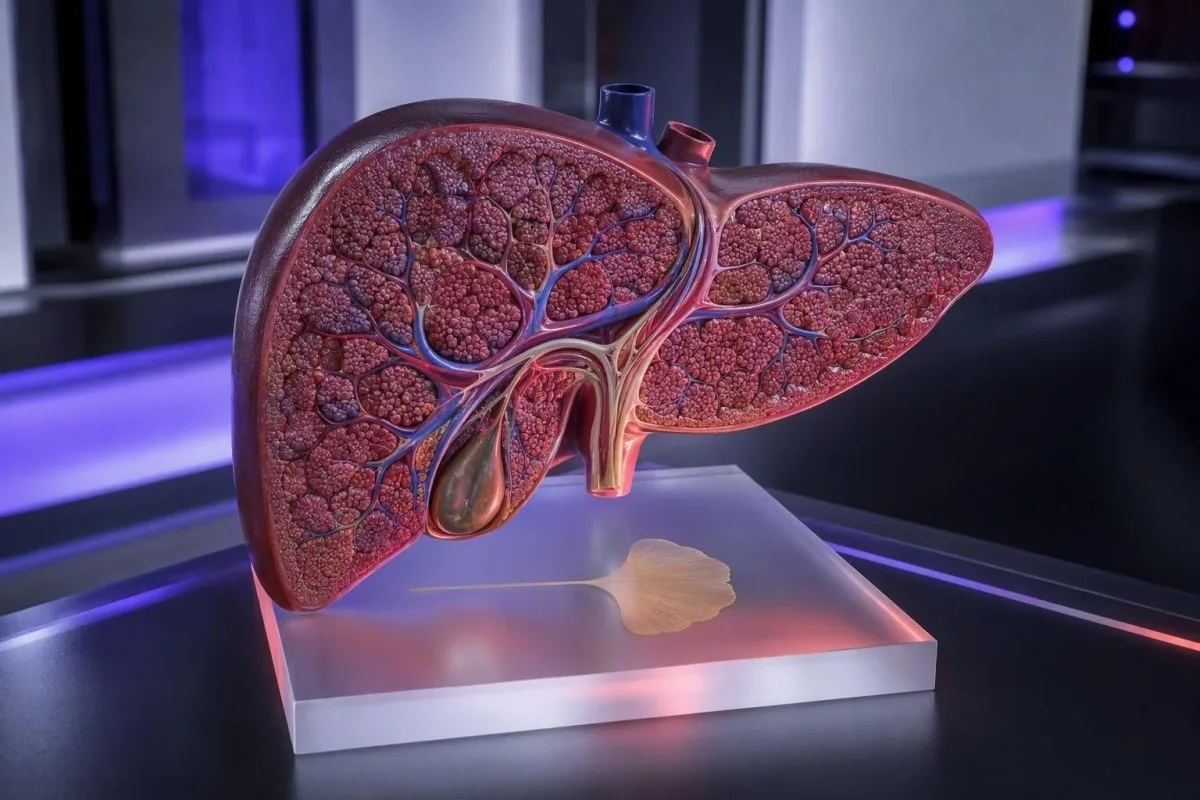
ALT є часто повідомлюваним ферментом печінки, але це сигнал стресу клітин, а не діагноз. Значення походить від його розміру, патерну, часу та решти вашої печінкової панелі.


- Значення ALT: ALT розшифровується як аланінамінотрансфераза, фермент, що вимірюється в ОД/л, який сконцентрований у клітинах печінки.
- Типовий діапазон: Багато дорослих лабораторій використовують верхню межу ALT 35 ОД/л для жінок та 45 ОД/л для чоловіків, хоча власний діапазон звіту є вирішальним.
- Помірне підвищення: ALT нижче 2-кратного перевищення верхньої лабораторної межі є поширеним і часто заслуговує на планове повторне дослідження, а не на паніку.
- важливий характер змін: ALT з високими AST, ALP, GGT, білірубіном або INR означає щось інше, ніж ізольоване підвищення ALT.
- Вплив фізичних навантажень: Інтенсивні силові тренування можуть підвищити ALT та AST протягом 7 днів або довше, особливо коли креатинкіназа також висока.
- Огляд медикаментів: Ацетамінофен, статини, антибіотики, протиепілептичні препарати, добавки та рослинні засоби можуть впливати на ALT.
- Невідкладні симптоми: Жовтяниця, сплутаність свідомості, сильний біль у верхній правій частині живота, повторне блювання або дуже темна сеча потребують оцінки лікарем у той же день.
- Тенденція показника: Падіння рівня ALT після усунення тригерного фактора зазвичай є більш обнадійливим, ніж один ізольований граничний результат.
Що означає ALT у аналізі крові
ALT розшифровується як аланінамінотрансфераза, фермент, який допомагає клітинам передавати аміногрупи під час енергетичного метаболізму. Його вимірюють, оскільки ALT потрапляє в кровообіг, коли клітини печінки перебувають під стресом або пошкоджені; сам по собі він не доводить наявність постійного ураження печінки.
ALT переважно міститься всередині гепатоцитів, робочих клітин печінки, хоча невеликі кількості містяться в скелетних м'язах та інших тканинах. Підвищений результат означає, що в зразок потрапило більше ферменту, ніж очікувалося; він не може ідентифікувати жирову хворобу печінки, гепатит, ушкодження ліками або фізичні навантаження без супутніх доказів.
У моїй клінічній практиці найкорисніше перше запитання не “наскільки високий показник?”, а “високий порівняно з яким базовим рівнем і якими іншими маркерами?”. ALT 58 Од/л після нового тренування в спортзалі — це інша проблема, ніж ALT 58 Од/л із білірубіном 65 мкмоль/л та жовтими очима.
Кантесті – це Аналізатор крові зі штучним інтелектом що розглядає ALT разом з AST, ALP, GGT, білірубіном, альбуміном, кількістю тромбоцитів, лікарськими засобами та попередніми результатами, а не розглядає один позначений показник як діагноз. Для ширшої карти пов'язаних вимірювань див. наш посібник із біомаркерів.
Чому може з'являтися стара назва SGPT
Деякі звіти досі називають ALT “сироватковою глутаміно-пірувіновою трансаміназою” або SGPT. ALT і SGPT стосуються одного й того ж тесту на фермент, хоча сучасні лабораторні звіти зазвичай використовують ALT.
Чому клініцисти вимірюють аланінамінотрансферазу
Клініцисти призначають тест на аланінамінотрансферазу для виявлення стресу гепатоцитів, моніторингу відомих захворювань печінки та перевірки на ушкодження, спричинені ліками. ALT часто включається до печінкової панелі або комплексної метаболічної панелі, навіть якщо у людини немає симптомів.
ALT часто перевіряють під час обстежень на діабет або ліпідний профіль, оскільки стеатотичне захворювання печінки, асоційоване з метаболічними порушеннями, раніше відоме як жирова хвороба печінки, може бути безсимптомним роками. Керівництво AASLD 2023 року рекомендує оцінювати людей із метаболічними факторами ризику та незрозумілим підвищенням рівня печінкових ферментів на предмет стеатотичного захворювання печінки та ризику фіброзу (Rinella et al., 2023).
Нормальний рівень ALT не виключає значного фіброзу, а високий рівень ALT не вимірює стадію фіброзу. Я бачив пацієнтів з ALT 24 Од/л та значним рубцюванням за даними спеціалізованої оцінки, особливо з цукровим діабетом 2 типу; показники фіброзу та візуалізація відповідають на інше запитання.
Моніторинг ALT також практичний після зміни медикаментозного лікування, але його слід планувати продумано. У нашому посібнику щодо щорічних аналізів крові пояснюється, чому частота тестування повинна відповідати ризику, симптомам та лікуванню, а не тільки звичці.
Нормальні діапазони ALT та чому лабораторні показники різняться
Нормальні референтні діапазони ALT для дорослих зазвичай становлять від 7 до 35 Од/л для жінок та від 10 до 45 Од/л для чоловіків, але діапазони варіюються залежно від методу аналізу, популяції та лабораторії. Завжди використовуйте верхню межу, зазначену поряд з вашим власним результатом, а не загальноінтернетівський показник.
Верхня межа є статистичною, зазвичай похідною від референтної популяції, а не гарантією того, що кожен показник нижче неї відображає повністю здорову печінку. Деякі європейські лабораторії використовують специфічні для статі верхні межі близько 25 Од/л для жінок та 35 Од/л для чоловіків, що може раніше виявити метаболічний ризик, але також призводить до більшої кількості граничних значень.
Показник, що вдвічі перевищує верхню межу норми, часто називають помірним підвищенням. Для лабораторії з верхньою межею 40 Од/л, ALT 55-80 Од/л потребує контексту і зазвичай плану повторного тестування, тоді як ALT 400 Од/л — це в 10 разів перевищення верхньої межі і змінює терміновість.
Доктор Томас Кляйн радить пацієнтам записувати назву лабораторії, одиниці вимірювання, діапазон, дату забору крові, вживання алкоголю та фізичні навантаження за попередній тиждень. Це робить відмінності результатів між візитами набагато більш інтерпретованими.
Як ALT та AST працюють разом
АЛТ і АСТ слід інтерпретувати разом, оскільки АЛТ відносно специфічна для печінки, тоді як АСТ також присутня у скелетних і серцевих м'язах. Співвідношення АСТ до АЛТ може вказувати на закономірності, але воно не може самостійно діагностувати захворювання, пов'язане з алкоголем, або цироз.
Коли АЛТ перевищує АСТ, клініцисти часто розглядають метаболічний стеатоз, вірусний гепатит або медикаментозні ефекти, хоча існує багато винятків. Співвідношення АСТ:АЛТ, що перевищує 2, може спостерігатися при ураженні печінки, пов'язаному з алкоголем, але прогресуючий фіброз, пошкодження м'язів та час після гострого ураження також можуть впливати на співвідношення.
52-річний бігун-марафонець з АСТ 89 МО/л, АЛТ 61 МО/л та креатинкіназою 1450 МО/л після забігу потребує іншої розмови, ніж людина з тими ж ферментами та креатинкіназою 90 МО/л. Причина, чому ми занепокоєні підвищенням АСТ плюс високим КК, це вивільнення м'язів; сама по собі АЛТ менш специфічна для м'язів, але також може підвищуватися.
Щодо м'язової сторони цього розрізнення, прочитайте наше пояснення симптомів підвищеної АСТ. Якщо фізична активність є ймовірним тригером, уникайте незвично напружених тренувань за 7 днів до повторного тестування, якщо ваш лікар не порадить інше.
Чому ALP, GGT та білірубін змінюють значення ALT
АЛТ вказує на гепатоцелюлярний патерн, тоді як лужна фосфатаза, ГГТ та білірубін допомагають виявити холестаз або порушення відтоку жовчі. Підвищення АЛТ плюс високі ЛФ та ГГТ повинні спонукати до розгляду захворювання жовчовивідних шляхів, медикаментозних ефектів або запалення печінки, а не припускати простий жировий гепатоз.
Лікар може розрахувати R-коефіцієнт: АЛТ, поділена на її верхню межу, потім поділена на ЛФ, поділену на її верхню межу. R-коефіцієнт 5 або вище підтримує гепатоцелюлярне ураження, 2 або нижче підтримує холестатичне ураження, а від 2 до 5 вказує на змішаний патерн; це інструмент сортування, а не остаточний діагноз.
ГГТ корисна, коли ЛФ підвищена, оскільки підвищення ГГТ підтримує гепатобіліарне джерело, тоді як ЛФ також може підвищуватися від кісткового метаболізму. Ізольоване підвищення ЛФ при нормальній ГГТ, отже, може вказувати на проблеми з кістками та вітаміном D, а не на візуалізацію печінки.
Темна сеча, блідий кал, свербіж, лихоманка або жовтяниця з підвищеним білірубіном – це не симптоми, з якими можна “чекати наступного щорічного тесту”. Наш посібник із патерном холестазу пояснює комбінації, які слід оцінити негайно.
Поширені причини підвищення ALT
Підвищення АЛТ найчастіше відображає метаболічне захворювання печінки, пов'язане з накопиченням жиру, вплив алкоголю, вірусний гепатит, медикаментозні ефекти або тимчасове підвищення, пов'язане з фізичними навантаженнями. Ймовірність кожної причини змінюється залежно від маси тіла, рівня глюкози, тригліцеридів, характеру вживання алкоголю, подорожей, прийому ліків та величини підвищення.
Метаболічне стеатотичне захворювання печінки особливо ймовірне, коли підвищення АЛТ супроводжується центральним збільшенням ваги, тригліцеридами вище 150 мг/дл, низьким рівнем ХС ЛПВЩ, підвищеним рівнем глюкози натщесерце або цукровим діабетом 2 типу. Воно може виникати і у людей з меншою статурою, особливо при наявності вісцерального жиру, генетичної схильності, апное уві сні або при прийомі певних медикаментів.
Тестування на вірусний гепатит залежить від впливу та ризику, а не тільки від АЛТ. Поверхневий антиген гепатиту B та антитіла до гепатиту C з підтверджуючим тестуванням РНК є стандартними частинами цілеспрямованої оцінки, коли історія хвороби, географія або характер ферментів це підтверджують; наш посібник з гепатиту C охоплює типовий шлях.
Менш поширені, але важливі причини включають гемохроматоз, аутоімунний гепатит, хворобу Вільсона у молодих людей, целіакію та дефіцит альфа-1-антитрипсину. Доктор Томас Кляйн бачив шкоду від припущення, що кожен підвищений рівень АЛТ пов'язаний з алкоголем; структурована діагностика є більш гуманною та точною.
Ліки та добавки, які можуть підвищити ALT
Ліки та добавки можуть підвищувати АЛТ через пряме пошкодження печінки, зміну відтоку жовчі, метаболічні ефекти або непов'язану випадковість. Не припиняйте прийом призначених ліків раптово через один результат; зв'яжіться з лікарем, який зможе зважити користь препарату проти характеру та тенденції.
Ацетамінофен, також відомий як парацетамол, може спричинити значне підвищення АЛТ при передозуванні, а іноді й менші зміни при високій терапевтичній дозі. Для більшості дорослих звичайна максимальна доза становить 4000 мг на день, але багато лікарів рекомендують нижчу межу для людей, які регулярно вживають алкоголь, мають захворювання печінки, старшого віку або використовують комбіновані засоби від застуди.
Статини можуть викликати невелике підвищення АЛТ, проте серйозне пошкодження печінки, пов'язане зі статинами, є рідкісним; припинення прийому серцево-судинних препаратів без консультації може бути ризикованішим, ніж підвищення рівня ферментів. Рекомендації ACG радять підтвердити аномальні показники печінкових ферментів та ретельно зібрати анамнез щодо рецептурних, безрецептурних препаратів та добавок перед розширеним обстеженням (Kwo et al., 2017).
Екстракт зеленого чаю, анаболічні продукти, високі дози вітаміну А, багатокомпонентні “детокс” порошки та нерегульовані добавки для бодібілдингу потребують окремих запитань, оскільки етикетки можуть бути неповними. Перегляньте наш практичний посібник з безпеки добавок перед додаванням нового продукту.
Чи може фізичне навантаження тимчасово підвищити ALT?
Так, інтенсивні фізичні навантаження можуть тимчасово підвищувати АЛТ, особливо після незнайомих силових тренувань, витривалих навантажень або м'язових травм. АСТ та креатинкіназа зазвичай підвищуються більш виражено, і показники можуть потребувати від 3 до 10 днів для нормалізації залежно від інтенсивності навантаження та маси м'язів.
Поширене хибне уявлення полягає в тому, що підвищений АЛТ завжди означає пошкодження печінки. На практиці, важке тренування, що включає ексцентричні рухи — повільні рухи опускання — може достатньо порушити м'язові мембрани, щоб змінити АСТ, АЛТ, ЛДГ та КК без внутрішнього захворювання печінки.
Для чистого повторного аналізу я зазвичай прошу стабільних, здорових пацієнтів уникати інтенсивних тренувань протягом 5-7 днів, уникати алкоголю протягом кількох днів, підтримувати нормальну гідратацію та, якщо можливо, використовувати ту саму лабораторію. Це недоцільно, якщо є симптоми "червоного прапора" або рівень АЛТ значно перевищує норму; у таких випадках спочатку потрібна консультація лікаря.
Кантесті – це Інструмент для аналізу результатів аналізу крові на основі AI використовується в 127+ країнах, що може порівнювати АЛТ, АСТ, КК та попередні вимірювання для виявлення патерну, сумісного з фізичним навантаженням, без оголошення його безпечним. Атлети також можуть переглянути терміни аналізу крові для марафонців.
Симптоми, які роблять результат ALT більш терміновим
Більшість легких підвищень АЛТ не викликають симптомів, але жовтяниця, дуже темна сеча, блідий кал, сильний біль у животі, сплутаність свідомості, легка поява синців або тривала блювота потребують невідкладної медичної допомоги. Симптоми мають значення, оскільки вони можуть вказувати на порушення обміну білірубіну, непрохідність жовчних шляхів, гострий гепатит або зниження синтетичної функції печінки.
Зверніться за медичною допомогою в той же день при пожовтінні очей або шкіри, сплутаності свідомості, новій сонливості, швидкому посиленні болю під правильними ребрами або неможливості утримувати рідину в організмі. Ці симптоми мають більшу вагу, коли АЛТ перевищує верхню межу в 5 разів, білірубін підвищений або МНО подовжене.
Вагітність змінює поріг занепокоєння: свербіж долонь або підошов, дискомфорт у верхній правій частині живота, головний біль, порушення зору або високий артеріальний тиск потребують термінової акушерської оцінки, навіть коли АЛТ лише помірно підвищений. Стани, специфічні для вагітності, потребують іншого підходу, ніж звичайне амбулаторне тестування функції печінки.
Зміни сечі можуть додати підказок, але самі по собі не є діагностичними. Наша стаття про причини темної сечі допомагає відрізнити зневоднення та ліки від попереджувальних ознак, пов'язаних з білірубіном.
Що зазвичай відбувається після аномального результату ALT
Після ненормального результату АЛТ клініцисти зазвичай підтверджують результат, переглядають фактори впливу та повторюють або розширюють панель залежно від ступеня підвищення та симптомів. Один незначний результат часто призводить до повторного тестування через тижні або кілька місяців, тоді як виражене підвищення або жовтяниця вимагають швидшої оцінки.
Розумний перший огляд включає інформацію про вживання алкоголю, нещодавні захворювання, зміни ваги тіла, подорожі, сімейний анамнез, рецептурні та безрецептурні препарати, добавки та фізичні навантаження протягом попередніх 7 днів. Поширені подальші тести включають АСТ, ЛФ, ГГТ, білірубін, альбумін, загальний аналіз крові, INR, скринінг на гепатит, феритин із насиченням трансферину та глюкозу або HbA1c.
УЗД часто корисне при стеатозі, жовчнокам'яній хворобі, розширенні жовчних проток або структурних змінах, але воно не дозволяє достовірно визначити стадію раннього фіброзу. FIB-4 використовує вік, АСТ, АЛТ та кількість тромбоцитів для оцінки ризику фіброзу; він стає менш надійним у віці до 35 років і не повинен використовуватися під час гострого захворювання.
Kantesti AI — це сервісі інтерпретації тестів AI яка організовує ці пов'язані маркери та поздовжні результати для обговорення з лікарем. Наш пояснювач печінкової панелі показує, який внесок робить кожен компонент подальшого спостереження.
Чому тенденції ALT більш корисні, ніж одне число
Тенденція АЛТ часто є більш інформативною, ніж окремий результат, оскільки вона показує, чи сигнал зникає, зберігається чи прискорюється. Зміна з 72 до 34 МО/л через 6 тижнів несе інше клінічне повідомлення, ніж зміна з 34 до 72 МО/л, навіть якщо обидва показники можуть бути близькі до лабораторного граничного значення.
Біологічна варіабельність, гідратація, варіабельність аналізу та час введення можуть незначно змінювати рівень АЛТ між взяттями проб. Повторне тестування в тій самій лабораторії, приблизно в той самий час доби, після порівнянної активності та вживання алкоголю, зменшує "шум" і полегшує виявлення реальних змін.
Стійке підвищення протягом понад 6 місяців вимагає більш ретельної оцінки, особливо при цукровому діабеті, ожирінні, сімейному анамнезі захворювань печінки, зниженні кількості тромбоцитів або підвищенні рівня білірубіну. І навпаки, стабільний незначний рівень АЛТ у ретельно обстеженого пацієнта може контролюватися, а не вимагати повторних широких тестів.
Kantesti AI інтерпретує тенденції АЛТ разом із супутніми АСТ, кількістю тромбоцитів, білірубіном та метаболічними маркерами, а не розглядає зміну на 3 МО/л як прогресування захворювання. Див. наш настановник з лонгітюдного тестування для деталей, вартих запису після кожного взяття зразка.
Помилкові уявлення про ALT, які можуть призвести до неправильних рішень
АЛТ не є “печінковими пробами” в строгому сенсі, оскільки він вимірює витік ферменту, а не здатність печінки виробляти альбумін, фактори згортання крові або жовч. Альбумін, INR, білірубін, кількість тромбоцитів, симптоми та візуалізація можуть розповісти більш значущу історію, ніж сам АЛТ.
Нормальний рівень АЛТ не є приводом ігнорувати надмірне вживання алкоголю, цукровий діабет або сильний сімейний анамнез захворювань печінки. Так само підвищений рівень АЛТ не доводить, що причиною був алкоголь; таке припущення може зруйнувати довіру та затримати діагностику вірусних, аутоімунних, генетичних або медикаментозно-індукованих станів.
“Детоксикація печінки” — ще одна поширена пастка. Печінка вже виконує функції метаболізму та виведення, тоді як агресивне голодування, нерегульовані трави та швидка втрата ваги іноді можуть погіршити симптоми або лабораторні маркери; докази ефективності комерційних детоксикаційних курсів, чесно кажучи, слабкі.
Якщо дієта є частиною обговорення, зосередьтеся на стійкій зміні ваги, адекватному споживанні білка, клітковини та зменшенні споживання ультраоброблених продуктів, а не на чудодійних продуктах. Наш науково обґрунтований посібник з харчування для печінки є безпечнішою відправною точкою.
Інтерпретація ALT у дітей, вагітних та людей похилого віку
Інтерпретація АЛТ потребує вікового контексту у дітей, вагітних та літніх людей, оскільки референтні межі та ймовірні причини відрізняються. Педіатричні граничні значення АЛТ часто нижчі за дорослі лабораторні діапазони, а симптоми, пов'язані з печінкою під час вагітності, вимагають швидшої оцінки фахівцем.
У дітей все частіше діагностується стеатотичне захворювання печінки, пов'язане з ожирінням, але вірусні захворювання, розлади м'язів, целіакія та спадкові метаболічні стани повинні залишатися в диференційному діагнозі. Педіатр повинен інтерпретувати стійке підвищення АЛТ, а не застосовувати дорослий підхід “менше 40 МО/л — це нормально”.
Під час вагітності АЛТ зазвичай повинен залишатися в межах референтного інтервалу для невагітних; підвищення разом з гіпертензією, низькою кількістю тромбоцитів, свербежем або нудотою потребує негайної оцінки на наявність специфічних для вагітності розладів. Альбумін часто знижується через розширення об'єму плазми, тому альбумін та АЛТ не слід інтерпретувати за однією логікою.
У літніх людей поліпрагмазія та крихкість підвищують цінність повного огляду медикаментів. Наш посібник з лабораторних показників для літніх пацієнтів окреслює питання, які слід поставити на прийомі.
Безпечне використання ШІ-інтерпретації для результатів ALT
ШІ може допомогти організувати результат ALT, але він не може оглянути вас, перевірити симптоми або замінити медичну оцінку для потенційно серйозного стану печінки. Найбезпечніше використання — підготовка: визначте картину, збережіть оригінальний звіт і поставте чіткі запитання кваліфікованому клініцисту.
Станом на 5 вересня 2026 року Kantesti є Платформа для розшифровки аналізу крові AI яка переглядає завантажені лабораторні звіти приблизно за 60 секунд і ставить ALT у контекст пов'язаних значень, тенденцій та згаданих медикаментів. Вона призначена для покращення якості запитань, а не для постановки діагнозу чи призначення лікування.
Для точності переконайтеся, що зображення звіту читабельне, одиниці вимірювання захоплені правильно, а результат попереднього року не сплутаний із сьогоднішнім значенням. Клінічний підхід Kantesti формується під наглядом лікаря; читачі можуть ознайомитися з нашими стандарти медичної валідації і Медична консультативна рада при прийнятті рішення про використання інтерпретації за допомогою ШІ.
Візьміть на огляд три речі: повну панель, список усіх ліків та добавок із дозуванням, а також хронологію вживання алкоголю, хвороб, подорожей та інтенсивних фізичних навантажень. Така скромна підготовка часто запобігає непотрібній тривозі та не дозволяє пропустити значущу картину.
Практичний контрольний список перед наступним тестом ALT
Перед запланованим повторним тестуванням ALT дотримуйтесь свого звичного режиму та документуйте фактори, які можуть змінити ферменти. Уникайте важких тренувань протягом 5-7 днів, якщо це клінічно безпечно, уникайте алкоголю протягом кількох днів і не змінюйте призначені ліки, якщо тільки лікар не накаже вам це зробити.
Записуйте будь-яке вживання ацетамінофену або парацетамолу, антибіотики, нові добавки, нещодавню лихоманку, гастроентерит, вакцинацію, голодування та швидку зміну ваги. Голодування зазвичай не вимагається лише для ALT, хоча це може бути запитано, якщо під час того ж візиту вимірюються глюкоза, тригліцериди або інші тести.
Запитайте у лікаря, чи повинен повторний ALT включати AST, ALP, GGT, білірубін, альбумін, тромбоцити та CK. Відповідь часто залежить від початкової картини; ізольований ALT 48 МО/л після силових тренувань не потребує такого ж обстеження, як ALT 248 МО/л з білірубіном 48 мкмоль/л.
Якщо вам потрібна допомога у складанні запитань з вашого звіту, наша чекліст точності AI-звіту корисна перед візитом. Щоб отримати організаційну інформацію про нашу роботу, див. Про Кантесті.
Часті запитання
Що означає ALT в результатах аналізів?
ALT розшифровується як аланінамінотрансфераза, фермент, що переважно міститься в клітинах печінки і вимірюється в міжнародних одиницях на літр (МО/л). Багато лабораторій використовують верхні межі близько 35 МО/л для дорослих жінок і 45 МО/л для дорослих чоловіків, хоча референтний інтервал, надрукований в індивідуальному звіті, є правильним порівняльним показником. Підвищений рівень ALT вказує на стрес або пошкодження клітин, але сам по собі не може визначити причину. AST, ALP, GGT, білірубін, ліки, алкоголь, фізичні вправи та симптоми визначають значення результату.
Чи високий рівень АЛТ 50 МО/л?
Рівень АЛТ (ALT) 50 МО/л (IU/L) є помірно підвищеним у лабораторіях з верхньою межею 35 або 40 МО/л (IU/L), але він близький до норми в деяких лабораторіях з верхньою межею 55 МО/л (IU/L). Значення близько 50 МО/л (IU/L) зазвичай менш термінове, коли білірубін, ЛФ (ALP), МНВ (INR) та симптоми в нормі, хоча воно все ще вимагає контексту та часто повторного аналізу. Нещодавні силові тренування, алкоголь, метаболічний стеатоз, ліки та добавки є поширеними поясненнями. Стійке підвищення понад 6 місяців вимагає структурованого клінічного огляду.
Чи може фізична активність підвищити рівень ALT?
Інтенсивні фізичні навантаження можуть підвищити рівні АЛТ, АСТ, ЛДГ та креатинкінази, оскільки скелетні м'язи вивільняють ферменти після сильного або незвичного напруження. Підвищення може зберігатися протягом 3-10 днів, причому АСТ та креатинкіназа часто зростають більше, ніж АЛТ. Уникнення незвично інтенсивної активності за 5-7 днів до запланованого повторного тесту може допомогти з'ясувати, чи спричинене це фізичними навантаженнями. Значне підвищення АЛТ, жовтяниця, сильний біль або темна сеча все ще потребують негайної медичної консультації, а не припущення, що причиною є фізичні навантаження.
Що важливіше, АЛТ чи АСТ?
Ні ALT, ні AST не є універсально більш важливими, оскільки пара надає більше інформації, ніж кожен результат окремо. ALT більше орієнтована на печінку, тоді як AST також присутня в скелетних м’язах і може значно підвищуватися після фізичних вправ або травм м’язів. Співвідношення AST до ALT вище 2 може спостерігатися при ураженні печінки, пов’язаному з алкоголем, але це не є діагностичним показником і може також з’являтися при вираженому фіброзі або вивільненні м’язових ферментів. Клініцисти інтерпретують обидва значення разом з GGT, ALP, білірубіном, креатинкіназою, кількістю тромбоцитів та анамнезом.
Коли високий результат АЛТ слід вважати терміновим?
Високий результат АЛТ (ALT) потребує термінової оцінки, коли він перевищує лабораторну верхню межу більш ніж у 5 разів, швидко підвищується або супроводжується жовтяницею, сплутаністю свідомості, сильним болем у верхній правій частині живота, постійною блювотою, легким утворенням синців або дуже темною сечею. Підвищення білірубіну, подовжений МНВ (INR), низький рівень глюкози або низький вміст тромбоцитів викликають занепокоєння, оскільки можуть вказувати на більше, ніж ізольоване вивільнення ферментів. Свербіж, головний біль, зорові симптоми, пов'язані з вагітністю, або високий кров'яний тиск при підвищенні АЛТ (ALT) також потребують термінової акушерської оцінки. Ізольований легкий результат нижче 2-кратної верхньої межі зазвичай оцінюється менш терміново, але його не слід ігнорувати.
Чи може жирова хвороба печінки спричинити підвищення ALT?
Стеатотична хвороба печінки, асоційована з метаболічною дисфункцією, є поширеною причиною помірно підвищеного рівня ALT, особливо при рівні тригліцеридів вище 150 мг/дл, підвищеному рівні глюкози, цукровому діабеті 2 типу, центральному ожирінні або низькому рівні холестерину HDL. Рівень ALT може бути в нормі, незважаючи на жирову дистрофію печінки або фіброз, тому нормальний результат не виключає клінічно значущої хвороби. Рекомендації AASLD 2023 року підтримують оцінку ризику фіброзу у людей з метаболічними факторами ризику та незрозумілим підвищенням ферментів. Стійке керування вагою, контроль діабету, зменшення вживання алкоголю та моніторинг під керівництвом лікаря є більш обґрунтованими, ніж детокс-продукти.
Отримайте аналіз крові з підтримкою ШІ вже сьогодні
Приєднуйтесь до понад 2 мільйонів користувачів у всьому світі, які довіряють Kantesti для миттєвого та точного аналізу лабораторних тестів. Завантажте результати аналізу крові та отримайте комплексну інтерпретацію біомаркерів 15,000+ за секунди.
📚 Дослідження з посиланнями на публікації
Klein, T., Mitchell, S., & Weber, H. (2026). Керівництво: група крові B Rh-, аналіз крові на LDH і підрахунок ретикулоцитів. Медичні дослідження ШІ Kantesti.
Klein, T., Mitchell, S., & Weber, H. (2026). Діарея після голодування, чорні цятки у калі та посібник з ШКТ 2026. Медичні дослідження ШІ Kantesti.
📖 Зовнішні медичні посилання
⚕️ Медична відмова від відповідальності
Ця стаття призначена лише для освітніх цілей і не становить медичної поради. Завжди консультуйтеся з кваліфікованим медичним працівником щодо рішень про діагностику та лікування.
Сигнали довіри E-E-A-T
Досвід
Лікарський клінічний огляд робочих процесів інтерпретації лабораторних показників.
Експертиза
Лабораторна медицина з акцентом на те, як біомаркери поводяться в клінічному контексті.
Авторитетність
Написано доктором Томасом Кляйном за редакційного перегляду докторки Сари Мітчелл і професора доктора Ганса Вебера.
Довірливість
Інтерпретація на основі доказів із чіткими шляхами подальших дій, щоб зменшити тривогу.