
Nötrofiller artıp lenfositler azalınca, tam kan sayımı (CBC) çoğu zaman bakteriyel enfeksiyon, steroid etkisi veya akut fizyolojik stres yönünde işaret eder; oran düştüğünde ise viral paternler veya iyileşme daha olası hale gelir. Hile, ikisini birlikte okumak; ardından mutlak sayıları, belirtileri ve kullanılan ilaçları kontrol etmektir.



- NLR yaklaşık olarak 1,0 ila 3,0 sağlıklı yetişkinlerde yaygındır; ancak laboratuvarlar nadiren resmi bir referans aralığı basar.
- NLR 5’in üzeri zararsız dalgalanmadan daha çok bakteriyel enfeksiyon, steroid etkisi, ameliyat veya belirgin fizyolojik stresle uyumlu olur.
- ANC genellikle 1,5 ila 7,5 ×10^9/L yetişkinlerde; yalnızca yüzdeler gerçek bir nötrofil anormalliğini gizleyebilir.
- ALC genellikle 1,0 ila 4,0 ×10^9/L yetişkinlerde; lenfosit yüzdesi, mutlak sayı düşük olsa bile normal görünebilir.
- Steroid paterni klasik olan şudur: nötrofiller artar, lenfositler azalır ve çoğu zaman eozinofiller de prednizon veya deksametazonun içinde azalmış olur. 4 ila 6 saatlik bir yarı ömre sahiptir içinde.
- Düşük NLR 60 mL/dk/1,73 m²’nin altında 1 ila 1,5 daha çok viral hastalık, viral sonrası iyileşme veya lenfosit ağırlıklı bir durumla uyumlu olur; ancak bağlam yine de belirleyicidir.
- Kırmızı bayraklar şunları içerir NLR 10’un üzerinde, ANC 15 ×10^9/L’nin üzerinde, ANC 0,5 ×10^9/L’nin altı, veya ALC 0,5 ×10^9/L’nin altında ateş veya kilo kaybı ile birlikte.
- En iyi bir sonraki adım tek bir izole kan diferansiyeline tepki vermektense; belirtileri, ilaçları, CRP’yi ve daha önceki CBC’leri karşılaştırmaktır.
Nötrofiller ve lenfositlerin birlikte değerlendirilmesinin neden daha anlamlı olduğu
The nötrofil-lenfosit oranı, çoğu zaman kısaca NLR, bakteriyel enfeksiyon, steroid etkisi, akut fizyolojik stres veya devam eden inflamasyonu, yalnızca okumaktan daha iyi işaret edebilir nötrofiller veya lenfositler tek başına. Çoğu yetişkinde, NLR yaklaşık olarak 1 ila 3 yaygındır; 3 ila 5’in üzerinde stres veya inflamasyon şüphesini artırır ve 5’in üzerinde belirtilere, ilaçlara, CRP’ye ve diğerine bakmayı gerektirir diferansiyel kan testi. Şu tarihten itibaren Nisan 25, 2026, ; bu, CBC’yi hızlı ve güvenli şekilde okumayı asistanlara nasıl öğrettiğim hâlâ budur.

Standart bir CBC’de nötrofiller genellikle beyaz hücrelerin yaklaşık olarak 40% ila 70% ’ini oluştururken; lenfositler çoğu zaman yaklaşık olarak 20% ila 40%. Bizim Kantesti AI değerlerini, CBC diferansiyel kılavuzumuza ile birlikte paralel şekilde okur; çünkü nötrofil sonucu 78% olduğunda, lenfositler 8% olduğunda olduğundan çok farklı bir anlam taşır. 25%.
iken. Forget ve arkadaşları, sağlıklı yetişkinlerin genellikle NLR için 0,78 ile 3,53 arasında düştüğünü bildirdi (Forget ve ark., 2017). Bunu hâlâ gevşek bir çerçeve olarak kullanıyorum; sigara içenler, daha yaşlı yetişkinler ve 6:00 ile karşılaştırıldığında 16:00 Kağıt üzerinde anormal görünecek kadar kayma olabilir; oysa kişi tamamen iyi hissediyor olabilir.
Bunu her hafta aynı şekilde görüyorum: sinüs basıncı olan 34 yaşında birinde nötrofiller 82%, lenfositler 10%, ve 8.2, NLR’si var; herkes antibiyotik varsayıyor. Ardından 5 günlük bir prednizon atağı görüyoruz ve ateş yok. Bu yüzden nötrofiller paterni tek başına okunmaktan ziyade ilaç öyküsüyle birlikte değerlendirildiğinde daha bilgilendiricidir.
Oranın CRP’den önce neden değişebildiği
NLR, içinde saatler nötrofiller damar dışına çıkar (demarginate) ve lenfositler birçok inflamatuvar proteinden daha hızlı yeniden dağıldığı için kayabilir. Pratikte bu, gece çekilen bir CBC’nin CRP ya da hatta ateşin tamamen kendini göstermesinden önce 'enfekte' gibi görünebileceği anlamına gelir.
Kan diferansiyeli garip görünüyorsa yüzdelerden çok mutlak sayılar daha üstündür
Mutlak nötrofil sayımı, veya ANC, Ve mutlak lenfosit sayımı, veya ALC, toplam WBC yüksek ya da düşük olduğunda yüzdelerden daha çok şey ifade eder. Yetişkinlerde genellikle ANC 1,5-7,5 ×10^9/L Ve ALC 1,0-4,0 ×10^9/L; normal görünümlü bir yüzde, yine de gerçek bir anormal mutlak sayımı gizleyebilir.
ANC genellikle toplam WBC’nin, segmentli nötrofillerin fraksiyonu ile bantların toplamına çarpılmasıyla hesaplanır. WBC’si 18,0 ×10^9/L ve nötrofiller 50% olan bir hastanın ANC’si 9,0 ×10^9/L’dir., nötrofil yüzdesi dramatik görünmese de bu, nötrofiliğin gerçekten var olduğunu gösterir.
Yüzdeler ayrıca lenfopeniyi de gizleyebilir. Yakın zamanda WBC içeren bir paneli inceledim. 2,8 ×10^9/L, nötrofiller 60%, ve lenfositler 30%; bu, bir ALC değerini hesaplayana kadar dengeli gibi görünür: 0,84 ×10^9/L, bu da gerçekten düşüktür ve yalnızca yüzdeye göre klinik olarak daha faydalıdır. Bu özel konuya daha derin bir bakış isteyen hastalar çoğu zaman kan testlerinde düşük lenfositler.
konulu makalemizden fayda görür. Bazı Avrupa laboratuvarları nötrofiller için alt referans sınırını 1,8 ×10^9/L yerine 1.5 ×10^9/L, olarak kullanır; bazıları ise lenfositler için alt sınırı 1,1 ×10^9/L raporlar ve bazı Avrupa laboratuvarları kreatinini 1.0 ×10^9/L. olarak kullanır. Bu önemsiz gibi görünür, ancak sınırda bir sonucun ne sıklıkla işaretlendiğini değiştirir. ANC gerçekten düşükse, kan testinde düşük nötrofiller ile ilgili pratik incelememiz genellikle hastaları yönlendirdiğim bir sonraki adımdır.
ANC’yi değiştiren küçük bir teknik ayrıntı
Laboratuvar bantları ayrı rapor ederse, bunlar ANC hesaplamasına dahil edilmelidir. Bu durum, enfeksiyon veya kemik iliği stresi olgunlaşmamış nötrofil formlarını dolaşıma itiyorsa en çok önem taşır.
Bakteriyel enfeksiyona daha çok hangi patern eğilim gösterir?
Rölatif ya da mutlak lenfopeni ile birlikte nötrofili oranı yükseltir ve çoğu zaman bakteriyel enfeksiyona işaret eder; özellikle de NLR 5’i aşıyorsa ve WBC veya CRP de yükseliyorsa. Bu bir ipucudur; tanı değildir.
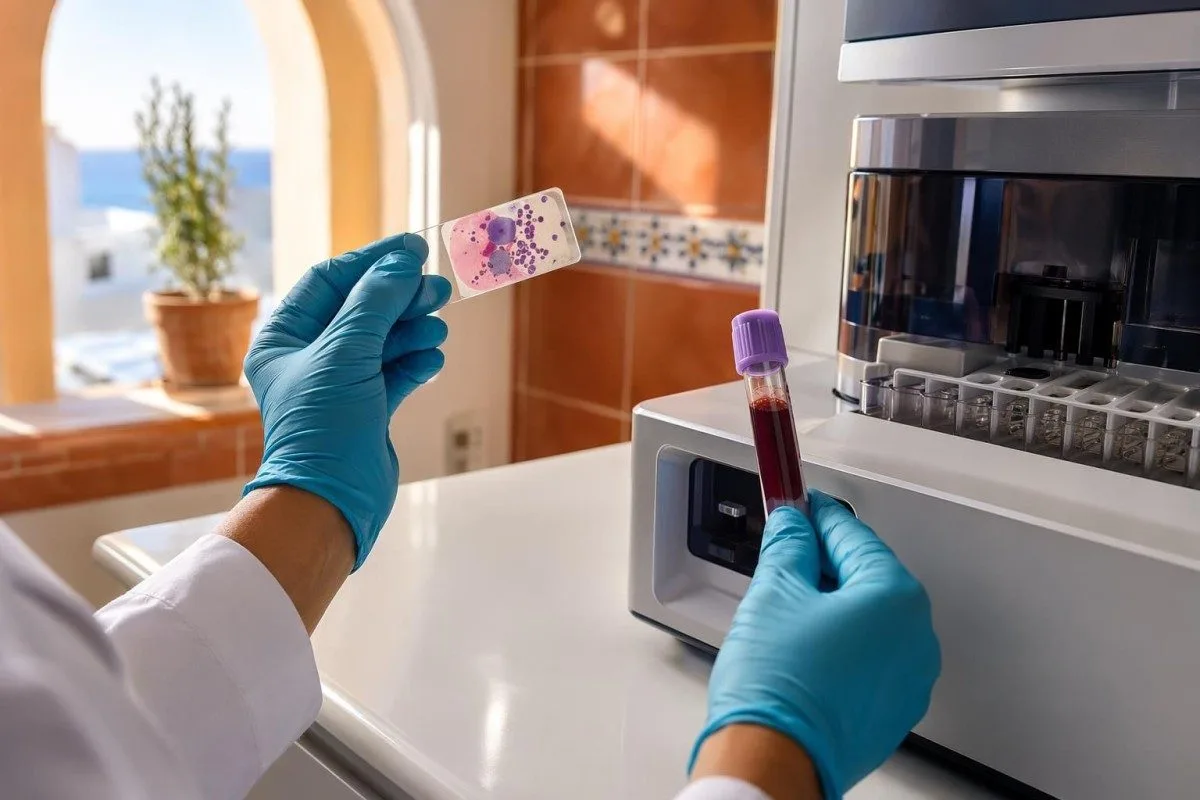
Bakteriyel enfeksiyon daha sık ANC’yi yukarı iter Ve ALC’yi aşağı çeker, ; bu nedenle toplam WBC dramatikleşmeden bile oran yükselir. Crit Care’de de Jager ve arkadaşları, nötrofil-lenfosit sayım oranının acil hastalarda toplam lökosit sayısından daha iyi bakteriyemiyi öngördüğünü buldu (de Jager ve ark., 2010); bu da piyelonefrit ve apandisitte gördüğümle uyumlu. Toplam beyaz hücreler de yüksekse, incelememizde yüksek WBC paternleri ek bağlam sağlar.
Sol kayma ortaya çıktığında sinyal güçlenir. ANC’si 12.4 ×10^9/L, ALC’si 0.7 ×10^9/L, olan ve bantlarda hatta küçük bir artışın olgunlaşmamış granülositler eşlik etmesi, başka belirteçler sakin görünse bile beni daha ciddi biçimde bakteriyel hastalık olasılığına yönlendirir. 74% ve lenfositler 18% aksi takdirde sakin belirteçlerle.
Yine de lokalize bakteriyel enfeksiyonlar yanıltabilir. NLR’nin yalnızca 3.8 enfeksiyon küçük olduğu için ya da hasta çok erken başvurduğu için yükseldiği diş apseleri ve erken selülit vakaları gördüm. Daha ileri yaşlı kişiler ve immünsüpresif hastalar da baskılanmış beyaz hücre yanıtı verebilir; bu yüzden mütevazı bir oran onları dışlamaz.
Lenfositlerin nötrofillerden daha yüksek seyrettiğinde
A daha düşük NLR, çoğu zaman 1 ila 1.5’in altı, daha sık viral enfeksiyon, post-viral iyileşme veya daha genç yaş gruplarına uyar; hasta steroid kullanmıyorsa ve toplam değer makulse. İyileşme sırasında lenfositler, belirtilere göre daha yavaş normale dönebilir.
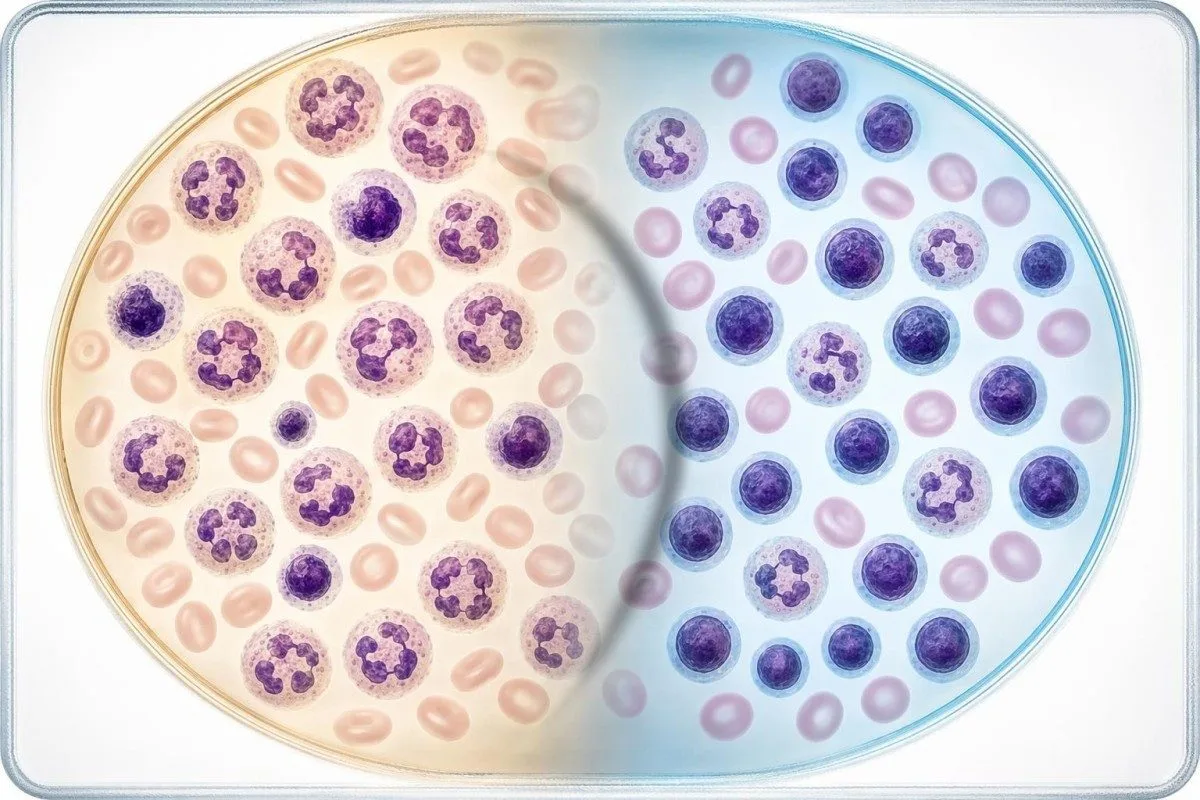
Düşük oranlar viral sendromlarda yaygındır, fakat zamanlama önemlidir. İlk 24 ila 48 saat grip veya COVID benzeri bir hastalıkta, bazen nötrofillerin önce yükseldiğini hâlâ görebiliyorum; daha klasik lenfosit ağırlıklı faz daha sonra ortaya çıkabilir; bu da tek seferlik CBC’lerin hastaları yanıltmasının nedenlerinden biridir.
Mononükleoz bunun akılda kalıcı bir örneğini verir. Benim gördüğüm 19 yaşındaki birinde ALC 5,2 ×10^9/L, ANC 1,9 ×10^9/L, ve 0.36 belirgin yorgunluk ve hassas lenf nodlarıyla birlikteydi; bu patern, bakteriyel sinüzitten çok viral lenfosit yanıtıyla daha tutarlıdır. Lenfositler daha yüksek kalırsa 3 aydan uzun sürerse, özellikle 4,0 ×10^9/L daha yaşlı bir yetişkinde, enfeksiyonun ötesini düşünmeye başlarım ve bizim lenfoma kan testi paternimizle ilgili olup olmadığını değerlendiririm.
Her düşük oran iyi huylu değildir. Geç sepsis, kemik iliği baskılanması, otoimmün nötropeni ve bazı hematolojik bozukluklar; toplam WBC’nin aldatıcı biçimde sakin görünmesine rağmen düşük nötrofiller oluşturabilir. İşte o zaman anemiye, trombositlere, yayma (smear) uyarı işaretlerine ve daha geniş tablonun bizim lösemi kan testi rehberimize.
Stres hormonları ve steroidlerin enfeksiyonu nasıl taklit edebileceği
Prednizon, deksametazon, yoğun egzersiz, cerrahi ve akut duygusal stres nötrofilleri artırıp lenfositleri saatler içinde düşürebilir; bu da bakteriyel hastalık olmadan da saatler içinde nötrofilleri yükseltip lenfositleri düşürebilir, bu da bir NLR 5’in üzeri ortaya çıkabilir. Klasik steroid paterni nötrofili artı lenfopeni artı eozinopenidir..
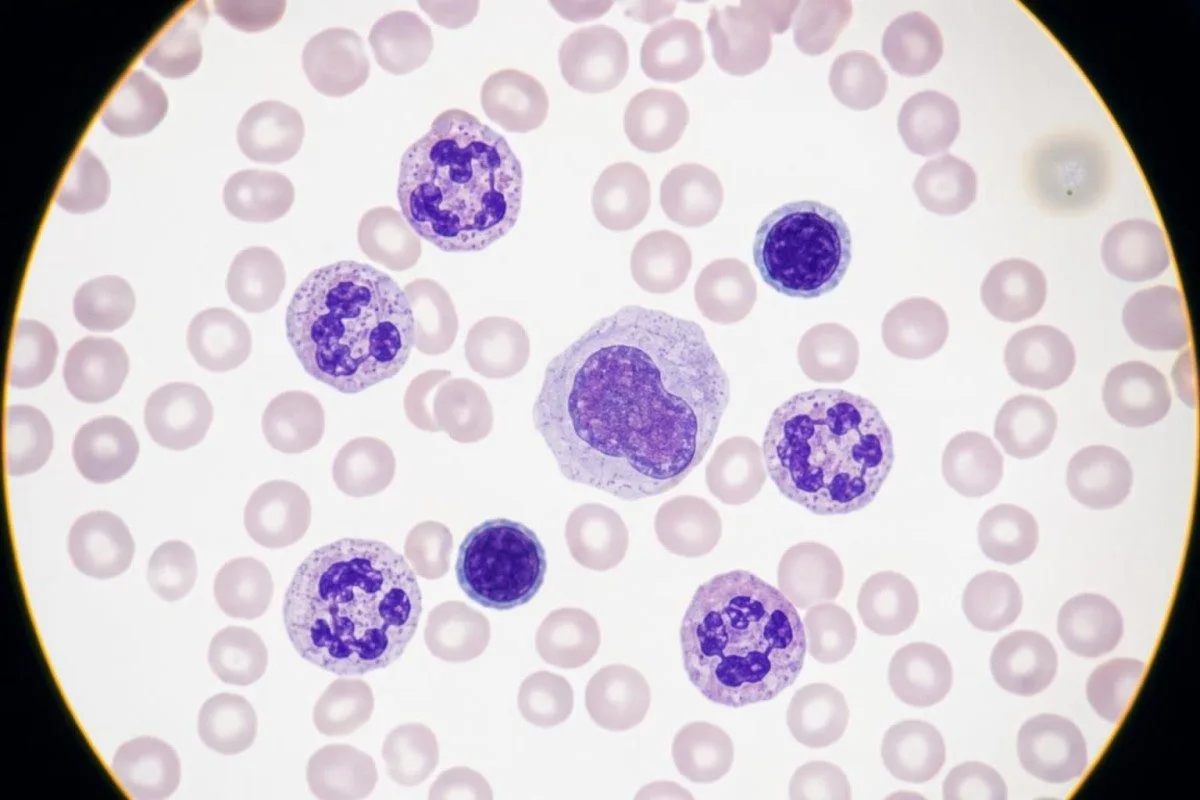
Akut stres, NLR’yi hızla artırabilir; çünkü kortizol ve katekolaminler nötrofilleri damar duvarından dolaşıma taşır ve lenfositleri kan dolaşımından yeniden dağıtır. Zahorec bu oranı daha önce 2001, hızlı bir stres belirteci olarak tanımlamıştı ve fizyoloji günlük pratikte de hâlâ geçerlidir (Zahorec, 2001). Günde 20 ila 40 mg prednizon dozu, diferansiyeli 4 ila 6 saatlik bir yarı ömre sahiptir, içinde kaydırabilir; bu yüzden acil bakım tedavisinden sonra alınan bir CBC çoğu zaman hastanın hissettiğinden daha endişe verici görünür.
Cerrahi ve egzersiz de aynı şeyi yapar. Bir yarım maraton ya da diz protezinden sonra ANC’nin 9 ila 12 ×10^9/L ve ALC şunların kapsamına girer: 1.0 ×10^9/L bir gün ya da iki gün; bu nadir değildir ve antibiyotiklerden bahsetmeye başlamadan önce zamanlamayı sormamın nedenlerinden biridir. Şu konudaki makalemiz: kortizol kan testi zamanlaması hastaların neden saatin önemli olduğunu anlamasına yardımcı olur; ayrıca şu yazımız: sporcu kan testleri efor sonrası laboratuvar değişimlerini daha ayrıntılı olarak ele alır.
Pek çok sitenin atladığı küçük bir ipucu: bakteriyel enfeksiyon sıklıkla CRP’yi ve ateşi yükseltirken, saf bir steroid etkisi çoğu zaman eozinofilleri düşürür ve hastayı şaşırtıcı biçimde iyi gösterir. Thomas Klein, MD olarak şunu öğrendim: hikâye 'Dün deksametazon başladım ve şimdi nötrofillerim yüksek' ise yavaşlamalıyım. Bu geçmiş, okumanın tamamını değiştirir.
Aradığım steroid izi
Nötrofiller yüksek, lenfositler düşük, eozinofiller sıfıra yakınsa ve hasta son bir gün içinde kortikosteroid başlattıysa, bu desen çoğu zaman ilaç kaynaklıdır. Enfeksiyon için yine de kontrol ederim; ancak muayene ve vital bulgular sakinse daha az endişelenirim.
Sürekli yüksek bir oranın iltihaplanma hakkında ne düşündürebileceği
A kalıcı olarak yüksek NLR, especially tekrarlanan CBC’lerde 3’ün üzerinde, akut bir enfeksiyondan ziyade devam eden inflamatuvar bir tonu yansıtabilir. Bunu romatizmal hastalıkta, inflamatuvar bağırsak hastalığında, sigara ile ilişkili inflamasyonda, obezitede, kontrolsüz diyabette ve bazen aktif kanserde görüyoruz.

Kronik inflamasyon, aynı kaymanın daha sessiz bir versiyonunu üretme eğilimindedir: nötrofiller yukarı doğru kayar, lenfositler aşağı doğru kayar; sepsis ya da steroidlerin dramatik dalgalanması olmadan. Romatizmal şikâyetleri olan bir hasta, ESR 42 mm/saat, CRP 9 mg/L, ve NLR 3.6 ile, akut pnömoni ve NLR 12, olan bir hastaya benzemez; ancak ikisi de aynı bağışıklık geometrisini kullanıyor. Otoimmün belirtiler tabloya giriyorsa, bizim romatoid faktör rehberimiz için bir sonraki mantıklı okuma olacaktır.
Metabolik hastalık da bunu yapabilir. Klinik ortamda, merkezi obezitesi olan, açlık glukozu 3.0 ila 4.0 civarında gezindiğini sık görürüm; ortada belirgin bir enfeksiyon olmasa bile. Bu deseni insülin direnciyle ilişkilendirmeye çalışan hastalar genellikle bizim 126 mg/dL veya daha yüksek olan, trigliseridleri yüksek ve uykusu kötü olan kişilerde NLR’nin çoğu zaman prediyabet kan testi makalemizi bulur. şaşırtıcı derecede ilgili.
NLR’yi bir kanser tarama testi olarak kullanmazdım. Bununla birlikte, oran birkaç ay boyunca yüksek kalır ve kilo kaybı, gece terlemeleri, anemi, trombositoz veya anormal yayma ile birlikte görülürse olasılık o kadar değişir ki bunu 'sadece inflamasyon' diye geçiştirmeyi bırakır ve daha yakından bakmaya başlarım.
Genellikle neyi yeniden kontrol ederim
Kronik olarak yüksek bir oran için genellikle tekrarlı bir tam kan sayımı (CBC), CRP, ESR, ferritin, albümin, glukoz kontrolü ve bir ilaç gözden geçirmesi isterim. Bu panel, oranı tek başına kovalamaktan çoğu zaman deseni daha iyi açıklar.
Oranın yanıltıcı olabildiği yaygın durumlar
Kemik iliği, bağışıklık sistemi veya ilaç listesi zaten beyaz hücreleri değiştiriyorsa NLR daha az güvenilir olur. Kemoterapi, gebelik, HIV, yakın zamanda yapılan immünoterapi, kemik iliği bozuklukları ve laboratuvar zamanlama sorunları da tümüyle paterni bozabilir.

Gebelik bunun iyi bir örneği. Nötrofiller gebelik sırasında normalde yükselir; özellikle de üçüncü trimesterde, bu nedenle nötrofil yüzdesi 75% enfeksiyondan ziyade fizyolojik olabilir. Eğer gebelik hikâyenin bir parçasıysa, zaman çizelgemiz trimester (gebelik haftasına göre dönem) bazında prenatal kan testlerinde gözden geçiriyoruz. daha geniş laboratuvar bağlamını verir.
Kemik iliği baskılanması ve bağışıklık baskılanması denklemi ters yönde değiştirir. Kemoterapi, metotreksat, klozapin veya ileri evre HIV tedavisi alan bir hastada düşük ANC, düşük ALC ya da ikisi birden olabilir ve oran, mutlak risk yüksek değilken aldatıcı biçimde “normal” görünebilir. Bu tür durumlarda, yüzde dağılımın ne kadar “şık” göründüğünden çok mutlak değerlere önem veririm.
Pre-analitik ayrıntılar, çoğu insanın sandığından daha önemlidir. Uykusuz bir geceden sonra, şiddetli bir ağrı atağından sonra hatta IV sıvılardan sonra alınan bir CBC, yorumlamayı karıştıracak kadar değişime yol açabilir ve cihaz uyarıları ciddiye alınmalıdır. Bir rapor hikâyeyle uyuşmuyorsa, çoğu zaman manuel yayma incelemesi öneririm; dijital yüklemelerde ise cihaz mantığı ile klinik yorumun karşılaştırmasını laboratuvar cihazları ve yapay zeka analizörleri hakkındaki makalemizde.
bir yayma incelemesi yapılıp yapılmadığını sorun
Manuel bir yayma, otomatik diferansiyelin yalnızca ipucu verdiği reaktif lenfositleri, toksik granülasyonu, blastları veya kümelenmeyi ortaya çıkarabilir. Bu, belirsiz bir oranı anlamlı bir tanıya dönüştürmenin en hızlı yollarından biridir.
Nötrofil-lenfosit paternleri ne zaman acil takip gerektirir?
Oran aşırı düzeydeyse veya CBC bulgularıyla birlikte alarm verici bulgular varsa acil tıbbi değerlendirme arayın. Daha çok NLR 10’un üzerindeyse, ANC 15 ×10^9/L’yi aşıyorsa, ANC 0.5 ×10^9/L’nin altına düşerse, veya ALC 0.5 ×10^9/L’nin altına düşerse, özellikle ateş, kilo kaybı veya morarma varsa.
Diğer hücre serileri de hareket ediyorsa oran daha da endişe verici olur. NLR’li bir CBC 11, trombositler 620 ×10^9/L, ve anayasal (konstitüsyonel) belirtiler, aksi halde tek başına bir orana kıyasla beni acil değerlendirmeye çok daha hızlı yönlendirir. 4.8 sağlıklı bir kişide izole bir oran olsaydı. Eğer trombositler de yüksekse, bu kombinasyonun basit stresin ötesinde bir durumu işaret edebileceğini yüksek trombosit sayısı açıklar.
Anemi yorumu da değiştirir. Ateşi olan ve hemoglobin 9,4 g/dL, ANC 16 ×10^9/L, ve lenfositler 0.6 ×10^9/L değerlerine sahip bir hasta, şiddetli bir enfeksiyon, kemik iliği tutulumu veya sistemik hale gelmiş bir inflamatuvar hastalık geçirmiş olabilir. Bu yüzden bu tartışmayı neredeyse her zaman incelememiz, bu örüntülerin ne kadar sık birlikte seyrettiğini gösteriyor..
Bir başka eşik de kolayca gözden kaçabilir: ANC’si 0,5 ×10^9/L’nin altında olan ve 38,0°C veya daha yüksek ateş aksi kanıtlanana kadar acildir. Çoğu hasta bu düzeyde bir alarm gerektirmez; ancak gerektirenler için hızlı hareket etmek gerekir.
Zaman içindeki trendlerin çoğu zaman tek bir diferansiyel kan testinden neden daha iyi olduğu
Tek bir CBC diferansiyeli bir anlık görüntüdür; trend ise bir hikâyedir. Eğer NLR 72 saatte 6,8’den 2,4’e düşer, ; bu genellikle düzelmekte olan stres veya enfeksiyonu düşündürür. Ancak 3 ila 4 aralığında aylarca takılı kalan bir oran kronik inflamasyon ya da başka devam eden bir tetikleyiciye daha çok işaret eder.
En iyi karşılaştırma; aynı laboratuvar, günün benzer saati, benzer hidrasyon ve yakın zamanda kullanılan ilaçlara dair net bir nottur. Daha sonra tekrarlanan bir CBC 24 ila 72 saat ilk gün uzun bir “egzotik testler” listesi eklemekten daha bilgilendirici olabilir. Seri sonuçları düzenlemek isteyen hastalar genellikle basit bir kan tahlili geçmişi takipçimiz.
Kantesti yapay zeka, seri CBC’leri laboratuvara özgü referans aralıklarıyla karşılaştırır ve oran değişiminin kontrolsüz enfeksiyondan çok ilaç etkisine daha çok benzediği durumları işaretler. Bizim klinik standartlar sayfamızda bunun neden önemli olduğunu açıklıyor: Bir laboratuvar lenfositleri 1.0 ×10^9/L düşük diye işaretleyebilirken, diğeri 1.1, kullanır ve bu küçük kaymalar sınırda (borderline) bir raporun “hissini” tamamen değiştirebilir.
2.000.000+ yüklenen laboratuvar raporunu incelediğimiz derlemede 2 milyon yüklenen raporlarda, geçici NLR yükselmeleri steroidler, akut ağrı ve yoğun antrenman bloklarından sonra sık görülür. Dr. Thomas Klein olarak, oran düşerken belirtiler düzeliyorsa daha fazla güven duyuyorum ve CRP paralel şekilde düşüş gösteriyorsa; bu eşleşmenin klinik olarak neden işe yarar olduğunu normal CRP aralığıyla birlikte yorumlarız gösteriyor.
Nötrofil-lenfositlerinizde bir anormallik görünüyorsa bir sonraki adım ne olmalı?
Belirtilerle, ilaçlarla ve mutlak sayımlarla başlayın. Çoğu insan tek bir anormal kan diferansiyeli; sonrası panik aramaya ihtiyaç duymaz; ateş, yakın zamanda steroid kullanımı, viral hastalık, sigara, yoğun egzersiz ve laboratuvarın tekrarlı CBC istemiş olup olmadığını kontrol etmeleri gerekir.
Benim rutin kontrol listem kısa: ateş, boğaz ağrısı, idrarla ilgili şikâyetler, öksürük, yakın zamanda ameliyat, diş sorunları, steroid tabletler, inhalerler ve son 24 saat. boyunca çok yoğun egzersiz yapıp yapmadığınız. Ardından ANC, ALC, toplam WBC ve paternin yeni olup olmadığına bakın. Raporu yapılandırılmış şekilde okumak isterseniz, onu ücretsiz kan testi analizi.
Aynı gün tıbbi danışmanlık; çok düşük nötrofillerle seyreden ateş, hızla kötüleşen belirtiler, kafa karışıklığı, nefes alma güçlüğü veya birden fazla hücre hattında “uyumsuz” görünen bir CBC için mantıklıdır. Bizim Tıbbi Danışma Kurulu inceleme (review) yollarımızı, tek bir ürkütücü yüzdeye değil; özellikle bu daha yüksek riskli kombinasyonlara göre oluşturduk.
Sınırda CBC paternlerinde nasıl düşündüğümüzü görmek isterseniz, vaka incelemelerimize genellikle genel bir nedenler listesine göre daha faydalıdır. Daha geniş resme bakmak isterseniz, Kantesti Hakkında. okuyabilirsiniz. Ve sadece kendi raporunuzun hızlıca yorumlanmasını istiyorsanız, yapay zeka kan testi platformumuz.
Sıkça Sorulan Sorular
Yetişkinlerde normal nötrofil lenfosit oranı nedir?
Normal bir yetişkinde nötrofil-lenfosit oranı, veya NLR, kullanın; bu genellikle 1 ila 3, civarındadır ve Forget ve ark. sağlıklı bir referans aralığı bildirmiştir: 0,78 ila 3,53. Çoğu laboratuvar NLR için referans aralığını otomatik olarak yazdırmaz; bu nedenle klinisyenler bunu CBC diferansiyelinden hesaplar. Sigara, ileri yaş, gebelik ve yakın zamanda yapılan egzersiz oranı hastalık anlamına gelmeden kaydırabilir. Tek bir izole değerden ziyade, tekrarlayan şekilde NLR’nin yukarıda kalmasına daha az/çok daha fazla önem veriyorum. 3 ila 5 semptomlar varsa veya mutlak sayımlar anormalse.
Yüksek nötrofil lenfosit oranı bakteriyel bir enfeksiyonu mu gösterir?
Yüksek bir NLR bakteriyel enfeksiyonu düşündürebilir; ancak bunu kanıtlamaz. Şu aralığın üzerindeki oranlar 5 iyi huylu değişkenlikten daha sık bakteriyel hastalığa uyar; özellikle ANC yüksekse, ALC düşükse, CRP yükseliyorsa ve hastada ateş veya odaklı (lokal) semptomlar varsa. Steroidler, cerrahi, şiddetli ağrı ve yoğun egzersiz de birkaç saat içinde aynı paterni oluşturabilir. En güvenli yorum, oranı semptomlar, kullanılan ilaçlar ve mutlak sayımlarla birlikte değerlendirmektir.
Prednizon veya deksametazon nötrofilleri artırıp lenfositleri düşürebilir mi?
Evet. Prednizon veya deksametazon yaklaşık içinde nötrofilleri artırıp lenfositleri düşürebilir; 4 ila 6 saatlik bir yarı ömre sahiptir, çoğu zaman herhangi bir bakteriyel enfeksiyon olmadan NLR’yi 5 . nötrofili, lenfopeni, ve çoğu zaman çok düşük eozinofiller. .
Stres veya yoğun egzersiz kan diferansiyelini değiştirebilir mi?
Evet, hem akut stres hem de yoğun egzersiz geçici olarak nötrofilleri artırıp lenfositleri düşürebilir. Ameliyattan sonra, panik düzeyinde bir stres yanıtı veya zorlu bir dayanıklılık seansı, ANC geçici olarak 9 ila 12 ×10^9/L aralığında seyrederken ALC düşebilir. 1.0 ×10^9/L. Bu kaymaların çoğu 24 ila 72 saat. içinde yatışır. Bu yüzden kan alımının zamanı, birçok kişinin sandığından daha önemlidir.
Düşük nötrofil-lenfosit oranı viral bir enfeksiyonu mu gösterir?
Düşük bir NLR, sıklıkla 1 ila 1.5’in altı, daha çok viral hastalığa, viral sonrası iyileşmeye veya lenfosit ağırlıklı bir bağışıklık yanıtına uyar. Mononükleoz bunun klasik bir örneğidir ve bazı hastalarda ALC’nin 4,0 ×10^9/L’nin üzerinde nispeten daha düşük nötrofillerle birlikte görülür. Yine de düşük oran otomatik olarak rahatlatıcı değildir; kemik iliği baskılanması, otoimmün nötropeni veya geç dönemdeki ağır enfeksiyonlar da nötrofilleri düşürebilir. Mutlak sayımlar ve klinik öykü, oranın ne anlama geldiğini belirler.
Nötrofiller ve lenfositler sonuçları ne zaman endişe verici olmalıdır?
Şu durumlarda daha fazla endişelenirim: NLR 10’un üzerindeyse, ANC 15 ×10^9/L’nin üzerindeyse, ANC 0,5 ×10^9/L’nin altındaysa, veya ALC 0,5 ×10^9/L’nin altındadır, özellikle ateş, kilo kaybı, morarma veya solunum belirtileri varsa. 38,0°C veya daha yüksek ateş ağır nötropeni ile birlikteyse acildir ve rutin bir takip beklenmemelidir. Diğer hücre serileri de anormal olduğunda endişe artar; örneğin düşük hemoglobin veya çok yüksek trombositler. Belirti olmaksızın hafif anormal bir yüzde, genellikle bu daha geniş örüntüden çok daha az kaygı vericidir.
Küçük çocuğumda neden nötrofillerden daha fazla lenfosit var?
Küçük çocuklarda, bağışıklık sisteminin gelişiminin normal bir parçası olarak nötrofillerden daha fazla lenfosit bulunur. Yetişkinlere ait NLR aralıkları yerine laboratuvarın yaşa özgü referans aralıklarını kullanın ve işaretlenmiş mutlak sayımları çocuk doktorunuzdan değerlendirmesini isteyin.
Gebelik nötrofil-lenfosit oranını değiştirebilir mi?
Evet. Gebelik sırasında, özellikle gebeliğin sonlarında ve doğum civarında nötrofil sayımları yaygın olarak artar, bu nedenle enfeksiyon olmadan da NLR daha yüksek olabilir. Kadın hastalıkları ve doğum uzmanınız, sadece orana değil, gebeliğe uygun aralıklara ve belirtilerinize göre CBC sonuçlarını yorumlamalıdır.
Nötrofil-lenfosit oranı, kan testinin günün hangi saatinde yapıldığına göre etkilenebilir mi?
Evet, hafif günler arası ve günün saatine bağlı değişkenlik görülebilir; çünkü beyaz kan hücreleri uykuya, aktiviteye, öğünlere ve stres hormonlarına yanıt verir. Sonuç beklenmedik olsa da kendinizi iyi hissediyorsanız, klinisyeniniz benzer koşullarda CBC’yi tekrar edebilir.
Dehidratasyon nötrofil-lenfosit oranını değiştirebilir mi?
Hafif dehidratasyon kan sayımlarının biraz daha yoğun görünmesine neden olabilir, ancak tek başına genellikle belirgin bir nötrofil-lenfosit kaymasına yol açmaz. Kusuyorsanız, ateşiniz varsa veya çok halsizseniz, dehidratasyona neden olan hastalık oranının değişmesinin asıl nedeni olabilir.
Bugün Yapay Zekâ Destekli Kan Tahlili Analizini Alın
Anlık ve doğru laboratuvar testi analizi için Kantesti’ye güvenen dünya genelindeki 2 milyondan fazla kullanıcıya katılın. Kan testi sonuçlarınızı yükleyin ve saniyeler içinde 15,000+ biyobelirteçlerinin kapsamlı yorumunu alın.
📚 Kaynak Gösterilen Araştırma Yayınları
Kantesti Yapay Zeka Araştırma Ekibi (2026). Kantesti Yapay Zeka Motorunun Klinik Doğrulaması (2.78T) 15 Anonimleştirilmiş Kan Tahlili Vakasında: Yedi Tıbbi Uzmanlık Alanı Kapsayan, Hiper-diagnostik Tuzak Vakalarını İçeren Önceden Kaydedilmiş Rubrik Tabanlı Bir Kıyaslama. Figshare.
Kantesti Editör Tıbbi Ekip (2026). Kadın Sağlığı Rehberi: Yumurtlama, Menopoz ve Hormonal Belirtiler. Figshare.
📖 Harici Tıbbi Kaynaklar
Zahorec R (2001). Nötrofil ile lenfosit sayımlarının oranı—kritik hastalarda sistemik inflamasyon ve stres için hızlı ve basit bir parametre. Bratislavské Lekárske Listy.




⚕️ Tıbbi Uyarı
Bu makale yalnızca eğitim amaçlıdır ve tıbbi tavsiye niteliği taşımaz. Tanı ve tedavi kararları için her zaman yetkin bir sağlık hizmeti sağlayıcısına danışın.
E-E-A-T Güven Sinyalleri
Deneyim
Hekim liderliğinde laboratuvar yorumlama iş akışlarının klinik incelemesi.
Uzmanlık
Klinik bağlamda biyobelirteçlerin nasıl davrandığına odaklanan laboratuvar tıbbı.
Otorite
Dr. Thomas Klein tarafından yazılmış; Dr. Sarah Mitchell ve Prof. Dr. Hans Weber tarafından gözden geçirilmiştir.
Güvenilirlik
Alarmı azaltmaya yönelik net takip yollarıyla kanıta dayalı yorumlama.