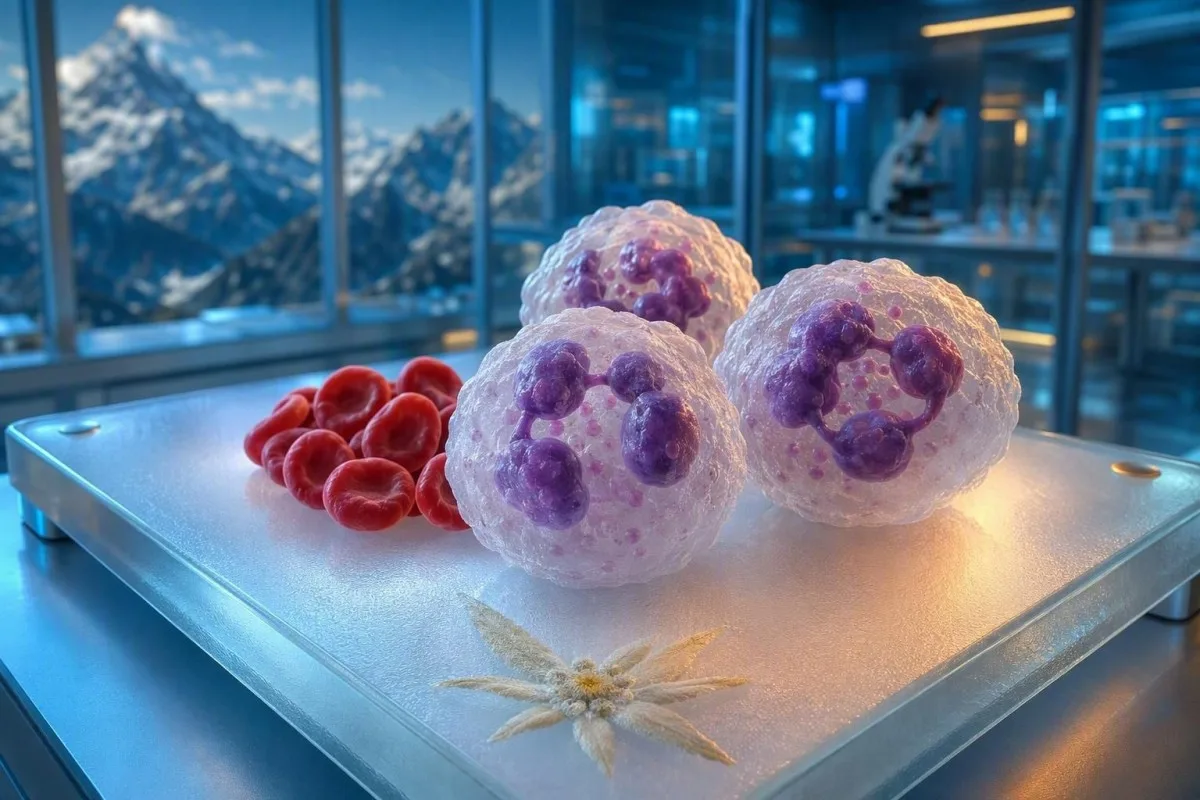
Mierne zvýšený výsledok neutrofilov je často dočasný, ale absolútny počet neutrofilov, zvyšok CBC, príznaky a trend určujú, či si vyžaduje zásah.


- hraničné neutrofily zvyčajne znamená ANC tesne nad hornou laboratórnou hranicou, často okolo 7,0-7,5 × 10⁹/l u dospelých.
- Absolútny počet neutrofilov je informatívnejšie ako percento neutrofilov; ANC sa vypočíta ako WBC × percento neutrofilov ÷ 100.
- Mierna neutrofília pod 15 × 10⁹/l bez znepokojujúcich príznakov je bežne reaktívne a môže nasledovať po infekcii, fajčení, cvičení alebo liečbe steroidmi.
- Opakovať načasovanie je zvyčajne 2-6 týždňov po zotavení z krátkej choroby, náročného cvičenia, očkovania alebo zmeny liekov.
- Urýchlené posúdenie je vhodná pri horúčke so závažným ochorením, dýchavičnosti, zmätenosti, rýchlo stúpajúcich počtoch, blastoch, anémii alebo nízkych krvných doštičkách.
- Steroidy a adrenalín môžu zvýšiť cirkulujúce neutrofily v priebehu niekoľkých hodín presunutím buniek zo stien ciev do meraného krvného poolu.
- pretrvávajúce zvýšenie po viac ako 3 mesiacoch, najmä nad 15-20 × 10⁹/L, si vyžaduje posúdenie lekárom a často aj rozbor krvného náteru.
- Tehotenstvo môžu normálne zvýšiť počet neutrofilov, najmä v treťom trimestri, takže referenčné rozmedzia pre dospelých mimo tehotenstva môžu byť zavádzajúce.
Čo v skutočnosti znamená hraničný výsledok neutrofilov
Hraničné neutrofily zvyčajne znamenajú malé zvýšenie absolútneho počtu neutrofilov (ANC), nie diagnózu. U väčšiny zdravých dospelých sa ANC, ktorá je len mierne nad laboratórnym rozmedzím, upraví, keď pominie dočasná príčina; prvou úlohou je skontrolovať absolútny počet, celkový počet bielych krviniek a príznaky namiesto reagovania na zvýraznené percento.
Referenčné intervaly ANC u dospelých sa bežne pohybujú od približne 1,5 do 7,5 × 10⁹/L, hoci horná hranica sa líši v závislosti od analyzátora, etnického pôvodu, stavu tehotenstva a miestnej laboratórnej metódy. Hodnota 7,8 × 10⁹/L sa klinicky veľmi líši od 28 × 10⁹/L, aj keď obe môžu byť označené ako zvýšené; pozrite si náš návod na normálne rozmedzie neutrofilov.
Ten/Tá/To percento neutrofilov sa môže javiť ako vysoké jednoducho preto, lebo lymfocyty klesli po strese alebo expozícii kortikosteroidom. Napríklad WBC 6,0 × 10⁹/L so 78% neutrofilmi dáva ANC 4,68 × 10⁹/L, čo je normálne napriek vysokému percentu.
Kantesti je Analyzátor krvných testov s umelou inteligenciou ktorá interpretuje diferenciálny obraz CBC spolu s celkovým počtom WBC, hemoglobínom, trombocytmi a predchádzajúcimi výsledkami, namiesto toho, aby považovala jednu oranžovú vlajku za diagnózu ochorenia. Od 28. augusta 2026 zostáva tento prístup založený na rozpoznávaní vzorcov najbezpečnejším spôsobom interpretácie hraničných výsledkov.
Prečo laboratórne vlajky nie sú diagnózami
Referenčné intervaly pokrývajú centrálne 95% vybranej populácie, takže približne 1 z 20 zdravé merania sa môžu náhodou nachádzať mimo stanoveného rozmedzia. Vlajka je podnetom pre kontext, nie dôkazom, že niečo nie je v poriadku.
Prečo absolútny počet neutrofilov má väčší význam ako percento
ANC je počet, ktorý lekári používajú na posúdenie zvýšenia neutrofilov, pretože kombinuje celkový počet WBC s diferenciálnym obrazom. Vysoké percento neutrofilov s normálnou ANC je často proporcionálne posunutie, zatiaľ čo vysoká ANC potvrdzuje skutočnú neutrofíliu.
Vzorec je jednoduchý: ANC = WBC × (% neutrofily + % pásmové formy) ÷ 100. Pri WBC 12,0 × 10⁹/l a neutrofiloch 75 % je ANC 9,0 × 10⁹/l; ide o miernu neutrofíliu, ktorá sama o sebe nie je núdzovým stavom.
Často vidím zbytočné obavy, keď portál zobrazí 82 % neutrofilov, ale nezobrazí výpočet jasne. Praktické pravidlo Dr. Thomasa Kleina je zapísať si WBC, ANC, hemoglobín, počet krvných doštičiek a akúkoľvek značku nezrelých granulocytov predtým, ako sa rozhodne, čo výsledok znamená; náš Sprievodca zložkami CBC pomáha s termínmi.
WBC nad 11 × 10⁹/l sa u netehotných dospelých bežne nazýva leukocytóza, ale príčina sa nedá vyvodiť len z tohto čísla. Riley a Rupert (2015) radia lekárom opakovať CBC a skontrolovať odtlačok periférnej krvi, keď je leukocytóza nevysvetlená alebo pretrváva.
Bežné dočasné príčiny miernej neutrofílie
Mierna neutrofília najčastejšie odráža dočasný reaktívny proces: nedávna infekcia, fyzický stres, fajčenie, zápal, účinok liekov alebo tehotenstvo. Tieto príčiny zvyšujú cirkulujúce neutrofily bez toho, aby nevyhnutne znamenali, že kostná dreň produkuje abnormálne bunky.
Prechladnutie, zubný zápal, močové príznaky, kožná vyrážka alebo dokonca prvé dni po vírusovom ochorení môžu zvýšiť ANC do 8 – 14 × 10⁹/l rozsahu. Neutrofily môžu zostať mierne zvýšené dni po tom, čo horúčka pominula, pretože uvoľňovanie z drene a obnova tkanív sa nezastavia v rovnakom okamihu.
Náročný intervalový tréning, maratón, panický stav alebo akútna bolesť môžu spôsobiť demargináciu—bunky, ktoré predtým odpočívali pozdĺž cievnych stien, vstupujú do cirkulujúceho vzorky. Toto zvýšenie môže nastať v priebehu minút až hodín a je jedným z dôvodov, prečo žiadam športovcov, aby sa vyhli neobvykle náročnému tréningu 24-48 hodín pred plánovaným CBC; náš sprievodca načasovaním laboratórnych testov súvisiacich s cvičením vysvetľuje širší vzor.
Fajčenie je spojené s vyššími počtami WBC a neutrofilov, zatiaľ čo obezita, chronické ochorenie ďasien a zápalové kožné ochorenia môžu udržiavať mierny nárast. Preto mierne zvýšené neutrofily často znamenajú vystavenie a fyziológiu, nie skrytú bakteriálnu infekciu.
Lieky, vakcíny a životné udalosti, ktoré môžu zvýšiť počet neutrofilov
Kortikosteroidy, inhalačné lieky s beta-agonistami, lítium a lieky stimulujúce kolónie môžu zvýšiť neutrofily, niekedy výrazne. Neprerušujte predpísaný liek kvôli značke CBC; namiesto toho zaznamenajte liek, dávku a načasovanie pre lekára, ktorý výsledok kontroluje.
Prednizón a podobné glukokortikoidy môžu zvýšiť cirkulujúce neutrofily v rámci 4 – 6 hodín prostredníctvom demarginačnej udalosti, oneskoreného presunu do tkanív a zníženého odstraňovania buniek. Steroidmi vyvolaná neutrofília často postráda toxickú granuláciu alebo výrazný posun doľava, ktorý môže sprevádzať závažnú bakteriálnu infekciu, hoci na správne posúdenie je potrebný náter krvi.
Lítium môže zvýšiť produkciu granulocytov, zatiaľ čo filgrastim a podobné liečby zámerne zvyšujú počet neutrofilov; nedávna operácia, trauma a pôrod tiež spúšťajú stresovú reakciu. Vakcína môže prechodne zmeniť diferenciál, takže rutinný test vykonaný v rámci 7 – 14 dňoch po očkovaní môže byť menej reprezentatívny pre základnú líniu; prečítajte si viac o zmenách laboratórnych výsledkov po očkovaní.
Kantesti je platforma na interpretáciu krvného testu AI umožňuje ľuďom ukladať kontext liekov a chorôb k výsledku, čo je klinicky užitočnejšie ako porovnávanie holých čísel. Zoznam liekov by mal zahŕňať inhalátory, steroidné krémy, injekcie a “prírodné” produkty — nielen tablety.
Kedy zopakovať CBC pri hraničných neutrofiloch
U inakáč inak zdravého človeka s miernou izolovanou neutrofíliou je zvyčajne primerané zopakovanie CBC s diferenciálom o 2-6 týždňov po odstránení pravdepodobnej príčiny. Pretestovanie skôr – do niekoľkých dní – ak sa príznaky zhoršujú, počet stúpa alebo pôvodný výsledok bol výrazne vysoký.
Zvoľte stabilný deň na opakovaný odber: bez horúčky, bez intenzívneho cvičenia 24-48 hodín, bežná hydratácia a žiadny novozahájený steroid, pokiaľ predpisujúci lekár neurčí inak. Pôst sa zvyčajne nevyžaduje pre CBC, ale zhodné denné obdobie a podmienky uľahčujú interpretáciu zmien; naše časovou osou krvných testov vysvetľuje prečo.
Ak je ANC 7,6-12 × 10⁹/l a všetky ostatné bunkové línie sú normálne, často preferujem jedno plánované prekontrolovanie namiesto sériového testovania každých pár dní. Opakovanie o 4 týždne môže byť zavádzajúce, ak sa pacient stále zotavuje z pneumónie, začal užívať prednizolón alebo trénoval na vytrvalostný výkon.
Perzistencia je dôležitejšia ako jedno izolované číslo. Neutrofília trvajúca dlhšie ako 3 mesiace, bez jasného reaktívneho vysvetlenia, si všeobecne vyžaduje prehľad od praktického lekára, manuálne vyšetrenie krvného náteru a cielené testovanie na základe príznakov.
Vzory CBC, ktoré spôsobujú, že zvýšenie počtu neutrofilov je viac či menej znepokojujúce
Izolovaný mierny nárast ANC s normálnym hemoglobínom a trombocytmi je zvyčajne menej znepokojujúci ako neutrofília sprevádzaná anémiou, trombocytopéniou, trombocytózou alebo nezrelými bunkami. Okolitý vzor CBC dáva číslu jeho klinický význam.
Zvýšená ANC plus zvýšené trombocyty nad 450 × 10⁹/l, nevysvetlená anémia, bazofília alebo leukoerytroblastový krvný náter zvyšujú obavy z procesu kostnej drene. Žiadna z týchto kombinácií nediagnostikuje rakovinu, ale oprávňuje promptné lekárske posúdenie namiesto náhodného opakovania o niekoľko mesiacov neskôr; pozri náš prehľad cesta hodnotenia rakoviny krvi.
“Ľavý posun” znamená, že v periférnej krvi sú prítomné tyčinky, metamylocyty alebo myelocyty. Malé počty sa môžu vyskytnúť pri závažnom reaktívnom strese, ale pretrvávajúci ľavý posun si vyžaduje prehľad krvného náteru, pretože automatické analyzátory vždy nerozlišujú medzi benígnym zotavovaním a klonálnym procesom.
Kantesti AI analyzuje podtypy bielych krviniek spolu s indexmi červených krviniek a trendmi trombocytov, potom označí kombinácie pre lekárske sledovanie namiesto pokusu o diagnostiku leukémie z CBC. Tento prístup je v súlade s našimi publikovanými zásadami klinickej validácie.
Infekcia, zápal alebo stres: Čítanie klinických indícií
Horúčka, fokálne príznaky a zvýšená CRP môžu podporiť infekciu, ale samotný zvýšený počet neutrofilov nemôže rozlíšiť bakteriálnu infekciu od stresu alebo zápalu. Lekári diagnostikujú osobu pred sebou, nie diferenciálny počet v izolácii.
Pri bakteriálnej pneumónii, pyelonefritíde alebo apendicitíde môže ANC stúpnuť nad 15 × 10⁹/l, napriek tomu niektoré závažné infekcie majú normálny alebo nízky počet WBC – najmä u starších alebo imunosuprimovaných osôb. Príznaky, vitálne funkcie, vyšetrenie a kultivácie často znamenajú viac ako to, či je ANC 11 alebo 13.
CRP sa zvyšuje a klesá rýchlejšie ako ESR, ale ani jedno nie je špecifické pre infekciu. Ak sa neutrofilia spája s vysokou CRP, opuchom kĺbov, črevnými príznakmi alebo vyrážkou, diferenciálna diagnóza sa rozširuje na autoimunitné a zápalové stavy; naše vysvetlenie vzorcami vysokého ESR môže pomôcť pri formovaní tejto diskusie.
Podľa mojich skúseností pacient s ANC 10,5 × 10⁹/l, bez horúčky a s normálnou CRP po bezesnej návšteve pohotovosti zvyčajne potrebuje pokojné sledovanie, nie antibiotiká. Naopak, chorý človek s triaškou a ANC 6,5 × 10⁹/l môže potrebovať urgentnú starostlivosť napriek technicky normálnemu počtu.
Tehotenstvo, vek a osobný základ menia interpretáciu
Tehotenstvo bežne spôsobuje fyziologickú neutrofíliu, najmä v neskorom štádiu gravidity a deti potrebujú rozsahy špecifické pre vek. Referenčný interval pre netehotnú dospelú osobu by sa nemal používať na označenie CBC tehotnej osoby ako abnormálneho bez kontextu.
Počas tehotenstva môžu celkové hodnoty WBC dosiahnuť 12 – 15 × 10⁹/l a môžu sa ďalej zvýšiť počas pôrodu, prevažne prostredníctvom neutrofilov. Zvýšený počet bez horúčky, citlivosti maternice, močových príznakov alebo iných príznakov ochorenia môže byť fyziologický, ale pôrodnícke tímy používajú celý klinický obraz.
Novorodenci a malé deti môžu mať počet neutrofilov, ktorý by vyzeral abnormálne na dospeláckom hlásení, zatiaľ čo starší dospelí môžu vyvolať tlmenú odpoveď bielych krviniek počas infekcie. Interpretujte výsledok dieťaťa oproti vekovému pásmu laboratória; naše vodítko pre dojčenský rozsah vysvetľuje, prečo porovnania s dospelými zlyhávajú.
Vaše vlastné predchádzajúce CBC sú často najlepším porovnávacím materiálom. Stabilné ANC okolo 7,8 × 10⁹/l počas piatich rokov u zdravej osoby má iný profil pravdepodobnosti ako nový nárast z 3,2 na 12,8 × 10⁹/l.
Fajčenie, metabolické faktory a chronická nízkoúrovňová neutrofília
Fajčenie, obezita a chronické zápalové expozície môžu spôsobiť nízko-stupňovú neutrofíliu, ktorá pretrváva po prekonaní prechladnutia. Tieto faktory si stále zaslúžia pozornosť, pretože môžu ovplyvniť zdravie nad rámec samotného výsledku CBC.
Leukocytóza súvisiaca s fajčením môže zahŕňať neutrofily, lymfocyty a monocyty, takže sa nemusí prejaviť ako čistý nárast počtu neutrofilov. Opakované CBC 8-12 týždňov po ukončení fajčenia môže byť informatívne, hoci normálny výsledok nie je potrebný pred oslavou zdravotných výhod ukončenia fajčenia.
Centrálna adipozita, spánkové apnoe a chronické parodontálne ochorenie môžu prispieť k zápalovému signalizácii a mierne vyššiemu počtu WBC. Tieto asociácie sú reálne, ale nešpecifické; nemali by sa používať na ignorovanie nových príznakov alebo rýchlo rastúceho počtu.
Kantesti, Nástroj na analýzu krvných testov poháňaný AI, môže porovnať aktuálny diferenciál s niekoľkými predchádzajúcimi hláseniami a povrchne zobraziť pomalé zmeny, ktoré jednotný ročný výsledok zatieňuje. Pre praktické sledovanie si poznamenajte stav fajčenia, zmeny hmotnosti, nedávne infekcie a expozíciu steroidom vedľa každého testu v zázname o dlhodobých laboratórnych výsledkoch.
Kedy sa obávať o neutrofily a vyhľadať urgentnú pomoc
V prípade vysokého počtu neutrofilov s vážnym ochorením, horúčkou a zmätenosťou, dýchavičnosťou, bolesťou na hrudníku, stuhnutým krkom alebo rýchlo sa zhoršujúcimi príznakmi vyhľadajte lekárske vyšetrenie v ten istý deň. Urgentnosť vyplýva z možnej infekcie alebo systémového ochorenia, nie zo samotného hraničného ANC.
WBC alebo ANC nad 25 – 30 × 10⁹/l si vyžaduje rýchly klinický kontakt, najmä ak je nový, stúpajúci alebo spojený s nezrelými granulocytmi. Počty nad 50 × 10⁹/l môžu predstavovať leukemoidnú reakciu alebo hematologické ochorenie a nemali by čakať na bežné ročné vyšetrenie.
Nevysvetliteľné nočné potenie, strata hmotnosti, opakujúce sa infekcie, ľahké tvorba modrín, zväčšené lymfatické uzliny alebo pocit plnosti brucha sú dôvody na naplánovanie včasnej konzultácie s lekárom. Obavy narastajú, keď sa príznaky vyskytujú spolu s anémiou, nízkymi krvnými doštičkami, bazofíliou alebo abnormálnymi bunkami pri upozornení analyzátora.
Ak sa necítite dobre po cestovaní, chemoterapii, liečbe transplantáciou alebo imunosupresívnej liečbe, použite nižší prah pre urgentné vyšetrenie. Náš sprievodca markermi sepsy vysvetľuje, prečo normálne vyzerajúce laboratórne hodnoty nikdy nevylučujú vážne ochorenie.
Čo lekári kontrolujú, keď neutrofília pretrváva
Pretrvávajúca nevysvetliteľná neutrofilia sa zvyčajne posudzuje s anamnézou, vyšetrením, opakovaným CBC, náterom periférnej krvi a cielenými testami na zápal alebo infekciu. Molekulárne testy sú vyhradené pre vzory naznačujúce myeloproliferatívnu neoplazmu, nie pre každý mierne vysoký výsledok.
Lekár sa môže opýtať na fajčenie, spánkovú apnoe, chronickú bolesť, príznaky zápalového ochorenia čriev, užívanie steroidov, nedávnu splenektómiu a rodinné krvné ochorenia. Môžu nariadiť CRP, ESR, pečeňové a obličkové markery, kultivácie alebo zobrazovacie metódy len vtedy, keď anamnéza nasmeruje týmto smerom – rozsiahle testovanie bez klinickej otázky často vytvára falošné poplachy.
Manuálny náter môže identifikovať toxickú granuláciu, zmeny Döhleho teliesok, posun doľava, bazofíliu alebo blastické bunky, ktoré automatizované diferenciálne počty môžu označiť neúplne. Klasifikácia WHO z roku 2022 opisuje chronickú neutrofilnú leukémiu ako zriedkavú myeloidnú neoplazmu vyžadujúcu pretrvávajúcu neutrofíliu a špecifické molekulárne a morfologické kritériá; nenadiagnostikuje sa z hraničného výsledku (Khoury et al., 2022).
Testovanie BCR::ABL1, JAK2 alebo CSF3R môže hematológia zvážiť vo vybraných prípadoch. Tieto testy sú zmysluplné, keď ich vzor CBC a klinické nálezy podporujú, nie ako upokojujúce skríningové vyšetrenie ANC 8,1 × 10⁹/L.
Čo môžu naznačiť komentáre k náteru krvi a nezrelé bunky
Komentár k náteru krvi pridáva k počtu CBC morfológiu – vzhľad a zrelosť buniek. “Toxické zmeny” môžu podporiť intenzívny reaktívny proces, zatiaľ čo blastické bunky alebo pretrvávajúce nevysvetliteľné nezrelé formy vyžadujú rýchle špecializované hodnotenie.
Tyčinkové tvary sú menej zrelé neutrofily a niekoľko z nich sa môže objaviť počas infekcie, operácie alebo zotavenia kostnej drene. Laboratóriá sa líšia v tom, ako hlásia tyčinkové tvary, takže percentá by sa nemali priamo porovnávať medzi systémami bez overenia metódy hlásenia.
Toxická granulácia a cytoplazmatická vakuolizácia sú opisné nálezy z náteru, nie diagnózy. Môžu sprevádzať závažnú tkanivovú reakciu, ale interpretácia závisí od klinického kontextu, CRP a toho, či existuje posun doľava; náš vysvetľujúci článok o toxickej granulácii neutrofilov pokrýva tieto pojmy.
Blastické bunky v hlásení, telefonát z laboratória žiadajúci urgentnú kontrolu vzorky alebo nový komentár “atypické bunky” by mal byť prediskutovaný s predpisujúcim lekárom v ten istý deň. Toto je jedna situácia, kedy čakanie na bežnú kontrolu je nesprávny postup.
Ako sa pripraviť na užitočné opakované testovanie neutrofilov
Uspokojivá opakovaná kontrola CBC sa vykonáva, keď ste klinicky stabilní a obsahuje dostatočný kontext na vysvetlenie akejkoľvek pretrvávajúcej elevácie. Neutrofily nemôžete bezpečne “znížiť” na testovanie, ale môžete sa vyhnúť predvídateľnému šumu.
Pri plánovanom neurgentnom opakovanom teste sa vyhnite intenzívnemu tréningu, pretože 24 – 48 hodín, prísť normálne hydratovaní a informovať tím odberu krvi o dávkach steroidov, inhalátoroch, očkovaniach a nedávnych infekciách. Nevynechávajte predpísané lieky ani zámerne neprijímajte nadmerné množstvo vody, aby ste zmenili laboratórnu hodnotu.
Používajte rovnaké laboratórium, ak je to praktické, pretože referenčné intervaly špecifické pre analyzátor a metódy diferenciácie sa líšia. Rozdiel 0,5-1,0 × 10⁹/L môže odrážať bežnú biologickú a analytickú variáciu, najmä ak výsledky sedia blízko hornej hranice; náš článok o skutočných verzus náhodných laboratórnych zmenách skúma tento problém.
Prineste skoršiu správu alebo si ponechajte jej fotografiu. Dátum horúčky, priebeh antibiotík, dávka steroidov alebo významné cvičenie často vysvetľujú viac ako jeden dodatočný odber krvi.
Bezpečné používanie AI interpretácie popri klinickej starostlivosti
AI môže zorganizovať trend CBC a identifikovať následné otázky, ale nemôže posúdiť vitálne funkcie, vyšetriť lymfatické uzliny ani vylúčiť naliehavú infekciu. Kvalitná interpretácia by mala uviesť neistotu, ukázať výpočet ANC a nasmerovať naliehavé príznaky k ľudskej starostlivosti.
Kantesti AI interpretuje výsledky neutrrofilov analýzou absolútneho počtu, celkových leukocytov, iných bunkových línií, laboratórneho intervalu a longitudinálnej zmeny. Je navrhnutý tak, aby pomohol používateľom pripraviť lepšie otázky pre svojho lekára, nie nahradiť urgentné hodnotenie alebo predpísať liečbu.
Súkromie je dôležité pri laboratórnych záznamoch, pretože CBC môže odhaliť užívanie liekov, zmeny súvisiace s tehotenstvom a potenciálne chronické ochorenie. Kantesti podporuje bezpečnú interpretáciu výsledkov vo viacerých jazykoch, zatiaľ čo naši lekári poskytujú dohľad prostredníctvom Lekárska poradná rada.
Záver Dr. Thomasa Kleina je priamy: malé izolované zvýšenie je zvyčajne problémom opätovného testovania a kontextu, zatiaľ čo vysoká alebo stúpajúca ANC v kombinácii s príznakmi alebo inými abnormalitami CBC je problémom lekárskeho hodnotenia. Ak sa správa zdá byť v rozpore s tým, ako sa cítite, požiadajte lekára o preskúmanie originálneho laboratórneho dokumentu – nie len snímky obrazovky.
Praktický plán ďalších krokov pre hraničný výsledok
Väčšina ľudí s hraničnými neutrofilmi môže postupovať podľa trojkrokového plánu: potvrdiť ANC, identifikovať dočasný spúšťač a dohodnúť primerane načasovaný opakovaný test. Okamžite eskalujte, ak sú prítomné príznaky červeného praporku alebo závažné abnormality CBC.
Najprv skontrolujte, či označená hodnota je percento alebo ANC, a poznamenajte si presnú jednotku. Po druhé, zapíšte si chorobu v predchádzajúcom 2 týždňov, intenzívne cvičenie v predchádzajúcich 48 hodinách, fajčenie, stav tehotenstva, lieky a načasovanie očkovania.
Po tretie, ak sa cítite dobre a ANC je mierne zvýšená s normálnym hemoglobínom a trombocytmi, dohodnite si opakované CBC v 2 – 6 týždňoch prostredníctvom vášho bežného lekára. Ak pretrváva zvýšenie po 3 mesiacoch alebo stúpa smerom k 15 × 10⁹/L, opýtajte sa, či je vhodný prehľad náteru a cielené vyšetrenie; náš kontrolný zoznam na druhý názor môže pomôcť pripraviť návštevu.
Viac informácií o tom, ako naša metodika spracováva trendy a neistotu, nájdete v Sprievodca AI technológiou. Hraničná vlajka by mala podnietiť rozumné následné kroky, nie nočné hľadanie diagnózy.
Často kladené otázky
Čo znamená mierne zvýšený počet neutrofilov?
Mierne zvýšené neutrofily zvyčajne znamenajú, že absolútny počet neutrofilov je tesne nad hornou hranicou lokálneho laboratória, často okolo 7,5 × 10⁹/l u dospelých. Bežné vysvetlenia zahŕňajú nedávnu infekciu, cvičenie, fajčenie, emočný stres, tehotenstvo a kortikosteroidy. Ak je ANC pod 15 × 10⁹/l, hemoglobín a trombocyty sú normálne a cítite sa dobre, opakované vyšetrenie CBC o 2-6 týždňov je zvyčajne vhodné. Výsledok by sa mal posúdiť v porovnaní s laboratórnym rozsahom a vašimi predchádzajúcimi vyšetreniami CBC.
Kedy by ma mali znepokojovať vysoké hladiny neutrofilov?
Zvýšený počet neutrofilov si vyžaduje urgentné vyšetrenie, ak sa vyskytuje so závažnou horúčkou, zmätenosťou, dýchavičnosťou, bolesťou na hrudníku, stuhnutým krkom, rýchlo sa zhoršujúcim ochorením alebo výrazne vysokým počtom. ANC nad 25-30 × 10⁹/l, najmä ak stúpa alebo je spojený s nezrelými bunkami, anémiou alebo nízkymi hladinami trombocytov, by mal viesť k urýchlenému kontaktu s lekárom. Mierne izolované ANC 8-12 × 10⁹/l u zdravej osoby je oveľa menej znepokojujúce. Symptómy a zvyšok CBC určujú naliehavosť spoľahlivejšie ako samotné percento.
Ako dlho zostávajú neutrofily zvýšené po infekcii?
Neutrofily môžu zostať mierne zvýšené niekoľko dní až niekoľko týždňov po zlepšení infekcie, v závislosti od jej závažnosti a použitej liečby. Opakované CBC 2-6 týždňov po úplnom zotavení je často informatívnejšie ako testovanie opäť nasledujúci deň. Pretrvávajúce zvýšenie nad 3 mesiace bez zjavnej príčiny si vyžaduje lekárske vyšetrenie. Liečba steroidmi môže predĺžiť alebo napodobniť zvýšený výsledok zvýšením cirkulujúcich neutrofilov v priebehu niekoľkých hodín.
Môže stres alebo cvičenie spôsobiť zvýšenie neutrofilov?
Áno, akútny emočný stres, bolesť a intenzívne cvičenie môžu dočasne zvýšiť počet neutrofilov demarginalizáciou, kde sa bunky presunú zo stien ciev do cirkulujúceho vzorky. Zmena môže nastať v priebehu minút až hodín a často sa upraví do 24-48 hodín po odstránení stresora. Vyhnutie sa neobvykle náročnému cvičeniu 24-48 hodín pred plánovaným opakovaným CBC môže znížiť tento zdroj variácie. Tento účinok neznamená, že cvičenie je škodlivé alebo že je prítomná infekcia.
Je vysoké percento neutrofilov to isté ako vysoké ANC?
Nie, vysoké percento neutrofilov nemusí nevyhnutne znamenať vysoký počet neutrofilov. ANC sa rovná celkovému počtu WBC vynásobenému percentom neutrofilov deleným 100, takže WBC 6,0 × 10⁹/l so 78% neutrofilmi dáva normálnu ANC 4,68 × 10⁹/l. Nízke percento lymfocytov môže spôsobiť, že percento neutrofilov sa bude zdať vysoké, aj keď absolútny počet neutrofilov je normálny. Klinici vo všeobecnosti používajú ANC na určenie skutočnej neutrofílie.
Môže rakovina spôsobiť zvýšenie počtu neutrofilov?
Niektoré krvné rakoviny a solidné nádory môžu spôsobiť neutrofíliu, ale sú to neobvyklé vysvetlenia pre jeden hraničný výsledok. Obavy rastú, keď je neutrofília perzistentná a sprevádzaná anémiou, abnormalitami krvných doštičiek, bazofíliou, abnormálnymi nezrelými bunkami, zväčšenou slezinou, nočným potením alebo neúmyselným úbytkom hmotnosti. Klasifikácia WHO z roku 2022 vyžaduje špecifické klinické, náterové a molekulárne nálezy na diagnostiku myeloidných neoplaziem. Mierne izolované zvýšenie ANC nediagnostikuje rakovinu.
Získajte analýzu krvných testov s podporou AI už dnes
Pridajte sa k viac než 2 miliónom používateľov na celom svete, ktorí dôverujú Kantesti pri okamžitej a presnej analýze laboratórnych testov. Nahrajte svoje výsledky krvných testov a získajte komplexnú interpretáciu biomarkerov 15,000+ v priebehu sekúnd.
📚 Citované publikácie výskumu
Klein, T., Mitchell, S., & Weber, H. (2026). Kantesti LTD. (2026). Serum Proteins Guide: Globulins, Albumin & A/G Ratio Blood Test. Zenodo. Dostupné cez DOI; súvisiace profily autorov je možné vyhľadať cez ResearchGate a Academia.edu.. Kantesti AI Medical Research.
Klein, T., Mitchell, S., & Weber, H. (2026). Kantesti LTD. (2026). C3 C4 Complement Blood Test & ANA Titer Guide. Zenodo. Dostupné cez DOI; súvisiace profily autorov je možné vyhľadať cez ResearchGate a Academia.edu.. Kantesti AI Medical Research.
📖 Externé lekárske referencie
Hodnotenie pacientov s leukocytózou. . American Family Physician..Kidney Health Lab Interpretation 2026 Update Pre pacienta zrozumiteľný kreatinín je užitočný, ale často prichádza neskoro. Tento sprievodca vysvetľuje...
⚕️ Vyhlásenie o lekárskej starostlivosti
Tento článok je určený len na vzdelávacie účely a nepredstavuje lekárske poradenstvo. Pri rozhodnutiach o diagnostike a liečbe sa vždy poraďte s kvalifikovaným poskytovateľom zdravotnej starostlivosti.
Signály dôvery E-E-A-T Trust Signals
Skúsenosti
Klinické hodnotenie vedené lekárom pracovných postupov interpretácie laboratórnych výsledkov.
Odbornosť
Laboratórna medicína so zameraním na to, ako sa biomarkery správajú v klinickom kontexte.
Autoritatívnosť
Napísané Dr. Thomasom Kleinom, recenzia Dr. Sarah Mitchell a prof. Dr. Hans Weber.
Dôveryhodnosť
Interpretácia založená na dôkazoch s jasnými následnými krokmi na zníženie poplachu.