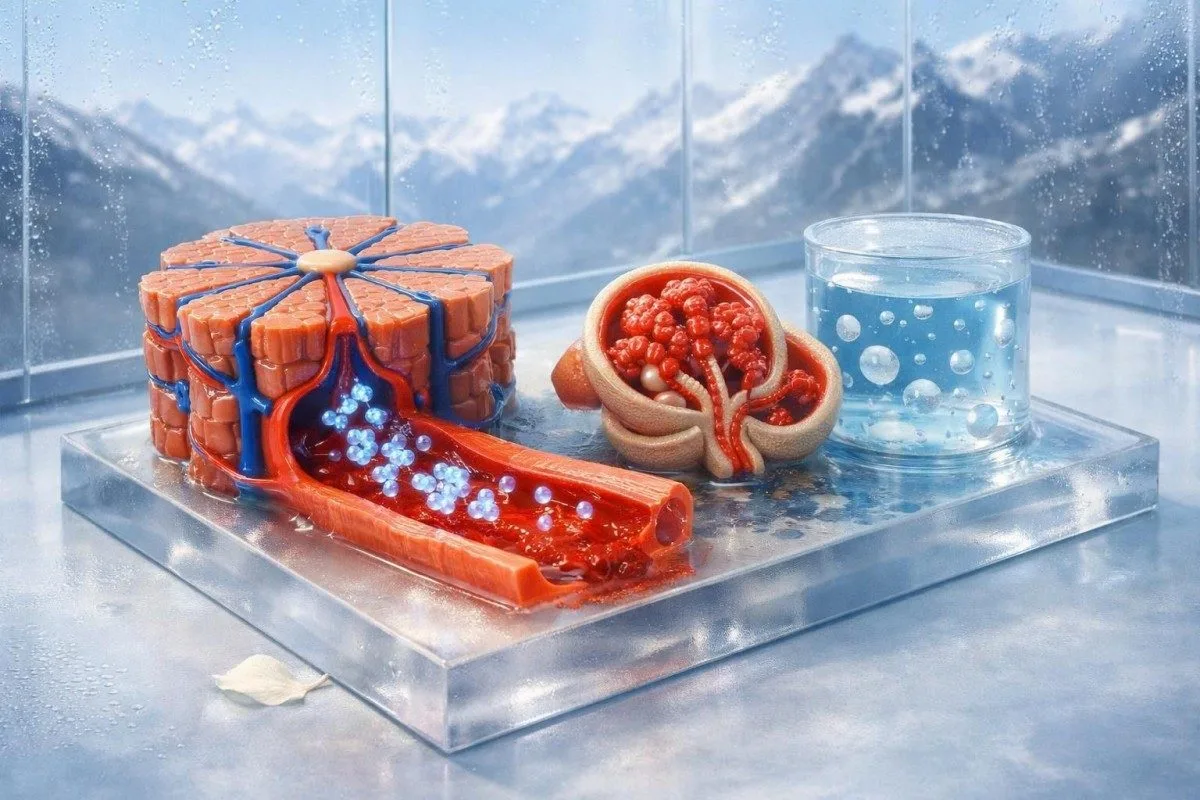
In most adults, the normal range for albumin is 3.5-5.0 g/dL (35-50 g/L). Low results usually point to liver dysfunction, kidney loss, inflammation, dilution, or undernutrition; high results are most often dehydration rather than too much protein.


- Normal range for albumin in most adults is 3.5-5.0 g/dL or 35-50 g/L.
- Low albumin means below 3.5 g/dL; values under 2.5 g/dL often cause swelling and deserve faster evaluation.
- High albumin blood test results above about 5.0 g/dL usually reflect dehydration or hemoconcentration, not excess dietary protein.
- Liver clue: low albumin paired with abnormal bilirubin or PT/INR is more concerning for impaired liver synthesis than low albumin alone.
- Kidney clue: nephrotic-range protein loss is more than 3.5 g/day and can drive albumin into the 2s even when creatinine is only mildly abnormal.
- Nutrition nuance: albumin half-life is about 18-20 days, so it is a poor short-term nutrition marker and often falls with inflammation.
- A/G ratio typically runs about 1.0-2.5; a low ratio can mean low albumin, high globulins, or both.
- Calcium trap: total calcium falls when albumin falls; the classic correction adds about 0.8 mg/dL for each 1 g/dL albumin below 4.0, though ionized calcium is better.
- Best next step after an abnormal albumin is usually a repeat test with good hydration plus urine protein, liver markers, kidney markers, and symptom review.
Albumin blood test normal range in adults
The normal range for albumin in most adults is 3.5 to 5.0 g/dL (35 to 50 g/L). A result below 3.5 g/dL is low, while a high albumin blood test above about 5.0 g/dL is uncommon and usually reflects dehydration or hemoconcentration rather than excess dietary protein.
As of April 14, 2026, most US laboratories still report serum albumin at 3.5-5.0 g/dL, but some use 3.4-5.4 g/dL and many European labs report 35-50 g/L. People overread the lab flag; a borderline 3.4 vs 3.5 g/dL difference is not automatically a disease signal, because reference intervals, posture before the draw, and method differences can move the number a little.
Albumin is synthesized in the liver and makes up roughly 55-60% of total serum protein. It also helps keep fluid inside the circulation and carries calcium, hormones, fatty acids, and many medications. When our Kantesti AI reviews albumin, it compares total protein, globulins, and the A/G ratio, because albumin rarely tells the whole story by itself.
One underappreciated lab issue is assay chemistry. The older bromocresol green (BCG) method can read about 0.1-0.3 g/dL higher than bromocresol purple (BCP) when globulins are elevated, which is one reason borderline results can look oddly inconsistent across labs. Thomas Klein, MD, and our physician reviewers look for trends over 3-12 months first; our serum proteins guide expands on that. I also send patients to our dehydration false-high explainer when a single concentrated sample is muddying the picture.
Why borderline albumin results can still matter
A drop from 4.7 to 3.8 g/dL over a year is not a lab curiosity if the person also develops edema, rising globulins, or unexplained weight loss. In my experience, movement of 0.4 g/dL or more is often more clinically useful than the word normal printed beside the result.
How albumin reflects hydration and fluid balance
High albumin blood test results usually mean dehydration, and low-normal albumin can reflect fluid overload or recent IV fluids. Albumin is a concentration measurement, so the amount of plasma water matters almost as much as the amount of protein.
A serum albumin of 5.1-5.4 g/dL after vomiting, diarrhea, fever, sauna use, bowel prep, or a long run is far more common than a true protein excess state. The same patient can repeat at 4.4-4.8 g/dL within 24-72 hours once oral fluids, sodium balance, and sleep are back to normal.
We cross-check sodium, chloride, BUN, and sometimes hematocrit before attaching meaning to a mild high result. If albumin is 5.2 g/dL and sodium is 148 mmol/L, dehydration climbs the list. If albumin is 3.2 g/dL right after several liters of IV fluid, dilution is often the better explanation; our normal sodium guide helps patients understand that logic.
The phlebotomy setup matters a bit too. Standing for 15 minutes before the draw or leaving a tourniquet tight for more than about 1 minute can cause mild hemoconcentration, which is not dramatic but absolutely enough to confuse a borderline result. I see this more often in athletic patients and in busy outpatient labs than most people realize.
Best conditions for a repeat albumin test
For a borderline high result, I usually suggest a morning redraw after ordinary hydration, no alcohol binge, and no intense exercise for 24 hours. Most patients find that a standardized repeat settles the question faster than weeks of internet searching.
What low albumin means for liver function
Low albumin meaning often points to chronic liver dysfunction when it appears with a high INR or bilirubin. A low albumin alone is not enough to diagnose liver disease, but low albumin plus impaired clotting or jaundice deserves prompt attention.
Albumin reflects liver synthetic function, not just liver irritation. A patient can have ALT 600 U/L in acute hepatitis and still show normal albumin early on, because albumin has a half-life of about 18-20 days. That is why enzymes and synthesis markers answer different questions; our liver function test guide walks through that distinction clearly.
I worry more about albumin 2.9 g/dL with modest enzymes than albumin 4.4 g/dL with dramatic enzymes. That sounds backward until you remember that chronic cirrhosis can show only mild transaminase elevations while the liver quietly loses protein-making capacity. The AST/ALT ratio guide is helpful when that pattern shows up.
Here is the pairing that changes my threshold for action: low albumin with bilirubin above the lab range, new ascites, or increasing abdominal girth. When our platform sees that cluster, it flags a synthetic-function review rather than a generic liver warning. If jaundice is part of the picture, our bilirubin normal range overview gives better context than a simple red flag on the report.
Clotting is the other quiet clue. Albumin below 3.2 g/dL plus a prolonged PT/INR suggests the liver is failing to make multiple proteins, and that combination matters far more than albumin by itself. Before surgery, in bruising, or with worsening cirrhosis, I want readers to understand the synthetic side too, which is why I often pair this discussion with our PT/INR normal range article.
When low albumin is less likely to be liver-driven
If ALT, AST, bilirubin, and INR are all normal, liver disease drops lower on my list—though not to zero, especially in advanced fatty liver or early cirrhosis. In that setting, kidney loss, inflammation, dilution, or gastrointestinal loss often become the stronger suspects.
When low albumin suggests kidney protein loss
Low serum albumin plus protein in the urine often means the kidneys are leaking albumin faster than the liver can replace it. Nephrotic-range protein loss is defined as more than 3.5 g/day, and serum albumin can fall into the 2.0-2.5 g/dL range even when creatinine is only mildly abnormal.
Patients often assume kidney disease must raise creatinine first. In practice, a person can have a respectable filtration estimate and still lose large amounts of albumin through the glomerulus, which is why I separate filtering from leaking when I teach this. The liver tests can be pristine while the urine tells the real story.
Serum albumin and urine microalbumin are not the same test. A urine albumin-to-creatinine ratio (ACR) of 30-300 mg/g is considered moderately increased, and above 300 mg/g is severely increased. Serum albumin may still be normal early on, which is why our eGFR normal range guide is only part of the kidney picture. Our GFR vs eGFR explainer covers the measurement traps that confuse patients all the time.
I see this pattern fairly often in diabetes, lupus, and primary nephrotic syndromes: ankle swelling, foamy urine, albumin 2.6 g/dL, normal liver enzymes, and a creatinine the patient was told is fine. That is not reassuring enough, because the missing data are usually urine protein quantity, microscopy, and blood pressure context.
One old-school clue still holds up. When low albumin comes from kidney loss, cholesterol is often high as well—sometimes dramatically so. Edema plus albumin loss plus rising lipids should push the conversation toward renal disease, not just diet or salt intake.
Why low albumin is not just a nutrition test
Low albumin does not automatically mean poor nutrition. Albumin falls with inflammation, kidney loss, liver disease, dilution, burns, and gut protein loss, so using it as a stand-alone nutrition marker misses the real cause surprisingly often.
Albumin has a half-life of roughly 18-20 days, which makes it too slow for short-term nutrition tracking. Levitt and Levitt's 2016 review on albumin kinetics made the point nicely: distribution and dilution matter as much as synthesis. Fleck's older work on negative acute-phase proteins still guides real-world care—when CRP is high, albumin often falls even if calorie intake has not changed very much.
The gut is another blind spot. Protein-losing enteropathy, active inflammatory bowel disease, and untreated celiac disease can all lower serum albumin, sometimes before major weight loss appears. If chronic diarrhea, bloating, or iron deficiency are part of the story, our celiac blood test guide is a reasonable next read.
In my experience, nutrition-driven hypoalbuminemia in outpatients usually comes with other clues: reduced muscle mass, poor wound healing, recurrent infections, limited food access, chewing problems, or a clearly restrictive diet. A person with albumin 3.1 g/dL, stable body weight, and a high CRP is more likely dealing with inflammation than simple low protein intake.
Clinicians still disagree about prealbumin or transthyretin. It changes faster than albumin, which sounds attractive, but kidney dysfunction, inflammation, steroid use, and acute illness distort it enough that I use it sparingly and never in isolation.
A gastrointestinal clue most websites miss
If edema coexists with diarrhea and both liver and kidney tests look unrevealing, I sometimes chase a stool alpha-1 antitrypsin clearance. That test is hardly mainstream on patient websites, but it can uncover protein loss through the gut when everything else looks half-normal.
How to read albumin with total protein, globulins, and A/G ratio
Albumin makes the most sense when you read it beside total protein, globulins, the A/G ratio, and sometimes calcium. A normal total protein does not guarantee albumin is fine, because high globulins can hide a real drop in albumin.
Albumin is included in a CMP but not a BMP, which trips people up all the time. If you only ordered a basic metabolic panel, albumin simply was not measured. Our CMP vs BMP breakdown is the quickest way to see why patients think a kidney panel covered more than it actually did.
An A/G ratio around 1.0 to 2.5 is typical, though labs vary a bit. A low ratio can mean albumin is low, globulins are high, or both. When albumin is 3.3 g/dL and total protein stays normal, I start thinking about chronic inflammation, autoimmune disease, or a monoclonal protein rather than assuming diet is the whole answer.
Calcium interpretation is another trap. Total calcium falls when albumin falls, so a patient with calcium 8.1 mg/dL and albumin 2.8 g/dL may still have a normal ionized calcium. The old correction adds about 0.8 mg/dL for every 1.0 g/dL albumin below 4.0, but that formula gets shaky in critical illness, kidney failure, and acid-base shifts.
Kantesti AI interprets albumin by comparing it with adjacent markers across the full chemistry panel and prior trends, not just the lab flag. For wider context, our blood test biomarkers guide maps where albumin sits in chemistry testing. If you want to see those relationships on your own report, our AI blood test platform does that in seconds.
When globulins change the story
If total protein is high while albumin is low, serum protein electrophoresis may be more useful than another routine CMP. That follow-up step is missed all the time, and in my clinic it has been one of the more valuable pivots after an otherwise vague low albumin result.
When a low or high albumin result actually matters
Low albumin becomes more concerning below 3.0 g/dL, and it becomes clearly actionable below 2.5 g/dL, especially if you have edema, foamy urine, jaundice, severe diarrhea, or shortness of breath. An isolated mild high albumin result is usually less urgent unless it persists after proper hydration.
Most people do not develop obvious swelling until albumin is around 2.5 g/dL or lower, although sodium retention, heart failure, kidney disease, and steroids can make edema appear earlier. The number matters, yes, but the combination of albumin plus symptoms matters more than a lone decimal point.
Here is a medication angle patients almost never hear about. Albumin carries drugs such as phenytoin, warfarin, and valproate, so low albumin can increase the free, active fraction. As Thomas Klein, MD, I get wary when albumin is 2.0-2.5 g/dL and a patient is taking highly protein-bound medications, because a total drug level can look acceptable while the active free level is not.
Low albumin can also predict poorer recovery in the hospital or before procedures, but it is more a risk signal than a diagnosis. Many surgical studies use albumin below 3.5 g/dL as a marker of higher complication risk. And despite the name, an albumin infusion does not fix chronic undernutrition in routine outpatient care; outside select settings such as large-volume paracentesis in cirrhosis, it is not the usual answer.
If symptoms are driving the result, start there rather than chasing random supplements. Our blood test symptoms decoder helps connect swelling, fatigue, digestive symptoms, and urine changes to the labs that usually clarify the cause.
Pregnancy, athletes, older adults, and hospital patterns
Reference ranges shift with physiology. Pregnancy often lowers albumin through hemodilution, athletes can show transient high values from dehydration or lower values from plasma expansion, and hospitalized patients frequently look low after IV fluids even when protein stores have not suddenly collapsed.
In the third trimester, serum albumin commonly runs about 2.8-3.6 g/dL because plasma volume expands. That is why I never interpret albumin in pregnancy without blood pressure, urine protein, edema pattern, and the rest of the clinical picture. A mild fall can be physiological; albumin plus hypertension and proteinuria is a very different conversation.
Endurance training muddies the water in both directions. A runner can show albumin 5.0 g/dL after a dehydrating event and 3.6-3.8 g/dL after heavy training blocks because plasma volume expands and inflammatory markers rise. Our athlete lab guide goes deeper on that mismatch, which is surprisingly common in otherwise healthy people.
Older adults often sit in the low-normal range for messy reasons: chronic inflammation, medication burden, subtle fluid overload, reduced intake, slower recovery from infections, or untreated dental problems. In my experience, 3.5 g/dL in a frail 80-year-old with weight loss deserves much more respect than the same number in a healthy 25-year-old.
Hospital numbers are their own category. After sepsis, major surgery, burns, trauma, or aggressive fluids, albumin can drop quickly because of dilution and capillary leak. A single inpatient result may tell you more about acute stress and vascular permeability than long-term nutrition.
What not to overcall
A one-time low albumin during an acute viral illness or right after IV fluids is not the same as persistent hypoalbuminemia over months. Context changes the meaning more than patients are usually told.
What to do next if your albumin is low or high
If albumin is mildly abnormal, the next step is usually a repeat test with context, not panic. If albumin is below 2.5 g/dL, or if swelling, jaundice, breathlessness, severe diarrhea, or foamy urine are present, you need a clinician-led workup sooner rather than later.
My basic follow-up set is fairly consistent: repeat CMP, urine ACR or protein, creatinine/eGFR, bilirubin, PT/INR, and often CRP. When the story still feels incomplete, I add a CBC, targeted nutrition review, medication review, and occasionally stool testing for GI protein loss. Using the same lab and roughly the same time of day improves comparability more than most people expect.
Kantesti AI reads albumin best as a pattern problem, not a single-number problem. On our AI-powered blood test interpretation workflow, readers can compare albumin against prior reports. Our trend analysis article shows why a fall from 4.6 to 3.7 g/dL is often more meaningful than one borderline result. If your report is sitting on your phone, our PDF upload guide shows the quickest route.
We built that logic with physician oversight rather than black-box optimism. You can review the doctors behind our rules on the Medical Advisory Board. Our clinical validation standards explain how Kantesti's neural network weighs albumin alongside liver, kidney, and fluid markers before it suggests likely explanations.
Most patients find it easier to act when the next step is concrete. If you want an immediate second look at a low or high albumin result, upload the report to Try Free AI Blood Test Analysis. Thomas Klein, MD, designed our albumin review prompts to surface kidney loss, liver synthesis issues, dilution, inflammation, and nutrition flags separately rather than lumping them into one generic message.
Fast checklist before you repeat the test
Repeat well hydrated, avoid hard training for 24 hours, bring a full medication list, and ask whether urine protein was checked. Those four moves solve a surprising number of mystery albumin consults.
Research publications and further reading
Albumin is best interpreted in context, and that same principle runs through Kantesti's broader lab research. If you want to see how we think about linked biomarkers rather than isolated numbers, start with the publications below and our About Us page.
Formal APA citation: Kantesti LTD. (2026). Urobilinogen in Urine Test: Complete Urinalysis Guide 2026. Zenodo. https://doi.org/10.5281/zenodo.18226379. ResearchGate: search entry. Academia.edu: search entry.
Formal APA citation: Kantesti LTD. (2026). Iron Studies Guide: TIBC, Iron Saturation & Binding Capacity. Zenodo. https://doi.org/10.5281/zenodo.18248745. ResearchGate: search entry. Academia.edu: search entry.
The practical takeaway is simple: biomarkers behave as networks. That is why our team rarely interprets albumin without neighboring data, and why our research pipeline keeps returning to multi-marker reasoning instead of single-test headlines.
Frequently Asked Questions
What is a normal albumin level in a blood test?
A normal serum albumin level for most adults is 3.5 to 5.0 g/dL or 35 to 50 g/L. Some labs use 3.4-5.4 g/dL, so always read the interval on your own report. A value below 3.5 g/dL is low, and a value above about 5.0 g/dL is usually due to dehydration rather than excess protein intake. Pregnancy, IV fluids, and assay method differences can shift the number without the same clinical meaning.
Is 3.4 albumin low?
An albumin of 3.4 g/dL is slightly low in many labs, though a few laboratories still mark it within range. I usually care more about context than the decimal point: a new drop from 4.5 to 3.4 g/dL is more meaningful than a stable isolated 3.4 g/dL with no symptoms. Swelling, foamy urine, jaundice, chronic diarrhea, or a high CRP make the result more important. Repeating the test when well hydrated and pairing it with liver tests and urine protein is often the right next move.
What causes a high albumin blood test?
A high albumin blood test above about 5.0 g/dL most often reflects dehydration or hemoconcentration. Vomiting, diarrhea, fever, sweating, hard exercise, diuretics, alcohol binges, or a difficult draw with prolonged tourniquet time can all push albumin up temporarily. Truly high albumin from disease is uncommon. A repeat sample after 24-72 hours of normal hydration often returns to the 4s.
Does low albumin mean liver disease?
Low albumin can mean liver disease, but it is not specific enough to diagnose it on its own. The pattern becomes more concerning when albumin is below 3.5 g/dL and bilirubin or PT/INR are also abnormal, because that suggests reduced liver synthetic function. Acute hepatitis can leave albumin normal early because albumin's half-life is about 18-20 days. Chronic cirrhosis is much more likely than brief liver irritation to produce a persistently low albumin.
Does low albumin mean malnutrition?
Low albumin does not automatically mean malnutrition. Albumin falls with inflammation, kidney protein loss, liver disease, dilution, burns, and gastrointestinal protein loss, and its 18-20 day half-life makes it a poor short-term nutrition marker. In outpatient practice, true nutrition-related hypoalbuminemia usually comes with weight loss, reduced muscle mass, and other deficiencies rather than an isolated low albumin. If CRP is high, the low albumin may be reflecting inflammation more than food intake.
When is low albumin dangerous?
Low albumin becomes more clinically significant below 3.0 g/dL and more urgent below 2.5 g/dL, especially if swelling, shortness of breath, severe diarrhea, jaundice, confusion, or foamy urine are present. Many patients start to develop edema when albumin reaches the mid-2s, although heart or kidney disease can make symptoms appear sooner. Low albumin also changes the handling of highly protein-bound drugs such as phenytoin and warfarin. If the result is under 2.5 g/dL or symptoms are active, prompt medical evaluation is wise.
Is serum albumin the same as urine microalbumin?
No. Serum albumin measures the protein concentration in blood, while urine microalbumin—now usually reported as a urine albumin-to-creatinine ratio or ACR—measures albumin leaking through the kidneys. A urine ACR can be abnormal even when serum albumin is still normal, especially in early diabetes or hypertension. Heavy kidney loss over time can eventually lower the serum albumin result as well.
Why can my total calcium be low when my albumin is low?
Much of the calcium reported on a standard chemistry panel is attached to albumin, so total calcium can fall when albumin falls even if biologically active ionized calcium is normal. Your clinician may check ionized calcium or interpret calcium alongside albumin, especially with tingling, cramps, or weakness.
Can low albumin change how my medications affect me?
Yes. When albumin is low, the unbound, active amount of highly protein-bound medicines can change, particularly with warfarin, phenytoin, or valproate. Do not adjust medicines yourself; ask the prescriber whether monitoring or a free-drug level is needed.
Do I need to fast before an albumin blood test?
Usually, no. Albumin itself does not require fasting, but your clinician may ask you to fast 8-12 hours if it is being checked with glucose, triglycerides, or a larger chemistry panel.
Get AI-Powered Blood Test Analysis Today
Join over 2 million users worldwide who trust Kantesti for instant, accurate lab test analysis. Upload your blood test results and receive comprehensive interpretation of 15,000+ biomarkers in seconds.
📚 Referenced Research Publications
Klein, T., Mitchell, S., & Weber, H. (2026). Urobilinogen in Urine Test: Complete Urinalysis Guide 2026. Kantesti AI Medical Research.
Klein, T., Mitchell, S., & Weber, H. (2026). Iron Studies Guide: TIBC, Iron Saturation & Binding Capacity. Kantesti AI Medical Research.
⚕️ Medical Disclaimer
This article is for educational purposes only and does not constitute medical advice. Always consult a qualified healthcare provider for diagnosis and treatment decisions.
E-E-A-T Trust Signals
Experience
Physician-led clinical review of lab interpretation workflows.
Expertise
Laboratory medicine focus on how biomarkers behave in clinical context.
Authoritativeness
Written by Dr. Thomas Klein with review by Dr. Sarah Mitchell and Prof. Dr. Hans Weber.
Trustworthiness
Evidence-based interpretation with clear follow-up pathways to reduce alarm.