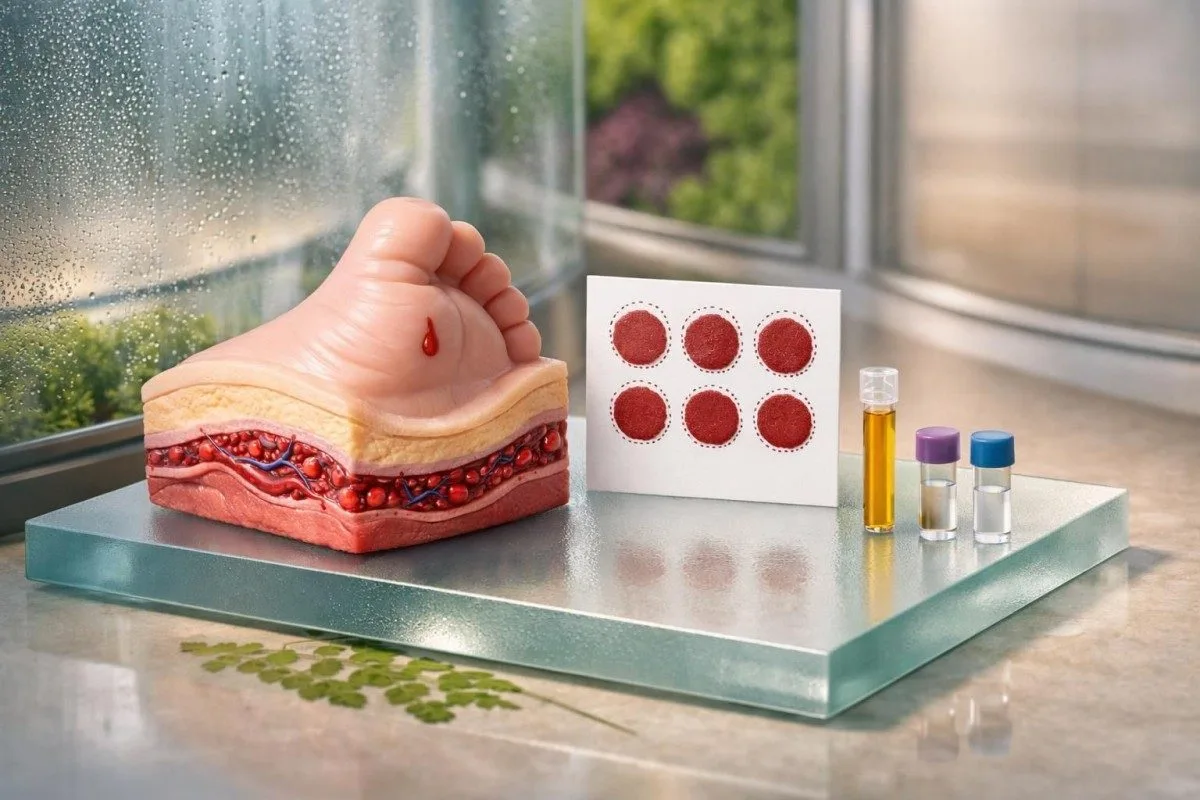
बहुतेक बाळांना पालकांच्या अपेक्षेपेक्षा कमी रक्त तपासण्या होतात, पण वेळेचा फरक सगळं बदलतो. जन्मानंतरच्या पहिल्या काही दिवसांत हील-प्रिक स्क्रीनिंग, बिलिरुबिन आणि रक्तगट यांचा खरा अर्थ काय होतो ते येथे दिले आहे.


- हील-प्रिक स्क्रीन साधारणपणे येथे घेतली जाते 24-48 तासांमध्ये शिखर गाठते. अनेक अमेरिकन रुग्णालयांत, पण नियमित यूके रक्तठिपका साधारणपणे येथे केला जातो दिवस 5.
- पुन्हा हील-प्रिक सामान्य आहे, जर पहिला कार्ड घेतला गेला असेल 24 तास, योग्यरीत्या संतृप्त (सॅच्युरेटेड) नसेल, किंवा त्यावर परिणाम झाला असेल रक्त संक्रमण किंवा TPN मुळे.
- बिलीरुबिन याचे अर्थ लावणे आवश्यक आहे तासांमधील वय, कॅलेंडर दिवसावर नाही; 1 mg/dL = 17.1 µmol/L.
- सुरुवातीचा जॉन्डिस (पिवळेपणा) पहिल्या 24 तास असामान्य आहे आणि त्यासाठी त्याच दिवशी बालरोगतज्ज्ञांकडून तपासणी आवश्यक आहे.
- थेट बिलिरुबिन पेक्षा जास्त 1.0 mg/dL नवजात बालकामध्ये असामान्य आहे आणि यासाठी कावीळ (cholestasis) तपासावी.
- रक्तगट आणि DAT ही लक्षित चाचण्या आहेत; प्रत्येक बाळासाठी नियमितपणे केल्या जात नाहीत. मातृ प्रतिपिंड (antibodies) किंवा सुरुवातीचा पिवळेपणा (जॉन्डिस) हेमोलिसिस सूचित करत असेल तेव्हा त्या सर्वाधिक महत्त्वाच्या ठरतात.
- सकारात्मक नवजात स्क्रीन याचा अर्थ निदान होत नाही; पुष्टीकरणात्मक चाचण्या साधारणपणे यानंतर तासांपासून दिवसांपर्यंत त्या विकारावर अवलंबून.
- तातडीची लाल ध्वज चिन्हे यामध्ये खराब आहार, आळस/सुस्ती, उलट्या, तापमानातील अस्थिरता, किंवा उपचाराच्या मर्यादेइतकी किंवा त्याहून अधिक बिलीरुबिनची पातळी यांचा समावेश होतो.
आयुष्याच्या पहिल्या काही दिवसांत नवजात बाळांना कोणत्या रक्त तपासण्या केल्या जातात?
नवजात बाळाच्या रक्त तपासण्या साधारणपणे तीन गटांमध्ये विभागले जातात: एक बोटाच्या टोकातून (heel-prick) घेतलेले नवजात रक्त-स्क्रीनिंग नमुना, एक बिलीरुबिन जॉन्डिससाठी तपासणी, आणि रक्तगट/DAT चाचणी, जेव्हा आईचा रक्तगट किंवा बाळाची लक्षणे हेमोलिसिसबद्दल चिंता निर्माण करतात. अनेक अमेरिकन रुग्णालयांमध्ये ही बोटाच्या टोकातून घेतलेली पॅनेल चाचणी 24 ते 48 तास; युनायटेड किंगडममध्ये नियमित रक्तठिपका (blood spot) साधारणपणे दिवस 5. रोजी केली जाते. बिलीरुबिनची तपासणी अनेकदा डिस्चार्जपूर्वी किंवा 24 ते 72 तास. वेळी केली जाते. बहुतेक निरोगी बाळांना नाही मोठा शिरामार्गे (venous) पॅनेल आवश्यक नसतो. पालक नंतर कांटेस्टी एआय. यांच्या मदतीने सोडण्यात आलेले निकाल आयोजित करू शकतात. जर तुम्हाला प्रसूतीपूर्व (prenatal) पार्श्वभूमी जाणून घ्यायची असेल, तर त्यांची आधीच्या प्रसूतीपूर्व चाचणी वेळापत्रकाशी तुलना करा..
अनेक पालकांसाठी पहिला धक्का म्हणजे निरोगी मुदतीचे (term) नवजात बाळ साधारणपणे प्रौढांच्या अपेक्षेपेक्षा कमी रक्तचाचण्या करते. मी थॉमस क्लाइन, एमडी, आणि प्रसूतीनंतरच्या राउंड्समध्ये मी सहसा समजावतो की या चाचण्या यादृच्छिकपणे शोधण्यासाठी नसून पहिल्या 72 तास, मध्ये शांत/गुप्त समस्या पकडण्यासाठी निवडल्या जातात. आमची टीम at आमच्याबद्दल त्या नेमक्या प्रश्नाभोवती आम्ही आमचे शिक्षण तयार केले आहे, कारण तो जवळपास प्रत्येक डिस्चार्ज दिवशी येतो.
बिलिरुबिनची चाचणी त्वचेवरील मीटरने सुरू होऊ शकते आणि वाचन जास्त असल्यास, बाळाचे वय 24 तास कमी असल्यास, किंवा निळसर डाग (ब्रुइझिंग) आणि अपुरे दूध पिणे यामुळे तो आकडा कमी विश्वासार्ह ठरल्यास ती सिरममध्ये (रक्तातील द्रव भागात) केली जाते. वय-विशिष्ट संदर्भ हवा असल्यास, आमचा वयानुसार बिलिरुबिन मार्गदर्शक एकूण बिलिरुबिन 10 mg/dL हे 72 तास सामान्य असू शकते, पण 18 तासांवर.
रक्तगट आणि डायरेक्ट अँटीग्लोब्युलिन चाचणी, जी अनेकदा DAT किंवा (कूम्ब्स), म्हणून ओळखली जाते, ही अनेक युनिट्समध्ये सर्वसाधारण (युनिव्हर्सल) पद्धतीने न करता निवडकपणे लक्ष्यित केली जाते. पोर्टलद्वारे निकाल मिळालेल्या पालकांनी आधी संकलनाची वेळ (collection time) वाचावी, मग युनिट्स, आणि त्यानंतर कमेंट ओळ; त्या क्रमासाठी आमचा रक्त तपासणी अहवाल ऑनलाइन मार्गदर्शक मदत करतो.
हील-प्रिक नवजात रक्त तपासणी: रक्ताचा ठिपका नेमकं काय तपासतो
हील-प्रिक नवजात रक्त तपासणी (newborn blood screening) लक्षणे दिसण्याआधीच दुर्मिळ पण गंभीर विकार शोधते, आणि अचूक यादी देश व प्रदेशानुसार बदलते. अमेरिकेत अनेक रुग्णालये येथे संकलन करतात; युनायटेड किंगडममध्ये नियमित रक्तठिपा (routine blood spot) साधारणपणे 24 ते 48 तास; रोजी घेतला जातो. दिवस 5. च्या आधी घेतलेला नमुना पुन्हा तपासण्याची शक्यता खूप जास्त असते. 24 तास पुन्हा करण्याची जास्त शक्यता आहे.
बहुतेक पालकांना वाटते की हील प्रिक एकच आजार तपासते. साधारणपणे ते टँडम मास स्पेक्ट्रोमेट्री, इम्युनोअॅसे, आणि संबंधित पद्धती वापरून अनेक विश्लेषक (analyte) नमुन्यांची तपासणी करते; त्यामुळे एका कार्डवरून थायरॉइड, अमिनो-अॅसिड, फॅटी-अॅसिड, हिमोग्लोबिन, आणि सिस्टिक फायब्रोसिस (cystic fibrosis) यासंबंधीच्या समस्या स्क्रीन होऊ शकतात. Watson et al., 2006 यांनी अमेरिकेसाठी एकसमान पॅनलचा पाया घातला, पण 21 एप्रिल 2026 पर्यंत प्रत्यक्ष राज्यांच्या यादींमध्ये अजूनही फरक आहे; हेच एक कारण आहे की हील प्रिक मानक प्रौढ-शैलीच्या पॅनलपेक्षा.
खूपच व्यापक आहे. 17-हायड्रॉक्सीप्रोजेस्टेरॉन प्रीटर्म (अकाली जन्म) आणि NICU मधील बाळांमध्ये खोटे पॉझिटिव्ह (false positives) जास्त प्रमाणात दिसतात., टीएसएच ताणतणावाखाली असलेल्या बाळांमध्ये वाढलेले दिसू शकते, खूप लवकर घेतल्यास दिशाभूल करणारे ठरू शकते, आणि इम्युनोरिऍक्टिव्ह ट्रिप्सिनोजेन हा निदान नाही. जर संक्षेप (abbreviations) अस्पष्ट वाटत असतील, तर आमचे रक्त तपासणी संक्षेप मार्गदर्शक पालकांना निकालपत्रांवर दिसणाऱ्या शॉर्ट फॉर्म्सचे अर्थ उलगडते.
अनेक वेबसाइट्स टाळतात असा एक तपशील येथे आहे: कार्ड स्वतःही फेल होऊ शकते. थरांमध्ये सुकलेला, गुठळ्या झालेला, किंवा कागदात फक्त अंशतः भिजलेला कोरडा ठिपका अनेकदा नाकारला जातो, आणि दाता (donor) लाल रक्तपेशी मिळालेल्या बाळाला नंतर पुन्हा चाचणी लागण्याची गरज भासू शकते, कारण स्क्रीन बाळाच्या स्वतःच्या हिमोग्लोबिनच्या पॅटर्नला चुकवू शकते. आमचे डॉक्टर वैद्यकीय सल्लागार मंडळ Kantesti येथे कुटुंबांना खूप वेळ समजावतात की पुन्हा कार्ड देणे हे सामान्य गुणवत्ता नियंत्रण (quality control) असते, वाईट बातमी नसते.
दुसरी टाच (heel) टोचून चाचणी कधी कधी नियमित का असते
संकलनानंतर कार्ड पाठवण्यापूर्वी दुसरी स्क्रीन ही नियमित असते 24 तास, मोठ्या प्रमाणात रक्त संक्रमण (transfusion) झाल्यानंतर, किंवा TPN मुळे अमिनो आम्ल (amino acid) मार्कर्समध्ये विकृती आणते तेव्हा. अनेक पालकांना डिस्चार्जनंतर पहिला निकाल सांगितला जातो, सहसा 3 ते 7 दिवस, म्हणून सुरुवातीपासूनच अंदाज करता येत असतानाही पुन्हा मागणी अचानक वाटू शकते.
बिलिरुबिन चाचणी आणि नवजात पिवळेपणा (जॉन्डिस): कधी संख्या महत्त्वाची ठरते
बिलीरुबिन साधारणपणे तपासली जाते 24 ते 72 तासांच्या दरम्यान, किंवा त्याआधी बाळ पिवळे (yellow) दिसत असेल तर त्याहून लवकर. हा आकडा फक्त बाळाच्या तासांमधील वय, गर्भावधी (gestational age), आणि जोखीम घटकांबरोबरच अर्थपूर्ण ठरतो. 18 तासांवर वरील पिवळेपणा असलेले नवजात बाळ हे 78 तासांवरील बाळापेक्षा पूर्णपणे वेगळा रुग्ण असते..
AAP आणि NICE दोन्ही एकूण बिलिरुबिन सर्वांसाठी एकच “नॉर्मल” रेंज देण्याऐवजी वय-विशिष्ट मर्यादांनुसार (age-specific thresholds) अर्थ लावतात. 2022 AAP मार्गदर्शक तत्त्वांनुसार, ट्रान्सक्युटेनियस (transcutaneous) वाचन हे 3 mg/dL फोटोथेरपी (phototherapy) मर्यादेच्या आत/जवळ असेल किंवा त्वचेचे वाचन HDL मध्ये किंवा त्याहून जास्त असेल तेव्हा सिरम बिलिरुबिन (serum bilirubin) तपासण्याची शिफारस आहे (Kemper et al., 2022); आमचा बिलिरुबिन फॉलो-अप मार्गदर्शक पुढे काय होते ते समजावतो.
A थेट बिलिरुबिन पेक्षा जास्त 1.0 mg/dL पिवळेपणा असलेल्या नवजात बाळात हे असामान्य (abnormal) असते आणि एकूण बिलिरुबिन फार नाट्यमय नसले तरीही कोलेस्टेसिस (cholestasis) साठी तातडीची तपासणी आवश्यक असते. एक उपयुक्त व्यावहारिक युक्ती: 1 mg/dL म्हणजे 17.1 µmol/L, त्यामुळे एकूण बिलिरुबिन हे 12 mg/dL अंदाजे 205 µmol/L. पोर्टलवर प्रौढांसाठी असलेल्या संदर्भ पट्ट्यांकडे पालक वारंवार पाहत असतील, तर त्यांना आमच्या लेखाचा फायदा होतो— सीमारेषेवरील प्रयोगशाळा मूल्यांसाठी मार्गदर्शक.
पहिल्या काही दिवसांत पिवळेपणा (जॉन्डिस) दिसू लागला की आम्ही सर्वाधिक काळजी करतो, 24 तास, जेव्हा बिलीरुबिन सुमारे प्रति तास 0.3 mg/dL पहिल्या दिवसात वाढते, किंवा 0.2 mg/dL प्रति तासापेक्षा जलद वाढते त्यानंतर. NICE, 2023 आणि Kemper et al., 2022 दोन्ही तासांमध्ये वय (age) यावर भर देतात, कारण 36-आठवड्यांच्या बाळाचा 30 तासांवरील आणि एक 40-आठवड्यांच्या बाळाचा 72 तास बाळासारखा धोका (risk curve) समान नसतो. काही युरोपीय प्रयोगशाळा अजूनही डायरेक्ट बिलीरुबिनसाठीच्या जुन्या नियमावर टिप्पणी करतात, पण माझ्या अनुभवात त्या गोष्टीची वाट पाहिल्यास कोलेस्टेसिस ओळखण्यास विलंब होऊ शकतो. 20% पेक्षा जास्त असेल, तर डायरेक्ट बिलीरुबिनसाठी नियम, पण माझ्या अनुभवानुसार त्यासाठी वाट पाहिल्यास कावीळ ओळखण्यास विलंब होऊ शकतो.
सिरम बिलीरुबिन विरुद्ध त्वचेवरील बिलीरुबिन
त्वचेवरील बिलीरुबिन मोजणारी उपकरणे उत्कृष्ट स्क्रीनिंग साधने आहेत, विशेषतः डिस्चार्जपूर्वी, पण उपचाराच्या मर्यादेजवळ किंवा फोटोथेरपीदरम्यान निर्णय घेण्यासाठी सिरमच अंतिम चाचणी ठरते. व्यावहारिक कारण सोपे आहे: 14 ते 16 mg/dL या ठिकाणी उपचाराचा निर्णय घेण्यासाठी अशी अचूकता लागते जी ट्रान्सक्युटेनियस (त्वचेवरून) अंदाज नेहमी देऊ शकत नाही.
रक्तगट, Rh आणि कॉम्ब्स चाचणी: कोणाला केली जाते आणि का
रक्तगट (Blood type) आणि कॉम्ब्स चाचणी (Coombs testing) प्रत्येक नवजातासाठी आपोआप केली जात नाही. ती सर्वाधिक वेळा तेव्हा मागवली जाते जेव्हा आई O प्रकारची, Rh-negative, असते, अँटिबॉडी स्क्रीन पॉझिटिव्ह असते, किंवा बाळाला सुरुवातीचा जॉन्डिस, फिकेपणा (pallor), किंवा अॅनिमिया विकसित होतो.
या टप्प्यासाठी कॉर्ड ब्लड अनेकदा पुरेसे असते, त्यामुळे पालकांना दुसरा नमुना वापरला जात असल्याचेही कदाचित लक्षात येणार नाही. सामान्य परिस्थिती अशी की आईचा प्रकार O आणि बाळ जे A किंवा B, ज्यामुळे ABO विसंगती निर्माण होऊ शकते आणि त्यामुळे सुरुवातीला बिलीरुबिन वाढू शकते; आमचे नवजात रक्तगट मार्गदर्शक त्या नमुन्याभोवतीच्या हेमॅटोलॉजी संकेतांचे स्पष्टीकरण देते.
सकारात्मक DAT अँटिबॉडी-मार्फत हेमोलिसिसला पाठिंबा देते, पण ती तीव्रता (severity) फार चांगली भाकीत करत नाही. मी DAT-पॉझिटिव्ह अर्भकांना फक्त अतिरिक्त बिलीरुबिन तपासण्या पुरेशा असल्याचे पाहिले आहे, आणि ABO mismatch मुळे स्पष्ट हेमोलिसिस असलेली DAT-निगेटिव्ह बाळेही पाहिली आहेत. वाढणारे रेटिक्युलोसाइट संख्या आणि घटणारे हिमोग्लोबिन अनेकदा Coombs निकालापेक्षा गती (pace) अधिक सांगते, म्हणूनच आमचे रेटिक्युलोसाइट काउंट मार्गदर्शक (guide) अॅनिमिया चित्रात येताच मदत करते.
Rh रोग आता कमी सामान्य आहे कारण anti-D प्रोफिलॅक्सिस काम करते, तरीही तो पूर्णपणे नाहीसा झालेला नाही, आणि anti-E सारख्या anti-c किंवा नॉन-D अँटिबॉडीज अजूनही महत्त्वाच्या ठरू शकतात. म्हणूनच आम्ही बाळाच्या ABO प्रकारावर थांबण्याऐवजी मातृ अँटिबॉडी स्क्रीनबद्दल विचारतो. सुरुवातीचा पिवळेपणा (early jaundice) आणि अॅनिमिया याबद्दल आम्हाला काळजी वाटते कारण एकत्रितपणे ते सक्रिय लाल रक्तपेशींचे विघटन (red-cell breakdown) सूचित करतात, तर फक्त सौम्य पिवळेपणा अनेकदा शारीरिक (physiological) असतो. असामान्य नवजात निकालानंतर सामान्य आहे, आणि पुन्हा केल्यास.
कोणते असामान्य नवजात निकाल पुन्हा तपासले जातात — आणि का
पुन्हा तपासणी निदान निश्चित झाले आहे असेच अर्थ होतो. नमुना खूप लवकर घेतला गेला होता, कार्डची गुणवत्ता खराब होती, मूल्य कटऑफजवळ बसलेले होते, किंवा NICU मधील ट्रान्सफ्यूजन आणि TPN सारखे घटक स्क्रीनला विकृत करू शकतात म्हणून प्रयोगशाळा पुन्हा तपासतात. नाही म्हणजे निदान निश्चित झाले आहे. प्रयोगशाळा तेव्हा पुन्हा चाचणी करतात जेव्हा नमुना खूप लवकर घेतला जातो, कार्डची गुणवत्ता खराब असते, मूल्य कटऑफच्या जवळ असते, किंवा ट्रान्सफ्युजन आणि TPN सारखे NICU घटक चाळणीत बदल करू शकतात.
बहुतेक असामान्य स्क्रीनमुळे पुष्टीकरण चाचणी, तात्काळ उपचार नाही. बॉर्डरलाइन जन्मजात हायपोथायरॉइडिझम स्क्रीनिंग सहसा सीरम टीएसएच आणि फ्री T4 आत 24 ते 72 तास, कडे नेते, आणि बॉर्डरलाइन मेटाबॉलिक मार्कर्स अनेकदा पुन्हा ड्रायड स्पॉट किंवा प्लाझ्मा अमिनो अॅसिड्सकडे नेतात. एखादे मूल्य वर जात आहे की खाली, हे समजून घ्यायचे असलेल्या पालकांना आमच्या लॅब तुलना मार्गदर्शकातील तर्क (logic) पाहता येतो..
ट्रान्सफ्यूजन वेळापत्रक (schedule) अगदी ठोस पद्धतीने बदलतात. जर स्क्रीनपूर्वी दाता लाल रक्तपेशी दिल्या असतील, तर हिमोग्लोबिनोपॅथी चाचणी सुमारे 90 ते 120 दिवस नंतर पुन्हा करावी लागू शकते, कारण दाता पेशी तात्पुरते सिकल सेल किंवा इतर हिमोग्लोबिन प्रकार (variants) लपवू शकतात. आमचे रक्त तपासणी इतिहास मार्गदर्शक हे या उशिराच्या (delayed) पुनर्तपासण्या व्यवस्थित ठेवण्यासाठी उपयुक्त आहे.
बिलीरुबिनच्या पुनर्तपासण्या खूप जलद असतात. जेव्हा एखादे मूल्य उपचार रेषेपासून काही mg/dL च्या आत असते, तेव्हा बहुतेक नर्सरी पुढील आठवड्याऐवजी 4 ते 24 तास, मध्ये पुन्हा तपासतात, आणि त्या खिडकीच्या (window) कमी टोकावर पोषण/फीडिंगची गुणवत्ता अनेकदा ठरवते. Kantesti मधील आमच्या विश्लेषण कार्यप्रवाहांमध्ये, ट्रेंड आणि बाळाचे तासांमधील वय तुम्हाला एका एकाच लाल-हायलाइट केलेल्या संख्येपेक्षा खूप अधिक सांगते.
NICU मधील पुनर्तपासण्या अनेकदा प्रोटोकॉलमध्येच समाविष्ट असतात
अकाली जन्म, IV पोषण आणि आजारपणामुळे बाळ स्थिर असले तरी पुनर्तपासण्या अधिक सामान्य होतात. काही युनिट्स येथे पुनर्तपासणी करतात 2 आठवडे किंवा सुमारास 36 आठवड्यांचे दुरुस्त वय कारण प्रीटर्म बाळांमध्ये उशिरा होणारे अंतःस्रावी (एंडोक्राइन) बदल आणि चुकीचे-सकारात्मक चयापचय (मेटाबॉलिक) मार्कर सामान्य असतात.
असामान्य नवजात रक्त तपासणी निकाल आल्यास तातडीने त्याच दिवशी फॉलो-अप कधी आवश्यक असतो
आवश्यक असते जेव्हा PT/INR जास्त असतो आणि तुम्हाला सक्रिय रक्तस्त्राव, काळी शौच (ब्लॅक स्टूल), रक्ताची उलटी, रक्त खोकला, बेशुद्ध पडणे, किंवा डोक्याला इजा झाल्यानंतर नवीन तीव्र डोकेदुखी असेल. वॉरफरिन घेणाऱ्या प्रौढांमध्ये, आवश्यक असते तासांतील पिवळेपणा (jaundice), पिवळेपणा (जॉन्डिस) साठी; उपचाराच्या मर्यादेइतका किंवा त्याहून अधिक बिलीरुबिन, असामान्य नवजात स्क्रीनिंग अहवाल आणि लक्षणे, किंवा झोपाळू, जागे करणे कठीण, उलट्या, किंवा नीट दूध/आहार न घेणारे कोणतेही बाळ. बहुतेक सकारात्मक स्क्रीनिंग कार्डे स्वतःहून मध्यरात्रीची आपत्कालीन स्थिती नसतात, पण लक्षणांमुळे चित्र झपाट्याने बदलते.
ही चेतावणीची चिन्हे (रेड फ्लॅग्स) खूप विशिष्ट असतात: 24 तास, झोप वाढत जाणे, कमजोर शोषण (सक्शन), उंच चढलेला रडण्याचा आवाज, पाठीकडे वाकणे (आर्चिंग), तापमानातील अस्थिरता, किंवा लघवी व विष्ठेचे प्रमाण कमी असणे. ही लक्षणे मध्यम बिलीरुबिनची समस्या तातडीच्या आपत्कालीन स्थितीत बदलू शकतात; म्हणून आमची रक्त चाचणी लक्षणे डीकोडर फक्त लॅब क्रमांकावर नाही, तर वर्तन आणि आहारावरून सुरू होते.
चयापचय (मेटाबॉलिक) स्क्रीनसाठी धोकादायक संयोजन म्हणजे सकारात्मक निकाल आणि उलट्या, जलद श्वास, झटके (सीझर्स), किंवा अंग शिथिल होणे (लिंपनेस) अशी लक्षणे. आहार दिल्यानंतर सुमारे 45 mg/dL खाली सतत ग्लुकोज राहणे नवजात बाळात तात्काळ वैद्यकीय तज्ज्ञांकडून तपासणीस पात्र आहे, आणि साठी सकारात्मक स्क्रीन, युरिया सायकल विकार, किंवा फॅटी-ॲसिड ऑक्सिडेशन विकार बाळ आजारी दिसत असेल तर ती खूपच अधिक तातडीची होते.
संयुग्मित (कंजुगेटेड) पिवळेपणाला (जॉन्डिस) स्वतःचा वेगळा इशारा असतो. थेट बिलिरुबिन पेक्षा जास्त 1.0 mg/dL, विशेषतः फिकट रंगाच्या विष्ठेसह किंवा गडद लघवीसह, ही नेहमीची निरुपद्रवी नवजात जॉन्डिसची कहाणी नसते आणि नियमित भेटीची वाट पाहू नये.
वेळ, आहार, अकाली जन्म (प्रिमॅच्युरिटी) आणि रक्त संक्रमण नवजात निकाल कसे बदलतात
वेळेनुसार बदलांचे अर्थ लावणे कारण नवजातांची शारीरिक स्थिती तासागणिक बदलते. अकाली जन्म, निळसर डाग (ब्रुइझिंग), आहार उशिरा सुरू होणे, लाल रक्तपेशींचे रक्तसंक्रमण, आणि एकूण पॅरेंटरल न्यूट्रिशन हे सर्व स्क्रीनिंग मार्कर्स इतके बदलू शकतात की संदर्भाशिवाय निकाल वाचल्यास खोटा इशारा किंवा चुकलेला संकेत दोन्ही होऊ शकतात.
अकालीपणामुळे अनेक मार्कर्समध्ये बदल होतो. 17-हायड्रॉक्सीप्रोजेस्टेरॉन अकाली बाळांमध्ये हे प्रसिद्धपणे जास्त असते, त्यामुळे जन्मजात अॅड्रेनल हायपरप्लेशिया स्क्रीनमध्ये खोटे-पॉझिटिव्ह वाढतात, आणि काही युनिट्स थायरॉइड स्क्रीनिंग पुन्हा करतात कारण विलंबित TSH वाढ अपेक्षेपेक्षा उशिरा दिसू शकते. हेच एक क्लासिक उदाहरण आहे की छापील बँड कसा दिशाभूल करू शकतो, जसे आम्ही सामान्य श्रेणी तुम्हाला फसवू शकतात याबद्दल समजावतो.
आहार आणि IV पोषण हेही महत्त्वाचे आहे. दूध हस्तांतरण कमी झाल्यास शौच (स्टूलिंग) मंदावते आणि एंटेरोहिपॅटिक बिलिरुबिन रीसायकलिंग वाढते, तर TPN मुळे अमिनो अॅसिडचे निकाल इतके वाकवू शकते की आहार व्यवस्थित सुरू झाल्यानंतर नवजात स्क्रीन पुन्हा करावी लागते. पालकांना अनेकदा आश्चर्य वाटते की निकाल तांत्रिकदृष्ट्या असामान्य असू शकतो पण शारीरिकदृष्ट्या समजावता येऊ शकतो—म्हणूनच आमचे रक्त रसायनशास्त्राचे विहंगावलोकन संदर्भावर सतत भर देते.
रक्तसंक्रमण हा मोठा गोंधळ निर्माण करणारा घटक आहे, जो लोक विसरतात. दात्याच्या पेशी स्क्रीनवर हिमोग्लोबिनचे स्वरूप तात्पुरते सामान्य करू शकतात, आणि फोटोथेरपीमुळे त्वचेवरील बिलिरुबिन मोजमाप उघड त्वचेवर कमी विश्वासार्ह होऊ शकते. प्रत्यक्षात, मला टाइमस्टॅम्प, आहाराची कथा, आणि उपचाराचा कालक्रम हे स्वतः अॅनालाइटइतकेच महत्त्वाचे वाटतात.
पालकांनी खोटा इशारा (फॉल्स अलार्म) जास्त समजून न घेता अहवाल कसा वाचावा
पालकांनी नवजातांचे निकाल प्रौढांच्या प्रयोगशाळेतील अहवालांपेक्षा वेगळ्या पद्धतीने वाचायला हवेत. पहिल्या प्रश्नांमध्ये बाळाचे तासांमधील वय, नमुना केशवाहिनीय (कॅपिलरी) होता की सीरम, आणि अहवालात स्क्रीन पॉझिटिव्ह, सीमारेषेवर (बॉर्डरलाइन), किंवा पुष्टीकरण चाचणी. मधील वापरकर्त्यांसाठी हे करू शकते. आमच्या कांटेस्टी एआय रक्त चाचणी विश्लेषक, असे म्हटले आहे का—हे येतात. निकालाचा सारांश देण्याआधी त्या संदर्भसूचक गोष्टी वाचण्यासाठीच आम्ही वर्कफ्लो तयार केला.
प्रौढ पोर्टलमधील रेंजेस ही एक सापळा ठरू शकते. एकूण बिलीरुबिन 7 mg/dL हे बहुतेक प्रौढांच्या मर्यादांपेक्षा जास्त असते, तरीही 2 ते 3 दिवसांच्या मुदतीच्या बाळात ते नियमित असू शकते; पण त्याच आकड्याचा 12 तासांत तुम्ही व्यायाम केला का, वेगळा अर्थ होतो. Kantesti वर अपलोड झालेल्या अधिक व्यापक अहवालांमध्ये, प्रौढ-रेंज गोंधळ हा पालकांना सामान्य नवजात ट्रेंड धोकादायक वाटण्यामागील सर्वात सामान्य कारणांपैकी एक आहे; वय-संवेदनशील अशी ही लॉजिक आमच्या वैद्यकीय प्रमाणीकरण मानके.
युनिट्स सतत पालकांना अडचणीत टाकतात. अहवालात µmol/L, याला भागा करा 17.1 वापरून अंदाज लावला असेल तर मिग्रॅ/डेसीएल; जर तो mg/dL वापरत असेल, तर 17.1 वापरून अंदाज लावला असेल तर µmol/L. ने गुणा करा. प्रयोगशाळेचे PDF अपलोड करणाऱ्या कुटुंबांसाठी, आमचे सुरक्षित PDF समजून घ्या यात संकलनाची वेळ आणि नमुन्याचा प्रकार वाचन कसे बदलतात ते दाखवले आहे.
जेव्हा मी, थॉमस क्लाइन, MD, नवजात अहवाल पाहतो, तेव्हा लाल आयकॉन पाहण्याआधी मी स्क्रीन हा शब्द शोधतो. स्क्रीन तुम्हाला जोखीम सांगते, निदान नाही. जर तुमच्याकडे फक्त लॅब शीटचा फोन फोटो असेल, तर आमचे फोटो स्कॅन समजावणारे यात AI सुरक्षितपणे काय आणि काय अनुमान लावू शकत नाही ते — आणि झोपाळू किंवा पिवळसर दिसणाऱ्या कोणत्याही नवजात बाळालाही आधी प्रत्यक्ष जगातील वैद्यकीय काळजी का आवश्यक असते — हे स्पष्ट केले आहे.
असामान्य नवजात निकाल आल्यावर बालरोगतज्ज्ञांना कोणते प्रश्न विचारावेत
नवजात बाळाचा निकाल असामान्य आल्यावर पुढचे सर्वोत्तम पाऊल म्हणजे तुमच्या बालरोगतज्ज्ञ टीमसोबत एक छोटी, नेमकी कॉल. काय असामान्य होते, ते कटऑफपासून किती दूर होते, निकाल स्क्रीन किंवा निदान चाचणी, होता का, आणि पुनरावृत्ती/पुष्टीसाठी नमुना नेमका कधी देय आहे ते विचारा.
आधी चार गोष्टी विचारा: नेमका कोणता analyte असामान्य होता, तो कटऑफपासून किती दूर होता, हे स्क्रीन किंवा निदान चाचणी, होते का, आणि पुढचा नमुना कधी घ्यावा लागेल. आम्ही कांटेस्टी ब्लॉग, मध्ये आणखी फॉलो-अप समजावणारे ठेवतो, पण हे चार प्रश्नच बरेच गोंधळ टाळतात.
मग काय तातडी बदलते ते विचारा. पालकांना हे माहित असले पाहिजे की खराब आहार, अंदाजे 3 ते 4 पहिल्या काही दिवसांनंतरही ओले डायपर्स कमी होत असतील, सतत उलट्या होत असतील, किंवा छाती/पाय अधिक पिवळे दिसत असतील तर अपॉइंटमेंट उद्यापासून आजच्यासाठी हलवा. तुम्ही पुन्हा तपासणीची वाट पाहत असाल, तर आमचा लेख रक्त तपासणी अहवाल येण्यासाठी किती वेळ लागतो वास्तववादी अपेक्षा ठरवायला मदत करते.
डिस्चार्ज समरी, आईचा रक्तगट, कोणतीही फोटोथेरपी नोंद, आणि फीड्सची यादी आणा. NICU मधील बाळांसाठी, नमुना घेतला तेव्हा ट्रान्सफ्युजनच्या तारखा आणि TPN चालू होते का हे जोडा; ही दोन माहिती पालकांना वाटते त्यापेक्षा जास्त वेळा मी बॉर्डरलाइन स्क्रीन कशी समजून घेतो ते बदलते.
Kantesti नवजात निकाल कसे आयोजित करते — आणि त्यामागील संशोधनाचा मागोवा
कांटेस्टी पालकांना नवजात बाळाच्या लॅब अहवालांचे आयोजन करण्यात, युनिट्स रूपांतरित करण्यात, आणि पुन्हा तपासणीच्या मूल्यांचा मागोवा घेण्यात मदत करू शकते, पण तातडीच्या नवजात निर्णयांची जबाबदारी अजूनही बाळाच्या डॉक्टर/क्लिनिशियन किंवा आपत्कालीन विभागाचीच असते. आमची भूमिका म्हणजे निकाल आल्यानंतर भाषांतर आणि ट्रेंड ओळखणे—बिलिरुबिन नोमोग्राम किंवा चयापचय तज्ज्ञाची जागा घेणे नाही.
हा फरक महत्त्वाचा आहे. आमच्या क्लिनिशियननी क्लिनिकल प्रॅक्टिसमध्ये AI लॅब व्याख्या अशी कार्यपद्धती तयार केली आहे की उच्च-जोखीम लक्षणे आणि वय-संवेदनशील बालरोगातील निकाल काळजीपूर्वक हाताळले जातील; त्यांना सर्वसाधारण प्रौढ नियमांमध्ये सपाट केले जाणार नाही.
21 एप्रिल 2026 पर्यंत, एआय-चालित रक्त चाचणी व्याख्या येथे कांटेस्टी पेक्षा जास्त लोकांसाठी २० लाख वापरकर्ते ओलांडून १२७+ देश आणि ७५+ भाषा, आणि आमची प्रणाली सुमारे 60 सेकंद. मध्ये PDF किंवा फोटो वाचू शकते. आमचे CE मार्क, HIPAA, GDPR, आणि ISO 27001 नियंत्रण महत्त्वाचे आहेत कारण नवजात लॅब अहवाल हे संवेदनशील कौटुंबिक माहिती असते, आणि जरी आमची प्रणाली आणि आमच्या, चे विश्लेषण करू शकते, तरी नवजात वापर साधारणपणे युनिट रूपांतरण, ट्रेंड तुलना, आणि अधिक स्पष्ट फॉलो-अप प्रश्नांपुरता असतो.
जर तुमच्या बालरोगतज्ज्ञांनी अहवाल आधीच जारी केला असेल आणि बाळ ठीक असेल, तर तुम्ही मोफत रक्त तपासणी पुनरावलोकन (review) साठी साध्या भाषेत सारांश देणारा पर्याय वापरून पाहू शकता. आणि निकाल तातडीचा असेल किंवा बाळ अस्वस्थ दिसत असेल, तर अॅप वगळा आणि क्लिनिकल टीमला फोन करा — मी माझ्या स्वतःच्या कुटुंबाला नेमकं हेच सांगितलं असतं.
संशोधनाचा मागोवा आणि लॅब साक्षरता
खाली DOI-ट्रॅक केलेल्या दोन Kantesti प्रकाशने आहेत जी दाखवतात की आम्ही नवजातशास्त्राबाहेर लॅब शिक्षण कसे दस्तऐवजीकरण करतो. ही नवजात स्क्रीनिंग अभ्यासांपेक्षा अधिक व्यापक लॅब-व्याख्या विषयक पेपर्स आहेत, पण Thomas Klein, MD, आणि आमचे समीक्षक इथेही तेच सवयी वापरतात: स्पष्ट युनिट्स, नावाने दिलेल्या संदर्भांची नोंद, आणि कटऑफ संदर्भावर अवलंबून असेल तेव्हा प्रामाणिक अनिश्चितता.
सतत विचारले जाणारे प्रश्न
बाळ जन्मल्यानंतर लगेच कोणत्या रक्त तपासण्या केल्या जातात?
बहुतेक निरोगी नवजात बाळांना टाचेला टोचून (heel-prick) तपासणीसाठी नमुना घेतला जातो; पिवळेपणा (जॉन्डिस) असल्यास किंवा डिस्चार्जपूर्वी तपासणी करणे आवश्यक असल्यास बिलिरुबिन तपासणी केली जाते; आणि आईच्या रक्तगटाबद्दल शंका किंवा लक्षणांमुळे चिंता निर्माण झाल्यासच रक्तगट किंवा DAT (डायरेक्ट अँटीग्लोब्युलिन टेस्ट) केली जाते. अमेरिकेतील अनेक रुग्णालयांत टाचेला टोचून घेतलेला नमुना 24 ते 48 तासांच्या आत गोळा केला जातो, तर यूकेमध्ये नियमित रक्तठिपका (routine blood spot) साधारणपणे 5व्या दिवशी घेतला जातो. ग्लुकोज, संपूर्ण रक्त गणना (CBC) किंवा कल्चर यांसारख्या अतिरिक्त चाचण्या सर्वसाधारणपणे सर्वांना केल्या जात नाहीत; त्या लक्षणांवर आधारित (symptom-driven) असतात. चांगल्या स्थितीत असलेल्या पूर्ण मुदतीच्या (term) बाळासाठी मोठा शिरासंबंधी पॅनेल (large venous panel) हा नियमित (routine) नसतो.
नवजात बाळांसाठी हील प्रिक चाचणी साधारणपणे कधी केली जाते?
नवजात बाळांसाठीची टाच टोचून (heel prick) घेतली जाणारी चाचणी अनेक अमेरिकन रुग्णालयांमध्ये साधारणपणे वयाच्या 24 ते 48 तासांदरम्यान घेतली जाते. यूकेमध्ये नियमित नवजात रक्तठिपका (newborn blood spot) सहसा 5व्या दिवशी केला जातो. 24 तासांपूर्वी घेतलेला नमुना काही विशिष्ट विकार चुकण्याची किंवा अस्पष्ट होण्याची शक्यता अधिक असते—विशेषतः सुरुवातीच्या थायरॉइड किंवा चयापचय (metabolic) बदलांमध्ये—म्हणून लवकर डिस्चार्ज झाल्यानंतर पुन्हा चाचणी करणे सामान्य आहे. अनेक कार्यक्रम केंद्रीकृत स्क्रीनिंग प्रयोगशाळांचा वापर करत असल्यामुळे निकाल साधारण 3 ते 7 दिवसांत परत येतात.
माझ्या बाळाच्या नवजात स्क्रीनिंगची पुन्हा तपासणी का करावी लागेल?
रोग निश्चित झाल्यामुळे नव्हे, तर वेळेची अचूकता किंवा नमुन्याची गुणवत्ता यामुळे पुनः नवजात स्क्रीनिंगची विनंती अनेकदा केली जाते. पहिला नमुना 24 तासांपूर्वी घेतला गेला असेल, वाळलेल्या ठिपक्यांचे थर चढवले गेले असतील किंवा नमुना कमी भरला गेला असेल, बाळ अकाली जन्मले असेल, किंवा रक्त संक्रमण (transfusion) आणि TPN यामुळे तपासल्या जाणाऱ्या घटकांमध्ये (analytes) विकृती होऊ शकते—अशा परिस्थितीत कार्ड्स पुन्हा तपासण्यासाठी दिली जाऊ शकतात. काही बाळांना संक्रमणानंतर 2 आठवड्यांनी किंवा अगदी 90 ते 120 दिवसांनी दुसरी स्क्रीन आवश्यक असते, हे काय तपासले गेले यावर अवलंबून असते. पुनः विनंती ही सर्वप्रथम गुणवत्ता नियंत्रणासाठी (quality control) आणि दुसऱ्या क्रमांकाने निदानासाठी (diagnosis) असते.
पिवळ्या कावीळीसारख्या लक्षणांसह प्रत्येक नवजात बाळाला रक्तातील बिलीरुबिनची (serum bilirubin) रक्त तपासणी करणे आवश्यक आहे का?
पिवळे पडलेल्या प्रत्येक नवजात बाळाला तात्काळ सीरम बिलिरुबिनची गरज नसते, कारण अनेक रुग्णालये प्रथम ट्रान्सक्युटेनियस मीटरने स्क्रीनिंग करतात. 2022 च्या AAP मार्गदर्शक तत्त्वांनुसार, ट्रान्सक्युटेनियस मूल्य हे फोटोथेरपीच्या मर्यादेपासून 3 mg/dL च्या आत असल्यास किंवा त्वचेवरील वाचन 15 mg/dL किंवा त्याहून अधिक असल्यास सीरम बिलिरुबिन तपासणे आवश्यक आहे. पहिल्या 24 तासांत पिवळेपणा दिसल्यास, फोटोथेरपी चालू असताना, किंवा हेमोलिसिसचा संशय असल्यास सीरम चाचणीला प्राधान्य दिले जाते. हे प्रमाण नेहमीच तासांतील वयानुसार (hours) समजून घ्यावे; फक्त कॅलेंडर दिवसांनुसार नाही.
सर्व नवजात बाळांची रक्तगट तपासणी केली जाते का?
नाही, सर्व नवजात बाळांची रक्तगट तपासणी नियमितपणे केली जात नाही. बाळाचे ABO, Rh आणि DAT (डायरेक्ट अँटिग्लोब्युलिन टेस्ट) हे तपासणीचे आदेश बहुतेक वेळा तेव्हा दिले जातात जेव्हा आईचा रक्तगट O असतो, आई Rh-निगेटिव्ह असते, अँटिबॉडी स्क्रीन पॉझिटिव्ह येते, किंवा बाळाला सुरुवातीला पिवळेपणा (जॉन्डिस), फिकटपणा (पॅलर) किंवा अॅनिमिया दिसतो. कॉर्ड ब्लड (नाळेतील रक्त) अनेकदा वापरले जाते, त्यामुळे पालकांना स्वतंत्र नमुना घेतल्याचे लक्षात येणार नाही. पॉझिटिव्ह DAT हे अँटिबॉडी-संबंधित हेमोलिसिसला (रक्तपेशींचे विघटन) पाठिंबा देते, पण ते स्वतःहून जॉन्डिस किती तीव्र होईल याचा अंदाज देत नाही.
नवजात बाळाच्या कोणत्या असामान्य तपासणी अहवालांना तातडीची वैद्यकीय काळजी आवश्यक आहे?
पहिल्या 24 तासांत पिवळे पडणे (जॉन्डिस) असल्यास, उपचारांच्या मर्यादांइतका किंवा त्यापेक्षा जास्त बिलिरुबिन असल्यास, थेट (डायरेक्ट) बिलिरुबिन 1.0 mg/dL पेक्षा जास्त असल्यास, किंवा कोणतीही असामान्य स्क्रीनिंग आणि त्यासोबत खराब आहार (poor feeding), आळस/सुस्ती (lethargy), उलट्या (vomiting), शरीर सैल/कमकुवतपणा (limpness), किंवा झटके (seizures) अशी लक्षणे असल्यास तातडीची वैद्यकीय मदत आवश्यक आहे. पहिल्या दिवशी सुमारे 0.3 mg/dL प्रति तासापेक्षा जास्त वेगाने बिलिरुबिन वाढणे हे हेमोलिसिससाठी (रक्तपेशींचे विघटन) आणखी एक धोक्याचे संकेत आहे. आहार दिल्यानंतरही नवजात बाळात सुमारे 45 mg/dL पेक्षा कमी ग्लुकोज सतत राहणे यासाठीही तात्काळ डॉक्टरांकडून तपासणी आवश्यक आहे. लॅब क्रमांकाइतकीच लक्षणेही महत्त्वाची असतात.
Kantesti मला माझ्या बाळाच्या नवजात लॅब अहवाल समजून घ्यायला मदत करू शकते का?
होय, Kantesti नवजात बाळाच्या जारी (रिलीज) झालेल्या प्रयोगशाळेच्या अहवालांचे आयोजन करण्यात मदत करू शकते, mg/dL आणि µmol/L सारख्या एककांचे रूपांतर करू शकते आणि कालांतराने पुन्हा पुन्हा आलेल्या मूल्यांची तुलना करू शकते. बाळ स्थिर असते आणि निकाल आधीच उपलब्ध असतो तेव्हा आमची प्रणाली सर्वाधिक उपयुक्त ठरते, कारण मुख्य काम हे भाषांतर आणि ट्रेंड पुनरावलोकन करणे आहे—आपत्कालीन ट्रायेज नव्हे. उपचार निर्णयांसाठी पालकांना तरीही त्यांच्या बालरोगतज्ज्ञांच्या टीमची गरज असते, विशेषतः जर बाळाला पिवळे पडणे (जॉन्डिस) असेल, ते सुस्त असेल, दूध/आहार नीट घेत नसेल, किंवा चयापचय (मेटाबॉलिक) स्क्रीनिंगचा निकाल असामान्य असेल. तातडीच्या नवजात परिस्थितीत, वैद्यकीय काळजी प्रथम येते आणि AI ने थांबावे.
घर बदलल्यानंतर किंवा बालरोगतज्ञ बदलल्यानंतर मी माझ्या बाळाच्या अधिकृत नवजात तपासणीचे (newborn screening) निकाल कसे मिळवू शकेन?
ज्या राज्यात किंवा प्रदेशात तुमच्या बाळाचा जन्म झाला होता, त्या नवजात तपासणी कार्यक्रमाशी (newborn-screening program) संपर्क साधा, किंवा अहवाल पाठवण्यासाठी जन्म रुग्णालयाला (birth hospital) आणि मूळ बालरोगतज्ञाला (pediatrician) विचारा. नवीन बालरोगतज्ञाला एक प्रत द्या, कारण सामान्य तपासणी (normal screen) नंतर लक्षणे दिसल्यास मूल्यांकनाची (evaluation) जागा घेऊ शकत नाही.
माझे बाळ नवजात स्क्रीन गोळा होण्यापूर्वी डिस्चार्ज झाले असेल तर मी काय करावे?
त्याच दिवशी तुमच्या प्रसूती रुग्णालयाला, दाईला किंवा बालरोगतज्ज्ञाला कॉल करा आणि नमुना गोळा करण्याची व्यवस्था करा—सामान्यतः बाळ लवकर निघाले असल्यास पुढील 24 तासांच्या आत. तुमचे बाळ चांगले दिसत असले तरी अपॉइंटमेंट ठेवा, कारण अनेक स्क्रीन केलेल्या स्थितींमध्ये सुरुवातीची लक्षणे नसू शकतात.
माझ्या बाळाला नंतर आजार झाला तर सामान्य नवजात स्क्रीन एखादी स्थिती चुकवू शकते का?
होय, सामान्य स्क्रीनमुळे तपासलेल्या स्थितींची शक्यता खूप कमी होते, पण प्रत्येक नवजात आजाराला ती पूर्णपणे नाकारत नाही. खराब आहार, असामान्य झोप येणे, वारंवार उलट्या, श्वास घेण्यास त्रास, किंवा ताप असल्यास त्वरित तुमच्या बालरोगतज्ज्ञांना कॉल करा.
आजच AI-संचालित रक्त तपासणी विश्लेषण मिळवा
जगभरातील 2 दशलक्षांहून अधिक वापरकर्त्यांमध्ये सामील व्हा, जे तात्काळ आणि अचूक प्रयोगशाळा चाचणी विश्लेषणासाठी Kantesti वर विश्वास ठेवतात. तुमचे रक्त तपासणी अहवाल अपलोड करा आणि काही सेकंदांत 15,000+ बायोमार्कर्सचे सर्वसमावेशक अर्थ लावणे मिळवा.
📚 संदर्भित संशोधन प्रकाशने
क्लेन, टी., मिशेल, एस., आणि वेबर, एच. (2026). सीरम प्रथिने मार्गदर्शक: ग्लोब्युलिन, अल्ब्युमिन आणि ए/जी गुणोत्तर रक्त चाचणी. Kantesti AI वैद्यकीय संशोधन.
क्लेन, टी., मिशेल, एस., आणि वेबर, एच. (2026). C3 C4 कॉम्प्लिमेंट रक्त तपासणी आणि ANA टायटर मार्गदर्शक. Kantesti AI वैद्यकीय संशोधन.
📖 बाह्य वैद्यकीय संदर्भ
नॅशनल इन्स्टिट्यूट फॉर हेल्थ अँड केअर एक्सलन्स (2023). 28 दिवसांपेक्षा कमी वयाच्या नवजात बाळांमध्ये पिवळेपणा (जॉन्डिस). NICE गाईडलाइन CG98.
Watson MS इ. (2006). नवजात बालकांसाठी तपासणी: एकसमान तपासणी पॅनेल आणि प्रणालीच्या दिशेने. Genetics in Medicine.
⚕️ वैद्यकीय अस्वीकरण
हा लेख केवळ शैक्षणिक उद्देशांसाठी आहे आणि वैद्यकीय सल्ला ठरत नाही. निदान आणि उपचार निर्णयांसाठी नेहमी पात्र आरोग्यसेवा प्रदात्याशी सल्लामसलत करा.
E-E-A-T विश्वास संकेत
अनुभव
प्रयोगशाळेतील अहवाल समजून घेण्याच्या कार्यप्रवाहांचे डॉक्टरांच्या नेतृत्वाखालील क्लिनिकल पुनरावलोकन.
कौशल्य
बायोमार्कर्स क्लिनिकल संदर्भात कसे वागतात यावर प्रयोगशाळा वैद्यकाचा भर.
अधिकृतता
डॉ. थॉमस क्लाइन यांनी लिहिलेले, आणि डॉ. सारा मिशेल व प्रा. डॉ. हान्स वेबर यांनी पुनरावलोकन केलेले.
विश्वासार्हता
पुराव्यावर आधारित अर्थ लावणे, घाबरवणाऱ्या सूचना कमी करण्यासाठी स्पष्ट पुढील मार्गांसह.