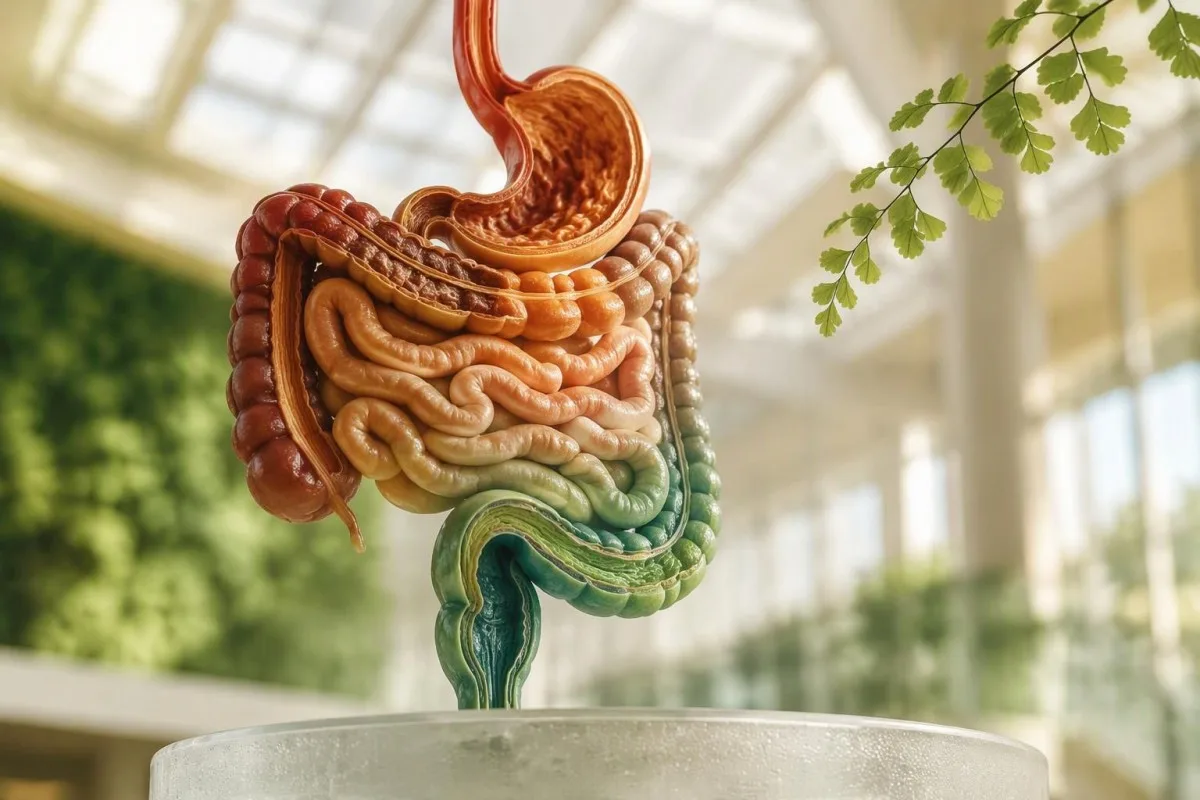
Stool colour can help locate gastrointestinal bleeding, but colour alone cannot diagnose the cause. This symptom-first guide separates emergency warning signs from situations that still need timely medical review.


- Melni darvas izskata izkārnījumi var signalizēt par augšējo kuņģa-zarnu trakta asiņošanu un prasa tā paša dienas steidzamu novērtēšanu, īpaši kopā ar reiboni, vājumu vai vemšanu.
- Spilgti sarkanas asinis izkārnījumos bieži vien ir no hemoroīdiem vai plaisām, taču atkārtota asiņošana pēc 40 gadu vecuma joprojām prasa klīnisku novērtēšanu.
- Brūni izkārnījumi var norādīt uz ātrāku vai ievērojamāku asiņošanu no resnās vai tievās zarnas, un tos nevajadzētu novērot mājās.
- Avārijas slieksnis ir jebkura izkārnījumu asiņošana kopā ar ģīboni, sāpēm krūtīs, elpas trūkumu, apjukumu, stiprām vēdersāpēm vai ātru sirdsdarbību.
- CBC norāde: samazināts hemoglobīna līmenis vai paaugstināts urīnvielas un kreatinīna attiecība var liecināt par klīniski nozīmīgu kuņģa-zarnu trakta asiņošanu.
- Medikamentu izvērtēšana jautājumi: aspirīns, ibuprofēns, naproksēns, antikoagulanti, kortikosteroīdi un daži uztura bagātinātāji var palielināt asiņošanas risku.
- Pārtikas līdzības ietver bietes, sarkano pārtikas krāsvielu, bismutu un dzelzi; tie var mainīt izkārnījumu krāsu, bet neexplikē pozitīvu izkārnījumu asiņošanas testu.
- Nepārtrauciet lietot izrakstītos antikoagulantus bez steidzamas padoma no ārsta, kurš tos izrakstījis, pat ja rodas taisnās zarnas asiņošana.
Kas izkārnījumu asins krāsa var jums pastāstīt pirmajā stundā
Asinis izkārnījumos nozīmē, ka asiņošana var būt kaut kur no augšējā gremošanas trakta līdz anālajam atvērumam; melni, lipīgi izkārnījumi parasti ir steidzamāki nekā daži spoži sarkani svītras uz tualetes papīra. Sākot ar 2026. gada 25. septembri, mana praktiskā likums ir vienkāršs: ja jūtaties slikti, reibst, trūkst elpas, svīstat vai pamanāt melnus, darvainus izkārnījumus, nekavējoties meklējiet palīdzību, nevis mēģiniet noteikt cēloni mājās.
Spoži sarkanām asinīm parasti ir bijis maz laika sagremoties, tāpēc tās bieži nāk no taisnās zarnas vai anālā kanāla. Melni, darvaini izkārnījumi, ko sauc par melēnu, parasti nozīmē, ka asinis ir ietekmējušas kuņģa skābe un zarnu fermenti, bieži vien no barības vada, kuņģa vai divpadsmit pirkstu zarnas. Viena krāsa neapstiprina avotu, bet maina steidzamību.
Tumši sarkani vai tumši vīnsarkani izkārnījumi var rasties no labās resnās zarnas, tievo zarnu vai straujas augšējās gastrointestinālās asiņošanas. Klīniskajā praksē tumši sarkanus izkārnījumus ar pulsu virs 100 sitieniem minūtē, jaunu reiboņu sajūtu vai samazinātu urīna izdalīšanos ārstē kā potenciāli nozīmīgu iekšēju asins zudumu, līdz pierādīts pretējais.
Kantesti ir AI asins analīžu analizators kas palīdz lietotājiem izskaidrot CBC, dzelzs līmeņa analīžu, nieru marķieru un aknu testu rezultātus pēc tam, kad ārsts ir novērsis tūlītējus simptomus. Attiecībā uz līdzīgiem zarnu paradumu rādītājiem skatiet mūsu ceļvedi Bristolas izkārnījumu skala.
Nelietojiet krāsu kā mājas diagnozi
Bietes, sarkanā krāsviela, tomātu mizas, dzelzs tabletes un bizmuts var radīt līdzīgu satraucošu krāsas izmaiņu. Izkārnījumi, kas ir patiešām darvaini, parasti ir koši melni, spīdīgi, lipīgi un neparasti nepatīkami smirdoši — nevis vienkārši tumši brūni.
Spilgti sarkanas asinis izkārnījumos: biežākie cēloņi un ierobežojumi
Spožas sarkanas asinis izkārnījumos visbiežāk rodas no hemoroīdiem, anālās plaisas, taisnās zarnas iekaisuma vai apakšējās zarnas bojājuma. Nelielas nesāpīgas svītras tikai uz papīra var būt nenozīmīgas, bet atkārtoti gadījumi, asinis sajauktas ar izkārnījumiem vai asiņošana ar svara zudumu prasa medicīnisku pārbaudi.
Hemoroīdi bieži izraisa spoži sarkanus pilienus izlietnē vai svītras pēc noslaukšanās, īpaši aizcietējumu, grūtniecības, smaga celšanas vai ilgstošas spiediena laikā. Anālā plaisa biežāk izraisa asas sāpes tūpļa kustību laikā vai pēc tās; ārsts parasti var atšķirt šīs ar mērķtiecīgu izmeklēšanu.
Asinis, kas ir sajauktas ar izkārnījumiem, nevis to virspusē, prasa vairāk uzmanības, jo tās var rasties augstāk taisnajā zarnā vai resnajā zarnā. NICE ieteiktā vēža diagnostikas ceļvedis iesaka savlaicīgu izmeklēšanu neizskaidrotai taisnās zarnas asiņošanai pieaugušajiem, kas vecāki par 50 gadiem, īpaši, ja to pavada vēdera sāpes vai mainīts zarnu paradums (NICE, 2025).
Noderīgs praktisks solis ir nofotografēt izkārnījumus tikai tad, ja to varat darīt privāti, pēc tam pierakstīt laiku, daudzumu, sāpes, zarnu biežumu un medikamentus. Pastāvīgi aizcietējumi var pasliktināt gan plaisas, gan hemoroīdus; mūsu rakstā par nesagremotu pārtiku un brīdinājuma pazīmēm paskaidrots, ko izkārnījumu izmaiņas nozīmē un ko nē.
Melnu darvas izskata izkārnījumu cēloņi un ārkārtas sliekšņi
Black tarry stool causes include peptic ulcer bleeding, gastritis, oesophageal varices, and medicines that irritate the stomach lining; true melaena warrants same-day urgent assessment. Black stool plus faintness, vomiting that resembles coffee grounds, or severe weakness is an emergency.
Melaena is classically black, sticky, and difficult to flush because digested haemoglobin changes stool texture as well as colour. Iron supplements may make stool dark green-black, but they usually do not create the sticky, tar-like quality or the illness symptoms that accompany an active upper gastrointestinal bleed.
A urea level that rises out of proportion to creatinine can occur in upper gastrointestinal bleeding because digested protein is absorbed and converted to urea. This pattern is supportive rather than diagnostic; hydration status, kidney function, and steroid use can produce similar results. Our BUN un kreatinīna attiecība palīdz explains those competing explanations.
The 2021 American College of Gastroenterology guideline recommends risk assessment at presentation for overt upper gastrointestinal bleeding and supports endoscopy within 24 hours for patients admitted or under observation (Laine et al., 2021). I would not advise driving yourself if you are dizzy or passing repeated black stools.
Brūnu izkārnījumu nozīme: kāpēc šī krāsa prasa ātru pārbaudi
Maroon stool means blood may be moving through the bowel quickly enough that it is only partly digested, and it should be assessed urgently if new or ongoing. It can arise from the colon, small intestine, or occasionally a rapid upper gastrointestinal source.
Maroon stool is not a harmless middle ground between red and black. A person can lose a clinically meaningful volume of blood before the stool becomes obviously red, particularly if they are older, take beta-blockers, or have limited cardiac reserve.
Diverticular bleeding is often painless and can be surprisingly brisk, while colitis more commonly brings urgency, cramps, diarrhoea, fever, or mucus. A new maroon stool after a recent colonoscopy, polyp removal, or change in anticoagulant dose should prompt immediate contact with the treating team.
The 2016 ACG guideline states that haematochezia with haemodynamic instability may indicate an upper gastrointestinal source and merits upper endoscopy consideration (Strate and Gralnek, 2016). Review our positive FIT follow-up guide if screening test results are part of the picture.
Kad asinis izkārnījumos ir ārkārtas situācija
Call emergency services or go to an emergency department now if stool bleeding occurs with fainting, confusion, chest pain, shortness of breath, severe abdominal pain, or repeated large-volume blood loss. A normal-looking blood pressure does not reliably exclude early blood loss, especially in fit younger adults.
A resting heart rate above 100 beats per minute, systolic pressure below 100 mmHg, cold sweaty skin, or inability to stand without dizziness are practical danger signs. In my experience, patients often minimise these symptoms because the bleeding seems to have stopped; that can be misleading after an intermittent bleed.
Seek urgent care the same day for black stool, maroon stool, recurrent red bleeding, or any bleeding while taking warfarin, apixaban, rivaroxaban, dabigatran, clopidogrel, or dual antiplatelet therapy. Do not independently skip an anticoagulant dose unless an emergency clinician tells you to—stroke and clot risk can rise quickly.
Kantesti AI asins analīžu rezultātu platforma can organise trends in haemoglobin, platelets, kidney tests, and iron markers, but it is not an emergency service and cannot rule out active bleeding. If the bleeding is paired with breathlessness, our asins analīzēm elpas trūkuma gadījumā article explains why anaemia is only one possibility.
Kad ir pieņemams parasts apmeklējums
A routine primary-care appointment is reasonable for one small episode of bright-red blood clearly linked to constipation or painful wiping when you feel entirely well. Arrange review within days rather than months if it recurs, even when you suspect haemorrhoids.
The lower-risk pattern is a few drops of red blood on paper after a hard stool, with no blood mixed into stool, no abdominal symptoms, and no anaemia symptoms. Even then, age, family history of colorectal cancer, inflammatory bowel disease, and prior polyps alter the threshold for investigation.
New rectal bleeding with unexplained fatigue, unintentional weight loss, persistent altered bowel habit, or abdominal mass should not be labelled haemorrhoids without an examination. A full blood count is often useful, but a normal haemoglobin does not exclude an early lesion or intermittent bleeding.
Dr. Thomas Klein advises patients to bring a complete medication and supplement list, including turmeric, fish oil, ginkgo, NSAIDs, and iron. A clinician may use a faecal immunochemical test, examination, sigmoidoscopy, or colonoscopy; compare FIT and FOBT testing before assuming the tests are interchangeable.
Iespējamie cēloņi atšķiras atkarībā no vecuma, sāpēm un zarnu darbības
The most likely cause of blood in stool changes with age and symptoms: fissures and infectious diarrhoea are common in younger adults, while diverticular disease, polyps, angiodysplasia, and cancer become more relevant with age. Pain, diarrhoea, fever, and medication use refine the pattern.
Painful bright bleeding after constipation points toward a fissure, while painless intermittent bleeding may fit haemorrhoids, polyps, or diverticular disease. Cramping with bloody diarrhoea raises concern for infectious colitis, inflammatory bowel disease, or ischaemic colitis—particularly after dehydration, low blood pressure, or vascular disease.
In adults under 50, colorectal cancer is still less common than benign causes, but incidence has risen enough that persistent rectal bleeding should never be dismissed by age alone. The presence of iron-deficiency anaemia, a first-degree relative with colorectal cancer, or symptoms that wake someone at night changes the risk calculation substantially.
Stool inflammatory markers can sometimes clarify whether diarrhoea reflects intestinal inflammation, although they cannot identify the cause by themselves. See kalprotektīns pret laktferīnu for sensible next questions after recurrent loose, bloody stool.
Zāles, alkohols un piedevas, kas maina asiņošanas risku
Aspirin, ibuprofen, naproxen, anticoagulants, antiplatelet drugs, corticosteroids, and heavy alcohol use can make gastrointestinal bleeding more likely or more severe. The combination of an NSAID with an anticoagulant is more concerning than either medicine alone.
NSAIDs reduce protective prostaglandins in the stomach and duodenum, which can allow ulcers to form or bleed. A person taking ibuprofen 600 mg three times daily for several days may be at higher risk than they realise, especially if they are also older than 65, use steroids, or have had an ulcer before.
Warfarin requires an INR check when bleeding occurs, but a normal INR does not make rectal bleeding unimportant. Direct oral anticoagulants do not have a simple routine blood level that excludes clinically meaningful bleeding; emergency clinicians use timing of the last dose, kidney function, and bleeding severity.
Dark stool after iron is common, while bismuth can turn stool black and the tongue darker. If you take iron because of low ferritin, review the underlying reason with our zema feritīna simptomu ceļvedis rather than assuming replacement has solved the cause.
Ko klīnicisti pārbauda asins un izkārnījumu testos
Clinicians commonly check a full blood count, ferritin, urea, creatinine, liver tests, clotting studies, and stool tests when blood in stool is recurrent or significant. No single laboratory result can identify the exact bleeding site.
A haemoglobin below the laboratory reference range supports anaemia, while a low mean corpuscular volume and low ferritin can suggest longer-term iron loss. Ferritin below 15 ng/mL is highly specific for depleted iron stores in many adults, although inflammation can raise ferritin and hide deficiency.
Platelet count, prothrombin time, INR, activated partial thromboplastin time, albumin, bilirubin, and liver enzymes may be relevant when bleeding is unexpected or liver disease is possible. A platelet count below 50 × 10^9/L increases procedural and spontaneous bleeding concerns, though individual decisions depend on context.
Kantesti ir ar AI balstīts asins analīzes rīks that compares these markers across reports so a clinician can see whether a low haemoglobin is new, stable, or worsening. For why red-cell size matters, read our zema MCV cēloņu ceļvedis.
Anēmijas pazīmes, kas padara izkārnījumu asiņošanu satraucošāku
Blood in stool becomes more concerning when it is paired with falling haemoglobin, low ferritin, fatigue, exertional breathlessness, palpitations, or pale skin. Chronic small-volume bleeding may cause iron deficiency before a person sees obvious red blood.
A haemoglobin decrease of 2 g/dL or more over days to weeks is clinically meaningful and should be interpreted urgently when bleeding is suspected. Acute blood loss can initially leave haemoglobin looking deceptively normal because fluid shifts take time; symptoms and vital signs still matter.
Iron deficiency can produce fatigue, restless legs, reduced exercise tolerance, hair shedding, and concentration difficulty before anaemia develops. In men and postmenopausal women, confirmed iron-deficiency anaemia commonly prompts gastrointestinal evaluation because menstrual loss is not an adequate explanation.
Dr. Thomas Klein has seen patients reassured by a “normal” haemoglobin of 13.2 g/dL despite a clear downward trend from 15.8 g/dL over six months. Our haematocrit and haemoglobin guide shows why both numbers and trends deserve attention.
Asinis izkārnījumos grūtniecības laikā, bērniem un vecākiem pieaugušajiem
Pregnancy, childhood, and older age each change the likely causes of blood in stool, but black stool or systemic illness is urgent at any age. In infants and children, a paediatric clinician should assess recurrent bleeding rather than relying on adult haemorrhoid explanations.
Pregnancy increases constipation and haemorrhoids, so small bright-red streaks are common, yet severe abdominal pain, heavy bleeding, dizziness, or black stool still needs urgent assessment. Iron supplements can darken stool during pregnancy, but they do not make a person safe from gastrointestinal bleeding.
In children, fissures from constipation are common, but bloody diarrhoea with fever, reduced drinking, lethargy, or abdominal swelling needs same-day paediatric care. Currant-jelly-like stool with episodic severe pain is an emergency pattern because intussusception is one possible cause.
Older adults may have less pain despite substantial bleeding, especially with diverticular disease or angiodysplasia. If there is a bleeding tendency in the wider family, our von Willebrand disease symptoms guide may help prepare for the right questions.
Ko nedarīt, gaidot medicīnisku padomu
Do not take extra ibuprofen or aspirin for abdominal pain, use anti-diarrhoeal medicines for bloody diarrhoea without advice, or stop critical anticoagulants on your own. These choices can worsen bleeding, hide important symptoms, or create clotting risk.
Avoid alcohol, strenuous exercise, and fasting if you are light-headed or continuing to pass blood. Drink small amounts of fluid if you can keep them down, but do not force fluids if vomiting, severe pain, or confusion is present—those are reasons for urgent in-person assessment.
Do not use a home stool test to reassure yourself after visible blood. A negative result can miss intermittent bleeding, while a positive result cannot identify whether the cause is a fissure, inflammation, polyp, ulcer, or cancer.
Write down the last normal stool, estimated amount of bleeding, medicine doses, and any prior endoscopy results. If you use warfarin, see our explanation of what INR means before discussing results with your care team.
Kā ārsti nosaka kuņģa-zarnu trakta asiņošanas avotu
Doctors locate gastrointestinal bleeding using symptom pattern, examination, laboratory trends, and targeted procedures such as endoscopy, colonoscopy, CT angiography, or capsule endoscopy. The test choice depends on whether bleeding is active, likely upper or lower, and whether the person is stable.
Upper endoscopy examines the oesophagus, stomach, and duodenum and can often treat a bleeding ulcer during the same procedure. Colonoscopy examines the colon and rectum, but preparation quality, active bleeding, and medical stability influence timing and visibility.
CT angiography can identify active bleeding when the rate is high enough to detect, but a negative scan does not rule out a slow or intermittent source. Capsule endoscopy is sometimes used for suspected small-bowel bleeding after standard upper and lower examinations are unrevealing.
Kantesti AI interprets supportive laboratory patterns, not images or endoscopic findings, and our medicīniskās validācijas pieeja explains why clinical context and human oversight remain necessary. A normal test on one day is not proof that intermittent bleeding never occurred.
Kā sagatavoties noderīgam medicīnas apmeklējumam
The most useful appointment preparation is a precise timeline of stool colour, amount, pain, bowel changes, medicines, family history, and prior laboratory results. This often shortens the path to the appropriate test more than a vague description such as “a little blood.”
Tell the clinician whether blood is on paper, drips into the bowl, coats stool, or is mixed throughout it; these descriptions change the working diagnosis. Record associated symptoms including fever, urgency, nocturnal diarrhoea, nausea, weight change, and fatigue, plus whether you have travelled or recently used antibiotics.
Bring prior CBC, ferritin, liver, kidney, and coagulation results if available. A longitudinal view can reveal a gradual decline that a single report conceals; our asins analīžu tendenču ceļvedis outlines what to save between visits.
Kantesti is used across 127+ countries as an AI laboratorijas testa interpretācijas pakalpojumā, but no automated interpretation should delay a clinician’s assessment of visible gastrointestinal bleeding. Our doctors and reviewers follow clinical oversight standards described by the Medicīnas konsultatīvā padome.
Praktisks krāsu un simptomu rīcības plāns
Treat black tarry stool, maroon stool, large-volume red bleeding, or any bleeding with weakness or faintness as urgent; arrange timely review for recurring bright-red bleeding even if haemorrhoids seem likely. The safest decision is based on colour plus how you feel, not colour alone.
Call emergency services for fainting, chest pain, severe shortness of breath, confusion, severe abdominal pain, or ongoing large-volume bleeding. Go for same-day urgent evaluation for melaena, maroon stool, coffee-ground vomiting, or bleeding while on anticoagulants.
Book a prompt outpatient appointment for recurring bright red blood, blood mixed in stool, changed bowel habits lasting more than 3 weeks, unexplained fatigue, or weight loss. A presumed haemorrhoid diagnosis should be revisited when the pattern changes or symptoms persist.
The practical lesson from my clinical work is that people rarely regret seeking assessment for a potentially serious bleed; they more often regret waiting because a familiar explanation seemed plausible. For a broader overview of clinical test interpretation safeguards, visit our AI tehnoloģiju ceļvedis.
Bieži uzdotie jautājumi
Vai hemoroīdi var izraisīt asiņu sajaukšanos ar izkārnījumiem?
Haemorrhoids usually cause bright-red blood on toilet paper, on the stool surface, or as drops in the bowl rather than blood thoroughly mixed through stool. Blood mixed into stool can come from higher in the rectum or colon and should be assessed, particularly if it recurs or occurs after age 40. Seek faster care if there is weight loss, changed bowel habit, abdominal pain, fatigue, or a haemoglobin decline of 2 g/dL or more. A clinician can confirm haemorrhoids, but visible bleeding should not be self-diagnosed indefinitely.
Vai melni izkārnījumi vienmēr ir asinis?
Black stool is not always blood because iron tablets, bismuth-containing medicines, and some foods can darken stool. True melaena is usually jet black, glossy, sticky, and unusually foul-smelling, and it may occur with weakness, dizziness, or a heart rate above 100 beats per minute. Black tarry stool should receive same-day urgent medical assessment, even if you take iron. Emergency care is needed if fainting, vomiting, chest pain, or shortness of breath accompanies it.
Ko nozīmē tumši sarkanas (marrona krāsas) izkārnījumi?
Maroon stool can mean bleeding from the right colon, small intestine, or a rapidly bleeding upper gastrointestinal source. It is more concerning than a few small bright-red streaks because it can reflect blood moving quickly through the bowel. Maroon stool with light-headedness, low urine output, fast pulse, or repeated bowel movements needs emergency assessment. Doctors may use a CBC, urea and creatinine, CT angiography, colonoscopy, or upper endoscopy depending on stability.
Kad man jābrauc uz neatliekamās palīdzības nodaļu, ja ir asinis izkārnījumos?
Go to the emergency department immediately for black tarry stool, maroon stool, large amounts of red blood, fainting, confusion, chest pain, severe abdominal pain, shortness of breath, or a resting pulse above 100 beats per minute. These features can indicate substantial blood loss or a serious gastrointestinal condition. People taking warfarin, apixaban, rivaroxaban, dabigatran, clopidogrel, or dual antiplatelet therapy should seek same-day advice for any new visible stool bleeding. Do not drive yourself if you feel weak or dizzy.
Vai dzelzs tabletes var padarīt izkārnījumus melnus?
Iron tablets commonly make stool dark green or black, and this effect can begin within 24 to 48 hours of starting treatment. Iron-related dark stool is usually not sticky or tar-like and does not typically cause dizziness, weakness, coffee-ground vomiting, or a falling haemoglobin level. Do not assume black stool is from iron if the appearance is new, very tarry, foul-smelling, or accompanied by illness symptoms. A clinician can decide whether a CBC, ferritin, and urgent gastrointestinal evaluation are needed.
Kādas asinsanalīzes var uzrādīt iekšēju kuņģa-zarnu trakta asiņošanu?
A full blood count can show low haemoglobin, low haematocrit, and sometimes a low MCV when blood loss has been ongoing long enough to deplete iron. Ferritin below 15 ng/mL strongly supports depleted iron stores in many adults, although inflammation can make ferritin appear higher than expected. Urea may rise disproportionately to creatinine in upper gastrointestinal bleeding because digested protein increases urea production. Normal laboratory results do not exclude a recent or intermittent bleed, especially during the first hours.
Iegūstiet AI vadītu asins analīžu analīzi jau šodien
Pievienojieties vairāk nekā 2 miljoniem lietotāju visā pasaulē, kuri uzticas Kantesti tūlītējai, precīzai laboratorijas analīžu interpretācijai. Augšupielādējiet savas asins analīzes rezultātus un dažu sekunžu laikā saņemiet visaptverošu 15,000+ biomarķieru interpretāciju.
📚 Atsauces pētniecības publikācijas
Kleins, T., Mičels, S., un Vēbers, H. (2026). BUN/Creatinine Ratio Explained: Kidney Function Test Guide. Kantesti Research Publication. Zenodo.. Kantesti AI Medicīnas pētījumi.
Kleins, T., Mičels, S., un Vēbers, H. (2026). Urobilinogen in Urine Test: Complete Urinalysis Guide 2026. Kantesti Research Publication. Zenodo.. Kantesti AI Medicīnas pētījumi.
📖 Ārējās medicīniskās atsauces
Nacionālais veselības un aprūpes izcilības institūts (2025). Suspected cancer: recognition and referral. NICE guideline NG12.
⚕️ Medicīniskā atruna
Šis raksts ir paredzēts tikai izglītojošiem nolūkiem un nav medicīnisks padoms. Vienmēr konsultējieties ar kvalificētu veselības aprūpes speciālistu, lai pieņemtu lēmumus par diagnostiku un ārstēšanu.
E-E-A-T uzticēšanās signāli
Pieredze
Ārstu vadīta klīniskā laboratorijas interpretācijas darbplūsmu pārskatīšana.
Ekspertīze
Laboratorijas medicīnas fokuss uz to, kā biomarķieri uzvedas klīniskā kontekstā.
Autoritāte
Sagatavojis Dr. Thomas Klein, pārskatījusi Dr. Sarah Mitchell un prof. Dr. Hans Weber.
Uzticamība
Uz pierādījumiem balstīta interpretācija ar skaidriem turpmākās rīcības ceļiem, lai mazinātu trauksmi.