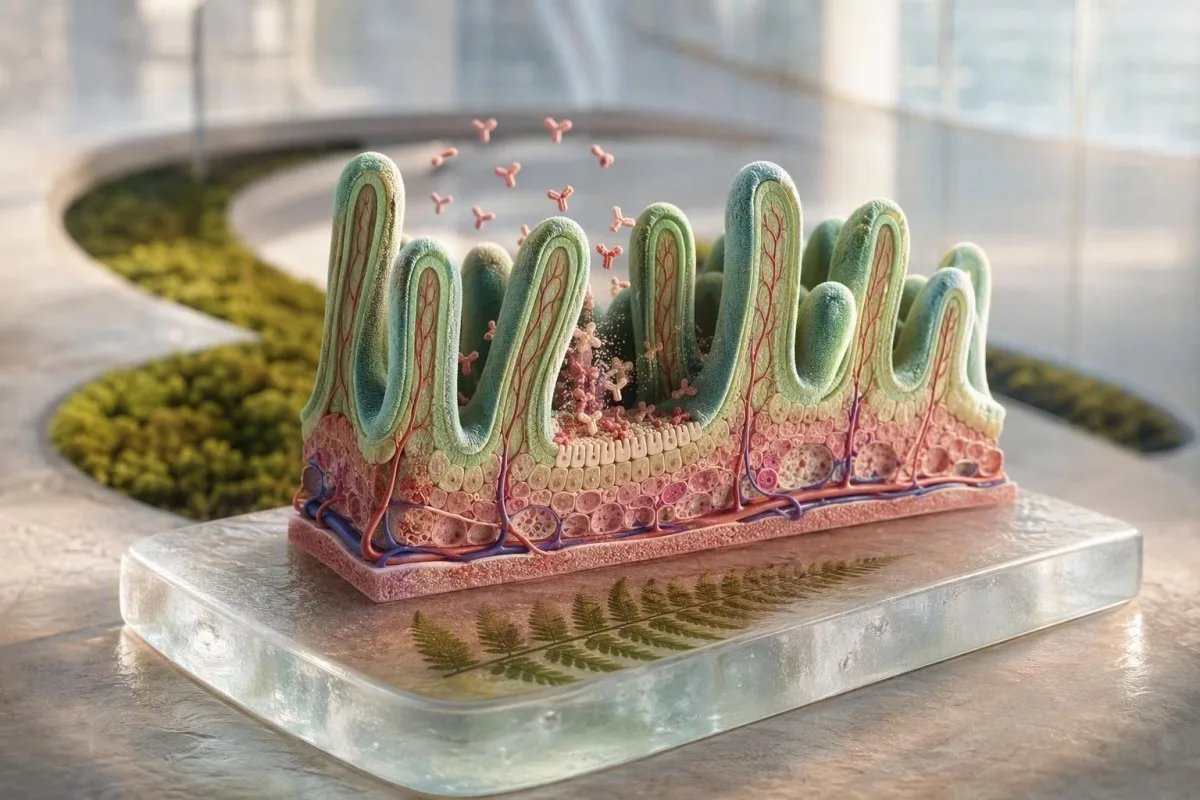
Norint atlikti patikimą celiakijos kraujo tyrimą, daugumai suaugusiųjų, kurie nevartojo glitimo, reikia maždaug 3–6 g glitimo kasdien mažiausiai 6 savaites; 12 savaičių iššūkis duoda aiškiausią atsakymą, kai jis yra toleruojamas. Neeksperimentuokite su glitimu vieni, jei patiriate sunkių reakcijų, pastebimai netekote svorio, turite rūpesčių dėl nėštumo arba jums jau yra diagnozuota celiakija.


- Mažiausias iššūkis: 3–6 g glitimo kasdien, maždaug 1–2 riekelės kvietinės duonos, yra praktiškas suaugusiųjų tikslas prieš pakartojant celiakijos serologinius tyrimus.
- Pageidaujama trukmė: 12 savaičių kasdienio glitimo poveikio padidina tikimybę, kad celiakijos kraujo tyrimas ir biopsija nustatys ligą po glitimo vengimo.
- Trumpas iššūkis: 3 g kasdien 2 savaites gali sukelti biopsijos pokyčius kai kuriems suaugusiems, tačiau neigiamas rezultatas po 2 savaičių nepatikimai atmestina celiakiją.
- tTG-IgA: Neigiamas tTG-IgA gali būti klaidingai raminantis, kai glitimo suvartojimas yra mažas arba bendras IgA yra nepakankamas.
- Bendras IgA: Bendras serumo IgA turėtų būti matuojamas kartu su tTG-IgA; IgA trūkumas reikalauja IgG pagrįstų tyrimų.
- Nesivelkite į iššūkį savarankiškai: Vaikams, nėščiosioms, žmonėms, turėjusiems sunkias alergines reakcijas praeityje, ir tiems, kurių mityba yra labai nepakankama, reikalingas gydytojo vadovaujamas planavimas.
- HLA tyrimas: Neigiamas HLA-DQ2 ir HLA-DQ8 tyrimų rezultatas daro celiakiją labai mažai tikėtiną ir kartais leidžia išvengti glitimo provokacijos.
- Nenustokite anksti: Vartokite glitimą tol, kol gydytojas patvirtins, kad atlikti kraujo tyrimai ir, jei reikia, endoskopija.
Kodėl vengiant glitimo celiakijos kraujo tyrimas gali būti neigiamas
A celiakijos kraujo tyrimas gali tapti neigiamas po glitimo ribojimo , nes matuojamas imuninis signalas išnyksta, kai pašalinami kviečiai, miežiai ir rugiai. Praktiniu požiūriu, neigiamas tTG-IgA tyrimo rezultatas, kai dieta yra be glitimo, nereiškia, kad celiakija atmesta; tai gali tiesiog rodyti, kad imuninė sistema nebėra stimuliuojama.
tTG-IgA aptinka antikūnų atsaką, o ne nuolatinį celiakijos požymį. Antikūnų koncentracija dažnai sumažėja per kelias savaites ar mėnesius, laikantis griežtos dietos be glitimo, o žarnyno gijimas gali tęstis daug ilgiau. 2023 m. Amerikos gastroenterologų koledžo rekomendacijose nurodoma, kad diagnostinė serologija turėtų būti atliekama, kol pacientas vartoja glitimą (Rubio-Tapia ir kt., 2023).
Aš reguliariai matau tokį atvejį: žmogus nevartoja glitimo 8 mėnesius, jaučiasi šiek tiek geriau, tada gauna normalų tTG-IgA tyrimo rezultatą ir jam pasakoma, kad celiakija atmesta. Tokia išvada nėra saugi, nežinant jo suvartojamo glitimo kiekio; tTG-IgA klaidingai neigiamas rezultatas yra labiau tikėtinas, kai poveikis jau buvo nutrauktas. Mūsų susijęs vadovas apie mažą IgA ir celiakijos problemas paaiškina antrą pagrindinę priežastį, kodėl serologija gali praleisti ligą.
Kantesti yra AI kraujo tyrimo analizatorius kuri atlieka tTG-IgA kartu su bendru IgA, hemoglobino, feritino, folio rūgšties, vitamino B12 ir kepenų fermentų tyrimu, o ne laiko vieną neigiamą antikūnų tyrimą galutine diagnoze. Geležies trūkumas arba netikėtai aukštas ALT gali išlaikyti celiakiją kaip galimą diagnozę, net jei vienas antikūnų tyrimo rezultatas yra normalus.
Mechanizmas yra svarbus. Gliuteno peptidai patenka į viršutinę plonosios žarnos dalį, audinių transglutaminazė juos modifikuoja, o jautrūs HLA-DQ2 arba HLA-DQ8 imuniniai keliai sukuria antikūnus; pašalinkite dirgiklį ir matuojamas antikūnų atsakymas gali nurimti. Tai yra biologija, o ne tyrimo klaida.
Dažnas nesusipratimas
Atsigavimas po duonos atsisakymo savaime nėra diagnostinis. Simptomai gali pagerėti dėl mažesnio fermentuojamų angliavandenių kiekio, sumažėjusio ultraperdirbto maisto vartojimo, kviečių alergijos vengimo ar ne celiakijos glitimo jautrumo; tik tinkamai laiku atlikti tyrimai gali atskirti šias galimybes.
Kuriems celiakijos tyrimams reikia glitimo mityboje?
tTG-IgA, EMA-IgA, deaminuotų gliadino peptido antikūnai ir dvylikapirštės žarnos biopsija yra patikimiausi, kai vartojamas glitimas. HLA-DQ2/DQ8 genetiniai tyrimai yra kitokie: jie išlieka galiojantys nepriklausomai nuo to, ar žmogus vartoja glitimą, ar ne.
tTG-IgA yra įprastas pirmosios eilės celiakijos kraujo tyrimas suaugusiems ir vaikams nuo 2 metų amžiaus. Daugelis laboratorijų vertina vertes žemiau 10–15 U/mL kaip neigiamas, tačiau normalios ribos viršutinė riba priklauso nuo tyrimo metodo, todėl interpretaciją lemia pačios laboratorijos referencinis intervalas. EMA-IgA yra labai specifinis ir dažnai naudojamas patvirtinti stipriai teigiamą tTG-IgA rezultatą.
Bendras serumo IgA turėtų būti įtrauktas į tą patį prašymą kaip ir tTG-IgA. Selektinis IgA trūkumas pasitaiko maždaug 1 iš 400–1 iš 700 žmonių daugelyje Vakarų populiacijų ir gali sukelti neigiamą tTG-IgA nepaisant celiakijos; tokiu atveju tinkamas yra IgG pagrindu atliekamas DGP arba tTG tyrimas. kokybinio ir kiekybinio tyrimo vadovas gali padėti skaitytojams pastebėti, ar ataskaitoje pateikta išmatuota vertė, ar tik teigiamas/neigiamas rezultatas.
Dvylikapirštės žarnos biopsija vertina žarnų gaurelių architektūrą ir intraepitelinius limfocitus, tačiau gleivinės pokyčiai gali pagerėti ir nutraukus gliuteno vartojimą. Suaugusiems teigiami serologiniai tyrimai paprastai lemia viršutinės endoskopijos atlikimą prieš pradedant taikyti visą gyvenimą trunkančią mitybos apribojimą; biopsija išlieka ypač naudinga, kai rezultatai nesutampa.
Neikite maisto netoleravimo testo su celiakijos serologija. IgG maisto tyrimai nenustato celiakijos, o namų tyrimas negali pakeisti bendro IgA vertinimo, patvirtinto antikūnų tyrimo ar specialisto interpretacijos.
Tyrimai, kurie išlieka naudingi laikantis dietos be gliuteno
HLA-DQ2 arba HLA-DQ8 nebuvimas turi labai didelę neigiamą prognozinę vertę, nes beveik visi žmonės, sergantys celiakija, turi vieną iš šių haplotipų. Teigiamas HLA rezultatas yra dažnas ir nenustatoma celiakija; maždaug 30–40% daugumos populiacijų turi DQ2 arba DQ8, bet tik apie 1% suserga celiakija.
Kiek glitimo pakanka glitimo iššūkiui?
Praktinis suaugusiųjų gliuteno provokavimas yra 3–6 g gliuteno per dieną, atitinkantis maždaug 1–2 įprastas kvietinės duonos riekeles, diagnostiniam tyrimui. Daugiau maisto nebūtinai geriau; nuoseklumas svarbesnis nei didelės dozės, kurią asmuo negali tęsti kelias dienas.
Viena riekelė tipiškos kvietinės duonos turi apie 2–3 g gliuteno, o standartinis bagelgaminys gali turėti 4–7 g, o viena puodelio virtų paprastų makaronų apie 2–4 g, priklausomai nuo recepto ir porcijos. Avižos nėra patikimas provokacinis maistas, nes sertifikuotos be gliuteno avižos turi nežymų gliuteno kiekį, o įprastos avižos skiriasi užterštumo lygiu.
Leonard ir kolegų apžvalgoje rekomenduojama mažiausiai 3–6 g per dieną ilgiau nei 12 savaičių , kai ilgesnis provokavimas yra toleruojamas, ypač jei tikslas yra patikimai atmesti ligą po kelių mėnesių ar metų, kai dieta be gliuteno (Leonard et al., 2023). Kai kurie gydytojai naudoja 10 g per dieną, tačiau tokį kiekį sunkiau išlaikyti ir nebuvo įrodyta, kad jis būtinas kiekvienam suaugusiam asmeniui.
Naudinga praktika yra vienas maisto produktas su gliutenu pusryčiams ir vienas per pietus, o ne vienas didelis vakarienės patiekalas. Užrašykite produktą, apytikslę porciją, simptomus ir praleistas dienas; toks dienoraštis suteikia gastroenterologui daug geresnę informaciją nei neaiškus prisiminimas, kad valgėte “kokią nors duoną”.”
Didesniam kontekstui apie tai, ką laboratoriniai žymenys reiškia kartu, mūsų biomarkerio informacinis vadovas paaiškina, kodėl feritinas ir raudonųjų kraujo ląstelių rodikliai dažnai vertinami kartu su celiakijos antikūnais.
Dozė matuojama gliuteno gramais, o ne maisto svoriu
50 g duonos porcija nėra 50 g gliuteno. Gliuteno kiekis priklauso nuo miltų, drėgmės, recepto ir apdorojimo, todėl gydytojai paprastai skiria maisto atitikmenis, o ne prašo pacientų sverti izoliuotą gliuteno baltymą.
Kiek laiko turėtų trukti glitimo iššūkis prieš tyrimus?
Šešios savaitės yra pagrįstas minimumas daugumai suaugusiųjų, o 12 savaičių yra patikimesnė provokacija po ilgo gliuteno vengimo. 2 savaičių provokacija gali padėti diagnozuoti, jei tyrimai tampa teigiami, tačiau neigiamas rezultatas po 14 dienų negali saugiai atmesti celiakijos.
Reikalingas trukmė priklauso nuo amžiaus, ankstesnės dietos, imuninio atsako ir nuo to, ar gydytojas planuoja tik serologinį tyrimą, ar biopsiją. Mažame suaugusiųjų tyrime 3 g gliuteno per dieną 14 dienų sukėlė diagnostinius histologinius pokyčius daugeliui dalyvių, tačiau antikūnų atsakai vėlavo; šis skirtumas paaiškina, kodėl trumpais protokolais galima praleisti atvejus.
Nuo 2026 m. rugpjūčio 31 d. paprastai aptariu 12 savaičių planą su suaugusiaisiais, kurie kelis mėnesius valgė mažai arba visai nevartojo glitimo, kraujo tyrimus atliekant maždaug 6 savaitę ir vėl apie 12 savaitę, jei pirmasis rezultatas yra neigiamas. Mūsų vyriausiasis medicinos pareigūnas daktaras Thomas Klein pastebi, kad didžiausių diagnostikos vėlavimų galima išvengti, kai pacientas prieš kraujo paėmimą vartoja glitimą tik savaitgalį.
Jei simptomai tampa nepriimtini, kreipkitės į siuntusį gydytoją, o ne tyliai nutraukite. Gydytojas gali perkelti kraujo tyrimus anksčiau, greičiau paskirti endoskopiją arba persvarstyti, ar HLA tyrimas gali atsakyti į klausimą be ilgo poveikio. kraujo tyrimų atlikimo laiko vadovas yra naudingas suprasti, kodėl su dieta susiję pokyčiai laboratoriniuose rezultatuose nepasirodo akimirksniu.
Toliau vartokite adrenaliną iki kraujo paėmimo ir, jei antikūnų rezultatas teigiamas arba įtarimas išlieka didelis, iki tol, kol endoskopijos komanda nenurodys kitaip. Nutraukus po teigiamo kraujo rezultato, bet prieš biopsiją, gali sumažėti matomas žarnyno signalas.
Realius kalendorius
1–2 savaitės: nustatomas kasdienis poveikis ir nustatomi ankstyvieji simptomai. 3–6 savaitės: gali būti naudingas pirmasis kraujo paėmimas; 7–12 savaičių pagerina jautrumą žmonėms, kurių antikūnai kyla lėtai, ypač po ilgalaikės dietos.
Glitimo iššūkis vaikams ir paaugliams reikalauja kitokio plano
Vaikams negalima pradėti glitimo provokacijos be pediatro konsultacijos, nes augimas, mityba, simptomų našta ir galimybė diagnozuoti be biopsijos pakeičia planą. Vaikas, kuris prastai auga arba netenka svorio, pirmiausia turi būti ištirtas, o ne savarankiškai atlikti duonos bandymą.
Vaikams, kurių tTG-IgA vertės yra labai aukštos – bent jau 10 kartų didesnės nei normalios ribos– plius teigiamas EMA-IgA antrajame mėginyje, ESPGHAN rekomendacijos leidžia diagnozuoti be biopsijos pasirinktais atvejais, prižiūrint vaikų specialistui (Husby ir kt., 2020). Šis kelias reikalauja aktyvaus glitimo vartojimo tyrimo metu.
Negalima numanyti, kad ikimokyklinio amžiaus vaikas toleruoja tokią pačią absoliučią dozę kaip 75 kg suaugęs žmogus. Pediatrai dažnai dirba su įprastinėmis paros porcijomis ir įprastu vaiko racionu, tada stebi svorį, ūgio greitį, hidrataciją, išmatų dažnumą ir lankomumą mokykloje; tikslas niekada neturėtų būti simptomų ištvermės varžybos.
Geležies trūkumas, lėtas ūgio augimas, pasikartojančios burnos opos, dantų emalio pakitimai ir lėtai prasidedanti lytinė branda gali būti celiakijos požymiai net ir be viduriavimo. Tėvai gali peržiūrėti platesnį tyrimą mūsų vadove apie vaikų augimo tyrimus, tačiau normalus augimo hormono tyrimas neatmeta žarnyno malabsorbcijos.
Jei vaikas jau turėjo įtikinamą reakciją į dietą be glitimo, šeima turėtų paklausti, ar HLA tipavimas ar prižiūrima reintrodukcija yra mažiausiai sutrikdantis kelias. Aš supratau, kad čia reikia rimtai žiūrėti į šeimos nerimą – valgymo laikas gali labai greitai tapti įtemptas.
Mokyklos ir dietos planavimas
Rašytiniame plane turėtų būti nurodyta, kuriuose patiekaluose yra glitimo ir kaip bus tvarkomasi su simptomais mokyklos metu. Kartais keičiant dozę, pereinant prie maisto be glitimo ar leidžiant tik kartais vartoti savaitgalį, galutinį rezultatą tampa daug sunkiau interpretuoti.
Ką daryti, jei glitimo nevartoja daugelį metų?
Po daugelio metų, kai laikomasi dietos be glitimo, antikūnų tyrimas gali likti neigiamas, nebent glitimo poveikis yra pakankamai ilgalaikis, kad atsinaujintų imuninis atsakas. Būtent šiai grupei paprastai tinkamiausias yra 12 savaičių gydytojo prižiūrimas iššūkis arba pirmiausia HLA tyrimas.
Kuo ilgiau nebuvo glitimo, tuo mažiau naudingas tampa vienkartinis tTG-IgA tyrimas. Kai kuriems pacientams reikia daugiau nei 6 savaičių, kad grįžtų matomi antikūnai, o neigiamas 6 savaitės rezultatas turėtų būti vertinamas atsižvelgiant į faktinę suvalgytą dozę, o ne tik į kalendorių.
Celiakija gali palikti pėdsaką laboratorinėje istorijoje: mažas feritino kiekis, maža transferino saturacija, folio rūgšties trūkumas, padidėjęs trombocitų kiekis, mažas vitamino D kiekis arba nepaaiškinamas lengvas transaminazių padidėjimas. Nei vienas iš šių rodiklių savaime nėra diagnostinis, tačiau jų visuma padidina tikimybę iki tyrimo; žr. mūsų detalią geležies tyrimų vadovas informaciją apie skirtumą tarp sumažėjusių geležies atsargų ir uždegimo sąlygojamo mažo serumo geležies kiekio.
Kantesti yra AI laboratorinio tyrimo interpretavimo paslaugoje kad padeda vartotojams greta pasidėti seną ir naują tyrimų paketą, įskaitant hemoglobiną, MCV, feritiną, albuminą ir antikūnų reikšmes. Tai negali diagnozuoti celiakijos, tačiau laiko juosta gali padėti gydytojui pamatyti, ar mitybos sutrikimai atsirado prieš mitybos apribojimą.
Ankstesnis neigiamas celiakijos tyrimas nepadeda, jei jis buvo atliktas pašalinus gliuteno vartojimą. Paprašykite pirminio rezultato, tikslios antikūnų reikšmės, bendro IgA kiekio ir kiek gliuteno vartojote per 6–12 savaičių iki mėginio paėmimo.
Kodėl mityba gali atrodyti normali
Normalus feritino kiekis nereiškia, kad celiakijos nėra. Feritino kiekis didėja kartu su uždegimu ir kepenų pažeidimu, todėl 70 µg/L feritino kiekis gali sutapti su ribotu geležies prieinamumu, kai C-reaktyvinis baltymas yra padidėjęs; transferino saturacija suteikia naudingą kontekstą.
Kada neturėtumėte bandyti glitimo iššūkio be medicininės konsultacijos?
Neiš naujo vartoti gliuteno savarankiškai, jei anksčiau jis sukėlė dehidraciją, alpimą, sunkų vėmimą, greitą svorio kritimą, nėštumo komplikacijas ar hospitalizaciją. Priežiūros planas taip pat saugesnis vaikams, žmonėms, sergantiems diabetu ir vartojantiems insuliną, ir visiems, kuriems žinomas ar įtariamas atkrytis į valgymo sutrikimus.
Pati celiakija retai sukelia ūminę anafilaksinę reakciją, todėl greitas dilgėlinės, švokštimo, gerklės susiaurėjimo ar kolapso atsiradimas po kviečių vartojimo rodo galimą kviečių alergiją ir reikalauja alergologinio įvertinimo, o ne celiakijos provokacijos. Celiakijos ir alergijos tyrimai atsako į skirtingus klausimus, o jų painiojimas gali būti pavojingas.
Prieš provokaciją nedelsdami kreipkitės į gydytoją, jei patiriate daugiau nei 5% nevalingo svorio kritimo per 1 mėnesį, nuolatinį vėmimą, juodas išmatas, stiprų pilvo skausmą arba dehidracijos simptomus, tokius kaip labai mažas šlapimo išsiskyrimas ir galvos svaigimas. Tai nėra laukiami “įrodymai”, kad gliutenas veikia; tai priežastys persvarstyti.
Nėštumas reikalauja atskiro dėmesio, nes negydoma celiakija ir ribojančios dietos gali paveikti geležies, folio rūgšties ir svorio augimą. Susisiekite su gydytoju per mūsų medicininį kontaktų kanalą arba su savo akušerių komanda prieš sąmoningai vėl įvesdami gliuteną.
Žmonėms, kuriems anksčiau buvo diagnozuota celiakija pagal biopsiją, paprastai nereikia gliuteno provokacijos, kad tai vėl įrodytų. Išimtis yra pagrįsta abejonė dėl senos diagnozės, kurią geriausiai valdo gastroenterologas, galintis peržiūrėti pirminius patologinius ir antikūnų tyrimų rezultatus.
Skubūs simptomai
Naujas švokštimas, veido patinimas, sumišimas, negalėjimas sulaikyti skysčių 12–24 valandas, alpimas ar virškinimo trakto kraujavimo požymiai reikalauja skubios medicininės pagalbos. Nenutraukite mitybos poveikio, kad “užbaigtumėte tyrimą”, kai yra raudonųjų vėliavėlių simptomų.
Ar HLA genetika gali užkirsti kelią nereikalingam glitimo iššūkiui?
Neigiami HLA-DQ2 ir HLA-DQ8 tyrimai daro celiakiją labai mažai tikėtiną ir dažnai gali leisti išvengti gliuteno provokacijos. Teigiamas rezultatas rodo tik genetinį polinkį, todėl jis negali patvirtinti celiakijos ar paaiškinti simptomų savaime.
Daugiau nei 95% žmonių, sergančių celiakija, turi HLA-DQ2.5, DQ2.2 arba DQ8, nors terminologija laboratorijose šiek tiek skiriasi. Tyrimas yra naudingiausias, kai asmuo jau nevartoja gliuteno, kai trūksta senų rezultatų arba kai laukiama didelė pakartotinio vartojimo našta.
Teigiamas HLA rezultatas yra dažnas: apie 30–40% žmonių turi suderinamą genotipą, o tik maždaug 1% suserga celiakija. Dėl šio neatitikimo genetiniai tyrimai turėtų padėti priimti kitą sprendimą, o ne tapti diagnoze, įrašyta į problemų sąrašą.
Kantesti DI naudoja AI biomarkerių interpretavimo platforma metodą, kad pažymėtų, kada antikūnų grupė surinkta vengiant glitimo, ir kada trūksta bendro IgA rezultato; genetiniams tyrimams vis tiek reikia gydytojo paskyrimo ir interpretacijos. Mūsų klinikinius validavimo principus paaiškina, kodėl kontekstiniai ženklai nepakeičia diagnostinių sprendimų.
Mano patirtimi, HLA tyrimai yra ypač vertingi žmonėms, kurie nustojo vartoti glitimą dėl neaiškių simptomų ir dabar bijo ilgo iššūkio. Neigiamas rezultatas gali užbaigti sunkų etapą; teigiamas rezultatas tiesiog reiškia, kad pokalbis tęsiasi.
Genai nenustato sunkumo
HLA tipas patikimai nenustato, ar simptomai bus lengvi, ar yra villous pokyčių, ar asmuo vėliau susirgs celiakija. Pirmojo laipsnio giminaičiams, turintiems suderinamus genus, vis tiek gali prireikti periodinio klinikinio vertinimo, jei atsiranda simptomų ar maistinių medžiagų trūkumo.
Kaip atlikti iššūkį be atsitiktinio per mažos dozės vartojimo
Nuolatinis kasdienis glitimo poveikis yra diagnostiniu požiūriu naudingesnis nei atsitiktiniai dideli valgiai. Pasirinkite du ar tris įprastus kviečių turinčius maisto produktus, įvertinkite jų glitimo kiekį ir nepersijunkite į versijas be glitimo, kai prasideda iššūkis.
Paprastas 3–6 g modelis gali būti viena riekelė kvietinės skrudintos duonos pusryčiams ir nedidelė porcija įprastų makaronų ar krekerių vėliau dieną. Patikrinkite etiketes, ar nėra kviečių, rugių ar miežių; raugas, pagamintas iš kviečių, vis tiek turi glitimo, o “amatininkų” duona nebūtinai turi mažai glitimo.
Alus, padažai, bendri gruzdintuvai ir perdirbti maisto produktai sukuria neaiškumą, todėl jie yra prasti pirminiai matuojamo iššūkio šaltiniai. Vienas prognozuojamas maisto produktas suteikia švaresnę poveikio istoriją ir leidžia lengviau nustatyti, ar simptomai koreliuoja su doze.
Nepradėkite nenaudoti susijusių eliminacinių dietų, probiotikų, didelės dozės skaidulinių produktų ar naujų laisvinamųjų priemonių per tą patį 6–12 savaičių laikotarpį, jei galite to išvengti. Jie gali pakeisti žarnyno simptomus ir apsunkinti patirtį; mūsų vadovas apie maisto produktus, kurie keičia žarnyno tyrimus apima šią praktinę problemą.
Maisto dienoraštyje turėtų būti nurodyta data, maistas, apytikslis porcijos dydis, tuštinimosi dažnumas, pilvo simptomai ir praleistos dozės. Jis neturi būti tobulas – trys aiškūs įrašai per dieną yra daug naudingesni nei bandymas užfiksuoti kiekvieną trupinį.
Avižos ir glitimo iššūkis
Sertifikuotos avižos be glitimo nėra glitimo šaltinis diagnostikos tikslais. Paprastos avižos gali būti nenumatytos užterštos, todėl jos netinka iššūkiui, kurio tikslas – nustatyti žinomą dozę.
Kokių simptomų tikėtis ir kaip juos saugiai valdyti?
Pilvo pūtimas, laisvi išmatos, nuovargis, pilvo diskomfortas, galvos skausmas ir smegenų migla gali pasikartoti glitimo iššūkio metu, tačiau sunkūs simptomai turėtų paskatinti klinikinį peržiūrėjimą, o ne stoicizmą. Simptomai patys savaime neįrodo ir nepaneigia celiakijos, nes jie sutampa su dirgliosios žarnos sindromu ir kitomis žarnyno ligomis.
Naudokite palaikomąsias priemones, kurios nepašalina glitimo: reguliarūs skysčiai, geriamasis rehidratacijos tirpalas viduriuojant, mažesni valgiai ir reguliarus miegas. Vaistas nuo viduriavimo gali būti tinkamas kai kuriems suaugusiems, tačiau pirmiausia pasitarkite su gydytoju, jei turite karščiavimo, kraujo išmatose, stipraus skausmo ar tiriamas naujas diagnozė.
Venkite interpretuoti kiekvieną simptomą kaip žarnyno pažeidimą. Asmuo, turintis funkcinį žarnyno jautrumą, gali jaustis blogiau per kelias valandas po kviečių valgio, nes fruktonai greitai fermentuojasi, o tTG-IgA gamyba ir villous pokyčiai vyksta per kitokį imuninį procesą. Mūsų vadovas apie kraujo tyrimus viduriavimui apibūdina, kada išmatų simptomams reikia platesnio tyrimo.
Jei nuovargis tampa ryškus, peržiūrėkite skysčių pusiausvyrą, kalorijų suvartojimą, geležies būklę ir miegą, užuot darę prielaidą apie vieną priežastį. Daktaras Thomasas Kleinas yra matęs pacientų, kurie be reikalo išsigando dėl nedidelio trombocitų ar ALT pokyčio atliekant tyrimus; tendencijos ir visa klinikinė situacija yra svarbesnė nei vienas ribinis rezultatas.
Sustokite ir kreipkitės patarimo, jei nuolat negalite dirbti ar lankyti mokyklos, pasikartojantis naktinis viduriavimas, stiprėjantis galvos svaigimas ar akivaizdi dehidratacija. Mediciniškai sutrumpintas iššūkis, kuris leidžia gauti naudingų serologinių ar biopsinių duomenų, yra geresnis nei bandymas tęsti, kol planas žlugs.
Ar probiotikai keičia tyrimą?
Nėra patikimų įrodymų, kad be recepto parduodami probiotikai apsaugo nuo celiakijos antikūnų gamybos atliekant glitimo iššūkį. Jų vartojimo pradžia viduryje iššūkio vis tiek gali sutrikdyti simptomų stebėjimą, todėl paprastai patariu palaikyti stabilius papildus, nebent gydytojas rekomenduoja pakeisti.
Kaip pasiruošti celiakijos kraujo tyrimui
Celiakijos kraujo tyrimui paprastai nereikia nevalgius, tačiau jam reikia nuolatinio glitimo vartojimo ir tinkamo antikūnų skydelio. Tęskite sutartą paros glitimo dozę iki dienos prieš ir, nebent gydytojas nurodo kitaip, iki mėginio paėmimo ryto.
Paklauskite, ar užsakyme yra tTG-IgA ir bendras serumo IgA; EMA-IgA, DGP-IgG arba tTG-IgG gali būti pridėti pasirinktais atvejais. Laboratorijos naudoja skirtingus metodus ir vienetus, todėl 18 U/mL vertės negalima interpretuoti be jos tyrimui specifinio normalaus viršutinio limito.
Nevalgius nebūtina, atliekant antikūnų tyrimus, nors kartu atliekami lipidų, gliukozės ar geležies tyrimai gali turėti atskiras paruošimo instrukcijas. Biotinas paprastai neturi įtakos standartinei celiakijos serologijai taip, kaip gali iškraipyti kai kuriuos hormonų imunoanalizės tyrimus, tačiau prašyme nurodykite visus papildus ir vaistus.
Kantesti yra AI pagrindu veikiantis kraujo tyrimų analizės įrankis kuri gali padėti skaitytojams tiksliai transkribuoti laboratorinį PDF failą ir nustatyti trūkstamą bendrą IgA, tačiau jos neturėtų būti naudojamos savidiagnostikai iš ekrano nuotraukos. Prieš įkeldami naudokite mūsų PDF tikslumo sąrašą norėdami patikrinti vienetus, datas ir referencines ribas.
Prieš paskyrimą užsirašykite iššūkio savaičių skaičių ir įprastą paros maisto šaltinį. “Be glitimo metus, tada vienas skrebučio gabalėlis per dieną 7 savaites” yra kliniškai tinkama; “valgiau glitimą kartais” – ne.
Vaistų pastabos
Nenutraukite paskirtų vaistų tik tam, kad pasiruoštumėte celiakijos serologijai. Imuninę sistemą slopinanti terapija gali sumažinti antikūnų atsaką, todėl tokius vaistus kaip sisteminiai kortikosteroidai, biologiniai preparatai ar vaistai po transplantacijos turėtų būti dokumentuoti ir aptarti su užsakomu specialistu.
Kaip interpretuoti rezultatus po glitimo iššūkio
Teigiamas tTG-IgA tyrimas per tinkamą glitimo iššūkį stipriai patvirtina celiakijos ligą, o neigiamas rezultatas yra tik raminantis, jei dozė, trukmė, bendras IgA ir klinetinis įtarimas yra tinkami. Rezultatai turėtų būti interpretuoti prieš vėl nutraukiant glitimą.
tTG-IgA rezultatas, viršijantis laboratorinį viršutinį limitą, ne visada yra galutinė diagnozė suaugusiems, nes gali pasitaikyti klaidingai teigiamų rezultatų sergant autoimunine kepenų liga, 1 tipo diabetu ir kitomis uždegiminėmis būklėmis. EMA-IgA patvirtinimas ir dvylikapirštės žarnos biopsija dažnai patikslina vaizdą, ypač esant mažai teigiamiems rodmenims.
Neigiamas tTG-IgA po vos 2 savaičių vartojant 1 riekelę duonos per dieną nėra tinkamas išskyrimo testas daugumai žmonių. Įrodymai, tiesą sakant, yra nevienodi dėl vieno universalaus atskaitos taško, tačiau 3–6 g per dieną 6–12 savaičių yra daug informatyviau nei nereguliarus poveikis.
Patikrinkite mitybos kontekstą. Mažas feritino kiekis žemiau 15–30 µg/L palaiko sumažėjusius geležies atsargų rodiklius daugeliui suaugusiųjų, nors uždegiminės būklės gali slėpti trūkumą; mūsų feritinas ir CRP nurodo paaiškina, kodėl abu rodikliai yra svarbūs kartu.
Kantesti DI gali chronologiškai sutvarkyti besikeičiančius antikūnų ir maistinių medžiagų rezultatus, tačiau teigiamą celiakijos tyrimų rinkinį turėtų peržiūrėti gydytojas, kuris gali paskirti patvirtinimą. Nesilaikykite nuolatinės griežtos dietos, remdamiesi tik nepatvirtintu silpnai teigiamu rezultatu, jei biopsija vis dar planuojama.
Seronegatyvi celiakinė liga
Seronegatyvi celiakinė liga yra reta, bet reali. Kai virpuliukų atrofija, tinkamas HLA tipas, malabsorbcija ir reakcija į glitimo pašalinimą sutampa nepaisant neigiamų antikūnų, gastroenterologas taip pat turi atmesti infekcijas, vaistų poveikį, autoimuninius sutrikimus ir kitas virpuliukų pažeidimo priežastis.
Kada reikalinga endoskopija po celiakijos kraujo tyrimo?
Dauguma suaugusiųjų, kurių celiakinės serologijos tyrimai yra teigiami, turėtų tęsti glitimo vartojimą ir atlikti viršutinės endoskopijos procedūrą su keliomis dvylikapirštės žarnos biopsijomis prieš nustatant visą gyvenimą trunkančią diagnozę. Endoskopija taip pat naudinga, kai antikūnų tyrimai neigiami, bet svorio kritimas, anemija ar šeimos anamnezė išlieka didelės įtarimų priežastys.
Židininė liga yra viena iš priežasčių, kodėl mėginių ėmimas yra svarbus. Gastroenterologai paprastai paima mažiausiai keturis mėginius iš distalinės dvylikapirštės žarnos ir vieną ar du iš jos pradžios dalies, nes anomalijos gali būti labiau pastebimos vienoje vietoje nei kitoje; vienas mėginys gali praleisti diagnozę.
Tęskite provokaciją, kol endoskopuotojas aiškiai neleidžia sustoti. Pacientai kartais gauna teigiamą antikūnų rezultatą, džiaugiasi nedelsdami grįždami prie beliztenio maisto, o po kelių savaičių atvyksta su mažiau akivaizdžiais gleivinės pokyčiais – tai išvengiamas neaiškumo šaltinis.
Endoskopija taip pat gali ištirti alternatyvas, tokias kaip uždegiminė žarnyno liga, mikroskopinis kolitas, opinis susirgimas ar kiti malabsorbcijos sutrikimai, kai simptomai nevisiškai atitinka. Jei pasireiškia apatinės virškinimo trakto simptomai ar tiesiosios žarnos kraujavimas, mūsų vadovas dėl išmatų kalprotektino tyrimo paaiškina, kodėl išmatų žymuo gali būti prašomas atskirai.
Normali biopsija po aiškiai pakankamos provokacijos ir neigiamų serologinių tyrimų daro aktyvią celiakinę ligą mažai tikėtiną, tačiau galutinė interpretacija priklauso nuo patologijos kokybės, provokacijos dokumentavimo, HLA statuso ir konkuruojančių diagnozių. Tai viena iš tų sričių, kur kontekstas yra svarbesnis nei bet koks atskiras skaičius.
Diagnozė be biopsijos suaugusiems
Kai kurios suaugusiųjų paslaugos gali diagnozuoti atrinktus pacientus be biopsijos, kai tTG-IgA yra labai aukštas ir EMA-IgA yra teigiamas, tačiau tai nėra universali praktika. Vietiniai protokolai, pacientų pageidavimai, amžius ir visą gyvenimą trunkančios diagnozės pasekmės – visa tai svarbu.
Clinician-ready plan for your next appointment
Pasiimkite rašytinę informaciją apie glitimo dozę, provokacijos pradžios datą, simptomų dienoraštį, senus celiakijos tyrimų rezultatus ir šeimos anamnezę į vizitą. Šie penki duomenys leidžia gydytojui įvertinti, ar jūsų celiakijos kraujo tyrimas buvo interpretuojamas, ir ar reikia jį pakartoti, paskirti HLA tipavimą, ar atlikti endoskopiją.
Užduokite keturis tiesioginius klausimus: Ar mano tyrimas buvo atliktas po pakankamo glitimo poveikio? Ar buvo matuojamas bendras IgA kiekis? Ar man reikia atlikti HLA-DQ2/DQ8 tyrimą? Ar turėčiau tęsti glitimo vartojimą iki endoskopijos? Tai padeda išvengti bendros, bet brangios klaidos, kai konsultacijos pabaigoje lieka “neigiamas” rezultatas, kuris niekada negalėjo atmesti ligos.
Jei diagnozė patvirtinama, dietologo, turinčio celiakijos srities patirties, paskyrimas yra toks pat vertingas kaip ir pirminis receptas vengti glitimo. Maistinių medžiagų pakartotiniai tyrimai paprastai apima bendras kraujo tyrimas, feritino, folato, vitamino B12, vitamino D, kepenų fermentų, o kartais cinko ar vario, atsižvelgiant į simptomus ir pradinius trūkumus.
Kantesti DI padeda vartotojams išsaugoti nuoseklų laboratorinių tyrimų kontekstą visame diagnostiniame procese, o mūsų, vadovaujamas gydytojų, Medicinos patariamoji taryba palaiko klinikines standartus, kuriuos pagrįstas švietimo turinys. Šis įrankis naudingas rengiant klausimus, bet ne pakeičiant gastroenterologinę priežiūrą.
Išvada: nesistenkite skubėti. Nuolatinis dienos iššūkis, paprastai 3–6 g gliuteno 6–12 savaičių, suteikia jums geriausią galimybę gauti atsakymą, kuriuo bus pasitikima ir po daugelio metų.
Ką išsaugoti savo dokumentuose
Išsaugokite laboratorinių tyrimų PDF failus, patologijos ataskaitas, endoskopijos vaizdus, dietologo pastabas ir tikslią datą, kada buvo nutrauktas gliuteno vartojimas po tyrimų. Šie dokumentai padeda išvengti pakartotinių iššūkių vėliau ir ypač naudingi, jei priežiūra keičiasi tarp šalių ar gydytojų.
Dažnai užduodami klausimai
Kiek glitimo turėčiau suvalgyti prieš celiakijos kraujo tyrimą?
Dauguma suaugusiųjų turėtų suvartoti apie 3–6 g gliuteno per dieną prieš atliekant celiakijos kraujo tyrimą, o tai yra maždaug 1–2 riekelės įprastos kvietinės duonos. Nuolatinis dienos gliuteno šaltinis yra geresnis nei retkarčiais suvalgyti didelių patiekalų, nes antikūnų gamyba priklauso nuo nuolatinio poveikio. Kai kurie specialistai skiria 10 g per dieną, tačiau didesni kiekiai gali pabloginti simptomus ir nėra būtini kiekvienam asmeniui. Vaikams reikalingas individualus planas iš pediatrijos gydytojo.
Kiek laiko man reikia vartoti glitimą prieš celiakijos tyrimą?
Gliuteno iššūkis, trunkantis mažiausiai 6 savaites, dažnai naudojamas celiakijos kraujo tyrimui, o 12 savaičių siūlo patikimesnę atmetimo strategiją po ilgalaikio gliuteno vengimo. 2 savaičių iššūkis kartais gali lemti teigiamus biopsijos radinius, tačiau neigiamas antikūnų tyrimas po 14 dienų neeliminuoja celiakijos. Tinkama trukmė priklauso nuo ankstesnio gliuteno apribojimo, paros dozės, simptomų ir planuojamos endoskopijos. Toliau vartokite gliuteno, kol gydytojas patvirtins, kad tyrimas baigtas.
Ar gali būti, kad nevartojant glitimo gaunamas klaidingai neigiamas tTG-IgA tyrimo rezultatas?
Taip, dieta be gliuteno gali sukelti klaidingai neigiamą tTG-IgA rezultatą, nes tTG-IgA matuoja imuninį atsaką, kuris sumažėja pašalinus gliuteno vartojimą iš dietos. Antikūnų lygis gali sumažėti per kelias savaites ar mėnesius, todėl normalus rezultatas nėra patikimas, jei gliuteno vartojimas buvo mažas. Visiškas serumo IgA kiekis turėtų būti tikrinamas kartu su tTG-IgA, nes IgA trūkumas taip pat gali lemti klaidingai neigiamą rezultatą. HLA-DQ2/DQ8 tyrimas gali padėti nuspręsti, ar iššūkis yra būtinas, kai asmuo jau nebevartoja gliuteno.
Ar vienos riekelės duonos per dieną pakanka glutenui toleruoti?
Viena įprasta kvietinės duonos riekelė suteikia apie 2–3 g gliuteno, todėl ji gali būti arčiau iššūkio dozės apatinės ribos, bet ne visada yra pakankama. Daugelis gydytojų siekia 3–6 g per dieną, dažnai pasiekiama su viena duonos riekele ir kitu įprastu kviečių turinčiu maisto produktu. Iššūkis paprastai turėtų trukti 6–12 savaičių, o ne tik kelias dienas. Jūsų gydytojas turėtų pakoreguoti dozę, jei simptomai, amžius, kūno sudėjimas ar mitybos rizika daro šį planą netinkamu.
Ar man reikėtų vėl pradėti vartoti glitimą, jei jau turiu biopsija patvirtintą celiakiją?
Ne, asmenims, kuriems anksčiau buvo patvirtinta celiakijos diagnozė biopsija, paprastai nereikėtų atnaujinti gliuteno vartojimo vien tam, kad būtų pakartotas celiakijos kraujo tyrimas. Originalios patologijos ir serologijos ataskaitos paprastai yra pakankamos, o sąmoningas pakartotinis poveikis gali sukelti nereikalingų simptomų ir mitybos sutrikimų. Specialistas gali apsvarstyti prižiūrimą pervertinimą tik tada, kai pirminė diagnozė yra išties neaiški arba dokumentai neprieinami. Asmenys, patyrę sunkias ankstesnes reakcijas, turėtų kreiptis medicininės pagalbos prieš keičiant dietą.
Ar galiu pasninkauti prieš celiakijos kraujo tyrimą?
Nereikia badauti atliekant tTG-IgA, EMA-IgA, bendrą IgA ar daugumą celiakijos antikūnų tyrimų. Jūs turėtumėte tęsti sutartą gliuteno iššūkį iki dienos prieš tyrimą ir paprastai tyrimo dieną, nebent paskyręs gydytojas nurodytų kitaip. Jei tuo pačiu metu skiriami geležies tyrimai, gliukozės ar lipidų tyrimai nevalgius, šiems tyrimams gali būti taikomi atskiri paruošimo reikalavimai. Pasiimkite išsamią informaciją apie jūsų gliuteno dozę ir iššūkio trukmę į paskyrimą.
Gaukite AI pagrįstą kraujo tyrimo analizę jau šiandien
Prisijunkite prie daugiau nei 2 milijonų naudotojų visame pasaulyje, kurie pasitiki Kantesti dėl momentinės, tikslios laboratorinių tyrimų analizės. Įkelkite savo kraujo tyrimo rezultatus ir per kelias sekundes gaukite išsamią 15,000+ biomarkerių interpretaciją.
📚 Nuorodomis pagrįsti moksliniai leidiniai
Klein, T., Mitchell, S., & Weber, H. (2026). Geležies tyrimų vadovas: TIBC, geležies prisotinimas ir jungimosi pajėgumas. Kantesti AI Medical Research.
Klein, T., Mitchell, S., & Weber, H. (2026). aPTT normalus diapazonas: D-dimero, baltymo C kraujo krešėjimo vadovas. Kantesti AI Medical Research.
📖 Išorinės medicininės nuorodos
⚕️ Medicininis atsakomybės apribojimas
Šis straipsnis skirtas tik mokymo tikslais ir nesudaro medicininės konsultacijos. Visada kreipkitės į kvalifikuotą sveikatos priežiūros specialistą dėl diagnozės ir gydymo sprendimų.
E-E-A-T patikimumo signalai
Patirtis
Gydytojo vadovaujama klinikinė laboratorinių tyrimų interpretavimo darbo eigų peržiūra.
Ekspertizė
Laboratorinės medicinos dėmesys tam, kaip biomarkeriai elgiasi klinikiniame kontekste.
Autoritetas
Parašyta dr. Thomas Klein, peržiūrėjo dr. Sarah Mitchell ir prof. dr. Hans Weber.
Patikimumas
Įrodymais pagrįsta interpretacija su aiškiais tolesnių veiksmų keliais, siekiant sumažinti nerimą.