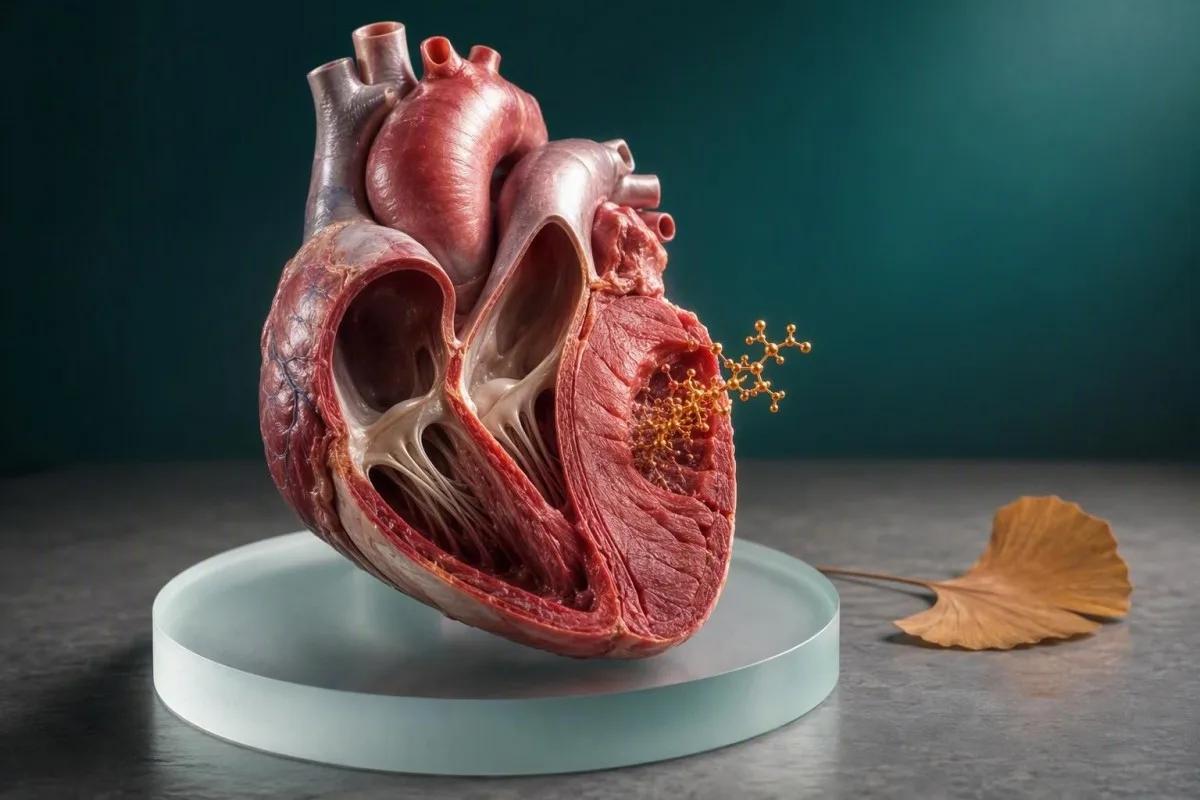
CK-MB er eldri en ennþó gagnlegur mælir á vöðvaskemmdum sem geta haft áhrif á hjartað. Gildismat þess veltur á tímasetningu, einkennum, hjartalínuriti, heildar CK, og - yfirleitt - troponin.


- CK-MB merking: CK-MB stendur fyrir kreatín kínasa hjartavöðvahluta, ensímútgáfu sem finnst aðallega í hjartavöðvum en einnig í beinagrindarvöðvum.
- Venjuleg gildi: Margar CK-MB massagreiningar nota efri viðmiðunarmörk nálægt 3–5 ng/mL, en svið rannsóknarstofunnar hefur alltaf forgang.
- Tímasetning: CK-MB hækkar algengt 3–6 klukkustundum eftir hjartavöðvaskemmdir, nær hámarki á 12–24 klukkustundum og snýr oft aftur að grunngildi innan 48–72 klukkustunda.
- Troponin fyrst: Hjartalínurit með mikilli næmni er valinn blóðmælir vegna grun um hjartaáfall í nútíma bráðaþjónustu.
- Engin ein prófgreining: Hækkað CK-MB eitt og sér getur ekki greint hjartaáfall vegna þess að mikil hreyfing, vöðvaskaði, skurðaðgerð og vöðvasjúkdómar geta hækkað það.
- Hlutfallsstuðull: CK-MB stuðull yfir um það bil 5% getur stutt hjartavald, en hann verður óáreiðanlegur þegar heildar CK er verulega hækkað.
- Bráð einkenni: Nýr brjóstþrýstingur, andnauð, yfirlið, svitaköst eða verkir sem dreifast til kjálka eða handleggs þarfnast bráðrar mats óháð fyrri CK-MB niðurstöðu.
- Þróun skiptir máli: Hækkun og lækkun í endurteknu sýni er upplýsandi en ein einangruð tala.
CK-MB er hjartavöðva-form kreatín kínasa
CK-MB stendur fyrir kreatín kínasa hjartavöðvaband. Það er ensímform sem mælt er í CK-MB blóðprufu þegar læknar rannsaka mögulegan skaða á hjartavöðva, þótt óeðlileg gildi ein og sér sanni ekki hjartaáfall.
Kreatín kínasa hjálpar frumum að endurnýja ATP hratt, eldsneytið sem notað er við vinnu vöðva. CK-MB er samþjappað í hjartavöðva, en CK-MM er ríkjandi í beinagrindarvöðva og CK-BB finnst víðar í heila og sléttum vefjum. Fyrir grunnþekkingu á móðurensíminu, sjá okkar leiðarvísir um kreatínkínasa.
CK-MB niðurstaða er venjulega tilkynnt sem massakonsentrasjon í ng/mL eða, sjaldnar, ensímvirkni í U/L. Margar núverandi massamælingar setja efri mörk í kringum 3–5 ng/mL, en kynbundin mörk og kalibrun mælingar eru svo mismunandi að tala frá einu rannsóknarstofu er ekki hægt að flytja á aðra.
Kantesti er AI blóðprufugreiningartæki sem les CK-MB ásamt mælimörkum, heildar CK, troponin og tíma sýnatöku. Það skiptir máli vegna þess að gildið 6 ng/mL eftir 2 klukkustundir eftir einkenni ber mjög mismunandi spurningu en 6 ng/mL eftir maraþon.
Viðskeytið getur hljómað endanlegt og sjúklingar heyra skiljanlega “hjarta” sem “hjartaáfall”. Í raunverulegri klínískri vinnu þýðir það að rannsóknarstofan hafi mælt eina vísbendingu um skemmdir á vöðvafrumum - ekki orsök, stað eða alvarleika þeirra skemmda.
Af hverju nafnið birtist enn á skýrslum
Sum sjúkrahús halda CK-MB í neyðar- eða inniliggjandi pöntunarpökkum, sérstaklega þegar þau vilja hafa skammlífan merki til að hjálpa til við mat á mögulegu endurteknu skaða. Í mörgum samfélagsaðstæðum hefur því verið að mestu skipt út fyrir hátalínandi troponin til fyrstu hjartaáfallsgreiningar.
CK-MB og heildar CK mæla tengda en mismunandi hluti
Heildar CK mælir ensím sem losnar úr öllum vöðvaríkum vefjum, en CK-MB mælir eina CK-brotið. Heildar CK getur hækkað í þúsundir U/L eftir mikla virkni eða vöðvaskaða án þess að gefa til kynna hjartavandamál.
Heildar CK upp á 1.500 U/L eftir óvanalega hreyfingu getur endurspeglað streitu í beinagrindarvöðva, ofþornun, lyfjaáhrif eða rhabdomyolysis; það auðkennir ekki upprunann á eigin spýtur. CK-MB getur einnig aukist í þeim aðstæðum vegna þess að beinagrindarvöðvi inniheldur lítið magn af MB brotinu.
Gamla CK-MB hlutfallsstuðull er reiknuð sem CK-MB deilt með heildar CK, síðan margfaldað með 100. Vísitala undir 3% hallast hefðbundið að beinagrindavöðvum, en vísitala yfir 5% getur stutt hjartalæknisfræðilegan uppruna - en þessir skori eru styðjandi sönnunargögn, ekki dómur.
Þegar heildar CK er afar há, getur vísitalan blekkt vegna þess að bæði teljari og nefnari breytast af ýmsum líffræðilegum ástæðum. Þetta er ein ástæða þess að læknar leggja nú meiri þunga á röð af há-næmum troponíni og hjartalínuriti frekar en að reyna að bjarga óljósri CK-MB niðurstöðu með stærðfræði.
Hagnýt dæmi: styrkþjálfandi með heildar CK 4.000 U/L og CK-MB 12 ng/mL getur haft lágt hlutfallslegt hlutfall og engin einkenni um hjartastopp. Sama CK-MB gildi hjá kyrrsetufólki með nýleg þrýsting í brjósti á skilið algjörlega aðra viðbrögð.
Af hverju heildar CK getur verið há
Hreyfing, fall, langvarandi hreyfingarleysi, krampar, stungulyf í vöðva, skjaldvakabrestur, statín og bólgusjúkdómar í vöðvum geta aukið heildar CK. Leiðbeiningar okkar um hættulega hátt CK útskýra hvenær dökk þvag, alvarleg vanlíðan eða minni þvaglát breyta brýnt ástandi.
Hvers vegna læknir gæti enn pantað CK-MB blóðprufu
Læknar geta pantað CK-MB þegar þeir meta brjóstverki, mögulega endurtekið hjartaskaða, eða óljósar hækkun annarra ensíma í vöðvum. Það er venjulega pantað ásamt hjartalínuriti og troponíni frekar en sem einangrað próf.
Fyrstu 24–72 klukkustundirnar eftir staðfest hjartatilfelli getur hröð lækkun CK-MB stundum hjálpað til við að bera kennsl á mögulegan annan skaða. Troponín helst lengi hækkað, svo ný hækkun á CK-MB getur bætt við samhengi, þótt staðbundnar reglur séu mismunandi og sannanir ekki fullkomlega samræmdar.
Læknir getur einnig notað CK-MB þegar eldra rannsóknarupplýsingakerfi hefur það enn innifalið með heildar CK. Að minni reynslu eru sjúklingar oft kvíðnir vegna sjálfkrafa stimplaðs CK-MB sem meðferðarteymi þeirra hefur aldrei talið sönnun um hjartadrep þar sem troponín og hjartalínurit voru róandi.
CK-MB er ekki skimunarpróf fyrir þögul hjartasjúkdóma, framtíðar hjartahættu eða almenna líkamsrækt. Blóðþrýstingur, sykursýkiseinkenni, LDL kólesteról, ApoB, reykingar, nýrnastarfsemi og fjölskyldusaga svara gagnlegri forvarnaspurningum; okkar ApoB og ApoA1 hlutfall leiðbeiningar útskýrir eitt af þessum hættumynstrum.
Ef þú ert einkennalaus og sérð CK-MB á skýrslu frá vinnu-, íþrótta- eða sjúklingaspjaldinu, spurðu hvers vegna það var pantað og hvað læknir þinn bar það saman við. Pöntunar samhengi segir okkur oft meira en lítillega óeðlileg niðurstaða.
Próf er ekki greining
Hjartaáföll eru klínískar greiningar byggðar á einkennum, rannsókn, hjartalínuriti eða myndgreiningar sönnunargögnum og líffræðilegri hreyfanleika. Rannsóknarmerki bera kennsl á hjartavöðvaskaða; þau staðfesta ekki sjálfstætt hvort lokað kransæðaslag hafi valdið því.
CK-MB tímaferillinn útskýrir hvers vegna stakur niðurstaða getur gefið ranga mynd
CK-MB byrjar venjulega að hækka um 3–6 klukkustundir eftir bráðan hjartaskaða, nær hámarki um 12–24 klukkustundir, og lækkar oft aftur í grunnlínuna eftir 48–72 klukkustundir. Eðlilegt snemma sýni getur því verið of snemmt til að fullvissa.
Tímasetning er ein af þeim þáttum sem minnst er metinn í blóðprófunum á hjarta. Manneskja sem kemur 45 mínútum eftir skyndileg einkenni getur haft CK-MB innan sviðs þrátt fyrir raunverulegan skaða, en einhver sem prófaður er 2 dögum eftir atvik getur haft lækkandi en samt óeðlilegt gildi.
Dr. Thomas Klein hefur séð þetta oftast eftir seint komu: sjúklingur finnur fyrir vanlíðan yfir nótt, bíður til næsta morguns og undrast síðan hvers vegna læknar endurtaka próf sem er nú þegar hátt. Endurtekið sýni er að leita að marktækri breytingu, ekki bara að staðfesta að ein tala hafi farið yfir strik.
Há-næmur troponín getur hækkað fyrr en CK-MB, oft innan 1–3 klukkustunda, háð mæli og tímasetningu skaða. Röð prófunar verklagsreglur nota algengt sýni við komu og 1–3 klukkustundum síðar; bráðamóttakan þín fylgir staðfestri staðbundinni leið sinni.
Erfið þjálfun skapar annað tímasetningargildru. CK og CK-MB geta aukist 24–72 klukkustundum eftir sérstaka hreyfingu, sérstaklega niðurfjalls hlaup eða ókunnugt viðnámsverk. Okkar rannsóknarstofnleiðarvísir fyrir maraþonhlaupara útskýrir hvers vegna tímasetning æfingarinnar tilheyrir klínískri sögu.
Viðeigandi klukka hefst við upphaf einkenna
Rannsóknarstofur skrá tíma sýnatöku, en læknar þurfa einnig besta mat á því hvenær brjóstverkur, andþyngsli, hrun eða önnur áhyggjuefni einkenni hófust. Ef einkenni koma og fara, skráðu fyrsta og alvarlegasta áfall frekar en að giska á það seinna.
CK-MB viðmiðunarmörk og niðurstöðumynstur
Flestar CK-MB massamælingar skilgreina eðlilegt sem gróflega 0–3 eða 0–5 ng/mL, en efri viðmiðunarmörk rannsóknarstofunnar þinnar eru eina viðeigandi skurðpunkturinn fyrir skýrslu þína. Lítil hækkun þarf klíníska fylgni; það er engin alhliða CK-MB tala sem jafngildir hjartaáfalli.
Rannsóknarstofur setja bil með því að nota eigin próf, kvörðun og viðmiðunarhóp. Sumar evrópskar rannsóknarstofur tilkynna CK-MB virkni í U/L frekar en massa í ng/mL, sem gerir beinar nettó samanburður sérstaklega tilgangslaus.
CK-MB gildi upp á 7 ng/mL þegar efri mörkin eru 5 ng/mL er 1,4 fald hækkun, ekki greiningarmerki. Niðurstaða 10 sinnum efri mörkin er meira áhyggjuefni fyrir verulegt vöðvaskaða, en jafnvel þá verða læknar að greina hvort uppruni er hjarta eða beinagrind.
AST getur hækkað eftir bæði hjarta- og beinagrindavöðvaáreiti, sem af og til flækir gamaldags ensímspjal. Endurskoðun há AST mynstur getur hjálpað til við að útskýra hvers vegna AST, CK og lifrarpróf hreyfast stundum saman eftir æfingu.
Hagnýta reglan er einföld: geymdu nákvæmar einingar, viðmiðunarbilið, söfntíma, einkenni og nýlega virkni þegar þú ræðir CK-MB. Klippt skjáskot sem sýnir aðeins rauða fánann er sjaldan nóg til að túlka á öruggan hátt.
Hvers vegna rauður fáni er ekki sjálfkrafa hættulegur
Viðmiðunarbili lýsa þar sem niðurstöður falla í völdum hópi; þau flokka ekki fólk í örugga og óörugga hópa. Fyrir víðtækari skýringu á fánum og rannsóknarstofusniði, lestu hvað utan sviðs þýðir.
CK-MB á móti troponin: hvers vegna troponin leiðir oftast
High-sensitivity hjarta troponin er meira hjartasértæk og næmari en CK-MB til að greina bráða hjartavöðvaskaða. CK-MB getur bætt við völdum upplýsingum, en það ætti ekki að hnekka staðfestri troponin leið.
Troponin I og troponin T eru prótein sem eru órjúfanlegur hluti af samdrætti hjartavöðva. CK-MB er ensímútlit sem finnst aðallega, en ekki eingöngu, í hjartavöðva; þessi líffræðilegi munur er ástæða þess að CK-MB á móti troponin er ekki jafnleikur í greiningu.
ESC leiðbeiningar um bráðar kransælasjúkdóma árið 2021 mæla með staðfestum hátíðnæmis hjartatroponin reiknireglum sem nota assi-sértækt 99% efri viðmiðunarmörk og raðbreytingar (Collet o.fl., 2021). Troponin yfir þeim mörkum gefur til kynna hjartaskaða, en það þýðir samt ekki sjálfkrafa að kransælstífla hafi valdið því.
Troponin getur verið hátt í 7–14 daga eftir stóran hjartadrep, á meðan CK-MB fer oft í eðlilegt horf á 2–3 dögum. Þessi styttri gluggi er söguleg rökstuðningur fyrir CK-MB við grun um endurtekin hjartaáföll, þó margar miðstöðvar noti nú klínískar, hjartalínurit, myndgreiningar og gögn um troponin-breytingar í staðinn.
Troponin niðurstöður eru einnig assi-háðar: hs-cTnI og hs-cTnT gildi er ekki hægt að breyta beint, og “eðlilegt” gildi hefur mismunandi merkingu áður en 8 klukkustundir eru liðnar frá einkennum. Berðu saman assi í okkar troponin I á móti T útskýringu.
Hvort heldur sem er bendir ekki til orsökarinnar ein og sér
Sepsis, hröð hjartsláttaróregla, lungnasegul, hjartavöðvabólga, alvarlegt blóðleysi, nýrnasjúkdómur og hjartabilun geta aukið troponin án klassísks hjartaafls af gerð 1. CK-MB hefur sín eigin hjartatengd orsök, svo heildarmyndin er áfram óumdeilanleg.
Hvernig læknar greina hjartaáföll fyrir utan CK-MB
Hjartaáföll krefjast bráðs hjartaskaða auk sönnunargagna um blóðþurrð, ekki aðeins hátt CK-MB eða troponin. Sönnunargögn geta falið í sér blóðþurrðareinkenni, nýjar breytingar á hjartalínuriti, myndgreiningarniðurstöður eða kransælstíflu.
Fjórða alþjóðlega skilgreiningin á hjartadrepi skilgreinir bráðan hjartaskaða sem hjartatroponin gildi yfir 99% prófunarinnar með hækkun og/eða lækkun; hjartadrep krefst einnig klínískra sönnunargagna um blóðþurrð (Thygesen o.fl., 2019). CK-MB kemur ekki í stað þessa ramma.
Kantesti er AI blóðrannsóknartúlkunarvettvangur sem getur skipulagt tilkynnt gildi og þróun, en hún getur ekki greint hjartaáföll úr PDF eða ljósmynd. Bráð einkenni krefjast rauntíma mats, hjartalínuritsgreiningar, lífmerkja og dómgreindar læknis - ekki forritabundinn endurvörpun.
Hugsaðu um 52 ára hlaupara með CK-MB 6 ng/mL eftir 42 km hlaup: eðlilegt hjartalínurit, lágt stöðugt troponin og aumir fótvöðvar benda í eina átt. 52 ára einstaklingur með sama CK-MB ásamt nýjum miðbrjóstverkjum, svitaköstum og dýnamískri troponin hækkun þarf að fara á bráðamóttöku.
Fyrir sjúklinga með andnauð frekar en augljósa verki, getur áhættan samt verið marktæk, sérstaklega hjá eldri fullorðnum, fólki með sykursýki og konum. Okkar leiðarvísir um blóðpróf vegna mæði nær yfir víðara rannsóknarstofu samhengi.
Hjartadrep af gerð 1 og gerð 2 eru mismunandi
Hjartadrep af gerð 1 felur venjulega í sér bráða kransæla plakk rof og segamyndun. Hjartadrep af gerð 2 endurspeglar ójafnvægi milli framboðs og eftirspurnar súrefnis, svo sem alvarlegt blóðleysi eða viðvarandi hröð hjartsláttaróregla, og stjórnun miðar að kveikju sem og kransælaáhættu.
Ástæður utan hjarta sem geta valdið hækkun á CK-MB
Vöðvaskemmdir, mikil hreyfing, áfall, skurðaðgerð, bólguæxli í vöðvum og nýrnastarfsemi geta valdið háu CK-MB. Þessar ástæður eru ástæðan fyrir því að læknar túlka aldrei CK-MB einangrað.
Beinvöðvar innihalda hóflega CK-MB hluta, svo skemmdir eða endurnýjandi vöðvar geta losað nóg til að kalla fram óeðlilegt próf. Nýleg hrun, beinbrot, langvarandi hreyfingarleysi, krampar, vöðvainnspýtingar og beinaskurðaðgerðir ættu allar að vera nefndar þegar niðurstaða er rædd.
Langvinnir vöðvasjúkdómar geta framkallað stöðugt óeðlilega heildar CK og CK-MB mynstri sem tengist ekki bráðu kransælasjúkdómi. Í sjaldgæfum tilfellum geta macro-CK fléttur eða prófafir valdið ruglingslegum niðurstöðum, og rannsóknarstofa gæti rannsakað með isoenzyme aðskilnaði eða valfrjálsri aðferð.
Áskortun kallar á athygli: verulega hækkað CK-MB með eðlilegu seana troponin og engin einkenni ættu að hvetja til endurskoðunar á vöðvasögu og greiningarvandamálum frekar en sjálfvirkri hjartalínuriti. Ef sýni skemmdist við söfnun, gæti leiðarvísir um endurtöku vegna blóðlýsu verið viðeigandi.
Nýrnaskerðing getur flækt túlkun á ýmsum lífmerkjum, sérstaklega troponin, vegna langvarandi hjartavöðvaskaða og áhrifa vegna minni úthreinsunar. Það veitir ekki leyfi til að hunsa hækkandi niðurstöðu; það gerir takt og einkenni enn verðmætari.
Vísitalan hefur takmarkanir í vöðvasjúkdómum
CK-MB vísitalan var þróuð fyrir þrengra klínískt umhverfi en margir sjúklingar gera sér grein fyrir. Við miklum vöðvaskaða eða langvinnum vöðvakvillum getur vísitala yfir 5% enn verið villandi, svo nútíma læknar forgangsraða troponin-undirstaða reikniritum.
Hreyfing getur hækkað CK-MB án hjartaáfalls
Langhlaup, CrossFit-stíll líkamsrækt, þung lyfting og þrekkeppnir geta hækkað heildar CK og stundum CK-MB í 24–72 klukkustundir. Hækkun tengd hreyfingu er líklegri þegar einkenni vantar og troponin og hjartalínurit sýna ekki súrefnisskort.
Málið er, vöðvar vita ekki að árleg blóðprufann þín er á morgun. Niðurbrekkuhlaup og mikið þolþjálfunaræfingar skapa míkróskópískan vöðvaskaða, og CK getur náð hámarki seinna en særindi - oft 24–48 klukkustundum eftir æfingu.
Ég ráðlegg sjúklingum að reyna ekki að “standast” próf með því að æfa á annan hátt án þess að láta lækninn vita. Skráið æfingargerð, lengd, vöðvaverki, vökvainntöku, fæðubótarefni, hita og lyf; þessar upplýsingar geta komið í veg fyrir óþarfa kvíða og verndað samt gegn því að missa af sannri sjúkdómsástæðu.
Myrkur kók-litaður þvag, miklir bólgu, djúp veikleiki, rugl, eða minnkandi þvagframleiðsla eftir átök er annað en venjulegur seinkaður verkur og þarf skjóta mats. Hættan þar er rhabdomyolysis og nýrnaskaði, ekki aðeins óþægilega hátt CK.
Ef brjóstverkur, óvenjulegur mæði, hrun eða hjartsláttaróregla kom fram meðan á hreyfingu stóð, ekki rekja óeðlilegt CK-MB til líkamsræktar. Sjá okkar hjartsláttaróregla blóðprufu leiðarvísir á meðan á skjótri klínískri mats er unnið.
Hversu lengi á að hvíla sig fyrir venjulega blóðtöku
Fyrir óáætlaða grunn CK mælingu, er forðast ókunnuga miklar æfingar í um það bil 48–72 klukkustundir góð hagnýt nálgun nema læknirinn ráðleggi annað. Ekki fresta neyðarprófum vegna brjóstverkja til þess að “hvíla” fyrst.
Hvernig rannsóknarstofan mælir CK-MB og hvar villur verða
Flestar nútíma CK-MB prófanir nota ónæmisfræðilegar rannsóknir sem mæla CK-MB massa í ng/mL, á meðan eldri aðferðir mældu ensímvirkni eða aðskildar ísóensím. Mismunandi aðferðir geta gefið mismunandi niðurstöður og viðmiðunarbili.
Massasnið mælir CK-MB prótein með mótefnum og eru almennt sértækari en eldri virknisni. Samt sem áður geta heterofíl mótefni, macro-CK, gæðavandamál sýnis og mjög hátt heildar CK stundum skapað niðurstöðu sem passar ekki við klínísku myndina.
Rannsóknastofa getur notað delta-próf – samanburð við fyrri niðurstöður – til að benda á líffræðilega ólíklega stökk. Skyndilegar breytingar eru ekki alltaf villur, en samanburður á söfnunaraðstæðum, breytingum á lyfjum og nýlegri starfsemi er skynsamlegt; sjá okkar labb-delta-check útskýring.
Fastandi er yfirleitt ekki nauðsynlegt fyrir CK-MB, og drykkjarvatn er skynsamlegt nema þú hafir takmarkanir á vökva. Bíótín hefur aðallega áhrif á ákveðnar ónæmisfræðilegar rannsóknir frekar en CK-MB almennt, svo upplýsið um háa skammta fæðubótarefna, venjulega 5–10 mg/dag eða meira, frekar en að hætta ávísaðri meðferð á eigin spýtur.
Frá og með 25. ágúst 2026, ætti góð rannsóknastofuskýrsla að auðkenna greinina, einingar, staðbundið bil, söfnunartíma og stöðustöng. Vanti einhvern af þeim þáttum gerir örugg fjartúlkun verulega veikt.
Spyrðu hvaða mæling var notuð
Ef CK-MB gildi stangast skarpt á við einkenni þín eða troponin niðurstöður, spyrðu hvort rannsóknastofan hafi mælt CK-MB massa eða virkni og hvort áhrifum hafi verið tekið tillit til. Sú einbeitta spurning er gagnlegri en að leita að almennu “eðlilegu CK-MB” gildi.
Hvernig á að lesa CK-MB skýrslu án þess að bregðast of hátt
Lesið CK-MB með mælieiningum þess, efri mörkum rannsóknastofunnar, heildar CK, þríhjartavöðvaprósenturöð, hjartalínuritsniðurstöðu og tímalínu einkenna. Eitt hátt merki, sérstaklega eftir líkamsrækt eða meiðsli, hefur litla greiningarsérhæfni.
Byrjið með nákvæma niðurstöðu og staðbundna efri viðmiðunarmörk hennar. Spyrjið síðan hvort sýni hafi verið tekið fyrir einkenni, innan við 3 klukkustundir, 6–12 klukkustundir, eða dögum síðar; sama styrkur hefur mismunandi merkingu á hverjum tímapunkti á því ferli.
Næst skaltu leita að mynstri. Hækkandi þríhjartavöðvamerki með blóðþurrðareinkennum og þróandi hjartalínuritsbreytingum vegur mun meira en CK-MB eitt og sér, á meðan hækkað CK eftir líkamsrækt sem leggur áherslu á fætur með stöðugu þríhjartavöðvamerki vísar oft til beinagrindarvöðva.
Kantestiþróunargreining hjálpar notendum að varðveita fyrri niðurstöður og safn samhengi frekar en að meðhöndla hvern rauðan fána sem nýtt neyðarástand. Fyrri CK, nýleg æfing og endurtekin gildi svara oft spurningum sem einangruð skýrsla getur ekki.
Berið ekki saman CK-MB frá mismunandi rannsóknarstofum eins og þær væru eins, sérstaklega ef önnur notar U/L og önnur ng/mL. Að halda a tímalínu blóðprófs gerir eftirfylgni tímaáætlun afkastameiri.
Spurningar sem vert er að taka með á viðtal
Spyrjið: Var þetta CK-MB massi eða virkni? Hver var þríhjartavöðvamerkisþróunin mín? Sýndi hjartalínuritið mitt blóðþurrð? Gætu nýleg vöðvameiðsli útskýrt það? Þarf ég endurtekið sýni, hjartaómskoðun eða enga frekari hjartarannsókn?
Einkenni sem þarfnast bráðrar meðferðar óháð CK-MB
Hringdu í neyðarþjónustu núna vegna nýs brjóstþrýstings sem varir lengur en 5–10 mínútur, alvarlegrar andnauar, yfirliðs, kaldrar svita, eða verkja sem breiðast út í kjálka, handlegg, bak eða efri hluta kviðar. Bíddu ekki eftir CK-MB niðurstöðu eða reyndu að túlka hana heima.
Einkenni hjartaáfalls eru ekki alltaf dramatísk. Konur, aldraðir og fólk með sykursýki geta haft ógleði, óvenjulegan þreytu, andnauð, bakverk eða tilfinningu um að eitthvað sé að gera mjög rangt frekar en klassískt brjóstverkur.
Regla Dr. Thomas Klein í klínískri starfsemi er hrein orðum: ef einkenni eru til staðar og áhyggjuvekjandi, eru tölurnar sem þú sást í gær aukaatriði. Neyðarteymi geta fengið hjartalínurit hratt, endurtekið hátíðni þríhjartavöðvamerki á réttu tímabili, og metið blóðþrýsting, takta, súrefnisgjöf og aðra greiningarmöguleika.
Hár þríhjartavöðvamerki er ekki sjálft samheiti við kransæðastíflu, en það ætti aldrei að flokka sjálfkrafa út frá niðurstöðu á gátt. Lesa mikil þríhjartavöðvamerki bráð merki fyrir aðstæður þar sem tafarlaust eftirlit er öruggara.
Ef einkenni hafa lagast en voru ný, vegna álags, eða endurtekin, leitaðu læknis sama dag. Stöðug einkenni eiga enn skilið mat klínískus, sérstaklega með þekktri kransæðasjúkdómi, reykingum, sykursýki, langvinnum nýrnasjúkdómum, eða sterkum fjölskyldusögu.
Ekki keyra sjálfur ef einkenni eru alvarleg
Neyðarflutningur leyfir eftirlit og snemma meðferð ef hættulegur taktur þróast. Tygging eða tök lyfja ætti að fylgja ráðleggingum neyðarútkalls eða klínískus, sérstaklega ef þú notar segavarnarlyf, hefur ofnæmi, eða hefur verið sagt að taka ekki aspirín.
Hver þarf eftirfylgni eftir óeðlilega CK-MB niðurstöðu
Óeðlileg CK-MB niðurstaða þarf eftirfylgni þegar hún er ný, hækkandi, útskýrð, ásamt einkennum, eða ásamt óeðlilegu þríhjartavöðvamerki eða hjartalínuritsniðurstöðum. Næsta skref gæti verið endurtekin prófun, ekki sjálfkrafa skönnun eða aðgerð.
Fyrir einstakling með litla áhættu, einkennalaus eftir augljóslega mikla líkamsrækt, getur klínískus endurtekið CK og CK-MB eftir hvíld og vökvun. Fyrir einhvern með virk brjóstverkjareinkenni eða óeðlilegt þríhjartavöðvamerki, er neyðarmat hentugra en endurtekin próf á göngudeild.
Eftirfylgni fer einnig eftir grunn hjarta- og æðavandamálum. Sykursýki, fyrri kransæðasjúkdómur, reykingar, há LDL, há lípóprótein(a), háþrýstingur og nýrnasjúkdómur geta lækkað þröskuld fyrir skjót rannsókn; okkar Leiðarvísir að hjartarannsóknum fyrir konur fjallar um algengt yfirséð áhættumerki.
Kantesti er AI-knúið blóðprófunargreiningartól sem geta komið fram í samsetningum til umræðu, þar á meðal CK-MB, CK, kreatínín, AST og dagsetningar í röð. Það á að styðja — ekki skipta út — lækninn sem þekkir einkenni þín, líkamsrannsóknir, hjartalínurit og lyf.
Endurteknar prófanir ættu helst að nota sama rannsóknarstofu og vera teknar á klínískt þýðingarmiklu tímabili. Að endurtaka CK-MB sýni 15 mínútum síðar getur haft lítið gildi, en 1–3 klukkustunda prótókoll fyrir troponín getur verið mjög upplýsandi þegar það hefur verið staðfest af viðkomandi sjúkrahúsi.
Hvað á að hafa með sér í eftirfylgni
Taktu með þér fulla skýrslu, fyrri gildi, lista yfir lyf og fæðubótarefni, lýsingu á nýlegri hreyfingu eða meiðslum og skýra tímalínu einkenna. Þessar upplýsingar geta sparað þér bæði falskt öryggiskennd og óþarfa prófanir.
Örugg notkun gervigreindar túlkunar fyrir CK-MB niðurstöður
Gervigreind getur útskýrt CK-MB hugtök og skipulagt þróun, en hún getur ekki ákvarðað hvort brjóstaverkur sé neyðarástand. Öryggi veltur á því að varðveita upprunalega skýrsluna, viðurkenna óvissu og hringja í bráðnauðsynleg einkenni til sérfræðihjálpar.
Kantesti Gervigreind túlkar CK-MB niðurstöður með því að taka tillit til eininga, viðmiðunarbilja, tengdra lífmerkja og fyrri niðurstaðna frekar en að lýsa greiningu út frá einni merking. Okkar Tilvísunarhandbók um lífmerki útskýrir hvers vegna rannsóknarstofubil og mælingaraðferðir skipta máli.
Til að gæta friðhelgi, fjarlægðu eða vernda óþarfa auðkenningaupplýsingar áður en þú deilir einhverri skýrslu og notaðu þjónustu með skýrum staðlum fyrir gagnastjórnun. Kantesti þjónar notendum í meira en 127 löndum og styður margtungna túlkun skýrslna, en staðbundin neyðarþjónusta og klínískt teymi þitt eru áfram rétta leiðin fyrir bráð einkenni.
Læknar okkar fara yfir læknisfræðilegt efni í samræmi við klíníska staðla og okkar tæknileiðarvísirinn lýsir takmörkunum gervigreindarhjálpaðrar túlkunar á rannsóknarstofuprófum. Útskýring er mest gagnleg þegar hún segir þér hvaða upplýsingar vantar og hvaða spurningu þú átt að spyrja næst.
Notaðu aldrei gervigreindartúlkun til að fresta umönnun vegna nýlegrar brjóstverkja sem líkjast þrýstingi, yfirliðs eða alvarlegs mæði. Öruggt tól ætti að gera þennan mörk mjög skýran.
Hvað gagnleg gervigreindarútskýring inniheldur
Klínískt ábyrg útskýring auðkennir eininguna, rannsóknarstofubilið, mögulegar utan-hjartaorsakir, meðfylgjandi prófanir, takmarkanir á tímasetningu og bráð einkenni. Hún lofar ekki að óeðlilegt eða eðlilegt CK-MB eitt og sér útiloki hjartaáfellingu.
Hagnýt kjarninn fyrir CK-MB niðurstöður
CK-MB er hluti af kreatín kínasa sem tengist hjarta, en hárnæmni troponín, hjartalínuritsnið, einkenni og endurteknar prófanir stýra nú flestum ákvörðunum um hjartaáfellu. CK-MB niðurstaða er best meðhöndluð sem ein sönnunargögn, aldrei greining í sjálfu sér.
Ef CK-MB þín er lítillega hækkuð eftir mikla hreyfingu, meiðsli, skurðaðgerð eða vöðvaverk, ekki örvænta — en gefðu lækninum þínum samhengi. Ef það er hátt með brjóstaverk, mæði, svita, yfirlið eða óeðlilegt troponín, meðhöndlaðu það sem tímanæmi klíníska spurningu.
Kantesti getur hjálpað þér að undirbúa stuttan spurningalista og bera saman fyrri skýrslur, á meðan okkar , vegna þess að útskýra hvernig við nálgumst örugga túlkun niðurstaðna. Það getur ekki staðfest eða útilokað bráða kransæðasjúkdóm frá heimili.
Dr. Thomas Klein mælir með því að varðveita upprunalegu skýrsluna frekar en að afrita aðeins óeðlilega línuna. Nákvæm sýnataka, einingar, staðbundið bil, heildar CK, troponín gildi, hjartalínuritsyfirlýsing, lyf og nýleg hreyfing eru gögnin sem gera CK-MB túlkanlegt.
Fyrir læknisfræðilega menntun sem læknar hafa farið yfir og fólkið á bak við klíníska staðla okkar, kynntu þér Heilbrigðisráðgjafar Kantesti. Besta næsta skref er það sem samsvarar einkennum þínum og áhættu – ekki ógnvænlegasta tala á síðunni.
Lokaundirbúningur öryggis
Ný eða viðvarandi hugsanleg hjartaeinkenni hafa alltaf forgang fram yfir róandi fyrri niðurstöðu. Leitaðu fyrst á bráðamóttöku; athugaðu smáatriði rannsóknarinnar síðar, þegar þú ert í öryggi.
Algengar spurningar
Hva står CK-MB for på en blodprøve?
CK-MB stendur fyrir kreatín kínín hjartavöðvabands (creatine kinase myocardial band), afbrigði af kreatín kínín ensíminu sem finnst aðallega í hjartavöðva en einnig í minna magni í beinagrindarvöðvum. Mörg rannsóknarstofa gefa upp CK-MB magn í ng/mL, með efri viðmiðunarmörkum sem oft eru nálægt 3–5 ng/mL. Hár niðurstaða getur bent til skaða á vöðvafrumum, en CK-MB eitt og sér getur ekki greint hjartaáffall. Læknar túlka það ásamt einkennum, hjartalínuriti, sírógrafíni, heildar CK og tímasetningu prófs.
Hva er et normalt CK-MB-nivå?
Eðlilegt gildi fyrir CK-MB massamælingu er oft undir um það bil 3–5 ng/mL, þótt rétt viðmiðunarmörk séu þau sem prentuð eru af rannsóknarstofunni sem framkvæmdi prófið. Sumar rannsóknarstofur gefa upp CK-MB virkni í U/L í staðinn, þannig að ekki er hægt að bera saman gildi beint milli aðferða. Gildi sem er rétt fyrir ofan efri mörk getur stafað af nýlegri hreyfingu eða skaða á beinagrindarvöðvum. Það er ekkert eitt CK-MB skurðgildi sem staðfestir eða útilokar hjartadrep.
Er CK-MB eða troponin betra fyrir hjartaáfll?
Hárnæmisnæmi hjartans troponin er almennt betra en CK-MB til að greina bráða hjartaskaða vegna þess að það er næmara og sértækara fyrir hjartavöðva. Leiðbeiningar ESC frá 2021 nota prófgreinasértæka þrepalausa há-næmni troponin reiknirit, oft með sýnum við komu og 1-3 klukkustundum síðar. CK-MB getur stundum veitt viðbótarupplýsingar vegna þess að það snýr oft aftur að grunnlínu innan 48-72 klukkustunda. Enginn þessara lífmerkja einn sér staðfestir hjartaáfall án sönnunar á hjartaverkjum eins og einkenni, hjartalínuritsbreytingar, myndgreiningar niðurstöður eða æðakölkun.
Getur hreyfing hækkað CK-MB?
Já, kröftug hreyfing getur hækkað CK-MB þar sem beinagrindavöðvar innihalda lítið magn af CK-MB. Þrekíþróttir, óvanaleg þungalækkun, hlaup niður brekku og hátíðni millibilsþjálfun geta hækkað heildar CK og stundum CK-MB í grófum dráttum í 24–72 klukkustundir. Hreyfing gerir brjóstverkjum, yfirliði, mikilli mæði eða svitamyndun ekki öruggt að hunsa. Þessi einkenni þurfa enn að fá tafarlaus klínísk viðbrögð með hjartalínuriti og röð troponin-prófa.
Hvað þýðir CK-MB vísitala yfir 51%?
Hlutfallstengd CK-MB vísitala yfir um 5% hefur jafnan bent til þess að meiri hluti mælt kreatín kínasa gæti komið frá hjartavöðva en beinagrindavöðva. Vísitalan er reiknuð sem CK-MB deilt með heildar CK, margfaldað með 100, og gildi undir 3% hafa sögulega bent til beinagrindavöðva. Þessi útreikningur verður óáreiðanlegur eftir alvarlegar vöðvaskaða, með mjög hátt heildar CK, eða í langvinnum vöðvasjúkdómum. Nútíma umönnun byggir því meira á raðbundnu hátíðni troponin og hjartalínuriti.
Hversu hratt hækkar CK-MB eftir hjartaáfll?
CK-MB byrjar almennt að hækka um 3–6 klukkustundum eftir bráða hjartavöðvaskaða, nær hámarki um 12–24 klukkustundir og snýr oft aftur að grunnlínu innan 48–72 klukkustunda. Eðlilegt CK-MB gildi sem fengið er innan fyrstu 1–2 klukkustunda einkenna getur verið of snemmt til að útiloka skaða. Bráðamóttökur nota endurteknar sýnir og staðfestar hátíðni troponin bókunarferli frekar en að treysta á eina CK-MB mælingu. Tími upphafs einkenna ætti að vera miðlað eins nákvæmlega og mögulegt er.
Fáðu AI-knúna greiningu á blóðprufum í dag
Vertu með yfir 2 milljónir notenda um allan heim sem treysta Kantesti fyrir tafarlausa og nákvæma greiningu á blóðprufum. Hladdu upp niðurstöðum blóðrannsókna þinna og fáðu yfirgripsmikla túlkun á 15,000+ lífmerkjum á sekúndum.
📚 Tilvísuð rannsóknarútgáfa
Klein, T., Mitchell, S., & Weber, H. (2026). Blóðprufa fyrir Nipah-veiruna: Leiðbeiningar um snemmbúna greiningu og greiningu 2026. Kantesti AI Medical Research.
Klein, T., Mitchell, S., & Weber, H. (2026). Leiðarvísir fyrir blóðflokk B neikvætt, LDH blóðpróf og fjölda retíkúlócýta. Kantesti AI Medical Research.
📖 Ytri læknisfræðilegar heimildir
⚕️ Fyrirvari vegna læknisfræðilegra mála
Þessi grein er eingöngu til fræðslu og felur ekki í sér læknisráðgjöf. Leitaðu alltaf til hæfs heilbrigðisstarfsmanns vegna ákvarðana um greiningu og meðferð.
E-E-A-T traustmerki
Reynsla
Læknastýrð klínísk yfirferð á vinnuferlum við túlkun rannsóknarniðurstaðna.
Sérþekking
Áhersla á rannsóknarstofulækningar: hvernig lífmarkarar hegða sér í klínísku samhengi.
Yfirvald
Skrifað af Dr. Thomas Klein með yfirferð Dr. Sarah Mitchell og próf. Dr. Hans Weber.
Traustleiki
Rökstudd túlkun byggð á gögnum með skýrum eftirfylgnileiðum til að draga úr ávörun.