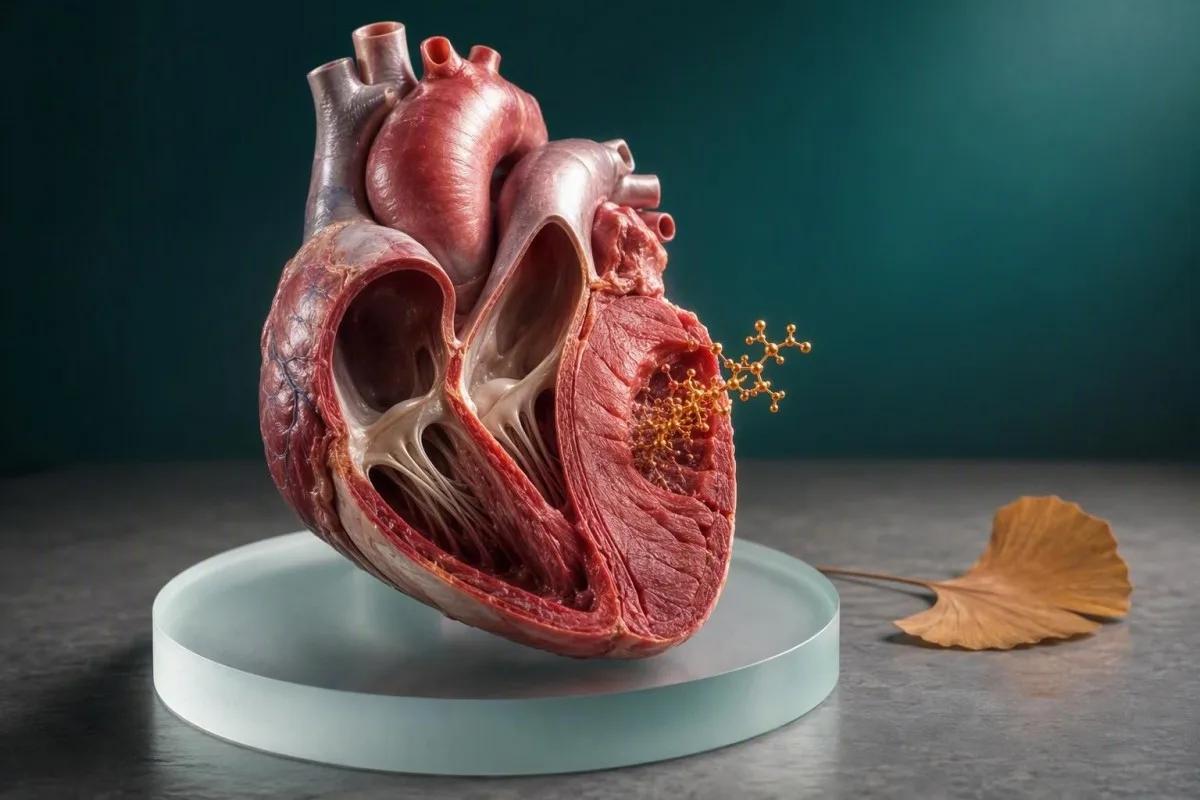
CK-MB нь зүрхэнд нөлөөлж болох булчингийн гэмтлийн хуучин боловч одоо ч ашигтай үзүүлэлт юм. Түүний үнэ цэнэ нь цаг хугацаа, шинж тэмдэг, ЭКГ-ын дүгнэлт, нийт CK, мөн ихэвчлэн тропониноос хамаарна.


- CK-MB утга: CK-MB нь креатин киназын миокардийн хамтлаг гэсэн үг бөгөөд энэ нь зүрхний булчинд зонхилдог боловч араг ясны булчинд ч байдаг ферментийн изоформ юм.
- Хэвийн утга: Олон CK-MB масс шинжилгээ нь 3-5 нг/мл орчим дээд лавлах хязгаарыг ашигладаг боловч лабораторийн тодорхой хүрээ үргэлд үргэлд нь давуу эрхтэй.
- Хугацаа: CK-MB нь ихэвчлэн миокардийн гэмтэл үүссэнээс хойш 3-6 цагийн дараа нэмэгдэж, 12-24 цагт оргилдоо хүрээд, 48-72 цагийн дотор анхны түвшиндээ буцдаг.
- Тропонин эхлээд: Зүрхний шигдээс сэжиглэж буй тохиолдолд орчин үеийн түргэн тусламжийн үйлчилгээнд өндөр мэдрэмжтэй зүрхний тропонин нь цусан дахь шилдэг үзүүлэлт юм.
- Ганц шинжилгээгээр оношлох боломжгүй: Зөвххөн CK-MB-ийн түвшин нэмэгдсэнээр зүрхний шигдээсийг оношилж чадахгүй, учир нь хүнд дасгал, булчингийн гэмтэл, мэс засал, булчингийн өвчин нь үүнийг нэмэгдүүлж болно.
- Хамааралтай индекс: CK-MB индексийг 5%-ээс дээш байх нь зүрхний эх үүсвэрийг дэмжих боловч нийт CK их хэмжээгээр нэмэгдсэн үед энэ нь найдвартай байдлаа алддаг.
- Яаралтай шинж тэмдгүүд: Цээжний дарамт, амьсгал давчдах, ухаан алдах, хөлрөх, эсвэл эрүү, гарт тархаж буй өвдөлт нь өмнөх CK-MB-ийн үр дүнос үл хамааран яаралтай үзлэг хийх шаардлагатай.
- Хөдөлгөөн чухал: Давтан дээжүүдийн хооронд өсөх ба буурах нь ганцхан тооноос илүү мэдээлэлтэй байдаг.
CK-MB нь креатин киназын миокардийн хамтлагийн хэлбэр юм
CK-MB нь креатин киназын миокардийн бүс гэсэн үг. Энэ нь зүрхний булчингийн гэмтлийг шалгаж байх үед CK-MB цусан дахь шинжилгээнд хэмжигддэг ферментийн хэлбэр боловч ганцаараа хэвийн бус утга нь зүрхний шигдээсийг нотлохгүй.
Креатин киназа нь эд эсэд АТФ-ийг хурдан нөхөн төлжүүлэхэд тусалдаг бөгөөд энэ нь булчингийн ажиллагааны үед шууд хэрэглэгддэг түлш юм. CK-MB нь зүрхний булчинд төвлөрдөг, харин CK-MM нь араг ясны булчинд давамгайлдаг, CK-BB нь тархи, гөлгөр эдэд өргөн тархсан байдаг. Эх ферментийн үндсийг үзэх бол манай креатин киназын заавар.
CK-MB-ийн үр дүнг ихэвчлэн дараах байдлаар тайлагнадаг. масс концентраци нь ng/mL эсвэл цөөн тохиолдолд ферментийн идэвхжилт U/L. Олон тооны одоогийн масс хэмжих арга нь 3–5 ng/mL орчим дээд хязгаарыг тогтоодог боловч бэлгийн өвөрмөц хязгаарлалт, хэмжих хэрэгслийн тохиргоо нь хангалттай ялгаатай тул нэг лабораторийн тоог өөр лабораторид шилжүүлэн ашиглах боломжгүй юм.
Кантести бол AI цусны шинжилгээний анализатор нь CK-MB-ийг хэмжих хязгаар, нийт CK, тропонин, цуглуулах цагтай хамт уншдаг. Учир нь 2 цагийн дараа 6 нг/мл-ийн үзүүлэлт нь марафон гүйсний дараах 6 нг/мл-ээс тэс өөр асуудлыг илэрхийлдэг.
Дагавар нь эцэслэгдсэн мэт сонсогдож болох бөгөөд өвчтөнүүд ойлгомжтойгоор “миокардийн” гэх үгийг “зүрхний шигдээс” гэж сонсдог. Бодит эмнэлзүйн ажиллагаанд энэ нь лаборатори нь булчингийн эсийн гэмтлийн талаар нэгэн баримтыг хэмжсэн болохыг илтгэнэ - гэмтлийн шалтгаан, байршил эсвэл ноцтой байдлыг биш.
Яагаад нэр нь тайлангуудад гардаг хэвээр байна вэ?
Зарим эмнэлгүүд ялангуяа давтан гэмтлийг үнэлэхэд богино хугацааны үзүүлэлт хэрэгтэй бол CK-MB-ийг яаралтай болон хэвтэн эмчлүүлэгчдэд зориулан захиалгын багцад оруулдаг. Гэвч олон нийтийн томоохон эмнэлгүүдэд анхдагч зүрхний шигдээсийг үнэлэхэд ихэвчлэн өндөр мэдрэмжтэй тропонинаар сольсон.
CK-MB ба нийт CK нь холбоотой боловч өөр өөр зүйлийг хэмждэг
Нийт CK нь бүх булчинтай эдээс ялгарах ферментийг хэмждэг бол CK-MB нь CK-ийн нэг хэсгийг хэмждэг. Хүнд дасгал хийсний дараа эсвэл булчингийн гэмтлийн дараа нийт CK нь мянга мянган U/L хүртэл нэмэгдэж болно, гэхдээ энэ нь зүрхний асуудлыг илтгэхгүй.
Давшгүй дасгал хийсний дараа 1,500 U/L-ийн нийт CK нь араг ясны булчингийн ачаалал, шингэн алдалт, эмийн нөлөөлөл, эсвэл рабдомиолиз-ийг илэрхийлж болно; энэ нь эх үүсвэрийг дангаар нь тодорхойлохгүй. Араг ясны булчин нь MB хэсгийн бага хэмжээг агуулдаг тул CK-MB нь энэ орчинд мөн нэмэгдэж болно.
Хуучин CK-MB харьцангуй индекс нь CK-MB-ийг нийт CK-д хувааж, дараа нь 100-аар үржүүлж боддог. 31%-иас доош индекс нь уламжлал ёсоор араг ясны булчинтай холбоотой байдаг бол 51%-иас дээш индекс нь зүрхний эх үүсвэрийг дэмжих боломжтой байдаг - гэхдээ эдгээр хязгаарлалтууд нь баталгаа биш, зөвхөн дэмжих нотолгоо юм.
Нийт CK маш өндөр байх үед, тоолуур болон хуваарьлагч нь өөр өөр биологийн шалтгааны улмаас өөрчлөгдөж байгаа тул индекс нь төөрөгдүүлж болно. Үүний нэг шалтгаан нь эмч нар одоо цаг хугацааны явцаар авах өндөр мэдрэмжтэй тропонин болон ЭКГ-т илүү их ач холбогдол өгч, тоон аргаар тодорхой бус CK-MB-ийн үр дүнг залруулахыг хичээдэггүй явдал юм.
Практик жишээ: нийт CK 4,000 U/L, CK-MB 12 ng/mL бүхий хүчтэй тамирчин бага харьцангуй хэмжээтэй байж, шигдээсний шинж тэмдэггүй байж болно. Шинээр гарч ирсэн цээжний дарамттай суурин хүнд ийм CK-MB хэмжээ нь тэс өөр хариу арга хэмжээг шаардана.
Нийт CK яагаад өндөр байж болох вэ
Дасгал хийх, унах, удаан хугацаагаар хөдөлгөөнгүй байх, таталт, булчинд тариа хийлгэх, гипотиреоз, статин, булчингийн үрэвсэлт өвчин нь нийт CK-ийг нэмэгдүүлж болно. Бидний гарын авлага аюултай өндөр CK хэрхэн харанхуй шээс, хүнд өвдөлт, эсвэл шээсний гарц буурах нь яаралтай байдлыг өөрчилдөг тайлбарладаг.
Эмч яагаад CK-MB цусны шинжилгээг захиалж болох вэ
Эмч нар цээжний шинж тэмдэг, давтан зүрхний гэмтэл, эсвэл бусад булчингийн ферментийн тодорхой бус өсөлтийг үнэлэх үед CK-MB-ийг захиалж болно. Энэ нь ихэвчлэн ЭКГ шинжилгээ болон тропонинтой хамт захиалагддаг, дангаар нь хянах зорилгоор биш.
Зүрхний цочмог үйл явдал батлагдсанаас хойш эхний 24-72 цагийн дотор CK-MB-ийн хурдан бууралт нь хоёрдогч гэмтлийг илрүүлэхэд тусалж болно. Тропонин нь илүү удаан өндөр хэвээр байдаг тул шинэ CK-MB-ийн өсөлт нь нэмэлт мэдээлэл өгч болох ч орон нутгийн протокол өөр байдаг бөгөөд нотолгоо нь төгс нэгдмэл биш юм.
Эмч нь хуучин лабораторийн мэдээллийн систем нь үүнийг нийт CK-тэй хамт багтаасан байвал CK-MB-ийг ашиглаж болно. Миний туршлагаас үзэхэд, тропонин болон ЭКГ нь тайван байсан тул эмчлэх баг нь шигдээсийн нотолгоо гэж хэзээ ч бодож байгаагүй автоматжуулсан CK-MB дохиололд өвчтөнүүд ихэвчлэн айдаг.
CK-MB нь далд титэм судасны хатуурал, цаашдын зүрхний эрсдэл, эсвэл ерөнхий биеийн байдлыг шалгах шинжилгээ биш юм. Цусны даралт, чихрийн шижингийн байдал, LDL холестерин, ApoB, тамхи татах, бөөрний үйл ажиллагаа, гэр бүлийн түүх зэрэг нь урьдчилан сэргийлэх илүү ашигтай асуултуудад хариулдаг; бидний ApoB болон ApoA1 харьцааны гарын авлага нь эдгээр эрсдлийн загваруудын нэгийг тайлбарладаг.
Хэрэв та ямар нэгэн шинж тэмдэггүй бөгөөд ажлын байр, спорт, эсвэл эмнэлэгт хэвтэж буй хүмүүст зориулсан багцаас CK-MB-ийг харвал, яагаад захиалсан болон таны эмч үүнтэй юу харьцуулсан болохыг асуугаарай. Захиалгын контекст нь ихэвчлэн бага зэрэг хэвийн бус үр дүнгээс илүү их зүйлийг хэлж өгдөг.
Шинжилгээ бол оношлогоо биш
Зүрхний шигдээс нь шинж тэмдэг, үзлэг, ЭКГ эсвэл дүрс оношлогооны нотолгоо, биомаркеруудын динамик зэрэгт үндэслэсэн клиник оношлогоо юм. Лабораторийн маркерууд нь зүрхний булчингийн гэмтлийг илрүүлдэг; тэдгээр нь таглагдсан титэм судас үүнийг үүсгэсэн эсэхийг бие даан тогтоодоггүй.
CK-MB-ийн цаг хугацааны явц нь яагаад ганц үр дүн нь төөрөгдүүлж болзошгүйг тайлбарладаг
CK-MB нь ихэвчлэн цочмог зүрхний гэмтлээс хойш 3-6 цагийн дараа өсч эхэлдэг, 12-24 цагийн үед хамгийн их хэмжээндээ хүрдэг, мөн 48-72 цагийн дотор хэвийн түвшинд буудаг. Тиймээс хэвийн эхний дээж нь итгэл төрдөггүй байж болно.
Цаг хугацаа нь зүрхний цусны шинжилгээний хамгийн бага үнэлэгддэг хэсгүүдийн нэг юм. Гэнэтийн шинж тэмдгүүдээс 45 минутын дараа ирсэн хүн бодит гэмтэлтэй байсан ч хэвийн хязгаарт CK-MB-тэй байж болох бөгөөд үйл явдлаас хоёр хоногийн дараа шинжилгээ хийлгэсэн хүн буурч байгаа боловч хэвийн бус утгыг харуулж болно.
Томас Клейн эмч удаан хугацаагаар ирсний дараа үүнийг хамгийн олон удаа харсан: өвчтөн шөнийн турш бие нь муудсан, маргааш өглөө хүртэл хүлээсэн, дараа нь эмч нар аль хэдийн өндөр байгаа шинжилгээг давтан хийхэд яагаад хийж байгааг гайхдаг. Давтан авах дээж нь зүгээр л нэг тоо шугамыг давсан эсэхийг батлах бус, харин чухал өөрчлөлтийг хайж байдаг.
Өндөр мэдрэмжтэй тропонин нь CK-MB-ээс илүү хурдан, ихэвчлэн 1-3 цагийн дотор, урвалж ба гэмтлийн цаг хугацаанаас хамаарч нэмэгдэж болно. Давтан шинжилгээний протоколууд нь ихэвчлэн ирж буй болон 1-3 цагийн дараах дээжүүдийг ашигладаг; таны яаралтай тусламжийн тасаг нь өөрийн баталгаажуулсан орон нутгийн замыг дагаж мөрддөг.
Хүнд дасгал нь өөр нэгэн цаг хугацааны урхи үүсгэдэг. CK ба CK-MB нь биомеханик дасгал хийснээс хойш 24-72 цагийн дараа, ялангуяа уруу уруу гүйх эсвэл дассан бус дасгалын үед нэмэгдэж болно. Манайх марафон гүйгчийн лабораторийн зааварт нь дасгалын цагийг эмнэлзүйн түүхэнд оруулах шалтгааныг тайлбарладаг.
Холбогдох цаг нь шинж тэмдэг илэрснээс эхэлнэ
Лабораториуд дээж цуглуулсан цагийг тэмдэглэдэг ч эмч нар цээжний даралт, амьсгал давчдах, ухаан алдах эсвэл өөр санаа зовоосон шинж тэмдэг хэзээ эхэлснийг хамгийн сайн таамаглах хэрэгтэй. Хэрэв шинж тэмдэг нь гарч алга болдог бол хожим нь таамаглахын оронд анхны болон хамгийн хүнд тохиолдлыг бүртгэ.
CK-MB лавлах хүрээ ба үр дүнгийн загварууд
Ихэнх CK-MB масс шинжилгээ нь хэвийн хэмжээг ойролцоогоор 0-3 эсвэл 0-5 нг/мл гэж тодорхойлдог боловч танай лабораторийн дээд хязгаарын хэмжээ нь таны тайлангийн цорын ганц зохистой хязгаар юм. Бага зэрэг нэмэгдэх нь эмнэлзүйн баталгаа шаарддаг; зүрхний шигдээстэй тэнцэх CK-MB тоо гэж байдаггүй.
Лабораториуд өөрсдийн шинжилгээ, тохируулга, хязгаарлагдмал бүлгийг ашиглан хязгаарыг тогтоодог. Зарим Европын лабораториуд ng/mL-д биш U/L-д CK-MB идэвхжилтийг тайлагнадаг бөгөөд энэ нь шууд интернэт харьцуулалтыг онцгой ашиггүй болгодог.
Дээд хязгаар нь 5 нг/мл байхад 7 нг/мл-ийн CK-MB утга нь 1.4 дахин нэмэгдсэн, оношлогдсон шошго биш. Дээд хязгаараас 10 дахин их үр дүн нь их хэмжээний булчингийн гэмтэлд илүү санаа зовоосон байдаг ч гэсэн эмч нар эх үүсвэр нь зүрх эсвэл араг ясны булчин эсэхийг тодорхойлох ёстой.
AST нь зүрхний болон араг ясны булчингийн стресс хоёулаа нэмэгдэж болно, энэ нь заримдаа хуучин загварын энзимийн багцыг төвөгтэй болгодог. Шүүх өндөр AST загварууд нь яагаад AST, CK, элэгний шинжилгээ нь дасгалын дараа заримдаа хамт хөдөлдөгийг тайлбарлахад тусалдаг.
Практик дүрэм нь энгийн: CK-MB-ийн талаар ярихдаа яг нарийн нэгж, хязгаарын хязгаар, цуглуулсан цаг, шинж тэмдэг, саяны үйл ажиллагааг хадгал. Улаан тугийг харуулсан хуучирсан скриншотыг аюулгүй тайлбарлахад ховорхон хангалттай байдаг.
Яагаад улаан туг нь автоматаар аюултай биш байдаг вэ
Хязгаарын хязгаарууд нь сонгосон хүн амын дунд үр дүнг хаана байрлаж байгааг тодорхойлдог; тэд хүмүүсийг аюулгүй, аюулгүй бүлэгт хуваадаггүй. Флаг болон лагийн форматчилалтай холбоотой өргөн тайлбарыг уншина уу хязгаараас гадуур байх нь юу гэсэн үг вэ.
CK-MB ба тропонины харьцуулалт: яагаад тропонин ихэвчлэн тэргүүлдэг
Өндөр мэдрэмжтэй зүрхний тропонин нь CK-MB-ээс илүү зүрхэнд хамааралтай бөгөөд цочмог зүрхний булчингийн гэмтлийг оношлоход илүү мэдрэмтгий байдаг. CK-MB нь нэмэлт мэдээлэл өгч болох ч батлагдсан тропонины тогтолцоог хэтрүүлэн үнэлж болохгүй.
Тропонин I ба тропонин Т нь зүрхний булчингийн агшилттай холбоотой уураг юм. CK-MB нь голчлон зүрхний булчинд байдаг ферментийн изоформ боловч зөвхөн зүрхний булчинд төдийгүй бусад эрхтэнд ч байдаг; энэ биологийн ялгаа нь CK-MB ба тропонины харьцуулалт анхны оношлогоонд тэнцүү биш юм.
2021 оны ESC цочмог коронар артерийн хам шинжийн удирдамж нь шинжилгээний тусгай 99 хувийн дээд хязгаар болон цуврал өөрчлөлтийг ашиглан баталгаажсан өндөр мэдрэмжтэй зүрхний тропонины алгоритмыг зөвлөдөг (Collet et al., 2021). Хязгаараас хэтэрсэн тропонин нь зүрхний булчингийн гэмтлийг илтгэдэг боловч энэ нь коронар судасны бөглөрөл үүсгэсэн гэсэн үг биш юм.
Томоохон инфаркт хийснээс хойш тропонин 7-14 хоног хүртэл өндөр хэвээр байж болох бөгөөд харин CK-MB нь ихэвчлэн 2-3 хоногийн дотор хэвийн хэмжээнд ордог. Энэ богино хугацаа нь дахин инфаркт сэжиглэгдсэн тохиолдолд CK-MB-ийг ашиглах түүхэн үндэслэл байсан боловч олон төв одоо клиник, ЭКГ, дүрс оношилгоо, тропонины өөрчлөлтийн баримтыг ашиглаж байна.
Тропонины үр дүн нь шинжилгээнээс хамаардаг: hs-cTnI болон hs-cTnT-ийн утгыг шууд хөрвүүлэх боломжгүй, мөн “хэвийн” утга нь шинж тэмдэг илэрснээс өмнө болон 8 цагийн дараа өөр өөр утгатай байдаг. Манай тропонин I ба тропонины харьцуулалт тайлбар.
Аль ч маркер нь шалтгааныг өөрөө илрүүлдэггүй
Шинэ төрсөн нярайн сепсис, хурдацтай хэм алдалт, уушгины эмболи, миокардит, хүнд хэлбэрийн цус багадалт, бөөрний өвчин, зүрхний дутагдал нь уламжлалт 1-р хэлбэрийн зүрхний шигдээсгүйгээр тропониныг нэмэгдүүлж болно. CK-MB нь өөрийн гэсэн зүрхний бус шалтгаантай байдаг тул бүхэл бүтэн клиник зураг нь хэлэлцээртэй хэвээр байна.
Эмч нар CK-MB-ээс гадна зүрхний шигдээсийг хэрхэн оношилдог
Зүрхний шигдээс нь цочмог зүрхний булчингийн гэмтэл ба искемийн нотолгоо шаарддаг, зөвхөн өндөр CK-MB эсвэл тропонин биш. Нотолгоонд искемийн шинж тэмдэг, шинэ ЭКГ өөрчлөлт, дүрс оношилгооны үр дүн, эсвэл коронар судасны бүлэн орж болно.
Зүрхний инфарктын Дөрөв дэх нийтлэг тодорхойлолт нь цочмог зүрхний булчингийн гэмтлийг шинжилгээний 99 хувийн дээд хязгаараас дээш, өсөлт ба/эсвэл бууралттай тропонины түвшин гэж тодорхойлдог; зүрхний инфаркт нь мөн искемийн клиник нотолгоог шаарддаг (Thygesen et al., 2019). CK-MB нь энэ хүрээг орлож чадахгүй.
Кантести бол AI цусны шинжилгээний тайлал платформ нь тайлагнагдсан утга ба чиг хандлагыг зохион байгуулах боломжтой боловч PDF эсвэл зургаас зүрхний шигдээсийг оношилж чадахгүй. Цочмог шинж тэмдэг нь бодит цагийн үнэлгээ, ЭКГ-ийн тайлбар, амьдралын үзүүлэлтүүд болон эмчээс бүрдсэн шүүлт хийх шаардлагатай - програмаар баталгаажуулах давталт биш.
42 км-ийн уралдааны дараа CK-MB 6 нг/мл байсан 52 настай гүйгчийг авч үзье: хэвийн ЭКГ, бага тогтвортой тропонин, хөлийн шөрмөсөн булчингийн өвдөлт нэг чиглэлийг заана. Ижил CK-MB-тай, төв цээжний даралт, хөлрөх, динамик тропонины өсөлттэй 52 настай хүн яаралтай тусламжийн тасагт хэвтэх ёстой.
Хөхөрсөнгөөр илэрдэг хүмүүст өвдөлтөөс илүү эрсдэл нь өндөр настай, чихрийн шижин өвчтэй хүмүүс, эмэгтэйчүүдэд онцгой өндөр байж болно. Манай амьсгал давчдах шинж тэмдэгтэй цусны шинжилгээний гарын авлага нь лабораторийн өргөн хүрээний асуудлыг хамардаг.
1-р хэлбэрийн болон 2-р хэлбэрийн зүрхний шигдээс нь ялгаатай
1-р хэлбэрийн зүрхний шигдээс нь ихэвчлэн цочмог коронар судасны хавдрын гэмтэл, бүлэн үүсэлттэй холбоотой байдаг. 2-р хэлбэрийн зүрхний шигдээс нь хүнд хэлбэрийн цус багадалт эсвэл удаан хугацаагаар хэм алдалт зэрэг хүчилтөрөгчийн нийлүүлэлт ба эрэлтийн тэнцвэр алдагдалтыг тусгадаг бөгөөд эмчилгээ нь дамжин өнгөрөх зам, мөн коронар артерийн эрсдэлийг чиглэдэг.
CK-MB-ийг нэмэгдүүлэх боломжтой зүрхний бус шалтгаанууд
Хүний биеийн зүрхний бус булчин, их хэмжээний дасгал, гэмтэл, мэс засал, үе мөчний үрэвсэл, бөөрний дисфункци нь CK-MB-ийн өндөр түвшинг үүсгэж болно. Эдгээр шалтгаанууд нь эмч нар CK-MB-ийг хэзээ ч дангаар нь тайлбарладаггүй шалтгаан юм.
Скелетно-булчинчур нь бага хэмжээний CK-MB агуулдаг тул гэмтсэн эсвэл нөхөн төлжиж буй булчин нь хэвийн бус шинжилгээг өдөөх хангалттай хэмжээгээр ялгаруулж чаддаг. Саяхан унасан, хүнд бэртэл, удаан хугацаагаар хөдөлгөөнгүй байх, таталт, булчингийн тариа, ортопед мэс засал зэргийг үр дүнг хэлэлцэх үед мэдэгдэх ёстой.
Архаг булчингийн өвчин нь цочмог зүрхний өвчинтэй ямар ч холбоогүй байсан ч байнгын хэвийн бус нийт CK болон CK-MB хэв маягийг үүсгэж болно. Ховор тохиолдолд макро-CK комплекс эсвэл шинжилгээний саатал нь төвөгтэй үр дүнг бий болгодог тул лаборатори нь изоэнзимийн хуваалт эсвэл өөр аргыг ашиглан шалгаж болно.
Зөрчил нь анхаарал татаж байна: тогтмол тропонины болон ямар ч шинж тэмдэггүйгээр их хэмжээгээр ихэссэн CK-MB нь цусны зүрхний дүрслэлд бус булчингийн түүх болон аналитик асуудлуудыг хянах шаардлагатай. Хэрэв дээжийг цуглуулах явцад гэмтсэн бол гемолизийн дахин авах (redraw) гарын авлага холбогдох байж болно.
Бөөрний гэмтэл нь цочмог зүрхний булчингийн гэмтэл болон клиренс буурсантай холбоотой нөлөөгөөр хэд хэдэн биомаркер, ялангуяа тропонины тайлбарыг төвөгтэй болгож болно. Энэ нь нэмэгдэж буй үр дүнг үгүйсгэх эрх олгохгүй; энэ нь чиг хандлага, шинж тэмдгүүдийг бүр ч илүү үнэ цэнэтэй болгодог.
Индекс нь булчингийн өвчинд хязгаарлалттай
CK-MB индекс нь олон өвчтөн бодож байдгаас илүү нарийн эмнэлзүйн нөхцөл байдалд зориулагдсан. Өргөн хүрээтэй булчингийн гэмтэл эсвэл архаг миопатид, 5%-аас дээш индекс нь төөрөгдүүлж болзошгүй тул орчин үеийн эмч нар тропонинд суурилсан алгоритмуудыг илүүд үздэг.
Дасгал нь зүрхний шигдээсгүйгээр CK-MB-ийг нэмэгдүүлж болно
Холын зайн гүйлт, CrossFit-ийн хэв маягийн дасгал, хүнд жингийн өргөлт, тэсвэр хатуужлын тэмцээнүүд нь 24–72 цагийн турш нийт CK болон заримдаа CK-MB-ийг нэмэгдүүлж болно. Дасгалтай холбоотой нэмэгдэл нь шинж тэмдэг байхгүй, тропонин ба ЭКГ нь ишемийн хэв маягийг харуулахгүй үед илүү боломжтой.
Асуудал нь булчингууд таны жилийн цусны шинжилгээ маргааш болохыг мэдэхгүй байна. Уулын замаар гүйх, өндөр эзэлхүүнтэй эсэргүүцлийн бэлтгэл нь булчингийн микроскопийн гэмтлийг үүсгэдэг бөгөөд CK нь өвдөлтөөс хожуу, ихэвчлэн хичээлээс 24-48 цагийн дараа дээд хэмжээндээ хүрч болно.
Би өвчтөнүүдэд эмчээсээ хэлэлгүйгээр өөрөөр дасгал хийж шинжилгээнд “тэнцэх” гэж бүү оролдоорой гэж зөвлөдөг. Дасгалын төрөл, үргэлжлэх хугацаа, булчингийн өвдөлт, усны хангамж, нэмэлт тэжээл, халууралт, эмийн жагсаалтыг тэмдэглэнэ үү; энэ мэдээлэл нь шаардлагагүй түгшүүрээс урьдчилан сэргийлэх бөгөөд жинхэнэ өвчнийг алдахаас хамгаалдаг.
Өнгө нь харанхуй коланы өнгөтэй шээс, хүнд хавагнах, гүнзгий сулрах, төөрөлдөх эсвэл дасгалын дараа шээсний гарц буурах нь хожуу эхлэх булчингийн өвдөлтөөс ялгаатай бөгөөд яаралтай үнэлгээ шаардлагатай. Тэнд байгаа эрсдэл нь рабдомиолиз ба бөөрний гэмтэл бөгөөд зүгээр л таагүй өндөр CK биш юм.
Хэрэв цээж хорсох, ер буулгах, унах эсвэл цохилт нь дасгалын үед тохиолдвол хэвийн бус CK-MB-ийг фитнесс гэж бүү үз. Манай цохилт цусны шинжилгээний гарын авлага -ыг хянан үзэж, яаралтай эмнэлзүйн үнэлгээ хийхээр товло.
Ердийн цусыг авахын өмнө хэр удаан амрах вэ
Эрчимтэй бус, анхдагч CK хэмжилтийн хувьд, эмчээсээ өөр зөвлөгөө өгөөгүй л бол ойролцоогоор 48-72 цагийн турш ер бусын өндөр эрчимтэй дасгал хийхээс зайлсхийх нь боломжийн практик арга юм. Цээжний шинж тэмдгийг яаралтай шинжлэхэд “амрах” гэж бүү хойшлуул.
Лаборатори нь CK-MB-ийг хэрхэн хэмждэг ба хаана алдаа гардаг
Ихэнх орчин үеийн CK-MB шинжилгээ нь ng/mL хэмжээгээр CK-MB массыг тоон хэмжихэд зориулагдсан иммуноанализ хэрэглэдэг байхад хуучин аргууд нь энзимийн идэвх эсвэл хуваагдсан изоэнзимүүдийг хэмждэг байв. Өөр өөр аргууд нь өөр өөр тоо, лавлагааны интервал үүсгэж болно.
Массын шинжилгээ нь эсрэгбиемийг ашиглан CK-MB уургийг илрүүлдэг бөгөөд ерөнхийдөө хуучин идэвхт шинжилгээнээс илүү тодорхой байдаг. Гэсэн хэдий ч гетерофил эсрэгбие, макро-CK, дээжийн чанарын асуудал, маш өндөр нийт CK нь заримдаа эмнэлзүйн зурагтай таарахгүй үр дүнг үүсгэж болно.
Лаборатори нь биологийн хувьд боломжгүй үсрэлтийг тэмдэглэхийн тулд дельта чекүүдийг (өмнөх үр дүнтэй харьцуулах) ашиглаж болно. Гэнэтийн өөрчлөлтүүд нь үргэлж алдаа байдаггүй, гэхдээ цуглуулах нөхцөл, эмийн өөрчлөлт, саяхан хийсэн үйл ажиллагааг харьцуулах нь ухаалаг юм; манай лабораторийн дельта-скрининг тайлбарлагч.
-ыг үзнэ үү. CK-MB-ийн хувьд хоолны дэглэм ихэвчлэн шаардлагагүй бөгөөд ус уух нь шингэн хязгаарлалттай байх тохиолдолд л боломжтой. Биотин нь ихэвчлэн CK-MB-д хамааралтай байдгаас илүү зарим иммуноанализ нөлөөлдөг тул эмчээсээ зааж өгсөн эмчилгээг зогсоохын оронд өндөр тунгийн нэмэлт тэжээлийг, ихэвчлэн хоногт 5-10 мг эсвэл түүнээс дээш хэмжээгээр илчлэх хэрэгтэй.
2026 оны 8-р сарын 25-ны байдлаар, сайн лабораторийн тайлан нь аналитик, нэгж, орон нутгийн интервал, цуглуулах цаг, тэмдэглэгээний статусыг зааж өгөх ёстой. Эдгээр элементүүдийн аль нэгийг алдах нь аюулгүй алсын тайлбарыг мэдэгдэхүйц сулруулдаг.
Ямар шинжилгээ хийснийг асуу
Хэрэв CK-MB утга нь таны шинж тэмдэг эсвэл тропонины үр дүнтэй хэт зөрчилдвөл лаборатори нь CK-MB массыг эсвэл идэвхийг хэмжсэн эсэх, мөн хөндлөнгийн оролцоог тооцсон эсэхийг асуу. Энэхүү төвлөрсөн асуулт нь “ердийн CK-MB” утгыг хайхаас илүү ашигтай юм.
CK-MB тайланг хэт их хүлээж авахгүйгээр хэрхэн унших вэ
CK-MB-г нэгж, лабораторийн дээд хязгаар, нийт CK, тропонины цуврал, ЭКГ-ийн үр дүн, шинж тэмдгийн цаг хугацаатай хамт уншина уу. Дасгал эсвэл гэмтлийн дараах ганцхан өндөр тэмдэг нь оношлогооны хувьд бага онцлогтой.
Тодорхой үр дүн болон түүний орон нутгийн дээд лавлагааны хязгаараас эхэл. Дараа нь дээжийг шинж тэмдэг гарахаас өмнө, 3 цагийн дотор, 6-12 цаг эсвэл хэд хоногийн дараа авсан эсэхийг асуу; ижил концентраци нь энэ муруйн үед өөр өөр утгатай байдаг.
Дараа нь хэв маягийг хай. Исхимийн шинж тэмдэг, ЭКГ-ийн өөрчлөлттэй өсч буй тропонин нь зөвхөн CK-MB-аас илүү их жинтэй байдаг бол хөлний дасгалын дараах өндөр CK нь тогтвортой тропонинтой хамт ихэвчлэн зөвлөлийн булчинг заана.
Kantesti-ийн чимэг шинжилгээ нь хэрэглэгчдэд аливаа улаан тэмдгийг шинэ хямрал гэж үзэхээс илүүтэйгээр өмнөх үр дүнгүүд болон цуглуулгын контекстийг хадгалахад тусалдаг. Өмнөх CK, саяхан хийсэн дасгал, дахин давтагдсан үр дүн нь дан ганц тайлан шийдэж чадахгүй асуултуудыг ихэвчлэн хариулдаг.
Янз бүрийн лабораторийн CK-MB-ийг ижил төстэй гэж бүү харьцуул, ялангуяа нэг нь U/L, нөгөө нь ng/mL хэрэглэдэг бол. Хадгалах цусны шинжилгээний цагийн шугамын хувьд дараагийн уулзалтыг илүү үр дүнтэй болгодог.
Уулзалтад авчрахад үнэ цэнтэй асуултууд
Асуу: Энэ CK-MB масс эсвэл идэвх байсан уу? Миний тропонины чимэг ямар байсан бэ? Миний ЭКГ-д исхими тодорсон уу? Саяхан булчингийн гэмтэл үүнийг тайлбарлаж болох уу? Дахин дээж, зүрхний хэт авиан эсвэл цаашид зүрхний шинжилгээ хийх шаардлагатай юу?
CK-MB-ээс үл хамааран яаралтай тусламж шаардлагатай шинж тэмдэг
5-10 минутаас илүү удаан үргэлжилсэн цээжний даралт, амьсгал давчдах, ухаан алдах, хүйтэн хөлрөх, эсвэл эрүү, гар, нуруу, эсвэл дээд хэвлий рүү тархсан өвдөлт байвал одоо яаралтай тусламж дуудаж холбогдоорой. CK-MB-ийн үр дүнг хүлээж эсвэл гэртээ тайлж ойлгох гэж бүү оролд.
Зүрхний шигдээсийн шинж тэмдэг нь үргэлж асар их байдаггүй. Эмэгтэйчүүд, ахмад настнууд, чихрийн шижин өвчтэй хүмүүст сонгодог цээжний өвдөлтөөс илүүтэйгээр дотор муухайрах, ер буудайтай ядарч сульдах, амьсгал давчдах, нурууны өвдөлт, эсвэл ямар нэгэн байдлаар муу байна гэсэн мэдрэмж төрж болно.
Эмч Томас Клейний эмнэлзүйн практик дэх дүрэм нь тодорхой: хэрэв шинж тэмдэг нь одоо байгаа бөгөөд санаа зовсон бол өчигдөр үзсэн тоонууд нь хоёрдогч юм. Яаралтай тусламжийн багууд ЭКГ-ийг хурдан авч, зүрхний өндөр мэдрэмжтэй тропониныг зөв хугацаанд давтаж, цусны даралт, хэмнэл, хүчилтөрөгчийн түвшин, болон өөр оношлогоог үнэлж чадна.
Өндөр тропонин нь өөрөө титэм судасны бөглөрөлтэй дүйцэхгүй, гэхдээ портал үр дүнгээс хэзээ ч өөрөө ангилж болохгүй. Уншина уу өндөр тропонин яаралтай шинж тэмдэг Шуурхай тусламж нь аюулгүй сонголт байдаг тохиолдлуудад зориулсан.
Хэрэв шинж тэмдэг арилсан боловч шинэ, дасгалтай холбоотой, эсвэл давтагдсан бол өдрийн дотор эмнэлгийн зөвлөлгөө аваарай. Тогтвортой шинж тэмдэг нь эмчээр үнэлгээ хийлгэх ёстой, ялангуяа титэм судасны өвчин, тамхи таталт, чихрийн шижин, архаг бөөрний өвчин, эсвэл гэр бүлийн түүхтэй хүмүүст.
Хэрэв шинж тэмдэг хүнд бол өөрөө жолоодож бүү яв
Яаралтай тээвэрлэлт нь аюултай хэмнэл үүсвэл хяналт тавих, эрт эмчлэх боломжийг олгодог. Жолоодлого хийх эсвэл эм хэрэглэх нь яаралтай дуудлага эсвэл эмчийн зөвлөгөөг дагах ёстой, ялангуяа та цус шингэлэх эм хэрэглэдэг, харшилтай, эсвэл аспирин хэрэглэхгүй гэж зөвлөсөн бол.
Хэнийг нь CK-MB-ийн хэвийн бус үр дүнгийн дараа хянах шаардлагатай вэ
Хэрэв шинэ, өсч буй, шалтгаан нь тодорхойгүй, шинж тэмдэгтэй хослуулсан, эсвэл ЭКГ-ийн хэвийн бус үр дүн, эсвэл тропонины хэвийн бус үр дүнтэй хамт байгаа бол хэвийн бус CK-MB үр дүнг дараачийн шатны шинжилгээ шаардлагатай. Дараагийн алхам нь скан эсвэл процедур биш, харин давтан шинжилгээ хийх байж болно.
Хүнд дасгал хийсний дараа эрүүл, ямар нэг шинж тэмдэггүй хүний хувьд эмч амралт болон шингэн уусны дараа CK болон CK-MB-ийг давтан хийж болно. Цочмог цээжний шинж тэмдэгтэй эсвэл тропонины үзүүлэлт хэвийн бус хүний хувьд гаднаас нь дахин шинжлэхээс илүүтэйгээр яаралтай үзлэг хийлгэх нь тохиромжтой.
Давтан үзлэг нь суурь зүрх судасны эрсдэлээс хамаарна. Чихрийн шижин, урьд нь титэм судасны өвчтэй байсан, тамхи татдаг, өндөр LDL, өндөр липопротеин (a), цусны даралт ихдэлт, бөөрний өвчин зэрэг нь шуурхай шинжилгээ хийх босгыг бууруулж болно; манай эмэгтэйчүүдийн зүрхний шинжилгээний гарын авлага нь ихэвчлэн орхигддог эрсдэлийн тэмдэглэгээг багтаана.
Кантести бол AI-аар ажилладаг цусны шинжилгээний үр дүнгийн шинжилгээний хэрэгсэл CK-MB, CK, креатинин, AST болон цуврал огноо зэрэг хэлэлцүүлгийн хослолыг гаргаж ирдэг. Энэ нь таны шинж тэмдэг, үзлэг, ЭКГ, эмийн жагсаалтыг мэддэг эмчээс илүү байх ёсгүй, харин дэмжих ёстой.
Давтан шинжилгээг хамгийн тохиромжтой нь нэг лабораторид, эмнэлзүйн хувьд утга учиртай хугацаагаар хийх ёстой. CK-MB-ийн дээжийг 15 минутын дараа давтан хийх нь бага нэмэр болох боловч тухайн эмнэлэг баталгаажуулсан 1-3 цагийн тропонины протокол нь маш их мэдээлэл өгөх боломжтой.
Давтан үзлэгт юу авчрах вэ
Бүх тайлан, өмнөх үзүүлэлтүүд, эмийн болон нэмэлт бүтээгдэхүүний жагсаалт, саяхан хийсэн дасгал, гэмтлийн тухай тэмдэглэл, шинж тэмдгийн тодорхой хугацааг авч ир. Эдгээр нь таныг буруу тайвшруулах болон шаардлагагүй шинжилгээнээс ангижруулна.
CK-MB үр дүнгийн хувьд AI тайлбарыг аюулгүй ашиглах
Хиймэл оюун ухаан нь CK-MB-ийн нэр томьёог тайлбарлаж, чиг хандлагыг зохион байгуулж чадна, гэвч цээжний шинж тэмдэг яаралтай тусламж шаардлагатай эсэхийг шийдэж чадахгүй. Аюулгүй байдал нь анхны тайланг хадгалах, тодорхой бус байдлыг хүлээн зөвшөөрөх, яаралтай шинж тэмдгийг биечлэн үзлэгт хамруулах зэргээс хамаарна.
Kantesti Хиймэл оюун ухаан нь CK-MB-ийн үр дүнг нэг удаагийн тэмдэг дээр тулгуурлан оношлохоос илүүтэйгээр нэгж, лавлагааны интервал, холбогдох биомаркерууд болон өмнөх үр дүнгүүдийг харгалзан үзэж тайлбарладаг. Манай биомаркер лавлах гарын авлага нь лабораторийн хязгаарлалт болон хэмжих арга нь яагаад чухал болохыг тайлбарладаг.
Нууцлалыг хангахын тулд аливаа тайланг хуваалцахаас өмнө шаардлагагүй таних мэдээллийг устгах эсвэл хамгаалах, мөн өгөгдөл боловсруулах тодорхой стандартыг баримталдаг үйлчилгээг ашиглана уу. Kantesti нь 127 гаруй улсад үйлчлүүлэгчдэд үйлчилдэг бөгөөд олон хэл дээр тайланг тайлбарлах боломжийг олгодог боловч орон нутгийн яаралтай тусламжийн үйлчилгээ болон таны эмчийн баг нь цочмог шинж тэмдгүүдийн хувьд зөв зам хэвээр байна.
Манай эмч нар эмнэлзүйн контентыг эмнэлзүйн стандартаар хянадаг бөгөөд манай технологийн гарын авлага нь хиймэл оюун ухаанаар туслах лабораторийн тайлбарын хязгаарлалтыг тайлбарладаг. Тайлал нь юу дутагдаж байгаа, дараа нь ямар асуулт асуух ёстойг хэлж өгөхөд хамгийн их тустай байдаг.
Цээжний шинэ дарамт, ухаан алдах, эсвэл амьсгал давчдах шинж тэмдгийг хойшлуулахын тулд хиймэл оюун ухааны тайлбарыг хэзээ ч бүү ашигла. Аюулгүй хэрэгсэл нь тэр хил хязгаарыг маш тодорхой болгох ёстой.
Ашигтай хиймэл оюун ухааны тайлбар юуг агуулдаг вэ
Эмнэлзүйн хувьд хариуцлагатай тайлбар нь нэгжийг, лабораторийн хязгаарыг, боломжит зүрхний бус шалтгааныг, хамтрагч шинжилгээнүүдийг, цаг хугацааны хязгаарлалтыг, мөн яаралтай шинж тэмдгүүдийг тодорхойлдог. Энэ нь зөвхөн нэг тэмдэг нь зүрхний шигдээсийг баталгаажуулж эсвэл үгүйсгэж чадна гэж амладаггүй.
CK-MB үр дүнгийн практик доод шугам
CK-MB нь зүрхтэй холбоотой креатин киназын фракц боловч өндөр мэдрэмжтэй тропонин, ЭКГ-ийн дүгнэлт, шинж тэмдэг, давтан шинжилгээ нь одоо зүрхний шигдээсийн ихэнх шийдвэрийг гаргадаг. CK-MB-ийн үр дүнг нэг ширхэг нотлох баримт гэж үзэх нь хамгийн сайн бөгөөд хэзээ ч өөрөө онош байж болохгүй.
Хэрэв таны CK-MB хүнд дасгал, гэмтэл, мэс засал, эсвэл булчингийн өвдөлтийн дараа бага зэрэг ихэссэн бол бүү сандраарай, гэхдээ эмчдээ нөхцөл байдлыг нь хэлээрэй. Хэрэв энэ нь цээжний шинж тэмдэг, амьсгал давчдах, хөлрөх, ухаан алдах, эсвэл тропонины үзүүлэлт хэвийн бус байвал үүнийг цаг хугацаа шаардсан эмнэлзүйн асуудал гэж үзээрэй.
Kantesti нь товч асуулгын жагсаалтыг бэлтгэх, өмнөх тайланг харьцуулахад тусалж чадна, харин манай эмнэлзүйн баталгаажуулалтын стандартуудтай нь бид аюулгүй үр дүнг тайлбарлах аргыг хэрхэн баримталдаг тайлбарладаг. Гэрээсээ цочмог титэм судасны хам шинжийг баталгаажуулж эсвэл үгүйсгэж чадахгүй.
Доктор Томас Кляйн зургийг нь хуулан авахын оронд анхны тайланг хадгалахыг зөвлөж байна. Тодорхой дээжийн цаг, нэгж, орон нутгийн хязгаар, нийт CK, тропонины үнэ цэнэ, ЭКГ-ийн мэдэгдэл, эм, саяхан дасгал хийсэн байдал нь CK-MB-ийг ойлгомжтой болгодог мэдээлэл юм.
Эмч нарын хянан боловсруулсан эрүүл мэндийн боловсрол, бидний эмнэлзүйн стандартад нийцүүлж буй хүмүүстэй танилцана уу. Kantesti ЭМНЭЛГИЙН ЗӨВЛӨХ БҮРЭЛДЭХҮҮН. Хамгийн сайн дараагийн алхам бол таны шинж тэмдэг, эрсдэлтэй тохирсон алхам юм - энэ нь хуудас дээрх хамгийн аймаар харагдах тоо биш юм.
Эцсийн аюулгүй байдлын шалгалт
Зүрхний шинэ эсвэл үргэлжилж буй шинж тэмдгүүд нь өмнөх эерэг үр дүнгээс илүү чухал байдаг. Эхлээд яаралтай тусламж аваарай; аюулгүй болсны дараа лабораторийн дэлгэрэнгүй мэдээллийг шалгана уу.
Байнга асуудаг асуултууд
ЦК-МБ нь цусан дахь шинжилгээнд юу гэсэн үг вэ?
CK-MB нь зүрхний булчингаар давамгайлдаг, гэхдээ бага хэмжээгээр нь араг ясны булчинд агуулагддаг креатин киназа ферментийн нэг хэлбэр болох креатин киназа миокардиал зурвас гэсэн үг. Олон лабораториуд CK-MB масс-ыг ng/mL-ээр тайлагнадаг бөгөөд хэвийн хэмжээнээс дээд хязгаар нь ихэвчлэн 3–5 ng/mL орчим байдаг. Өндөр үр дүн нь булчингийн эсийн гэмтлийг илтгэж болох боловч CK-MB дангаараа зүрхний шигдээсийг оношилж чадахгүй. Эмч нар үүнийг шинж тэмдэг, ЭКГ-ын дүгнэлт, цуврал тропонин, нийт CK болон шинжилгээний цагтай хамт тайлбарладаг.
CK-MB-ийн ердийн түвшин хэд вэ?
CK-MB массыг хэвийн хэмжээнд нь ихэвчлэн 3–5 нг/мл-аас доош байдаг ч үнэн зөв хэвийн хэмжээ нь шинжилгээг хийсэн лабораторийн тогтоосон хязгаар юм. Зарим лабораториуд CK-MB-ийн идэвхийг U/L-ээр илэрхийлдэг тул өөр өөр аргаар хийсэн утгуудыг шууд харьцуулж болохгүй. Дээд хязгаараас арай илүү гарах нь сүүлийн үеийн дасгал, эсвэл араг ясны булчингийн гэмтлээс үүдэлтэй байж болно. Зүрхний шигдүүдийг баталгаажуулах эсвэл үгүйсгэх цорын ганц CK-MB хязгаар гэж байхгүй.
Зүрхний шигдээс оношлоход CK-MB эсвэл тропонин нь илүү үр дүнтэй вэ?
Өндөр мэдрэмжтэй зүрхний тропонин нь зүрхний булчирхайн гэмтлийг илрүүлэхэд CK-MB-ээс ерөнхийдөө илүү үр дүнтэй байдаг, учир нь энэ нь зүрхний булчирхайд илүү мэдрэмтгий, илүү өвөрмөц байдаг. 2021 оны ESC удирдамжид шинжилгээний онцлогт тохирсон цуврал өндөр мэдрэмжтэй тропонины алгоритмуудыг ашигладаг бөгөөд ихэвчлэн үзүүлэх үед болон 1-3 цагийн дараа авсан дээжийг харьцуулдаг. CK-MB нь заримдаа нэмэлт мэдээлэл өгч чадна, учир нь энэ нь ихэвчлэн 48-72 цагийн дотор анхны түвшиндээ эргэн ордог. Ишемийн шинж тэмдэг, ЭКГ-ын өөрчлөлт, дүрс оношилгооны үр дүн эсвэл титэм судасны бүлэн зэрэг нотолгоогүйгээр аль ч биомаркер нь дангаараа зүрхний шигдээсийг тогтоохгүй.
ДаCan exercise raise CK-MB?
Тийм ээ, эрчимтэй дасгал нь CK-MB-ийг нэмэгдүүлэх боломжтой, учир нь араг ясны булчин нь CK-MB-ийн бага хэсгийг агуулдаг. Тэвчээрийн арга хэмжээ, гэнэтийн хүнд өргөлт, уруу хөлс, өндөр эрчимтэй интервал дасгал нь нийт CK болон заримдаа CK-MB-ийг ойролцоогоор 24-72 цагийн турш нэмэгдүүлж болно. Дасгал нь цээж өвдөх, ухаан алдах, амьсгал давхцах, хөлрөх зэргийг үл тоомсорлож болохгүй. Эдгээр шинж тэмдгүүд нь ЭКГ болон цуврал тропонины шинжилгээтэй яаралтай эмнэлзүйн үнэлгээ хийх шаардлагатай хэвээр байна.
CK-MB индексийн 51%-аас дээш байх нь юу гэсэн үг вэ?
Зүрхний булчингийн креатин киназын харьцангуй индекс (CK-MB) нь ойролцоогоор 51%-иас дээш байвал уламжлалт байдлаар нийт креатин киназын ихэнх хувийг зүрхний булчин үүсгэж, араг ясны булчингаас илүү байдгийг илтгэдэг. Индекс нь CK-MB-ийг нийт CK-д хувааж, 100-аар үржүүлснээр тооцогддог бөгөөд 3%-иас доош утга нь түүхэнд араг ясны булчинг илүүд үздэг байв. Энэхүү тооцоолол нь булчингийн ноцтой гэмтэл, нийт CK маш өндөр байх, эсвэл архаг булчингийн өвчний үед найдвартай бус болдог. Тиймээс орчин үеийн эмчилгээ нь цуврал өндөр мэдрэмжтэй тропонин болон ЭКГ-ын шинжилгээнд илүү найдаж байна.
Зүрхний шигдэлтийн дараа CK-MB хэр хурдан нэмэгддэг вэ?
ЗС-МВ нь зүрхний булчингийн цочмог гэмтлээс хойш ойролцоогоор 3–6 цагийн дараа аажмаар нэмэгдэж, 12–24 цагийн дараа оргилдоо хүрч, ихэвчлэн 48–72 цагийн дотор хэвийн хэмжээндээ буцдаг. Хөдлөх шинж тэмдэг илэрснээс хойш эхний 1–2 цагийн дотор авсан ЗС-МВ-ийн хэвийн хариу нь гэмтлийг үгүйсгэхэд хэтэрхий эрт байж болно. Яаралтай тусламжийн тасгууд нь ЗС-МВ-ийн нэг удаагийн хэмжилтэд найлгүй, дахин авах дээж болон баталгаажсан өндөр мэдрэмтгий тропонины протоколыг ашигладаг. Шинж тэмдгийн эхлэлийн цагийг аль болох нарийн хуваалцах ёстой.
Өнөөдөр AI-аар дэмжигдсэн цусны шинжилгээний тайлал аваарай
Лабораторийн шинжилгээний агшин зуур, үнэн зөв тайлалд итгэдэг дэлхийн 2 сая гаруй хэрэглэгчтэй нэгдээрэй. Цусны шинжилгээний хариугаа байршуулж, 15,000+ биомаркеруудын цогц тайллыг хэдхэн секундын дотор аваарай.
📚 Иш татсан судалгааны нийтлэлүүд
Клейн, Т., Митчелл, С., ба Вебер, Х. (2026). Нипа вирусын цусны шинжилгээ: Эрт илрүүлэлт ба оношилгооны гарын авлага 2026. Kantesti AI Медикл Рисерч.
Клейн, Т., Митчелл, С., ба Вебер, Х. (2026). B сөрөг цусны бүлэг, LDH цусны шинжилгээ ба ретикулоцитын тоо — гарын авлага. Kantesti AI Медикл Рисерч.
📖 Гадаад эмнэлгийн лавлагаа
⚕️ Эмнэлгийн мэдэгдэл
Энэ нийтлэл зөвхөн боловсролын зорилготой бөгөөд эмнэлгийн зөвлөгөө биш болно. Оношилгоо, эмчилгээний шийдвэр гаргахдаа мэргэшсэн эрүүл мэндийн үйлчилгээ үзүүлэгчтэй заавал зөвлөлдөнө.
E-E-A-T итгэлийн дохио
Туршлага
Эмчийн удирдлагатай лабораторийн тайлалын ажлын урсгалын клиник хяналт.
Мэргэшсэн байдал
Биомаркерууд клиникийн нөхцөлд хэрхэн ажиллаж/өөрчлөгдөж байгаад чиглэсэн лабораторийн анагаах ухаан.
Эрх мэдэл
Доктор Томас Клейн бичсэн, Доктор Сара Митчелл, Проф. Доктор Ханс Вебер нар хянан тохиолдуулсан.
Найдвартай байдал
Сэрэмжлүүлгийг бууруулахын тулд тодорхой дараагийн алхамтай, нотолгоонд суурилсан тайлал.