CK-MB는 무엇의 약자인가요? 심장 검사 의미

카테고리
조항
Cardiac Biomarker 검사 해석 2026년 업데이트 환자 친화적

CK-MB is an older but still useful marker of muscle injury that can involve the heart. Its value depends on timing, symptoms, ECG findings, total CK, and—usually—troponin.

📖 약 11분 📅
📝 게시됨: 🩺 의학적 검토: ✅ 근거 기반
⚡ 간단한 요약 v1.0 —
  1. CK-MB meaning: CK-MB stands for creatine kinase myocardial band, an enzyme isoform found mainly in heart muscle but also in skeletal muscle.
  2. Normal values: Many CK-MB mass assays use an upper reference limit near 3–5 ng/mL, but the laboratory-specific range always takes priority.
  3. Timing: CK-MB commonly rises 3–6 hours after myocardial injury, peaks at 12–24 hours, and often returns toward baseline within 48–72 hours.
  4. Troponin first: High-sensitivity cardiac troponin is the preferred blood marker for suspected heart attack in modern emergency care.
  5. No single-test diagnosis: A raised CK-MB alone cannot diagnose a heart attack because hard exercise, muscle trauma, surgery, and muscle disease can raise it.
  6. Relative index: A CK-MB index above about 5% may support a cardiac source, yet it becomes unreliable when total CK is markedly elevated.
  7. 긴급 증상: New chest pressure, breathlessness, fainting, sweating, or pain spreading to the jaw or arm needs emergency assessment regardless of a previous CK-MB result.
  8. Trend matters: A rise and fall across repeat samples is more informative than one isolated number.

CK-MB is the myocardial-band form of creatine kinase

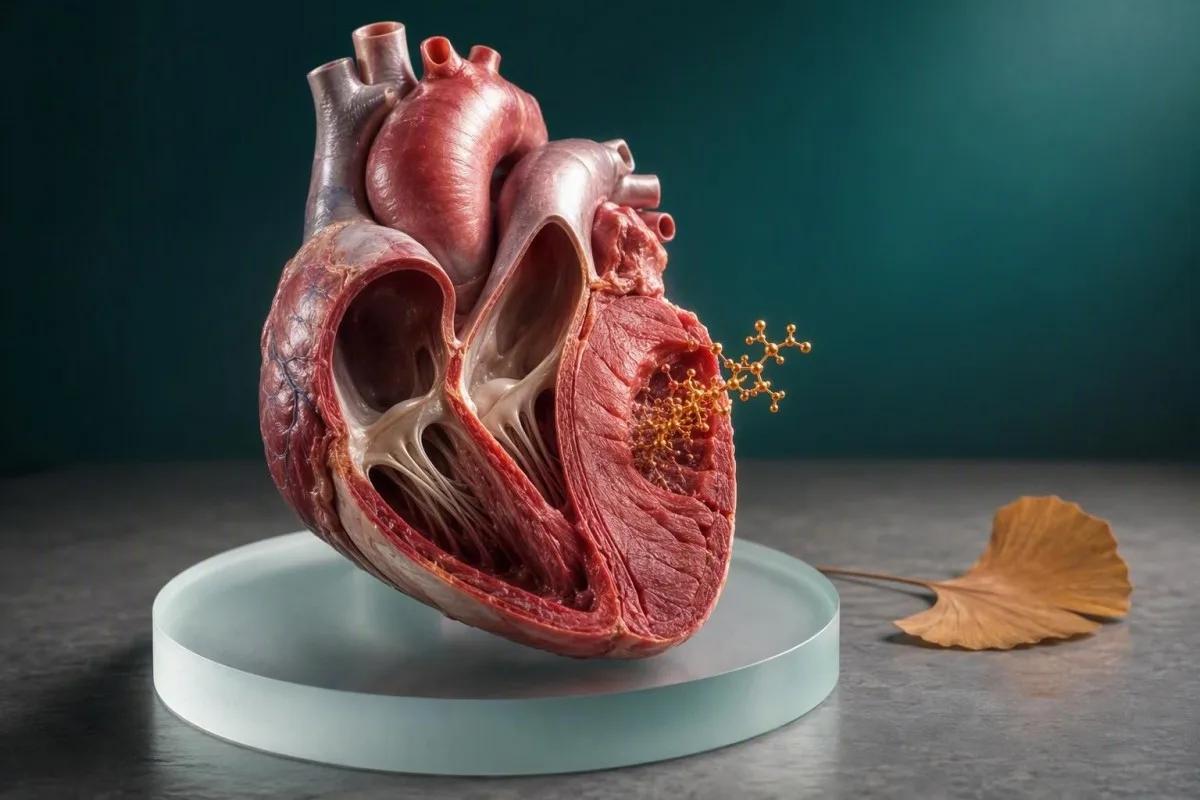
CK-MB stands for creatine kinase myocardial band. It is an enzyme form measured in a CK-MB blood test when clinicians are investigating possible injury to heart muscle, although an abnormal value by itself does not prove a heart attack.

What does CK-MB stand for: anatomical heart muscle enzyme illustration beside laboratory assay
그림 1: Heart muscle structure shown alongside the enzyme test used to assess injury.

Creatine kinase helps cells rapidly regenerate ATP, the immediate fuel used during muscular work. CK-MB is concentrated in cardiac muscle, while CK-MM predominates in skeletal muscle and CK-BB is found more widely in brain and smooth tissues. For a foundation on the parent enzyme, see our 크레아틴 키나아제 가이드.

A CK-MB result is usually reported as mass concentration in ng/mL or, less often, enzyme activity in U/L. Many current mass assays set an upper limit around 3–5 ng/mL, but sex-specific limits and assay calibration differ enough that a number from one laboratory cannot be transplanted to another.

칸테스티는 AI 혈액검사 분석기 that reads CK-MB alongside the assay reference interval, total CK, troponin, and the collection time. That matters because a value of 6 ng/mL at 2 hours after symptoms carries a very different question from 6 ng/mL after a marathon.

The suffix can sound definitive, and patients understandably hear “myocardial” as “heart attack.” In real clinical work, it means the laboratory has measured one clue about muscle-cell injury—not the cause, location, or seriousness of that injury.

Why the name still appears on reports

Some hospitals retain CK-MB in emergency or inpatient order sets, especially when they want a short-lived marker to help assess possible recurrent injury. In many community settings, however, it has largely been replaced by high-sensitivity troponin for initial heart-attack evaluation.

CK-MB and total CK measure related but different things

Total CK measures enzyme released from all muscle-rich tissues, whereas CK-MB measures one CK fraction. Total CK can rise into the thousands of U/L after strenuous activity or muscle injury without indicating a heart problem.

What does CK-MB stand for: molecular view of creatine kinase isoenzymes in cardiac tissue
그림 2: Molecular rendering distinguishes the CK-MB enzyme fraction from total creatine kinase.

A total CK of 1,500 U/L after unaccustomed exercise may reflect skeletal-muscle stress, dehydration, medication effects, or rhabdomyolysis; it does not identify the source on its own. CK-MB can also increase in that setting because skeletal muscle contains small amounts of the MB fraction.

The old CK-MB relative index is calculated as CK-MB divided by total CK, then multiplied by 100. An index below 3% traditionally leans toward skeletal muscle, while an index above 5% can support a cardiac source—but these cutoffs are supporting evidence, not a verdict.

When total CK is extremely high, the index can mislead because both the numerator and denominator are changing for different biological reasons. This is one reason clinicians now place greater weight on serial high-sensitivity troponin and the ECG rather than trying to mathematically rescue an ambiguous CK-MB result.

A practical example: a strength athlete with total CK 4,000 U/L and CK-MB 12 ng/mL may have a low relative proportion and no ischemic symptoms. The same CK-MB value in a sedentary person with new crushing chest pressure deserves a completely different response.

Why total CK may be high

Exercise, falls, prolonged immobility, seizures, intramuscular injections, hypothyroidism, statins, and inflammatory muscle disorders can raise total CK. Our guide to dangerously high CK explains when dark urine, severe weakness, or reduced urine output changes the urgency.

Why a clinician may still order a CK-MB blood test

Clinicians may order CK-MB when evaluating chest symptoms, possible recurrent myocardial injury, or an unclear elevation in other muscle enzymes. It is usually ordered with ECG testing and troponin rather than as a standalone screen.

What does CK-MB stand for: clinical cardiac sample processing with cardiac enzyme analyzer
그림 3: A cardiac enzyme sample is prepared as part of a broader acute-care workup.

In the first 24–72 hours after a confirmed cardiac event, CK-MB’s relatively quick decline can sometimes help identify a possible second injury. Troponin often stays elevated longer, so a fresh CK-MB rise may add context, although local protocols differ and evidence is not perfectly uniform.

A clinician may also use CK-MB when an older laboratory information system still bundles it with total CK. In my experience, patients are often alarmed by an automatically generated CK-MB flag that their treating team never considered evidence of infarction because the troponin and ECG were reassuring.

CK-MB is not a screening test for silent coronary plaque, future heart risk, or general fitness. Blood pressure, diabetes status, LDL cholesterol, ApoB, smoking, kidney function, and family history answer more useful preventive questions; our ApoB and ApoA1 ratio guide explains one of those risk patterns.

If you are symptom-free and see CK-MB on a report from an occupational, sports, or inpatient panel, ask why it was ordered and what your clinician compared it with. The ordering context often tells us more than a mildly abnormal result.

A test is not a diagnosis

Heart attacks are clinical diagnoses based on symptoms, examination, ECG or imaging evidence, and biomarker dynamics. Laboratory markers identify myocardial injury; they do not independently establish whether a blocked coronary artery caused it.

The CK-MB time course explains why a single result can mislead

CK-MB usually begins rising about 3–6 hours after acute myocardial injury, peaks around 12–24 hours, and often falls toward baseline by 48–72 hours. A normal early sample can therefore be too soon to reassure.

What does CK-MB stand for: laboratory sample sequence illustrating short cardiac enzyme time course
그림 4: Sequential samples reflect the short rise-and-fall pattern of CK-MB after injury.

Timing is one of the least appreciated parts of cardiac blood testing. A person arriving 45 minutes after sudden symptoms may have a CK-MB within range despite genuine injury, while someone tested 2 days after an event may have a declining but still abnormal value.

Dr. Thomas Klein has seen this most often after delayed presentation: a patient feels unwell overnight, waits until the next morning, and then wonders why clinicians repeat a test that is already high. The repeat sample is looking for a meaningful change, not merely confirming that one number crossed a line.

High-sensitivity troponin can rise earlier than CK-MB, often within 1–3 hours, depending on the assay and the timing of injury. Serial testing protocols commonly use samples at presentation and 1–3 hours later; your emergency department follows its validated local pathway.

Hard training creates another timing trap. CK and CK-MB can increase 24–72 hours after eccentric exercise, especially downhill running or unfamiliar resistance work. Our 마라톤 러너 검사실 가이드 explains why the timing of the workout belongs in the clinical history.

The relevant clock starts at symptom onset

Laboratories record sample collection time, but clinicians also need the best estimate of when chest pressure, breathlessness, collapse, or another concerning symptom started. If symptoms come and go, document the first and most severe episode rather than guessing later.

CK-MB reference ranges and result patterns

Most CK-MB mass assays define normal as roughly 0–3 or 0–5 ng/mL, but your laboratory’s upper reference limit is the only appropriate cutoff for your report. A small elevation needs clinical correlation; there is no universal CK-MB number that equals a heart attack.

What does CK-MB stand for: precision immunoassay cartridge measuring cardiac enzyme concentration
그림 5: Immunoassay equipment measures CK-MB mass against a laboratory-specific reference interval.

Laboratories establish ranges using their own assay, calibration, and reference population. Some European laboratories report CK-MB activity in U/L rather than mass in ng/mL, which makes direct internet comparisons especially unhelpful.

A CK-MB value of 7 ng/mL when the upper limit is 5 ng/mL is a 1.4-fold elevation, not a diagnostic label. A result 10 times the upper limit is more concerning for substantial muscle injury, but even then clinicians must identify whether the source is cardiac or skeletal.

AST can rise after both cardiac and skeletal muscle stress, which occasionally complicates an old-style enzyme panel. Reviewing high AST patterns can help explain why AST, CK, and liver tests sometimes move together after exercise.

The practical rule is simple: retain the exact units, reference range, collection time, symptoms, and recent activity when you discuss CK-MB. A cropped screenshot showing only the red flag is rarely enough to interpret safely.

해당 지역 범위 내 Often 0–3 or 0–5 ng/mL No CK-MB elevation detected at that collection time; very early injury may still require repeat testing.
경도 상승 지역 상한치보다 약간 높음 May reflect cardiac or skeletal muscle injury, timing, or analytical interference.
명확히 상승 Several-fold above upper limit Requires prompt interpretation with troponin, ECG, symptoms, and total CK.
현저히 높음 보편적인 임계값(critical cutoff)은 없습니다. Urgency depends on symptoms and the accompanying cardiac evaluation, not the number alone.

Why a red flag is not automatically dangerous

Reference intervals describe where results fall in a selected population; they do not sort people into safe and unsafe groups. For a broader explanation of flags and lab formatting, read what out of range means.

CK-MB versus troponin: why troponin usually leads

High-sensitivity cardiac troponin is more cardiac-specific and more sensitive than CK-MB for diagnosing acute myocardial injury. CK-MB may add selected information, but it should not overrule a validated troponin pathway.

What does CK-MB stand for: paired cardiac biomarker assay components for CK-MB and troponin
그림 6: Parallel cardiac biomarker assays show why troponin and CK-MB are interpreted differently.

Troponin I and troponin T are proteins integral to the cardiac contractile apparatus. CK-MB is an enzyme isoform that occurs predominantly, but not exclusively, in heart muscle; this biological difference is why CK-MB vs troponin is not an even contest for initial diagnosis.

The 2021 ESC acute coronary syndrome guideline recommends validated high-sensitivity cardiac troponin algorithms using the assay-specific 99th-percentile upper reference limit and serial change (Collet et al., 2021). A troponin above that limit indicates myocardial injury, but it still does not automatically mean a coronary blockage caused it.

Troponin may remain elevated for 7–14 days after a large infarction, whereas CK-MB often normalizes in 2–3 days. That shorter window is the historical rationale for CK-MB in suspected reinfarction, though many centers now use clinical, ECG, imaging, and troponin-change evidence instead.

Troponin results are also assay-dependent: hs-cTnI and hs-cTnT values cannot be converted directly, and a “normal” number has different meaning before versus 8 hours after symptoms. Compare the assays in our troponin I versus T explainer.

Neither marker identifies the cause by itself

Sepsis, rapid arrhythmia, pulmonary embolism, myocarditis, severe anemia, kidney disease, and heart failure can increase troponin without a classic type 1 heart attack. CK-MB has its own non-cardiac causes, so the full clinical picture remains non-negotiable.

How clinicians diagnose a heart attack beyond CK-MB

A heart attack requires acute myocardial injury plus evidence of ischemia, not simply an elevated CK-MB or troponin. Evidence can include ischemic symptoms, new ECG changes, imaging findings, or a coronary clot.

What does CK-MB stand for: cardiac diagnostic pathway with ECG tracing and enzyme assay tools
그림 7: Cardiac diagnosis combines symptoms, ECG findings, serial biomarkers, and clinical assessment.

The Fourth Universal Definition of Myocardial Infarction defines acute myocardial injury as a cardiac troponin value above the assay’s 99th percentile with a rise and/or fall; myocardial infarction also requires clinical evidence of ischemia (Thygesen et al., 2019). CK-MB does not substitute for this framework.

칸테스티는 AI 혈액검사 결과 해석 플랫폼 that can organize reported values and trends, but it cannot diagnose a heart attack from a PDF or photo. Acute symptoms require real-time evaluation, ECG interpretation, vital signs, and clinician judgment—not an app-based reassurance loop.

Consider a 52-year-old runner with CK-MB 6 ng/mL after a 42-km race: a normal ECG, low stable troponin, and sore leg muscles point in one direction. A 52-year-old with the same CK-MB plus new central pressure, sweating, and a dynamic troponin rise belongs in emergency care.

For patients with breathlessness rather than obvious pain, risk may still be significant, especially in older adults, people with diabetes, and women. Our 호흡 곤란 혈액 검사 안내 covers the broader laboratory context.

Type 1 and type 2 myocardial infarction differ

Type 1 myocardial infarction usually involves acute coronary plaque disruption and thrombosis. Type 2 myocardial infarction reflects oxygen supply-demand imbalance, such as severe anemia or sustained rapid arrhythmia, and management targets the trigger as well as coronary risk.

Non-cardiac reasons CK-MB can be elevated

Skeletal-muscle injury, major exercise, trauma, surgery, inflammatory myopathy, and renal dysfunction can produce an elevated CK-MB. These causes are why clinicians never interpret CK-MB in isolation.

What does CK-MB stand for: comparison of cardiac and skeletal muscle fibers releasing CK-MB
그림 8: Cardiac and skeletal muscle both contain CK-MB, although in different proportions.

Skeletal muscle contains a modest CK-MB fraction, so damaged or regenerating muscle can release enough to trigger an abnormal assay. Recent falls, crush injury, prolonged immobilization, seizures, muscle injections, and orthopedic surgery should all be volunteered when a result is discussed.

Chronic muscle disorders can produce persistently abnormal total CK and CK-MB patterns that have nothing to do with acute coronary disease. In rare cases, macro-CK complexes or assay interference create puzzling results, and the laboratory may investigate with isoenzyme separation or an alternative method.

A discrepancy deserves attention: markedly elevated CK-MB with normal serial troponin and no symptoms should prompt a review of muscle history and analytical issues rather than reflexive cardiac imaging. If the sample was damaged during collection, a 용혈 재채혈 가이드 may be relevant.

Kidney impairment can complicate interpretation of several biomarkers, particularly troponin, through chronic myocardial injury and reduced clearance-related effects. It does not grant permission to dismiss a rising result; it makes trends and symptoms even more valuable.

The index has limits in muscle disease

The CK-MB index was developed for a narrower clinical setting than many patients assume. In extensive muscle injury or chronic myopathy, an index above 5% can still be misleading, so contemporary clinicians prioritize troponin-based algorithms.

Exercise can raise CK-MB without a heart attack

Long-distance running, CrossFit-style workouts, heavy eccentric lifting, and endurance events can raise total CK and sometimes CK-MB for 24–72 hours. Exercise-related elevation is more likely when symptoms are absent and troponin and ECG do not show an ischemic pattern.

What does CK-MB stand for: athlete reviewing post-exercise cardiac enzyme laboratory results
그림 9: Recent intense exercise can alter CK and CK-MB results without proving cardiac injury.

The thing is, muscles do not know that your annual blood test is tomorrow. Downhill running and high-volume resistance training create microscopic muscle disruption, and CK may peak later than soreness—often 24–48 hours after the session.

I advise patients not to try to “pass” a test by exercising differently without telling their clinician. Record the workout type, duration, muscle soreness, hydration, supplements, fever, and medications; this information can prevent unnecessary alarm and still protects against missing true illness.

Dark cola-colored urine, severe swelling, profound weakness, confusion, or falling urine output after exertion is different from routine delayed-onset soreness and needs urgent assessment. The risk there is rhabdomyolysis and kidney injury, not merely an inconveniently high CK.

If chest tightness, unusual breathlessness, collapse, or palpitations occurred during exercise, do not attribute an abnormal CK-MB to fitness. Review our palpitations blood test guide while arranging prompt clinical assessment.

How long to rest before a routine draw

For a non-urgent baseline CK measurement, avoiding unfamiliar high-intensity exercise for about 48–72 hours is a reasonable practical approach unless your clinician advises otherwise. Do not delay emergency testing for chest symptoms in order to “rest” first.

How the laboratory measures CK-MB and where errors arise

Most modern CK-MB tests use immunoassays that quantify CK-MB mass in ng/mL, while older methods measured enzyme activity or separated isoenzymes. Different methods can produce different numbers and reference intervals.

What does CK-MB stand for: automated immunoassay analyzer processing a cardiac enzyme laboratory sample
그림 10: Automated immunoassay technology measures CK-MB mass using method-specific calibration.

Mass assays identify CK-MB protein with antibodies and are generally more specific than older activity assays. Still, heterophile antibodies, macro-CK, sample quality problems, and very high total CK can occasionally create a result that does not fit the clinical picture.

A laboratory may use delta checks—comparison with prior results—to flag a biologically implausible jump. Sudden changes are not always errors, but comparing collection conditions, medication changes, and recent activity is sensible; see our 검사실 델타-체크 설명자.

Fasting is usually not required for CK-MB, and drinking water is sensible unless you have fluid restrictions. Biotin mainly affects certain immunoassays rather than CK-MB universally, so disclose high-dose supplements, typically 5–10 mg/day or more, rather than stopping prescribed treatment on your own.

As of August 25, 2026, a good laboratory report should identify the analyte, units, local interval, collection time, and flag status. Missing any of those elements makes safe remote interpretation substantially weaker.

Ask which assay was used

If a CK-MB value conflicts sharply with your symptoms or troponin results, ask whether the laboratory measured CK-MB mass or activity and whether interference was considered. That focused question is more useful than searching for a universal “normal CK-MB” value.

How to read a CK-MB report without overreacting

Read CK-MB with its units, laboratory upper limit, total CK, troponin series, ECG result, and symptom timeline. A single high flag, especially after exercise or injury, has low diagnostic specificity.

What does CK-MB stand for: clinician reviewing a longitudinal cardiac enzyme trend without visible text
그림 11: Trend-based interpretation places CK-MB beside companion cardiac and muscle markers.

Start with the exact result and its local upper reference limit. Then ask whether the sample was taken before symptoms, within 3 hours, 6–12 hours, or days later; the same concentration has a different meaning at each point in that curve.

Next, look for a pattern. A rising troponin with ischemic symptoms and evolving ECG changes carries far more weight than CK-MB alone, whereas elevated CK after leg-heavy training with stable troponin commonly points toward skeletal muscle.

Kantesti's trend analysis helps users preserve prior results and collection context rather than treating every red flag as a new crisis. A prior CK, recent workout, and repeat value often answer questions that an isolated report cannot.

Do not compare CK-MB from different laboratories as if they were identical, particularly if one uses U/L and another ng/mL. Keeping a 혈액검사 타임라인에 대해서든 makes follow-up appointments more productive.

진료 예약 시 가져가 볼 만한 질문

Ask: Was this CK-MB mass or activity? What was my troponin trend? Did my ECG show ischemia? Could recent muscle injury explain it? Do I need a repeat sample, echocardiogram, or no further cardiac testing?

Symptoms that need urgent care regardless of CK-MB

Call emergency services now for new chest pressure lasting more than 5–10 minutes, severe breathlessness, fainting, cold sweating, or pain spreading to the jaw, arm, back, or upper abdomen. Do not wait for a CK-MB result or try to interpret one at home.

What does CK-MB stand for: calm emergency cardiac assessment with ECG and laboratory testing
그림 12: Urgent symptoms require immediate assessment with ECG and serial cardiac testing.

Heart attack symptoms are not always dramatic. Women, older adults, and people with diabetes may present with nausea, unusual fatigue, breathlessness, back discomfort, or a sense that something is badly wrong rather than classic chest pain.

Dr. Thomas Klein’s rule in clinical practice is blunt: if symptoms are current and concerning, the numbers you saw yesterday are secondary. Emergency teams can obtain an ECG quickly, repeat high-sensitivity troponin at the right interval, and assess blood pressure, rhythm, oxygenation, and alternative diagnoses.

A high troponin is itself not synonymous with a coronary blockage, but it should never be self-triaged from a portal result. Read high troponin urgent signs for the situations where immediate care is the safer choice.

If symptoms have resolved but were new, exertional, or recurrent, seek same-day medical advice. Stable symptoms still deserve a clinician’s assessment, particularly with known coronary disease, smoking, diabetes, chronic kidney disease, or a strong family history.

Do not drive yourself if symptoms are severe

Emergency transport allows monitoring and early treatment if a dangerous rhythm develops. Chewing or taking medication should follow emergency-dispatch or clinician advice, especially if you use anticoagulants, have allergies, or have been told not to take aspirin.

Who needs follow-up after an abnormal CK-MB result

An abnormal CK-MB result needs follow-up when it is new, rising, unexplained, paired with symptoms, or accompanied by abnormal troponin or ECG findings. The next step may be repeat testing, not automatically a scan or procedure.

What does CK-MB stand for: patient hand and clinician hand reviewing cardiac laboratory trend on tablet
그림 13: Follow-up decisions depend on symptoms, repeat results, cardiovascular risk, and test timing.

For a low-risk, symptom-free person after obvious strenuous exercise, a clinician may repeat CK and CK-MB after rest and hydration. For someone with active chest symptoms or an abnormal troponin, emergency assessment is more appropriate than outpatient retesting.

Follow-up also depends on baseline cardiovascular risk. Diabetes, prior coronary disease, smoking, high LDL, high lipoprotein(a), hypertension, and kidney disease can lower the threshold for prompt investigation; our women's heart test guide covers commonly missed risk markers.

칸테스티는 AI 기반 혈액검사 분석 도구 that can surface combinations for discussion, including CK-MB, CK, creatinine, AST, and serial dates. It should support—not replace—the clinician who knows your symptoms, examination, ECG, and medications.

Repeat tests should ideally use the same laboratory and be collected at a clinically meaningful interval. Repeating a CK-MB sample 15 minutes later may add little, while a 1–3 hour troponin protocol can be highly informative when validated by that hospital.

What to bring to follow-up

Bring the full report, prior values, medication and supplement list, an account of recent exercise or injury, and a clear symptom timeline. These details can spare you both false reassurance and unnecessary testing.

Using AI interpretation safely for CK-MB results

AI can explain CK-MB terminology and organize trends, but it cannot determine whether chest symptoms are an emergency. Safety depends on preserving the original report, acknowledging uncertainty, and escalating urgent symptoms to in-person care.

What does CK-MB stand for: secure health technology workspace reviewing cardiac enzyme trends
그림 14: Secure trend review can add context but cannot replace emergency cardiac assessment.

Kantesti AI interprets CK-MB results by considering units, reference intervals, related biomarkers, and prior results rather than declaring a diagnosis from one flag. Our 바이오마커 참조 가이드 explains why laboratory ranges and measurement methods matter.

For privacy, remove or protect unnecessary identifying information before sharing any report and use services with clear data-handling standards. Kantesti serves users in more than 127 countries and supports multilingual report interpretation, but local emergency services and your clinical team remain the right route for acute symptoms.

Our clinicians review medical content against clinical standards, and our 기술 가이드 describes the limits of AI-assisted lab interpretation. An explanation is most helpful when it tells you what information is missing and what question to ask next.

Never use an AI interpretation to delay care for new pressure-like chest discomfort, collapse, or severe breathlessness. A safe tool should make that boundary very clear.

What a useful AI explanation includes

A clinically responsible explanation identifies the unit, the laboratory range, possible non-cardiac causes, companion tests, timing limitations, and urgent symptoms. It does not promise that an abnormal or normal CK-MB alone rules a heart attack in or out.

The practical bottom line for CK-MB results

CK-MB is a heart-associated creatine kinase fraction, but high-sensitivity troponin, ECG findings, symptoms, and repeat testing now drive most heart-attack decisions. A CK-MB result is best treated as one piece of evidence, never a diagnosis by itself.

What does CK-MB stand for: integrated cardiac laboratory evaluation with heart model and assay tools
그림 15: CK-MB gains meaning only when combined with cardiac symptoms, ECG, and serial tests.

If your CK-MB is slightly high after heavy exercise, injury, surgery, or muscle pain, do not panic—but do give your clinician the context. If it is high with chest symptoms, breathlessness, sweating, fainting, or an abnormal troponin, treat it as a time-sensitive clinical question.

Kantesti can help you prepare a concise question list and compare prior reports, while our 임상 검증 기준 explain how we approach safe result interpretation. It cannot confirm or exclude acute coronary syndrome from home.

Dr. Thomas Klein recommends keeping the original report rather than copying only the abnormal line. The exact sample time, units, local range, total CK, troponin values, ECG statement, medications, and recent exercise are the data that make CK-MB interpretable.

For physician-reviewed health education and the people behind our clinical standards, meet the Kantesti medical advisory board. The best next step is the one matched to your symptoms and risk—not the scariest-looking number on the page.

A final safety check

New or ongoing possible cardiac symptoms always outrank a reassuring-looking past result. Seek emergency care first; review the laboratory details later, when you are safe.

자주 묻는 질문

What does CK-MB stand for on a blood test?

CK-MB stands for creatine kinase myocardial band, a form of the creatine kinase enzyme found predominantly in heart muscle but also in smaller amounts in skeletal muscle. Many laboratories report CK-MB mass in ng/mL, with upper reference limits commonly near 3–5 ng/mL. A high result can indicate muscle-cell injury, but CK-MB alone cannot diagnose a heart attack. Clinicians interpret it with symptoms, ECG findings, serial troponin, total CK, and test timing.

What is a normal CK-MB level?

A normal CK-MB mass result is often below about 3–5 ng/mL, although the correct normal range is the interval printed by the laboratory that performed the assay. Some laboratories report CK-MB activity in U/L instead, so values cannot be compared directly across methods. A value just above the upper limit may result from recent exercise or skeletal-muscle injury. There is no single CK-MB cutoff that confirms or rules out myocardial infarction.

Is CK-MB or troponin better for a heart attack?

High-sensitivity cardiac troponin is generally better than CK-MB for detecting acute myocardial injury because it is more sensitive and more specific for cardiac muscle. The 2021 ESC guideline uses assay-specific serial high-sensitivity troponin algorithms, often with samples at presentation and 1–3 hours later. CK-MB can sometimes provide supplementary information because it often returns toward baseline within 48–72 hours. Neither biomarker alone establishes a heart attack without evidence of ischemia such as symptoms, ECG changes, imaging findings, or a coronary clot.

Can exercise raise CK-MB?

Yes, strenuous exercise can raise CK-MB because skeletal muscle contains a small CK-MB fraction. Endurance events, unfamiliar heavy lifting, downhill running, and high-intensity interval training can raise total CK and sometimes CK-MB for roughly 24–72 hours. Exercise does not make chest pressure, fainting, severe breathlessness, or sweating safe to ignore. Those symptoms still need urgent clinical assessment with ECG and serial troponin testing.

What does a CK-MB index above 5% mean?

A CK-MB relative index above about 5% has traditionally suggested that a greater share of measured creatine kinase may come from cardiac muscle rather than skeletal muscle. The index is calculated as CK-MB divided by total CK, multiplied by 100, and values below 3% have historically favored skeletal muscle. This calculation becomes unreliable after major muscle injury, with very high total CK, or in chronic muscle disease. Modern care therefore relies more heavily on serial high-sensitivity troponin and ECG findings.

How quickly does CK-MB rise after a heart attack?

CK-MB commonly begins to rise about 3–6 hours after acute myocardial injury, peaks around 12–24 hours, and often returns toward baseline within 48–72 hours. A normal CK-MB result obtained within the first 1–2 hours of symptoms may be too early to exclude injury. Emergency departments use repeat samples and validated high-sensitivity troponin protocols rather than relying on one CK-MB measurement. The symptom-onset time should be shared as accurately as possible.

오늘 AI 기반 혈액검사 분석 받기

즉시 정확한 검사 분석을 위해 Kantesti를 신뢰하는 전 세계 200만 명 이상의 사용자와 함께하세요. 혈액검사 결과를 업로드하고 몇 초 만에 15,000+ 바이오마커에 대한 포괄적인 해석을 받아보세요.

📚 참고된 연구 출판물

1

Klein, T., Mitchell, S., & Weber, H. (2026). 니파 바이러스 혈액 검사: 조기 발견 및 진단 가이드 2026. Kantesti AI 의학 연구.

2

Klein, T., Mitchell, S., & Weber, H. (2026). B형 혈액형, LDH 혈액검사 및 망상적혈구 수(레티큘로사이트) 가이드. Kantesti AI 의학 연구.

📖 외부 의학 참고문헌

3

Thygesen K 등 (2019). 심근경색의 제4차 보편적 정의(2018).

4

Collet JP 등 (2021). 지속적인 ST 분절 상승이 없는 환자에서 급성 관상동맥증후군의 관리를 위한 2020 ESC 가이드라인.

5

Amsterdam EA et al. (2014). 2014 AHA/ACC Guideline for the Management of Patients With Non-ST-Elevation Acute Coronary Syndromes. Circulation.

200만+분석된 테스트
127+국가
75+언어

⚕️ 의료 면책 조항

E-E-A-T 신뢰 신호

경험

의사가 주도하는 검사 해석 워크플로 임상 검토.

📋

전문적 지식

임상 맥락에서 바이오마커가 어떻게 거동하는지에 대한 검사실 의학 중심.

👤

권위

Dr. Thomas Klein이 작성했으며 Dr. Sarah Mitchell과 Prof. Dr. Hans Weber가 검토했습니다.

🛡️

신뢰성

경고를 줄이기 위한 명확한 후속 경로가 포함된 근거 기반 해석.

🏢 칸테스티 LTD 잉글랜드 & 웨일스에 등록 · 회사 번호. 17090423 런던, 영국 · 칸테스티.넷
blank
Prof. Dr. Thomas Klein에 의해

Thomas Klein 박사는 Kantesti AI의 최고 의료 책임자(CMO)로 재직 중인 보드 인증 임상 혈액종양내과 전문의입니다. 실험실 의학 분야에서 15년 이상의 경험을 보유하고 있으며, 혈액검사 결과의 AI 지원 해석에 큰 관심을 가지고 있습니다. 그는 새로운 기술을 일상적인 임상 진료와 연결하기 위해 노력합니다. 그의 관심 분야에는 생체표지자 분석, 임상 의사결정 지원 연구, 인구집단별 기준 범위 최적화가 포함됩니다. CMO로서 그는 플랫폼의 내부 벤치마킹에 대한 임상적 의견을 제공하고, Kantesti의 교육 보고서에 대한 의학적 품질에 대해 임상적 감독을 제공합니다.

답글 남기기

이메일 주소는 공개되지 않습니다. 필수 필드는 *로 표시됩니다
