
Before taking a testosterone booster, confirm that testosterone is genuinely low: obtain two early-morning total testosterone results on separate days, then interpret free testosterone with SHBG. LH, FSH, prolactin, thyroid, iron, liver, kidney, blood-count and nutrient tests can reveal a treatable cause or a product-related safety risk.

핵심 요점
- Confirm the pattern with symptoms plus two morning total testosterone results, usually collected between 7 and 10 a.m. on separate days.
- Use the right cutoff: many clinicians regard total testosterone below 300 ng/dL, or 10.4 nmol/L, as a threshold for further evaluation, but laboratories and guidelines differ.
- Check free testosterone when total testosterone is borderline or SHBG is abnormal; a calculated result using total testosterone, SHBG and albumin is often more useful than a routine direct free-testosterone assay.
- Read LH and FSH together: high gonadotropins suggest a testicular problem, while low or normal results with low testosterone suggest hypothalamic or pituitary suppression.
- Look for reversible causes with prolactin, TSH, free T4, CBC, ferritin, transferrin saturation, liver enzymes, kidney function, glucose or HbA1c and medication review.
- Test nutrients selectively: 25-hydroxyvitamin D can identify deficiency, while serum zinc and magnesium are imperfect measures and should not automatically trigger high-dose supplementation.
- Avoid megadoses: adult men need about 11 mg of zinc daily from all sources, and the tolerable upper intake level is 40 mg of elemental zinc daily; chronic excess can cause copper deficiency.
- Separate supplements from TRT: testosterone medication can suppress sperm production and requires structured monitoring, while most over-the-counter boosters have mixed evidence and variable quality control.
How do labs confirm genuine testosterone deficiency?
Low testosterone should be confirmed by symptoms plus consistently low laboratory results, not by fatigue or one isolated number. The usual starting point is two early-morning total testosterone measurements on separate days; many clinicians investigate results below 300 ng/dL, or 10.4 nmol/L, while recognising that the Endocrine Society emphasises an unequivocally and consistently low result rather than a single universal cutoff.
그만큼 harmonized reference range for total testosterone in healthy, non-obese men aged 19 to 39 years was approximately 264 to 916 ng/dL, or 9.2 to 31.8 nmol/L, in the analysis by Travison et al. (2017). That range is not a treatment threshold for every age group; older age, obesity, illness, assay method and SHBG can shift the result substantially.
A result of 250 ng/dL may therefore deserve a different interpretation from a result of 250 ng/dL with normal free testosterone, normal SHBG and no androgen-related symptoms. The Endocrine Society guideline recommends diagnosing hypogonadism only when compatible symptoms or signs accompany consistently low testosterone (Bhasin et al., 2018), which is why a supplement advertisement cannot replace clinical assessment.
For example, a hypothetical 52-year-old man with reduced morning erections and total testosterone of 275 ng/dL on one test should not immediately buy a booster. A second result collected under comparable conditions, plus SHBG, albumin and calculated free testosterone, might show either true androgen deficiency or a low total value caused by altered binding proteins.
The practical distinction is deficiency versus dissatisfaction. Supplements may be reasonable to discuss when a documented nutrient deficiency exists, but a low-energy symptom pattern with normal testosterone should prompt evaluation for sleep apnoea, depression, anaemia, thyroid disease, diabetes, medication effects or overtraining instead.
| 수준 | 범위 | 의미 |
|---|---|---|
| Above common screening threshold | ≥300 ng/dL (≥10.4 nmol/L) | Often does not support biochemical deficiency, but free testosterone and symptoms can change interpretation. |
| Borderline total testosterone | 264-299 ng/dL (9.2-10.4 nmol/L) | Repeat in the morning and check SHBG, albumin and free testosterone before making decisions. |
| Potential biochemical deficiency | <264 ng/dL (<9.2 nmol/L) | Needs confirmation, symptom correlation and investigation of primary or secondary causes. |
| Markedly low result | <150 ng/dL (<5.2 nmol/L) | A supplement-only approach is inappropriate until pituitary, medication, systemic and testicular causes are assessed. |
Why the laboratory reference interval is not a diagnosis
A laboratory reference interval usually describes the central 95% of a selected population, not the level at which every person develops symptoms. One laboratory may flag 300 ng/dL while another uses 264 ng/dL, so the report's assay method and reference interval belong in the discussion.
유용한 testosterone results guide for men over 40 explains why age, symptoms and timing must be read together rather than treating the bolded flag as a diagnosis.
When should you repeat a testosterone test?
Repeat testosterone in the early morning, ideally after a normal sleep period and on a separate day, because testosterone follows a daily rhythm and can fall temporarily during illness or sleep loss. A common practical window is 7 to 10 a.m.; shift workers should usually sample soon after their main sleep rather than following a clock time that does not match their biology.
Testosterone varies within the same person as well as between people. A difference of 50 to 100 ng/dL between two tests may reflect biological and analytical variation rather than a sudden change in testicular function, particularly when both results sit near a decision threshold.
그만큼 아침 호르몬 검사 가이드에서 논의한 바와 같이 covers practical timing questions, including why sleep timing matters more than a rigid appointment hour. A consistent laboratory and assay can also make trends easier to interpret.
The 2018 Endocrine Society guideline recommends against diagnosing hypogonadism during a transient acute illness unless the result remains low after recovery (Bhasin et al., 2018). This matters because starting a supplement during a temporary illness can create false confidence while the actual cause of symptoms remains untreated.
Which total, free and SHBG results belong together?
Total testosterone is the first measurement, but free testosterone becomes especially useful when total testosterone is near the lower limit or SHBG is abnormal. SHBG binds much of circulating testosterone; therefore, a low total result with low SHBG may coexist with adequate free testosterone, while a normal total result with high SHBG can conceal low biologically available testosterone.
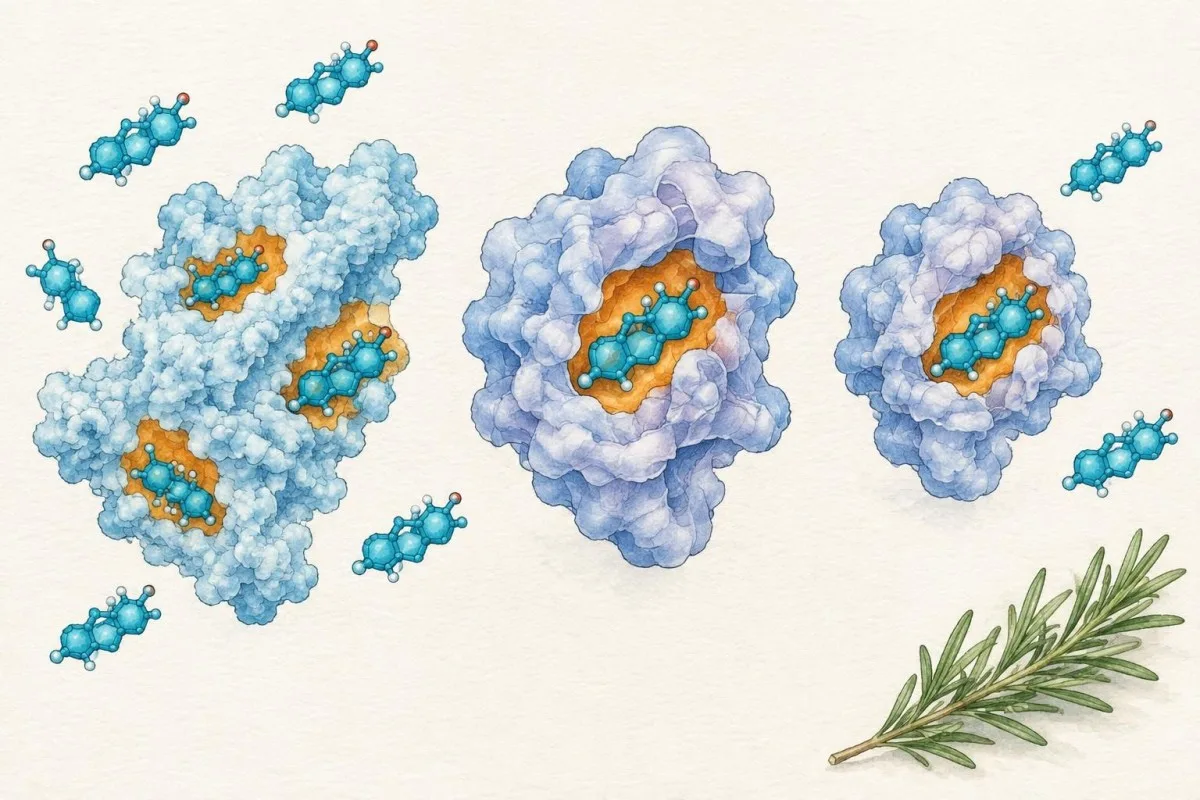
Albumin matters because testosterone binds it weakly and reversibly, while SHBG binds it more tightly. A calculated free-testosterone result is only as dependable as the three input measurements, so a transcription error in albumin or a mismatched unit can produce a misleading interpretation.
Some European laboratories report free testosterone in pmol/L, while others report ng/dL; 1 ng/dL is approximately 34.7 pmol/L. Always compare the number with the units and method printed on the report, not with a screenshot from a different laboratory.
그만큼 laboratory technology guide can help readers understand why assay method, calibration and reference intervals affect trend interpretation. It cannot determine whether an individual should take hormones or supplements.
What do LH, FSH and prolactin reveal about the cause?
LH and FSH help distinguish testicular failure from hypothalamic or pituitary suppression, while prolactin can identify a separate hormonal signal that inhibits reproductive function. Low testosterone with high LH and FSH suggests primary testicular dysfunction; low or normal LH and FSH alongside low testosterone suggests secondary hypogonadism and deserves a different work-up.
FSH may be more informative than LH when fertility is the main concern, because a normal testosterone level does not guarantee normal sperm production. Testosterone replacement can suppress LH and FSH and reduce intratesticular testosterone, so anyone planning children should state that goal before using androgenic products.
Breast enlargement or nipple discharge adds a different clue; the relevant gynecomastia blood-test pattern may include testosterone, estradiol, LH, FSH, prolactin, liver tests and medication review. A supplement marketed as a hormone balancer should not delay this assessment.
Low DHEA-S is not a substitute diagnosis for low testosterone. The DHEA laboratory guide explains why adrenal androgen results need age, sex, medication and clinical context.
Which related labs can uncover reversible contributors?
Related labs should search for reversible contributors rather than create a larger supplement shopping list. TSH and free T4, CBC, ferritin with transferrin saturation, liver enzymes, creatinine or eGFR, glucose or HbA1c and selected nutrient tests can reveal conditions that lower energy, alter SHBG or suppress the hypothalamic-pituitary-gonadal axis.

Vitamin D testing uses serum 25-hydroxyvitamin D, not the active 1,25-dihydroxyvitamin D test for routine deficiency screening. A concentration below 20 ng/mL is widely treated as deficient, while the 20 to 29 ng/mL range is often called insufficient; guidelines differ about the level needed for general health, and correcting deficiency does not reliably restore testosterone.
Zinc deficiency is more plausible with malabsorption, restrictive diets, heavy alcohol use or chronic diarrhoea than in a well-nourished adult. Serum zinc is affected by inflammation, time of collection and recent food intake, so a borderline value should not automatically justify 50 mg daily.
Magnesium serum concentration can remain normal despite changes in total body stores, and routine testing is not a proven way to select a testosterone supplement. A 기본 혈액검사 준비 안내 helps reduce avoidable variation before collecting a broad panel.
What safety labs should you check before a product?
Before using supplements for low testosterone, check for liver, kidney, blood-count and medication risks, and inspect the ingredient list for hormones or stimulant compounds. CBC, liver enzymes, creatinine or eGFR, glucose or HbA1c, lipids and a risk-appropriate PSA discussion provide a useful baseline when symptoms or a product may affect androgen pathways.

Medication review often explains more than a supplement panel. Opioids, long-term glucocorticoids, some antipsychotics, anabolic steroids and high-dose exogenous androgens can suppress the hypothalamic-pituitary-gonadal axis, while untreated sleep apnoea and severe obesity can lower testosterone without a primary testicular disorder.
The risk is not limited to hormone levels: supplements can interact with anticoagulants, diabetes medicines, thyroid medicines, sedatives and blood-pressure treatments. The zinc supplement safety guide explains why the dose on the label and the elemental amount are not always the same.
A third-party certificate of analysis may confirm that one batch contained the listed ingredient, but it does not prove clinical effectiveness, long-term safety or absence of every undeclared compound. Keep the original container or a complete photograph of its ingredients for a clinician or pharmacist.
Which supplements have evidence, and what remains uncertain?
The strongest rationale for a supplement is a documented deficiency or a defined nutritional risk, not a borderline testosterone result alone. Evidence for vitamin D, zinc, magnesium, ashwagandha and herbal testosterone boosters is mixed; small studies, different extracts and short follow-up periods make marketing claims much stronger than the data.
DHEA is a hormone precursor, not a simple vitamin, and doses such as 25 to 50 mg can alter androgen and estrogen metabolites without reliably improving symptoms. It may worsen acne, hair loss, mood symptoms or hormone-sensitive conditions, and it can complicate the interpretation of later testosterone, DHEA-S and estradiol tests.
그만큼 selenium dose and toxicity guide is useful because selenium deficiency is uncommon in many populations, while excessive intake can cause hair or nail changes, gastrointestinal symptoms and neurological effects. Selenium is not a general testosterone treatment.
A 검사실 안내 피로 보충제 가이드 is more clinically useful than a universal booster list because fatigue can result from iron deficiency, thyroid disease, sleep disorders, anaemia, diabetes or depression. The evidence here is honestly mixed, so use one clearly identified product at a time if a clinician agrees.
How should you act on the results?
A safe decision sequence is: confirm the symptom-linked testosterone pattern, identify the cause, correct a documented deficiency, then repeat only the tests that can show benefit or harm. Do not use a testosterone supplement to postpone evaluation of very low testosterone, abnormal prolactin, high haematocrit, severe liver abnormalities, pituitary symptoms or fertility concerns.
Fertility changes the decision immediately: exogenous testosterone can suppress LH and FSH and reduce sperm production, sometimes despite an improved blood testosterone result. Anyone trying to conceive should discuss semen analysis and fertility-preserving options before taking testosterone, DHEA or prohormone products.
Keep results from several dates together so that a clinician can see direction, timing and assay differences rather than a single highlighted value. A 혈액 검사 시간표 가이드 explains why illness, diet, drugs and collection conditions can make two results look more different than they truly are.
For questions about how laboratory methods, clinical review and safety standards are handled, consult the 의료 콘텐츠 표준 and discuss your individual results with a qualified clinician. No supplement label can establish a diagnosis.
자주 묻는 질문
보충제를 복용하기 전에 테스토스테론 검사를 몇 번 받아야 하나요?
대부분의 남성은 테스토스테론 결핍 진단을 내리기 전에 서로 다른 날 이른 아침에 총 테스토스테론 검사를 두 번 받아야 합니다. 많은 임상의는 300 ng/dL 또는 10.4 nmol/L 미만의 수치를 조사하지만, 검사 결과는 증상 및 검사실 방법과 일치해야 합니다. 총 테스토스테론 수치가 경계선에 해당하는 경우 SHBG, 알부민 및 계산된 유리 테스토스테론을 확인하면 부적절한 보충제 결정을 예방할 수 있습니다.
테스토스테론은 아침에 공복으로 검사해야 하나요?
Morning testosterone testing is generally preferred, and the Endocrine Society recommends morning fasting collection for diagnostic assessment. A practical collection window is often 7 to 10 a.m., although shift workers may need testing after their main sleep period. Acute illness, sleep loss, extreme dieting and strenuous training can temporarily lower results, so a low value should usually be repeated after recovery.
What does low testosterone with normal LH mean?
Low testosterone with low or inappropriately normal LH can indicate secondary hypogonadism, medication suppression or systemic illness rather than primary testicular failure. Prolactin, FSH, thyroid tests, medication review and sometimes pituitary assessment may be needed, especially when testosterone is below 200 ng/dL or symptoms include headaches or visual changes. A zinc or herbal supplement should not replace this evaluation.
Can vitamin D or zinc raise testosterone?
Vitamin D or zinc may support normal physiology when a true deficiency exists, but neither reliably raises testosterone in every person with a normal nutrient level. Adult men need about 11 mg of zinc daily, and the upper limit is 40 mg of elemental zinc daily because chronic excess can cause copper deficiency. A 25-hydroxyvitamin D result below 20 ng/mL commonly supports deficiency treatment, but it does not prove that testosterone is low.
Which safety labs should be checked before a testosterone booster?
A reasonable safety review may include CBC, liver enzymes, creatinine or eGFR, glucose or HbA1c, lipids and a risk-based PSA discussion. A haematocrit above 54% is a recognised intervention threshold during testosterone therapy, while a PSA above 4.0 ng/mL or a rapidly rising result needs clinical review. The exact panel depends on age, medical history, medicines and whether the product contains DHEA, pregnenolone or undeclared androgenic ingredients.
Are over-the-counter testosterone boosters safer than testosterone therapy?
Over-the-counter testosterone boosters are not automatically safer because ingredient strength, contamination and long-term evidence vary widely. Prescribed testosterone can suppress sperm production and requires monitoring, while a commercial product may contain hormone precursors or undeclared anabolic compounds without reliable dosing. Anyone with testosterone below 150 ng/dL, high prolactin, abnormal liver tests or fertility goals should seek medical assessment before using either approach.
혈액검사 결과 보는법
검사실 보고서를 업로드하면 Kantesti의 AI가 몇 초 안에 각 바이오마커를 쉬운 말로 설명합니다. 전 세계 200만 명 이상이 사용하고 있습니다.
참고 자료
- Klein, T., Mitchell, S., & Weber, H. (2026). 다국어 AI 지원 임상 의사결정 지원을 활용한 초기 한타바이러스 분류: 설계, 엔지니어링 검증 및 해석된 혈액검사 보고서 50,000건을 통한 실제 배포. Kantesti AI 의학 연구. DOI
- Klein, T., Mitchell, S., & Weber, H. (2026). 100,000개의 합성 테스트 케이스에서 Kantesti 혈액검사 해석 엔진에 대한 사전 등록, 루브릭 기반 자동 기술 벤치마크. Kantesti AI 의학 연구. DOI
- Bhasin S 외 (2018). 성선기능저하증 남성의 테스토스테론 치료: 내분비학회 임상 진료 가이드라인. Journal of Clinical Endocrinology & Metabolism. DOI 퍼브메드
- Travison TG et al. (2017). Harmonized Reference Ranges for Circulating Testosterone Levels in Men of Four Cohort Studies in the United States and Europe. Journal of Clinical Endocrinology & Metabolism. DOI 퍼브메드
- Snyder PJ 외 (2016). 고령 남성에서의 테스토스테론 치료 효과. New England Journal of Medicine. DOI 퍼브메드
- 200만+분석한 검사
- 127+국가
- 100+언어
의료진 소개


E-E-A-T 신뢰 신호
경험
의사가 주도하는 검사 해석 워크플로 임상 검토.
전문적 지식
임상 맥락에서 바이오마커가 어떻게 거동하는지에 대한 검사실 의학 중심.
권위
Thomas Klein 박사의 의학적 검토를 거쳤으며, Sarah Mitchell 박사와 Hans Weber 교수의 기여가 있었습니다.
신뢰성
경고를 줄이기 위한 명확한 후속 경로가 포함된 근거 기반 해석.




의학적 면책 조항
이 글은 교육 목적만을 위한 것이며 의학적 조언을 구성하지 않습니다. 진단 및 치료 결정에는 항상 자격을 갖춘 의료 전문가와 상담하세요.
게시됨 · 편집팀에 문의
Kantesti Ltd 발행, 잉글랜드 및 웨일스에 등록된 회사, 회사 번호. 17090423, 런던, 영국.
